
The Most Dominant Champions Ever: A ‘Round Dominance’ Leaderboard
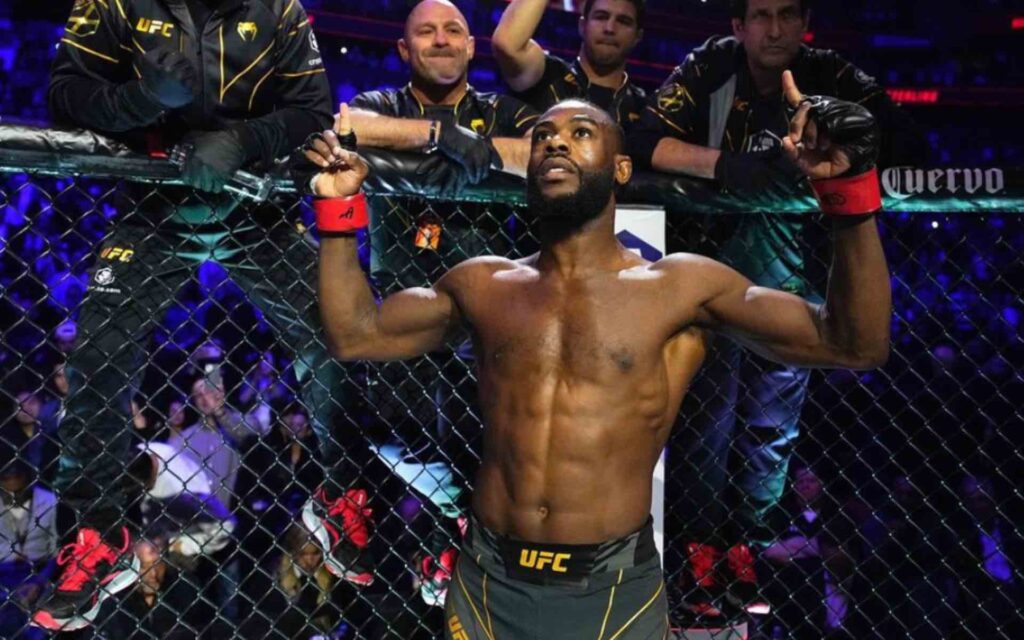
Who is the most dominant fighter of all time? We usually point to a perfect win-loss record, but that doesn’t tell the whole story. Imagine two undefeated champions: one scrapes by in nail-biting decisions, while the other is never in trouble for a single second. They both have a “W” next to their name, but common sense tells us they aren’t equally dominant. So, how can we truly measure a champion’s control? To get a clearer picture, we need a better way to analyze fighter performance stats. Let’s introduce the “Round Dominance” score. Think of it like a report card for every title fight a champion has ever had, showing what percentage of the time they were the better person in the ring. The formula is simple: we take the total number of rounds a champion won and divide it by the total number of rounds they fought. This simple metric reveals a fighter’s true consistency. For example, if a champion fought 20 total rounds and won 18 of them, their Round Dominance score is a staggering 90%. Unlike a final victory that might come after losing several early rounds, a high score proves who was consistently in control. This metric reveals the legends who didn’t just win—they ruled. The Leaderboard: The 5 Most Controlling Champions in Modern History Now for the moment of truth. We’ve established that a simple win-loss record doesn’t capture the full picture of dominance. To find the champions who controlled their fights most completely, we turn to the Round Dominance score—the percentage of total rounds a champion won during their title reigns. The results reveal a fascinating pattern: the kings of this list aren’t necessarily the explosive knockout artists. Instead, they are the methodical masters of control, the fighters who imposed their will so completely that they left their opponents with no path to victory, round after agonizing round. After analyzing the round-by-round data from dozens of title fights across modern boxing and MMA, a clear top tier emerged. These five champions represent the absolute pinnacle of in-fight control. The Round Dominance Leaderboard: 5. Demetrious Johnson (UFC) – 83.8% 4. Georges St-Pierre (UFC) – 84.1% 3. Roman Gonzalez (Boxing) – 86.5% 2. Floyd Mayweather Jr. (Boxing) – 87.2% Khabib Nurmagomedov (UFC) – 90.6% Starting our list are two of the most celebrated champions in UFC history, who achieved their status through strategic genius. Demetrious “Mighty Mouse” Johnson (#5) was the ultimate jack-of-all-trades. He was so skilled in every area of mixed martial arts—striking, wrestling, submissions—that his opponents had no weak point to attack. He simply outclassed them everywhere, methodically winning rounds and breaking the UFC record for most consecutive title defenses (11) along the way. Similarly, Georges St-Pierre (#4) was a master strategist who treated each fight like a puzzle. He would identify his opponent’s greatest strength and systematically dismantle it, making elite fighters look utterly average. In a testament to his timeless dominance, he returned from a four-year retirement to win a title in a heavier weight class, proving his formula for control was undeniable. The list’s two boxing representatives achieved their high scores through two very different, but equally suffocating, styles of pressure. Roman “Chocolatito” Gonzalez (#3), a champion in four different weight classes despite his small stature, was a whirlwind of offensive precision. He overwhelmed his opponents with a non-stop barrage of accurate punches, making it impossible for judges to score rounds against him. On the opposite end of the spectrum is Floyd Mayweather Jr. (#2), the defensive mastermind. His philosophy was simple: you can’t win a round if you can’t land a punch. Mayweather’s near-impenetrable defense frustrated a generation of the world’s best boxers, leading to one-sided fights where his opponents spent most of their time swinging at air. This is why many of his fights were labeled “boring”—his dominance was so absolute that it removed all drama. That brings us to the undisputed #1. With a staggering Round Dominance score of 90.6%, Khabib Nurmagomedov stands in a league of his own. His method was no secret; in fact, it was brutally simple. He would walk his opponent down, grab them, and drag them to the mat. Once there, his suffocating top control was so complete that his opponents were rendered helpless, often unable to land a single meaningful strike for the remainder of the round. They didn’t just lose rounds to Khabib—they had them taken away. The most astonishing fact about his career isn’t his perfect 29-0 record, but that across all of his UFC fights, official judges scored a grand total of just two rounds against him. It is a level of round-by-round control that we may never see again. Why Legends Like Ali and Tyson Don’t Make the Cut The absence of fighters like Muhammad Ali and Mike Tyson from the top of this list might seem like a mistake. How can any discussion of dominance exclude the man who “floated like a butterfly” or the one who became the youngest heavyweight champion in history? Their exclusion isn’t a slight against their legendary status; rather, it highlights the crucial difference between a fighter who seeks to win every single round and a fighter who is willing to lose a battle to win the war. Some of the most exciting and celebrated champions were risk-takers. Mike Tyson, for example, was the ultimate hunter of the early knockout. His entire strategy revolved around ending the fight in a terrifying burst of power. This “all-or-nothing” approach often worked, creating unforgettable highlights. However, if an opponent survived that initial storm, Tyson could find himself in later rounds where he was less prepared or effective, making him more likely to lose those rounds on the judges’ scorecards. His goal wasn’t to pile up points; it was to render the scorecards irrelevant. Perhaps the best example of this is Muhammad Ali’s most famous strategy: the “rope-a-dope.” In his historic “Rumble in the Jungle” fight against the fearsome George Foreman, Ali spent the early
Title Fight Truths: Do Champions Win Differently Than Contenders?
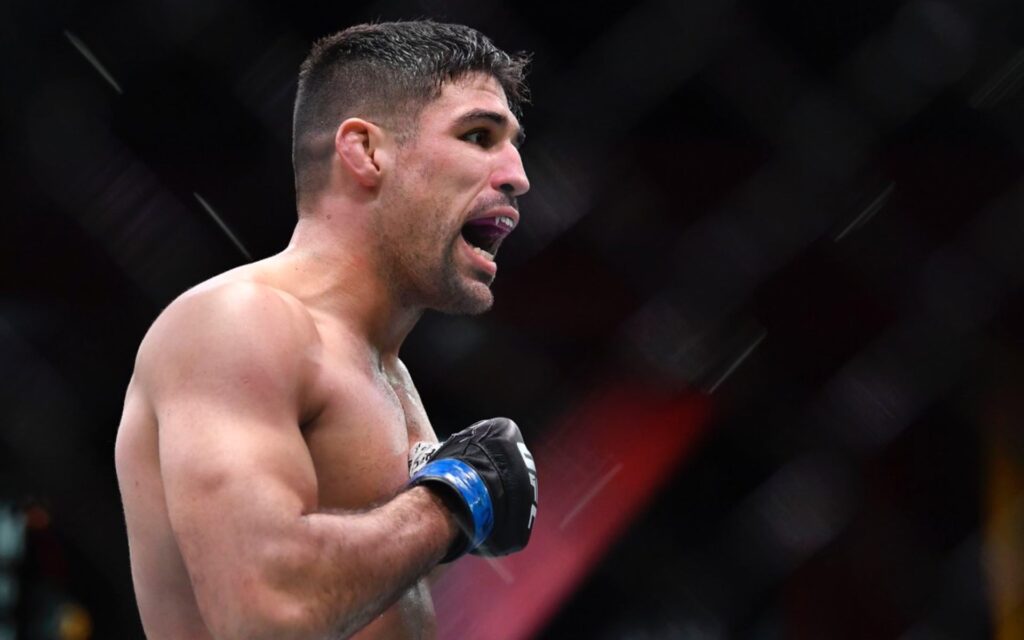
Have you ever watched a champion defend their belt and felt like something was… different? The fight might not have the same explosive chaos as their rise to the top, and you’re not imagining it. What can seem like a “boring” performance is often a masterclass in how to win when everything is on the line, built around one fundamental rule change. The single biggest difference is simple: most professional fights are a three-round sprint, but title fights are a five-round marathon. These extra ten minutes, known officially as the “championship rounds,” are a brutal test of a fighter’s gas tank. This is where pacing, not just power, determines who leaves with the belt. It completely changes a fighter’s strategy from the opening bell. For a perfect example, look at the first war between Kamaru Usman and Colby Covington. Both men set a punishing pace early on, but Usman’s champion-level energy management allowed him to take over late. He weathered the initial storm and found the finish in the fifth round, demonstrating classic championship rounds fighting tactics as his opponent’s incredible output finally faded. This strategic shift is the key to appreciating how fighters handle championship pressure. It explains why a challenger can look unstoppable for ten minutes yet still lose the war, and it will forever change how you make sports predictions for the next big title fight. The Champion’s Pace: Playing the Long Game vs. Burning Out Early With two extra “championship rounds” on the clock, a five-round fight becomes a marathon, not a sprint. A contender might have earned their title shot with explosive, all-out aggression, but a champion knows that same approach can leave them exhausted by the fourth round. Because of this, experienced champions often fight with a deliberate, almost surprisingly calm, pace. They understand that the fighter with more fuel in the tank for the final stretch usually gets their hand raised. Their goal isn’t just to win rounds, but to manage their energy reserves better than their opponent. One of the most visible ways they do this is by controlling the center of the ring or cage. Watch closely in the next title fight: you’ll often see the champion plant themselves in the middle, forcing the challenger to circle on the outside. This is a subtle but brilliant tactic often called ring generalship and fight control. By owning this prime real estate, the champion dictates the engagement and makes the challenger travel a longer distance, burning precious energy with every step. For the challenger, this is physically and mentally exhausting. Every movement feels inefficient as they are constantly being herded and cut off. While basic combat sports performance metrics like punch count might seem close, the champion is winning a hidden battle of efficiency. It’s a disciplined style that’s a world away from the spectacular risks many fighters take on their own path to becoming a champion. The champion forces their opponent to work twice as hard for half the reward. This careful, strategic pacing is about more than just avoiding fatigue. It’s a fundamental part of a larger defensive philosophy that separates the title holder from the hopeful. The champion isn’t just defending a physical attack; they’re defending an asset. This shifts their entire approach from one of pure aggression to one of calculated risk management. The CEO vs. The Gambler: How Champions Manage Risk Differently That shift in thinking—from attacker to protector—changes everything. Picture the champion as a CEO and the challenger as a high-stakes gambler. The challenger, with everything to gain, is willing to take huge risks for a massive payoff. They might throw a wild spinning kick or a risky power punch, hoping to land a single, life-changing shot. They are, in essence, going all-in. The champion, however, is the CEO protecting a billion-dollar company: the belt. For them, winning is important, but not losing is paramount. This creates a fascinating contrast between defensive fighting vs aggressive styles. Instead of gambling on a knockout, the champion plays the odds. They’ll often rely on a simple, effective jab or disciplined footwork to score points, minimize exposure, and systematically break their opponent down. This calculated approach is a masterclass in analyzing fight IQ and decision making; it may not always be flashy, but it’s ruthlessly effective. Ultimately, this difference in mindset is written in the very action of the fight. While champion vs challenger statistics can show us the raw data, you can see it just by watching their choices. The challenger is hunting for a moment, while the champion is managing the clock, the space, and the scorecards. By controlling the fight with a steady, low-risk strategy, the champion forces the challenger into a game they are often unequipped to play. This control isn’t just physical; it’s a direct appeal to the judges watching from cageside. What Is “Ring Generalship”? A Simple Guide to What Judges Are Watching The idea of a champion controlling the fight isn’t just a metaphor; it’s a key scoring criterion. Have you ever heard commentators say a fighter is “dictating the pace” or “owning the center”? This is what they mean. Think of the octagon like a patch of prime real estate. The fighter who plants themselves in the middle forces their opponent to constantly move and circle on the outside. The person in the center is the boss, making the other fighter react to them, burning more energy while their own back is safely away from the fence. This control directly translates to points on the scorecard. Judges see the fighter who is consistently marching forward as the more effective aggressor, even if they aren’t landing the flashiest punches. It’s a fundamental part of analyzing fight IQ; the champion is imposing their will without taking unnecessary risks. For a challenger, being constantly pushed backward is physically and mentally draining. It’s hard to launch a good attack when you’re always retreating. Mastering this single skill is a hallmark of dominant champions and a major