
The Most Dominant Champions Ever: A ‘Round Dominance’ Leaderboard
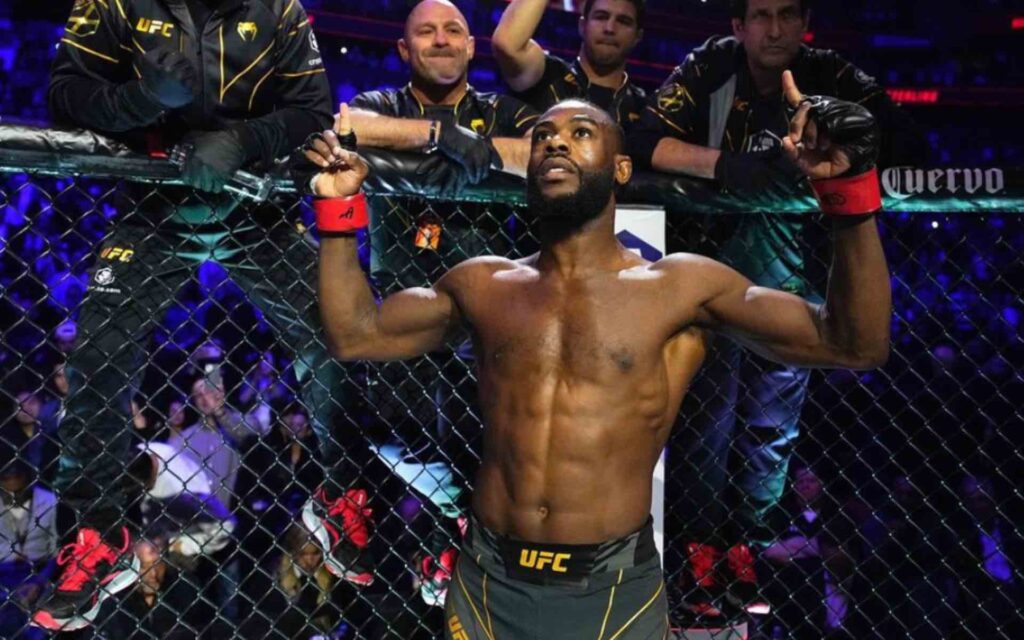
Who is the most dominant fighter of all time? We usually point to a perfect win-loss record, but that doesn’t tell the whole story. Imagine two undefeated champions: one scrapes by in nail-biting decisions, while the other is never in trouble for a single second. They both have a “W” next to their name, but common sense tells us they aren’t equally dominant. So, how can we truly measure a champion’s control? To get a clearer picture, we need a better way to analyze fighter performance stats. Let’s introduce the “Round Dominance” score. Think of it like a report card for every title fight a champion has ever had, showing what percentage of the time they were the better person in the ring. The formula is simple: we take the total number of rounds a champion won and divide it by the total number of rounds they fought. This simple metric reveals a fighter’s true consistency. For example, if a champion fought 20 total rounds and won 18 of them, their Round Dominance score is a staggering 90%. Unlike a final victory that might come after losing several early rounds, a high score proves who was consistently in control. This metric reveals the legends who didn’t just win—they ruled. The Leaderboard: The 5 Most Controlling Champions in Modern History Now for the moment of truth. We’ve established that a simple win-loss record doesn’t capture the full picture of dominance. To find the champions who controlled their fights most completely, we turn to the Round Dominance score—the percentage of total rounds a champion won during their title reigns. The results reveal a fascinating pattern: the kings of this list aren’t necessarily the explosive knockout artists. Instead, they are the methodical masters of control, the fighters who imposed their will so completely that they left their opponents with no path to victory, round after agonizing round. After analyzing the round-by-round data from dozens of title fights across modern boxing and MMA, a clear top tier emerged. These five champions represent the absolute pinnacle of in-fight control. The Round Dominance Leaderboard: 5. Demetrious Johnson (UFC) – 83.8% 4. Georges St-Pierre (UFC) – 84.1% 3. Roman Gonzalez (Boxing) – 86.5% 2. Floyd Mayweather Jr. (Boxing) – 87.2% Khabib Nurmagomedov (UFC) – 90.6% Starting our list are two of the most celebrated champions in UFC history, who achieved their status through strategic genius. Demetrious “Mighty Mouse” Johnson (#5) was the ultimate jack-of-all-trades. He was so skilled in every area of mixed martial arts—striking, wrestling, submissions—that his opponents had no weak point to attack. He simply outclassed them everywhere, methodically winning rounds and breaking the UFC record for most consecutive title defenses (11) along the way. Similarly, Georges St-Pierre (#4) was a master strategist who treated each fight like a puzzle. He would identify his opponent’s greatest strength and systematically dismantle it, making elite fighters look utterly average. In a testament to his timeless dominance, he returned from a four-year retirement to win a title in a heavier weight class, proving his formula for control was undeniable. The list’s two boxing representatives achieved their high scores through two very different, but equally suffocating, styles of pressure. Roman “Chocolatito” Gonzalez (#3), a champion in four different weight classes despite his small stature, was a whirlwind of offensive precision. He overwhelmed his opponents with a non-stop barrage of accurate punches, making it impossible for judges to score rounds against him. On the opposite end of the spectrum is Floyd Mayweather Jr. (#2), the defensive mastermind. His philosophy was simple: you can’t win a round if you can’t land a punch. Mayweather’s near-impenetrable defense frustrated a generation of the world’s best boxers, leading to one-sided fights where his opponents spent most of their time swinging at air. This is why many of his fights were labeled “boring”—his dominance was so absolute that it removed all drama. That brings us to the undisputed #1. With a staggering Round Dominance score of 90.6%, Khabib Nurmagomedov stands in a league of his own. His method was no secret; in fact, it was brutally simple. He would walk his opponent down, grab them, and drag them to the mat. Once there, his suffocating top control was so complete that his opponents were rendered helpless, often unable to land a single meaningful strike for the remainder of the round. They didn’t just lose rounds to Khabib—they had them taken away. The most astonishing fact about his career isn’t his perfect 29-0 record, but that across all of his UFC fights, official judges scored a grand total of just two rounds against him. It is a level of round-by-round control that we may never see again. Why Legends Like Ali and Tyson Don’t Make the Cut The absence of fighters like Muhammad Ali and Mike Tyson from the top of this list might seem like a mistake. How can any discussion of dominance exclude the man who “floated like a butterfly” or the one who became the youngest heavyweight champion in history? Their exclusion isn’t a slight against their legendary status; rather, it highlights the crucial difference between a fighter who seeks to win every single round and a fighter who is willing to lose a battle to win the war. Some of the most exciting and celebrated champions were risk-takers. Mike Tyson, for example, was the ultimate hunter of the early knockout. His entire strategy revolved around ending the fight in a terrifying burst of power. This “all-or-nothing” approach often worked, creating unforgettable highlights. However, if an opponent survived that initial storm, Tyson could find himself in later rounds where he was less prepared or effective, making him more likely to lose those rounds on the judges’ scorecards. His goal wasn’t to pile up points; it was to render the scorecards irrelevant. Perhaps the best example of this is Muhammad Ali’s most famous strategy: the “rope-a-dope.” In his historic “Rumble in the Jungle” fight against the fearsome George Foreman, Ali spent the early
Durability vs Defense Who Avoids Damage and Who Just Survives It

Think about two famous superheroes: the Hulk and Spider-Man. Who’s “tougher”? You probably have an instant answer, but what if I told you the question itself is flawed? The real difference between them isn’t about a vague idea of toughness, but two completely opposite philosophies of survival. One hero survives by being an unstoppable force, the other by being an unhittable object. Both are masters of staying alive, but they achieve it in fundamentally different ways. This is the core concept behind Durability vs. Defense. Durability is the Hulk’s specialty: the ability to take a devastating hit and keep going, usually thanks to a massive pool of health or heavy armor. In contrast, Defense is Spider-Man’s signature; his Spidey-Sense and acrobatics allow him to avoid the attack entirely. One is about enduring the damage, while the other is about preventing it from ever connecting. This fundamental split appears everywhere, especially in the video games we play. In practice, it’s the difference between the giant, heavily-armored warrior who confidently wades into a crowd of enemies and the nimble rogue who darts between the shadows. The warrior relies on durability to absorb punishment, while the rogue banks on defense to remain untouched. Each character’s approach to survivability defines their role and strategy on the battlefield. This distinction offers a new lens for analyzing the characters you love. This survivability guide isn’t about finding a “better” strategy, but about appreciating the clever design behind heroes in fiction and gaming. By learning what makes a character durable versus what makes them defensive, you’ll gain a deeper insight into the strategic choices that make them so compelling. What Is Durability? Meet the Unshakeable Brick Wall Imagine a brick wall in a storm. It doesn’t dodge the wind and rain; it just stands there, unmoving, built to withstand the punishment. That, in essence, is Durability. It’s the art of survival by simply being too tough to take down. This type of character is specifically built for soaking damage, acting as a living shield who wins not by being nimble, but by outlasting whatever their opponent throws at them. Their core philosophy is straightforward: “Hit me with your best shot. I can take it.” So, how do they pull this off? Durable characters typically rely on two key ingredients. The first is a massive pool of Health Points—that familiar life bar that just seems to go on forever. They can afford to take hits because they simply have more life to lose than anyone else. The second, and equally important, ingredient is Damage Reduction. Often coming from heavy armor or natural toughness, this ability lessens the power of every incoming attack. A blow that might instantly defeat a normal character becomes a survivable, if not minor, inconvenience. The perfect pop-culture example is the Incredible Hulk. He rarely bothers to dodge. Why would he? He can take a missile to the chest, shake it off, and keep fighting. His strategy is pure durability; he has so much health and his skin is so tough that almost no attack can put him down for good. But while the Hulk is an unshakeable wall, another kind of hero is like an untouchable ghost, and their approach to survival is entirely different. What Is Defense? Becoming the Untouchable Ghost If durability is about being a brick wall, then Defense is about being the untouchable ghost. It’s the art of survival through complete damage avoidance, built on the philosophy that the best way to take a punch is to not be there when it’s thrown. Think of a nimble fencer or a matador facing a charging bull. They don’t try to stop the danger with brute force; they gracefully step aside at the last possible second, letting the threat rush harmlessly past. For these characters, winning means never giving the opponent a clean shot. Rather than stacking up health points or wearing heavy armor, defensive heroes rely on speed, reflexes, and clever tricks. This is where strategies for avoiding damage in games, like a rogue’s dodge roll, a warrior’s perfectly timed parry, or a mage’s invisibility spell, come into play. The goal isn’t to simply reduce the damage taken—it’s to make the damage number zero. The core difference between damage mitigation vs avoidance is that a successful dodge negates an attack entirely. This offers a huge benefit, but carries a high risk; if an attack finally gets through, it often hurts a lot more. Spider-Man is the perfect champion of this style. Thanks to his Spidey-Sense and incredible agility, he weaves through laser blasts and dodges crushing blows that would instantly defeat him. He survives not by being tough enough to withstand an explosion, but by being fast enough to swing away before it happens. This sets up a critical question: when the stakes are high, is it better to be the unshakeable wall or the untouchable ghost? As you’ll see, the answer completely depends on the kind of trouble you’re in. The Durable Character’s Toolkit: More Health and Thicker Armor So, what exactly makes that “unshakeable wall” so sturdy? While we often just call these characters “tanks,” durability isn’t a single feature. Instead, it’s usually a combination of two key tools: a massive health pool and strong damage reduction. Think of it like a bucket in a rainstorm. You can either use a giant bucket that takes a long time to fill (high health), or you can use a smaller bucket with a lid that only lets a trickle of water through (damage reduction, like armor). Both approaches keep you from overflowing, but they feel very different in practice. This difference reveals how designers create distinct types of durable heroes. It often comes down to a choice between high defense vs high vitality stats, resulting in two classic archetypes: The Health Sponge: This character is a giant sack of health points. They are designed to soak up enormous amounts of punishment and just keep standing. A great example is Roadhog
Clutch Factor: Who Performs Best in Round 3 / Round 5?
We’ve all felt it. The sweaty palms before a big presentation, the racing heart during a final exam, or the knot in your stomach when everything is on the line. It’s pressure. In the world of sports, we give this feeling a special name: the “clutch” moment. For decades, fans have debated which athletes have that magical “clutch gene,” the unteachable quality that lets them shine when the lights are brightest. But what if it isn’t magic at all? What if the ability to perform under pressure is a measurable skill? A growing body of analysis shows that some athletes don’t just withstand the pressure of the final rounds; they actually get better because of it. Their accuracy improves, their decisions get sharper, and their energy seems to rise just as their opponent’s begins to fade. They don’t just survive the championship rounds—they weaponize them. This isn’t just about being a great fighter who is tough to beat. It’s about understanding the specific clutch factor that separates the good from the legendary. We’re talking about the fighters who seem to find another gear in Round 3 of a grueling war or who look fresher than their opponent in Round 5 with a title at stake. This ability is a potent combination of elite physical conditioning, clever energy management, and unshakable mental strategy. What “Clutch” Really Means (And Why It’s Not Just About Being Great) We often confuse being “great” with being “clutch,” but they aren’t the same thing. Consider this analogy: one employee is a star performer who consistently delivers high-quality work every day. Another employee is reliable, but during a make-or-break company crisis, they find an extra gear and produce their most brilliant work. The first is great; the second is clutch. In sports, some athletes are simply dominant all the time, while others have a special ability to elevate their game precisely when the pressure is at its peak. To analyze fighter performance fairly, experts first establish a baseline performance. This is just a fancy term for an athlete’s average, everyday output. By looking at their typical numbers in the early, lower-stakes rounds of a competition—their average scoring, their usual accuracy, their normal pace—we get a clear picture of how they perform under normal circumstances. This baseline is the yardstick against which we can measure their performance in the moments that truly count. A truly clutch performance is visible as a performance uplift—a tangible and often significant boost above that established baseline. It answers the key question: when the championship was on the line, did their numbers get better, worse, or stay the same? A fighter who elevates their accuracy or a golfer who sinks more long putts in the final round isn’t just surviving the pressure; they are thriving on it. This measurable increase is the real-world evidence of the “clutch factor” in action. Why Championship Rounds Are the Ultimate Proving Ground Most fights are a three-round sprint. Championship contests, however, are a five-round marathon designed to push athletes past their limits. In the early rounds, adrenaline is high and muscles are fresh. But as a fight enters the fourth and fifth rounds—often called the “championship rounds”—that initial explosive energy is gone. This is the point where a fighter’s gas tank starts running on fumes, and every movement becomes a battle of will. The physical exhaustion is immense, separating those with good conditioning from those with a truly elite engine. But the physical drain is only half the story. An exhausted body sends desperate signals to an exhausted brain. The sharp, tactical thinking required in the first round becomes foggy and slow. A fighter who could once see openings in a split-second now struggles to react, often reverting to pure instinct. It’s like trying to play high-speed chess after running a 10k race; the mental processing power simply isn’t there for most people. This is where well-drilled habits and mental toughness become more important than raw athleticism. This brutal combination of physical depletion and mental fatigue is what insiders call “the deep waters.” It’s an environment where fighters can metaphorically drown. Any fighter can look like a world-beater for ten minutes, but a true champion proves their quality when they’re pulled into this punishing late-round environment. Maintaining technique, executing a game plan, and finding that performance uplift when every cell in your body is screaming “quit” is what separates contenders from legends. This is the ultimate test, and only the best pass it. The Engine Room: What Separates Good Cardio from Elite Stamina? Every fighter has a gas tank, but it’s helpful to think of it as having two different kinds of fuel. First, there’s the high-octane, explosive energy for sudden bursts—your “sprint fuel.” This powers a flurry of punches or a desperate takedown attempt, but it burns out fast. Then you have a much larger, slow-burning reserve for steady output—your “marathon fuel.” Good cardio simply means having a big marathon tank. Elite stamina, however, is the art of managing both. Fighters with legendary stamina, like Max Holloway or the Diaz brothers, weaponize this concept. Their strategy isn’t just to outlast an opponent; it’s to force them to burn through their limited “sprint fuel” over and over again. By setting a relentless pace with constant pressure, they push opponents into oxygen debt, making them drain their emergency tank on simple movements. While the opponent is gasping for air and running on fumes, these cardio machines are still humming along on their deep, efficient engine. Ever seen a fighter look completely exhausted in one round, only to come out looking bizarrely fresh in the next? That’s the famous “second wind,” and it’s not a myth. It’s often the moment the body successfully transitions from burning that inefficient sprint fuel to tapping into its deeper, more sustainable marathon reserves. It is a genuine physiological gear-shift that allows an athlete to find a new level of performance. But when that shift fails and both tanks hit zero, the result
The Greatest Comebacks in MMA: A Data-Backed Top 25 (Not Just Vibes)
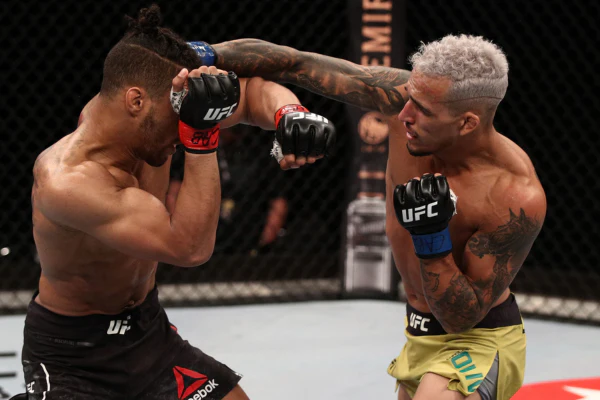
Ever watch a fight where one person seems to be winning easily, only for an announcer to say they’re “losing on the scorecards”? Understanding MMA’s most incredible comebacks starts with that puzzle. The answer lies in the 10-Point Must System, where each round is scored like a mini-game. The winner of the round gets 10 points, the loser gets 9. This means a fighter can absorb huge damage in one round but still be winning the fight on paper, creating the perfect setup for a dramatic turn of events. Of course, scorecards don’t capture the physical reality of a fight. That’s why our statistical analysis also focuses on “significant strikes.” Think of these as the power shots—the punches, kicks, and elbows thrown with the clear intention of doing damage. This metric separates fight-altering blows from the lighter, tactical shots used just to test distance. It helps us measure exactly how much trouble a fighter was really in before they mounted their rally. To build this definitive ranking, our model combines these factors to calculate a single “Win Probability” before the comeback happened. This score is based on three key ingredients: Official Scorecards (Who the judges thought was winning) Damage & Control (Who was physically dominating via strikes) The Clock (How much time was left to turn it around) The result is a simple percentage—a fighter’s statistical chance of winning from that exact moment. The most legendary comebacks are the ones that started with the lowest probability of success. The Spark of Hope: Fights #25-16 That Defied the Momentum In mixed martial arts, momentum is a tidal wave you can see and feel. One fighter pours on the pressure, landing shot after shot, while the other covers up, looking for a moment—any moment—to breathe. We can even measure this wave with data: a fighter who is being out-landed by a 5-to-1 ratio in significant strikes has an overwhelmingly low probability of winning. The numbers, the commentators, and your own eyes all tell you the same thing: this fight is over. But the fights ranked #25 through #16 on our list are famous for one reason: they prove that the wave can break in a single, stunning instant. This is the essence of the “puncher’s chance.” It’s the sport’s most thrilling variable—the idea that no matter how badly you are losing on paper, you are always one clean shot away from victory. It’s the ultimate equalizer. While the other fighter is busy winning minutes and racking up points, the one with the puncher’s chance is looking for a single moment to win the fight. These turnarounds aren’t just improbable; they are statistical miracles that remind us why a fight is never truly over until the end. A classic example of this is the legendary clash between Cheick Kongo and Pat Barry. After being knocked down twice and nearly finished, Kongo landed a single devastating punch to win. His victory showcased the ultimate “puncher’s chance” in action, proving that as long as a fighter is still standing, they have a path to victory. The fighters in this part of our countdown all share that same incredible story. They survived an onslaught, weathered a storm that would have finished almost anyone else, and found their one shot to erase a massive statistical deficit. But what happens when that one perfect punch never lands? Sometimes, a comeback isn’t a flash of lightning but a slow, grinding battle to steal victory from the judges’ hands. That’s where we’re headed next. Stealing Victory from the Jaws of Decision: Fights #15-6 While a stunning, one-punch knockout can erase a bad night in an instant, some of the most dramatic comebacks are born from a slower, more desperate kind of pressure. This is the terror of the clock and the scorecards. As you now know, a fight is scored round-by-round using the 10-Point Must System. Because of this, a fighter can enter the final round knowing, with mathematical certainty, that they are too far behind to win a decision. Their only path to victory is a finish. This creates one of the most suspenseful situations in sports: the “do or die” final round. Imagine a fighter’s corner telling them, “You’ve lost three of the first four rounds. You need to knock him out or submit him to win.” Even if they go out and completely dominate that final five minutes, winning the round 10-9, the final tally would still be a loss on the judges’ scorecards. The opponent who was ahead simply needs to survive, to run out the clock, while our hero has to sell out completely for the finish. The pressure of this ticking clock fundamentally changes how a fighter behaves. Calculated defense is often thrown out the window in favor of wild, risky attacks. They might abandon a safe game plan that was losing them the minutes in a desperate gamble to win the fight in a single moment. You can see this shift in their body language and strategy—they start chasing their opponent, throwing every strike with fight-ending power, because anything less than a finish is the same as a loss. A perfect picture of this desperation is Miesha Tate’s incredible title-winning performance against Holly Holm. For over four rounds, Holm used brilliant footwork and striking to build a commanding lead on the scorecards. Entering the final round, Tate knew she needed a miracle. With just over 90 seconds left in the fight, she got Holm to the ground, took her back, and locked in a rear-naked choke—a powerful submission where a fighter uses their arms to squeeze the neck and cut off blood flow to the brain, forcing a rapid tap-out or unconsciousness. Holm refused to tap and was choked unconscious, giving Tate the last-gasp victory. The fighters ranked #15 through #6 on our list all share this narrative. They were out-maneuvered, out-pointed, and staring down the barrel of a clear-cut loss. Yet, they found a way to force a finish when it
Best 3-Round Fights in Combat Sports History — Ranked with a Repeatable System
Ever argue with a friend over which fight was really the greatest? One person shouts “action!” while another screams “comeback!” It feels impossible to settle. But what if it wasn’t? What if there was a system—a scorecard for greatness—that could help us rank the most legendary three-round wars in combat sports history? We built one, and it will change the way you watch fights forever. A great three-round fight can feel like pure, beautiful chaos. For 15 minutes, two athletes leave everything on the line in a whirlwind of motion that can be thrilling but hard to follow. It’s easy to see the knockout punch, but what about the strategic battle that led to it? Learning to see the story inside the storm is what separates a casual viewer from a true fan. This guide gives you the tools to do just that, moving beyond simple highlights to understand the art of the fight. To bring order to the chaos, we developed a simple fight rating system based on four key pillars. Instead of just saying a fight was “good,” you can pinpoint exactly why. We score each bout from 1 to 10 in every category, giving us a clear, objective total. Our system judges every fight on these four core metrics: Pace & Action: Was the fight non-stop from bell to bell? Did the fighters constantly engage, or were there long lulls in the action? Damage: How close did each fighter come to being finished? Were there knockdowns, deep cuts, or moments where one person was clearly wobbled and fighting on pure instinct? Drama & Storyline: Did the fight have wild momentum swings? Was there a shocking comeback from the brink of defeat, or a last-second surge that changed the outcome? Technical Display: Beyond the brawl, was there high-level skill on display? Did we see slick defense, creative combinations, or masterful grappling, even amidst the chaos? Pace is the difference between a 100-meter sprint and a marathon; the best three-rounders are all-out sprints. The frantic nature of 3 round vs 5 round fight pacing means fighters have less time to conserve energy. Damage is like a character’s health bar in a video game—the lower it gets, the more exciting the stakes. Drama is the plot twist in a great movie, that moment that makes you jump out of your seat. Finally, Technical Display is appreciating a master chef’s knife skills, not just how the final meal tastes. It’s the subtle genius hiding in plain sight. Putting the System to the Test: An All-Time Classic Deconstructed There is no better test subject for our scoring system than the legendary 2013 UFC title fight between Gilbert Melendez and Diego Sanchez. This bout is the perfect laboratory for our framework because it’s not just a fight; it’s a 15-minute story of unbelievable action and heart, making it a cornerstone for any list of must-watch UFC fights. From the opening bell, the Pace (10/10) was blistering. Both men charged to the center of the cage and simply refused to back down, creating a tornado of offense that never let up. This wasn’t a cautious “feeling out” process; it was a full-sprint marathon. The Damage (9/10) was just as obvious. Melendez’s sharp boxing quickly opened a massive cut over Sanchez’s eye, a wound so severe the fight was nearly stopped. Yet, Sanchez kept marching forward, landing his own heavy shots that visibly stunned the champion. Both men were pushed to the brink of being finished. What elevates this from a simple brawl to one of the all-time combat sports wars is the Drama (10/10). After absorbing a beating for two and a half rounds, a blood-soaked Sanchez did the unthinkable. He roared back in the final minutes, unleashing a desperate uppercut that dropped Melendez to the canvas, nearly securing one of the most shocking comebacks in history. While some might not see it as a technical masterpiece, the Technical Display (8/10) score comes from the sheer skill of survival, the iron chins on display, and the world-class conditioning required to maintain that pace. When you add it all up, Melendez vs. Sanchez becomes our benchmark for greatness—a fight that scores near-perfectly across the board. It is the yardstick against which all other memorable three-round classics will be measured. With that standard set, our countdown officially begins. The Ranked List: #3 – The Veteran vs. The Phenom Every so often, a fight comes along that feels like a movie script brought to life. In 2016, a respected veteran, Cub Swanson, was tasked with facing a terrifying young knockout artist named Doo Ho Choi. Known as the “Korean Superboy,” Choi had finished all his prior UFC opponents in the first round, and the hype suggested Swanson was simply the next name on his list. What followed was not the coronation of a new star, but a 15-minute battle of wills that became an instant classic and one of the best 3-round UFC fights ever witnessed. The brilliance of this bout was its perfect marriage of chaotic action and high-level skill. The Pace (10/10) was breathtaking, as both men threw everything they had from the opening seconds. Instead of crumbling under Choi’s power, Swanson met him head-on with a wildly creative and unpredictable striking attack. This wasn’t just a slugfest; it was a masterclass in offensive variety, the kind of performance that routinely earns fighters performance bonuses. The Technical Display (9/10) was found in Swanson’s unorthodox movement and Choi’s crisp, powerful boxing, creating a violent dance that never slowed down. But what truly rocketed this fight into the hall of fame was the unbelievable Drama (10/10). Early in the second round, Choi rocked Swanson badly, and it looked like the fight was moments from being over. This is where the story turned. Swanson, refusing to be a stepping stone, weathered the storm and began roaring back, stunning the seemingly invincible phenom with his own heavy shots. The momentum swung back and forth in a dizzying display
Best Five-Round Fights Ever: A Comprehensive Ranking Using Round Quality Scores
What makes a fight truly unforgettable? It’s rarely the ten-second knockout. The moments that stick with us are the stories told over 25 minutes—the sight of a fighter, battered and exhausted, digging deep to find something that even they didn’t know they had. We’ve all seen fights that left us breathless, the kind where both competitors leave a piece of themselves in the cage. The problem is, debating the “best fight ever” is like arguing over the best movie; everyone’s answer is personal and shaped by emotion. How do you definitively rank a feeling? When one person values a technical chess match and another prefers an all-out brawl, declaring a single winner seems impossible. The discussion of what makes a great fight almost always ends in a stalemate of opinions. But what if we could measure it? To move past opinion, we developed a system called the “Round Quality Score.” Think of it as an excitement meter for every five-minute period of a fight. This score gives points for the things that make us jump out of our seats: dramatic momentum swings, near-finishes that have us holding our breath, and relentless, back-and-forth action. By applying this objective MMA fight scoring to every round, we can finally see which contests delivered the most consistent, high-stakes drama from start to finish. This isn’t just another list. It’s a data-backed look at the best five-round fights ever, proving why these legendary wars earned their place in history. Why the ‘Championship Rounds’ Forge Legends Not all fights are created equal, and the biggest difference isn’t always the fighters—it’s the clock. While most bouts are three-round contests (15 minutes), the most important ones—championship clashes and main events—are scheduled for five full rounds. That extra ten minutes of combat is what separates a tough test from the ultimate examination of a fighter, creating a completely different kind of athletic and psychological challenge. Those final two rounds are so revered they have their own name: the “championship rounds.” Think of it like this: a skilled athlete can look fantastic for 15 minutes, but can they still perform when they’re battered, bruised, and completely drained of energy? The fourth and fifth rounds test more than technique; they test a fighter’s will to continue when every part of their body is screaming to quit, pushing them far beyond their normal limits. It’s in these grueling, late-fight moments that a fighter’s true character is forged in front of millions. A comeback victory, a last-ditch effort, or simply the sight of two exhausted warriors refusing to back down—this is the essence of a five-round classic. This incredible, unscripted drama is precisely what makes a fight legendary, but it also begs the question: how do you measure heart? How We Score the Drama: Explaining the ‘Round Quality Score’ While you can’t put a number on a fighter’s heart, you can absolutely measure the action that reveals it. To move beyond simple opinion and create a definitive ranking, we developed a system we call the “Round Quality Score” (RQS). This score has one job: to rate how much drama and excitement were packed into each five-minute round, completely separate from who the judges thought won it. Our system focuses on three simple ingredients that make any round unforgettable. When you’re watching, look for these key elements: Back-and-Forth Action: Was it competitive? A high-quality round isn’t one-sided; it features both fighters landing meaningful offense. Big Moments: Were there fight-altering events, like a knockdown, a visible injury, or a submission attempt that almost ended the fight? Momentum Swings: Did the tide of the battle turn? A round where one fighter is in trouble and then roars back to life scores very highly. A round that scores well on our meter is one where you can’t look away. It’s the constant tension, the feeling that the fight could end at any second, or the sight of two athletes pushing past exhaustion to trade blows in the final seconds. By adding up the RQS for all five rounds, we get a total “Fight Quality Score.” This is how we ranked our list—the higher the total score, the more relentless the action. With that in mind, let’s dive into our first classic. #5: The Fight That Built a Sport — Forrest Griffin vs. Stephan Bonnar I Before 2005, the UFC was a niche sport struggling for mainstream acceptance. The company bet everything on a reality show, The Ultimate Fighter (TUF), where aspiring fighters lived and trained together, competing for a UFC contract. This fight was the show’s grand finale, broadcast live on cable television, and it carried the weight of the entire sport on its shoulders. It needed to be good; what it became was legendary. What unfolded over three rounds wasn’t a technical masterpiece. It was something far more raw and relatable: a pure display of heart. For fifteen minutes, Forrest Griffin and Stephan Bonnar stood in the center of the octagon and simply refused to lose. Battered, exhausted, and barely able to stand, they continued to trade punches with everything they had left. Viewers were so captivated that they reportedly began calling their friends, telling them to tune in immediately. The impact was seismic and immediate. That single fight is widely credited with launching the UFC into the global phenomenon it is today, creating a massive new wave of fans overnight. It was so important that it became the first contest ever inducted into the UFC Hall of Fame’s “Fight Wing,” cementing its place as one of the all-time classic UFC main events. It proved that a fight’s story could be just as compelling as a knockout. While its historical significance is unmatched, the sheer, round-for-round drama of the fights higher on our list earned them a slightly greater Fight Quality Score. From the scrappy brawl that saved a company, we now turn to a war between two literal giants. #4: A Heavyweight War for the Ages — Mark Hunt vs. Antônio ‘Bigfoot’ Silva I
Fight of the Year, Quantified: A ‘Chaos Rating’ to Rank the Craziest Fights Ever
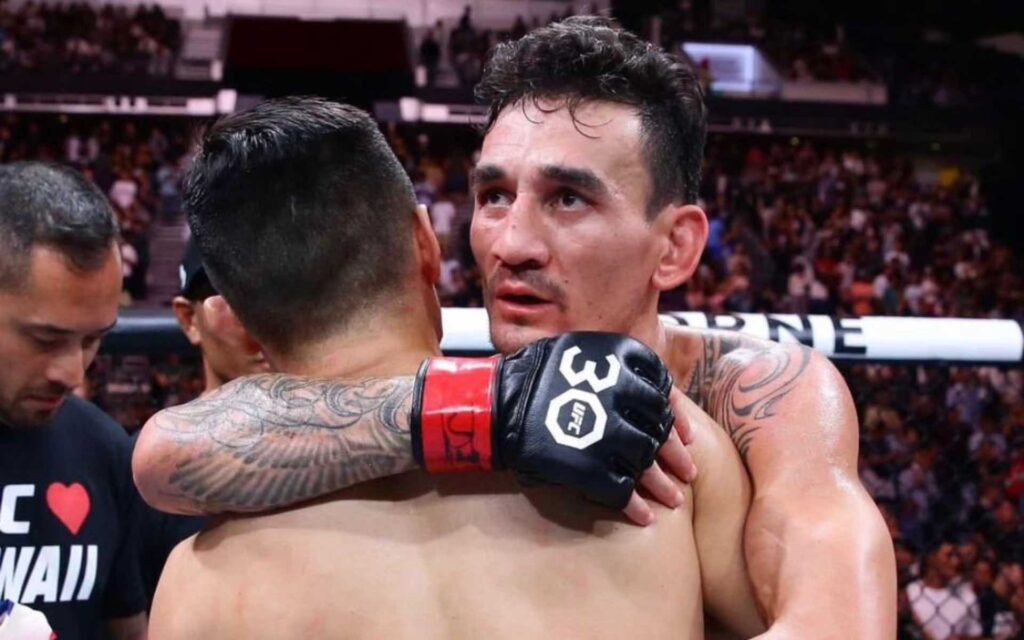
We’ve all been there. The day after a wild pay-per-view, you’re arguing with your friends: “That was the craziest fight I’ve ever seen!” Someone else scoffs, “No way, it wasn’t as insane as Robbie Lawler versus Rory MacDonald.” The debate rages, fueled by passion and memory, but never truly settled. What if you could end the argument with a single number? The truth is, our gut feelings about the “Fight of the Year” are a powerful but unreliable guide. Was that third round really as back-and-forth as we remember, or did the adrenaline just make it feel that way? To find a real answer, we developed the “Chaos Rating”—think of it as a Richter scale for fights, designed to measure the total pandemonium inside the cage on a simple scale. This isn’t about complicated math; it’s about a simple recipe for craziness. Our system analyzes the key ingredients that make any ultimate showdown unforgettable: brutal knockdowns that swing momentum, a furious pace from bell to bell, dramatic comeback factors, and a high finish rate. The more a fight has of these elements, the higher its Chaos Rating. Here, we pull back the curtain on the Chaos Rating system, showing you exactly how to measure fight excitement. We’ll then reveal what the data says are the Top 10 most chaotic fights of all time, giving you a brand-new weapon for your next great fight debate. What Is a ‘Chaos Rating’? Your New Recipe for Measuring Fight Insanity So, how do you actually measure something as wild and unpredictable as a chaotic fight? You can’t just point a ‘chaos-meter’ at the screen. Instead, we approached it like a recipe. We broke down that gut feeling of “that was insane!” into its core components—the specific, measurable events that make a fight feel like a roller coaster. This data-driven fight rating system turns subjective drama into objective data. After analyzing hundreds of bouts, we landed on four key ingredients for chaos. A truly legendary brawl needs a potent mix of these elements: Sheer Damage: The most obvious factor. This includes knockdowns, knockouts, and moments where a fighter is visibly rocked. Relentless Pace: The sheer volume of action. A fight with non-stop offense and high output scores much higher than a slow, strategic affair. Momentum Swings: The “roller coaster effect.” This is when one fighter is dominating, only for the tables to turn dramatically. The Comeback Factor: A special ingredient for when a fighter on the brink of defeat pulls off an incredible, odds-defying win. This approach helps us answer a key question: why isn’t a 15-second knockout the most chaotic fight ever? While incredibly violent, a quick finish lacks pace, momentum swings, and any chance for a comeback. It’s a sudden firework, not a raging forest fire. Our ranking system for the best boxing matches and MMA fights is designed to reward sustained insanity, not just a single, explosive moment. By carefully blending these four ingredients, we can finally calculate the Chaos Rating. Each element is weighted based on its impact, turning the complex story of a fight into a single, simple score. The first and most powerful ingredient on our list is pure damage. Ingredient #1: Measuring Pure Damage—Why Knockdowns Are King Of all the ingredients in our chaos recipe, pure damage is the most explosive. But not all damage is created equal. A fighter might land hundreds of jabs over 25 minutes, but are those moments as chaotic as a single, thunderous punch that sends their opponent crashing to the mat? Our system’s answer is a definitive “no,” directly addressing the importance of significant strikes vs knockdowns. While volume matters for pace, fight-altering impact is what truly cranks up the Chaos Rating. In our objective combat sports analysis, knockdowns are king. Think of it this way: a high volume of punches is like heavy rain, but a knockdown is a lightning strike. It is a singular, undeniable event that completely changes the landscape of the fight, threatening an immediate finish. Because it represents the closest a fighter can get to ending the bout without actually doing so, a knockdown carries more weight in our recipe than any other single action. Each time a fighter hits the canvas, the Chaos Rating skyrockets. Beyond knockdowns, the way a fight ends is the ultimate measure of damage. A clean knockout is the grand finale, adding a massive boost to the final score. A TKO, where the referee steps in to save a fighter, scores slightly less but still represents overwhelming force. Even a submission, while often a display of technique, gets points for forcing a physical surrender under duress. But damage alone doesn’t make for a legendary war. For that, you need a relentless, back-and-forth tempo. Ingredient #2: The ‘Action Movie’ Factor—How Pace Defines a War While knockdowns are the lightning strikes, a fight’s pace is the raging storm around them. So, how do you measure the sheer volume of action? We created a simple metric called Combined Significant Strikes Per Minute (SPM). By adding both fighters’ significant strikes in a round and dividing by five minutes, we get a number that represents the fight’s intensity. Think of it as the engine of chaos; some fights hum along at a steady pace, while the most exciting fight rounds ever are redlining from the opening bell. A high SPM score means neither fighter is taking a second to breathe. After analyzing thousands of bouts, our fight pace and momentum analytics revealed a clear benchmark for insanity. While a typical fight might see 8 to 10 combined significant strikes per minute, the truly legendary wars consistently break the 15 SPM barrier. At this rate, fighters are exchanging meaningful blows every four seconds. This relentless pressure creates a constant sense of danger, where a fight-ending moment feels possible at any instant. It’s the statistical difference between a cautious chess match and an all-out bar fight captured on live television. This frantic output provides a crucial baseline for
The Great Rematch Problem: Do Rematches Usually Flip the Result? A Data Review
It’s a story we know by heart. A team suffers a humbling defeat during the regular season, only to meet that same rival months later in the playoffs. Immediately, the commentators build the narrative: this is about revenge, about proving the first game was a fluke. We all lean in, assuming the team that lost before now holds a powerful psychological edge. But what if that compelling story isn’t the whole story? The “revenge factor” makes for great television, but it often crumbles under scrutiny. When the underdog wins the rematch, we credit their hunger and motivation. Yet this explanation conveniently ignores a critical question: didn’t the winning team also learn from the first game? The psychology of sports rematches isn’t a one-way street; both sides are adjusting, strategizing, and preparing with equal intensity. Attributing an upset solely to the loser’s desire for payback is a simple answer to a complex situation. Likewise, the flip-side narrative—that the previous winner got complacent—is just as flimsy. Professional athletes and high-level political candidates rarely reach the top by taking their competition lightly, especially when the stakes are highest. These simple, character-based explanations feel right, but they fail to account for the sheer frequency of these so-called upsets across different sports and contests. While a team’s mindset certainly plays a role, it doesn’t fully explain the surprisingly common underdog effect in rematches. The data reveals a more predictable and powerful pattern at work, one that has less to do with emotion and more to do with the fundamental nature of performance itself. To solve the great rematch problem, we have to look beyond the headlines and discover the hidden force that consistently pulls outliers back to reality. The Unseen Player on the Field: How Much Does Pure Luck Decide a Game? We love to credit a brilliant quarterback or a clutch shooter for a win. And skill is, without a doubt, the main ingredient. But what about the tipped pass that falls perfectly for an interception, or the shot that rattles around the rim and drops in instead of out? Every game is filled with these small, random events. This unseen player—pure luck—often has a much bigger say in the final score than we like to admit, influencing everything from single plays to overall team performance metrics. Think of an exceptional performance not as a new level of skill, but as great skill plus a healthy dose of good fortune. When a team wins by an unusually large margin, they were likely playing well and catching all the breaks. If you flip a coin and get heads three times in a row, you don’t assume the coin is broken. Yet after one blowout win, we’re quick to declare a team an unstoppable force, forgetting that we’re judging them on a tiny, and likely lucky, sample of their ability. This tendency to mistake a hot streak for a permanent state of dominance is a fundamental error in competitive analysis. It’s the reason our gut feeling about a rematch is so often wrong. The winner’s exceptional luck is hard to repeat, while the loser’s bad luck probably won’t strike twice. This powerful effect isn’t just about sports; it’s a universal pattern, something we can understand perfectly with the help of The Tall Parent Principle. The Tall Parent Principle: The Simple Secret That Explains Almost Everything This universal pattern is best understood through what we can call “The Tall Parent Principle.” Think about the children of exceptionally tall parents, like a seven-foot-tall basketball star. While their kids are likely to be tall as well, data shows they usually end up being a little shorter than their record-breaking parent. Their height doesn’t keep getting more extreme with each generation; instead, it drifts back, or regresses, toward a more common (though still tall) height. It’s a natural settling process that happens everywhere. Statisticians have a formal name for this: regression to the mean. It sounds complicated, but it’s just a label for that predictable drift back to average. The key insight from this statistical analysis is that an extreme outcome—like extraordinary height or a blowout victory—is almost always a mix of a core quality and a dose of good luck. A person’s height isn’t just genetics; it’s also a random combination of developmental factors. The seven-foot parent had both tall genes and a lucky roll of the developmental dice. While they pass on the genes, they can’t pass on the luck. This is precisely what happens in a sports rematch. The team that won the first game with a stunning 30-point lead had great skill, but also an exceptional run of good fortune. In the next game, their skill remains, but their luck is likely to be more average. Their performance regresses toward their normal mean. This pull-back effect dramatically changes the odds, and as we’ll see, it’s the hidden engine behind more surprising comebacks than we’d ever expect. How the ‘Tall Parent Principle’ Guarantees More Comebacks Applying the Tall Parent Principle to the sports world reveals why comebacks are so common. Think of a team that wins a championship game by an astonishing margin. That blowout victory is their “seven-foot-tall” performance. It wasn’t just a display of their core skill; it was their skill amplified by a healthy dose of good fortune—every pass connected, every shot fell, and every bounce went their way. While their skill remains for the rematch, that perfect storm of luck is statistically unlikely to happen again. Their performance is primed to regress, or drift back, toward their normal, less spectacular average. On the flip side, consider the team that suffered that crushing defeat. Their performance was also an outlier, but in the opposite direction. They likely experienced a string of bad luck on top of being outplayed—a star player having an off night, a few uncharacteristic mistakes, or a bad call at a critical moment. In the rematch, their underlying skill is still there, but that run of terrible luck is also
The ‘Score More Than You Think’ Skills: Which Positions Generate the Most Judge-Friendly Output?

Ever have one of those weeks? You answered a hundred emails, put out five fires, and kept a dozen projects from derailing. You were the glue holding everything together. But when your boss gives a team-wide ‘thank you’ on Friday, it’s for the person who launched that one shiny, new thing. If you’ve ever felt invisible despite being incredibly busy, the problem isn’t you—it’s that not all work is created equal. This frustrating experience isn’t about favoritism or your boss failing to notice your effort. In practice, some tasks are simply more “judge-friendly”—easier for a manager, client, or promotion committee to see and measure. Creating something new is a single, visible event that’s easy to applaud. Preventing problems, by contrast, is essential for success but rarely makes the highlight reel because a disaster that didn’t happen is invisible. The key to navigating this is understanding the two types of work that exist in every job. Think of it like a kitchen: “generative” work is cooking a new meal, while “maintenance” work is washing the dishes. Both are critical, but one naturally gets more attention. Many of us spend our days demonstrating value in a support role—metaphorically washing dishes—and wondering why the chefs get all the credit. The great news is that you don’t need to switch jobs to get noticed. Making your work output more visible is a learnable skill, and it’s one of the most crucial performance review success factors. You can learn to translate your essential work into recognized accomplishments, ensuring you finally get credit for the full value you bring. The Kitchen Analogy: Are You Cooking the Meal or Just Washing the Dishes? To understand why some busy people get overlooked, let’s step into a bustling restaurant kitchen. Two roles are critical: the chef and the dishwasher. The chef creates a brand-new, delicious meal—something tangible that customers see, taste, and praise. The dishwasher works tirelessly in the background, cleaning plates and keeping the whole operation from grinding to a halt. Without the dishwasher, the kitchen descends into chaos. Yet, who gets the applause from the dining room? The chef. This same dynamic plays out in every workplace. We can call the chef’s work Generative Work—it creates something new. Think of launching a product, writing a report for a client, or closing a sale. In contrast, the dishwasher’s work is Maintenance Work. It keeps things running smoothly: answering internal emails, fixing small bugs, organizing files, or updating spreadsheets. Both are absolutely essential, but only one produces a visible, new result that is easy for others to spot and celebrate. The key difference isn’t importance; it’s visibility. Generative work creates quantifiable achievements you can point to, making it much easier to demonstrate your value in a results-oriented work environment. Maintenance work, while critical, often just returns things to the expected state of “normal,” making your contributions feel intangible. This bias doesn’t mean you’re in the wrong job. But it does explain why some roles seem naturally designed to score points, while others are built to defend the goal. Which Jobs Are Designed to Score Points? (And Which Are Built to Defend the Goal) This Generative vs. Maintenance dynamic helps explain why some jobs seem to have a built-in spotlight. Roles designed for “offense” exist to score points for the company. Sales teams are the clearest example, with success measured in new deals closed. Likewise, product developers and marketers who launch new features or campaigns are playing offense. Their output is direct, new, and easy for everyone to see and count. Then you have the critical “defense” roles, whose job is to protect the goal. Customer Support agents solve problems to retain customers. Administrative professionals prevent chaos. IT Support keeps systems from failing. Success in these roles is often defined by a lack of disaster—a quiet day is a good day. They are essential for preventing collapse, but their work returns things to normal rather than creating something new. The key is realizing this isn’t about which job is “better”—it’s about the design of the role. If you’re in a defensive position, feeling overlooked isn’t a personal failure; it’s a structural challenge. The good news is you don’t have to switch jobs to get noticed. You just need to learn how to translate your essential work into the language of results, making your “invisible” contributions impossible to ignore. Skill #1: The “So That…” Translation Making your “invisible” work seen doesn’t require changing what you do—it just requires changing how you describe it. The most powerful tool for this is the “So That…” formula. It works by connecting your task (the “what” you did) to its positive result (the “why” it mattered). Instead of just listing your duties, you automatically explain their value. This simple addition is the secret to demonstrating value in a support role, shifting the focus from your effort to the team’s outcome. Here’s how it looks in action. Notice how the “after” statement instantly feels more significant: Before: “I organized the shared drive.” After: “I organized the shared drive SO THAT the sales team can find contracts 50% faster.” Before: “I answered customer emails.” After: “I resolved 30 customer issues this week SO THAT we maintained our 95% satisfaction score.” Suddenly, “organizing files” isn’t a minor chore; it’s an action that saves the company time. Answering emails isn’t just clearing an inbox; it’s a critical part of customer retention. This translation alone is a huge step. But to make your claims undeniable, you need to back them up with proof. Skill #2: The Power of Counting – How to Find a Number for Almost Any Task Using the “So That…” formula makes your work sound important. Adding a number makes it sound undeniably true. A statement like “I made things faster” is a claim, but “I made things 50% faster” is a fact. This shift from vague to specific is what gives your contributions weight and credibility, transforming them from soft skills into hard evidence of
Fight IQ Metrics Who Makes the Best Mid-Fight Adjustments

You’ve seen it happen. One fighter is dominating, looking unstoppable. Then, after a minute’s rest, the whole fight flips. The fighter who was losing suddenly can’t miss, and the one who was winning looks lost. That isn’t luck. It’s what happens when raw power collides with a brilliant fighting mind, and it’s a skill you can learn to spot before the commentators do. Think of it like a star quarterback instantly recognizing a blitz and changing the play at the last second. In combat sports, this rapid, high-stakes problem-solving is what experts call Fight IQ. It stands in direct contrast to the pre-fight game plan—the initial, scripted strategy for how the fight should go. A striker’s game plan, for instance, might be to use a long jab to keep a wrestler away. But when that plan fails, something else has to take over. This is where tactical intelligence separates itself from pure athleticism. While a fighter’s initial strategy shows their level of champion-level fight preparation, their adjustments under fire define their greatness. We demystify what is fight IQ in boxing and MMA, moving beyond the buzzword to give you concrete signals to watch for. You’ll learn how to measure a fighter’s intelligence not with a spreadsheet, but with your own eyes. Spot the “Oh No!” Moment: When a Perfect Game Plan Falls Apart A fighter’s game plan is their roadmap to victory, but what happens when they hit a dead end? This is the most critical moment in a fight—not the knockout blow, but the quiet instant where a fighter realizes their strategy isn’t working. Think of it like a key for a lock. The fighter has trained for weeks to use one specific key, but when they step into the cage, they discover their opponent has a completely different lock. The key simply won’t turn. This is the moment a tactical change becomes necessary for survival. So, how can you spot this from your couch? Look for repetition without results. Is the fighter throwing the same big power punch and missing? Are they constantly trying for a takedown only to be stuffed every time? Another huge sign is when a fighter starts taking the same clean shot over and over again. They haven’t found an answer for their opponent’s weapon, and you can often see a flicker of desperation or frustration replace their initial confidence. This is the first crack in the armor. These moments reveal the true challenge of fighting. It’s not just about executing a plan; it’s about recognizing when to throw it out. The fighter who keeps trying the key that doesn’t fit will inevitably get exhausted and lose. But the fighter who can adapt—who can craft a new key in the middle of a storm—is the one with elite Fight IQ. The Adjustment Toolbox: Three Simple Metrics to Track from Your Couch So, a fighter’s plan has failed. Now what? Elite fighters don’t panic; they open their tactical toolbox. These real-time adjustments are what separate the good from the great, but they aren’t magic. They are observable, trackable changes that you can spot by asking a few simple questions during the one-minute rest period between rounds. Analyzing a fighter’s decision-making is easier than you think. To see these tactical shifts unfold, use this simple framework. Think of it as your own Fight IQ checklist to run through while the commentators are talking. Your Fight IQ Checklist: Target Change: Is the fighter attacking the head, body, or legs differently than in the last round? Pace Control: Are they pushing forward aggressively to overwhelm, or are they creating space to slow the fight down? Stance/Attack Change: Have they switched stances (from right-handed to left-handed, or “orthodox” to “southpaw”) or changed their attack patterns from single shots to combinations? A “Target Change” is often the most dramatic adjustment. If a fighter spent Round 1 head-hunting, watch to see if they suddenly start attacking the legs or body in Round 2. Why? It’s a classic tactic: attack the legs to slow an opponent down, or punch the body to make them drop their hands, leaving the head open again. It’s about changing the question you’re asking the defender. To see these principles in action, there’s no better example of a brilliant mid-fight adjustment than Israel Adesanya’s title-winning victory over his rival, Alex Pereira. Case Study 1: How Israel Adesanya Solved the “Pereira Puzzle” If there was ever an unsolvable puzzle in MMA, it was Alex Pereira for Israel Adesanya. Having lost to Pereira three times across two sports, Adesanya needed more than a game plan; he needed a perfect trap. This wasn’t just about throwing different punches. This was about making his opponent think he knew the answers to a test, only to change the questions at the last second. This is what champion-level fight preparation looks like when it unfolds in real-time. Instead of trying to overpower Pereira, Adesanya spent the early part of their fourth fight teaching him a painful lesson: low kicks were coming, and they were going to hurt. Each time he landed a hard kick to Pereira’s leg, he was programming a defensive reflex into his rival. Think of it like a video game boss who always reacts the same way to a specific attack. Adesanya was essentially installing that reaction, knowing he would exploit it later. This is an “Attack Pattern” adjustment in its most cunning form—establishing a pattern just to break it. The result was one of the most brilliant knockouts in title fight history. With his back against the cage, Adesanya faked another leg kick. Pereira, conditioned by the earlier attacks, instinctively dropped his focus and hands to defend his leg—just as Adesanya had planned. It was a feint, a calculated lie. In that split second, Adesanya changed targets from the leg to the head, landing two perfect punches that ended the fight. He used Pereira’s own defensive habits against him, proving that the smartest fighters don’t just win exchanges;