
Title Fight Truths: Do Champions Win Differently Than Contenders?

Have you ever watched a champion defend their belt and felt like something was… different? The fight might not have the same explosive chaos as their rise to the top, and you’re not imagining it. What can seem like a “boring” performance is often a masterclass in how to win when everything is on the line, built around one fundamental rule change. The single biggest difference is simple: most professional fights are a three-round sprint, but title fights are a five-round marathon. These extra ten minutes, known officially as the “championship rounds,” are a brutal test of a fighter’s gas tank. This is where pacing, not just power, determines who leaves with the belt. It completely changes a fighter’s strategy from the opening bell. For a perfect example, look at the first war between Kamaru Usman and Colby Covington. Both men set a punishing pace early on, but Usman’s champion-level energy management allowed him to take over late. He weathered the initial storm and found the finish in the fifth round, demonstrating classic championship rounds fighting tactics as his opponent’s incredible output finally faded. This strategic shift is the key to appreciating how fighters handle championship pressure. It explains why a challenger can look unstoppable for ten minutes yet still lose the war, and it will forever change how you make sports predictions for the next big title fight. The Champion’s Pace: Playing the Long Game vs. Burning Out Early With two extra “championship rounds” on the clock, a five-round fight becomes a marathon, not a sprint. A contender might have earned their title shot with explosive, all-out aggression, but a champion knows that same approach can leave them exhausted by the fourth round. Because of this, experienced champions often fight with a deliberate, almost surprisingly calm, pace. They understand that the fighter with more fuel in the tank for the final stretch usually gets their hand raised. Their goal isn’t just to win rounds, but to manage their energy reserves better than their opponent. One of the most visible ways they do this is by controlling the center of the ring or cage. Watch closely in the next title fight: you’ll often see the champion plant themselves in the middle, forcing the challenger to circle on the outside. This is a subtle but brilliant tactic often called ring generalship and fight control. By owning this prime real estate, the champion dictates the engagement and makes the challenger travel a longer distance, burning precious energy with every step. For the challenger, this is physically and mentally exhausting. Every movement feels inefficient as they are constantly being herded and cut off. While basic combat sports performance metrics like punch count might seem close, the champion is winning a hidden battle of efficiency. It’s a disciplined style that’s a world away from the spectacular risks many fighters take on their own path to becoming a champion. The champion forces their opponent to work twice as hard for half the reward. This careful, strategic pacing is about more than just avoiding fatigue. It’s a fundamental part of a larger defensive philosophy that separates the title holder from the hopeful. The champion isn’t just defending a physical attack; they’re defending an asset. This shifts their entire approach from one of pure aggression to one of calculated risk management. The CEO vs. The Gambler: How Champions Manage Risk Differently That shift in thinking—from attacker to protector—changes everything. Picture the champion as a CEO and the challenger as a high-stakes gambler. The challenger, with everything to gain, is willing to take huge risks for a massive payoff. They might throw a wild spinning kick or a risky power punch, hoping to land a single, life-changing shot. They are, in essence, going all-in. The champion, however, is the CEO protecting a billion-dollar company: the belt. For them, winning is important, but not losing is paramount. This creates a fascinating contrast between defensive fighting vs aggressive styles. Instead of gambling on a knockout, the champion plays the odds. They’ll often rely on a simple, effective jab or disciplined footwork to score points, minimize exposure, and systematically break their opponent down. This calculated approach is a masterclass in analyzing fight IQ and decision making; it may not always be flashy, but it’s ruthlessly effective. Ultimately, this difference in mindset is written in the very action of the fight. While champion vs challenger statistics can show us the raw data, you can see it just by watching their choices. The challenger is hunting for a moment, while the champion is managing the clock, the space, and the scorecards. By controlling the fight with a steady, low-risk strategy, the champion forces the challenger into a game they are often unequipped to play. This control isn’t just physical; it’s a direct appeal to the judges watching from cageside. What Is “Ring Generalship”? A Simple Guide to What Judges Are Watching The idea of a champion controlling the fight isn’t just a metaphor; it’s a key scoring criterion. Have you ever heard commentators say a fighter is “dictating the pace” or “owning the center”? This is what they mean. Think of the octagon like a patch of prime real estate. The fighter who plants themselves in the middle forces their opponent to constantly move and circle on the outside. The person in the center is the boss, making the other fighter react to them, burning more energy while their own back is safely away from the fence. This control directly translates to points on the scorecard. Judges see the fighter who is consistently marching forward as the more effective aggressor, even if they aren’t landing the flashiest punches. It’s a fundamental part of analyzing fight IQ; the champion is imposing their will without taking unnecessary risks. For a challenger, being constantly pushed backward is physically and mentally draining. It’s hard to launch a good attack when you’re always retreating. Mastering this single skill is a hallmark of dominant champions and a major
Upset Kings: Which Fighters Beat the Odds Most Often
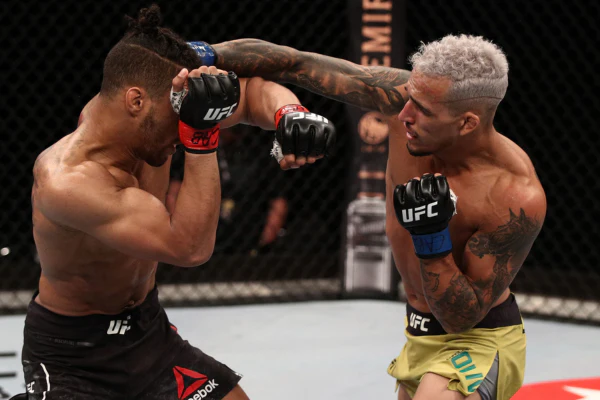
Everyone loves a good underdog story. From David vs. Goliath to the 1980 “Miracle on Ice,” we are captivated by the thrill of seeing the impossible happen. In combat sports, where two athletes face off completely alone, that raw human drama is magnified a hundred times over. It’s a pure test of will against overwhelming odds, creating moments that stay with us forever. One of the most famous examples took place on February 11, 1990. Mike Tyson was seen as an invincible force of nature, while his opponent, Buster Douglas, was a 42-to-1 longshot. In the world of betting, those odds meant a simple $10 bet on Douglas would have paid out $420. What happened that night in Tokyo wasn’t just a boxing match—it became the blueprint for the greatest upsets in sports history. So, what truly makes an upset? The easiest way to measure it is with those betting odds. A fighter with a plus sign (+), like Douglas at +4200, is the underdog. The bigger the number, the less chance they’re given to win. When they do, it’s a moment that defies expectation and logic, often changing the course of sports history. This is an exploration of those shocking moments, from the universal appeal of longshot victories and how to spot giant-slayer potential to the stories behind the most stunning turnarounds in boxing and MMA. Most importantly, it’s about uncovering the rare fighters who made a career of beating the odds: the Upset Kings. What Does “+900” Mean? A Simple Guide to Upset Math To truly grasp the scale of a legendary upset, you need to decode the language of the Las Vegas oddsmakers. When you see numbers with a plus (+) or minus (-) sign next to a fighter’s name, you’re looking at the official scorecard of expectations. This is how to read sports odds and instantly tell who is supposed to win and by how much. It’s simpler than it looks. The system is built around the number $100, making underdog betting easy to understand with just two rules: The Favorite (-): A minus sign (e.g., -500) shows who is expected to win. The number tells you how much money you’d have to bet to win $100. In this case, a huge $500 bet on the favorite only profits you $100. The Underdog (+): A plus sign (e.g., +400) shows who is expected to lose. The number tells you how much money a $100 bet would win. Here, a $100 bet on the underdog would profit you $400. In short, the bigger the number after the plus sign, the bigger the long shot—and the more historic the upset. A +200 underdog is a surprise, but a +800 underdog is a shocker. And when a fighter steps into the ring as a +4200 underdog, it’s not just an upset; it’s considered an absolute impossibility. The Upset That Shook the World: Buster Douglas (+4200) vs. Mike Tyson On February 11, 1990, in Tokyo, “Iron” Mike Tyson wasn’t just the heavyweight champion; he was a global phenomenon, a seemingly invincible force who ended fights with terrifying speed. His opponent, James “Buster” Douglas, was considered little more than a warm-up fight, another name on Tyson’s long list of victims. The fight was seen as a foregone conclusion. The betting odds told the whole story. As a +4200 underdog, Buster Douglas was a 42-to-1 longshot. To put that in perspective, a mere $10 bet on him would have paid out $420. The odds were so lopsided that only one casino in Las Vegas was even willing to post a betting line, making the Buster Douglas vs. Mike Tyson betting odds a historical footnote before the first bell even rang. This wasn’t just a fight; it was a coronation ceremony for Tyson. But Douglas, mourning the recent loss of his mother, fought with a focus no one expected. He used his size and reach to keep the champion at bay, surviving an early knockdown and continuing to fight back. Then, in the tenth round, the unthinkable happened. Douglas unleashed a blistering combination, ending with a perfect uppercut that sent Tyson crashing to the canvas for the first time in his career. The image of the invincible champion fumbling for his mouthpiece is one of the most shocking knockouts ever recorded. In that moment, more than just a title changed hands—an aura was shattered. Tyson’s invincibility was revealed to be a myth, proving that even the most feared champion can be beaten. It stands as one of the biggest betting upsets in boxing history and became the ultimate symbol of hope for longshots everywhere. But this kind of shockwave wasn’t limited to the boxing ring, as a certain “regular guy” would later prove in the world of Mixed Martial Arts. When a ‘Regular Guy’ Toppled an MMA God: Matt Serra (+850) vs. GSP While Buster Douglas’s victory happened in a boxing ring, the sport of Mixed Martial Arts (MMA)—a dynamic combat sport blending striking and wrestling—would produce its own legendary upset. The man at the center of it was Georges St-Pierre, or “GSP,” a French-Canadian athlete who was the MMA equivalent of a superhero. With a perfect mix of wrestling, kickboxing, and unmatched athleticism, many believed GSP was on his way to becoming the greatest fighter of all time. He seemed untouchable. His opponent, Matt Serra, was a tough, respected veteran from Long Island, but he wasn’t seen as being in the same league. In fact, Serra only earned his chance to fight for the title by winning a reality TV show, The Ultimate Fighter: The Comebacks. This context made him the ultimate underdog; he was the contest winner getting a shot at the king. As a massive +850 underdog, a $100 bet on Serra would have paid out $850, highlighting just how unlikely his victory was considered. For many, this was less a fight and more a formality. The fight, however, did not go according to plan. In the first round,
Quality of Wins: Ranking the Best Résumés in MMA History by Opponent Strength
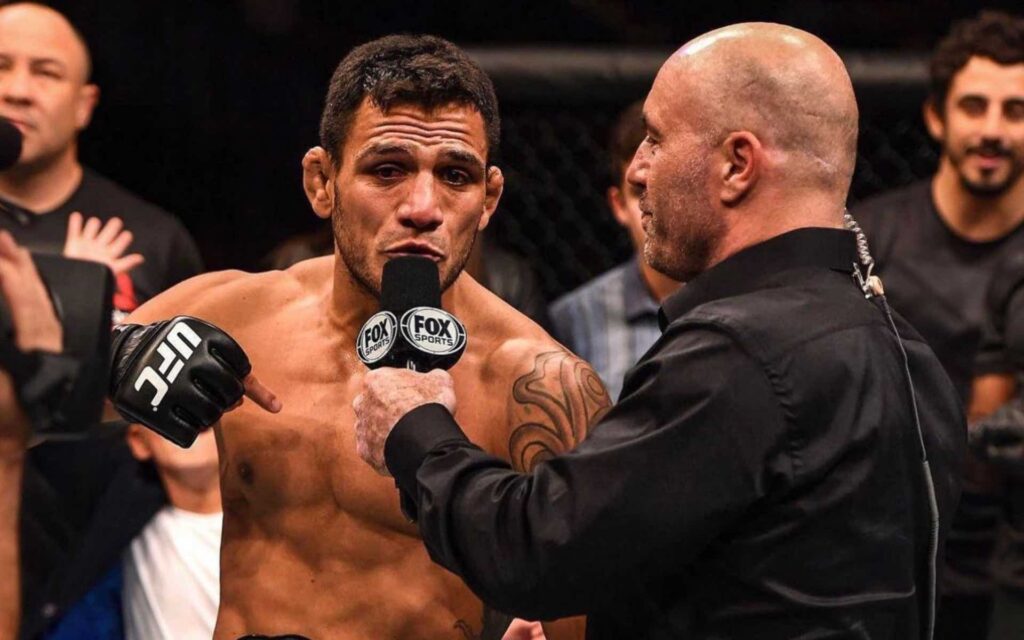
Imagine two MMA fighters. Fighter A is undefeated at a perfect 20-0. Fighter B has a record of 25-3. Based on those numbers alone, who do you think had the better career? Most of us would point to the perfect record. But what if Fighter A only beat newcomers, while Fighter B’s record includes victories over five former world champions? Suddenly, the simple win-loss record doesn’t tell the whole story. The answer to who is greater lies in a concept that fight analysts use to separate the good from the legendary: the fighter’s résumé. A résumé in MMA isn’t about job experience; it’s the total quality of opponents a fighter has faced and beaten. Beating a world champion is like getting an ‘A’ in a final-year advanced course, while beating an unknown is like acing an intro class. Both are wins, but one proves much more. This single concept is the key to understanding every “Greatest of All Time” (or MMA GOAT) debate. It’s why a fighter with a few losses, like Georges St-Pierre, is often ranked higher than undefeated champions from other organizations. We don’t just count the wins; we weigh them. Looking at a career this way transforms how you see the sport, equipping you with a new framework to feel more knowledgeable in any discussion. To evaluate a fighter’s legacy like an expert, you must move beyond simple records. This requires asking three key questions when analyzing any fighter’s career, a framework that will allow you to settle debates about the best MMA résumés with confidence. Why Not All Wins Are Created Equal: The ‘Quality Win’ Explained If a perfect win-loss record doesn’t tell the whole story, what does? The secret lies in a concept called the “Quality Win.” This is a victory against a highly-ranked, elite opponent. In MMA, beating a top-5 contender or a reigning champion is an advanced course; beating an unranked newcomer is the intro class. Adding another layer to this is the idea of a fighter’s “prime.” A fighter’s prime is that peak window, typically in their late 20s to early 30s, where their physical tools and technical skills are at their absolute best. For example, Anderson Silva’s iconic front-kick knockout of Vitor Belfort is a legendary quality win. Why? Because he didn’t just beat a great fighter; he beat a dangerous, prime version of Vitor Belfort. Beating a legend ten years past their best is still a win, but it doesn’t carry the same weight as defeating them at the height of their powers. This distinction provides a sharper lens for evaluating a fighter’s strength of victory. We can now see that a fighter’s record is not just a list of wins, but a collection of stories with varying degrees of difficulty and importance. But one or two great victories aren’t enough to enter the “greatest of all time” conversation. For that, we need to zoom out and assess their entire body of work against the toughest competition available. How to Judge a Whole Career: Introducing the ‘Strength of Schedule’ This is where a fighter’s “Strength of Schedule” comes into play. Think of it like a college football team’s season. A team that goes 11-1 against the ten toughest teams in the country is often seen as more impressive than a team that goes 12-0 against easy, unranked opponents. A fighter’s career is the same; we’re not just counting wins, we’re measuring the difficulty of their entire journey. A fighter’s résumé, or the complete list of their opponents, is judged by its overall strength. Did they consistently take on the best, or did they build a record against lesser competition? When evaluating an MMA fighter, this becomes the ultimate test of their legacy. Georges St-Pierre, for example, built his career by consistently facing a “who’s who” of champions and top contenders for over a decade. Analyzing the list of opponents he defeated reads like a future hall of fame ballot. This brutal schedule is why, despite a couple of losses on his record, many place his career at the pinnacle of the sport. It’s a testament to facing the highest level of risk, fight after fight, which is far more revealing than a long career spent beating fighters outside the top 15. Ultimately, a tough strength of schedule is what separates a great fighter from an all-time legend in MMA rankings. It’s the proof that a fighter didn’t just find a way to win, but actively sought out and conquered the most dangerous challenges available. This framework is the foundation for any serious debate about a fighter’s greatness. But even within a tough schedule, certain victories shine brighter than all the rest. Some wins don’t just add to a résumé—they define it. The Ultimate Résumé Boosters: What Separates Great Wins from Legendary Ones Not all quality wins are created equal. While beating any top-five contender is impressive, a select few accomplishments instantly elevate a fighter’s legacy into the stratosphere, often becoming the deciding factor in pound-for-pound MMA rankings. Think of these as legend-tier victories: Defeating a reigning champion to take their belt. Winning a championship in a second weight class. Avenging a shocking loss, especially to reclaim a title. Of these, winning a title in a second weight class might be the ultimate résumé statement. It’s one thing to be the king of your own hill; it’s another to climb a completely different mountain and plant your flag there, too. This feat requires a fighter to overcome new physical challenges against bigger or faster opponents. That’s why fighters with wins over multiple champions—like Georges St-Pierre, Daniel Cormier, and Amanda Nunes—are held in such high esteem. They proved their skills weren’t just a product of one division; they were transcendent. Finally, the story behind a win adds immense weight. When GSP avenged his stunning upset loss to Matt Serra by dominating him to reclaim the title, the victory meant more than just another win—it demonstrated championship resilience. These narrative-defining moments are
Prime vs Peak: Measuring a Fighter’s Best 18 Months (and Who Has the Highest Peak Ever)
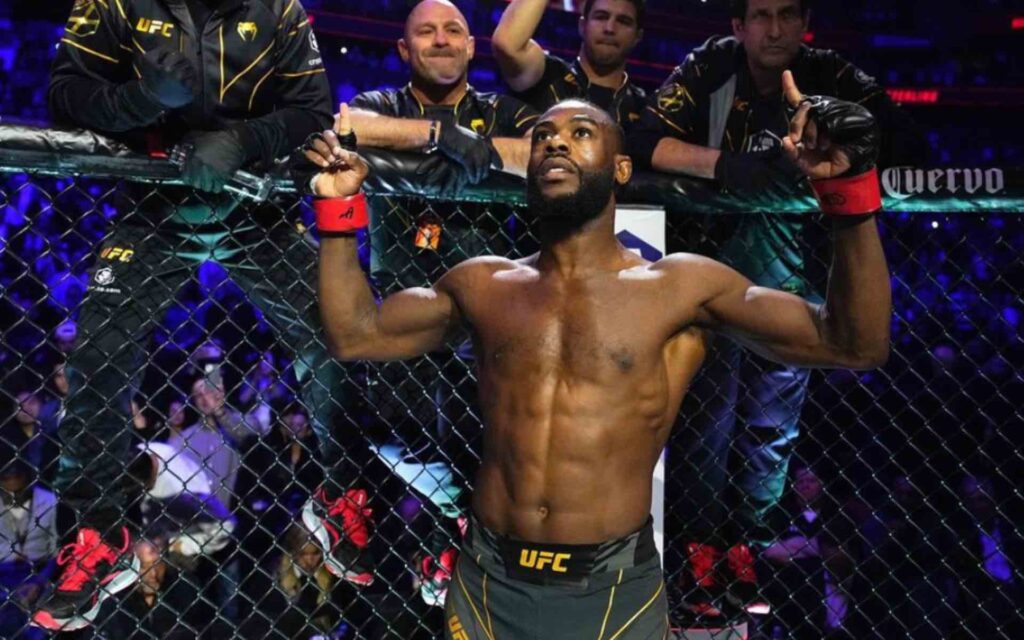
Who was better: Mike Tyson or Muhammad Ali? It’s the question that has launched a thousand arguments in bars and living rooms. The problem isn’t who you pick; it’s that we’re often asking the wrong question. To truly compare legends, you first need the critical distinction between a long, successful prime and a short, untouchable peak. A prime is a fighter’s entire era of high-level success. Their peak, however, is that much shorter, lightning-in-a-bottle run where they seemed absolutely invincible, a puzzle no one in the world could solve. A great way to explain the fighter career arc is to think of a band. Their prime might be the decade they sold out stadiums and released multiple hit records. Their peak, however, is the 18-month window where they created that one timeless, perfect album that changed music forever. This prime vs. peak distinction is the key to a smarter “Greatest of All Time” debate. It provides a real framework for athlete performance assessment, allowing us to appreciate different types of greatness as we use this lens to figure out who had the highest peak ever. What’s a “Prime”? The Mark of a Long and Dominant Reign If a fighter’s peak is a blinding flash of lightning, their prime is the long, rolling thunderstorm that dominates the sky for hours. A prime isn’t about a single spectacular year; it’s about sustained excellence over a long period. What defines a fighter’s prime years is their ability to stay on top of the mountain, beating back every new challenger who tries to take their spot. It’s the mark of a marathon runner, not just a sprinter, proving their greatness fight after fight, year after year. This kind of fighter longevity is built on a complete skillset. A prime fighter doesn’t just have a single weapon; they have an answer for everything. When a knockout artist comes along, they out-wrestle them. When a grappling expert shows up, they out-strike them. Holding a championship for years means solving every puzzle the division throws at you, adapting and evolving to stay one step ahead of the entire sport. It’s a reign defined by consistency and control. There is perhaps no better example of an all-time great prime than the career of Georges St-Pierre (GSP). For nearly six years, GSP ruled the welterweight division with an iron fist, defending his title an incredible nine consecutive times. He wasn’t always a human highlight reel; he was a master strategist who dismantled opponents with surgical precision, showcasing a game that had no weaknesses. His legendary run was the definition of a prime: a long, unquestioned, and dominant championship reign. What’s a “Peak”? Measuring a Fighter’s Perfect 18-Month Storm While a long prime like GSP’s is the mark of a marathoner, a fighter’s peak is a breathtaking sprint. It’s that short, explosive window where a great fighter becomes something more: a force of nature. This isn’t about a long championship reign; it’s about a run of such astonishing brilliance that the fighter seems completely invincible. For a brief moment in time, they aren’t just the best—they look like they’ve solved the puzzle of fighting itself. To capture this lightning in a bottle, we analyze a fighter’s 18-Month Peak Window. It’s the analytical sweet spot—long enough for a fighter to have three or four defining fights, proving their run is more than a fluke, yet short enough to isolate that magical period where they seem untouchable before the sport inevitably catches up. Measuring this perfect storm requires three key ingredients, which we’ll call the Three Pillars of a Peak: Dominance: How did they win? Were they grinding out decisions, or were they finishing legends in spectacular, highlight-reel fashion? Strength of Schedule: Who did they beat? Was it a list of easy opponents, or was it a “murderer’s row” of champions and top contenders? Impact: How did it feel? Did the run change the sport, create a global superstar, and make you feel like you were witnessing history? These three pillars create a real, apples-to-apples comparison between the most legendary runs in combat sports history, giving us the tools to move beyond simple win-loss records and truly appreciate those moments of terrifying, untouchable greatness. The Contenders: Who Had the Highest Peak in MMA History? Alright, the stage is set. Using our Three Pillars framework, we can finally tackle the ultimate question: who had the single greatest 18-month run ever? Three names consistently rise to the top of this debate, each representing a different flavor of greatness. We have the prodigy who conquered a division of killers, the artist who delivered physics-defying knockouts, and the unstoppable force of perfect, suffocating pressure. It’s a collision of legendary résumés. Our contenders are Jon Jones, Anderson Silva, and Khabib Nurmagomedov. Each fighter’s peak tells a unique story of dominance and impact that demands a closer look, starting with what might be the most brutal demolition of a weight class in UFC history. Peak Contender #1: Jon Jones’ “Murderer’s Row” Run (Mar 2011 – Sep 2012) In March 2011, a 23-year-old Jon Jones stepped into the cage against the legendary champion Mauricio “Shogun” Rua and delivered one of the most lopsided title beatings in UFC history. This wasn’t just a win; it was an announcement. For the next 18 months, Jones wasn’t merely a champion—he was a force of nature, demonstrating a level of dominance that made the world’s best look like they didn’t belong in the same cage. What makes this run the stuff of legend, however, was his unbelievable strength of schedule. Jones didn’t just beat good fighters; he systematically dismantled a Mount Rushmore of former light heavyweight champions. After taking the belt from Shogun, he went on to submit Quinton “Rampage” Jackson, choke Lyoto Machida unconscious, and then soundly defeat Rashad Evans. Beating one former champ is a career highlight; beating four of them in a row was, at the time, completely unheard of. Jones’ peak was defined by this brutal conquest. He
The GOAT Scorecard: A Transparent Point System to Compare Legends Across Eras
Who’s the best ever: Jordan or LeBron? Brady or Montana? It’s the argument that starts in every sports bar and never really ends. We defend our favorite athletes with passion, armed with stats, stories, and gut feelings. But after all the shouting, the debate usually ends right where it began—in a stalemate, because there’s no shared rulebook for what makes someone the Greatest of All Time. What if we could build that rulebook? Instead of relying purely on opinion, imagine a transparent points-based system—a GOAT Scorecard—designed to bring logic to the legacy of our favorite legends. The goal isn’t to give one final, inarguable answer that ends all discussion. It’s to provide a framework that helps us move beyond “I think” and get closer to “I know.” To objectively compare athletes across different eras and even different sports, we first have to agree on what greatness truly is. Our system breaks it down into three core pillars that most fans agree are essential. These are the fundamental building blocks of a legendary career, each measuring a distinct aspect of an athlete’s impact and showing where they truly shined. The system is built on Winning, measured by championships; Individual Excellence, represented by MVP awards and other top honors; and Longevity, which celebrates the ability to perform at an elite level for a decade or more. By assigning points to each, we can build a more complete picture of what it takes to be the GOAT. Pillar 1: Why Winning It All Is the Ultimate Point Multiplier Think back to a high school class. The final exam was probably worth a huge chunk of your grade—maybe 50%—while homework assignments were worth far less. Why? Because the exam was the ultimate test of what you learned. Our scorecard applies this exact same logic, a concept known as weighting, to an athlete’s career. Not all achievements are created equal, so we don’t treat them that way. When it comes to an athlete’s legacy, a championship is the final exam. An All-Star selection is impressive, like getting an ‘A’ on a quiz, but winning a title is the one goal every player and team chases all year long. It is the definitive measure of success. For this reason, the GOAT Scorecard gives more points for a single championship than for any other achievement. It’s the ultimate point multiplier that separates the great from the truly legendary. A championship proves more than just individual talent; it’s evidence that a player can lead, thrive under immense pressure, and elevate their teammates to victory. History is filled with players who posted incredible statistics but could never reach the summit. Our system honors those who did. It’s the reason Michael Jordan’s 6-0 record in the NBA Finals or Tom Brady’s seven Super Bowl rings serve as the unshakable foundation of their GOAT arguments. They didn’t just play the game—they conquered it. Ultimately, championships are the great separator. They provide the bedrock of an athlete’s score, creating a baseline for legendary status. But winning is a team effort, and we still need to account for pure, undeniable individual dominance. After all, being named the single best player in your league has to count for a lot. That’s where our next pillar comes in. Pillar 2: Separating Stars from Superstars with Individual Awards If a championship is the team’s final exam, what’s the test for individual brilliance? While winning it all is a group effort, some players single-handedly drag their teams to greatness. The GOAT Scorecard needs a way to measure this kind of singular dominance, and it does so by analyzing a player’s collection of individual hardware—most importantly, the Most Valuable Player (MVP) award. Not all trophies are weighted equally, however. Think of it this way: making an All-Star or All-Pro team is like earning a spot on the honor roll. It’s a fantastic achievement that proves you were among the best in your field. But winning the MVP is like being named class valedictorian. It signifies that, out of all the elite performers, you were judged to be the absolute #1. For that reason, an MVP award grants a massive number of points in our system, second only to a championship title. An MVP trophy is more than just a piece of metal; it’s a verdict delivered by experts, journalists, and voters who watched every game. It’s their declaration that one player’s performance was more essential to the league’s landscape that year than anyone else’s. Michael Jordan’s five MVP awards, for instance, are the statistical backbone of his claim to ’90s dominance. They prove that even in the two years his Bulls didn’t win the title during their championship runs, he was still widely considered the best player on the planet. These top-tier awards help us differentiate the leader of the pack from the rest of the team. But what about the players who rack up honor roll appearances year after year without ever being named valedictorian? A short, brilliant peak is impressive, but there’s a different kind of greatness in staying near the top for two decades. That brings us to our third pillar. Pillar 3: Rewarding the Marathon Runner—The Value of Sustained Greatness This pillar answers a classic sports debate: what’s more impressive, a firework that burns twice as bright for a moment, or a star that shines steadily for decades? While a brilliant, short peak is captivating, a truly all-time great must prove their dominance over a long period. Greatness isn’t just about reaching the mountaintop; it’s about building a fortress there. This element rewards the marathon runners of the sports world. The GOAT Scorecard measures this “sustained greatness” in a simple but powerful way: by counting consistent appearances on the “honor roll.” Building on our school analogy, if an MVP is the valedictorian award, then All-Star and All-Pro selections are like making the Dean’s List. One selection is great; fifteen is legendary. Each selection adds points to an athlete’s total, creating a bank of
Rankings vs Reality: A Data-Only Top 15 for Each Division
Have you ever looked at the official sports rankings and thought, “How is that person still in the Top 5?” You’re not alone. That feeling of disconnect between the rankings vs. reality is one of the biggest and most common frustrations for fans of any sport. The problem is that those official lists aren’t based on pure performance; they are decided by a panel of voters, like journalists, making them entirely subjective. In practice, this means a fighter’s popularity, a single highlight-reel moment, or even behind-the-scenes promotional needs can influence a voter’s ballot more than consistent results. These are the inherent flaws in traditional ranking systems. This is how a fan-favorite champion can cling to a top spot despite being inactive for over a year, while a dangerous, lesser-known contender who has been consistently winning struggles to get noticed. The system too often rewards hype and history over actual, recent achievement. So, what if we stripped all of that away? We decided to build a ranking that ignores opinions and politics, using nothing but cold, hard data—every win, every loss, and the quality of every single opponent faced. We crunched the numbers to see who truly belongs at the top of each division. Here’s what reality looks like. What ‘Data-Only’ Rankings Really Mean (It’s Not as Complicated as You Think) After seeing how biased and subjective official rankings can be, the idea of a “data-only” system might sound like something cooked up in a science lab. But the concept is actually very simple. Think of it like a credit score for an athlete. Your credit score doesn’t care about your personality or popularity; it just crunches the numbers on your financial history—did you pay on time, how much do you owe—to produce a single, objective number. Our data model does the same for athletic performance. This approach intentionally strips away all the outside noise. The system has one job: to measure what actually happens inside the ring or on the field. It doesn’t know who has the most social media followers, who is the most exciting trash-talker, or who sells the most tickets. Its purpose is to cut through the hype and answer a single question: based on tangible results, who is the most effective competitor in their division right now? At its heart, the system asks three simple questions about every contest. First, the most obvious: Did the athlete win or lose? Second, it looks at how they won—a dominant, early finish is weighted differently than a controversial decision that could have gone either way. And finally, perhaps most importantly, it heavily analyzes the quality of the opponent they faced. Putting it all together, these objective pieces of data form a recipe. By feeding this information into our model, we get a ranking that reflects pure performance, not politics or public perception. The key ingredients are the win itself, the method of victory, and the caliber of the competition. The 3 Core Factors That Power Our Rankings Beyond the Win: How Fights Are Weighted While a win is always the goal, our data model knows that not all victories are created equal. A nail-biting split decision, where even the judges couldn’t agree on a winner, tells a very different story than a dominant, first-round knockout. To capture this, the system rewards decisiveness. This “method of victory” bonus means that a fighter who earns a finish via knockout or submission gets a significant rankings boost compared to one who leaves it in the hands of the judges. After all, taking the decision out of the equation is the ultimate proof of superiority. Furthermore, the sports world has a notoriously short memory for a reason. An incredible championship performance from five years ago is part of an athlete’s legacy, but does it really reflect their ability to win a title this Saturday? To address this, our rankings incorporate a “results decay” principle. Think of an impressive victory like a battery that’s fully charged right after the fight. Over time, that charge slowly fades. This ensures the rankings are always a snapshot of who is the most effective competitor right now, not who was the best in their prime. So, when the system looks at any single performance, it’s asking a few key questions to determine its value: Did they win? The fundamental and most important result. How did they win? A decisive finish is valued more highly than a decision. When did they win? A recent victory carries more weight than an older one. These factors give us a much clearer picture than a simple record ever could. But they still don’t touch on the single most important variable in any fight—the one that separates the good from the truly great. That factor, of course, is the quality of the opponent. The Secret Sauce: Why “Who You Beat” Is the Ultimate Tie-Breaker A perfect record is impressive, but if it’s built on the backs of unranked opponents, what does it truly mean? This is where our model’s most powerful factor comes into play: strength of schedule. Think of it like your final grade in school. An ‘A’ from the toughest professor on campus carries far more weight than an ‘A’ in an easy elective. In the same way, our system gives a massive score for beating a top-5 contender, while a win over a debuting fighter barely moves the needle. It’s the ultimate context machine. This single metric is the great equalizer, sorting the contenders from the pretenders. It explains why a fighter with a 15-0 record against questionable competition might rank below a 12-2 fighter who has consistently battled against the division’s elite. The data doesn’t care about an undefeated record if it’s paper-thin; it respects a battle-tested resume, even if it has a few blemishes. A loss to a reigning champion is often more informative—and can be valued more highly by the system—than a dozen wins over athletes who don’t belong in the top 25. Ultimately, strength of
Home Crowd & Geography: Is There a Real ‘Home Advantage’ in MMA?

Every sports fan knows the power of a home crowd—the “12th Man” in football, the “6th Man” in basketball. But what happens when you strip away the team and are left with just one person in a cage? In the lonely world of Mixed Martial Arts, we have to ask: do MMA fighters have a home advantage, or is it all just background noise? The answer, according to years of fight data, is a resounding yes. Analyses of major promotions reveal that a fighter on their home turf wins close to 60% of the time. While not an ironclad guarantee, that’s a significant statistical edge in a sport decided by inches and milliseconds. It’s a real, measurable phenomenon that goes far beyond a simple morale boost. This home turf advantage isn’t built on a single factor, but on three distinct pillars. First is the psychological impact of the crowd—the energy from thousands of cheering fans versus the isolating pressure of a hostile arena. Next is the physiological toll of travel, where jet lag and unfamiliar environments can sabotage a fighter’s grueling weight cut and deplete their stamina before the first bell even rings. Finally, there’s the subtle, almost invisible influence on the officials. This guide details each of these components, from crowd psychology to officiating bias, and explores what it means for fans. Understanding the hidden power of fighting at home will change the way you watch the sport forever. The ’13th Man’ in the Cage: How a Roaring Crowd Fuels a Fighter In football, they call it the ’12th Man.’ In MMA, a supportive home crowd can feel like an invisible force pushing a fighter forward. When thousands of fans are chanting your name, it triggers a genuine psychological response. The body releases a surge of adrenaline, which can temporarily increase a fighter’s energy, mask the sting of incoming strikes, and fuel a more aggressive attack. A fighter feeding off this energy isn’t just motivated; they are literally getting a chemical boost that their opponent isn’t. This wave of sound, however, crashes hard against the visiting fighter. Walking into an arena filled with boos is a masterclass in psychological intimidation. It’s designed to make the opponent feel isolated and alone, a stranger in enemy territory. This mental pressure can be exhausting before a single punch is thrown, forcing them to not only battle their opponent in the cage but also the thousands of hostile voices outside of it. The psychological effect of a home crowd in sports is a weapon, plain and simple. The result of this tug-of-war often impacts the fight’s tempo. A hometown hero, riding a wave of adrenaline, might push a frantic pace from the opening bell, hoping to overwhelm their opponent early. This forces the visitor to either match an uncomfortable speed or risk falling behind on the scorecards. But does this powerful feeling of support, and the intimidating impact of crowd noise on UFC fighters, actually change who gets their hand raised at the end? Do Hometown Cheers Actually Translate to Wins? The Surprising Stats That psychological boost isn’t just a feeling; it shows up on the official record. When analysts crunch the numbers from thousands of fights, a clear pattern emerges. Across both MMA and boxing, studies on home advantage show the local fighter wins nearly 60% of the time. This isn’t a guarantee, but it’s a very real edge. It means that for two equally matched opponents, the one with a home crowd and familiar surroundings has a measurable, statistical advantage before the first punch is even thrown. Interestingly, this advantage is much stronger in non-championship bouts. Why? Elite champions are often masters of mental fortitude, better equipped to handle the pressure of a hostile environment and the rigors of travel. For up-and-coming fighters, however, the home-field edge is far more pronounced. The combination of fan pressure and travel fatigue can be a massive hurdle, significantly influencing their performance and making the statistics on home vs. away fights much more skewed. The data is clear: fighting at home provides a real boost that can absolutely tip the scales in a close contest. It’s far more than just a myth. But the roaring crowd is only half of the story. The home fighter’s biggest edge might not be what they gain from the cheers, but what their opponent loses on the long journey just to get to the cage. More Than a Long Flight: The Hidden Physical Cost of Fighting Abroad That long journey to the cage does more than just tire an athlete out; it wages a hidden war on their body. The most well-known enemy is jet lag, which is far more serious for a fighter than a sleepy tourist. Think of it as your body’s internal clock being completely out of sync with the local time. Your system is screaming for sleep when you need to be at peak alertness for training, media obligations, and eventually, the fight itself. This disruption directly impacts stamina, dulls reaction time, and can sap a fighter’s strength by a noticeable margin. On top of the mental fog, the very act of flying is incredibly dehydrating. The recycled, low-humidity air inside a plane cabin pulls moisture from the body, and for a world-class athlete, even minor dehydration can lead to a significant drop in performance. Muscles cramp more easily, cardio plummets, and cognitive function suffers. It’s a physical penalty the home fighter simply doesn’t have to pay. This is why you often see fighters fly out weeks before an international bout. This crucial period, known as acclimatization, is anything but a vacation. It’s a race against the clock for the body to reset its internal schedule and rehydrate properly. The fighter must force themselves to sleep and wake at new times and carefully manage their new environment, all while continuing the final, intense stages of their training camp. For the traveling fighter, acclimatization is a desperate attempt to get back to a level playing
Referee Variance: Do Some Refs Stop Fights Faster? A Trend Review
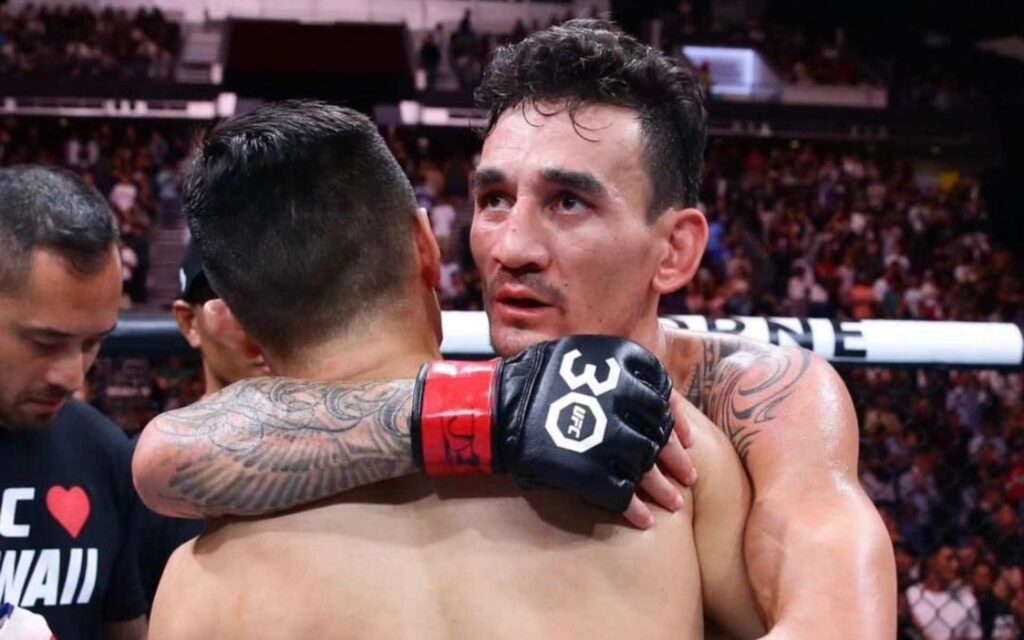
You’re on the edge of your seat. The fight has been a back-and-forth war, but now one fighter is in trouble, hurt and covering up against the cage. Before they even get a chance to recover, the referee dives in, waving it off. You jump off the couch, screaming at the TV, “He was still in it! Let them fight!” We’ve all been there, feeling that a great fight was cut short by a questionable early stoppage. But was it really a bad call, or is something more complex going on? These controversial referee decisions are rarely born from incompetence. Instead, they happen in a split second, balanced on the razor’s edge between a fighter’s safety and the crowd’s desire for a definitive conclusion. Every official in the ring is wrestling with that same core conflict: protect the human being, but don’t ruin the show. This tension is the very heart of the constant late stoppage debate in combat sports. You’re not imagining things if it feels like one referee will let a fighter take a dozen unanswered shots while another will stop the fight after a single knockdown. In practice, this difference in sports officiating is a predictable pattern. Some referees consistently prioritize safety above all else, while others are known for giving fighters every possible chance to continue. Learning to see the fight through the referee’s eyes turns a frustrated fan into a sharp analyst. It’s not about memorizing rules or names; it’s about spotting the patterns behind a stoppage and analyzing the most heated moments with a new level of confidence. Beyond The Rules: What Is a Referee’s REAL Number One Job? It’s the most common cry from the crowd and the couch: “Let them fight!” When a fighter seems like they might still have a chance, a referee stepping in can feel like a robbery. It’s easy to think the ref’s job is just to enforce the rules—no eye pokes, no fence grabs—and stay out of the way. But that’s only a tiny part of the picture. Their most critical function has nothing to do with rules and everything to do with responsibility. A referee’s number one job, above all else, is fighter safety. Period. It’s a non-negotiable directive that overrides the crowd’s desire for a dramatic finish, the fighter’s own warrior spirit, and even the immediate fairness of the contest. While we see a thrilling comeback story waiting to happen, the referee is trained to see the potential for a life-altering injury. Their goal isn’t to ensure the “right” person wins; it’s to ensure both athletes can go home healthy and compete another day. This safety-first mandate isn’t a personal preference; it’s a professional requirement handed down by the governing bodies of combat sports, known as state athletic commissions. These commissions are the ones who license referees, and they hold them accountable for the well-being of the fighters under their watch. A referee who consistently allows fighters to take unnecessary, devastating damage won’t be a referee for long. In their world, a controversial “early” stoppage is seen as a minor error, while a “late” stoppage is a catastrophic failure. Think of it this way: The referee is the only person in the entire arena whose sole focus is protecting the fighters from themselves. They have to make a split-second decision based on a fighter’s reactions, posture, and ability to continue, knowing that a half-second of hesitation could be the difference between a bad headache and a career-ending concussion. So, if their job is to protect the fighters, how do they know when to step in? It’s not just a gut feeling. Referees use a specific, crucial standard to make that call—a concept that explains nearly every stoppage you’ve ever questioned. The “Intelligent Defense” Rule: The Secret Key to Every Stoppage That crucial standard that referees use isn’t about counting the number of punches a fighter has taken. Instead, they are watching for one thing above all else: “intelligent defense.” This is the official term for a fighter’s ability to actively and meaningfully protect themselves from harm. It’s the invisible line between being in a tough spot and being in real danger, and it’s the key to understanding nearly every TKO, or Technical Knockout, you’ve ever seen. In simple terms, intelligent defense means a fighter is still “in the fight” mentally. They might be hurt, but they are still actively trying to improve their situation. This can look like moving their head to dodge strikes, using their arms to block and parry, grabbing onto their opponent to clinch and stop the attack, or trying to circle away from danger. Even throwing a weak punch back shows the referee that the fighter is aware and still competing. They are problem-solving under fire. On the flip side is what a referee sees as a failure to intelligently defend oneself. This is when a fighter stops trying to survive and starts just enduring. They might be on their feet, with their eyes open, but they have become a stationary target. Think of a fighter who is simply covering their head against the cage while absorbing heavy, unanswered blows, or one who stumbles away after a hard shot without putting their hands up. They are no longer reacting or escaping; they are just taking damage. This is the official justification for what are the criteria for a TKO. A Technical Knockout doesn’t require a fighter to be unconscious. It’s a judgment call that a competitor can no longer continue safely because they are not intelligently defending themselves. This explains why you see a “standing TKO,” where a referee stops the fight even though the fighter never hit the canvas. Their body is there, but their ability to protect their own brain is gone. So, if “intelligent defense” is the universal rule that every official follows, why does it feel like some fights are stopped the second a fighter looks wobbly, while in others, a fighter is allowed to take
The Chin Debate Data Edition: Does Durability Decline with Age or Damage Taken?
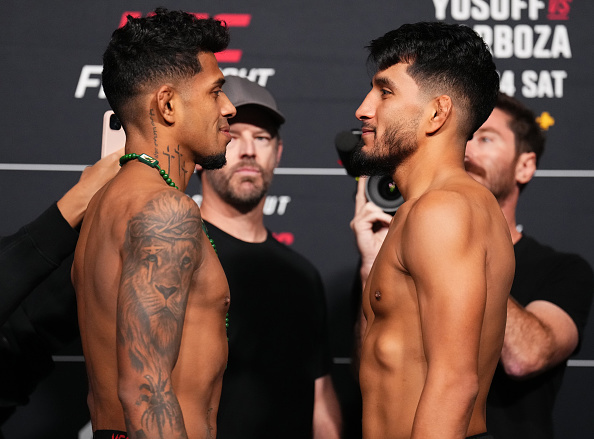
We all remember the legendary Chuck Liddell. For years, “The Iceman” walked through punches that would have felled a lesser man, his chin seeming almost mythical. Then came the Rashad Evans fight. After that one, brutal knockout, he was never the same, and his knockout susceptibility appeared to change overnight. It begs the question that fans have debated for decades: did his chin “crack” on the canvas that night, or was it simply the inevitable toll of age? This is the oldest debate in combat sports, argued on couches and in bars worldwide. One friend insists a fighter’s ability to take a punch is a god-given gift that vanishes with age, like speed or reflexes. Another swears it’s all about the wars—that the accumulation of blows, or even one specific knockout, can permanently change a fighter’s fortunes. This question of age vs. cumulative damage in boxing and MMA is central to understanding a fighter’s career arc. The two sides of the argument can be thought of like this. The “damage” theory claims a chin is like a pane of glass: it can withstand small taps for years, but one perfectly thrown rock can create a fracture that never heals, making it easier to break from then on. In contrast, the “age” theory sees it more like the tires on a car. Every single fight, even the easy wins, adds mileage until, eventually, the tread just wears thin. Now, for the first time, this argument can move from the bar to the spreadsheet. Our analysis for The ‘Chin’ Debate, Data Edition examined thousands of fights to see what really matters: the calendar or the punishment. By looking at the numbers behind knockout losses, we can finally move beyond opinion and find a clearer answer to a question that defines legends and heartbreaks in the ring. What Do We Actually Mean By ‘The Chin’? Defining Durability in Combat Sports When commentators talk about a fighter’s “chin,” they aren’t just talking about their jaw. A better word for it is Durability: the full-body system that allows a fighter to absorb punishment and keep going. It’s a mix of neck strength, balance, defensive instincts, and even a genetic component that determines how well the brain can withstand being rattled. Think of it less like a piece of bone and more like the overall structural integrity of a car in a crash test. Understanding how durability might fade requires a way to measure the punishment a fighter has taken. This is where the concept of Cumulative Damage comes in. For every professional fight, analysts can track the total number of powerful head strikes absorbed and, most importantly, the number of times a fighter has been knocked down. This creates a running tally of the physical price a fighter has paid over their career—a quantifiable measure of wear and tear. This distinction is crucial. It separates the idea of a “strong jaw” from the brain’s ability to withstand the “off switch” being flipped. But it also raises the core of our debate: Does that cumulative damage slowly wear a fighter’s durability down over time? Or can a single, devastating punch shatter it instantly, like a rock hitting a pane of glass? The ‘Cracked Glass’ Theory: When One Punch Changes Everything This first model, which we can call the ‘Cracked Glass’ theory, suggests that a fighter’s durability isn’t worn down slowly—it shatters. It argues that while a career full of minor skirmishes matters, one single, traumatic knockout can do permanent, irreversible harm. Much like a pane of glass that can withstand thousands of small taps, one perfectly placed rock can create a fundamental weakness. From that point on, it takes far less force to break it again. In this view, the specific event of a devastating KO is more important than the total mileage. Perhaps no fighter’s career illustrates this theory better than Anderson Silva’s. For seven years, Silva reigned as the UFC’s untouchable middleweight champion, a defensive wizard who had never been knocked out in his 17 fights with the promotion. Then, in 2013, Chris Weidman landed a clean left hook and changed everything. Before that night, Silva’s chin seemed mythical. In the nine fights after, he was knocked down or finished with strikes four times. The data paints a stark “before and after” picture, suggesting that one punch permanently lowered his ability to take a hit. Silva’s story highlights a pattern that analysts now watch for. When a veteran fighter with a legendary chin is finally knocked out cold for the first time, it’s a massive red flag. The “glass” appears to have been cracked, and the data shows they become statistically more likely to be knocked out in future fights. But is this the whole story? What about fighters who seem to fade without that one dramatic, career-altering blow? The ‘Worn Tire’ Theory: Is Decline Just a Matter of Mileage? On the other side of the debate is a theory that frames durability not as something that shatters, but as something that simply wears out. This is the ‘Worn Tire’ model. It suggests a fighter’s ability to take a punch is like the tread on a car tire. Every single fight, every grueling training camp, and every hard shot taken in the gym adds mileage. There’s no single, dramatic blowout. Instead, the tread just wears down slowly over years of use until, one day, it can no longer grip the road. Look no further than the career of legendary heavyweight Fedor Emelianenko. For nearly a decade, “The Last Emperor” was considered invincible, weathering storms against the world’s most dangerous strikers. Unlike Anderson Silva, there wasn’t a single “before and after” knockout that defined his decline. Instead, after years of absorbing punishment in long, grueling wars, his ability to recover from big shots simply seemed to fade. He began getting hurt by punches he would have walked through in his prime—a slow, steady erosion rather than a sudden crack. What this “Worn Tire” model
Understanding the Submission Threat Index: Who Forces Taps vs. Who ‘Hunts’ Without Finishing

Have you ever watched a UFC fight and seen a master on the ground, twisting their opponent into a pretzel for minutes on end, only for the bell to ring? You know they were dominant, but the finish—the tap-out—never came. It’s a common and confusing moment for fans. Why would a fighter who is so good on the floor not be able to end the fight? This often isn’t a failure; it’s a fundamental difference in style. In grappling, there are essentially two types of submission artists: the ruthless Finisher and the relentless Hunter. A Finisher is like a shark who waits for the perfect moment to strike, ending the fight with deadly efficiency. The Hunter, on the other hand, uses a constant barrage of submission threats to control, exhaust, and overwhelm their opponent, even if many of those attacks don’t result in a tap. But how can you tell one from the other just by watching? The Submission Threat Index provides this clarity. It’s not complicated math; think of it as a simple lens for analyzing a fighter’s submission efficiency. The index reveals the story behind their ground game: are they built for constant pressure, or are they built for the fight-ending blow? This distinction unlocks a new level of appreciation for the grappling you see on screen. It separates the fighters who are just “busy” from those who are truly “deadly.” This framework helps you spot the strategy behind every scramble and finally see why some fighters hunt while others finish. More Than a Tap: What Truly Defines a Fight-Ending Submission In MMA, a submission finish is the ultimate checkmate. It’s that dramatic moment when a fighter, trapped in a choke or a painful joint lock, has no choice but to tap their hand on the mat—or their opponent—to signal “I give up.” The referee dives in, and the fight is over. It is a definitive, undeniable victory. A submission finish is the grappling equivalent of a knockout. While a thunderous punch can shut an opponent’s lights out instantly, a perfectly applied submission forces a conscious, deliberate surrender. It’s a different kind of dominance, one that proves slick technique can be just as final as raw power. When a master like Charles Oliveira gets his hands on an opponent, fans expect a finish; he’s the UFC’s all-time leader for a reason. But what about all the grappling action that doesn’t end in a tap? Every fight is filled with close calls and failed attempts that are just as important to the story of the bout. The ‘Shot on Goal’ of MMA: What Really Counts as a Submission Attempt? Those moments of high drama—the near-chokes and almost-armbars—have a name: a submission attempt. It’s any clear and committed move a fighter makes to lock in a fight-ending hold. Even if their opponent squirms free and the tap never comes, the fighter has officially put them on high alert and forced them to react. It’s the grappling world’s version of a warning shot. The easiest way to understand this is to think of a submission attempt as a “shot on goal” in soccer. A striker might rip a powerful shot that the goalie just barely saves. It doesn’t add to the scoreboard, but it was a dangerous offensive play that forced the entire defense to scramble. In the same way, when a fighter cinches up a choke, their opponent must stop everything they are doing and focus 100% on survival. The attempt itself changes the flow of the fight. But these “failed” attempts are more than just close calls; they are a strategic weapon. Forcing an opponent to constantly defend submissions drains their energy, scores points with the judges by showing aggression, and can open up opportunities for punches and better positions. Here, a huge difference in styles emerges. Some fighters use attempts to wear people down, while others only attack when they are certain of the finish. This contrast defines the two main types of ground specialists: the Finisher and the Hunter. The Finisher vs. The Hunter: Are They a Shark or a Wolf on the Mat? Viewing submission attempts as a strategic tool allows us to spot the two major grappling archetypes in the UFC. Think of it like the difference between a great white shark and a wolf. Both are elite predators, but their hunting styles are worlds apart. One ends the fight with sudden, brutal efficiency, while the other relentlessly pursues its prey, wearing it down piece by piece. The Finisher is the shark. This fighter often follows the “position over submission” philosophy, meaning they work patiently to secure a dominant spot before attacking for the kill. They don’t waste energy on low-percentage moves. When they attack, it’s with near-certainty. The absolute king of this style is Charles Oliveira. He doesn’t just hunt for submissions; he collects them with terrifying precision. Once he smells blood in the water, the fight is usually over seconds later. On the other hand, the Hunter is the wolf. This fighter uses a constant barrage of submission attempts as their primary weapon. A classic example is Nate Diaz, who is famous for peppering opponents with slaps and then latching onto their neck or an arm. For the Hunter, the attempt itself is a victory. It forces scrambles, drains the opponent’s gas tank, and creates chaos. They may not get the tap every time, but they make every second on the ground a miserable, exhausting experience for their opponent. Both styles can be incredibly effective, leading to dominant wins and exciting fights. To truly separate an efficient Finisher from a high-output Hunter, we need a tool that can look past the wins and losses and analyze their actual in-fight process. Decoding a Fighter’s Style: How the ‘Submission Threat Index’ Works We have these two types of predators—the efficient shark and the relentless wolf. How can we look at a fighter’s resume and tell their story? The Submission Threat Index offers a straightforward