
The Evolution of UFC’s Weight Classes: From Open Weight to Precision Divisions
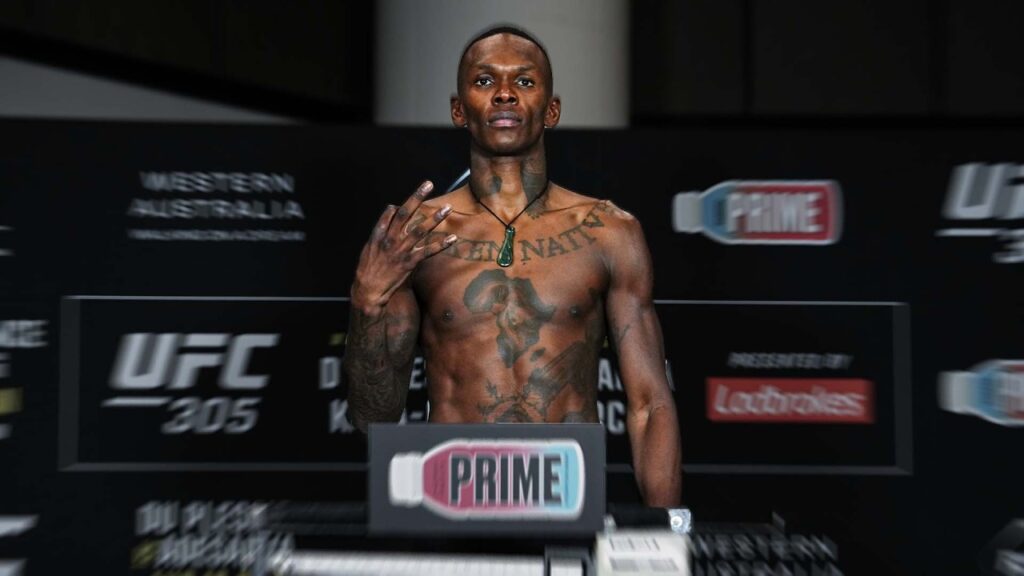
The construction of weight classes through time in the Ultimate Fighting Championship has been one of the basic developments in the sport, presenting a competitive landscape where the athletes involved are relatively safe and fair. From those early titleless days of open-weight tournaments, when two fighters of very differential size and fighting style were pitted against each other, to nowadays’ highly regulated divisions, weight classes have played a big role in the UFC’s journey from a fringe spectacle onto the center stage of mainstream sport. This paper traces the history of how the different weight classes have evolved in the UFC and how these classes have really shifted the paradigm in the sports world. Open Weight ChaosIt had some very interesting but sometimes disturbing matches as a result of the lack of weight classes. Fighters like Royce Gracie, who weighed 180 pounds at the time, would go against others much bigger than him—Ken Shamrock at 260 pounds and Teila Tuli, a sumo wrestler at 400 pounds. This open weight format brought the dynamics of how technique would triumph over raw size, and Gracie was able to submit bigger opponents in many fights by fighting off his back using his Brazilian Jiu-Jitsu and win a few UFC tournaments. While this open-weight format was exciting, there were also huge questions raised over fighter safety. Gross size and strength differences between competitors could quickly turn potentially dangerous, especially when one fighter was much larger and more powerful than his opponent. Added together with new visions of making the sport more marketable for mainstream viewing by the athletic commissions, these concerns brought about weight classes in due course. The UFC started introducing weight classes in the late 1990s, mostly due to safety concerns and a responsible desire to regulate the sport. The first weight classes were relatively broad, representing an evolving UFC from its early no-rules beginnings to a more structured and regulated sporting event. Starting Weight Divisions Original UFC weight classesFeatherweight: Up to 155 poundsMiddleweight: 156 to 199 pounds Heavyweight: 200 lb and over It wasn’t until 1997 when these weight classes were introduced, and these would mark the real beginning of the new era for the sport. The addition of weight classes tends to level the playing field of competitions and puts fighters more against people of their own size and similar weight. Weight classes in the post-affair made the sports more agreeable to athletic commissions, something, after all, that made sanctioning UFC events quite easy afterwards. Transform the SportWeight class establishment was another way that the UFC improved and evolved. This made the fights in the UFC much safer and fair. This was something that actually was allowing for fighters that may have been at a disadvantage to have better prospects for winning in a certain weight class. The addition opened the gates for development of unique divisions, each of them having their own champions, contenders, and individual storylines that gave depth and intrigue to this sport. With the development of the UFC, it was realized that more weight categories would have to be developed in order to couple the other athletes that were interested in participating in the event and for more chances for all the athletes to compete on the basis of optimal weight. As time proceeded, the UFC included other weight classes, solidifying the format and developing a more comprehensive framework for competition. Introducing all New Subs In the year 2001, following the acquisition of UFC by Zuffa, new weight classes were introduced and a Spectrum with other such close and other hand castigation sports ratios, especially boxing. These include: Featherweight: Up to 155 lbsWelterweight: 156–170 poundsMiddleweight: 171 to 185 poundsLightweight Heavyweight: 186-205 poundsHeavyweight: 206-265 lbs Those divisions implemented such a comprehensive span between them that made it fully possible for fighters to compete within the categories that best suited their body types and physical characteristics. Light heavyweight ultimately became one of the biggest divisions in the UFC, dominated by such fundamental fighters as Chuck Liddell, Tito Ortiz, and Randy Couture. Divisions of WomenThe weight class expansion also involved women’s MMA, which actually thrived in the first years of 2010. Thus, the UFC added women’s bantamweight division fights at 135 pounds in 2013, and a strawweight division at 115 pounds in 2014. In fact, athletes like Ronda Rousey, who was the first lady of the bantamweight category, and Joanna Jedrzejczyk, who actually hogged the spotlight for the strawweight division, really helped popularize WMMA in the heads of the audience.Effects on Fighters and SocietyThe rise of further weight classes opened the window for more opportunities, making the path freer for fighters to enter a division that is well-fitted for their natural weights, in turn elevating the quality of competition and lessening the risks from extreme weight-cutting, a rather dangerous practice for fighters. Also, additional weight classes would enhance UFC’s exposure to more spread fighting styles and body types, hence promoting an inclusive nature and greater levels of diversity of the sport. Today’s UFC weight classes are relatively rigid and regulated, with fighters given 24 hours to get on the scale, having to come in at or below a czar-specified weight class. For men and women today, the UFC weight classes are: Men’s Weight Divisions: Flyweight: Up to 125 lbsBantamweight: 126 to 135 lbsLightweight: 146–155 lbsWelterweight: 156 to 170 poundsMiddleweight: 171 to 185 poundsLight Heavyweight: 186 to 205 poundsHeavyweight: 206 to 265 pounds Women’s Classes / Divisions: Strawweight: Up to 115 poundsFlyweight: 116-125 poundsBantamweight: 126–135 poundsFeatherweight: 136-145 pounds These weight classes are now becoming the norm across MMA; other promotions globally have been following those divisions almost closely. The precision with which these weight classes have been worked out ensures fighters face each other fair and square under subsequent strict regulations so that fighting parties do not lose weight before fights or manipulate their real weight through drastic weight cuts to gain an advantage. Weight Cutting and RegulationThe UFC faces many ongoing challenges, one being the weight-cutting debate, where
The Impact of Wrestling on UFC: Dominant Wrestlers Who Became Champions
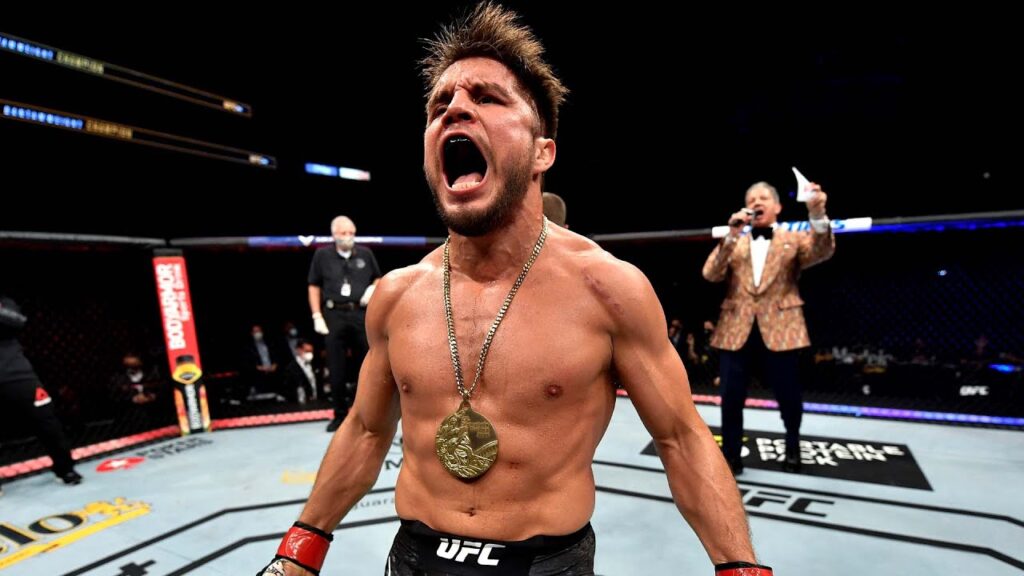
Historically, it is often considered one of the most effective fundamental styles in mixed martial arts and that its influence on the UFC cannot be understated. Most of its greatest and most dominant champions have hailed from its wrestling backgrounds, utilizing grappling skills to control opponents, dictate the pacing of fights, and secure their victories. This article demonstrates the influence of wrestling on UFC with a focus on some of the most dominant wrestlers who turned into champions. Wrestling has always been utilized in MMA fighting with the main use being to help a fighter control his opponent and give him top position, as well as in his defense for striking attacks. The early history of the UFC had wrestling as a cornerstone weapon for successful fighters like Royce Gracie and Dan Severn, using grappling to dominate opponents. As wrestling developed, wrestlers started to adopt other aspects: striking, techniques and submissions, which made them even more dangerous. Wrestling’s focus on takedowns, ground control, and conditioning has all made it an obvious fit for MMA. Wrestlers dictate the terms of the engagement: whether through offensive applications of takedowns and mat control or through defensive prevention of the same, they just do what other fighters have trouble implementing. Many UFC champions have become champions based merely on this ability to control the action. Randy Couture—one of the most legendary fighters in UFC history, known for clinching, taking down, and demoralizing his fellow opponents with an almost non-stop ground-and-pound—1 of 3-time UFC Heavyweight Champion title holder alongside his 2-time Light Heavyweight Champion, wrestling indeed was the key to his success. Wrestling BackgroundCouture had an outstanding wrestling career at Oklahoma State University and later was a coach at the U.S. Olympic Training Center. His profound knowledge of wrestling techniques together with great conditioning delivered the receipt for total dominance in the Octagon. Effects In The UFCHe could apply wrestling very effectively to control the pace of fights and pull opponents down—important reasons behind his success. He later showed how correctly wrestling could be applied in MMA; his wins came against fighters of that time like Liddell, Ortiz, and Tim Sylvia. Wrestling in MMA caused Couture’s memory as a man who popularized the sport and will live on as one of the greatest champions in UFC history not to exist. One of the most happening stories in sports, however, was Brock Lesnar’s journey from the WWE world of professional wrestling into the MMA universe. It is in this past that he embarked on his rise to UFC stardom, wrestling among lessees, and developed considerably relevant experience. With little experience in MMA, obviously holding such attributes physically, coupled with his wrestling skills, Lesnar sure did become quite a problem himself. Wrestling ExperienceLesnar was a dominant wrestling champion in the NCAA Division I through the University of Minnesota, from where he emerged as the national champion in 2000. His wrestling credentials and size/strength made him tailor made for MMA. Influence on the UFCLesnar’s wrestling abilities became what directed him in his UFC career, most notably against victories over Frank Mir and Randy Couture. His ability in takedowns and controlling opponents on the ground was what delivered his UFC heavyweight champion success. Lesnar did not only influence the sport with regard to wrestling, as he ultimately became one of the biggest draws in the history of the UFC. Georges St-Pierre, or GSP, is one of the best accepted fighters in history to ever step into the octagon. Of course, in this regard, a big part of his success came from wrestling. Without any obvious fighting talents, GSP became one of the best fighters in MMA, settling his grappling against those leading opponents of the welterweight event. Wrestling BackgroundHe mostly self-taught most of the GSP wrestling skills, training with top wrestlers and incorporating their techniques into his MMA game. Therefore, the ability to blend wrestling seamlessly with striking and submissions made him a complete fighter. Impact on the UFC Much of his success at welterweight may be attributed to his wrestling. He was able to take down elite wrestlers like Josh Koscheck and Matt Hughes, then control them on the ground. The combination of being able to mix takedowns in with striking and submission makes GSP one of the most well-rounded fighters in the sport. His rise to UFC Welterweight Champion and then, years later, his dynamic return to capture the Middleweight Championship is truly a testimony to his wrestling pedigree in MMA. The former Olympic wrestler and Olympic team captain Daniel Cormier adapted well to the sport and became a world champion in MMA, winning the world titles in both light heavyweight and heavyweight. Cormier’s top-of-the-line wrestling skills formed the bedrock of his success, which saw him control and dominate rivals in both weight classes. Wrestling ExperienceIt just so happened that Cormier was also quite a good wrestler before his MMA career; he was an Olympian and national wrestling champion. It was part of the reason his wrestling pedigree made him a natural fit for MMA, where he quickly established himself as a top contender. Impact on the UFCCormier wrestled right into his fight game, with the ability to bring guys down seemingly at will. From victories over the likes of Anthony Johnson, Alexander Gustafsson, and Stipe Miocic, it showed the credentials to be able to take away what the opposition had. Cormier, a two-division champion with the UFC, cemented his place in history in the annals of great wrestlers in the sport of mixed martial arts. Most of the lightweight divisions in the UFC are largely credited to their wrestling and grappling abilities in general. Known for relentless takedowns and bestial control from the top position, Khabib used his wrestling skills to easily become one of the formidable fighters in the UFC. Wrestling ExperienceKhabib Nurmagomedov grew up in Dagestan, Russia, home to very tough and rugged wrestling and sambo athletes. Grounded in wrestling, he nicely complemented it with a strong advantage in judo and sambo, which
UFC’s Breakout Stars: Fighters Who Rose to Fame Quickly
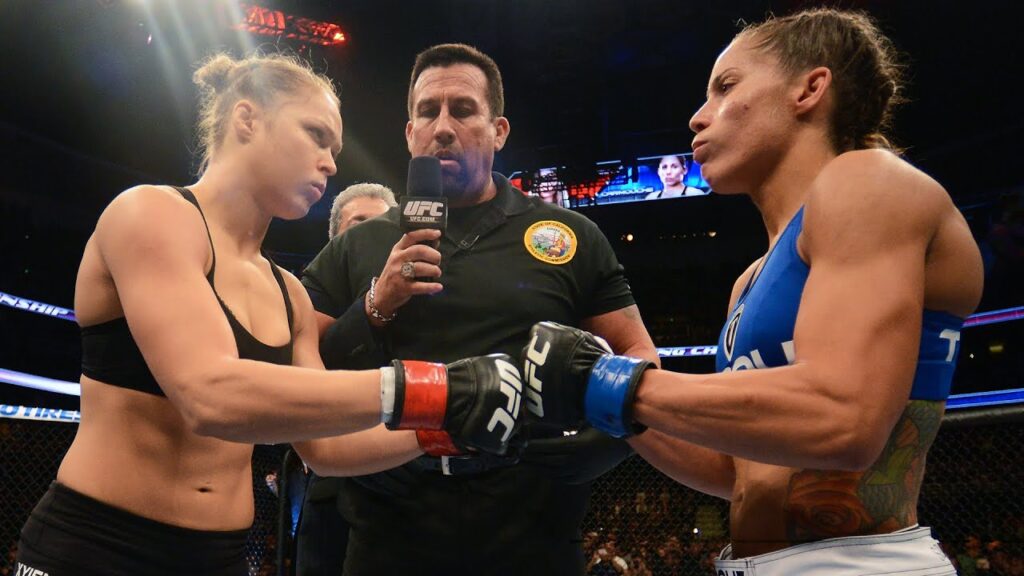
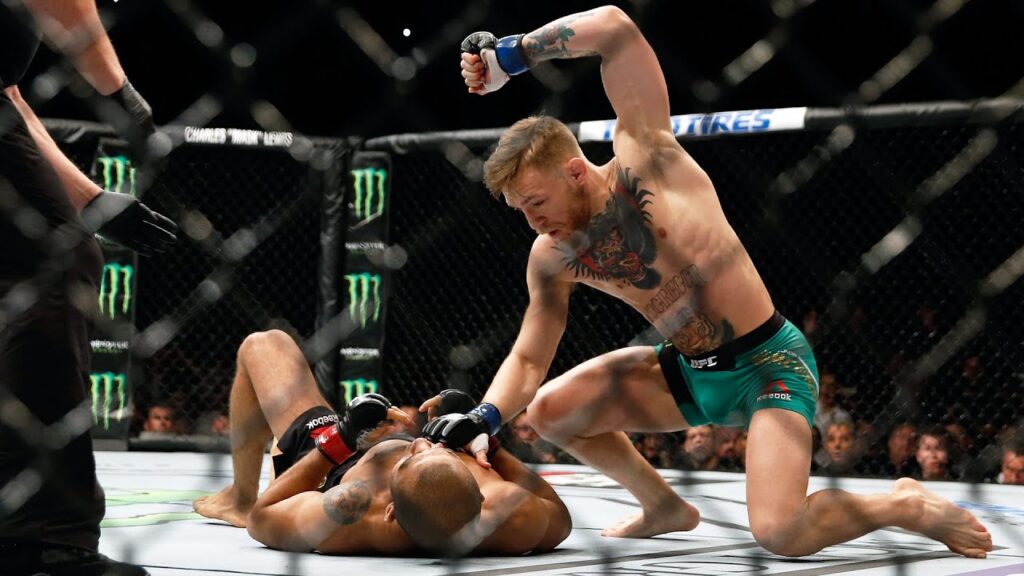
In the high-voltage world of MMA, it’s very common for fighters to really toil away in obscurity before they make their way into mainstream success. However, some UFC fighters have risen to colossal fame in shockingly quick ways, seizing the attention of fans and media with their dominant performances and charismatic personalities. These breakout stars normally leave behind household names, changing their career trajectories and leaving hardly forgettable marks on the sport. In fact, this paper seeks to explore some of the most notable breakout stars in the UFC, further scrutinizing how they go from zero to hero almost overnight and what makes them stand out on this MMA stage that is so crowded. When speaking of UFC breakout fighters, one cannot do so without mentioning Conor McGregor, who is one of the most spectacular rags-to-riches stories in the history of sport. The Irishman stormed onto the UFC scene in 2013 and, within his first fight, quickly became one of the most popular fighters in the world due to his brash personality, sharp wit, and devastating knockout power. Meteoric AscentMcGregor embarked on his rise by first-round knockout over Marcus Brimage in his UFC debut. All the noise inside and outside the cage started with his post fight interviews and public predictions. Soon, he backed them up with a two-knockout run over Diego Brandao and Dustin Poirier. By the time McGregor was called to face Chad Mendes in a replacement interim featherweight title bout at UFC 189, he had already grown into a mainstream superstar. The Featherweight ChampionshipStar of McGregor just raised up to new levels as he became the new featherweight champ by knocking out the longest-reigning champion, José Aldo, in just 13 seconds in the fastest finish in UFC 194. The win established McGregor as a UFC superstar and one of the most marketable athletes in sports. Dual-ChampionMcGregor would then make history when he heeded advice to take on the lightweight division and take his place at the head of it by knocking out Eddie Alvarez into submission during the second round at UFC 205, thus becoming the first fighter in the history of the Ultimate Fighting Championship to hold current titles in two weight divisions. His ability to deliver on those bold promises, coupled with the magnetism of his persona, made him the UFC’s biggest breakout star to date. However it was not only rapid but revolutionary: Ronda Rousey became the face of women’s MMA and one of the most dominant champions in the history of UFC. Over the years, Rousey helped women’s MMA to be legitimized and threw wide open the door for female fighters to take on the male-dominated UFC.Olympic LineageBefore joining the UFC, Ronda Rousey had already been a very accomplished athlete, as she had won a bronze medal in judo at the 2008 Beijing Olympics. She switched to MMA in 2010 and immediately stamped her name in lights with the now-legendary armbar submission, with which she had finished her first six pro fights. Dominates the UFCWhen the UFC introduced a women’s bantamweight division in 2013, Rousey was the natural choice to become the inaugural champion. She defended the title with super quick finishes, such as a 14-second knockout of Cat Zingano and a 16-second submission of Alexis Davis. Towards the peak of Rousey’s dominance, she crossed over into mainstream celebrity with lead and feature roles in both movies and television. Living Cultural LegendIt wasn’t just in the Octagon that Rousey did all her talking; she became a model of empowerment for women in individual sports. But with that reigning onslaught, it was exactly that; an onslaught to be shockingly hushed by Holly Holm in UFC 193. For no one to have ever done more, Ronda’s promotion to explode onto the scene uplifts women’s MMA. Israel Adesanya landed on the UFC scene in 2018 like a bolt of lightning, putting him up among the most inspirational and dynamic fighters in the sport. With striking skills combined with flair, Adesanya locked down fans’ imaginations and rode them all the way up to the hallmarks of a quick rise to the throne within his weight class of the middleweight division. Striking MasteryThe former kickboxing champion made his debut in the UFC during February 2018 by scoring a second-round technical knockout over Rob Wilkinson. His ability to string together strikes from different styles of martial arts puts Adesanya way above his contemporaries in the middleweight division. So effortless in the way he moves, which can piece together ways to crack his foes coming from any other styles of striking or darting in and out of his radius, it has to be astonishing in the eyes of his opponents. Rapid Rise to ChampionAfter only five UFC fights, Adesanya got his shot at the interim middleweight title against Gastelum in UFC 236. In what many called one of the greatest fights in UFC history, Adesanya willed his way to a unanimous decision. He completed his whirlwind race to the top at UFC 243 by knocking out champion Robert Whittaker to become the unified middleweight champion. Superstar StatusHis stardom has risen as he successfully defended his middleweight belt against the best the division had to offer in the likes of Yoel Romero, Paulo Costa, and Marvin Vettori. With his interestingly flashy personality, entrances, and Octagon dominance, Adesanya has easily catapulted as one of the biggest breakout stars and fan favorites world over in the UFC. Khamzat Chimaev is the latest example of the UFC’s perennial rise from its paranoid top to the marvel most highlighted overnight. The Chechen-born, Swedish-based fighter made his UFC debut in 2020 and very suddenly became the topic of conversation as one of the sport’s most brilliant performers who had emerged with a grinding style. Beginning of UnheardJust ten days later, in July 2020, Chimaev made his UFC debut with a second-round submission of John Phillips. A mere ten days later, Chimaev already fought at welterweight, where he recorded a TKO victory over Rhys McKee. Putting
How UFC Fighters Spend Their Downtime: Hobbies and Interests
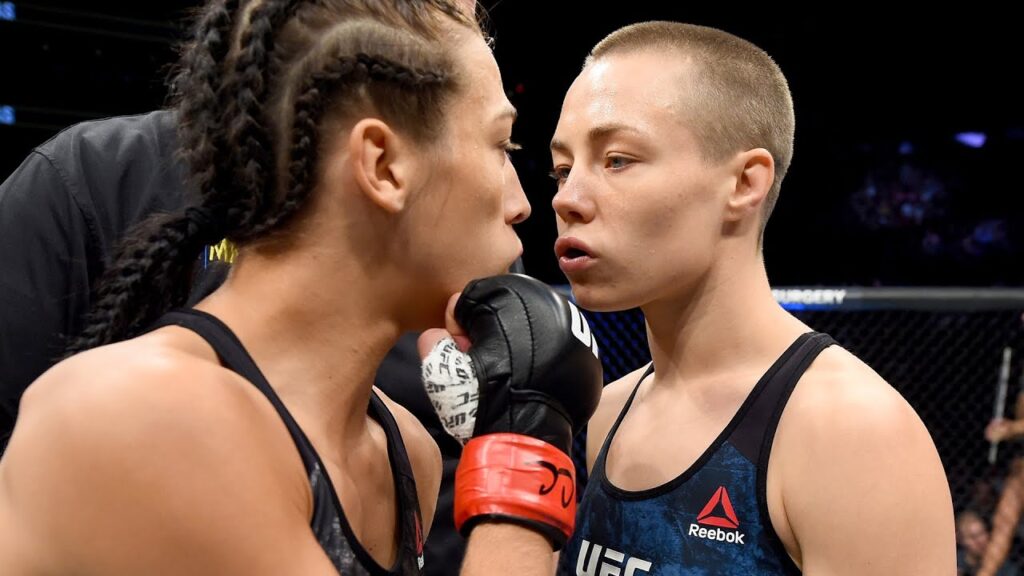
We are most likely to imagine the other way round about the UFC fighters; tough training and challenging in the Octagon, but everyone must take a break. So, apart from the competing pressures, many of the UFC fighters will have numerous types of hobbies and interests that enable them to balance the demand in career and personal life perfectly. Such pursuits are a welcome break from the brutality of the training session and also expose a different side of these fighters who are so fierce in the ring. The article seeks to find out how some of the UFC’s best fighters get downtime and brings to light a list of their hobbies, passions, and unique interests. Many UFC fighters love to get outdoors in their free time, engaging in activities that include a lot of fishing, hiking, and camping. It’s the opportunity for quiet time, far away from the high-intensity professional life these athletes go through, and provides them time to take things slow and refuel their gas tanks. Stipe MiocicThe former UFC heavyweight champion is a major fishing aficionado. He picked up the hobby when he was just a young lad in Ohio and has continued to fish whenever he can. Whether that be some local freshwater action in lakes around his area, or some deep sea fishing during his holidays; there’s just something about being out on the water that puts Stipe at peace. For him, it is not just about the catch; it is more about the peace and the escape from the routine of daily life. Donald “Cowboy” CerroneDonald “Cowboy” Cerrone loves nature and, most importantly, loves to do stuff that keeps his adrenalin high. When not up fighting, Cerrone is mostly into such types of extreme sports as wakeboarding, rock climbing, or dirt biking. And he sure cherishes time on his ranch in New Mexico doing some hunting and fishing. His love for the outdoors and various thrashing adventures reflects his daredevil nature both in and out of the Octagon. Max HollowayFormer UFC featherweight champion, Max Holloway, loves his music and has taken to the other side of life behind the deejay booth with much excitement. He told fans on social media just how much he loved to mix and did deejaying gigs pretty frequently. Besides, he describes deejaying to be like another form of unwinding: getting away from relating to people in a very special way—getting in touch with a whole different side of his personality outside of the Octagon through music.Tyron WoodleyWhile some complain about being through with their career after mixed martial arts, Tyron Woodley, the former Ultimate Fighting Championship welterweight champion, got serious with music. Rapping on the side, Tyron has released a couple of tracks with their music videos and based on that, run commentaries touching on his life and career, which music has jumbled together in his mind. Music has always given him that chance to think outside the box, show his creativity, and lay bare so much more of his private feelings to the makers than in the world of MMA. Video gaming is now the fad, even for UFC fighters. Treat it like another battle arena because, just like in the real thing, they enjoy dabbling in virtual venues. Some have even gone further in building on top of this hobby by streaming their playing and their connection with fans online primarily from the Twitch software. Demetrious “Mighty Mouse” JohnsonOne of the biggest gaming icons within the MMA community is that of Demetrious “Mighty Mouse” Johnson. Johnson adores playing video games, be they “Street Fighter,” “Call of Duty,” or “World of Warcraft.” He has a regular Twitch stream, where he keeps up with his fans and shares love for gaming. This is where he got so deep into video games that he even had an interest in an Esports career after his MMA career. Sean O’MalleyThe other being UFC bantamweight rising star Sean O’Malley, who followed the new craze in video gaming and streaming; oftentimes, O’Malley had streaming footage on Twitch, where he would routinely play games from “Fortnite” to “Call of Duty.” His fans have shown great interest in him not solely because he’s charismatic but also because O’Malley naturally loves to play video games, creating a following so big that hardly any other sports person can relate to fans in that manner. Although fighting is a physical, brutal business, some UFC fighters are interested in the arts: painting, drawing, or some other kind of creativity. Such hobbies provide therapeutic relief, as well as an ability to express oneself above and beyond the Octagon. Carlos ConditCarlos Condit, alias “The Natural Born Killer,” is a former UFC Interim Welterweight Champion, and art, especially drawing and painting, runs deep in his interest. Condit has, as usual, shared a sample of his artwork during interaction with his followers on social media, expressing his creativity and talent. He is said to feel drawing as a form of meditation or getaway—an art where he gets freedom to express thoughts and feelings that do not involve his fighting career. Julianna PeñaJulianna Peña, the former UFC women’s bantamweight champion, does enjoy creative writing. Peña has spoken highly of how her love for writing is one thing that has often served to enable her to express whatever feelings and experiences in poetry. This is in sharp contrast to the physical boot camp that an MMA career is, while she gains the power of self-expression on another level. Most of the UFC fighters use the off time they have to get into entrepreneurship; through their brand and fame, they end up initiating or investing in several businesses. Such activities make sure to enlist finances for the fighters and give them opportunities to pursue various personal interests other than just fighting in the Octagon. Conor McGregorOne of the largest stars to come out of the UFC, beside his lucrative entrepreneurial career since the last outing into the ring, is Conor McGregor. Conor has delved into
Legendary UFC Coaches and Their Famous Fighters
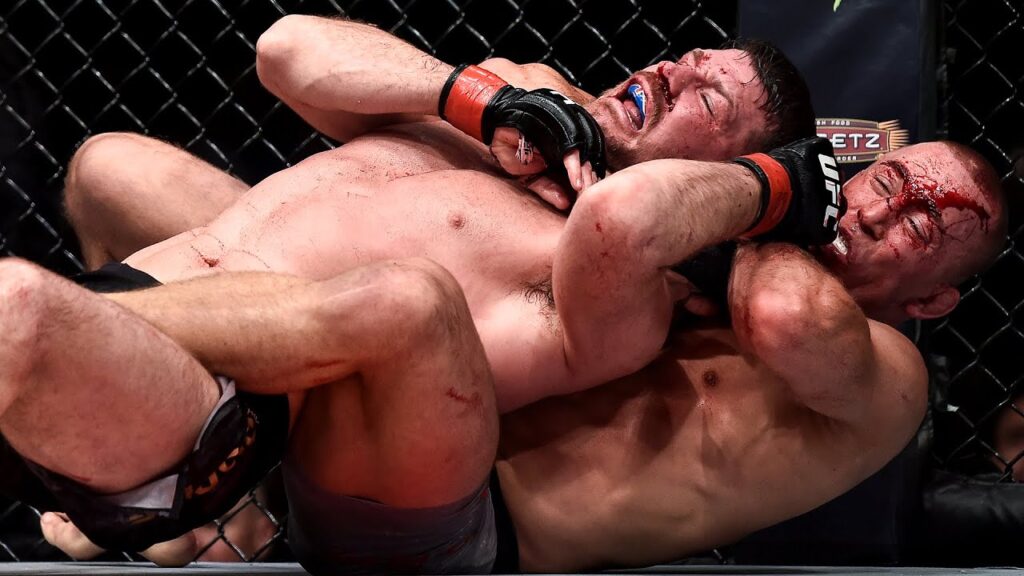
When it comes to mixed martial arts, the spotlight is rightly placed on the fighters, but behind the scenes, every great fighter will have a coach or a team of coaches who play a very critical role in shaping the journey. The coaches featured were not only responsible for guiding some of the world’s great fighters into greatness but left a mark on the sport itself. Leading fighters from UFC history’s most well-known pugilists, these coaches have been strategic masterminds and motivational leaders. This article identifies those contributions of legendary UFC coaches and provides details about the fighters they helped groom into champions. Celebrated Fighters Jon JonesPerhaps the most notable fighter to have come through the Jackson-Wink MMA academy is Jon Jones, who is widely considered one of the greatest fighters in history. Under Jackson’s watch, Jones would soon become the youngest champion in UFC history, attaining the light heavyweight title at the tender age of 23. In Jackson’s training, the weaving throughout striking and wrestling with submissions perfectly accustomed Jones to dominate his division. Georges St-PierreAnother legendary fighter whom Greg Jackson has trained is Georges St-Pierre, more popularly known as GSP, a two-time world champion of the UFC Welterweight Championship title—certainly one of the most well-rounded MMA fighters ever. Thus, Greg Jackson had every substantial share in the development of GSP’s game in many ways, most particularly with regard to wrestling and defensive strategies for fighting. GSP is still ruling the roost of the ever-challenging Welterweight Division of the UFC, mounting a great comeback stroke of fortune in 2017, befitting the Middleweight Title. No doubt, these are huge credentials for Coach Jackson. Carlos ConditOne more fighter who also reached his peak under Jackson’s coaching was Carlos Condit, widely recognized as “The Natural Born Killer.” Some of the things that endeared him to fans and made him the menace of the Octagon were his aggressive striking and generally well-rounded fighting style in the welterweight division. Very similar to Gaston, one could truly see this influence of Jackson in Condit—in none other than strategic use during his fight with Nick Diaz for the interim welterweight title at UFC 143.Jackson contributed more to the sport than individual fighters accomplished besides the circumstances. He paved the way in constructing MMA as a strategic sport and had an influence on the development of the methods of training in the UFC that are not so simple to wipe out quickly. Rafael Cordeiro is the legendary Brazilian coach of Muay Thai. He is also known for wielding the capability to turn out exceedingly aggressive and powerful strikers. He is the head coach at Kings MMA, which is located in Huntington Beach, California. He has trained some of the most feared strikers in the UFC with the former head coach of PRIDE. His dominant approach beats his trainees many times on the mental aspect. Well-known Warriors Anderson SilvaOne of the most iconic fighters to be trained by Rafael Cordeiro is Anderson Silva, widely regarded by many people as the best striker ever to compete in mixed martial arts. The precision along with the creativity and knockout power in him had made him the most dominant middleweight champion inside the UFC. It was during this period that Cordeiro’s input to Silva’s striking game helped him retain the title for a longer period and land various highlight-reel finishes. Fabricio WerdAnother fighter who has benefited hugely from Cordeiro’s coaching: Fabricio Werdum, another former UFC heavyweight champion. Once primarily a Brazilian Jiu-Jitsu player, Werdum developed into a more complete fighter under the tutelage of Cordeiro, including the addition of dangerous Muay Thai striking. Werdum’s victory over Cain Velasquez at UFC 188 to win the heavyweight title showed better striking and conditioning under Cordeiro. Rafael dos AnjosAnother major name is Rafael dos Anjos, a former UFC lightweight champion and product of Kings MMA. Under Cordeiro’s watch, dos Anjos grew into a complete fighter with murderous striking, powerful grappling, and relentless cardio. Included in dos Anjos’ dominant title run were wins over Anthony Pettis and Donald Cerrone, showing the effectiveness of Cordeiro’s coach.The correlation, undoubtedly, is in the modus operandi; Rafael Cordeiro’s fighters are the fiercest and most dynamic over any other fighting style. His potential to combine striking with other components in MMA has made him one of the most sought-after coaches in this sport. Javier Mendez is the head coach of the American Kickboxing Academy in San Jose, California, one of the more noted gyms in the world that turns out some of the best wrestlers and overall fighters competing in the UFC today. Given his background in kickboxing, his coaching philosophy is that of a well-rounded gentleman, meshing striking with wrestling and grappling into one fully-fledged fight. Celebrities of Combat Khabib NurThe most prominent fighter produced by this camp is Khabib Nurmagomedov, the former UFC lightweight champion who retired without defeat. Under Mendez’s guidance, Khabib went from a suffocating wrestling style to one that was nearly impossible for opponents to stop in the Octagon. Mendez was crucial in restoring Khabib’s abilities in striking and planning his games, ensuring his unbeaten status and acquiring one of the most dominant champions the UFC had ever seen. Daniel CormierYet another top fighter who has been under the wings of Javier Mendez is Daniel Cormier, the former UFC Light Heavyweight Champion and the Heavyweight Champion. Added to his wrestling pedigree developed all throughout his wrestling career was striking, also learned under Javier Mendez, that has made Cormier a dual-division champion—greatness through the effective implantation of game plans, especially in victories over Stipe Miocic and Anthony Johnson, which was only a testament to the coaching of one Javier Mendez. Cain VelasquezAnother that owes nearly all his success to Javier Mendez and AKA is the former UFC heavy champion Cain Velasquez. According to Mendez, Velasquez was built around the style of pressure, cardio, and wrestling, which he helped develop. The dominant performances by Velasquez against the likes of Brock Lesnar and Junior dos Santos cemented
UFC’s Most Shocking Injuries: Moments That Made Fans Gasp
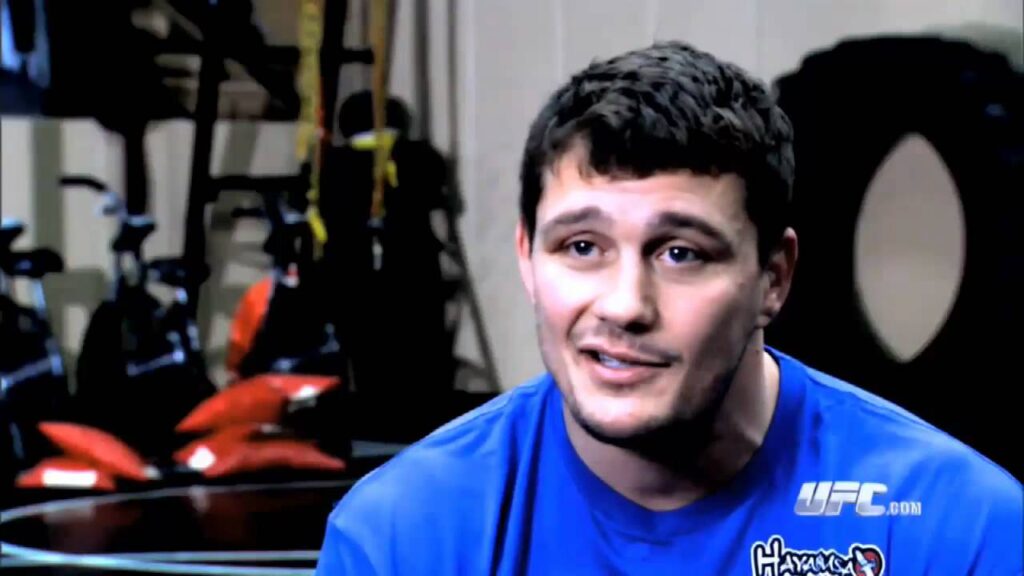
Some people could consider mixed martial arts to be one of the most physically perilous and demanding sports in the world. As such, the UFC has had its share of really shocking injuries over the years. Such injuries have made an impact not only on the fighters but also on the fans, commentators, and the sport itself. Some fighters may still accept the fact that stepping into the Octagon brings with it some potential injuries, but in most instances, they happen to be very serious and are considered some of the defining moments in UFC history. This article takes a look at some of the most shocking injuries in UFC history, laying out how they happened, what effect they had on the fighters in question, and their place in the sport. One of the most infamous injuries in the history of the UFC happened at its 168th event in 2013 with a much-anticipated rematch for the UFC Middleweight Championship when Anderson Silva went up against Chris Weidman. In that fight, Silva sought to regain his title taken from him by Weidman earlier that year in what turned out to be one of the sport’s biggest upsets to date. Midway through the second round, Silva threw one of his patented kicks that he is known for—the kind where it lands on an opponent’s thigh. However, Weidman checked the kick by raising the shin, which led to a terrible injury. On impact, Silva’s leg snapped, both at the tibia and fibula areas. The break was so ghastly that he fell straight to the canvas in agony, and the fight was stopped right there and then, making it a TKO victory for Weidman. As Silva was falling, he bent his leg so far; it’s one of the ugliest moments in UFC history. The injury was so gruesome that it evoked stunned silence from fans and commentators alike, and the visual of him being carried out of the Octagon on a stretcher became one of the most enduring visuals of the sport. Silva went under the knife to repair the broken leg and eventually returned to active duty in the Octagon, but he was never quite like his old self as a fighter again. A moment like that was one in which it was broken, and although he went on to continue fighting, there were certain performances of dominance from past times that he would never be able to recreate as a star. Before the Anderson Silva leg break, there was another fighter who suffered an equally shockingly devastating injury that shook the MMA world. Corey Hill fought as a lightweight combatant against Dale Hartt in 2008 for UFC Fight Night 16. Throwing an early second-round leg kick that Hartt checked led to the terrible break of Hill’s right leg. Both Hill’s tibia and fibula snapped when he hit, and instantly, he fell to the mat in clear agony. The condition was gravely serious as the bout had to be stopped there and then by the referee, and the hurting Hill was hurried to hospital for an emergency surgery. Now, fans look on in disbelief, mixed with a little bit of disgust, as they see his leg bending in an unnatural way.The injury derailed Hill’s MMA career, as he was forced to undergo multiple surgeries and an extended recovery period. He finally made a comeback to the sport, but could never regain that momentum built up prior to the injury. Hill’s breaking his leg is remembered as one of the most memorable and unfortunate injuries in UFC history. The fight was held at UFC 48 in 2004 between Frank Mir and Tim Sylvia for the vacant UFC Heavyweight Championship. Mir, known for his submission skills, didn’t take too long before attempting to wrestle the match to the ground. Early in the first round, Mir secured an armbar on Sylvia. What comes next, one of UFC’s most surprising moments, happens. As Mir cranked on the armbar, Sylvia’s forearm snapped, and a loud crack echoed throughout the arena. Though his forearm was broken, Sylvia first acknowledged that he wouldn’t tap out, so referee Herb Dean called a stop to the action. Sylvia protested the stoppage, saying that he didn’t know his arm was broken, but whatever: Mir was your victor via TKO. When Sylvia refused to tap and ended up breaking the arm because of it, it was one of the defining moments in UFC history. It was brutal to see, and this action showed again just how tough these athletes are. Sylvia finally had surgery to repair the broken arm and returned to fighting, but the event is still one of the moments in UFC history where people shudder. This was one of the respectful well-seasoned fighters in the sport back in 2009 at UFC 102, with the name Randy Couture, fighting in the heavyweight against Antonio Rodrigo Nogueira. It had turned into another instance of one fighter beginning to higher another heavy exchange of fighters. What made this fight memorable is the fact that Randy Couture came out with a partially severed ear. In the clinch, Nogueira landed a punch that exploded Couture’s cauliflower ear. Years of wrestling and MMA wear and tear left Couture’s swollen, deformed ear gushing with blood and partially detaching from his head. This was certainly not one of the most serious injuries for a fighter to face, although it was distinctly unsettling visually and seemed to underscore just how potentially damaging MMA can be to the body. Couture, like the professional he is, fought on, although he ended up losing the bout by unanimous decision. His ear turned into a metaphor for his tenacity in the Octagon. Alistair Overeem, the hard striker in the heavyweight division, experienced a worrying injury during the match against Francis Ngannou at UFC 218 in 2017. Supremely renowned for his ridiculous knockout power, Ngannou truly had devastating force as he landed a blistering uppercut in the cranium of Overeem, leaving him face-first on
The Business of UFC Pay-Per-View: What Makes a Fight Card Successful
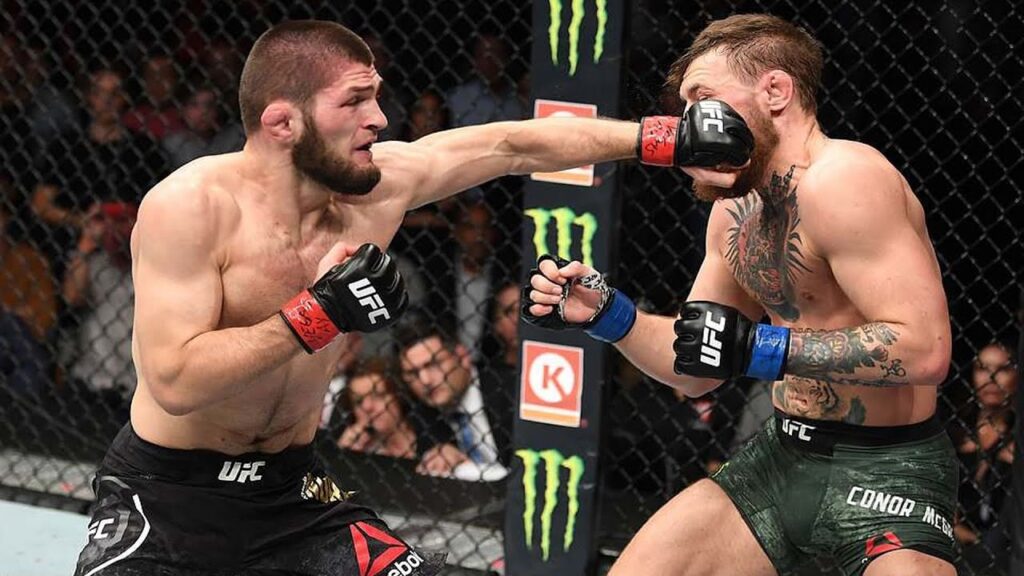
For years, headlining pay-per-view events were the driving force behind the UFC’s profit model and the focal point for its most recognizable talent. Several million dollars have often been cleared with one card by the professional promotion—income that’s always relative to the depth of any given card’s talent pool and generated by the card’s appeal to an ever-growing fan base. But what exactly makes a UFC PPV fight card successful? The article will earmark crucial elements leading to the success of a UFC PPV event: from star powers to fighter storylines. The pay-per-view success of UFC derives from the star factor relevant to the fighters involved, and more so if they are headlining the card. Like stated earlier, the main event shall be the singular draw to the fan, and having one very popular and in-demand fighter is what spells the difference in the overall success of a PPV. Conor McGregor is the very epitome of a fighter who drives huge PPV buys through his star power. It’s the charisma of McGregor, his ability to sell a fight through his trash talk, and highlight-reel knockouts, which have made him one of the biggest draws in the history of combat sports. His events almost always draw about a million PPV buys, independent of the undercard or the opponent. An example is the fight between McGregor and Khabib Nurmagomedov during UFC 229. This pay-per-view holds the record for the highest selling of all time, with more than 2.4 million buys. Crossover StarsThis is the kind of fighter that is important for bringing credibility to the PPV platform. For instance, credible and huge ticket fights for Ronda Rousey and Brock Lesnar cross over outside the world of MMA into the mainstream. In the example of Rousey, the combination of mainstream popularity with domination in the women’s bantamweight division set records for successful PPV events. In the case of Lesnar, a cash cow of professional wrestling, most of his huge draw was a product of various takes on his giant persona. A good PPV is going to have fighters in the headliner that the fans want to see and who offer some type of appeal with it, as it is the big sell point that brings in those who do not follow the sport, for the most part. Grudge Matches and Heated RivalriesRivalries with evidence of real animosity or past animosity will draw even more buys on PPV. For example, the feud between Jon Jones and Daniel Cormier set up to be one of the greatest feuds in UFC history, as both competitors went back and forth trash-talking one another, and at one point, a brawl broke out between the two at a press event. That helped light the fuse on the pressers, and high tension, coupled with the huge stakes that fight for a title brings, means Cormier-Jones fights are can’t-miss affairs and often translate to monster PPV successes. InterestUnderdog stories will also resonate with fans, particularly when a fighter upsets the odds to give an outcome against a dominant champion. This sets up the sympathetic favorite heading into the impossible to become the heavy emotional investment for the fans cheering that stage. For instance, the rise of Holly Holm leading to her shocking knockout of Ronda Rousey at UFC 193 was compelling and produced a record number of buys for a PPV. Championship Fights and LegacyTitle fights, and especially those with a belt on the line, add significance to what is already a huge event in a PPV show. Fans are always intrigued by a chance to see something historic—one of those types of fights shows that kind of moment when either the champion is pulling off the defense of the title or an underdog is trying to take the throne. Legacy fights do also quite well; a place in the history of the sport is one of the bigger talking points.An example of such a legacy fight that pushed the pay-per-view sales to big numbers is the return of Georges St-Pierre to the Octagon at UFC 217, where he took on the title of middleweight. Although the main event is obviously the headliner, an undercard and a co-main event really help with the whole success level of a PPV. If fans are going to be fully sold on a PPV, they need to feel like they’re getting enough bang for their buck in terms of quality fights, not just quantity. Stacked CardsThe need for these cards to be filled with action means the UFC often goes out of its way, booking multiple title fights or extremely popular fighters, though not always in title fights. For example, UFC 205 in New York City, the first show since the state legalized MMA, was headlined by three title fights and a few other important/relevant fights. All the same, the depth of that card most certainly helped it draw well over 1.3 million PPV buys at the gate. Upcoming Talents and Promising ProspectsAnother even important point in creating a much better up card for the PPV event is new fighters who are up and about with so much potential or with so much excitement going on around them. The potential for a breakout performance can arrest attention. Really, that’s how the UFC normally utilizes PPV events—a true platform for budding talent to showcase and ideally build their fan base. Diverse PairingsIt represents all the weight divisions and every fighting style, resulting in a wide cross-section of fans. Well-rounded cards, which have a pepper of striking battles and grappling showcases along with some tightly matched combats, ensure that there’s something in it for the MMA fan across the spectrum. It holds the viewers in suspense and contributes to overall lure towards the event. It is in this regard that promotion and marketing prove crucial in a UFC PPV event. The UFC is very strategic in promoting the events using both traditional media channels and the Campbell paper digital platforms and social media to build the
How UFC Fighters Cut Weight: Techniques and Challenges
Weight cutting is one of the hardest and most prominently discussed topics of mixed martial arts. UFC fighters tend to put themselves through rigorous weight cuts just to compete in lighter weight classes in hopes of gaining an advantage in size and strength against their opponents. This process is without a doubt grueling and dangerous, leading to greater physical and mental trauma. This paper discusses the weight-cutting practices for UFC fighters, presents the challenge, and raises the controversy regarding the topic. Weight cutting in the UFC would be the process of losing a lot of weight, usually by dehydration, which may take days or hours before the fight. The procedure is typically mainly aimed at ensuring the fighter meets the weight limit for a given weight category, usually not more than a day before the actual fight. Most importantly, after the process, they rehydrate and re-feed, often gaining quite some weight before stepping into the Octagon. For example, a fighter who competes at welterweight, which is 170 pounds, can easily walk around at 190 pounds and above during his training camp. In the remaining days to his fight, he will cut to 170 for weigh-ins and rehydrate to a way heavier weight for the fight. Weight cutting is, in fact, highly common but also one of the most risky practices in combat sports. Measures for shedding pounds fast include dehydration, electrolyte imbalance, kidney damage, and so forth. A fighter applies many tricks to shed pounds, such as reaching for the water weight in every tissue of the body possible. The most common methods include: Water Loading Water loading is the process in which a contender consumes a lot of water—up to two or more gallons a day during the week before the weigh-in. In such a way, one fools the corresponding body to lose more sodium and then to increase urination of necessary fluids. Then, in the day or two prior to the weigh-in, drastic reduction of water consumption is affected. The effect which has been noted is speedy dehydration in a process termed quick weight loss as the body will continue excreting water. Carbohydrate Restoration Carbohydrates are stored in the body as glycogen, which retains water. Removing carbohydrates from the diet will lower the glycogen stores—and, hence, the amount of water—in the body. Usually, this is the last minute trick an athletic person uses before a weigh-in.Sweating The most direct way to drop water weight is through sweating. This often sees boxers go into saunas, steam rooms, hot baths, or sometimes just in heavy clothing to try and break a sweat while working out. This can be effective but does carry the risk of dehydration and heat-related illnesses. Salt Manipulation This is because sodium helps retain water; therefore, by critically cutting down on sodium consumption, a fighter can enable the body to lose as much water as possible. This is always done in conjunction with water loading for maximum loss. Others go as far as taking diuretics that will increase the output of urine. Outrightly banned in the UFC, diuretics have every reason to be such because, aside from having their abuse, this can lead to dehydration, imbalances in electrolytes, and problems in kidneys. The use of diuretics can as well lead to a failed drug test and suspension. This makes fighters go to the extent of short-term fasting, trying to alter their body weight by cutting down on calories assumed on a daily basis to burn body fat and hence lower the amount of food in the digestive system. For as much as this can be seen to be of benefit, it also has its associated risks, especially with the inclusion of other extreme means of cutting weight. Weight cutting is both a physical and mental exercise. The process brings stress, changing people’s mood and many into an irritable and anxious state. In the process, fighters have to deal with a psychological strain of being hungry, thirsty, and fatigued all while remaining focused on their impending fight. With mental toughness, one can go through the after-effects related to weight reduction. The mental aspect, while a fighter sometimes goes through, has been compared with a mental test preparing the fighters for an actual fight, measuring discipline and determination. However, the negative mental strain can damage the performance of a fighter, especially if the weight is not correctly managed. Added to this, fighters shall dread not making weight because it will lead to monetary fines, prospective bonus losses, or possibly fight cancellation. The pressure to be on point with weight definitely puts an extra layer of stress on an already difficult process. After weigh-in, the focus is shifted to rehydration and recovery. An average sports fighter gets 24-36 hours to rehydrate, refuel, and collect all strengths and energy again for performing in the octagon at peak level. Rehydration The most important part of a recovery phase post- weigh-in is hydration. Fighters have quite often used oral rehydration solutions added to their electrolytes, such as sodium and potassium, usually in time for the body to restore its fluid balance. Oral rehydration solutions are much more beneficial and effective than water since it dilutes electrolytes, making such imbalances even worse. Some fighters speed this process along through intravenous (IV) rehydration, a controversial practice banned by some athletic commissions. The UFC’s anti-doping partner, USADA, generally prohibits most uses of IV rehydration for just that reason: because it can all too easily mask drug use. AutomatingRefueling: post-weigh-in, The need to restore the glycogen stores in the body is well supplemented by carbohydrate intake, albeit with the help of protein and fats to make for the fighter’s recovery. Fighters usually prefer many small, frequent meals in the hours after the weigh-in to avoid overloading their energy levels and not to stress the digestive system too much. After rehydration and refueling, he just focuses on resting, letting his already arduous body recover from the stress of weight cutting. Sleep, at this time, is of particular
Epic UFC Trilogies: Rivalries Spanning Three Iconic Fights
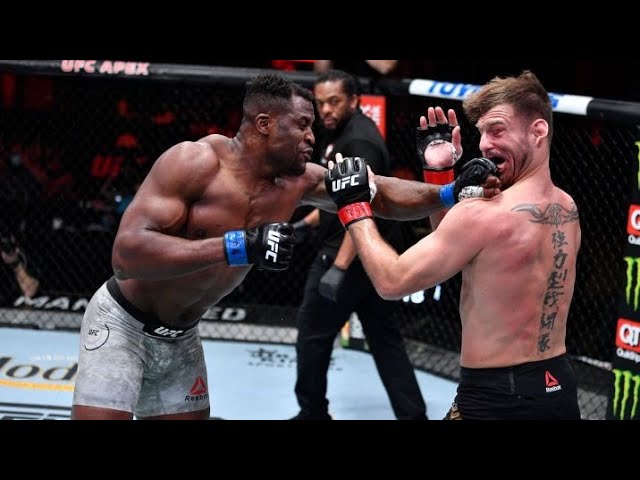
Rivalries, it seems, are part and parcel of the mixed martial art world. If two fighters meet within an Octagon, a clash of skills, wills, and personalities could well be in the narrative that draws in fans. But some become boiling matches of well-matched intensity, where more than one or two encounters save them. They are the trilogies, series of three fights that go down to the history books in UFC’s lore. This piece reviews some of the most epic UFC trilogies, rivalries that span exactly three iconic fights and make a mark in the sport. One of the most iconic trilogies in UFC history would be the Randy Couture vs. Chuck Liddell rivalry. Two of the most storied legends in the sport, these men helped to define the Light Heavyweight Division during the early part of the 2000s and put together one of the more memorable three-fight series on the record under the UFC banner. Debut Fight: UFC 43, June 6, 200 Their first bout was in UFC 43 as an interim UFC Light Heavyweight Championship; at this time, Liddell was recognized for his striking power, whereas Couture is a specialty of wrestling. In that fight, Couture had come into the fight as the underdog, with two straight losses. He shocked many by out-striking the famously feared Liddell en route to a TKO victory in the third round to claim the interim title. The win brought Couture back to relevance—a career rejuvenation— and set the stage for an all-time great rivalry. Second Fight: UFC 52 — April 16, 2005The champion’s long-awaited rematch came almost two years later at UFC 52, where Randy Couture was now the undisputed UFC Light Heavyweight Champion. So this time around, Liddell came in a lot wiser about the game plan Couture executed. He knocked out Couture cold, sending him face-down, with a right hand he launched in the first round. By this victory, Liddell reclaimed his title, evening the score at one each. That knockout was a career-making moment for Liddell, as he further got recognition as the most feared striker in the division. Third Match: UFC 57, February 4, 2006 The trilogy would be rounded out at UFC 57, where, once again, it was all about the UFC Light Heavyweight Championship. After that, Liddell went another step ahead to fumble Couture in the second round for a knockout win. That firmly planted him in the context of best light heavyweights and signified the end of the reign by Couture in that division. After the fight, Couture announced his retirement, although he later returned to compete in the heavyweight division. The Couture vs. Liddell trilogy brings an excellent illustration of how rivalry shaped the UFC in its early days of development. This trilogy remains critically noteworthy in the annals of this sport, considering the difference of the styles of both fighters and the high steaks during each bout. The threesome between Cain Velasquez and Junior dos Santos has remained the most brutal trilogy in heavyweight UFC history. The division’s two titans authored three wars that would impact their respective careers going forward and the heavyweight division at large. First Fight: UFC on Fox 1 — November 12, 2011The first battle Velasquez fought was a huge event—it was the first time the UFC had graced network television. During the fight, both men remained undefeated in UFC and Velasquez continued as the heavyweight champion. But the fight ended abruptly because shortly afterward, dos Santos hit a colossal overhand right, dropping Velasquez just 64 seconds into the first round via knockout to capture the UFC Heavyweight Championship. Few at the time had expected such a result and it eventually led to a head-to-head. Second Bout: UFC 155, December 29, 2012A year later, Velasquez got his chance to take back his title from dos Santos at UFC 155. Relentless in his desire by this time to take back what was rightfully his, Velasquez sprang out of the gates and went hard after the man who had taken everything from him. He battered dos Santos every step of the way, pounding on him with pressure, ground-and-pound, and takedowns en route to a lopsided unanimous decision victory that earned back the heavyweight belt. The fight really displayed Velasquez’s fine cardio and toughness, setting up a highly anticipated rubber match. Third Battle: UFC 166, October 19, 2013 The trilogy came to an end at UFC 166 that featured the last confrontation between Velasquez and dos Santos. Yet again, Velasquez applied his signature heavy pressuring style and wrestling to gradually break down the Brazilian. It was yet another war, but the pressure of Velasquez consequently resulted in a fifth-round TKO as dos Santos could not station a proper defense. The win has now formed Velasquez as the top and heavyweight kingpin of UFC, and also it was the climax of seeming to bring down the biggest trilogy regarding physical output in UFC history. The Velasquez vs. dos Santos trilogy will long be remembered for how fiercely it was fought and how it physically took a toll on both the fighters. Both bouts showcased the toughness and skill of the two heavyweights in one of the more significant rivalries the division has seen in its history. The showdowns between Georges St. Pierre and Matt Hughes would be important in UFC history because it marked a transition of power in the storied welterweight division from one legend to another. Their trilogy helped catapult St-Pierre into the conversation of one of the greatest fighters ever, with emerging evidence of the evolution of MMA Sport. First Fight: UFC 50 (October 22, 2004The initial bout between St-Pierre and Hughes happened in UFC 50 for the completely undisputed UFC Welterweight Championship. Hughes at that time being the titleholder was a recognized legend, whereas St-Pierre was an upcoming raw talent at that time. During the first round of battle, Hughes trapped St Pierre in an armbar with just 1 second left and caused St-Pierre to submit. The victory
The Most Heartwarming Moments in UFC History
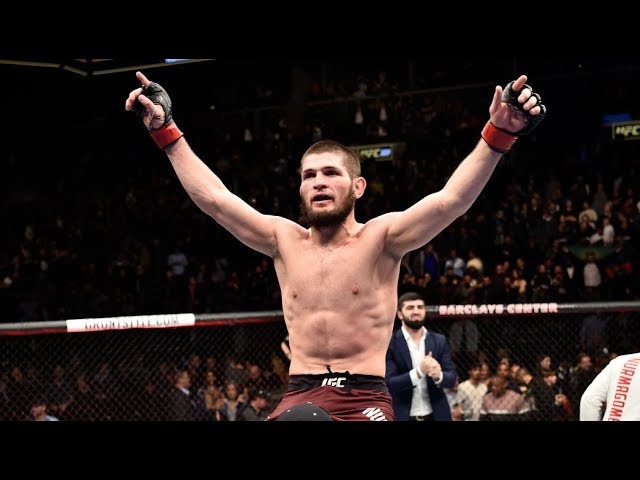
With intense rivalries to brutal knockouts, high drama almost always rules the UFC; all that bad boy competition harbors moments that tug at the heartstrings. These are moments of the humane perspective, where beyond the punches and kicks, the UFC represents a story of resilience, respect, and human bonding. This article takes a look at some of the most heartwarming moments throughout UFC history. The emotional side of mixed martial arts often gets lost with all the hype and adrenaline that goes into big matches. The pageantry star of Khabib Nurmagomedov’s victory over Conor McGregor at UFC 229 in 2018 won. The fight was more than much awaited; it had a very heated build-up. After a submission win for Khabib, a post-fight brawl ensued, resulting in chaos both inside and outside the Octagon. Lost in the mayhem, Daniel Cormier, one of Khabib’s friends and training partners, quickly came to Khabib’s corner. In a scuffle as intense as that one, Cormier’s first worry was if Khabib was all right. He embraced Khabib, gave words of comfort, and tried to calm his friend down. That was itself quite a moment of friendship and support, illuminating in no uncertain way just how deep ties can bind fighters, and how powerful a very strong support system can be for an MMA fighter—the one dealing with this really big bag of mixed feelings. The image of Cormier consoling Khabib became one of the banner photos of UFC 229, encapsulating the human side of the fiercest rivalries. A fight that, for good reason, is widely known as perhaps one of the UFC’s most essential fights; it was Forrest Griffin against Stephan Bonnar at the finale for “The Ultimate Fighter” season 1 in 2005. That fight was an all-out war from end to end, igniting a love for the sport among the fans and turning out to be huge in taking the UFC mainstream. Through the three brutal rounds, the two fighters turned out to be weary and battered, but they surely gave all they had in the Octagon that night. As the final bell rang, Griffin and Bonnar closed the night fighting and embracing at the same time in a hug that said so much about mutual respect and admiration for each other. It was a strong picture of sportsmanship and brotherhood in a fight that physically had taken so much from both men. Although Griffin walked away with the decision victory, both of them received contracts, and their careers were forever linked by that legendary night. That hug between Griffin and Bonnar is one of those moments that is part of UFC history, a photo showcasing the heart and spirit of the sport. With chins built from granite and knockout power aplenty in their fists, Mark Hunt and Roy Nelson are undoubtedly two favorites among the UFC’s heavyweights. These guys came to fight, bringing two of the stiffest hitters in the division to take each other face-to-face in 2014 at UFC Fight Night 52. Hunt got the win with a walk-off knockout early in round two, but the scenes that followed were almost as dramatic. With Nelson flat-out cold on the canvas, Hunt walked over, lifted his felled opponent onto his feet and embraced him in an impromptu show of respect and sportsmanship. The gesture represented the mutual complement of two great personalities and a reminder that even if it was a brutal sport, MMA provided space for compassion and respect. The photo of Hunt helping Nelson to his feet after their clash was an instant success but also, with it, it put the spotlight on one of the less considered areas of fighting: the mutual respect and friendship between combatants. Rose Namajunas’s upset victory here in New York at UFC 217 in 2017 was one of the most emotional moments in UFC history. Leading up to the fight, Jędrzejczyk was part of psychological warfare, taunting Namajunas, questioning her mental toughness. But Namajunas remained composed. Shortly after that, Namajunas surprised everyone by knocking Jędrzejczyk out in the first round to claim the UFC Women’s Strawweight Championship. In the speech she made after the match, an emotional Namajunas talked about things like inspiration and mental health. She mentioned how she had come above many personal problems to step out at that moment and how she wanted to become a role model to others, just like many people had been to her. The victory of Namajunas and her heartfelt message touched fans all over the sphere. Instantly, her humility and grace in victory made her a fan favorite, and her saga went on to become an inspiration for many. The tale of Michael Bisping’s journey to the UFC Middleweight Championship speaks volumes about sheer persistence. In several years of contention, Bisping finally got to vie for the title, on short notice, opposite Luke Rockhold at UFC 199 in 2016. He was a massive underdog entering the fight, but he turned the world upside down by knocking out Rockhold just 3:37 into the first round to win the championship. The win was further emotional because Bisping had been a late replacement for the injured Chris Weidman and took the fight with only 17 days of notice. The veteran fighter, Bisping, was almost in tears during his post-fight interview, reflecting on the long journey to the top and the sacrifices made by him along the way. He dedicated his victory to the people and fans, and he said he could never have done any of this without them.Bisping’s title win was, by all measures, one of the storybook, feel-good moments in UFC history, epitomizing the strength that one can garner through tenacity and the value in never yielding on the possibilities of one’s dreams. Ronda Rousey was the supposedly most dominant champion in the history of Ultimate Fight Championship. The fights, so close to each other, often resulted in quick victories; stunning for a pleasant result—an unseen bond with her mother, AnnMaria De Mars, former world judo champion,