
The Evolution of UFC Fight Wear: From Shorts to Gloves
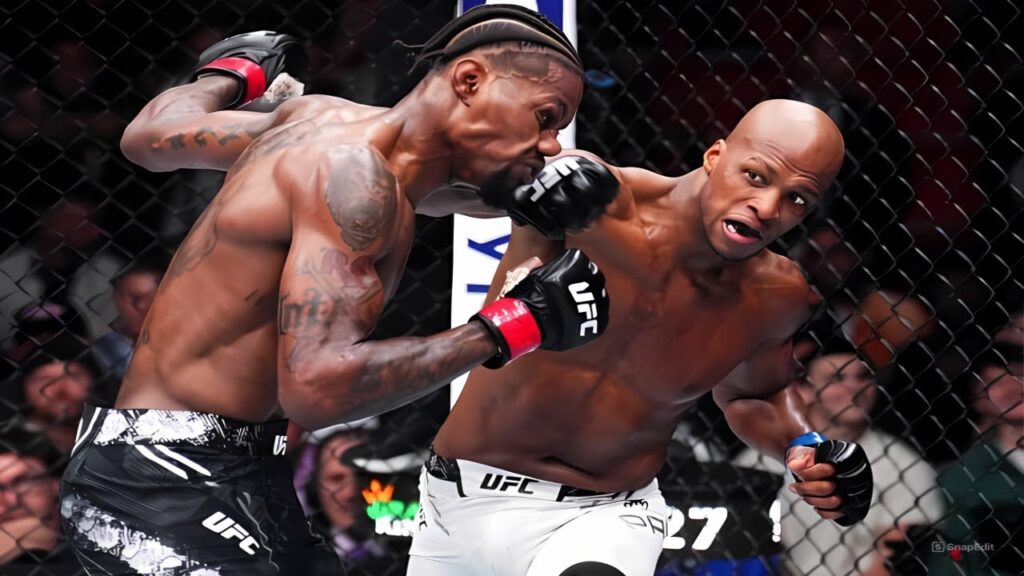
What had started in 1993 with the UFC has evolved radically, from the sport to the equipment and attire worn by burly gladiators. From what was, in essence, a no-holds-barred competition with very few rules and virtually no guidelines regarding pugilistic garb, replete with Chuck Taylors, the UFC has grown into a highly regulated sport with standardized fight wear, designed to ensure safety, fairness, and marketability. This article will delve into the evolution of UFC fight wear from the early days of mixed martial arts to the modern era, enlisting major changes and innovations in how fighters have dressed and competed in the Octagon. Unveil: When the UFC first kicked off its inaugurating event back in 1993, there were literally no rules in place that participants established inside the Octagon. Ever since the beginning, what junior fashioning UFC wanted to prove was which fighting style proved most effective in a real fight. So, fighters wore whatever they felt gave them an edge over the opponent. This created quite a mixed bag of fight wear in the first couple of UFC shows and runs. Fighter Royce Gracie of Brazilian Jiu-Jitsu entered the octagon in his traditional white gi, which he would use presidentially in his multiple submission wins. The ability to grasp and manipulate holding in various places is what gave Royce an advantage over all of his opponents in positioning and ferreting. Other fighters, such as Dan Severn, would wear wrestling singlets—almost like they were just going to wrestle it out—while strikers like Gerard Gordeau would just wear a pair of shorts and sometimes even go bare. While this added to the novelty of the site, it also must have brought forward the idea that as the sport took hold and grew, to a large extent there had to be some standardization driven by consistency and safety. As the UFC went through a popularizing transition, the need to create a standard attire of dress became prudent so that real competitive equity between fighters would be set up and no one kind of dressing would turn out to be an advantage. As the UFC matured during the late 1990s and the early 2000s, the organization started adopting rules and regulations on bans, one of them on attire to wear while fighting ;the most noticeable one was the adoption of fight shorts. The will of the UFC mandated the wearing of shorts, as opposed to the use of gis, singlets, or some other form of full body uniform. Arguably, the reason for this was to provide a level of uniformity and reduce the potential chance that any one fighter could gain one over the other as a result of his or her attire. The shorts also had to meet certain specifications regarding length, material, and fit to ensure they did not hinder movement or pose a safety risk. Immediately, fight shorts turned into a signature souvenir of MMA—with fighters and brands making custom shorts that showed a bit about them or what they stood for. Many of these shorts bore the logos of sponsors, hence turning into quite a lucrative income stream for fighters. In essence, brands such as Tapout, Hayabusa, and Bad Boy became very closely related to the sport, while some fighters like Chuck Liddell, Georges St-Pierre, and Tito Ortiz became recognized by their classic fight shorts. The standardization of shorts was truly a benchmark in UFC’s journey from being a sideshow to a sport. It professionalized the image of the fighters—hence, that of the organization as a whole—setting the stage for further innovations in fight wear. MMA gloves constitute another significant innovation in the history of UFC fight wear for their marketing and development. Gloves with an optional choice have been in UFC during the initial stages of early UFC, although most of the fighters wish to face competition with bare knuckle fights. However, later, with advanced and progressive commitment towards the game, the necessity of protective gloves came into place. The introduction of gloves was based on a combination of factors oriented toward fighter safety and the wish to minimize cuts and injuries. The first gloves used for UFC events were set up to protect hands and knuckles while keeping full access to grapple and conduct submissions. While boxing gloves are heavily padded, MMA gloves are very light with open fingers to provide the necessary grip on opponents in order to execute submissions effectively. In 1997, at UFC 14, the gloves used in the premier UFC event became an almost unintentional trademark for MMA. Weighing between 4-6 oz., the gloves had enough padding to protect the hand, but not so much that the fighter could not deliver immense intensity and speed from MMA striking. Design differences have drastically evolved with MMA gloves over the years. Modern-day gloves come with improved padding, increased wrist support, and are made from materials much stronger in nature. All of these have reduced the chances of injuring one’s hands, keeping most of the protective functionalities that are necessary for both grappling and striking. Brands like Everlast, UFC, and Venum have specialized gloves for all the various disciplines that MMA now entails. Not only did gloves improve the safety of the fighter, but their introduction also increased the legitimacy of the sport into a definition more audience-friendly and less barbaric/dangerous in the public’s perception. During its time in the growth phase, the UFC most certainly brought importance to and solicitation of sponsorship for fight wear. Fighters began getting deals with clothing companies, supplement lines, and countless other businesses; how they fought was a major way of marketing their sponsors. Gone are the days when you could see fighters in the 2000s with sponsors all over their shorts. Most of the logos were situated in and over crucial areas for them to be visible during the fights. A lot of money changed fighters’ lives in such endorsements. Tap Out, Affliction, and Bad Boy all became placements that were splattered all over the Octagon, but
UFC’s Most Notorious Bad Boys: Fighters Who Loved to Play the Villain
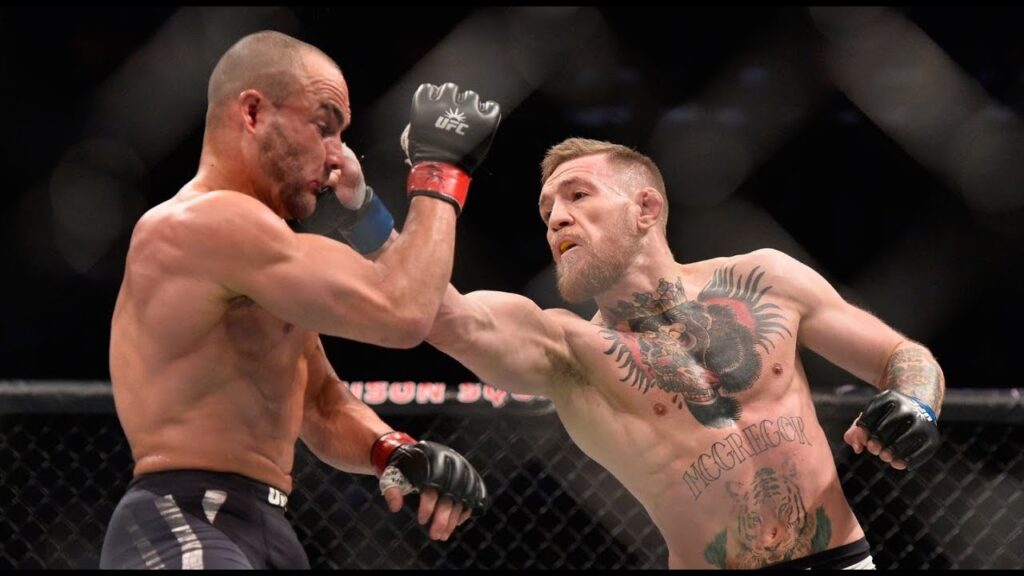
At the end of the day, every hero does need a villain. Throughout UFC history, a lot of fighters have been given the role as being the “bad boy” in the organization. These fighters have earned great success inside the Octagon, showing an ability to compete at the highest level while engaging in voluminous controversy and trash talking, alongside general antics, that strangely endear them to fans. These fighters have desecrated the UFC, whether it was by brash personality, provocative statements, or unsportsmanlike behavior. This article churns through some of the most notorious bad boys in UFC history and how their playing-the-villain role perfectly affected their own careers and the sport itself. Nobody can deny that Conor McGregor is definitely the UFC’s bad boy. With sharp words of tongue, and a very flamboyant lifestyle, McGregor has been able to masterfully get under the skin of his opponents. His God-given talent in promoting fights through trash talk and mind games is incomparable and is one of its largest key factors to date on his rise to stardom. McGregor’s bad boy style made him freely talk to the press ahead of his fight with Jose Aldo at UFC 194. McGregor was relentless and boisterous toward getting his hands on Jose Aldo, calling him a “little Brazilian” and promising to knock him out in the first round. Some of his antics were snatching Aldo’s belt during a press conference and having a heated exchange that almost led to a brawl. Come fight night, McGregor emulated his words and knocked Aldo out cold in just 13 seconds to claim the latter’s featherweight title. But the most villainous side of McGregor came at the fighting event against Khabib Nurmagomedov. Prior to the fight at UFC 229, McGregor indulged with personal animosities against Khabib, his family, and religion. Such hostility between the two led to the post-fight scuffle, wherein it also went into the fans, consequently, both faced fines and suspensions. Beyond all the hype, though, McGregor is also one of the most successful and best-patronized fighters in the history of UFC. He articulates the face role in being the bad boy more than any man alive, but that is part of what has made him such a global household name and figure apart from his peers. Before Conor McGregor stormed into the UFC, Chael Sonnen was the king of trash-talking in MMA. Sonnen, the former UFC Middleweight and Light Heavyweight contender, is infamously brash of personality, quick of wit, and superb at selling a fight. He became one of the most famous bad boys within the sport by constantly bad-mouthing his way to victory. One of Sonnen’s most famous feuds was with Anderson Silva, to whom he challenged for the UFC Middleweight Championship at UFC 117. Leading up to the fight, though, Sonnen verbally assaulted the champion, calling him “a fraud” and labeling him as being highly “overrated.” Sonnen even played a foul game, insulting Silva’s home country of Brazil, which brought humongous outrage from the fans of that country. Sonnen talked big, but he certainly backed it up by completely dominating Silva for four and a half rounds of the fight. Silva was up against it, but in a dramatic turnaround, he was able to catch a triangle armbar with a minute and a half to go in the final round, and it forced Sonnen to tap out. But for this strong performance by Sonnen and his continuous trash talk, he got a rematch, in which he came off second best against Silva once again. Sonnen could play the villain like very, very few others could. He’s feuded with nearly every fixture in his weight class, the most high-profile of them including Jon Jones, Tito Ortiz, and Michael Bisping. His willingness to say whatever needed to be said to get under his opponents’ skin had set him up as a must-see fighter, at one time even when his fans tuned in to see him lose.Chael Sonnen’s swagger, the bad guy image in the cage, was more fun than him putting up a front; because of it, he would go on making himself one of the most memorable characters in UFC history, where his orations and bravado would form the way nowadays the sport promotes fights. Nick Diaz is a fighter who has lived and fought by his own code. Chris Cox, writing for Bleacher Report, has labeled Diaz, along with partner Nate, as notorious bad boys, whereas a separate writer on the same platform, Jordy McElroy, writes, “Diaz is the reputation tarnisher”. Much of Diaz’s identities of being bad derive from his attitude both in and out of the octagon, never down to mince his words but even less so when it comes to crapping on the UFC, its fighters, or the sport. His trash talk is usually intended not to promote a fight but instead to tell the truth about his irritation toward the opponent and the establishment. Among Diaz’s more memorable moments came during his feud with all‐time great Georges St‐Pierre. Leading up to their bout at UFC 158, Diaz accused St‐Pierre of being coddled by the UFC and also of ducking the tough fights, and this made the UFC increase the interest between Diaz and St‐Pierre. As heavily as St‐Pierre tested Diaz’s resiliency, he emerged the winner via decision, though the showdown is one that was worth the watch. Not only does this lend a lot to his bad boy persona but it makes him a favorite with so many people coming out on the losing end. Diaz is a notorious figure who has courted controversy from his actions over the years. He has been suspended for indulging in marijuana use on more than one occasion and, with the exception of his early career, has always had a controversial relationship with the UFC. Diaz remains one of the most celebrated fighters in mixed martial arts. He has a cult following that appreciates his rebellious nature and unbridled desires. Nick Diaz
The Most Brutal Elbow Strikes in UFC History
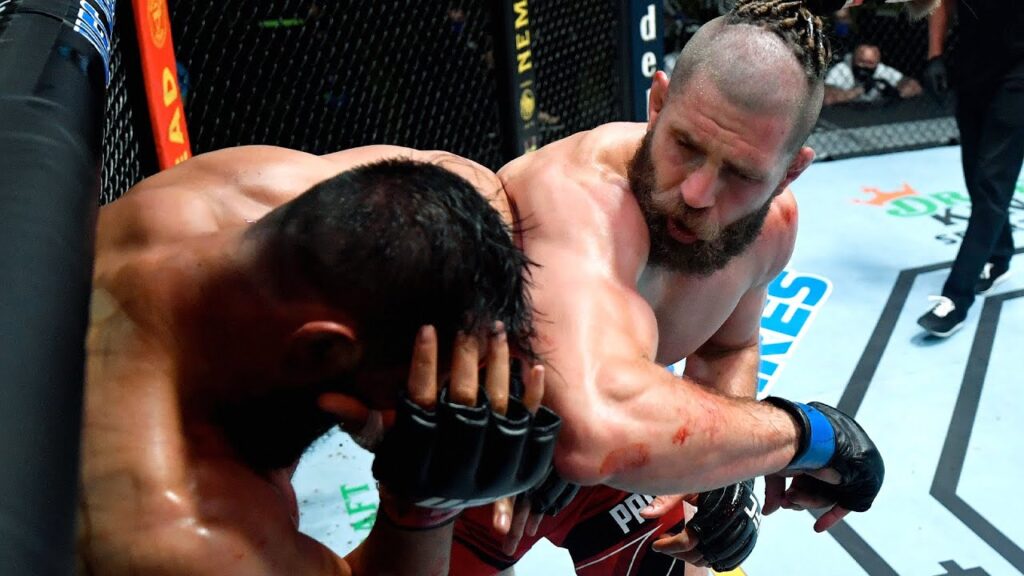
Within mixed martial arts, an elbow strike is possibly the most destructive and versatile weapon that a martial artist can possess. The elbow is capable of producing lacerations easily, causing a knockout on impact, and even shattering bone. Over the years, countless brutal elbow strikes have occurred in the UFC alone, many of which have become etched into memory as some of the greatest moments within this young sport. This article brings you some of the most brutal and memorable elbow strikes ever to be delivered inside the UFC, showing what it really takes to exert such force and precision in those devastating blows. Jon Jones is regarded as one of the greatest mixed martial artists of all time, and the use of elbows is one of the elements that makes his dominance prominent among the light heavyweight division. One of the most memorable examples of Jones’ lethal elbow strikes took place in his fight with Brandon Vera at UFC Live in 2010. In the first round, Jones put Vera to the ground and assumed a very dominant position. He then launched a really vicious elbow into Vera’s face that busted right through his orbital bone and left him writhing in pain. The fight was stopped soon after, with Jones being awarded the TKO victory. The effect of that elbow was so bad that it did, in fact, end Vera’s night brutally and secure Jones’ place as an emerging star in the UFC. This is pretty much hailed as one of the best examples of using his long limbs and creativity to inflict maximum damage on opponents. That elbow strike landed on Vera is among the most lethal to be thrown in UFC history and helped to turbocharge Jones towards his eventual title reign. We all remember what Anderson Silva became—an all-time great in the UFC. Now remember this—back in 2006 at Cage Rage 16, he dispatched Tony Fryklund with one of the most peculiar and vicious elbow strikes ever seen in MMA. This isn’t per se a UFC fight, but it must be included because of how creative the strike really is. Silva, notoriously known for his uncanny, striking accuracy and precision, was in control of the fight when he came up with what is aptly described as a “reverse elbow” or “upward elbow,” which sent the strike flush onto the jaw of Fryklund. It was a pretty quick and accurate strike because it was so strong that he knocked Fryklund completely out right there on his feet. Silva’s use of the unorthodox elbow signaled the striking genius and laid down the base for his legendary UFC career. Although Silva would go on to tremendous success in the UFC, including breaking records in title reigns, the reverse elbow on Fryklund is still very much one of the most iconic moments of his career and a highlight that has stood long since he first made a statement in the organization. Travis Browne let loose arguably the nastiest barrage of elbow strikes to date on Josh Barnett at the year-end UFC 168 in 2013. The strong, explosive Browne would take on the wily veteran wily heavyweight with a legitimate submission grappling background in Barnett. Within the first round, Barnett pushed for a takedown as he pinned Browne against the cage. Takedown attempts were defended with Browne repeatedly catching Barnett to the side of his head with sharp, downward elbow strikes. These elbows were strong and on-point enough to knock Barnett out, cold, leaving him crumpled below against the fence. It was one of the very best appearances in Browne’s young career and showed the use of elbows in close quarters. Those were brutal and efficient blows, where Browne had just proven he could somehow generate knockout power from such a short range. The stoppage was one of the most memorable in the heavyweight division of the UFC. Matt Brown, or “The Immortal,” is one of the grittiest and more aggressive fighters in the history of UFC. In his fight against Diego Sanchez in 2017 at UFC Fight Night 120, he delivered one of the most devastating elbow knockouts in the Octagon. A furious brawl opened up the first round with Brown and Sanchez, as both fighters teed off with heavy bombs. But it was Brown who struck the striking shot—a perfectly timed elbow—that caught Sanchez flush on the temple. This not only catapults Sanchez on his way to the canvas but sends him out cold. A brutal, emphatic knockout, and that had again confirmed Brown’s capacity to finish with elbows. Being sharp and bang-on with the aim, the hit was not short of mighty, putting both fans and commentators in awe-kind. Now, Brown’s win over Sanchez gets held up as one of the best knockouts of his career, a perfect example of the deadly potential of elbow strikes in MMA. Yair Rodriguez delivered a Knockout of the Year performance against “The Korean Zombie” Chan Sung Jung with a stunning upward elbow at UFC Fight Night 139 back in 2018—the combat fight, incidentally the basis for last week’s latest anniversary card, a demolition derby where both of them exchanged the flow of blows channeled over that course of five excruciating 25-minute rounds. But as the fifth and final round was just seconds from expiration, Rodriguez—apparently on the losing end of a decision—changed levels to slip underneath a Jung punch, throwing an upward elbow directly up through an almost anatomically impossible angle. That elbow connected flush on Jung’s chin, putting him out cold to deliver Rodriguez a last-second knockout. It was such a spectacular and unexpected knockout that it stormed the universe right away, hailed as one of the best finishes in UFC history. Rodriguez put his spectacular and creative striking on display when he managed to execute his strike in the waning moments of the fight, making the skills he possesses very unique. Jon Jones appears on this list yet again, but this time for completely mixing Matyushenko up with his
The Impact of COVID-19 on UFC: Adaptations and Challenges
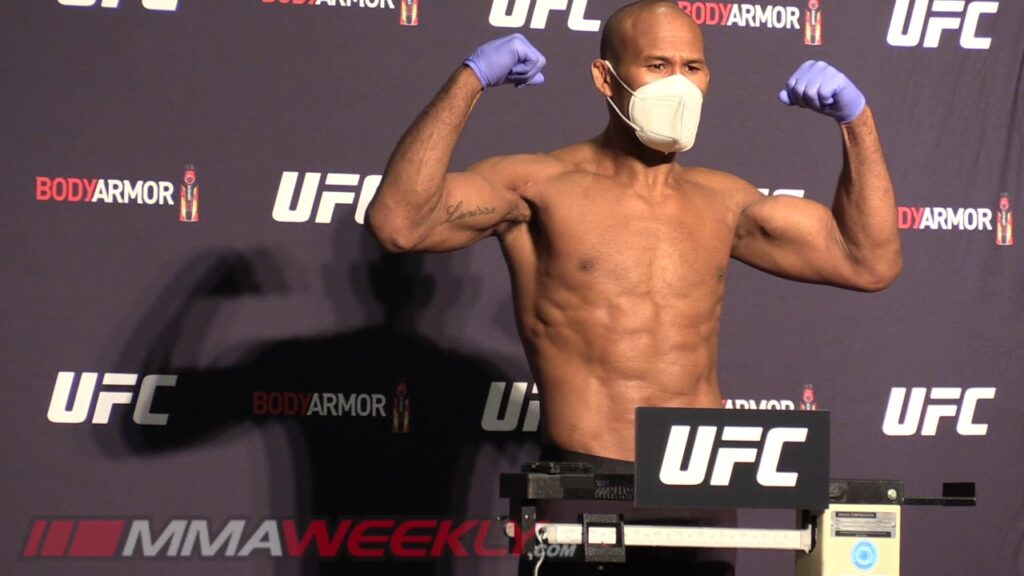
The COVID-19 pandemic, from early 2020, brought almost everything across the world to a standstill. Sporting activities were no different, and the UFC was not an exception to the challenges that most outfits are going through at the moment. The pandemic disorganized events, brought about cancellations, and demanded quick, quality rescheduling to ensure fighter, staff, and fan safety. The article can discuss how the UFC navigated through the COVID-19 pandemic, the challenges it has faced, and the adaptations put in place while scrutinizing its long-term implications on the sport. The early months of 2020 carried with them the uncertainty of how bad the COVID-19 pandemic was going to become. Major sports leagues around the world started to suspend their seasons, and the UFC was no different. Back in March 2020, the UFC had a number of events that were called off, including UFC 249 with a big bout between Khabib Nurmagomedov and Tony Ferguson. An integral part of this UFC 249 cancellation related to the fact that it amounted to the fifth time a fight between the two competitors, Nurmagomedov and Ferguson had been called off, with this being due to the pandemic. The event was first postponed, with hopes that it would eventually be rescheduled in the near future. It thus became worse and more evident that, really, the UFC would need new ways of operation in this very challenging environment. UFC President Dana White was walking a tightrope at times in which the organization was struggling to navigate through this changing landscape. While the pandemic forced other sporting organizations to completely pack up shop and cease operations, White chose to have the show go on. One of the most innovative solutions the UFC implemented during the pandemic was the creation of what can only be described as. “Fight Island.” It was supposed to give space to international fighters who could not arrive in America because of the stricter rules. The UFC mixed martial arts event made it possible for the doors now to be open on Yas Island in the United Arab Emirates, in probably the world’s most captivating city, Abu Dhabi. UFC Fight Island became operational in July 2020, and the first fight took place at UFC 251. That event was spectacular and included some great fights, such as Kamaru Usman vs. Jorge Masvidal for the UFC Welterweight Championship. Creating Fight Island itself involved logistics beyond belief: the amount of testing, quarantines, and abeyance of all the safety protocols to ensure the health and safety of everybody involved, down to a T. As it turned out, Fight Island was the success that really drove home the UFC’s ability to deflect the problems prompted by the pandemic. It offered a way for international fighters to compete and allowed UFC to continue having fights on an international scale. Fight Island became a metonym for the UFC’s resilience during a pandemic, with much credit going to the promotion for such brilliant work in getting beyond the travel restrictions and health concerns. Making Do with Empty Arenas Another key challenge that the UFC had to cope with during the pandemic was the challenge of doing away with live audiences. Usually, UFC events occur in packed cages with thousands of fans, and this electric atmosphere gives the feel and touch to the fights. Under the imposition of the COVID-19 norm on social distancing, the UFC had to organize empty-arena tournaments, completely different from what was normal. It really did affect how the events worked—as well, the lack of crowds. Businessmen had to work without that special effect of fan energy; the atmosphere was simply different. The quietness at ringside brought out everything for the home viewer: the shots landing, the coaches’ instructions, and even fighters’ breathing brought out a brand new dimension to the whole spectacle. While some fighters shone through under the sparser atmosphere, others struggled without the buzz from a watching crowd. UFC also went a step further and had to find ways to make the broadcasts exciting without the reactions that would ideally come from the crowd. Through it all, the UFC kept chugging along with its events so that at least the sport’s fans could still watch it, even in a very different form. During a pandemic, the top priority for the UFC was to ensure the safety of fighters, the staff, and everyone around the events. The organization set up rigorous caution standards and procedures to reduce the risk of viral transmission. Some of these measures included rigorous bigging up fighters and their teams through testing, supposing mandatory quarantines and rigorous health screening. Fighters and corner teams were subject to extensive testing, not just pre-event but also during and after the event. Any positive test result by a fighter took them out of the show which, in effect, led to the postponement or re-booking of their fight. On some occasions, positive tests meant shuffling whole fight cards at the last minute, with fight nights seeing changes and new matchups. The UFC also created strict social distancing rules; the number of individuals in the arena was reduced, there was at least six feet of separation between the commentators, and exactly the same applied to as many of the production staff as possible. Masks required for all individuals on production, and non-essential people limited to a large extent; the Octagon was sanitized literally between fights. In spite of these preparations, however, there have been cases where positive COVID-19 tests interrupted even the arranged fights of these fighters. The testing and precautions limited the spread as much as possible and allowed for events to continue. The UFC lost a lot of money as a result of the COVID-19 pandemic. It lost a lot of its income through the doors as earnings from ticket selling, merchandise, and concessions. More often than not, this usually runs into the millions. The main goal was to sell Pay-Per-View (PPV) events and, nowadays, there have been enormous amounts of revenue made by doing this
The Best UFC Fighters Never to Win a Title
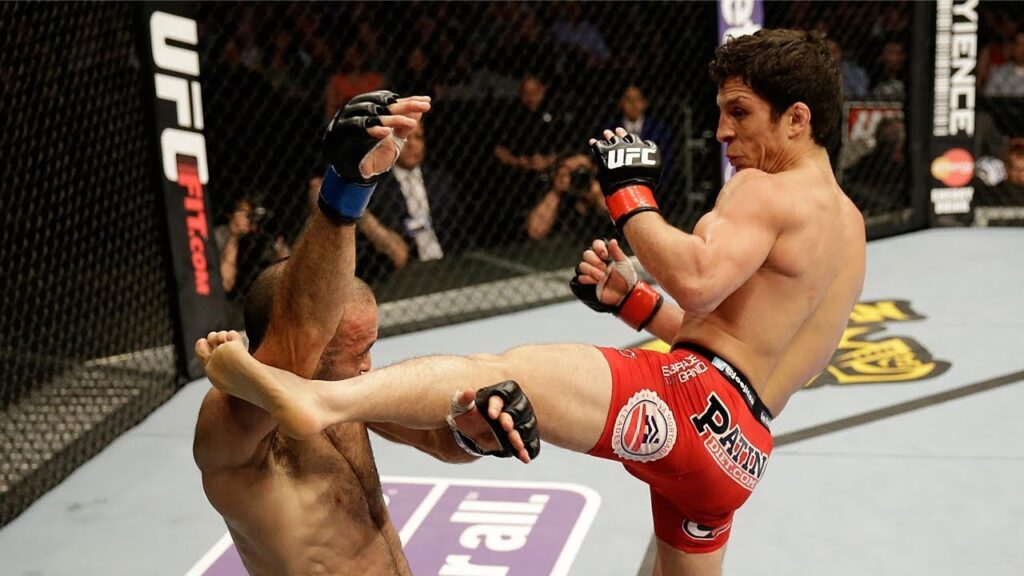
For most, capturing a UFC championship belt is the highest achievement in competition in the high stakes world of the UFC. They dedicate their whole lives to train, sustain injuries, and fight their way through until they are finally able to capture the gold. But not every great fighter gets to have the belt. For others, who have good skills and played well with the fans to get a huge fan base, a UFC title just remained a blip on the screen. It is an overview of some very good UFC fighters who never managed to capture a championship in the Octagon, despite their talents and success. Joseph Benavidez is widely considered one of the greatest fighters to never have won a UFC championship. He fought in the bantamweight and flyweight divisions, making a name for himself as aggressive and complete, fighting from a wrestling base while possessing knockout power. He would be perennially placed in contention in multiple flyweight title shots, and in both cases, he would fail to grab the championship. The first title shot for Benavidez came in 2012 at UFC 152, when he took on Demetrious “Mighty Mouse” Johnson and lost by a narrow split decision in a fight to determine the very first UFC Flyweight Champion. Benavidez returned to have his next shot at the champion Johnson at UFC on Fox 9 in 2013; in this match, though, Johnson knocked him out in the first round. Although these fortunes seemed to swing against him, Benavidez remained one of the flyweight division’s top contenders for years. Again, he got a fight against Deiveson Figueiredo at UFC Fight Night 169 in 2020. In what was a sad tale of events, Figueiredo happened to miss weight, and thus he was ruled out as far as winning the title was concerned. In the end, Benavidez was devastated by a TKO. He was submitted by Figueiredo in the first round of their rematch later on that year. Benavidez has announced his official retirement from the sport in 2021, a career unmatched in the flyweight division, but without a title to show. That career only speaks of much toughness and skill from him, which leaves him quite the figure that many look up to in the MMA community. Another fighter whose career has been defined by near-misses in title fights is Alexander Gustafsson. The Swedish light heavyweight might be best known for his epic wars with Jon Jones and Daniel Cormier—many would call them two of the better fights in UFC history. Gustafsson wrested his first chance at the UFC Light Heavyweight Championship by challenging Jon Jones in 2013 at UFC 165. What many people believe could have gone either way, Gustafsson pushed his reset buttons to the limit against the champion Jones, taking him deep into the water and becoming the first man ever to take him down in the Octagon. Unfortunately, due to a gallant effort from Gustafsson, Jones won by a razor-thin unanimous decision and therefore continued to elude Gustafsson. Score one more victory, and Gustafsson would meet the belt again. Gustafsson confronted UFC 192 in October of 2015 against Daniel Cormier. Proving Gustafsson once again was involved in a close and back-and-forth war where at the end Cormier split the decision. It wasn’t until 2018 at UFC 232 that The Swede finally got his rematch with Jon Jones but, once more, he fell short as Jones was able to finish him off via TKO in round three, crushing Gustafsson’s aspirations for claiming the light heavyweight crown. Certainly, never one to have won a championship, Gustafsson did do enough work against the best 205-pounders to be in the contention for one of the best light heavyweights of his time. Donald “Cowboy” Cerrone stands one of the most liked and entertaining fighters in the history of the UFC. A man known for taking on all-comers at virtually any venue and at any time, a good share of history is squarely lame with him. He has placed many records including most wins and the most finishes within UFC history, but a UFC title has always eluded him. It was his versatility that allowed Cerrone to fluidly leap between the lightweight class and the welterweight class while remaining a constant contender. He first dipped his toes into the lightweight belt at UFC on Fox 17 in 2015 against the champion Rafael dos Anjos, although a nasty body kick derailed ever so briefly his plans of capturing the lightweight strap. Cerrone kept on rolling, fighting the best at the highest levels, bumping up to welterweight, and picking up a string of extremely nice victories. He would never quite be able to get another title shot. Yet with that, he always remained a fan favorite because of the exciting style in which he fights, always approaches fights with his take-on-any-challenger mentality, and his cowboy persona. It is this longevity, combined with record-breaking feats and the reputation for being one of the toughest and most exciting fighters to date, that truly defines Cerrone’s legacy in the UFC. Even without having captured the title, Cerrone contributions will forever be etched into MMA history. Dan Henderson has had quite a storied career in mixed martial arts, getting his hands on the titles of multiple organizations. Yet despite championships in PRIDE and Strikeforce, Henderson never became a UFC champion—at best, a secondary blemish on the face of an entry-worthy résumé. Henderson made his first bid for a UFC title in 1998 at UFC 17 when he won the middleweight tournament, but titles were not used for the divisions in the UFC until after 2001. He fought again in the UFC at UFC 75 in 2007, title in New as the PRIDE middleweight and welterweight champion; in that fight, he lost due to a unanimous decision against Quinton “Rampage” Jackson; this gave Quinton the “right” to combine his title with that of the PRIDE organization.Henderson next moved down to middleweight to face Anderson Silva at UFC 82
Spotted by the Paps: Who Hangs Out with Who Outside the Octagon
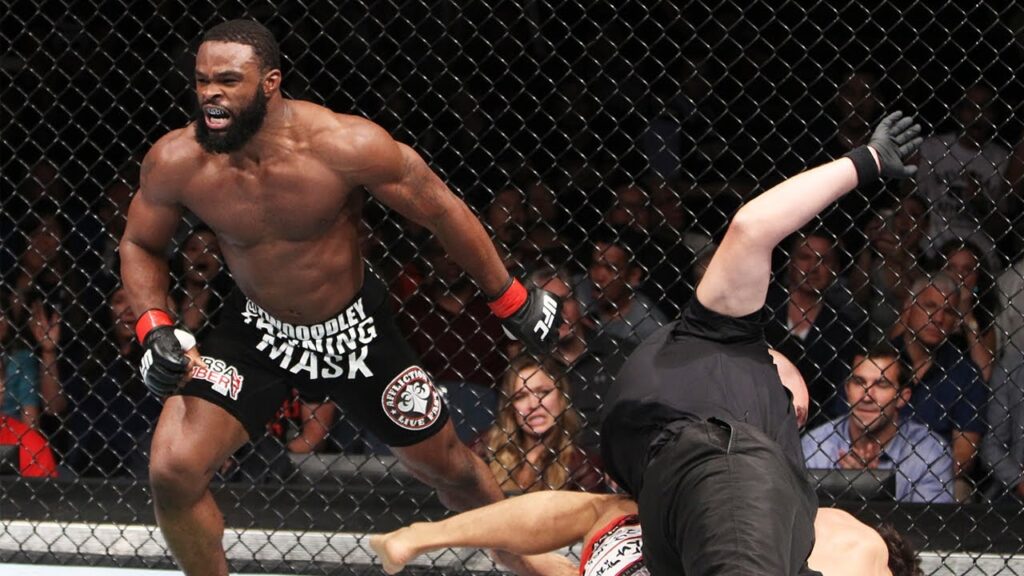
From intense rivalries to high-stakes battles, fierce in-Octagon competition defines the world of mixed martial arts. However, it is not just about bloodshed when these hard-hitting athletes step out of their cage; it’s also a window into some great friendships, camaraderie, and alliances that define another side of the fighters. Those are a few of the relationships, mostly forged in training camps and long hours at the gym but often in shared experiences, which prove that even fighters as tough as nails need company and bonds of friendship. This article will detail a life outside of the Octagon for some of the top fighters in the UFC, showing exactly who hangs out with whom and how those relationships affect their personal and professional lives. One of the most popular friendships within the UFC circle is that of Conor McGregor and Artem Lobov. Their friendship has blossomed from training under the same roof at SBG Dublin, Ireland, under the famous coach John Kavanagh. With McGregor being flashy in his ways as a former UFC Featherweight and Lightweight champion, with Lobov, a Russian-born fighter, having the reputation of ruggedness and gameness, both fighters clicked at an instant on a very personal level rather than just their business relationship. Lobov, commonly regarded as “The Russian Hammer,” has been a loyal friend and training partner to McGregor for the longest time. He has been a great influence on the rise to fame of McGregor, so they have both been inseparable in everything—from training to out of the gym. Together, they peacefully shared a bond of mutual respect and loyalty as their interaction continued over the years. That loyalty was, perhaps, most typified during the UFC 223 fracas, when McGregor—infamously—threw a dolly at a bus carrying UFC fighters. The incident was reportedly in response to an altercation between Lobov and Khabib Nurmagomedov, showcasing how far the Notorious One is willing to go to defend his friend. Apart from their UFC careers, the duo of McGregor and Lobov can always be spotted together at social functions, no matter if it is parties or any media event. In fact, Lobov was also present during McGregor’s boxing debut against Floyd Mayweather. These two more or less have a professional relationship rather than a personal one. McGregor can often be heard calling Lobov his brother. It has been a mutually blooming relationship wherein McGregor has paved ways for Lobov in the UFC circuit and Lobov repaying his adamant loyalty. Daniel Cormier and Khabib Nurmagomedov were two of the most outstanding fighters in the history of the UFC and shared a bond that crossed a middle-of-the-road training partner squabble. Both of these men have been key fighters for the American Kickboxing Academy in San Jose, California, under the tutelage of coach Javier Mendez. Cormier, a former two-division UFC champion in the light heavyweight and heavyweight divisions, and Nurmagomedov, the undefeated former UFC lightweight champion, are rarely seen apart, whether in the gym or outside. Their friendship is built on mutual respect, shared values, and a deep understanding of the sacrifices needed to rise to the top of the sport. Maybe the greatest element of their friendship is their shared cultural values. Cormier and Nurmagomedov come from a wrestling background and regard the discipline that a sport demands, because of the sacrifice it makes. This similarity has seen them get along great in the years passed as previously mentioned. The two are blessed with a culture of humility, industriousness and respect – which has been clear in both their respective careers. The friendship between Cormier and Nurmagomedov was at its peak while the latter was rising as UFC Lightweight Champion. Cormier remained in Nurmagomedov’s corner on many instances, explaining to him how fights work. On several occasions, the latter spoke highly of Cormier and his role as a mentor and big brother. Their friendship took center stage after the emotional after-show of UFC 229, in which Nurmagomedov had just reigned triumphant over already-fallen Conor McGregor in the most anticipated, explosive, and tense fight. Coming as one of the first contenders for that massive post-fight commotion, Cormier made his way to console the just-concluded winner, a show of deep spark that their friendship has developed. This raises, on a higher level, the importance of their friendship in terms of being capable of handling all pressures and challenges faced by being top athletes in the UFC.Outside of the Octagon, one can see Cormier and Nurmagomedov attending sporting events, celebrating their victories, or just messing around. It is testifying strongly to those sorts of connections that can occur in and around the sport of mixed martial arts when there is recognition of power and common experience. The UFC has no dearth of charismatic and explosive fighters such as Jorge Masvidal and Yoel Romero. Their friendship has traversed years of training together. Both fighters share Cuban heritage, which plays a huge role in their close bond. Masvidal, known as “Gamebred,” and Romero, who is often referred to as “The Soldier of God,” were originally together in Miami, where they trained side by side at the American Top Team. The camp environment and bond have clearly fostered a special and unique brotherhood between both fighters, whose similar cultural backgrounds and immigrant experience in America clearly formed the base of a connection that would only blossom further from the seed. Besides becoming close friends in the gym, both seem glued to each other in various places around different social gatherings. Whether it’s an action to attend a post-fight party or to just appreciate a meal at a nearby eatery, Masvidal and Romero have been seen socializing away from the grueling training.Still, especially with his Olympic wrestling pedigree and crazy knockout power in the cage, Romero is more often seen cageside while Masvidal competed, lending words of wisdom and encouragement, as Masvidal has worked his corner, shouting instructions and identifying the number of issues in controversial middleweight title fights. Their friendship only reflects the real characters they
Famous UFC Families: Generations of Fighters in the Octagon
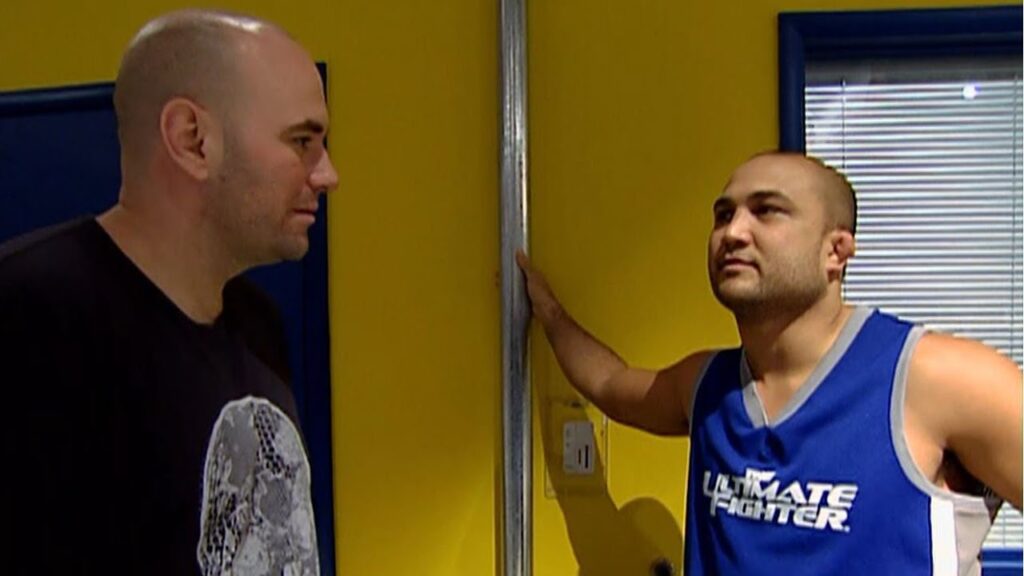
Whereas the sport of MMA usually is taken as a lonely path, where fighters are left to foster their own talent, resolve, and willpower by themselves for success, for some, fighting is in the blood. The UFC, through the ages, has witnessed several such families wherein the fighting spirit was unlike any other, passed down from one generation to the other as a legacy of excellence in combat sports. This paper discusses some of the most famous UFC families and features the fighters who were very proud to carry out their family names with so much success in the Octagon. No family is more synonymous with the origins of mixed martial arts than the Gracies. In the beginning, it is often said that the Gracie family founded Brazilian Jiu-Jitsu and that the same family was actually instrumental in founding UFC. The Gracie family has a record that stands unparalleled: generations of members who took part in the highest levels of the sport of MMA. Quite possibly the most recognizable family member, Royce Gracie went on to win the first several tournaments of the UFC, competing as a very undersized man in no-holds-barred contests and demonstrating the extreme effectiveness of BJJ against much larger opponents. His success solidified BJJ as a base discipline for MMA and confirmed the place of the Gracie family in combat sports history. Rated among the all-time greats in BJJ masters, Rickson Gracie was Royce’s elder brother. Though he never fought professionally in the UFC, his influence on the sport is huge, and he remains a legendary figure in both BJJ and MMA. Many true second-generation Gracies have truly continued that legacy with fighters who are now in the UFC, PRIDE, and some other fine organizations such as that great Renzo Gracie fighter. And now, even in the UFC, his nephew, the son of Rickson Gracie, Kron Gracie, has come to display his grappling skills, famous within his family. There is no denying the contribution of the Gracie family to MMA; one could only guess what the appearance of the sport might be right now in their absence. The legacy that they are a part of is more than just victories; it is a testament to their changing the landscape of martial arts. Another all-time legendary name is the Shamrock family, with two of the biggest fighter brothers in the world of MMA: Ken Shamrock and Frank Shamrock. Both are considered pioneers of MMA, and their careers literally marked the initial progress steps of the UFC. Ken Shamrock, known as “The World’s Most Dangerous Man,” was one of the original stars in the UFC. He fought in a lot of the company’s early tentpole events and was crowned the first UFC Superfight Champion. Within the history books of MMA, Shamrock’s feud with Royce Gracie was one of the critical rivalries of the sport in the early 1990s. Indeed, his contributions to MMA transcend the Octagon and include popularizing MMA in Japan with his participation in Pancrase. Another legend of sport is the adopted brother of Ken, Frank Shamrock. He became the first UFC Light Heavyweight Champion (then known as the middleweight division), and at one point was deemed one of the pound-for-pound greatests of his era. Frank was quite known for his all-round skills, one of the first fighters to truly blend striking, grappling, and submissions into a complete MMA game. Though both brothers had a somewhat volatile relationship with each other, their contribution to the world of MMA cannot be denied. The Shamrock family left a rich pioneering spirit, along with innovativeness in the sport, and both Ken and Frank assured themselves a place in the history of UFC. The Nogueira brothers, Rodrigo “Minotauro” Nogueira and Rogerio “Minotouro” Nogueira, are considered two of the greatest fighters to ever ply their respective trades in MMA. Originally from Brazil, the two brothers have had very successful runs in both the UFC and also PRIDE, showing Brazilian Jiu-Jitsu and trace boxing talents. Rodrigo Nogueira, also known in the fighting world as “Big Nog”, is the former interim UFC Heavyweight Champion and past PRIDE Heavyweight division Champion. Nicknamed for his tenacity, heart, and submission ability, Big Nog has defeated some of the best fighters in the sport, including the great Mirko Cro Cop, Tim Sylvia, and Randy Couture—all three considered to be good strikers and grapplers. He was the typical fighter who could absorb punishment and still return to win. Indeed, he’s regarded as one of the all-time greats in the heavyweight division of MMA. Rogerio Nogueira, also known as “Lil Nog,” has done well himself, having fought in both light heavyweight and heavyweight weight classes. He wasn’t able to perform at the same level as his brother, securing a slew of titles, but some of the fighters he managed to knock off were proven veterans at the time, like Dan Henderson, Alistair Overeem, and Rashad Evans. What resembles his brother in him is the toughness and technical boxing skills that both possess. The Nogueira brothers have left an indelible mark inside the octagon, not just with their victories but in showing literally what stand-up and taking notice can do. Their effect on Brazilian MMA has explicitly gone on to trickle down to an entire generation of fighters following them. Nick and Nate Diaz are two of the most polarizing and popular figures in MMA. The Diaz Bros made a legacy and cult following through that way of being, big personalities—unforgiving fighting styles, never-back-down attitude. Nick Diaz kicked off his career in the mixed martial arts scene at the very beginning of the noughties, with the inclusion of a serious reputation regarding his lethal cardio, boxing, and Brazilian jiu-jitsu. Competing in the UFC, PRIDE, and Strikeforce, Nick became their Strikeforce Welterweight Champion. Nick is known as the fighter who goes to war with people like Robbie Lawler, Paul Daley, and Georges St-Pierre. He was quick to become a fan favorite due to his propensity to fight anyone, anywhere, anytime.
Top UFC Fights That Ended in Ruined Careers
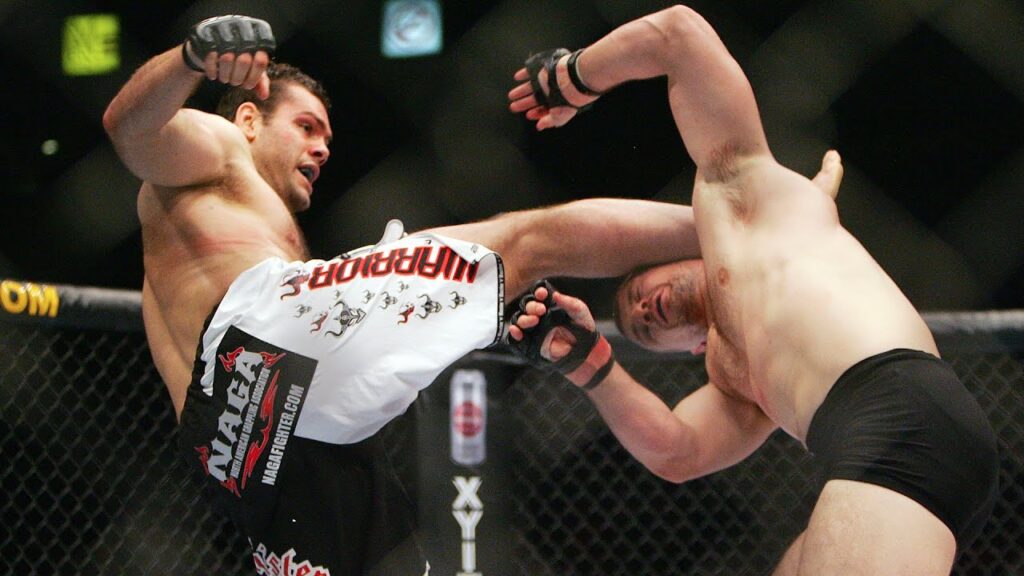
Mixed martial arts is an unforgiving world. While one victory might suddenly see a fighter catapulted into superstardom, one devastating loss can irreparably derail what may have been a promising career. In the years since its inception, there have been many fighters who entered the Octagon with high hopes, only to exit with their careers irreparably damaged. It discusses some of the biggest UFC fights that not only saw defeat for the fighter but effectively ended their career. Ronda Rousey was the face of women’s MMA and one of the most dominant champions the sport has ever seen. Entering her fight with Holly Holm at UFC 193, Rousey was undefeated, having finished all but one of those opponents in the first round. She had every expectation to steamroll over Holm—a former professional boxer and kickboxer who was relatively new to the UFC—going into their bout at UFC 193. However, Holm stunned the world by outstriking Rousey from the first bell. Holm connected with a beautifully devastating head kick that knocked Rousey out cold in the second round, handing her the first loss of her career. The nature of the defeat was brutal—not just because it ended Rousey’s aura of invincibility but also because it marked the beginning of the end of her MMA career. Rousey tried to come back a year later at UFC 207 against Amanda Nunes, but she was dispatched quickly in just 48 seconds. Following the loss, Rousey chose to retire from active MMA competition and join the professional wrestling organization WWE. That Holm fight was a turning point which did shatter Rousey’s confidence and effectively ended her reign as queen of women’s MMA. Chuck Liddell was one of the most popular and successful fighters in UFC history, known for his knockout power and exciting fighting style. However, when he fought Rashad Evans at UFC 88, Liddell wasn’t really at the level he had been during the height of his success. Indeed, he had suffered some knockout losses. Despite that, many felt Liddell could turn back the clock to his glory days. Evans was an undefeated rising star at the time, and had other ideas. Evans came out in the second round and connected on a perfectly timed overhand right which knocked Liddell out cold. The knockout was so severe that Liddell’s body went limp before he even hit the canvas, creating one of the most memorable knockouts in UFC history. The defeat at the hands of Evans sealed the end of Liddell’s reign as a top contender. He would then lose his next two fights, both by knockout, before retiring in 2010—although Liddell briefly returned for a third fight against Tito Ortiz in 2018. By that stage, though, it had become apparent that the Evans contest had been the start of the end for “The Iceman.” Anderson Silva is often cited by many as the greatest mixed martial arts fighter of all time, but the only titleholder for the most extended reign in UFC history at 2,457 days. His career took a major swing when he fought Chris Weidman at UFC 162 and UFC 168. At UFC 162, Silva was caught in the second round while taunting Weidman. He was stopped by Weidman when he received a left hook to knock him out, making him lose the current reign of the UFC Middleweight Champion. The loss shocked the MMA world and marked Silva’s first defeat in the UFC. He sustained another shattering blow to his career in the 168 rematch. During the second round, a Silva leg kick was checked perfectly by Weidman, and Silva’s leg snapped in a horrific injury. The picture of Silva’s leg snapping is undoubtedly one of the most gruesome moments in UFC history. Although Silva continued fighting despite his injury, he was never the same. He won just one of the next seven fights ahead of him, among a plethora of losses and no-contest bout endings. It also finalized the end of the reign of dominance by Silva in the UFC and marked the start of the senior year for a legends-filled career. B.J. Penn was a stupendously talented and successful UFC fighter, who won titles at lightweight and welterweight. His trilogy with Frankie Edgar marked his nose-dive down the spiral of defeat. First, Penn lost his lightweight title to Edgar at UFC 112. It was only by a very small margin, in a rather competitive decision that either way seemed reasonable to most people’s eyes. The two rematched shortly thereafter at UFC 118, where Edgar defeated a prominent decision, dominating Penn for five rounds and sealing the deal: he was the new lightweight king. After the losses to Edgar, Penn’s career went on free fall. He would move up to Welterweight and remained there for a couple of fights with mixed results before finally meeting Edgar for a third time at The Ultimate Fighter 19 Finale. In the third fight, Edgar completely dominated Penn, finishing him in the third round with ground and pound confidently. That trilogy with Edgar would mark the end of Penn’s career as a top fighter; he would go on to lose his next five fights, often looking sadly like a shell of himself. Contests against Edgar finished off the reign of BJ Penn as one of the world’s best fighters and left him heading down a mediocre path that, at that point in time, seemed to besmirch his legacy like there was no tomorrow. 5. Melvin Guillard vs. Joe Lauzon at UFC 136 Melvin Guillard was one of the most formidable and explosive fighters in the UFC’s lightweight division. With a powerful knockout ability and athleticism, Guillard got into the bout riding on a five-fight win streak as he faced off against Joe Lauzon at UFC 136. Many believed that another win would really put him well within view of title-starved contendership. But Lauzon had other plans. Just 47 seconds into the first round, Lauzon dropped Guillard with a left hook and quickly locked
UFC’s Most Memorable Post-Fight Interviews: Raw Emotions, Shocking Statements, and Confessions
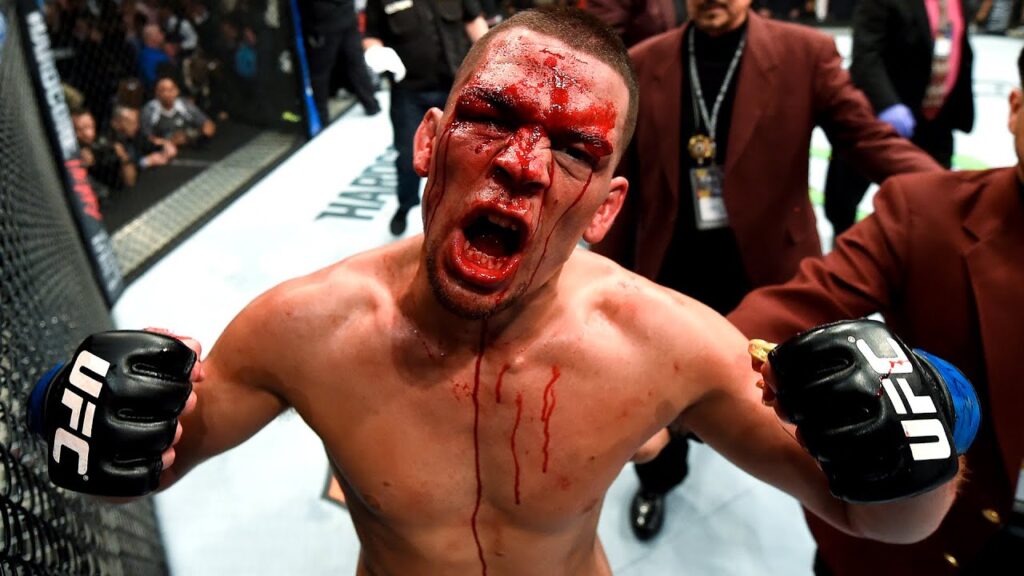
These are moments in post-fight interviews in the UFC that, at times, can be as memorable as the fights themselves. Millions of fans tune into these live broadcasts to catch some of the rawest emotions fighters are exerting right at those moments; be it a victory or defeat—or possibly being literally robbed in a decision. These interviews provide insight into the minds of athletes in their most vulnerable and unconcealed state. The article focuses on the post-interview of some of the most memorable fights in UFC history, in which a competitor says something truly stunning, a heartfelt confession, or other ways they left their mark on the sport. One of the most iconic post-fight interviews in UFC history is the one by Nate Diaz after his iconic win over Conor McGregor at UFC 196 in Las Vegas, Nevada. It was Diaz against a streaking Conor McGregor, with high sparks of pre-fight hype and dominance riding waves in the featherweight division. Diaz shocked the world because he was the underdog, but he submitted the Irish superstar in the second round. In the post-fight interview with Joe Rogan, Diaz said famously, “I’m not surprised, motherf***ers!” The statement epitomized Diaz’s confidence and defiance, even in the face of overwhelming odds. The interview went viral, becoming a sort of rallying cry for Diaz fans and further solidifying his place as one of the most beloved fighters within the UFC. It resonated with Diaz’s words because of that feel to it, capturing this underdog type of spirit which he and his brother, Nick, had been carrying throughout their whole career. Raw, pure, and genuine was the interview, and everything else that fans love about Nate Diaz. Conor McGregor, known for his loudmouthed bragging and silver-tongued wit, pulled off arguably the most memorable post-fight interview in the history of the game, following his win to take the lightweight title at UFC 205. He had cemented his name in history that night, becoming one of the fighters who first held dual belts in UFC—stripping them away from Eddie Alvarez for the lightweight belt, on top of already being the holder of the featherweight title. With a title belt over each shoulder, McGregor said in the post-fight interview, “I’d like to take this chance to apologize… to absolutely nobody! The double champ does what the fuck he wants!” And the place erupted; it was an instant classic. The interview epitomized the character that is McGregor: bold, arrogant, and unapologetic. In so many ways, it characterized his rise to superstardom—how the ability to captivate audiences through his fighting acumen is equated with capturing them through his charisma. The post-fight interview of Daniel Cormier after knocking out Stipe Miocic in UFC 226 is definitely one of the most emotional and triumphant in the history of the organization. Now, Cormier already held the title of light heavyweight champion but moved up to challenge Miocic for the heavyweight title. Cormier’s knockout of Miocic in the first round has made him the second fighter in UFC history to achieve a two-division championship at the same time. In the post-fight interview, an ennobled Cormier shouted, “I’m a double champ!” He really broke down his journey, the things he had to overcome, and what this victory truly meant to him. It was one of those genuine interviews where he could be seen over the moon, proud as ever, for having realized his dream. The moment was immortalized when Cormier called out Brock Lesnar, who was sitting in the audience, from the victorious podium, setting the stage for a potential super fight. Cormier has given one of the great interviews in a long time that essentially extended to the masses what truly drives UFC fighters to greatness: passion and dedication. Ronda Rousey was the face of women’s MMA and quite nearly one of the most dominant champions in UFC history. Defending her bantamweight title at UFC 184 against Cat Zingano in just 14 seconds, perhaps the most memorable post-fight interview is when Rousey yelled out, “I’m still the greatest!” Rousey was very confident and dominant in demeanor when talking about her win and where she stood in the sport. The fact that it was bringing more increased pressure and scrutiny as the biggest draw in that sport proves her unabashed belief in herself and her abilities. Though Rousey’s career would later take a downturn—the losses to Holm and Amanda Nunes—sadly, her post-fight interview at UFC 184 remains the crowning jewel of one of the great runs by any champion in UFC history. The post-fight interview Brock Lesnar had with the media after defeating Frank Mir at UFC 100 is probably one of the most controversial in the history of this sport. Lesnar entered the fight with a chip on his shoulder, having lost to Mir in their first encounter. Lesnar came out and avenged his loss with a TKO victory before turning in a pretty hot, uncensored post-fight speech. At the time of rivalry, Lesnar was sponsored by Bud Light, and in his enraging speech, he surprised all by saying, “I’m gonna go home tonight, I’m gonna drink a Coors Light. That’s right, Coors. Bud Light won’t pay me anything.” He further flamed comments on his opponent, his wife, and also on that crowd which drew boos and backlash. That interview really tightened a lot of jaws and is, therefore, explained by what Lesnar said in his apology letter. Nevertheless, it is one of the most commented post-fight interviews in UFC history, testifying to the intensity of Lesnar and the true feelings that come out soon after years. Joanna Jędrzejczyk was one of the most dominant strawweight champions in UFC history who always stood out for her outstanding striking and psychological warfare. While preparing to defend her title against Rose Namajunas at UFC 217, Jędrzejczyk conducted an especially unforgettable pre-fight interview: “Boogeywoman is coming!” Though somewhat dejected after the loss to Namajunas in the first round, her post-fight interview matches a tone of its own.
UFC Plots: Fighters Who Made a Grand Entrance But A Small Show
In the case of the UFC, the first whistle has to build in terms of hype. Grand entrances, high expectancy, and a wave of anticipation can set the stage for a memorable fight night. But it doesn’t always all go their way; not for everyone. In fact, some grand-entrance fighters end up disappointing fans and analysts time and time again with their underwhelming performances. This text talks about those UFC fighters who introduced themselves to everyone so greatly into the promotion, only to fail in delivery on fight night. The most awaited UFC debut had to be that of CM Punk, a celebrated superstar from the WWE during its heyday, who took a rather unorthodox decision to switch from pro wrestling to mixed martial arts. His real name was Phil Brooks, one of the biggest superstars at the time in professional wrestling with that known charisma, in-ring ability, and skills on the mike. His signing with the UFC, of course, in 2014 sure did raise a couple of eyebrows from the wrestling and MMA harlots alike. So, basically everyone was more hyped at the time for Punk’s UFC debut. Everyone wanted to know how he would perform in his first fight with no competitive fighting experience. He took a serious dedication to training nearly for two years at one of the most famous MMA trainers, Duke Roufus, at Roufusport gym. Finally, in 2016, Punk made his long-awaited UFC debut at UFC 203 against relative newcomer Mickey Gall. After months of buildup and excitement over seeing the professional wrestling legend in an actual fight, he was literally run over by Gall, who took him down, took control, and finished a rear-naked choke submission in the first round. His second fight, against Mike Jackson at UFC 225 in 2018, too ended in a one-sided defeat. Jackson outclassed Punk—also comfortably—for three full rounds en route to a unanimous decision victory. This ended the UFC career of those great exits with a 0-2 record, proving that the way in MMA from professional wrestling really isn’t going to be that easy. James Toney is a legendary boxer, a former world champion in several weight classes, and quite famously known for his defensive slickness and large power in counterpunching. When he officially announced that he would now be trying his skills out in mixed martial arts and fighting in the UFC, many in the combat community considered him controversial. That year, Toney signed with the UFC, with the hopes of showing the world that the sweet science he possessed in boxing had its place in the gritty art of mixed martial arts. The UFC hyped Toney’s debut as a mixed martial artist, putting him in a fight against UFC Hall of Famer and the former two-division champion Randy Couture during UFC 118. The much-expected showdown was hyped as “Boxing vs. Wrestling” since many were keen on it to see how far Toney would run around the ring with the Mixed Martial Arts great. Unfortunately for Toney, the fight was a one-sided affair. After just around 15 seconds, Couture took Toney to the ground and on top, clearly somewhere outside the realm of the boxing champion. Couture dominated Toney on the ground, eventually locking up an arm-triangle choke for the first-round submission. The fight went on for a little over three minutes and clearly showed the differences between boxing and MMA. Despite Toney’s great entrance and all the hype there was around his UFC debut, the latter part of his UFC career lasted as long as one single fight, in which he painfully lost to an MMA legend. The streetfighting phenomenon, Kimbo Slice—aka Kevin Ferguson—found worldwide fame from video footage of his backyard brawls, with his inexorable power and downright sinister presence in each clip turning him into an internet pop star that paved his way to a pro MMA career. Slice’s road to the UFC started with EliteXC, the stage where he surged to become one of the hottest names in that promotion. After this, Slice would go on to take part in a reality show called “The Ultimate Fighter” season 10, in which the winner won a contract to fight in the UFC. Although Slice did not manage to win the show, his popularity and marketing potential eventually helped to earn him a deal with the UFC. Slice officially debuted in the UFC in 2009 at The Ultimate Fighter: Heavyweights Finale against Houston Alexander. However, this debut did not actually amount to much for him. The fight was savagely promoted and built up as a slugfest between heavy hitters, but it actually was more of a snorefest, with two conservative and castigating fatigued fighters. Slice prevailed by unanimous decision, but the fight was far from the explosive debut that fans had hoped for.Slice’s next UFC encounter was against Matt Mitrione in UFC 113, wherein he lost by TKO and, arguably, ended his UFC career. Generalizing or summarizing his case, one can say that boasts and fanfare cannot sustain one’s career with UFC, since despite his large following and a grand entrance that ensured he got noticed by everyone, Slice was able to engage in a grand total of only two fights in the UFC. Hector Lombard was one of the most feared middleweights in the world before signing with the UFC. A former Olympic judoka and the reigning Bellator Middleweight Champion, Lombard brings his 31-2-1 (1 NC) record with him to the UFC. His finishing power, in the form of knockouts, and judo skills certainly made him one of the most highly anticipated signings in UFC history. The first time Lombard stepped into the Octagon was at UFC 149 in 2012 against Tim Boetsch. The fight had a lot of anticipation behind it, but he was just disappointed; Lombard looked hesitant and couldn’t seem to pull the trigger, and he lost this fight by split decision. While in the UFC, Lombard did have somewhat of a successful career, with impressive finishes of men like