
The Rise Of Tag Team Wrestling In WWE: Key Teams To Watch
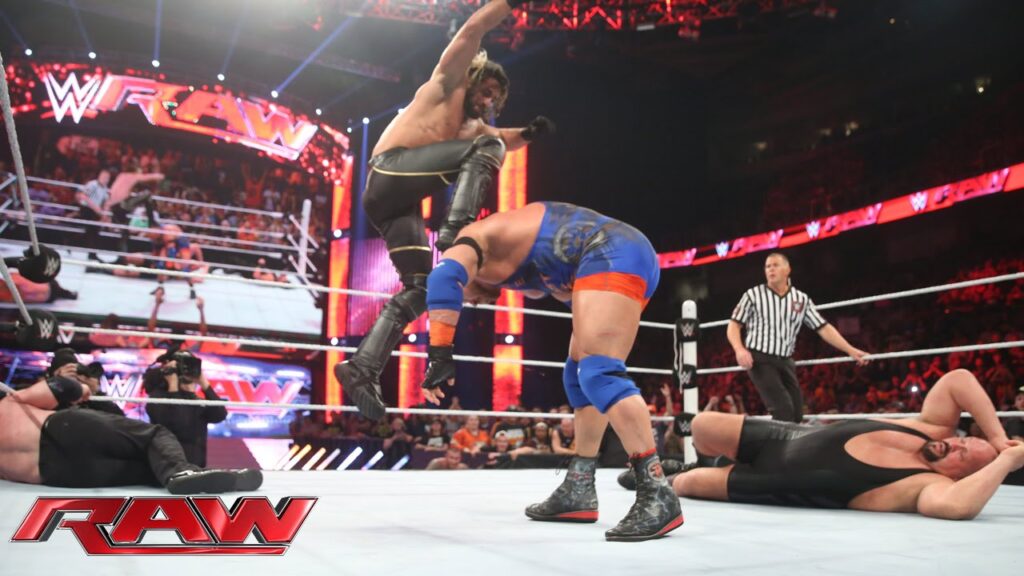
There have always been a few pillars in the wrestling world throughout history professionally; tag team wrestling is one, and the tag team division of WWE has always boasted an incredible history of competitors in the squared circle. Tag team wrestling has, in recent years, picked up mightily for WWE as well, with new teams continually outdoing the pairings of the past through great in-ring work and the storylines that they’re allowed to rip off. Let’s get an extensive understanding of the rise of tag team wrestling in the WWE. The Evolution of Tag Team Wrestling in WWETag team wrestling has seen tremendous evolution over the decades in WWE, from the 1980s golden era to the 1990s attitude era up to the modern era. Tag teams have played a vital role in giving WWE an identity of its own. The Golden EraThis was followed by the immortal tag teams of the 1980s: The Hart Foundation, The British Bulldogs, and The Rockers, to name a few. This was when tag teams were tagged with a sense of athleticism, charisma, and storytelling abilities in the ring. This was the biggest draw of the tag team division, as these teams were guaranteed sharing of the main event slots on the flagship events while following that storyline of feuding to be Tag Team Champions. The Attitude EraThis intensity and entertainment in tag team wrestling would come in the late 1990s and early 2000s, otherwise known as the Attitude Era. At this time, teams such as The Hardy Boyz, Edge & Christian, and The Dudley Boyz would be innovating the division with their high-flying, hardcore style. Their ladder matches and Tables, Ladders, and Chairs matches became synonymous and set a new standard for tag team wrestling. The New AgeIn recent years, WWE has done a focused job revamping the tag team division, which needed it the most. There is an increasing emphasis on athleticism, storytelling, and character development. This, however, has brought us to a situation where, for the moment, some principal teams have changed the shape of the tag team wrestling presently ongoing in WWE.Key Players in the Match 1 The resurgence of tag team wrestling in the WWE brands has welcomed competition, and along with it, a few tag teams are popping up with commendable performances and exciting feuds. Here are some that definitely can be major tag teams: The Usos (Jimmy and Jey Uso)They are, in effect, synonymous with tag team excellence in the WWE. While they first appeared in 2010, The Usos have been some of the blew out, a consistent run of high-quality matches, as well as a significant amount of character development, evolving from colorful, face-painted Samoan warriors into gritty, street-smart heels, which worked in one recent match to describe a transformation that revitalized their careers.The Usos are multi-time holders of the Tag Team Championships and have been part of some of the most memorable, recent, and historic tag team feuds. Their feud with The New Day gave us an instant classic between these two teams back in 2017: their brilliant Hell in a Cell match. The Usos have charisma, in-ring chemistry, and their way of making a connection with the audience, which all make them one of the top teams in WWE. The New Day – Kofi Kingston and Xavier Woods with Big E :Arguably the most popular and successful faction in the history of WWE, The New Day has three members: Big E, Kofi Kingston, and Xavier Woods. The New Day debuted in 2014 and became one of the biggest fan favorites on the roster due to their entertaining antics, pure positivity, and fantastic teamwork. The New Day has become multi-time Tag Team Champions and hold the records for the longest-reigning Tag Team Championships in history upon WWE. Their matches have been characterized by innovative offense, in-ring comedic timing, and the ability to adapt to just about any opponent’s style. Whether wrestling as faces or heels, The New Day has constantly delivered as one of the biggest draws for WWE’s tag team division. The Street Profits (Scar and Angelo Dawkins and Montez Ford)The charisma and energy with a unique blend of athleticism will pulsate through the assassinated tag team division in WWE. Debuting for NXT in 2016, Angelo Dawkins and Montez Ford as The Street Profits gained popularity at warp speed — mainly because of their infectious personality and high-flying moves.The Street Profits debuted on the main roster in 2019 by winning the NXT Tag Team Championships. They could prove even further based on in-ring work and entertained fans by doing good promo and in-ring bouts. What works for them, along with the standout dynamic between them as a team, is Montez Ford’s incredible athleticism and the power that Dawkins brings to the table. They engage the audience’s attention and get exciting fights, a simple reason to call them a team to watch. The Viking Raiders (Erik and Ivar)The Viking Raiders is a power-packed, agile tag team evoking the Viking culture. The pairing of Erik and Ivar stormed into the WWE as The War Raiders down in NXT; they caused a quick buzz by rapidly becoming one of the most feared duos in the brand on the way to winning a set of gold, now called the NXT Tag Team Championships.Since their main roster debut in 2019, The Viking Raiders have been impressive both in the ring and with their characterization. Their in-your-face, high-impact style of fighting, combined with remarkable feats of power and agility, makes them one of the most outstanding and fantastic tag teams in the WWE tag team division today. The mix of intensity and athleticism gives rise to a great viewing experience within The Viking Raiders. RK-Bro (Randy Orton and Riddle)RK-Bro is the unlikely pairing of Randy Orton and Riddle, but through their teams, the duo has made a place among the best in WWE at large. An alliance brought together in 2021, RK-Bro fuses Orton’s experience with Riddle’s stoner wave grooves
WWE’s Most Controversial Moments: Scandals And Shocks
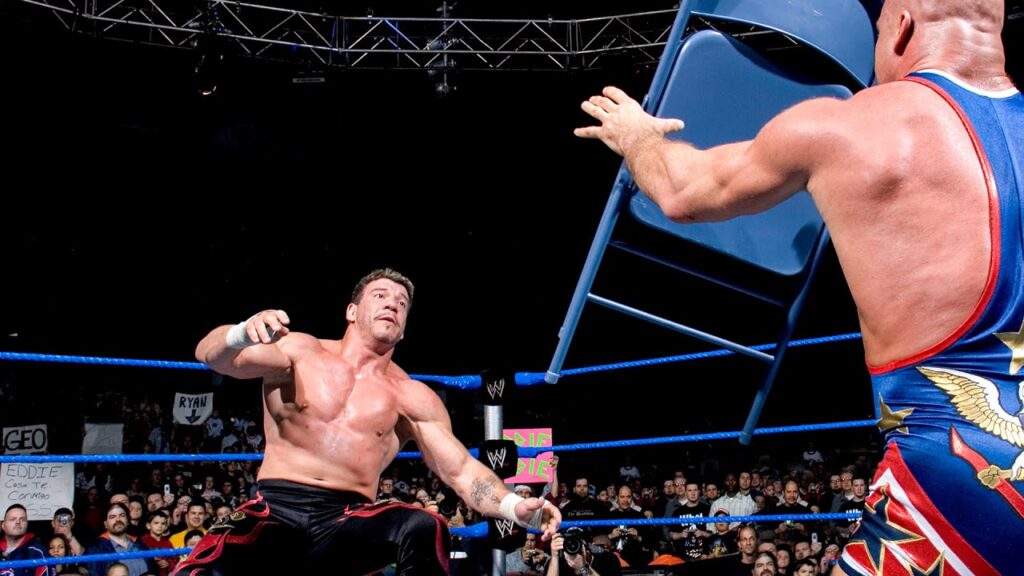
Spectacle theater has always meant the combination of athleticism and dramatic storytelling, and professional wrestling has been at the forefront of this genre, and it is WWE, or World Wrestling Entertainment, that brought these moments to an audience captivated, shocked, and even outraged worldwide. While many have become legendary for their impact and entertainment value, others have become infamous because of the controversies they started. Flagged herein are some dark moments that have hit WWE, regarded as scandals and shocks conditioned to last deep into the minds of the wrestling fraternity. The Montreal ScrewjobOne of pro wrestling’s biggest scandals occurred on November 9, 1997, during the Survivor Series pay-per-view event in Montreal, Canada. It’s a night when Bret “The Hitman” Hart faced off against Shawn Michaels for the contested WWE World Heavyweight Championship, and the match ended under one of the most surreptitious circumstances: the Montreal Screwjob. Vince McMahon reassured Bret Hart, who was leaving WWE to join rival WCW, that he would not drop the title in his home country. However, at the match, McMahon ominously gave the referee the nod to wave the bell, as Michaels had Hart argued in the sharpshooter; Hart had not submitted. The live crowd and people watching were stunned. Hart knew he had been screwed, so he spat at and then knocked over various equipment around the ring. The Montreal Screwjob exposed the backstage realities of pro wrestling and rifted a deep abyss amid Hart and WWE. It also went on to give birth to the character of Mr. McMahon, which led Vince to play the evil boss—an act that later would become the critical component in WWE’s storyline mannerism during that period. The Chris Benoit TragedyIn June 2007, one of the most respected wrestlers in the business – Chris Benoit – was embroiled in a tragedy. Found dead in his house together with him were his wife, Nancy, and their seven-year-old son, Daniel. Further investigation showed that Benoit had killed his wife and son before taking his own life. This sent shockwaves through the WWE as much as the larger sports world. The event underscored enormous pressure points on the WWE concerning current wellness policies, the human cost of being a professional wrestler, and possibly the link between repeated head trauma in the form of concussions and violent behavior. The tragedy also caused WWE to nearly wipe all such references to Benoit from its programming and history, with that situation being highly controversial up to today. The Steroid ScandalThe early 1990s were when WWE was embroiled in a major scandal, only one bigger yet, about the use of anabolic steroids by the wrestlers. Then, in 1993, a federal grand jury indicted Vince McMahon for allegedly distributing steroids to his performers. The subsequent trial staged in 1994 became one of the most worldwide-publicized cases then, which brought massive negative publicity to WWE. Numerous wrestlers, such as Hulk Hogan, even individually testified to their having been doping and the trend of taking such recreational drugs in wrestling. In the end, McMahon was found innocent, though his public image and WWE were impacted tremendously by the event that raised very high levels of stringent drug tests and rules from McMahon’s side. The Katie Vick AngleIn 2002, WWE had an excruciatingly disturbing and controversial angle with Triple H and Kane. The angle was about the death of Kane’s high school girlfriend by the name Katie Vick, whom he murdered in a drunken-driving incident. In a series of segments on the show, Triple H, posing as Kane, was shown entering a funeral home and simulating sex with a mannequin, done up like the Vick above.The angle was met with widespread revulsion, and its criticism came from fans, media, and even wrestling industry members. It’s ultimately later pointed out to be one of WWE’s lowest moments in terms of creative decision. The backlash was so severe that WWE quickly dropped the storyline and has largely avoided mentioning it in subsequent years. The Plane Ride from HellIn May 2002, WWE furnished its talent with a plane back to the United States after a tour of Europe. Unruly behavior, excessive drinking, and serious misconduct by several wrestlers turned that flight, called the “Plane Ride from Hell,” into a nightmare.Incidents such as Ric Flair flashing his private parts to the flight attendants, Brock Lesnar and Curt Hennig fighting to such an extent that they almost seriously damaged the airplane, and wrestler-drugged rumors harassing other wrestlers indeed had consequences. The WWE employees resulted in several suspensions and firings, with lawsuits adding to its name. This incident highlighted the lack of professionalism and discipline in WWE’s ranks. The Death of Owen HartOn the night of May 23, 1999, WWE experienced one of its darkest nights when Owen Hart died in an accident at a pay-per-view event, Over the Edge. He was to come down in grand style, with entry from high up on the rafters, using a harness and cable; this was to be part of his superhero stage character, Blue Blazer.Something went wrong, and Hart fell 78 feet to the ring, suffering fatal injuries. The event resumed shortly after, a move that drew intense criticism. After Hart’s death, his family filed a lawsuit and seriously questioned the safety of wrestling stunts; only then did WWE reschedule and rethink their strategies on risky maneuvers. The Death of Eddie GuerreroShockwaves went through professional wrestling after Eddie Guerrero died suddenly in November 2005. A hugely charismatic and well-loved performer, Guerrero was discovered dead in his hotel room, with acute heart failure as the cause of death—linked to previous problems with substance abuse. His death essentially called his followers’ attention to the physically and mentally challenging profession that wrestling entails, in addition to the long-lasting implication of chemical substance and performance-enhancing drug abuse. WWE quickly paid tribute with a series of shows and segments in line that honored Guerrero’s memory, and his death amounted to a strong emphasis on the wellness and health of the
The Art Of The Promo: How WWE Superstars Perfect Their Mic Skills
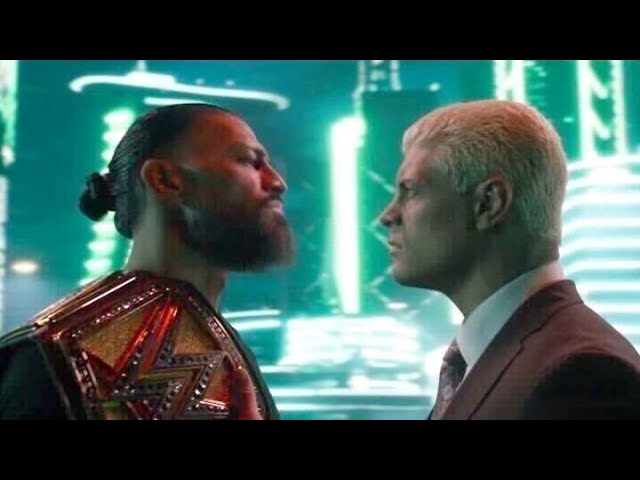
As important as physical ability in the ring, WWE superstars, in the world of professional wrestling, are performers who need to engage the audience with master words in the promo to advance storylines, get over their character, or just establish a relationship with fans. That staple of WWE programming-the promo, or segment in which the wrestlers speak directly to the audience-has been honed to perfection by WWE superstars over the years. Here, how those superstars perfect their mic skills, the evolution of the promo, and how memorable promos have made their mark on wrestling history. The Evolution of the PromoThe promo has come a long way from when the sport of professional wrestling was at its dawn. The 1980s saw promos take on the simple forms of primary interviews. According to these promos, one got to know the hyping of matches and feuds. Legends such as “Macho Man” Randy Savage and “The Nature Boy” Ric Flair were charismatic and larger-than-life personas whose unique promo styles across the board appeared quite different. Moving along into the ’90s and the Attitude Era, the promos, already edgier by nature, came increasingly into play in wrestling storytelling like never before. With the likes of “Stone Cold” Steve Austin, and The Rock, it effectively made the promo an art form: it worked on successful catchphrases, of course, but also on humor and intensity to gain the audience’s empathy. This poise would reach new heights in the 2000s with the rise of scripted promos, as crafted narratives by Vince McMahon grapple with issues of authenticity and creative freedom.Today, these promos are still a vital part of the WWE’s overall entertainment product. Superstars need to work through a compromise between pre-planned and what is created on the fly while still speaking in a manner that directly appeals to the listener in the audience and at home. Key Elements of a Great PromoThe following are some key elements of a great promo. All these components should be mastered by WWE superstars for them to give great and memorable performances: Character Comprehension:A good promo depends on complete character understanding. When wrestlers have their in-ring characters in and out, whether a heel (villain) or a babyface (hero), they have to embody them. This implies that they should be very conversant with the motives, idiosyncrasies, and background of their character in such a way that they can speak as them very naturally and realistically. Emotional Connection:The best promos are the ones that drive emotion within your audience—whether that means excitement and laughter or anger and empathy. The superstars use the tone in their voice, their facial expressions, and even their body language to push whatever emotion it is they are going for and further pull the fans into their story. Catchphrases and Memorable Lines:These would then have catchphrases and memorable lines that go down with time. ‘If you smell what The Rock is cooking’ of The Rock and ‘Austin 3:16 says I just whooped your ass’ of Austin are among such. Improvisation:Although many promos are scripted, improvisation is essential to what a wrestler must be able to do. One has to be able to respond to the crowd and whomever one is wrestling, as well as to any other unexpected happenings. It keeps promos fresh and real. Storytelling:A good promo should advance the storyline. One needs to connect their own words with the more incredible story, setting future matches or feuds in the process. It just takes respect for the overall plotline and the knowledge of foreshadowing. Training and PreparationWWE superstars are trained for hours on the perfect way to talk into the mic. This training includes: Promotional Classes:Promo skills are crucial in WWE’s developmental invigilating system, NXT. In promo class, NXT Superstars get a chance to work on their ability to speak in front of both their peers and their coach. This helps them gain confidence and be good listeners for constructive criticism. Character Workshops:Wrestler character workshops are inevitable. Workshops aid with the perfecting of their characters’ motivations or quirks, meaning that the next time a specific wrestler goes to cut such a promo easily, it can be delivered. Individual Coaching:WWE has seasoned wrestlers and coaches on its payroll to provide one-on-one guidance and support to talent. The support and guidance coming from mentors are individual; it is tailor-made for each superstar to sharpen their skills in content delivery and timing around the written content. Dusty Rhodes was a legend in supporting young talents in this area. Feedback and Review:Later, they discuss their performance with the coach and peers, who make them realize what could have been better and built upon their strengths. Footage of their promos shows the wrestlers how their words and actions are actually seen by the people. Live Practice:There is a saying that nothing simulates the experience of being in front of a live audience. The house shows—the promos wrestlers deliver at non-televised events—are more like an exercise in gaining experience. It’s not much pressure, and they can do a lot of their own and try to improve their skills by trying different things out. Unforgettable Promos in WWE HistoryIn the history of WWE, there have always been several promos that were highly vital to the point and remembered. Let’s take a look at some of the best impactful words used in the type of professional wrestling: “Austin 3:16” (1996)From the 1996 King of the Ring, “Stone Cold, Steve Austin indulged in his first-ever signature line. Outward bound from defeating Jake “The Snake” Roberts, Austin parodied Roberts’ taunting about religion, stating, “Austin 3:16 says I just whooped your ass.” This signature line became continuously termed a unique and remarkable success for Austin in popular culture. The Pipe Bomb, 2011CM Punk’s “pipe bomb” promo on Monday Night Raw is undoubtedly attributed to one of the most jaw-dropping moments in the modern age. In an unscripted, fourth-wall-breaking tirade, the issues of Punk versus the management of WWE and the industry were all laid out before him. His
Legends vs. Newcomers: How WWE Straddles The Line Between Tradition And Innovation
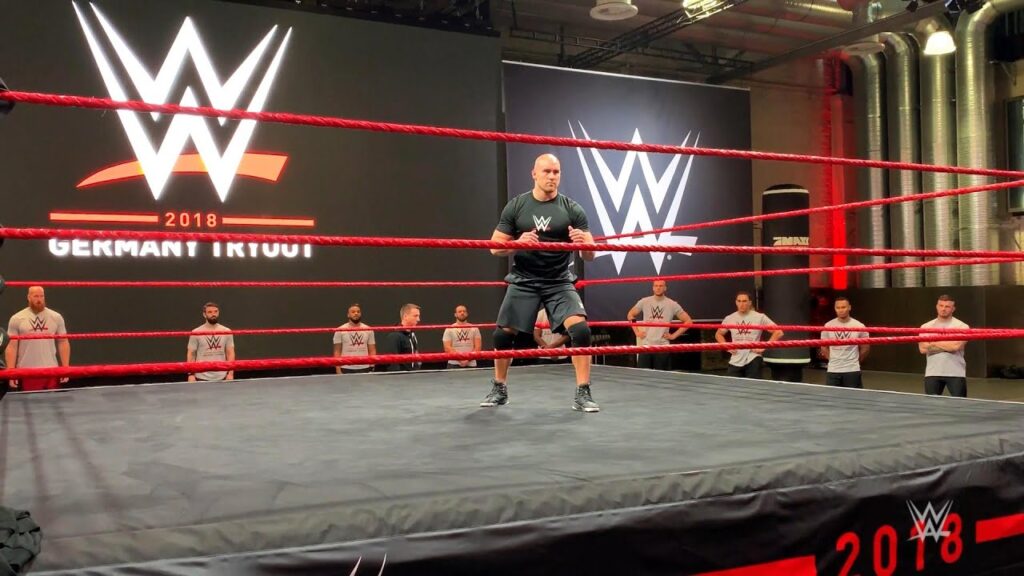
The world of professional wrestling is dynamic entertainment in which the past, present, and future merge into one distinct soap opera. Such is the world of WWE, or World Wrestling Entertainment, with the constant challenge of how to forge the traditional and the innovative into what is known as wrestling circuits worldwide. Icons, legends, and upcoming talent will share the same stage as WWE dances between its storied past and driving the industry towards new horizons. This paper looks into how WWE handles this fine balancing act, its effects on the product, and how legends are merged with up-and-coming talent to create a seamless blend. Legends That MatterWWE Legends were the cornerstone of the company. Their contributions have sounded the wrestling landscape and given it a face that will live forever. Superstars like Hulk Hogan, “Stone Cold” Steve Austin, The Rock, The Undertaker, and Shawn Michaels are synonymous with the golden eras that WWE went through. Their classic moments and over-the-top characters have irrevocably branded fans. Legacy and NostalgiaLegends are nostalgic in how they strike deep into the fans’ psyche. They might evoke memories of past glories from all appearances and tend to connect the dots in a diverse range of generations of wrestling lovers. This nostalgic connection WWE harnesses as a formidable tool to garner an older but, importantly, new fan base stage in its storied history. Box Office AppealThis only contributes to further growing ticket sales, pay-per-view buys, and television ratings. Events such as WrestleMania always feature the return of legends, so that part of unpredictability combines with the “larger than life” allure as well. For instance, The Rock’s matches at both WrestleMania 28 and 29 amped this up, proving that legendary figures will consistently score big money. Mentoring and Passing the BatonLegends play several roles in mentoring the next generation of wrestlers. It’s the experience and wisdom that transpires into a pool of assets in nurturing new talent. “Passing the torch” moments, where WWE is scripting or well-established stars endorsing newer talent, have essentially made a pathway from one era to another. For instance, the endorsement of Roman Reigns by the Undertaker put Reigns right on top of the star chain. The Emergence of All ComersNew Talent is the future’s very life force behind WWE. These are innovative ways that new faces bring their style, storylines, and dynamic, vibrant energy into the product. For instance, WWE’s very own developmental brand, NXT, has been a good platform for nurturing new talent and getting the main roster ready. Progressive Wrestling Techniques:It is primarily fresh talent that introduces a wide array of wrestling styles and techniques most have learned from the international wrestling culture. Such wrestlers as AJ Styles, Finn Balor, and Shinsuke Nakamura have brought unique, high-flying, hard-hitting styles to the stage, thus upping the in-ring product. Refresh Plots:They bring in new rivalries and fresh stories. One can also challenge all the previous decades’ norms and thoroughly stir up the status quo in even more exciting, unpredicted ways. Take, for instance, Becky Lynch’s heel turn to “The Man,” in bringing something marvelously reinvented that could undoubtedly be done to summon appearance. Connecting with Younger AudiencesNewer superstars tend to resonate so magnificently with younger viewers. With their modern personas, their high social media visibility, and their slight auras of relatability, they happen to fetch a newer generation of fans who dot on them. All this thrown into a melting pot of ever-growing superstars—guys like Sasha Banks and Seth Rollins, like many others—proved to be a hit with the young viewing demographic, thus perpetuating engagement. Balancing Tradition and InnovationStaying the number-one wrestling promotion in the world, WWE can do this only because it continuously regards and appeases tradition by way of making innovations. Therefore, this requires strategic storytelling, well-thought-out character development, and seamless integration of legends and newcomers. Strategic Storytelling:WWE does this with long-term storytelling to combine the past and the future. The legends’ incorporation into the current storylines takes off with some excellent stories, which show respect for the past while also highlighting the talented up-and-coming guys. For instance, Goldberg versus Drew McIntyre: Goldberg challenging him at the 2021 Royal Rumble showed how he was to be considered a dominant champion. Advanced Character DevelopmentSuch characters must thus be developed with regard to tradition yet embracing innovation. WWE is often reinventing some classic personas to appeal to the modern audience. The new Bray Wyatt—well, definitely more. Classic typed sci-fi horror unusual and rare in human beings were echoed here inquiries he kind of bordering on what made The Undertaker so particular but presented in a fresh, modern way. Blending perfectly togetherThat makes legends and newcomers integrate artfully. WWE uses its specialty events and pay-per-views as an avenue to create moments where the legends come in contact with the new stars. Clearly, in most of these interactions, especially at this point in their careers, it is a win-win situation: they enhance the status of the newcomer and celebrate the legend’s achievements. The 2020 Royal Rumble, which was packed with substance, particularly regarding surprises with Edge’s return and his interaction with younger talent, best epitomizes this approach. Brand Extensions and Cross PromotionsThe brand extensions and cross-promotions help WWE attain a balance between the traditional and innovative ways in which promotions have to be done. For instance, in NXT and NXT UK, the programs focus on grooming new talent, while on the leading roster, both Raw and SmackDown are for established stars, juxtaposed with emerging superstars. Besides, WWE’s business diversification in movies, reality shows, and even podcasting offers a platform for the legends and new faces to exhibit themselves in the market beyond the wrestling ring. People—including researchers working in the While WWE seeks to strike a balance between tradition and innovation, there exist a number of challenges and criticisms: Excessive Dependence on LegendsHence, on a critical note, one can pinpoint the aspect that WWE, at times overplays the legends’ stature, for just their appearance can outshine the rest quite quickly. Far too
WWE’s Charity Work: Superstars Making A Difference Outside The Ring
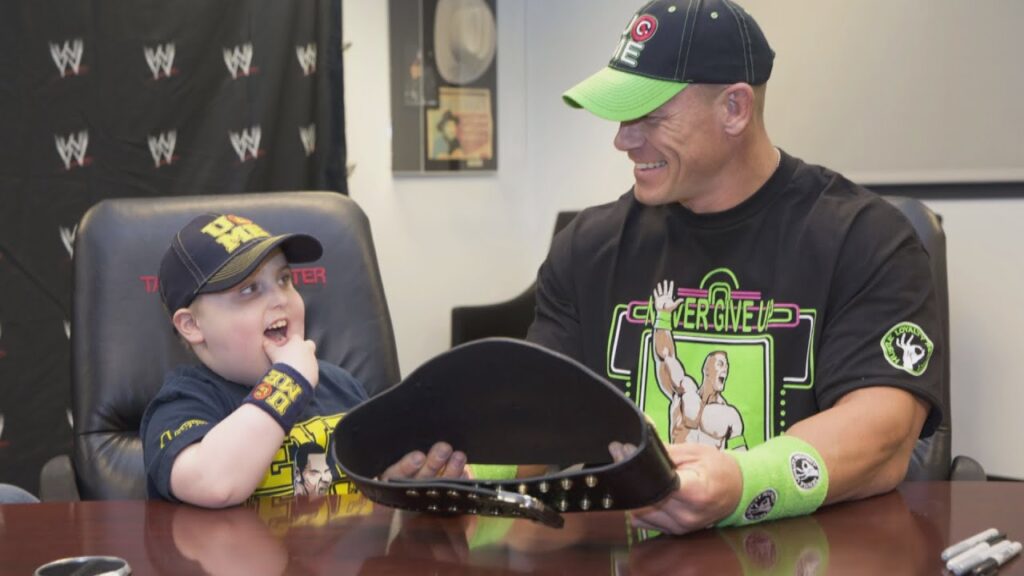
WWE’s Charity Work: Superstars Making a Difference Outside the Ring World Wrestling Entertainment is known worldwide for its thrilling in-ring action and captivating storylines. However, running more profoundly than the bright lights and roaring crowds, the WWE and its superstars have long been committed to making a difference outside the ring with intensive charity work. WWE’s charitable work tends to various courses, just like the company’s commitment to using the platform for the greater good. The article touches on the charity works of WWE, emphasizing focuses and superstars who play a significant role in participating in them. The Philanthropic Mission of WWEWWE is so involved in philanthropic activities driven by a passionate mission on its part that it works effortlessly by making people smile. And there is its school-based scheme set to rock the change into many people’s beloved communities worldwide. Some of the corporate social responsibility initiatives that the body takes up include education, health, living healthy, community service, and military support. Corporate Social Responsibility (CSR) Programs:All CSR programs of WWE are designed to leverage the company’s global reach and the influence of its superstars for the inspiration and support of different communities. Among these are significant community outreach initiatives, charity partnerships, and awareness-building/fund-raising efforts. Key Charity Initiatives and Partnerships: Make-A-Wish FoundationWWE, in conjunction with the Make-A-Wish Foundation, has been instrumental in seeing this come to fruition with wishes for every child and USD 5 million to boost the cause to greater heights. WWE superstars, one in the person of John Cena, are crucial to fulfilling that collaboration. In their record books, Cena has been wished over 650 wishes by very ill kids, as mentioned. What kind of impact has all this made? Quite frankly, the emotional weight transmitted in such moments, when the kids meet their WWE icons, is overwhelming. Connor’s CureEstablished originally in the memory of Connor Michalek, a young WWE fan who lost his life because of medulloblastoma, Connor’s Cure was explicitly instituted to raise money and spread awareness about pediatric cancer research. Connor’s Cure was established by WWE executives Stephanie McMahon and Triple H in memory of Connor Michalek. WWE conducts several events and campaigns to raise funds for Connor’s Cure, and supporters have the opportunity to purchase charitable items and attend auctions, where all proceeds will benefit cancer research. Be a STAR (Show Tolerance and Respect)The Be a STAR program is designed to powerfully influence children’s behavior in giving a renewed resolve as far as deterring bullying and encouraging a culture of respect and inclusion is concerned. WWE superstars go out to schools and community centers, giving speeches with anti-bullying messages while sharing personal stories of rise and defeat. There are also resources made available for parents, educators, and students on how to effectively address bullying. Special OlympicsAlthough the Special Olympics has been a mainstream partner with the WWE, this is made possible by ensuring properly that athletes with intellectual disabilities are taken care of. Through participation in its host fundraising events –the WWE partners up in these efforts- organizing more chapters on events, event coverage, fundraising marketing, and event management beforehand, ensuring support throughout and increased post-event awareness. Susan G. KomenWWE also aligns with Susan G Komen for breast cancer research awareness and fundraising. Their “Courage Conquer Cure” campaign is every October, considered Breast Cancer Awareness Month. Superstars wear pink-themed gear, and special pink merchandise goes up for sale, with all the profits going towards the cause for Susan G Komen. WWE also features breast cancer survivors on the broadcast to share their stories of great courage and determination. Hire Heroes USAAnother realm within which WWE plans its charitable duties is to support documented soldiers and their families. To do this, WWE has managed many campaigns with Hire Heroes USA, a group that helps veterans transition between military life and the civilian workforce. These include fundraising, awareness campaigns, and conducting many career workshops for this noble cause. Furthermore, military contributions and sacrifices are regularly recognized during WWE live events. Superstars Leading the WayWWE superstars are an integral part of their organization’s charity, utilizing their fame and personal influence for various causes. Here is a list of some superstars noted in making significant contributions to WWE’s charity works: John CenaJohn Cena is perhaps one of the most eminent names in WWE’s charitable work. His record number of off-the-field wishes granted is due to being Make-A-Wish, and he continues to aid other campaigns, solidifying his humanitarian legacy. For sure, the man doesn’t stand to finish at WWE; beyond this, he is always working for multiple other causes, giving inspiration to millions of his fans across the world. Stephanie McMahon and Triple HAs key executives at the WWE, much has been driven in terms of the company’s philanthropy by Stephanie McMahon and Triple H. The creation of Connor’s Cure and the substantive level of engagement in outreach programming in the community are testimonies of their doing a little something that would mean a huge difference. Using their platform, both have advocated for research into pediatric cancer and anti-bullying. Titus O’NeilTitus O’Neil is very popular in community outreach and charity work. He has been involved in many projects based on charity events, sponsoring various local youth programs and championing the need for education and health awareness campaigns. Through the above activities, O’Neil has gained widespread recognition in and out of WWE. Roman ReignsRoman Reigns has also taken his struggle with leukemia and used it to fuel his advocacy work on cancer research and awareness. Following a diagnosis and recovery from the chronic disorder, Reigns became engaged with causes of organizations that supported cancer patients and their families. His story inspires, and his charitable efforts do not cease. NatalyaNatalya is one of the finest wrestlers of the women’s division in WWE and known for philanthropy. She took part in various causes, such as Be a STAR and Special Olympics, by appealing to how one can promote inclusion and respect throughout such roles. The presence of Natalya in
Wrestling Families: Dynasties That Shaped WWE
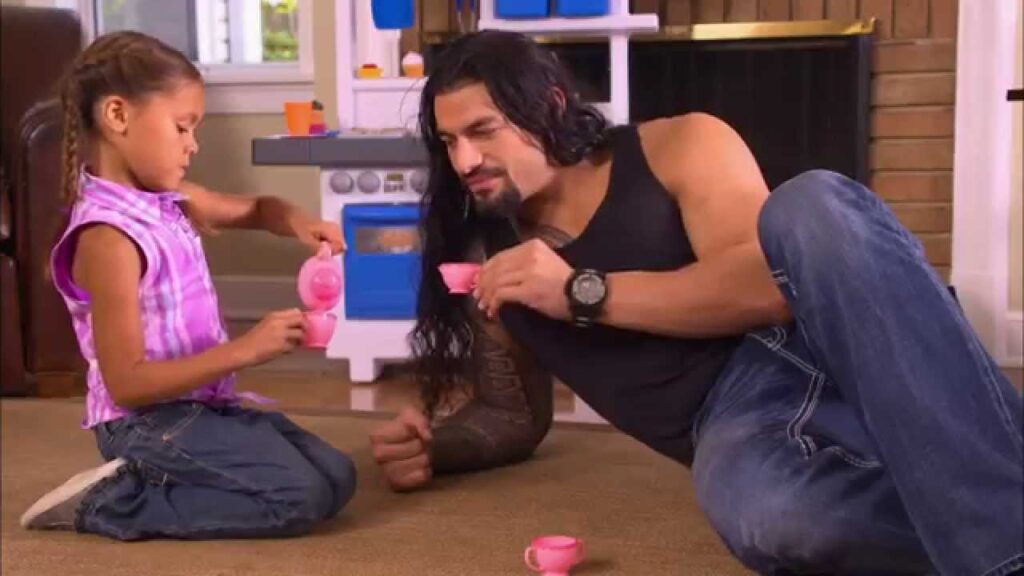
Professional wrestling combines athleticism, entertainment, and storytelling; further, its most significant contribution is that of family dynasties—within World Wrestling Entertainment Inc. (WWE), that is. These wrestling families, or dynasties, have contributed not just talent but legacy, tradition, and a continuing passion for it. The families have always passed on skills, knowledge, and charisma from father to son, right from the men of old up to the modern era, with some contributing profoundly to the writing of history in the WWE. This article looks at the most influential wrestling families and how they have positively contributed to WWE. The McMahon Family:Think about any wrestling dynasty, and the McMahons are what one has to start with; they are the bedrock of WWE. Vince McMahon is the Chairman and CEO of the Company; he turned the WWE from a regional promotion to a world wrestling entertainment phenomenon. Vince McMahonThe vision of Vince McMahon revolutionized the Wrest Liga. With WrestleMania, the company did something that no other wrestling organization had ever done, whereas expansion by cable television and pay-per-view changed the entire scenario of professional wrestling. Under his leadership, WWE became synonymous with sports entertainment. She’s the CHis wife, Linda McMahon, had also been an essential figure in the corporate setup of WWE, where she established the business operations and the public image associated with the same. Her political career, especially as the administrator for the Small Business Administration, brought even more prestige and exposure to WWE operations. Shane and Stephanie McMahonThe next generation of McMahons, Shane, and Stephanie, have been integral to WWE’s continued success. Shane McMahon has been involved on air and behind the scenes with WWE in relationships around the world and in the development of digital media strategies. Stephanie McMahon, as Chief Brand Officer of WWE, has played a vital role in driving corporate and charitable initiatives – whether it is around Women’s Evolution or any of the vast community outreach programs. The Anoa’i family:The Anoa’i family, hailing from American Samoa, is one of the most prolific wrestling families in the world. They have taken their tradition forward, from generation to generation, to the WWE. The Wild SamoansThe initial family members to rise to the heights of stardom in WWE were Afa and Sika Anoa’i, also known as The Wild Samoans. What they brought in terms of unrestrained style and the domination shown in their tag team division set the stage for members of the family who would follow. YokozunaRodney Anoa’i, known as Yokozuna, turned into a WWE Champion and was one of the most ruling superstars of the early 1990s. He had huge physicality and agility that made him a memorable character. Rikishi and His SonsRikishi had already put the polish on the family’s name with an engaging personality and fighting ability. The sons both followed their father, known as the tag team The Usos, having risen through the ranks of WWE history as one of the most dynamically charismatic high-flying teams. Roman ReignsArguably the most prominent member of the Anoa’i family right now, Roman Reigns is the face of WWE. He’s been in the history books for holding multiple WWE Championships, the current Universal Champion, and has headlined numerous main stages, most of them being WrestleMania. His recent character alteration into “The Tribal Chief” has received accolades from critics for showing new sides to his versatility and depth as a worker. The Hart Family:The Hart family hails from Calgary, Ontario, Canada, and they personify a rich tradition of wrestling excellence in the sport. The father was the legendary Stu Hart, who founded Stampede Wrestling and trained innumerable of wrestling’s top talents in his “Dungeon.” Bret HartIndeed, people would look up to Bret Hart as one of the premier technical wrestlers who took the World Wrestling Entertainment scene. This guy, through the code name of “The Excellence of Execution,” has a few championships lining up underneath his belt in the company, providing matches against legends in the wrestling of the lot, such as Shawn Michaels and Stone Cold Steve Austin. His stories in the ring and total capacity for it left footprints in the industry. Owen HartHigh-flying and charismatic, there was Bret Hart’s younger brother, Owen Hart. Owen had the gift to keep on going, high or low, despite his tragic and untimely death. The British Bulldog and Jim “The Anvil” NeidhartKey contributions were also put in by other extended members of the Hart family: Davey Boy Smith, who went on to become the British Bulldog, could astound people with his strength and agility in the ring; Niedhart himself paired up well with Bret Hart in The Hart Foundation tag team to help lift the standing of a then flagging division. NatalyaNatalya Neidhart is another cornerstone in the WWE women’s division, this one continuing the Hart legacy, as she is the daughter of Jim Neidhart. Known for her elite technical ability and exceptional work ethic, Natalya has been a multi-time champion and is frequently seen as an influence and mentor to many of the younger female wrestlers. The Orton Family:Another multigenerational family in wrestling whose roots have been firmly placed in the WWE is the Orton family. Bob Orton SrThe wrestling lineage in the family started through Bob Orton Sr., an outstanding wrestler during the 1950s and 1960s. His in-ring success and professionalism paved the way for his sons and grandsons. It was in the 1980s when Bob Orton Jr., or “Cowboy” Bob Orton, returned to WWE to make his unique presence. He is best remembered as “Rowdy” Roddy Piper’s bodyguard and being involved in the first WrestleMania. Randy OrtonMost significantly, Randy Orton is the most decorated of the bunch, who engaged fiercely with the great mass of WWE superstars of his time, being called “The Viper” and famous “The Legend Killer” and had achieved many World Championships under him, not to mention numerous epic moments that have been captured. He is a synonym of persistence and constancy; that’s why, up to now, he remains a Monday Night
An Evolution of WWE Pay-Per-View Fare: From WrestleMania to Today
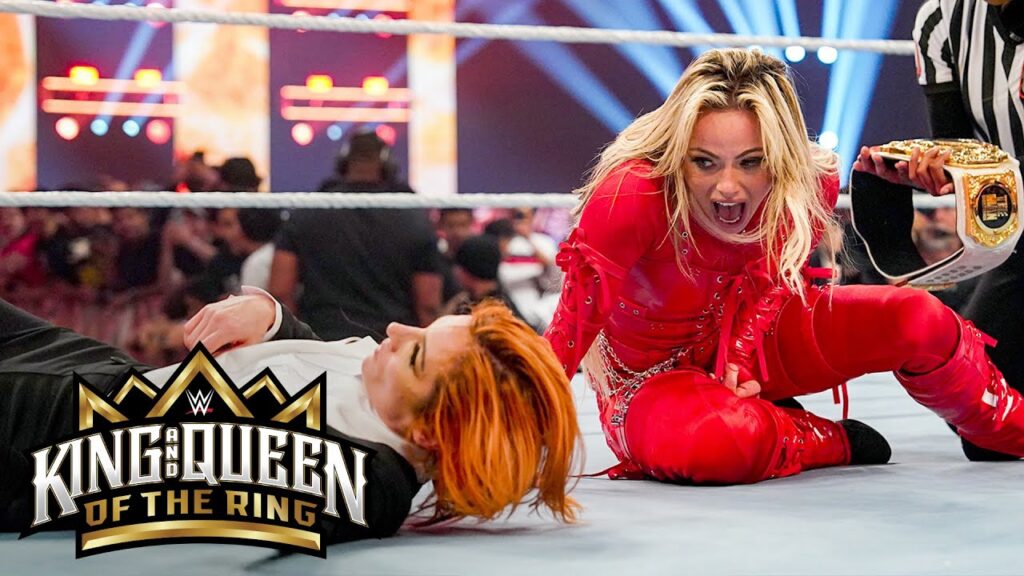
World Wrestling Entertainment has recreated the concept of sports entertainment, and right at the core of this revolution are their PPV events. Beginning with the first-ever WrestleMania in 1985, WWE’s PPVs have grown into a varied, internationally acclaimed phenom. So, besides just being a forum for some of the biggest storylines and looking tours de force, they’ve also mirrored the creativity of WWE. This paper discusses the course of action of WWE’s PPV events from WrestleMania. WrestleMania is Born: A New Era BeginsThe first-ever WrestleMania was held on March 31, 1985, at Madison Square Garden and marked the inception of the PPV era for WWE. The brain behind WrestleMania is seen to be Vince McMahon himself. He had WrestleMania envisioned as an event in which wrestling would be presented in conjunction with celebrities to bring some mainstream touch to it for the audience. It was one classic one because it had those historic matches of Hulk Hogan versus Mr. T against Roddy Piper and Paul Orndorff, but other than that, even guest performances by celebrities like Muhammad Ali and Cyndi Lauper—a new standard in wrestling history.Key Innovations: Live Broadcast: WrestleMania was available nationwide via closed-circuit television and seen in thousands of locations.Success was evident for WrestleMania I; this further strengthened WME’s believe that the PPV model was both possible and lucrative, and it set up WWE’s potential for an annual tradition. Expanding and Experimenting: The Late 1980s and 1990Following the success of WrestleMania, WWE pumped up its PPV calendar with several newer events, each carrying its theme and proclivity. Survivors Series:First taking place in the year 1987, Survivor Series has resolutely remained the venue of the elimination tag team matches. This event grabbed an audience that is naturally predisposed toward a liking for team-based competition. It saw several feuds and alliances. Royal Rumble:The Royal Rumble is an annual professional wrestling event. It first appeared in 1988 and featured a different battle royal format where participants entered time. It was free-flowing and unpredictable, with an added perk of a title shot at WrestleMania, making the event easily an instant fan favorite. SummerSlamSummerSlam August 1988: Known within a very short period as “The Biggest Party of the Summer,” SummerSlam, with a bevy of high-profile regular matches and stories, became one of WWE’s cornerstones in PPVs. King of the Ring:From having its first special event in 1985, it was not until 1993 that it became a PPV event featuring a single-elimination tournament. The winner, more times than not, went onto a high level of success as a new, up-and-coming star. The Attitude Era and Beyond:As the period of the late 1990s became known, the Attitude Era saw WWE bring on harder-core rivalries and controversial subjects that people have still not forgotten. The propensity was to use much grittier storylines and matches that pushed the envelope into actual, envelope-pushing realms of traditional wrestling entertainment. Key Innovations:Increased Frequency: WWE played to the gallery and increased the number of PPVs, thereby giving monthly events to keep fans engaged. Various Themes:Each PPV had its own identity, set as the base for vast and varied storytelling. The 2000s: Consolidation and Global GrowthAs WWE headed into the new millennium of the 21st century, perfecting its presentations seemed like the only further step forward, the company needed to continue performing at an increasingly global level. Brand Extension:In 2002, WWE introduced, replying to Raw and SmackDown. This naturally led to brand-exclusive representation, so more wrestlers would be involved in major matches, offering fans well-developed stories to get lost in. Growth of WrestleManiaWrestleMania expanded into a multi-day extravaganza, augmented by fan conventions—now formally branded as part of the festival—Hall of Fame ceremonies, and even NXT TakeOver shows. This further scale and spectacle made WrestleMania a must-watch global event. International Events:The first non-domestic PPVs that WWE began producing: joined the list, which started with WWE on the Road to: for the first time, in 1992, with SummerSlam in London, then Insurrection; and later, Rebellion in the UK. Not only did these help build the international following, but sent clear vibes on WWE’s intent on international expansion. Key Innovations:Brand-exclusive PPVs: Have more significant potential for storytelling by confining storylines to being told within a single brand.International Reach: The Company expanded WWE’s footprint and catered to a global audience.The WWE Network Era: A New ParadigmIn 2014, WWE launched a streaming service to revolutionize how fans watched PPV events. For a monthly subscription fee, fans received access to live PPVs, original programming, and an extensive archive of past events. Accessibility: It was visually lovely in the pockets of fans, who felt more self-connected to the PPV, and the following multi-event track won’t burn a hole in their pockets—every road they follow. Content Diversity: WWE’s Network allowed them to carry out different formats and types of programming like the NXT TakeOver Taste and similarly exclusively produced documentaries. NXT TakeOver:NXT, a developmental branch of wrestling, started developing events that they called PPV of their own, a show named Takeover. TakeOver became popular very fast and enjoyed the reputation of holding excellent matches that indeed constitute the main roster PPV most of the time. Subscription Model: The economic model of WWE changed, making content more capable of interacting with viewers. Enhanced production: The network opened the door to higher production and creativity. Today: Live Streaming and Special Events As time went on and streaming technology evolved, WWE became part of broader platforms while keeping its focus on high-traffic high profile PPV events. Peacock Integration:In 2021, WWE took another step toward its streaming content strategy by moving it to Peacock and coming together with NBCUniversal’s content in the US. WWE continues to innovate in the PPV format, creating new ideas out of old classics and keeping things fresh. Money in the Bank:An event added starting in 2010, Money in the Bank matches are ladder matches in which the winner most convincingly collects a bag with a contract for a championship. Extreme Rules:Highlight hardcore wrestling with matches of stipulation with
WWE’s International Superstars: Global Talent In The Ring
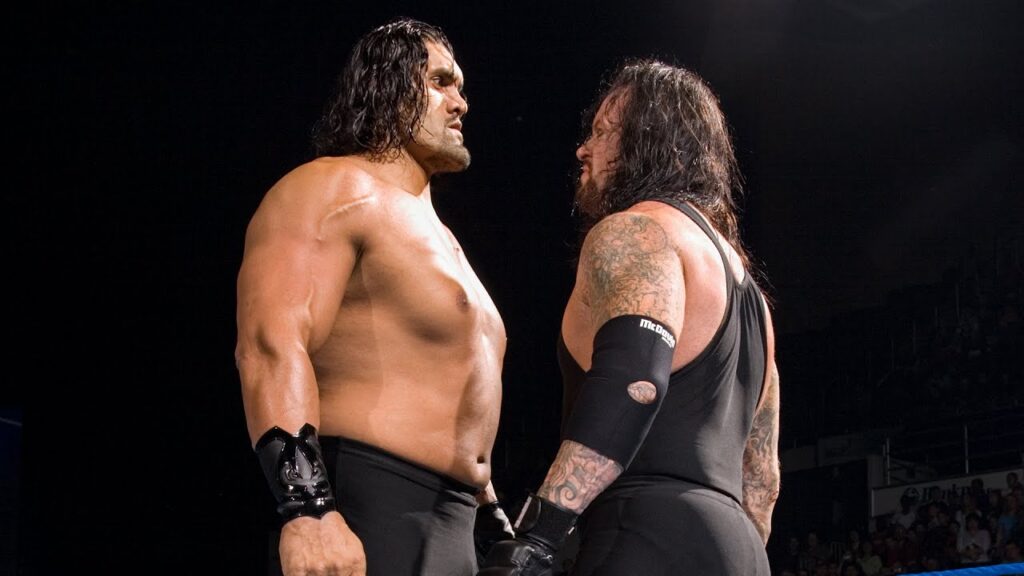
For many years, World Wrestling Entertainment has served as the melting pot of diverse talent, with superstars hailing from every corner of the globe. It is this international presence that has enriched not only the WWE roster but added a global flavor to the product, making it more relatable to fans around the world. Assuredly, WWE’s commitment to displaying global talent underlines its growth into a genuinely worldwide brand. Speaking of international superstars, this article would view their impact on WWE in light of the following key figures across different regions and see what changes each has brought into the wrestling landscape. The Importance of International TalentAdding international talent to the ranks of the WWE offers numerous advantages. Cultural Diversity: It brings different styles and traditions of wrestling into the ring, enriching and varying fans’ viewing experience.Global Appeal: International stars help WWE tap into new markets, growing its global fanbase and expanding its reach.Innovative Storytelling: The backgrounds and different personas of worldwide wrestlers open up new storytelling and character dynamics. Global-Pioneers Of Wrestling: United KingdomThe UK has had a long history in professional wrestling, with many of WWE’s most technically proficient and charismatic stars coming from the country. The British Bulldog: Davey Boy SmithDavey Boy Smith, with oppositional weight and maximum strength, was among the first conspicuous stars of WWE through the UK. With his powerful physical features and remarkable strength, he turned up in the ring; it became difficult to ignore. In addition, after beating Bret Hart at Wembley Stadium in 1992 during SummerSlam, he immortalized the most unforgettable moment in the history of WWE. William RegalWilliam Regal was that bona fide synonym of technical wrestling with a regal personality, and he was a big deal inside and out of the ring. With the respect he gained from his in-ring ability and character work, he played a part in talent development that shaped some of the stars of tomorrow. JapanJapanese wrestlers have also brought to WWE strong, respelled, and high-flying action, which has captured the audience with its intensity and skill. Yokozuna (Rodney Anoa’i)Although billed from Japan, Yokozuna was of Samoan descent and was a dominant force in WWE during the early 1990s. A sumo wrestler, he was more a wrestler who was a significant force to be reckoned with as he managed to win two WWE Championships. Shinsuke NakHitting the ground running with his charismatic persona and hard-hitting strong style, Shinsuke Nakamura became an immediate hit in WWE. Nakamura demonstrated pure talent in his work in NXT, where he partnered with Sami Zayn and later feuded with Finn Bálor. His star power transferred to the titular spot, where he has gained multiple title reigns and a bevy of memorable rivalries. MexicoLucha libre—full of its high-flying maneuvers and bright masks—became one of the central elements in WWE due to contributions from luchadores. Eddie GuerreroBut with Eddie Guerrero, there was more in the squared circle than just that: technical skill alongside high-flying ability and, of course, charisma. People loved him for that “Lie, Cheat, Steal” illusion; capturing the WWE Championship 2004 was a big and tear-jerking event in the wrestling fraternity. Rey MysterioRey Mysterio ranks amongst the greatest luchadores in wrestling history. This luchador made lasting impressions in the WWE with his agility and style of many unique moves. No slouch himself in the championship category, Rey’s legacy lives on to hopefully motivate future generations of wrestlers and fans. CanadaCanada has produced a slew of WWE’s most technically sound and celebrated superstars, laden with dedication and excellence in the ring. Bret “The Hitman” HartMany say that Bret Hart is one of the greatest technical wrestlers ever. His matches are painstakingly, masterfully worked presents of storytelling and precision, often gaining respect within iterations of different wrestling audiences – from the five-year-olds during his contemporary career to mid-aughts indie hipsters re-watching old WWF shows in warehouses. Edge—Adam CopEdge has been the “Rated-R Superstar” and is easily one of the most versatile, successful guys in WWE. He has won charisma with millions, creating the sound of the ringing bell of talent in the ring, but most of all, that sheer resolution taken as he returned from a career-ending injury to become a multi-time world champion and fan favorite. The Modern Era:The current WWE roster is more internationally diverse than ever, bringing in talent from all sorts of countries and backgrounds. Europe Finn Bálor (Ireland):Ireland’s Finn Bálor has made himself part of the machinery that makes the big wheels go in WWE programming. Subsequently, with his extraordinary athleticism and the “Demon” persona, Balor has won numerous championships while in NXT as well as on the entire main roster, which includes the inaugural WWE Universal Championship. Pete Dunne (UK):Butch — a rough and technical style of wrestling, which Pete Dunne has introduced into WWE. As its longest-reigning NXT UK Champion, Dunne has stood out with incredibly hard-hitting battles and an extremely unique persona. Australia Rhea RipleyThe infusion of a mighty presence complemented by outstanding in-ring skill brought about a fast rise in the career of Rhea Ripley. Her status as the first-ever WWE Female Australian champion is not all there is when speaking of developmental progress. Ripley has basked into the glory of the NXT Women’s Champion and, recently, the Raw Women’s Champion. Buddy Murphy (Buddy Matthews)Buddy Murphy, a star renowned for his outstanding acrobatic stunts and technical skills, has brought that ability to the WWE’s cruiserweight division. The matches he has put on have been talked about, often with plenty of athleticism added to the physicality of the matches. India Jinder MahalJinder Mahal became the first WWE Champion of Indian origin. This was more than just a “big moment” for WWE; in fact, it was rather huge for their entire market expansion into India. To this very day, Mahal is one of the more prominent stars, working as a face to associate WWE with its foreign fanbase. The Great KhaliThe Great Khali was a massive stunt in size and strength in the WWE.
The Science Of Wrestling Moves: How WWE Superstars Execute Them Safely
Professional wrestling in WWE is this exciting combination of sports, entertainment, and storytelling. Bodies flying in the air, the loud beat of flesh on flesh, the grueling human interaction—it brings awe to the eyes of fans around the world who witness this event. But beneath all this glittering pageantry, in effect, is an unimaginable regime of safety and finesse. Very deep, this article gets into the science of wrestling moves to show how WWE superstars safely do their actions while performing to a great magnitude. The Basics of Wrestling SafetyAlthough the matches are predetermined, the physical aspect of wrestling and its danger are authentic. The WWE superstars train extensively to add to the list of safely performed stunts. This comes as a combination of several factors in their training: Physical Conditioning: Professional wrestlers stay in top physical shape to tolerate the rigors of their craft. Strength, flexibility, and cardiovascular conditioning are essential to prevent injuries and enhance performance.Skills Training: Mechanics of the move must be downloaded into your mind. Wrestlers practice in practical, controlled situations to master techniques. Techniques are then possible to perform effectively and safely.Ring Awareness: Know the size and structure of a wrestling ring; to never get in harm’s way during contests, a wrestler develops ring awareness.Communication: In wrestling, effective communication is everything. Verbal and nonverbal cues are devised between wrestlers while they work through a match to ensure mutual protection. The Anatomy of a Wrestling MoveAppreciating the science behind wrestling moves demands the breaking down of their constituents. Leverage, momentum, and controlled impact are combined in most moves. This is also seen in applying leverage, where wrestlers use their bodies to make the moves with the least effort and the most effect. That is, during a suplex, the wrestler uses the legs and core of the body to lift the opponent instead of straining the back. MomentumEfficiently using the potential of momentum allows wrestlers to execute energetic moves with minimal effort. One such move is the Irish whip, which would harness the opponent’s potential to get propelled into the ropes, leading to dramatic propulsion with caged effort. Controlled ImpactEvery wrestler moves so that it reduces actual impact while bringing out the spirit of force. The wrestlers fall back on the flats or other big muscle groups to spread out the effect and hence reduce the injury rate. Besides, the shock given would be less because most of it is absorbed by the mat with its padding and spring action boards. AcrobaticsAmong some of the most stunning and high-risk wrestling techniques are moves that involve dives and flips. Sure, performing those types of moves requires skill, timing, and coordination that resonate perfectly. Training and Technique:High flyers like Rey Mysterio and Ricochet perform much practice to perfect their moves regarding aerial maneuvers. They train with the assistance of crash mats, helping support other safety-related tasks to prepare confidence and competence. Core:Aerial maneuvers require immense body control. A lot of them involve the wrestler just spin and turning his body acutely in the air while landing. Their core and balance must be on point to pull off these moves perfectly. Timing and Coordination:Timing is perfect, as high-risk moves barely dodge or evade possible contact while coordinated with opponents. Such doing requires a rhythmic flow of both wrestlers making the move, as clearly shown convincingly and perfectly done without causing harm to both performers convincingly. Communications. Example: The MoonsaultA moonsault is a backflip performed from the top rope, frequently landing on a prone opponent. To execute this move, a wrestler must be launched off the rope with enough height and rotation so that the flip—after that —will complete and land safely on the opponent, who helps absorb and distribute the impact. Power Moves and SlamsPower moves and slams, generally in the form of a powerbomb or suplex, show strength and technique. These can look pretty brutal but are very controlled to make sure both performers avoid injury. Lifting Techniques:Proper lifting technique is also vital in preventing injury. Wrestlers use their legs and core muscles to lift opponents and thus avoid putting too much strain on the back muscles. In both these lifts, performers often do much of the work themselves; in other words, the person getting lifted somehow jumps or hits their body. Controlled Descent:Being very aware of how to control the landing is essential in slams. The target of wrestlers during the landing is the large muscle groups: back, buttocks, and the like, to disperse the impact. One executing the move must ensure the opponent lands flat to prevent injury. Example: The PowerbombDuring a powerbomb, the performer lifts their opponent onto their shoulders and then drives down into the mat. The opponent tucks his chin and spreads his body to absorb the impact safely as the performer guides him to the ground. Final StepsSubmission moves, which involve joint locks and holds, have to be applied with precision so as neither to cause actual harm to the opponent nor diminish the move’s convincing appearance. Wrestlers lock in their submission holds and exhibit controlled pressure on joints and muscles. They utilize positioning and leverage to bring about the sensation of pain or pressure, as opposed to flat pushing that pain through with muscle power. Give a Human Touch: Submission moves rely heavily on a lot of communication and trust. The performer administering the hold should read how comfortable his opponent is and ease off if necessary. Opponents indicate if the hold isn’t correct in the case of tightness and discomfort. Example: The SharpshooterA sunshine flip, on the other hand, is a leg submission move where one of the performers crosses the lower back of their opponent via the set of legs being crossed together. Hence, when one performs this move during wrestling, they have to check so keenly on where the opponent’s exact legs and back are because anything could go wrong and causally or slowly bring a genuine injury. Strikes and ramming movesAll these are part of wrestling: punches
Memorable Heel Turns: WWE’s Most Stunning Betrayals
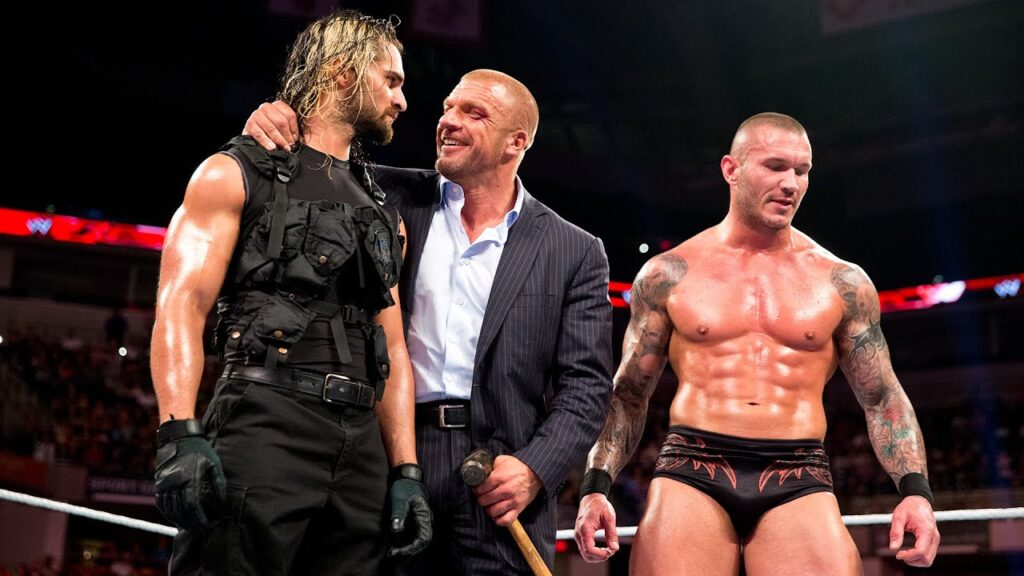
Of the many great moments in WWE history, few tend to evoke and grip a crowd like a good heel turn. The heel turn refers to when a fan-favorite babyface wrestler turns on his colleagues or friends in the wrestling business and his fan base to become a heel. Much of these moments usually prove to be processed events both for character development and storytelling purposes within professional wrestling. They can leave lasting impacts on the audience and sometimes even redefine a wrestler’s career. Here, we look at some of the most stunning and memorable heel turns in WWE history. Hulk Hogan Joins the NWO — 1996One of the most mind-blowing heel turns ever to hit wrestling occurred at WCW’s Bash at the Beach in 1996. Hulk Hogan, that ultimate babyface and hero to millions, shocked the world by turning heel and joining the New World Order (NWO). The Setup:It was then that the wrestling world, literally for once, got turned upside down during a tag team match featuring The Outsiders, Kevin Nash, and Scott Hall, versus Lex Luger, Randy Savage, and Sting. Hogan went out to the ring, purportedly to turn things around for the good guys. The Turn:What was more surprising was that Hogan turned on Savage, making quite clear to everyone out there that he had teamed up with Nash and Hall. This event changed a lot more than just the career of Hulkamania. It revolutionized professional wrestling, gave birth to Monday Night Wars, and eventually led WCW to be a true competitor of WWE. Impact:Hogan’s heel turn, on top of replenishing the immortal wrestling faction, created it in its own right. As years went by during that period, the NWO became synonymous with wrestling, and Hogan’s betrayal is still spoken of to this day as one of the big moments in wrestling history. Stone Cold Steve Austin Aligns with Vince McMahon (2001)Stone Cold Steve Austin is regarded as the anti-establishment hero of the Attitude Era and is best remembered for his famous feud with WWE Chairman Vince McMahon. His heel turn at WrestleMania X-Seven shocked the audience. The Setup:Austin faced The Rock in the main event for the WWE Championship. The match itself was a brutal, no-holds-barred encounter, capturing the intensity of their rivalry. The Turn:In one wonderful twist, Vince McMahon came to the aid of Austin by giving him that very same steel chair. He handed it to Austin, who used it on The Rock, pummeling him into defeat. Off the back of that win, Austin shook hands with his bitter enemy, Vince McMahon—one could say he aligned himself. Impact:This heel turn, though, was one of controversy and division. It showed that to regain an opportunity at the title, Austin would stop at nothing, really tacking on some depth to the character in the process. While many in the audience left feeling cheated, it produced great TV and delivered scenes that would continue to be cemented in WWE history. Shawn Michaels Turns on Marty Jannetty (1992)The breakup of The Rockers is one of the most famous tag team betrayals in WWE history and marked an abrupt start to Shawn Michaels’ illustrious singles career. The Setup:Michaels and Marty Jannetty had been partners for years, known for their high-flying style and strong teamwork. However, tensions began to simmer between the two. The turn:During one segment of “The Barber Shop,” a talk segment hosted by Brutus Beefcake, it appeared that Michaels and Jannetty had finally buried their hatchet. Then, the next thing fans knew, Michaels superkicked Jannetto and slung him through a plate glass window. Impact:This heel turn cemented the career of “The Heartbreak Kid” Shawn Michaels on its way to making him one of the greatest wrestlers ever. It was a turnaround for heels in WWE and gave the drama expected of heel turns. Seth Rollins Turns on The Shield (2014)The Shield was a dominant faction consisting of Seth Rollins, Roman Reigns, and Dean Ambrose. Their breakup was as shocking as it was huge. The Setup:Coming off a series of wins and a strong run as the top faction, following up a win over Evolution was making The Shield more potent than ever. The Turn:It was on one episode of Monday Night Raw that Triple H announced there was always a “Plan B.” Seth Rollins turned on his Shield brothers and emerged, striking both Reigns and Ambrose with a steel chair to align himself with Triple H and The Authority suddenly. Impact:Then, the betrayal at Rollins’ hands propelled him directly into main event scenes, where he arguably became one of WWE’s top heels. That turn created so many feuds and storylines, creating directions for WWE programming for years to come—exactly what wrestling is about: the unpredictability and emotional stakes. Chris Jericho Turns On Kevin Owens (2017)Probably most significantly, the friendship between Chris Jericho and Kevin Owens was pretty entertaining when it was featured as part of WWE programming. Finally came the unfortunate, truly unforgettable breakup. The Setup:Jericho and Owens, at one time, were the best of friends, often spotted supporting each other through various matches and segments. Their “Festival of Friendship” was to be a celebration of this. The Turn:It was during this Festival of Friendship that Owens would present Jericho with a new list, but he would find out that it was the list of people Owens intended to betray – and he was at the top. Owens then attacked Jericho worse than anybody else in their officially ended partnership. Impact:All of this culminated in the Festival of Friendship, which indeed was one of the best segments in recent WWE memory. Owens turned on Jericho to set up a program between the two that would eventually lead to a WrestleMania match. It was really emotional, considering how the turn went down—it showed just how emotional the WWE storylines can be at times. Andre the Giant Screws Hulk Hogan (1987)Their feud was one of the most famous rivalries between Andre the Giant and Hulk Hogan, and