
The Underdog’s Journey: Roman Reigns Climbing the WWE Ranks
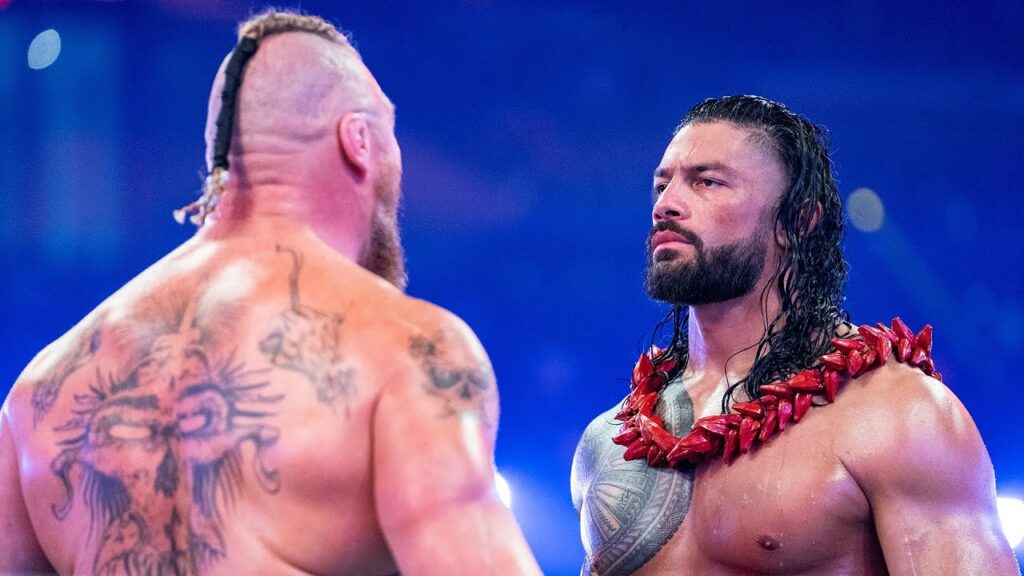
IntroductionThe journey of the boy who had dreamt of being in the wrestling ring to drawing his way to helm the face of the company with Roman Reigns—a name associated with WWE—has begun. But, then, his journey was never easy. From fighting audience rejection to leukemia, the story of Roman Reigns can be taken as testimony to the importance of resilience and change, as well as to just how vital audience engagement is in forming a career as a wrestler. Early Years: Wrestling Royalty and First Title PushBorn Leati Joseph Anoa’i, Roman Reigns comes from the legendary Anoa’i family, a wrestling dynasty that includes such icons as The Rock, Yokozuna, and Rikishi. Before venturing into the ring of WWE, Roman Reigns had a brief career in American football, proving his athletic abilities. Thanks to his incredible athleticism and stunning physique, he quickly got noticed by WWE and was signed to their developmental territory, Florida Championship Wrestling (FCW). With the look, build, and lineage of a bonafide superstar, Reigns was fast-tracked by WWE to the forefront. Reigns broke out as a part of The Shield with Dean Ambrose and Seth Rollins, the latter two debuting in November 2012 at the pay-per-view event Survivor Series on their way to a dominating run in WWE. The success of The Shield had been instrumental in elevating Reigns’ status, with the group being booked to win many matches and championships. Within such a talented group, Reigns was mainly protected in tag matches where he gained experience but wasn’t overly exposed. Mighty spear and dynamic presence; he is the standout in this pack. The Struggle for AcceptanceWWE had bigger plans for Reigns: he was supposed to be the next top guy in the company, previous incumbents have included household names like Hulk Hogan and John Cena. Fans, however, were resisting this push. While WWE tried to get the audience to view Reigns as a conquering hero, the latter just wasn’t buying it: they felt Reigns had been forcibly inserted on top of the ladder—too soon.The disconnect between WWE’s portrayal and fan sentiment was glaringly evident during his victory speech after defeating The Undertaker at WrestleMania 33. The audience booed relentlessly for eight straight minutes, not allowing him to speak. Some of the reasons for this were multi-fold. Firstly, fans felt that Reigns was being pushed way too hard and way too fast, shadowing other, more deserving talent. Secondly, his character was heavily scripted, void of authenticity, which fans so craved. Unlike The Rock or Stone Cold Steve Austin, whose characters felt real, Reigns’ persona felt forced. This further alienated the audience when WWE insisted on presenting him as a superhero-like figure no matter what the fans said. Reigns’ struggle for acceptance brought into sharper relief the unique relationship professional wrestling has with its audience. The differentiator for wrestling in terms of entertainment is its live nature, where real-time audience reaction may change the course of a performance and the respective stories. Chants of “You suck” resonating throughout arenas during matches and promos were indicative of a fan base that wanted something natural and relatable in their hero. A Critical Turning Point: Fighting LeukemiaIn a twist that went beyond the realm of wrestling, Reigns revealed that he was fighting leukemia in October 2018. At that moment, there were genuine sentiments of understanding and sorrow from the audience toward him. The reveal took place on a live broadcast of Raw, where Reigns stepped down as the Universal champion for the second time because he had been living with the disease for more than ten years. His candid nature and sensitive approach to the topic resonated with the WWE Universe. Reigns’ fight and return from treatment was a career-defining moment in his professional wrestling career. For the first time, he received the babyface reaction WWE had long sought for him. His courageous battle with leukemia and his openness about his health struggles humanized him in the eyes of fans. When he returned in February 2019, he was met with a standing ovation from the audience to show their support and respect. The Transformation: Embracing the ‘Tribal Chief’Upon his return, Reigns underwent a profound character transformation that genuinely connected with fans. Turning heel and adopting the persona of the ‘Tribal Chief,’ Reigns demanded acknowledgment and respect, showcasing a more complex and engaging character. It wasn’t only a new role for him on television; it was an evolution in his wrestling character, making it closer to his true self and his roots.His alliance with Paul Heyman, perhaps the most incredible mind in the business whose affiliation, specifically with Brock Lesnar, said oh so much, was nothing short of brilliance. Heyman’s general character and managerial skills further enhanced the character of Reigns. He provided verbal support and storytelling skills that gave a glimpse into his new role. The two were able to weave a story of dominance and respect, which would see Reigns elevated at the top of the Samoan wrestling dynasty. The formation of The Bloodline, with his cousins The Usos, added some of the layers to those characterizations, giving WWE a three-dimensional villain who was compelling yet dominant. This faction was playing off genuine family ties and history, hence making a robust and authentic dimension obtainable in Reigns’ character. Reigns, or ‘The Tribal Chief,’ proclaimed loyalty and respect, using his position to manipulate and control, creating a villain that fans loved to hate. The new character, Reigns, was a hit. His in-ring work, strengthened by his improved mic skills, solidified him as the top. His current championship reign is over 800 days—it goes down now as one of the longest reigns since the days of Hulk Hogan—and it shows just how much Reigns is still popular and has influence. The ‘Tribal Chief’ persona not only let Reigns show off his skill but also proved his versatility as a performer who can excel in hero and villain roles. Importance of the Audience Engagement Reigns’ story thus encapsulates perhaps the most
Future Legends: WWE Superstars Destined for the Hall of Fame
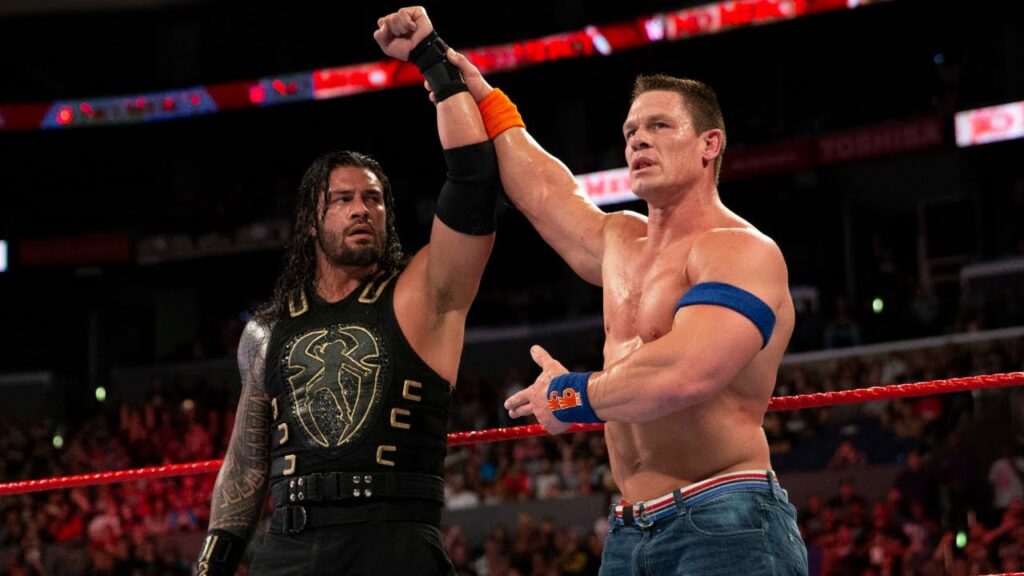
Throughout the history of professional wrestling, there have been great pioneers, trailblazers, and icons who have set indelible marks in the sport. What does one now wonder about—by that, I mean the superstars of yesteryears taking their rightful place in those hallowed halls? It is through performances such as these that each of them brings to the table, so the value of a current roster filled with aspirants all wanting their piece of history declared a part of the best wrestlers ever. Let’s delve into these future legends and their legacy in the squared circle. While WWE remains innovative and on the growth path, the next breed of superstars will surely build from their past legacies, leaving a mark in the industry, and rightfully so, they call themselves Hall of Famers. From trailblazing females to dominating champions to fan favorites, these future legends represent the best of WWE. They are written as legends stable to ensure that the work in professional wrestling continues down generations.
Unforgettable Returns: WWE Stars on Their Way Back
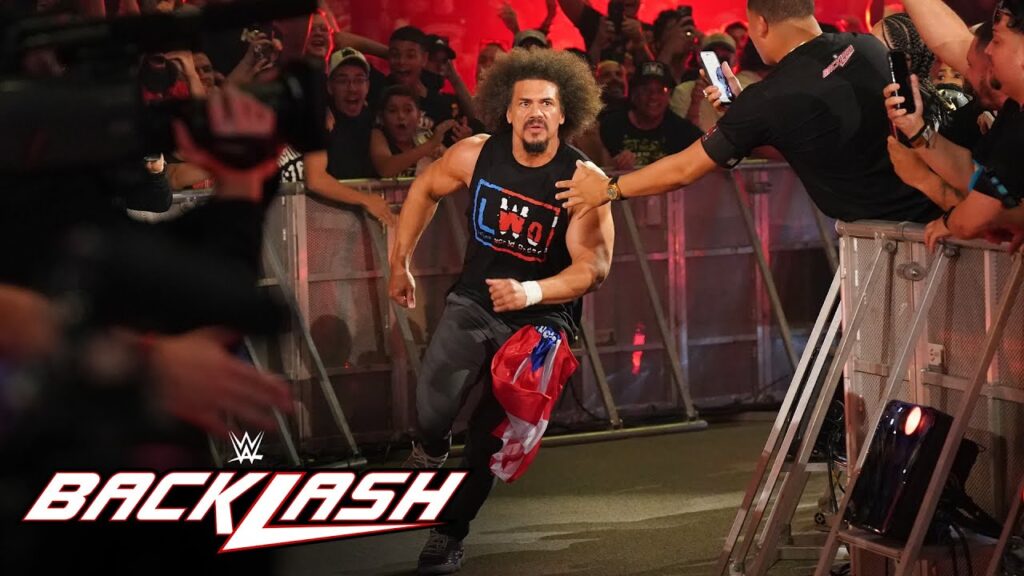
In the world of professional wrestling, very few things can compare with the intensity of a surprise return of a beloved superstar. Be it the coming out of retirement of any Hall of Famer or the incontestable catching up of a fan’s favorite, such moments send shockwaves across the WWE universe, dropping jaws and encouraging cheers. Despite the challenges posed by social media and digital news leaks, WWE still held back some surprise returns, making it evident to fans that they would never forget such moments in a lifetime. In this article, we delve deep into some of the best WWE returns ever—looking at the circumstances, reactions, and fallout that these epic comebacks caused. In short, WWE programming has always been defined by those “surprise returns” to create unforgettable moments that see fans cheering in disbelief. Though social media and digital news leaks have made anything shocking for WWE a difficult task these days, there has been quite a bit that has been kept under wraps until the eventual epic comeback. Whether it’s a Hall of Famer stepping back into the ring or a fan favorite who has been away for some time making a triumphant return, these moments remind us why we love professional wrestling and tune in every week with excitement to see what comes next.
The Evolution of Women’s Wrestling in WWE: A Retrospective
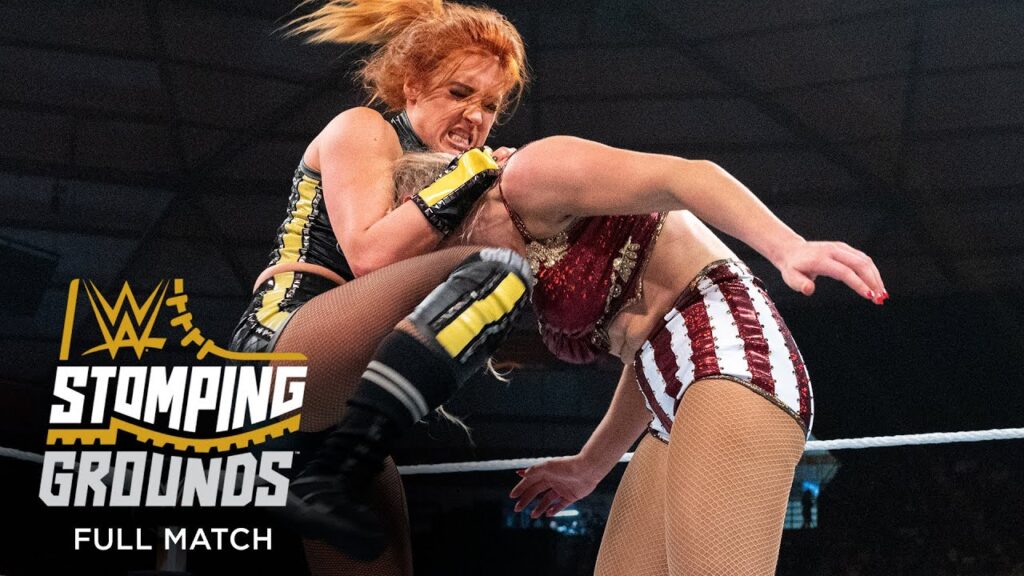
Women’s professional wrestling in WWE has taken such a fantastic turn over the years, changing from a sideshow attraction to a central pillar of that company’s brand. It was realized with significant milestones, groundbreaking performances, and a relentless push for equality and recognition. This overview covers some of the critical moments, influential figures, and cultural impact in the shaping of women’s wrestling in WWE.Origins: The Pioneers The roots of WWE women’s wrestling go back to the early 1950s, when there existed almost no female wrestlers in this male-dominated sport. She was one of the pioneers of the age: the Fabulous Moolah, or Mary Lillian Ellison. Holding the WWE Women’s Championship for 28 years has been an achievement.It was dominant and skillful, but opportunities for women were open only minimally. Email enjoyed a growth in visibility during the WWE’s seminal “Rock ‘n’ Wrestling Connection” era of the 1980s through the collaboration between Cyndi Lauper and the wrestler Wendi Richter. This culminated at 1985’s first WrestleMania and included the victory over Moolah in that aired event, the “Brawl to End it All.” MTV drew huge viewership, putting women’s wrestling on the mainstream radar. Attitude Era: Theatrics Over SportThe late 90s and early 2000s heralded the period WWE refers to as the Attitude Era. This time was viewed as a double-edged sword by WWE Divas. Even as it marked an era of enhanced screen time, the kind of focus it saw was more towards entertainment and titillation rather than athleticism. Most of the time, female wrestlers or Divas were used in storylines that emphasized sex appeal more than their ring prowess. Bra and Panties matches, Evening Gown matches, and all other gimmick bouts became the norm and placed the women of WWE as nothing more than a side-show spectacle rather than a sport. End.Yet, among all those struggles, a couple of women rose to attention: Trish Stratus and Lita figured prominently as both were respected for their athleticism and their telling the story in the wrestling ring. Their feud culminated in 2004 with the main event on WWE Raw, an honor then treasured by very few women and attributed to their value and skill while in the ring. The Divas Era: A Touch of ChangeThe mid-2000s introduced the WWE Diva Search, which was a reality competition to find new female talent. The contest was dragged because it was superficial and read more like a contest about looks than actual wrestling ability. But women like Michelle McCool, Maryse, and Eve Torres started to emerge from this era, blending charisma with growing in-ring competence. It’s at this time that WWE began to realize it would need a little more substance in its women’s wrestling. Beth Phoenix, nicknamed “The Glamazon,” shattered the mold with a powerful physical wrestling style, and Natalya Neidhart of the legendary Hart family displayed technical proficiency. These wrestlers, amongst the same company as Mickie James and Melina, along with several others, started to change the narrative, showing that women can deliver exciting matches. The Women’s Revolution: Breaking BarriersThe actual turning for women’s wrestling in WWE started in the mid-2010s, as there was an increasing clamor for more severe and competitive matches involving women in the organization. The term about this period is the Women’s Revolution, and it was initiated, from the bottom up, by the female wrestlers in NXT, which was then WWE’s developmental territory. Instrumental to these efforts was the group known as the “Four Horsewomen” of NXT—Charlotte Flair, Sasha Banks, Becky Lynch, and Bayley. These matches were critically acclaimed, with battles such as Bayley vs. Sasha Banks at NXT TakeOver: Brooklyn being touted as one of the top encounters of the year. The success of NXT’s women’s division brought about a push from fans and critics for the main roster to provide better exposure to its female talent. In 2015, the #GiveDivasAChance campaign began trending worldwide on social media as more reasonable opportunities for women in WWE were demanded by the public. Responding to this cry, WWE rebranded the Divas Division to Women’s Division in 2016. They retired the Diva’s Championship and brought in the WWE Women’s Championship. This rebranding was in good faith and was set to portray that a female wrestler is taken as seriously and respectfully as any male wrestler. Historic Firsts Women at the HelmSince the rebranding, WWE has made great strides to promote women’s wrestling. A few historic firsts have taken place, which move boundaries and set higher standards. The first Women’s Royal Rumble match was seen in 2018, following the first Women’s Elimination Chamber match. Both matches had shown the depth of talent within the women’s locker room and proved WWE’s commitment to gender equality. From here, the peak moved on in 2019, with Becky Lynch, Ronda Rousey, and Charlotte Flair coming from the main event of WrestleMania 35. That would be the first time women top the bill in a WrestleMania main event; that’s how far women’s wrestling has come.The creation of the WWE Women’s Tag Team Championship in 2019 only opened up more space for expanding opportunities, different storytelling, and showing the variety of the female roster. Teams like The Kabuki Warriors and The Ionic showed the increasing depth and creativity in the division. Cultural Impact and Worldwide ReachThe evolution of females in wrestling in WWE became a cultural phenomenon and an inspiration to all their fans worldwide. It reshaped the perceptions regarding female role models, crushed stereotypes, and also changed the rigid boundaries that were being created for the females in the role-play. These shifts came during more significant treatments in society on cultures of gender equality. Ironically, power-packed on authentic female empowerment, these movements resonated with WWE’s positions. WWE has transcended national borders, where women of all backgrounds found themselves at some point rising to the top seed and making it. Superstars such as Japan’s Asuka, Australia’s Io Shirai, and Rhea Ripley broke into WWE, introducing different styles and cultures to make the women’s division of WWE one of
Iconic WWE Matches That Changed Wrestling History
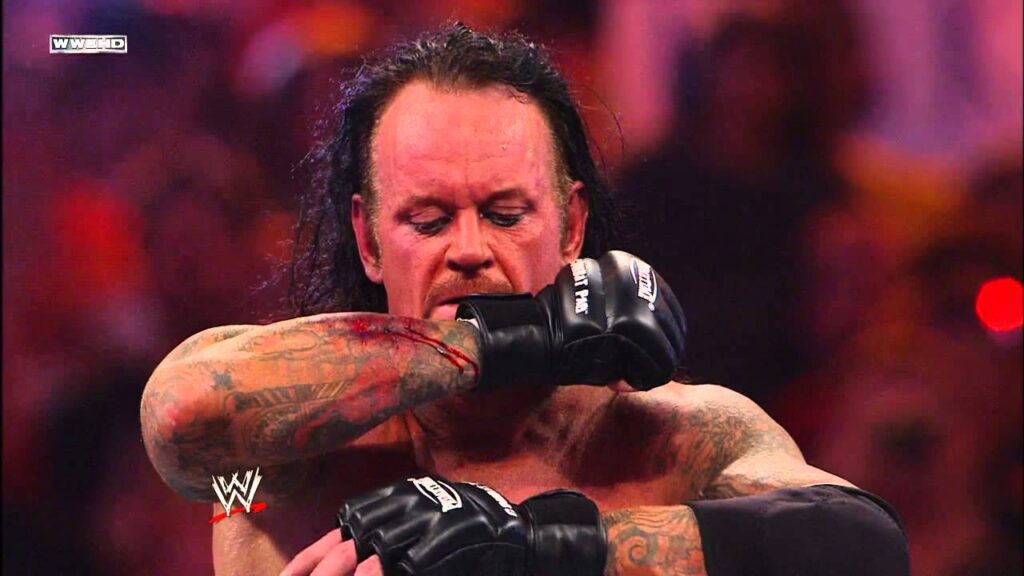
Professional wrestling is that unique, strange mix of sport and entertainment, with WWE—World Wrestling Entertainment—as the top organization in business. Over the years, World Wrestling has produced numerous historic matches, but few have dramatically impacted wrestling history. These kinds of bouts simply redefined the industry, turned performers into legends, and left their mark on fans worldwide. This article delves into some of the most significant WWE matches that have shaped the landscape of professional wrestling. Hulk Hogan vs. Andre the Giant – Wrestlemania III (1987)WrestleMania III is best remembered for the highest attendance record and the mega match between Hulk Hogan and André the Giant. The event was held in the Pontiac Silverdome, Michigan, with over 93,000 fans filling the arena, setting a benchmark for people attending a WWE event. The storyline leading to this match was built on the premise of André’s undefeated streak and Hogan as the ultimate hero. The vision of Hogan hoisting André and body-slamming him on the canvas is still one of the best wrestling pictures ever caught. The match itself promoted and established WrestleMania as the most significant stage/ platform for WWF and, moreover, sealed the stature of Hogan as the face of the company. This was one of those turning points that helped shove the product of WWE right into the mainstream, giving it a platform for the company to prosper in years to come. The Undertaker vs. Mankind – Hell in a Cell, King of the Ring (1998)The Hell in a Cell match between The Undertaker and Mankind, who was really Mick Foley, at King of the Ring 1998, is famous for being a train wreck of brutal spots and complete unpredictability. One of the most surprising and repeated moments in wrestling history came from Foley falling off the top of the cell and plunging through the announcers’ table.This match was the epitome of extreme physicality to which WWE was willing to delve during the Attitude Era. It is Foley’s willingness to suffer such treatment in aid of great storytelling that solidified his legacy as one of wrestling’s most formidable performers, endearing him to fans across the globe. It also cemented the Hell in a Cell stipulation as elevating matches to breaking points almost synonymous with high-risk, high-reward bouts. Shawn Michaels vs Bret Hart – Iron Man Match, WrestleMania XII (1996)The match hailed as a technical masterpiece by Shawn Michaels and Bret Hart took place between WrestleMania XII and an Iron Man match. The game lasted an hour, and neither wrestler had obtained a fall until Michaels won the sudden death fall in overtime. Here was the game that showed the technical superiority and endurance of the wrestler—not the athlete—where wrestling became a sport and not some form of entertainment.Michaels pulled his first big win and was on top of the WWE. Some even credit the match to give them a scenario that said wrestling matches could be long and still potentially hold interest because of great storytelling and in-ring psychology. In that sense, it changed the new standard for main-event matches at WrestleMania since drama and athletic showboating usurped the resort gimmickry and spectacle. The Rock vs. Stone Cold Steve Austin – WrestleMania X-Seven (2001)The enmity that existed between The Rock and Stone Cold Steve Austin was what defined the era of attitude, and their clash at WrestleMania X-Seven is considered to be the pinnacle of their rivalry. Held in Houston, Texas, the no-disqualification match for the WWE Championship had some intense action. Sending shockwaves through the wrestling world, the controversial alliance of Austin and Vince McMahon at the end of this match signaled a seismic shift in the character of Austin. This match is debatably one of the single most extraordinary main events of WrestleMania, capturing the height of the Attitude Era’s popularity. Energy, storyline, and performances were pegs that future main events would need to be measured against—the blend of high-octane action with compelling narratives. The Undertaker vs. Shawn Michaels – WrestleMania XXV (2009)The Undertaker vs. Shawn Michaels at WrestleMania XXV is often cited as one of the greatest wrestling matches ever. The match featured two of WWE’s most storied performers in a about both technically superb and emotionally charged. With Michaels trying to break The Undertaker’s long WrestleMania undefeated streak, the match was filled with near falls and dramatic sequences—name it, this match had it. The will of both men to keep moving and not drop their positions gained appreciation from the fans them. Not only that, but it set a new bar for what people expect in a WrestleMania, further proving that storytelling and skill in the ring could pull off another level of masterpiece. It further elucidated that character legacy and long-term storytelling could be the pivotal point of success for WWE. John Cena vs. CM Punk – Money in the Bank (2011)John Cena vs. CM Punk at Money in the Bank 2011 was a trendy and historic match, with a lot of it being set in the backdrop: his expiring contract and the infamous “pipe bomb” promo that blurred the lines between reality and fiction.Punk’s win and subsequent walking out of the arena with the WWE belt created something else that the fans had never seen: unparalleled suspense over the title’s future. This was a match that reinvigorated fan interest and showed just what could happen if real-life issues were mixed with storylines. The victory developed a further storyline in place and pushed the WWE to ever more complex narratives, clearly showing the importance of compelling storytelling to engage fans. The Hardy Boyz vs. Dudley Boyz vs. Edge & Christian – TLC II, WrestleMania X-Seven (2001)A match like the Tables, Ladders and Chairs (TLC) match between The Hardy Boyz, The Dudley Boyz, and Edge & Christian at WrestleMania X-Seven is a prime example of how creative resurrection of match stipulations can raise talent and ensnare an audience.This was a continuation of their previous matches but took the high-risk, high-reward nature of TLC matches to
The Impact of WWE’s Global Expansion on the Wrestling Industry
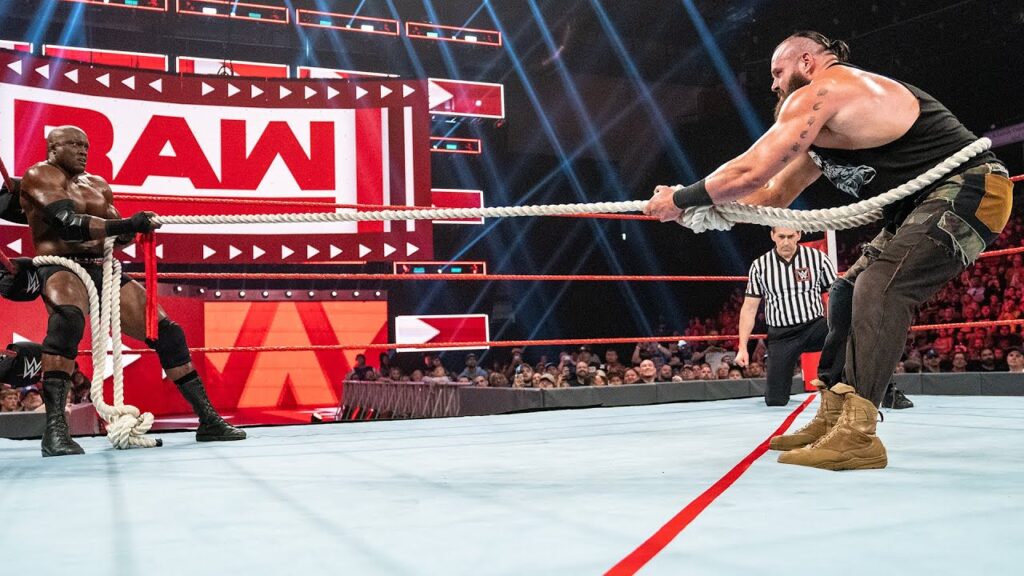
The Impact of WWE’s Global Expansion on the Wrestling Industry The targets of World Wrestling Entertainment have grown from being a regional promotion in the northeast of the United States into a global entertainment giant. It has changed the sport in the way it is marketed and consumed and has opened opportunities for various wrestlers scattered across the multidimensional globe. The paper explores how WWE has grown toward globalization and broad, far-reaching impacts related to the wrestling business. Historical Background: From Local to GlobalHowever, Vince McMahon saw WWE traveling towards being an international entity by the 1980s. During this, the body positioned itself from regional promotion to a national power with cut-throat cable television and pay-per-view events. This was allowed to stars like Hulk Hogan, who imprinted his brand on international stardom. The 1985 WrestleMania was Timer when the then WWF decided to hold its programs before a global audience for the first time. The 1990s and early 2000s had taken hold of the edgier content of the Attitude Era to take larger and even greater audiences and expand into international markets. Bought up were other small-time competitors, including the World Championship Wrestling and the Extreme Championship Wrestling, with the attitude of better business. In the middle of the 2000s, WWE was running way out in front of its ambitions as a domestic wrestling organization.WWE’s international strategy has occurred on four fronts: globalization of touring, promotion of localization, distribution, and digitalization. International Tour and EventsThus, this sets the stage for international tours, which envisages capturing the global market. The “WrestleMania Revenge Tour” and “European Tours” of that kind today are ordinary because every year, the WWE live experience is made available in Europe, Asia, Latin America, and the Middle East. This means more revenue, and WWE will leave its footmarks worldwide.Another landmark in the globalization of WWE was playing internationally using the “Greatest Royal Rumble,” held in Saudi in April 2018. The same was tied up with a 10-year partnership with the Saudi General Sports Authority, which WWE hopes will set the deepening penetration of WWE in that part of the Middle-Eastern markets.Both events have pulled out phenomenal viewers and revenues on WWE’s ability to step out and develop other markets. Making it RealIt felt needed throughout that culturally correct content, and WWE dispensed money on programming or weekends in India. WWE Superstars in Hindi came into production, which took one towards the satisfaction of ‘ the most significant international fan base. Similar initiatives were taken into other regions as well for Expo, identical to the way the WWE launched its Network in various languages. But no less important is the cooperation with local broadcasters. “Teaming with Sky Sports in the UK, Ten Sports in India and FOX Sports in Latin America in recent years, for example, to expand access to millions of households worldwide for our WWE wrestling programming and help forge an international fan base as breadth transcription for branding purposes.“ Talent Management and DevelopmentAdded to these are international plans for recruitment and talent development. The outlawed WWE’s Performance Center in Orlando, Florida, is seasoning ground for the uncharacteristically heavy traffic of men and women wrestlers from nearly everywhere with diversified backgrounds. It is on point with setting up other globally located Performance Centers as WWE does in India and the UK. WWE included Japanese Shinsuke Nakamura, Australian Rhea Ripley, and India’s own Jinder Mahal into the fray as equals here with others across the United States. The international fielding would bring in a load of locality to the rosters, making a massive reason for an upsurge in fan quantities in this day and age, for they could compete against local heroes on a world stage. Social Media and Digital PlatformsKey to the global dominance of WWE has been the boom in digital media. The launch of the WWE Network in 2014 allowed fans worldwide to browse through a gargantuan vault of wrestling content. At last, WWE’s digital streaming apparatus penetrated all sections of the world, focusing on markets where conventional cable TV isn’t widespread enough.WWE also goes ahead with its international presence through YouTube, Twitter, and Instagram. Tens of millions of subscribers tune in to watch highlights, interviews, and exclusive content of liking them in the time zones of such disparity of this type of content. Social media helps WWE establish how the fans live their always-on lifestyle daily and will eventually be turned into a world wrestling community. Effect on the Wrestling industryGlobal expansion of WWE brings critical effects upon the wrestling industry, which in turn shapes the results at any one time in this very dynamic sport and course of action for wrestling organizations worldwide. More of a Global Presence“It pretty much is,” he continues, “the growth of WWE in wrestling is in the international mainstream where there’s exposure and legitimacy in seemingly all facets of sports entertainment. Now, it pretty much widened at a net effect not only to the portrait of WWE proper but conceivably all other wrestling promotions as new fans take a look at the various kinds happening forth.” Accesses for WrestlersWWE has expanded wrestling globally to an extent that no one would ever have dreamt of. This is what would be confined to regional promotions; all of that will now take them into world-class levels of competition. Even then, the focus on international talents by WWE has exposed the world to certain stars who would arguably never have found those opportunities in the past. Wrestling StylesThe other result of WWE’s international recruitment is to get a mix of different styles of wrestling, really pigging back on making their in-ring product something far more enhancing. Through recruitment diversification, other regions of the world create diversities and colors by homing several types of wrestlers with many styles, various techniques, and traditions that greatly appreciate the fighting style of wrestling. This landed the fact on how this mix of styles impacted other promotions to take on a further global approach unto their
Fan Favorites: WWE’s Most Beloved Superstars of All Time
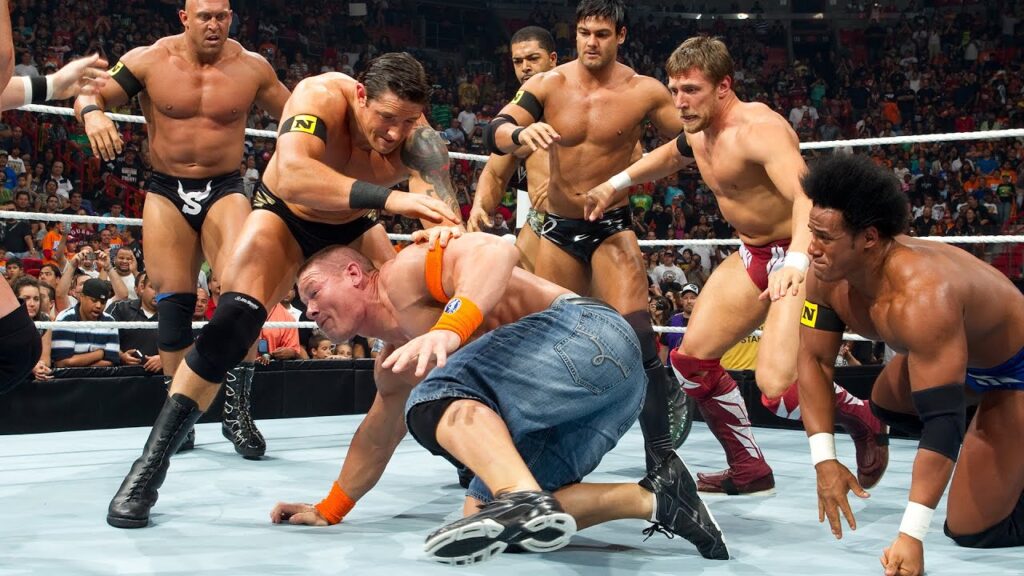
WWE has a massive history entangled with larger-than-life characters and captivating performers who most certainly have imprinted themselves in the professional wrestling world. The squared circles of the business, however, witnessed some superstars that not only dominated this platform but also won hearts and minds by becoming a part of the fans’ generations through. Not naming, in this article, the most loved superstars of all time by the company’s supporters, what they meant by their business making or just their unalienable charisma. Hulk HoganFew names encapsulate the spirit of WWE more powerfully than Hulk Hogan. May the early 1980s witnessed the instance of this wrestler bursting forth onto the scene with an attitude that brought him to be the face of the franchise. And really, who can not dig this charismatic, ‘larger-than-life’ persona, with his very easily recognized catchphrase, “Whatcha gonna do when the Hulkamania runs wild on you?” liked by millions. It was the classic nemesis bouts for Hogan against André the Giant, Randy Savage, and The Ultimate Warrior that helped escalate wrestling over the top and made World Wrestling Entertainment the mainstream cult sensation it is today. Such is the appeal and potency that Hogan seems to summon in touching the fans in perhaps the most peculiar way. He defined to the vast audience what heroism and perseverance meant, and his influence spread beyond the ring in helping make WrestleMania a hit and ushering a new generation inside WWE. The UndertakerOne of the most well-loved characters of WWE is that of The Undertaker, having an eerie presence and is so highly supernatural in persona. The first legendary version to appear was The Undertaker, debuting in Survivor Series 1990. A unique and imposing figure, The Undertaker, otherwise Mark Calaway, stormingly announced his welcome to CWF/WWE through his long-running undefeated streak until his retirement day at its flagship event, WrestleMania.The name The Undertaker works so well because, first and foremost, the character attached to it is one whose constant appeal has captivated fans. They have seen so many versions of him—from the Deadman to the American Badass—that at each transformation, one can feel the apt import attached to it. Matches he has taken part in—particularly in pay-per-views like WrestleMania—are usually the highlight and show his capability to tell a story just through performance. “Stone Cold” Steve Austin“Stone Cold” Steve Austin shone a revolution within the WWE toward the end of the late ’90s, personifying surliness and unruliness as an anti-hero. Career-wise, Austin was a poster boy for the Attitude Era in WWE. It was a time of racy and rowdy content: off-color storylines, and pushing the envelope was not stranger to fans. The feud with WWE Chairman Vince McMahon, one of the most theatrically solid characters in wrestling history, lies within the classic working-man hero versus tyrannical boss struggle. Austin was so famous because of his handy factor in conveying what ordinary fans were thinking and feeling. That no-nonsense, beer-swilling anti-hero fell right into the heart of the everyman. Austin’s catchy “Austin 3.16” and “That’s the bottom line; ’cause Stone Cold said so” were very quotable and catchy, cementing themselves in the everyday public’s lexicon. His performances inside a wrestling ring always put the wacky matching high and stirring. The RockEquipped with a great deal of charisma and the ability to wrestle in any of the capacities, Dwayne “The Rock” Johnson has evolved as one of the heartthrobs of WWE’s most loyal superfans and a global powerhouse of entertainment. How did a third-generation wrestler grow into this stature? As Rocky Maivia, The Rock’s first character, he got mixed reviews, but he changed with time into the brash, confident, and electrifying THE ROCK. One part that made people so endearing toward him is that The Rock could entertain literally on both the mic and in the ring. His catchphrases included legends like “Can you smell what The Rock is cooking?” and “It doesn’t matter what you think!” Some of the greatest-ever matches in the history of WWE include The Rock squaring off against Steve Austin, Triple H, and many more. And now, this crossover success in Hollywood has only added to his popularity, making him an internationally recognized household name. John CenaJohn Cena, the so-called “Face of WWE,” never lets anyone forget that work, leadership, and natural “keeping it real” relationship he has with the WWE Universe—now over 12 years. He came at the turn of the century with his persona, the “Doctor of Thuganomics,” which quickly turned much better coming into the desperate WWE: to the heroically positive force of “Never Give Up” cult fame.What makes Cena very much popular all over the world is pretty much the ways by which he relates to his cheering fans. From quotable one-liners like the typical “never give up” messages or “you can’t see me,” John Cena attracts and motivates fans of all ages. Cena has headlined several WrestleManias and is still holding on to different championships over that period, which shows his longevity and versatility within the game. Out of wrestling, his charitable activities, one of his dearest involvements with the Make-A-Wish Foundation, made him more loving to the fans and turned him into an actual role model. Shawn MichaelsShawn Michaels “The Heartbreak Kid,” was a peerless talent in wrestling ability and the flair for the dramatic. He made his first appearance for the wrestling giant WWE in the late ’80s and, across a couple of decades, became, without hyperbole, regarded as the peak ring performer in his generation. He had instant classic matches and, wrestling with consistency, was relatively peerless in quality. Michaels has been charismatic, athletically powerful, and highly emotive in excess. What takes form in his program with Bret Hart, indeed so, on its culmination into perhaps one of the most talked about wrestling rivalries that ever transpired when it was tagged as the “Montreal Screwjob.” He even would have the tenacious road-to-redemption story through his career-ending storybook, a broken back, while in his prime, which was half-a-success.
The Business Side of WWE: How the Company Stays on Top
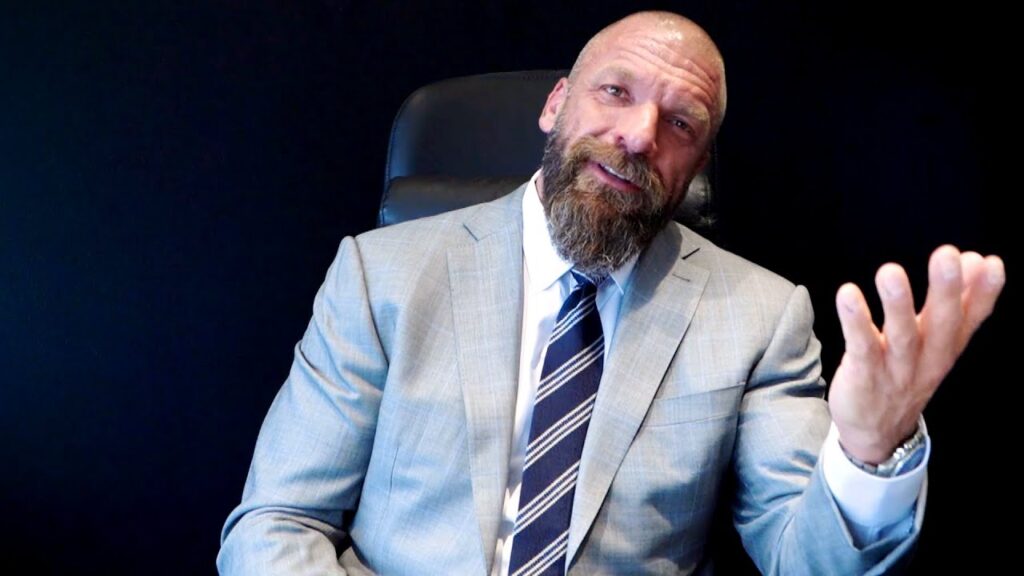
Despite being considered purely a regional wrestling promotion, World Wrestling Entertainment (WWE) is now one of the world’s biggest entertainment companies. How it happened—from a series of strategic business decisions and innovative marketing to an overall understanding of entertainment and how it has changed over the years—will be explored in the following pages. Historical Evolution and Strategic VisionIts path to becoming a global brand for the WWE began in the early 1980s when Vince McMahon finally took control of his father’s company, then known as the World Wrestling Federation or WWF. What’s clear is that Vince wanted to take wrestling from a regional draw to a national and then a global obsession. The critical elements in his presentation of these strategies were made rigorously: National Expansion and National Media Coverage:McMahon aggressively drove the expansion of WWF, signing deals with national cable networks and creating syndicated television shows. He was thereby able to make WWF accessible across a vast expanse of land, hence breaking the blue area set by territorial promotions. A piped pay-per-view event held in 1985 featuring celebrities and high-production values. Branding and MerchandiseThe key to the WWE was building and branding the over-the-top character personas. The WWE was able to make stars like Hulk Hogan, “Macho Man” Randy Savage, and Ultimate Warrior household names—and then capitalize on their popularity with any type of merchandise they could produce. This includes action figures, clothing, video games, and brands that make a great deal of revenue associated with WWE branding. Media and Growth in Digital OperationsIt has generally taught WWE the most imperative achievement of all, the reason being that the struggle to stay indispensable results in success. WWE NetworkIndeed, the WWE Network took a bold and unprecedented step in revolutionizing, back in 2014, an entire business paradigm for WWE, pioneering beyond the conventional paradigm of pay-per-view to a subscription video streaming service. It offered fans live events, along with unparalleled access to the most expansive collection of World Wrestling Entertainment matches ever documented, along with other events, original shows, and more. This fan-centric service introduces a direct-to-consumer business model for WWE to maintain command over the dissemination of its content, capturing valuable data about viewer preferences. Social Media and YouTubeWWE makes the most out of these by engaging its fans and exposing its content. The number of subscribers on the WWE YouTube channel is in millions, with billions of views; it makes this channel one of the most followed sports channels. WWE, having viral content and fan-interaction capabilities, has continued leading the oldy-time profession to where the young target audience has grown an interest. Partnerships with Key TV Networks:As successful as the WWE Network has been, there is no denying that traditional television is still the lifeblood of WWE’s business model. The WWE always signs incredibly huge television contracts with all of these conglomerates, such as Fox and NBCUniversal, in order to have the weekly broadcast rights for its two flagship shows, Raw and SmackDown. While each of these shows generates their considerable number of revenues, they also serve to bring their brand of life to the more extensive WWE branding in the mainstream of television. Making a localized entity isn’t easy. The WWE has made considerable investments to become a global brand. Some relevant efforts that the WWE endorses and functions to continue this global endeavor of expansion include: International Travels and EventsHaving regular tours enables WWE to take stock of its earnings across Europe, Asia, the Middle East, and Latin America. For example, important events, such as the Greatest Royal Rumble in Saudi Arabia and annual tours in the UK and India, cement the strong presence of WWE in these countries. Localized ContentRecognizing the need for content to be developed according to local tastes, WWE began developing region-specific content. It developed brand content like NXT UK, specifically for the United Kingdom, focusing on local talent and storylines relevant to the local audience. Similarly, WWE developed substantial content across multiple languages and established Performance Centers across various geographies to train its local talents. Partnerships and LicensingThe WWE has partnered with various international broadcasters and streaming operators to guarantee that its content hits the screens available worldwide. The WWE also licenses its brand for toys, clothing, and video games, among other things; if a product bears its brand, the company chooses to delegate production. That is a strategy that both assays its multiplicity of methods in terms of earning money from intellectual property and surveys its global reach. Talent Development and InnovationWWE’s ability to continually nurture talent and revitalize the product is central to its enduring success. Nationalities and diversity within the Performance CenterThe WWE Performance Center is a state-of-the-art development facility for the superstars of the feature, situated in Orlando, Florida. NXT stands as WWE’s developmental brand, while such entities have become parts of WWE’s talent tree, from which other up-and-coming wrestlers aim to prove they have what it takes before shuffling onto the main roster. It has become a brand where honest wrestling quality is in remembrance, and the innovation of storytelling is in complete design within these four corners. Creative StorytellingWWE continues to thrive with the resourceful flair for devising successful storylines that keep people invested. WWE harbors a brigade of experts underwriting and producing departments that help formulate compelling plots and elaborate character developments. Large-scale events like WrestleMania, SummerSlam, and Royal Rumble rely on long-term plotting and payoffs for significant, highly personal bouts to ultimately change or forge history and character moments that resonate and provide excellent, indelible moments for fans to recall. Adapting to TrendsWWE is known to attest to the tide of cultural and social changes. The Women’s Revolution is the classic case in which female wrestlers eventually started getting equal footing with the males in exposure and out-of-ring opportunities. This not only embalmed the idiotic ages-old criticism but also opened new revenue streams and a broader audience. Essentially, that’s how WWE has spent decades being concerned with being plain relevant regarding social
From The Indies To The Main Event: Wrestlers Who Made It Big In WWE
The journey of professional wrestling speaks volumes of heart, determination, and an unyielding quest for excellence. Majestic as it is, WWE represents the apex of the wrestling industry, yet the circuit has produced some of the leading lights affiliated with this company. Independent promotions serve as the platform for such talents since the place is an open platform to build reputations and hone their craft. This article will celebrate those wrestlers who jumped from the indies to the marquee and became a force to be reckoned with in WWE. Daniel BryanYet another iconic success story from the independent scene to the WWE is Bryan Danielson—the real name, actually—perhaps more known to many as Daniel Bryan of the WWE. On this occasion, however, he was already a Ring of Honor sensation, dishing out one great match after another as a practitioner of highly technical wrestling and an intense, psychological in-ring style. Some underline his interdependence with the name “American Dragon” in being one of the best technical wrestlers in the world. Daniel Bryan’s journey to becoming a WWE superstar was anything but direct. Bryan signed with WWE on a training contract in 2000 but was again part of one of the company’s very early releases. He decided to return to the independent circuit of the industry to build on, by far, what should have been an improved reputation due to circumstances. Bryan signed with WWE for the second time in 2009 and was placed on NXT’s reality competition show. Despite early struggles and a brief 2010 release, his undeniable skill and ability to connect with the audience saw his star grow. His “Yes Movement”—perhaps the one cultural phenomenon happening around professional wrestling—peaked in an ultimate shopping moment at the grandest stage of them all, WrestleMania XXX, back in 2014, wherein Daniel Bryan, by defeating Batista and Randy Orton, was finally able to capture the WWE World Heavyweight Championship. The Daniel Bryan success story is one of never quitting and believing that, with a bit of help from your fans, yes, anything is possible. CM PunkBetter known by his ring name, C.M. Punk, Phillip Brooks is a wrestler who was able to build himself on the independent scene before becoming a WWE superstar. Punk had two reigns as World Champion in ROH, which only further brought his excellent mic skills and ability in the ring to another level. His edge and specially cut promos, including his willingness to speak his mind, always made him a fan favorite on tape and in person.Punk signed with WWE’s official development branch, Ohio Valley Wrestling (OVW), in 2005 and quickly made a name for himself, adopting a straight-edge lifestyle that combined that of a hellraiser gimmick. His regular appearances on WWE’s official storyline began during the latter part of 2006. He later rose to prosperity in World Wrestling Entertainment in 2008 when he became a multi-time international epoch holder of the WWE and world heavyweight championships. His “pipe bomb” promo in 2011, one of the most infamous ever produced in professional wrestling, blurred the lines of reality and storyline and had a considerable impact across the board, much outside the realm of storyline. The promo became an instant sensation in the wrestling world, shooting him through the stratosphere in name value. His razor-sharp ability to authentically connect with the audience’s core with very blunt honesty turned him into one of WWE’s most beloved and hated figures. Seth RollinsColby Lopez wrestled under the moniker Seth Rollins in WWE. He was yet another prime example of a professional wrestler to climb from the indie scene to the main. He was a fierce top player for ROH as Tyler Black before heading to WWE. He was known for his very high style of fly and, smartly enough, he won plenty of bouts to be or set as the ROH World Champion, even if it allowed him to be favored by the fans. In 2010, WWE somehow saw the light and picked up Rollins as a long-term venture, drafting him into its development territory, Florida Championship Wrestling, later NXT. He wasn’t just one of the first NXT champions but one of the most credible and vital contributors to the brand in those early days. With his WWE arrival as one-third of The Shield alongside Roman Reigns and Dean Ambrose, a new dawn in the WWE he prevailed. Rollins’ singles career took off post-The Shield as he has won multiple championships, reigning as WWE Heavyweight Champion. It gained powerful momentum after The Shields broke up due to his excellence in the ring. Rollins’ crossing over from an independent scene to WWE’s main event scene is a testimonial to his adaptability and relentlessness in pursuit of greatness. AJ StylesAllen Jones, popularly known as AJ Styles, is among the most successful wrestlers who have managed to spring out of the independent wrestling scene and bask in the bright lights that WWE provides. AJ Styles made his big wrestling for many promotions, including TNA (Total Nonstop Action Wrestling) and NJPW (New Japan Pro-Wrestling), where he bagged many World titles, prevailing as one of the best wrestlers alive. Although He found success outside of WWE, Styles’ 2016 debut in WWE was eagerly anticipated and heralded by many. He went on to become a quick and then reigning success, culminating in winning the WWE Championship during his year, supporting and making some of the best matches in recent memory. Styles’ in-ring ability, high-flying prowess, and impeccable charisma gave him an undefeated rank at the top of the leaderboard for WWE superstars.Styles can quickly come from the independent scenes to WWE on the global stage, thus showing his ability and vast skill to be adaptable to any environment or audience. His matches against the best superstars in WWE always show speakers and cement his legacy as one of the greatest wrestlers this generation has ever known. Kevin OwensKevin Steen, better known in WWE—as Kevin Owens—made an outstanding reputation for himself in the independent circuit, clearly with
The Role Of Storylines In WWE: Crafting The Perfect Wrestling Drama
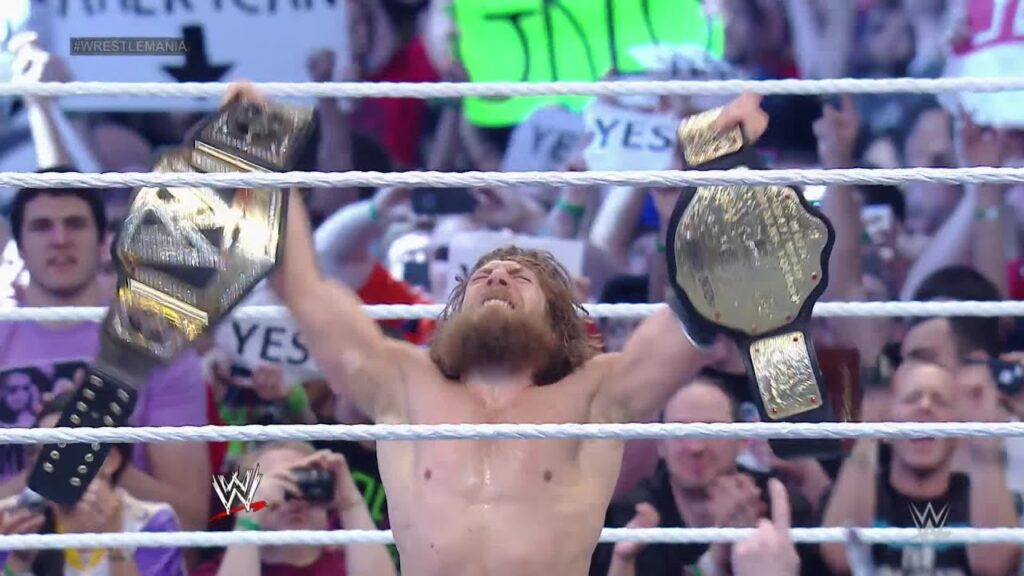
In other words, professional wrestling is a weirdly mixed-up piece of the ambiance joined with the show, and athletic performances interweave with the stories created by the wrestling organizations for the wrestlers. In World Wrestling Entertainment, storylines represent the glue holding the product together, moving matches from simple athletic competitions to dramatic fights that burst the fans’ emotions into flames. This paper delves into investigating the storylines in WWE: Natasha discusses the elements used in crafting the storyline, what they bring to the industry, and most importantly, how a wrestling drama can captivate the audience. The Power of StorytellingStorylines in WWE play some indispensable functions: to give meaning to the match, create an emotional investment in the audience, and develop a character. No matter how technically proficient, a game can be meaningless without a good storyline. The storyline will tell whether you will be a hero or the villain, give the fans a reason to cheer or boo, and makes the result of the contest indeed mean something entirely regardless of the win-loss record on hand. This involves creating believable characters.Characters form the backbone of any good storyline. What has helped make WWE so successful at what it currently does is the ability both to develop and to create some great personae. The wrestlers are given characterizations or personas, otherwise known as gimmicks. These gimmicks could be an exaggerated form of a person’s real-life traits or total fiction. These personas formed the basis of the storylines developed. With profiles from “Ordinary Wrestling refers to the positive characters as faces, while the negative ones are called heels, coming from baby faces and heels. This forms much of the dramatic dynamism in WWE: faces, otherwise, tend to be looked upon as illustrious and usually very shallowly related characters; likewise, heels are underscored by the fact that they are most likely to use an underhand method and antagonize their foes or the crowd. There is constant interaction between the faces and respective heels that create an obvious storyline of good versus evil that generally features in many of the philosophies. Character ProgressionsIn WWE, the wrestlers themselves are as much characters in a show. One can add character arcs with a face turn heel or vice versa, personal change, redemption, or pursuit of a goal to a long list. Daniel Bryan is one such classic story from these alleys, his journey beginning from the underdog status and struggle for recognition. Eventually, he won the championship at the most significant event for WWE, known as WrestleMania XXX. The Structure of WWE StoriesWWE storylines belong to the former schema that is highly conventional concerning the overall pattern of story framework, which meets the more classical kinds of literature and film. This impels the frequency of tension and anticipation in actualizing resolutions to these storylines. The SetupEvery good story starts with a setup: the first conflict. This can be anything ranging from betrayal and issuing a challenge to any form of person-to-person enmity. This sets up the stakes and, in turn, gives fans a reason to care about the storyline. BuildupPromo is the build-up stage where intensity is added to the ongoing conflict. Key to this build are indeed hedgerows—what happens within the narrative that keeps the audience’s interest. The ClimaxThe climax, on the other hand, is the peak of the story, reached and done at significant events, especially during pay-per-views. It is at the climax when the primary string in the conflict will come unbroken; then there will be a point where the wrestlers hit the breaking point with each other. The climax will be built up to have the most drama and excitement, and it will hold the most extreme consequences, mainly of lost championships and other career-altering stipulations. ResolutionIt is in this final stage that the story closes, not by revealing how the characters sorted things out and lost a little animosity in the process. Perhaps a decisive victory for one side, the rescue of a character, or the arrival of an awesome new battle. Whichever is correct, it goes through the resolution toward new launching pads from which to build ever-new stories of drama and intrigue. What all does a good storyline needWhat makes a WWE storyline tick? There are a lot of vital ingredients that, if used in the proper doses, help the story to become a storied wrestling choice melodrama—something in that wheelhouse. Emotional InvestmentFor a storyline to work, there should be an emotional investment or perhaps attachment with the audience; it could be joy, anger, sympathy, or excitement. There just has to be an emotion emanating from it. The best storylines are those that deal with universal themes and emotions that touch at least one section of the audience. Plot TwistsA multiplicity of plot twists back to back will keep your audience nailed on the chair. Surprises of shocking betrayals, unexpected alliances, or mind-blowing comebacks only thicken the plot and make it tick. Well-planned ones are to be considered so that they do not confuse the audience, diluting interest. PlanningWhat seems to engage wrestling fans are the storylines that run over a more extended period and require proper planning and working out. Long-term storytelling allows for complicated plots and more excellent character development. WWE has been best able to pull off such storylines with long investment on these kinds of stories—like the multimillion parts of the red-hot angles of The Undertaker and Shawn Michaels—over several years that ended in classic WrestleMania matches. Character CongruenceBesides, there has to be consistency in character behavior and motivation. Characters must consistently reflect realistic behavior based on the character’s personality and history in the show. Consistency is the very root of credibility, which is lacking as far as many stories go. Human Interest SegmentsSometimes adding this extra element into the natural life or, in other words, may I dare say, realism brings with it more relatability. WWE has often transcended the arena of mere programming, re-investing itself into the fabled collision of contest and