
How WWE Tackles Real-Life Issues in Storylines

For decades, World Wrestling Entertainment (WWE) has been a strongman in sports entertainment, the company always manages to win public attention with its mix of passion and theater for an athletic spectacle. One factor that allows WWE to remain unique is its flair for including real issues in storyline writing in a manner that touches fans on both personal and emotional grounds. This article is about WWE turning real-life issues into storylines, the audience, the challenges, and the controversies that rise out of that in interchanging reality with scripted drama. Role of Storytelling in WWEOne of the key elements that make WWE super popular is its storytelling. Unlike all other sports events, WWE combines athletic contests with elaborate storylines, character development, and staged dramatic combat. The wrestlers, or Superstars, embody larger-than-life characters embedded in long, unbroken beefs, alliances, and paths of personal reflection, all carried out over months, weeks, and sometimes even years. These stories are specifically designed for the viewers to generate high levels of emotional reaction so they are continually interested in the unfolding of the character arc. WWE is best known for creating storylines that revolve around mythology, comic books, and soap operas. The creative team, headed by Vince McMahon, is in the relentless process of constructing and refining ongoing storylines that are presented in such a manner as to incorporate within them the most current trends, critical social issues, and widespread interests of the fans. This makes it a dynamic powerhouse that is continually entertaining and connected, given the varied and ever-changing audience. Using Real World IssuesWhy does WWE blend real-life issues into some of its stories? Realism. That is why. The stories become relatable; thus, the wrestler and his struggle become more believable. That also guides WWE in a position to use the ring as one place for decisions dealing with serious social and cultural issues that will be raised, creating awareness and discussions in people’s minds. Furthermore, it paints attractive television that can generate media buzz and ratings.Examples of Real Life Issues: WWE Storyline Mental Health and Addictions WWE has brought about awareness by highlighting mental health and addiction issues through numerous storylines. One such case is that of Jeff Hardy, who credits himself for being used publicly during his long career on the subject of substance abuse. WWE has also integrated Hardy’s struggles into his character’s storyline, giving the push of Jeff Hardy’s arc for redemption and striving for sobriety. This plot, besides showing the adversities faced by people who struggle with dependence, is more than ever about support and determination.There was the one with Shawn Michaels in the late ’90s, who experienced his difficulties with substance abuse and personal demons. World Wrestling Entertainment noticed the real-life issues Michaels was facing. It included it in the character and storyline, one of the best redemption arcs as he returned to the company in 2002, conquered the addiction, and found faith. This storyline resonated with many fans and illustrated the potential to overcome adversity with resilience and personal growth. For instance, there have been multiple storylines on WWE wrestlers being embattled characters facing mental illnesses, such as the obsessive-compulsive mayor, who is struggling to keep everything working in order, and even the storyline of Daniel Bryan, who, after his injury and later involuntary retirement, still struggled with a bruised mental state leading to depression. Finally, after much anticipation, when the doctors finally decided to allow Bryan back into the ring, the moment was considered empowering for both mental health issues and everything mentally related. Bullying and Anti-Bullying CampaignBullying is one of the major issues in society, and WWE has taken the initiative to speak about it in its storylines and promoted campaigns. In association with other organizations, the “Be a STAR” anti-bullying campaign was run to activate an effort to end bullying. WWE assimilates anti-bullying motifs in its programs; for example, storylines of wrestlers standing against bullies and arranging punishments for good behaviors. A strong example lies within John Cena’s warfare with The Nexus, a team of rogue rookies controlled by their leader, Wade Barrett. The Nexus had taken an early foothold through outright bullying of the senior Superstars and generally causing mayhem within WWE programming. Ultimately, John Cena proved to be the winner in this feud with The Nexus – in the metaphorical sense – of the war against bullying which further raised the spirit that bravery and morality could conquer over the provocations and ruthlessness of bullying. WWE has also depicted storylines where its female Superstars overcome bullying. The angle with Alexa Bliss and Nia Jax shows body-shaming and bullying, where Bliss has constantly taunted the constant bullying of Jax on her looks. Therefore, the storyline overcomes the bullies and comes out with a winning message of self-acceptance and resilience. Health Issues and AwarenessWWE is also a soft power platform on which the company can address several somatic and psychic health problems. Especially in the case of the wrestler Roman Reigns and his leukemia fight, the software made significant broadcasting. He declared live on the WWE show in October 2018 his leave of absence to combat the disease and his battle against it to the world. The WWE storyline featured the battle Reigns had with his health, allowing his fans to witness the journey and recovery of recovery. Reigns’ return to WWE in February 2019 elicited truly overwhelming support from his fans. His storyline became a testament to the strength and resilience of one facing severe health complications, not only increasing awareness of leukemia but inspiring thousands and thousands of viewers who would be going through the same ordeal. Other health matters WWE has helped to put into consideration from its script are the facts about early breast cancer diagnosis and treatment. The level of viewership WWE enjoys during Breast Cancer Awareness Month has been utilized in popularizing the annual “Susan G. Komen for the Cure” partnership and the “Rise Above Cancer” campaign. Superstars exchanging their typical wardrobe for pink attire and
The Evolution of WWE’s Production Techniques: From Pyro to 3D Graphics
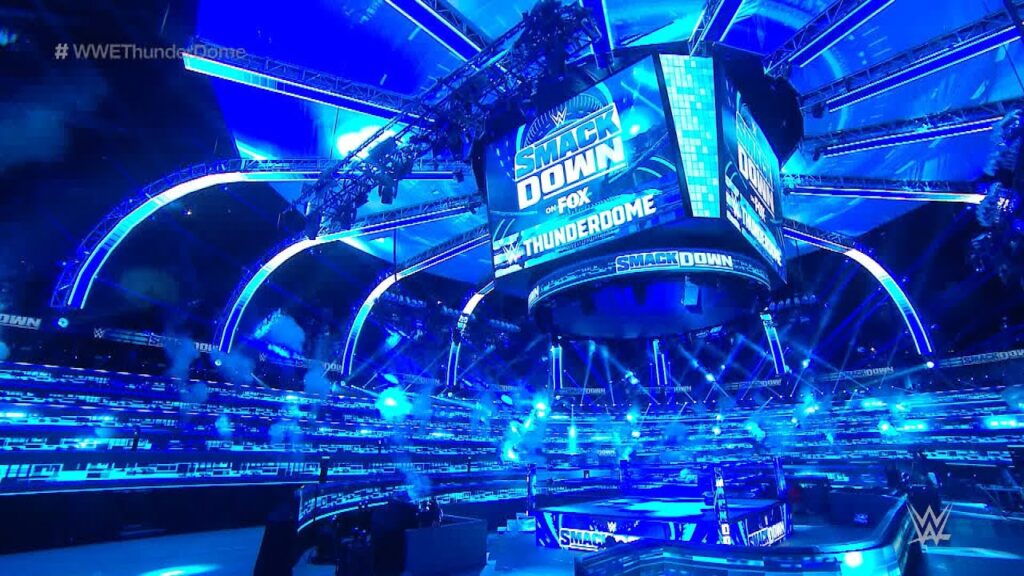
World Wrestling Entertainment, popularly known as WWE, is at the cutting edge of popular entertainment. It has always managed to keep millions worldwide hooked with the perfect blend of athleticism, drama, and spectacle. Part of WWE’s slickness has been their production values, which have been continually and consistently ramped up so much over the years. From simple pyrotechnics in the early days to more complex 3D graphics and augmented reality used today, WWE production capabilities have kept pushing the envelope: enhancing viewer experience and setting new standards in live entertainment. This paper discusses the advances in WWE production techniques since then and offers a review of significant benchmarks and technological advancements that have framed the presentation style of the company. Early Days: Special Effects and Simple PyrotechnicsWith WWE in previous World Wrestling Federation days, production techniques were relatively simple compared to the levels these days. There were the basic in-ring actions; otherwise, visual effects were not that intricate. However, even in these early stages of wrestling, WWE understood the importance of creating a spectacle that would captivate audiences. PyrotechnicsThe most visible investment and significant improvements in the WWE production business were found in the introduction of pyrotechnics. Pyro was the way WWE events became more intense and more extensive. Superstars of the WWE used to come in with a bang in the form of fireworks, which made it so dramatic and unforgettable for the onlookers. Key moments were usually shown with pyrotechnics: a championship won, or some crucial point in the storyline. Pyro was spectacular not only for the visual effects but also contributed to the overall setting of any particular performance arena. The sound of explosions echoing in venues would spark up the energy and enthusiasm experienced during live events, making it all easy and breathable for fans to get an exceptional experience in local venues. Lighting and SoundIn tandem with the pyrotechnics, the WWE has experimented with dynamic lighting and sound effects that elevate the entire show. Spotlighting is sometimes brought in to help the audience focus on specific entrances and even particular high points of the matches. The environment was made very dynamic and visually compelling using colored lighting and smoke effects. Sound effects were a significant contribution in following the WWE events drama. When a wrestler’s entry starts, punctuated by an opening theme, music and pyrotechnics synchronized with the beat of the music, nothing could be more exciting or could build up anticipation quite like the effect of all those elements. These would be integrals, the integrals that the early production techniques served in building WWE with all possible innovations towards delivering an absorbing and involving viewer experience. The 1990s: Technological Improvements and the Monday Night Wars The 1990s, a time of massive technological improvement for the WWE, were alluded to also as the “Monday Night Wars.” With exceptional fervor and passion, WWE spent oodles of money on production enhancements with several groundbreaking innovations. Titantron and Entrance VideosOne of the most iconic advancements during this period was the creation of the Titantron—an incommensurate big video screen above the entrance ramp. The Titantron made it possible for WWE to broadcast the entrance videos for its Superstars as the level of character and presentation became crisper. These video presentations contained highlights synchronized with background graphics and animations relevant to the wrestling persona, bringing fans closer to these shows. The Titantron also played a vital storyline role, allowing WWE to use replays, promotional videos, and live segments to carry the story backstage. This innovation did not only promote WWE shows but also had a vehicle to tell the stories, thus turning out to be a vital part of the company’s production. Advanced Pyrotechnics and Special EffectsThe 1990s brought more elaborate and detailed effects that were applied to make both the entrance and the key moments of the wrestlers more dynamic. From there, WWE began to recreate the character of each wrestler specifically; for example, The Undertaker received fiery red or Kane’s fiery red explosions, which appeared in his performances. This goes a long way to enhance the creativity of the character and make their entrances even more memorable. Special effects were also made for creating different scenic or storytelling and match creations. An example was taken when an Inferno Match was ignited outside the ring, wowing spectators and presenting the ability of WWE to venture into new dimensions of how wrestling promotions are offered. 2000s: High Definition and the Digital RevolutionThe turn of the millennium took no prisoners, as the development of digital media almost single-handedly changed the backstage production techniques of the WWE. From new HD technology to the capacity of digital graphics, the visual quality of the WWE programming was essentially scaled up to levels it had never reached before. In contrast, new elements helped increase the audience experience even further. High-Definition BroadcastingWWE went on air in high definition back in 2008. Since then, the visual experiences offered by its shows changed for the better to bring crisp content to their passionate viewers. This has brought a new light to show the WWE events with improved video quality, watched clearly and much better than ever, enhancing the experience for the viewers. Transitioning to HD required much more profound production equipment and improvement in lighting and set design, which began to reveal a more professional image of the product. Augmented Reality and Digital GraphicIt was a marriage of graphics and special effects in WWE—a new era that attended the digital revolution and the advent of digital graphics, virtual or AR. It showed a new experience for WWE viewers with all sorts of graphics: AR elements, virtual graphics, and animations used for set decorations, entrance themes, match presentations, and promotional segments. It is, for instance, a great example: the augmented reality that went all over the WrestleMania events. It put AR to larger-than-life use to create elements like 3D animations of the logos of the wrestlers, designs of the sets, and the virtual environments that change the arena.
The Influence of Reality TV on WWE: Total Divas and Beyond
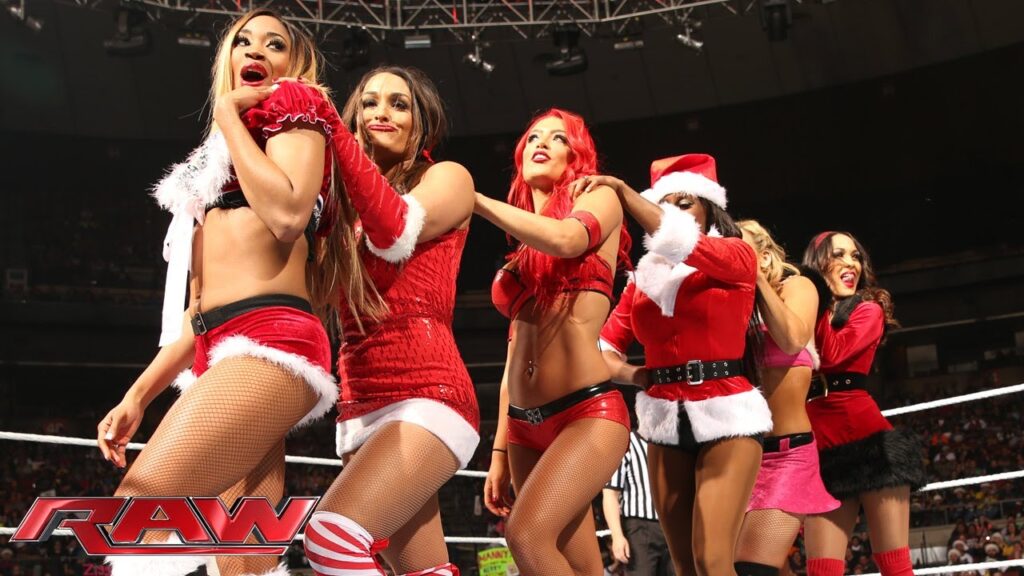
Reality television is a dominating modern-day entertainment genre, whether it be from its first inception. The real drama, authentic experiences, and personalistic narration of the events have caught the eyes and ears of audiences worldwide. One of the most intriguing crossroads of reality TV and classic entertainment is professional wrestling, most notably World Wrestling Entertainment, also known as WWE. WWE, being an athletic-theatrical hybrid, introduced itself into reality TV through such shows as “Total Divas,” which affects a lot about its brand, the engagement of its fans, and the perception. This paper delves into how reality TV has impacted WWE, specifically through the case study of “Total Divas” on broad implications in the wrestling industry. The Rise of Reality TVIt became a separate genre from the end of the 20th century, and shows like “The Real World” (1992) and “Survivor” (2000) lowered the boom on the watching public. Such programs bring a viewer into the world of either an ordinary person or a celebrity, omitting the affecting storyline but possessing provocation to authenticity and understanding the people who inhabit the screen. With time, the genre became so popular that it brought to life many subgenres—the shows of competition, dating series, and the shows of celebrity lifestyle.People are still interested in reality television because it presents the human experience in a very raw and unfiltered light. It contains the drama leading to an emotional rollercoaster and making the connection with real human beings having real problems. This format proved to be a capitalistic bonanza for the networks, as many reality shows have been able to command top ratings and fetch massive advertising revenue. WWE and the World of Sports EntertainmentFor several decades now, World Wrestling Entertainment has been leading the way in sports entertainment—an entire blend of muted wrestling dictated by a Moderator combined with dramatic storytelling. WWE was founded by Vince McMahon in 1945. Since then, WWE has taken the notion of wrestling to greater heights, with its larger-than-life characters, complex and constantly evolving storylines that keep fans buzzing around the water cooler. Just company reports alone indicating upwards of 300 live events per year. WWE’s programming, including the phenomenon known as “Monday Night Raw,” the great spectacle called “SmackDown,” and. What does set WWE apart is the storytelling; it is those storylines that draw fans to the characters WWE creates. The performance thus is one trimming of athletes or, to be more specific, superstars in their given roles as both competing athletes and entertainers in scripted feuds, alliances, and personal dramas. This blending of sport and entertainment has allowed WWE to continue with a diehard base and even more mainstream recognition. The creation of “Total Divas”In 2013, the company made its way into reality television with “Total Divas” in collaboration with the E! Network. This was a behind-the-scenes story of WWE’s female performers at that time, who had the stage name of Divas. “Total Divas” afforded viewers, for the first time, a fantastic laid-out exposure to the private and professional lives of these women, their struggles, triumphs, and relationships personally and with one another in and out of the squared circle. Featuring a premise as simple as it was potentially effective—following around a bevy of WWE Divas as they juggle the rigorous life of a professional wrestler—Total Divas featured an ensemble cast primarily made up of big-time WWE stars like Nikki and Brie Bella (The Bella Twins), Natalya, and Naomi, plus relative newbies Eva Marie and JoJo. “Total Divas” promised to peel back the curtain, revealing the real personalities behind the on-screen characters, thus allowing for a more prosperous synergistic link between the on-screen characters and the audience. Impact on WWE’s Women SuperstarsIn fact, “Total Divas” played a tremendously huge role in the perception and popularity of the WWE’s female Superstars. Before the program, WWE women’s wrestling took a back seat to the men’s division, both in terms of airtime and storylines, which mainly focused on physical attractiveness rather than wrestling ability. It was “Total Divas” that shifted that narrative by showcasing the talent and dedication, along with the personal files of WWE’s female performers. The show allowed Divas to express themselves, and the fans were given a closer personal connection with various Divas. Nikki and Brie Bella were spider-pushed because of “Total Divas,” which is now allowing them to sell more merchandise toward the kids and teens demographic, as well as open opportunities to be spotted in various tabloids and magazines. If it could be said that the Bella Twins had transcended wrestling in the WWE, there wouldn’t be a lot of lies told because of how obsequious they have become and how influential they are within pop culture, where they affect and inspire the youth. “Total Divas” also featured how hard the wrestling business could be, both on one’s body and emotionally—an act of sacrifice the performers did for the fans. It showcased the structured rigors of training combined with the injuries and personal sacrifices the Divas had to make, humanizing their athletes. The perspective from backstage took the performers out of their gimmicks in some sense and aligned them back with their humanity. The Women’s EvolutionTotal Divas was part of the whole Woman’s Evolution in WWE. This push was towards fair opportunities and recognition in women’s wrestling, equivalent to that of their male counterparts. The success of the Total Divas show proved that there was, in actuality, such a vast audience interested in women’s wrestling and personal stories, thus greenlighting WWE to put more resources towards their talents.Women’s Evolution milestone included the rebranding of the Divas Division to the Women’s Division, introduction of new Championship Titles, main eventing pay-per-views by the female Superstars. These four horsewomen not only broke onto the top tier of the WWE Universe but also set its pace with delivering high expectations on their performances in the ring with quality and captivating storyline matches that men deliver in their division. The re-introduction and establishment of a revolution for the industry. It
WWE’s Most Memorable Surprise Entrances
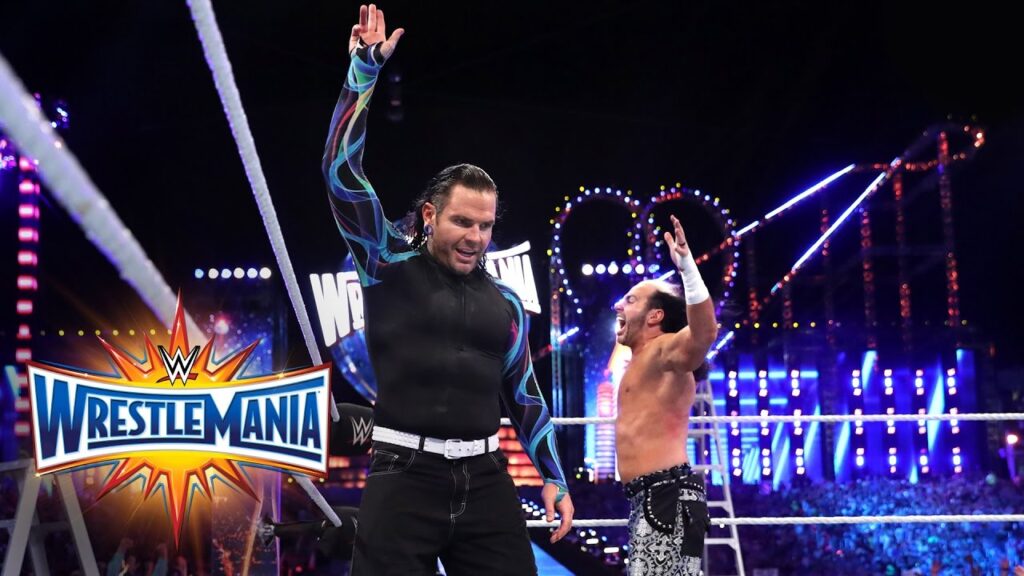
Few things are more electrifying in the spectacle of professional wrestling than a surprise entrance. Typically, the stage set for this grand surprise is an event like the Royal Rumble, WrestleMania, or any big episode of Raw or SmackDown. That entrance can come from a returning superstar to the company, debuting talent, or even a special guest. It usually rocks the WWE Universe. This article will delve into some of the most memorable surprise entrance moments in the WWE, focusing on their impact on the fans and the storylines. Ultimate Warrior Returns at WrestleMania VIII – 1992One of the initial times that ticket holders got their value for money through a surprise appearance act was the re-emergence of The Ultimate Warrior at WrestleMania VIII.The Ultimate Warrior had not been worked into a WWE program in a long while. His out-of-the-blue appearance after the Hulk Hogan-Sid Justice match not only whipped the entire HoosierDome into a frenzy but also regained tremendous momentum for his career and route to setting the entire scene for such surprise returns that would come in WWE. The return of the Warrior was essential not so much because it would be a surprise in and of itself but because the man himself had an emotional bond with the audience. Larger than life and interlaced by enormous energies, the Ultimate Warrior had a charisma that was profoundly related and connected with the fan following, especially during the late ’80s and early ’90s golden time for WWE. It showed his lasting popularity and influence on the WWE Universe by making his return at WrestleMania VIII so highly anticipated. Chris Jericho debuts in WWE: 199 Not only did Chris Jericho debut on the August 9, 1999, episode of Raw, it was locked into one of the greatest surprise entrances one could make history in wrestling. Something that this buildup did so masterfully was with its “Countdown to the Millennium” clock, which finally reached zero during The Rock’s promo. Suddenly, Jericho’s music hit over the arena as he came racing out to a standing ovation of immense volume from the Chicago crowd. Jericho’s debut marked the beginning of a Hall of Fame career with WWE and set the bar high for surprise debuts on their initial appearance. Jericho’s debut proved not only the charisma and in-ring ability of this man but also that WTO can make its fanbase eagerly await and get excited around a potentially huge. His coming in was characterized by the ” Countdown to the Millennium” countdown, which became synonymous with Jericho coming in and was helped, in part, by the surprise factor present for the debut. Followed by subsequent feuds and championship reigns, he was already among the top superstars in WWE during the Attitude Era. John Cena Returns at the Royal Rumble 2008John Cena’s return at the 2008 Royal Rumble is perhaps one of the shockers in the history of WWE. Cena was written out after tearing a pectoral muscle, with few expecting him back until months later. The opening chords of Cena’s entrance music started as the 30th entrant in the Royal Rumble match, and Madison Square Garden exploded in a cacophony of surprise and cheers. Cena went on to win the game and make one of the memorable surprise entrances into WWE history. His return at the Royal Rumble was a testimony not only to his stupendous comeback but also to his enigma with the WWE Universe. With that return being so unpredictable for viewers living in the audience and for people watching from home, this moment topped the charts when it occurred and became one of the ultimate moments in WWE Royal Rumble history. Subsequent matches and championship wins elevated Cena to one of the top stars in 21st-century WWE. Edge Returns at Royal Rumble (2020)The Edge’s comeback at the Royal Rumble in 2020, following a nine-year absence from active competition due to a career-ending neck injury, was a real tear jerking moment for fans worldwide. In comes the music for Edge; the crowd there in Minute Maid Park, Houston, Texas, is roaring. The emotion on Edge’s face as he made his way to the ring captured the moment for what it was and how far he had come. More than anything, his return speaks volumes for his resilience and wildfire-like passion for professional wrestling. Edge’s return came as a big surprise, coupled with reaching the feeling of another triumph of the human spirit and will. Fans who followed his career felt a strong resonance with his returning to WWE following a threatening injury. A new chapter in his career was guaranteed with Edge’s return in the Royal Rumble, at which he displayed the setting for momentous rivalries and matches to follow in future years. The Hardy Boyz return at WrestleMania 33.That is the moment no WWE fan will ever forget – The Hardy Boyz returning in WrestleMania 33. Tonight’s hosts, The New Day, revealed that they would now make the Raw Tag Team Championship Ladder Match a fatal four-way, with one more team added to the mix, when “The Hardy Boyz’” music hit the Camping World Stadium in Orlando, Florida, erupted. Matt and Jeff Hardy making their way to the ring is an echo of euphoria. What followed this was a victory in a match, attaining the WWE Raw Tag Team Championships for The Hardys in their first WWE match in close to a decade. In the tale of The Hardy Boyz making their stunning return at ‘WrestleMania 33,’ surprise easily meshed with nostalgia. The daredevil brothers, in their aerial antics, fast-wound the hands of time back to remind everybody why they were one of WWE’s most popular tag teams. Just great fanfare over the return of The Hardy Boyz, flooding the response both in the arena and on social media, attest to one point—that The Hardy Boyz are still powerful in terms of population and radiant impact in the history of the WWE tag team division. AJ Styles Debuts at
The Legacy of WWE’s Hardcore Division
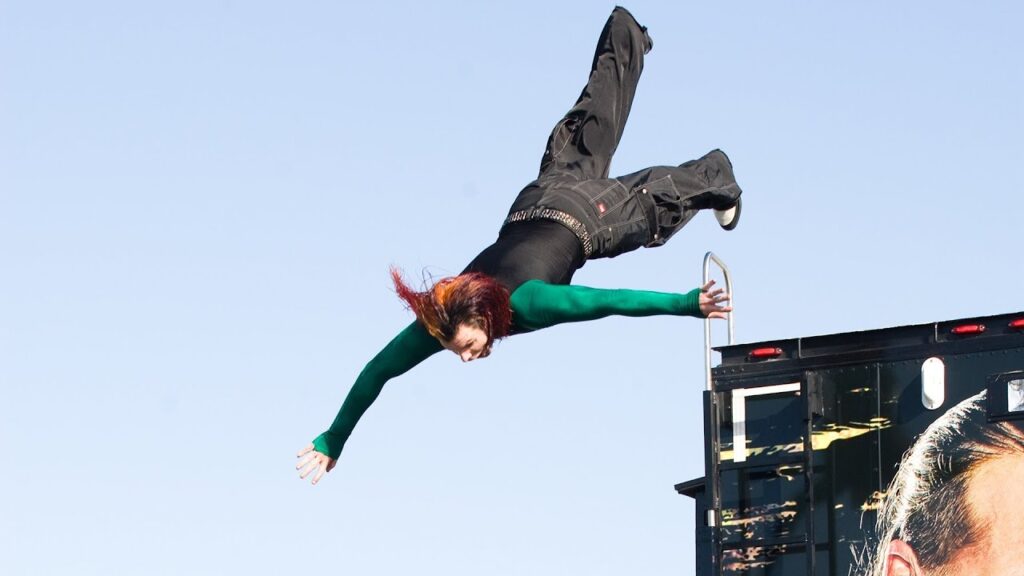
The Hardcore Division was the most extreme and exhilarating period in professional wrestling history. Conceived toward the latter part of the 1990s, with its prime during Attitude Era, the concept brought pure anarchy, innovation, and violence onto the screen of WWE programming. Its legacy is one of enthralling matches, unforgettable moments, and a lasting impact on wrestling history. This article takes a look at the origins, rise to the top, peak years, and eventual decline of WWE’s Hardcore Division, its key figures, iconic matches for this division, and its enduring influence. Origins of Hardcore Wrestling in WWEAlthough the stipulations of hardcore wrestling—the no-disqualification matches, the use of physical weapons—were nothing particularly new to WWE, it was ECW that solidified the hardcore wrestling style within the United States as early as the early 1990s. It should be expected that the raw, impassioned attitude of ECW would appeal to body Slamming fans on the lookout for something a bit edgier than what mainstream wrestling provided. As hardcore wrestling gained further popularity, WWE began increasing its extreme elements in its shows. Introduction of Hardcore ChampionshipThe official birth of WWE’s Hardcore Division can be rooted in November 2, 1998, when Mr. McMahon awarded Mankind, aka Mick Foley, the first-ever Hardcore Championship. It was given as a shattered, bruised belt to reflect the violence and mayhem that would characterize this new division. With his hardcore reputation already in place and his willingness to take huge amounts of punishment, Mankind seemed to be the ideal person to kick off a brand-new chapter in WWE history. Early Days and EstablishmentIn the name of good old-fashioned entertainment, the Hardcore Division broke out with a streak of fierce and unpredictable matches that were just pushing the boundaries for what was acceptable in popular wrestling. Humanity, Big Boss Man, Al Snow—the wrestlers involved became significant players in this division and started to engage in wild brawls that mainly spilled out of the ring into the backstage area.Soon, the Hardcore Championship became a most sought-after title with its special 24/7 rule that gave it that extra impetus, threatening yet exhilarating. The 24/7 Rule: A Game-ChangerWhat set this WWE Hardcore Division apart was the innovation of its 24/7 rule. It laid down that a Hardcore Championship would be defendable at duty hours and any other place on earth, so long as there was a referee present. The stipulation created by Crash Holly in February 2000 further reinforces the division because this specification tied everything together for a highly unforgettable and unpredictable fight in WWE history. Memorable 24/7 Title ChangesThis 24/7 rule in the most unorthodox of locales, which resulted in so many impromptu title changes, spelled chaos on par with airports and hotels to even children’s playgrounds. ApPEARances in such chaotic title defenses were galore by Crash Holly, “Houdini of Hardcore,” who kept his creative best in showing much spunk. It brought an element of spontaneity into WWE programming where no one expects a fan to know when and under what circumstances the Hardcore Championship might be contested. Impact on Storytelling and EntertainmentThe 24/7 rule also permitted more variability in storytelling within the Hardcore Division. Wrestlers who might not have received much space within the main event scene were given the opportunity to shine in these hardcore matches. The division, with its need for unpredictability and action at every turn, offered a much-needed change of pace from the often structured and storyline-laden WWE programming. Key Figures and Iconic MatchesNow, the Hardcore Division was a broad division created of talent that all contributed to its legacy. There were a few seminal figures and their several matches that were real standouts representing the best of this era in general. Mick Foley: The Hardcore LegendMick Foley, as Mankind, Cactus Jack, and Dude Love, was not just a lifeblood; he was the whole heart and soul of WWE’s Hardcore Division. His willingness to take mega doses of punishment and creativity in hardcore wrestling truly cemented his status as an immortal player of the game. His matches—such as the Hell in a Cell battle with The Undertaker from King of the Ring 1998 and the street fight against Triple H during Royal Rumble 2000—are a testament to the brutality and storytelling found in those bouts. Crash Holly: The Houdini of HardcoreCrash Holly’s reign as Hardcore Champion is attached to the 24/7 rule. His ingenious defenses and ability to make any background into a potential battleground made him an audience favorite. Crash’s determination for hardcore-style wrestling, with a humorous persona, propped up the division and retained its place within wrestling history. Hardcore Holly: The Hardened VeteranOne of the primary workers in this division was Hardcore Holly, who was a complex, no-nonsense, weedy type of individual. Sure enough, he became synonymous with intense brawling and had no qualms about engaging in brutal, physical matches. Holly’s work with Al Snow and Crash Holly created some great moments, proving that he meant hardcore. Raven: The Master of Mind Games.He introduced different psychology into the Hardcore Division of the WWF, and, of course, his feuds with men like Tommy Dreamer and The Sandman found relevance in ECW. Raven continued to work in psychology, but he also had some vicious measures in WWE. In his hardcore battles, detailed storytelling was quite common, together with complex character dynamics that helped add some depth to a division. Iconic Hardcore MatchesSeveral matches in the Hardcore Division put up a mark that was indelible in WWE history. Those considered the most iconic are: WrestleMania 2000 Hardcore Battle RoyalWhat transpired was a crazy match with multiple title changes that would set the tone for this unpredictable division. Hardcore Holly won the Hardcore Championship in an exhaustively exhilarating battle. Tha Hardcore Invitational at WrestleMania X-SevenYet, for one of WWE’s biggest shows of the year, this was the Hardcore Championship match with Kane walking away victorious. There were tons of hardcore spots and plenty of weaponry: what that division is all about. Raven vs. Big Show vs. Kane at
The Influence of Video Games on WWE’s Popularity
For a long time now, World Wrestling Entertainment has dominated sports entertainment by blending athleticism, drama, and oversized characters that fire the imagination of viewers. In its existence, WWE has taken many directions to reach its audience. One colossal way was through video games. Video games proved to be not only an additional revenue stream for WWE but have become one of the integral factors in effecting change in maintaining and growing its fan base. This paper attempts to determine the effect of video games on the popularity of WWE by discussing the evolution of video games, their impact on fan engagement, and digital versus real-world wrestling universe synergy. The Early Days: WWE’s First Foray into Video Games. Beginnings in the 1980sThe history of WWE associating itself with video games dates way back to the late 1980s—when the gaming industry was growing at an instant pace. “MicroLeague Wrestling,” the first video game to ever carry an official WWE theme, was released in 1987 for the then-popular Commodore 64 and DOS systems. Unlike today’s wrestle action games, “MicroLeague Wrestling” was turn-based, suggesting how far-from-adequate technology during that time was. Simple as it was, this indeed introduced WWE into the digital world. Transition to Home ConsolesThe 1990s belonged to the WWE, or WWF at the time, seeking to flex its muscles in the video game arena. Throughout the decade, it released various titles for home consoles like the Nintendo Entertainment System—better known as the NES—Sega Genesis and the legendary Super Nintendo Entertainment System, SNES. Digital versions of these beloved superstars Bulldozed their way into fans’ hearts through titles such as “WWF WrestleMania: Steel Cage Challenge” and “WWF Royal Rumble,” promoting a different way to experience WWE-style action. The Attitude Era Emergence of Iconic TitlesThe late 1990s and early 2000s were big times of change for WWE and video games. It was during the Attitude Era that some of WWE’s most famous games were released: “WWF No Mercy” in 2000 for the Nintendo 64 and “WWF SmackDown!” in 2000 for the PlayStation. Improved graphics, though, along with more realistic gameplay and expanded rosters, gave fans the opportunity to enjoy the putting-together of a wrestling event like they never could have before. “WWF No Mercy,” however, is actually regarded by many as one of the greatest wrestling games ever. Deep create-a-wrestler mode, plenty of match types, and deep storylines meant endless gameplay for aficionados. The game’s success made WWE’s foothold in gaming firms and helped a lot more interest in the company during the Attitude Era. Increased Fan EngagementThey also escalated fan participation through video games during this Attitude Era. Most of the time, these games are windows for a fan to become superstars, relive famous matches, and usually even create their wrestlers and storylines. This depth of interactivity allowed fans to feel a part of the WWE universe. The Evolution of WWE Video Games: From Arcadey to Realism. Shift to Realism and SimulationOver time, WWE video games have shifted their design to more true-to-life simulations as technology evolved. This shade of evolution brought about games like “WWE SmackDown! Here Comes the Pain” in 2003 and “WWE SmackDown vs. Raw” in 2004. These came with advanced graphics, accurate models of wrestlers, and better physics—nearer views that put the gamer into real wrestling. The introduction of the “WWE 2K” series in 2013 drove home realism even further. Developed by 2K Sports, these games reproduced the feel of WWE programming, with lifelike character models, realistic animations, and meticulous detailing on arenas. The “WWE 2K” series also introduced MyCareer mode, where one could guide a custom wrestler from rookie status to a WWE legend. That added depth and a level of personal investment to the gameplay. Increasing Game Modes and FeaturesModern WWE games have gone above and beyond the concept of having basic wrestling matches. Some modes are incorporated into them, which further flesh out this world: Universe, allowing the player to run WWE programming—in effect, managing shows, rivalries, and championship chases on a week-to-week basis. Logically, this is the sandbox mode that allows every fan to be in charge of their wrestling universe, similar to how WWE runs its real-world storylines. On top of that, so has the created suite evolved over the years in WWE games, from custom wrestlers and arenas to books on championships and storylines. These elements have made an online community where the fans share their work and showcase others’ content, deepening the bond further between WWE and its audience. The Effects on WWE’s Popularity Expanding the AudienceMost importantly, WWE video games have helped the company extend its reach toward its demographic. These games enabled a highly interactive and engaging platform for people to experience WWE, bringing in numerous different players—those who might not necessarily be wrestling fans. The ease of video games helps WWE target their target audience’s younger demographics by making it more approachable, drawing in new generations to the world of professional wrestling. WWE titles have heightened the fan base across the world. This popularity does not end with games alone; instead, it spreads beyond the boundaries of North America. Indeed, these “WWE 2K” video games can be found in every corner of the globe, thus connecting fans from different parts of the world in creating personal content and communicating globally. Rewarding Brand LoyaltyVideo games have helped enforce brand loyalty with the WWE. Inherently, WWE games are of a nature that gets fans even closer to the brand; in fact, they go on to play the same superstars over and over again, making custom content, engaging in online communities, and the like, all of which serve to keep them interested in WWE where the real-world product cannot be compelling at all times. Cross-Promotion and MarketingVideo games have served as a very effective tool for cross-promotion and marketing for WWE. The timing for the release dates of most WWE games aligns with significant WWE events or storylines to take advantage of that digital/real-life experience overlap. For example, every year,
WWE’s Best Matches That Never Happened: Dream Bouts Fans Wanted
WWE wrestling is more than a display of athleticism; a storyline is embedded in a fantastic, larger-than-life persona and larger-than-life-esque performances. For years, WWE has treated us all to matches that really, genuinely have defined and set the tone for their respective eras, the kind that people so fondly hold inside them. And for every game that does take place, there will always be several dream bouts that have been either lost in time or never happened at all. These are the matches that the fans play out in their minds, the ones that would have been had they taken place, to change the course of wrestling history. This article will impartially and with candor explore WWE’s best matches that never were, looking at those dream bouts fans always wished to have seen realized. The Rock vs. Shawn MichaelsThe Icons of Different Eras Among the most tantalizing dream matches in WWE history is Shawn Michaels versus The Rock. Two of the biggest, greatest superstars to ever grace the wrestling scene will define each of their respective eras. The Rock, with his unparalleled charisma and electrifying presence, became the face of the Attitude Era.Shawn Michaels, famously recognized as “The Heartbreak Kid,” was the ultimate architect of the New Generation Era, the top linchpin of the Attitude Era either by his technical brilliance or his participation as a leading event player who could steal the show. Potential for MagicThough they were both active during the late 1990s and early 2000s, The Rock and Shawn Michaels were contemporaries who never got to wrestle each other in a one-on-one contest. This match presents one hell of a money potential since so huge is the lyrical contrast between the two: take The Rock’s high-energy, crowd-popping offense versus Michaels’ technical mastery and storytelling. Fans have had that question in mind so many times: What would a collision between these two icons look like, especially on the grand stage of WrestleMania? Stone Cold Steve Austin vs. CM Punk Rebels from Every GenerationStone Cold Steve Austin and CM Punk exuded this kind of liberator attitude and related to many WWE fans. Austin would be the dispatch case, tequila-swilling anti-hero upfront of the Attitude Era, with Punk the straight-edge savior of the voiceless in the late 2000s and early 2010s. Both guys thumbed their noses at authority and managed to crank audiences with their peculiar charisma and mic work. Intro BIO 3The prospect of Austin versus Punk is mouthwatering; this about has everything going for its in-ring potential, but above all, the storyline possibilities are genuinely intriguing. Austin’s hatred for authority contrasted expertly against an anti-establishment Punk with his straight-edge lifestyle; this would have created almost a story’s worth of drama and intensity. The promos leading up to the match would be unprecedented, as both created moments in their time and are enshrined for being able to blur real life with drama.Hulk Hogan v John Cena Generational ShowdownHulk Hogan and John Cena are, of course, the two most prominent, most recognizable faces in WWE history. Hogan was the 1980s hero, a wrestler of mammoth stature, bringing wrestling into the mainstream with cartoony, larger-than-life attributes coupled with famous catchphrases. Cena was the face of WWE from mid-2005 to mid-2015, refusing to yield under any circumstance and becoming the face of hard work, bearing the company into new generations. Passing the TorchA match between Hogan and Cena would have genuinely been a generational battle. It would indeed have been something to see the ultimate torch-passing moment: from Hogan, the original megastar, to the latter-day megastar in the form of Cena. This would have been the match to main-event any WrestleMania—a spectacle that panned through the ages. The Undertaker vs. Sting Dark IconsIt is perhaps the most sorrowfully-regretted dream match that never happened: The Undertaker vs. Sting. Both are synonymous with darkness and mystique, binding an audience with their enigmatic personas. The Undertaker, with his undead gimmick and the aura of something supernatural, versus Sting, with his crow-inspired character and vigilante spirit, embodied what was truly theatrical about wrestling. A Legendary WarThis was the match that fans awaited for years, especially when it was confirmed that Sting signed for WWE in 2014. For these two legends to have faced each other, with their storied careers and deep connection with wrestling history, in the grandest stage of them all, it would have been a dream realized. The visual of Undertaker and Sting staring each other down in a WWE ring is one fans can only create in their imaginations. Bret Hart vs. Kurt Angle In Bret Hart and Kurt Angle—one technically comeback-gifted skirmishers, WWE put on. Bret Hart, known as “The Hitman,” prided himself on in-ring precision and storytelling. Angle brought an Olympic gold-medalist intensity and athleticism that few could match. Both men respect the art of wrestling and have delivered countless classic matches. Wrestling ClinicA Hart vs. Angle match was going to be about pure wrestling, awe with technical prowess, mat wrestling, and psychology in its purest sense. Often, fans argue which one is a better technical wrestler. Such a match could have shut up that argument once and for all. The possibility of in-ring chemistry and storytelling between those two could make it an instant classic—probably one of the greatest matches ever. AJ Styles vs Shawn MichaelsSuperb FightPeople call AJ Styles “The Phenomenal One,” he is compared a lot to Shawn Michaels for the similarities in their ring styles, sort of able-to-steal shows. Even in retirement, Michaels has been seen as a dream by Styles, who has not stopped bringing up his desire to get in the ring with the Heartbreak Kid whenever asked. Spectacle of the boutA Styles–Michaels match would have been something of an aerial exhibition, perhaps extremely fast. Both high-flying athletes with creativity and the ability to weave a story within the ring, most would agree that with these two stacked up, it will be nothing short of remarkable. Eddie Guerrero vs. Shawn MichaelsLatino Heat vs. The
The Evolution of WWE Merchandise: From Action Figures to Apparel
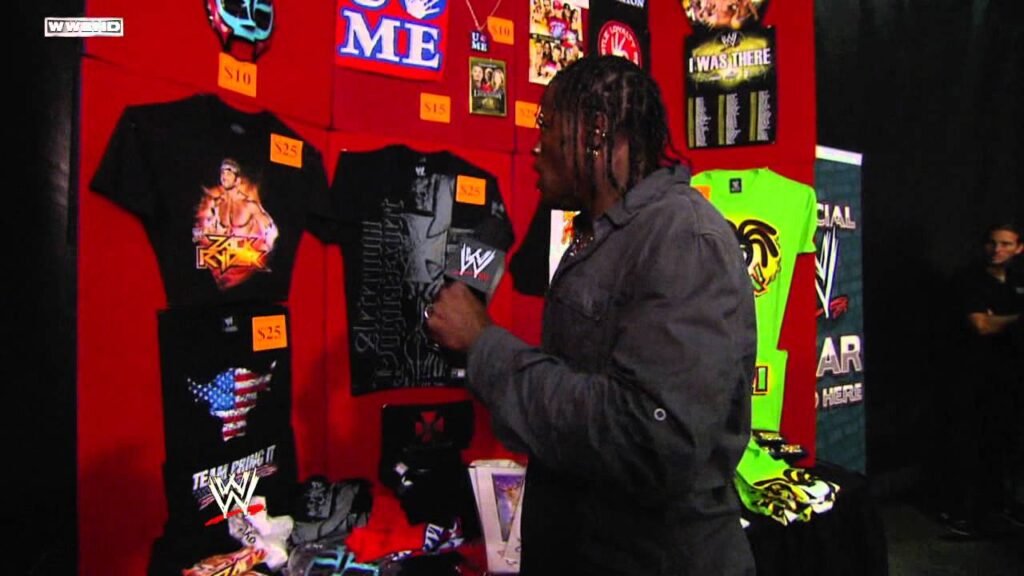
World Wrestling Entertainment, known as WWE, has established itself not only as a leading wrestling promotion but also as a powerhouse in the world of sports entertainment. At the center of it all is an extensive and ever-evolving range of merchandise capturing fans of all ages for decades. From those early days of modest souvenirs to the present, merchandise related to WWE has been a significant aspect of WWE’s identity and a vital income source. This paper will epitomize the WWE merchandise evolution, where its growth has grown from action figures and apparel to much more. Setting the Stage: The Early Years The Beginnings of Wrestling MerchandiseThe concept of wrestling merchandise can be traced back to the infancy of professional wrestling, where at every live event, the fans purchase souvenirs like programs, photos, and autographs that they would collect as keepsakes and a method for giving support back to their favorite wrestlers. It wasn’t until late in the 1970s and early 1980s that wrestling promotions started to understand the potential for merchandising to be one of the biggest money-makers.Vince McMahon’s Vision Vince McMahon, when he took over his father’s wrestling promotion, at that point the World Wrestling Federation (WWF), his ambition was for it to become an international entertainment brand. The augmentation of WWF merchandise lay right at the center of that vision. By doing just that, McMahon knew he could attach wrestlers to their audiences and superglue them into the experience. The 1980s—When Wrestling Merchandise Was Born. The Boom of Action FiguresThe most significant thing to come out of WWE merchandise was the action figures. As far back as 1984, WWF allied itself to makes of toys, LJN, to produce a line of wrestling action figures. The figures were an immediate success and featured some of that period’s most famous wrestlers like Hulk Hogan, André the Giant, and “Macho Man” Randy Savage under the name “Wrestling Superstars.”.These figures were a great success among young fans who aspired to relive their favorite wrestling moments at home. That made the WWE merchandise business quite a boom one. Product Line ExtensionThe success of the action figures then gave the impetus for WWE to push the company’s merchandising. More products were added in the 1980s, such as T-shirts, –billboards, trading cards, and videotapes. Their strategy was to merchandise items with the hottest wrestlers of the time and let that star power sell their products. Hulk Hogan merchandised more than anything else during this period. His classic yellow and red gear, together with the “Hulkamania” brand, made their appearance on just about everything. The Role of TelevisionDuring this period, television was an essential tool for the promotion of WWE merchandise. WWE’s mainstream shows, such as “Saturday Night’s Main Event” and “WrestleMania,” were windows of opportunity to show merchandise to the entire country. Wrestlers would wear their merchandise during these shows and plug it to establish an even greater connection between the wrestlers and their persona. This furthers the company’s reach with the national audience, helping to sell even more merchandise. The 1990s: The Merchandising Machine Grows Rise of Stone Cold and The RockThe 1990s were to become the new era of wrestling and merchandise, driven by these iconic superstars: Stone Cold Steve Austin and The Rock. Such full-on personalities would play a note with audiences that would soon turn into central figures in WWE’s merchandise strategy. Beginning with Austin’s “Austin 3:16” T-shirt and The Rock bringing his electrifying persona along with its catchphrases, all translated to big sales—for the two most marketable stars in WWE history. Video Games and Digital MediaThe 1990s also introduced WWE video games with “WWF WrestleMania: The Arcade Game” and later on, “WWF No Mercy.” These games introduced an entirely new level of realism by which WWE fans could be placed within that world, pitting favorite wrestlers against other wrestling superstars in action. Their monetary success helped spread the coverage of WWE merchandise into a digital frontier and bought its path from future developments in computer gaming and digital content creation. Licensing and PartnershipsFor WWE, more than strategic licensing deals this decade was perhaps the formation of partnerships with other companies in producing all their merchandise. This only meant that WWE would produce a range of their products, from toys, apparel, home video releases, and collectibles. This strategic move by WWE had assured them of quality products that met the fans’ then-growing expectations. The Attitude Era’s ImpactThe Attitude Era was a much edgier product tailored towards adults in the late 1990s. It would appeal more to the older fan, and this shift was reflected in the merchandise WWE would sell. It now includes mature themes and designs while still attractive to young, up-and-coming fans. This is evident through merchandise such as DX merchandise, including currently trendy rebellious slogans and imagery amongst teens and young adults during that period. It affected merchandise by showing WWE’s ability to adapt to a demographic change in numbers and preferences in their audience. The 2000s: Diversification and Innovators’ Decade. Launch of WWE ShopIn 2002, WWE introduced WWE Shop, a web-based marketplace where merchandise could be sold directly to the public. It was a game-changing concept because it gave fans the most convenient way to engage with a broad spectrum of products without worrying about attending live events. Products available at the WWE Shop ranged from apparel to accessories, home décor, and even memorabilia. This move to launch the WWE Shop was one of the biggest taken in WWE’s merchandising towards embracing this growing e-commerce channel. Luxury CollectiblesBy the 2000s, WWE began to develop high-end collectibles and limited edition merchandise, including autographed memorabilia, replica championship belts, and exclusive action figures. The high-end products would start to service the more hardcore fan or collector who willingly paid a premium. This introduced a whole new level to the WWE’s merchandising product, and greatly expanded its appeal to a broader range of consumers. WrestleMania and Event-Specific MerchandiseWrestleMania, WWE’s marquee event, became a focal point of merchandise sales. The
WWE’s Most Iconic Venues: Where History Was Made
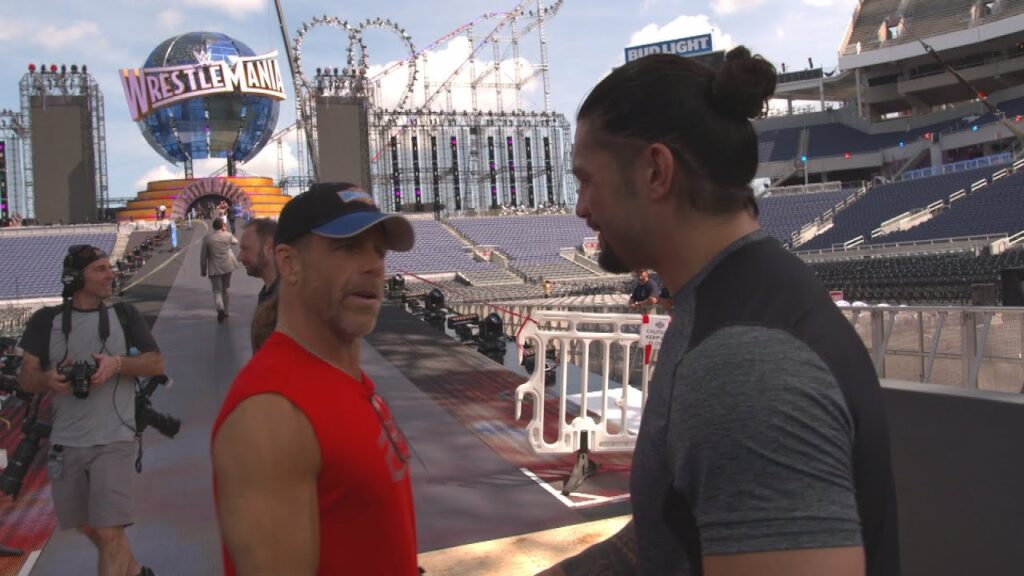
World Wrestling Entertainment (WWE) has been the epicenter of professional wrestling for decades, captivating fans with unforgettable matches, larger-than-life superstars, and dramatic storylines. However, the impact of WWE’s magic isn’t confined to the squared circle alone; it is equally tied to the venues that have hosted these spectacles. These iconic arenas have witnessed the rise of legends, the culmination of epic feuds, and moments that have etched themselves into the annals of wrestling history. This article explores WWE’s most iconic venues, highlighting their significance and the historic events that took place within their walls. Madison Square Garden: The Mecca of Professional Wrestling Historical SignificanceMadison Square Garden (MSG) in New York City is often referred to as the “Mecca of Professional Wrestling.” Its association with WWE dates back to the company’s early days when Vince McMahon Sr. regularly held events there under the banner of the World Wide Wrestling Federation (WWWF). Iconic MomentsWrestleMania I (1985): MSG hosted the inaugural WrestleMania, a pivotal event that marked the beginning of WWE’s transformation into a global entertainment powerhouse. The main event featured Hulk Hogan and Mr. T against Roddy Piper and Paul Orndorff. WrestleMania X (1994): This event saw two of the most memorable matches in WWE history: Bret Hart vs. Owen Hart and the iconic Ladder Match between Shawn Michaels and Razor Ramon for the Intercontinental Championship. The Return of The Rock (2011): Madison Square Garden was the stage for The Rock’s return to WWE after a seven-year absence, electrifying the crowd and setting up his future matches with John Cena. LegacyMSG’s intimate setting, rich history, and the passionate New York crowd make it a venue where WWE superstars strive to create unforgettable moments. The arena continues to be a special place for WWE events, symbolizing tradition and prestige. Allstate Arena: Chicago’s Wrestling Cathedral Historical SignificanceLocated in Rosemont, Illinois, just outside Chicago, Allstate Arena has been a cornerstone for WWE events in the Midwest. Its atmosphere and the energy of the Chicago wrestling fans have made it a beloved venue. Iconic MomentsWrestleMania 13 (1997): Known for the legendary submission match between Bret Hart and Stone Cold Steve Austin, this event cemented Austin’s status as a top star. Money in the Bank (2011): The venue hosted one of the most critically acclaimed matches of the modern era, where CM Punk defeated John Cena for the WWE Championship in front of his hometown crowd, leading to an unforgettable reaction and storyline. Backlash (2001): The event featured an intense rematch between The Rock and Stone Cold Steve Austin following their epic WrestleMania X-Seven clash. LegacyAllstate Arena’s reputation for raucous crowds and its storied history with WWE makes it a key location for major events. The enthusiasm of the Chicago fans often adds an extra layer of excitement and unpredictability to the matches held there. The Pontiac Silverdome: WrestleMania III’s Record-Breaking Venue Historical SignificanceThe Pontiac Silverdome in Pontiac, Michigan, is best known for hosting WrestleMania III in 1987, an event that set a long-standing indoor attendance record for WWE. Iconic MomentsWrestleMania III (1987): The main event featured Hulk Hogan defending his WWE Championship against André the Giant, in a match that saw Hogan bodyslam the 520-pound André, creating one of the most iconic moments in wrestling history. Ricky Steamboat vs. Randy Savage: Also at WrestleMania III, this Intercontinental Championship match is often hailed as one of the greatest matches in WWE history due to its technical excellence and storytelling. LegacyThe Pontiac Silverdome’s association with WrestleMania III has immortalized it in WWE lore. The event’s success was a milestone that showcased the drawing power of WWE and its superstars, solidifying WrestleMania as a premier annual event. The Toronto SkyDome: A Canadian Landmark Historical SignificanceNow known as the Rogers Centre, the SkyDome in Toronto, Canada, has hosted several key WWE events, drawing massive crowds and creating memorable moments. Iconic MomentsWrestleMania VI (1990): The event featured the “Ultimate Challenge” between Hulk Hogan and The Ultimate Warrior, where Warrior emerged victorious, becoming both WWE Champion and Intercontinental Champion. WrestleMania X8 (2002): Highlighted by the iconic clash between The Rock and Hollywood Hulk Hogan, this match is celebrated for the electric atmosphere created by the crowd, making it a classic moment in wrestling history. LegacyThe SkyDome’s significance lies in its ability to draw large, enthusiastic crowds and its role in hosting landmark events. The Hogan vs. Warrior and Hogan vs. Rock matches are prime examples of how the venue has been central to WWE’s biggest moments. Wembley Stadium: A British Invasion Historical SignificanceWembley Stadium in London, England, remains one of WWE’s most memorable international venues, primarily due to hosting SummerSlam 1992. Iconic MomentsSummerSlam 1992: The main event saw British Bulldog defeat Bret Hart for the Intercontinental Championship in front of over 80,000 fans. This match is celebrated not only for its quality but also for its emotional significance, with Bulldog winning in his home country. LegacyWembley Stadium’s contribution to WWE history is its role in expanding the company’s international presence. The success of SummerSlam 1992 demonstrated WWE’s global appeal and the potential for major events outside the United States. Staples Center: Hollywood’s Wrestling HubHistorical SignificanceThe Staples Center in Los Angeles, California, has become synonymous with WWE’s SummerSlam, hosting the event multiple times in the 2010s. Iconic MomentsSummerSlam 2009: The event featured the dramatic TLC (Tables, Ladders, and Chairs) match between Jeff Hardy and CM Punk, which was pivotal in their rivalry. SummerSlam 2013: Marked by the clash between John Cena and Daniel Bryan, where Bryan won the WWE Championship, only to be betrayed by special guest referee Triple H, leading to Randy Orton’s cash-in of the Money in the Bank contract. LegacyThe Staples Center has become a focal point for WWE’s major summer events. Its location in the heart of Hollywood adds a touch of glamor, attracting celebrities and media attention, which enhances the spectacle of WWE events. Barclays Center: Brooklyn’s Wrestling Hotspot Historical SignificanceThe Barclays Center in Brooklyn, New York, has quickly become one of WWE’s favorite venues for marquee
WWE’s Relationship with the Independent Wrestling Scene
For years, World Wrestling Entertainment has held a corner on the market regarding professional wrestling with its hybrid product of sports and entertainment that’s changed many times over the years. At the same time, however, independent wrestling—generally called “the indies”—has been critical in cultivating and developing the various talents that eventually end up working for WWE. The relationship between WWE and the indies has always been complex. There have been moments of collaboration, competition, and mutual benefit. This essay predicts an improvement in the relationship over time as key moments and influential figures change the wrestling scene altogether. The Early Years: A World Apart WWE’s Establishment and the Rise of the IndiesIn the early years of professional wrestling, WWE—then WWF—and independent promotions worked within two largely separate worlds. Indeed, WWE, under the leadership of Vince McMahon, expanded its operation in a statewide, nationwide, and eventually global perspective by absorbing regional promotions to make a monopoly of sorts within the industry. Meanwhile, independent wrestling promotions did very well locally by drawing from their niche audiences and staying true to the roots of local-area wrestling. Talent PipelineDespite the differences, indies have always been a development house for WWE. Many of WWE’s biggest stars made their names by competing in small, local promotions before ever being scooped up by WWE scouts. Ric Flair, Dusty Rhodes, and “Macho Man” Randy Savage each spent the better half of their early years in the indies before making waves in WWE.But all too often in this period, WWE eyed the indies merely as a proving ground—not as a partner or collaborator. The 1990s and Early 2000s: A Shifting Landscape Monday Night Wars and the Role of IndiesThe 1990s were a time of considerable changes in the wrestling world as the Monday Night Wars started between WWE and WCW, its main competitor. The period of aggressive rivalry they misted into a talent war race with both companies struggling to get the best wrestlers from the indie scene that had grown to be so vital for both WWE and WCW in resources. It represented fresh blood and innovative wrestling styles that audiences wanted to see. The Rise of ECWOf the many independent promotions, one of the majors during this time was Extreme Championship Wrestling (ECW). Conceived by Paul Heyman, ECW offered a hard-core, edgier brand of wrestling that appealed to many fans tired of the WWE and WCW products, which were rather slick. The relationship WWE shared with ECW was complicated at best—on the one hand, they were competing against each other, while on the other hand, they were business partners, so to speak. Eventually, WWE would adopt ECW talent—finally holding ECW-themed pay-per-views because the hard-core brand was something of an appeal. Talent Acquisition and DevelopmentDuring the late 1990s and early 2000s, WWE was Bloom-centric, seeking talent scouted exclusively for their ‘independent wrestling’ framework. During this period, when they realized the worth of wrestlers beyond it, some wrestlers like Chris Jericho, Eddie Guerrero, and Dean Malenko had already established themselves in local indies and WCW to break into the WWE with an entirely alien level and burden of technical skills and charisma. This era marked a change in the approach of WWE, who began viewing the independent scene as a breeding ground for future stars. A New Decade of Collaboration: The 2010s The Launch of NXTThe year 2010 was generally the markup in the relationship between WWE and the independent wrestling scene with the launch of its developmental brand, NXT. Conceived initially as a reality competition show, NXT became a fully-fledged wrestling promotion, serving as a bridge between indies and WWE’s main roster. NXT was founded on the independence scene’s deep bourne of talent, dating directly back to that scene’s stars—Seth Rollins (formerly Tyler Black), Kevin Owens (formerly Kevin Steen), and Sami Zayn. The Influence of Triple HIt was Triple H, WWE’s Executive Vice President of Global Talent Strategy & Development, who really changed things around for WWE as far as their dealings with the independent scene. With Triple H at the helm, WWE started actively scouting and signing all the best talent from independents. He realized that these men and women could engage the most passionate wrestling fans in the world. What Triple H needed to do was find a way to put the best of both worlds together: WWE production values with independent scene authenticity and innovation. High-Profile signingsSince this decade, signing high-profile indie talents became more common. This further blurred the line between WWE and the indies. Talents such as Finn Bálor—previously known as Prince Devitt—and Shinsuke Nakamura made their way into the ranks at WWE with raw experience, and then accumulated a fanbase to help raise the quality of the matches and storytelling. Many of these brought a whole new kind of collaborative effort for the house, as WWE is much more open to accepting diverse styles and different personas born there. NXT TakeOver Events: Their InfluenceIt was through NXT’s TakeOver events that the independent scene became a testing ground of sorts, amid another renaissance with high-caliber matches featuring storylines equal to and sometimes better than WWE’s main roster. The massive success of NXT and the TakeOver nights it produced helped drive home the value of indies to all concerned and firmed up NXT as a solid part of WWE strategy in its talent development plan.This was a symbiotic period, one in which the individual wrestlers found a more significant platform in the WWE. At the same time, the WWE gained from experience and other innovative abilities brought to the forefront. The Future Now: Global Talent Ecosystem The Expansion of NXT and Global RecruitmentIn the past couple of years, WWE has been rapidly developing its ventures globally, with NXT UK and possibly other NXT territories honing in on different regions. Global expansion explicitly pointed to the recognition of diversified talent held by independents worldwide. Through this, WWE establishes a presence in key markets to have an all-inclusive global talent pipeline, drawing the best from