
Superstar Secrets: How WWE Wrestlers Maintain Peak Fitness
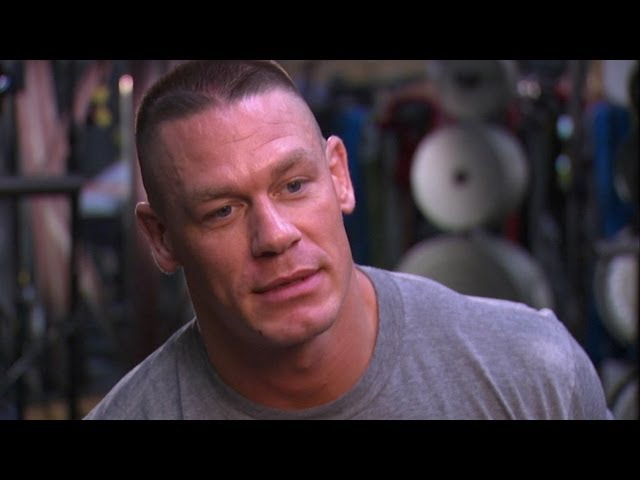
With an iconic body frame and fantastic build, WWE wrestlers are best known for their athleticism and power, with almost superhuman strength and endurance. Staying in shape is not only for show—these requirements are needed for one to withstand the demands of the professional wrestling calendar and its level of physicality. What actually goes into keeping these superhumans so incredibly fit? This is further elucidated in the following article, including the secrets behind the fitness regime that WWE wrestlers follow: the training routines, diet plans, mental conditioning, and recovery strategies taken to ensure peak performance. The Need for Physical Conditioning in the WWEProfessional wrestling is strenuous mainly physically. To be able to undertake physically challenging skills, such as in this sport, WWE wrestlers are required to possess a distinctive array of strengths, speeds, and agility far beyond a mean person’s capabilities of endurance. Wrestlers also have to keep up a specific aesthetic since this sport is a cosmetic one, balancing muscle mass and functional fitness. Resistance ExerciseIncredible strength is at the heart of WWE wrestler’s fitness activities. A wrestler should have impressive strength to execute body slams, suplexes, and power bombs on a rival weighing 200 plus pounds. Many of these wrestlers follow a split routine where a workout is broken up over various days into different muscle groups. A sample week of training would look like: Monday: Chest and tricepsTuesday: Back and BicepsWednesday: Shoulders and coreThursday: Legs/InputFriday: Complete full bodySaturday and Sunday: Active Recovery or Rest Critical exercises for development include compound lifts, such as deadlifts, squats, bench presses, and overhead presses, which enhance overall body strength and muscle mass. The program also consists of isolation exercises, such as bicep curls and tricep extensions, to promote muscular aesthetics and symmetry. Cardiovascular TrainingWrestlers have an interest in being able to ‘go’ since they’re often put in a situation to perform inside the ring for 15-30 minutes or more. With cardiovascular training that enhances stamina, wrestlers are offered the needed preparation to build the capability to put forth their maximum efforts over a sustained period in a match. This typically consists of steady-state cardio and high-intensity interval training (HIIT). Steady-state cardio running, biking, or swimming builds a base of general cardiovascular fitness. HIIT augments many metrics of aerobic and anaerobic fitness by incorporating bouts of all-out activity followed by either rest periods or bouts of low-intensity activity, thereby roughly mimicking the on again-off-again character of a wrestling match. Ability and FlexibilityAgility and suppleness are critical in staying free of injuries and in performing several complicated moves. Wrestlers work on drills that help increase their agility, including but not necessarily limited to ladder drills, cone drills, and plyometrics. Flexibility training includes stretching routines, holding yoga poses, dynamic movements, or other exercises that help in the maintenance of or increase in level of flexibility. The ability to perform diverse moves relatively safely through this type of training in wrestling effectively decreased the amount of muscle strain and joint-terminating injuries. The Role of Diet and Nutrition Nutrition and diet are essential for building muscles, maintaining energy, and recovering after heavy workout sessions for a wrestler in the WWE. The structure in which these diets are prepared for wrestlers is highly outlined in tasks aimed at sensitizing all the necessary nutrients required to drive the rigorous physical demands. Macronutrient BalanceWrestlers are encouraged to enjoy a healthy, balanced diet—which is adequate in terms of macronutrients, namely protein. Proteins: The requirement for good protein intake is high among wrestlers because they need to repair and grow their muscles. Familiar sources of proteins are: lean meats, fish, eggs, and dairy, and based on plants, there are beans, lentils, and tofu. Protein shakes and supplements are also common in ensuring enough intake.Carbohydrates: Carbohydrates form the primary energy source for high or intense physical activity. Wrestlers consume complex carbohydrates like whole grains, vegetables, fruits, and legumes to maintain energy levels and support endurance training.Fats: Avocados, nuts, seeds, and olive oil are designated as healthy fats, crucial for the production and health of hormones. Meal Timing and FrequencyEating at regular intervals keeps the energy up and helps in muscle recovery. Instead of three big meals a day, most wrestlers consume five to six smaller meals. This ensures a continuous flow of nutrients, which may maintain the metabolic rate. This means food intake before and after workouts is very important. A wrestler will prefer a meal rich in carbohydrates and a moderate protein intake to help him before training, primarily intended to help with push-ups. After training, the wrestler will primarily focus on protein and carbohydrates to recover muscles and replenish muscle glycogen. HydrationProper hydration is essential for performance and recovery. Hydration is vital because wrestlers lose gallons of fluid through sweating during both training and wrestling. They drink tons of water throughout the day and use electrolyte supplements when necessary to maintain proper hydration to avoid cramps and fatigue. Mental preparation and mental toughnessThis side separates the good from the great in professional wrestling—the mental one. The athlete has to deal with the anxieties of performing in front of a live audience, stress from high-demand competition calendars, and the constant pressure to stay mentally sharp and motivated. Mental ToughnessWrestlers need to become mentally tough to manage the suffering, exhaustion, and stress of their livelihood. Additional approaches to building mental toughness include visualization, positive self-talk, and goal setting. Numerous wrestlers work with sports psychologists to develop strategies that help them remain focused and manage stress. Mindfulness and meditationMindfulness and meditation practices help wrestlers stay in the present moment and manage the anxiety or stress that wandering thoughts may accompany into the past or future. Attention and stress can also be heightened through mindfulness practices so that there can be a positive effect on a wrestler’s mental health. Guided meditation or even just the practice of good breathing techniques and utilizing ways of staying centered and present are good tools for a wrestler in the ring and around the ring. Work-Life BalanceIt
Explosive Entertainment: The Science Behind WWE’s Pyrotechnics and Special Effects
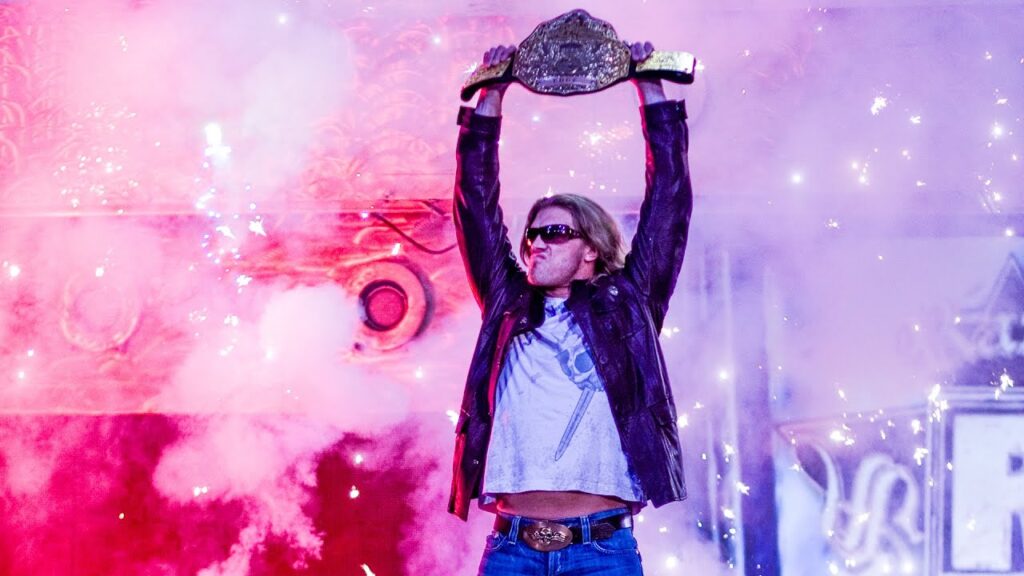
For as long as many might remember, World Wrestling Entertainment—WWE for short—has been all about fast-paced drama, over-the-top characters, and astounding athleticism combined. Adding fuel to this adrenaline-pumping event is the pyrotechnics or special effects that play a significant role in increasing the excitement of WWE events. These aren’t just flashy shows, as these things execute technical details to help strengthen storytelling and the show’s overall experience. This article investigates the scientific aspect of the special effects and pyrotechnics used in WWE: technologies, safety measures, and creative processes in putting explosive elements alive. A Controlled Display of Pyrotechnics and Special EffectsWWE prides itself on the use of pyrotechnics and special effects, which have been significant for well over two decades now. Be it a grand adjoining of superstars or a dramatic finish of the matches, this makes it all more realistic and alive for the fans watching it in the audience.Enhancing Superstar Entrances The most recognizable form of pyrotechnics within these events would be that of WWE superstar entrances. In this case, as a particular wrestler was entering the ring, the awe of fireworks, flames, and smoke all contributed to that specific wrestler’s persona, defining them while building up significant anticipation. A good example is the explosive entrance of “Stone Cold” Steve Austin, complete with glass shattering and detonating pyrotechnic blasts, fully exemplifying his no-nonsense, rebel character. Amplifying Match DramaThey also use the same to heighten the drama placed on a match by explosions, fire, and effects that would indicate a significant movement, such as the entrance of a new competitor or the closing part of a match. That creates drama and spectacle, and hopefully, it keeps the fans interested and glued to their seats. Make moments memorableWWE is the master of creating the most memorable moments, mostly caused by the pyrotechnics. Be it the entry of a scary The Undertaker through the cloud, a mass of smoke with people trembling out of fear in the stands, or a full, high-voltage-packed fireworks show during WrestleMania, something is permanently etched in the brains of these people, adding extended prominence to the idea of WWE storytelling. The Science of PyrotechnicsPyrotechnics use acts of chemical control, resulting in reactions of light, heat, gas, smoke, or sound. The science behind these effects is complex, with deep core understanding in chemistry, physics, and engineering.Answer: chemical reactions Pyrotechnics are formulated using exothermic chemical reactions that produce energy in light and heat. These are the compounds often formulated for this purpose: Black Powder: A compound of the tripartite mixture for propelling and exploiting explosive effects, consisting of sulfur and charcoal, made ignitable with potassium nitrate. Metal Salts: Combustions appearance, providing assorted colors. Strontium salts provide red, barium salts provide green, and sodium salts provide yellow. Oxidizers and Reducers: These are the two kinds of chemicals that mix to give the proper combustion. The oxidizers supply oxygen, as in the case of potassium perchlorate, while others act as a fuel, just as aluminum powder does when it is a reducer. Controlled IgnitionPyrotechnic charges’ ignition sources need to be set up with great care to ensure that they are safe or achieve their desired effects. Generally, this is done through electric matches or electronic firing systems, where accurate timing and controlled firing are produced. These systems can be coordinated to make very sophisticated sequences of explosions with music and special lighting. Safety ConsiderationsSafety is key when working at Pyro Beach, especially with the live entertainment offered by the WWE. These steps include:Ensuring the venue is adequately ventilated to dispel smoke and gasses.Be alert to using flame-resistant materials and an adequate distance between all pyrotechnic implements and objects that might catch fire.All persons employed regarding pyrotechnics will receive certification in the handling and operating of the devices only. The Engineering of Special EffectsBeyond pyrotechnics, WWE employs a range of special effects to bring the shows to a new level. The effects are pretty complex engineering and technology, ranging from smoke machines to advanced lighting systems. Smoke Machines and FoggersSmoke machines and foggers are special devices that give atmospheric effects, in a way: undertaking, in fact, a giant entrance or a scene of explosions. These machines get to work heating fluid and, from these, produce a dense vapor, imitating smoke. Density can anyhow be controlled, and with a dispersion, it is possible to achieve different effects: from thin mist to thick clouds. Lighting and LaserDuring WWE events, how the lights are used is critical in recreating mood and setting. Nowadays, modern lighting systems can be designed and constructed using LED technology that ensures a pretty high level of flexibility and efficiency in using consumed energy compared to typical incandescent lights. These systems can even be programmed so spectacular light effects, at times synchronized with music and pyrotechnics, are achieved.Laser technology is another emerging technology extensively used by WWE. Capable of remarkable capabilities, they also project intricate patterns and whole animations during entrances and other dramatic moments. Used properly, they are carefully calibrated and utilized in a safe manner for the audience and performers. Sound EFXsSound effects, on the other hand, play a huge part in making WWE a total sensory experience. This does not mean just pyrotechnics and crowd noises, but these are included. The set-up sounds necessary for the pyrotechnics involve other extraordinary effect explosions heard. These audio systems are set up adequately apparent in the overall experience. The Creative ProcessPyrotechnics and exceptional effect executions are joint work by several departments under WWE: the creative, production, and technical sections. The process starts with conceptualizing the type of effect that needs to be executed, leading to precisely planning the execution process in a minute. ConceptualizationExamples include conceiving an entrance or various other match ideas in which the creative will volunteer concepts for an entrance, a moment in the match, or another match idea.Overview: Planning and Design Once the concept is finalized, the technical team sketches the pyrotechnic and special effects. This also includes the selection of appropriate chemicals, devices, and
Pushing Boundaries: WWE’s Most Controversial Storylines Ever

World Wrestling Entertainment (WWE) is known for its boast of larger-than-life characters, intense rivalries, and dramatic storytelling. However, throughout its history, WWE has been no stranger to controversy. The company has, at various points in its history, pushed the boundaries in the way storylines tackle sensitive subjects or portray seemingly impossible or ridiculous events, and it is now standard practice to do so. This paper will have a close look at some of the most controversial storylines of WWE, and touch on their contexts, impacts, and legacies—lasting narratives that now shape the professional wrestling world. The Attitude Era: A Bed of ControversyThe Attitude Era is often held during the late 1990s-early 2000s as the most controversial WWE era of all time. Marked by a move towards edgier and more adult-oriented products, storylines were often near the threshold of what could be allowed. The Montreal Screwjob, 1997Possibly one of the most infamous incidents in wrestling history, the Montreal Screwjob occurred on November 9, 1997, live at the Survivor Series. The match pitted Bret “Hitman” Hart against Shawn Michaels, and it climaxed in controversy when WWF Chairman Vince McMahon ordered the referee to ring the bell and end the match after Hart wound up in a submission hold, even though Hart had not submitted. This was done to ensure that Michaels won the WWE Championship, as Hart was moving to WCW. The fallout from the Montreal Screwjob was massive. Hart felt betrayed by McMahon and the WWE; it created a chasm in real life, and the story blurred the lines of reality, giving birth to McMahon’s on-screen villain, Mr. McMahon, further setting the tone for the extraordinary Austin vs. McMahon feud. The Katie Vick Angle (2002)The 2002 angle with Kane and Triple H, called the Katie Vick angle, has often been cited as one of the most tasteless storylines the WWE has ever done. In this angle, Triple H made insinuations that Kane had conducted necrophilia and murdered his former girlfriend, Katie Vick.That angle was hugely criticized by fans and the media, with many going so far as to regard it as tasteless and over the top. Eventually, WWE dismissed the storyline, but many believe it as one of the worst examples of how far WWE will go in presenting shocking content. The Birth of Mr. Socko (1998)One anomaly not so twilight-fears, though, was the creation of the Mr. Socko character during the Attitude Era, controversially brought in to associate the “mentally unstable” Mankind character, played by Mick Foley, with the sock puppet. That was during a Mr. Socko segment with Vince McMahon lying in a hospital bed. This was mainly due to the humor that came with depicting mental illness—an element present throughout Mankind’s character development. Despite the controversy, Mr. Socko would become a crowd favorite in wrestling gimmicks, contributing an altogether weird and eerie layer to Foley’s multifaceted character. Controversies in the Post-Attitude Era Even after the end of the Attitude Era, WWE has been notorious for controversial storylines where they again pushed the extremity boundaries and got a lot of extreme reactions from fans and critics alike. The Invasion Angle (2001)‘The Invasion’ should have been the biggest angle in wrestling history. / All but had the potential to be the biggest live angle in wrestling history due to WWE’s acquisition of its rivals WCW and ECW in 2001. It told the story of WCW and ECW wrestlers brought in to “invade” WWE and precipitated a series of inter-promotional matches. While the angle itself was very hyped, the Invasion segment of the storyline was widely panned for its poor execution simply because critical WCW stars such as Hulk Hogan, Goldberg, and Sting were missing in crucial moments. Moreover, many believe that WWE booked the action of the storyline, especially in the fans’ favor, too much towards the company’s wrestlers to make the storyline balanced and incredibly dramatic. The angle would forever be attached to controversy since it was seen as the squandering of so much potential and just a big miss. The Vince McMahon Limo Explosion (2007)In 2007, WWE ran an angle where Vince McMahon’s limousine was blown up. It was the clear implication that the WWE Chairman had been killed off-camera. It was a mystery scenario that would be overseen by weeks of investigation, but it ended up being killed a few weeks later due to the real murder-suicide involving wrestler Chris Benoit and his family.Due to timing and the overall darkness of what happened with Benoit, the storyline was razed with much negative backlash. Ultimately, the company distanced itself from the angle, and it is considered a very controversial spot in the company’s history due to its insensitivity and poor timing. Katie Lea and Paul Burchill incest scandal – 2008In 2008, WWE came up with the storyline of two characters, Katie Lea and Paul Burchill, being a brother-sister duo. Incest was inferred between them, and before one blinking of an eye’s time, the premise came to face fans and media pungency. It ultimately was scrapped. The Final storyline developed from backlash, yet served as another controversial example of how WWE is willing to look towards taboo subjects in the way of attention-grabbing content. So much so, the quick demise of the angle even served to underline the fine line WWE often walks between merely pushing boundaries and crossing them. Modern Day ControversyMore recent years include WWE having this controversy by getting involved in current social behaviors and the changing entertainment landscape. Lana, Rusev and Bobby Lashley Love Triangle 2019Indeed, one of the most controversial WWE storylines in recent memory involved a love triangle that featured Lana, Rusev, and Bobby Lashley. The angle saw Lana, married to Rusev on-screen and off, dump her husband for former lover Lashley—which was followed up by several not-so-comfortable segments. Much criticism was sparked by the explicit content and what some thought was a lack of creativity in the storyline. Many fans felt that it centered too much on shock value and didn’t
WWE’s Most Iconic Royal Rumble Moments
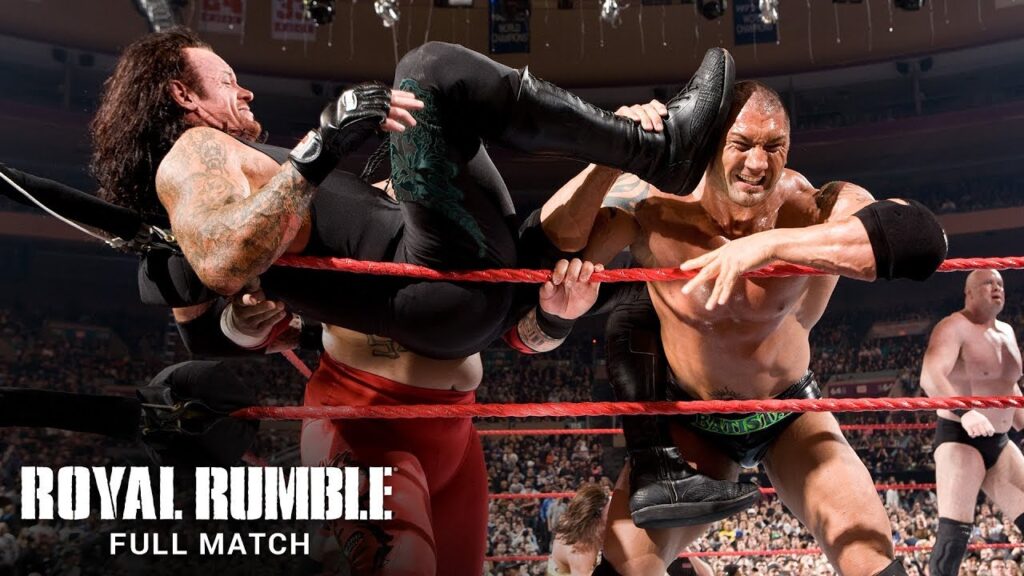
The WWE Royal Rumble is one of those events that wrestling fans wait for with anticipation. One of the most unique formats for the industry and a hotbed of entering moments, it has cut some of the most prominent tales in the history of WWE. This piece looks at some of the most iconic Royal Rumble moments, analyzing events that have distinctly left their mark on the wrestling world. The Birth of the Royal Rumble (1988)The outbreak of the first Royal Rumble was on January 24, 1988, just when the concept of the Rumble match was being introduced to the WWE Universe. Designed by WWE Hall of Famer Pat Patterson, the Royal Rumble match is a particular type of match that involves 30 men entering the ring in particularly timed intervals. The objective of a Royal Rumble match is to throw opponents over the top rope so that both feet touch the floor.The first-ever Royal Rumble match was won by “Hacksaw” Jim Duggan after he managed to throw out One Man Gang. That established an annual WWE event, capturing the hearts of fans indeed everywhere. Hulk Hogan vs. The Ultimate Warrior, 1990 One of the most classic face-offs ever in Royal Rumble was in 1990 when Hulk Hogan and The Ultimate Warrior had a moment against each other in the ring. Both of them were baby faces and high rollers in the WWE, so their very encounter was fire-pumping. Yet when the crowd erupted, Hogan and Warrior were ensnared in a test of strength and athleticism. Each was a winner in the outcome of that – though Hogan would go on to capture the Rumble, defeating Mr. Perfect – the blueprint for their battle at WrestleMania VI was already drawn. That event would culminate in Warrior’s victory over Hogan for the WWE title. Ric Flair’s Legendary Victory (1992)The 1992 version that was locally held is said to be among the best Rumble matches ever conducted, keeping up with the awe-inspiring performance by the one and only Ric Flair. This was one particular Rumble match where the WWE Championship was on the line, all the more reason to grab the same. At the number three entrance, Flair went on to win the match, outlasting 29 other competitors, some all-time greats from Hulk Hogan to Randy Savage to The Undertaker. Flair lasted over an hour in the game, primarily because of loads of bravado and cunning tactics, with his most significant and final elimination being that of Sid Justice with an assist from Hogan, which saw him capture the WWE Championship. Flair’s post-match promo declaring himself “the man” is still remembered as one of the more memorable promos in WWE history. Shawn Michaels’ Unprecedented Feat (1995)History was made in 1995 during Shawn Michaels’ performance at the Royal Rumble, which made him the first superstar to win when he entered the coveted number one spot. He emphasized the win, thereby demonstrating just how resilient and athletic an individual could be coupled with that unmatched ability to thrill an audience. In the course of the contest, Michaels showed off his signature style. Ultimately, it boiled down to a two-horse race with the British Bulldog and Shawn Michaels. Bulldog looked to have emerged victoriously, but Michaels’ feet, it seemed, touched on just one foot, thus gaining him the opportunity to re-enter the ring and eliminate Bulldog to guarantee a victory. Already, in doing so, he had claimed his place as “The Heartbreak Kid” and a top-main-star event. Dominance of Stone Cold Steve Austin, 1997“The Stone Cold” Steve Austin performed in the 1997 and 1998 Royal Rumble, solidifying his legacy as one of the all-time greats in WWE. What defined Austin’s win in the 1997 Royal Rumble was him being so defiant in slipping out of that match—throwing Bret Hart out of the ring—after being eliminated by Hunter Hearst Hemsley. Nobody saw Austin eliminated, so he sneaks himself back in and gets a second chance at his rightful Royal Rumble win. In 1998, Austin became the favorite and turned the promise into tangible results, capturing his second Royal Rumble in a row. That victory set the stage for arguably his best-ever match at WrestleMania XIV, where he would supplant Shawn Michaels for his very first WWE Championship. Those back-to-back victories not only changed the paradigm but set in stone Austin as a wrestling legend. The Rock vs. Mankind (1999)The 1999 Royal Rumble contained an angle that could arguably be considered the most physical and emotional match in the WWE: The Rock vs. Mankind in an “I Quit” match for the WWE Championship. This, however, isn’t inside a Rumble match per se, but it is one of the most memorable moments therein.The Rock and Mankind brawled badly, both men taking a fortune of physical punishment. Finally, The Rock played a tape of Mankind previously saying “I Quit” to make the victory unreal. The match is famously remembered for its brutality, including the unprotected chair shots to the head of Foley, and remains a very controversial and iconic moment in WWE history. John Cena Returns (2008)The most breathtaking moment in the history of the Royal Rumble came when John Cena returned in 2008. He had a torn pectoral muscle; he was to be out for a few months and, nevertheless, was not even in consideration. Then, really shocking is that the 30th participant during the Royal Rumble comes forward, and everyone is floored by disbelief. Cena’s return ultimately fired up the audience at Madison Square Garden. He cleared the ring and eventually won after eliminating Triple H. This moment alone is one of those that carried on to be characteristics of Cena—never say die—but also further built him into one of WWE’s top superstars. The Triumphant Return: Edge (2010Another old comeback or return that will not be forgotten is Edge’s in the 2010 Royal Rumble. The Rated-R Superstar had been out of action for almost a year due to an Achilles tendon injury, and it was one
How WWE Balances Tradition with Innovation in Storytelling
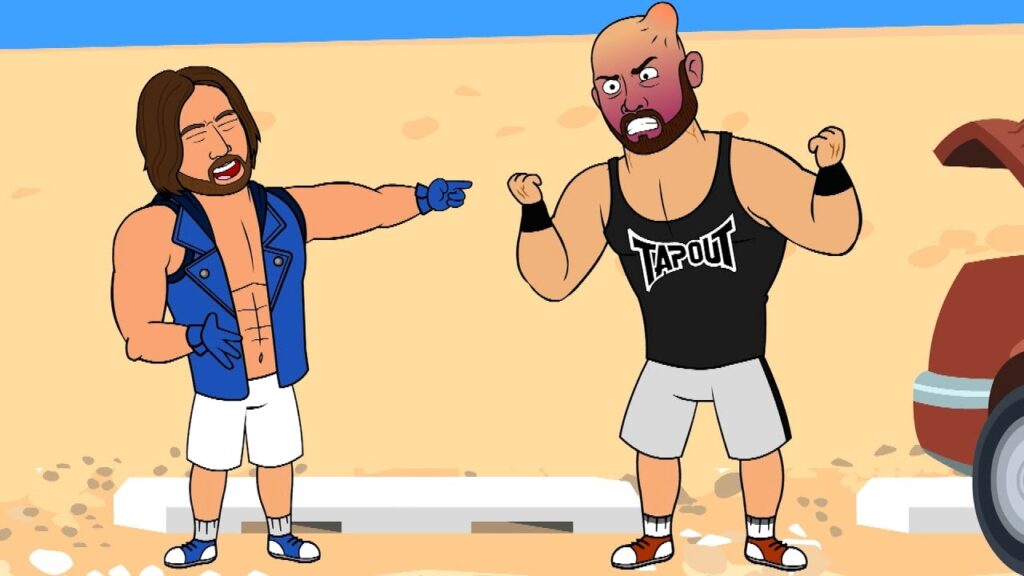
The WWE universe is entirely made up of colossal athletic feats, dramatic storytelling, and over-the-top characters. It has been transformed from a regional promotion into an entertainment giant across the face of the earth. A vital part of this transformation is how well WWE can preserve tradition as much as innovate its storytelling. This balance keeps the company abreast of its glorious past yet relevant in a changing media landscape. This paper explores how WWE holds the thin line between character development, match formats, technology, and fan engagement. Honor TraditionThe foundations of WWE lie in wrestling traditions of the early 20th century and the systems of those times. Those traditions provide the base the company’s stories are woven on, and it tries to keep that feeling of continuity and legacy alive. Character ArchetypesWWE significantly envisions forerunning character archetypes, such as an archetypal heroic babyface or a villainous heel. These were present at the very dawn of wrestling, and one would say that they place audiences in a state of clarity concerning moral dichotomy. The most endearing figures would be Hulk Hogan, “Stone Cold” Steve Austin, and The Undertaker: archetypes or portrayals that get cemented in time—good versus evil. These archetypes are played upon by the persona that WWE is set up to introduce. For instance, John Cena, as the patriotic hero, goes along with a classic babyface tradition, while Brock Lesnar, as the monstrous heel, reinforces timeless villain archetypes. So these are archetypes pertaining over time, and when one drifts out with WWE’s regular replacement of new arrivals, there is always another to take its place. Commentating on the matches is already becoming so detailedSome events in WWE are henceforth considered traditional institutions that have made the company’s yearly calendar. Its most significant event, WrestleMania, was founded in 1985 and is equivalently likened in cultural value to the Super Bowl. The other events in WWE’s portfolio are the Royal Rumble, SummerSlam, and the Survivor Series, among others. All the events belong to the company’s history and help it maintain a solid legacy base.Moreover, WWE reflects on the past by having those “legacy” matches and storylines that pay some sort of tribute to past feuds. For example, one would notice the induction ceremony every year into the Hall of Fame in the promotion for the careers of legendary wrestlers, therefore linking the past with the present. The storyline featuring The Rock versus John Cena, which is dubbed “Once in a Lifetime,” draws on the legacies of some stars from the past while creating new moments for contemporary audiences. Long-Form StoryOne defining feature of classic WWE storytelling is a dedication to a long brand narrative. Unlike so much other entertainment that banks on payoff right out of the gate, WWE usually builds its stories over months to even a few years. That enables much richer character development and vascular conclusions in the end. A great example of this is the story of The Undertaker and Kane, a two-decade-long saga. What kept fans for so long is the long-winded story between these two characters, full of twists and turns: betrayal and then reconciliation, fights here and there. An excellent example of this is perhaps the one between Triple H and Shawn Michaels, lasting long through repeated WrestleMania battles. Embracing InnovationAs much as tradition—character-based storytelling—matters, so does its other side, that WWE has been just as important in innovation. Indeed, the company has been nimble by responding to changing technologies, changes in the media environment, and changes in audiences’ service expectations. At the same time, it has devised vital ways to keep the storytelling both fresh and engaging. Digital and Social Media IntegrationSignificantly, WWE has fit so well in the digital world by incorporating social media and other digital platforms to feed original storylines. Twitter, Instagram, and YouTube avail superstars an outlet to be themselves outside the ring and provide responses in real time to fans, a concept that adds creativity to those sport characters. Just like the case of “Ronda Rousey vs. Becky Lynch,” this continued on past social media and into WrestleMania 35 as the seeds of their on-character traveling tactics fermented and gave additional pressure to their feud. Taking advantage of digital, WWE amplifies the stories experienced on-screen and changes to living through the moments created in exclusive interviews, backstage sequences, or live streams that would allure fans to stick around even when the show was finished. Cinematic EventsOne of the significant innovations in recent history by WWE is the introduction of cinematic matches. In a very out-of-the-box way from traditional in-ring action, the matches are prerecorded and post-edited in a cinematic manner. An excellent illustration is The Boneyard match between The Undertaker and AJ Styles at WrestleMania 36: the game combined action, drama, and special effects to create a memorable and immersive experience. The Firefly Fun House match could be depicted as just another case of WWE’s passion—it wanted to miracle itself with a regal narrative form that blended reality and fiction around a hue of surreal and thought-provoking abstractness. So, these cinematic matches would give WWE a mode through which it can tell it’s stories even more creatively and unconventionally. Interactive fan engagementWWE has embraced interactivity with fans as part of their storytelling approach. With the birth of the WWE Network and, more recently, Peacock, comes an ability to engage: access to a library of content, live chats during the shows, and exclusive programming that goes way deeper into the storylines. The most definite realization of such a policy was WWE Thunderdome, which, in the context of COVID-19 times, invited fans to participate virtually in live events, raising interactivity and visual dynamics to entirely new levels. It was an innovation by itself in an adverse time to keep the fans involved while demonstrating WWE’s adaptability and commitment in its engagement with the spectating audience. Blending Tradition with InnovationWWE has managed to keep its storytelling alive and marry tradition with innovation in practical harmony, uniting the creation of a
The Role of Social Media in Modern WWE Storytelling
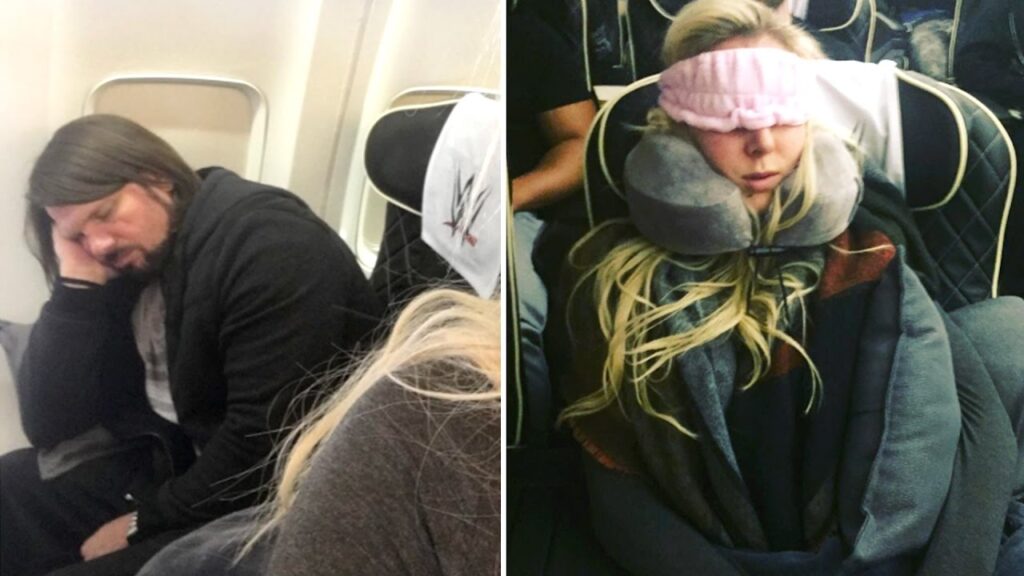
Living in an age of digital connectivity, social media has played a vital role in engaging audiences, shaping narratives, and adding significantly to depth within the entertainment sector. Therefore, it is only apt that WWE, with its punditic performances and high-voltage dramatic narrations in between, well capitalizes on the feature of social media in brightening up the storylines and involving fans to the core. This article aims to provide insight into the multi-faceted role that social media currently offers for modern WWE storytelling and how it redefined the concept of character development, the interaction between wrestlers and their fans, and even the overall story structure within WWE programming. Making Characters RicherSocial media provides an elongated canvas through which WWE superstars can grow and present their characters far beyond the limitations placed upon them at television events. This extra narrative space allows for richer character arcs and more intricate storytelling. Expanding Character PersonasAnother characteristic of WWE superstars’ use of social media is that they extend their in-ring personas to a somewhat virtual one, posting content about said persona. Because this is consistent across the platforms, the gimmicks are more easily solidified into viewers’ heads, where one gets broader depth for the character. For instance, Bray Wyatt’s Twitter account, in which he posted cryptic messages and eerie videos, has built up the mystique around his “The Fiend” character, making fans more engrossed. Moreover, social media provides a platform for superstars to interact with each other in real time to work on their storylines and feuds. This could be a Twitter fight or in Instagram posts or TikTok challenges to boost receiving the narrative. Becky Lynch utilized Twitter well with her “The Man” persona to get into heated exchanges with her rivals and increased added intensity to her storylines. Stories Your Team SharesNot only this, but WWE superstars add to the glorification of their character in fiction by sharing anecdotes and behind-the-scenes content on social media. Such a mix of real life with kayfabe creates a more relatable and humanized image of the superstars. Thus, through workout routines, family times, and personal milestones in their lives, superstars such as Seth Rollins and Roman Reigns become closer to their audience; it is then the appeal of their in-ring character that complements this multi-dimensionality. Fan interaction and the nature of stories told interactively Social media has fueled changes in WWE engagement, changing one-way storytelling into something profoundly interacted and participated with. Fans are no longer stewards of storytelling but part of pivotal agents in the WWE universe. Bringing Fans CloserIt is this kind of work on a platform like Twitter or Instagram that can be done in real-time with WWE showing their engagement with fans through comments, questions, and feedback. Thus, it is a communication system between them that leads not only to the feeling of community and inclusion among fans but also to being possibly part of the story. At WWE live event times, hashtags and integrating polls will attempt to capture greater fan engagement for the most dynamic viewing experience. For instance, during major pay-per-view events like WrestleMania, the official account of WWE on Twitter interacted with fans by posting updates and behind-the-scenes content and even interacted with the outcome of the matches through polling. This real-time interaction of sustaining fans enhances the overall experience. Fan-driven StorylinesPreviously, fans couldn’t leave comments instantaneously on the internet, as is done today via social media. The WWE tends to reshape the storylines of their shows and change them around as responses come in through the social media while they’re creating the storylines. On the other hand, WHO had to counter-campaign the negative plight of the local vaccines due to a rampage of spreading diseases fed by the Cyprus disaster stations that previously championed similar grip stations with over-the-top preachy tactics. The tremendous support and “Yes Movement” really took root from social media as the life of a Daniel Bryan underdog story was taking shape.In addition, the participation by WWE on platforms like Reddit and YouTube allows for more arguments or fan theories, which at some points give birth to new forms of narration. Fans’ involvement in creating the storylines ups their stake not only in the product but also in the written narratives and their adaptive, fluid drift towards the audience’s preference. Building anticipationSocial media is one such channel that helps build momentum and hype in preparation for WWE events and storylines. Upon placing strategically released content and promotional campaigns, WWE gets people to show an interest far from its usual fan base. Teasers and AnnouncementsWWE teases, trailers, and announces future events and storylines via this social medium, which creates amplified buzz and speculation among fans by engagement and viewership. Reveals of significant matchups, surprise comebacks, and significant debut announcements are majorly strategized for a significant effect across social media.Social psych formations take more solid shape at the recent debut of Ronda Rousey in Royal Rumble, established by the series of cryptic social media influenced posts she made. Furthermore, it is in the return of Edge and Goldberg—the buzz created on social media leading up to that memorable live instance. Countdowns and Live updates.WWE believes that this will bring more people in tune with the event. Count-downs are given, updates on the time left to hold the flagship event of the month, and live updates with respect to the happenings keep the eye stuck till the time the event starts. Live updates with the match results and clips of the highlights keep the fans near.This is further enhanced by the fact that it provides real-time updates and engages with fans: answering questions via Instagram Stories and Facebook Live. WWE keeps its fans engaged with the ongoing storylines and events within the entity by providing continuous content and interaction. Bring Storylines to Life with Rich MediaSocial media can give WWE the leading edge in storytelling through high-impact visual multimedia content. Video Highlights and RecapsSpecifically, flash video clips and highlight reels on YouTube or tweeted and posted
How WWE Superstars Build Their Personal Brands
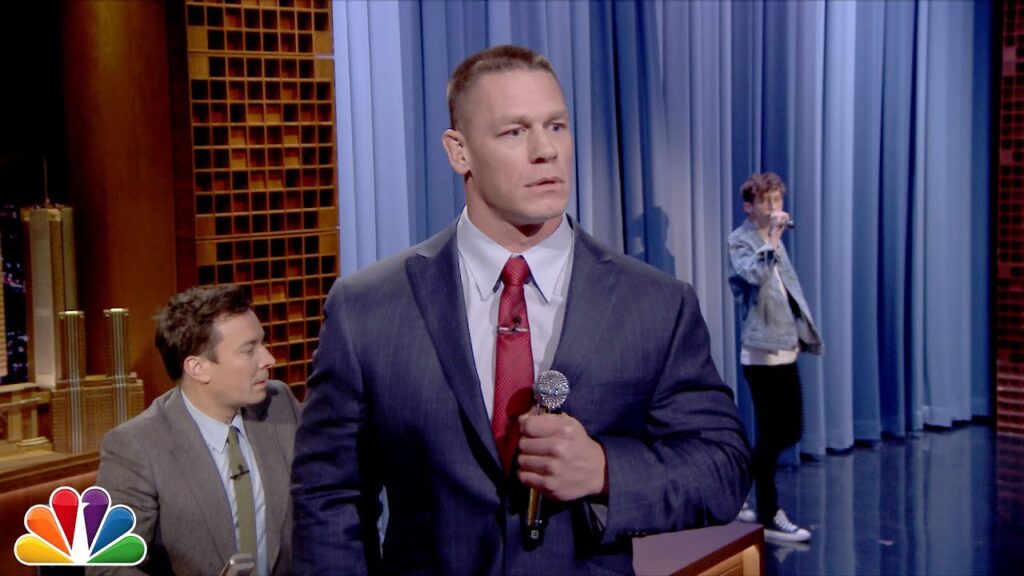
In the current digital age, personal branding is paramount to athletes, entertainers, and public persons. The importance of creating a personal brand for WWE superstars is arguably the basis of succeeding in the ring or even out there. They are the potential powerhouses whose popularity will come in great favor, sponsoring high-paying deals and enjoying a long-term legacy in this sprawling sport-entertainment empire. This paper talks about how WWE superstars market themselves with the competing all-marketing strategies: how they portray themselves in order to be distinctive and unique to others and also to connect to the audience besides wrestling. Building a Personal Brand: CharacterCharacter development is at the core of what will set apart any WWE superstar’s brand. More than that, however, superstars must be able to produce compelling personas, serving as a vehicle through which whoever is watching can connect and develop rapport with the superstar. Developing an original characterCharacter defines a WWE superstar in the storyline aspect and separates them from their peers. A gimmick is either an extension of the competitor’s real life, something produced by fiction, or both. Perhaps it takes those carefully linked formulas of, say, attitude, appearance, and quite possibly catchphrases. A great example of this is The Undertaker, whose persona as a supernatural creature bestowed dark, arcane powers foregrounded the fan base for well over two decades simply because the persona was so very well different and overall black and white in comparison to that of any other that was developed. Similarly, Stone Cold Steve Austin’s “Texas Rattlesnake” character can be epitomized by his attitude and, of course, the famous beer-drinking celebration, to make him an icon of immortality. Consistency and EvolutionA solid and professional personal brand can only be developed if there is consistency in the person’s character. WWE superstars have to make sure that whatever they do—their behavior, mannerisms, or catchphrases—in the wrestling ring or on their social media handles has to correspond to one another. This will make their brand identity hard to slip off.But it’s just as much about character development. The WWE Superstars need to be able to change and hold interest among the fans to not be passed over, with change and progression brought in during character evolution. This evolution may come through an alteration in appearance, a variation in the storyline, or on some occasions, a switch from hero, or ‘face,’ to villain, or ‘heel,’ and vice versa. Chris Jericho has radically reinvented his character four times during his career and has only just been surpassed in WWE tenureship. Making Use of Social Media and Digital Platforms In today’s digital age, a WWE superstar finds it easy to build their brand and uplift it through social media and other online platforms. These platforms allow superstars the room to interact with fans, tell their stories, and reveal their personalities well beyond the restraints of what WWE programming has to offer. Interacting with Fans on Social MediaSocial media platforms like Twitter, Instagram, and TikTok provide the aisle to get instant access to WWE Superstars among their fan base. Sharing behind-the-scenes personal insights and interactivity would probably create closeness and loyalty among their fans. The created bond is strengthened by constant feedback and responsiveness to incoming comments and relevant talks. Superstars such as John Cena and Sasha Banks have been using social media to amass followings into the millions, updating the world every step of the way on their thoughts and feelings, reflecting themselves in the ring and out. On Cena’s dozens of digital platforms, he would also share inspirational quotes and charitable efforts concurrent with character tweaks that turned him into a role model and hero of the people. Banks’ platforms only tied into other examples of her sense of style and her love for pop culture, accentuating this side of her “Boss” persona. Use YouTube and Stream Platforms YouTube and streaming platforms like Twitch become more avenues for the WWE superstars to express their personalities and get up close and personal with their fans. To date, many superstars hold their YouTube channels where they vlog, show workouts, etc. This looks at the life of these fighters, hence making them very relatable and humanized.WWE Superstar Xavier Woods has made a personal brand of himself surrounding his love for video games on his YouTube channel UpUpDownDown. Although more companies care about branding these days, it’s a great tool to have other superstars from the same company as guests while being more engaged with gaming-related content. He gets shinier and more distinctive in that niche, enabling an improvement within his overall brand. Going Outside the Squared Circle Commercial Diversification and Media EngagementsMore than in-ring performance and social media followings, developing a personal brand may well mean the WWE superstar leverages his star power to fall into endorsement deals and media appearances, further cementing the brand, increasing influence, and other specific niches. Securing sponsorship dealsThis could be a substantial money-making section for a superstar’s brand. Alignment partners for one’s brand or personality will enhance the brand visibility and income, such as fitness, apparel, mainstream products, or services.For example, he has worked with brands ranging from Nike to Snicker, which would ensure products that enhance both a majestic and charismatic persona. It assures large payouts yet gives established companies an established quality. Depicted in Mass MediaMedia guest appearances, talk show interviews, television series guest spots, and movie roles open even more doors for WWE superstars. It puts them in the limelight and demonstrates how versatile they can be as entertainers. Dwayne “The Rock” Johnson is the first real-life WWE superstar who has leaped wrestling into mainstream media. His charisma and acting ability have led him to become one of Hollywood’s top actors; he has successfully raised his brand through the use of movies. Similarly, John Cena has leaped into mainstream awareness outside the ring with films like “Blockers” and “The Suicide Squad.” Meet The DesignersMerchandise and brand collaborations are of vital importance in the development of a WWE superstar’s brand and
WWE’s Approach to Diversity and Inclusion
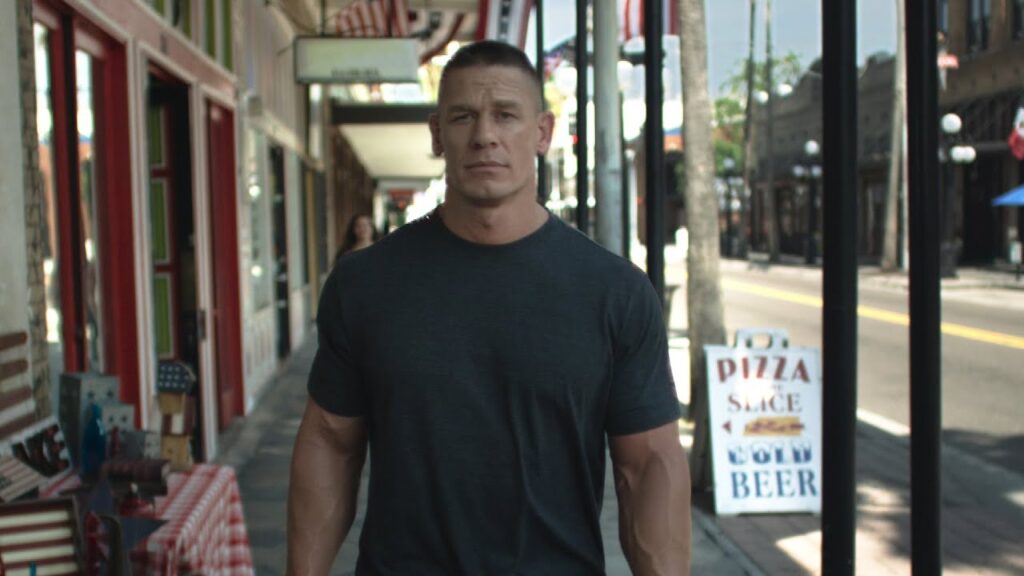
Diversity and inclusion in the modern entertainment world are some of the most instrumental vectors; World Wrestling Entertainment is no exception. Being a global leader in sports entertainment, WWE understands the need to embrace diversity in all its diverse forms toward enhancing inclusiveness among its talent and audience. This all-encompassing strategy touches on talent representation, storytelling, community engagement, and corporate practices. The paper will mainly illustrate how WWE, following a multi-pronged strategy, managed transformation to promote diversity and inclusion within the organization, impacting organizational culture and the global fan base. Embracing diversity in the representation of talentIts star roster reflects the commitment to diversity, as it features people from all kinds of cultural, ethnic, and demographic backgrounds. This way, fans are guaranteed not only enriched personalities in WWE storytelling but also seeing representatives in the ring. Representation Across Gender and EthnicityWWE has conspicuously strived to close down the gap of gender inequality regarding their pool of talents. The next turn of events was Women’s Evolution in the WWE, where female superstars rose to leading event status, headlining most pay-per-view events on cards such as WrestleMania and Royal Rumble. Present-day female icons like Becky Lynch, Charlotte Flair, and Sasha Banks have broken geographical boundaries and have now become role models for people across the world. Notwithstanding, not only their spectacular athleticism but, more importantly, their charisma which makes the crowd adore and go wild for them up to now. These women have not only found professional success but have inspired innovation and fan participation in the process.The other area in which WWE performed quite nicely was ethnic diversity. Superstars like Kofi Kingston, who became the first African-born WWE Champion at WrestleMania 35, and Bianca Belair, winner of the SmackDown Women’s Championship at WrestleMania 37, are examples of what is expected from talent coming out of the company. Then there are international stars such as Shinsuke Nakamura, hailing from Japan, and Jinder Mahal, from India, showcasing how WWE is committed to embracing cultural diversity and being more connected to an increasingly global audience. More LGBTQ+ representationWWE has also taken giant steps towards LGBTQ+ visibility and inclusivity. WWE superstars like Darren Young and Sonya Deville have come out as LGBTQ+ individuals, giving more people in this space hope of increased acceptance and visibility. Sonya Deville, in particular, has been quite vocal about LGBTQ+ rights and visibility, and through the platform given to her, she does her bit to advocate for more awareness and inclusivity. Besides contributing to on-screen representation, WWE has also been collaborating with homophobic organizations, for example, GLAAD, to extend its support for LGBTQ causes and to further the cause of a positive media representation of LGBTQ members participating in sports entertainment. This complements the representation efforts with shows WWE’s efforts at combating hatred by making the environment friendly and responsive to all times of fans and entertainers. Storytelling and Programming toward InclusionThe aspect of storytelling is where WWE can flex its muscle in terms of diversity and inclusion. Therefore, WWE has the power of stories not only to discuss social issues, represent the cultural heritage of different nations, and outline various experiences of wide-ranging superstars. Diverse plot lines and charactersOne of WWE’s biggest strengths is in creating storylines that are engaging yet reflect a portion of the diverse experiences their superstars have had, which translates into underdog triumphs and personal redemption arcs, universal themes across borders. With diverse characters, WWE can meaningfully delve into social issues and cultural themes. For instance, the storyline of Mustafa Ali, a Pakistani-American superstar, told of resilience and battling against racism. The chase of Ali from the first moment he entered WWE is a relentless pursuit to fight ways that label him and people of his culture. In fact, to many, Kofi Kingston’s run to WWE Champion was personal: the breaking of a racial bar inside a business that white people have traditionally dominated. Cultural Sensitivity and RepresentationThe Company’s commitment to cultural sensitivity will be evident in its international events and programming that reflect the heritage of its global fan base. This will include specialized initiatives in programming, such as the annual Tribute to the Troops still honoring military personnel and their families, and international tours to allow fans to experience WWE’s entertainment brand in their community. Besides such activities, WWE is trying to seriously try to handle even its international superstars with authenticity and respect. Embracing cultural diversity while wishing to be the platform that brings cross-cultural insight, WWE is one way or another, the place of unity for sports entertainment lovers globally. Community Engagement and Social ResponsibilityOut of the ring, WWE has a platform that advances social responsibility and engaging with communities at a global level. Through different company initiatives and partnerships, WWE is involved within society in a way that promotes the inclusiveness of and empowers the community it serves. Be a STAR (Show Tolerance And Respect)Be a STAR is a WWE initiative to fight against bullying, serving with respect and inclusivity in schools and communities. Through education and outreach, WWE superstars teach tolerance and empathy for young people; Be a STAR empowers students to stand up and create a climate where being friendly and inclusive to one another is the norm without fearing being bullied.Since its inception, Be a STAR has reached hundreds of thousands of students across the United States and globally, providing them with the information and tools to combat bullying and promote inclusion. WWE harnesses the power of its superstars to ensure that its excellent work drives meaningful change as it grows deep roots in the lives of youths. Charitable Partnerships and Strategic Global ImpactWWE has partnered with a number of charitable outlets to support programs that help people and promote inclusiveness. This includes the Make-A-Wish Foundation, which fulfills wishes by children who have life-threatening diseases. WWE superstars often take part in the different events organized by Make-A-Wish to create memorable experiences for these children and their families. Apart from the Make-A-Wish foundation, WWE also works in
WWE’s Most Shocking Betrayals and Alliances

World Wrestling Entertainment has been able to entertain millions for decades, weaving drama and many characters beyond the limit of athleticism. Probably one of the most essential parts defining WWE storytelling is when there is an alliance that eventually gives way to a heinous act of betrayal. Moments like these build and craft captivating stories that elicit strong emotional responses from the audience, creating long-lasting impressions. This article presents some of the most shocking betrayals and alliances in WWE, delving into the impact such storylines make on the audience and the legacy they present. The Nature of Alliances and Betrayals in WWEWWE storylines thrive on alliances and betrayals, from which character development and story advancement sprout. Alliances jack up wrestlers, making a nest for them from where they can rule the wrestling world. Suddenly, those nests are broken because of betrayal, and the fire competition has loud rants. Such is the nature of changing companions, and that is what WWE brings out into the open in living color, which is both captivating and engaging for its fans. The Mega Powers Members: Hulk Hogan and Randy SavageOne of the most memorable tag teams in wrestling history was The Mega Powers, composed of Hulk Hogan and “Macho Man” Randy Savage. It all started in 1987 when Hogan interfered in a match to Savage’s benefit; mutual respect abounded, with a friendship formed between the two. Since then, The Mega Powers have taken off into the stratosphere, capturing fans with charisma and athleticism. The heat between the two reached its climax in the St. Valentine’s Day Massacre at WrestleMania V, when a feud over Miss Elizabeth, the manager of Savage, came to a highly charged point with betrayal and a massive public altercation between the Mega Powers. Savage went on to achieve all significant accolades, while Hogan stayed back to always question himself about the devastation and loss of a friend. The set story was the master class of tense and dramatic building of tension through which fans were emotionally sucked right into it. D-Generation X: Shawn Michaels and Triple HArguably the most influential in WWE history, D-Generation X was known for pushing the envelope and a slew of corny, over-the-top shenanigans. Initially, it was an alliance between Shawn Michaels and Triple H, forming the core of DX in 1997 and redrawing the boundaries for storytelling in WWE. DX became a fan-favorite group through its onscreen rebellion toward the television audience and WCW by invading Monday Nitro. The bond between Michaels and Triple H was the chemistry behind the tag team; their camaraderie and obvious bond could be seen from promos to in-ring action, creating legendary moments between the two. DX was still excelling even after Michaels’ temporary retirement back in the year of 1998. When intensity broke loose and squeezed fans in the mid-’00s, fans felt nostalgia again as DX reunited. The Shield: Roman Reigns, Seth Rollins, and Dean AmbroseShield made their WWE debut in 2012 through the making featuring Roman Reigns, Seth Rollins, and Dean Ambrose. These made them become the top in the company very fast and thus belong among the most potent factions in the recent past. The three acted as an organized entity, launching onslaughts with a tactical prowess sequence of attacks to wrap up championship after championship with them, which completely altered the face of WWE.It was the unity and brotherhood that made The Shield a successful threesome, with each member bringing their unique talent into the group. Those partnerships overcame odds time and time again and built matches that fans will never forget. That influence of The Shield stretched far further than that early cycle of matches, with each competitor making it big as one of the leading stars of the WWE. Those occasional reunions still provide feel-good moments for the fans, giving a sense of nostalgia at a height that few more will need to provide. Shawn Michaels Turns on Marty JannettyMaybe one of the greatest betrayals that ever happened in the history of WWE was that of January 11, 1992, happening to take place in an episode of “The Barber Shop” hosted by Brutus ‘the barber’ Beefcake. Shawn Michaels was simply referred to as Michaels and Marty Jannetty; at that time, The Rockers was perhaps the most popular tag team inducted into the late 1980s and early 1990s. They had been increasingly antagonistic toward each other for the past several months, respectively, setting the stage for what would turn out to be a fateful night. The moment that Michaels sent Jannetty crashing through a plate glass window with a superkick turns out to be in the past tense. That shocking betrayal began Shawn Michaels’ solo career and led him to transform into “The Heartbreak Kid.” This is simply a moment textbook axing under the umbrella of shocking betrayals about WWE history. It pushed Michaels to super-stardom and invoked shaken heads among all his fans. Seth Rollins Betrays Shield BrothersThe dominance in WWE by The Shield as a united supergroup came to an unexpected halt when, on June 2, 2014, Seth Rollins double-crossed his fellow members Roman Reigns and Dean Ambrose by hitting them with a steel chair, putting him in bed with Triple H, having recruited Rollins into The Authority, the faction representing corporate control in WWE. It hit fans surprisingly since The Shield was one of the most popular and successful alliances in WWE at that moment. The bile the betrayal included set the trio one over the other and carried them into frenetic rivalries that would define their futures. Rollins dumping his brothers was another thing that put him onto the higher rung of the heel ladder, showcasing once again what WWE does best: drama. Triple H Back betrays Randy OrtonIn 2004, at just 24 years of age, Randy Orton would do what no other man in the history of the WWE had done, and that captured the World Heavyweight Championship. However, with the months that followed showing Orton as a member
The Role of Fan Engagement in WWE’s Success
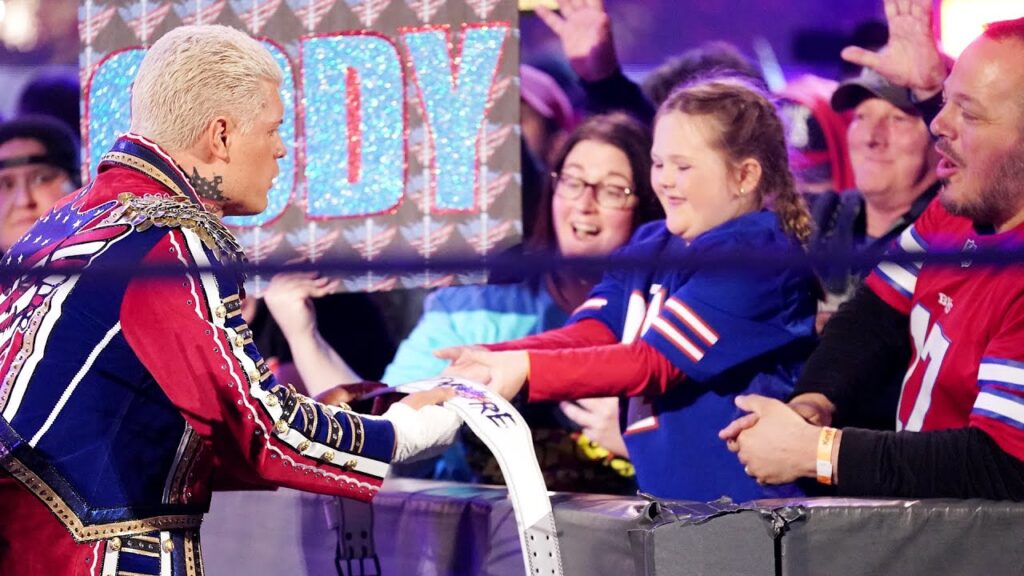
World Wrestling Entertainment is the leading sports entertainment company in the world, engaging audiences from around the world with an unmatched mixture of athleticism, drama, and larger-than-life characters. WWE’s primary sustainable competitive advantage is the engagement of fans. This article investigates the diverse strategies and technologies employed to engage audiences for WWE and how these diversified and evolved to get the company to stand out in this entertainment genre. The Fan Engagement Evolution in the WWEFan engagement has been an integral part of WWE’s strategy since its inception, evolving with technological changes and shifts in media consumption habits.Early Days: Live Shows and Merchandise WWE fully engaged their fans through live events and merchandise early on. Their events were not just wrestling but immersing people in meeting and greeting their favorite superstars. Therefore, the fans could feel the real action, pulse the crowd’s vibes, and relate to the performers in a very personal way.Even merchandise played a significant role in involving the fans. Selling merchandise that ranged from action figures, clothing, and posters in large numbers sustained the fever for them.Fans could show off, express their support for a Single wrestler they associated with, and develop an even closer emotional bond with the brand. Television and Pay-Per-View EraThe strategy of engaging WWE fans underwent an overhaul with the introduction of television. The introduction of weekly shows, “Monday Night Raw” and “SmackDown,” shifted the ground on which the excitement at the stadium rested to millions of living rooms globally. These were not just recordings showing action-packed fighting matches but storyline drama, which gave the audience a constant platform on which to watch the progression of their favorite wrestler. Pay-per-view events increased fans’ engagement to even higher levels by offering unique access to mega matches and events. Those kinds of spectacles made WrestleMania an event where people from across the globe would be drawn, thereby ensuring both anticipation and thrill among the audiences. Digital Age: Social Media and WWE NetworkIt marked the new epoch of fan engagement by the WWE in the digital revolution. Its social media platform comprises Twitter, Facebook, Instagram, and YouTube. All this gave WWE powerful new ways to talk directly to fans. Superstars could engage in real-time and share behind-the-scenes moments, opportunities to promote their matches coming up, and respond to fan inquiries and feedback. It was in 2014 when WWE launched WWE Network, a groundbreaking streaming service that would change how a fan communes with WWE content. There were vast repositories of previous matches and original series with WWE Network, but it streamed PPVs live. The direct-to-consumer business model allowed interested fans to view WWE content at their convenience from anywhere, thus serving their increased engagement with and viewing experience of WWE content. Social Media and Live InteractionSocial media has revolutionized the engagement of WWE with their fans, where the ability for real-time engagement and the forming of community structures shows an upward trend.Direct Interaction with the Superstars Social media allows WWE superstars to engage with their fans one-to-one. Through platforms such as Twitter and Instagram, wrestlers can share what’s on their minds by posting status updates, asking fans questions in real-time through Q&As, giving behind-the-scenes access, and hosting interactive polls. The superstars are actually humanized on this more direct kind of level. Superstars use social media to hype their next match, storyline, or merchandise to create excitement and anticipation in their followers. A solid presence in social media by WWE superstars makes a reasonable regard for their fans, thereby reinventing loyalty and support. Fan feedback and interactionSocial media has played a significant role in helping WWE feel fans’ pulse and listen to their voices. Ideas that wrestling fans put across regarding matches, storylines, and different superstars in the industry carry significant weight. This impacts WWE’s approaches to writing the shows. Such a real-time feedback mechanism allows programming at WWE to be changed should there be such significant demand from the fans, ensuring content relevancy and interest. One good example is how Daniel Bryan built the “Yes Movement” around him: a purely organic fan connection that WWE continued to embrace, implement as a storyline, and eventually actually permit to win at WrestleMania 30. This naturalistic relationship between fans and superstars enhances the emotional investment in WWE’s storytelling; it comes off as consequential and actual. Content Promotion and EngagementWWE uses social media platforms to promote its content: it connects with and relates to fans using diversified multimedia. On websites like YouTube, there are snippets of the matches, exclusive interviews, and behind-the-scenes footage for a more in-depth view of the lives and careers of their favorite wrestlers. Live-tweeting for such televised events and pay-per-views increases fan involvement and creates a sense of community. WWE encourages fan participation through hashtags and interactive polling that stimulate engagement and discussion around the viewing experience. WWE has essentially made viewing experiences shared events through participation and dialogue among the fans induced by interaction. A razor-sharp focus and facility with social media platforms allow WWE to accentuate its voice by maximum reach across global audiences. The WWE Universe: Creating CommunityWWE is firmly based on community building, loyalty, and longevity anchored with the fans. Fan experienceThe term “WWE Universe” refers to nothing more than fans who share an enthusiasm for sports entertainment around the world. WWE actively participates in nearly every activity generating and nurturing such a community, which includes fan clubs, interactive events, and original content. These activities allow fans to share and connect with their passion for WWE. Events and Experiences Fan-OrientedWWE organizes numerous fan events all over the year, involving the fans in the WWE universe, getting the opportunity to meet their favorite superstars and fellow fans. From some significant events such as WrestleMania Axxess to WWE Live Tours, Meet and Greets with autograph chances, and special photo-op activities, there are several fan experiences WWE offers. Among the other fan experiences includes Cena Week; one opportunity came with another, and PTSD took over. These events remain etched in the minds of fans,