
WWE’s Charity Work: Superstars Making A Difference Outside The Ring
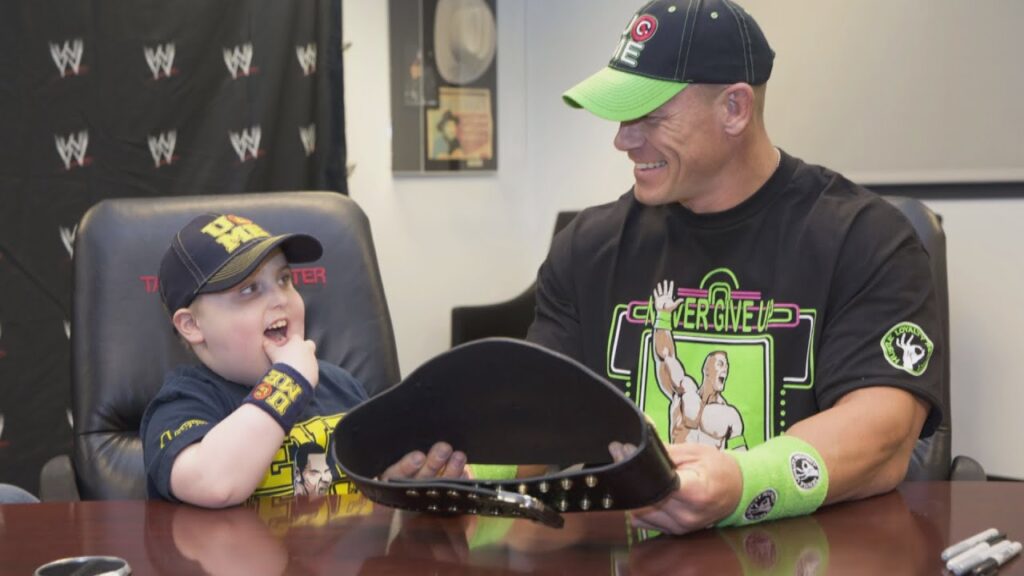
WWE’s Charity Work: Superstars Making a Difference Outside the Ring World Wrestling Entertainment is known worldwide for its thrilling in-ring action and captivating storylines. However, running more profoundly than the bright lights and roaring crowds, the WWE and its superstars have long been committed to making a difference outside the ring with intensive charity work. WWE’s charitable work tends to various courses, just like the company’s commitment to using the platform for the greater good. The article touches on the charity works of WWE, emphasizing focuses and superstars who play a significant role in participating in them. The Philanthropic Mission of WWEWWE is so involved in philanthropic activities driven by a passionate mission on its part that it works effortlessly by making people smile. And there is its school-based scheme set to rock the change into many people’s beloved communities worldwide. Some of the corporate social responsibility initiatives that the body takes up include education, health, living healthy, community service, and military support. Corporate Social Responsibility (CSR) Programs:All CSR programs of WWE are designed to leverage the company’s global reach and the influence of its superstars for the inspiration and support of different communities. Among these are significant community outreach initiatives, charity partnerships, and awareness-building/fund-raising efforts. Key Charity Initiatives and Partnerships: Make-A-Wish FoundationWWE, in conjunction with the Make-A-Wish Foundation, has been instrumental in seeing this come to fruition with wishes for every child and USD 5 million to boost the cause to greater heights. WWE superstars, one in the person of John Cena, are crucial to fulfilling that collaboration. In their record books, Cena has been wished over 650 wishes by very ill kids, as mentioned. What kind of impact has all this made? Quite frankly, the emotional weight transmitted in such moments, when the kids meet their WWE icons, is overwhelming. Connor’s CureEstablished originally in the memory of Connor Michalek, a young WWE fan who lost his life because of medulloblastoma, Connor’s Cure was explicitly instituted to raise money and spread awareness about pediatric cancer research. Connor’s Cure was established by WWE executives Stephanie McMahon and Triple H in memory of Connor Michalek. WWE conducts several events and campaigns to raise funds for Connor’s Cure, and supporters have the opportunity to purchase charitable items and attend auctions, where all proceeds will benefit cancer research. Be a STAR (Show Tolerance and Respect)The Be a STAR program is designed to powerfully influence children’s behavior in giving a renewed resolve as far as deterring bullying and encouraging a culture of respect and inclusion is concerned. WWE superstars go out to schools and community centers, giving speeches with anti-bullying messages while sharing personal stories of rise and defeat. There are also resources made available for parents, educators, and students on how to effectively address bullying. Special OlympicsAlthough the Special Olympics has been a mainstream partner with the WWE, this is made possible by ensuring properly that athletes with intellectual disabilities are taken care of. Through participation in its host fundraising events –the WWE partners up in these efforts- organizing more chapters on events, event coverage, fundraising marketing, and event management beforehand, ensuring support throughout and increased post-event awareness. Susan G. KomenWWE also aligns with Susan G Komen for breast cancer research awareness and fundraising. Their “Courage Conquer Cure” campaign is every October, considered Breast Cancer Awareness Month. Superstars wear pink-themed gear, and special pink merchandise goes up for sale, with all the profits going towards the cause for Susan G Komen. WWE also features breast cancer survivors on the broadcast to share their stories of great courage and determination. Hire Heroes USAAnother realm within which WWE plans its charitable duties is to support documented soldiers and their families. To do this, WWE has managed many campaigns with Hire Heroes USA, a group that helps veterans transition between military life and the civilian workforce. These include fundraising, awareness campaigns, and conducting many career workshops for this noble cause. Furthermore, military contributions and sacrifices are regularly recognized during WWE live events. Superstars Leading the WayWWE superstars are an integral part of their organization’s charity, utilizing their fame and personal influence for various causes. Here is a list of some superstars noted in making significant contributions to WWE’s charity works: John CenaJohn Cena is perhaps one of the most eminent names in WWE’s charitable work. His record number of off-the-field wishes granted is due to being Make-A-Wish, and he continues to aid other campaigns, solidifying his humanitarian legacy. For sure, the man doesn’t stand to finish at WWE; beyond this, he is always working for multiple other causes, giving inspiration to millions of his fans across the world. Stephanie McMahon and Triple HAs key executives at the WWE, much has been driven in terms of the company’s philanthropy by Stephanie McMahon and Triple H. The creation of Connor’s Cure and the substantive level of engagement in outreach programming in the community are testimonies of their doing a little something that would mean a huge difference. Using their platform, both have advocated for research into pediatric cancer and anti-bullying. Titus O’NeilTitus O’Neil is very popular in community outreach and charity work. He has been involved in many projects based on charity events, sponsoring various local youth programs and championing the need for education and health awareness campaigns. Through the above activities, O’Neil has gained widespread recognition in and out of WWE. Roman ReignsRoman Reigns has also taken his struggle with leukemia and used it to fuel his advocacy work on cancer research and awareness. Following a diagnosis and recovery from the chronic disorder, Reigns became engaged with causes of organizations that supported cancer patients and their families. His story inspires, and his charitable efforts do not cease. NatalyaNatalya is one of the finest wrestlers of the women’s division in WWE and known for philanthropy. She took part in various causes, such as Be a STAR and Special Olympics, by appealing to how one can promote inclusion and respect throughout such roles. The presence of Natalya in
Wrestling With Injury: How WWE Superstars Overcome Physical Setbacks

Professional wrestling is a physically challenging sport that combines athletic ability with high-octane entertainment. Any time they step into the ring, WWE Superstars push their bodies to drastic limits by flying around and hitting the mat with extremely physically taxing moves that expose them to possibly serious injuries. Yes, the wrestling is scripted, but one’s body doesn’t understand that very well; thus, it gets pounded anyway. That means injuries go with the job. It details how WWE Superstars overcome physical setbacks, looking into the nature of joint injuries, the rehabilitation process involved, the required mental toughness, and the support systems around them to help them get back to peak performance. Common WWE InjuriesAs a result of their very physical sport, there are endless injuries WWE superstars incur. The following are just some of the most common: Rehabilitation and RecoveryInjury rehabilitation is multifaceted and can encompass medical treatment, physical therapy, and surgery. WWE has a fully staffed, in-house medical team to handle injuries thoroughly and efficiently. Mental Resilience and Psychological SupportRecovering from an injury is as much of a mental game as physical. WWE Superstars must deal with the feelings of being sidelined, worrying about being re-injured, and the pressure to return to the same physical level at which they had been competing before. Notable ComebacksSome WWE superstars have returned from severe injuries and recovered through heavy mental and physical toughness. Support Systems and WWE’s RoleWWE has established a powerful system in terms of management and recovery support for its injured superstars. Thus, this support goes beyond immediate care to long-term health and wellness programs. The Future of Injury Management in WWEWith the evolution of WWE, injury management techniques have also evolved. Advancements in medical science, technology, and the training methodologies of the next generation allow for better care and recovery of injured superstars. ConclusionThe WWE superstars go through tremendous physical demands, obviously meaning that injuries are part of their jobs. At the same time, however, it is the strength, dedication, and support that get them back up and performing at the top level. From medical intervention to physical therapy, mental health support systems, and cutting-edge recovery techniques, a WWE superstar’s journey to come back from injury is all of strength and will. The future is bright for injury management and recovery in professional wrestling, with WWE being more careful about the health and well-being of its superstars.
The Influence Of WWE On Pop Culture
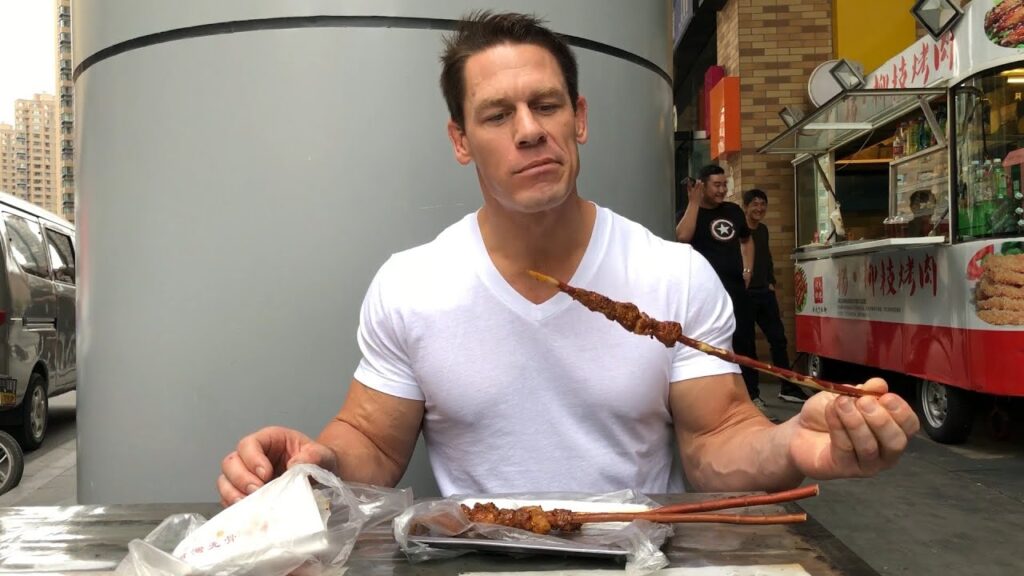
The WWE has transcended the boundaries of sport to become an important cultural phenomenon. From being part of entertainment over the past few decades and fusing athleticism with storytelling to create a unique kind of spectacle, WWE has managed to leave an indelible mark on popular culture. From larger-than-life personas of its superstars to the catchphrases, merchandise, and crossover into other entertainment mediums, WWE’s influence on pop culture extends to bounds that are both deep and far-flung. The various ways through which WWE has both transformed and been changed by the cultural landscape are explored in this piece. The Birth of The PhenomenonWhat is now WWE started as Capitol Wrestling Corporation, a regional promotion founded by Jess McMahon and Toots Mondt in 1952. It has thrown the various metamorphoses up its sleeve to become the WWE. First, it was the World Wide Wrestling Federation (WWF), then it became the World Wrestling Federation (WWF), before finally acquiring the name WWE in 2002. All these have been very instrumental in growing its influence.The 1980s had to be the time frame of massive change for WWE with the innovation of WrestleMania, described as the “Super Bowl of professional wrestling.” WrestleMania I of 1985 showcased celebrities like Mr. T and Muhammad Ali to coattail on its popularity, showing WWE’s capabilities to hold broad appeal and bring aspects of popular culture into the fabric of wrestling seamlessly. Iconic Superstars and Their Cultural Impact:More than athletes, WWE superstars are cultural icons whose personas reverberate beyond the ring. Hulk HoganIn the 1980s, Hulk Hogan was one of the most popular wrestling figures. He passed into the popular consciousness with his patriotic persona and catchphrases like “Hulkamania” and “Say your prayers and eat your vitamins.” Being booked for movies like “Rocky III” and “No Holds Barred” solidified things even further for Hogan as an even more household-name figure. The influence can be assessed by the children’s toys, cartoons, and music. Moreover, this mediated his place within pop culture history. The Rock— Dwayne JohnsonProbably the most successful superstar crossover is The Rock: the way he bridged from wrestling directly into Hollywood. With this kind of charisma and ‘can you smell what The Rock has cooked?’, he starred in blockbuster films like “Fast & Furious,” “Jumanji,” and “Moana.” His overpowering fan base helps raise WWE’s profile by showing that WWE stars can have mainstream success. Stone Cold Steve AustinNotably, Stone Cold Steve Austin was to evolve into the face of WWE’s “Attitude Era” over the late 1990s and early 2000s. Austin assumes the renegade character defined by an anti-authoritarian attitude and a most unforgettable “Austin 3:16.” This attitude spoke deeply to the fans amidst times of socio-economic flux. Austin’s impact would transcend wrestling into television, merchandising, and even video games. John CenaOne of the more giant crossover stars has to be John Cena, who has had equal success in wrestling and acting. His catchphrase, “You can’t see me,” and signature move, “Five Knuckle Shuffle,” are part of the vernacular. He has had roles in films like “Trainwreck” and “Bumblebee,” he has also appeared as one of the leading philanthropic figures, principally with his work for the Make-A-Wish Foundation. WWE and the Mainstream Media:The integration of WWE into mainstream media is another major factor in its cultural influence. TelevisionWWE’s programming, such as “Monday Night Raw” and “SmackDown,” become a custom of weekly television. The programs garnered millions upon millions of viewers per week, making it undeniable that World Wrestling Entertainment, indeed is a force to be reckoned with in sports entertainment. Then, the creation of the WWE Network, a streaming service, further expanded it by providing fans access to its vast library. Movies and DocumentariesWWE Studios is a subdivision of WWE involved in film production and has produced several movies featuring its superstars. Films like “The Marine” with John Cena, “See No Evil” with Kane, and recently “Fighting with My Family,” the chronicle of the life of WWE superstar Paige, have been the contributions by WWE to the Hollywood scene. Another critical category is documentaries such as “Beyond the Mat” and “The Resurrection of Jake the Snake,” which gave inside views into wrestling identity lives and received critical acclamations. MusicThe WWE has also made considerable pushes in music. Entrance themes are excessively recognizable; think of Hulk Hogan’s “Real American,” the exciting music of The Rock, and John Cena’s “The Time Is Now.” From having acts performed by performers like Snoop Dogg, Kid Rock, and Limp Bizkit at a WrestleMania to teaming up with composers, it only goes to show that the WWE does indeed significantly affect the music world. Video GamesFrom the old arcade games to the now-modern day WWE 2K, WWE video games have turned out to be a super hit. One gets into the universe of WWE, becomes a much greater fan, becomes your favorite superstar, and relives classic kills through this game. Massive success in these games underlined WWE’s cut in popular culture for the video gaming industry. Merchandise and Branding:Because of the WWE, the marketing and merchandising strategies have gone hand-in-hand with the cultural impact it has created. Action Figures and ToysWWE action figures have been in the market since the 1980s for kids. Mattel and Jakks Pacific are a few companies that have churned out a myriad of figures, rings, playsets, and others to dole out the possibility of taking WWE action right into their homes. These toys have not only been famous among children; they are also turned into collectibles when adults get them. Clothing and ApparelFrom T-shirts and hats to replica championship belts, WWE has made money hand over fist with an extensive clothing line. Known designs, like the NWO T-shirts, Austin 3:16 shirts, and John Cena brightly colored apparel, all become style statements for fans. Catchphrases and MemesIt’s hard to dismiss WWE in terms of how it impacted language and internet culture. It’s simply impossible to deny its impact on language and internet culture: catchphrases run out of the ring into mainstream
Top 10 WWE Feuds That Defined Eras

Professional wrestling is based on storytelling, and no other company does this as well as the WWE. For decades, it has given fans some of the most captivating rivalries in sports entertainment that helped define their respective eras. These feuds not only elevated athletes to legendary status but entertained audiences and left behind legacies. We shall attempt to break down the top 10 WWE feuds that defined eras and shaped professional wrestling history. Hulk Hogan versus Andre the Giant: Era: The Golden Era itself (the 1980s) However, the feud between Hulk Hogan and Andre the Giant is probably the most memorable rivalry from WWE’s Golden Era. This rivalry climaxed at WrestleMania III in 1987, with Hogan defending his WWE Championship against Andre in front of 93,173 fans at the Pontiac Silverdome. Of course, it is best remembered for the body slam Hogan put on Andre—a moment that had come to symbolize the rise of Hulkamania and the WWE all through the 1980s. This competition founded WWE right in the middle of the mainstream, himself marching on to attract more and more people and further cement wrestling into popular culture. WrestleMania III proved a premise behind the potential of WWE’s biggest annual event, leading up to the future WrestleMania. Hogan and Andre’s story arc told the story of our classic hero: an underdog who took it on to slay an unbeatable giant. It is a tale that captured the imagination of millions but turned into a landmark resolution in wrestling history. Stone Cold Steve Austin versus Vince McMahon: Era: The Attitude Era (late 1990s – early 2000s) The feud between Stone Cold Steve Austin and WWE Chairman Vince McMahon crystallized the Attitude Era. Within that very storyline, Austin was the hard-nosed anti-hero pitted against the boss from hell. Their several battles would end with this working-class audience in a Movieplex: Austin smashing up his beer truck all over both McMahon and The Rock, or upon so many occasions when helpless brawls would end with Austin laying down his boss with a stunner. This feud was instrumental in attaining the highest ratings and pay-per-view buys for WWE during the Monday Night Wars against WCW. In many ways, it redefined what a WWE superstar could and should be: the anti-hero at the heart of wrestling storytelling. The Austin-McMahon rivalry blurred the lines between reality and fiction, providing a vicarious thrill whereby the audience saw their frustrations with authority enacted within the ring. It also solidified the charisma of Austin and the heel work of McMahon, which combined to create a dynamic that would not let audiences turn away from their television sets on any given week. The Rock vs. Stone Cold Steve Austin Era: Attitude Era (Late 1990s – Early 2000s) This feud, right here, with The Rock and Stone Cold Steve Austin, is undoubtedly one of the most talked-about in wrestling lore. They main-evented three WrestleManias: XV, X-Seven, and XIX—each match raising the intensity and stakes even more. The contrasting personas—The Rock’s charismatic arrogance versus Austin’s blue-collar defiance—made for some significant bits of TV. Most of their matches, particularly at WrestleMania, were huge draws that significantly helped ensure WWE’s economic success. Their rivalry spawned some of the most unforgettable moments and promos, thus cementing both as legends in wrestling history. It was purely electric between The Rock and Austin, and their wars had raised not only the personal career bar but also the bar of the entire WWE product at the time—the Attitude Era. Many still refer to those epic clashes, especially WrestleMania X-Seven, as some of the best matches in WWE history. Bret Hart vs. Shawn Michaels Era: The New Generation Era (Early to Mid-1990s) The feud between Bret Hart and Shawn Michaels had been based on real hatred and professional jealousy. Their ongoing war culminated at the ’97 Survivor Series in one of wrestling’s most infamous events: the Montreal Screwjob. Michaels was handed the WWE Championship by defeating Hart. The incident has become forever etched in wrestling lore as one of its most discussed happenings. The Montreal Screwjob blurred the lines between reality and scripted entertainment, adding a layer of authenticity to WWE programming. Both superstars are celebrated for their in-ring prowess and contributions to wrestling, with their feud being a defining aspect of their careers. The bitterness and intensity of their rivalry were palpable, leading to some of the most technically sound and emotionally charged matches of their era.Their Iron Man Match at WrestleMania XII embodies every significant part of their feud and showcases what good athleticism and natural storytelling can do. John Cena vs. Edge Era: The Ruthless Aggression Era (Mid-2000s) The John Cena–Edge saga was undoubtedly the cherry atop the sundae that was the Ruthless Aggression Era. It all started at New Year’s Revolution 2006, with Edge cashing in his Money in the Bank contract on Cena to capture the WWE Championship. Their feud boasted many vicious matches between these two fierce competitors, spreading across TLC and Last Man Standing. That did seal the deal for John Cena as the face of WWE and Edge as one of its main-event players. The matches blurred the lines between in-ring storytelling and brutality because their intensity enthralled the audience. Cena and Edge shared some organic chemistry that let them forge compelling stories inside the ring; whenever the two wrestling forces get inside a squared circle together, more and newer layers were created to this many-faceted rivalry. The savvy, opportunistic heel persona of Edge set him up flawlessly against the never-give-up attitude of Cena, and their wars are somehow memorable regarding this period. Undertaker vs. Kane Era: The Attitude Era and Beyond (Late 1990s – 2000s) The Undertaker versus Kane regime in WWE history was undoubtedly one of the most memorable rivalries because of supernatural elements and familial betrayal. Debuting in 1997 as a lost brother, Kane would, therefore, go on to pursue ‘Taker into many grudge matches, notably at WrestleMania XIV and Hell in a Cell.This cemented The
Inside The WWE Draft: How Superstars Are Selected And Moved
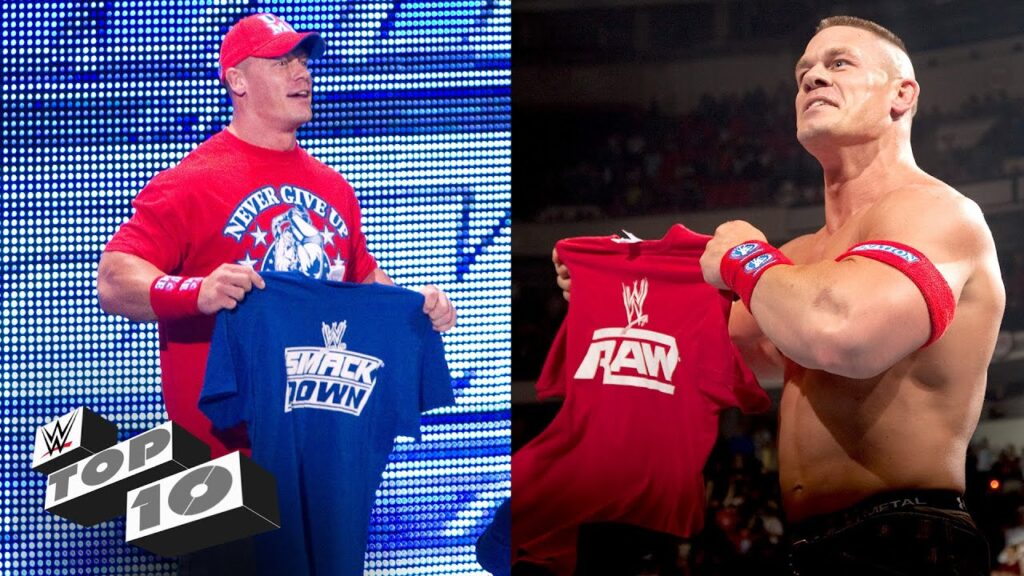
The WWE Draft is probably one of the most highly anticipated events in professional wrestling that combines the ultimate sports entertainment with strategic roster management. It goes deep into the ways of WWE programming, as the reshuffling affects storylines and feuds or other directions taken for flagship shows Raw and SmackDown. How to know the way superstars get chosen and moved during the WWE Draft relates to an examination of the draft process and history, coupled with intricacies so integral to WWE’s annual calendar. History of the WWE DraftThe concept of a WWE Draft came into existence with the brand extension in 2002, as WWE realized that it would be beneficial to divide its roster into two distinct brands: Raw and SmackDown. The theory was for a competitive environment whereby varied storylines could be formulated while giving more wrestlers more significant opportunities to be noticed. The inaugural draft went down on the 25th of March 2002, having Vince McMahon represent SmackDown, while Ric Flair would represent Raw. The draft was a huge change in the way WWE operated and brought an entirely different dynamic to its programs. While the draft has changed over the years, sometimes occurring annually and sometimes intermittently, it’s been presented in many ways: as a live event on television and in off-air supplemental drafts. But no matter what form the draft comes in, the bottom line is to refresh the rosters of Raw and SmackDown so interest is continually revitalized with new storylines presented for their audiences. The Draft ProcessThe WWE Draft comprises typically several steps to ensure that it structures a fair and exciting event. This is how the draft process goes: Announcements and Hype: weeks ahead of the draft, WWE starts building up through its weekly shows and social media to raise much buzz. It, more often than not, gives a teaser of probably potential moves, speculating on which superstars might switch brands. Draft Pools: Stars are first divided into draft pools, which could be explained as groups of wrestlers eligible to be drafted on certain nights of the draft. This division, therefore, makes the process smoother and tries to ensure star power from both ends. Draft Rules: Every draft generally comes with its own rules, which are mostly declared or exposed in advance. These rules determine how many picks each brand gets, the draft order, and what special provisions may be added like tag teams staying together or the addition of NXT superstars. Selection Process: At the draft, picks are made by representatives of Raw and SmackDown. This may include authority figures or general managers. The selections come on air as they happen, so there are elements of surprise and excitement. Supplemental Draft: After the event, WWE sometimes holds a supplemental draft that includes most of the wrestlers on the lower card and tag teams. This usually happens off-air but always leads to eventual roster changes. Trades and Free Agents: WWE may announce some trades between brands right after the draft, or some superstars are labeled as free agents and get to decide for themselves. This adds to the layers of strategy and intrigue overall. Strategic ConsiderationsThe WWE Draft does not randomly occur. Instead, there are many things that go into planning and strategy regarding how superstars will be moved around. Several factors determine how superstars are drafted and moved: Storyline Potential: Now, the primary reason behind this is the potential to create new and exciting storylines. This seems like what WWE wanted to do: provide some new matchups and rivalries by shifting superstars into various brands. It will keep a wrestler’s career alive by keeping the audience interested. Balancing the Roster: It is pretty essential to have a roster that does not feel highly disproportionate in either direction. WWE desires that its Raw and SmackDown rosters are overall well-rounded, starring power, wrestling styles, and even a diversity of characters. Ratings and Viewership: It is a draft to improve the rating of the brands. High-profile moves and jaw-dropping selections can create interest and prompt viewers to tune in to see how these new rosters have unfolded thus far. Merchandise and Marketability: If Superstars are big sellers of merchandise or have huge followings, then it would be better to move them to where the money lies. Here, the theory would be that WWE maximizes its revenues from merchandise sales and live event attendance. It also keeps in mind the health and availability of these superstars. A wrestler returning from an injury might have an opportunity to jumpstart his career once more, or inversely, an athlete needing his time off may be livingly drafted for that time off. Notable Draft MomentsFrom the moment the WWE Draft made its debut, countless moments were born from it that would go on to shape this company for an extended period. Here are some outstanding ones: John Cena to Raw, 2005: The most shocking of all the moves was when then WWE Champion John Cena moved from SmackDown to Raw. All this did was shift power but cement him as the face of WWE.Triple H Drafted to SmackDown (2004): The Game himself, squarely at that time the cornerstone of Raw, drafted to SmackDown. Well, he wasn’t there too much longer, but boy, for a while, did that shock drive out the unpredictability of the draft in WWE. The Split of the Shield, 2014: Though indirectly, the draft played a part in the eventual breakup of The Shield. The betrayal of Seth Rollins and his subsequent alliance with The Authority were paramount to reshaping the careers of Seth Rollins, Roman Reigns, and Dean Ambrose. Becky Lynch and Charlotte Flair, 2019: Another impetus for women’s wrestling was the central role female superstars like Becky Lynch and Charlotte Flair took during the 2019 draft. They are strangers to the highest level of their profession and worked at the core to indicate the full support of WWE behind its Women’s Evolution. Effects on Superstars and StorylinesIt means a great deal in the
The Influence Of WWE Legends On Today’s Superstars
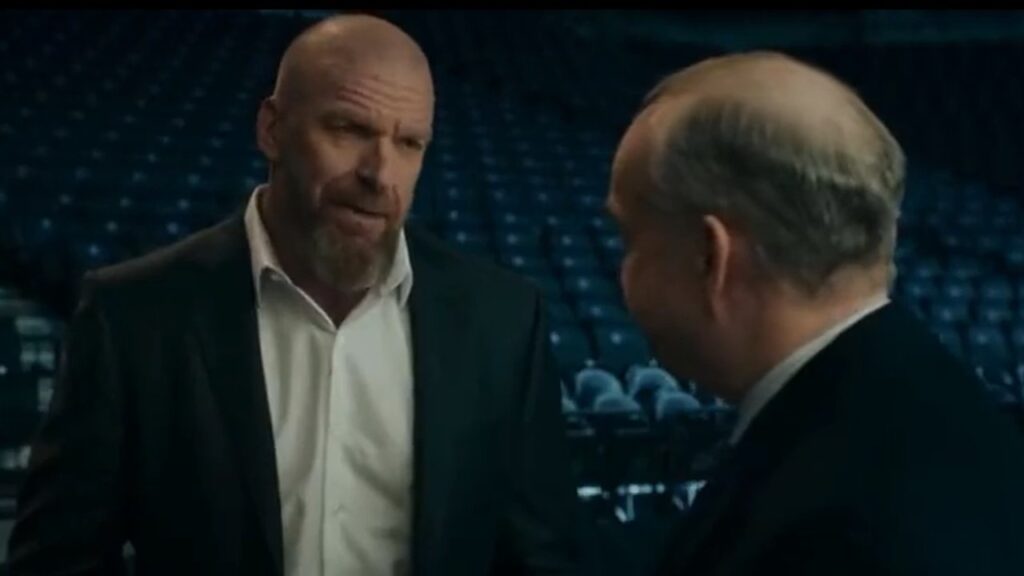
The legends of WWE have made a huge, lasting impact on professional wrestling, from in-ring style to mentoring this budding talent for wrestling sports. Today’s superstars stand on the shoulders of giants, drawing inspiration from and learning valuable lessons from those who paved the way. The article below deals with exactly how WWE legends influence today’s superstars by leaving legacies that still shape the future of wrestling. Foundations laid by WWE legendsFrom Hulk Hogan to Ric Flair, The Undertaker, Stone Cold Steve Austin, and many more, the WWE legends are a part of men interwoven right into the very fibers of this company. These legends were essential in laying the roots for wrestling to break out as a staple in mainstream entertainment for unique audiences with their charisma, athleticism, and storytelling abilities. Hulk Hogan: He was larger than life, full of charisma that helped WWE break into the national scene back in the ’80s. His legendary feuds, particularly with Andre the Giant and Randy Savage, shaped how storytelling should be conducted in wrestling today. That influence of Hogan is imprinted on the current crop of superstars who borrow from his page of showmanship and developmental skills to engage audiences on a massive scale. Ric Flair: Known by the sobriquet “The Nature Boy,” Ric Flair’s technical wrestling and flamboyant character etched out a strong legacy. It can be said that Flair’s control over the psychological work in the ring and his packing performances that elevate his opponents are things many young wrestlers today strive for. Superstars like Charlotte Flair, his daughter, emulate his style and persona in performance. The Undertaker: Well, if one thing can be said for the near-three-decade-long career of The Undertaker himself, it would probably be adaptability and storytelling. His character development—from a supernatural Deadman with mystical powers to the more human, bike-riding American Badass—had already been enough proof that reinvention binds staying relevant. He is the leading man modern superstars look up to in terms of commitment to the character and executing long storylines. Stone Cold Steve Austin: His renegade persona defined an attitude era that seemed to take wrestling to new heights regarding popularity. His relentless, hard-hitting style and ability to connect with audiences on a gut level made him influential to many who followed in his footsteps as a wrestler. Many of today’s superstars will revert to what Austin brought to the table regarding character development and engaging with an audience. Guidance and mentoring from the WWE LegendsApart from being on-screen characters, WWE legends usually take on mentorship roles to guide the next generation of superstars through experience and expertise. This kind of mentorship becomes very critical in developing young talent, guiding them through the intricacies involved in the wrestling business and ring work. Shawn Michaels, also known as “The Heartbreak Kid,” is generally regarded as among the most significant in-ring competitors ever. Timewise, Michaels has been significantly influential in shaping the diversified skill set of most current WWE superstars as an instructor at the WWE Performance Center. His focus on storytelling, work tempo, and character development made an indelible impact on these wrestlers, with some being Johnny Gargano and Adam Cole. Triple H: With the legendary wrestler being an executive at WWE, his role becomes very instrumental in fomenting talent growth through NXT, its developmental brand. He set out a vision where he saw NXT as an opportunity to prove one’s worth within the ring, bringing several stars that now dominate the main roster to the surface. It includes the likes of Seth Rollins, Kevin Owens, and Finn Bálor to their credit. Dusty Rhodes: Late Dusty Rhodes, most affectionately known as “The American Dream,” was one of the most beloved individuals in wrestling. His work coaching and mentoring students at the WWE Performance Center continues to resonate today. Rhodes would instill promo skills and character work that helped burgeon the personas of many superstars who are current stars today, such as Bayley and Becky Lynch. The Evolution of In-Ring StylesIt has also influenced WWE legends through the evolution of in-ring styles, where traditional wrestling techniques have been melded with new innovative moves and story-telling methods. This is apparent in the working style of the superstars nowadays, who perform bits and pieces of wrestling from different eras. Bret Hart: “The Hitman” Bret Hart was known most for his technical prowess and ability to weave a good story into those matches. One can see his influence on wrestlers whose philosophy is based more on the technical aspect of wrestling and staying true and being realistic with what they are doing out there. Superstars like Daniel Bryan and CM Punk often mention Hart as a significant inspiration for their in-ring style. Eddie Guerrero: With his high-flying moves put to the side, it was his enhanced charisma and character work that truly made him a wrestling world darling. He could mix lucha libre so seamlessly with traditional wrestling that today’s performers, like Rey Mysterio and Andrade, remain on the bleeding edge of in-ring innovation. Mick Foley did everything, and his penchant for putting his body on the line—his hardcore wrestling mastery—leaves a real mark on the industry. Guys like Dean Ambrose, better known today as Jon Moxley or Jeff Hardy, are among the talent that has followed Foley’s fearless approach to things with a greatly hardcore-influenced style of expertise. The Legacy Lives: Today’s Superstars and Their Inspirations.Many of the top WWE superstars will tell you that legends are the reason they are where they are today. For fighters, these ties to the past not only pay respect to a heritage laid by forefathers but also guarantee that the soul of wrestling keeps evolving. John Cena: A 16-time world champion, Cena has spoken at length about what legends like Hogan and Flair have done for his career. His “Never Give Up” mantra and larger-than-life character can be equated with Hogan’s heroic persona; his work ethic and commitment to wrestling are akin to Flair’s business-like approach. Roman Reigns: The
WWE’s Craziest Fan Theories And Urban Legends
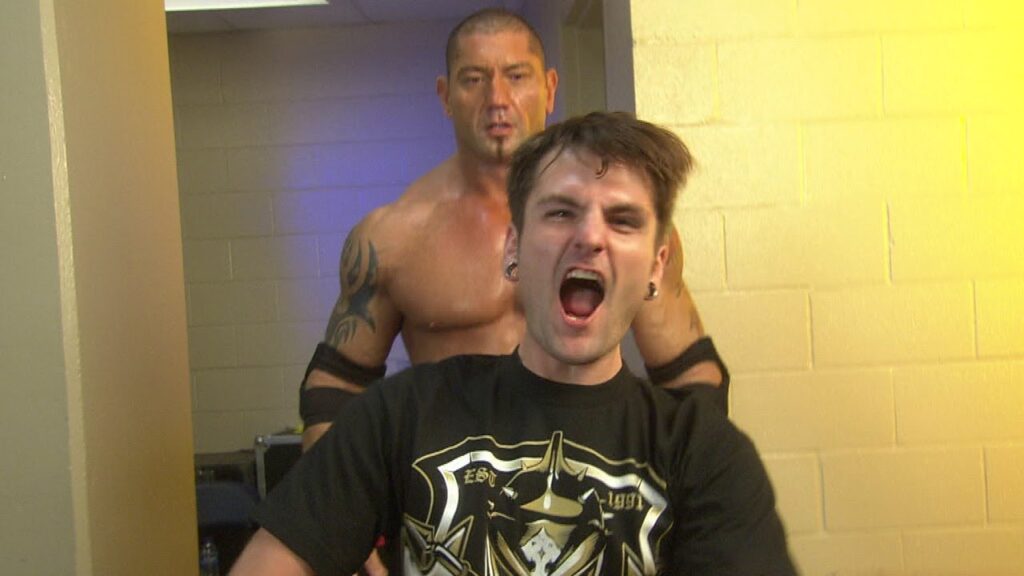
From oversized characters to over-the-top storylines, professional wrestling has always been a fertile ground for fan theories and urban legends. WWE, being the industry’s flagship promotion, has cranked out a good deal of speculation and mythos among its fan base. From secretive backstage dealings to bizarre storylines, it seems like the WWE universe is full of stories that blur the lines between reality and fiction. That’s not all, though; this article presents some of the most outrageous—with a kind of mysterious allure—fan theories and urban legends that expect years of captivation from WWE fans. The Montreal Screwjob: Work or Shoot?The Montreal Screwjob is the most infamous real-life incident in wrestling history. At Survivor Series 1997, Bret Hart was supposed to defend his WWE Championship against Shawn Michaels. What Hart didn’t know was that Vince McMahon and Michaels would change the finish of that very match, with Michaels emerging as the champion in what were very controversial circumstances. Hart looked visibly stunned and spat on McMahon before leaving the ring. Fan Theory: Many fans believe that the Montreal Screwjob was a work or an ongoing storyline, as opposed to a shoot, which means it happened. Those supporting the theory point to evidence that includes how smoothly the screwjob had been executed; it had to be staged, and added to that are the immense publicity for events around WWE and roundly cementing Vince McMahon’s on-screen character of the evil Mr. McMahon. Counterpoint: While this is an interesting theory, it’s highly debatable. All the key participants, including Bret Hart himself, have vehemently denied for years that the screwjob was real. His next step to WCW and the actual acrimony between all parties involved further cementing the shoot narrative element. The Ultimate Warrior: One Man or Many?Another elusive WWE character was the Ultimate Warrior, who could pump up an audience like no other with his high-energy ring entrances and chilling promos. That was not made clear, however, especially in light of rumors and speculation surrounding his sudden departure in 1991 and subsequent return in 1992. Fan Theory: Many of the fans, however, honestly believe that when Ultimate Warrior made his return to WWE in 1992, it was not him. The roots of this theory can be found in the discernible differences attributed to Warrior during those two instances of his career. The theory holds that the original Warrior, Jim Hellwig, died or left WWE, and the wrestling promoters replaced him with his lookalike. Counterpoint: This theory has been widely disregarded. Jim Hellwig, who legally changed his name to Warrior, confirmed that he was the only one to portray the character. Appearance differences are explained away due to changes in training and general life circumstances. Randy Savage and Stephanie McMahon: The Forbidden AffairRandy “Macho Man” Savage was one of the massive stars of the WWF—at that period in time—throughout the late 1980s and early 1990s. However, following his shocking WWF exodus in 1994 and Vince McMahon seemingly not wanting to bring him back, rumors began to swirl around. Fan Theory: One of the most persistent fan theories is that Savage had an extramarital affair with Vince’s daughter, Stephanie McMahon. She would have been underage, which makes many say this was the basis for McMahon holding such a deep grudge against Savage and his ensuing exclusion from WWE history for so many years. Counterpoint: There is no physical evidence to support this theory, and neither of the parties has ever commented on this charge. During Savage’s run in the WWE, Stephanie McMahon was still a teenager, so such a theory is highly speculative at best and controversially damaging. Vince McMahon’s Death: A Storyline Gone Wrong2007 saw WWE run a storyline with the explosion of Vince McMahon’s limousine, supposedly killing the billionaire. The angle was to go for months on end before it abruptly ended. Fan theory: Many believe that this storyline was written to keep McMahon off TV—either because of his real-life issues or to give the company a big shake-up. Others feel this angle would have finished with a shocking reveal—possibly a new power figure in WWE. Counterpoint: Yes, it was meant to be a major plotline, but due to Chris Benoit’s real-life death a mere few weeks into the development of that storyline, most everything concerning it was axed. Quite understandably, then, WWE shifted focus to deal with this tragedy and its repercussions, rendering the storyline’s intended direction irrelevant. The Katie Vick Storyline: A Hidden Message?WWE’s more controversial storylines would feature Triple H accusing Kane of murdering a woman named Katie Vick. There was also another part of the storyline where Triple H, dressed as Kane, simulated necrophilia with a mannequin in a coffin. Fan Theory: Many fans seem to believe that the Katie Vick storyline was some kind of backstage punitive action or hidden message. It was tailor-made; the story went around to humiliate some wrestlers or even send a veiled signal to some insiders in the industry. Counterpoint: Many trashed the storyline for much of its tastelessness and a generally poor execution. While it can be said that perhaps there are some deeper angles to things, the evidence simply isn’t enough to say Katie Vick served any purpose other than being another misguided attempt at shock value. The Undertaker’s WrestleMania Streak: A Controlled Outcome?Undertaker’s undefeated streak during WrestleMania had been one of the most sacrosanct traditions in the WWE. Over more than two decades, there have been 21 consecutive victories for Undertaker at WWE’s biggest extravaganza. Fan Theory: Many fans think that this ending of his streak was etched in stone right from its inception. The theory is that Vince McMahon and The Undertaker worked out, years in advance, the caveat to create the streak as a legendary storyline with its eventual demise at WrestleMania 30. Counterpoint: While it became apparent that WWE recognized and valued the importance of the streak as it went on, it’s unlikely it was conceptualized to perform such a feat from its outset. Professional wrestling is,
The Impact Of WWE’s PG Era On Storylines And Characters
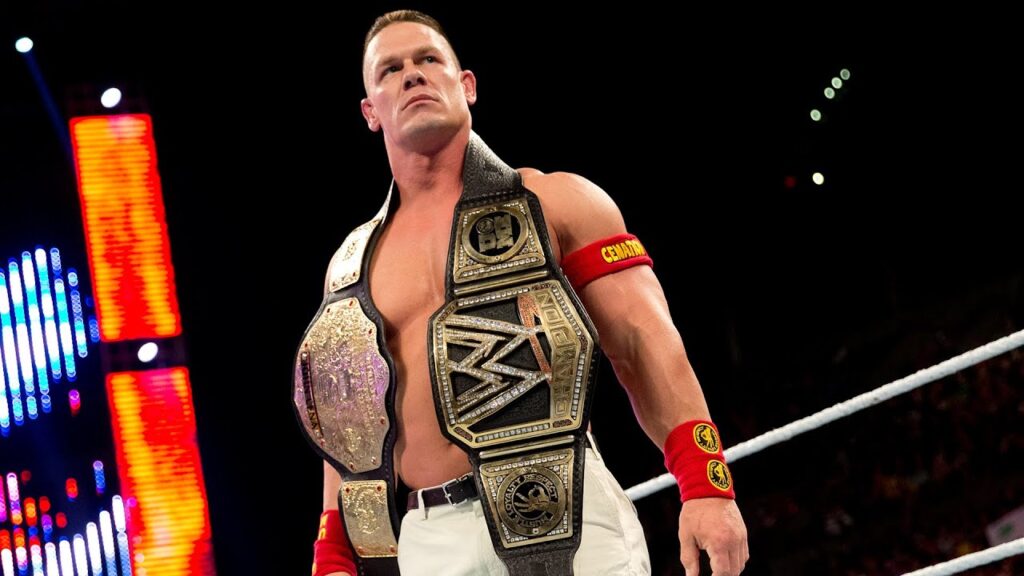
Over its lifetime, World Wrestling Entertainment has undergone many changes. Perhaps the most important occurred in 2008, when WWE changed to a PG rating. This would move away from the edgier content of the Attitude and Ruthless Aggression eras into something more family-oriented. The PG Era created a high-impact shift in the storylines, characters, and structure of WWE. This period is also the one this article will delve into in intricate detail, from how it changed the creative landscape in WWE to its influence on wrestling today. The PG-Era Background The Attitude Era and the Ruthless Aggression EraTo fully appreciate what the PG Era has meant, one would have to watch the glories of both the Attitude Era and the Ruthless Aggression Era. The Attitude Era—mostly spawning from the late 1990s into the early 2000s—was a time woefully riddled with risqué material: language, sexual innuendos, vile extreme violence, and all. These were the times for legendary storylines of fantastic, out-of-this-world characters, like Stone Cold Steve Austin, The Rock, and D-Generation X, which pushed the limits on mainstream entertainment. It was succeeded by the Ruthless Aggression Era, which kept most of that same Attitude Era intensity but dialed it down ever so slightly. It was a great time as superstars like John Cena, Brock Lesnar, and Randy Orton became new superstars who took over with the torch of the company’s aggressive and provocative style. Still, as the audience’s demographic began changing, WWE knew they had to format a more family-friendly product. Transition to the PG EraIn 2008, WWE finally made the complete switch to a PG rating. Several factors were behind the move, including broadening the audience reach, getting sponsors that pay more, and improving the impression that WWE’s name makes in corporate circles. The focus was maintaining products that were clean and safe for everybody. The era was thus termed the PG Era for WWE, and its characteristic was to eliminate most of the edginess in the product, but some of those questionable suggestions and actions that it used to take were aimed at its youth audience. Storyline Changes Family-Friendly NarrativesNotworthy of mention was one of the many noticeable shifts in the PG Era—changing angle and storyline delivery. The storylines weren’t so much about the shock factor any longer; everything focused on the old faithful standbys, such as good versus evil, surviving despite the world on your shoulders, and overcoming meaningful adversity. Such an approach was undertaken for the safety and taste display to grab the audience, children, and parents simultaneously, making WWE content very literal for all family members. Simplification and moral clarityIn this period, storylines were quite basic, where faces were the heroes and heels were the villains. Unlike the morally ambiguous Attitude Era character, the MG Era typically had heroes bound to conventions of robust ethical design and bumping up against antagonists embodying righteous villainy. That orientation made such storylines easier for more junior viewers to comprehend and associate themselves with. Reduced Violence and Controversial Content The PG Era significantly lowered the level of violence and divisiveness. Blood, which once became a common feature of most big-match spectacles, significantly decreased and was next to non-existent in standard programming. Storylines involving extreme violence, sexuality, or adult themes were phased out gradually and eventually replaced with standard, cleaner, thoroughly universally compatible angles. This shift is directly related to WWE’s increased initiative to form the product into a safer, more universally inviting product. Character Development The Rise of John CenaOne of the most significant figures during that period was John Cena. The character of John Cena best personified what this new family-friendly WWE was all about. A living and breathing superhero, many found a role model in Cena due to his “Never Give Up” mantra and clean-cut, patriotic persona. Many of his feuds were later based on respect, hard work, and integrity—monikers of the PG Era. Characters for an Even Younger AudienceThe PG Era created a variety of characters to appease its younger viewers. People like Rey Mysterio, with his fancy masks and flying style, gained children’s attention. In addition, people such as The Miz and Kofi Kingston were packaged distinctly, with unmistakable characteristics and breathtaking in-ring performers that most children loved. Female WrestlersThe PG Era also paved the way for massive changes within women’s wrestling. At this era’s onset, women were booked as just divas, an aspect initially applied to female performers who usually ended up playing secondary characters or having storylines that were shallow. With time passing, however, WWE began focusing on showing off the athleticism and talent of their female superstars. On the other hand, the Women’s Evolution gathered steam towards the end of the PG Era, when female wrestlers could headline significant events and get storylines on par with male wrestlers. The New Day and Embracing DiversityCharacters to which fans of all ages could relate, The New Day became one of the most “over” acts in the PG Era. Their gregarious personalities, affability, and entertaining promos caused them to be relatable characters. The success of The New Day showcased not only WWE but diverse characters, breaking away from stereotypes. Impact on Wrestling StyleSafer in-ring actionIn pairing the heart-pounding in-ring acrobatics with bodacious personalities, the style underwent a dilution into the PG Era to ensure player safety and family-friendly content. High-risk maneuvers and hard-core matches were ramped down; however, much more importance was put on technical wrestling and the storytelling element, presenting the matches not only as safe for the superstars’ well-being but also as accessible to a young audience. Less ViolentMuch of the violent and provocative content was toned down, while the storytelling inside the matches became more critical. Superstars were expected to take the initiative to concentrate and invest time in how their characters should develop, hence bringing emotions into the ring. With a focus now on narrative, fans are made to identify more with characters, and the general entertainment value becomes deeper. Adaptation of Signature MovesSome signature moves and finishing maneuvers were taken
WWE’s Use Of Special Effects: Enhancing The Spectacle
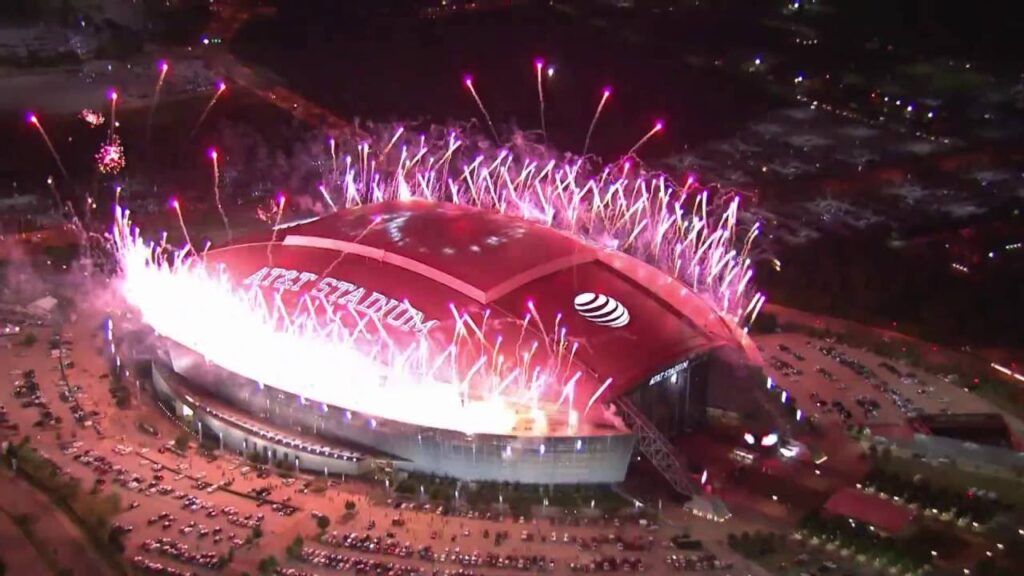
One primary reason World Wrestling Entertainment is unique is its immersive entertainment. It is not about athletic skills and acting; rather, it vastly enhances with special effects. From pyrotechnics to advanced video production, special effects are moments that will be pretty difficult to forget and leave fans worldwide with moments worth remembering. The article views the progress and impacts of special effects in WWE, elaborating on how they function to make its presentation richer, keeping audiences engaged with a greater-than-life atmosphere that resonates in every WWE event. Evolution of Special Effects in WWEEarly Use of Special Effects The use of special effects in WWE can be traced back to the 1980s under the vision of Vince McMahon, who aimed to turn professional wrestling into a global entertainment phenomenon. One of the very first and most classic examples of special effects would have to be the entrance of The Undertaker, debuting in 1990. The theater smoke, dark mood lighting, and dramatic music establish a paranormal element regarding the character—that sets him apart from all others in the delivery, which is the signature of this particular character at first impression.It was during this time that WWE’s production added pyrotechnics as one of its defining elements. The wrestlers at WrestleMania, WWE’s crowning glory, would(step out dressed like kings and queens, complete with dynamic fireworks exhibitions to incorporate a whole different level of professionalism into the ways professional wrestling presentations are done. Pyrotechnics, with other light effects, infused energy, excitement, and anticipation among viewers. The Attitude Era: Pushing the BoundariesThe late 1990s and early 2000s belong to the Attitude Era, which saw an increased use of special effects. WWE began extending the boundaries using more epileptic pyrotechnics, sophisticated lighting, and ground-breaking set designs. This era was when giant characters like Stone Cold, Steve Austin, The Rock, and D-Generation X were coming through. These were all guys with explosively heavy entrance effects that would just add even more fuel to their renegade characters. Without a doubt, one of the most memorable uses of special effects during this period was Kane’s debut in 1997. Done with dramatic flair with fire and pyro, his entrance spelled out as destructive and hellish for the character. This use of special effects took the mystique of Kane to another level. It carved out the storyline between himself and The Undertaker into something that would be forever etched in the realms of WWE history. The Modern Age: Advancements in TechnologySpecial-effects technology has come of age in this modern WWE era. High-definition video production, augmented reality, and advanced pyrotechnics are all now part and parcel of the presentation mainspring of WWE. One needs not to look too far back into the introduction of the WWE Thunderdome during the COVID-19 pandemic to get a clear example of how WWE leveraged innovative technologies to create a varied viewing experience. The Thunderdome, with its virtual fans, dynamic lighting, and AR graphics, made it possible for WWE to maintain the immersiveness despite a lack of audiences attending the event live. WrestleMania 37 in 2021 was an excellent example of how WWE keeps its nose to the grindstone toward innovation. It was an event exercising the most advanced pyrotechnics, complex designs of light-emitter systems, and augmented reality effects animating the stage. For instance, at the entry point of The Fiend, AR graphics will be seen with him morphing into different creatures, becoming a visual treat and creating an immersive experience for home-bound viewers. Improving Entrances and Personas Create Iconic EntrancesEntrances are part of the integral WWE storytelling, and special effects make most of them memorable. The mix of music, lighting, pyrotechnics, and video graphics helps build a superstar’s persona and sets the tone for the character. Other than being just events before a match, iconic entrances turned out to be like their superstars—The Undertaker, Triple H, John Cena—and remained in people’s minds through an inundated introduction. Triple H’s WrestleMania entrances genuinely are the stuff of legend, fitting for befitting rounds in the grandiose and spectacular. From motorbikes and customized vehicles to elaborate attire with pyrotechnics, Triple H has made dramatic entrances throughout his career. In addition to flexing Triple H as among the finest performers, such entries provide the feel of it all that the public awaits. Augmented Reality and Digital Effects.The merger of augmented reality and digital effects has propelled WWE’s presentation to a whole different level. AR can create virtual elements within infrastructural surroundings that make more dynamic situations for the viewers before the audience—to improve WWE visuals. This will add affluent graphics during entrances, adding props with virtual existence around the stage, nearly raising production values.A notable example of the use of AR would be in the Roman Reigns entrance, which includes the digital renderings of a sizable Roman helmet and animated visual effects assisting in his character’s remarkable trait of being known as “Tribal Chief.” These digital enhancements add depth and dimension to Reigns’ character, making his presence even more imposing and impactful. Pyrotechnics and FireworksPyrotechnics and fireworks have been part of the WWE special effects arsenal since the concept was invented. Such explosive elements are used to punctuate monumental moments, celebrate victories, or suggest that va-va-voom spectacle. More than anything else, WrestleMania has a proud history of big pyro displays—some of which help establish the reputation of this event as the “Grandest Stage of Them All.”. They have also been used in superstars’ entrances, like Goldberg and Edge. Goldberg goes with his sparks during his entrance into the ring, and Edge’s return at the 2020 Royal Rumble was a high drama, as it tasted localization with a massive pyro display to heighten the emotion of his return. Moments like that would show just how much pyrotechnics can add to the action and drama of WWE. Special Effects in Matches and Storylines Enhancing In-Ring ActionThe special effects don’t only spurn on entrances; they make their way into the in-ring action and storytelling, too. WWE has done many of these to accentuate moments,
The Road To WrestleMania: How WWE Builds Its Biggest Event Of The Year

WrestleMania is the most illustrious sports entertainment event; every WWE superstar covets leading event status at WrestleMania. For nearly four decades, from its roots as a significant risk, it has developed into WWE’s flagship extravaganza. That sort of spectacle isn’t built in a day, though; it necessitates the kind of careful, meticulous planning its makers layout and months of elaborate storyline building to bring about the grandiose spectacle millions upon millions of fans worldwide have come to adore. It examines the complex and very multifaceted journey the WWE takes every year in building its most giant spectacle: the Road to WrestleMania. The Birth of WrestleMania The Vision of Vince McMahonThe concept for WrestleMania belonged to none other than WWE Chairman Vince McMahon, who wanted to run an event whereby the status and credibility of wrestling would take a quantum leap from the world of sports entertainment straight into the very fabric of popular culture. He wanted to put together an extravaganza of an activity—a crossover enterprise—run by the success of major sporting events, like the Super Bowl, with the essence of Hollywood’s razzle-dazzle. The first WrestleMania, held on March 31, 1985, at Madison Square Garden, was a gamble that paid off very well. With celebrities like Muhammad Ali, Cyndi Lauper, and Mr. T, it was a huge success and paved the way for WrestleMania to become an annual mega-event. The Evolution of WrestleManiaOver time, WrestleMania expanded from being a one-day event into a week-long festivity complete with wrestling and entertainment. Be sure to plan each new edition by topping the previous editions in every possible way: size, level of production, and star power. It has happened in some of the largest stadiums in the world, with record attendance and additional millions of viewers tuning in from around the world. Men’s Royal Rumble Significance of The Royal RumbleOne of the most eagerly awaited events in WWE, the Royal Rumble signifies the official Road to WrestleMania. The Royal Rumble is held yearly in January and features a 30-man over-the-top-rope battle royal where the winner gets a slated title match at WrestleMania. This stipulation radically adds importance to the game since a win would translate into the booking of a ticket to the main-eventing WrestleMania. Plot Twists Through the Royal RumbleThe Royal Rumble match has evolved to become a significant storytelling tool for WWE. It is not just about contending for the No. 1 spot for the championship; several other storylines are placed into motion because most of the feuds are settled in WrestleMania. Ad hoc alliances, surprise entrants, and dramatic eliminations are all part of the theatrics to give this narrative that elusive element of surprise. Now that all platforms are set, Royal Rumble has been the place to start telling the complicated stories it will be telling over the next couple of months until WrestleMania takes place. Key Events on the Road to WrestleManiaElimination Chamber: The High Stakes, High Energy Story.The second salient event on the Road to WrestleMania, the Elimination Chamber, always happens after the Royal Rumble. The crucial—a very physical match—involves six-member superstars entering inside that massive steel structure to wage war against one another. Frequently, it pits people against each other over the top prize, while at different times, it resolves ongoing feuds. That so much more makes the road to WrestleMania fascinating and full of anticipation. FastlaneOver the last few years, WWE has added, as its previous pay-per-view on the road to WrestleMania, Fastlane. Fastlane exists with the sole purpose of acting as a last significant opportunity for storylines to shape and for things that haven’t yet gone to plan to fall into order going into the grand stage. Inserting another opportunity into the suppleness that rests within deciding and finalizing changes to the final card in the lead-up gives WWE another chance to further storyline momentum heading into the biggest show of the year. Building the WrestleMania CardMore often, the WWE Championship or Universal Championship headlines WrestleMania. Many critical months-long storylines were based on the peak event from the Royal Rumble winners or leading core contenders. WWE takes storylines in the run-up to their main event seriously enough to warrant juice, with heated rivalries, personal grudges, and dramatic twists. Marquee Matches and Celebrity InvolvementIn addition to these wrestling matches for the championships, WrestleMania always presents other high-profile matches, typically with legends or returning superstars or those engaged in notable feuds on the card. These matches are intentionally made to get attention from the mainstream and draw much hype for the event. In many cases, WWE will use celebrities from the worlds of sports, music, and entertainment to lend the star power and create crossover appeal to WrestleMania. Establishing Mid-Card and Undercard MatchesAs much focus as the main event and the marquee matches get, every WrestleMania card has several mid-card and undercard matches, rounding out the viewing and the storytelling of the event. These matches allow emerging superstars and proven veterans to savor every aspect of their parts in the spotlight. Like the WWE performances here, storylines have been meticulously developed so that every match on this card has a real meaning. The Role of Weekly TelevisionMonday Night Raw and Friday Night SmackDownMonday Night Raw is held every Monday, and Friday Night SmackDown is gearing everybody up for WrestleMania. These will be the television events where WWE will continue building storylines, rivalries, and anticipation for what might happen at WrestleMania. Significant moments, promos, and matches are all planned out to make sure that the audience on that roller coaster doesn’t get off at all until WrestleMania. Promos and Backstage SegNot only are the promos and in-ring segments the most substantial things for WWE storytelling, but Superstars also continue to promote how passionate they are headed into their match, portraying their motivations and continuing to raise the heat on the rivalry leading up to WrestleMania. These segments are attributed to how good a wrestler can be done on the mic and help make an emotional attachment with