
WWE’s Approach to Diversity and Inclusion
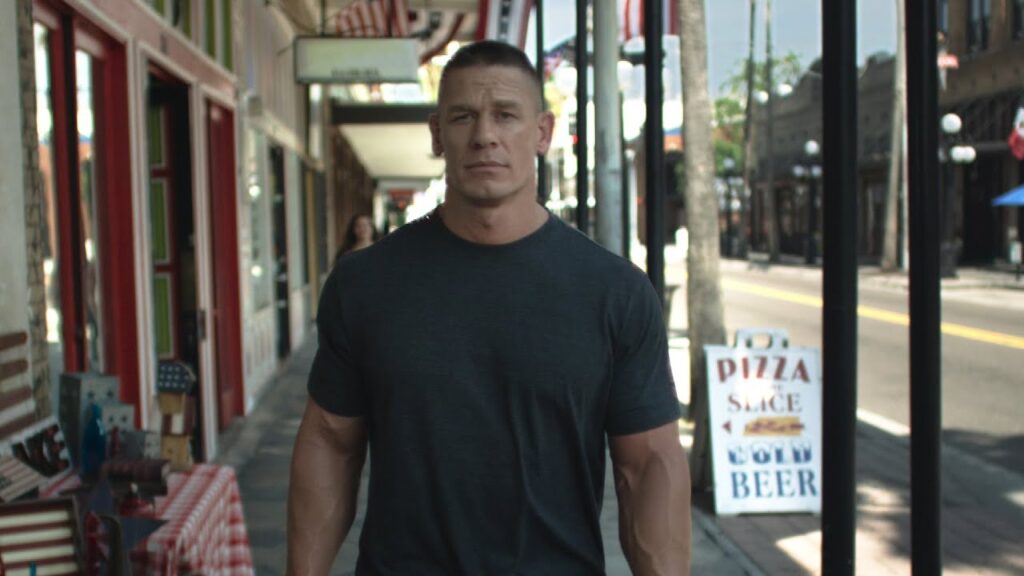
Diversity and inclusion in the modern entertainment world are some of the most instrumental vectors; World Wrestling Entertainment is no exception. Being a global leader in sports entertainment, WWE understands the need to embrace diversity in all its diverse forms toward enhancing inclusiveness among its talent and audience. This all-encompassing strategy touches on talent representation, storytelling, community engagement, and corporate practices. The paper will mainly illustrate how WWE, following a multi-pronged strategy, managed transformation to promote diversity and inclusion within the organization, impacting organizational culture and the global fan base. Embracing diversity in the representation of talentIts star roster reflects the commitment to diversity, as it features people from all kinds of cultural, ethnic, and demographic backgrounds. This way, fans are guaranteed not only enriched personalities in WWE storytelling but also seeing representatives in the ring. Representation Across Gender and EthnicityWWE has conspicuously strived to close down the gap of gender inequality regarding their pool of talents. The next turn of events was Women’s Evolution in the WWE, where female superstars rose to leading event status, headlining most pay-per-view events on cards such as WrestleMania and Royal Rumble. Present-day female icons like Becky Lynch, Charlotte Flair, and Sasha Banks have broken geographical boundaries and have now become role models for people across the world. Notwithstanding, not only their spectacular athleticism but, more importantly, their charisma which makes the crowd adore and go wild for them up to now. These women have not only found professional success but have inspired innovation and fan participation in the process.The other area in which WWE performed quite nicely was ethnic diversity. Superstars like Kofi Kingston, who became the first African-born WWE Champion at WrestleMania 35, and Bianca Belair, winner of the SmackDown Women’s Championship at WrestleMania 37, are examples of what is expected from talent coming out of the company. Then there are international stars such as Shinsuke Nakamura, hailing from Japan, and Jinder Mahal, from India, showcasing how WWE is committed to embracing cultural diversity and being more connected to an increasingly global audience. More LGBTQ+ representationWWE has also taken giant steps towards LGBTQ+ visibility and inclusivity. WWE superstars like Darren Young and Sonya Deville have come out as LGBTQ+ individuals, giving more people in this space hope of increased acceptance and visibility. Sonya Deville, in particular, has been quite vocal about LGBTQ+ rights and visibility, and through the platform given to her, she does her bit to advocate for more awareness and inclusivity. Besides contributing to on-screen representation, WWE has also been collaborating with homophobic organizations, for example, GLAAD, to extend its support for LGBTQ causes and to further the cause of a positive media representation of LGBTQ members participating in sports entertainment. This complements the representation efforts with shows WWE’s efforts at combating hatred by making the environment friendly and responsive to all times of fans and entertainers. Storytelling and Programming toward InclusionThe aspect of storytelling is where WWE can flex its muscle in terms of diversity and inclusion. Therefore, WWE has the power of stories not only to discuss social issues, represent the cultural heritage of different nations, and outline various experiences of wide-ranging superstars. Diverse plot lines and charactersOne of WWE’s biggest strengths is in creating storylines that are engaging yet reflect a portion of the diverse experiences their superstars have had, which translates into underdog triumphs and personal redemption arcs, universal themes across borders. With diverse characters, WWE can meaningfully delve into social issues and cultural themes. For instance, the storyline of Mustafa Ali, a Pakistani-American superstar, told of resilience and battling against racism. The chase of Ali from the first moment he entered WWE is a relentless pursuit to fight ways that label him and people of his culture. In fact, to many, Kofi Kingston’s run to WWE Champion was personal: the breaking of a racial bar inside a business that white people have traditionally dominated. Cultural Sensitivity and RepresentationThe Company’s commitment to cultural sensitivity will be evident in its international events and programming that reflect the heritage of its global fan base. This will include specialized initiatives in programming, such as the annual Tribute to the Troops still honoring military personnel and their families, and international tours to allow fans to experience WWE’s entertainment brand in their community. Besides such activities, WWE is trying to seriously try to handle even its international superstars with authenticity and respect. Embracing cultural diversity while wishing to be the platform that brings cross-cultural insight, WWE is one way or another, the place of unity for sports entertainment lovers globally. Community Engagement and Social ResponsibilityOut of the ring, WWE has a platform that advances social responsibility and engaging with communities at a global level. Through different company initiatives and partnerships, WWE is involved within society in a way that promotes the inclusiveness of and empowers the community it serves. Be a STAR (Show Tolerance And Respect)Be a STAR is a WWE initiative to fight against bullying, serving with respect and inclusivity in schools and communities. Through education and outreach, WWE superstars teach tolerance and empathy for young people; Be a STAR empowers students to stand up and create a climate where being friendly and inclusive to one another is the norm without fearing being bullied.Since its inception, Be a STAR has reached hundreds of thousands of students across the United States and globally, providing them with the information and tools to combat bullying and promote inclusion. WWE harnesses the power of its superstars to ensure that its excellent work drives meaningful change as it grows deep roots in the lives of youths. Charitable Partnerships and Strategic Global ImpactWWE has partnered with a number of charitable outlets to support programs that help people and promote inclusiveness. This includes the Make-A-Wish Foundation, which fulfills wishes by children who have life-threatening diseases. WWE superstars often take part in the different events organized by Make-A-Wish to create memorable experiences for these children and their families. Apart from the Make-A-Wish foundation, WWE also works in
The Role of Fan Engagement in WWE’s Success
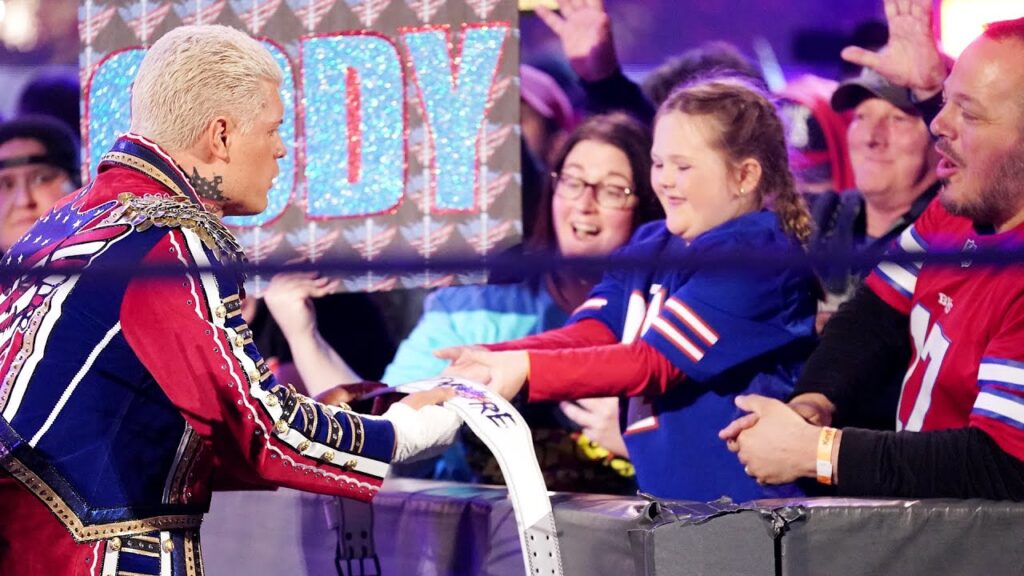
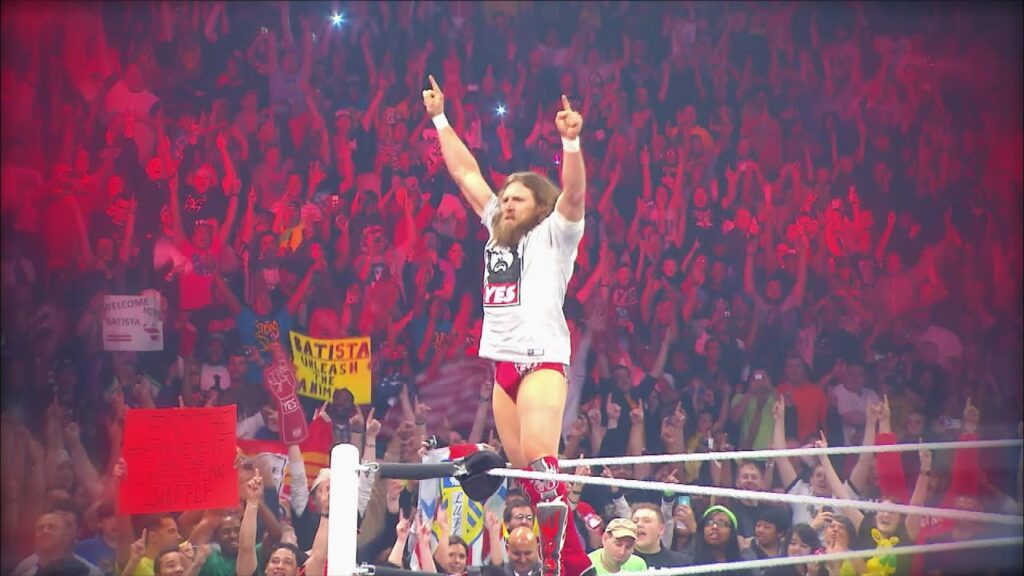
World Wrestling Entertainment is the leading sports entertainment company in the world, engaging audiences from around the world with an unmatched mixture of athleticism, drama, and larger-than-life characters. WWE’s primary sustainable competitive advantage is the engagement of fans. This article investigates the diverse strategies and technologies employed to engage audiences for WWE and how these diversified and evolved to get the company to stand out in this entertainment genre. The Fan Engagement Evolution in the WWEFan engagement has been an integral part of WWE’s strategy since its inception, evolving with technological changes and shifts in media consumption habits.Early Days: Live Shows and Merchandise WWE fully engaged their fans through live events and merchandise early on. Their events were not just wrestling but immersing people in meeting and greeting their favorite superstars. Therefore, the fans could feel the real action, pulse the crowd’s vibes, and relate to the performers in a very personal way.Even merchandise played a significant role in involving the fans. Selling merchandise that ranged from action figures, clothing, and posters in large numbers sustained the fever for them.Fans could show off, express their support for a Single wrestler they associated with, and develop an even closer emotional bond with the brand. Television and Pay-Per-View EraThe strategy of engaging WWE fans underwent an overhaul with the introduction of television. The introduction of weekly shows, “Monday Night Raw” and “SmackDown,” shifted the ground on which the excitement at the stadium rested to millions of living rooms globally. These were not just recordings showing action-packed fighting matches but storyline drama, which gave the audience a constant platform on which to watch the progression of their favorite wrestler. Pay-per-view events increased fans’ engagement to even higher levels by offering unique access to mega matches and events. Those kinds of spectacles made WrestleMania an event where people from across the globe would be drawn, thereby ensuring both anticipation and thrill among the audiences. Digital Age: Social Media and WWE NetworkIt marked the new epoch of fan engagement by the WWE in the digital revolution. Its social media platform comprises Twitter, Facebook, Instagram, and YouTube. All this gave WWE powerful new ways to talk directly to fans. Superstars could engage in real-time and share behind-the-scenes moments, opportunities to promote their matches coming up, and respond to fan inquiries and feedback. It was in 2014 when WWE launched WWE Network, a groundbreaking streaming service that would change how a fan communes with WWE content. There were vast repositories of previous matches and original series with WWE Network, but it streamed PPVs live. The direct-to-consumer business model allowed interested fans to view WWE content at their convenience from anywhere, thus serving their increased engagement with and viewing experience of WWE content. Social Media and Live InteractionSocial media has revolutionized the engagement of WWE with their fans, where the ability for real-time engagement and the forming of community structures shows an upward trend.Direct Interaction with the Superstars Social media allows WWE superstars to engage with their fans one-to-one. Through platforms such as Twitter and Instagram, wrestlers can share what’s on their minds by posting status updates, asking fans questions in real-time through Q&As, giving behind-the-scenes access, and hosting interactive polls. The superstars are actually humanized on this more direct kind of level. Superstars use social media to hype their next match, storyline, or merchandise to create excitement and anticipation in their followers. A solid presence in social media by WWE superstars makes a reasonable regard for their fans, thereby reinventing loyalty and support. Fan feedback and interactionSocial media has played a significant role in helping WWE feel fans’ pulse and listen to their voices. Ideas that wrestling fans put across regarding matches, storylines, and different superstars in the industry carry significant weight. This impacts WWE’s approaches to writing the shows. Such a real-time feedback mechanism allows programming at WWE to be changed should there be such significant demand from the fans, ensuring content relevancy and interest. One good example is how Daniel Bryan built the “Yes Movement” around him: a purely organic fan connection that WWE continued to embrace, implement as a storyline, and eventually actually permit to win at WrestleMania 30. This naturalistic relationship between fans and superstars enhances the emotional investment in WWE’s storytelling; it comes off as consequential and actual. Content Promotion and EngagementWWE uses social media platforms to promote its content: it connects with and relates to fans using diversified multimedia. On websites like YouTube, there are snippets of the matches, exclusive interviews, and behind-the-scenes footage for a more in-depth view of the lives and careers of their favorite wrestlers. Live-tweeting for such televised events and pay-per-views increases fan involvement and creates a sense of community. WWE encourages fan participation through hashtags and interactive polling that stimulate engagement and discussion around the viewing experience. WWE has essentially made viewing experiences shared events through participation and dialogue among the fans induced by interaction. A razor-sharp focus and facility with social media platforms allow WWE to accentuate its voice by maximum reach across global audiences. The WWE Universe: Creating CommunityWWE is firmly based on community building, loyalty, and longevity anchored with the fans. Fan experienceThe term “WWE Universe” refers to nothing more than fans who share an enthusiasm for sports entertainment around the world. WWE actively participates in nearly every activity generating and nurturing such a community, which includes fan clubs, interactive events, and original content. These activities allow fans to share and connect with their passion for WWE. Events and Experiences Fan-OrientedWWE organizes numerous fan events all over the year, involving the fans in the WWE universe, getting the opportunity to meet their favorite superstars and fellow fans. From some significant events such as WrestleMania Axxess to WWE Live Tours, Meet and Greets with autograph chances, and special photo-op activities, there are several fan experiences WWE offers. Among the other fan experiences includes Cena Week; one opportunity came with another, and PTSD took over. These events remain etched in the minds of fans,
How WWE Tackles Real-Life Issues in Storylines

For decades, World Wrestling Entertainment (WWE) has been a strongman in sports entertainment, the company always manages to win public attention with its mix of passion and theater for an athletic spectacle. One factor that allows WWE to remain unique is its flair for including real issues in storyline writing in a manner that touches fans on both personal and emotional grounds. This article is about WWE turning real-life issues into storylines, the audience, the challenges, and the controversies that rise out of that in interchanging reality with scripted drama. Role of Storytelling in WWEOne of the key elements that make WWE super popular is its storytelling. Unlike all other sports events, WWE combines athletic contests with elaborate storylines, character development, and staged dramatic combat. The wrestlers, or Superstars, embody larger-than-life characters embedded in long, unbroken beefs, alliances, and paths of personal reflection, all carried out over months, weeks, and sometimes even years. These stories are specifically designed for the viewers to generate high levels of emotional reaction so they are continually interested in the unfolding of the character arc. WWE is best known for creating storylines that revolve around mythology, comic books, and soap operas. The creative team, headed by Vince McMahon, is in the relentless process of constructing and refining ongoing storylines that are presented in such a manner as to incorporate within them the most current trends, critical social issues, and widespread interests of the fans. This makes it a dynamic powerhouse that is continually entertaining and connected, given the varied and ever-changing audience. Using Real World IssuesWhy does WWE blend real-life issues into some of its stories? Realism. That is why. The stories become relatable; thus, the wrestler and his struggle become more believable. That also guides WWE in a position to use the ring as one place for decisions dealing with serious social and cultural issues that will be raised, creating awareness and discussions in people’s minds. Furthermore, it paints attractive television that can generate media buzz and ratings.Examples of Real Life Issues: WWE Storyline Mental Health and Addictions WWE has brought about awareness by highlighting mental health and addiction issues through numerous storylines. One such case is that of Jeff Hardy, who credits himself for being used publicly during his long career on the subject of substance abuse. WWE has also integrated Hardy’s struggles into his character’s storyline, giving the push of Jeff Hardy’s arc for redemption and striving for sobriety. This plot, besides showing the adversities faced by people who struggle with dependence, is more than ever about support and determination.There was the one with Shawn Michaels in the late ’90s, who experienced his difficulties with substance abuse and personal demons. World Wrestling Entertainment noticed the real-life issues Michaels was facing. It included it in the character and storyline, one of the best redemption arcs as he returned to the company in 2002, conquered the addiction, and found faith. This storyline resonated with many fans and illustrated the potential to overcome adversity with resilience and personal growth. For instance, there have been multiple storylines on WWE wrestlers being embattled characters facing mental illnesses, such as the obsessive-compulsive mayor, who is struggling to keep everything working in order, and even the storyline of Daniel Bryan, who, after his injury and later involuntary retirement, still struggled with a bruised mental state leading to depression. Finally, after much anticipation, when the doctors finally decided to allow Bryan back into the ring, the moment was considered empowering for both mental health issues and everything mentally related. Bullying and Anti-Bullying CampaignBullying is one of the major issues in society, and WWE has taken the initiative to speak about it in its storylines and promoted campaigns. In association with other organizations, the “Be a STAR” anti-bullying campaign was run to activate an effort to end bullying. WWE assimilates anti-bullying motifs in its programs; for example, storylines of wrestlers standing against bullies and arranging punishments for good behaviors. A strong example lies within John Cena’s warfare with The Nexus, a team of rogue rookies controlled by their leader, Wade Barrett. The Nexus had taken an early foothold through outright bullying of the senior Superstars and generally causing mayhem within WWE programming. Ultimately, John Cena proved to be the winner in this feud with The Nexus – in the metaphorical sense – of the war against bullying which further raised the spirit that bravery and morality could conquer over the provocations and ruthlessness of bullying. WWE has also depicted storylines where its female Superstars overcome bullying. The angle with Alexa Bliss and Nia Jax shows body-shaming and bullying, where Bliss has constantly taunted the constant bullying of Jax on her looks. Therefore, the storyline overcomes the bullies and comes out with a winning message of self-acceptance and resilience. Health Issues and AwarenessWWE is also a soft power platform on which the company can address several somatic and psychic health problems. Especially in the case of the wrestler Roman Reigns and his leukemia fight, the software made significant broadcasting. He declared live on the WWE show in October 2018 his leave of absence to combat the disease and his battle against it to the world. The WWE storyline featured the battle Reigns had with his health, allowing his fans to witness the journey and recovery of recovery. Reigns’ return to WWE in February 2019 elicited truly overwhelming support from his fans. His storyline became a testament to the strength and resilience of one facing severe health complications, not only increasing awareness of leukemia but inspiring thousands and thousands of viewers who would be going through the same ordeal. Other health matters WWE has helped to put into consideration from its script are the facts about early breast cancer diagnosis and treatment. The level of viewership WWE enjoys during Breast Cancer Awareness Month has been utilized in popularizing the annual “Susan G. Komen for the Cure” partnership and the “Rise Above Cancer” campaign. Superstars exchanging their typical wardrobe for pink attire and
The Evolution of WWE’s Production Techniques: From Pyro to 3D Graphics
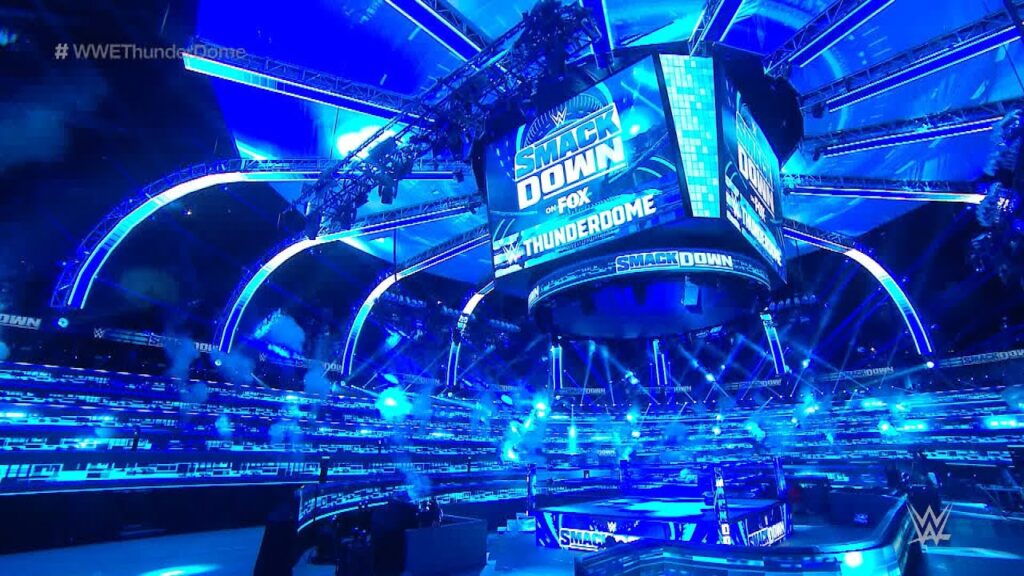
World Wrestling Entertainment, popularly known as WWE, is at the cutting edge of popular entertainment. It has always managed to keep millions worldwide hooked with the perfect blend of athleticism, drama, and spectacle. Part of WWE’s slickness has been their production values, which have been continually and consistently ramped up so much over the years. From simple pyrotechnics in the early days to more complex 3D graphics and augmented reality used today, WWE production capabilities have kept pushing the envelope: enhancing viewer experience and setting new standards in live entertainment. This paper discusses the advances in WWE production techniques since then and offers a review of significant benchmarks and technological advancements that have framed the presentation style of the company. Early Days: Special Effects and Simple PyrotechnicsWith WWE in previous World Wrestling Federation days, production techniques were relatively simple compared to the levels these days. There were the basic in-ring actions; otherwise, visual effects were not that intricate. However, even in these early stages of wrestling, WWE understood the importance of creating a spectacle that would captivate audiences. PyrotechnicsThe most visible investment and significant improvements in the WWE production business were found in the introduction of pyrotechnics. Pyro was the way WWE events became more intense and more extensive. Superstars of the WWE used to come in with a bang in the form of fireworks, which made it so dramatic and unforgettable for the onlookers. Key moments were usually shown with pyrotechnics: a championship won, or some crucial point in the storyline. Pyro was spectacular not only for the visual effects but also contributed to the overall setting of any particular performance arena. The sound of explosions echoing in venues would spark up the energy and enthusiasm experienced during live events, making it all easy and breathable for fans to get an exceptional experience in local venues. Lighting and SoundIn tandem with the pyrotechnics, the WWE has experimented with dynamic lighting and sound effects that elevate the entire show. Spotlighting is sometimes brought in to help the audience focus on specific entrances and even particular high points of the matches. The environment was made very dynamic and visually compelling using colored lighting and smoke effects. Sound effects were a significant contribution in following the WWE events drama. When a wrestler’s entry starts, punctuated by an opening theme, music and pyrotechnics synchronized with the beat of the music, nothing could be more exciting or could build up anticipation quite like the effect of all those elements. These would be integrals, the integrals that the early production techniques served in building WWE with all possible innovations towards delivering an absorbing and involving viewer experience. The 1990s: Technological Improvements and the Monday Night Wars The 1990s, a time of massive technological improvement for the WWE, were alluded to also as the “Monday Night Wars.” With exceptional fervor and passion, WWE spent oodles of money on production enhancements with several groundbreaking innovations. Titantron and Entrance VideosOne of the most iconic advancements during this period was the creation of the Titantron—an incommensurate big video screen above the entrance ramp. The Titantron made it possible for WWE to broadcast the entrance videos for its Superstars as the level of character and presentation became crisper. These video presentations contained highlights synchronized with background graphics and animations relevant to the wrestling persona, bringing fans closer to these shows. The Titantron also played a vital storyline role, allowing WWE to use replays, promotional videos, and live segments to carry the story backstage. This innovation did not only promote WWE shows but also had a vehicle to tell the stories, thus turning out to be a vital part of the company’s production. Advanced Pyrotechnics and Special EffectsThe 1990s brought more elaborate and detailed effects that were applied to make both the entrance and the key moments of the wrestlers more dynamic. From there, WWE began to recreate the character of each wrestler specifically; for example, The Undertaker received fiery red or Kane’s fiery red explosions, which appeared in his performances. This goes a long way to enhance the creativity of the character and make their entrances even more memorable. Special effects were also made for creating different scenic or storytelling and match creations. An example was taken when an Inferno Match was ignited outside the ring, wowing spectators and presenting the ability of WWE to venture into new dimensions of how wrestling promotions are offered. 2000s: High Definition and the Digital RevolutionThe turn of the millennium took no prisoners, as the development of digital media almost single-handedly changed the backstage production techniques of the WWE. From new HD technology to the capacity of digital graphics, the visual quality of the WWE programming was essentially scaled up to levels it had never reached before. In contrast, new elements helped increase the audience experience even further. High-Definition BroadcastingWWE went on air in high definition back in 2008. Since then, the visual experiences offered by its shows changed for the better to bring crisp content to their passionate viewers. This has brought a new light to show the WWE events with improved video quality, watched clearly and much better than ever, enhancing the experience for the viewers. Transitioning to HD required much more profound production equipment and improvement in lighting and set design, which began to reveal a more professional image of the product. Augmented Reality and Digital GraphicIt was a marriage of graphics and special effects in WWE—a new era that attended the digital revolution and the advent of digital graphics, virtual or AR. It showed a new experience for WWE viewers with all sorts of graphics: AR elements, virtual graphics, and animations used for set decorations, entrance themes, match presentations, and promotional segments. It is, for instance, a great example: the augmented reality that went all over the WrestleMania events. It put AR to larger-than-life use to create elements like 3D animations of the logos of the wrestlers, designs of the sets, and the virtual environments that change the arena.
The Legacy of WWE’s Hardcore Division
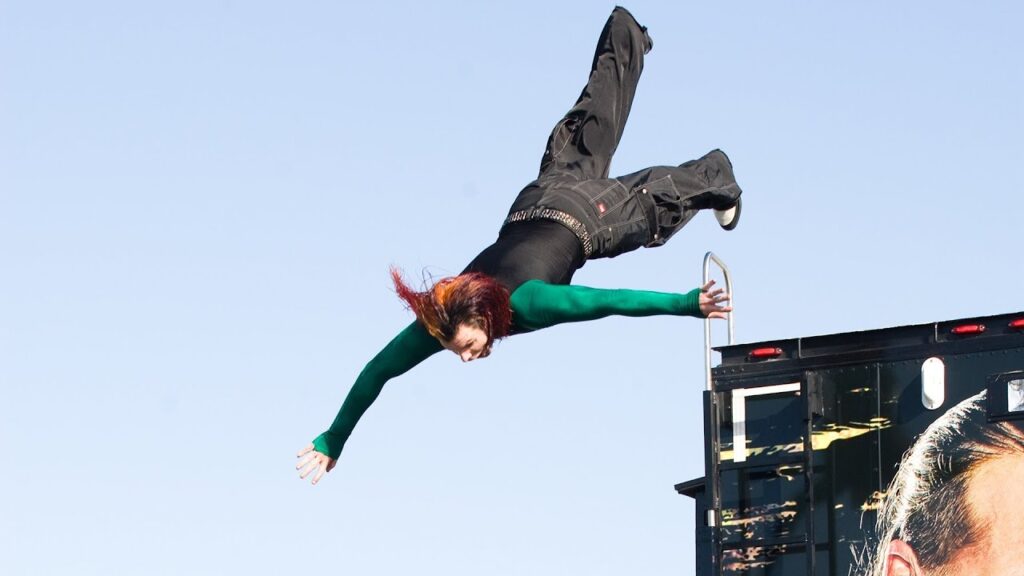
The Hardcore Division was the most extreme and exhilarating period in professional wrestling history. Conceived toward the latter part of the 1990s, with its prime during Attitude Era, the concept brought pure anarchy, innovation, and violence onto the screen of WWE programming. Its legacy is one of enthralling matches, unforgettable moments, and a lasting impact on wrestling history. This article takes a look at the origins, rise to the top, peak years, and eventual decline of WWE’s Hardcore Division, its key figures, iconic matches for this division, and its enduring influence. Origins of Hardcore Wrestling in WWEAlthough the stipulations of hardcore wrestling—the no-disqualification matches, the use of physical weapons—were nothing particularly new to WWE, it was ECW that solidified the hardcore wrestling style within the United States as early as the early 1990s. It should be expected that the raw, impassioned attitude of ECW would appeal to body Slamming fans on the lookout for something a bit edgier than what mainstream wrestling provided. As hardcore wrestling gained further popularity, WWE began increasing its extreme elements in its shows. Introduction of Hardcore ChampionshipThe official birth of WWE’s Hardcore Division can be rooted in November 2, 1998, when Mr. McMahon awarded Mankind, aka Mick Foley, the first-ever Hardcore Championship. It was given as a shattered, bruised belt to reflect the violence and mayhem that would characterize this new division. With his hardcore reputation already in place and his willingness to take huge amounts of punishment, Mankind seemed to be the ideal person to kick off a brand-new chapter in WWE history. Early Days and EstablishmentIn the name of good old-fashioned entertainment, the Hardcore Division broke out with a streak of fierce and unpredictable matches that were just pushing the boundaries for what was acceptable in popular wrestling. Humanity, Big Boss Man, Al Snow—the wrestlers involved became significant players in this division and started to engage in wild brawls that mainly spilled out of the ring into the backstage area.Soon, the Hardcore Championship became a most sought-after title with its special 24/7 rule that gave it that extra impetus, threatening yet exhilarating. The 24/7 Rule: A Game-ChangerWhat set this WWE Hardcore Division apart was the innovation of its 24/7 rule. It laid down that a Hardcore Championship would be defendable at duty hours and any other place on earth, so long as there was a referee present. The stipulation created by Crash Holly in February 2000 further reinforces the division because this specification tied everything together for a highly unforgettable and unpredictable fight in WWE history. Memorable 24/7 Title ChangesThis 24/7 rule in the most unorthodox of locales, which resulted in so many impromptu title changes, spelled chaos on par with airports and hotels to even children’s playgrounds. ApPEARances in such chaotic title defenses were galore by Crash Holly, “Houdini of Hardcore,” who kept his creative best in showing much spunk. It brought an element of spontaneity into WWE programming where no one expects a fan to know when and under what circumstances the Hardcore Championship might be contested. Impact on Storytelling and EntertainmentThe 24/7 rule also permitted more variability in storytelling within the Hardcore Division. Wrestlers who might not have received much space within the main event scene were given the opportunity to shine in these hardcore matches. The division, with its need for unpredictability and action at every turn, offered a much-needed change of pace from the often structured and storyline-laden WWE programming. Key Figures and Iconic MatchesNow, the Hardcore Division was a broad division created of talent that all contributed to its legacy. There were a few seminal figures and their several matches that were real standouts representing the best of this era in general. Mick Foley: The Hardcore LegendMick Foley, as Mankind, Cactus Jack, and Dude Love, was not just a lifeblood; he was the whole heart and soul of WWE’s Hardcore Division. His willingness to take mega doses of punishment and creativity in hardcore wrestling truly cemented his status as an immortal player of the game. His matches—such as the Hell in a Cell battle with The Undertaker from King of the Ring 1998 and the street fight against Triple H during Royal Rumble 2000—are a testament to the brutality and storytelling found in those bouts. Crash Holly: The Houdini of HardcoreCrash Holly’s reign as Hardcore Champion is attached to the 24/7 rule. His ingenious defenses and ability to make any background into a potential battleground made him an audience favorite. Crash’s determination for hardcore-style wrestling, with a humorous persona, propped up the division and retained its place within wrestling history. Hardcore Holly: The Hardened VeteranOne of the primary workers in this division was Hardcore Holly, who was a complex, no-nonsense, weedy type of individual. Sure enough, he became synonymous with intense brawling and had no qualms about engaging in brutal, physical matches. Holly’s work with Al Snow and Crash Holly created some great moments, proving that he meant hardcore. Raven: The Master of Mind Games.He introduced different psychology into the Hardcore Division of the WWF, and, of course, his feuds with men like Tommy Dreamer and The Sandman found relevance in ECW. Raven continued to work in psychology, but he also had some vicious measures in WWE. In his hardcore battles, detailed storytelling was quite common, together with complex character dynamics that helped add some depth to a division. Iconic Hardcore MatchesSeveral matches in the Hardcore Division put up a mark that was indelible in WWE history. Those considered the most iconic are: WrestleMania 2000 Hardcore Battle RoyalWhat transpired was a crazy match with multiple title changes that would set the tone for this unpredictable division. Hardcore Holly won the Hardcore Championship in an exhaustively exhilarating battle. Tha Hardcore Invitational at WrestleMania X-SevenYet, for one of WWE’s biggest shows of the year, this was the Hardcore Championship match with Kane walking away victorious. There were tons of hardcore spots and plenty of weaponry: what that division is all about. Raven vs. Big Show vs. Kane at
The Influence of Video Games on WWE’s Popularity
For a long time now, World Wrestling Entertainment has dominated sports entertainment by blending athleticism, drama, and oversized characters that fire the imagination of viewers. In its existence, WWE has taken many directions to reach its audience. One colossal way was through video games. Video games proved to be not only an additional revenue stream for WWE but have become one of the integral factors in effecting change in maintaining and growing its fan base. This paper attempts to determine the effect of video games on the popularity of WWE by discussing the evolution of video games, their impact on fan engagement, and digital versus real-world wrestling universe synergy. The Early Days: WWE’s First Foray into Video Games. Beginnings in the 1980sThe history of WWE associating itself with video games dates way back to the late 1980s—when the gaming industry was growing at an instant pace. “MicroLeague Wrestling,” the first video game to ever carry an official WWE theme, was released in 1987 for the then-popular Commodore 64 and DOS systems. Unlike today’s wrestle action games, “MicroLeague Wrestling” was turn-based, suggesting how far-from-adequate technology during that time was. Simple as it was, this indeed introduced WWE into the digital world. Transition to Home ConsolesThe 1990s belonged to the WWE, or WWF at the time, seeking to flex its muscles in the video game arena. Throughout the decade, it released various titles for home consoles like the Nintendo Entertainment System—better known as the NES—Sega Genesis and the legendary Super Nintendo Entertainment System, SNES. Digital versions of these beloved superstars Bulldozed their way into fans’ hearts through titles such as “WWF WrestleMania: Steel Cage Challenge” and “WWF Royal Rumble,” promoting a different way to experience WWE-style action. The Attitude Era Emergence of Iconic TitlesThe late 1990s and early 2000s were big times of change for WWE and video games. It was during the Attitude Era that some of WWE’s most famous games were released: “WWF No Mercy” in 2000 for the Nintendo 64 and “WWF SmackDown!” in 2000 for the PlayStation. Improved graphics, though, along with more realistic gameplay and expanded rosters, gave fans the opportunity to enjoy the putting-together of a wrestling event like they never could have before. “WWF No Mercy,” however, is actually regarded by many as one of the greatest wrestling games ever. Deep create-a-wrestler mode, plenty of match types, and deep storylines meant endless gameplay for aficionados. The game’s success made WWE’s foothold in gaming firms and helped a lot more interest in the company during the Attitude Era. Increased Fan EngagementThey also escalated fan participation through video games during this Attitude Era. Most of the time, these games are windows for a fan to become superstars, relive famous matches, and usually even create their wrestlers and storylines. This depth of interactivity allowed fans to feel a part of the WWE universe. The Evolution of WWE Video Games: From Arcadey to Realism. Shift to Realism and SimulationOver time, WWE video games have shifted their design to more true-to-life simulations as technology evolved. This shade of evolution brought about games like “WWE SmackDown! Here Comes the Pain” in 2003 and “WWE SmackDown vs. Raw” in 2004. These came with advanced graphics, accurate models of wrestlers, and better physics—nearer views that put the gamer into real wrestling. The introduction of the “WWE 2K” series in 2013 drove home realism even further. Developed by 2K Sports, these games reproduced the feel of WWE programming, with lifelike character models, realistic animations, and meticulous detailing on arenas. The “WWE 2K” series also introduced MyCareer mode, where one could guide a custom wrestler from rookie status to a WWE legend. That added depth and a level of personal investment to the gameplay. Increasing Game Modes and FeaturesModern WWE games have gone above and beyond the concept of having basic wrestling matches. Some modes are incorporated into them, which further flesh out this world: Universe, allowing the player to run WWE programming—in effect, managing shows, rivalries, and championship chases on a week-to-week basis. Logically, this is the sandbox mode that allows every fan to be in charge of their wrestling universe, similar to how WWE runs its real-world storylines. On top of that, so has the created suite evolved over the years in WWE games, from custom wrestlers and arenas to books on championships and storylines. These elements have made an online community where the fans share their work and showcase others’ content, deepening the bond further between WWE and its audience. The Effects on WWE’s Popularity Expanding the AudienceMost importantly, WWE video games have helped the company extend its reach toward its demographic. These games enabled a highly interactive and engaging platform for people to experience WWE, bringing in numerous different players—those who might not necessarily be wrestling fans. The ease of video games helps WWE target their target audience’s younger demographics by making it more approachable, drawing in new generations to the world of professional wrestling. WWE titles have heightened the fan base across the world. This popularity does not end with games alone; instead, it spreads beyond the boundaries of North America. Indeed, these “WWE 2K” video games can be found in every corner of the globe, thus connecting fans from different parts of the world in creating personal content and communicating globally. Rewarding Brand LoyaltyVideo games have helped enforce brand loyalty with the WWE. Inherently, WWE games are of a nature that gets fans even closer to the brand; in fact, they go on to play the same superstars over and over again, making custom content, engaging in online communities, and the like, all of which serve to keep them interested in WWE where the real-world product cannot be compelling at all times. Cross-Promotion and MarketingVideo games have served as a very effective tool for cross-promotion and marketing for WWE. The timing for the release dates of most WWE games aligns with significant WWE events or storylines to take advantage of that digital/real-life experience overlap. For example, every year,
WWE’s Best Matches That Never Happened: Dream Bouts Fans Wanted
WWE wrestling is more than a display of athleticism; a storyline is embedded in a fantastic, larger-than-life persona and larger-than-life-esque performances. For years, WWE has treated us all to matches that really, genuinely have defined and set the tone for their respective eras, the kind that people so fondly hold inside them. And for every game that does take place, there will always be several dream bouts that have been either lost in time or never happened at all. These are the matches that the fans play out in their minds, the ones that would have been had they taken place, to change the course of wrestling history. This article will impartially and with candor explore WWE’s best matches that never were, looking at those dream bouts fans always wished to have seen realized. The Rock vs. Shawn MichaelsThe Icons of Different Eras Among the most tantalizing dream matches in WWE history is Shawn Michaels versus The Rock. Two of the biggest, greatest superstars to ever grace the wrestling scene will define each of their respective eras. The Rock, with his unparalleled charisma and electrifying presence, became the face of the Attitude Era.Shawn Michaels, famously recognized as “The Heartbreak Kid,” was the ultimate architect of the New Generation Era, the top linchpin of the Attitude Era either by his technical brilliance or his participation as a leading event player who could steal the show. Potential for MagicThough they were both active during the late 1990s and early 2000s, The Rock and Shawn Michaels were contemporaries who never got to wrestle each other in a one-on-one contest. This match presents one hell of a money potential since so huge is the lyrical contrast between the two: take The Rock’s high-energy, crowd-popping offense versus Michaels’ technical mastery and storytelling. Fans have had that question in mind so many times: What would a collision between these two icons look like, especially on the grand stage of WrestleMania? Stone Cold Steve Austin vs. CM Punk Rebels from Every GenerationStone Cold Steve Austin and CM Punk exuded this kind of liberator attitude and related to many WWE fans. Austin would be the dispatch case, tequila-swilling anti-hero upfront of the Attitude Era, with Punk the straight-edge savior of the voiceless in the late 2000s and early 2010s. Both guys thumbed their noses at authority and managed to crank audiences with their peculiar charisma and mic work. Intro BIO 3The prospect of Austin versus Punk is mouthwatering; this about has everything going for its in-ring potential, but above all, the storyline possibilities are genuinely intriguing. Austin’s hatred for authority contrasted expertly against an anti-establishment Punk with his straight-edge lifestyle; this would have created almost a story’s worth of drama and intensity. The promos leading up to the match would be unprecedented, as both created moments in their time and are enshrined for being able to blur real life with drama.Hulk Hogan v John Cena Generational ShowdownHulk Hogan and John Cena are, of course, the two most prominent, most recognizable faces in WWE history. Hogan was the 1980s hero, a wrestler of mammoth stature, bringing wrestling into the mainstream with cartoony, larger-than-life attributes coupled with famous catchphrases. Cena was the face of WWE from mid-2005 to mid-2015, refusing to yield under any circumstance and becoming the face of hard work, bearing the company into new generations. Passing the TorchA match between Hogan and Cena would have genuinely been a generational battle. It would indeed have been something to see the ultimate torch-passing moment: from Hogan, the original megastar, to the latter-day megastar in the form of Cena. This would have been the match to main-event any WrestleMania—a spectacle that panned through the ages. The Undertaker vs. Sting Dark IconsIt is perhaps the most sorrowfully-regretted dream match that never happened: The Undertaker vs. Sting. Both are synonymous with darkness and mystique, binding an audience with their enigmatic personas. The Undertaker, with his undead gimmick and the aura of something supernatural, versus Sting, with his crow-inspired character and vigilante spirit, embodied what was truly theatrical about wrestling. A Legendary WarThis was the match that fans awaited for years, especially when it was confirmed that Sting signed for WWE in 2014. For these two legends to have faced each other, with their storied careers and deep connection with wrestling history, in the grandest stage of them all, it would have been a dream realized. The visual of Undertaker and Sting staring each other down in a WWE ring is one fans can only create in their imaginations. Bret Hart vs. Kurt Angle In Bret Hart and Kurt Angle—one technically comeback-gifted skirmishers, WWE put on. Bret Hart, known as “The Hitman,” prided himself on in-ring precision and storytelling. Angle brought an Olympic gold-medalist intensity and athleticism that few could match. Both men respect the art of wrestling and have delivered countless classic matches. Wrestling ClinicA Hart vs. Angle match was going to be about pure wrestling, awe with technical prowess, mat wrestling, and psychology in its purest sense. Often, fans argue which one is a better technical wrestler. Such a match could have shut up that argument once and for all. The possibility of in-ring chemistry and storytelling between those two could make it an instant classic—probably one of the greatest matches ever. AJ Styles vs Shawn MichaelsSuperb FightPeople call AJ Styles “The Phenomenal One,” he is compared a lot to Shawn Michaels for the similarities in their ring styles, sort of able-to-steal shows. Even in retirement, Michaels has been seen as a dream by Styles, who has not stopped bringing up his desire to get in the ring with the Heartbreak Kid whenever asked. Spectacle of the boutA Styles–Michaels match would have been something of an aerial exhibition, perhaps extremely fast. Both high-flying athletes with creativity and the ability to weave a story within the ring, most would agree that with these two stacked up, it will be nothing short of remarkable. Eddie Guerrero vs. Shawn MichaelsLatino Heat vs. The
Future Legends: WWE Superstars Destined for the Hall of Fame
Throughout the history of professional wrestling, there have been great pioneers, trailblazers, and icons who have set indelible marks in the sport. What does one now wonder about—by that, I mean the superstars of yesteryears taking their rightful place in those hallowed halls? It is through performances such as these that each of them brings to the table, so the value of a current roster filled with aspirants all wanting their piece of history declared a part of the best wrestlers ever. Let’s delve into these future legends and their legacy in the squared circle. While WWE remains innovative and on the growth path, the next breed of superstars will surely build from their past legacies, leaving a mark in the industry, and rightfully so, they call themselves Hall of Famers. From trailblazing females to dominating champions to fan favorites, these future legends represent the best of WWE. They are written as legends stable to ensure that the work in professional wrestling continues down generations.
The Impact of WWE’s Global Expansion on the Wrestling Industry
The Impact of WWE’s Global Expansion on the Wrestling Industry The targets of World Wrestling Entertainment have grown from being a regional promotion in the northeast of the United States into a global entertainment giant. It has changed the sport in the way it is marketed and consumed and has opened opportunities for various wrestlers scattered across the multidimensional globe. The paper explores how WWE has grown toward globalization and broad, far-reaching impacts related to the wrestling business. Historical Background: From Local to GlobalHowever, Vince McMahon saw WWE traveling towards being an international entity by the 1980s. During this, the body positioned itself from regional promotion to a national power with cut-throat cable television and pay-per-view events. This was allowed to stars like Hulk Hogan, who imprinted his brand on international stardom. The 1985 WrestleMania was Timer when the then WWF decided to hold its programs before a global audience for the first time. The 1990s and early 2000s had taken hold of the edgier content of the Attitude Era to take larger and even greater audiences and expand into international markets. Bought up were other small-time competitors, including the World Championship Wrestling and the Extreme Championship Wrestling, with the attitude of better business. In the middle of the 2000s, WWE was running way out in front of its ambitions as a domestic wrestling organization.WWE’s international strategy has occurred on four fronts: globalization of touring, promotion of localization, distribution, and digitalization. International Tour and EventsThus, this sets the stage for international tours, which envisages capturing the global market. The “WrestleMania Revenge Tour” and “European Tours” of that kind today are ordinary because every year, the WWE live experience is made available in Europe, Asia, Latin America, and the Middle East. This means more revenue, and WWE will leave its footmarks worldwide.Another landmark in the globalization of WWE was playing internationally using the “Greatest Royal Rumble,” held in Saudi in April 2018. The same was tied up with a 10-year partnership with the Saudi General Sports Authority, which WWE hopes will set the deepening penetration of WWE in that part of the Middle-Eastern markets.Both events have pulled out phenomenal viewers and revenues on WWE’s ability to step out and develop other markets. Making it RealIt felt needed throughout that culturally correct content, and WWE dispensed money on programming or weekends in India. WWE Superstars in Hindi came into production, which took one towards the satisfaction of ‘ the most significant international fan base. Similar initiatives were taken into other regions as well for Expo, identical to the way the WWE launched its Network in various languages. But no less important is the cooperation with local broadcasters. “Teaming with Sky Sports in the UK, Ten Sports in India and FOX Sports in Latin America in recent years, for example, to expand access to millions of households worldwide for our WWE wrestling programming and help forge an international fan base as breadth transcription for branding purposes.“ Talent Management and DevelopmentAdded to these are international plans for recruitment and talent development. The outlawed WWE’s Performance Center in Orlando, Florida, is seasoning ground for the uncharacteristically heavy traffic of men and women wrestlers from nearly everywhere with diversified backgrounds. It is on point with setting up other globally located Performance Centers as WWE does in India and the UK. WWE included Japanese Shinsuke Nakamura, Australian Rhea Ripley, and India’s own Jinder Mahal into the fray as equals here with others across the United States. The international fielding would bring in a load of locality to the rosters, making a massive reason for an upsurge in fan quantities in this day and age, for they could compete against local heroes on a world stage. Social Media and Digital PlatformsKey to the global dominance of WWE has been the boom in digital media. The launch of the WWE Network in 2014 allowed fans worldwide to browse through a gargantuan vault of wrestling content. At last, WWE’s digital streaming apparatus penetrated all sections of the world, focusing on markets where conventional cable TV isn’t widespread enough.WWE also goes ahead with its international presence through YouTube, Twitter, and Instagram. Tens of millions of subscribers tune in to watch highlights, interviews, and exclusive content of liking them in the time zones of such disparity of this type of content. Social media helps WWE establish how the fans live their always-on lifestyle daily and will eventually be turned into a world wrestling community. Effect on the Wrestling industryGlobal expansion of WWE brings critical effects upon the wrestling industry, which in turn shapes the results at any one time in this very dynamic sport and course of action for wrestling organizations worldwide. More of a Global Presence“It pretty much is,” he continues, “the growth of WWE in wrestling is in the international mainstream where there’s exposure and legitimacy in seemingly all facets of sports entertainment. Now, it pretty much widened at a net effect not only to the portrait of WWE proper but conceivably all other wrestling promotions as new fans take a look at the various kinds happening forth.” Accesses for WrestlersWWE has expanded wrestling globally to an extent that no one would ever have dreamt of. This is what would be confined to regional promotions; all of that will now take them into world-class levels of competition. Even then, the focus on international talents by WWE has exposed the world to certain stars who would arguably never have found those opportunities in the past. Wrestling StylesThe other result of WWE’s international recruitment is to get a mix of different styles of wrestling, really pigging back on making their in-ring product something far more enhancing. Through recruitment diversification, other regions of the world create diversities and colors by homing several types of wrestlers with many styles, various techniques, and traditions that greatly appreciate the fighting style of wrestling. This landed the fact on how this mix of styles impacted other promotions to take on a further global approach unto their
Fan Favorites: WWE’s Most Beloved Superstars of All Time
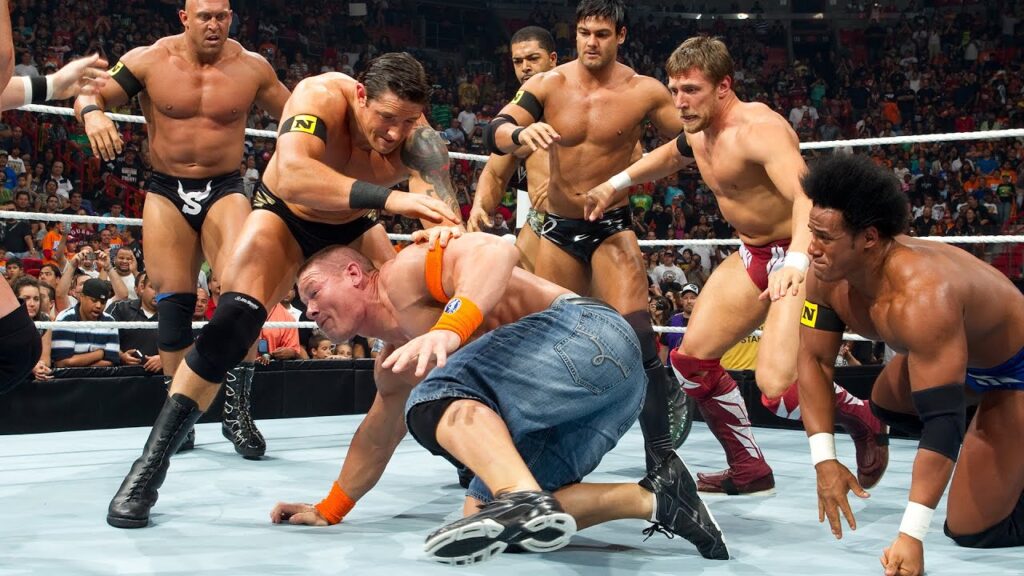
WWE has a massive history entangled with larger-than-life characters and captivating performers who most certainly have imprinted themselves in the professional wrestling world. The squared circles of the business, however, witnessed some superstars that not only dominated this platform but also won hearts and minds by becoming a part of the fans’ generations through. Not naming, in this article, the most loved superstars of all time by the company’s supporters, what they meant by their business making or just their unalienable charisma. Hulk HoganFew names encapsulate the spirit of WWE more powerfully than Hulk Hogan. May the early 1980s witnessed the instance of this wrestler bursting forth onto the scene with an attitude that brought him to be the face of the franchise. And really, who can not dig this charismatic, ‘larger-than-life’ persona, with his very easily recognized catchphrase, “Whatcha gonna do when the Hulkamania runs wild on you?” liked by millions. It was the classic nemesis bouts for Hogan against André the Giant, Randy Savage, and The Ultimate Warrior that helped escalate wrestling over the top and made World Wrestling Entertainment the mainstream cult sensation it is today. Such is the appeal and potency that Hogan seems to summon in touching the fans in perhaps the most peculiar way. He defined to the vast audience what heroism and perseverance meant, and his influence spread beyond the ring in helping make WrestleMania a hit and ushering a new generation inside WWE. The UndertakerOne of the most well-loved characters of WWE is that of The Undertaker, having an eerie presence and is so highly supernatural in persona. The first legendary version to appear was The Undertaker, debuting in Survivor Series 1990. A unique and imposing figure, The Undertaker, otherwise Mark Calaway, stormingly announced his welcome to CWF/WWE through his long-running undefeated streak until his retirement day at its flagship event, WrestleMania.The name The Undertaker works so well because, first and foremost, the character attached to it is one whose constant appeal has captivated fans. They have seen so many versions of him—from the Deadman to the American Badass—that at each transformation, one can feel the apt import attached to it. Matches he has taken part in—particularly in pay-per-views like WrestleMania—are usually the highlight and show his capability to tell a story just through performance. “Stone Cold” Steve Austin“Stone Cold” Steve Austin shone a revolution within the WWE toward the end of the late ’90s, personifying surliness and unruliness as an anti-hero. Career-wise, Austin was a poster boy for the Attitude Era in WWE. It was a time of racy and rowdy content: off-color storylines, and pushing the envelope was not stranger to fans. The feud with WWE Chairman Vince McMahon, one of the most theatrically solid characters in wrestling history, lies within the classic working-man hero versus tyrannical boss struggle. Austin was so famous because of his handy factor in conveying what ordinary fans were thinking and feeling. That no-nonsense, beer-swilling anti-hero fell right into the heart of the everyman. Austin’s catchy “Austin 3.16” and “That’s the bottom line; ’cause Stone Cold said so” were very quotable and catchy, cementing themselves in the everyday public’s lexicon. His performances inside a wrestling ring always put the wacky matching high and stirring. The RockEquipped with a great deal of charisma and the ability to wrestle in any of the capacities, Dwayne “The Rock” Johnson has evolved as one of the heartthrobs of WWE’s most loyal superfans and a global powerhouse of entertainment. How did a third-generation wrestler grow into this stature? As Rocky Maivia, The Rock’s first character, he got mixed reviews, but he changed with time into the brash, confident, and electrifying THE ROCK. One part that made people so endearing toward him is that The Rock could entertain literally on both the mic and in the ring. His catchphrases included legends like “Can you smell what The Rock is cooking?” and “It doesn’t matter what you think!” Some of the greatest-ever matches in the history of WWE include The Rock squaring off against Steve Austin, Triple H, and many more. And now, this crossover success in Hollywood has only added to his popularity, making him an internationally recognized household name. John CenaJohn Cena, the so-called “Face of WWE,” never lets anyone forget that work, leadership, and natural “keeping it real” relationship he has with the WWE Universe—now over 12 years. He came at the turn of the century with his persona, the “Doctor of Thuganomics,” which quickly turned much better coming into the desperate WWE: to the heroically positive force of “Never Give Up” cult fame.What makes Cena very much popular all over the world is pretty much the ways by which he relates to his cheering fans. From quotable one-liners like the typical “never give up” messages or “you can’t see me,” John Cena attracts and motivates fans of all ages. Cena has headlined several WrestleManias and is still holding on to different championships over that period, which shows his longevity and versatility within the game. Out of wrestling, his charitable activities, one of his dearest involvements with the Make-A-Wish Foundation, made him more loving to the fans and turned him into an actual role model. Shawn MichaelsShawn Michaels “The Heartbreak Kid,” was a peerless talent in wrestling ability and the flair for the dramatic. He made his first appearance for the wrestling giant WWE in the late ’80s and, across a couple of decades, became, without hyperbole, regarded as the peak ring performer in his generation. He had instant classic matches and, wrestling with consistency, was relatively peerless in quality. Michaels has been charismatic, athletically powerful, and highly emotive in excess. What takes form in his program with Bret Hart, indeed so, on its culmination into perhaps one of the most talked about wrestling rivalries that ever transpired when it was tagged as the “Montreal Screwjob.” He even would have the tenacious road-to-redemption story through his career-ending storybook, a broken back, while in his prime, which was half-a-success.