
WWE’s Most Controversial Matches And Moments
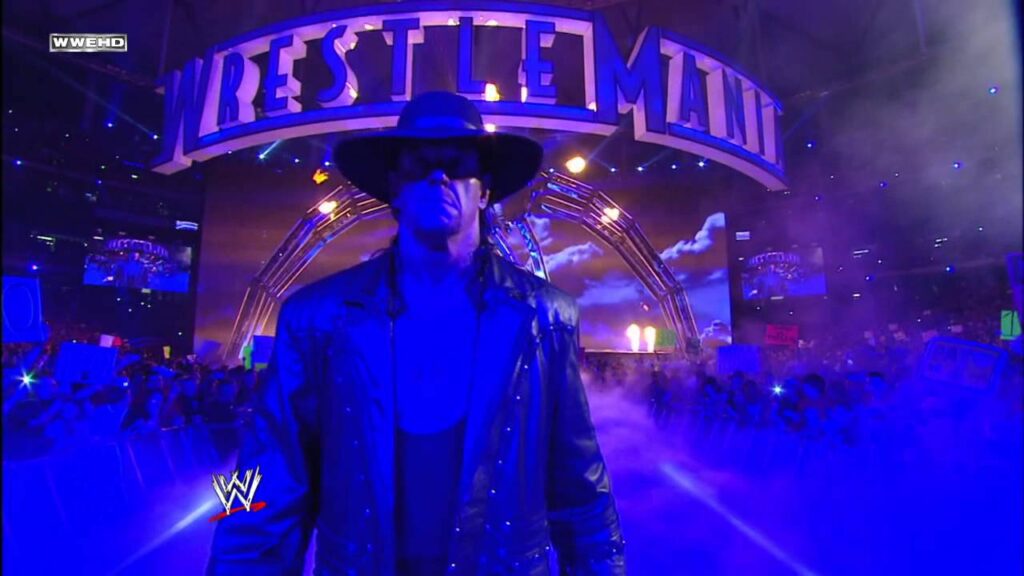
From memorable matches to unforgettable characters and dramatic storylines, there has always been a lot to remember about World Wrestling Entertainment (WWE). But it’s also built a legacy for controversy, numbering in dozens of matches and moments that have outraged and debated fans but left their stamp on the industry, for better or for worse—these range from real life to scripted storylines that pushed taste and decency to the limit. Herein, we delve into some of the most controversial matches and moments of WWE, exploring their context, fallout, and legacy. The Montreal screwjob OriginThe Montreal Screwjob was perhaps one of the most infamous happenings in the history of WWE. This event occurred on November 9, 1997, during the Survivor Series pay-per-view that was taking place in Montreal, Quebec, Canada. There, people witnessed Bret “The Hitman” Hart and his championship, which he was defending against Shawn Michaels. The IncidentBret Hart was a day or so away from jumping ship to WCW when he was still the reigning champion. At that time, the owner of WWE, Vince McMahon, did not want him to leave as company champion. Bret, due to his desire for a good business relationship at his then-home company, offered Vince the thought of a discussion about even dropping the title after the match had happened. In this twist, Vince had something planned to ensure the title would not leave Hart. During the game, Michaels locked Hart in his finishing move, the Sharpshooter. Referee Earl Hebner, who was working under McMahon’s orders, called for the bell to ring and indicate the fact that Hart had submitted, but Hart did not submit the fact. This event led to an immediate fallout between Hart and WWE, and Hart signed up with his typical signing company. The bodybuilding enthusiast was livid with this occurrence, as this came at a heavy price and tarnished the image of a wrestler being honest and loyal, which was held by string Hart. Also, Screwjob welcomed Screwjob to the “Mr. McMahon” character, the evil boss that Vince McMahon would hold himself on camera in the future. This played a decisive role in the “Attitude Era” of WWE, transforming the whole outlook and narrative of the company. The death of Owen Hart BackgroundOwen Hart was a very famous WWE superstar who belonged to the supposedly royal family of WWE, which is the Hart Family. He died during the Over the Edge pay-per-view show in Kansas City, Missouri, on the 23rd day of May 1999. The IncidentHart was playing the character “the Blue Blazer,” a sort of superhero gimmick. As part of this, he was to enter the ring from the rafters using a harness and grapple line. Something went wrong with this stunt; Hart fell some 78 feet into the ring. He died from the impact. The show continued after the fall, a decision even up till now, is vehemently argued. Both the audience and participants were taken aback and equally grieved for their loss. Following the fall, a wrongful death lawsuit was filed against WWE by Martha Hart, Owen’s widow, who soon to come settled out of court. His death made people aware of the risks involved in the use of stunts in wrestling. Today, a more significant margin of inspection on such stunts is brought observation, and strict health and safety are kept about such stunts. The Chris Benoit tragedy BackgroundChris Benoit was one of the most highly respected technical wrestlers in the world, some say, with an intense in-ring style known for a strong work ethic. Events in June 2007, though, would see those things change and his legacy forever blighted. The IncidentDuring the three days, Benoit murdered his wife, Nancy, and their seven-year-old son, Daniel, before finally killing himself. The murder case shocked the wrestling world because it was a news event that had been covered by almost every media outlet. WWE initially ran a tribute show for Benoit, but after the details of the incident came out, the company washed its hands of him. All mentions of Benoit’s name and achievements were scrubbed from WWE history, and the incident opened a significant debate to this effect regarding concussions, steroid use, and mental health issues in professional wrestling. It was the happening of this tragedy that made WWE initiate its Wellness Policy, which is targeted at substance abuse and mental health issues among its performers. The Steroid Scandal of the Early 1990s OriginWWE went through its own serious steroids scandal on wrestlers’s anabolic steroid use in its late 1980s to early 1990s history, coming to a climax with a 1994 federal trial against Vince McMahon. The IncidentSteroid charges against McMahon, which created nationwide publicity, finally resulted in a federal case on the allegations that he supplied steroids to WWE wrestlers. Different wrestlers testified at the trial, among them Hulk Hogan, who admitted to the use of steroids and denied having obtained steroids from McMahon. McMahon himself was acquitted of all charges, but the taint of the steroid scandal did much to hurt the public perception of WWE. To head off a potential scandal and regain a tiny bit of good publicity, WWE initiated a mild steroid testing program for its talent and began to clamp down on steroid misuse. The steroid scandal would also change the direction of the product itself, estimating featuring activity from something created through the bodybuilder types that made up most of the happenings from the ’80s to smaller, leaner, and much more agile and athletic wrestlers. The Katie Vick Angle OriginOne of the most tasteless and controversial storylines in WWE history dealt with Triple H and Kane in late 2002. They would base the angle around the fictitious character Katie Vick, whom they introduced as a dead former girlfriend of Kane’s. The IncidentIn a series of segments, Triple H accused Kane of having a hand in Katie Vick’s death. This would eventually snowball to the extent that, to make somebody believe he was Kane, Triple H did a little
The Future Of WWE: Predictions And Trends For The Next Decade
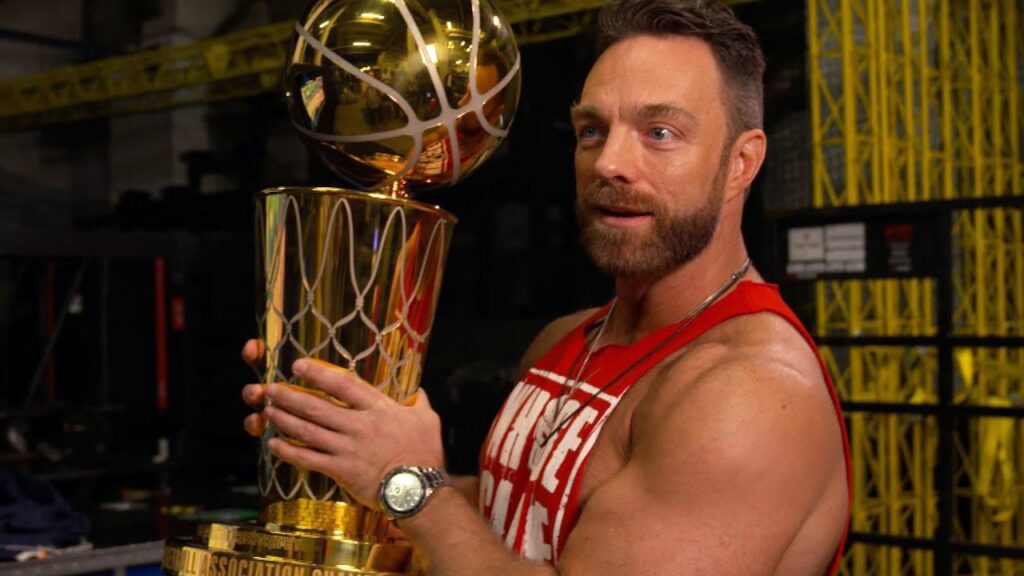
For all these decades, WWE has been the lead professional wrestling and sporting entertainment company. It, with evolving times, will have to face new challenges and harness opportunities. The next decade can bring many changes for WWE due to technological advancement, shifting demographics, and global expansion. This paper discusses some predictions or trends that may shape the future of WWE over the next ten years. Technological Advancements and Digital TransformationIncreased integration of virtual and augmented reality. Building on this, the utilization of virtual reality and augmented reality will radically change how WWE fans view. These technologies can create immersive environments that make one feel like part of an action. To this end, WWE has experimented with AR for entrance graphics and even VR experiences at WrestleMania.As we move into the next ten years, we’re looking ahead to a more integrated form of VR and AR working together seamlessly and ubiquitously that will put fans right up front and give them interactive experiences heretofore not even conceived. Enhanced Streaming Capabilities and Content PersonalizationFor WWE, the first big foray into digital streaming was with the WWE Network, launched in 2014. Of course, this is likely where WWE will focus its future investment in the platform as streaming technology improves. Enhanced quality of streaming and quicker load times, together with more intuitive interfaces, will soon be expected by all platforms. Content personalization through AI and machine learning will further tailor content recommendations for individual viewing preferences to increase each user’s engagement and retention. Interactive and Social Media Engagement ExpansionSocial media is a crucial portal for WWE to stay connected with its global fan base. Over the next ten years, WWE will continue to engage in new and trending social media so it remains relevant. Typical characteristics are expected to include live interactive streams, behind-the-scenes content, and real-time engagement with fans. An increase in its presence on all social media channels, such as TikTok, Instagram, and newer social media channels, will offer more opportunities for fans to engage with their favorite superstars. Global Expansion and LocalizationIncreased Emphasis on International MarketsThe company has been trying to raise its presence worldwide for quite a long time, which undoubtedly will be higher in the next decade. Countries like India, China, and Brazil provide remarkable growth opportunities due to large populations and growing interest in sports entertainment. WWE will continue doing customizations regarding content creation for these different markets; that means more live overseas shows and cultivating local talent. Development of Regional Performance CentersFor that, the WWE will most likely create more Performance Centers outside the US borders in pursuit of global growth if the goal is diverse. They would be something akin to training centers for locals, aiding in cultivation ability for the next generation of WWE superstars. More specifically, with regional development centers, WWE will work on securing a pipeline of diverse instructional experiences worldwide to see new faces and styles within its programs. Localization of Content and ProgrammingLocalization will become very instrumental in the WWE’s strategy for internationalization. It will range from simple dubbing or subtitling content into local languages to region-specific storylines featuring local talents of importance. How WWE will work out relationships with local broadcasters and streaming services will also be important in increasing access to content for international audiences. This equally creates expectations of more localized versions of popular WWE shows catering to regional tastes and preferences. Evolution of In-Ring Product and Storytelling Attention to Athleticism and Technical AbilitiesThe evolution of professional wrestling illustrates the ever-growing appreciation for athleticism and technical prowess over the years. This will almost certainly continue bringing about a swing in style—increasingly technically sound and athletically impressive matches. Wrestlers who have experience in MMA, gymnastics, and other such sports will continue making changes to in-ring styles, changing how matches are done and rendering them much more diverse and exciting. Long-Term Storytelling and Character DevelopmentThe future might shift toward a tight pegging to long-term storytelling with more credible character development. More intriguing storylines—the ones that play out over months and even years—can engender deeper emotional taxis between the characters and their audience. This is where investment from WWE’s creative team in much tighter, preplanned story arcs would come into play in driving richer storytelling with more meaningful character progress. Inclusion and Diversity in StorylinesIncreasingly poignant, inclusion and diversity have become significant ways in which entertainment is evolving, and WWE is undoubtedly no different. Over the coming decade, more diverse characters and story arcs will be fielded by WWE as a nod to the multicultural makeup of its audience. This consists of increasing representation of different ethnicities, genders, and orientations that ensure all elements of the audience see a version of themselves in some form through the WWE. Growth of Women’s WrestlingThe women’s revolution in WWE has only tipped the iceberg of what is possible and has already seen the ladies headline major WWE events like WrestleMania. Of course, this will open up much more opportunities for female Superstars over the course of the next many ensuing years. Seeing more women main eventing pay-per-views, winning major championships, or even simply having storylines increase. Most likely, WWE would work towards this aspect of equality by probably sharing the limelight between their range of talented females with the same regimen for men. Growth of the Women’s Tag Team DivisionThis women’s tag team division, which was brought back in 2019, is only going to grow and evolve. That will involve WWE investing in some strong tag teams with rivalries and storylines that make a case for them as big box office draws. This would further open the avenue for female wrestlers to take center stage and make their mark together as a team, hence elevating the status of women’s wrestling. Introduction of New Women’s ChampionshipsWWE may add new championships for its constantly growing women’s division. Regional titles, secondary singles titles, and specialized match stipulation titles can be added in the future. In turn, this will open a wider window of competition and
The Road To WrestleMania: How WWE Builds Its Biggest Event Of The Year

WrestleMania is the most illustrious sports entertainment event; every WWE superstar covets leading event status at WrestleMania. For nearly four decades, from its roots as a significant risk, it has developed into WWE’s flagship extravaganza. That sort of spectacle isn’t built in a day, though; it necessitates the kind of careful, meticulous planning its makers layout and months of elaborate storyline building to bring about the grandiose spectacle millions upon millions of fans worldwide have come to adore. It examines the complex and very multifaceted journey the WWE takes every year in building its most giant spectacle: the Road to WrestleMania. The Birth of WrestleMania The Vision of Vince McMahonThe concept for WrestleMania belonged to none other than WWE Chairman Vince McMahon, who wanted to run an event whereby the status and credibility of wrestling would take a quantum leap from the world of sports entertainment straight into the very fabric of popular culture. He wanted to put together an extravaganza of an activity—a crossover enterprise—run by the success of major sporting events, like the Super Bowl, with the essence of Hollywood’s razzle-dazzle. The first WrestleMania, held on March 31, 1985, at Madison Square Garden, was a gamble that paid off very well. With celebrities like Muhammad Ali, Cyndi Lauper, and Mr. T, it was a huge success and paved the way for WrestleMania to become an annual mega-event. The Evolution of WrestleManiaOver time, WrestleMania expanded from being a one-day event into a week-long festivity complete with wrestling and entertainment. Be sure to plan each new edition by topping the previous editions in every possible way: size, level of production, and star power. It has happened in some of the largest stadiums in the world, with record attendance and additional millions of viewers tuning in from around the world. Men’s Royal Rumble Significance of The Royal RumbleOne of the most eagerly awaited events in WWE, the Royal Rumble signifies the official Road to WrestleMania. The Royal Rumble is held yearly in January and features a 30-man over-the-top-rope battle royal where the winner gets a slated title match at WrestleMania. This stipulation radically adds importance to the game since a win would translate into the booking of a ticket to the main-eventing WrestleMania. Plot Twists Through the Royal RumbleThe Royal Rumble match has evolved to become a significant storytelling tool for WWE. It is not just about contending for the No. 1 spot for the championship; several other storylines are placed into motion because most of the feuds are settled in WrestleMania. Ad hoc alliances, surprise entrants, and dramatic eliminations are all part of the theatrics to give this narrative that elusive element of surprise. Now that all platforms are set, Royal Rumble has been the place to start telling the complicated stories it will be telling over the next couple of months until WrestleMania takes place. Key Events on the Road to WrestleManiaElimination Chamber: The High Stakes, High Energy Story.The second salient event on the Road to WrestleMania, the Elimination Chamber, always happens after the Royal Rumble. The crucial—a very physical match—involves six-member superstars entering inside that massive steel structure to wage war against one another. Frequently, it pits people against each other over the top prize, while at different times, it resolves ongoing feuds. That so much more makes the road to WrestleMania fascinating and full of anticipation. FastlaneOver the last few years, WWE has added, as its previous pay-per-view on the road to WrestleMania, Fastlane. Fastlane exists with the sole purpose of acting as a last significant opportunity for storylines to shape and for things that haven’t yet gone to plan to fall into order going into the grand stage. Inserting another opportunity into the suppleness that rests within deciding and finalizing changes to the final card in the lead-up gives WWE another chance to further storyline momentum heading into the biggest show of the year. Building the WrestleMania CardMore often, the WWE Championship or Universal Championship headlines WrestleMania. Many critical months-long storylines were based on the peak event from the Royal Rumble winners or leading core contenders. WWE takes storylines in the run-up to their main event seriously enough to warrant juice, with heated rivalries, personal grudges, and dramatic twists. Marquee Matches and Celebrity InvolvementIn addition to these wrestling matches for the championships, WrestleMania always presents other high-profile matches, typically with legends or returning superstars or those engaged in notable feuds on the card. These matches are intentionally made to get attention from the mainstream and draw much hype for the event. In many cases, WWE will use celebrities from the worlds of sports, music, and entertainment to lend the star power and create crossover appeal to WrestleMania. Establishing Mid-Card and Undercard MatchesAs much focus as the main event and the marquee matches get, every WrestleMania card has several mid-card and undercard matches, rounding out the viewing and the storytelling of the event. These matches allow emerging superstars and proven veterans to savor every aspect of their parts in the spotlight. Like the WWE performances here, storylines have been meticulously developed so that every match on this card has a real meaning. The Role of Weekly TelevisionMonday Night Raw and Friday Night SmackDownMonday Night Raw is held every Monday, and Friday Night SmackDown is gearing everybody up for WrestleMania. These will be the television events where WWE will continue building storylines, rivalries, and anticipation for what might happen at WrestleMania. Significant moments, promos, and matches are all planned out to make sure that the audience on that roller coaster doesn’t get off at all until WrestleMania. Promos and Backstage SegNot only are the promos and in-ring segments the most substantial things for WWE storytelling, but Superstars also continue to promote how passionate they are headed into their match, portraying their motivations and continuing to raise the heat on the rivalry leading up to WrestleMania. These segments are attributed to how good a wrestler can be done on the mic and help make an emotional attachment with
WWE Superstars’ Transition To Hollywood: Successes And Challenges

Although the world of professional wrestling and Hollywood may seem worlds apart, it has turned out to be quite a natural transition for many WWE superstars. What gets wrestlers into the ring is an unusual mix of athleticism, charisma, and performance skills that can easily transition characteristically into acting. But don’t get it twisted—nothing about this transition comes easy, son. The following article focuses on their journeys to the land of Hollywood from WWE, highlighting the successes and many obstacles faced by WWE superstars in films. The Appeal of Hollywood for WWE Superstars What is the Skill Set Overlap?These WWE superstars are not just athletes but performers. One needs to perfect the art of storytelling and character development for live performances across enormous audiences. This, therefore, will translate most into acting, whereby one expresses emotion, maintains consistency, and performs under pressure. The Search for LongevityThe physical nature of professional wrestling can be overwhelming, and most superstars have to start looking for alternative careers as age catches up or they are on their way to recovery. Hollywood offers an opportunity for longevity that wrestling can’t provide. Acting allows these performers to continue to entertain without constantly putting their bodies in harm’s way. The Desire for Broader RecognitionWhile WWE superstars enjoy fame within the wrestling community, moving into Hollywood opens up a greater amount of recognition and opportunities for them. Global outreach and the variety of roles offered by Hollywood are enormous when considering what can raise a wrestler’s profile beyond what professional wrestling ever could do. Success Stories Dwayne “The Rock” JohnsonNo discussion of WWE Superstars in Hollywood would be complete without a mention of Dwayne “The Rock” Johnson. Probably the most successful wrestler-turned-actor, Johnson has turned into one of the highest-grossing and hottest actors working in Hollywood today. It all started when he appeared in some minor roles while still an active wrestler, but his breakout role came when he played the Scorpion King in “The Mummy Returns” in 2001 and its spin-off film “The Scorpion King” in 2002. It’s that charisma, work ethic, and versatility that have led to a quite prolific career—leading men in major franchises like “Fast & Furious,” “Jumanji,” and the “DC Extended Universe” as Black Adam. His balancing act of purely action-oriented roles with the gentle touch of both comedy and drama helped seal his status as a legitimate star in Tinseltown. Dave BautistaThe other famous wrestling superstar who made his way into Hollywood fame is Dave Bautista, more famous than Batista in the WWE world. In the beginning, Bautista took up marginal roles—he was featured briefly in 2013’s “Riddick” and right before that in 2012’s “The Man with the Iron Fists”—then came the giant leap into acting as Drax the Destroyer in Marvel’s “Guardians of the Galaxy” in 2014. His Drax radiated humor and poignant vulnerability, finding a straightway entry into audiences’ hearts and surrounding his credibility as an actor on all sides.The titles since then in Bautista’s filmography have been prominent, including “Spectre” in 2015, “Blade Runner 2049” in 2017, and more recently, “Dune” in the works for 2021. It is his profound commitment to his craft and willingness to take on diverse roles in movies that earn him respect. John CenaOne of WWE’s more recognizable faces, John Cena, has also made his way into Hollywood. It started with WWE-produced bit parts for Cena in films like “The Marine” in 2006 and “12 Rounds” in 2009, but made a breakthrough into Hollywood comedy through films like “Trainwreck” in 2015 and “Blockers” in 2018. By being able to play against type by embracing comedy, he charmed an entirely new audience. The addition of Cena to “Bumblebee” in 2018 and his portrayal of Peacemaker in the movie “The Suicide Squad” in 2021, with a consequent leading role in the TV series spinoff of the same name, have considerably solidified his stance in Hollywood. He has been able to take on versatile roles, which proves his versatility and readiness to evolve as an actor. The Process of Transitioning Overcoming TypecastingThus, one of the stiffest challenges that WWE superstars encounter in moving to Hollywood is typecasting—many people, including audiences and casting agents. This will limit the kinds of roles handed out. The stereotypes are perpetuated to a great degree by the ground-working efforts of superstars like The Rock, Bautista, and Cena until they become established as actors and smash the mold of stereotypical action heroes. Training and skill developmentWhereas WWE superstars have a strong base in many transferable skills, acting is a specialized technique and discipline. Because very few professional wrestlers moving up to Hollywood venture onto movie screens without setting their valuable time aside for acting classes and workshops, one can quite quickly outline the steep route to gaining respect and credibility within this community—a journey requiring immense personal dedication. Balancing wrestling and actingThe move into Hollywood is not gradual for many WWE superstars. Balancing the demands of the wrestling career and acting commitment is challenging. Scheduling conflicts, physical exhaustion, and keeping the body in shape for both call for excellent time management skills. In most cases, the superstars have to make tough decisions about where they put their energy and time. Challenges That WWE Superstars Have Faced in Hollywood Stereotyping and prejudicesEven with the successful transitions of various wrestlers, a stigma still lingers that goes along with being a professional wrestler. The wrestler may be perceived by some Hollywood insiders and people at large as a less severe actor. There exists a belief that all their acting skills consist of athletic and entertaining skills in fighting, which they carry from wrestling into acting. Overcoming these prejudices requires persistence and a commitment to proving one’s versatility and acting ability.Physical Typecasting Understandably, WWE superstars are likely to slip into the kinds of parts that underscore their bodily physique, namely, action heroes, villains, or bodyguards. While it can be an entry point, it allows them a narrow area for departing from typical character archetypes. Breaking out of
WWE’s Partnership With Charities: Making A Difference
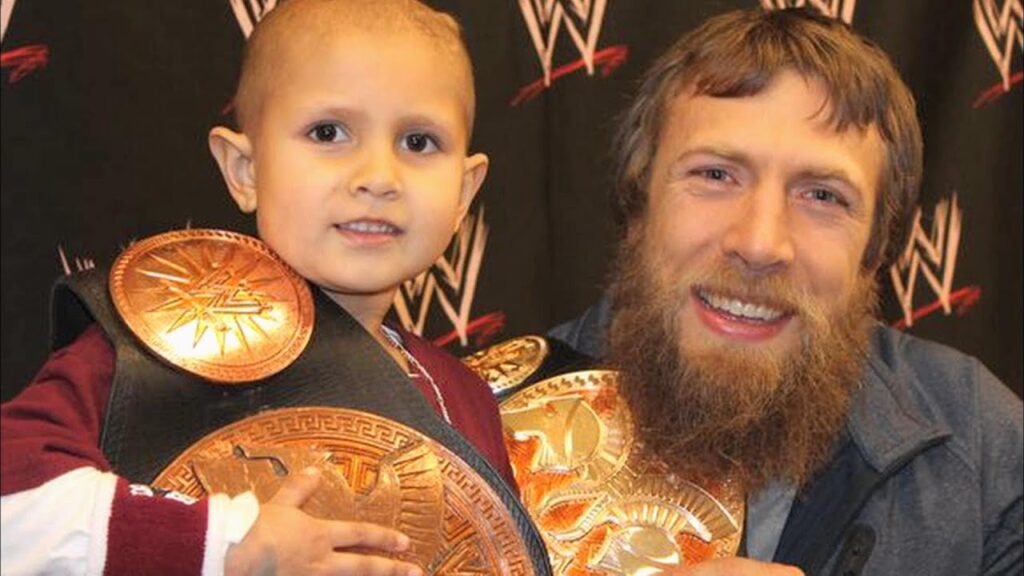
High-octane matches, dramatic storylines, and the creation of larger-than-life characters are not all spandex-clad encounters have in store, however. Beyond the glitz and glamor of the squared circle, WWE has repeatedly shown that it has a strong veneer for philanthropy. Over all these years, the company has worked with various charitable organizations to use its globally popular platform for the betterment of communities around the world. This paper will elaborate, therefore, on the extensive philanthropic work of WWE, focusing on critical associations, initiatives, and the actual difference they make. The Inception of Philanthropic Euphoria By WWE Pre-independence initiativesWWE’s involvement in charity goes way back to its history. Vince McMahon, a promoter of the company, had no illusions that the potential power and influence attached to the range of fan interest in WWE was associated with the potential of implementing social change. This gave way to a colony of community programs aimed at supporting the underprivileged population, hungry for awareness on the issues so crucial. Making PhilanthropyAs it scaled to a global entertainment powerhouse, the formalization of the instruments put in place for philanthropic structure and outreach grew in tandem. The company formed a WWE Community Relations Department, which dealt with its philanthropic work, seeking rapport with non-profit organizations. This institutionalization made WWE provide long-term and sustained assistance to the causes to which it has doled out its resources. Charitable Partnerships Make-A-Wish FoundationOne of the longest-standing and most significant partnerships that WWE has is with the Make-A-Wish Foundation. Aimed at helping children with life-threatening illnesses by lifting their hope, strength, and joy, Make-A-Wish fulfills their specific wishes. It is not unusual for a WWE superstar to visit such make-a-Wish experiences with children and their families to meet their desires, often creating unforgettable moments. Contributions by John CenaJohn Cena, one of WWE’s highest-profile superstars, is now synonymous with Make-A-Wish. He holds the grantee record for one individual with more than 650 wishes. Cena has remained true to this commitment, and it has never failed to make so many children happy; really, it put up Make-A-Wish’s profile and inspired many others to join its support for him. Susan G. Komen for the CureWWE has also formed one of the largest alliances with Susan G. Komen for the Cure, one of the world’s largest breast cancer organizations. The most noted and felt support, however, shows itself in the yearly “WWE Goes Pink” campaign during October, otherwise known as Breast Cancer Awareness Month. In this initiative, WWE superstars wear pink-themed gear, with the company making everything naturally pink in their branding and programming to gain awareness of breast cancer as well as raise awareness funds for research and supporting services. ImpactThe WWE has been able to raise millions for Susan G. Komen through various fundraising activities, with specifics being merchandise sales and special events. These have gone a long way in really maximizing breast cancer research, definite service giving for mammography and diagnostic testing, and support for patients and their families. Special OlympicsAnother such effort by WWE in terms of inclusivity and empowerment would be working with Special Olympics, which provides an all-year level of sports training and carries out athletic competitions for children and adults with intellectual disabilities. WWE superstars often interface with the athletes in the Special Olympics, who usually share the same platform, cheering at them regularly for the world to view. Inclusion PromotionThis kind of visibility has gone a long way in elucidating and making much-needed changes regarding breaking stereotypes and promoting the acceptance of such people, leading to their inclusion in society. With this kind of exposure, more people are motivated to support it now that the specter of the Special Olympics is on a mission to create a changed society. Connor’s CureConnor’s Cure is a fund that was established as a partnership between WWE and the Children’s Hospital of Pittsburgh Foundation. Created in memory of Connor Michalek, a young WWE fan who courageously fought against a medulloblastoma—a rare tumor that occurred in his brain and spinal column—the story of Connor would touch the hearts of WWE. WWE sought to honor the boy’s legacy by backing research into pediatric cancer. Raising awareness and fundsConnor’s Cure has raised millions of dollars that go into funding research and the cure of pediatric cancer. WWE has continuously raised awareness of Connor’s Cure through its programming, merchandise sales, and various events. WWE’s Signature Philanthropic Programs Be a star (show tolerance and respect).Be a Star is the premier anti-bullying campaign that WWE launched with The Creative Coalition. With the campaign, WWE endeavors to end all cases of bullying by inspiring young people to exhibit some tolerance and respect towards their peers. WWE Superstars make visits to schools and community centers to articulate anti-bullying messages, present real-life stories about the consequences of bullying, and offer tools designed to help students deal with instances of bullying. Educational ImpactBe a STAR has reached millions all over the globe because these are the leaders it fits up with, and the confidence is absolute in impact—the tool leaves intact. All the while promoting inclusivity and respect for others, as this aligns well with WWE’s big-picture mission of promoting positive social values. Tribute to the TroopsThe Tribute to the Troops is the zenith event for WWE each year because it concentrates on demonstrating recognition of the men and women of the United States Armed Forces. This not only involves a unique, private-held wrestling show at military bases directly in front of military personnel and their families but also various meet-and-greet and autograph signing events for WWE superstars to show appreciation to the troops. Service and Sacrifice: HonoringTribute to the Troops is a program that hits close to home because it gives WWE a chance to show its appreciation to the armed forces on a unique platform. Other than just entertainment value, how aptly this show will boost morale in service members, its family segments solidify the commitment of this company to support the military community. WrestleMania Reading ChallengeThe WrestleMania Reading
How WWE Handles Live Audience Reactions: Adapting On The Fly
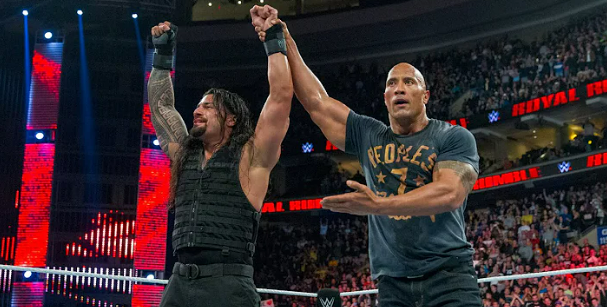
World Wrestling Entertainment exists because of dynamic, improper energy. Cheering, booing, the roar of the crowd—these are essential in making a professional wrestling storyline and its viewing. Unlike most forms of entertainment, WWE uniquely relies on immediate audience feedback to adjust and adapt its performances in real-time. This article discusses how WWE manages crowd reactions starting from a few hours before shows and goes on to explain the last-minute adjustments leading to improvements in the professional wrestling spectacles. The Importance of Live Audience Reactions Upgrading the ExperienceThe live audience is a part of WWE’s product. Crowd reactions bring another level of excitement and unpredictability to the program. Whether it’s the thunderous applause for a beloved hero or the deafening boos for a reviled vile villain, the audience reaction just ratchets up the drama and emotion of every single match. Human-guided EndCritical feedback to WWE’s creative team is the audience’s reaction. Whether the characters, storylines, or decisions of wins and losses in matches are received positively or negatively impacts further event booking. WWE often changes its strategy around to fit fan expectations and preferences better if it turns out that a new character or storyline isn’t working with the audience. Creating SuperheroesAudience involvement helps define a WWE superstar, as that reaction makes or breaks a wrestler. Positive can surge a superstar’s career to new heights, while negative might cause them to take a character or approach twice. Special AccommodationUnderstanding the AudienceIt does a ton of research to be in touch with its audience, which entails going through a lot of demographic data, social media trends, and feedback from live events to understand what the audience wants. Engaging as many fans as possible also means overall satisfaction with the show. Programmed flexibilityThough WWE fights work from set dialogues towards a result, there remains space for flexing the performance. The superstars and producers are rehearsed for diverse expectations given by an audience and many different headwinds. That kind of flexibility, basically scripted, can sure come to terms with dealing with the unpredictability that the live crowd brings to WWE. Human ResourcesThis would indicate that WWE superstars train a lot to be able to do their performances live. It includes training around some matches and promos, but it also means being able to read a crowd and how to react accordingly. They are schooled to stay in character and smooth over all the rough patches that might come up if and when an audience reacts in an undesirable way. Real-time Adaptation During Performances Reading It Within The CrowdFor WWE superstars, one of the most vital skills of them all is reading a crowd. It’s through the volume and intensity of cheers, boos, and chants that are important. Understanding and reading the attitude and whimsical preferences of the crowd can warrant acts being shifted, all for the sake of continuance and excitement. Dynamic OffersPromos, actually in-ring speeches, are very important in terms of storytelling in WWE. More often than not, Superstars need to roll with the audience’s reaction and accordingly change their promos. If the crowd doesn’t respond as expected, then usually the tone, pace, or content will be changed on the fly to resonate through the audience. Example: The RockDwayne Johnson is a master at adjusting a promo on the fly. Through promos sharpening his wit and charismatic delivery, it is not usual for The Rock to improvise much of his promos to match the energy level of a crowd. This trait has endeared him to become one of the most treasured and successful superstars of all time ever to be etched within WWE history. Adjusting Match Pace and MovesAccording to the feedback, the spots can even be taken between the ropes. Superstars can quicken or slow any matches based on what the audience likes. The pre-planned sequence can be modified at the spots and sequences where the audience reaction is done in an undesired way. Example: Daniel Bryan at WrestleMania 30The best example of that is the path of how Daniel Bryan eventually got himself into the main event of Wrestl22°°eMania 30 because of the audience reaction. Not initially set in a top spot, the overwhelming popularity of Bryan and, more so, “Yes! Movement” chants forced WWE to change the storyline, wherein, in the end, John Cena lost the match, and Bryan would win the WWE Championship. Audiences InteractAudience participation, interactive chants, indications, and call-and-response segments are often incorporated into a wrestling match to create a fuller live experience. Performers are psychologically profiled and carefully maneuvered into incorporating audience involvement in their performances for a perfect experience. Example: Stone Cold Steve AustinThere isn’t a better example of this than “Stone Cold” Steve Austin’s “What?”: the crowd’s participation truly takes the character to another level. With each promo, Austin would build tension and excitement, leaving the question “What?” as one of the most lasting in WWE culture. The Role of WWE Producers Real-Time CommunicationThe WWE producers, so to speak, happen to be an essential part of the management of live shows. With their earpieces, they are continuously giving feedback or even sometimes guiding the superstars on what to do according to the reaction of the audience in a match or any segment. This will make the show so much more engaging and dynamic in real time. Storyline AdjustmentsSometimes, though—based on the live audience—the WWE producers and creative team revamp storylines on the fly. This can include changing match results, refining character developments, or throwing in surprise elements only to maintain the audience’s engagement. Example: Money in the Bank cash-insCash-ins in Money in the Bank often occur due to audience reaction. In one sense, it makes them unpredictable whenever a superstar decides to cash in the contract for a championship match. The WWE times these moments correctly to try and get a maximum reaction of shock and excitement in the crowd. Post-Show AnalysisThe WWE producers analyze a deep study of audience reaction following each show. This includes live audience reactions, feedback on social media,
The Role Of Music In WWE: Entrance Themes And Beyond
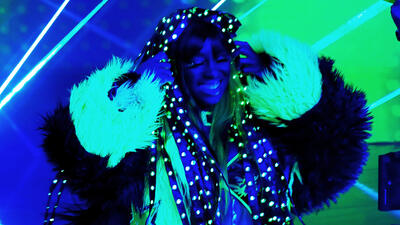
Music means spectacle and drama in professional wrestling. WWE, the world’s No. 1 sports entertainment company, has, over the years, used music to define one’s character and provoke one’s emotions, from iconic entrance themes to dramatic in-ring action. Music makes everything cogent, from the iconic entrance themes to the other dramatic actions in WWE. This paper will discuss the role of music in WWE, its place within entrance themes and character development, in-ring storytelling, and fan engagement. The Story Behind Entrance Themes Early BeginningsIt will be fitting to peg the 1970s and 1980s, when wrestlers started entering the rings with prerecorded music. Wrestling promotions like WCCW popularized such an approach to wrestling and finally expressed itself in WWE. Entrance themes helped set the mood for a wrestler’s persona and created anticipation for the audience. The Rock ‘n’ Wrestling EraThe total influence period of the mid-1980s was the watershed for the WWE; the “Rock ‘n’ Wrestling” connection between mainstream music and wrestling was concretized. This, too, was an era of cooperation with such renowned musicians as Cyndi Lauper and the birth of the music video with WWE superstars. The entrance themes became increasingly involved and connected to the wrestler’s persona, so it enhanced the value of the end of the show. The Attitude Era and BeyondThe real-time evolution of the entrance themes was in the late 1990s and early 2000s, commonly identified as the period of the Attitude Era. WWE began collaborating with full-time musical artists to tailor themes for its superstars. The themes started coming into their lives, growing in nature with original music compositions that reflected the personalities and storylines of the wrestlers. This made some of the most memorable entrance themes in wrestling history. Iconic Entrance Themes “Stone Cold” Steve AustinSteve Austin’s entrance theme was the perfect reflection of his anti-authority character: shattering glass, followed by heavy guitar riffs and thuds. When that glass would break, the crowd would go absolutely wild, a designated signal that Austin was here to raise some hell. While his theme has a big association with the Attitude Era, it still ranks at the top of WWE history. The UndertakerWith such a haunted and rather eerie composition, “The Undertaker’s Entrance Theme,” one could instill the audience with both fear and admiration. The slow pace and systematic order of the music blended with the fog; darkness delivered, making his entrance an experience of drama. The theme was shifted in various shades as it would incorporate elements like Gregorian chants and orchestral arrangements. D-Generation XThe entrance theme for D-Generation X was one of aggressive guitar riffs and rebellious lyrics, perfectly matching the flavor of the group’s irreverent, anti-establishment attitude. The song begins with the crowd-chanting line “Are you ready?” which lingered with fans and the entrance music to cement DX as one of the most influential stables in the history of the WWE. John CenaJohn Cena’s theme song, “The Time is Now,” is a self-explanatory hip-hop track that says a lot about his character identity. The theme relates to the persona he portrays on stage as an adamant hero who does not give up and works very hard. The lyricism in the theme and the catchiness of it certainly worked well with the people when Cena himself rapped to it in a way that fit his persona. This song also spelled out the beginning of his dominance in the ring by saying in the introductory lines, “Your time is up; my time is now.” The RockThe entrance theme of The Rock, with that famous opening catchphrase, “If you smell what The Rock is cooking,” was just so full of charisma and massive confidence levels. It had an upbeat tempo and an electrifying energy that ebbed from it, complemented by the lively persona of The Rock himself, whose entrance is, by default, a highly anticipated thing on WWE shows.Music trait capture Defining PersonasEntrance themes do help define a wrestler; they set the music for the audience to perceive what’s happening with that character, be it a heroic babyface, a villainous heel, or even complex antiheroism. A good, well-written theme song could immediately convey who a wrestler is and his intentions. Themes DevelopmentAs the evolution of a wrestler’s character comes, so does their entrance theme. Very often, an indication of a wrestler’s heel or face turn or a re-creation in a wrestler’s character is an entrance theme change. For example, when The Undertaker morphed from ‘The Deadman’ into ‘The American Badass,’ the theme changed from a haunted melody to a rock number by Kid Rock, then Limp Bizkit. Custom CompositionsWWE has a history of collaborating with outstanding composers and musicians to provide customized entrance theme music. There was Jim Johnston, the long-time WWE lead composer, who put his stamp on most of the company’s biggest theme songs. The man would make sure that he could reflect a personality within music, and it did help all those superstars make it and become successful. Today, it’s been the duty of CFO$, a songwriting and production duo, to preserve this tradition by composing catchy themes for modern WWE superstars. Basic Introduction to Music in-Ring Drama EnhancementMusic is there to help raise stakes over the drama unfolding between the wrestlers. While a match goes on, sting cures can keep tensions and excitement boiling, especially for near-falls, dramatic comebacks, and finishing moves. The right musical cue could well heighten an emotional impact on a match by impressing it more on the audience’s memory. The Use of Live PerformancesWWE has also incorporated quite a bit of live performance music throughout the shows, especially ones for significant events like WrestleMania. It just adds an extra element of spectacle to make it something special for the fans watching. The live renditions at showtime from huge artists performing the theme songs also start nurturing a sense of grandeur and importance for crucial matches. Music in Promos Music also plays a crucial role where promos and vignettes are concerned. Background musical scores of the promo videos may
WWE’s Most Unforgettable Promo Segments
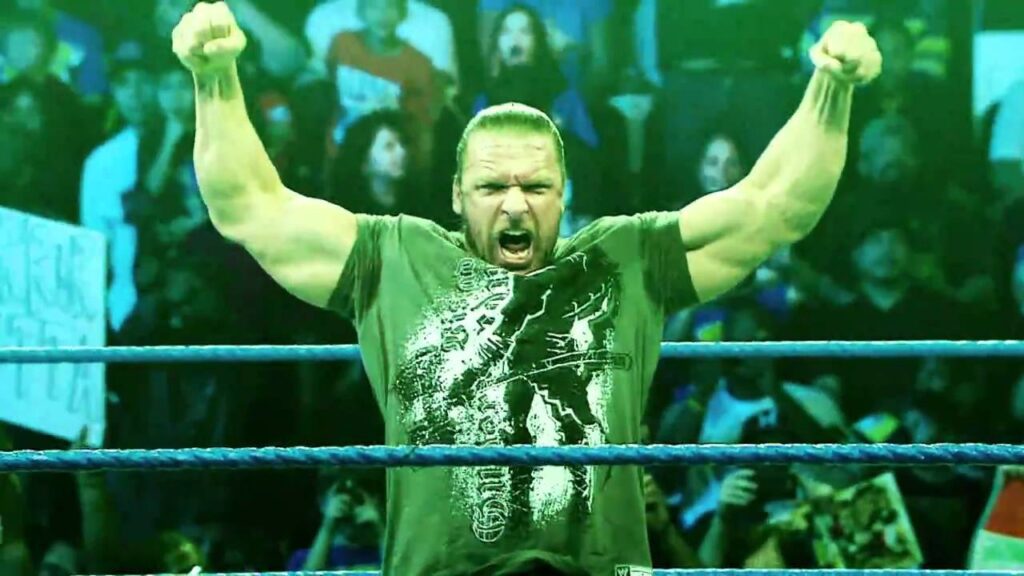
Pro wrestling is just as much about the storylines and drama as physical athleticism. Promos, whether in-ring or backstage segments in which wrestlers speak directly to the audience, their opponents, or each other, are the crux of making up stories that grab fans and move the action along. Over the years, WWE has made a myriad of memorable promos that have left a lasting imprint on the industry. This article goes deep into some of the most memorable segments, discussing the background of the given segment, its impact, and its legacy. “Austin 3:16″—Steve Austin’s King of the Ring Promo, 1996 ContextThe 1996 King of the Rings tournament was one of the hottest times in WWE’s history. Steve Austin had shocked Jake “The Snake” Roberts as the victor of the finals, and what he laid down for a promo would take his career to the stratosphere. The PromoAfter defeating Roberts, Austin did something that he often did: stand in front of a microphone and rip on Roberts, then play a born-again Christian character. Taking a shot at Roberts’ overt religiosity, Austin crafted his “Austin 3:16” catchphrase by simply saying, “Austin 3:16 says I just whipped your ass!” The line was satirically learned from John 3:16 of the New Testament and connected with the crowd instantly. ImpactThis promo not only established Austin’s top-star status. Still, it was also attributed to fanning the flames for the “Attitude Era,” a period entirely of edgy, adult-oriented content. “Austin 3:16” became one of the most popular wrestling slogans that millions of t-shirts carried. It was that defining moment when Stone Cold became a cultural phenomenon and one of the most influential people in wrestling. “Hard Times” by Dusty Rhodes (1985) ContextDusty Rhodes was, still is, and will forever be “The American Dream” of professional wrestling. In 1985, he cut a promo on Ric Flair that would go down in history as one of the greatest. The PromoDuring the promo, Rhodes would resonate emotionally and passionately directly with the working-class fan base of the WWE by pleading with them about their woes and hardships. He famously argued, “Hard times are when a man has worked at a job for thirty years—thirty years—and they give him a watch, kick him in the butt, and say, ‘Hey, a computer took your place, daddy!’.” The great asset is that promoter Rhodes connected with his audience as an everyman, lending the promo its powerful emotional content. ImpactIt should be stated that “Hard Times” often hits some of the best lists regarding promotions in wrestling history. Through it, Dusty Rhodes gave ostentation and connived authentic passion from the audience. He solidified himself more as a man of the people and one of the legends in business. And he’s finally been the benchmark for wrestlers when learning the art of the promo. “The Pipe Bomb” by CM Punk (2011) ContextLast summer, in 2011, CM Punk engaged in a storyline whereby he should sign a new contract that made him a free agent. On the June 27 episode of Raw, Punk delivered a promo that blurred the lines between fiction and reality. The PromoSeated cross-legged on the stage, Punk unleashed his feelings towards WWE management and, more specifically, then-Chairman Vince McMahon. He lashed out against the company’s direction, against all the top stars, and most of all, feeling neglected despite being one of their most, if not the most, proficient talents. The promo is recalled with his microphone being cut off at the end to once again sell it as accurate. ImpactThis promo is famously known as “The Pipe Bomb” and, after listening to it, ignited significant mainstream attention for WWE’s product and gained Punk an army of folk heroes of fans who couldn’t agree more on how creatively stagnant the company was, particularly in the ring.It brought heat down upon Punk and laid the groundwork for his eventual WWE Championship victory the following year at Money in the Bank 2011. To this day, the “Pipe Bomb” is still a timestamp—evidence that the Berkeley ethos, the belief that actual life frustrations can be turned into compelling storytelling in professional wrestling, has been proven correct. “The Miz’s Rant” on Talking Smack, 2016 ContextTalking Smack, shown each week after SmackDown, presented unscripted, candid narratives. The Miz’s diatribe on August 23, 2016, might have been one of the biggest talked-about segments of the year. The Promo:Perhaps the most famous example of a WWE promo that felt real because it was real is The Miz. He once blew up on his color commentator, Daniel Bryan, who had been critical of The Miz’s work in a very professional way. He exploded in a passionate justification, not only about the work ethic and longevity applied by him but also about dedication and how Bryan left the fans by burning out early in his career. This is why, in hearing The Miz, it sounded natural, his voice exuding passion—the natural, unmatched anger and raw intensity. ImpactEveryone raved over The Miz’s promo on Talking Smack, as it was genuine and raw. It did not just reinvent him; it made him one of the top talkers in the business. This further proves that with unscripted promos comes the chance at great television, which gets the interest on Talking Smack even more as to what is next for the Miz.“Y2J’s Countdown to the Millennium”: The Dawn of Chris Jericho in WWE (1999) ContextLeading into the year 2000, WWE ran a variety of enigmatic vignettes that were counting down to something. It would be an awful year until the payoff finally landed with a bang—on August 9, 1999, when Chris Jericho made his WWF debut on Monday Night Raw. The PromotionCut in the middle of a promo by The Rock, the pulsating entrance music of Chris Jericho played while flames shot up, announcing his presence and overconfident, enigmatic appeal. He introduced himself with a perfectly mixed blend of arrogance and charisma, declaring that WWE had never—”E-E-E-EVER!”—not laid its eyes upon someone like him. ImpactHistorically,
The Business Of WWE: How Merchandise, Ticket Sales, And Media Deals Shape The Company
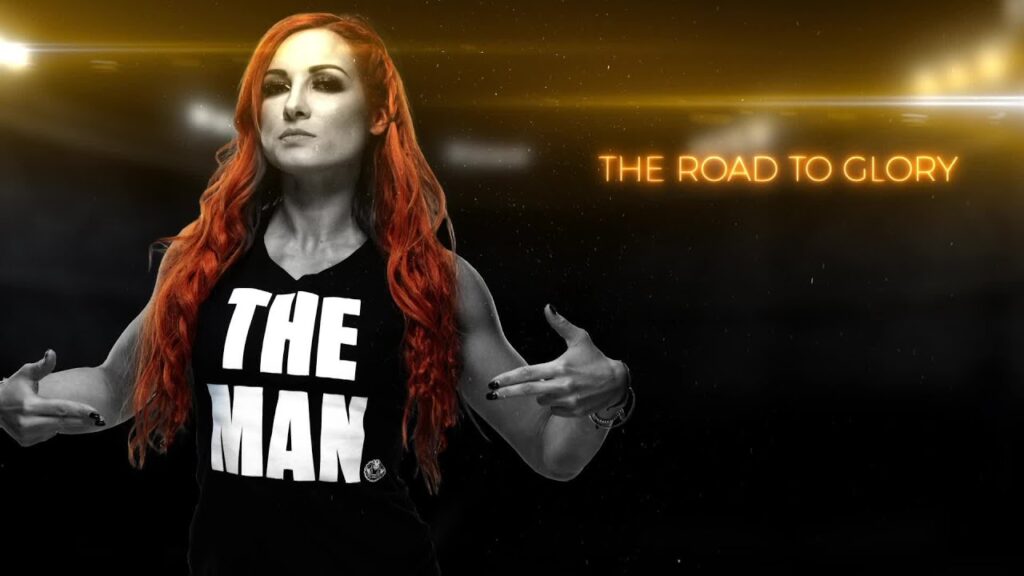
World Wrestling Entertainment is an international entertainment powerhouse founded on adrenaline-packed wrestling, charismatic superstars, and captivating storylines. Core to this glamorous wrestling platform is an astute corporate organization reinventing how to retain the WWE brand amidst the formidable competition in the entertainment world through diversified streams as a basis for their business. This paper examines the business of WWE—how merchandise, ticket sales, and media deals shape the company’s bottom line. Merchandise: Branding and Revenue The Power of BrandingMerchandise is one of the cornerstones of WWE’s revenue model and is a significant contributor to the company’s financial health. WWE can create and market its superstars into larger-than-life characters, for which it holds a strong merchandise business, from action figures and T-shirts to replica championship belts and video games. Evolution of Merchandise SalesHistorically, WWE merchandise sales have evolved from simple, straightforward memorabilia-based products to sophisticated, highly detailed character-driven product lines. In the 1980s, Vince McMahon touted their most popular superstars, like Hulk Hogan, with many products bearing his likeness. During that period, some of the iconic merchandise items were made, like the red and yellow Hogan T-shirts and the foam fingers that became symbols of fandom. Merchandise offerings diversified as WWE’s roster did. Now, product offerings are molded to accommodate the different personas and catchphrases of superstars within the company. For instance, “Stone Cold” Steve Austin’s “Austin 3:16” t-shirts and The Rock’s “Just Bring It” apparel became huge sellers during that period, really driving massive revenue in the Attitude Era. Modern merchandise strategiesWWE has shifted to a digital and data-driven merchandise sales method over the past few years. With WWE Shop, the company’s official online store, fans can use their gadgets to avail of various products immediately. WWE dusts off data analytics to understand purchasing patterns and consumer preference trends so that these can be tailor-made for this merchandise.Collaborations with major brands and designers have also raised the appeal of WWE merchandise. For example, limited edition items such as collaborations with trendy sneaker brands increase sales because they create the perception that they are constrained and there is urgency in making a purchase. Moreover, WWE also has a massive presence at live events and fan conventions like WrestleMania Axxess, giving special merchandise specific to the said event that complements the experience of a fan attending a live event. Financial ImpactMerchandise sales devastate WWE’s bottom line. As reflected in WWE’s financial reports, the sale of consumer products usually adds to its overall revenue. Every time a new superstar comes out or there is a resurgence for a much-liked veteran, usually an instant spurt in merchandise sales follows right after to prove that there is a direct link directly relating character popularity to merchandise money. Ticket Sales: The Live Experience The Importance of Live EventsLive events have always been part of WWE’s business model. First, it creates the chance for fans to play their role in active professional wrestling. Above that, it hosts a long list of live events, from week-to-week shows—televised like Raw and SmackDown—to significant pay-per-view events like WrestleMania and SummerSlam. These live WWE events get thrillingly exciting for any fan, leave an endearing promise, and provide a reason to sell tickets and stay loyal to the brand. Evolution of Live EventsThe WWE’s approach to live events has undergone considerable change throughout the years. This early period was filled with wrestling shows that were purely local or regional events, so most of them ran in smaller venues like local gymnasiums or even theaters. But with WWE’s popularity coming to the fore, the company started staging the events in ever-larger arenas and finally in huge stadiums, with crowds of thousands. Major pay-per-view events began introducing themselves in the 1980s—the first being WrestleMania. It became a cultural phenomenon, known colloquially as the “Super Bowl of wrestling,” and set new heights with huge attendance figures and millions of dollars in ticket sales. WrestleMania spawned many other annually held pay-per-view events, each representing a uniquely themed fan appeal. Ticket sales strategiesWWE applies several distinct methods to maximize tickets for live events. One significant way the WWE sells tickets is through marketing and promotion. With its vast media footprint—heavy pounds of television, social media, and the WWE Network—it allows word out, extending the knowledge of up-and-coming events within the fan base. Because added value to the live event experience in the form of pre-sale opportunities for loyal fans and exclusive packages such as VIP meet-and-greets encourage early ticket purchases, there may be the capability to lock in revenue with committed fans. Added to this, dynamic pricing strategies can maximize revenues from ticket sales. Financial ImpactTicket sales are one of the most critical revenue streams for WWE and a significant contributor to the company’s financial performance. Major events of this nature, WrestleMania, for example, have generally driven huge revenues through selling tickets, sometimes resulting in breaking attendance and revenue records. Success from the live-events business helps drive ancillary group revenues related to merchandise selling and concession sales, further ensuring maximal profitability. Media Deals The Power of the MediaProbably the most important aspect of WWE’s business model has to do with media deals. Media rights represent a huge chunk of WWE’s revenue, and it is through these rights that the company has been expanding its reach worldwide. Similar to other international wrestling promotions, WWE deploys various channels in the media to reach millions of fans across the globe, including television, digital, and streaming services. Evolution of Media DealsThe WWE’s media strategy has changed with changing media times. Syndication of WWE’s television programming on local stations was its cradle in earlier days. With the 1980s came cable television, and WWE found a national platform to sell its product. Flagship shows Raw and SmackDown for WWE became staples of all major cable networks, pulling large audiences. In 2000, the age of digital media marked the opening of several windows for the WTO. The company created its official website, WWWE.com, and became more credible online by attracting increasing exposure through social
The Development Of WWE’s Training Facilities: From The Performance Centre To Global Expansion
For far too long now, World Wrestling Entertainment has epitomised professional wrestling, housing iconic superstars, riveting storylines, and electrifying performances. What people most fail to know is the extensive training and development taken by cuming wrestlers all the way to this grand stage. Across everything, WWE’s investment in training facilities—notably the revolutionary Performance Centre—is game-changing in the way talent is cultivated today and will set the tone for the industry’s future. The following article covers the progression of WWE’s training facilities, from the setting up of the Performance Centre to the global expansion initiatives by the company. The Birth of the Performance Centre Talent Development—Shifting into a New Age Before that, graduating talent to the main roster was sent through decentralised developmental territories and independent wrestling circuits, from where WWE scouted and trained their prospective superstars. While this helped produce some of the brightest stars in the industry, it lacked the structure and resources necessary for developing top-tier talent with any consistency. Knowing this gap, Vince McMahon, the Chairman and CEO of WWE, has visualised it, along with his Executive Vice President of Talent, Live Events, and Creative. This single facility would change everything possible in training. The Performance Centre Launch Then, in July 2013, WWE announced the creation of the WWE Performance Centre in Orlando, Florida. The state-of-the-art, 26,000-square-foot facility aimed to train, develop, and craft future rising WWE superstars. Very high levels of WWE investment promised a future ripe with human resources in its performance centre, a resource-rich training environment for students of all lines of professional wrestling. Facilities and Amenities This is in addition to seven training rings, a world-class strength and conditioning programme, state-of-the-art production facilities, and, above all, a host of other facilities to ensure that students receive comprehensive instruction in wrestling techniques, character development, and physical conditioning. Moreover, the Performance Centre boasts a fully equipped medical facility with onsite doctors and physical therapists to ensure the health and safety of its athletes. The facility also holds classes and workshops on promotion skills, character development, and media training. These are run by excellent trainers and experienced people within the industry, among them WWE Hall of Famers and superstar alums, who can offer insight and advice that would become invaluable to a new generation of talent. The Training Regimen Wrestling Skills and In-Ring Learning At the heart of the Performance Centre’s training programme is in-ring training; trainees perfect their techniques and polish their moves in the number of hours spent in the ring. They learn to wrestle, from getting down the basic moves and positioning to intricate, well-choreographed sequences. This will be supervised by a team of successful coaches, most of whom are former WWE superstars. The emphasis is laid on mastering the basics while gradually nurturing the basics into more complex skills. Strength and Conditioning Physical conditioning is essential to making a WWE superstar successful. At the Performance Centre, the strength and conditioning regimen strives to build athletes on strength, endurance, and agility. The facility boasts a fully equipped, state-of-the-art gym. Trainees have certified strength and conditioning coaches who work with them to develop customised programmes aimed at achieving the pinnacle of physical conditioning required in the business of professional wrestling. Character Development and Promoting Skills Beyond their physical skills, WWE Superstars are somewhat known for their out-of-their-head characters and charismatic promo abilities. In character development, the Performance Centre is keen; hence, trainees undergo workshops to build and define in-ring personas. From promos and improvisation to storytelling, anyone can evolve their character with never-ending feedback from coaches and WWE officials. Health and Wellness Professional wrestling is tough on an athlete’s body. To address that, health and wellness services can be used in the Performance Center. Physically located within this facility are doctors, atlanto-occipital therapists, and athletic trainers who establish medical care, develop injury prevention strategies, and render rehabilitation programmes for these trainees. Mental health is also a priority in terms of the dedicated resources that are needed to help maintain the psychological well-being of trainees. High Performance Centre Success Stories Charlotte Flair One of the biggest success stories stemming out of the Performance Centre would be Charlotte Flair. Ric Flair’s daughter signed with WWE in 2012. She developed her wrestling craft and her “Queen” persona while at the Performance Centre, becoming one of the most dominant and charismatic female superstars in WWE history. But since then, Flair has become a multiple-time women’s champion and has grown as one of the faces of the company. Seth Rollins Another star graduate from the Performance Centre is Seth Rollins. Rollins made his name on the independent wrestling circuit before arriving at WWE. The Performance Centre helped improve his skills and acclimatise them to the spot-heavy WWE style. Rollins rocketed his way up to the main roster, where he became a vital part of The Shield before capturing WWE gold multiple times. He has made himself a fan favourite and a top star in WWE due to his in-ring ability and character work. Alexa Bliss Alexa Bliss represents one of the best examples of the Performance Centre’s potential for turning little-known, nearly clueless athletes with minimal experience in wrestling into key WWE superstars. Bliss, originally a competitive bodybuilder and later a professional cheerleader before beginning with WWE, also attended Performance Centre training, which was instrumental in grooming herself into a fine wrestler aside from character. She became a multi-time Women’s Champion, one of the breadwinners under the women’s division umbrella in WWE. Global Expansion: NXT onwards Rise of NXT The success of the Performance Centre gave life to WWE’s rebranded developmental brand, NXT. Originally envisioned as a reality-based competition brand, NXT developed into a full wrestling promotion in which trainees from the Performance Centre could showcase their talents. NXT quickly made a mark with high-quality matches, great storylines, and unforgettable characters; it became the favourite of a quick-growing gallery of ten-year-olds and twenty-something hipsters and the proving ground for many a future WWE superstar. NXT TakeOver Events The