
The Influence Of WWE Legends On Today’s Superstars
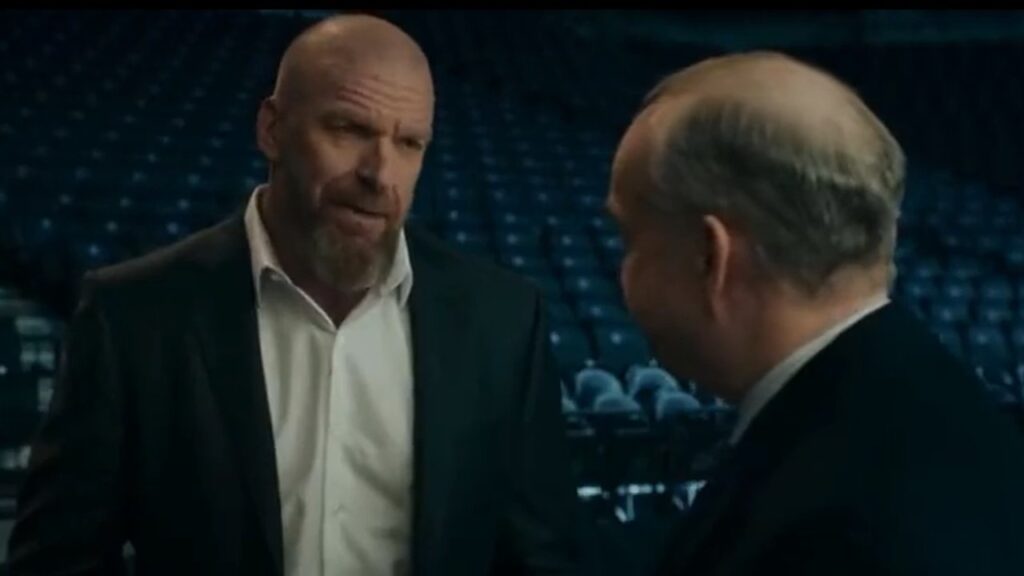
The legends of WWE have made a huge, lasting impact on professional wrestling, from in-ring style to mentoring this budding talent for wrestling sports. Today’s superstars stand on the shoulders of giants, drawing inspiration from and learning valuable lessons from those who paved the way. The article below deals with exactly how WWE legends influence today’s superstars by leaving legacies that still shape the future of wrestling. Foundations laid by WWE legendsFrom Hulk Hogan to Ric Flair, The Undertaker, Stone Cold Steve Austin, and many more, the WWE legends are a part of men interwoven right into the very fibers of this company. These legends were essential in laying the roots for wrestling to break out as a staple in mainstream entertainment for unique audiences with their charisma, athleticism, and storytelling abilities. Hulk Hogan: He was larger than life, full of charisma that helped WWE break into the national scene back in the ’80s. His legendary feuds, particularly with Andre the Giant and Randy Savage, shaped how storytelling should be conducted in wrestling today. That influence of Hogan is imprinted on the current crop of superstars who borrow from his page of showmanship and developmental skills to engage audiences on a massive scale. Ric Flair: Known by the sobriquet “The Nature Boy,” Ric Flair’s technical wrestling and flamboyant character etched out a strong legacy. It can be said that Flair’s control over the psychological work in the ring and his packing performances that elevate his opponents are things many young wrestlers today strive for. Superstars like Charlotte Flair, his daughter, emulate his style and persona in performance. The Undertaker: Well, if one thing can be said for the near-three-decade-long career of The Undertaker himself, it would probably be adaptability and storytelling. His character development—from a supernatural Deadman with mystical powers to the more human, bike-riding American Badass—had already been enough proof that reinvention binds staying relevant. He is the leading man modern superstars look up to in terms of commitment to the character and executing long storylines. Stone Cold Steve Austin: His renegade persona defined an attitude era that seemed to take wrestling to new heights regarding popularity. His relentless, hard-hitting style and ability to connect with audiences on a gut level made him influential to many who followed in his footsteps as a wrestler. Many of today’s superstars will revert to what Austin brought to the table regarding character development and engaging with an audience. Guidance and mentoring from the WWE LegendsApart from being on-screen characters, WWE legends usually take on mentorship roles to guide the next generation of superstars through experience and expertise. This kind of mentorship becomes very critical in developing young talent, guiding them through the intricacies involved in the wrestling business and ring work. Shawn Michaels, also known as “The Heartbreak Kid,” is generally regarded as among the most significant in-ring competitors ever. Timewise, Michaels has been significantly influential in shaping the diversified skill set of most current WWE superstars as an instructor at the WWE Performance Center. His focus on storytelling, work tempo, and character development made an indelible impact on these wrestlers, with some being Johnny Gargano and Adam Cole. Triple H: With the legendary wrestler being an executive at WWE, his role becomes very instrumental in fomenting talent growth through NXT, its developmental brand. He set out a vision where he saw NXT as an opportunity to prove one’s worth within the ring, bringing several stars that now dominate the main roster to the surface. It includes the likes of Seth Rollins, Kevin Owens, and Finn Bálor to their credit. Dusty Rhodes: Late Dusty Rhodes, most affectionately known as “The American Dream,” was one of the most beloved individuals in wrestling. His work coaching and mentoring students at the WWE Performance Center continues to resonate today. Rhodes would instill promo skills and character work that helped burgeon the personas of many superstars who are current stars today, such as Bayley and Becky Lynch. The Evolution of In-Ring StylesIt has also influenced WWE legends through the evolution of in-ring styles, where traditional wrestling techniques have been melded with new innovative moves and story-telling methods. This is apparent in the working style of the superstars nowadays, who perform bits and pieces of wrestling from different eras. Bret Hart: “The Hitman” Bret Hart was known most for his technical prowess and ability to weave a good story into those matches. One can see his influence on wrestlers whose philosophy is based more on the technical aspect of wrestling and staying true and being realistic with what they are doing out there. Superstars like Daniel Bryan and CM Punk often mention Hart as a significant inspiration for their in-ring style. Eddie Guerrero: With his high-flying moves put to the side, it was his enhanced charisma and character work that truly made him a wrestling world darling. He could mix lucha libre so seamlessly with traditional wrestling that today’s performers, like Rey Mysterio and Andrade, remain on the bleeding edge of in-ring innovation. Mick Foley did everything, and his penchant for putting his body on the line—his hardcore wrestling mastery—leaves a real mark on the industry. Guys like Dean Ambrose, better known today as Jon Moxley or Jeff Hardy, are among the talent that has followed Foley’s fearless approach to things with a greatly hardcore-influenced style of expertise. The Legacy Lives: Today’s Superstars and Their Inspirations.Many of the top WWE superstars will tell you that legends are the reason they are where they are today. For fighters, these ties to the past not only pay respect to a heritage laid by forefathers but also guarantee that the soul of wrestling keeps evolving. John Cena: A 16-time world champion, Cena has spoken at length about what legends like Hogan and Flair have done for his career. His “Never Give Up” mantra and larger-than-life character can be equated with Hogan’s heroic persona; his work ethic and commitment to wrestling are akin to Flair’s business-like approach. Roman Reigns: The
WWE’s Craziest Fan Theories And Urban Legends
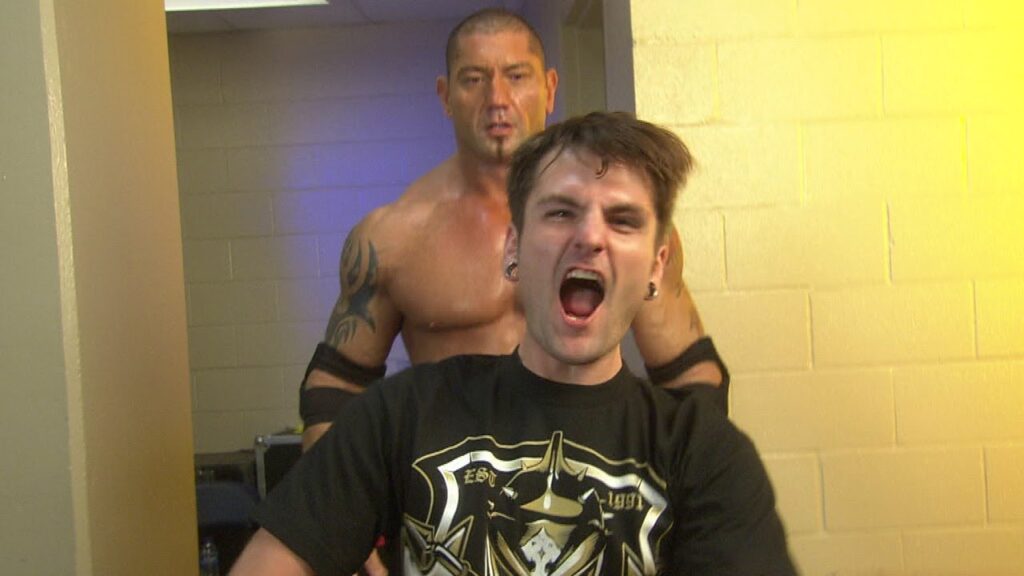
From oversized characters to over-the-top storylines, professional wrestling has always been a fertile ground for fan theories and urban legends. WWE, being the industry’s flagship promotion, has cranked out a good deal of speculation and mythos among its fan base. From secretive backstage dealings to bizarre storylines, it seems like the WWE universe is full of stories that blur the lines between reality and fiction. That’s not all, though; this article presents some of the most outrageous—with a kind of mysterious allure—fan theories and urban legends that expect years of captivation from WWE fans. The Montreal Screwjob: Work or Shoot?The Montreal Screwjob is the most infamous real-life incident in wrestling history. At Survivor Series 1997, Bret Hart was supposed to defend his WWE Championship against Shawn Michaels. What Hart didn’t know was that Vince McMahon and Michaels would change the finish of that very match, with Michaels emerging as the champion in what were very controversial circumstances. Hart looked visibly stunned and spat on McMahon before leaving the ring. Fan Theory: Many fans believe that the Montreal Screwjob was a work or an ongoing storyline, as opposed to a shoot, which means it happened. Those supporting the theory point to evidence that includes how smoothly the screwjob had been executed; it had to be staged, and added to that are the immense publicity for events around WWE and roundly cementing Vince McMahon’s on-screen character of the evil Mr. McMahon. Counterpoint: While this is an interesting theory, it’s highly debatable. All the key participants, including Bret Hart himself, have vehemently denied for years that the screwjob was real. His next step to WCW and the actual acrimony between all parties involved further cementing the shoot narrative element. The Ultimate Warrior: One Man or Many?Another elusive WWE character was the Ultimate Warrior, who could pump up an audience like no other with his high-energy ring entrances and chilling promos. That was not made clear, however, especially in light of rumors and speculation surrounding his sudden departure in 1991 and subsequent return in 1992. Fan Theory: Many of the fans, however, honestly believe that when Ultimate Warrior made his return to WWE in 1992, it was not him. The roots of this theory can be found in the discernible differences attributed to Warrior during those two instances of his career. The theory holds that the original Warrior, Jim Hellwig, died or left WWE, and the wrestling promoters replaced him with his lookalike. Counterpoint: This theory has been widely disregarded. Jim Hellwig, who legally changed his name to Warrior, confirmed that he was the only one to portray the character. Appearance differences are explained away due to changes in training and general life circumstances. Randy Savage and Stephanie McMahon: The Forbidden AffairRandy “Macho Man” Savage was one of the massive stars of the WWF—at that period in time—throughout the late 1980s and early 1990s. However, following his shocking WWF exodus in 1994 and Vince McMahon seemingly not wanting to bring him back, rumors began to swirl around. Fan Theory: One of the most persistent fan theories is that Savage had an extramarital affair with Vince’s daughter, Stephanie McMahon. She would have been underage, which makes many say this was the basis for McMahon holding such a deep grudge against Savage and his ensuing exclusion from WWE history for so many years. Counterpoint: There is no physical evidence to support this theory, and neither of the parties has ever commented on this charge. During Savage’s run in the WWE, Stephanie McMahon was still a teenager, so such a theory is highly speculative at best and controversially damaging. Vince McMahon’s Death: A Storyline Gone Wrong2007 saw WWE run a storyline with the explosion of Vince McMahon’s limousine, supposedly killing the billionaire. The angle was to go for months on end before it abruptly ended. Fan theory: Many believe that this storyline was written to keep McMahon off TV—either because of his real-life issues or to give the company a big shake-up. Others feel this angle would have finished with a shocking reveal—possibly a new power figure in WWE. Counterpoint: Yes, it was meant to be a major plotline, but due to Chris Benoit’s real-life death a mere few weeks into the development of that storyline, most everything concerning it was axed. Quite understandably, then, WWE shifted focus to deal with this tragedy and its repercussions, rendering the storyline’s intended direction irrelevant. The Katie Vick Storyline: A Hidden Message?WWE’s more controversial storylines would feature Triple H accusing Kane of murdering a woman named Katie Vick. There was also another part of the storyline where Triple H, dressed as Kane, simulated necrophilia with a mannequin in a coffin. Fan Theory: Many fans seem to believe that the Katie Vick storyline was some kind of backstage punitive action or hidden message. It was tailor-made; the story went around to humiliate some wrestlers or even send a veiled signal to some insiders in the industry. Counterpoint: Many trashed the storyline for much of its tastelessness and a generally poor execution. While it can be said that perhaps there are some deeper angles to things, the evidence simply isn’t enough to say Katie Vick served any purpose other than being another misguided attempt at shock value. The Undertaker’s WrestleMania Streak: A Controlled Outcome?Undertaker’s undefeated streak during WrestleMania had been one of the most sacrosanct traditions in the WWE. Over more than two decades, there have been 21 consecutive victories for Undertaker at WWE’s biggest extravaganza. Fan Theory: Many fans think that this ending of his streak was etched in stone right from its inception. The theory is that Vince McMahon and The Undertaker worked out, years in advance, the caveat to create the streak as a legendary storyline with its eventual demise at WrestleMania 30. Counterpoint: While it became apparent that WWE recognized and valued the importance of the streak as it went on, it’s unlikely it was conceptualized to perform such a feat from its outset. Professional wrestling is,
WWE’s Most Memorable Factions And Stables
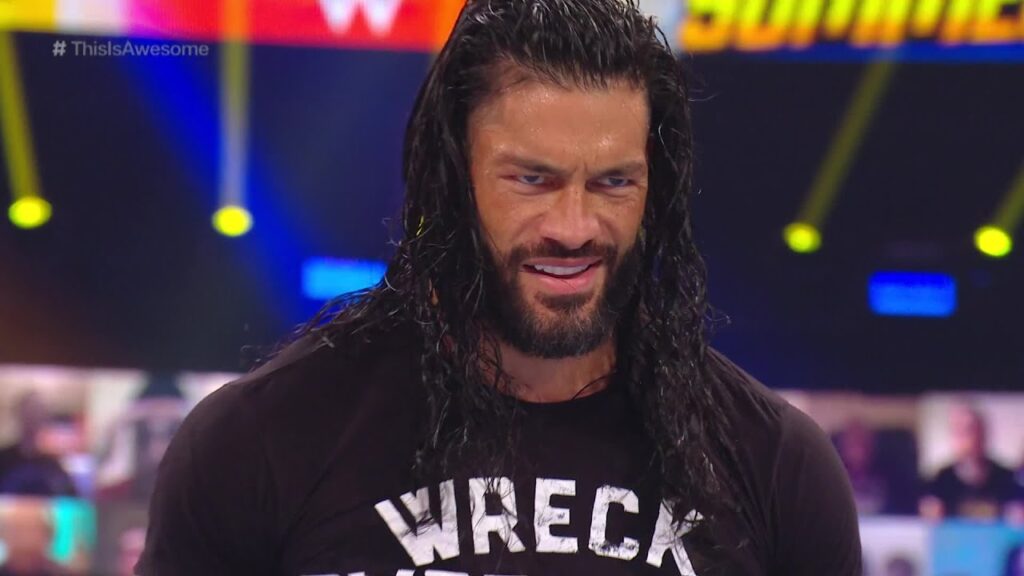
For many years, World Wrestling Entertainment has held some of the most exciting storylines, rivalries, and characters in sports entertainment. One of those exciting elements in WWE storytelling would be its factions and stables: two or more wrestlers bound together by one reason or another, often leading to really intense and unforgettable moments within wrestling history. These alliances vibrantly colored not only the careers of their involved superstars but also left a mark on the industry itself. This paper explores perhaps the most memorable WWE factions and stables, taking a closer look at their origin, unique membership, and lasting impacts. Introduction: The Four HorsemenOrigins and Key Members The Four Horsemen, born in the middle of the 1980s from the now-defunct Jim Crockett Promotions, which later became WCW and then got absorbed by WWE, is the template of every wrestling faction that followed. Its original members were Ric Flair, Arn Anderson, Ole Anderson, and Tully Blanchard, managed by James J. Dillon.For years to come, the roster of Horsemen would change many times, yet the idea generally remained the same: an elite, dominant group defining the wrestling world. Impact and LegacyThe Four Horsemen were charismatic, effective in the ring, and brutal. Ric Flair was the linchpin of the group—the archetypal heel champion whose title matches often feature interference from the Horsemen to make sure he retained. One might see this faction at work most explicitly in many of those groups, that is, those that followed behind them and emulated strategies and structures. Of all wrestling factions before them, the Four Horsemen truly nailed what such a group could be: individuals blended into one tight, compelling narrative force.D-Generation X Origins and Key MembersThe D-Generation X (DX) was born in the late 1990s, which became the Attitude Era for WWE. Throughout this era, it became edgy with adult content. Shawn Michaels, Triple H, Chyna, and Rick Rude were the first pro wrestlers involved, though soon enough, Rick Rude was gone. It then gained new life after the ‘temporary retirement’ of Michaels in 1998, acquiring fresh talent such as X-Pac and the New Age Outlaws—this latter tag team consisting of Road Dogg and Billy Gunn. Impact and LegacyThe irreverent, anti-establishment antics of DX catered right to the heart of that rebellious spirit dominating the Attitude Era. Catchphrases, signature gestures like the crotch chop, and comedic vignettes became cultural phenomena. They were one of WWE’s driving forces in their ratings war against WCW, often going as far as pushing the envelope with some of their controversial segments. That would continue to be felt long after the Attitude Era, though many reunions and tributes keep the DX legacy breathing. The nWo (New World Order) Origins and Key MembersThe New World Order—or nWo—was an innovative group that first came into being within WCW in 1996. Led by Hulk Hogan, Kevin Nash, and Scott Hall, these three men each portrayed themselves as renegades who were to invade WCW. With their black-and-white look and outsider attitude, the nWo became piping hot instantly in wrestling. Impact and LegacyTheir storyline—WCW besieged by a renegade faction—was an innovative call for huge ratings and was the catalyst that, in no small part, cemented WCW’s position at the top of professional wrestling during the Monday Night Wars. So great was this success that it saw an influx of new members before its impact was diluted. The nWo’s reach went beyond the boundaries of WCW, as even WWE would include the faction in its shows after buying out WCW in 2001. The legacy of the nWo serves to inform and caution that there is a thin line separating success from overexposure when it comes to faction storytelling. The Hart FoundationOrigins and Key MembersThe Hart Foundation was initially a tag team in the 1980s, composed of Bret “The Hitman” Hart and Jim “The Anvil” Neidhart. However, the most influential version of the Hart Foundation was founded in 1997, which comprised Bret Hart, Owen Hart, British Bulldog, Jim Neidhart, and Brian Pillman. Impact and legacy.The Hart Foundation was another huge factor in the Attitude Era of WWE, namely due to their USA vs. Canada rivalry. Bret Hart’s turn, emerging as the anti-American hero but still Cheerleader Face in Canada, created a complex dynamic. That structured the ERA’s attitude with their matches and promos.Owen Hart and Brian Pillman’s miserable ends added a poignant note to the legacy of the Hart Foundation, emphasizing just how vital this faction was throughout WWE history. EvolutionOrigins and Key MembersEvolution was born in 2003 and was tailored to be a faction that would bridge WWE’s past, present, and future. The group would consist of Triple H, Ric Flair, Randy Orton, and Batista. Triple H and Ric Flair represented the past and present, while Orton and Batista were stomping grounds that were being prepared for greatness. Impact and LegacyFor most of the mid-2000s, Evolution would rule much of the WWE main event scene, with all members at one time or another holding some form of gold. This faction’s storylines usually led to a power struggle for world dominance inside WWE. Evolution was the catalyst that cemented Randy Orton and Batista as main event status codes; both superstars would go on to substantial personal success. The highly advanced, cold-hearted image and alleviation toward legacy set an impression that would transcend into the storylines within WWE.The ShieldOrigins and Key MembersThe Shield debuted in WWE way back in 2012. It consisted of Dean Ambrose, Seth Rollins, and Roman Reigns. The team initially served as a vigilante outfit that would interrupt the action ongoing in the rings and attack those superstars whom they believed were unjust on the part of WWE. Impact and LegacyWithin no time, the Shield was one of the strongest and most popular factions working for WWE. It was, then, differentiated by the entrance through the crowd, cohesive teamwork, and high-impact matches. A breakup in 2014 led to several singles careers for all three members, but Roman Reigns had huge exposure as the face of
How WWE Adapts To Changing Audiences: Trends And Strategies
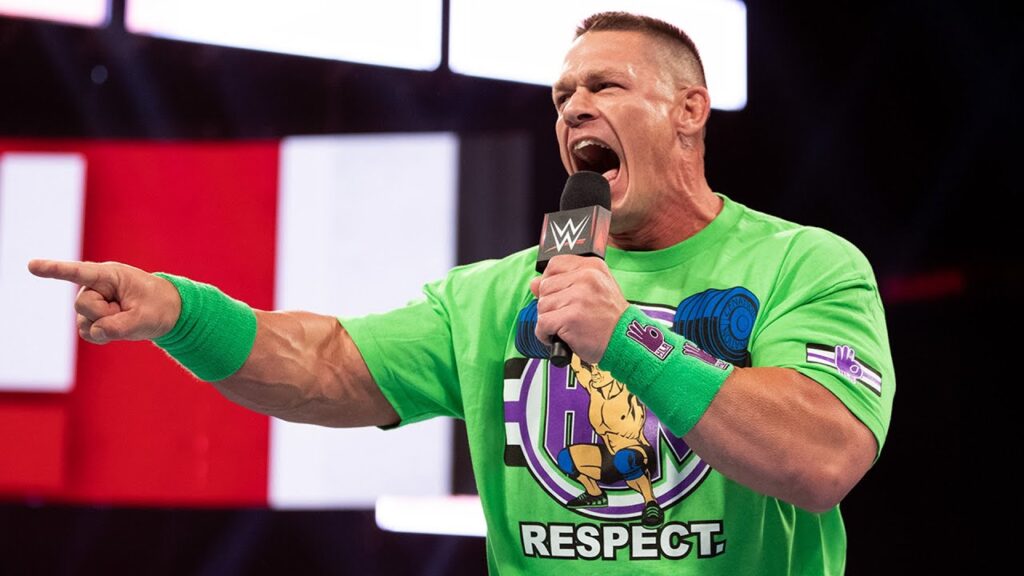
Over its lifetime, World Wrestling Entertainment has undergone many changes. Perhaps the most important occurred in 2008, when WWE changed to a PG rating. This would move away from the edgier content of the Attitude and Ruthless Aggression eras into something more family-oriented. The PG Era created a high-impact shift in the storylines, characters, and structure of WWE. This period is also the one this article will delve into in intricate detail, from how it changed the creative landscape in WWE to its influence on wrestling today. The PG-Era Background The Attitude Era and the Ruthless Aggression EraTo fully appreciate what the PG Era has meant, one would have to watch the glories of both the Attitude Era and the Ruthless Aggression Era. The Attitude Era—mostly spawning from the late 1990s into the early 2000s—was a time woefully riddled with risqué material: language, sexual innuendos, vile extreme violence, and all. These were the times for legendary storylines of fantastic, out-of-this-world characters, like Stone Cold Steve Austin, The Rock, and D-Generation X, which pushed the limits on mainstream entertainment. It was succeeded by the Ruthless Aggression Era, which kept most of that same Attitude Era intensity but dialed it down ever so slightly. It was a great time as superstars like John Cena, Brock Lesnar, and Randy Orton became new superstars who took over with the torch of the company’s aggressive and provocative style. Still, as the audience’s demographic began changing, WWE knew they had to format a more family-friendly product. Transition to the PG EraIn 2008, WWE finally made the complete switch to a PG rating. Several factors were behind the move, including broadening the audience reach, getting sponsors that pay more, and improving the impression that WWE’s name makes in corporate circles. The focus was maintaining products that were clean and safe for everybody. The era was thus termed the PG Era for WWE, and its characteristic was to eliminate most of the edginess in the product, but some of those questionable suggestions and actions that it used to take were aimed at its youth audience. Storyline Changes Family-Friendly NarrativesNotworthy of mention was one of the many noticeable shifts in the PG Era—changing angle and storyline delivery. The storylines weren’t so much about the shock factor any longer; everything focused on the old faithful standbys, such as good versus evil, surviving despite the world on your shoulders, and overcoming meaningful adversity. Such an approach was undertaken for the safety and taste display to grab the audience, children, and parents simultaneously, making WWE content very literal for all family members. Simplification and moral clarityIn this period, storylines were quite basic, where faces were the heroes and heels were the villains. Unlike the morally ambiguous Attitude Era character, the MG Era typically had heroes bound to conventions of robust ethical design and bumping up against antagonists embodying righteous villainy. That orientation made such storylines easier for more junior viewers to comprehend and associate themselves with. Reduced Violence and Controversial Content The PG Era significantly lowered the level of violence and divisiveness. Blood, which once became a common feature of most big-match spectacles, significantly decreased and was next to non-existent in standard programming. Storylines involving extreme violence, sexuality, or adult themes were phased out gradually and eventually replaced with standard, cleaner, thoroughly universally compatible angles. This shift is directly related to WWE’s increased initiative to form the product into a safer, more universally inviting product. Character Development The Rise of John CenaOne of the most significant figures during that period was John Cena. The character of John Cena best personified what this new family-friendly WWE was all about. A living and breathing superhero, many found a role model in Cena due to his “Never Give Up” mantra and clean-cut, patriotic persona. Many of his feuds were later based on respect, hard work, and integrity—monikers of the PG Era. Characters for an Even Younger AudienceThe PG Era created a variety of characters to appease its younger viewers. People like Rey Mysterio, with his fancy masks and flying style, gained children’s attention. In addition, people such as The Miz and Kofi Kingston were packaged distinctly, with unmistakable characteristics and breathtaking in-ring performers that most children loved. Female WrestlersThe PG Era also paved the way for massive changes within women’s wrestling. At this era’s onset, women were booked as just divas, an aspect initially applied to female performers who usually ended up playing secondary characters or having storylines that were shallow. With time passing, however, WWE began focusing on showing off the athleticism and talent of their female superstars. On the other hand, the Women’s Evolution gathered steam towards the end of the PG Era, when female wrestlers could headline significant events and get storylines on par with male wrestlers. The New Day and Embracing DiversityCharacters to which fans of all ages could relate, The New Day became one of the most “over” acts in the PG Era. Their gregarious personalities, affability, and entertaining promos caused them to be relatable characters. The success of The New Day showcased not only WWE but diverse characters, breaking away from stereotypes. Impact on Wrestling StyleSafer in-ring actionIn pairing the heart-pounding in-ring acrobatics with bodacious personalities, the style underwent a dilution into the PG Era to ensure player safety and family-friendly content. High-risk maneuvers and hard-core matches were ramped down; however, much more importance was put on technical wrestling and the storytelling element, presenting the matches not only as safe for the superstars’ well-being but also as accessible to a young audience. Less ViolentMuch of the violent and provocative content was toned down, while the storytelling inside the matches became more critical. Superstars were expected to take the initiative to concentrate and invest time in how their characters should develop, hence bringing emotions into the ring. With a focus now on narrative, fans are made to identify more with characters, and the general entertainment value becomes deeper. Adaptation of Signature MovesSome signature moves and finishing maneuvers were taken
The Impact Of WWE’s PG Era On Storylines And Characters
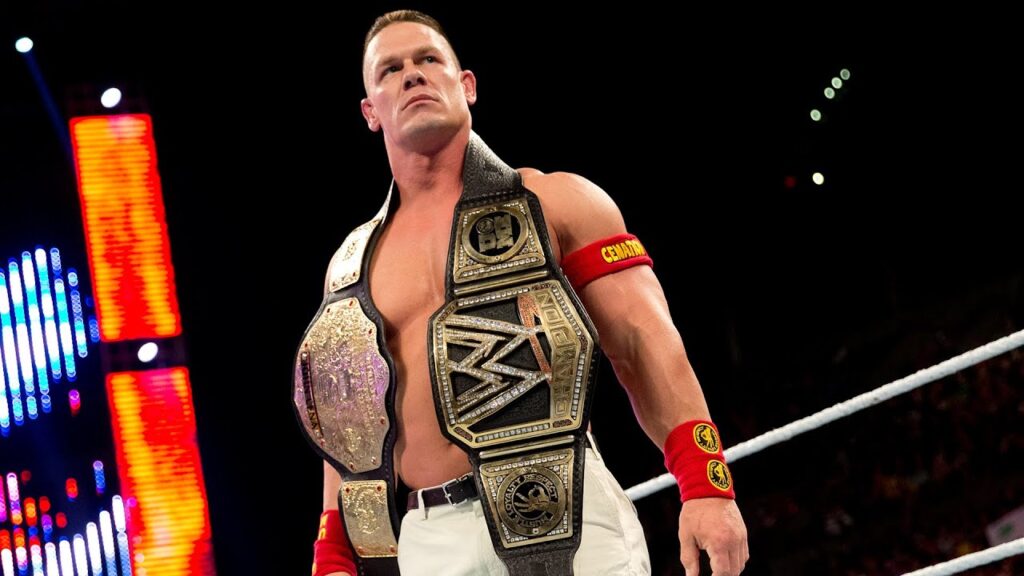
Over its lifetime, World Wrestling Entertainment has undergone many changes. Perhaps the most important occurred in 2008, when WWE changed to a PG rating. This would move away from the edgier content of the Attitude and Ruthless Aggression eras into something more family-oriented. The PG Era created a high-impact shift in the storylines, characters, and structure of WWE. This period is also the one this article will delve into in intricate detail, from how it changed the creative landscape in WWE to its influence on wrestling today. The PG-Era Background The Attitude Era and the Ruthless Aggression EraTo fully appreciate what the PG Era has meant, one would have to watch the glories of both the Attitude Era and the Ruthless Aggression Era. The Attitude Era—mostly spawning from the late 1990s into the early 2000s—was a time woefully riddled with risqué material: language, sexual innuendos, vile extreme violence, and all. These were the times for legendary storylines of fantastic, out-of-this-world characters, like Stone Cold Steve Austin, The Rock, and D-Generation X, which pushed the limits on mainstream entertainment. It was succeeded by the Ruthless Aggression Era, which kept most of that same Attitude Era intensity but dialed it down ever so slightly. It was a great time as superstars like John Cena, Brock Lesnar, and Randy Orton became new superstars who took over with the torch of the company’s aggressive and provocative style. Still, as the audience’s demographic began changing, WWE knew they had to format a more family-friendly product. Transition to the PG EraIn 2008, WWE finally made the complete switch to a PG rating. Several factors were behind the move, including broadening the audience reach, getting sponsors that pay more, and improving the impression that WWE’s name makes in corporate circles. The focus was maintaining products that were clean and safe for everybody. The era was thus termed the PG Era for WWE, and its characteristic was to eliminate most of the edginess in the product, but some of those questionable suggestions and actions that it used to take were aimed at its youth audience. Storyline Changes Family-Friendly NarrativesNotworthy of mention was one of the many noticeable shifts in the PG Era—changing angle and storyline delivery. The storylines weren’t so much about the shock factor any longer; everything focused on the old faithful standbys, such as good versus evil, surviving despite the world on your shoulders, and overcoming meaningful adversity. Such an approach was undertaken for the safety and taste display to grab the audience, children, and parents simultaneously, making WWE content very literal for all family members. Simplification and moral clarityIn this period, storylines were quite basic, where faces were the heroes and heels were the villains. Unlike the morally ambiguous Attitude Era character, the MG Era typically had heroes bound to conventions of robust ethical design and bumping up against antagonists embodying righteous villainy. That orientation made such storylines easier for more junior viewers to comprehend and associate themselves with. Reduced Violence and Controversial Content The PG Era significantly lowered the level of violence and divisiveness. Blood, which once became a common feature of most big-match spectacles, significantly decreased and was next to non-existent in standard programming. Storylines involving extreme violence, sexuality, or adult themes were phased out gradually and eventually replaced with standard, cleaner, thoroughly universally compatible angles. This shift is directly related to WWE’s increased initiative to form the product into a safer, more universally inviting product. Character Development The Rise of John CenaOne of the most significant figures during that period was John Cena. The character of John Cena best personified what this new family-friendly WWE was all about. A living and breathing superhero, many found a role model in Cena due to his “Never Give Up” mantra and clean-cut, patriotic persona. Many of his feuds were later based on respect, hard work, and integrity—monikers of the PG Era. Characters for an Even Younger AudienceThe PG Era created a variety of characters to appease its younger viewers. People like Rey Mysterio, with his fancy masks and flying style, gained children’s attention. In addition, people such as The Miz and Kofi Kingston were packaged distinctly, with unmistakable characteristics and breathtaking in-ring performers that most children loved. Female WrestlersThe PG Era also paved the way for massive changes within women’s wrestling. At this era’s onset, women were booked as just divas, an aspect initially applied to female performers who usually ended up playing secondary characters or having storylines that were shallow. With time passing, however, WWE began focusing on showing off the athleticism and talent of their female superstars. On the other hand, the Women’s Evolution gathered steam towards the end of the PG Era, when female wrestlers could headline significant events and get storylines on par with male wrestlers. The New Day and Embracing DiversityCharacters to which fans of all ages could relate, The New Day became one of the most “over” acts in the PG Era. Their gregarious personalities, affability, and entertaining promos caused them to be relatable characters. The success of The New Day showcased not only WWE but diverse characters, breaking away from stereotypes. Impact on Wrestling StyleSafer in-ring actionIn pairing the heart-pounding in-ring acrobatics with bodacious personalities, the style underwent a dilution into the PG Era to ensure player safety and family-friendly content. High-risk maneuvers and hard-core matches were ramped down; however, much more importance was put on technical wrestling and the storytelling element, presenting the matches not only as safe for the superstars’ well-being but also as accessible to a young audience. Less ViolentMuch of the violent and provocative content was toned down, while the storytelling inside the matches became more critical. Superstars were expected to take the initiative to concentrate and invest time in how their characters should develop, hence bringing emotions into the ring. With a focus now on narrative, fans are made to identify more with characters, and the general entertainment value becomes deeper. Adaptation of Signature MovesSome signature moves and finishing maneuvers were taken
The Impact Of WWE’s PG Era On Storylines And Characters
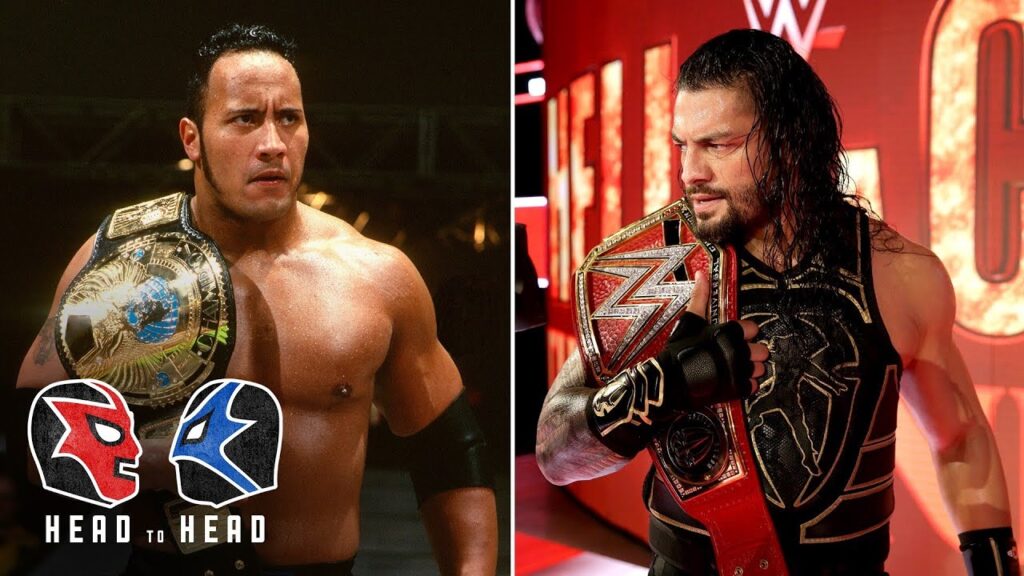
Over its lifetime, World Wrestling Entertainment has undergone many changes. Perhaps the most important occurred in 2008, when WWE changed to a PG rating. This would move away from the edgier content of the Attitude and Ruthless Aggression eras into something more family-oriented. The PG Era created a high-impact shift in the storylines, characters, and structure of WWE. This period is also the one this article will delve into in intricate detail, from how it changed the creative landscape in WWE to its influence on wrestling today. The PG-Era Background The Attitude Era and the Ruthless Aggression EraTo fully appreciate what the PG Era has meant, one would have to watch the glories of both the Attitude Era and the Ruthless Aggression Era. The Attitude Era—mostly spawning from the late 1990s into the early 2000s—was a time woefully riddled with risqué material: language, sexual innuendos, vile extreme violence, and all. These were the times for legendary storylines of fantastic, out-of-this-world characters, like Stone Cold Steve Austin, The Rock, and D-Generation X, which pushed the limits on mainstream entertainment. It was succeeded by the Ruthless Aggression Era, which kept most of that same Attitude Era intensity but dialed it down ever so slightly. It was a great time as superstars like John Cena, Brock Lesnar, and Randy Orton became new superstars who took over with the torch of the company’s aggressive and provocative style. Still, as the audience’s demographic began changing, WWE knew they had to format a more family-friendly product. Transition to the PG EraIn 2008, WWE finally made the complete switch to a PG rating. Several factors were behind the move, including broadening the audience reach, getting sponsors that pay more, and improving the impression that WWE’s name makes in corporate circles. The focus was maintaining products that were clean and safe for everybody. The era was thus termed the PG Era for WWE, and its characteristic was to eliminate most of the edginess in the product, but some of those questionable suggestions and actions that it used to take were aimed at its youth audience. Storyline Changes Family-Friendly NarrativesNotworthy of mention was one of the many noticeable shifts in the PG Era—changing angle and storyline delivery. The storylines weren’t so much about the shock factor any longer; everything focused on the old faithful standbys, such as good versus evil, surviving despite the world on your shoulders, and overcoming meaningful adversity. Such an approach was undertaken for the safety and taste display to grab the audience, children, and parents simultaneously, making WWE content very literal for all family members. Simplification and moral clarityIn this period, storylines were quite basic, where faces were the heroes and heels were the villains. Unlike the morally ambiguous Attitude Era character, the MG Era typically had heroes bound to conventions of robust ethical design and bumping up against antagonists embodying righteous villainy. That orientation made such storylines easier for more junior viewers to comprehend and associate themselves with. Reduced Violence and Controversial Content The PG Era significantly lowered the level of violence and divisiveness. Blood, which once became a common feature of most big-match spectacles, significantly decreased and was next to non-existent in standard programming. Storylines involving extreme violence, sexuality, or adult themes were phased out gradually and eventually replaced with standard, cleaner, thoroughly universally compatible angles. This shift is directly related to WWE’s increased initiative to form the product into a safer, more universally inviting product. Character Development The Rise of John CenaOne of the most significant figures during that period was John Cena. The character of John Cena best personified what this new family-friendly WWE was all about. A living and breathing superhero, many found a role model in Cena due to his “Never Give Up” mantra and clean-cut, patriotic persona. Many of his feuds were later based on respect, hard work, and integrity—monikers of the PG Era. Characters for an Even Younger AudienceThe PG Era created a variety of characters to appease its younger viewers. People like Rey Mysterio, with his fancy masks and flying style, gained children’s attention. In addition, people such as The Miz and Kofi Kingston were packaged distinctly, with unmistakable characteristics and breathtaking in-ring performers that most children loved. Female WrestlersThe PG Era also paved the way for massive changes within women’s wrestling. At this era’s onset, women were booked as just divas, an aspect initially applied to female performers who usually ended up playing secondary characters or having storylines that were shallow. With time passing, however, WWE began focusing on showing off the athleticism and talent of their female superstars. On the other hand, the Women’s Evolution gathered steam towards the end of the PG Era, when female wrestlers could headline significant events and get storylines on par with male wrestlers. The New Day and Embracing DiversityCharacters to which fans of all ages could relate, The New Day became one of the most “over” acts in the PG Era. Their gregarious personalities, affability, and entertaining promos caused them to be relatable characters. The success of The New Day showcased not only WWE but diverse characters, breaking away from stereotypes. Impact on Wrestling StyleSafer in-ring actionIn pairing the heart-pounding in-ring acrobatics with bodacious personalities, the style underwent a dilution into the PG Era to ensure player safety and family-friendly content. High-risk maneuvers and hard-core matches were ramped down; however, much more importance was put on technical wrestling and the storytelling element, presenting the matches not only as safe for the superstars’ well-being but also as accessible to a young audience. Less ViolentMuch of the violent and provocative content was toned down, while the storytelling inside the matches became more critical. Superstars were expected to take the initiative to concentrate and invest time in how their characters should develop, hence bringing emotions into the ring. With a focus now on narrative, fans are made to identify more with characters, and the general entertainment value becomes deeper. Adaptation of Signature MovesSome signature moves and finishing maneuvers were taken
WWE’s Use Of Special Effects: Enhancing The Spectacle
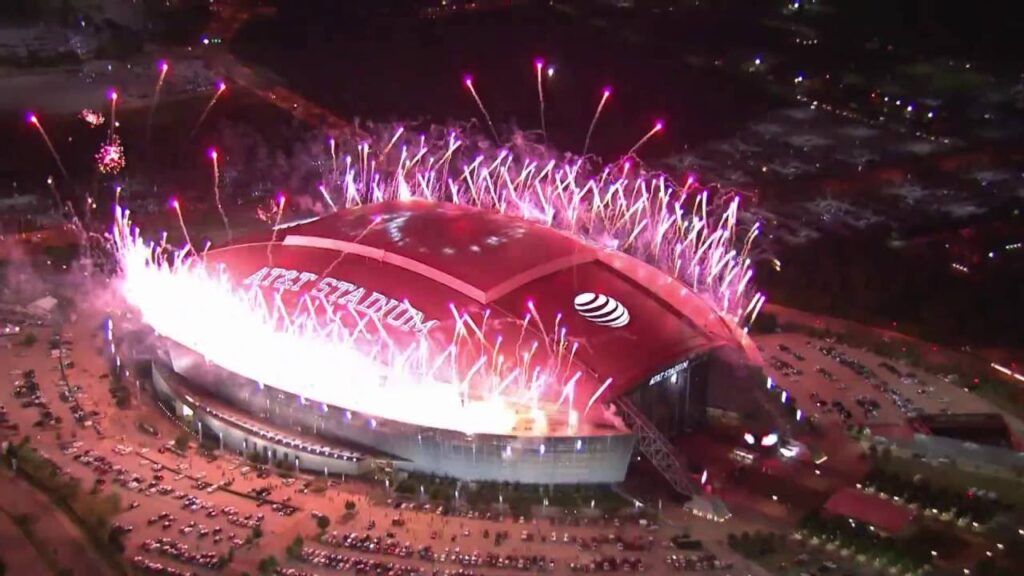
One primary reason World Wrestling Entertainment is unique is its immersive entertainment. It is not about athletic skills and acting; rather, it vastly enhances with special effects. From pyrotechnics to advanced video production, special effects are moments that will be pretty difficult to forget and leave fans worldwide with moments worth remembering. The article views the progress and impacts of special effects in WWE, elaborating on how they function to make its presentation richer, keeping audiences engaged with a greater-than-life atmosphere that resonates in every WWE event. Evolution of Special Effects in WWEEarly Use of Special Effects The use of special effects in WWE can be traced back to the 1980s under the vision of Vince McMahon, who aimed to turn professional wrestling into a global entertainment phenomenon. One of the very first and most classic examples of special effects would have to be the entrance of The Undertaker, debuting in 1990. The theater smoke, dark mood lighting, and dramatic music establish a paranormal element regarding the character—that sets him apart from all others in the delivery, which is the signature of this particular character at first impression.It was during this time that WWE’s production added pyrotechnics as one of its defining elements. The wrestlers at WrestleMania, WWE’s crowning glory, would(step out dressed like kings and queens, complete with dynamic fireworks exhibitions to incorporate a whole different level of professionalism into the ways professional wrestling presentations are done. Pyrotechnics, with other light effects, infused energy, excitement, and anticipation among viewers. The Attitude Era: Pushing the BoundariesThe late 1990s and early 2000s belong to the Attitude Era, which saw an increased use of special effects. WWE began extending the boundaries using more epileptic pyrotechnics, sophisticated lighting, and ground-breaking set designs. This era was when giant characters like Stone Cold, Steve Austin, The Rock, and D-Generation X were coming through. These were all guys with explosively heavy entrance effects that would just add even more fuel to their renegade characters. Without a doubt, one of the most memorable uses of special effects during this period was Kane’s debut in 1997. Done with dramatic flair with fire and pyro, his entrance spelled out as destructive and hellish for the character. This use of special effects took the mystique of Kane to another level. It carved out the storyline between himself and The Undertaker into something that would be forever etched in the realms of WWE history. The Modern Age: Advancements in TechnologySpecial-effects technology has come of age in this modern WWE era. High-definition video production, augmented reality, and advanced pyrotechnics are all now part and parcel of the presentation mainspring of WWE. One needs not to look too far back into the introduction of the WWE Thunderdome during the COVID-19 pandemic to get a clear example of how WWE leveraged innovative technologies to create a varied viewing experience. The Thunderdome, with its virtual fans, dynamic lighting, and AR graphics, made it possible for WWE to maintain the immersiveness despite a lack of audiences attending the event live. WrestleMania 37 in 2021 was an excellent example of how WWE keeps its nose to the grindstone toward innovation. It was an event exercising the most advanced pyrotechnics, complex designs of light-emitter systems, and augmented reality effects animating the stage. For instance, at the entry point of The Fiend, AR graphics will be seen with him morphing into different creatures, becoming a visual treat and creating an immersive experience for home-bound viewers. Improving Entrances and Personas Create Iconic EntrancesEntrances are part of the integral WWE storytelling, and special effects make most of them memorable. The mix of music, lighting, pyrotechnics, and video graphics helps build a superstar’s persona and sets the tone for the character. Other than being just events before a match, iconic entrances turned out to be like their superstars—The Undertaker, Triple H, John Cena—and remained in people’s minds through an inundated introduction. Triple H’s WrestleMania entrances genuinely are the stuff of legend, fitting for befitting rounds in the grandiose and spectacular. From motorbikes and customized vehicles to elaborate attire with pyrotechnics, Triple H has made dramatic entrances throughout his career. In addition to flexing Triple H as among the finest performers, such entries provide the feel of it all that the public awaits. Augmented Reality and Digital Effects.The merger of augmented reality and digital effects has propelled WWE’s presentation to a whole different level. AR can create virtual elements within infrastructural surroundings that make more dynamic situations for the viewers before the audience—to improve WWE visuals. This will add affluent graphics during entrances, adding props with virtual existence around the stage, nearly raising production values.A notable example of the use of AR would be in the Roman Reigns entrance, which includes the digital renderings of a sizable Roman helmet and animated visual effects assisting in his character’s remarkable trait of being known as “Tribal Chief.” These digital enhancements add depth and dimension to Reigns’ character, making his presence even more imposing and impactful. Pyrotechnics and FireworksPyrotechnics and fireworks have been part of the WWE special effects arsenal since the concept was invented. Such explosive elements are used to punctuate monumental moments, celebrate victories, or suggest that va-va-voom spectacle. More than anything else, WrestleMania has a proud history of big pyro displays—some of which help establish the reputation of this event as the “Grandest Stage of Them All.”. They have also been used in superstars’ entrances, like Goldberg and Edge. Goldberg goes with his sparks during his entrance into the ring, and Edge’s return at the 2020 Royal Rumble was a high drama, as it tasted localization with a massive pyro display to heighten the emotion of his return. Moments like that would show just how much pyrotechnics can add to the action and drama of WWE. Special Effects in Matches and Storylines Enhancing In-Ring ActionThe special effects don’t only spurn on entrances; they make their way into the in-ring action and storytelling, too. WWE has done many of these to accentuate moments,
The Role Of Referees In WWE: Unsung Heroes Of The Ring
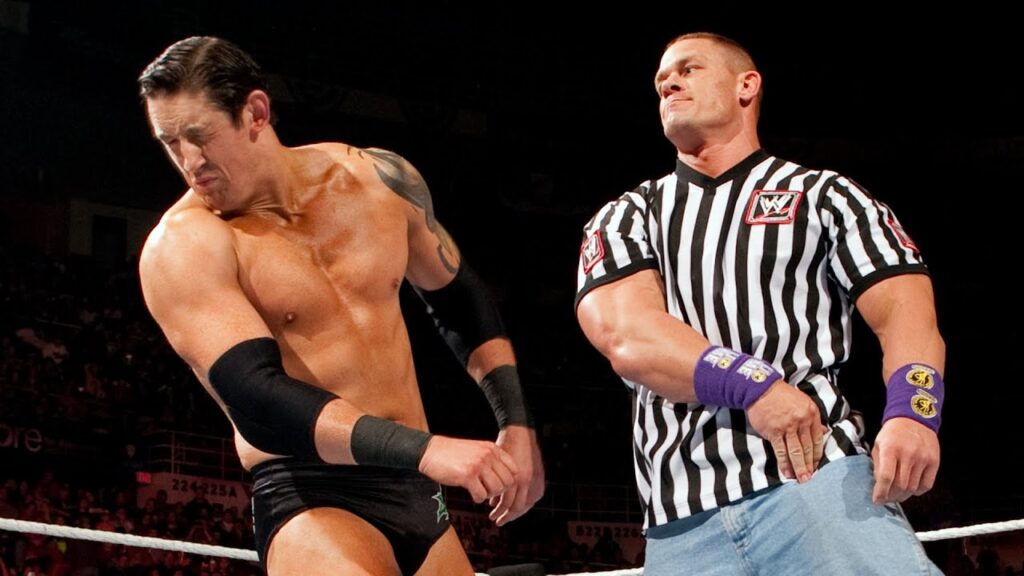
Regarding professional wrestling, one can hardly ever go without thinking about WWE superheroes. Their athletic performance, colossal character, and dramatic scenarios envelop millions of viewers worldwide. But there is yet another group—those people who forge the success and safety of those exact matches, invisible to many: referees. These unsung heroes of the squared circle are instrumental in the tempo of a match, the overall safety of the performers involved, and the general storytelling. The duties, challenges, and contributions that a WWE referee makes to the world of professional wrestling are covered in the following article. Primary Responsibilities of WWE RefereesEnforcing rules and regulations. The most transparent role of a WWE referee should be to enforce the rules and regulations of the match. This includes counting pinfalls, monitoring submissions, and ensuring that competitors adhere to the match stipulations. Referees are tasked with maintaining the integrity of the contest and making sure that the action stays within the bounds of the scripted rules. The enforcement of rules is not that easy when it comes to WWE, however.Given that professional wrestling is a scripted form of entertainment, referees must often navigate a complex landscape where certain rule violations are part of the storyline. For example, a referee might have to turn a blind eye to certain infractions to advance a narrative or create dramatic tension. This means keeping pace with a deep understanding of the storyline and balancing that against the scripted elements, all to keep up appearances of fairness and competition. Communicating with wrestlersThe referee is also a liaison between the wrestlers and the producers backstage. They are responsible for transmitting vital information and cues during a match to let everyone involved know what’s happening. This could be anything from changes to the contest’s finish to time cues or letting wrestlers know when there will be commercial breaks during the match. This is often conveyed discreetly through hand signals, whispers, or any other type of subtle communication to avoid diverting attention from the action. Timing and quick negotiation skills, coupled with the ability to process and convey information efficiently, are significant requirements for a referee. Their role as intermediaries helps ensure the match goes smoothly and according to the planned script. Ensuring SafetyOne of the most essential duties of WWE referees involves a special responsibility for performer safety. Wrestling is physically intensive; it can be so dangerous that an injury could happen in a second. The referees have been trained to see the first signs of an injury and are responsible for stopping the match when a wrestler becomes seriously injured.The function of referees is not merely limited to resolving conflicts and making decisions; it also extends to preventing injuries by maintaining orderliness and ensuring safety protocols. An example would be when they prevent wrestlers from using illegal weapons during the tussle or from performing some overly life-threatening movements. In extreme cases, when their judgment considers that the safety of the wanted participants is at stake, then referees have all the right to disqualify or even end the match. Timing and pacingTiming and pace are critical in wrestling, with significant parts regulated by the referees. They keep track of the time of the match, maintaining it within the allocated time frame. Most of the time, when the timing-related updates come up from the backstage producers, they hint at it subtly to the wrestlers. This extends to the pacing of a match, which is also affected by the referee’s actions. Suppose a slow or deliberate count built up much suspense and drama regarding pinfall attempts; quick counts create urgency. Poor referees need to be attuned to the rhythm of the match and act to sell what is happening. WWE Referees and Their Challenges Physical DemandsBeing a WWE referee is physically demanding. They have to be in good shape so that they can keep up with the action regarding whatever is happening inside the ring. They never stop moving; they frequently stoop low, at the same time constantly repositioning their bodies to get a better view without blocking the audience’s view. Endurance, agility, and quick reflexes are needed to carry out all this. Furthermore, referees are often part of the action in terms of the physical aspects of the competition. They might take a bump or be written into a segment where they get attacked by a wrestler. Again, all stunts may be scripted but still require some degree of physical resilience and learning how to fall safely. Mental and emotional stressNotably, WWE officiating also requires the ingredients of a mentally and emotionally demanding role. These officials are under constant pressure to maintain a high level of focus and attention throughout the bout and simultaneously process information for quick decision-making. The pressure to be perfect in front of a live crowd and millions around the world watching can be immense. They are also supposed to take care of the emotional aspects of their job. Most referees usually land themselves in the middle of fierce rivalries and intense matches where vindictive emotions are running high. Composure and grace are required at such moments. They might also have to encounter an emotional calculation if they have witnessed injuries or been a part of some controversial match finishes. Balancing scripted and real elementsOne of the many challenging factors WWE referees go through is the need to balance the elements of a script against rules that are supposed to be protected and engage in actual enforcement for safety’s sake. This dual-identity fiasco requires an in-depth understanding of the storyline and spontaneity whenever called upon. For example, a referee might be required to count a pinfall attempt that is ultimately interrupted at the last second. They need to make the count look natural, but they also have to ensure that they are not stopping anything too soon. Another aspect involves being prepared for improvised moments, such as when a wrestler goes off-script or is hurt unintentionally. The Influence of Referees on Storytelling Increasing the levels of drama and
WWE’s Most Iconic Championship Belts: History And Design
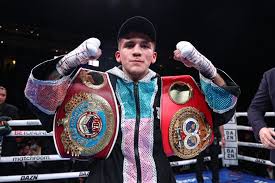
Professional wrestling is a sport in great depth with rich tradition and storytelling, involving larger-than-life characters. At the very core of this drama and glamor regarding wrestling are awarded championship belts indicative not only of the trophies or prizes won but also meant to embody things like prestige, history, and, most importantly, honor. WWE is the largest wrestling promotion globally and has made a long-standing history of some of the most iconic championship belts in the industry. More than just props, they become part of the ring-bound stories unfolding. The following article briefly covers the history and design behind some of WWE’s most memorable championship belts.The WWE Championship HistoryCredited by many as the most elite title in professional wrestling, the WWE Championship was established in 1963. At the time, it was known as the WWF World Heavyweight Championship, brought about when the first champion, Buddy Rogers, was awarded the title. The WWE Championship has been held throughout generations by those whom many consider some of the greatest wrestlers of all time: Bruno Sammartino, Hulk Hogan, Stone Cold Steve Austin, The Rock, and John Cena. As WWWF became WWF, which in turn became WWE, so did the title’s name. Each of these eras brought along its styles and flair, which were added to the Championship belt, hence making it dynamic regarding change in wrestling. DesignExternally, over the years, the design of this WWE Championship belt has changed many times, specific to that particular era. The first-ever belt Buddy Rogers wore was simple yet classy, with a globe and eagle theme—a symbol of the all-ideal champion. In the 1980s, the belt had a major redesign to a larger and more elaborate one. Possibly the most adored design among all the fans is the “Winged Eagle” of 1988—at the time a large eagle spreading its wings across the main plate, complete with its intricate detailing and bright colors. This was the mold most associated with the Golden Era of wrestling, worn by such legends as Hulk Hogan and Bret Hart. It was the Attitude Era that brought, simply, another redesign of the “Big Eagle” belt, similar in motif but more extensive and more modern in appearance. The early 2000s brought in the “Undisputed Championship” belt, a sleeker design that fuses elements from previous belts.The most extensive redesign was in 2013 with the “Big Logo” belt; the large WWE logo would center at the plate. Since then, it has undergone several subtle changes. Among them is adding customizable side plates to make the belts of individual champions distinct. Today, this design represents a brand-centric direction for WWE regarding globalization and its feel of modernity. The Intercontinental Championship HistoryThe Intercontinental Championship was born in 1979, though Pat Patterson is primarily regarded as the first champion because he combined the North American and South American titles. What would start off as an intercontinental championship to work behind-upper-tier to the WWE Championship became a proving ground for potential talent that would headline the main events in the future. The Intercontinental Championship has, over the years, been held by some of wrestling’s finest talents; among them, instantly recognizable ones include Randy Savage, Ricky Steamboat, Shawn Michaels, and Chris Jericho. Considerably linked to the Intercontinental Championship are perfect quality matches and technical excellence; this effectively tagged the championship as the “workhorse” title. DesignThe original design of the Intercontinental Championship belt was simple yet classic, inlaid with a globe motif and topped off by a bold eagle. 1985 saw a significant redesign for the belt, that produced the iconic white strap and detailing of the main plate; this became synonymous with late-80s/early-90s wrestling and became synonymous with legends Randy Savage and Mr. Perfect alike. In 1998, the Attitude Era was reigniting, and so it received further evolution into modern appeal with a black strap and a renewed main plate. This design remained in use until 2011, when WWE returned to a previous classic design in appeal from the 1980s, reattaching the white strap—yet another nice gesture to the tournament enthusiasts.The redesign in 2019 made this Championship sleeker and more modern-looking, subtle in color, meaning that it had a black strap with a minimum main plate displaying geometric patterns. This design goes on further to express the thoughts of modernity WWE shares still holding tight onto its limb of the previous prestige and history of the Intercontinental Championship. The United States Championship HistoryThe United States Championship has a rich history, dating back to its establishment in 1975 in the promotion known as Mid-Atlantic Championship Wrestling. The latter evolved into part of Jim Crockett Promotions and then World Championship Wrestling (WCW). When WWE bought WCW in 2001, this title became the eventual part of WWE’s championship lineup.This title has operated for many game legends, from Ric Flair and Dusty Rhodes to Lex Luger; more recently, John Cena increased its prestige with his “U.S. Open Challenge” in 2015. On the other hand, it sees a championship of young uprising stars heating the ranks and serving as talent blossoming. DesignWCW’s championship design for the United States Championship originally had a fundamental but bold main plate featuring an important American flag theme. The design was refreshed to show the company’s branding when WWE adopted the title. In 2003, the belt was updated to have a more modern look, having a black strap with an overwhelming American flag background on the main plate. This design epitomizes the era of John Cena’s reign, as he adopted a custom spinner variant of the championship, that gave his persona an individual flair. In 2020, WWE released an improved design of the United States Championship, in which there is a far bigger main plate with an eagle-facing front and other redrawn patriotic elements that make it modern. From this design, the idea has been to balance tradition and modernity since the title needs relevance and prestige today. The Championships for Women HistoryWomen’s wrestling has a heritage, if not completely paralleled, in the men’s division. The WWE women’s championship dates
The Influence Of International Wrestling Styles On WWE
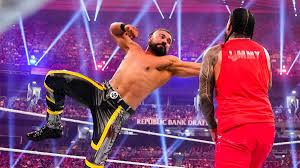
Professional wrestling brings athleticism and theatrical storytelling together into one spectacle. The sport has cultural roots in many areas of the world. WWE, the worldwide leader in professional wrestling, has a tradition of borrowing a lot from different styles across the globe. This melting pot of styles and traditions significantly influenced the in-ring product and storytelling for WWE, evolving and diversifying its shows. This article deliberates on the effect that international wrestling styles have had on WWE. It talks about how Mexican Lucha Libre, Japanese Puroresu, and British Catch Wrestling, among many other international wrestling traditions, started influencing WWE. Lucha Libre of MexicoHistory and StyleLucha Libre means “free fight,” which is applied primarily to professional wrestling in Mexico. Identified by high-flying moves, a faster-paced series of holds and counterholds, and masked wrestlers or luchadores, the genre has been a part of the culture since the beginning of the 20th century. The masks are crucial to them; remember that a mask may identify a wrestler, heritage, or even mystique. Influence on WWEThe first impact of Lucha Libre on WWE was realized by including a Mexican wrestler in the company’s roster of wrestlers. Wrestlers like Rey Mysterio, Eddie Guerrero, and Alberto Del Rio introduced this high-flying aspect that characterized Lucha Libre into WWE and thrilled audiences by showcasing their athleticism and acrobatic moves. In particular, Rey Mysterio became an icon, winning many championships, and is one of the most adored WWE superstars.It’s in the cruiserweight division of the WWE, however, that Lucha Libre truly flexes its muscle. It is a place where fast-paced aerial battles are perfect, as fights in this division are taken with speed and agility. The WWE’s Cruiserweight Classic tournament in 2016 held up quite well; it broke out the popularity and impact of Lucha Libre, sustaining many luchadors themselves and introducing an entire next generation of wrestling fans to this inspiring style. This, in turn, influenced WWE’s style of character development through storytelling with masks and personas. The basis of masked wrestlers in WWE was furthered by Sin Cara and Kalisto, mysterious masked wrestlers from the present wrestling world. Japanese Puroresu History and StylePuroresu is Japanese for “professional wrestling.” Unlike Western professional wrestling, the wrestling style of puroresu is hard-hitting and realistic. Not indulging in theatrics as espoused by their Ricola-bound Western counterparts, strong-style wrestling is what it relies on. This demands advanced stamina, toughness, and technique from its wrestlers.Influence in WWE There seems to be a strong influence of Puroresu in WWE concerning style and the quality of the match. The three primary appellants from Japan representing WWE were Antonio Inoki, Tatsumi Fujinami, and Jushin Thunder Liger, all of whom had bucks and represented their view regarding wrestling based on the strong-style approach.Over the last few years, WWE has indeed brokered a handful of high-profile Japanese wrestlers, transplanting Puroresu directly into the company itself. Shinsuke Nakamura, Asuka, Io Shirai, and Kairi Sane are a few Japanese imports who have made a big splash in WWE. Their matches often have stiff strikes, submission holds, and an athletic level of performance, which is Tarih yespets of Puroresu, taking WWE’s in-ring product to another degree quite frequently. But perhaps the most significant case of Puroresu’s influence can be seen in WWE’s developmental brand, NXT. This synthesis is evident in how most matches for NXT have shifted to a strong-style wrestling and physical, hard-hitting-oriented display. This is visible in the cases of Finn Balor, who had enormous tenure in Japan before being formally signed to WWE, and Samoa Joe, whose in-ring style is currently deeply influenced by Puroresu. British catch wrestling History and StyleBritish Catch Wrestling, or catch-as-catch-can wrestling, is rooted in the 19th century. Grappleness, joint locks, and submissions majorly characterize the style. Unlike most styles that generally focus on striking or flying around the ring, this one deals with ground techniques and mat wrestling. This bred many legends among wrestlers and influenced the technical side of professional grappling to a great degree. Influence on WWEBritish catch wrestling has been a massive part of the technical wrestling style associated with WWE. Many wrestlers, like William Regal, Fit Finlay, and Dynamite Kid, brought this catch wrestling style into WWE and spread the essence of technical grappling and submission wrestling amongst wrestling fans. Their influence lies in the matches of modern WWE wrestlers, who focus on technical efficiency and mat-based wrestling. The United Kingdom Championship Tournament and the subsequent creation of NXT UK have further shone a light on the influence of British wrestling in WWE. Wrestlers such as Pete Dunne, Tyler Bate, and Zack Gibson have superimposed catch wrestling with modern wrestling techniques to bring an exciting ring product to fans. Next is robotics process automation, where NXT UK has become more or less of a spotter platform for British wrestling talent, whereas in its matches, significant roots of grappling or submission techniques associated with catch wrestling are found. This would add another dimension to how WWE went about the programming to develop an attraction to the fan, valuing the art and skill of mat-based wrestling. Canadian Wrestling History and StyleCanada has a long history of professional wrestling focused on technical grappling and telling a story. Canadian multifunctional wrestlers can mix both catch wrestling and high-flying with strong-style wrestling. The Hart family did a lot toward defining the identity of the local wrestling style, mainly through Bret Hart and Owen Hart. What has been most associated with it is technical excellence and ring psychology. Influence on WWEIt is through Canadian wrestlers that WWE received the most jolt in its in-ring style and storytelling approach, with Bret “The Hitman” Hart being, without a single shadow of a doubt, one of the best technical wrestlers to step into a WWE ring. He revolutionized telling stories in the ring. His suggestion can be currently witnessed in the work of modern-day wrestlers who have taken a liking to technical skill and psyche in their performances. Other Canadian grapplers will join the immemorial marks that