
Wrestling Families: Dynasties That Shaped WWE
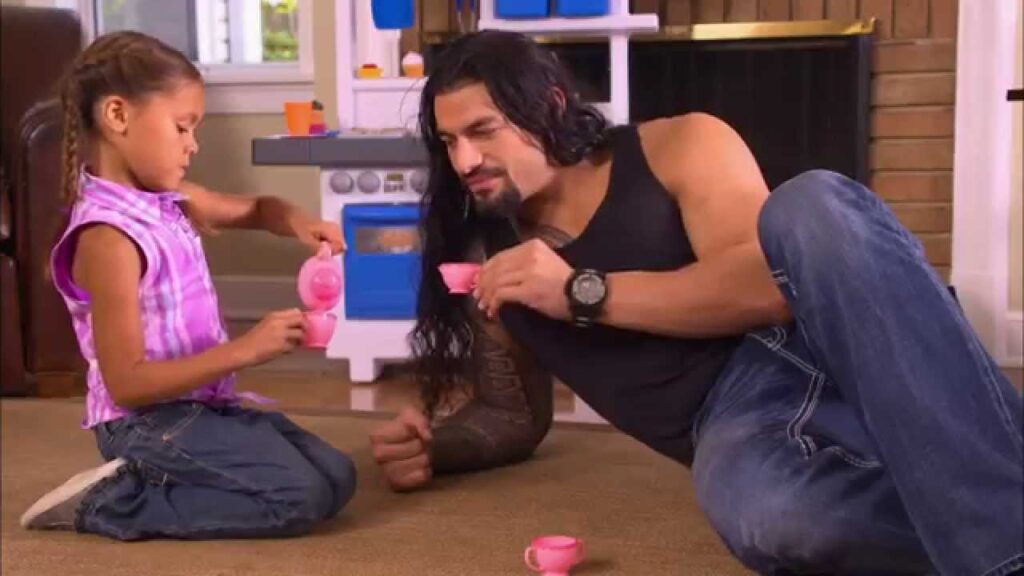
Professional wrestling combines athleticism, entertainment, and storytelling; further, its most significant contribution is that of family dynasties—within World Wrestling Entertainment Inc. (WWE), that is. These wrestling families, or dynasties, have contributed not just talent but legacy, tradition, and a continuing passion for it. The families have always passed on skills, knowledge, and charisma from father to son, right from the men of old up to the modern era, with some contributing profoundly to the writing of history in the WWE. This article looks at the most influential wrestling families and how they have positively contributed to WWE. The McMahon Family:Think about any wrestling dynasty, and the McMahons are what one has to start with; they are the bedrock of WWE. Vince McMahon is the Chairman and CEO of the Company; he turned the WWE from a regional promotion to a world wrestling entertainment phenomenon. Vince McMahonThe vision of Vince McMahon revolutionized the Wrest Liga. With WrestleMania, the company did something that no other wrestling organization had ever done, whereas expansion by cable television and pay-per-view changed the entire scenario of professional wrestling. Under his leadership, WWE became synonymous with sports entertainment. She’s the CHis wife, Linda McMahon, had also been an essential figure in the corporate setup of WWE, where she established the business operations and the public image associated with the same. Her political career, especially as the administrator for the Small Business Administration, brought even more prestige and exposure to WWE operations. Shane and Stephanie McMahonThe next generation of McMahons, Shane, and Stephanie, have been integral to WWE’s continued success. Shane McMahon has been involved on air and behind the scenes with WWE in relationships around the world and in the development of digital media strategies. Stephanie McMahon, as Chief Brand Officer of WWE, has played a vital role in driving corporate and charitable initiatives – whether it is around Women’s Evolution or any of the vast community outreach programs. The Anoa’i family:The Anoa’i family, hailing from American Samoa, is one of the most prolific wrestling families in the world. They have taken their tradition forward, from generation to generation, to the WWE. The Wild SamoansThe initial family members to rise to the heights of stardom in WWE were Afa and Sika Anoa’i, also known as The Wild Samoans. What they brought in terms of unrestrained style and the domination shown in their tag team division set the stage for members of the family who would follow. YokozunaRodney Anoa’i, known as Yokozuna, turned into a WWE Champion and was one of the most ruling superstars of the early 1990s. He had huge physicality and agility that made him a memorable character. Rikishi and His SonsRikishi had already put the polish on the family’s name with an engaging personality and fighting ability. The sons both followed their father, known as the tag team The Usos, having risen through the ranks of WWE history as one of the most dynamically charismatic high-flying teams. Roman ReignsArguably the most prominent member of the Anoa’i family right now, Roman Reigns is the face of WWE. He’s been in the history books for holding multiple WWE Championships, the current Universal Champion, and has headlined numerous main stages, most of them being WrestleMania. His recent character alteration into “The Tribal Chief” has received accolades from critics for showing new sides to his versatility and depth as a worker. The Hart Family:The Hart family hails from Calgary, Ontario, Canada, and they personify a rich tradition of wrestling excellence in the sport. The father was the legendary Stu Hart, who founded Stampede Wrestling and trained innumerable of wrestling’s top talents in his “Dungeon.” Bret HartIndeed, people would look up to Bret Hart as one of the premier technical wrestlers who took the World Wrestling Entertainment scene. This guy, through the code name of “The Excellence of Execution,” has a few championships lining up underneath his belt in the company, providing matches against legends in the wrestling of the lot, such as Shawn Michaels and Stone Cold Steve Austin. His stories in the ring and total capacity for it left footprints in the industry. Owen HartHigh-flying and charismatic, there was Bret Hart’s younger brother, Owen Hart. Owen had the gift to keep on going, high or low, despite his tragic and untimely death. The British Bulldog and Jim “The Anvil” NeidhartKey contributions were also put in by other extended members of the Hart family: Davey Boy Smith, who went on to become the British Bulldog, could astound people with his strength and agility in the ring; Niedhart himself paired up well with Bret Hart in The Hart Foundation tag team to help lift the standing of a then flagging division. NatalyaNatalya Neidhart is another cornerstone in the WWE women’s division, this one continuing the Hart legacy, as she is the daughter of Jim Neidhart. Known for her elite technical ability and exceptional work ethic, Natalya has been a multi-time champion and is frequently seen as an influence and mentor to many of the younger female wrestlers. The Orton Family:Another multigenerational family in wrestling whose roots have been firmly placed in the WWE is the Orton family. Bob Orton SrThe wrestling lineage in the family started through Bob Orton Sr., an outstanding wrestler during the 1950s and 1960s. His in-ring success and professionalism paved the way for his sons and grandsons. It was in the 1980s when Bob Orton Jr., or “Cowboy” Bob Orton, returned to WWE to make his unique presence. He is best remembered as “Rowdy” Roddy Piper’s bodyguard and being involved in the first WrestleMania. Randy OrtonMost significantly, Randy Orton is the most decorated of the bunch, who engaged fiercely with the great mass of WWE superstars of his time, being called “The Viper” and famous “The Legend Killer” and had achieved many World Championships under him, not to mention numerous epic moments that have been captured. He is a synonym of persistence and constancy; that’s why, up to now, he remains a Monday Night
An Evolution of WWE Pay-Per-View Fare: From WrestleMania to Today
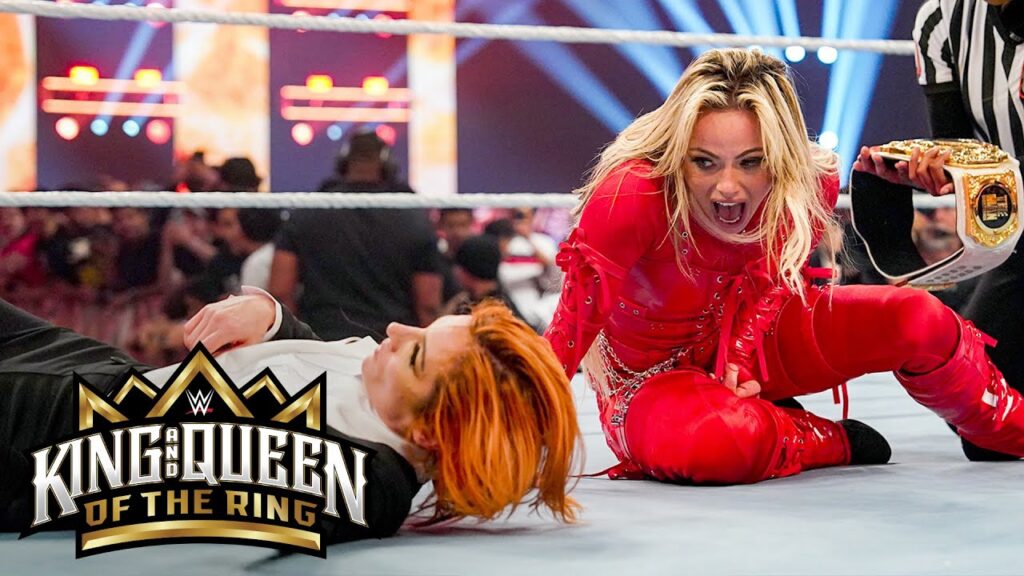
World Wrestling Entertainment has recreated the concept of sports entertainment, and right at the core of this revolution are their PPV events. Beginning with the first-ever WrestleMania in 1985, WWE’s PPVs have grown into a varied, internationally acclaimed phenom. So, besides just being a forum for some of the biggest storylines and looking tours de force, they’ve also mirrored the creativity of WWE. This paper discusses the course of action of WWE’s PPV events from WrestleMania. WrestleMania is Born: A New Era BeginsThe first-ever WrestleMania was held on March 31, 1985, at Madison Square Garden and marked the inception of the PPV era for WWE. The brain behind WrestleMania is seen to be Vince McMahon himself. He had WrestleMania envisioned as an event in which wrestling would be presented in conjunction with celebrities to bring some mainstream touch to it for the audience. It was one classic one because it had those historic matches of Hulk Hogan versus Mr. T against Roddy Piper and Paul Orndorff, but other than that, even guest performances by celebrities like Muhammad Ali and Cyndi Lauper—a new standard in wrestling history.Key Innovations: Live Broadcast: WrestleMania was available nationwide via closed-circuit television and seen in thousands of locations.Success was evident for WrestleMania I; this further strengthened WME’s believe that the PPV model was both possible and lucrative, and it set up WWE’s potential for an annual tradition. Expanding and Experimenting: The Late 1980s and 1990Following the success of WrestleMania, WWE pumped up its PPV calendar with several newer events, each carrying its theme and proclivity. Survivors Series:First taking place in the year 1987, Survivor Series has resolutely remained the venue of the elimination tag team matches. This event grabbed an audience that is naturally predisposed toward a liking for team-based competition. It saw several feuds and alliances. Royal Rumble:The Royal Rumble is an annual professional wrestling event. It first appeared in 1988 and featured a different battle royal format where participants entered time. It was free-flowing and unpredictable, with an added perk of a title shot at WrestleMania, making the event easily an instant fan favorite. SummerSlamSummerSlam August 1988: Known within a very short period as “The Biggest Party of the Summer,” SummerSlam, with a bevy of high-profile regular matches and stories, became one of WWE’s cornerstones in PPVs. King of the Ring:From having its first special event in 1985, it was not until 1993 that it became a PPV event featuring a single-elimination tournament. The winner, more times than not, went onto a high level of success as a new, up-and-coming star. The Attitude Era and Beyond:As the period of the late 1990s became known, the Attitude Era saw WWE bring on harder-core rivalries and controversial subjects that people have still not forgotten. The propensity was to use much grittier storylines and matches that pushed the envelope into actual, envelope-pushing realms of traditional wrestling entertainment. Key Innovations:Increased Frequency: WWE played to the gallery and increased the number of PPVs, thereby giving monthly events to keep fans engaged. Various Themes:Each PPV had its own identity, set as the base for vast and varied storytelling. The 2000s: Consolidation and Global GrowthAs WWE headed into the new millennium of the 21st century, perfecting its presentations seemed like the only further step forward, the company needed to continue performing at an increasingly global level. Brand Extension:In 2002, WWE introduced, replying to Raw and SmackDown. This naturally led to brand-exclusive representation, so more wrestlers would be involved in major matches, offering fans well-developed stories to get lost in. Growth of WrestleManiaWrestleMania expanded into a multi-day extravaganza, augmented by fan conventions—now formally branded as part of the festival—Hall of Fame ceremonies, and even NXT TakeOver shows. This further scale and spectacle made WrestleMania a must-watch global event. International Events:The first non-domestic PPVs that WWE began producing: joined the list, which started with WWE on the Road to: for the first time, in 1992, with SummerSlam in London, then Insurrection; and later, Rebellion in the UK. Not only did these help build the international following, but sent clear vibes on WWE’s intent on international expansion. Key Innovations:Brand-exclusive PPVs: Have more significant potential for storytelling by confining storylines to being told within a single brand.International Reach: The Company expanded WWE’s footprint and catered to a global audience.The WWE Network Era: A New ParadigmIn 2014, WWE launched a streaming service to revolutionize how fans watched PPV events. For a monthly subscription fee, fans received access to live PPVs, original programming, and an extensive archive of past events. Accessibility: It was visually lovely in the pockets of fans, who felt more self-connected to the PPV, and the following multi-event track won’t burn a hole in their pockets—every road they follow. Content Diversity: WWE’s Network allowed them to carry out different formats and types of programming like the NXT TakeOver Taste and similarly exclusively produced documentaries. NXT TakeOver:NXT, a developmental branch of wrestling, started developing events that they called PPV of their own, a show named Takeover. TakeOver became popular very fast and enjoyed the reputation of holding excellent matches that indeed constitute the main roster PPV most of the time. Subscription Model: The economic model of WWE changed, making content more capable of interacting with viewers. Enhanced production: The network opened the door to higher production and creativity. Today: Live Streaming and Special Events As time went on and streaming technology evolved, WWE became part of broader platforms while keeping its focus on high-traffic high profile PPV events. Peacock Integration:In 2021, WWE took another step toward its streaming content strategy by moving it to Peacock and coming together with NBCUniversal’s content in the US. WWE continues to innovate in the PPV format, creating new ideas out of old classics and keeping things fresh. Money in the Bank:An event added starting in 2010, Money in the Bank matches are ladder matches in which the winner most convincingly collects a bag with a contract for a championship. Extreme Rules:Highlight hardcore wrestling with matches of stipulation with
WWE’s International Superstars: Global Talent In The Ring
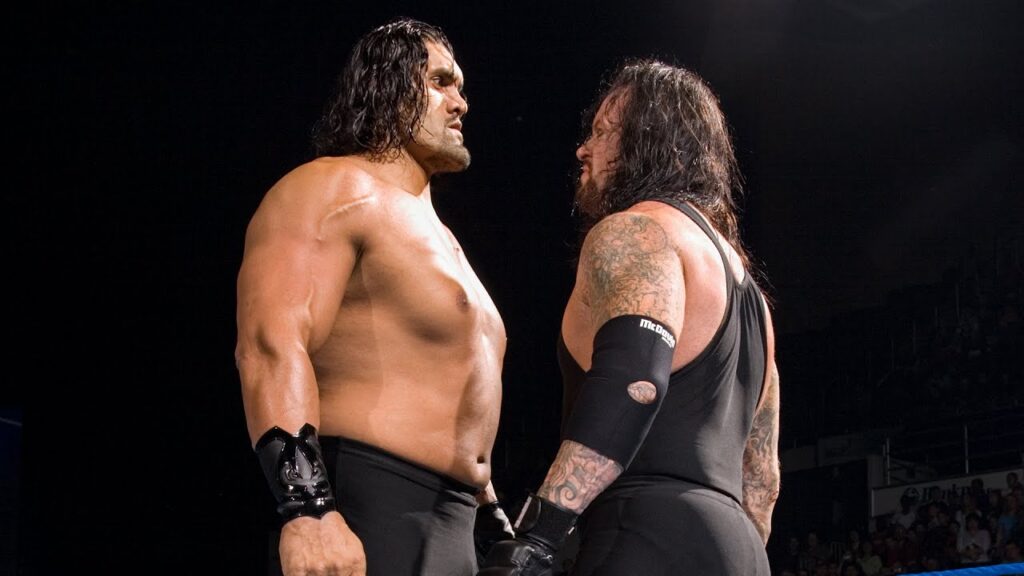
For many years, World Wrestling Entertainment has served as the melting pot of diverse talent, with superstars hailing from every corner of the globe. It is this international presence that has enriched not only the WWE roster but added a global flavor to the product, making it more relatable to fans around the world. Assuredly, WWE’s commitment to displaying global talent underlines its growth into a genuinely worldwide brand. Speaking of international superstars, this article would view their impact on WWE in light of the following key figures across different regions and see what changes each has brought into the wrestling landscape. The Importance of International TalentAdding international talent to the ranks of the WWE offers numerous advantages. Cultural Diversity: It brings different styles and traditions of wrestling into the ring, enriching and varying fans’ viewing experience.Global Appeal: International stars help WWE tap into new markets, growing its global fanbase and expanding its reach.Innovative Storytelling: The backgrounds and different personas of worldwide wrestlers open up new storytelling and character dynamics. Global-Pioneers Of Wrestling: United KingdomThe UK has had a long history in professional wrestling, with many of WWE’s most technically proficient and charismatic stars coming from the country. The British Bulldog: Davey Boy SmithDavey Boy Smith, with oppositional weight and maximum strength, was among the first conspicuous stars of WWE through the UK. With his powerful physical features and remarkable strength, he turned up in the ring; it became difficult to ignore. In addition, after beating Bret Hart at Wembley Stadium in 1992 during SummerSlam, he immortalized the most unforgettable moment in the history of WWE. William RegalWilliam Regal was that bona fide synonym of technical wrestling with a regal personality, and he was a big deal inside and out of the ring. With the respect he gained from his in-ring ability and character work, he played a part in talent development that shaped some of the stars of tomorrow. JapanJapanese wrestlers have also brought to WWE strong, respelled, and high-flying action, which has captured the audience with its intensity and skill. Yokozuna (Rodney Anoa’i)Although billed from Japan, Yokozuna was of Samoan descent and was a dominant force in WWE during the early 1990s. A sumo wrestler, he was more a wrestler who was a significant force to be reckoned with as he managed to win two WWE Championships. Shinsuke NakHitting the ground running with his charismatic persona and hard-hitting strong style, Shinsuke Nakamura became an immediate hit in WWE. Nakamura demonstrated pure talent in his work in NXT, where he partnered with Sami Zayn and later feuded with Finn Bálor. His star power transferred to the titular spot, where he has gained multiple title reigns and a bevy of memorable rivalries. MexicoLucha libre—full of its high-flying maneuvers and bright masks—became one of the central elements in WWE due to contributions from luchadores. Eddie GuerreroBut with Eddie Guerrero, there was more in the squared circle than just that: technical skill alongside high-flying ability and, of course, charisma. People loved him for that “Lie, Cheat, Steal” illusion; capturing the WWE Championship 2004 was a big and tear-jerking event in the wrestling fraternity. Rey MysterioRey Mysterio ranks amongst the greatest luchadores in wrestling history. This luchador made lasting impressions in the WWE with his agility and style of many unique moves. No slouch himself in the championship category, Rey’s legacy lives on to hopefully motivate future generations of wrestlers and fans. CanadaCanada has produced a slew of WWE’s most technically sound and celebrated superstars, laden with dedication and excellence in the ring. Bret “The Hitman” HartMany say that Bret Hart is one of the greatest technical wrestlers ever. His matches are painstakingly, masterfully worked presents of storytelling and precision, often gaining respect within iterations of different wrestling audiences – from the five-year-olds during his contemporary career to mid-aughts indie hipsters re-watching old WWF shows in warehouses. Edge—Adam CopEdge has been the “Rated-R Superstar” and is easily one of the most versatile, successful guys in WWE. He has won charisma with millions, creating the sound of the ringing bell of talent in the ring, but most of all, that sheer resolution taken as he returned from a career-ending injury to become a multi-time world champion and fan favorite. The Modern Era:The current WWE roster is more internationally diverse than ever, bringing in talent from all sorts of countries and backgrounds. Europe Finn Bálor (Ireland):Ireland’s Finn Bálor has made himself part of the machinery that makes the big wheels go in WWE programming. Subsequently, with his extraordinary athleticism and the “Demon” persona, Balor has won numerous championships while in NXT as well as on the entire main roster, which includes the inaugural WWE Universal Championship. Pete Dunne (UK):Butch — a rough and technical style of wrestling, which Pete Dunne has introduced into WWE. As its longest-reigning NXT UK Champion, Dunne has stood out with incredibly hard-hitting battles and an extremely unique persona. Australia Rhea RipleyThe infusion of a mighty presence complemented by outstanding in-ring skill brought about a fast rise in the career of Rhea Ripley. Her status as the first-ever WWE Female Australian champion is not all there is when speaking of developmental progress. Ripley has basked into the glory of the NXT Women’s Champion and, recently, the Raw Women’s Champion. Buddy Murphy (Buddy Matthews)Buddy Murphy, a star renowned for his outstanding acrobatic stunts and technical skills, has brought that ability to the WWE’s cruiserweight division. The matches he has put on have been talked about, often with plenty of athleticism added to the physicality of the matches. India Jinder MahalJinder Mahal became the first WWE Champion of Indian origin. This was more than just a “big moment” for WWE; in fact, it was rather huge for their entire market expansion into India. To this very day, Mahal is one of the more prominent stars, working as a face to associate WWE with its foreign fanbase. The Great KhaliThe Great Khali was a massive stunt in size and strength in the WWE.
The Science Of Wrestling Moves: How WWE Superstars Execute Them Safely
Professional wrestling in WWE is this exciting combination of sports, entertainment, and storytelling. Bodies flying in the air, the loud beat of flesh on flesh, the grueling human interaction—it brings awe to the eyes of fans around the world who witness this event. But beneath all this glittering pageantry, in effect, is an unimaginable regime of safety and finesse. Very deep, this article gets into the science of wrestling moves to show how WWE superstars safely do their actions while performing to a great magnitude. The Basics of Wrestling SafetyAlthough the matches are predetermined, the physical aspect of wrestling and its danger are authentic. The WWE superstars train extensively to add to the list of safely performed stunts. This comes as a combination of several factors in their training: Physical Conditioning: Professional wrestlers stay in top physical shape to tolerate the rigors of their craft. Strength, flexibility, and cardiovascular conditioning are essential to prevent injuries and enhance performance.Skills Training: Mechanics of the move must be downloaded into your mind. Wrestlers practice in practical, controlled situations to master techniques. Techniques are then possible to perform effectively and safely.Ring Awareness: Know the size and structure of a wrestling ring; to never get in harm’s way during contests, a wrestler develops ring awareness.Communication: In wrestling, effective communication is everything. Verbal and nonverbal cues are devised between wrestlers while they work through a match to ensure mutual protection. The Anatomy of a Wrestling MoveAppreciating the science behind wrestling moves demands the breaking down of their constituents. Leverage, momentum, and controlled impact are combined in most moves. This is also seen in applying leverage, where wrestlers use their bodies to make the moves with the least effort and the most effect. That is, during a suplex, the wrestler uses the legs and core of the body to lift the opponent instead of straining the back. MomentumEfficiently using the potential of momentum allows wrestlers to execute energetic moves with minimal effort. One such move is the Irish whip, which would harness the opponent’s potential to get propelled into the ropes, leading to dramatic propulsion with caged effort. Controlled ImpactEvery wrestler moves so that it reduces actual impact while bringing out the spirit of force. The wrestlers fall back on the flats or other big muscle groups to spread out the effect and hence reduce the injury rate. Besides, the shock given would be less because most of it is absorbed by the mat with its padding and spring action boards. AcrobaticsAmong some of the most stunning and high-risk wrestling techniques are moves that involve dives and flips. Sure, performing those types of moves requires skill, timing, and coordination that resonate perfectly. Training and Technique:High flyers like Rey Mysterio and Ricochet perform much practice to perfect their moves regarding aerial maneuvers. They train with the assistance of crash mats, helping support other safety-related tasks to prepare confidence and competence. Core:Aerial maneuvers require immense body control. A lot of them involve the wrestler just spin and turning his body acutely in the air while landing. Their core and balance must be on point to pull off these moves perfectly. Timing and Coordination:Timing is perfect, as high-risk moves barely dodge or evade possible contact while coordinated with opponents. Such doing requires a rhythmic flow of both wrestlers making the move, as clearly shown convincingly and perfectly done without causing harm to both performers convincingly. Communications. Example: The MoonsaultA moonsault is a backflip performed from the top rope, frequently landing on a prone opponent. To execute this move, a wrestler must be launched off the rope with enough height and rotation so that the flip—after that —will complete and land safely on the opponent, who helps absorb and distribute the impact. Power Moves and SlamsPower moves and slams, generally in the form of a powerbomb or suplex, show strength and technique. These can look pretty brutal but are very controlled to make sure both performers avoid injury. Lifting Techniques:Proper lifting technique is also vital in preventing injury. Wrestlers use their legs and core muscles to lift opponents and thus avoid putting too much strain on the back muscles. In both these lifts, performers often do much of the work themselves; in other words, the person getting lifted somehow jumps or hits their body. Controlled Descent:Being very aware of how to control the landing is essential in slams. The target of wrestlers during the landing is the large muscle groups: back, buttocks, and the like, to disperse the impact. One executing the move must ensure the opponent lands flat to prevent injury. Example: The PowerbombDuring a powerbomb, the performer lifts their opponent onto their shoulders and then drives down into the mat. The opponent tucks his chin and spreads his body to absorb the impact safely as the performer guides him to the ground. Final StepsSubmission moves, which involve joint locks and holds, have to be applied with precision so as neither to cause actual harm to the opponent nor diminish the move’s convincing appearance. Wrestlers lock in their submission holds and exhibit controlled pressure on joints and muscles. They utilize positioning and leverage to bring about the sensation of pain or pressure, as opposed to flat pushing that pain through with muscle power. Give a Human Touch: Submission moves rely heavily on a lot of communication and trust. The performer administering the hold should read how comfortable his opponent is and ease off if necessary. Opponents indicate if the hold isn’t correct in the case of tightness and discomfort. Example: The SharpshooterA sunshine flip, on the other hand, is a leg submission move where one of the performers crosses the lower back of their opponent via the set of legs being crossed together. Hence, when one performs this move during wrestling, they have to check so keenly on where the opponent’s exact legs and back are because anything could go wrong and causally or slowly bring a genuine injury. Strikes and ramming movesAll these are part of wrestling: punches
Memorable Heel Turns: WWE’s Most Stunning Betrayals
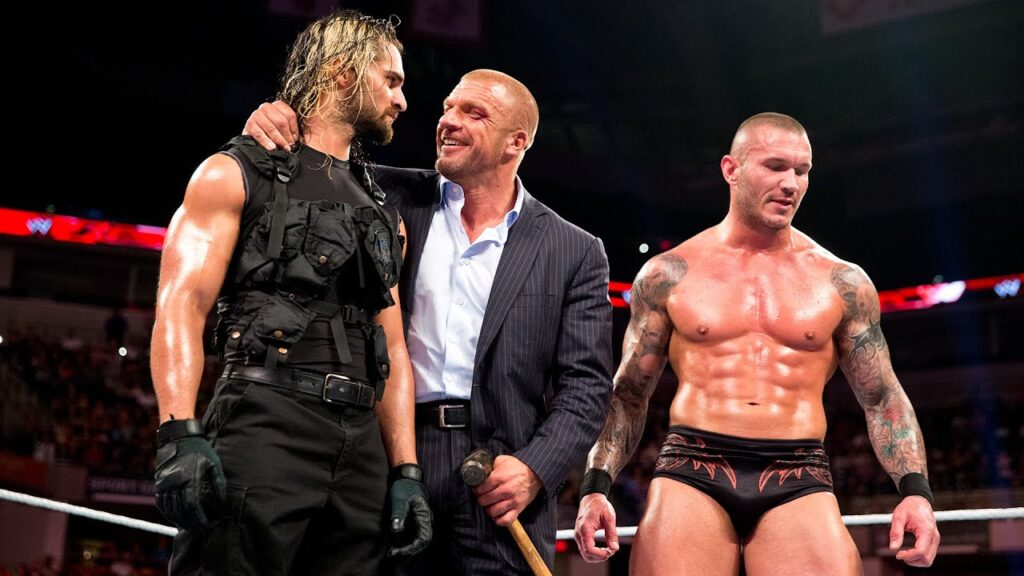
Of the many great moments in WWE history, few tend to evoke and grip a crowd like a good heel turn. The heel turn refers to when a fan-favorite babyface wrestler turns on his colleagues or friends in the wrestling business and his fan base to become a heel. Much of these moments usually prove to be processed events both for character development and storytelling purposes within professional wrestling. They can leave lasting impacts on the audience and sometimes even redefine a wrestler’s career. Here, we look at some of the most stunning and memorable heel turns in WWE history. Hulk Hogan Joins the NWO — 1996One of the most mind-blowing heel turns ever to hit wrestling occurred at WCW’s Bash at the Beach in 1996. Hulk Hogan, that ultimate babyface and hero to millions, shocked the world by turning heel and joining the New World Order (NWO). The Setup:It was then that the wrestling world, literally for once, got turned upside down during a tag team match featuring The Outsiders, Kevin Nash, and Scott Hall, versus Lex Luger, Randy Savage, and Sting. Hogan went out to the ring, purportedly to turn things around for the good guys. The Turn:What was more surprising was that Hogan turned on Savage, making quite clear to everyone out there that he had teamed up with Nash and Hall. This event changed a lot more than just the career of Hulkamania. It revolutionized professional wrestling, gave birth to Monday Night Wars, and eventually led WCW to be a true competitor of WWE. Impact:Hogan’s heel turn, on top of replenishing the immortal wrestling faction, created it in its own right. As years went by during that period, the NWO became synonymous with wrestling, and Hogan’s betrayal is still spoken of to this day as one of the big moments in wrestling history. Stone Cold Steve Austin Aligns with Vince McMahon (2001)Stone Cold Steve Austin is regarded as the anti-establishment hero of the Attitude Era and is best remembered for his famous feud with WWE Chairman Vince McMahon. His heel turn at WrestleMania X-Seven shocked the audience. The Setup:Austin faced The Rock in the main event for the WWE Championship. The match itself was a brutal, no-holds-barred encounter, capturing the intensity of their rivalry. The Turn:In one wonderful twist, Vince McMahon came to the aid of Austin by giving him that very same steel chair. He handed it to Austin, who used it on The Rock, pummeling him into defeat. Off the back of that win, Austin shook hands with his bitter enemy, Vince McMahon—one could say he aligned himself. Impact:This heel turn, though, was one of controversy and division. It showed that to regain an opportunity at the title, Austin would stop at nothing, really tacking on some depth to the character in the process. While many in the audience left feeling cheated, it produced great TV and delivered scenes that would continue to be cemented in WWE history. Shawn Michaels Turns on Marty Jannetty (1992)The breakup of The Rockers is one of the most famous tag team betrayals in WWE history and marked an abrupt start to Shawn Michaels’ illustrious singles career. The Setup:Michaels and Marty Jannetty had been partners for years, known for their high-flying style and strong teamwork. However, tensions began to simmer between the two. The turn:During one segment of “The Barber Shop,” a talk segment hosted by Brutus Beefcake, it appeared that Michaels and Jannetty had finally buried their hatchet. Then, the next thing fans knew, Michaels superkicked Jannetto and slung him through a plate glass window. Impact:This heel turn cemented the career of “The Heartbreak Kid” Shawn Michaels on its way to making him one of the greatest wrestlers ever. It was a turnaround for heels in WWE and gave the drama expected of heel turns. Seth Rollins Turns on The Shield (2014)The Shield was a dominant faction consisting of Seth Rollins, Roman Reigns, and Dean Ambrose. Their breakup was as shocking as it was huge. The Setup:Coming off a series of wins and a strong run as the top faction, following up a win over Evolution was making The Shield more potent than ever. The Turn:It was on one episode of Monday Night Raw that Triple H announced there was always a “Plan B.” Seth Rollins turned on his Shield brothers and emerged, striking both Reigns and Ambrose with a steel chair to align himself with Triple H and The Authority suddenly. Impact:Then, the betrayal at Rollins’ hands propelled him directly into main event scenes, where he arguably became one of WWE’s top heels. That turn created so many feuds and storylines, creating directions for WWE programming for years to come—exactly what wrestling is about: the unpredictability and emotional stakes. Chris Jericho Turns On Kevin Owens (2017)Probably most significantly, the friendship between Chris Jericho and Kevin Owens was pretty entertaining when it was featured as part of WWE programming. Finally came the unfortunate, truly unforgettable breakup. The Setup:Jericho and Owens, at one time, were the best of friends, often spotted supporting each other through various matches and segments. Their “Festival of Friendship” was to be a celebration of this. The Turn:It was during this Festival of Friendship that Owens would present Jericho with a new list, but he would find out that it was the list of people Owens intended to betray – and he was at the top. Owens then attacked Jericho worse than anybody else in their officially ended partnership. Impact:All of this culminated in the Festival of Friendship, which indeed was one of the best segments in recent WWE memory. Owens turned on Jericho to set up a program between the two that would eventually lead to a WrestleMania match. It was really emotional, considering how the turn went down—it showed just how emotional the WWE storylines can be at times. Andre the Giant Screws Hulk Hogan (1987)Their feud was one of the most famous rivalries between Andre the Giant and Hulk Hogan, and
The Role of Managers And Valets In WWE History
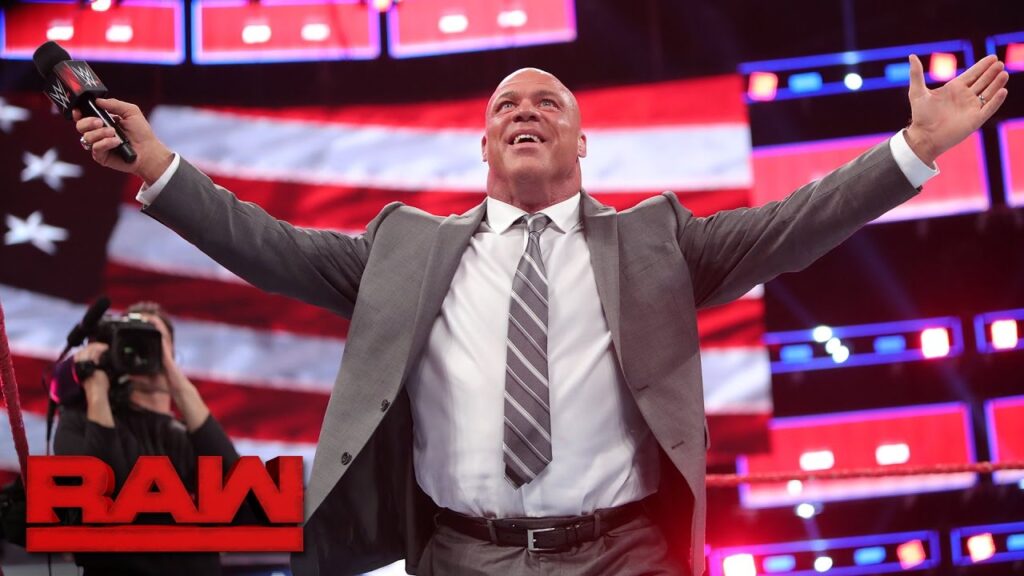
Though the professional wrestling world is primarily based upon the athletic ability of one, it equals charisma and how to deliver the right story. In WWE history, it’s the managers and valets who helped to put across the persona or even the story of wrestlers. These people acted as the story’s voice, strategizing and sometimes surprising interference to sway the results of the game. From unforgettable promos to stunning turnabouts, managers, and valets have indelibly left their mark on WWE history. Origins and EvolutionIn the early days of professional wrestling, managers were necessary in many ways since they became the voice for wrestlers who weren’t particularly compelling or confident promo speakers. The wrestling manager arose from the need to give character and story development some more depth and, thus, some more drama and tension. Classic Era (1950s-1970s)Popular managers helped define the characters of many wrestlers during this time. Names such as “Captain” Lou Albano, The Grand Wizard, and Freddie Blassie would add some flash and guile to their characteristics in work as managers. Many of these managers would oversee a stable of wrestlers, creating complexities in stories with feuds. The 1980s BoomThe 1980s were the golden age of professional wrestling and, hence, the days when a manager got to be in the limelight even more. Bobby “The Brain” Heenan, Jimmy Hart, and Miss Elizabeth were some of the titans of the decade. The era was beginning to reflect some of the theatrics that coincide with professional wrestling; thus, most managers became as well-liked and recognized as the wrestlers during this era. Iconic Managers and Their Effects: Bobby “The Brain” HeenanPerhaps the best manager now in the wrestling pages of history, Bobby Heenan was a wit, charismatic mind, and strategic mastermind that corner-stoned WWE programming. Referred to simply as “The Brain,” he managed a plethora of top stars, among them Andre the Giant, Mr. Perfect, and even Rick Rude. He was able to generate heat better than anyone of his time; he was the perfect antagonist in a plethora of storylines. Jimmy Hart“The Mouth of the South,” Jimmy Hart’s high-pitched voice and megaphone became his calling cards. Hart managed everyone from the Honky Tonk Man to the Hart Foundation. This often meant interfering in matches, hitting people with his megaphone, and cutting over-the-top promos that added to the character of his clients. Miss ElizabethUnlike most of her male equivalents, Miss Elizabeth was classy with a bit of a streak. Elizabeth worked as the manager and love interest for “Macho Man” Randy Savage in one of the biggest storylines of the ’80s. Her presence had an emotional attachment, and dramatic storyline measures increased with her, things that happen in what is usually just a physical competition, mainly the WrestleMania VII match where Savage finally got back with her after a long-running feud. The Manager-Wrestler DynamicIt is in this delicate balance that the relationship between the manager and his wrestler is the most single-handedly deciding ingredient in the career of the wrestler. Managers very often have various essential functions: MouthpieceWhereas many wrestlers are good in-ring performers but cannot cut decent promos, others specialize as managers and can do it very well, such as Paul Heyman. He has been able to string together some memorable speeches to help set up his clients. With Brock Lesnar, he is able, for instance, to be very articulate together with an intense promo that offsets the silent, beastly persona of Brock. Strategist and InterferenceManagers are usually predisposed in classic wrestling literature as masterminds behind the scenes, strategizing with tactics to the effect of enabling their clients to emerge victorious in matches. This may involve distracting the referees, offering foreign objects, or directly interfering in the matches. Classic examples include Heenan’s strategic mind games and Jimmy Hart’s frequent physical interferences. Character ImprovementManagers create or develop the eccentricities of the wrestler’s identity. The iconic attitude of Mr. Fuji as a creepy manager for Yokozuna perpetuated his client’s image of a menacing wrestler. On her part, Sensational Sherri created an overtly flamboyant and aggressive style that was befitting the over-the-top characters she managed, such as “The Million Dollar Man” Ted DiBiase. Memorable Valets and Their Contributions:Though managers were undoubtedly in the spotlight most of the time, the valets—most often simply female companions who would accompany the wrestlers to the ring—also played significant roles in the history of WWE. Miss ElizabethIt wasn’t just handling Randy Savage that made her so influential. Elizabeth’s oftentimes emotional entanglement in storylines added a soapy wrestling element which brought audiences further into the action, becoming directly invested in her love and feuds. SunnySunny had gradually developed into one of World Wrestling Entertainment’s most favorite personalities by the mid-1990s. Serving as a valet to teams such as The Bodydonnas and The Smoking Gunns, her work elevated the profile of these teams, and at one point, she was one of the most downloaded women on the internet. Trish Stratus and LitaBefore they were legends in the ring themselves, Trish Stratus and Lita established themselves as valets. Trish was managing Test & Albert under the moniker of T&A, while Lita was attached to The Hardy Boyz. In becoming active wrestlers from valets, they set a bridge for future female talent in proving the potential of females for multifacetedness and opening the way in women’s wrestling evolution. Modern Age and the Changing RoleWith the evolution of wrestling, so did that of the manager and valet roles. The traditional manager/traditional role decreased throughout the 2000s and 2010s, but a few key individuals remained to make real impacts. Paul HeymanIn many ways, Paul Heyman is the model for being a manager in the modern era. His work, especially with Brock Lesnar but most recently with Roman Reigns, went a long way toward shaping those characters. Heyman’s promos, strategically conceived involvement, and ways of hammering home intense audience reactions truly keep alive and well this fighting manager tradition. Zelina VegaThe most outstanding example of this in recent times is Zelina Vega’s work as
WWE’s Costume Design: The Stories Behind Iconic Outfits
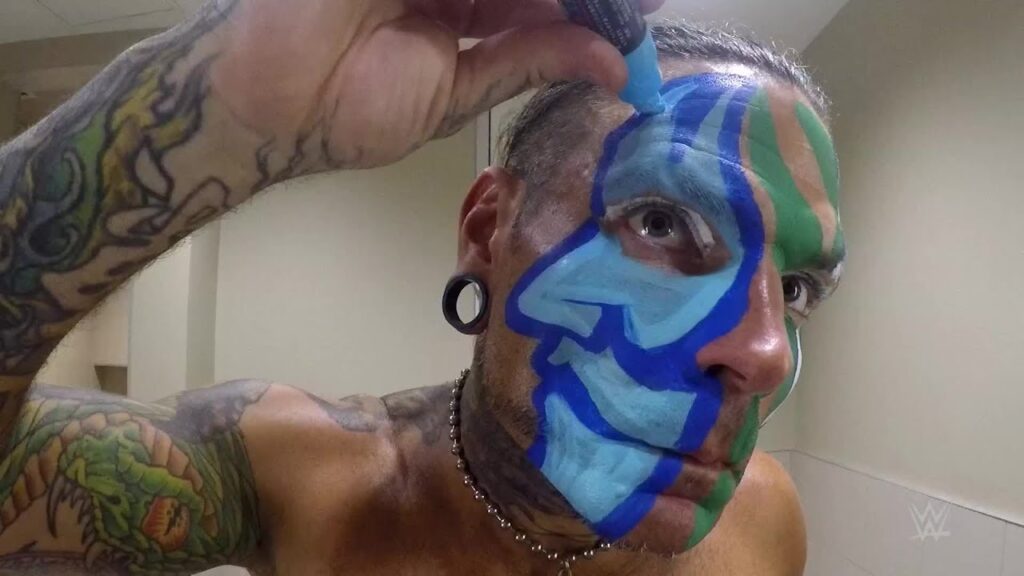
Professional wrestling is a unique blend of athleticism, drama, and spectacle. While the in-ring action is central, the visual presentation of WWE superstars plays an equally crucial role in creating memorable characters. Costume design in WWE is a meticulous craft that involves storytelling, character development, and branding. Iconic outfits have not only defined the personas of WWE superstars but have also become symbols within the broader pop culture. This article delves into the stories behind some of WWE’s most iconic costumes, exploring how these designs have shaped the legacy of wrestling’s biggest stars. The Importance of Costume Design in WWECostume design in WWE serves multiple purposes. It helps establish a wrestler’s character, conveys their persona to the audience, and often includes subtle (or not-so-subtle) storytelling elements. An effective costume can enhance a wrestler’s appeal, making them stand out in the minds of fans. Whether it’s the glitzy robes of Ric Flair or the face paint of The Ultimate Warrior, costumes are integral to the identity of WWE superstars. Iconic WWE Costumes and Their Stories: Hulk Hogan’s Red and YellowFew outfits are as instantly recognizable as Hulk Hogan’s red and yellow ensemble. Hogan’s costume design was simple yet effective, comprising red trunks, yellow boots, and a red bandana, often accompanied by a “Hulkamania” shirt that he would dramatically rip off before a match. The StoryThe color scheme and design were chosen to reflect Hogan’s larger-than-life persona and all-American hero image. The bright colors made him visually distinctive, and the simplicity of the design emphasized his physicality and charisma. Hogan’s costume became a symbol of the 1980s wrestling boom, with “Hulkamania” becoming a cultural phenomenon. The Undertaker’s Dark AttireThe Undertaker’s costume has undergone numerous transformations over his career, but certain elements have remained constant: the dark colors, the wide-brimmed hat, and the long trench coat. His look has always been designed to evoke the supernatural and the macabre. The StoryThe original Undertaker costume was inspired by old Western morticians, complete with a gray tie and gloves. Over the years, the character evolved, incorporating more gothic elements. The transition to a darker, more sinister look in the mid-90s aligned with the character’s storyline transformations, such as his “Lord of Darkness” phase. Macho Man Randy Savage’s Colorful OutfitsRandy Savage was known for his flamboyant and colorful outfits, which included everything from neon tights and sequined robes to cowboy hats and oversized sunglasses. His costumes were as unpredictable as his in-ring style. The StorySavage’s outfits were designed to reflect his larger-than-life personality. Each costume was meticulously crafted to be unique, ensuring he stood out in the ring. The bright colors and flashy accessories were not just for show; they represented Savage’s intense energy and charismatic persona. His wife and manager, Miss Elizabeth, often complemented his look, enhancing their on-screen dynamic. Rey Mysterio’s Mask and AttireRey Mysterio’s mask and attire pay homage to his Mexican heritage and the lucha libre tradition. His costumes are vibrant, often featuring intricate designs and bright colors. The StoryMysterio’s masks are more than just a wrestling accessory; they are a key part of his identity and respect for the lucha libre culture. Each mask is custom-designed, with different themes and inspirations. Over the years, Mysterio has worn masks inspired by comic book characters, cultural symbols, and personal milestones, making each outfit a piece of storytelling. John Cena’s “Never Give Up” GearJohn Cena’s costumes have evolved from traditional wrestling trunks to more casual, streetwear-inspired looks. His signature attire includes denim shorts, sneakers, and colorful t-shirts emblazoned with slogans like “Never Give Up” and “Hustle, Loyalty, Respect.” The StoryCena’s shift to a more relatable, everyman style was a strategic move to connect with a broader audience. His costumes are designed to be easily replicated by fans, contributing to his merchandise success. The slogans on his attire reinforce his character’s ethos and have become rallying cries for his supporters. Trish Stratus’s Glamorous AttireTrish Stratus, one of WWE’s most successful female superstars, was known for her glamorous and fashionable outfits. Her costumes often included sleek, form-fitting designs that balanced athleticism with style. The StoryStratus’s attire evolved from simple wrestling gear to more elaborate outfits as she transitioned from a fitness model to a mainstay of the women’s division. Her costumes reflected her journey and growing confidence, helping to elevate the perception of women’s wrestling during her era. The New Day’s Vibrant Costumes The New Day, consisting of Kofi Kingston, Big E, and Xavier Woods, are known for their vibrant, colorful, and often eccentric costumes. Their outfits include a mix of matching gear, unicorn horns, and even pancake-themed attire. The StoryThe New Day’s costumes are a reflection of their fun-loving and positive characters. The bright colors and whimsical designs help them stand out and emphasize their unique blend of humor and athleticism. Their attire also plays into their merchandise, with fans eagerly buying into their colorful and playful brand. Becky Lynch’s “The Man” PersonaBecky Lynch’s transformation into “The Man” saw a significant shift in her attire. Moving away from her steampunk-inspired gear, Lynch adopted a more straightforward, black leather jacket look that emphasized her no-nonsense attitude. The StoryThe change in Lynch’s costume design was a deliberate move to align with her new persona as “The Man,” a tough, fearless, and assertive character. The minimalist and edgy look helped convey her transformation and resonated with fans who saw her as a genuine, relatable figure. Ric Flair’s Sequined RobesRic Flair’s sequined robes are among the most iconic costumes in wrestling history. Each robe was elaborate, often featuring feathers, sequins, and intricate designs. The StoryFlair’s robes symbolized his “Nature Boy” persona, embodying extravagance and opulence. Each robe was custom-made, costing thousands of dollars, and served as a visual representation of Flair’s character as the consummate showman. The robes not only enhanced Flair’s entrances but also reinforced his gimmick of living a lavish lifestyle. Asuka’s Colorful and Complex AttireAsuka’s costumes are known for their bright colors, intricate patterns, and mix of traditional and modern elements. Her look is a
Wrestling With Injury: How WWE Superstars Overcome Physical Setbacks

Professional wrestling is a physically challenging sport that combines athletic ability with high-octane entertainment. Any time they step into the ring, WWE Superstars push their bodies to drastic limits by flying around and hitting the mat with extremely physically taxing moves that expose them to possibly serious injuries. Yes, the wrestling is scripted, but one’s body doesn’t understand that very well; thus, it gets pounded anyway. That means injuries go with the job. It details how WWE Superstars overcome physical setbacks, looking into the nature of joint injuries, the rehabilitation process involved, the required mental toughness, and the support systems around them to help them get back to peak performance. Common WWE InjuriesAs a result of their very physical sport, there are endless injuries WWE superstars incur. The following are just some of the most common: Rehabilitation and RecoveryInjury rehabilitation is multifaceted and can encompass medical treatment, physical therapy, and surgery. WWE has a fully staffed, in-house medical team to handle injuries thoroughly and efficiently. Mental Resilience and Psychological SupportRecovering from an injury is as much of a mental game as physical. WWE Superstars must deal with the feelings of being sidelined, worrying about being re-injured, and the pressure to return to the same physical level at which they had been competing before. Notable ComebacksSome WWE superstars have returned from severe injuries and recovered through heavy mental and physical toughness. Support Systems and WWE’s RoleWWE has established a powerful system in terms of management and recovery support for its injured superstars. Thus, this support goes beyond immediate care to long-term health and wellness programs. The Future of Injury Management in WWEWith the evolution of WWE, injury management techniques have also evolved. Advancements in medical science, technology, and the training methodologies of the next generation allow for better care and recovery of injured superstars. ConclusionThe WWE superstars go through tremendous physical demands, obviously meaning that injuries are part of their jobs. At the same time, however, it is the strength, dedication, and support that get them back up and performing at the top level. From medical intervention to physical therapy, mental health support systems, and cutting-edge recovery techniques, a WWE superstar’s journey to come back from injury is all of strength and will. The future is bright for injury management and recovery in professional wrestling, with WWE being more careful about the health and well-being of its superstars.
The Influence Of WWE On Pop Culture
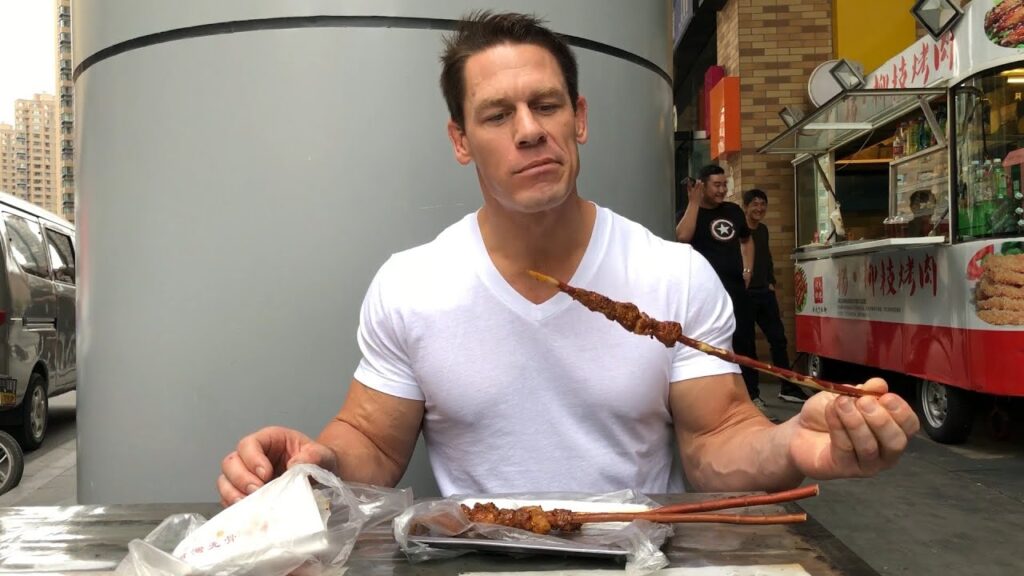
The WWE has transcended the boundaries of sport to become an important cultural phenomenon. From being part of entertainment over the past few decades and fusing athleticism with storytelling to create a unique kind of spectacle, WWE has managed to leave an indelible mark on popular culture. From larger-than-life personas of its superstars to the catchphrases, merchandise, and crossover into other entertainment mediums, WWE’s influence on pop culture extends to bounds that are both deep and far-flung. The various ways through which WWE has both transformed and been changed by the cultural landscape are explored in this piece. The Birth of The PhenomenonWhat is now WWE started as Capitol Wrestling Corporation, a regional promotion founded by Jess McMahon and Toots Mondt in 1952. It has thrown the various metamorphoses up its sleeve to become the WWE. First, it was the World Wide Wrestling Federation (WWF), then it became the World Wrestling Federation (WWF), before finally acquiring the name WWE in 2002. All these have been very instrumental in growing its influence.The 1980s had to be the time frame of massive change for WWE with the innovation of WrestleMania, described as the “Super Bowl of professional wrestling.” WrestleMania I of 1985 showcased celebrities like Mr. T and Muhammad Ali to coattail on its popularity, showing WWE’s capabilities to hold broad appeal and bring aspects of popular culture into the fabric of wrestling seamlessly. Iconic Superstars and Their Cultural Impact:More than athletes, WWE superstars are cultural icons whose personas reverberate beyond the ring. Hulk HoganIn the 1980s, Hulk Hogan was one of the most popular wrestling figures. He passed into the popular consciousness with his patriotic persona and catchphrases like “Hulkamania” and “Say your prayers and eat your vitamins.” Being booked for movies like “Rocky III” and “No Holds Barred” solidified things even further for Hogan as an even more household-name figure. The influence can be assessed by the children’s toys, cartoons, and music. Moreover, this mediated his place within pop culture history. The Rock— Dwayne JohnsonProbably the most successful superstar crossover is The Rock: the way he bridged from wrestling directly into Hollywood. With this kind of charisma and ‘can you smell what The Rock has cooked?’, he starred in blockbuster films like “Fast & Furious,” “Jumanji,” and “Moana.” His overpowering fan base helps raise WWE’s profile by showing that WWE stars can have mainstream success. Stone Cold Steve AustinNotably, Stone Cold Steve Austin was to evolve into the face of WWE’s “Attitude Era” over the late 1990s and early 2000s. Austin assumes the renegade character defined by an anti-authoritarian attitude and a most unforgettable “Austin 3:16.” This attitude spoke deeply to the fans amidst times of socio-economic flux. Austin’s impact would transcend wrestling into television, merchandising, and even video games. John CenaOne of the more giant crossover stars has to be John Cena, who has had equal success in wrestling and acting. His catchphrase, “You can’t see me,” and signature move, “Five Knuckle Shuffle,” are part of the vernacular. He has had roles in films like “Trainwreck” and “Bumblebee,” he has also appeared as one of the leading philanthropic figures, principally with his work for the Make-A-Wish Foundation. WWE and the Mainstream Media:The integration of WWE into mainstream media is another major factor in its cultural influence. TelevisionWWE’s programming, such as “Monday Night Raw” and “SmackDown,” become a custom of weekly television. The programs garnered millions upon millions of viewers per week, making it undeniable that World Wrestling Entertainment, indeed is a force to be reckoned with in sports entertainment. Then, the creation of the WWE Network, a streaming service, further expanded it by providing fans access to its vast library. Movies and DocumentariesWWE Studios is a subdivision of WWE involved in film production and has produced several movies featuring its superstars. Films like “The Marine” with John Cena, “See No Evil” with Kane, and recently “Fighting with My Family,” the chronicle of the life of WWE superstar Paige, have been the contributions by WWE to the Hollywood scene. Another critical category is documentaries such as “Beyond the Mat” and “The Resurrection of Jake the Snake,” which gave inside views into wrestling identity lives and received critical acclamations. MusicThe WWE has also made considerable pushes in music. Entrance themes are excessively recognizable; think of Hulk Hogan’s “Real American,” the exciting music of The Rock, and John Cena’s “The Time Is Now.” From having acts performed by performers like Snoop Dogg, Kid Rock, and Limp Bizkit at a WrestleMania to teaming up with composers, it only goes to show that the WWE does indeed significantly affect the music world. Video GamesFrom the old arcade games to the now-modern day WWE 2K, WWE video games have turned out to be a super hit. One gets into the universe of WWE, becomes a much greater fan, becomes your favorite superstar, and relives classic kills through this game. Massive success in these games underlined WWE’s cut in popular culture for the video gaming industry. Merchandise and Branding:Because of the WWE, the marketing and merchandising strategies have gone hand-in-hand with the cultural impact it has created. Action Figures and ToysWWE action figures have been in the market since the 1980s for kids. Mattel and Jakks Pacific are a few companies that have churned out a myriad of figures, rings, playsets, and others to dole out the possibility of taking WWE action right into their homes. These toys have not only been famous among children; they are also turned into collectibles when adults get them. Clothing and ApparelFrom T-shirts and hats to replica championship belts, WWE has made money hand over fist with an extensive clothing line. Known designs, like the NWO T-shirts, Austin 3:16 shirts, and John Cena brightly colored apparel, all become style statements for fans. Catchphrases and MemesIt’s hard to dismiss WWE in terms of how it impacted language and internet culture. It’s simply impossible to deny its impact on language and internet culture: catchphrases run out of the ring into mainstream
WWE’s Most Dominant Champions: A Look At Title Reigns
In this vast pageantry that is professional wrestling, the objective measure of Superman’s success and eventual legacy is the championship reigns. Rich in history and having an eclectic roster, WWE has had its share of champions who did not just win the titles but dominated their eras. This article looks at WWE’s most dominant champions; their title reigns, how they influenced the industry and the legacies they left behind. Bruno Sammartino: The Living LegendIt was Bruno Sammartino’s 2,803-day, almost eight full years, reign as the champion of WWE that has become historical. He ruled the in-ring action, beaming his way into millions of hearts—establishing his legacy in the annals of the greats of all time. Impact and Legacy:Much of Sammartino’s reign was part of establishing professional wrestling as serious entertainment. Besides being strong and technically proficient, he had a charisma that proved invincible to the audience. He became an idol to working-class people, particularly in northeastern United States regions, where he continually sold out a full Madison Square Garden. His long reign would continue to cement and drastically increase the credibility and prestige of the WWE Championship, shaping it into the valenced grand prize it is nowadays. Hulk Hogan: The Immortal EraIn the 1980s, Hulk Hogan became the face of WWE and revolutionized a whole new generation of wrestling. His first reign as champion was 1,474 days from January 1984 to February 1988. Under this famous name of ‘Hulkamania,’ he became an international hero and transcended into everyday life from only the rings of wrestling. Impact and Legacy:The reign of Hogan was commanding, as his superhero character made him larger than life, with signature moves like the leg drop and an affinity for the audience. His catchphrases, such as “Whatcha gonna do when Hulkamania runs wild on you?” were a part of pop culture. This occurred during WWE’s phase of nationalist growth, coupled with the innovation of WrestleMania, so he became the face attached to their success. He transcended wrestling right into movies and television and even onto music. Steve AustinThe Attitude Era’s Anti-Hero Stone Cold Steve Austin became the face that defined what a WWE Champion could be in the late years of the 1990s. His first big title run was in 1998. He would hold the WWE Championship six times throughout his illustrious career. The character of Austin was anti-heroism and rebellion against authorities, and he became one of the most favored wrestlers of all time. Impact and Legacy:It was during his dominance that WWE was able to win the Monday Night Wars against WCW. His feuds with Vince McMahon, The Rock, and Triple H are a few of the many memorable ones in wrestling history. Austin’s title reigns were characterized by putting on great matches and storylines full of action that would keep fans on their toes.The impact of his time is incalculable because he ushered in what’s now remembered as the Attitude Era—a period of edgy, controversial content catapulting WWE into success. The Rock: The People’s ChampionChampionship reigns were traits of lofty charisma and ring ability for Dwayne “The Rock” Johnson. During Attitude Era times—and beyond—the central figure was The Rock, an eight-time holder of the WWE Championship. His electrifying promos, coupled with a larger-than-life attitude truly made him a hero to the audience. Impact and Legacy:What made The Rock’s reigns notable was his ability to engage the crowd and his rivalries against Stone Cold Steve Austin, Triple H, and others. He was a massive draw for WWF then, with shows selling out in venues and huge pushes on the pay-per-view buy rates. His move into Hollywood as a bankable movie star only served to cement his legacy further; it served as further proof that the WWE superstars could spread their wings when it came to mainstream popularity. John Cena: The Legend of the Modern DayJohn Cena’s reign with WWE is not only memorable for its length, but it also established the shade for the modern wrestling era. Thirteen times, John Cena has held the WWE Championship and had the longest reign of 380 days. With his clean-cut image and relentless work ethic, he became a role model to fans worldwide. Impact and Legacy:The success of Cena in the 2000s and 2010s single-handedly held up the company through its transition period. Other feuds he went on to have, with Edge, Randy Orton, and CM Punk, are simply more of the higher points in his career. The ability to hook up with the younger and older sets of fans makes him one of the most versatile and enduring champions in WWE history. It is what was outside the ring if anything—particularly his work with the Make-A-Wish Foundation—that had cemented his legacy. Brock Lesnar—The Beast Incarnate.The Brock Lesnar regimes in WWE Champion have explicitly been the hallmarks of absolute domination and a reflection of salient physiology. Since his debut in 2002, Lesner has had some spells as WWE Champion, out of which his most dominant was from 2017 to 2018, with a record time of 503 days. Impact and Legacy:Lesnar’s amateur wrestling background, coupled with experience in mixed martial arts, made him one of the most fearsome competitors ever to step in the WWE ring. He has a way of brutalizing his opponents, reducing many matches to devastatingly physical affairs that bring out the natural power athlete in him. Lesnar’s dominance has legitimized the WWE Championship as a symbol of supreme fighting ability. The other advantage was the support of his manager, Paul Heyman, who helped significantly in dealing with the mystique and swelled drawing power. Triple H:The Cerebral Assassin Triple H, or The Game, has had the WWE Championship 14 times. His longest reign was in 2000, when he held it for 280 days. Triple H’s career is defined by technical skills, the ability to tell a story and influence backstage. Impact and LegacyAs a member of the immortal factions D-Generation X and Evolution, Triple H observed from the epicenter of WWE’s most captivating storylines and