
The Impact of WWE’s Global Expansion on the Wrestling Industry
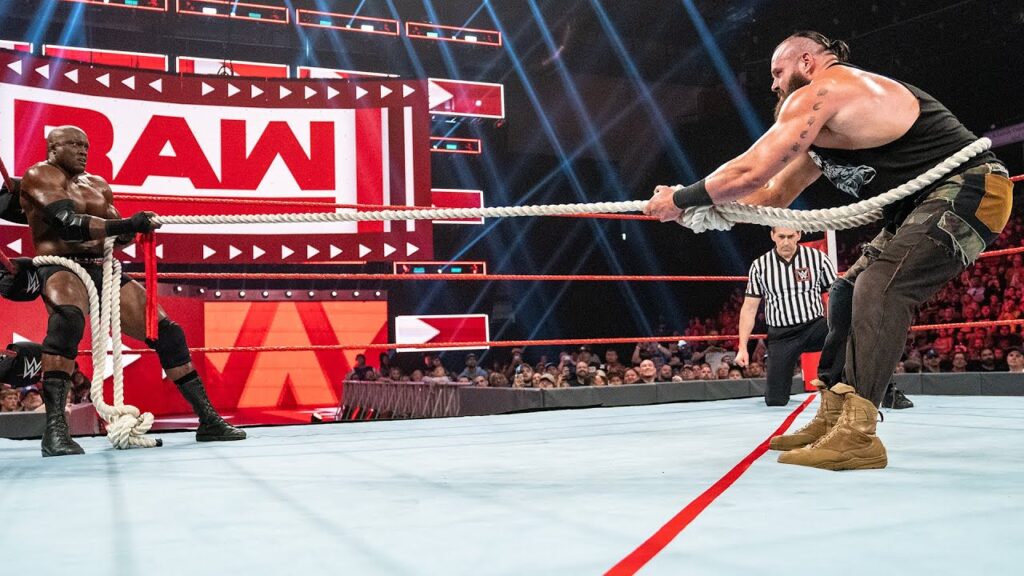
The Impact of WWE’s Global Expansion on the Wrestling Industry The targets of World Wrestling Entertainment have grown from being a regional promotion in the northeast of the United States into a global entertainment giant. It has changed the sport in the way it is marketed and consumed and has opened opportunities for various wrestlers scattered across the multidimensional globe. The paper explores how WWE has grown toward globalization and broad, far-reaching impacts related to the wrestling business. Historical Background: From Local to GlobalHowever, Vince McMahon saw WWE traveling towards being an international entity by the 1980s. During this, the body positioned itself from regional promotion to a national power with cut-throat cable television and pay-per-view events. This was allowed to stars like Hulk Hogan, who imprinted his brand on international stardom. The 1985 WrestleMania was Timer when the then WWF decided to hold its programs before a global audience for the first time. The 1990s and early 2000s had taken hold of the edgier content of the Attitude Era to take larger and even greater audiences and expand into international markets. Bought up were other small-time competitors, including the World Championship Wrestling and the Extreme Championship Wrestling, with the attitude of better business. In the middle of the 2000s, WWE was running way out in front of its ambitions as a domestic wrestling organization.WWE’s international strategy has occurred on four fronts: globalization of touring, promotion of localization, distribution, and digitalization. International Tour and EventsThus, this sets the stage for international tours, which envisages capturing the global market. The “WrestleMania Revenge Tour” and “European Tours” of that kind today are ordinary because every year, the WWE live experience is made available in Europe, Asia, Latin America, and the Middle East. This means more revenue, and WWE will leave its footmarks worldwide.Another landmark in the globalization of WWE was playing internationally using the “Greatest Royal Rumble,” held in Saudi in April 2018. The same was tied up with a 10-year partnership with the Saudi General Sports Authority, which WWE hopes will set the deepening penetration of WWE in that part of the Middle-Eastern markets.Both events have pulled out phenomenal viewers and revenues on WWE’s ability to step out and develop other markets. Making it RealIt felt needed throughout that culturally correct content, and WWE dispensed money on programming or weekends in India. WWE Superstars in Hindi came into production, which took one towards the satisfaction of ‘ the most significant international fan base. Similar initiatives were taken into other regions as well for Expo, identical to the way the WWE launched its Network in various languages. But no less important is the cooperation with local broadcasters. “Teaming with Sky Sports in the UK, Ten Sports in India and FOX Sports in Latin America in recent years, for example, to expand access to millions of households worldwide for our WWE wrestling programming and help forge an international fan base as breadth transcription for branding purposes.“ Talent Management and DevelopmentAdded to these are international plans for recruitment and talent development. The outlawed WWE’s Performance Center in Orlando, Florida, is seasoning ground for the uncharacteristically heavy traffic of men and women wrestlers from nearly everywhere with diversified backgrounds. It is on point with setting up other globally located Performance Centers as WWE does in India and the UK. WWE included Japanese Shinsuke Nakamura, Australian Rhea Ripley, and India’s own Jinder Mahal into the fray as equals here with others across the United States. The international fielding would bring in a load of locality to the rosters, making a massive reason for an upsurge in fan quantities in this day and age, for they could compete against local heroes on a world stage. Social Media and Digital PlatformsKey to the global dominance of WWE has been the boom in digital media. The launch of the WWE Network in 2014 allowed fans worldwide to browse through a gargantuan vault of wrestling content. At last, WWE’s digital streaming apparatus penetrated all sections of the world, focusing on markets where conventional cable TV isn’t widespread enough.WWE also goes ahead with its international presence through YouTube, Twitter, and Instagram. Tens of millions of subscribers tune in to watch highlights, interviews, and exclusive content of liking them in the time zones of such disparity of this type of content. Social media helps WWE establish how the fans live their always-on lifestyle daily and will eventually be turned into a world wrestling community. Effect on the Wrestling industryGlobal expansion of WWE brings critical effects upon the wrestling industry, which in turn shapes the results at any one time in this very dynamic sport and course of action for wrestling organizations worldwide. More of a Global Presence“It pretty much is,” he continues, “the growth of WWE in wrestling is in the international mainstream where there’s exposure and legitimacy in seemingly all facets of sports entertainment. Now, it pretty much widened at a net effect not only to the portrait of WWE proper but conceivably all other wrestling promotions as new fans take a look at the various kinds happening forth.” Accesses for WrestlersWWE has expanded wrestling globally to an extent that no one would ever have dreamt of. This is what would be confined to regional promotions; all of that will now take them into world-class levels of competition. Even then, the focus on international talents by WWE has exposed the world to certain stars who would arguably never have found those opportunities in the past. Wrestling StylesThe other result of WWE’s international recruitment is to get a mix of different styles of wrestling, really pigging back on making their in-ring product something far more enhancing. Through recruitment diversification, other regions of the world create diversities and colors by homing several types of wrestlers with many styles, various techniques, and traditions that greatly appreciate the fighting style of wrestling. This landed the fact on how this mix of styles impacted other promotions to take on a further global approach unto their
Fan Favorites: WWE’s Most Beloved Superstars of All Time
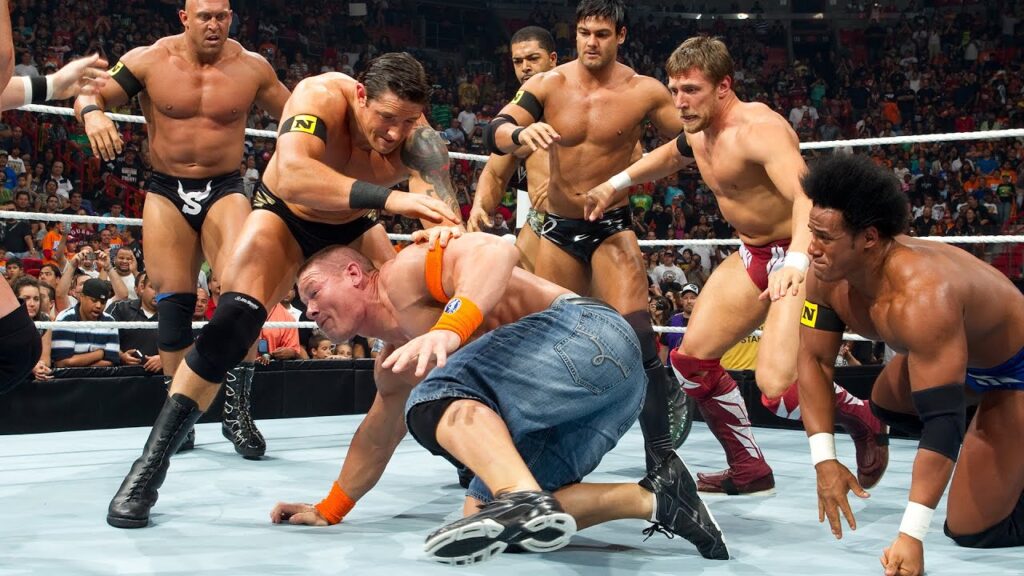
WWE has a massive history entangled with larger-than-life characters and captivating performers who most certainly have imprinted themselves in the professional wrestling world. The squared circles of the business, however, witnessed some superstars that not only dominated this platform but also won hearts and minds by becoming a part of the fans’ generations through. Not naming, in this article, the most loved superstars of all time by the company’s supporters, what they meant by their business making or just their unalienable charisma. Hulk HoganFew names encapsulate the spirit of WWE more powerfully than Hulk Hogan. May the early 1980s witnessed the instance of this wrestler bursting forth onto the scene with an attitude that brought him to be the face of the franchise. And really, who can not dig this charismatic, ‘larger-than-life’ persona, with his very easily recognized catchphrase, “Whatcha gonna do when the Hulkamania runs wild on you?” liked by millions. It was the classic nemesis bouts for Hogan against André the Giant, Randy Savage, and The Ultimate Warrior that helped escalate wrestling over the top and made World Wrestling Entertainment the mainstream cult sensation it is today. Such is the appeal and potency that Hogan seems to summon in touching the fans in perhaps the most peculiar way. He defined to the vast audience what heroism and perseverance meant, and his influence spread beyond the ring in helping make WrestleMania a hit and ushering a new generation inside WWE. The UndertakerOne of the most well-loved characters of WWE is that of The Undertaker, having an eerie presence and is so highly supernatural in persona. The first legendary version to appear was The Undertaker, debuting in Survivor Series 1990. A unique and imposing figure, The Undertaker, otherwise Mark Calaway, stormingly announced his welcome to CWF/WWE through his long-running undefeated streak until his retirement day at its flagship event, WrestleMania.The name The Undertaker works so well because, first and foremost, the character attached to it is one whose constant appeal has captivated fans. They have seen so many versions of him—from the Deadman to the American Badass—that at each transformation, one can feel the apt import attached to it. Matches he has taken part in—particularly in pay-per-views like WrestleMania—are usually the highlight and show his capability to tell a story just through performance. “Stone Cold” Steve Austin“Stone Cold” Steve Austin shone a revolution within the WWE toward the end of the late ’90s, personifying surliness and unruliness as an anti-hero. Career-wise, Austin was a poster boy for the Attitude Era in WWE. It was a time of racy and rowdy content: off-color storylines, and pushing the envelope was not stranger to fans. The feud with WWE Chairman Vince McMahon, one of the most theatrically solid characters in wrestling history, lies within the classic working-man hero versus tyrannical boss struggle. Austin was so famous because of his handy factor in conveying what ordinary fans were thinking and feeling. That no-nonsense, beer-swilling anti-hero fell right into the heart of the everyman. Austin’s catchy “Austin 3.16” and “That’s the bottom line; ’cause Stone Cold said so” were very quotable and catchy, cementing themselves in the everyday public’s lexicon. His performances inside a wrestling ring always put the wacky matching high and stirring. The RockEquipped with a great deal of charisma and the ability to wrestle in any of the capacities, Dwayne “The Rock” Johnson has evolved as one of the heartthrobs of WWE’s most loyal superfans and a global powerhouse of entertainment. How did a third-generation wrestler grow into this stature? As Rocky Maivia, The Rock’s first character, he got mixed reviews, but he changed with time into the brash, confident, and electrifying THE ROCK. One part that made people so endearing toward him is that The Rock could entertain literally on both the mic and in the ring. His catchphrases included legends like “Can you smell what The Rock is cooking?” and “It doesn’t matter what you think!” Some of the greatest-ever matches in the history of WWE include The Rock squaring off against Steve Austin, Triple H, and many more. And now, this crossover success in Hollywood has only added to his popularity, making him an internationally recognized household name. John CenaJohn Cena, the so-called “Face of WWE,” never lets anyone forget that work, leadership, and natural “keeping it real” relationship he has with the WWE Universe—now over 12 years. He came at the turn of the century with his persona, the “Doctor of Thuganomics,” which quickly turned much better coming into the desperate WWE: to the heroically positive force of “Never Give Up” cult fame.What makes Cena very much popular all over the world is pretty much the ways by which he relates to his cheering fans. From quotable one-liners like the typical “never give up” messages or “you can’t see me,” John Cena attracts and motivates fans of all ages. Cena has headlined several WrestleManias and is still holding on to different championships over that period, which shows his longevity and versatility within the game. Out of wrestling, his charitable activities, one of his dearest involvements with the Make-A-Wish Foundation, made him more loving to the fans and turned him into an actual role model. Shawn MichaelsShawn Michaels “The Heartbreak Kid,” was a peerless talent in wrestling ability and the flair for the dramatic. He made his first appearance for the wrestling giant WWE in the late ’80s and, across a couple of decades, became, without hyperbole, regarded as the peak ring performer in his generation. He had instant classic matches and, wrestling with consistency, was relatively peerless in quality. Michaels has been charismatic, athletically powerful, and highly emotive in excess. What takes form in his program with Bret Hart, indeed so, on its culmination into perhaps one of the most talked about wrestling rivalries that ever transpired when it was tagged as the “Montreal Screwjob.” He even would have the tenacious road-to-redemption story through his career-ending storybook, a broken back, while in his prime, which was half-a-success.
The Business Side of WWE: How the Company Stays on Top
Despite being considered purely a regional wrestling promotion, World Wrestling Entertainment (WWE) is now one of the world’s biggest entertainment companies. How it happened—from a series of strategic business decisions and innovative marketing to an overall understanding of entertainment and how it has changed over the years—will be explored in the following pages. Historical Evolution and Strategic VisionIts path to becoming a global brand for the WWE began in the early 1980s when Vince McMahon finally took control of his father’s company, then known as the World Wrestling Federation or WWF. What’s clear is that Vince wanted to take wrestling from a regional draw to a national and then a global obsession. The critical elements in his presentation of these strategies were made rigorously: National Expansion and National Media Coverage:McMahon aggressively drove the expansion of WWF, signing deals with national cable networks and creating syndicated television shows. He was thereby able to make WWF accessible across a vast expanse of land, hence breaking the blue area set by territorial promotions. A piped pay-per-view event held in 1985 featuring celebrities and high-production values. Branding and MerchandiseThe key to the WWE was building and branding the over-the-top character personas. The WWE was able to make stars like Hulk Hogan, “Macho Man” Randy Savage, and Ultimate Warrior household names—and then capitalize on their popularity with any type of merchandise they could produce. This includes action figures, clothing, video games, and brands that make a great deal of revenue associated with WWE branding. Media and Growth in Digital OperationsIt has generally taught WWE the most imperative achievement of all, the reason being that the struggle to stay indispensable results in success. WWE NetworkIndeed, the WWE Network took a bold and unprecedented step in revolutionizing, back in 2014, an entire business paradigm for WWE, pioneering beyond the conventional paradigm of pay-per-view to a subscription video streaming service. It offered fans live events, along with unparalleled access to the most expansive collection of World Wrestling Entertainment matches ever documented, along with other events, original shows, and more. This fan-centric service introduces a direct-to-consumer business model for WWE to maintain command over the dissemination of its content, capturing valuable data about viewer preferences. Social Media and YouTubeWWE makes the most out of these by engaging its fans and exposing its content. The number of subscribers on the WWE YouTube channel is in millions, with billions of views; it makes this channel one of the most followed sports channels. WWE, having viral content and fan-interaction capabilities, has continued leading the oldy-time profession to where the young target audience has grown an interest. Partnerships with Key TV Networks:As successful as the WWE Network has been, there is no denying that traditional television is still the lifeblood of WWE’s business model. The WWE always signs incredibly huge television contracts with all of these conglomerates, such as Fox and NBCUniversal, in order to have the weekly broadcast rights for its two flagship shows, Raw and SmackDown. While each of these shows generates their considerable number of revenues, they also serve to bring their brand of life to the more extensive WWE branding in the mainstream of television. Making a localized entity isn’t easy. The WWE has made considerable investments to become a global brand. Some relevant efforts that the WWE endorses and functions to continue this global endeavor of expansion include: International Travels and EventsHaving regular tours enables WWE to take stock of its earnings across Europe, Asia, the Middle East, and Latin America. For example, important events, such as the Greatest Royal Rumble in Saudi Arabia and annual tours in the UK and India, cement the strong presence of WWE in these countries. Localized ContentRecognizing the need for content to be developed according to local tastes, WWE began developing region-specific content. It developed brand content like NXT UK, specifically for the United Kingdom, focusing on local talent and storylines relevant to the local audience. Similarly, WWE developed substantial content across multiple languages and established Performance Centers across various geographies to train its local talents. Partnerships and LicensingThe WWE has partnered with various international broadcasters and streaming operators to guarantee that its content hits the screens available worldwide. The WWE also licenses its brand for toys, clothing, and video games, among other things; if a product bears its brand, the company chooses to delegate production. That is a strategy that both assays its multiplicity of methods in terms of earning money from intellectual property and surveys its global reach. Talent Development and InnovationWWE’s ability to continually nurture talent and revitalize the product is central to its enduring success. Nationalities and diversity within the Performance CenterThe WWE Performance Center is a state-of-the-art development facility for the superstars of the feature, situated in Orlando, Florida. NXT stands as WWE’s developmental brand, while such entities have become parts of WWE’s talent tree, from which other up-and-coming wrestlers aim to prove they have what it takes before shuffling onto the main roster. It has become a brand where honest wrestling quality is in remembrance, and the innovation of storytelling is in complete design within these four corners. Creative StorytellingWWE continues to thrive with the resourceful flair for devising successful storylines that keep people invested. WWE harbors a brigade of experts underwriting and producing departments that help formulate compelling plots and elaborate character developments. Large-scale events like WrestleMania, SummerSlam, and Royal Rumble rely on long-term plotting and payoffs for significant, highly personal bouts to ultimately change or forge history and character moments that resonate and provide excellent, indelible moments for fans to recall. Adapting to TrendsWWE is known to attest to the tide of cultural and social changes. The Women’s Revolution is the classic case in which female wrestlers eventually started getting equal footing with the males in exposure and out-of-ring opportunities. This not only embalmed the idiotic ages-old criticism but also opened new revenue streams and a broader audience. Essentially, that’s how WWE has spent decades being concerned with being plain relevant regarding social
From The Indies To The Main Event: Wrestlers Who Made It Big In WWE
The journey of professional wrestling speaks volumes of heart, determination, and an unyielding quest for excellence. Majestic as it is, WWE represents the apex of the wrestling industry, yet the circuit has produced some of the leading lights affiliated with this company. Independent promotions serve as the platform for such talents since the place is an open platform to build reputations and hone their craft. This article will celebrate those wrestlers who jumped from the indies to the marquee and became a force to be reckoned with in WWE. Daniel BryanYet another iconic success story from the independent scene to the WWE is Bryan Danielson—the real name, actually—perhaps more known to many as Daniel Bryan of the WWE. On this occasion, however, he was already a Ring of Honor sensation, dishing out one great match after another as a practitioner of highly technical wrestling and an intense, psychological in-ring style. Some underline his interdependence with the name “American Dragon” in being one of the best technical wrestlers in the world. Daniel Bryan’s journey to becoming a WWE superstar was anything but direct. Bryan signed with WWE on a training contract in 2000 but was again part of one of the company’s very early releases. He decided to return to the independent circuit of the industry to build on, by far, what should have been an improved reputation due to circumstances. Bryan signed with WWE for the second time in 2009 and was placed on NXT’s reality competition show. Despite early struggles and a brief 2010 release, his undeniable skill and ability to connect with the audience saw his star grow. His “Yes Movement”—perhaps the one cultural phenomenon happening around professional wrestling—peaked in an ultimate shopping moment at the grandest stage of them all, WrestleMania XXX, back in 2014, wherein Daniel Bryan, by defeating Batista and Randy Orton, was finally able to capture the WWE World Heavyweight Championship. The Daniel Bryan success story is one of never quitting and believing that, with a bit of help from your fans, yes, anything is possible. CM PunkBetter known by his ring name, C.M. Punk, Phillip Brooks is a wrestler who was able to build himself on the independent scene before becoming a WWE superstar. Punk had two reigns as World Champion in ROH, which only further brought his excellent mic skills and ability in the ring to another level. His edge and specially cut promos, including his willingness to speak his mind, always made him a fan favorite on tape and in person.Punk signed with WWE’s official development branch, Ohio Valley Wrestling (OVW), in 2005 and quickly made a name for himself, adopting a straight-edge lifestyle that combined that of a hellraiser gimmick. His regular appearances on WWE’s official storyline began during the latter part of 2006. He later rose to prosperity in World Wrestling Entertainment in 2008 when he became a multi-time international epoch holder of the WWE and world heavyweight championships. His “pipe bomb” promo in 2011, one of the most infamous ever produced in professional wrestling, blurred the lines of reality and storyline and had a considerable impact across the board, much outside the realm of storyline. The promo became an instant sensation in the wrestling world, shooting him through the stratosphere in name value. His razor-sharp ability to authentically connect with the audience’s core with very blunt honesty turned him into one of WWE’s most beloved and hated figures. Seth RollinsColby Lopez wrestled under the moniker Seth Rollins in WWE. He was yet another prime example of a professional wrestler to climb from the indie scene to the main. He was a fierce top player for ROH as Tyler Black before heading to WWE. He was known for his very high style of fly and, smartly enough, he won plenty of bouts to be or set as the ROH World Champion, even if it allowed him to be favored by the fans. In 2010, WWE somehow saw the light and picked up Rollins as a long-term venture, drafting him into its development territory, Florida Championship Wrestling, later NXT. He wasn’t just one of the first NXT champions but one of the most credible and vital contributors to the brand in those early days. With his WWE arrival as one-third of The Shield alongside Roman Reigns and Dean Ambrose, a new dawn in the WWE he prevailed. Rollins’ singles career took off post-The Shield as he has won multiple championships, reigning as WWE Heavyweight Champion. It gained powerful momentum after The Shields broke up due to his excellence in the ring. Rollins’ crossing over from an independent scene to WWE’s main event scene is a testimonial to his adaptability and relentlessness in pursuit of greatness. AJ StylesAllen Jones, popularly known as AJ Styles, is among the most successful wrestlers who have managed to spring out of the independent wrestling scene and bask in the bright lights that WWE provides. AJ Styles made his big wrestling for many promotions, including TNA (Total Nonstop Action Wrestling) and NJPW (New Japan Pro-Wrestling), where he bagged many World titles, prevailing as one of the best wrestlers alive. Although He found success outside of WWE, Styles’ 2016 debut in WWE was eagerly anticipated and heralded by many. He went on to become a quick and then reigning success, culminating in winning the WWE Championship during his year, supporting and making some of the best matches in recent memory. Styles’ in-ring ability, high-flying prowess, and impeccable charisma gave him an undefeated rank at the top of the leaderboard for WWE superstars.Styles can quickly come from the independent scenes to WWE on the global stage, thus showing his ability and vast skill to be adaptable to any environment or audience. His matches against the best superstars in WWE always show speakers and cement his legacy as one of the greatest wrestlers this generation has ever known. Kevin OwensKevin Steen, better known in WWE—as Kevin Owens—made an outstanding reputation for himself in the independent circuit, clearly with
The Role Of Storylines In WWE: Crafting The Perfect Wrestling Drama
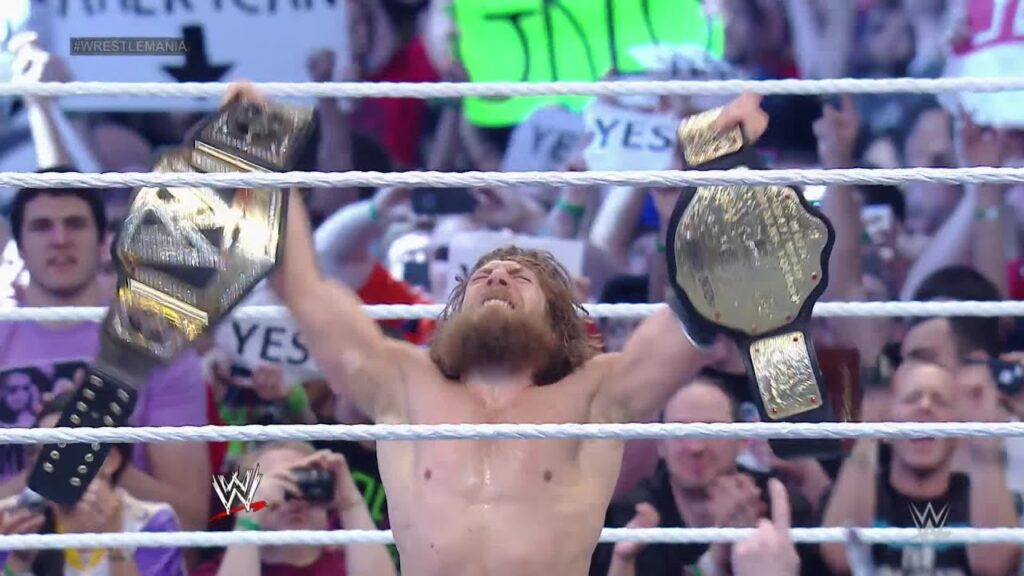
In other words, professional wrestling is a weirdly mixed-up piece of the ambiance joined with the show, and athletic performances interweave with the stories created by the wrestling organizations for the wrestlers. In World Wrestling Entertainment, storylines represent the glue holding the product together, moving matches from simple athletic competitions to dramatic fights that burst the fans’ emotions into flames. This paper delves into investigating the storylines in WWE: Natasha discusses the elements used in crafting the storyline, what they bring to the industry, and most importantly, how a wrestling drama can captivate the audience. The Power of StorytellingStorylines in WWE play some indispensable functions: to give meaning to the match, create an emotional investment in the audience, and develop a character. No matter how technically proficient, a game can be meaningless without a good storyline. The storyline will tell whether you will be a hero or the villain, give the fans a reason to cheer or boo, and makes the result of the contest indeed mean something entirely regardless of the win-loss record on hand. This involves creating believable characters.Characters form the backbone of any good storyline. What has helped make WWE so successful at what it currently does is the ability both to develop and to create some great personae. The wrestlers are given characterizations or personas, otherwise known as gimmicks. These gimmicks could be an exaggerated form of a person’s real-life traits or total fiction. These personas formed the basis of the storylines developed. With profiles from “Ordinary Wrestling refers to the positive characters as faces, while the negative ones are called heels, coming from baby faces and heels. This forms much of the dramatic dynamism in WWE: faces, otherwise, tend to be looked upon as illustrious and usually very shallowly related characters; likewise, heels are underscored by the fact that they are most likely to use an underhand method and antagonize their foes or the crowd. There is constant interaction between the faces and respective heels that create an obvious storyline of good versus evil that generally features in many of the philosophies. Character ProgressionsIn WWE, the wrestlers themselves are as much characters in a show. One can add character arcs with a face turn heel or vice versa, personal change, redemption, or pursuit of a goal to a long list. Daniel Bryan is one such classic story from these alleys, his journey beginning from the underdog status and struggle for recognition. Eventually, he won the championship at the most significant event for WWE, known as WrestleMania XXX. The Structure of WWE StoriesWWE storylines belong to the former schema that is highly conventional concerning the overall pattern of story framework, which meets the more classical kinds of literature and film. This impels the frequency of tension and anticipation in actualizing resolutions to these storylines. The SetupEvery good story starts with a setup: the first conflict. This can be anything ranging from betrayal and issuing a challenge to any form of person-to-person enmity. This sets up the stakes and, in turn, gives fans a reason to care about the storyline. BuildupPromo is the build-up stage where intensity is added to the ongoing conflict. Key to this build are indeed hedgerows—what happens within the narrative that keeps the audience’s interest. The ClimaxThe climax, on the other hand, is the peak of the story, reached and done at significant events, especially during pay-per-views. It is at the climax when the primary string in the conflict will come unbroken; then there will be a point where the wrestlers hit the breaking point with each other. The climax will be built up to have the most drama and excitement, and it will hold the most extreme consequences, mainly of lost championships and other career-altering stipulations. ResolutionIt is in this final stage that the story closes, not by revealing how the characters sorted things out and lost a little animosity in the process. Perhaps a decisive victory for one side, the rescue of a character, or the arrival of an awesome new battle. Whichever is correct, it goes through the resolution toward new launching pads from which to build ever-new stories of drama and intrigue. What all does a good storyline needWhat makes a WWE storyline tick? There are a lot of vital ingredients that, if used in the proper doses, help the story to become a storied wrestling choice melodrama—something in that wheelhouse. Emotional InvestmentFor a storyline to work, there should be an emotional investment or perhaps attachment with the audience; it could be joy, anger, sympathy, or excitement. There just has to be an emotion emanating from it. The best storylines are those that deal with universal themes and emotions that touch at least one section of the audience. Plot TwistsA multiplicity of plot twists back to back will keep your audience nailed on the chair. Surprises of shocking betrayals, unexpected alliances, or mind-blowing comebacks only thicken the plot and make it tick. Well-planned ones are to be considered so that they do not confuse the audience, diluting interest. PlanningWhat seems to engage wrestling fans are the storylines that run over a more extended period and require proper planning and working out. Long-term storytelling allows for complicated plots and more excellent character development. WWE has been best able to pull off such storylines with long investment on these kinds of stories—like the multimillion parts of the red-hot angles of The Undertaker and Shawn Michaels—over several years that ended in classic WrestleMania matches. Character CongruenceBesides, there has to be consistency in character behavior and motivation. Characters must consistently reflect realistic behavior based on the character’s personality and history in the show. Consistency is the very root of credibility, which is lacking as far as many stories go. Human Interest SegmentsSometimes adding this extra element into the natural life or, in other words, may I dare say, realism brings with it more relatability. WWE has often transcended the arena of mere programming, re-investing itself into the fabled collision of contest and
The Rise Of Tag Team Wrestling In WWE: Key Teams To Watch
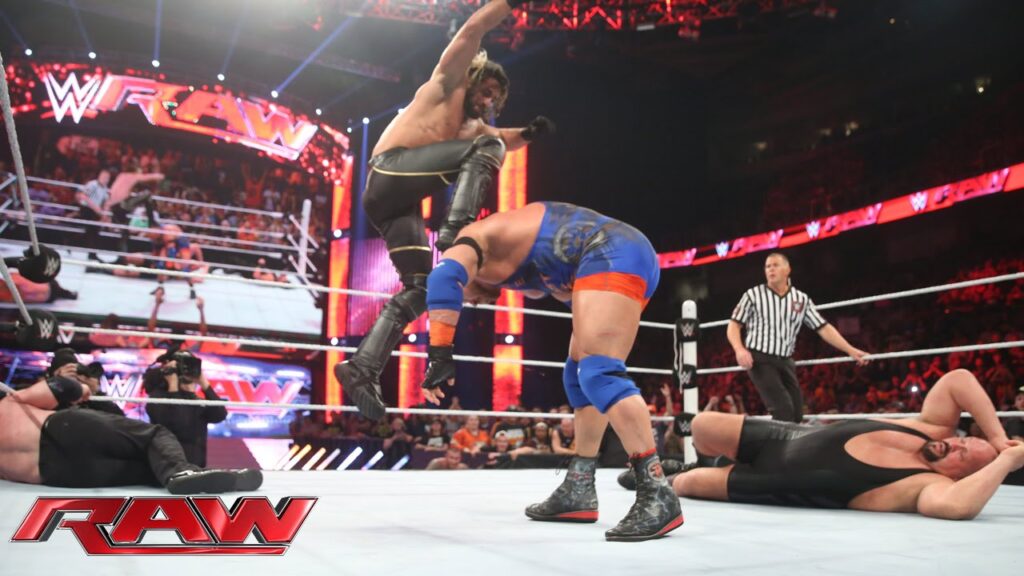
There have always been a few pillars in the wrestling world throughout history professionally; tag team wrestling is one, and the tag team division of WWE has always boasted an incredible history of competitors in the squared circle. Tag team wrestling has, in recent years, picked up mightily for WWE as well, with new teams continually outdoing the pairings of the past through great in-ring work and the storylines that they’re allowed to rip off. Let’s get an extensive understanding of the rise of tag team wrestling in the WWE. The Evolution of Tag Team Wrestling in WWETag team wrestling has seen tremendous evolution over the decades in WWE, from the 1980s golden era to the 1990s attitude era up to the modern era. Tag teams have played a vital role in giving WWE an identity of its own. The Golden EraThis was followed by the immortal tag teams of the 1980s: The Hart Foundation, The British Bulldogs, and The Rockers, to name a few. This was when tag teams were tagged with a sense of athleticism, charisma, and storytelling abilities in the ring. This was the biggest draw of the tag team division, as these teams were guaranteed sharing of the main event slots on the flagship events while following that storyline of feuding to be Tag Team Champions. The Attitude EraThis intensity and entertainment in tag team wrestling would come in the late 1990s and early 2000s, otherwise known as the Attitude Era. At this time, teams such as The Hardy Boyz, Edge & Christian, and The Dudley Boyz would be innovating the division with their high-flying, hardcore style. Their ladder matches and Tables, Ladders, and Chairs matches became synonymous and set a new standard for tag team wrestling. The New AgeIn recent years, WWE has done a focused job revamping the tag team division, which needed it the most. There is an increasing emphasis on athleticism, storytelling, and character development. This, however, has brought us to a situation where, for the moment, some principal teams have changed the shape of the tag team wrestling presently ongoing in WWE.Key Players in the Match 1 The resurgence of tag team wrestling in the WWE brands has welcomed competition, and along with it, a few tag teams are popping up with commendable performances and exciting feuds. Here are some that definitely can be major tag teams: The Usos (Jimmy and Jey Uso)They are, in effect, synonymous with tag team excellence in the WWE. While they first appeared in 2010, The Usos have been some of the blew out, a consistent run of high-quality matches, as well as a significant amount of character development, evolving from colorful, face-painted Samoan warriors into gritty, street-smart heels, which worked in one recent match to describe a transformation that revitalized their careers.The Usos are multi-time holders of the Tag Team Championships and have been part of some of the most memorable, recent, and historic tag team feuds. Their feud with The New Day gave us an instant classic between these two teams back in 2017: their brilliant Hell in a Cell match. The Usos have charisma, in-ring chemistry, and their way of making a connection with the audience, which all make them one of the top teams in WWE. The New Day – Kofi Kingston and Xavier Woods with Big E :Arguably the most popular and successful faction in the history of WWE, The New Day has three members: Big E, Kofi Kingston, and Xavier Woods. The New Day debuted in 2014 and became one of the biggest fan favorites on the roster due to their entertaining antics, pure positivity, and fantastic teamwork. The New Day has become multi-time Tag Team Champions and hold the records for the longest-reigning Tag Team Championships in history upon WWE. Their matches have been characterized by innovative offense, in-ring comedic timing, and the ability to adapt to just about any opponent’s style. Whether wrestling as faces or heels, The New Day has constantly delivered as one of the biggest draws for WWE’s tag team division. The Street Profits (Scar and Angelo Dawkins and Montez Ford)The charisma and energy with a unique blend of athleticism will pulsate through the assassinated tag team division in WWE. Debuting for NXT in 2016, Angelo Dawkins and Montez Ford as The Street Profits gained popularity at warp speed — mainly because of their infectious personality and high-flying moves.The Street Profits debuted on the main roster in 2019 by winning the NXT Tag Team Championships. They could prove even further based on in-ring work and entertained fans by doing good promo and in-ring bouts. What works for them, along with the standout dynamic between them as a team, is Montez Ford’s incredible athleticism and the power that Dawkins brings to the table. They engage the audience’s attention and get exciting fights, a simple reason to call them a team to watch. The Viking Raiders (Erik and Ivar)The Viking Raiders is a power-packed, agile tag team evoking the Viking culture. The pairing of Erik and Ivar stormed into the WWE as The War Raiders down in NXT; they caused a quick buzz by rapidly becoming one of the most feared duos in the brand on the way to winning a set of gold, now called the NXT Tag Team Championships.Since their main roster debut in 2019, The Viking Raiders have been impressive both in the ring and with their characterization. Their in-your-face, high-impact style of fighting, combined with remarkable feats of power and agility, makes them one of the most outstanding and fantastic tag teams in the WWE tag team division today. The mix of intensity and athleticism gives rise to a great viewing experience within The Viking Raiders. RK-Bro (Randy Orton and Riddle)RK-Bro is the unlikely pairing of Randy Orton and Riddle, but through their teams, the duo has made a place among the best in WWE at large. An alliance brought together in 2021, RK-Bro fuses Orton’s experience with Riddle’s stoner wave grooves
WWE’s Most Controversial Moments: Scandals And Shocks
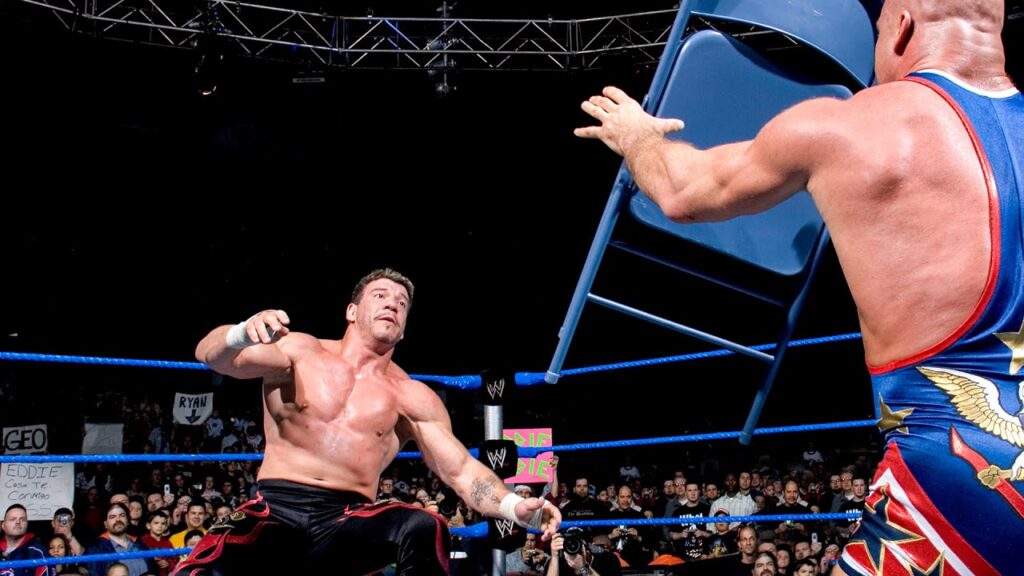
Spectacle theater has always meant the combination of athleticism and dramatic storytelling, and professional wrestling has been at the forefront of this genre, and it is WWE, or World Wrestling Entertainment, that brought these moments to an audience captivated, shocked, and even outraged worldwide. While many have become legendary for their impact and entertainment value, others have become infamous because of the controversies they started. Flagged herein are some dark moments that have hit WWE, regarded as scandals and shocks conditioned to last deep into the minds of the wrestling fraternity. The Montreal ScrewjobOne of pro wrestling’s biggest scandals occurred on November 9, 1997, during the Survivor Series pay-per-view event in Montreal, Canada. It’s a night when Bret “The Hitman” Hart faced off against Shawn Michaels for the contested WWE World Heavyweight Championship, and the match ended under one of the most surreptitious circumstances: the Montreal Screwjob. Vince McMahon reassured Bret Hart, who was leaving WWE to join rival WCW, that he would not drop the title in his home country. However, at the match, McMahon ominously gave the referee the nod to wave the bell, as Michaels had Hart argued in the sharpshooter; Hart had not submitted. The live crowd and people watching were stunned. Hart knew he had been screwed, so he spat at and then knocked over various equipment around the ring. The Montreal Screwjob exposed the backstage realities of pro wrestling and rifted a deep abyss amid Hart and WWE. It also went on to give birth to the character of Mr. McMahon, which led Vince to play the evil boss—an act that later would become the critical component in WWE’s storyline mannerism during that period. The Chris Benoit TragedyIn June 2007, one of the most respected wrestlers in the business – Chris Benoit – was embroiled in a tragedy. Found dead in his house together with him were his wife, Nancy, and their seven-year-old son, Daniel. Further investigation showed that Benoit had killed his wife and son before taking his own life. This sent shockwaves through the WWE as much as the larger sports world. The event underscored enormous pressure points on the WWE concerning current wellness policies, the human cost of being a professional wrestler, and possibly the link between repeated head trauma in the form of concussions and violent behavior. The tragedy also caused WWE to nearly wipe all such references to Benoit from its programming and history, with that situation being highly controversial up to today. The Steroid ScandalThe early 1990s were when WWE was embroiled in a major scandal, only one bigger yet, about the use of anabolic steroids by the wrestlers. Then, in 1993, a federal grand jury indicted Vince McMahon for allegedly distributing steroids to his performers. The subsequent trial staged in 1994 became one of the most worldwide-publicized cases then, which brought massive negative publicity to WWE. Numerous wrestlers, such as Hulk Hogan, even individually testified to their having been doping and the trend of taking such recreational drugs in wrestling. In the end, McMahon was found innocent, though his public image and WWE were impacted tremendously by the event that raised very high levels of stringent drug tests and rules from McMahon’s side. The Katie Vick AngleIn 2002, WWE had an excruciatingly disturbing and controversial angle with Triple H and Kane. The angle was about the death of Kane’s high school girlfriend by the name Katie Vick, whom he murdered in a drunken-driving incident. In a series of segments on the show, Triple H, posing as Kane, was shown entering a funeral home and simulating sex with a mannequin, done up like the Vick above.The angle was met with widespread revulsion, and its criticism came from fans, media, and even wrestling industry members. It’s ultimately later pointed out to be one of WWE’s lowest moments in terms of creative decision. The backlash was so severe that WWE quickly dropped the storyline and has largely avoided mentioning it in subsequent years. The Plane Ride from HellIn May 2002, WWE furnished its talent with a plane back to the United States after a tour of Europe. Unruly behavior, excessive drinking, and serious misconduct by several wrestlers turned that flight, called the “Plane Ride from Hell,” into a nightmare.Incidents such as Ric Flair flashing his private parts to the flight attendants, Brock Lesnar and Curt Hennig fighting to such an extent that they almost seriously damaged the airplane, and wrestler-drugged rumors harassing other wrestlers indeed had consequences. The WWE employees resulted in several suspensions and firings, with lawsuits adding to its name. This incident highlighted the lack of professionalism and discipline in WWE’s ranks. The Death of Owen HartOn the night of May 23, 1999, WWE experienced one of its darkest nights when Owen Hart died in an accident at a pay-per-view event, Over the Edge. He was to come down in grand style, with entry from high up on the rafters, using a harness and cable; this was to be part of his superhero stage character, Blue Blazer.Something went wrong, and Hart fell 78 feet to the ring, suffering fatal injuries. The event resumed shortly after, a move that drew intense criticism. After Hart’s death, his family filed a lawsuit and seriously questioned the safety of wrestling stunts; only then did WWE reschedule and rethink their strategies on risky maneuvers. The Death of Eddie GuerreroShockwaves went through professional wrestling after Eddie Guerrero died suddenly in November 2005. A hugely charismatic and well-loved performer, Guerrero was discovered dead in his hotel room, with acute heart failure as the cause of death—linked to previous problems with substance abuse. His death essentially called his followers’ attention to the physically and mentally challenging profession that wrestling entails, in addition to the long-lasting implication of chemical substance and performance-enhancing drug abuse. WWE quickly paid tribute with a series of shows and segments in line that honored Guerrero’s memory, and his death amounted to a strong emphasis on the wellness and health of the
The Art Of The Promo: How WWE Superstars Perfect Their Mic Skills
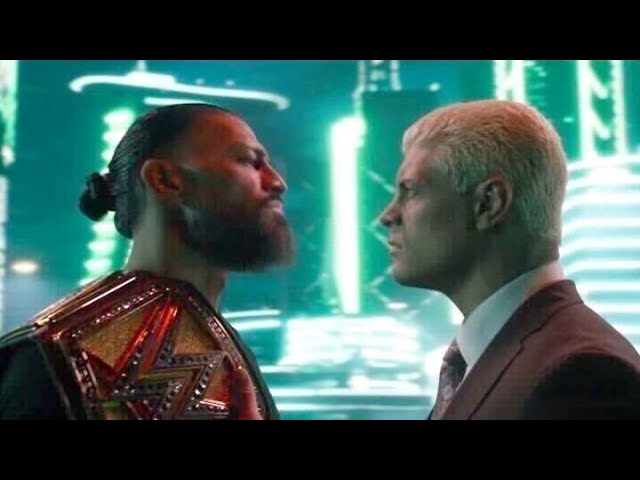
As important as physical ability in the ring, WWE superstars, in the world of professional wrestling, are performers who need to engage the audience with master words in the promo to advance storylines, get over their character, or just establish a relationship with fans. That staple of WWE programming-the promo, or segment in which the wrestlers speak directly to the audience-has been honed to perfection by WWE superstars over the years. Here, how those superstars perfect their mic skills, the evolution of the promo, and how memorable promos have made their mark on wrestling history. The Evolution of the PromoThe promo has come a long way from when the sport of professional wrestling was at its dawn. The 1980s saw promos take on the simple forms of primary interviews. According to these promos, one got to know the hyping of matches and feuds. Legends such as “Macho Man” Randy Savage and “The Nature Boy” Ric Flair were charismatic and larger-than-life personas whose unique promo styles across the board appeared quite different. Moving along into the ’90s and the Attitude Era, the promos, already edgier by nature, came increasingly into play in wrestling storytelling like never before. With the likes of “Stone Cold” Steve Austin, and The Rock, it effectively made the promo an art form: it worked on successful catchphrases, of course, but also on humor and intensity to gain the audience’s empathy. This poise would reach new heights in the 2000s with the rise of scripted promos, as crafted narratives by Vince McMahon grapple with issues of authenticity and creative freedom.Today, these promos are still a vital part of the WWE’s overall entertainment product. Superstars need to work through a compromise between pre-planned and what is created on the fly while still speaking in a manner that directly appeals to the listener in the audience and at home. Key Elements of a Great PromoThe following are some key elements of a great promo. All these components should be mastered by WWE superstars for them to give great and memorable performances: Character Comprehension:A good promo depends on complete character understanding. When wrestlers have their in-ring characters in and out, whether a heel (villain) or a babyface (hero), they have to embody them. This implies that they should be very conversant with the motives, idiosyncrasies, and background of their character in such a way that they can speak as them very naturally and realistically. Emotional Connection:The best promos are the ones that drive emotion within your audience—whether that means excitement and laughter or anger and empathy. The superstars use the tone in their voice, their facial expressions, and even their body language to push whatever emotion it is they are going for and further pull the fans into their story. Catchphrases and Memorable Lines:These would then have catchphrases and memorable lines that go down with time. ‘If you smell what The Rock is cooking’ of The Rock and ‘Austin 3:16 says I just whooped your ass’ of Austin are among such. Improvisation:Although many promos are scripted, improvisation is essential to what a wrestler must be able to do. One has to be able to respond to the crowd and whomever one is wrestling, as well as to any other unexpected happenings. It keeps promos fresh and real. Storytelling:A good promo should advance the storyline. One needs to connect their own words with the more incredible story, setting future matches or feuds in the process. It just takes respect for the overall plotline and the knowledge of foreshadowing. Training and PreparationWWE superstars are trained for hours on the perfect way to talk into the mic. This training includes: Promotional Classes:Promo skills are crucial in WWE’s developmental invigilating system, NXT. In promo class, NXT Superstars get a chance to work on their ability to speak in front of both their peers and their coach. This helps them gain confidence and be good listeners for constructive criticism. Character Workshops:Wrestler character workshops are inevitable. Workshops aid with the perfecting of their characters’ motivations or quirks, meaning that the next time a specific wrestler goes to cut such a promo easily, it can be delivered. Individual Coaching:WWE has seasoned wrestlers and coaches on its payroll to provide one-on-one guidance and support to talent. The support and guidance coming from mentors are individual; it is tailor-made for each superstar to sharpen their skills in content delivery and timing around the written content. Dusty Rhodes was a legend in supporting young talents in this area. Feedback and Review:Later, they discuss their performance with the coach and peers, who make them realize what could have been better and built upon their strengths. Footage of their promos shows the wrestlers how their words and actions are actually seen by the people. Live Practice:There is a saying that nothing simulates the experience of being in front of a live audience. The house shows—the promos wrestlers deliver at non-televised events—are more like an exercise in gaining experience. It’s not much pressure, and they can do a lot of their own and try to improve their skills by trying different things out. Unforgettable Promos in WWE HistoryIn the history of WWE, there have always been several promos that were highly vital to the point and remembered. Let’s take a look at some of the best impactful words used in the type of professional wrestling: “Austin 3:16” (1996)From the 1996 King of the Ring, “Stone Cold, Steve Austin indulged in his first-ever signature line. Outward bound from defeating Jake “The Snake” Roberts, Austin parodied Roberts’ taunting about religion, stating, “Austin 3:16 says I just whooped your ass.” This signature line became continuously termed a unique and remarkable success for Austin in popular culture. The Pipe Bomb, 2011CM Punk’s “pipe bomb” promo on Monday Night Raw is undoubtedly attributed to one of the most jaw-dropping moments in the modern age. In an unscripted, fourth-wall-breaking tirade, the issues of Punk versus the management of WWE and the industry were all laid out before him. His
Legends vs. Newcomers: How WWE Straddles The Line Between Tradition And Innovation
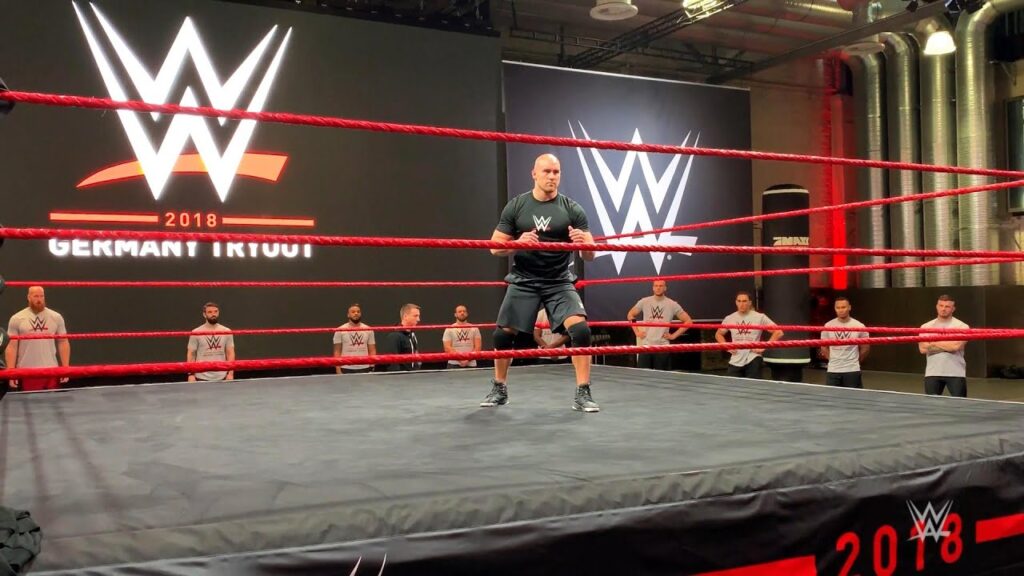
The world of professional wrestling is dynamic entertainment in which the past, present, and future merge into one distinct soap opera. Such is the world of WWE, or World Wrestling Entertainment, with the constant challenge of how to forge the traditional and the innovative into what is known as wrestling circuits worldwide. Icons, legends, and upcoming talent will share the same stage as WWE dances between its storied past and driving the industry towards new horizons. This paper looks into how WWE handles this fine balancing act, its effects on the product, and how legends are merged with up-and-coming talent to create a seamless blend. Legends That MatterWWE Legends were the cornerstone of the company. Their contributions have sounded the wrestling landscape and given it a face that will live forever. Superstars like Hulk Hogan, “Stone Cold” Steve Austin, The Rock, The Undertaker, and Shawn Michaels are synonymous with the golden eras that WWE went through. Their classic moments and over-the-top characters have irrevocably branded fans. Legacy and NostalgiaLegends are nostalgic in how they strike deep into the fans’ psyche. They might evoke memories of past glories from all appearances and tend to connect the dots in a diverse range of generations of wrestling lovers. This nostalgic connection WWE harnesses as a formidable tool to garner an older but, importantly, new fan base stage in its storied history. Box Office AppealThis only contributes to further growing ticket sales, pay-per-view buys, and television ratings. Events such as WrestleMania always feature the return of legends, so that part of unpredictability combines with the “larger than life” allure as well. For instance, The Rock’s matches at both WrestleMania 28 and 29 amped this up, proving that legendary figures will consistently score big money. Mentoring and Passing the BatonLegends play several roles in mentoring the next generation of wrestlers. It’s the experience and wisdom that transpires into a pool of assets in nurturing new talent. “Passing the torch” moments, where WWE is scripting or well-established stars endorsing newer talent, have essentially made a pathway from one era to another. For instance, the endorsement of Roman Reigns by the Undertaker put Reigns right on top of the star chain. The Emergence of All ComersNew Talent is the future’s very life force behind WWE. These are innovative ways that new faces bring their style, storylines, and dynamic, vibrant energy into the product. For instance, WWE’s very own developmental brand, NXT, has been a good platform for nurturing new talent and getting the main roster ready. Progressive Wrestling Techniques:It is primarily fresh talent that introduces a wide array of wrestling styles and techniques most have learned from the international wrestling culture. Such wrestlers as AJ Styles, Finn Balor, and Shinsuke Nakamura have brought unique, high-flying, hard-hitting styles to the stage, thus upping the in-ring product. Refresh Plots:They bring in new rivalries and fresh stories. One can also challenge all the previous decades’ norms and thoroughly stir up the status quo in even more exciting, unpredicted ways. Take, for instance, Becky Lynch’s heel turn to “The Man,” in bringing something marvelously reinvented that could undoubtedly be done to summon appearance. Connecting with Younger AudiencesNewer superstars tend to resonate so magnificently with younger viewers. With their modern personas, their high social media visibility, and their slight auras of relatability, they happen to fetch a newer generation of fans who dot on them. All this thrown into a melting pot of ever-growing superstars—guys like Sasha Banks and Seth Rollins, like many others—proved to be a hit with the young viewing demographic, thus perpetuating engagement. Balancing Tradition and InnovationStaying the number-one wrestling promotion in the world, WWE can do this only because it continuously regards and appeases tradition by way of making innovations. Therefore, this requires strategic storytelling, well-thought-out character development, and seamless integration of legends and newcomers. Strategic Storytelling:WWE does this with long-term storytelling to combine the past and the future. The legends’ incorporation into the current storylines takes off with some excellent stories, which show respect for the past while also highlighting the talented up-and-coming guys. For instance, Goldberg versus Drew McIntyre: Goldberg challenging him at the 2021 Royal Rumble showed how he was to be considered a dominant champion. Advanced Character DevelopmentSuch characters must thus be developed with regard to tradition yet embracing innovation. WWE is often reinventing some classic personas to appeal to the modern audience. The new Bray Wyatt—well, definitely more. Classic typed sci-fi horror unusual and rare in human beings were echoed here inquiries he kind of bordering on what made The Undertaker so particular but presented in a fresh, modern way. Blending perfectly togetherThat makes legends and newcomers integrate artfully. WWE uses its specialty events and pay-per-views as an avenue to create moments where the legends come in contact with the new stars. Clearly, in most of these interactions, especially at this point in their careers, it is a win-win situation: they enhance the status of the newcomer and celebrate the legend’s achievements. The 2020 Royal Rumble, which was packed with substance, particularly regarding surprises with Edge’s return and his interaction with younger talent, best epitomizes this approach. Brand Extensions and Cross PromotionsThe brand extensions and cross-promotions help WWE attain a balance between the traditional and innovative ways in which promotions have to be done. For instance, in NXT and NXT UK, the programs focus on grooming new talent, while on the leading roster, both Raw and SmackDown are for established stars, juxtaposed with emerging superstars. Besides, WWE’s business diversification in movies, reality shows, and even podcasting offers a platform for the legends and new faces to exhibit themselves in the market beyond the wrestling ring. People—including researchers working in the While WWE seeks to strike a balance between tradition and innovation, there exist a number of challenges and criticisms: Excessive Dependence on LegendsHence, on a critical note, one can pinpoint the aspect that WWE, at times overplays the legends’ stature, for just their appearance can outshine the rest quite quickly. Far too
WWE’s Charity Work: Superstars Making A Difference Outside The Ring
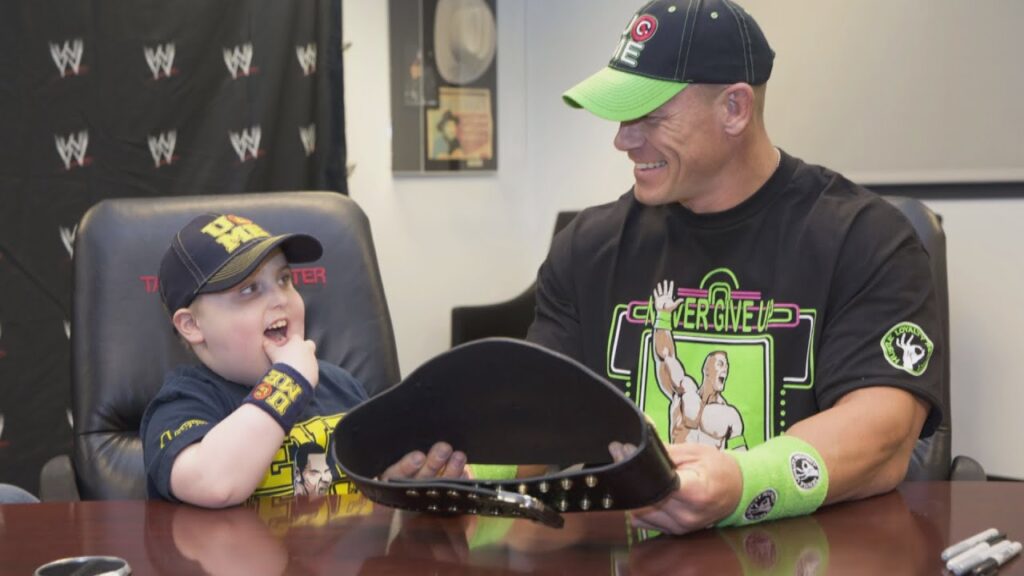
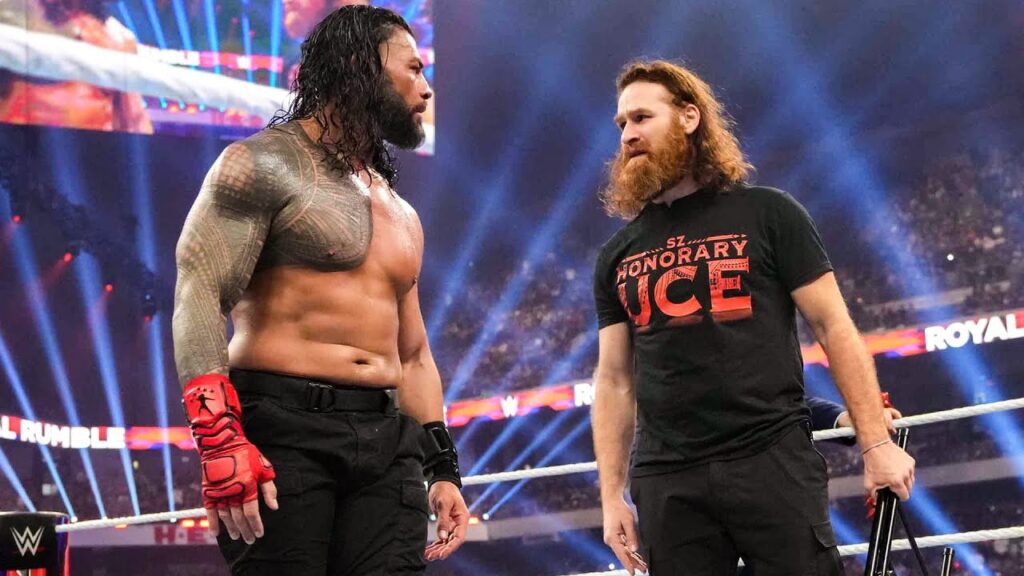
WWE’s Charity Work: Superstars Making a Difference Outside the Ring World Wrestling Entertainment is known worldwide for its thrilling in-ring action and captivating storylines. However, running more profoundly than the bright lights and roaring crowds, the WWE and its superstars have long been committed to making a difference outside the ring with intensive charity work. WWE’s charitable work tends to various courses, just like the company’s commitment to using the platform for the greater good. The article touches on the charity works of WWE, emphasizing focuses and superstars who play a significant role in participating in them. The Philanthropic Mission of WWEWWE is so involved in philanthropic activities driven by a passionate mission on its part that it works effortlessly by making people smile. And there is its school-based scheme set to rock the change into many people’s beloved communities worldwide. Some of the corporate social responsibility initiatives that the body takes up include education, health, living healthy, community service, and military support. Corporate Social Responsibility (CSR) Programs:All CSR programs of WWE are designed to leverage the company’s global reach and the influence of its superstars for the inspiration and support of different communities. Among these are significant community outreach initiatives, charity partnerships, and awareness-building/fund-raising efforts. Key Charity Initiatives and Partnerships: Make-A-Wish FoundationWWE, in conjunction with the Make-A-Wish Foundation, has been instrumental in seeing this come to fruition with wishes for every child and USD 5 million to boost the cause to greater heights. WWE superstars, one in the person of John Cena, are crucial to fulfilling that collaboration. In their record books, Cena has been wished over 650 wishes by very ill kids, as mentioned. What kind of impact has all this made? Quite frankly, the emotional weight transmitted in such moments, when the kids meet their WWE icons, is overwhelming. Connor’s CureEstablished originally in the memory of Connor Michalek, a young WWE fan who lost his life because of medulloblastoma, Connor’s Cure was explicitly instituted to raise money and spread awareness about pediatric cancer research. Connor’s Cure was established by WWE executives Stephanie McMahon and Triple H in memory of Connor Michalek. WWE conducts several events and campaigns to raise funds for Connor’s Cure, and supporters have the opportunity to purchase charitable items and attend auctions, where all proceeds will benefit cancer research. Be a STAR (Show Tolerance and Respect)The Be a STAR program is designed to powerfully influence children’s behavior in giving a renewed resolve as far as deterring bullying and encouraging a culture of respect and inclusion is concerned. WWE superstars go out to schools and community centers, giving speeches with anti-bullying messages while sharing personal stories of rise and defeat. There are also resources made available for parents, educators, and students on how to effectively address bullying. Special OlympicsAlthough the Special Olympics has been a mainstream partner with the WWE, this is made possible by ensuring properly that athletes with intellectual disabilities are taken care of. Through participation in its host fundraising events –the WWE partners up in these efforts- organizing more chapters on events, event coverage, fundraising marketing, and event management beforehand, ensuring support throughout and increased post-event awareness. Susan G. KomenWWE also aligns with Susan G Komen for breast cancer research awareness and fundraising. Their “Courage Conquer Cure” campaign is every October, considered Breast Cancer Awareness Month. Superstars wear pink-themed gear, and special pink merchandise goes up for sale, with all the profits going towards the cause for Susan G Komen. WWE also features breast cancer survivors on the broadcast to share their stories of great courage and determination. Hire Heroes USAAnother realm within which WWE plans its charitable duties is to support documented soldiers and their families. To do this, WWE has managed many campaigns with Hire Heroes USA, a group that helps veterans transition between military life and the civilian workforce. These include fundraising, awareness campaigns, and conducting many career workshops for this noble cause. Furthermore, military contributions and sacrifices are regularly recognized during WWE live events. Superstars Leading the WayWWE superstars are an integral part of their organization’s charity, utilizing their fame and personal influence for various causes. Here is a list of some superstars noted in making significant contributions to WWE’s charity works: John CenaJohn Cena is perhaps one of the most eminent names in WWE’s charitable work. His record number of off-the-field wishes granted is due to being Make-A-Wish, and he continues to aid other campaigns, solidifying his humanitarian legacy. For sure, the man doesn’t stand to finish at WWE; beyond this, he is always working for multiple other causes, giving inspiration to millions of his fans across the world. Stephanie McMahon and Triple HAs key executives at the WWE, much has been driven in terms of the company’s philanthropy by Stephanie McMahon and Triple H. The creation of Connor’s Cure and the substantive level of engagement in outreach programming in the community are testimonies of their doing a little something that would mean a huge difference. Using their platform, both have advocated for research into pediatric cancer and anti-bullying. Titus O’NeilTitus O’Neil is very popular in community outreach and charity work. He has been involved in many projects based on charity events, sponsoring various local youth programs and championing the need for education and health awareness campaigns. Through the above activities, O’Neil has gained widespread recognition in and out of WWE. Roman ReignsRoman Reigns has also taken his struggle with leukemia and used it to fuel his advocacy work on cancer research and awareness. Following a diagnosis and recovery from the chronic disorder, Reigns became engaged with causes of organizations that supported cancer patients and their families. His story inspires, and his charitable efforts do not cease. NatalyaNatalya is one of the finest wrestlers of the women’s division in WWE and known for philanthropy. She took part in various causes, such as Be a STAR and Special Olympics, by appealing to how one can promote inclusion and respect throughout such roles. The presence of Natalya in