
Matt Schnell’s sudden retirement: What led to his decision after UFC Vegas 97?
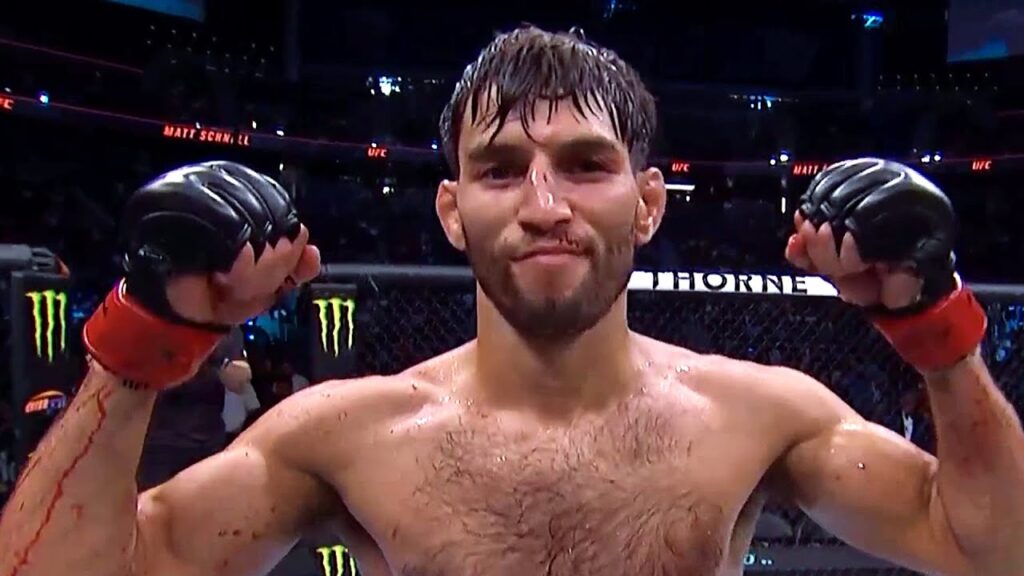
The most popular flyweight of the UFC, Matt Schnell, left mixed martial arts after the defeat by Cody Durden in the fight that took place at UFC Vegas 97 on September 7, 2024. A second-round submission saw Durden defeating Schnell with an anaconda choke; Schnell seemed to have been dominating the bout in the first round. His decision to retire was preceded by laying down his gloves in the octagon which left fans and analysts with many questions to ask. This decision is not just due to his display at the event, UFC Vegas 97 but is a combination of various physical, psychological and personal issues. This article explores the various factors that made Schnell to quit the fight as they include; the recent losses, the frequent injuries, the rising competition in the flyweight division, the issue with the mental health of a fighter, and family issues. 1. The Career Characterized by the Peaks and Valleys As for Matt Schnell, his journey to MMA started in earnest when he joined UFC in 2016. As a talented fighter, Schnell possessed a strong submission game and technical skills that helped him to gain recognition by fans. But Schnell’s career was a roller coaster ride with many highs and lows with a string of victories but also failures. In total, Schnell has a professional record of 16-9, including one no-contest, and during his time in the UFC, he faced some of the top fighters in the flyweight division. His stamina to come back during the challenging moments made him gain fans’ approval and several ‘Fight of the Night’ awards such as the one against Su Mudaerji in July 2022. Still, Schnell’s career was not without a string of difficult losses, including to Matheus Nicolau, Brandon Royval, and Cody Durden. UFC Vegas 97 defeat to Durden was his fourth loss in the last five bouts, three of which were by stoppages – two KOs and one submission. These losses questioned Schnell’s resilience and readiness to perform at the elite level and that too in a division which is rather volatile at the moment – the flyweight division. One cannot even begin to imagine the amount of pressure and stress these losses took on the individuals’ mental and emotional states. This is particularly the case when a fighter loses a number of big fights, and the athlete begins to doubt their ability to challenge for the championship. These cumulative losses can be viewed as the reasons behind Schnell’s retirement as he decided that he is no longer able to perform at the level that was characteristic for him in the past. 2. Physical Fatigue and Injury Difficulties MMA is a very strenuous sport that puts a lot of pressure on the athletes and Schnell’s career also proved that. In his career, he suffered several injuries and concussions that affected his training and performance for the most part. This was compounded by the fact that nearly 9 years of professional fighting had aged him and he was constantly plagued with injuries that slowed him down. For instance, Schnell had to withdraw from a much-anticipated fight against David Dvořák in the UFC 289 event scheduled for June 23, 2023, because of an injury. This was not the first time; the constant injuries cut short his fights and training regimes making it hard for him to remain relevant in the increasingly competitive UFC flyweight division. Also, Schnell’s fighting style made him get into positions where he would take a lot of hits. Against Su Mudaerji he was knocked down several times but was still able to submit his opponent. While this victory helped to further establish him as a determined contender, it also highlighted the amount of punishment that he was willing to take. Such wars in the octagon if continue over a period of time can cause severe damage, not only to the body but also to the mind. One has to also acknowledge that Schnell lost to Matheus Nicolau and Steve Erceg by the knockout, which might have influenced the decision to retire. The chronic effects of concussions are not good for a fighter’s health and many MMA athletes have retired young to avoid the long-term effects of CTE. In Schnell’s case, the fact that his body may not be able to endure the physical demands required of a fighter in the ring might have been the main reason that led him to retire. 3. The Changing Flyweight Division The flyweight division, which was always thought to be one of the least developed divisions in UFC, has lately received a boost in terms of big fights and entertaining fighters. It is worthy to note that the champions like Brandon Moreno and Deiveson Figueiredo have brought focus to the division and their action-packed fights have enthralled the audience all across the globe. However, new talents like Alexandre Pantoja and Amir Albazi were emerging in the division which made the division as competitive as it could be. Although the revival of the flyweight division has been beneficial to the sport it also added pressure on fighters like Schnell who was active for several years and had to compete with new, young and energetic talent. New prospects for success emerged and the situation demanded constant high performances from Schnell and other similar professionals. Schnell, who also had all the potential, started to lose his place in the ranking because of these changes. A second-round TKO loss to Brandon Royval in May 2022 was preceded by two consecutive knockout losses that demoted him even lower. In a division that seemed to be shifting more and more towards dynamic strikers and the best grapplers, Schnell’s shot at the championship became less clear. Perhaps Schnell realized that the way to the UFC flyweight title was gradually becoming tougher and that his best shot at the title was gone. It can be speculated that instead of continuing to struggle and lose fights, Schnell came to the realization that retirement is the better
Triple H Praised for Industry-Changing Decisions
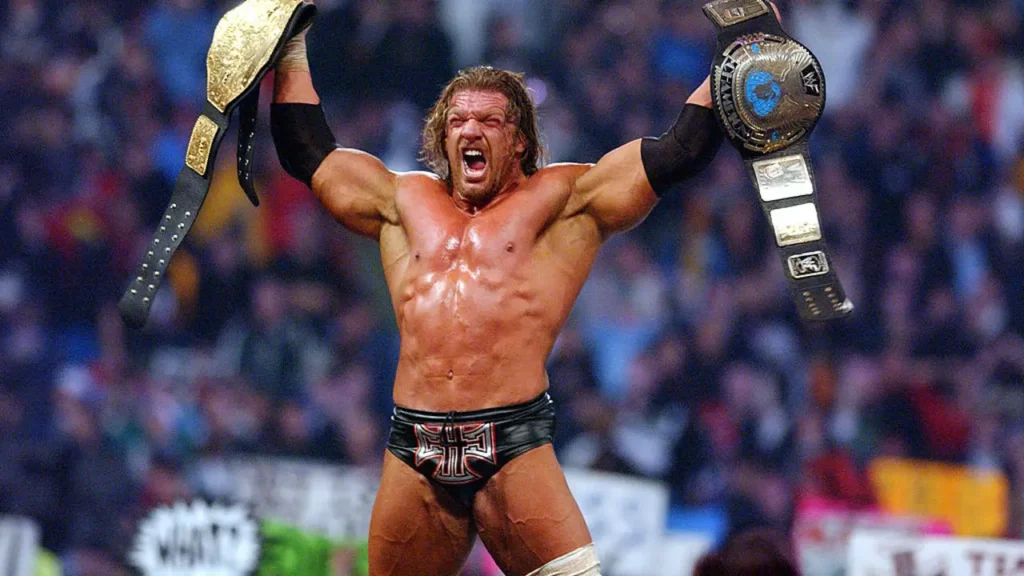
Triple H has been one of the leading names in WWE and has been widely recognized by fans, analysts, and professionals alike for a wide range of bold, game-changing strategic initiatives that have rejuvenated WWE, putting it on a new course. As WWE’s Chief Content Officer and head of all things creative, he is assimilating a new vision with tradition, innovation, and a new concentration of core priorities: 80 minutes every week of quality wrestling, long-term storytelling, and talent development. This article is dedicated to those key decisions of Triple H, what those decisions have meant and continue to mean both for WWE and the world of professional wrestling, and what they may mean going forward. We look at how Triple H’s way is redefining WWE’s creative direction and driving a new wave of growth and excitement. The Transition of Power: Triple H Rising to Creative HeadTriple H took over WWE creative leadership when a seismic shift was taking place within the company. With the temporary retirement and subsequent return of Vince McMahon in a different role in 2022, Triple H finally got his wish to run the creative department of the company. He came with all the qualifications anyone would want to put the company on a new course: a former WWE Champion, founder of NXT, and a creative innovator. Founding NXT and Growing Talent: One of Triple H’s most significant contributions to the promotion was founding the developmental brand NXT for WWE. Under his guidance, it became synonymous with excellence both in-ring and out-of-ring-character development, churning out future main-event talents. Grooming for Leadership: Triple H learned from Vince McMahon how the intricately WWE business model, production techniques, and creative processes are conducted. This was his preparation to be the heir apparent to the creative throne of McMahon. A New Direction: Under Triple H, WWE started recreating its sports entertainment presentation. Long-term storytelling, character arcs, and consistent booking replaced the short-term decisions that had frustrated fans. More In-Ring Action: Coming from a wrestling background, Triple H placed a strong emphasis on in-ring action, so matches were given more time to develop and the talents within them could flourish. That, for the fans, was great exposure time for the sport they had longed to see. Industry-Shifting Decisions: All the Important Moves from Triple HSince Triple H took over WWE creative, he had a series of bold decisions that directly impacted not only WWE but the entire wrestling world. Those moves fleshed out in line with the taste of modern wrestling fans and toward the revival of WWE’s appeal. Reimagining NXT: Under Triple H, NXT remained a developmental brand while deeper investments in younger talent and roster diversification were made. It was all about building a steady pipeline of new stars upward to the main roster. Recruitment and Scouting: Triple H extended the recruitment umbrella of WWE, engulfing prospects in all other sports and disciplines. Programs like “Next In Line,” where WWE offers contracts to collegiate athletes, expand the talent pool and create a constant pipeline of new talent. Character Development Consistency: Under Triple H, the characters were more well-rounded and three-dimensional in terms of consistency in development. The storyline of a wrestler was very precisely thought out in such a manner so that the fans would be emotionally invested in them. Rehashing and Reworking Feuds from the Past: Triple H reworks old storylines to continue where he left off with rivalries or builds on feuds that have been ongoing for ages. This continuity gives the product depth, knitting it together for those longer-term fans who remember when. Off the tremendous success of NXT UK, Triple H announced plans for NXT Europe, a new brand designed to highlight European-based talent and further expand WWE across the continent. It was seen as the first step toward building some sort of global wrestling network with rumored plans for localized brands around Asia, Latin America, and beyond. Collaborations and Partnerships: Triple H sought partnerships with international promotions, opening the route to cross-promotional events, talent exchanges, and global scouting. This approach embeds WWE more into the global wrestling community. Scheduling of Matches: WWE has shifted to a less busy calendar, scheduling fewer events per year, and giving talents more time off between matches. That works great because it melts the stress of prioritizing the welfare of the wrestlers, injury prevention, and quality performance. Injury Prevention and Health Protocols: Triple H has helped WWE improve health protocols by raising the bar in medical clearance and injury prevention. This is taken to be a positive step toward a safer working environment by the wrestlers themselves. How Triple H’s Decisions Have Impacted WWE and WrestlingThus, Triple H’s changes have remade not only WWE’s creative direction but the greater professional wrestling landscape. Such changes have been embraced by the audience, critics, and wrestlers as perhaps a sign of a new era of interest and growth. Positive Fan Reception: Changes made by Triple H in this respect have been received with open applause as they have seen the refocus of wrestling quality and consistency in storytelling and character development of wrestlers. That has been resulting in growing viewership, more events with sold-out tickets, and an increase in social media engagement. Creating Must-See Moments: By putting much more stock into long-term storytelling and quality of the match, Triple H has allowed several moments that are gulp-worthy, right from surprise returns to compelling character turns. Rise of New Stars: Triple H has given a chance for newly rising stars like Bron Breakker, Gable Steveson, and Solo Sikoa to shine. Most of the airtime was given to these talents with storylines best suited for their respective skill sets. Return of Previously Released Talent: Triple H also brought back the talents that were previously released or underutilized, like Johnny Gargano, Dakota Kai, and Karrion Kross. Returning those people added depth to WWE’s roster and opened up new ways of storytelling. A Model for Long-Term Planning: The rigorous long-term approach to storytelling and booking
The Evolution of F1 Cars: How 2024’s Designs Are Pushing the Limits of Speed and Safety
It is a sport where speed, technology, and human limits are really put to the test. Over these years, the cars of F1 have developed quite fast due to changes in regulations and an unabated quest for performance. The new tide of design novelties for the upcoming 2024 season reset the boundaries on what can be achieved. The latest designs are pushing to extremes that have never before been witnessed in terms of speed, safety, and efficiency as teams try to literally find every possible advantage. In this article, we trace the evolution of the design of F1 cars up to the 2024 season, identifying key developments that framed the current generation of cars. We review here how such innovations are driving performance on the track, the challenges they give, and what they mean for the future of the sport. A Brief History of the F1 Car Evolution Speaking to the greater depth of 2024’s design innovations, it is important to contextualize them within the wider landscape of evolution that F1 cars have been undergoing. Over the decades, F1 cars have changed a lot, with each era characterised by different technological advances, regulatory changes, and shifts in the design philosophy that accompany such changes. Car design in F1’s formative years focused on little else but pure speed: the bare essentials Egyptians might have done — things with rudimentary aerodynamics, let alone safety. Cars were regularly constructed with scant regard for driver protection. Lack of Safety Features: In the 1950s and 1960s, the cars in F1 were no more than powerful engines bolted to light frames. Drivers were very exposed to colossal risks, as accidents usually meant serious injury or death. Aerodynamics and Engine Power: In those times, engine power and elementary principles of aerodynamics remained the main design considerations. Since then, car building has been done to reduce drag conditions to the minimum to attain maximum speed on the straights and with less consideration of downforce or cornering performance. Application of ground effect aerodynamics revolutionized F1 car design in the 1970s and 1980s. Ground effect totally changed the way F1 cars were designed — with greater emphasis on downforce than on cornering ability. Ground Effect Technology: This is a form of ground effect aerodynamics wherein the car underbody is involved in creating just about as low air pressure as possible, literally “sucking” the car to the track and pulling in the corners. All this made way for higher cornering speed and considerably reduced lap timing. Yet, it also introduced some new kinds of safety concerns. First and foremost, relying on downforce meant that if anything disrupted the car’s aerodynamics, such as hitting a bump or curb, it could suddenly become out of control. This eventually led to regulations banning certain aspects of ground effect design. F1 car design has walked a tightrope between performance and safety since the 1990s. Improved materials, better aerodynamics, and sophisticated electronics have made the cars run faster and become more agile, while strict regulations have tried to make the cars safer for the drivers and reduce the chances of accidents. Innovations for Safety: Features such as carbon fiber monocoque chassis, crash structures, and the Halo device have done much to improve driver safety. In the same way, technical developments such as sophisticated electronic driver aids, complex braking systems, and hybrid power units have extended the gap in performance. Hybrid Power Units: The F1 has used hybrid power units since 2014, ones in which the internal combustion engine is complemented by an electric recovery system. With this power unit, performance is amazing, within the purview of a more elaborated environmental specification, illustrating the new benchmark in efficiency for the motorsport world. Key Design Innovations in 2024: Pushing the Boundaries This 2024 season has been the year of a spate of design innovations that are pushing F1 cars to new performance and safety levels. It reflects the latest in materials science, aerodynamics, and power unit technology — all aimed at extracting maximum performance from the car while meeting particularly tight regulatory requirements. In consequence, even going into the 2024 season, aerodynamics remain one of the most important areas in F1 car design, and teams have pulled out all the stops once again in exploring just what is permissible within the existing régime. A. Ground Effect and Underfloor Designs The return of ground effect aerodynamics in 2022 brought a sea change in car design philosophy, and the teams have continued tweaking their underfloor designs in the pursuit of optimum downforce for 2024. Venturi Tunnels: The car’s underfloor Venturi tunnels have been optimised with a design to get the best airflow there and generate maximum downforce. These tunnels create areas of low pressure underneath the car when filled with air, therefore greatly increasing grip and enabling higher speeds through corners. Because of this fact, teams have experimented with the different shapes and sizes of tunnels in order to find the perfect balance between downforce and drag. Active Aero Components: Some of the more adventurous teams have been introducing an element of active aero kits onto their cars, like front wings and rear diffusers that change in tune with different track conditions in real time. This kind of component is imaginatively designed to achieve maximum downforce through corners without compromising too much on the straights — a strategic advantage in terms of sheer speed and tire management. B. Sidepod Innovations Because of that, sidepods are one of the very important elements from the point of view of airflow around the car, and new designs have been developed for sidepods to improve both cooling and aerodynamic efficiency. Narrower, more sculpted sidepods have been adopted by several teams to cut drag and improve airflow to the rear of the car. A design like this helps reduce turbulence, hence providing stability — especially in high-speed corners. Cooling Efficiency: In the meantime, sidepod designs have been optimized for cooling efficiency in order to keep the power unit and components of the car within
Can Lorenzo’s Insight Help Marquez Claim Another MotoGP Title?
Jorge Lorenzo and Marc Márquez boast perhaps the most complicated, storied relationship in MotoGP history — and arguably among any two professional athletes — since their time racing together as teammates in this, the highest level of motorcycle competition. Where once fiercely competitive rivals, recent developments would seem to indicate Lorenzo’s insights are possibly the key to seeing Márquez again ride as the sport’s dominant force. With Márquez looking to continue the long line of titles, could the insight and experience from his former foe be just the spark he needs? This article takes a look at how Jorge Lorenzo’s insight might help Marc Márquez in his quest for yet another MotoGP championship. Diving into their rivalry, the distinct understanding that Lorenzo has about Márquez as a rider, and how his deep knowledge of the race dynamics and strategy could bring a new perspective to Márquez in facing up to the challenges ahead. A Rivalry for the Ages: Márquez and Lorenzo’s Past To understand how Lorenzo’s insights could help Márquez, it is important to look at their rich history. Both riders are multiple MotoGP World Champions, and their careers have crossed at the right time to shape up the modern era of the sport. During the past decade, Jorge Lorenzo and Marc Márquez have been two of the outstanding figures in MotoGP. Lorenzo is a three-time MotoGP World Champion with his smooth, precise riding style and meticulous racecraft. Márquez is already a six-time MotoGP World Champion for his quite aggressive, daring style characterized by extreme lean angles and late-braking maneuvers. Their rivalry on the track was so intense that their many memorable battles often tested the energy of one against the other. From close finishes to high-speed duels, their confrontations became must-watch events for fans around the world. Their differing styles created thrilling races but also contrasted the differing ways of approaching racing at its highest level. Tensions Off Track: Off the track, the relationship between Lorenzo and Márquez was often tense. As competitors for the same titles, there had been disagreements and on-track incidents that led to friction regularly between the two. However, the riders also respected each other’s talents as well as contributions to the sport. In 2019, Lorenzo made the shocking move to Repsol Honda to team up with Márquez. Pairing two of MotoGP’s biggest stars promised fireworks; it didn’t unfold as so many had hoped. Lorenzo’s Honda Struggles: Lorenzo had issues with fitting into the Honda RC213V, which was quite a “Márquez-centered” bike with regards to setting. And as such, this union would be short-lived: Lorenzo retired at the end of the 2019 season after finally giving in to injuries and lack of results. Learning from the experience, this time at Honda was difficult; however, it gave a good view of the dynamics in the team and the intricacies that the bike possessed. His experience in trying to master the RC213V added to his knowledge about Márquez’s strengths and weaknesses puts him in a good position to advise. What Insights Does Lorenzo Bring to Márquez? Given the rivaled history and teammate he once had, Lorenzo’s insight into Márquez’s riding style, race strategy, and the machine might prove vital in helping him claim his dominance on the track with MotoGP. Jorge Lorenzo has it interesting to his perspective since Marc Márquez is an aggressive rider amidst him being a calculated one. Anyway, Lorenzo’s experience as a smooth and calculated rider might help Márquez further polish his strategy. Controlled Aggression: The aggressive style of Márquez has brought tremendous success his way but also led to a number of high-profile crashes and injuries. Lorenzo can provide an insight or two on how to balance aggression with control, thus enabling Márquez to retain his trademark style while minimizing the risk of mistakes. Changing Conditions Adaptation: Lorenzo was always prompt to adapt to changing conditions on the track, from being able to modify his style in the conditions to managing the tire wear effectively. Thus, he could advise Márquez regarding how he needs to adjust his riding in different conditions — particularly on those circuits he has not gone that well on. Having ridden the Honda RC213V himself, he’s aware of how that bike differs and the challenges it presents to a rider. He also may provide insights that will enable Márquez and the team to make much-needed adjustments in the setup and development of the bike. Refining the Set-Up: Another possibility is that Lorenzo would have firm proposals on exactly how to refine the bike’s set-up to better suit Márquez’s riding style. He knows what balance needs to be found between front-end stability and rear grip, two areas where Honda have fumbled in the last few years. Optimizing Aerodynamics and Electronics: With Lorenzo’s experience across different manufacturers such as Yamaha and Ducati, he will bring on board a vast perspective on how best aerodynamics and the electronic system can be optimized. He actually could bring valuable experience to Honda to look for ways of improvement in these two areas, mainly regarding maintaining cornering stability and acceleration. The experience Lorenzo has as a champion, along with his comprehension of the mental aspect of racing, can help give Márquez useful psychological lessons on it. Race Management: One of the best abilities Lorenzo had was race management. He did have a perfect pace, knowing when exactly to push and when to conserve. He is able to help Márquez try to work on his overall race management, especially in such long races where the management of tires and energy conservation bears the most importance. Handling Pressure: Being the former champion that he is, Lorenzo knows what it is like to withstand the pressure from being at the very top of the sport. He may be able to give Márquez insight into how to deal with the mind games of racing, let’s say, during injuries, setbacks, or hard-fought challenges from younger opponents. How Márquez Could Learn from Lorenzo’s Experience While Marc Márquez is undoubtedly
Trackhouse’s Big Bet: Why Ogura Could Be the Game-Changer MotoGP Needs in 2025
While MotoGP continues to go forward, the requirement for newer, recognizable talent that can cause excitement and give a new dynamic to the grid is unquenchable. One such promising young gun is Ai Ogura — a young Japanese talent whose eyes have been caught by one of the most talked-about teams, Trackhouse Racing, aside from its ambitious plans and bold decisions. With the 2025 season looming, Trackhouse has gambled big on Ogura, hoping he may be that disruptor MotoGP so badly needs to break the status quo. In this piece, we examine why Trackhouse Racing is banking on Ogura’s potential to move the needle in MotoGP. We look at his rise through the ranks, the strategic moves of Trackhouse, and the wider ramifications this deal has on the sport. Is Ogura the spark MotoGP needs to bring new excitement and competitiveness? That’s what we’re here to find out, as we delve into this article. Ai Ogura – Who is He? The Rise of a Promising Talent Ai Ogura is no stranger to motorcycle racing enthusiasts. Born in Tokyo, Japan, in 2001, Ogura’s urge to ride on wheels seemed to come right from an early age, with his natural affinity for speed and skill apparent to all. He started competing from the early junior and national championships, and then worked his way up with ease through their ranks, showing great talent and a calm, focused racing style. Ogura’s professional career got underway in the Moto3 World Championship with Honda Team Asia in 2019. Performances were consistent and continually improving in nature, soon catching the eye in the paddock. Moto3 Rising Star: In his first season, Ogura was 10th overall but managed to go toe-to-toe with the more experienced riders in the field. By 2020, he had established himself as a title contender, finishing the season as runner-up with podium finishes that underlined growing maturity and race-craft. Riding style traits: Ogura’s riding style can be termed smooth and full of precision. While others around him may be more aggressive, he depends on positioning and strategically calculated moves to come out ahead during races. Many reviewers have been particularly impressed with his tire wear management and the respective changeability of conditions. The successful performance of Ogura in Moto3 saw him graduate to the Moto2 World Championship in 2021, where his skill and adaptability continued to wow. The immediate impact of Ogura’s transition into Moto2 was all one could wish for, as he put himself in the leading pack right away. By the 2022 season, Ogura managed to claim his first-ever victory in Moto2, confirming his reputation as one of the brightest stars in prospects. His performances were underlined by composure and maturity beyond his age. Pivotal Year: The 2023 season has been a real breakthrough for Ogura in Moto2, battling consistently for podiums and wins. His ability to mix it up with the established star names of the class demonstrated his readiness for the next step in his career. Trackhouse Racing: The Ambitious New Entrant in MotoGP Trackhouse Racing is better known across the NASCAR world, though it has recently made headlines with the announcement of plans for expansion into MotoGP. The team was founded by Justin Marks and is co-owned by the musical superstar Pitbull. True to expectations, Trackhouse Racing has been anything but conventional in its approach and strategies, bucking traditional motorsport norms. Trackhouse’s venture into MotoGP is wide-reaching in the motorsport arena, hence diversification and extension of its motorsport footprint. The team, originating from American racing turf, does have a few fresh perspectives to bring to MotoGP based on its unique branding, innovation, and technique in engaging with the fans. Trackhouse’s New Approach: The goal for Trackhouse now is to bring this creative and dynamic approach into MotoGP, implementing experience that has helped to build a brand in NASCAR to a global audience, focusing on entertainment, digital content, and fan engagement — all areas where already some success has been achieved by this team in other disciplines. An Eye for Talent: The signing of Ai Ogura is a reflection of the commitment from Trackhouse in nurturing new talent, while also believing in the shake-up this younger rider is bound to make to the hierarchy MotoGP has. This team is gambling on Ogura’s abilities to stir up a challenge against the established stars and give a fresh storyline to the sport. Ogura is a little bit of a risk for Trackhouse to choose as its lead rider, but it is one they feel will be well rewarded. There is a combination of elements making Ogura actually a hot property for a team looking to stir things up in MotoGP. Youth and Potential: Ogura is only 24 years old, meaning he is still in the early stage of his career with much room for growth and development. His youth fits into their strategy of investing in the future and teambuilding around a rider who can develop into a star. Proven Talent: Ogura has already proved he has the talent to see him compete at the highest level of motorcycle racing. Performances in Moto2, where he has shown to learn quickly and adapt to challenges, suggest that he is ready for MotoGP. Cultural and Market Appeal: Ogura’s Japanese descent also benefits MotoGP in its effort to further push the series in the Asian market, considered a dramatically important growth location for the sport. Japan has a rich history in motorcycle racing, and having a young Japanese talent in a prominent team probably will boost interest and viewership in the region. The Potential Impact Ogura’s Arrival Might Have on MotoGP Ogura’s entry to MotoGP on Trackhouse Racing may have considerable implications, not only for the rider himself but for the sport as a whole. That said, here’s why Ogura could be that much-needed game-changer for MotoGP: MotoGP always needs an influx of fresh and exciting talent to keep the racing alive and dynamic. Ogura might just give the grid a whole new look
Breaking Boundaries: Why MotoGP Should Always Be for the Best, Not the Nationalists
For many years, MotoGP has been the pinnacle in motor biking, where the best riders from all over the world compete for the glory arousing around the globe. This sport has evolved over the years at a place where cultures, talents, and technologies combine to draw competitors and fans from every part of the globe. With MotoGP looming large in its growth and development phases, the biking fraternity is also debating hotly the role of nationalism within the sport. This leads to a very fundamental question: should MotoGP be about national representation or be a platform strictly reserved for only the best riders to compete, irrespective of their nationality? The following paper will explain why MotoGP should always be about the best riders and never about the nationals. We look back at the history of the sport, the role of nationalism in MotoGP, and how setting talent before national representation is crucial for the future integrity, competitiveness, and popularity of the sport on a worldwide basis. The Global Nature of MotoGP: A Short History MotoGP originated at the start of the 20th century and was developed from local motorcycle races into an internationally recognized championship. Since its inception, riders of all types have been attracted to the sport, each bringing their specialty and perspective to the track. MotoGP’s history started back in the early 1900s, but the first official World Championship was created by Fédération Internationale de Motocyclisme, or FIM, in 1949. It was supposed to unite all the best riders around the world under one championship and was held on a series of races across different countries. Diverse competitors: From the very early days, MotoGP attracted riders from various countries, including Italy, the UK, Spain, and France. That was one important ingredient that made the sport so fascinating: it framed all sorts of riding styles and techniques and innovations coming from all over the world. International Arenas: Races involving the World Championship were also organized across various countries so that more international flavor could be given to the sport. Such global concept helped in assembling an extensive range of talents and also opened up an avenue for MotoGP to attract audiences from several regions. As MotoGP became increasingly popular, it began to create a crop of global superstars. Riders such as Giacomo Agostini, Mick Doohan, Valentino Rossi, and Marc Márquez went well beyond their national identities and into the realm of pure motorcycle iconography. Their success was not determined by their nationality but rather by quite simply being the best of the best — leaders in skill, dedication, and ability to push the limits of what was possible on two wheels. Talent before nationality: These riders epitomized MotoGP’s ideal of meritocracy, where the cream rises to the top irrespective of nationality. Success stories of these riders sent inspiring messages to scores of aspiring riders around the world to take up professional careers in MotoGP and further enhance the global growth of the sport. Cultural and innovative exchange: The presence of riders from different countries created a way for cultural exchange and innovation within the sport. Teams and manufacturers learned from the approaches taken up by others to further advance motorcycle technologies, training methods, and race strategies. Nationalism in MotoGP: A Double-Edged Sword Nationalism — or the purpose of very well advancing and favoring one’s nation over all others — has always been present in sports. It is considered that in MotoGP, it might serve as a strong motivational factor both for riders and spectators. If it takes extreme dimensions, nationalism is noxious to basic principles of sports such as fairness, competition, and inclusivity. One can never deny the part of national pride in MotoGP. Fans often support the riders who belong to their nation because it develops in them a sense of community and loyalty. Media coverage and sponsorships are also driven by national pride, hence boosting the sport’s profile in certain regions. Heroes at Home: Riders like Italy’s Valentino Rossi, Spain’s Jorge Lorenzo, and Australia’s Casey Stoner have had huge success in their own countries. The success of the riders did not only further their careers but helped MotoGP establish a foothold in those markets. Another side of nationalism is that it can have positive economic benefits on the sport. Events in countries where there is a strong presence of local riders usually record higher attendance numbers and higher sales in merchandise, not forgetting increased interest from local sponsors to support races. This again helps in the growth of MotoGP in total. While national pride can add to certain aspects of excitement to MotoGP, the idea of nationalism over talent is not positive in its results. This is because when decisions on rider selection, team composition, or even venue selection for races are based more on national interests rather than on merit, it compromises integrity from a sporting perspective. Talent Exclusion: Making national representation prevalent in MotoGP might restrict some highly talented riders from getting opportunities, as they are not backed with any potential national program or fan-based support. That would affect the sport adversely, as it’s considered the highest level of motorcycle racing, where only the very best talent should compete. Diluting competition: Stressing nationalism more often than not has the effect of diluting the level of competition in MotoGP. If teams or organizers fussed over riders from some countries for reasons of politics or commerce, then lessening competition could be assured, taking away from the sport the excitement and unpredictability that make MotoGP so appealing. A more nuanced view of MotoGP’s appeal is that it is, if anything, meritocratic, in nature — the ultimate end success is determined well and truly by skill, strategy, and determination. Nationalism would undermine that, to a degree that threatens to alienate those who have faith in the competitive integrity of the sport. Why MotoGP Must Always Be for the Best If MotoGP is to retain its status as the pinnacle of motorcycle racing around the world, it needs to
The Struggle at Honda: Why Mir Can’t Compete with the Current MotoGP Machine
In fact, Honda is one of the most successful manufacturers in MotoGP history. However, it has had tough times lately. To put it frankly, its legendary past seems to be getting a little dull with its failure to keep up the pace going forward in the premier class. Joan Mir is one of those riders who is suffering the most because of these struggles. A large part of why the 2020 MotoGP World Champion has found it difficult to press the repeat button so far on his earlier success is with his new team, Honda, following his move from Suzuki. This article explores why Joan Mir has struggled to find his rhythm with the current Honda machine. We’ll explore technical issues with the bike, his adaptation challenges with the new team environment, and the broader implications of Honda’s place in the MotoGP pecking order. Honda’s Recent Woes: A Brief History Success within MotoGP is nothing new for Honda, whose strong history in the sport has seen it take multiple Constructors’ and Riders’ Championships with legendary talents such as Mick Doohan, Valentino Rossi, Casey Stoner, and Marc Márquez. In recent seasons, however, cracks have started to show in Honda’s armor, with the team struggling to produce a competitive machine that could challenge for wins on a regular basis. A Dominant History – A Declining Present The last couple of years have been extra cruel on Honda. Though the team had enjoyed a period of dominance with Marc Márquez between 2013 and 2019, the script has flipped dramatically since then. The serious injuries to Márquez in 2020 and 2021 exposed Honda’s over-dependency on its star rider and how woefully ill-prepared the RC213V — the bike that had been tailored almost exclusively to Márquez’s aggressive riding style — was. The Post-Márquez Era: An injury to Márquez has sent Honda on a tailspin trying to adapt its bike to suit a broader range of riders. Tech issues with the RC213V have persisted, from poor rear grip to unbelievable handling cases that even the more considerable talents of the experienced riders find hard to manage. Performance Decline: The team has gradually declined in terms of performance, with fewer podium finishes, to inconsistent results now ruling. For a manufacturer who has been used to being at the top, this decline has been stark and concerning. Joan Mir’s move to Honda was one of the most talked-about switches in recent MotoGP history. The 2020 MotoGP World Champion with Suzuki, he came into the Japanese marque during a period when they arguably needed him to help bring back success. But far from smooth, the transition has been one in which, more often than not, Mir has struggled – and that fact reflects broader issues with the current Honda package. High Hopes: Given Mir’s heritage, few were surprised that the diminutive Spanish rider rose to succeed in MotoGP. Hopes were high there, especially with Honda banking on the consistency and smooth riding style of Mir that saw him win a world championship. Yet, despite talent and will to perform well, he has struggled to get on with the RC213V and been off the boil this season, falling over several times. The Honda RC213V: Not a Bike for the Common Man At the root of Mir’s struggle is this iteration of Honda’s RC213V bike. Of course, it has potential, but the bike has proved notoriously difficult to ride, with several characteristics that are very far from Mir’s riding style. One of the bigger issues with the RC213V is really that it’s related to its handling. The bike was originally developed around Marc Márquez’s uniquely aggressive style, relies enormously on front-end stability and extreme lean angles, and has brought him success. However, this approach has made the bike a little less versatile and hard for other riders to handle. Instability at the Front End: The RC213V has taken an engineering design compromise, favoring stability at the front end while sacrificing rear grip and overall balance. That has been a nightmare for riders like Mir, who prefer a properly rounded setup that offers smooth corner entry and exit. Not being in control of the front-end instability has seen Mir writhe on the floor many a time, and at the same time, it takes away the confidence so crucial at the MotoGP level. Pitiless Design: Unlike some of its rivals, the RC213V is less forgiving, with even slight mistakes leading to lost grip or a crashing bike. This lack of forgiveness certainly creates difficulty in adapting a riding style to the needs of the bike and only leads to frustration when results are inconsistent. Another critical problem with the Honda has been the lack of rear grip, accentuated upon accelerating out of corners. This has made it difficult with the means to apply power smoothly, leading consequently to wheelspin, instability, and poor traction. Limited Traction Control: Honda’s electronics package has also struggled to provide the required amount of traction control, particularly when put against rivals such as Ducati and Yamaha. This lack of rear grip makes it hard for riders like Mir, who excel at cornering speed and maintaining momentum, to ride at their best. Impact on Race Pace: The rear grip issues have seriously affected Mir’s race pace, forcing him to ride conservatively; otherwise, he can easily lose control. Naturally, he has stacks of late braking and corner speed at which he hasn’t been able to exploit since bike difficulties keep compounding further. The other typical trait of Honda’s RC213V is its very aggressive acceleration and braking characteristics, both of which require a very particular riding style. For riders like Mir, who are initially brought up on bikes with quite different characteristics compared to that of the Honda example, such as Suzuki’s GSX-RR, adapting to Honda’s philosophy is a massive task at hand. Different Riding Style: Mir had to make pretty significant changes in the way he rides, to suit what Honda wants from him. One of the hallmarks of the
Race of the Century: What to Expect from the 2024 Monaco Grand Prix
The Monaco Grand Prix is one of the most illustrious and grand events on the calendar of Formula 1. Staged against a glitzy backdrop along the French Riviera, this ancient race is considered among the showpieces first and foremost, and competition second. The 2024 Monaco Grand Prix is set to be one of the most exciting in recent memory, with an ultra-competitive field, innovative strategies, and regular challenges presented by the tight and twisty Monte Carlo circuit. This article will delve into the key contenders for victory, the unique challenges of the circuit, and the expected strategies that teams are likely to use in the 2024 Monaco Grand Prix. We will also touch on how the championship looks to be after the race and exactly why Monaco is such a standout from the crowd in the world of motorsport. Importance of the Monaco Grand Prix The Monaco Grand Prix is the brightest jewel in the crown of Formula 1. Significance: More than the points and trophies gained, it is the race every driver wants to win and every team wants to conquer. Monaco is a quite special race, as it consists of a mixture of history, glamor, and the individual challenges that the track offers. Monaco has been a fixture in the Formula 1 calendar since 1950; amongst some of the oldest historically in the sport. In the course of the decades, it is here on the narrow streets of Monte Carlo where some of the unbeatable moments in F1 history have taken place: masterclasses in driving by Ayrton Senna, the memorable battles between the sport’s champions, amongst many other moments. Monaco Legends Monaco is a prove-it location in F1. Proving grounds for all the greats—Senna, Graham Hill, and Michael Schumacher—6244 km down the road. The 2024 version of this race will give today’s contenders the same chance. Challenge: Unique to itself, both the layout and the demands of the track. With tight, twisting corners, elevation changes, and absolutely no real runoff areas, Monaco stands as quite simply one of the greatest challenges of any track in the racing calendar. Very often, the race is conceptualized and approached from the point of precision and control, rather than outright speed, making it a real test for the skill of the driver. Monaco represents the very perfection of luxury and glamor. The world stage sees a constellation of celebrities, royalties, and wealthy patrons, flocking into the principality to see the spectacle, which is the high side of life. In fact, it isn’t just the racing that has fans salivating; the glamorous parties, yacht hospitality, and general opulence home-ness of it all promise to place this race head and shoulders above any other Grand Prix on the schedule. Celebrity Appeal: The Monaco Grand Prix attracts celebrities from all over the world. One will find themselves rubbing shoulders with many actors, musicians, and many more others regularly featuring in the event. This further puts the race at a prime spot, making it one of the most anticipated events on the general sports calendar. The race is televised to millions of fans across the globe, which easily makes it one of the most viewed sporting events in the world. Combined with the prestige of high-stakes racing and the glamor of the setting, Monaco is one of the true centerpieces on the F1 calendar. 2024 Contenders: Who is in Line to Win in Monte Carlo?The 2024 Monaco Grand Prix really is starting to build up into a close contest, with several contenders showing very strong form in the run-up to the headline event. Though the defining track characteristics of the circuit very often throw up some surprises, a few key contenders are in place to challenge for victory. Max Verstappen goes into this weekend’s Monaco Grand Prix as the Championship leader and is favored to win. In some scintillating form is the one of 2024 going, with a series of dominant performances that have seen him build a very good lead in the standings. Strengths of Red Bull: It has been registered that the Red Bull car is particularly strong on the track requiring much downforce and mechanical grip, making this car apt for the demands in Monaco. His ability to extract the maximum from the car, added to that pedigree of Red Bull’s own strategic acumen, makes him the man to beat. Verstappen at Monaco: He has been golden at Monaco on occasion, but to be honest, that race has not been all that friendly to Verstappen. Incidents and misfortune have denied him victory once again, but with his current form, he will be looking to rectify that in 2024. Seven-time World Champion Lewis Hamilton approved a strong form and speed buildup he has had in F1 over time. Although it got off to a tough start to the 2024 campaign, Lewis Hamilton has started adversity with grit and tenacity, with Monaco presenting an opportunity to make a genuine charge on Verstappen’s supremacy. Mercedes’ revival: Mercedes has evidently worked quite hard over the past couple of races on improving their car in terms of performance—the hidden pitch being mechanical grip and tyre management, at which Hamilton is quite good, going into Monaco. Hamilton’s Experience: There is experience and recording at Monaco that cannot be bypassed on the part of Hamilton. He’s won this race three times, therefore knowing how to get around the demands of this circuit. His ability to stay cool under pressure and make gains during strategic opportunities is going to be the key for his chances. The Monegasque driver, equating to Charles Leclerc, is surely out to be in the best form in front of his home fans, with them just behind the racetrack. Leclerc has had a love-hate relationship with Monaco, from flashes of brilliance through bad luck and errors. But nonetheless, his sheer speed and talent make him a serious contender for victory in the year 2024.FERRARI’S PACE: Ferrari has been on it, with competitiveness in 2024, especially at
F1’s Most Heated Rivalries: What the 2024 Season Has in Store for Fans
Rivalries are the lifeblood of Formula 1, giving events an air of personal drama and often far greater levels of excitement that transcend even the sport itself. From legendary clashes involving Ayrton Senna and Alain Prost through the intense battles of Lewis Hamilton and Nico Rosberg, he remembers how rivalries shaped F1’s history and captured the imagination of worldwide fans. This is no different for the 2024 season, where a new cast of heated rivalries will look to define the fight for this year’s Championship. As teams and drivers push for every advantage possible, these rivalries are poised to create some of the compelling stories of the season. With the following article deep-diving into the hottest 2024 F1 rivalries this season, it takes a look at the background and key flashpoints of each before turning its attention to the implications those might have for the championship fight. From daredevil veterans rekindling old grudges to fresh-faced youngsters stirring the pot, these will be pivotal in the on-track battles, as well as laying threads through the narrative atmosphere of the whole season. Max Verstappen and Lewis Hamilton have been the protagonists of one of the most intense rivalries in recent F1 history. Their 2021 championship battle was one for the ages, culminating in a quite controversial final race in Abu Dhabi. While Verstappen has since emerged as the dominant force in F1, Hamilton’s resurgence in 2024 has re-ignited their rivalry, setting the stage for another thrilling chapter in their ongoing saga. A. History of the Rivalry The contrast marking them out as the Verstappen-Hamilton rivalry is one of contrasts in style and personality. Verstappen is the brash young Dutchman, never backward in coming forward and often pushing the limits on track to the bare limits of what can be considered aboveboard. Hamilton is the crafty, seven-time world champion who knows well how to mix incredible skills with calculation. Often enough, their collision course is riddled with high-octane drama and sprinkled with controversy. Past Flashpoints: The 2021 season was the height of their rivalry that featured several incidents on the track, with crashes at both Silverstone and Monza. These teed up a narrative of mutual distrust, intense competition that has trickled into subsequent seasons, even as Verstappen pulled ahead in the championship standings. B. 2024 Season: A New Battleground A rivalry that had only recently started to dissipate at the commencement of the 2024 season, Hamilton and Mercedes managed to close that gap to Verstappen and Red Bull, and the rest is history. Both drivers have won races, so the championship fight is shaping up to be a tightly contested one. Early in the 2024 Season Tension: The tension between Verstappen and Hamilton has already been conspicuous in the early races of 2024. A notable incident at the Spanish Grand Prix, where the two made contact while battling for the lead, reminded fans of the fiery nature of their rivalry. While neither driver backed down, both were quick to point fingers, blaming each other for the clash. Mind Games: The rivalry also played itself off the track with strategic mind games. Verstappen often criticized Mercedes’ pit wall for their strategy calls, while Hamilton had subtle digs at Red Bull’s aggressive approach. This, all in itself, is another layer added to the psychological game between these two as each driver tries to gain an edge wherever possible. C. Impact on the Championship This isn’t just a personal Verstappen-Hamilton rivalry that has carried over into 2024, but also one that’s going to be key in the fight for this year’s title, with both drivers capable of fighting for wins and, ultimately, the championship. Tensions of the Championship: Literally, every battle between Verstappen and Hamilton on track is a potential flashpoint, with collisions or even strategic mistakes that can affect the tide of the drivers’ and constructors’ championships. As the season keeps on going, so do the stakes; with every race comes another opportunity to win some valuable points or to kill that advantage. Team Dynamics: The rivalry also extends into the team dynamic, particularly in Mercedes, because Hamilton’s teammate is Charles Leclerc, who has shown very strong pace. Therefore, managing internal competition between Hamilton and Leclerc will be crucial as Mercedes seeks to challenge the dominance of Red Bull. A. History of the Rivalry Teaming up at Ferrari in 2021, Leclerc and Sainz rapidly set into place one of the most balanced and powerful partnerships on the grid. Complementary in driving style and evoking mutual respect, Ferrari was able to rebuild with them and recover competitiveness. But as Ferrari’s performances went up, so too did the stakes for the two drivers vying for top dog at the Italian outfit. Past seasons: With a few minor exceptions, Leclerc and Sainz have steered clear of direct disagreement to this point, instead throwing their collective energies into helping Ferrari climb back towards the front of the grid. For all that, the odd on-track spat and disagreement over strategy calls in sunlight betrayed how there was teak-tough competitiveness lurking just beneath the surface. B. The 2024 Season-Where the Rivalry Gets Much Hotter This has moved the tussle in the competition between Leclerc and Sainz to the forefront going into the 2024 season, with each driver angling for favor with the team to set him up with the best chance for a championship challenge. Same Tools, Different Results: With similar machinery for both drivers, their results have often been different in the fact that Leclerc has usually out-qualified Sainz, although Sainz does attain more consistent race results. This disparity has often led to tense moments within the team, with each driver feeling that he should be given priority. Strategic Conflicts: Ferrari’s strategy calls have more often than not set the two drivers at each other’s throats, and none as much as when decisions to do with race strategy are in question. At Monaco, one such strategic call was made to prioritize Leclerc’s pit stop timing over that of Sainz,
Championship Upset: Can an Underdog Team Pull off the Heist for the F1 Title in 2024?
This only adds to the Cinderella story that is unfolding in the 2024 Formula 1 season, with the fans and pundits alike awaiting a full season of unpredictability. While the usual suspects, Red Bull, Mercedes, and Ferrari, are out there swaying the headlines, an underdog team coming up to steal the F1 title is taking shape. Several smaller teams have taken huge strides this season, challenging the established order and thus injecting fresh excitement into the battle for the championship. This article examines how such an underdog team may disrupt the pecking order in 2024 and what variables would make such an upset possible. We will take a look at the key underdog contenders, the technical advances through which this gap had come closer, and the strategic opportunities they can avail. We’ll also discuss the broader implications for Formula 1 — do the prospects of a competitive upset signal a new era? The State of Play in the 2024 Season The season has been full of both predictable and unpredictable moments, with the traditional powerhouse teams still leading in the championship but increasingly finding stern competition from smaller teams. While Red Bull, Mercedes, and Ferrari are still strong competitors, it is no longer a sure thing that they will win, as several elements have brought the competition closer together. It was new regulations from the FIA for the 2024 season to bring it closer to competitiveness and reduce the gap between the top teams and midfield. Obviously, these changes have had a big impact on performance dynamics from pole right down to the drop zone. Budget Cap Enforcement: Strict enforcement of the budget cap, which began in 2021, remains one of the most profound effects. A limit on how much teams can spend means top teams no longer have the financial freedom to outspend their rivals. This has forced them into being shrewd with their resources and, in turn, given smaller teams efficient enough to pull the gap in. Another influencing factor is the aerodynamic testing restrictions: under the ATR system, wind tunnel and CFD time is divided according to a team’s championship position. Poorer teams of the previous season are given more testing time; they are then able to develop their cars more aggressively. This has led, in the main, to a tightening of the performance differential between teams. This season has been filled with an extremely competitive midfield, which seems to gather a crop of teams with the potential to challenge the established leaders more and more frequently on a race-to-race basis. The performance gap between the top and the rest is narrowing, and it is getting harder to predict race outcomes. Midfield Surprises: The likes of McLaren, Aston Martin, and Alpine have fashioned moments of brilliance this season, with regular top-five finishes, and podiums on occasion. These really do point toward the fact that the midfield pack is closer to the front than in previous years, therefore increasing the likelihood of an upset. Driver Quality and Development: Several underdog teams have benefited from talented drivers who knew exactly how to ring maximum performance out of their cars. Young horsepower superstars such as Lando Norris, Oscar Piastri, or Fernando Alonso returning to Aston Martin sprightly proved on numerous occasions that with the proper equipment they were ready to fight for top places in the following season. Key Underdog Contenders: Who Could Pull Off the Upset? There will be various teams capable of shaking the order in F1, but over 2024, a couple of them tend to make some unexpected promises. Let’s look at which key underdogs could make a genuine championship bid. McLaren have steadily rebuilt their credentials as a front-running team, and the 2024 season has seen them make significant strides. Certainly, the MCL38, their exponent for this season, is a highly competitive package — particularly those circuits that have strong downforce and agile handling. A. Strengths and Opportunities McLaren are strong with this driver lineup and most creative with regards to car development. Lando Norris continued to mature into a robust talent, while Jack Doohan impressed in his maiden season and brought good speed into the mix. Together, they can be a potent driver pairing that could keep pushing McLaren further up the grid. Strong Qualifying Pace: MCL38 has shown great qualifying performance, often leading to both drivers going into the top ten. This has kept McLaren within positions where any strategic advantage is possible on Sundays. Adaptability to various tracks also has been one of the main factors. McLaren has consistently scored points on everything from high-speed circuits like Monza to more technical tracks like Barcelona, showing that they’ve developed a very well-rounded package. B. Challenges to Overcome McLaren still faces a number of challenges if they are to mount any kind of serious championship challenge. Consistency and Reliability: The main issue for McLaren has been consistency, as while they have had standout performances, they have struggled with reliability, especially in the early stages of the season. Minimizing these mechanical failures will be key if they are to stay in contention. Strategic Execution: McLaren’s strategic calls have not always been perfect; a few races have seen them lose positions on account of questionable pit stop timing or tire choices. Improvement in this area will become very important as the team looks to maximize their potential. Aston Martin has been one of the surprise packages of the 2024 season. Once struggling for years, the team now comes back fiercely because of the amalgamation of experienced. A. Strengths, Opportunities In the end, Aston Martin’s resurgence has been built on several conspicuous factors: a talented driver lineup and competitive car design that maximizes current regulations, with Fernando Alonso as its head. Technical Innovations: The AMR24 has taken advantage of several technical innovations, especially in aerodynamics and suspension design. The team has pushed the limits of the regulations for the development of a car performing well on all kinds of circuits. Fernando Alonso brings a lot of experience