
The Impact Of WWE’s PG Era On Storylines And Characters
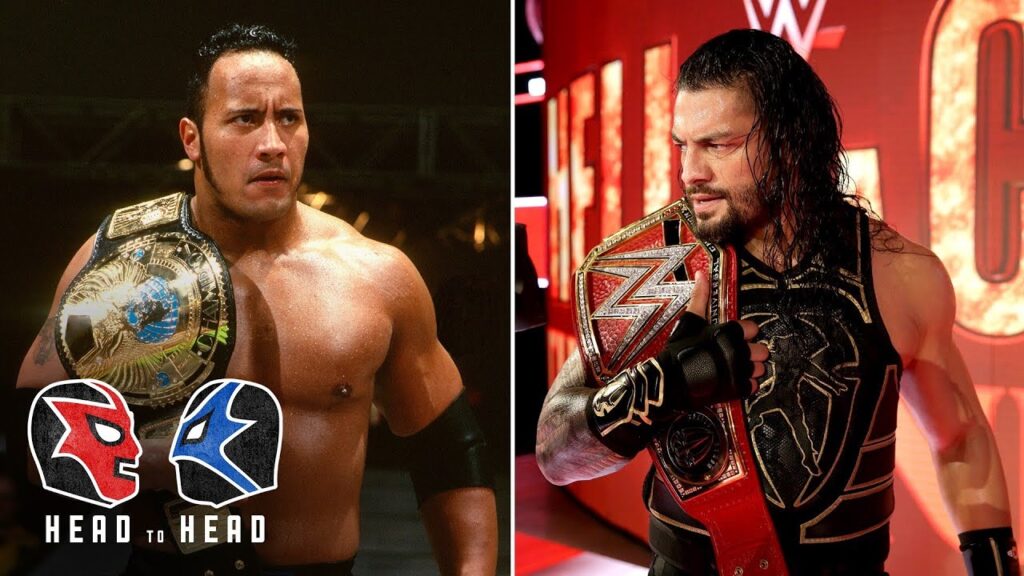
Over its lifetime, World Wrestling Entertainment has undergone many changes. Perhaps the most important occurred in 2008, when WWE changed to a PG rating. This would move away from the edgier content of the Attitude and Ruthless Aggression eras into something more family-oriented. The PG Era created a high-impact shift in the storylines, characters, and structure of WWE. This period is also the one this article will delve into in intricate detail, from how it changed the creative landscape in WWE to its influence on wrestling today. The PG-Era Background The Attitude Era and the Ruthless Aggression EraTo fully appreciate what the PG Era has meant, one would have to watch the glories of both the Attitude Era and the Ruthless Aggression Era. The Attitude Era—mostly spawning from the late 1990s into the early 2000s—was a time woefully riddled with risqué material: language, sexual innuendos, vile extreme violence, and all. These were the times for legendary storylines of fantastic, out-of-this-world characters, like Stone Cold Steve Austin, The Rock, and D-Generation X, which pushed the limits on mainstream entertainment. It was succeeded by the Ruthless Aggression Era, which kept most of that same Attitude Era intensity but dialed it down ever so slightly. It was a great time as superstars like John Cena, Brock Lesnar, and Randy Orton became new superstars who took over with the torch of the company’s aggressive and provocative style. Still, as the audience’s demographic began changing, WWE knew they had to format a more family-friendly product. Transition to the PG EraIn 2008, WWE finally made the complete switch to a PG rating. Several factors were behind the move, including broadening the audience reach, getting sponsors that pay more, and improving the impression that WWE’s name makes in corporate circles. The focus was maintaining products that were clean and safe for everybody. The era was thus termed the PG Era for WWE, and its characteristic was to eliminate most of the edginess in the product, but some of those questionable suggestions and actions that it used to take were aimed at its youth audience. Storyline Changes Family-Friendly NarrativesNotworthy of mention was one of the many noticeable shifts in the PG Era—changing angle and storyline delivery. The storylines weren’t so much about the shock factor any longer; everything focused on the old faithful standbys, such as good versus evil, surviving despite the world on your shoulders, and overcoming meaningful adversity. Such an approach was undertaken for the safety and taste display to grab the audience, children, and parents simultaneously, making WWE content very literal for all family members. Simplification and moral clarityIn this period, storylines were quite basic, where faces were the heroes and heels were the villains. Unlike the morally ambiguous Attitude Era character, the MG Era typically had heroes bound to conventions of robust ethical design and bumping up against antagonists embodying righteous villainy. That orientation made such storylines easier for more junior viewers to comprehend and associate themselves with. Reduced Violence and Controversial Content The PG Era significantly lowered the level of violence and divisiveness. Blood, which once became a common feature of most big-match spectacles, significantly decreased and was next to non-existent in standard programming. Storylines involving extreme violence, sexuality, or adult themes were phased out gradually and eventually replaced with standard, cleaner, thoroughly universally compatible angles. This shift is directly related to WWE’s increased initiative to form the product into a safer, more universally inviting product. Character Development The Rise of John CenaOne of the most significant figures during that period was John Cena. The character of John Cena best personified what this new family-friendly WWE was all about. A living and breathing superhero, many found a role model in Cena due to his “Never Give Up” mantra and clean-cut, patriotic persona. Many of his feuds were later based on respect, hard work, and integrity—monikers of the PG Era. Characters for an Even Younger AudienceThe PG Era created a variety of characters to appease its younger viewers. People like Rey Mysterio, with his fancy masks and flying style, gained children’s attention. In addition, people such as The Miz and Kofi Kingston were packaged distinctly, with unmistakable characteristics and breathtaking in-ring performers that most children loved. Female WrestlersThe PG Era also paved the way for massive changes within women’s wrestling. At this era’s onset, women were booked as just divas, an aspect initially applied to female performers who usually ended up playing secondary characters or having storylines that were shallow. With time passing, however, WWE began focusing on showing off the athleticism and talent of their female superstars. On the other hand, the Women’s Evolution gathered steam towards the end of the PG Era, when female wrestlers could headline significant events and get storylines on par with male wrestlers. The New Day and Embracing DiversityCharacters to which fans of all ages could relate, The New Day became one of the most “over” acts in the PG Era. Their gregarious personalities, affability, and entertaining promos caused them to be relatable characters. The success of The New Day showcased not only WWE but diverse characters, breaking away from stereotypes. Impact on Wrestling StyleSafer in-ring actionIn pairing the heart-pounding in-ring acrobatics with bodacious personalities, the style underwent a dilution into the PG Era to ensure player safety and family-friendly content. High-risk maneuvers and hard-core matches were ramped down; however, much more importance was put on technical wrestling and the storytelling element, presenting the matches not only as safe for the superstars’ well-being but also as accessible to a young audience. Less ViolentMuch of the violent and provocative content was toned down, while the storytelling inside the matches became more critical. Superstars were expected to take the initiative to concentrate and invest time in how their characters should develop, hence bringing emotions into the ring. With a focus now on narrative, fans are made to identify more with characters, and the general entertainment value becomes deeper. Adaptation of Signature MovesSome signature moves and finishing maneuvers were taken
WWE’s Use Of Special Effects: Enhancing The Spectacle
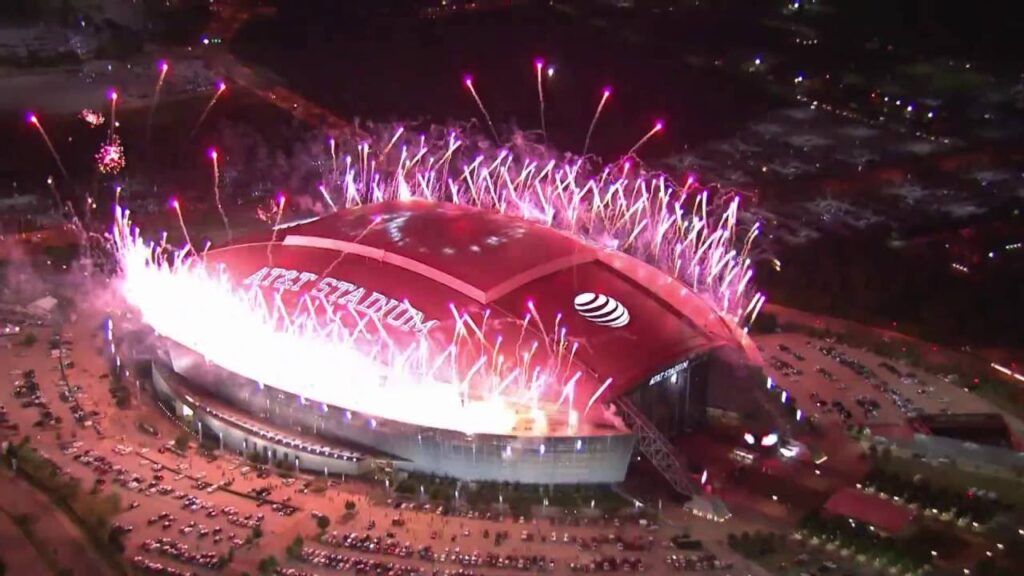
One primary reason World Wrestling Entertainment is unique is its immersive entertainment. It is not about athletic skills and acting; rather, it vastly enhances with special effects. From pyrotechnics to advanced video production, special effects are moments that will be pretty difficult to forget and leave fans worldwide with moments worth remembering. The article views the progress and impacts of special effects in WWE, elaborating on how they function to make its presentation richer, keeping audiences engaged with a greater-than-life atmosphere that resonates in every WWE event. Evolution of Special Effects in WWEEarly Use of Special Effects The use of special effects in WWE can be traced back to the 1980s under the vision of Vince McMahon, who aimed to turn professional wrestling into a global entertainment phenomenon. One of the very first and most classic examples of special effects would have to be the entrance of The Undertaker, debuting in 1990. The theater smoke, dark mood lighting, and dramatic music establish a paranormal element regarding the character—that sets him apart from all others in the delivery, which is the signature of this particular character at first impression.It was during this time that WWE’s production added pyrotechnics as one of its defining elements. The wrestlers at WrestleMania, WWE’s crowning glory, would(step out dressed like kings and queens, complete with dynamic fireworks exhibitions to incorporate a whole different level of professionalism into the ways professional wrestling presentations are done. Pyrotechnics, with other light effects, infused energy, excitement, and anticipation among viewers. The Attitude Era: Pushing the BoundariesThe late 1990s and early 2000s belong to the Attitude Era, which saw an increased use of special effects. WWE began extending the boundaries using more epileptic pyrotechnics, sophisticated lighting, and ground-breaking set designs. This era was when giant characters like Stone Cold, Steve Austin, The Rock, and D-Generation X were coming through. These were all guys with explosively heavy entrance effects that would just add even more fuel to their renegade characters. Without a doubt, one of the most memorable uses of special effects during this period was Kane’s debut in 1997. Done with dramatic flair with fire and pyro, his entrance spelled out as destructive and hellish for the character. This use of special effects took the mystique of Kane to another level. It carved out the storyline between himself and The Undertaker into something that would be forever etched in the realms of WWE history. The Modern Age: Advancements in TechnologySpecial-effects technology has come of age in this modern WWE era. High-definition video production, augmented reality, and advanced pyrotechnics are all now part and parcel of the presentation mainspring of WWE. One needs not to look too far back into the introduction of the WWE Thunderdome during the COVID-19 pandemic to get a clear example of how WWE leveraged innovative technologies to create a varied viewing experience. The Thunderdome, with its virtual fans, dynamic lighting, and AR graphics, made it possible for WWE to maintain the immersiveness despite a lack of audiences attending the event live. WrestleMania 37 in 2021 was an excellent example of how WWE keeps its nose to the grindstone toward innovation. It was an event exercising the most advanced pyrotechnics, complex designs of light-emitter systems, and augmented reality effects animating the stage. For instance, at the entry point of The Fiend, AR graphics will be seen with him morphing into different creatures, becoming a visual treat and creating an immersive experience for home-bound viewers. Improving Entrances and Personas Create Iconic EntrancesEntrances are part of the integral WWE storytelling, and special effects make most of them memorable. The mix of music, lighting, pyrotechnics, and video graphics helps build a superstar’s persona and sets the tone for the character. Other than being just events before a match, iconic entrances turned out to be like their superstars—The Undertaker, Triple H, John Cena—and remained in people’s minds through an inundated introduction. Triple H’s WrestleMania entrances genuinely are the stuff of legend, fitting for befitting rounds in the grandiose and spectacular. From motorbikes and customized vehicles to elaborate attire with pyrotechnics, Triple H has made dramatic entrances throughout his career. In addition to flexing Triple H as among the finest performers, such entries provide the feel of it all that the public awaits. Augmented Reality and Digital Effects.The merger of augmented reality and digital effects has propelled WWE’s presentation to a whole different level. AR can create virtual elements within infrastructural surroundings that make more dynamic situations for the viewers before the audience—to improve WWE visuals. This will add affluent graphics during entrances, adding props with virtual existence around the stage, nearly raising production values.A notable example of the use of AR would be in the Roman Reigns entrance, which includes the digital renderings of a sizable Roman helmet and animated visual effects assisting in his character’s remarkable trait of being known as “Tribal Chief.” These digital enhancements add depth and dimension to Reigns’ character, making his presence even more imposing and impactful. Pyrotechnics and FireworksPyrotechnics and fireworks have been part of the WWE special effects arsenal since the concept was invented. Such explosive elements are used to punctuate monumental moments, celebrate victories, or suggest that va-va-voom spectacle. More than anything else, WrestleMania has a proud history of big pyro displays—some of which help establish the reputation of this event as the “Grandest Stage of Them All.”. They have also been used in superstars’ entrances, like Goldberg and Edge. Goldberg goes with his sparks during his entrance into the ring, and Edge’s return at the 2020 Royal Rumble was a high drama, as it tasted localization with a massive pyro display to heighten the emotion of his return. Moments like that would show just how much pyrotechnics can add to the action and drama of WWE. Special Effects in Matches and Storylines Enhancing In-Ring ActionThe special effects don’t only spurn on entrances; they make their way into the in-ring action and storytelling, too. WWE has done many of these to accentuate moments,
The Role Of Referees In WWE: Unsung Heroes Of The Ring
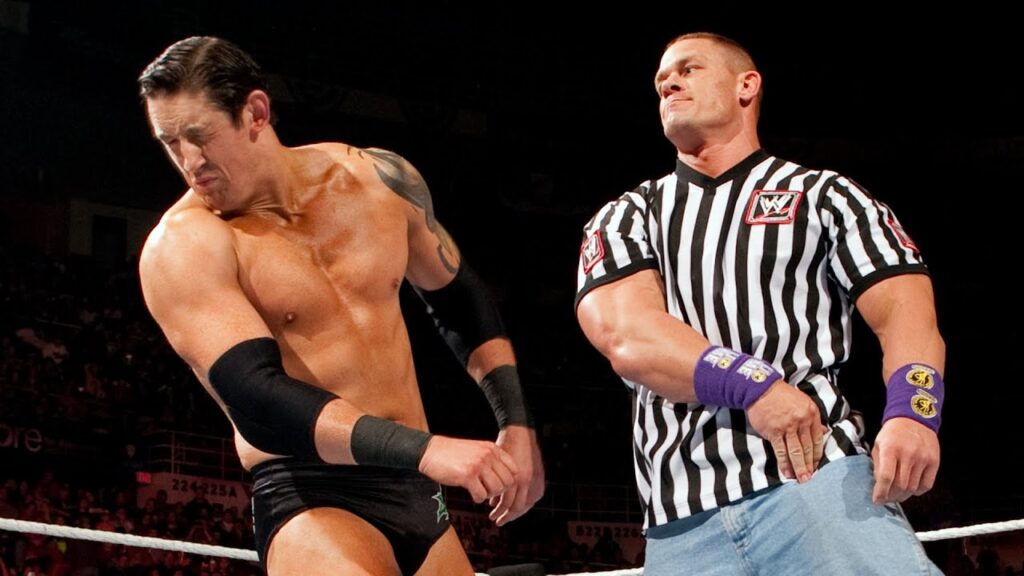
Regarding professional wrestling, one can hardly ever go without thinking about WWE superheroes. Their athletic performance, colossal character, and dramatic scenarios envelop millions of viewers worldwide. But there is yet another group—those people who forge the success and safety of those exact matches, invisible to many: referees. These unsung heroes of the squared circle are instrumental in the tempo of a match, the overall safety of the performers involved, and the general storytelling. The duties, challenges, and contributions that a WWE referee makes to the world of professional wrestling are covered in the following article. Primary Responsibilities of WWE RefereesEnforcing rules and regulations. The most transparent role of a WWE referee should be to enforce the rules and regulations of the match. This includes counting pinfalls, monitoring submissions, and ensuring that competitors adhere to the match stipulations. Referees are tasked with maintaining the integrity of the contest and making sure that the action stays within the bounds of the scripted rules. The enforcement of rules is not that easy when it comes to WWE, however.Given that professional wrestling is a scripted form of entertainment, referees must often navigate a complex landscape where certain rule violations are part of the storyline. For example, a referee might have to turn a blind eye to certain infractions to advance a narrative or create dramatic tension. This means keeping pace with a deep understanding of the storyline and balancing that against the scripted elements, all to keep up appearances of fairness and competition. Communicating with wrestlersThe referee is also a liaison between the wrestlers and the producers backstage. They are responsible for transmitting vital information and cues during a match to let everyone involved know what’s happening. This could be anything from changes to the contest’s finish to time cues or letting wrestlers know when there will be commercial breaks during the match. This is often conveyed discreetly through hand signals, whispers, or any other type of subtle communication to avoid diverting attention from the action. Timing and quick negotiation skills, coupled with the ability to process and convey information efficiently, are significant requirements for a referee. Their role as intermediaries helps ensure the match goes smoothly and according to the planned script. Ensuring SafetyOne of the most essential duties of WWE referees involves a special responsibility for performer safety. Wrestling is physically intensive; it can be so dangerous that an injury could happen in a second. The referees have been trained to see the first signs of an injury and are responsible for stopping the match when a wrestler becomes seriously injured.The function of referees is not merely limited to resolving conflicts and making decisions; it also extends to preventing injuries by maintaining orderliness and ensuring safety protocols. An example would be when they prevent wrestlers from using illegal weapons during the tussle or from performing some overly life-threatening movements. In extreme cases, when their judgment considers that the safety of the wanted participants is at stake, then referees have all the right to disqualify or even end the match. Timing and pacingTiming and pace are critical in wrestling, with significant parts regulated by the referees. They keep track of the time of the match, maintaining it within the allocated time frame. Most of the time, when the timing-related updates come up from the backstage producers, they hint at it subtly to the wrestlers. This extends to the pacing of a match, which is also affected by the referee’s actions. Suppose a slow or deliberate count built up much suspense and drama regarding pinfall attempts; quick counts create urgency. Poor referees need to be attuned to the rhythm of the match and act to sell what is happening. WWE Referees and Their Challenges Physical DemandsBeing a WWE referee is physically demanding. They have to be in good shape so that they can keep up with the action regarding whatever is happening inside the ring. They never stop moving; they frequently stoop low, at the same time constantly repositioning their bodies to get a better view without blocking the audience’s view. Endurance, agility, and quick reflexes are needed to carry out all this. Furthermore, referees are often part of the action in terms of the physical aspects of the competition. They might take a bump or be written into a segment where they get attacked by a wrestler. Again, all stunts may be scripted but still require some degree of physical resilience and learning how to fall safely. Mental and emotional stressNotably, WWE officiating also requires the ingredients of a mentally and emotionally demanding role. These officials are under constant pressure to maintain a high level of focus and attention throughout the bout and simultaneously process information for quick decision-making. The pressure to be perfect in front of a live crowd and millions around the world watching can be immense. They are also supposed to take care of the emotional aspects of their job. Most referees usually land themselves in the middle of fierce rivalries and intense matches where vindictive emotions are running high. Composure and grace are required at such moments. They might also have to encounter an emotional calculation if they have witnessed injuries or been a part of some controversial match finishes. Balancing scripted and real elementsOne of the many challenging factors WWE referees go through is the need to balance the elements of a script against rules that are supposed to be protected and engage in actual enforcement for safety’s sake. This dual-identity fiasco requires an in-depth understanding of the storyline and spontaneity whenever called upon. For example, a referee might be required to count a pinfall attempt that is ultimately interrupted at the last second. They need to make the count look natural, but they also have to ensure that they are not stopping anything too soon. Another aspect involves being prepared for improvised moments, such as when a wrestler goes off-script or is hurt unintentionally. The Influence of Referees on Storytelling Increasing the levels of drama and
WWE’s Most Iconic Championship Belts: History And Design
Professional wrestling is a sport in great depth with rich tradition and storytelling, involving larger-than-life characters. At the very core of this drama and glamor regarding wrestling are awarded championship belts indicative not only of the trophies or prizes won but also meant to embody things like prestige, history, and, most importantly, honor. WWE is the largest wrestling promotion globally and has made a long-standing history of some of the most iconic championship belts in the industry. More than just props, they become part of the ring-bound stories unfolding. The following article briefly covers the history and design behind some of WWE’s most memorable championship belts.The WWE Championship HistoryCredited by many as the most elite title in professional wrestling, the WWE Championship was established in 1963. At the time, it was known as the WWF World Heavyweight Championship, brought about when the first champion, Buddy Rogers, was awarded the title. The WWE Championship has been held throughout generations by those whom many consider some of the greatest wrestlers of all time: Bruno Sammartino, Hulk Hogan, Stone Cold Steve Austin, The Rock, and John Cena. As WWWF became WWF, which in turn became WWE, so did the title’s name. Each of these eras brought along its styles and flair, which were added to the Championship belt, hence making it dynamic regarding change in wrestling. DesignExternally, over the years, the design of this WWE Championship belt has changed many times, specific to that particular era. The first-ever belt Buddy Rogers wore was simple yet classy, with a globe and eagle theme—a symbol of the all-ideal champion. In the 1980s, the belt had a major redesign to a larger and more elaborate one. Possibly the most adored design among all the fans is the “Winged Eagle” of 1988—at the time a large eagle spreading its wings across the main plate, complete with its intricate detailing and bright colors. This was the mold most associated with the Golden Era of wrestling, worn by such legends as Hulk Hogan and Bret Hart. It was the Attitude Era that brought, simply, another redesign of the “Big Eagle” belt, similar in motif but more extensive and more modern in appearance. The early 2000s brought in the “Undisputed Championship” belt, a sleeker design that fuses elements from previous belts.The most extensive redesign was in 2013 with the “Big Logo” belt; the large WWE logo would center at the plate. Since then, it has undergone several subtle changes. Among them is adding customizable side plates to make the belts of individual champions distinct. Today, this design represents a brand-centric direction for WWE regarding globalization and its feel of modernity. The Intercontinental Championship HistoryThe Intercontinental Championship was born in 1979, though Pat Patterson is primarily regarded as the first champion because he combined the North American and South American titles. What would start off as an intercontinental championship to work behind-upper-tier to the WWE Championship became a proving ground for potential talent that would headline the main events in the future. The Intercontinental Championship has, over the years, been held by some of wrestling’s finest talents; among them, instantly recognizable ones include Randy Savage, Ricky Steamboat, Shawn Michaels, and Chris Jericho. Considerably linked to the Intercontinental Championship are perfect quality matches and technical excellence; this effectively tagged the championship as the “workhorse” title. DesignThe original design of the Intercontinental Championship belt was simple yet classic, inlaid with a globe motif and topped off by a bold eagle. 1985 saw a significant redesign for the belt, that produced the iconic white strap and detailing of the main plate; this became synonymous with late-80s/early-90s wrestling and became synonymous with legends Randy Savage and Mr. Perfect alike. In 1998, the Attitude Era was reigniting, and so it received further evolution into modern appeal with a black strap and a renewed main plate. This design remained in use until 2011, when WWE returned to a previous classic design in appeal from the 1980s, reattaching the white strap—yet another nice gesture to the tournament enthusiasts.The redesign in 2019 made this Championship sleeker and more modern-looking, subtle in color, meaning that it had a black strap with a minimum main plate displaying geometric patterns. This design goes on further to express the thoughts of modernity WWE shares still holding tight onto its limb of the previous prestige and history of the Intercontinental Championship. The United States Championship HistoryThe United States Championship has a rich history, dating back to its establishment in 1975 in the promotion known as Mid-Atlantic Championship Wrestling. The latter evolved into part of Jim Crockett Promotions and then World Championship Wrestling (WCW). When WWE bought WCW in 2001, this title became the eventual part of WWE’s championship lineup.This title has operated for many game legends, from Ric Flair and Dusty Rhodes to Lex Luger; more recently, John Cena increased its prestige with his “U.S. Open Challenge” in 2015. On the other hand, it sees a championship of young uprising stars heating the ranks and serving as talent blossoming. DesignWCW’s championship design for the United States Championship originally had a fundamental but bold main plate featuring an important American flag theme. The design was refreshed to show the company’s branding when WWE adopted the title. In 2003, the belt was updated to have a more modern look, having a black strap with an overwhelming American flag background on the main plate. This design epitomizes the era of John Cena’s reign, as he adopted a custom spinner variant of the championship, that gave his persona an individual flair. In 2020, WWE released an improved design of the United States Championship, in which there is a far bigger main plate with an eagle-facing front and other redrawn patriotic elements that make it modern. From this design, the idea has been to balance tradition and modernity since the title needs relevance and prestige today. The Championships for Women HistoryWomen’s wrestling has a heritage, if not completely paralleled, in the men’s division. The WWE women’s championship dates
The Influence Of International Wrestling Styles On WWE
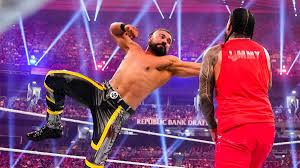
Professional wrestling brings athleticism and theatrical storytelling together into one spectacle. The sport has cultural roots in many areas of the world. WWE, the worldwide leader in professional wrestling, has a tradition of borrowing a lot from different styles across the globe. This melting pot of styles and traditions significantly influenced the in-ring product and storytelling for WWE, evolving and diversifying its shows. This article deliberates on the effect that international wrestling styles have had on WWE. It talks about how Mexican Lucha Libre, Japanese Puroresu, and British Catch Wrestling, among many other international wrestling traditions, started influencing WWE. Lucha Libre of MexicoHistory and StyleLucha Libre means “free fight,” which is applied primarily to professional wrestling in Mexico. Identified by high-flying moves, a faster-paced series of holds and counterholds, and masked wrestlers or luchadores, the genre has been a part of the culture since the beginning of the 20th century. The masks are crucial to them; remember that a mask may identify a wrestler, heritage, or even mystique. Influence on WWEThe first impact of Lucha Libre on WWE was realized by including a Mexican wrestler in the company’s roster of wrestlers. Wrestlers like Rey Mysterio, Eddie Guerrero, and Alberto Del Rio introduced this high-flying aspect that characterized Lucha Libre into WWE and thrilled audiences by showcasing their athleticism and acrobatic moves. In particular, Rey Mysterio became an icon, winning many championships, and is one of the most adored WWE superstars.It’s in the cruiserweight division of the WWE, however, that Lucha Libre truly flexes its muscle. It is a place where fast-paced aerial battles are perfect, as fights in this division are taken with speed and agility. The WWE’s Cruiserweight Classic tournament in 2016 held up quite well; it broke out the popularity and impact of Lucha Libre, sustaining many luchadors themselves and introducing an entire next generation of wrestling fans to this inspiring style. This, in turn, influenced WWE’s style of character development through storytelling with masks and personas. The basis of masked wrestlers in WWE was furthered by Sin Cara and Kalisto, mysterious masked wrestlers from the present wrestling world. Japanese Puroresu History and StylePuroresu is Japanese for “professional wrestling.” Unlike Western professional wrestling, the wrestling style of puroresu is hard-hitting and realistic. Not indulging in theatrics as espoused by their Ricola-bound Western counterparts, strong-style wrestling is what it relies on. This demands advanced stamina, toughness, and technique from its wrestlers.Influence in WWE There seems to be a strong influence of Puroresu in WWE concerning style and the quality of the match. The three primary appellants from Japan representing WWE were Antonio Inoki, Tatsumi Fujinami, and Jushin Thunder Liger, all of whom had bucks and represented their view regarding wrestling based on the strong-style approach.Over the last few years, WWE has indeed brokered a handful of high-profile Japanese wrestlers, transplanting Puroresu directly into the company itself. Shinsuke Nakamura, Asuka, Io Shirai, and Kairi Sane are a few Japanese imports who have made a big splash in WWE. Their matches often have stiff strikes, submission holds, and an athletic level of performance, which is Tarih yespets of Puroresu, taking WWE’s in-ring product to another degree quite frequently. But perhaps the most significant case of Puroresu’s influence can be seen in WWE’s developmental brand, NXT. This synthesis is evident in how most matches for NXT have shifted to a strong-style wrestling and physical, hard-hitting-oriented display. This is visible in the cases of Finn Balor, who had enormous tenure in Japan before being formally signed to WWE, and Samoa Joe, whose in-ring style is currently deeply influenced by Puroresu. British catch wrestling History and StyleBritish Catch Wrestling, or catch-as-catch-can wrestling, is rooted in the 19th century. Grappleness, joint locks, and submissions majorly characterize the style. Unlike most styles that generally focus on striking or flying around the ring, this one deals with ground techniques and mat wrestling. This bred many legends among wrestlers and influenced the technical side of professional grappling to a great degree. Influence on WWEBritish catch wrestling has been a massive part of the technical wrestling style associated with WWE. Many wrestlers, like William Regal, Fit Finlay, and Dynamite Kid, brought this catch wrestling style into WWE and spread the essence of technical grappling and submission wrestling amongst wrestling fans. Their influence lies in the matches of modern WWE wrestlers, who focus on technical efficiency and mat-based wrestling. The United Kingdom Championship Tournament and the subsequent creation of NXT UK have further shone a light on the influence of British wrestling in WWE. Wrestlers such as Pete Dunne, Tyler Bate, and Zack Gibson have superimposed catch wrestling with modern wrestling techniques to bring an exciting ring product to fans. Next is robotics process automation, where NXT UK has become more or less of a spotter platform for British wrestling talent, whereas in its matches, significant roots of grappling or submission techniques associated with catch wrestling are found. This would add another dimension to how WWE went about the programming to develop an attraction to the fan, valuing the art and skill of mat-based wrestling. Canadian Wrestling History and StyleCanada has a long history of professional wrestling focused on technical grappling and telling a story. Canadian multifunctional wrestlers can mix both catch wrestling and high-flying with strong-style wrestling. The Hart family did a lot toward defining the identity of the local wrestling style, mainly through Bret Hart and Owen Hart. What has been most associated with it is technical excellence and ring psychology. Influence on WWEIt is through Canadian wrestlers that WWE received the most jolt in its in-ring style and storytelling approach, with Bret “The Hitman” Hart being, without a single shadow of a doubt, one of the best technical wrestlers to step into a WWE ring. He revolutionized telling stories in the ring. His suggestion can be currently witnessed in the work of modern-day wrestlers who have taken a liking to technical skill and psyche in their performances. Other Canadian grapplers will join the immemorial marks that
WWE’s Most Controversial Matches And Moments
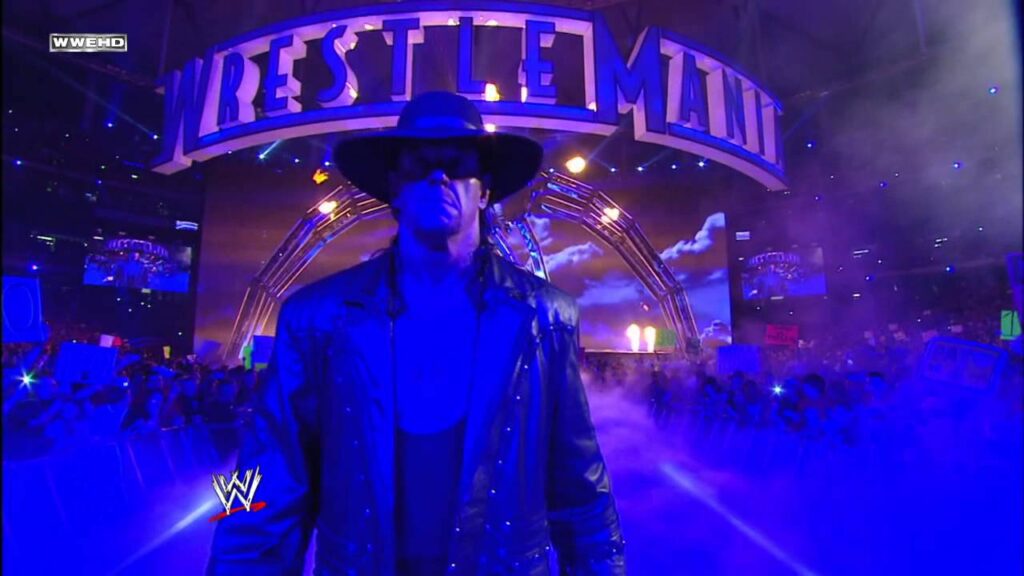
From memorable matches to unforgettable characters and dramatic storylines, there has always been a lot to remember about World Wrestling Entertainment (WWE). But it’s also built a legacy for controversy, numbering in dozens of matches and moments that have outraged and debated fans but left their stamp on the industry, for better or for worse—these range from real life to scripted storylines that pushed taste and decency to the limit. Herein, we delve into some of the most controversial matches and moments of WWE, exploring their context, fallout, and legacy. The Montreal screwjob OriginThe Montreal Screwjob was perhaps one of the most infamous happenings in the history of WWE. This event occurred on November 9, 1997, during the Survivor Series pay-per-view that was taking place in Montreal, Quebec, Canada. There, people witnessed Bret “The Hitman” Hart and his championship, which he was defending against Shawn Michaels. The IncidentBret Hart was a day or so away from jumping ship to WCW when he was still the reigning champion. At that time, the owner of WWE, Vince McMahon, did not want him to leave as company champion. Bret, due to his desire for a good business relationship at his then-home company, offered Vince the thought of a discussion about even dropping the title after the match had happened. In this twist, Vince had something planned to ensure the title would not leave Hart. During the game, Michaels locked Hart in his finishing move, the Sharpshooter. Referee Earl Hebner, who was working under McMahon’s orders, called for the bell to ring and indicate the fact that Hart had submitted, but Hart did not submit the fact. This event led to an immediate fallout between Hart and WWE, and Hart signed up with his typical signing company. The bodybuilding enthusiast was livid with this occurrence, as this came at a heavy price and tarnished the image of a wrestler being honest and loyal, which was held by string Hart. Also, Screwjob welcomed Screwjob to the “Mr. McMahon” character, the evil boss that Vince McMahon would hold himself on camera in the future. This played a decisive role in the “Attitude Era” of WWE, transforming the whole outlook and narrative of the company. The death of Owen Hart BackgroundOwen Hart was a very famous WWE superstar who belonged to the supposedly royal family of WWE, which is the Hart Family. He died during the Over the Edge pay-per-view show in Kansas City, Missouri, on the 23rd day of May 1999. The IncidentHart was playing the character “the Blue Blazer,” a sort of superhero gimmick. As part of this, he was to enter the ring from the rafters using a harness and grapple line. Something went wrong with this stunt; Hart fell some 78 feet into the ring. He died from the impact. The show continued after the fall, a decision even up till now, is vehemently argued. Both the audience and participants were taken aback and equally grieved for their loss. Following the fall, a wrongful death lawsuit was filed against WWE by Martha Hart, Owen’s widow, who soon to come settled out of court. His death made people aware of the risks involved in the use of stunts in wrestling. Today, a more significant margin of inspection on such stunts is brought observation, and strict health and safety are kept about such stunts. The Chris Benoit tragedy BackgroundChris Benoit was one of the most highly respected technical wrestlers in the world, some say, with an intense in-ring style known for a strong work ethic. Events in June 2007, though, would see those things change and his legacy forever blighted. The IncidentDuring the three days, Benoit murdered his wife, Nancy, and their seven-year-old son, Daniel, before finally killing himself. The murder case shocked the wrestling world because it was a news event that had been covered by almost every media outlet. WWE initially ran a tribute show for Benoit, but after the details of the incident came out, the company washed its hands of him. All mentions of Benoit’s name and achievements were scrubbed from WWE history, and the incident opened a significant debate to this effect regarding concussions, steroid use, and mental health issues in professional wrestling. It was the happening of this tragedy that made WWE initiate its Wellness Policy, which is targeted at substance abuse and mental health issues among its performers. The Steroid Scandal of the Early 1990s OriginWWE went through its own serious steroids scandal on wrestlers’s anabolic steroid use in its late 1980s to early 1990s history, coming to a climax with a 1994 federal trial against Vince McMahon. The IncidentSteroid charges against McMahon, which created nationwide publicity, finally resulted in a federal case on the allegations that he supplied steroids to WWE wrestlers. Different wrestlers testified at the trial, among them Hulk Hogan, who admitted to the use of steroids and denied having obtained steroids from McMahon. McMahon himself was acquitted of all charges, but the taint of the steroid scandal did much to hurt the public perception of WWE. To head off a potential scandal and regain a tiny bit of good publicity, WWE initiated a mild steroid testing program for its talent and began to clamp down on steroid misuse. The steroid scandal would also change the direction of the product itself, estimating featuring activity from something created through the bodybuilder types that made up most of the happenings from the ’80s to smaller, leaner, and much more agile and athletic wrestlers. The Katie Vick Angle OriginOne of the most tasteless and controversial storylines in WWE history dealt with Triple H and Kane in late 2002. They would base the angle around the fictitious character Katie Vick, whom they introduced as a dead former girlfriend of Kane’s. The IncidentIn a series of segments, Triple H accused Kane of having a hand in Katie Vick’s death. This would eventually snowball to the extent that, to make somebody believe he was Kane, Triple H did a little
The Future Of WWE: Predictions And Trends For The Next Decade
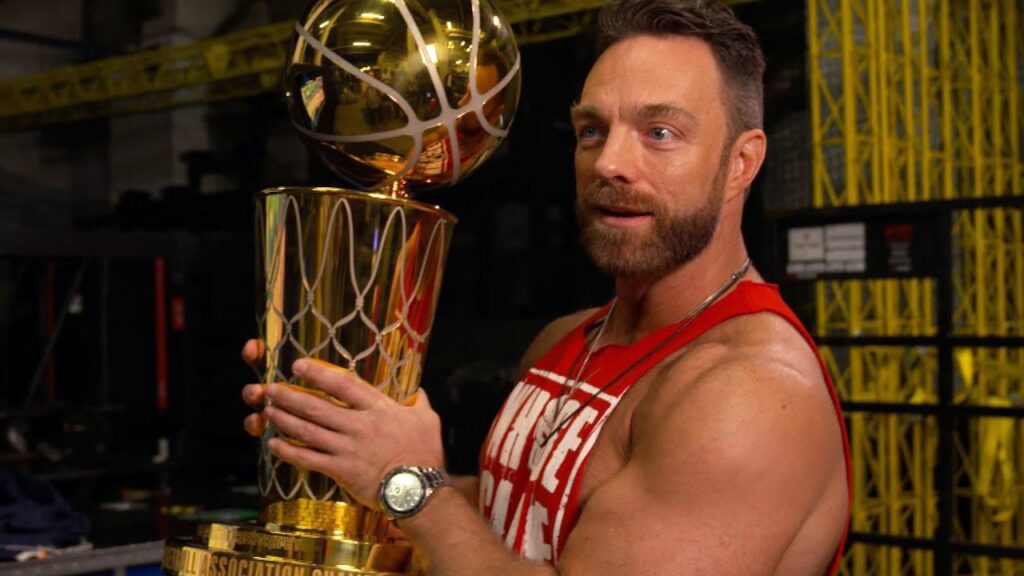
For all these decades, WWE has been the lead professional wrestling and sporting entertainment company. It, with evolving times, will have to face new challenges and harness opportunities. The next decade can bring many changes for WWE due to technological advancement, shifting demographics, and global expansion. This paper discusses some predictions or trends that may shape the future of WWE over the next ten years. Technological Advancements and Digital TransformationIncreased integration of virtual and augmented reality. Building on this, the utilization of virtual reality and augmented reality will radically change how WWE fans view. These technologies can create immersive environments that make one feel like part of an action. To this end, WWE has experimented with AR for entrance graphics and even VR experiences at WrestleMania.As we move into the next ten years, we’re looking ahead to a more integrated form of VR and AR working together seamlessly and ubiquitously that will put fans right up front and give them interactive experiences heretofore not even conceived. Enhanced Streaming Capabilities and Content PersonalizationFor WWE, the first big foray into digital streaming was with the WWE Network, launched in 2014. Of course, this is likely where WWE will focus its future investment in the platform as streaming technology improves. Enhanced quality of streaming and quicker load times, together with more intuitive interfaces, will soon be expected by all platforms. Content personalization through AI and machine learning will further tailor content recommendations for individual viewing preferences to increase each user’s engagement and retention. Interactive and Social Media Engagement ExpansionSocial media is a crucial portal for WWE to stay connected with its global fan base. Over the next ten years, WWE will continue to engage in new and trending social media so it remains relevant. Typical characteristics are expected to include live interactive streams, behind-the-scenes content, and real-time engagement with fans. An increase in its presence on all social media channels, such as TikTok, Instagram, and newer social media channels, will offer more opportunities for fans to engage with their favorite superstars. Global Expansion and LocalizationIncreased Emphasis on International MarketsThe company has been trying to raise its presence worldwide for quite a long time, which undoubtedly will be higher in the next decade. Countries like India, China, and Brazil provide remarkable growth opportunities due to large populations and growing interest in sports entertainment. WWE will continue doing customizations regarding content creation for these different markets; that means more live overseas shows and cultivating local talent. Development of Regional Performance CentersFor that, the WWE will most likely create more Performance Centers outside the US borders in pursuit of global growth if the goal is diverse. They would be something akin to training centers for locals, aiding in cultivation ability for the next generation of WWE superstars. More specifically, with regional development centers, WWE will work on securing a pipeline of diverse instructional experiences worldwide to see new faces and styles within its programs. Localization of Content and ProgrammingLocalization will become very instrumental in the WWE’s strategy for internationalization. It will range from simple dubbing or subtitling content into local languages to region-specific storylines featuring local talents of importance. How WWE will work out relationships with local broadcasters and streaming services will also be important in increasing access to content for international audiences. This equally creates expectations of more localized versions of popular WWE shows catering to regional tastes and preferences. Evolution of In-Ring Product and Storytelling Attention to Athleticism and Technical AbilitiesThe evolution of professional wrestling illustrates the ever-growing appreciation for athleticism and technical prowess over the years. This will almost certainly continue bringing about a swing in style—increasingly technically sound and athletically impressive matches. Wrestlers who have experience in MMA, gymnastics, and other such sports will continue making changes to in-ring styles, changing how matches are done and rendering them much more diverse and exciting. Long-Term Storytelling and Character DevelopmentThe future might shift toward a tight pegging to long-term storytelling with more credible character development. More intriguing storylines—the ones that play out over months and even years—can engender deeper emotional taxis between the characters and their audience. This is where investment from WWE’s creative team in much tighter, preplanned story arcs would come into play in driving richer storytelling with more meaningful character progress. Inclusion and Diversity in StorylinesIncreasingly poignant, inclusion and diversity have become significant ways in which entertainment is evolving, and WWE is undoubtedly no different. Over the coming decade, more diverse characters and story arcs will be fielded by WWE as a nod to the multicultural makeup of its audience. This consists of increasing representation of different ethnicities, genders, and orientations that ensure all elements of the audience see a version of themselves in some form through the WWE. Growth of Women’s WrestlingThe women’s revolution in WWE has only tipped the iceberg of what is possible and has already seen the ladies headline major WWE events like WrestleMania. Of course, this will open up much more opportunities for female Superstars over the course of the next many ensuing years. Seeing more women main eventing pay-per-views, winning major championships, or even simply having storylines increase. Most likely, WWE would work towards this aspect of equality by probably sharing the limelight between their range of talented females with the same regimen for men. Growth of the Women’s Tag Team DivisionThis women’s tag team division, which was brought back in 2019, is only going to grow and evolve. That will involve WWE investing in some strong tag teams with rivalries and storylines that make a case for them as big box office draws. This would further open the avenue for female wrestlers to take center stage and make their mark together as a team, hence elevating the status of women’s wrestling. Introduction of New Women’s ChampionshipsWWE may add new championships for its constantly growing women’s division. Regional titles, secondary singles titles, and specialized match stipulation titles can be added in the future. In turn, this will open a wider window of competition and
The Road To WrestleMania: How WWE Builds Its Biggest Event Of The Year

WrestleMania is the most illustrious sports entertainment event; every WWE superstar covets leading event status at WrestleMania. For nearly four decades, from its roots as a significant risk, it has developed into WWE’s flagship extravaganza. That sort of spectacle isn’t built in a day, though; it necessitates the kind of careful, meticulous planning its makers layout and months of elaborate storyline building to bring about the grandiose spectacle millions upon millions of fans worldwide have come to adore. It examines the complex and very multifaceted journey the WWE takes every year in building its most giant spectacle: the Road to WrestleMania. The Birth of WrestleMania The Vision of Vince McMahonThe concept for WrestleMania belonged to none other than WWE Chairman Vince McMahon, who wanted to run an event whereby the status and credibility of wrestling would take a quantum leap from the world of sports entertainment straight into the very fabric of popular culture. He wanted to put together an extravaganza of an activity—a crossover enterprise—run by the success of major sporting events, like the Super Bowl, with the essence of Hollywood’s razzle-dazzle. The first WrestleMania, held on March 31, 1985, at Madison Square Garden, was a gamble that paid off very well. With celebrities like Muhammad Ali, Cyndi Lauper, and Mr. T, it was a huge success and paved the way for WrestleMania to become an annual mega-event. The Evolution of WrestleManiaOver time, WrestleMania expanded from being a one-day event into a week-long festivity complete with wrestling and entertainment. Be sure to plan each new edition by topping the previous editions in every possible way: size, level of production, and star power. It has happened in some of the largest stadiums in the world, with record attendance and additional millions of viewers tuning in from around the world. Men’s Royal Rumble Significance of The Royal RumbleOne of the most eagerly awaited events in WWE, the Royal Rumble signifies the official Road to WrestleMania. The Royal Rumble is held yearly in January and features a 30-man over-the-top-rope battle royal where the winner gets a slated title match at WrestleMania. This stipulation radically adds importance to the game since a win would translate into the booking of a ticket to the main-eventing WrestleMania. Plot Twists Through the Royal RumbleThe Royal Rumble match has evolved to become a significant storytelling tool for WWE. It is not just about contending for the No. 1 spot for the championship; several other storylines are placed into motion because most of the feuds are settled in WrestleMania. Ad hoc alliances, surprise entrants, and dramatic eliminations are all part of the theatrics to give this narrative that elusive element of surprise. Now that all platforms are set, Royal Rumble has been the place to start telling the complicated stories it will be telling over the next couple of months until WrestleMania takes place. Key Events on the Road to WrestleManiaElimination Chamber: The High Stakes, High Energy Story.The second salient event on the Road to WrestleMania, the Elimination Chamber, always happens after the Royal Rumble. The crucial—a very physical match—involves six-member superstars entering inside that massive steel structure to wage war against one another. Frequently, it pits people against each other over the top prize, while at different times, it resolves ongoing feuds. That so much more makes the road to WrestleMania fascinating and full of anticipation. FastlaneOver the last few years, WWE has added, as its previous pay-per-view on the road to WrestleMania, Fastlane. Fastlane exists with the sole purpose of acting as a last significant opportunity for storylines to shape and for things that haven’t yet gone to plan to fall into order going into the grand stage. Inserting another opportunity into the suppleness that rests within deciding and finalizing changes to the final card in the lead-up gives WWE another chance to further storyline momentum heading into the biggest show of the year. Building the WrestleMania CardMore often, the WWE Championship or Universal Championship headlines WrestleMania. Many critical months-long storylines were based on the peak event from the Royal Rumble winners or leading core contenders. WWE takes storylines in the run-up to their main event seriously enough to warrant juice, with heated rivalries, personal grudges, and dramatic twists. Marquee Matches and Celebrity InvolvementIn addition to these wrestling matches for the championships, WrestleMania always presents other high-profile matches, typically with legends or returning superstars or those engaged in notable feuds on the card. These matches are intentionally made to get attention from the mainstream and draw much hype for the event. In many cases, WWE will use celebrities from the worlds of sports, music, and entertainment to lend the star power and create crossover appeal to WrestleMania. Establishing Mid-Card and Undercard MatchesAs much focus as the main event and the marquee matches get, every WrestleMania card has several mid-card and undercard matches, rounding out the viewing and the storytelling of the event. These matches allow emerging superstars and proven veterans to savor every aspect of their parts in the spotlight. Like the WWE performances here, storylines have been meticulously developed so that every match on this card has a real meaning. The Role of Weekly TelevisionMonday Night Raw and Friday Night SmackDownMonday Night Raw is held every Monday, and Friday Night SmackDown is gearing everybody up for WrestleMania. These will be the television events where WWE will continue building storylines, rivalries, and anticipation for what might happen at WrestleMania. Significant moments, promos, and matches are all planned out to make sure that the audience on that roller coaster doesn’t get off at all until WrestleMania. Promos and Backstage SegNot only are the promos and in-ring segments the most substantial things for WWE storytelling, but Superstars also continue to promote how passionate they are headed into their match, portraying their motivations and continuing to raise the heat on the rivalry leading up to WrestleMania. These segments are attributed to how good a wrestler can be done on the mic and help make an emotional attachment with
WWE Superstars’ Transition To Hollywood: Successes And Challenges

Although the world of professional wrestling and Hollywood may seem worlds apart, it has turned out to be quite a natural transition for many WWE superstars. What gets wrestlers into the ring is an unusual mix of athleticism, charisma, and performance skills that can easily transition characteristically into acting. But don’t get it twisted—nothing about this transition comes easy, son. The following article focuses on their journeys to the land of Hollywood from WWE, highlighting the successes and many obstacles faced by WWE superstars in films. The Appeal of Hollywood for WWE Superstars What is the Skill Set Overlap?These WWE superstars are not just athletes but performers. One needs to perfect the art of storytelling and character development for live performances across enormous audiences. This, therefore, will translate most into acting, whereby one expresses emotion, maintains consistency, and performs under pressure. The Search for LongevityThe physical nature of professional wrestling can be overwhelming, and most superstars have to start looking for alternative careers as age catches up or they are on their way to recovery. Hollywood offers an opportunity for longevity that wrestling can’t provide. Acting allows these performers to continue to entertain without constantly putting their bodies in harm’s way. The Desire for Broader RecognitionWhile WWE superstars enjoy fame within the wrestling community, moving into Hollywood opens up a greater amount of recognition and opportunities for them. Global outreach and the variety of roles offered by Hollywood are enormous when considering what can raise a wrestler’s profile beyond what professional wrestling ever could do. Success Stories Dwayne “The Rock” JohnsonNo discussion of WWE Superstars in Hollywood would be complete without a mention of Dwayne “The Rock” Johnson. Probably the most successful wrestler-turned-actor, Johnson has turned into one of the highest-grossing and hottest actors working in Hollywood today. It all started when he appeared in some minor roles while still an active wrestler, but his breakout role came when he played the Scorpion King in “The Mummy Returns” in 2001 and its spin-off film “The Scorpion King” in 2002. It’s that charisma, work ethic, and versatility that have led to a quite prolific career—leading men in major franchises like “Fast & Furious,” “Jumanji,” and the “DC Extended Universe” as Black Adam. His balancing act of purely action-oriented roles with the gentle touch of both comedy and drama helped seal his status as a legitimate star in Tinseltown. Dave BautistaThe other famous wrestling superstar who made his way into Hollywood fame is Dave Bautista, more famous than Batista in the WWE world. In the beginning, Bautista took up marginal roles—he was featured briefly in 2013’s “Riddick” and right before that in 2012’s “The Man with the Iron Fists”—then came the giant leap into acting as Drax the Destroyer in Marvel’s “Guardians of the Galaxy” in 2014. His Drax radiated humor and poignant vulnerability, finding a straightway entry into audiences’ hearts and surrounding his credibility as an actor on all sides.The titles since then in Bautista’s filmography have been prominent, including “Spectre” in 2015, “Blade Runner 2049” in 2017, and more recently, “Dune” in the works for 2021. It is his profound commitment to his craft and willingness to take on diverse roles in movies that earn him respect. John CenaOne of WWE’s more recognizable faces, John Cena, has also made his way into Hollywood. It started with WWE-produced bit parts for Cena in films like “The Marine” in 2006 and “12 Rounds” in 2009, but made a breakthrough into Hollywood comedy through films like “Trainwreck” in 2015 and “Blockers” in 2018. By being able to play against type by embracing comedy, he charmed an entirely new audience. The addition of Cena to “Bumblebee” in 2018 and his portrayal of Peacemaker in the movie “The Suicide Squad” in 2021, with a consequent leading role in the TV series spinoff of the same name, have considerably solidified his stance in Hollywood. He has been able to take on versatile roles, which proves his versatility and readiness to evolve as an actor. The Process of Transitioning Overcoming TypecastingThus, one of the stiffest challenges that WWE superstars encounter in moving to Hollywood is typecasting—many people, including audiences and casting agents. This will limit the kinds of roles handed out. The stereotypes are perpetuated to a great degree by the ground-working efforts of superstars like The Rock, Bautista, and Cena until they become established as actors and smash the mold of stereotypical action heroes. Training and skill developmentWhereas WWE superstars have a strong base in many transferable skills, acting is a specialized technique and discipline. Because very few professional wrestlers moving up to Hollywood venture onto movie screens without setting their valuable time aside for acting classes and workshops, one can quite quickly outline the steep route to gaining respect and credibility within this community—a journey requiring immense personal dedication. Balancing wrestling and actingThe move into Hollywood is not gradual for many WWE superstars. Balancing the demands of the wrestling career and acting commitment is challenging. Scheduling conflicts, physical exhaustion, and keeping the body in shape for both call for excellent time management skills. In most cases, the superstars have to make tough decisions about where they put their energy and time. Challenges That WWE Superstars Have Faced in Hollywood Stereotyping and prejudicesEven with the successful transitions of various wrestlers, a stigma still lingers that goes along with being a professional wrestler. The wrestler may be perceived by some Hollywood insiders and people at large as a less severe actor. There exists a belief that all their acting skills consist of athletic and entertaining skills in fighting, which they carry from wrestling into acting. Overcoming these prejudices requires persistence and a commitment to proving one’s versatility and acting ability.Physical Typecasting Understandably, WWE superstars are likely to slip into the kinds of parts that underscore their bodily physique, namely, action heroes, villains, or bodyguards. While it can be an entry point, it allows them a narrow area for departing from typical character archetypes. Breaking out of
WWE’s Partnership With Charities: Making A Difference
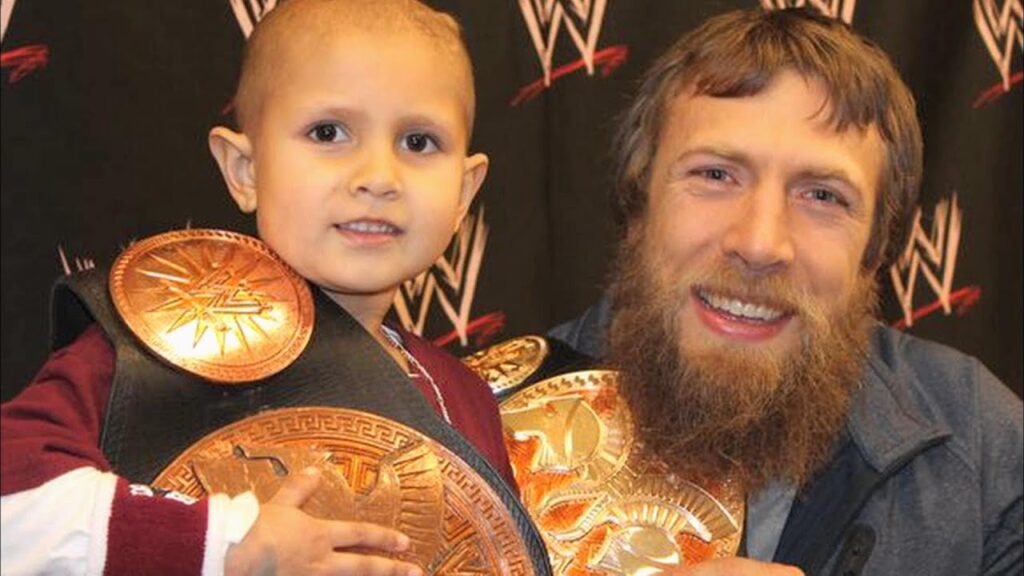
High-octane matches, dramatic storylines, and the creation of larger-than-life characters are not all spandex-clad encounters have in store, however. Beyond the glitz and glamor of the squared circle, WWE has repeatedly shown that it has a strong veneer for philanthropy. Over all these years, the company has worked with various charitable organizations to use its globally popular platform for the betterment of communities around the world. This paper will elaborate, therefore, on the extensive philanthropic work of WWE, focusing on critical associations, initiatives, and the actual difference they make. The Inception of Philanthropic Euphoria By WWE Pre-independence initiativesWWE’s involvement in charity goes way back to its history. Vince McMahon, a promoter of the company, had no illusions that the potential power and influence attached to the range of fan interest in WWE was associated with the potential of implementing social change. This gave way to a colony of community programs aimed at supporting the underprivileged population, hungry for awareness on the issues so crucial. Making PhilanthropyAs it scaled to a global entertainment powerhouse, the formalization of the instruments put in place for philanthropic structure and outreach grew in tandem. The company formed a WWE Community Relations Department, which dealt with its philanthropic work, seeking rapport with non-profit organizations. This institutionalization made WWE provide long-term and sustained assistance to the causes to which it has doled out its resources. Charitable Partnerships Make-A-Wish FoundationOne of the longest-standing and most significant partnerships that WWE has is with the Make-A-Wish Foundation. Aimed at helping children with life-threatening illnesses by lifting their hope, strength, and joy, Make-A-Wish fulfills their specific wishes. It is not unusual for a WWE superstar to visit such make-a-Wish experiences with children and their families to meet their desires, often creating unforgettable moments. Contributions by John CenaJohn Cena, one of WWE’s highest-profile superstars, is now synonymous with Make-A-Wish. He holds the grantee record for one individual with more than 650 wishes. Cena has remained true to this commitment, and it has never failed to make so many children happy; really, it put up Make-A-Wish’s profile and inspired many others to join its support for him. Susan G. Komen for the CureWWE has also formed one of the largest alliances with Susan G. Komen for the Cure, one of the world’s largest breast cancer organizations. The most noted and felt support, however, shows itself in the yearly “WWE Goes Pink” campaign during October, otherwise known as Breast Cancer Awareness Month. In this initiative, WWE superstars wear pink-themed gear, with the company making everything naturally pink in their branding and programming to gain awareness of breast cancer as well as raise awareness funds for research and supporting services. ImpactThe WWE has been able to raise millions for Susan G. Komen through various fundraising activities, with specifics being merchandise sales and special events. These have gone a long way in really maximizing breast cancer research, definite service giving for mammography and diagnostic testing, and support for patients and their families. Special OlympicsAnother such effort by WWE in terms of inclusivity and empowerment would be working with Special Olympics, which provides an all-year level of sports training and carries out athletic competitions for children and adults with intellectual disabilities. WWE superstars often interface with the athletes in the Special Olympics, who usually share the same platform, cheering at them regularly for the world to view. Inclusion PromotionThis kind of visibility has gone a long way in elucidating and making much-needed changes regarding breaking stereotypes and promoting the acceptance of such people, leading to their inclusion in society. With this kind of exposure, more people are motivated to support it now that the specter of the Special Olympics is on a mission to create a changed society. Connor’s CureConnor’s Cure is a fund that was established as a partnership between WWE and the Children’s Hospital of Pittsburgh Foundation. Created in memory of Connor Michalek, a young WWE fan who courageously fought against a medulloblastoma—a rare tumor that occurred in his brain and spinal column—the story of Connor would touch the hearts of WWE. WWE sought to honor the boy’s legacy by backing research into pediatric cancer. Raising awareness and fundsConnor’s Cure has raised millions of dollars that go into funding research and the cure of pediatric cancer. WWE has continuously raised awareness of Connor’s Cure through its programming, merchandise sales, and various events. WWE’s Signature Philanthropic Programs Be a star (show tolerance and respect).Be a Star is the premier anti-bullying campaign that WWE launched with The Creative Coalition. With the campaign, WWE endeavors to end all cases of bullying by inspiring young people to exhibit some tolerance and respect towards their peers. WWE Superstars make visits to schools and community centers to articulate anti-bullying messages, present real-life stories about the consequences of bullying, and offer tools designed to help students deal with instances of bullying. Educational ImpactBe a STAR has reached millions all over the globe because these are the leaders it fits up with, and the confidence is absolute in impact—the tool leaves intact. All the while promoting inclusivity and respect for others, as this aligns well with WWE’s big-picture mission of promoting positive social values. Tribute to the TroopsThe Tribute to the Troops is the zenith event for WWE each year because it concentrates on demonstrating recognition of the men and women of the United States Armed Forces. This not only involves a unique, private-held wrestling show at military bases directly in front of military personnel and their families but also various meet-and-greet and autograph signing events for WWE superstars to show appreciation to the troops. Service and Sacrifice: HonoringTribute to the Troops is a program that hits close to home because it gives WWE a chance to show its appreciation to the armed forces on a unique platform. Other than just entertainment value, how aptly this show will boost morale in service members, its family segments solidify the commitment of this company to support the military community. WrestleMania Reading ChallengeThe WrestleMania Reading