
Mae Young’s Hand Birth
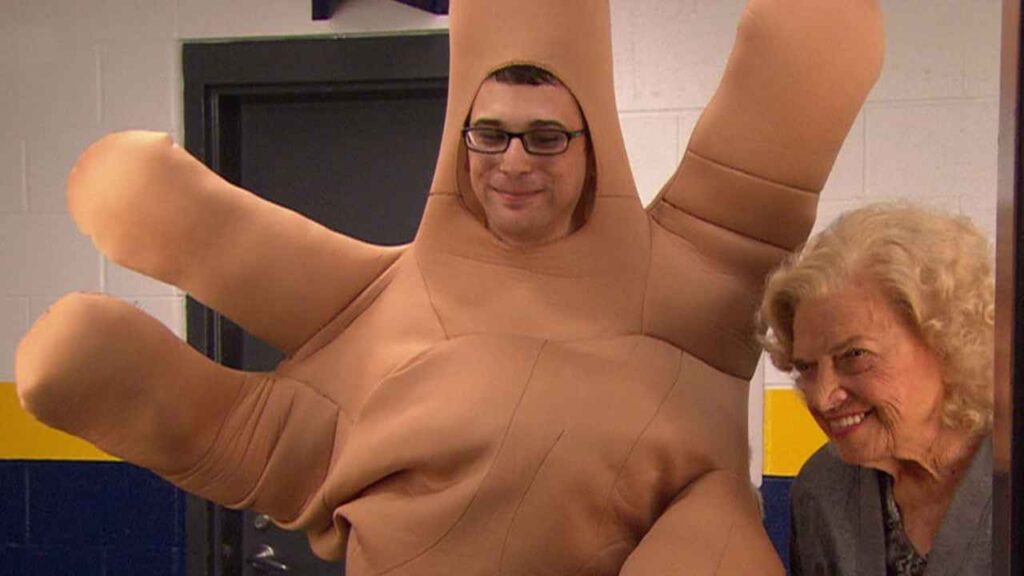
The birth of Mae Young’s hand has to be one of the most infamous and bizarre moments in professional wrestling history. This wild storyline unfolded in early 2000, a perfect case of the over-the-top nature of WWE’s Attitude Era, and is still talked about today by wrestling fans. The Setup The story started at the end of 1999 when the legendary female wrestler Mae Young, in her 70s at that time, began an on-screen romance with Mark Henry aka “Sexual Chocolate.” Already, this was a strange combo due to an immense difference in age between the performers. Part of this angle involved Mae Young becoming pregnant with Mark Henry’s child. The story development raised many eyebrows and had become a very real push of the envelope, even compared to WWE edgy programming around the time. Indeed, the pregnancy angle only gained further ridiculous proportions as it built on itself and went along with what happened. The Infamous Birth The payoff of this angle occurred on the February 28, 2000 edition of WWE Raw. In a notorious vignette, Mae Young went into labor in the arena’s backstage. What was supposed to be a humorous moment—a preposterous birth scene—complete with over-the-top performances and sound effects—blended shock with humor. As the “delivery” continued, the suspense mounted for the viewing audience, who must have been dying to see how WWE would pay off this absurd scenario. The payoff was even more shocking than one would have imagined: instead of a baby, Mae Young gave birth to a bloody rubber hand. The Reaction The revelation of the hand “baby” left the arena audience and those at home in a state of complete disbelief. The scene was replete with over-the-top melodrama, as the other characters in the scene wretched and made shocked faces. In one almost surreal moment, after the initial shock had passed, the characters in the scene started applauding as if this were a normal event. Instantly, the handbirth segment became one of the most talked-about moments in WWE history. Outrageous enough to transcend wrestling fandom, becoming a pop culture curiosity. To this day, more than two decades later, it is still a commonly cited example of the excesses of the Attitude Era. Behind the Scenes While many wrestling fans initially assumed this bizarre idea came from the mind of then-writer Vince Russo, known for his outlandish storylines, it was actually conceived by WWE Chairman Vince McMahon himself. According to former WWE writer Tommy Blancha, McMahon thought the handbirth would be “hysterical” and was completely serious about the idea. This revelation really shows a great deal about McMahon’s sense of humor and how far he would go to make something entertaining. It also showed the level of creative control McMahon had with WWE programming during this era. Mae Young’s Involvement Notably, 77-year-old Mae Young was, in fact, eager to participate in these ridiculous stories. During her late-career run in WWE, Young was more than game for physical comedy and stunts that would challenge performers half her age. These segments, including the handbirth, made Young a beloved figure in modern WWE history. Her commitment to even the most absurd storyline scenarios drew a lot of admiration from the fans and performers alike. The Aftermath In the immediate years following the birth of the hand, WWE continued to reference it in one form or another. The “hand” would periodically pop up, most often for humorous effect. Probably the most memorable incident was when the hand “returned” as a grown adult on the 1000th episode of Raw in 2012. The hand birth quickly became a staple of WWE lore, often referenced in the Attitude Era retrospectives or in talking about the craziest wrestling moments ever. It has been alternately criticized for being an example of crass, valueless shock-value programming and celebrated as an iconically absurd wrestling moment. Legacy and Impact The Mae Young hand birth segment has become one of the most memorable moments in professional wrestling and pop culture. Defining the Attitude Era: The segment is often used as a prime example of the anything-goes nature of WWE’s Attitude Era, showcasing how far the company was willing to go for shock value. The Legacy of Mae Young: While Young had a long and storied career before this incident, the handbirth became the most well-known of her career. This helped solidify her as a performer who would do whatever it took in the name of entertainment. Internet Culture: The ridiculousness of the segment cemented its popularity in memes and online discourse for years after. Wrestling Discourse The hand birth has often been sighted during discussions of taste and content in professional wrestling; it was a benchmark of sorts for odious storytelling. Critical Analysis The segment of Mae Young giving birth to a hand is polarizing in wrestling lore. Critics say it embodies the worst excesses of the Attitude Era: shock value over coherent storytelling or athletic competition. Such a segment, they also say, ruined professional wrestling and drove away people who might have been fans. Not so, say defenders of the segment, which they argue embodies the anything-can-happen spirit that made the Attitude Era great. They say wrestling has always contained elements of the absurd and that this segment was simply an extreme expression of that tendency. This, in performance terms, is a factor that has often been highly praised about Mae Young: for agreeing to such an outlandish segment at that age, which spoke volumes about her love for her job and how well she knew what an entertainer was supposed to do. Cultural Context With the Mae Young hand birth, this all has to do with the greater cultural context of the late 1990s and early 2000s: Many forms of entertainment were pushing the envelope when it came to content: one could find entertainment in the show “South Park” to “Jackass.”. WWE and Wrestling Mainstream: WWE was also enjoying unprecedented success and publicity for the mainstream, so arguably more extreme storylines kept awareness heightened.
The 1994 Royal Rumble’s Overlooked Controversy
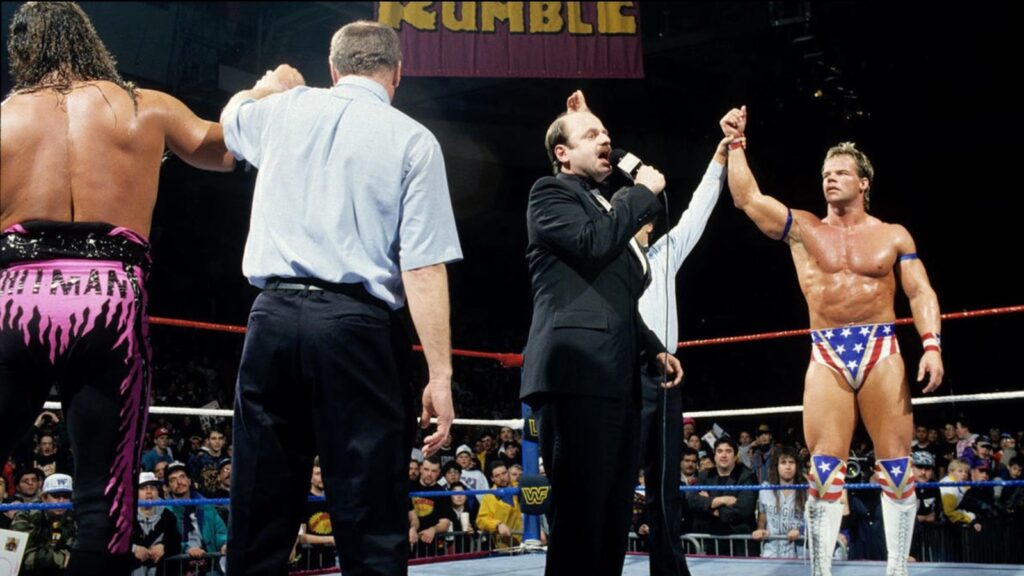
The 1994 Royal Rumble event, held on January 22, 1994, at the Providence Civic Center in Providence, Rhode Island, is often remembered for its unprecedented tie finish between Bret Hart and Lex Luger. However, this high-profile ending overshadowed several other controversial aspects of the event that deserve closer examination. From questionable booking decisions to behind-the-scenes drama, the 1994 Royal Rumble was a pivotal moment in WWE history that set the stage for significant changes in the company’s direction. The Co-Winner Conundrum The most obvious controversy of the night was the dual victory of Bret Hart and Lex Luger in the Royal Rumble match itself. For the first and only time in the event’s history, two wrestlers were declared co-winners after simultaneously tumbling over the top rope and hitting the floor1. This unprecedented finish left fans and officials alike in a state of confusion. Initially, Lex Luger was announced as the winner, followed by a reversal declaring Bret Hart victorious. Ultimately, WWF President Jack Tunney intervened, and both men were declared co-winners7. This indecisive ending reflected the company’s struggle to choose between two potential top stars heading into WrestleMania X. The disputed ending was not without its challenges. Lex Luger recently spoke about how he had never performed a backward elimination over the top rope while holding onto his opponent. He credited Bret Hart for guiding him through the sequence and ensuring its smooth execution26. This behind-the-scenes cooperation highlights the professionalism of both performers in pulling off a risky and unconventional finish. The Owen Hart Turn However, it was actually a moment during a Tag Team Championship match early in the show. Bret Hart and his brother Owen faced The Quebecers. At one point during the match, the referee had stopped the match as Bret had apparently injured his knee, thus making no attempt at a submission. In reality, no injury to the knee of Bret Hart ever occurred. This decision led to a heated confrontation between the Hart brothers, with Owen blaming Bret for the loss and accusing him of selfishness. Owen’s memorable line, “That’s why I kicked your leg out of your leg,” became an unintentional catchphrase that added to the intensity of their burgeoning feud. The Owen Hart turn was a storytelling masterclass, building one of the most riveting feuds of 1994. But at the same time, it marked the moment WWE’s booking philosophy started to change from heroes and villains in black-and-white shades to more delicate character-writer exchanges. The Undertaker’s Supernatural Saga Perhaps the most underappreciated controversy of the evening was the WWF Championship Casket Match between Yokozuna and The Undertaker. This match devolved into a farce as no less than ten men interfered to allow Yokozuna to retain his title18. The match culminated in a surreal sequence where green smoke emerged from Paul Bearer’s urn, incapacitating The Undertaker and allowing Yokozuna to secure victory. This supernatural element pushed the boundaries of believability, even for a character as otherworldly as The Undertaker. The aftermath of the match was equally bizarre, featuring The Undertaker delivering a promo from inside the casket, promising to “not rest in peace.” This segment marked a turning point for The Undertaker character, leaning heavily into supernatural themes that would define his persona for years to come. While some fans embraced the mystical elements, others felt it stretched credibility too far. The match and its aftermath remain divisive among wrestling critics, with some praising its creativity and others deriding it as overly theatrical. The Diesel Dilemma One of the most intriguing subplots of the 1994 Royal Rumble was the unexpected crowd reaction to Diesel (Kevin Nash). Despite being positioned as a heel, Diesel received a surprisingly positive response from the audience during his dominant performance in the Rumble match. Diesel went through seven straight winners, equaling the WWF record at the time. It sparked a buzz with the fans and they began to chant for the big man despite his heel persona32. This positive response towards Diesel would later lead to a face turn and a push as a main event star later in that year. This organic crowd reaction represented a shift in the tastes of wrestling fans and the need for WWE to adapt to changing circumstances with its booking. The Diesel case proved that sometimes the best character developments come organically and not through months of planning. Missing Entrants and Last-Minute Changes Behind the scenes, the 1994 Royal Rumble was plagued by last-minute changes and no-shows. Bastion Booger, originally slated to enter at number 25, was absent from the match. On-screen, his absence was explained as food poisoning, playing into his glutton gimmick. However, this explanation did little to mask the disorganization behind the scenes. Additionally, Kamala and Ludvig Borga were both advertised for the Rumble but did not appear. Kamala was replaced by Virgil, while Kwang took Borga’s spot. These substitutions highlighted the volatile nature of WWE’s roster at the time and the challenges of maintaining a consistent lineup. The absence of these advertised performers raised questions about WWE’s ability to deliver on promised matchups. It also demonstrated the company’s willingness to make last-minute adjustments, sometimes at the expense of coherent storytelling. The Luger Letdown Lex Luger’s co-win in the Royal Rumble was meant to solidify his position as a top star in the company. However, the crowd’s reaction to Luger was noticeably mixed, with a significant portion of the audience favoring Bret Hart. This lukewarm response to Luger was indicative of larger issues with his push as the company’s next big hero. Despite a massive promotional campaign dubbed the “Lex Express,” Luger struggled to connect with fans on the level that Vince McMahon had hoped. The decision to have Luger share the Rumble victory with Hart was likely a response to this tepid fan reaction. It allowed WWE to hedge its bets, keeping Luger in the title picture while also elevating the more organically popular Hart. The Steiner Situation Another overlooked aspect of the 1994 Royal Rumble was
The Evolution of WWE’s Fan Engagement: From Axxess to WWE World
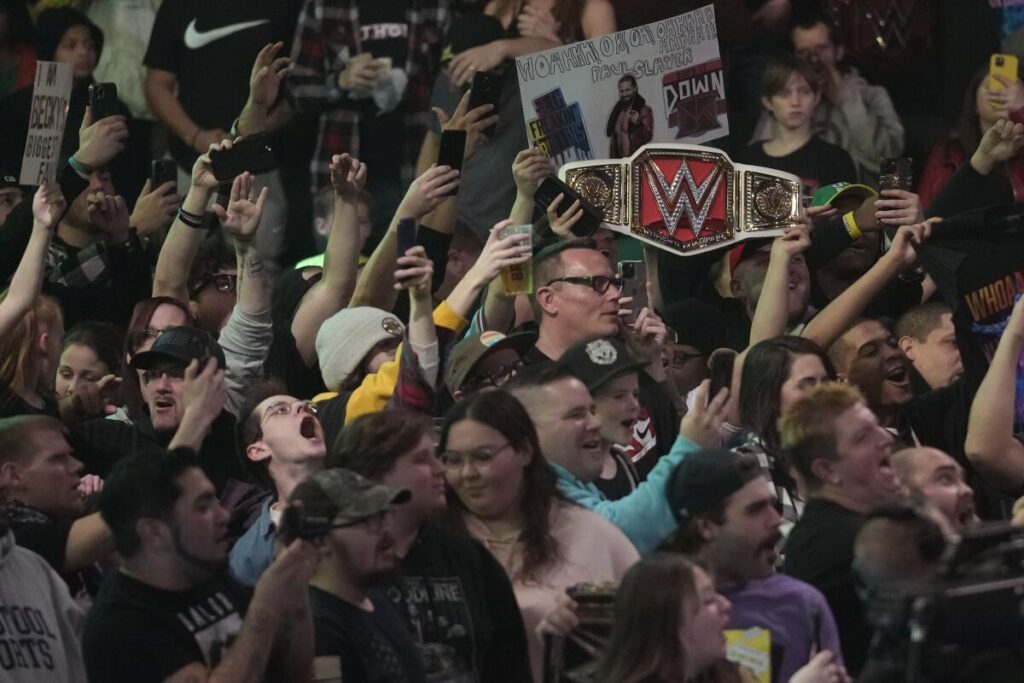
WWE has been one of the leaders in fan engagement in the sports entertainment industry for a long period of time. Over the years, the company has continuously updated its ways of connecting with fans, creating an immersive experience that goes way beyond the wrestling ring. This evolution has been marked by significant milestones, from the early days of WrestleMania Fan Axxess to the modern, technologically advanced WWE World. Let’s explore how WWE has transformed its approach to fan engagement, adapting to changing technologies and fan expectations. The Birth of WrestleMania Axxess WWE’s journey in creating large-scale fan experiences began with WrestleMania Axxess, which originated in the early 1990s. Initially, these events were relatively simple affairs, offering fans a chance to meet their favorite wrestlers and purchase merchandise. The first official “Fan Fest” was held in 1994 for WrestleMania X, allowing fans to step inside a WWE ring, participate in games, meet wrestlers, and purchase merchandise. As the popularity of WWE grew, so did the scale and scope of these fan events. By the early 2000s, WrestleMania Axxess had evolved into a multi-day extravaganza. The 2001 event, held at the Reliant Hall, expanded to include areas where attendees could see production trucks and check out special WWE vehicles. This growth reflected WWE’s understanding that fans craved more than just watching matches; they wanted to feel part of the WWE universe. Expanding the Experience As WrestleMania Axxess continued to grow, WWE incorporated more interactive elements. Fans could now participate in activities that simulated aspects of being a WWE Superstar. For instance, they could act out their favorite Superstars’ ring entrances while being announced by a WWE announcer. This level of interactivity allowed fans to feel closer to the action and their favorite performers. The event also began to feature more diverse attractions. Autograph sessions became a major draw, with fans lining up for hours to meet their favorite Superstars. WWE also introduced exhibits showcasing memorabilia from its rich history, appealing to both new fans and those nostalgic for wrestling’s past. These additions transformed Axxess from a simple meet-and-greet into a full-fledged fan convention. The Digital Revolution As technology advanced, so did WWE’s approach to fan engagement. The rise of social media platforms in the late 2000s and early 2010s provided new avenues for WWE to connect with fans. WWE quickly embraced these platforms, encouraging Superstars to engage with fans directly through Twitter, Instagram, and Facebook. This digital engagement extended to the physical Axxess events as well. WWE began incorporating social media elements into the experience, creating photo opportunities designed specifically for sharing on platforms like Instagram. This strategy not only enhanced the experience for attendees but also allowed WWE to extend its reach beyond those physically present at the events. The ThunderDome Era The COVID-19 pandemic in 2020 forced WWE to radically rethink its approach to fan engagement. With live events no longer possible, WWE introduced the ThunderDome, a virtual fan experience that allowed viewers to be part of the show from their homes. This innovative solution demonstrated WWE’s ability to adapt quickly to unprecedented challenges. The ThunderDome wasn’t just a stopgap measure; it represented a new frontier in fan engagement. Fans could now be part of the show in real-time, their reactions displayed on massive LED screens surrounding the ring. This virtual presence maintained a sense of community and excitement during a time when physical gatherings were impossible. The Birth of WWE World When restrictions eased and live events returned, WWE did not just go back to its old model. Instead, it took the lessons learned from the ThunderDome era and combined them with the best elements of Axxess to create WWE World. This new concept debuted at WrestleMania 40 in Philadelphia in 2024. WWE World expanded on the Axxess model, offering a more comprehensive and technologically advanced experience. The five-day event featured a variety of immersive experiences, including roundtable discussions with top WWE Superstars, a WWE 2K24 gaming tournament, live podcast recordings, and live memorabilia and autograph sales through Fanatics Live. Key innovations of WWE World included integrating physical and digital experiences. The event used technology in the development of interactive exhibits for the creation of unique ways through which fans can engage with the WWE content. For instance, fans were allowed to take virtual reality through iconic WWE moments or to use augmented reality for taking photos with their favorite Superstars. Fan Engagement Beyond the Event Aside from that, WWE had also worked its way out for evolution in fans’ engagement other than such larger-than-life events. The company has been constant in devising new ways by which it will keep its fan base engaged around the year. It included building off a WWE Network, a digital platform offering a content library of everything from past events to original content. The company has also embraced gaming as a way to keep fans engaged. WWE video games have long been popular, but the company has expanded its gaming presence to mobile platforms and even esports. These games provide another way for fans to interact with their favorite Superstars and storylines outside of weekly TV programming. Social media remains an important part of WWE’s strategy for engaging with its fans. The company urges its Superstars to keep active social media presences so that fans can stay connected with their favorite performers when they are not on TV. WWE also leverages these platforms for breaking news, teasing upcoming storylines, and behind-the-scenes content that fans clamor for. Community Initiatives WWE has also recognized the importance of engaging with fans through community initiatives. The company has partnerships with organizations like Make-A-Wish, Boys & Girls Clubs of America, and the USO25. These partnerships not only allow WWE to give back to communities but also provide opportunities for fans to see their favorite Superstars in a different light, further strengthening the bond between fans and the WWE brand. The Future of Fan Engagement As WWE looks to the future, it continues to explore new ways
The Forgotten First Royal Rumble
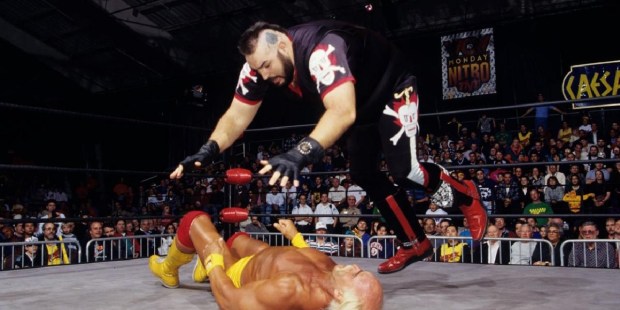
The Royal Rumble has become one of WWE’s most iconic and anticipated annual events, kicking off the Road to WrestleMania each January. However, many fans may not realize that the very first Royal Rumble match actually took place months before the televised 1988 event that launched the pay-per-view tradition. This forgotten inaugural Rumble provides a fascinating look at the origins of what would become a cornerstone of WWE programming. The Birth of an Idea The concept of the Royal Rumble match was created by WWE Hall of Famer Pat Patterson in 1987. A trusted member of WWE’s creative team, Patterson was always brainstorming new ideas for matches. He drew inspiration from battle royal matches but wanted to add a unique twist. Patterson explained his thought process: “I started thinking about the Battle Royal. Having looked at the Battle Royal, I believed I could adapt the match and have it so wrestlers would enter every two minutes until 20 wrestlers had been and gone and left one man standing.” When Patterson pitched the idea to WWE Chairman Vince McMahon, the initial reaction was skeptical. Patterson recalled, “I sat down with Vince, and I gave him the concept. He goes, ‘Pat, that is stupid. It’s not going to work!’ I said, ‘Vince, it’s going to work!’” Despite his doubts, McMahon trusted Patterson’s instincts enough to give the concept a trial run. They decided to test out this experimental match format at a non-televised live event before potentially bringing it to TV. It was the first-ever Royal Rumble. On October 4, 1987, WWE held the very first Royal Rumble match at a house show at the Kiel Auditorium in St. Louis, Missouri. This inaugural Rumble featured just 12 participants, as opposed to the 20-man and later 30-man fields that would become standard. The match was promoted locally in St. Louis, with a newspaper ad describing the unique rules: “Battle Royal, 18 wrestlers, 2 at a time until we have a winner.” 7 While not explicitly called a “Royal Rumble” yet, this was clearly the prototype for what would become the signature match. One Man Gang emerged victorious in this first experimental Rumble, last eliminating Junkyard Dog. However, the event was far from an instant success. It drew a meager crowd of only 1,976 fans and was considered a financial failure. Several factors contributed to the lackluster debut. Patterson, the mastermind behind the concept, was not present at the show to oversee the match’s execution. He later said the producers and wrestlers had “gotten the match concept mixed up” in his absence. Additionally, a major miscommunication spoiled the finish for fans in attendance. The original stipulation was that the winner would receive a WWF World Heavyweight Championship match against Hulk Hogan at the next St. Louis event on November 17. However, the ring announcer prematurely revealed during intermission that One Man Gang would be Hogan’s challenger at that show, essentially giving away the Rumble’s outcome before it even started. When One Man Gang ultimately won as expected, the small crowd was decidedly unimpressed. This inauspicious start left McMahon ready to scrap the entire Royal Rumble concept. A Second Chance Despite the initial failure, Patterson remained convinced of the Royal Rumble’s potential. He persuaded McMahon to give the match one more opportunity, this time as a televised special event. On January 24, 1988, WWE presented what is widely considered the first official Royal Rumble, airing as a TV special on the USA Network. This expanded version featured 20 participants and was held at Copps Coliseum in Hamilton, Ontario, Canada, in front of 18,000 fans. The 1988 Royal Rumble broadcast was strategically scheduled opposite Jim Crockett Promotions’ Bunkhouse Stampede pay-per-view, as the rivalry between WWE and NWA/WCW was heating up. This time, the Rumble match delivered on its promise of excitement and unpredictability. “Hacksaw” Jim Duggan emerged as the winner of this first televised Rumble, last eliminating One Man Gang. While there was no championship opportunity at stake yet, Duggan’s victory established him as a top star and fan favorite. Some important statistics from the 1988 Royal Rumble: Bret “Hitman” Hart and Tito Santana were the first two entrants. Jake “The Snake” Roberts scored the first-ever elimination, tossing out Butch Reed. One Man Gang recorded the most eliminations by recording 422. Bret Hart had the longest time in the match at 25:42. The match succeeded in showcasing a variety of WWE talent and creating memorable moments. Notably, tensions rose between Hulk Hogan and Randy Savage when Hogan eliminated his fellow Mega Powers teammate. A New Tradition is Born The 1988 TV special proved to be a massive hit, drawing an 8.2 rating—the highest viewed wrestling program on cable at the time. This success convinced WWE to make the Royal Rumble an annual January event. Starting in 1989, the Royal Rumble became a pay-per-view spectacle. The field expanded to 30 participants that year, won by Big John Studd. By 1993, winning the Rumble earned a guaranteed WWF Championship match at WrestleMania, cementing its importance on the road to WWE’s biggest show of the year. The Royal Rumble quickly became one of WWE’s “Big Four” annual pay-per-views, alongside WrestleMania, SummerSlam, and Survivor Series. Its popularity has endured for over three decades, with the 2025 edition set to take place at Lucas Oil Stadium in Indianapolis. Legacy and Impact While the October 1987 house show Rumble is largely forgotten, it played a crucial role in the evolution of one of wrestling’s most beloved match types. Without that initial trial run, WWE may never have given the concept a televised showcase. The Royal Rumble’s journey from failed experiment to cornerstone event demonstrates the value of persistence and refinement in developing new ideas. Pat Patterson’s willingness to tweak the format and give it another shot despite early setbacks ultimately changed the landscape of professional wrestling. Today, the annual men’s and women’s Royal Rumble matches are among the most anticipated bouts of the year for WWE fans. The element of surprise
CM Punk’s Royal Rumble Declaration
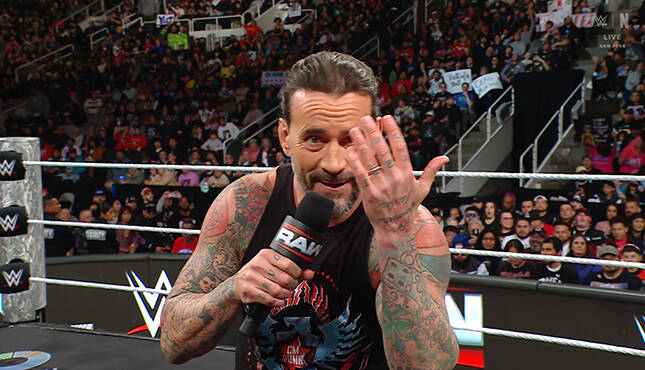
In a move that has sent shockwaves through the WWE Universe, CM Punk has officially declared his entry into the 2025 Men’s Royal Rumble match. The announcement came during a fiery promo on Monday Night Raw, wherein Punk not only staked a claim for a spot among the prestigious battle royal of thirty men but even took aim at John Cena, Roman Reigns, and even WWE Hall of Famer Hulk Hogan in the process. The Announcement On the January 21, 2025, episode of Raw, CM Punk addressed the WWE Universe with fire and brimstone. Hot on the heels of defeating Seth Rollins on Raw’s Netflix premiere the week prior, Punk let everyone know he was far from done making his presence felt in WWE. The Second City Saint wasted little time in declaring his intentions for the Royal Rumble, set to take place on February 1 at Lucas Oil Stadium in Indianapolis, Indiana. The crowd went wild as Punk announced himself for one of the most popular WWE events of the year; the fans knew how huge it was seeing him in the Royal Rumble. For many years, the Royal Rumble has been the starting point that catapults superstars into the main event scene of WrestleMania, and immediately, the stakes go up with the entry of Punk into the match. A Star-Studded Field With this announcement from Punk, the 2025 Men’s Royal Rumble Match is shaping up to be one of the most competitive and star-studded in quite some time. Already in the field are a slew of top-tier talents and former world champions: John Cena Roman Reigns Seth Rollins Drew McIntyre Rey Mysterio LA Knight Jey Uso Sami Zayn Adding CM Punk to that mix just puts another layer of excitement and intrigue onto an already loaded match. All these superstars bring their different sets of skills and motivations to the Rumble, which makes it almost impossible to predict a clear favorite. Punk’s Motivation For CM Punk, coming out on top in the Royal Rumble means much more than a WrestleMania world championship opportunity. It would be the fulfillment of a career-long aspiration and a way to prove his doubters wrong once and for all. Throughout his career, Punk has been outspoken about his aspiration to headline WrestleMania, which has thus far eluded him despite his many accomplishments in WWE. During his promo, Punk more or less confirmed that the Royal Rumble route is how this dream continues. “46 is just a number. One through 30, just numbers. Royal Rumble, you’re next on the list,” he said, tossing aside any and all topics of age and time away from the ring. He would then proceed to put both World Heavyweight Champion Gunther and WWE Champion Cody Rhodes on notice, “I’m coming for you.” Shots Fired But in true CM Punk fashion, it wasn’t a Royal Rumble declaration devoid of controversy: the outspoken superstar had some choice words for many of his potential opponents, including a few of the biggest names in WWE history. John Cena Punk spoke directly to the 16-time world champion: “Did you say John Cena? I don’t see John Cena throwing me over the top rope on February the first. It was a very quick-witted play on the catchphrase, challenging and dismissing the chances of the returning legend in the Rumble. Roman Reigns The verbal lashing from Punk didn’t spare the Tribal Chief. “Did you say Roman Reigns? Roman Reigns needed my help to settle family business at WarGames, and in the Royal Rumble, there are no friends; it’s every man for himself,” Punk said. This immediately calls back their recent alliance at Survivor Series: WarGames and points out any truce that had been created is definitely in the rearview mirror now. Hulk Hogan Arguably, perhaps the most salacious target in Punk’s promo was that of WWE Hall of Famer Hulk Hogan. In what was probably one of the most daring viral statements, he had said, “You put Hulk Hogan in the Royal Rumble, I’ll throw his dusty a** over the top rope, and I’ll kill Hulkamania once and for all. This unexpected shot at the wrestling icon has raised speculations of a possible confrontation between the two, either at the Royal Rumble or sometime later. The Road to WrestleMania The entry of CM Punk into the Royal Rumble has huge ramifications on the road to WrestleMania 41. If Punk were to win, he would have his choice of world champion to face at WWE’s flagship event. This opens up a number of interesting possibilities: CM Punk vs. Gunther A match against World Heavyweight Champion Gunther would match Punk up against one of the most dominant champions in the recent history of WWE. The clash in styles between Punk’s technical prowess and Gunther’s hard-hitting European style could make for an instant classic. CM Punk vs. Cody Rhodes With WWE Champion Cody Rhodes, that’d be a match of two of the most over baby faces on the company for the fact that both guys have unfinished businesses within WWE, with Rhodes wanting to “finish his story” and Punk looking to finally main event WrestleMania. The Competition Responds That’s not a declaration that has gone without response from his fellow competitors. Seth Rollins, defeated by Punk on the Netflix premiere of Raw, quickly followed suit to declare his entry into the Royal Rumble. This is on top of the fact that the ongoing rivalry between Punk and Rollins adds another layer of tension to an already high-stakes match. Another competitor threw his hat into the ring in the shape of Drew McIntyre, proclaiming that not only does he have a desire to take the man—aka Roman Reigns—down, but he also has old unsettled scores with the other two involved, Punk and Rollins. The addition of the Scottish Warrior further complicates the landscape of the Rumble, seeing as his style of physicality will see him touted for a win by all counts. Historical Context The participation of CM
John Cena’s Greatest Royal Rumble Moments
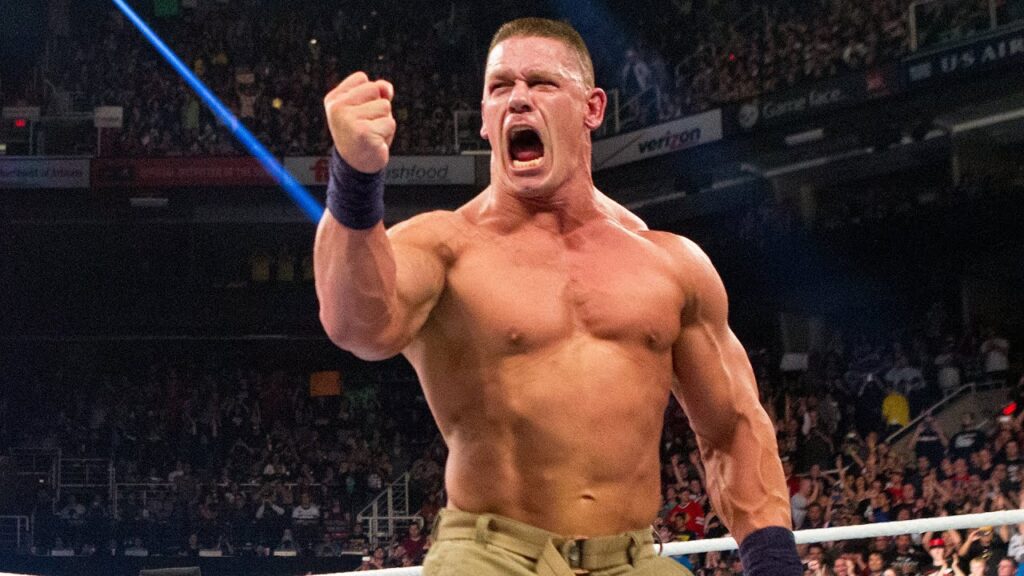
One of WWE’s most iconic superstars for the last two and a half years has been John Cena, and in these many years, as well as being at the zenith of his form in the very first Royal Rumble, many consider him great. Now is a great moment to give as wide an outlook on every big moment when he’s competing in their annual January Spectacular: the match for 2025. Royal Rumble Match Wins 2008: Back with a Shock Perhaps the most memorable of Cena’s Royal Rumble moments came in 2008 when he made a surprise return from injury that night as the 30th entrant. Cena had torn his pectoral muscle just months prior and was not expected back for as long as up to a year. When his music hit at Madison Square Garden, the arena erupted in shock. Even Triple H, who was in the ring, looked dumbfounded with the sudden emergence of Cena. Although in the match for less than 10 minutes, Cena cleaned house and eventually tossed Triple H over the ropes to win the Royal Rumble and his WrestleMania title shot. 2013: Second Time’s the Charm Cena won his second Royal Rumble in 2013, entering at #19 and lasting 26 minutes before outlasting Ryback to win. Not quite the shock of his 2008 win, but a win cementing Cena as one of the most successful Rumble match participants ever, as he became one of an elite few who were multiple-time winners and punched his ticket to the WrestleMania 29 main event against The Rock. Greatest Royal Rumble Match Moments 2005: The Controversial Finish Probably one of the most remembered Royal Rumble match incidents is in the year 2005, involving Cena and Batista. Both men fell over the top rope and crashed onto the floor at the same time, making them both potentially successful in their pursuit. The rightful winner had become pretty confusing. Moments later, the scene turned utterly chaotic as Vince McMahon suddenly stormed into the ring to declare the start of a fresh fight because of what was seen on TV screens, infamously tearing both his quadriceps in the process. Batista, however, got the victory via this restart, yet this very second made Cena already a part of Royal Rumble lore. 2010: The Final Two Showdown In 2010, Cena entered the Royal Rumble at number #19 and was great, surviving for nearly a full 3 minutes 15. He could make it through to the final pair, facing up against a returning Edge in an electrifying confrontation, though it showed Edge emerging the winner. Cena’s running in this matchup, which also featured several other magical moments such as Shawn Michaels’ preoccupation with victories and promos by CM Punk, was the epitome of his rumble career till then. 2011: Super Cena vs. Nexus At the 2011 Royal Rumble, Cena entered at #22 and came out in complete “Super Cena” mode. Immediately, he put a stop to the dominance of The New Nexus as, amongst others, he was able to toss out their leader, CM Punk. Following Cena’s exceptional performance, it took him 34 minutes to eliminate numerous wrestlers and stay within the ring before being finally thrown out by WWE Champion The Miz, a setup for their WrestleMania 27 match. Royal Rumble Championship Matches 2006: Edge was dethroned Not a Royal Rumble match performance, but one of the greatest Rumble moments of Cena’s was his WWE Championship win over Edge at the 2006 event. This was part of the really heated Cena-Edge rivalry that dominated most of 2006. There was lots of chaos with Lita causing distractions at ringside, but Cena and Edge had an amazing match, showing just how well they meshed in the ring. Cena would ultimately win by submission to capture one of his 16 world championships at the Royal Rumble event. 2017: Dream Match with AJ Styles The 2017 Royal Rumble for many showcased what was his best moment and one of the best matches ever in WWE of Cena: him versus AJ Styles for the WWE Championship. For a match billed as “unthinkable, unfathomable, and impossible to imagine, dream,” it came well and truly delivered. Cena and Styles put on a display; they were each willing to trade in big strikes and nearfalls, never setting the crowd off an edge outside or in during these contests. It garnered him not just the WWE championship but also sent him onto linking with Ric Flair at 16 world title reigns—this made the wrestle indeed the historical moment. 2014: Yet Another Classic, with Randy Orton By 2014, Cena and Randy Orton had fought each other so many times, but their WWE World Heavyweight Championship match at that year’s Royal Rumble was still able to deliver5. Playing off the long history, the match featured several clever reversals and callbacks to earlier matches. It didn’t quite live up to the match with Styles, but it’s a great example of Cena elevating big matches on the Rumble card outside of the titular battle royal. Other Memorable Rumble Moments 2007: Last Man Standing against Umaga At the 2007 Royal Rumble, Cena defended his WWE Championship against the monstrous Umaga in a brutal Last Man Standing match. This nearly 30-minute war saw both men use everything at their disposal in an attempt to keep the other down for a 10-count. Cena’s victory showcased his toughness and cemented Umaga as a credible main event threat. This match is often cited as the highlight of their feud and one of Cena’s best Rumble performances outside of the actual Rumble match. 2015: Triple Threat Thriller Not a singles match or a Rumble appearance, but Cena’s involvement in the 2015 WWE World Heavyweight Championship triple threat match against Brock Lesnar and Seth Rollins has to be included in his top Rumble moments. This was a chaotic match where all three men gave it their all; Rollins’ quickness played nicely with the power-based styles of Cena and Lesnar. The match featured a
Mick Foley’s Remarkable Weight Loss Journey
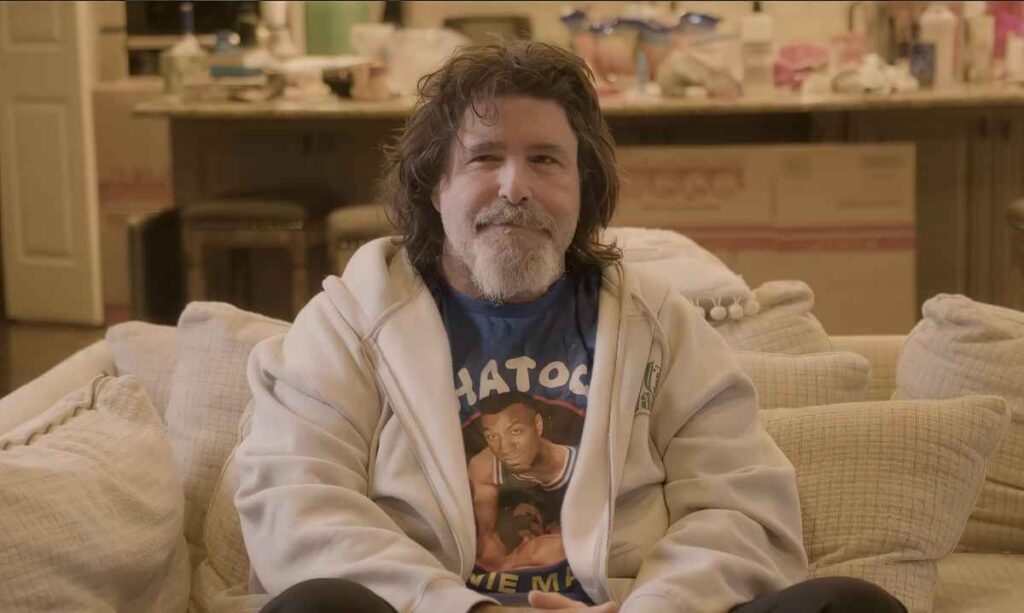
Hall of Famer Mick Foley has undergone an amazing transformation in the last year, weighing nearly 100 pounds less and in far better shape than many thought he would ever be again. Hardcore legend, the weight loss journey he went through is just so captivating and proves the power of determination and changes towards a healthy lifestyle, no matter how old one is. The Starting Point By January 2024, Foley had come to a juncture. At 377 pounds, he struggled with his weight and health consequences were severe. Whereas this man once had become infamous for his great feats of endurance and ways of putting his body on the line, difficulties now arise in simply performing basic activities of the day. Foley knew a change was needed, but it was not just for himself that needed a change, it was for his family and his future. “A year ago, I started my weight loss journey at 377 lbs. It was hard to walk.I had lost almost all of my strength.it was hard to do anything. I had a heart attack waiting to happen and I knew I had to make a change,” Foley shared in a recent update. The Motivation The initial decision for weight loss came so Foley could achieve a more ambitious goal: to wrestle one final “deathmatch” on his 60th birthday in June 20255. That lofty plan ignited his determination to lose 100 pounds and set a target weight of 280 pounds. However, as Foley furthered himself through the experience, his motivations changed. During his weight loss, a minor concussion suffered while training made Foley question the wisdom of returning to the ring for a hardcore match at 60 years young1. While ultimately the deathmatch plan was scrapped, Foley was still committed to his weight loss goals, recognizing the broader benefits to overall health and quality of life. The Method Approaches Foley has taken to weight loss have been multifaceted, combining several key elements: Healthier Eating: Foley completely changed his eating to healthier choices and portion control. Exercise: It was part of the daily routine for the WWE legend, but he was mostly attached to DDP Yoga and swimming regularly. These low-impact exercises allowed Foley to strengthen himself and improve his cardiovascular aspect without putting undue pressure on the joints. Medication: Foley has been very open about the fact that weight loss medication has been a part of his journey. While some may view this as controversial, Foley and many health professionals see it as a valuable tool when combined with lifestyle changes. Consistency and Dedication: Perhaps the most important factor in Foley’s success has been his relentless commitment to his goals. He has continued to update on his progress, which has kept him accountable and also served as an inspiration to others. The Results Boy, did Foley work his butt off, or what? On January 19, 2025, Foley released a video update showing him having not just reached his goal weight of 280 pounds but weighing an incredible 279 pounds. This was a full 98 pounds in a single year-much, much more than he thought he’d achieve. This physical change is very evident in his appearance and in his mobility. In the update video, Foley was able to show an increased level of agility where he did a small jump, which at his previous weight would have been impossible, or at least highly difficult to achieve1. Impact on Foley’s Life The benefits of Foley’s weight loss are much more than just the numbers on the scale. He reportedly felt much better in terms of his general health, energy levels, and quality of life. Tasks that were once hard, like walking and daily activities, became much easier4. The other aspect in which Foley’s journey helped was in building his mental health and self-esteem. This achievement and regained confidence reflect in all his updates and various public appearances. Inspiring Others Foley’s candor about his weight loss journey has resonated with fans and fellow wrestlers alike. By sharing his struggles, successes, and the methods he’s used, Foley has become an inspiration to many who are facing similar challenges. His story has rekindled debates over the use of medication for health and fitness and as an aid for weight loss. Foley shows that one way will not go for all in cases of weight reduction and it is never too late to make adjustments in life and change for betterment. The Role of Medical Assistance One of the reasons why Foley’s weight loss is under much scrutiny is his weight loss medication. While this has been termed as “cheating” by some, Foley and most health professionals are in agreement that it is a very valuable tool when accompanied by diet and exercise. Medications like semaglutide hold much promise in helping people with obesity realize great weight loss. Foley’s story just illustrates how this medication is working for weight loss under a doctor’s supervision, with exercise and diets included. The Future Having reached his initial goal of weight loss, Foley has now embarked on maintenance. He has continued to work out and make conscious decisions about diet. The possibilities, while Foley has already ruled out hardcore wrestling with improved health and increased mobility, are endless. Those options some of the fans have been fantasizing he could show up to do or take on in the business now seem within reach with his change in transformation. Teasing a Royal Rumble Appearance But true to his wrestling spirit, Foley simply couldn’t resist teasing the fans about the possibility of returning to the ring. In the video update about his weight loss, he had jokingly hinted at an appearance in the forthcoming Royal Rumble event. While Foley replied with, “I’m not doing the Royal Rumble,” his whole video conclusion seemed to provide comedy when he went off the premise of the speech by suggesting the contrary as taking a phone call from WWE creative boss Triple H; that’s a clue enough where die-hard
The McMahon-Helmsley Era: Forgotten Moments of WWE’s Power Couple
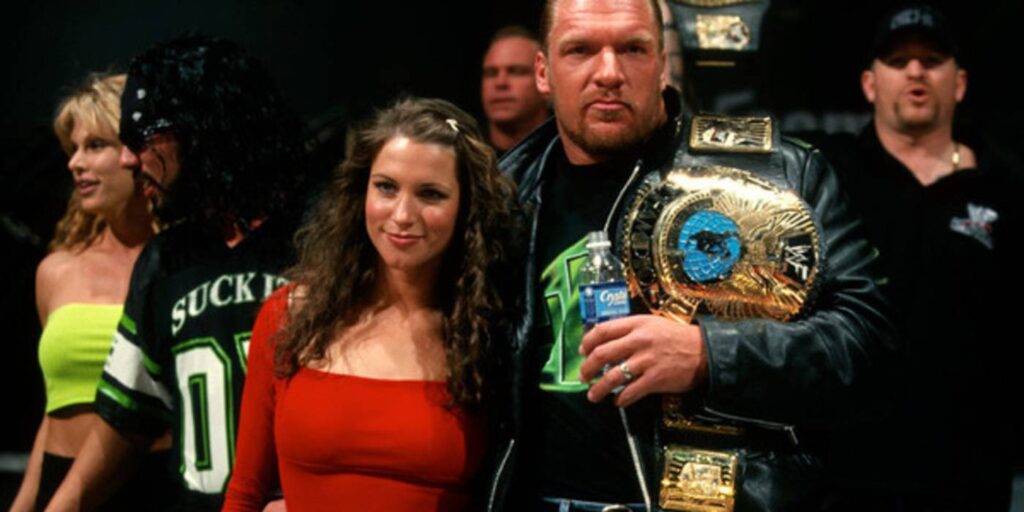
The McMahon-Helmsley Era ran from late 1999 to the middle of 2001 and was one of the many pivotal points in WWE history where Triple H and Stephanie McMahon reached the top to become the heel power couple of the company. Several moments of the era have been cherished by many fans; there is a lot that has happened which remains forgotten. The article shall look into some of the not-so-popular moments and impacts of the reign of the McMahon-Helmsley regime. Origins of Power The McMahon-Helmsley Era officially began on December 13, 1999, just one day after the Armageddon pay-per-view1. In one of the most surprising moments in WWE history, Stephanie McMahon turned her back on her father, Vince McMahon, and joined her new husband, Triple H. This was meant to set the stage for what would become one of the most dominant heel factions in WWE history. What a lot of people have forgotten, was the promo she cut on her dad that night. The one including, “I’m not Daddy’s little girl anymore.” After all, it had come to light that marrying Triple H was revenge against her old man for the way he tried to use her as a bargaining chip in his feud with Stone Cold Steve Austin earlier that year4. This promo not only established Stephanie as a force to be reckoned with in her own right but also set the stage for the complex family dynamics that would unfold over the next year and a half. Consolidation of Power In the weeks that followed their rise to power, Triple H and Stephanie wasted little time in asserting their dominance over the WWE roster. Overlooked perhaps by many, but a notable part of this period was how they managed to round up the championship gold in record time. On March 28, 2000, Stephanie won the WWF Women’s Championship by defeating Jacqueline with the help of Tori and D-Generation X5 members. This further entrenched the McMahon-Helmsley faction into power as they now held the WWF Championship, currently held by Triple H, and the Women’s Championship. Stephanie’s reign as champion is almost completely forgotten, but it was an important factor in relation to the couple’s beating down on all matters concerning the WWE. The Radicalz: An Alliance in Brief One of the most interesting-yet-often-overlooked storylines of the McMahon-Helmsley Era had to be that of The Radicalz: Chris Benoit, Dean Malenko, Perry Saturn, and Eddie Guerrero. All four had recently defected from WCW and made their WWE debuts in early 2000. Initially, The Radicalz were put into a brief feud with the McMahon-Helmsley faction, which culminated in one of the year’s most panned moments as Triple H and his cohorts beat down the new arrivals3. In a surprise turn of events, however, The Radicalz would soon align themselves with the McMahon-Helmsley regime and become heel proxies for several months. That this alliance-for whatever reason-got very little ink in retrospectives of the era proved how even the most talented new arrivals were manipulated and controlled by the McMahon-Helmsley faction. In essence, it gave the Radicalz the platform with which to establish themselves within the WWE where association with the power couple was, on the whole, pretty short-lived. The Pink Slip on a Pole Match Another asinine, lost moment in the McMahon-Helmsley Era had to be the “Pink Slip on a Pole” match between The Rock and Mick Foley3. The stipulation put these two fan favorites against each other where if one of them lost to his opponent, he would’ve gotten fired from the WWE. For itself, the match embodied all that was malign and devious about Triple H and Stephanie’s regime. Two of the biggest thorns in their sides were being deliberately put against each other in a fight; this would theoretically remove one long-term pain in corporate backsides. The winner of that particular match was a certain The Rock, along the way of which Mick Foley got fired. What often gets overlooked in hindsight, however, is what occurred subsequent to the bout: the week following this bout saw The Rock go into protests over Foley’s reinstatement in perhaps a very excellent gesture of unity amongst babyfaces in rebellion against tyranny wrought upon by the McMahon-Helmsley regime. Moments such as that actually served proof the faction was apt with storytelling on aspects beyond those confrontations found inside a ring. Kane’s Revenge Another lost plotline during this time was Kane’s feud against the McMahon-Helmsley regime. Screwed over by his tag team partner X-Pac, who became reunited with Triple H in the latest reincarnation of D-Generation X, Kane was used to torment the power couple. An injury storyline finally allowed for one of the hottest returns in Kane’s eventual return from that storyline injury brought one of the most electrifying moments of the era. As ten men battled in a tag team main event on Raw, the sudden appearance by Kane saw him clear the ring for a huge pop with the audience3. Often trumped by bigger returns of the era, this served as proof of how the McMahon-Helmsley regime can build a very long, absorbing storyline to release a very natural explosion of excitement amongst the fan base. The End of an Era This moment in WWE History is often seen as one of the most underappreciated, since the McMahon-Helmsley Era didn’t exactly go out with a bang-it just kind of faded away. For most of early 2001, the faction’s power was gradually dwindling due to new storylines emerging and Stone Cold Steve Austin making his return. Ironically, it was Austin who was primarily responsible for ending the era. His feud with Triple H over the hit-and-run incident which had kept Austin sidelined for months grew more personal and much less focused on the McMahon-Helmsley regime as a whole3. With this change in focus, the era came to a close as Triple H and Stephanie continued to work as heels, yet they were no longer the all-powerful, feared authority figures
Al Snow And Big Boss Man’s Feud: A Tale Of Canine Calamity And Wrestling Absurdity
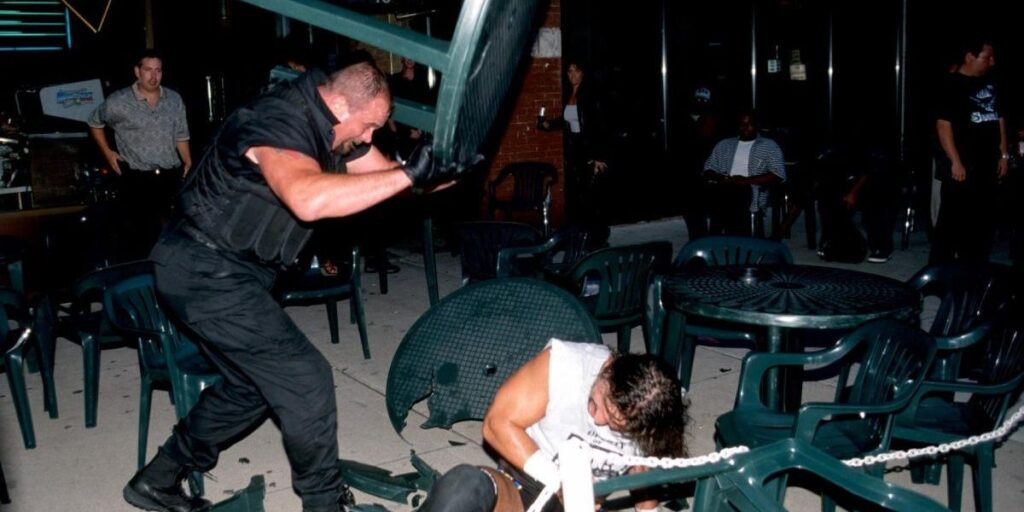
Professional wrestling was at an all-time high in popularity during the late 1990s, with the WWF—now WWE—really pushing the envelope and creating some of the most outlandish storylines imaginable. Among the most infamous feuds of this era was the rivalry between Al Snow and Big Boss Man, which culminated in the infamous “Kennel from Hell” match. This feud, while memorable, truly epitomizes the creative highs and questionable lows of the WWF’s Attitude Era. The Players Al Snow Al Snow was a veteran wrestler born Allen Ray Sarven, who enjoyed a reputation both for technical wrestling and comedy. Probably the most remembered by his time in the ring, judging by his carrying and talking to a mannequin head he called “Head,” with it, he became rather popular with audiences, setting the ground for becoming a figure involved in surreal storylines. Big Boss Man Meanwhile, this new roster is made up of none other than rough-around-the-edges Ray Traylor as Big Boss Man: The no-nonsense corrections officer was turned into this wrestler character that had become well-established with WWF since the latter half of the ’80s, all the while getting transformed from his heroic duties as law and order enforcer and transitioning into a remorseless heel throughout most of the Attitude Era. The Build-Up The rivalry between Al Snow and Big Boss Man truly originated in the summer of 1999 over the WWF Hardcore Championship. It was a title synonymous with extremely crazy matches and featured the rule that defense had to be done anywhere and at any time—the linchpin to an ever-growing personal and ridiculous feud between the two. The Hardcore Title Swaps Their feud started off fairly conventionally, as Big Boss Man pinned Al Snow to win the Hardcore Championship at the Fully Loaded pay-per-view event in July 1999. Snow regained the title at SummerSlam during a Falls Count Anywhere match, which spilled out of the arena and onto the streets, into a bar event, truly embodying the bedlam of hardcore wrestling. Enter Pepper When he finally was deep into his long feud, Al Snow replaced the mannequin head with his new companion—a Chihuahua. This little puppy would be cast as the foundation of one of wrestling’s most controversy-laden angles. The Infamous Dog Incident Things took a dark turn in the feud when Big Boss Man kidnapped Pepper. In one of the most infamous segments in wrestling history, Boss Man would agree to return the dog on the condition that Snow could beat him in a match. When Snow lost, Boss Man welched on the deal and kept Pepper8. The Dinner Scene The segment reached perhaps an unprecedented low when Big Boss Man invited Snow up to his hotel room, apparently to discuss how Pepper would return. Instead, he set a plate of food in front of Snow and ultimately revealed it to be the remains of Pepper. It is allegedly loosely based on a story of Mr. Fuji once doing the same thing to his tag team partner. The Kennel from Hell Match All this brought things to a head at the Unforgiven pay-per-view on September 26, 1999, in Charlotte, North Carolina. The aforementioned Al Snow vs. Big Boss Man was the main event and was billed as a “Kennel from Hell” match-conceit that was certainly more entertaining on paper than in execution. The Concept The Kennel from Hell match was a creative monstrosity, marrying two of the WWF’s most daunting set pieces. The ring itself was covered in a blue steel cage, which in turn was surrounded by the larger Hell in a Cell structure. Between these two cages, “vicious” Rottweilers were supposed to roam, adding an extra layer of peril for the wrestlers trying to escape both cages. The Reality Unfortunately, the match failed to live up to its menacing concept. The Rottweilers, far from being the snarling beasts promised, appeared docile and uninterested in the proceedings. Some dogs even relieved themselves in the ring, creating an unintended spectacle that distracted from the actual wrestling. The Action Notwithstanding the lousy canine contribution, Snow and Boss Man tried to salvage the match with a hardcore-style fight. They used plenty of weapons and even bladed to try to make the bout exciting, but the awkward setup and the distraction of the disinterested dogs made it tough for the wrestlers to gain any momentum. The Outcome In the end, Al Snow emerged victorious in the match by escaping both cages to retain his Hardcore Championship, but it was dampened as the match was not well received at all. 26. Aftermath and Reception The Kennel from Hell match was pretty much universally panned by fans and critics alike. Wrestling Observer Newsletter gave it the dubious honor of “Worst Match of the Year” for 1994. The concept has since become a cautionary tale in wrestling circles about the perils of overly complicated gimmick matches. Feud Continued Despite the poor reception to their marquee match, the feud between Al Snow and Big Boss Man continued briefly as Boss Man regained the Hardcore Championship in a triple threat match involving Snow and Big Show shortly after Unforgiven 6. Legacy While the feud is sometimes remembered for most of its over-the-top, outlandish moments, at the core of it lies what made it actually work: the commitment of each performer to these characters no matter how ridiculous the storyline got. Al Snow mostly looks back in a mix between appreciation of having gotten the chance and disappointment over how said execution went. Analysis of the Feud Creative Ambition versus Execution The Al Snow vs. Big Boss Man feud was a true manifestation of creative ambition during the Attitude Era, where it seemed like writers and performers alike were encouraged to push the envelope in most any and all ways they could. It’s also a function of the risks associated with that strategy, as ideas that might sound compelling in theory fall completely flat in their execution. Tonal Dissonance That would be a pretty jolting storyline shift
The Katie Vick Storyline: WWE’s Most Infamous Angle
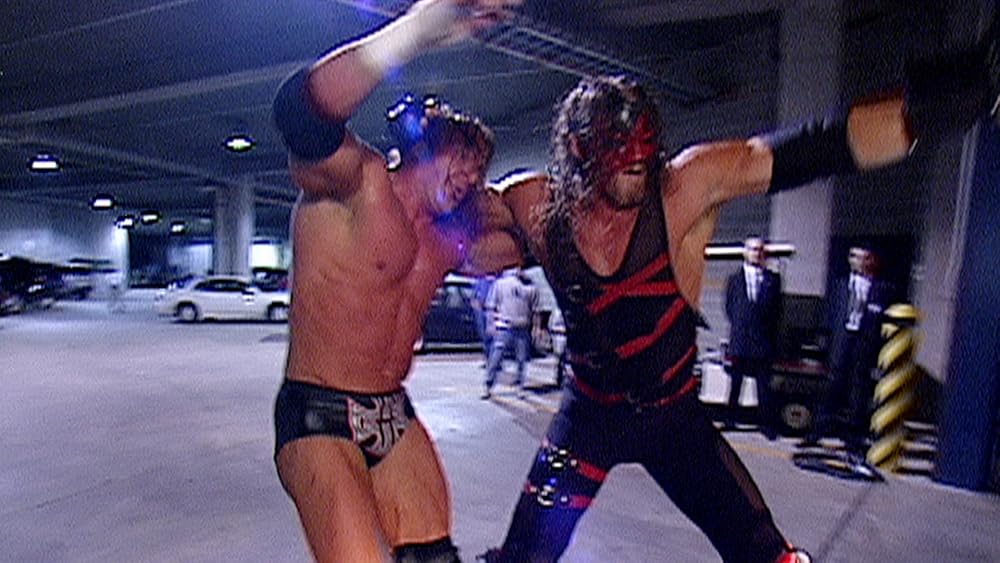
Throughout history, few storylines have reached such a level of notoriety and widespread condemnation as the WWE Katie Vick angle from 2002. This was one controversial narrative that had indeed pushed the boundaries of taste and decency to a whole new level, something that shocked and appalled fans and insiders alike. Over two decades later, the storyline of Katie Vick remains a cautionary tale about creative missteps and the dangers of pushing shock value too far in sports entertainment. Origins and Context The Katie Vick storyline came about during one of those transitional periods in the WWE. During 2002, they still were getting accustomed to life without the Attitude Era and struggled to find the perfect balance between maintaining edgy things and widening their appeal. The Katie Vick angle was conceptualized to introduce a wrestler called Scott Vick into the WWE roster. Scott, who worked for WCW under the ring name of “Sick Boy,” was wrestling in WWE’s developmental system at the time. The creative team thought that they could use his surname as the basis of an angle involving a sister named Katie. Plans changed, however, when Scott Vick’s in-ring performances in dark matches and house shows didn’t impress WWE management. As Bruce Prichard, a key creative member at the time, recalled: “Scott just had some really, really horrible dark matches on TV and on the road. When he got the nod to come up to the show, all of his matches from that point going forward just, the bottom fell out. Vince is like,, ‘What the hell are we doing?.” With Scott Vick no longer an issue, the creative team resurrected the Katie Vick concept as a part of an ongoing feud between two of the company’s top stars: Triple H and Kane. The Storyline Unfolds The Katie Vick angle began to come together on the October 7, 2002 episode of Monday Night RAW. Triple H was RAW’s leading heel and fresh off being granted the World Heavyweight Championship. He started up a feud with Kane, at the time performing an incarnation of his monster character that had more humanity imbued in it In a promo, Triple H revealed to an appalled crowd that Kane was a murderer. The storyline wasn’t based on Kane’s old backstory from years ago pertaining to the death of his parents, but there was a fresh and new aspect concerning Kane’s previous history. Triple H claimed he could prove that years ago Kane had murdered a young girl by the name of Katie Vick. It was finally a week later, October 14th,, when Kane made his way to the ring and addressed these allegations. And perhaps for the very first time in this character’s run,, Kane delivered a profoundly emotional promo where he talked of Katie Vick being indeed his friend from when he began competing in the world of professional wrestling some decade or so previously. Yes, Katie had passed away,, he admitted,, but this was due to a horrific accident, not murder Kane told the police that he and Katie had gone to a party together. Katie had drunk too much and was grateful when Kane offered to take her home. Unfortunately, Kane did not know how to drive a shift vehicle. The trip home was uneventful until an animal ran onto the road and took Kane’s attention. Swerving the car to avoid it, the car spun around and crashed, killing Katie This explanation did little to satiate Triple H, who continued to taunt Kane about Katie’s death. In a turning up of the escalation, Triple H insinuated that Kane might have sexually assaulted Katie, either before or after her death. This took the storyline into genuinely uncomfortable realms, treading on motivations of necrophilia that were thankfully beyond the reach of even most of WWE’s mature themes. The Funeral Home Segment The Katie Vick storyline reached its infamous nadir on the October 21, 2002, episode of RAW. Came a pre-taped segment set in a funeral home where Triple H was standing beside a casket. He said that he had “footage” of Kane’s actions with Katie Vick What occurred was among the most repellent moments within WWE history: Triple H donned a mask and attire that belonged to Kane and subsequently mimicked copulation with a dummy in a cheerleader costume, supposed to be Katie Vick’s corpse; the segment was a jumbled mess of tasteless jokes and highbrow physical comedy. The whole thing was deeply off-putting to many people The production of this segment was as troubled as its content. According to retroactive accounts from Triple H, the scene was shot in an actual funeral home while a real wake was taking place in an adjacent room. This led to awkward interactions with the funeral director, who at one point had to ask the WWE crew to keep the noise down Immediate Backlash The Katie Vick segment received a completely negative reaction, as it was disgusting for the fans to see, and many within the wrestling circle voiced their disapproval. Jim Ross, the lead commentator of WWE at the time, years later described his reaction: “I was so shocked. And I knew the subject matter was going to be very, very delicate, to say the very least. But I didn’t know all the specifics and all the machinations of how they’re going to produce that segment. It was just horrible, just horrible.” Ross went further to say, “I felt bad for the audience—especially parents—so I don’t have to have this conversation at the dinner table trying to explain it all.” He even admitted, “I never saw any value in it. It was embarrassing to wrestle.” Years later, at the time he was still a WWE broadcaster himself, Jonathan Coachman said pretty much the same: “That was one of the most repulsive, disgusting storylines of all time. They shot that off-site, so nobody had seen it until it ran on the show. And backstage, you could hear people just groaning because it was