
The Unforgettable Love Story Of Perry Saturn And Moppy: A Wrestling Oddity
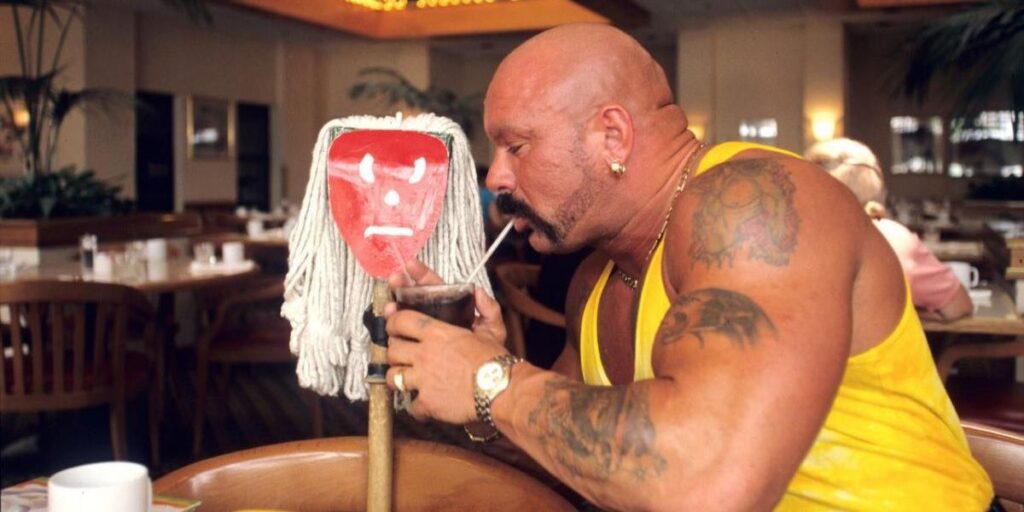
Reality doesn’t matter in professional wrestling, and storylines don’t have any compunction about twisting and bending reality, developing characters and plots that range anywhere from absurd to outright surreal. There is one, and one alone, that takes a prize for absurdity: a romance between talented wrestler Perry Saturn and inanimate cleaner, Moppy. Viewers tuned in in the early 2000s, and a dash of surrealism, a mix of humor, and a little bit of tragedy that one can recall even today happened. The rise of Perry Saturn Perry Saturn, whose real name is Perry Arthur Satullo and whose date of birth is 25th of October 1966, joined the career of a professional wrestler in 1990. With years of fighting in a variety of companies, including ECW (Extreme Championship Wrestling) and WCW (World Championship Wrestling), Saturn earned a strong position in competition with physique and technical skill. With many titles won in a career, Saturn earned a name for himself through hardcore fighting in ECW, in which Saturn earned a name for enduring extreme fighting and holding out till a bout finished regardless of whatever happened in a bout, and then transitioned to WCW, in which Saturn joined a group known as The Revolution with wrestlers such as Dean Malenko and Chris Benoit. But in WWE, one of the most outlandish storylines in wrestling history first gained its first glimpse in front of its fan base with him. Having signed with WWE in 2000, Saturn began experimenting with new character dimensions that took him down an absurd path in the long term. The beginning of the Moppy Saga The origin of Saturn’s infatuation with Moppy can be traced to a series of unfortunate events in May 2001. Having sustained head trauma in a tussle with Raven and having experienced a strange character transformation, Saturn began behaving out of character. Saturn began speaking gibberish and responding to questions with “you’re welcome,” and soon enough, it became a sort of mantra for him. That transformation foreshadowed Saturn and Moppy’s future together. Moppy first emerged with Saturn in a contest for Test’s Hardcore Championship at SmackDown on 21 June 2001. What initially started off as a run-of-the-mill mop, Moppy rose to prominence when Saturn, in a contest with Test, incidentally smashed it during the competition. Saturn then exhibited an inexplicable concern for Moppy’s well-being, and everyone began speculating about whether Saturn had actually gone mad and whether it was arranged for a comedic storyline. The preference Saturn acquired for Moppy soon became a full-fledged story. How much a fan Saturn came to cherish the mop was conveyed with sincerity that blurred fiction and reality together. Fans liked seeing Saturn tottering about with Moppy in a manner of a prize, speaking with it in a living voice, and defending it when challenged with a disrespectful party. The Love Triangle: Terri and Moppy The deeper Saturn became enamored with Moppy, the strain increased in his real-life girlfriend Terri Runnels’ relationship with him. In a predictable wrestling plot device, Terri confronted Saturn with an ultimatum: Terri or Moppy, one and only one could have him. In a jaw-dropping, everyone-is-shocked move that attested to the absurdity of the plot, Saturn chose Moppy over Terri. The incident encouraged Terri to join Raven in conspiring a scheme for revenge for Saturn, and kidnapping Saturn’s lifeless companion, Moppy, seemed a perfect beginning for them. Things took a darker direction when Raven hurled Moppy into a woodchipper during an episode of RAW, and a rivalry between him and Saturn reached its conclusion at Unforgiven 2001 in a match between them. The episode when Raven attacked and dispatched Moppy is one such memorable one; not only did it mark an era for Saturn, but it also revealed to everyone how surrealism could go in terms of wrestling plotlines. Fans could not believe that in front of them, Raven performed such an absurd act. The Match at Unforgiven 2001 The crescendo of such an outlandish epic happened at WWE’s pay-per-view, Unforgiven, on September 23, 2001. Raven and Perry Saturn fought in a high-emotive, tension-filled bout, with Raven’s fate at Saturn’s mercy, whose adored mop hung in the balance. There had been a lot of tension in anticipation; everyone waited with bated breath to see whether Saturn could avenge the mopped hero, his. The bout itself was full of high-energy moments with both wrestlers putting in a performance and dancing through the narrative threads woven in their feud. Fans who had become emotionally involved in this strange love affair hung in suspense with each move, its deeper meaning speaking to them in a powerful, almost primal, manner. In a move that showed both technical skill and a deep desire to regain a semblance of dignity following loss of Moppy, Saturn won out in a flurry of effective moves. The Aftermath: A New Beginning for Saturn Following defeat at Unforgiven and witnessing sad demise at the hands of Moppy, Perry Saturn’s character underwent a transformation yet again. Even dropping the character of Moppy, Saturn remained a fan favorite and continued competing in WWE in 2002, when injuries forced him out of a position. Though its unorthodoxy, many saw it as a breakthrough for Saturn’s character—one in moving him away from being yet one more roughneck in professional wrestling and towards one capable of laughing one and moving one through humor and absurdity. With the romance with Moppy, one could see a new aspect of him and one that appealed to them. Post-leaving WWE, many trials and tribulations in life, both in and out of the ring, confronted Perry Saturn, including medical and addiction-related complications. Nevertheless, he recovered and re-established himself and continues to enjoy a strong fan base who remember him nostalgically for his maverick contribution to wrestling lore. The Legacy of Perry Saturn and Moppy The career of Perry Saturn and Moppy is best remembered as one of the greatest in a long line of silly plotlines in wrestling history. Others criticized it for being
The Brawl For All: Wrestling’s Wild Experiment Of 1998
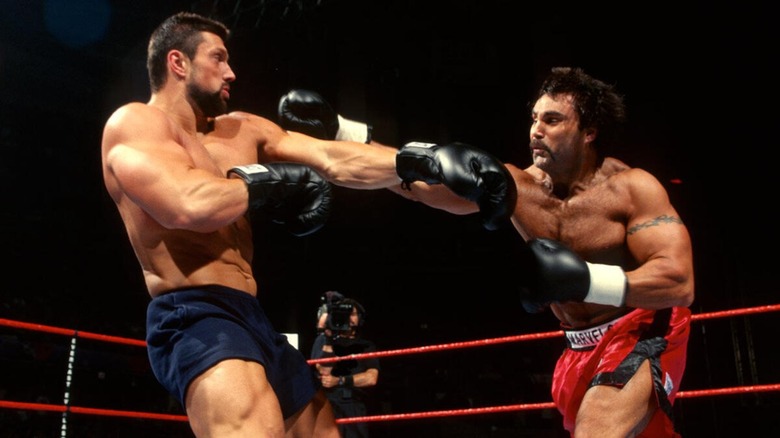
Few occurrences in professional wrestling lore have been as infamous as the infamous 1998 summertime Brawl for All tournament, a catastrophic and tumultuous exercise in futility that began in an attempt to promote a demonstration of durability and legitimacy but soon spiraled into a debacle of injuries, unforeseen consequences, and long-term repercussions for most involved. In this article, the background, behavior, and aftermath of the Brawl for All will be discussed, and an analysis will follow regarding its development into a cautionary legend in the world of wrestling. The History Behind the Brawl for All The idea for Brawl for All took shape at a time when WWF, today rebranded under the name WWE, experienced a boom in its popularity. With an increased talent pool and a limited television schedule, many wrestlers experienced no significant angles and no opportunity to introduce themselves as roughneck characters. Vince Russo, a key WWF writer at that time, proposed the tournament in a move to utilize this and include its performers in a “true” competition. The Context of 1998 in Professional Wrestling To understand the genesis of the Brawl for All, one must understand the big picture of professional wrestling during that particular era. Monday Night Wars reached its height during the late 1990s, a rating competition between WWF and its arch-rival, WCW (World Championship Wrestling). WWF and WCW fought for dominance in an era with over-the-top angles and increasingly larger characters. The demand for realism in a scripted format for wrestling, and for a new form of competition and brutality in an age with mixed martial arts (MMA) on the rise, facilitated paving the way for Russo’s vision, one that blended actual fighting with spectacle in wrestling. Tournament Structure and Rules The Brawl for All consisted of 16 wrestlers with three one-minute rounds in a bout with performance earning them points: five for a takedown, ten for knockdowns, and five for punches landed in a single round. Knockout won outright in a bout. The Participants The tournament saw a mixed bag of wrestlers, with both experienced and relatively new wrestlers participating in it. Some of them included: Steve Blackman: Vets martial artists with a fighting background in many fighting sports Dr. Death Steve Williams: a college wrestler and one of the strong favorites to win A tag-team player whose claim to glory is not necessarily for fighting but for charisma Bradshaw (JBL): a grizzled, no-holds-barred in-ring competitor with a strong, Not with its simple rules, but even then, provisions for fighting level between participants were not included in the tournament. Most wrestlers underwent training in professional wrestling and not in actual fighting sports, and hence, a lot of security and injury concerns ensued. The Contests Begin The tournament kicked off on June 29, 1998, with an unexpected first-round match between Steve Blackman and Marc Mero, a former Golden Gloves boxer. Blackman dominated the match with his grappling skills, showcasing how wrestling techniques could overpower traditional boxing strategies in this unique format. Notable Matches and Upsets The tourney continued, and upsets became a growing feature. Most surprisingly, perhaps, one of them involved Dr. Death. Steve Williams, universally considered a safe bet to win, got knocked out in a fight with Bart Gunn. Not only did this serve to distract WWE, but it also emphasized unpredictability in competition in general. Another key bout pitted Savio Vega, a notoriously tough competitor, against Road Warrior Hawk, a fellow competitor with a similar reputation for tenacity. Despite both opponents’ reputation for durability, Vega won through determination and willpower alone. Unpredictability continued when Gunn moved through rounds, beating opponents who were predicted to overpower him. Injuries and Controversies The wounds accumulated with successive contests. Contestants like Road Warrior Hawk, Savio Vega, and even its owner, Gunn, received actual wounds in competition. How much of a toll it took physically on participants challenged its purpose and safety in general. Criticism of Wrestlers Critics of Brawl for All criticized that it seemed to have been a poorly planned publicity scheme and not an actual competition in any form. Some wrestlers criticized its delivery, with many speculating that it actually seemed to have been a scheme to embarrass certain performers and not a demonstration of talent at all. Announcer and in-ring personality Jim Ross, who performed during this period, later regarded Brawl for All as a poorly designed concept not in harmony with values at WWE. Real competition focused on a scripted format of competition blurred both wrestlers and observers regarding what actually transpired and what part of a narrative. The Aftermath: Legacy of Regret The Brawl for All concluded on August 24, 1998, with the unlikeliest of winners in Bart Gunn, defeating Bradshaw in a finals match. With a $75,000 purse and a future matchup with celebrity pugilist Butterbean at WrestleMania XV, a win for Gunn appeared a foregone conclusion at one stage, but it concluded on a disastrous note for him when, in a span of 34 seconds, he was knocked out—an embarrassing conclusion to an already tumultuous ride. Impact on Careers The consequences of Brawl for All continued to resonate for many years afterwards: Bart Gunn: After a loss to Butterbean, momentum for Gunn in WWE took a sharp fall. Unable to develop any meaningful storylines, soon enough, Gunn left WWE. Being one of the best in-house talents with future main-event aspirations, Williams’ loss at the hands of Gunn took a toll on his role in WWE. Bradshaw (JBL): Having enjoyed a successful post-Brawl for All career, he continued to exhibit disappointment with its performance at that point in his career. Also, many wrestlers sustained injuries that continued to plague them long afterwards. What it took out of one’s body questioned its purpose and safety in general. Conclusion: Lessons Gained The Brawl for All is an important lesson in professional wrestling about balancing legitimacy and spectacle with safety. As an intentional try at a truer demonstration of wrestlers’ durability, it actually heightened the danger in mixing scripted performance
The GTV Enigma: Wrestling’s Most Baffling Segments Of 1999
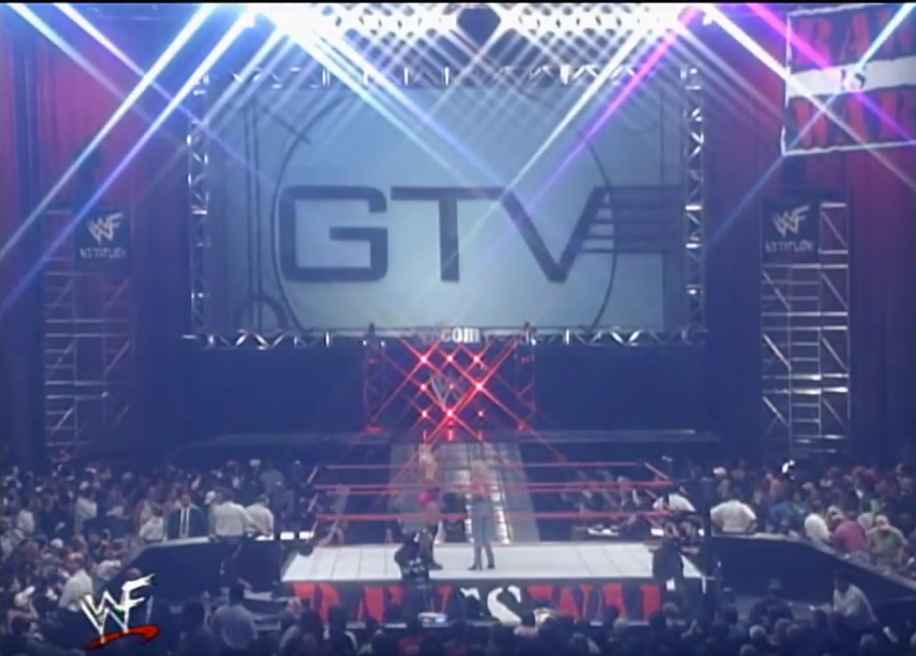
Few corners in the rich tapestry of professional wrestling have engendered such intrigue and rumor as GTV segments at the height of the Attitude Era in 1999. Those grainy, black-and-white vignettes, replete with voyeuristic glances at the lives of WWE talent, intrigued everyone with their intrigue and curiosity regarding their purpose and creator. What began life as a comedic tool, GTV soon developed into a confounding enigma that saw its purpose and creator questioned by its fan base. The Origin of GTV The GTV fad began in early 1999 when segments initially began popping up in WWF Monday Night Raw. Initially titled GDTV, segments later dropped the “D” and took off with a title of GTV. Straightforward and effective, the format consisted of hidden camera shots of wrestlers in compromising, embarrassing positions. Nose-picking courtesy of Al Snow and ogling himself in a long period in a mirror courtesy of Billy Gunn, these little segments showed a glimpse of the locker room hijinks of both WWE heroes and villains. The brain trust at GTV The direction for GTV was most often determined by Vince Russo, a creator with a background in experimenting with and sometimes divisive narrative techniques. In regards to wrestling, Russo’s style involved blending reality with scripted fiction, a hallmark of the Attitude Era. For GTV, for its part, Russo hoped to have a portion that appealed to its fan base with its humor, yet at the same time, continued to drive ongoing plotlines. The reorientation of GTV: Comedies to Drama The segments, however, grew darker over time. Taping in a style that kept ongoing storylines, segments such as Shane McMahon and the Mean Street Posse faking injuries and Eddie Guerrero in a compromising position with two of Godfather’s “hoes.” That transpired to make GTV a format for creating storylines, not a lighthearted humor format, and gave its narrative an added level of complexity. The key segments and their impact Al Snow’s Locker Room Antics: In one of its first segments, Al Snow portrayed himself in an offbeat manner, including speaking with his mannequin head, Head. Not only did it introduce Snow’s off-beat personality, but it also helped lay down a marker for future GTV segments in terms of what could and could not be included. Val Venis’s Misadventures: Val Venis’s storyline consistently intertwined with GTV’s offscreen camera hijinks, including when he was in compromising situations with many women. Those segments helped contribute to his player character and added humor value. Perhaps one of its most memorable segments, and one of its most memorable scandals, included Eddie Guerrero in a compromising position with two of Godfather’s groupies. Not only did it expose Eddie’s charisma, but it also displayed how GTV could utilize humor and character development at its best. The Enigma Grows Perhaps most fascinating about GTV, however, was its unsolved mystery: who and why, and who operated behind its camera? Everyone at first suspected that off-beat personality and spectacle-maker Goldust himself would become a ideal fall guy for GTV, but when he requested a WWF release in order to sign with WCW, that theory died an immediate death. Fan Theory and Speculation All through 1999, when GTV continued to pop up, its devotees experienced a series of increasingly dreamlike events. There were a variety of speculations about who could have possibly produced GTV: Goldust: First considered a strong suspect with a background in mind games and a propensity for acting out, Some of them even suspected that comedian Tom Green could have been involved, but in a manner suiting GTV’s absurdity, but Vince McMahon himself is not supposed to have liked him, having seen him work. Headbanger Thrasher: Yet, one name that emerged during that period was Glenn Ruth (Thrasher), who at that point in time, was injured and out of commission. There were feelings that GTV could be a platform for him to make a return to prominence in WWE, but that, too, failed to gain any real traction. The disappearance of GTV Segments for GTV grew less and less common in 1999. Vignettes, at one stage a feature of the show, grew less and less common and then simply ceased in early 2000 with no conclusion to the overall intrigue surrounding them. Fans became frustrated and wanting to know who produced such clandestine camera shenanigans and why ever stopped in such a way. The Transition to Other Storylines Meanwhile, with WWE transitioning towards new characters and storylines in 2000, GTV became less important. It transitioned towards conventional wrestling storylines, abandoning its voyuristic humor, a feature of its early segments. In 2000, GTV reappeared for a one-time with a simple episode featuring Terri Runnels and The Kat chatting, but its return, yet again, was short-term, and its beginning and motivation continued to leave its fan base in limbo. Herzberg’s work and The background of GTV is one with unproved hypotheses and unanswered questions. It has, over a period of years, ranked amongst the most intriguing unsolved cases in wrestling history. Despite its lack of resolution, GTV is a lasting part of wrestling heritage. Cultural Impact on Wrestling Fandom GTV captured the madcap creativity of Vince Russo’s scriptwriting in an era marked with sensationalism and unpredictability. Viewers remember even today, with nostalgic fondness, grainy clips not only providing entertainment but a community in speculating together about what was in store for them. Moreover, GTV prepared the stage for future segments in professional wrestling with hidden cameras and similar techniques. One can witness its presence in numerous forms in years’ worth of television programs for wrestling. Comparisons with Other Wrestling Segments Comparisons To comprehend and value individuality in GTV, one must contrast it with important segments in both WWE and competing companies during that era: The “Montreal Screwjob” As a counterpoint to GTV’s humor, in life, controversy and betrayal surrounded Bret Hart’s 1997 departure from WWE, an occasion that profoundly impacted narrative in wrestling. WCW’s “NWO Invasion” plot took its cues from depicting real-life tension in its plots
The King Of Kings: Triple H’s Triumphant Return To WWE’s Hall Of Fame

Paul “Triple H” Levesque is a legend in the field of wrestling whose impact extends well beyond the traditional borders of professional wrestling. His induction into the WWE Hall of Fame at WrestleMania 41 is not simply a reflection of a successful individual career but a tribute to a career that changed the face of wrestling forever. The Unexpected Revelation One ordinary January 2025 Wednesday, Triple H experienced an episode that will become legend in its own name. In a routine WWE headquarters conference, best friends and in-ring legend Shawn Michaels and Undertaker shocked him with a Hall of Fame induction announcement. It was a spontaneous and private reveal, one that surprised Triple H completely off guard. A Moment of Real Feeling Visibly shocked, Triple H’s reaction was one of actual disbelief. In a quick flash of characteristic humor, Triple H wisecracked, “From a guy who tends to have an opinion about most everything, I’m speechless. I’m going to kill Nick (Khan); in case a flyby off of the roof happens, don’t pay any attention.” That spontaneous reaction captured Triple H—a talent who could ever manage to laugh, even at most important events. A Storied Wrestling History Championship Dominance The in-ring accolades of Triple H are nothing less than extraordinary. As a 14-time champion, he won the WWE Championship a record nine times and won the World Heavyweight Championship five times. Triple H’s in-ring skill could be seen in seven of his headliner appearances at WrestleMania and in many championship wins. The creation of his character The Triple H character developed a lot over the years, changing first from blue blood aristocrat to D-Generation X’s antihero and then to cerebral murderer with a talent for mind games and a quick-thinking brain. Not only did it make him current, but it also showed him to be a malleable in-ring talent. Iconic Factions and Rivalries In his career, Triple H played a significant role in a number of wrestling’s most powerful groups: D-Generation X: Triple H, in collaboration with Shawn Michaels, redefined rebellion and edginess in wrestling during the late 1990s. What they did and stated blurred and generated unforgettable memories. The Kliq: Backstage clique of a group of several of wrestling’s largest personalities, such as Shawn Michaels, Scott Hall, and Kevin Nash, whose presence extended even when they split apart, generating future trends. Evolution: Formed in 2003 with Randy Orton, Batista, and Ric Flair, Evolution helped in grooming newer talent and positioning Triple H in a top-star role. The Authority: Triple H, in heel authority with Stephanie McMahon, played a significant role in numerous plotlines that kept everyone glued to television sets. These factions not only defined his career but also significantly influenced professional wrestling’s evolution. Memorable rivalries Some of the most memorable moments in WWE history have been produced through Triple H’s feuds with such icons as Kurt Angle, The Rock, and Stone Cold Steve Austin. Most memorable, in my opinion, is Triple H’s feud with Austin during the Attitude Era, with its high-energy battles and interpersonal disdain that captured everyone’s imagination. A Backstage Presence: Behind the Scenes The NXT Revolution Perhaps Triple H’s most significant contribution to wrestling came in a supporting role. As a creator of NXT, he took a humble development label and crafted a full-fledged third WWE brand with its own personality. Under him at its helm, NXT earned a reputation for featuring high-class contests and strong narrative momentum. Nurturing future talent The WWE credited him with developing “the brightest in-ring talent of the 21st century,” including talent such as Charlotte Flair, Rhea Ripley, Finn Bálor, and Becky Lynch. His work in developing new talent impacted WWE’s current and future rosters in lasting forms. An Unexpected Retirement The in-ring career of Triple H reached an unplanned endpoint. In a run-of-the-mill matchup with Randy Orton in January 2021, not knowing it, it would serve as his last one. A diagnosis of heart failure and implantation of an ICD (implantable cardioverter-defibrillator) forced him to retire. Transitioning to Executive Roles After retiring from competing, Triple H moved effortlessly into an executive position at WWE as a Chief Content Officer. There, he continued to have an impact on direction, but in a new role, developing new talent, a reflection of his commitment to the field. A Second Induction: An Exceptional Honour This 2025 Hall of Fame induction marks Triple H’s second time being honored by WWE, having previously been inducted as part of D-Generation X. This rare achievement underscores the immense respect he commands within the wrestling industry. The Significance of Dual Inductions Being a two-time inductee is an accomplishment shared by a mere group of wrestlers. Not only is it an individual achievement, but, through D-Generation X, a lasting impact in tag-team wrestling, a faction that re-established tag-team acceptance in professional wrestling. Reactions from Wrestling Royalty The community of wrestlers welcomed him with general acceptance, inducting him. Shawn Michaels, in a statement, referred to it as “an honor of a lifetime,” and Stephanie McMahon toasted her husband’s “space in immortality.” Colleagues have joined in praising Triple H’s contribution both career-wise and in general in the field. Fans’ Reactions The social network community took to social networks to mark Triple H’s induction, with numerous people recalling fond memories with him, such as memorable promos and memorable battles, and describing how he helped mold them into such a long-term fan of professional wrestling. The Road That Lies Before: What This Induction Portends for WWE Long-lasting Influence on Wrestling Culture The induction of Triple H into the Hall of Fame is not an endpoint but a sign of an enduring legacy that will have an impact on future generations of wrestlers and fans to follow in its path. Inspiring future generations And with him becoming a Hall of Famer in this new era, Triple H continues to prioritize grooming new talent through mentor programs and programs geared towards developing creativity in WWE’s talent pool. Triple H’s future for professional wrestling continues
WWE 2K Mobile: The Ultimate Smackdown Comes To Your Smartphone
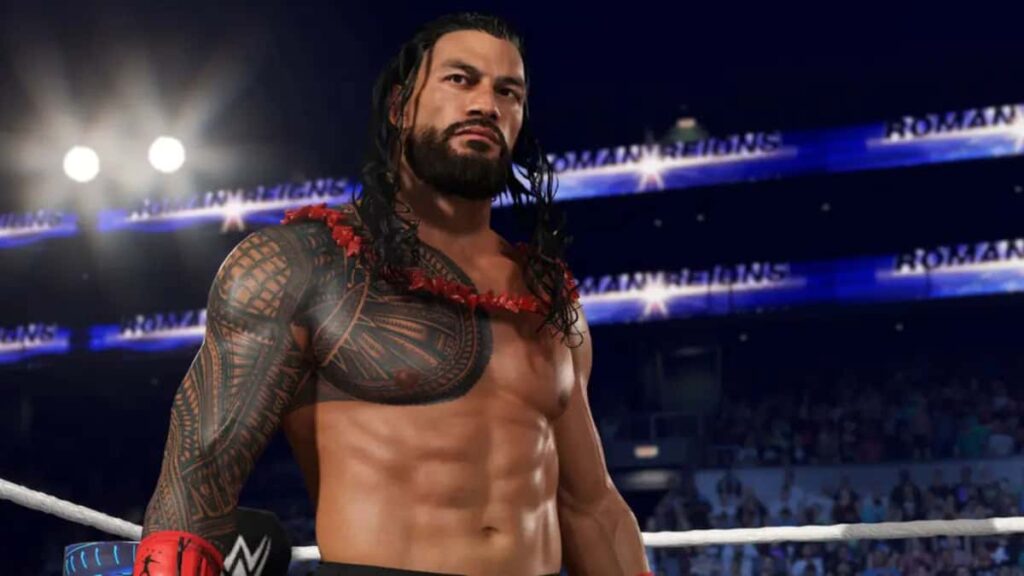
In a move that will forever redefine mobile gaming and wrestling entertainment, Netflix is taking its prestigious WWE 2K series exclusively onto mobile platforms through its platform, Netflix Games, in Fall 2025. It is a significant move in gaming for the streaming giant and an expansion for WWE into digital platforms. With gaming growing at a breakneck speed, such a tie-up is a bold step towards fusing high-class gaming experiences with trending streaming options. A new age in mobile gaming for wrestlers The new WWE 2K Mobile title isn’t a new mobile title in and of itself – it’s an immersive gaming experience that will bring high-energy universe of professional wrestling into hands of player in a new manner altogether. Netflix is taking a high-value position with this launch, with a value proposition that will make it stand out from a traditional mobile title. Main Features and Expectations The mobile title will have a shorter name, a variation of 2K’s best-selling flagship WWE 2K series, following 2K’s successful mobile NBA title model. Fans can look forward to: Playable Wrestlings: Engage in electrifying battles with a range of the greatest wrestlers in WWE history. Collectible Wrestler Cards: Build your team through collecting your desired wrestlers’ cards, each with its respective powers and statistics. Create-a-Wrestler feature: Personalize your own wrestler with a rich selection of options, including looks and finishing moves. Streamlined Mobile-Centric Controls: Optimized for touchscreens, controls will have an instinctive and simple-to-use format, allowing for a player base with a range of skill sets to enjoy the game. Ad-Free Gameplay: Unlike most free-to-play mobile games, WWE 2K Mobile will have an ad-free gaming session. Free in-app purchases: Players have access to a full version of the app with no added cost and microtransactions. The agreement between Netflix and WWE The launch is part of a larger overall collaboration between WWE and Netflix. There have been significant events in the collaboration, including: Exclusive streaming privileges: Monday nights’ WWE Raw have become a property exclusive to Netflix, with its subscribers having an opportunity to watch real-time wrestling in conjunction with their preferred programs. Massive Content Investment: As per reports, Netflix will be investing $5 billion in ten years’ worth of WWE content rights, offering a continuous pipeline of programs pertaining to wrestling. Increased Entertainment Options: With this collaboration, both companies can capitalize on each other’s strengths, offering a variety of entertainment options to fans through several platforms. CM Punk’s Dashing Debut CM Punk, a WWE superstar, helped unveil the game, bringing with him star value and buzz for its launch. In a promotional trailer, he shouted with gusto, “Ladies and gentlemen, it’s about to go down in your living room, in your pocket, in your phone. WWE 2K is coming in late 2025, exclusively on Netflix Games.” Not only does it lend credibility, but it generates buzz amongst its fan base, who have a desire for new releases. Historical Context This is not a first for WWE 2K in producing a mobile title, with a title having been produced in 2015 but having failed and shut down through poor player experiences. 2025 is an opportunity for a new start, an opportunity to learn and make improvements and deliver a proper immersive gaming experience for both long-term and new followers alike. Technical Specifications Available for: Available for most current iPhone models Accessible for use with numerous Android platforms through the app for Netflix. Exclusively through Netflix Games: With its new distribution platform, high-value content can be enjoyed for free, with no additional cost. Release Timeline: Announced: January 30, 2025 Projected Launch: Fall 2025 Global gaming strategy The WWE 2K mobile title is one of several new games included in Netflix’s ambitious gaming expansion. The platform is quickly developing a multi-faceted collection of games featuring: Grand Theft Auto: San Andreas: a legend in gaming reimagined in a new format for mobiles Award-winning indi title that bestows its dedication towards providing high-class gaming experiences Choose your own adventure titles derived from Netflix shows: Interactive stories in which one can engage with one’s preferred programs in a new manner Exclusive mobile titles for titles with Netflix originals: Not only will such a move enhance subscriber value, but it will also present a scenario in which gaming and streaming peacefully coexist together. The Impact of Online Gambling on Leisure The rise in mobile gaming revolutionized the consumption of entertainment for the audience. With smartphones in everyone’s pocket, one can access one’s desired titles anywhere and at any point in time. Engaging with WWE on such a platform helps one have constant access to one’s desired sport even when moving about. Moreover, such a trend reflects broader consumption behavior shifts; increasingly, consumers seek participatory experiences alongside traditional consumption of media. By offering high-value titles like WWE 2K Mobile via its platform, Netflix is tapping into such burgeoning demand. What It All Means for Fans and Players The launch is a union of entertainment platforms: Smooth Integration of Live Streams and Gameplay: Viewers will enjoy having both in-game experiences and wrestling events at convenient access through one platform. No Extra Cost for Netflix Viewers: Unlike most mobile games, with one-time payments and in-app purchases, subscribers can view WWE 2K Mobile through their ongoing subscription with no added fee. High-Quality Content: With 2K’s expertise in providing high-quality gaming experiences, gaming enthusiasts can indulge in high-class gaming controls and high-class graphics. Transferring Action of WWE to a Broader Audience: With its presence on mobile, Netflix aims to not only target hardcore fanatics but even casual gamers who can develop an interest in the franchise. Looking Ahead The console version of WWE 2K25 will arrive in March 2025, with a mobile version following in 2025, offering enthusiasts several options for enjoying their preferred form of gaming. Existing and new casual mobile gamers will both have an opportunity to enjoy an exciting new gaming experience with the mobile title. Expected Community Features Apart from default gaming settings, community-created settings have been mentioned
Behind The Curtain: Stephanie McMahon’s Royal Rumble Journey And ESPN Adventure
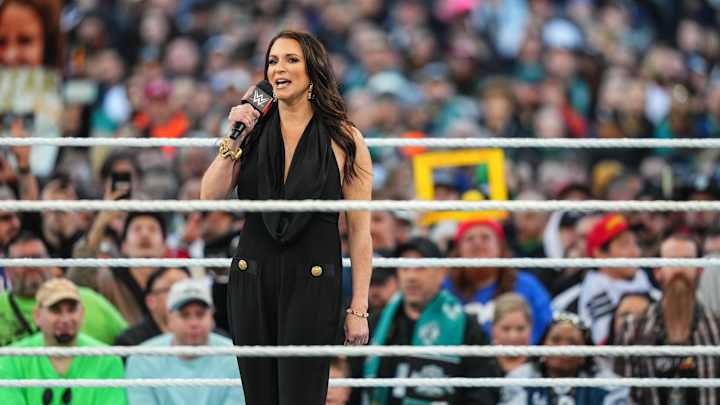
Stephanie McMahon is at an exciting crossroads in her in-ring career with the upcoming WWE Royal Rumble, with a mix of nostalgia, anticipation, and a new direction. Her unfiltered sitdowns recently reveal a rich tapestry of individual growth, a deep-rooted passion for the business, and new and exciting horizons. With the event taking place at Lucas Oil Stadium in Indianapolis, McMahon’s introspections are not about wrestling but about life as a leader, a creator, and a part of McMahon family heritage. The Royal Rumble: Milestone Moment The Royal Rumble is one of the most built events in WWE and a springboard for WrestleMania. For McMahon, one of them holds a lot of personal emotion for her. She enjoyed seeing two big stories unfold at the Rumble: John Cena’s goodbye Royal Rumble and Charlotte Flair’s in-ring return. John Cena’s Farewell McMahon emphasized the importance of Cena’s farewell during her appearance on the Pat McAfee Show. “I think John Cena competing in his last Royal Rumble ever is going to be really meaningful,” she stated. Cena has been a cornerstone of WWE for over two decades, and his contributions to the company are immeasurable. Fans have witnessed his evolution from a brash rookie to a global superstar and philanthropist. His departure from the ring marks the end of an era, making this Royal Rumble particularly poignant for both fans and those within WWE. Charlotte Flair’s Comeback Other than Cena’s farewell, McMahon is most looking forward to seeing Charlotte Flair’s return. “Too long,” she exclaimed, citing Flair’s impact on female wrestling and her rank as one of WWE’s best performers ever. Flair’s loss has been long missed both in terms of wrestlers and admirers, and her return will surely bring intrigue and tension to competition. McMahon’s reaction is a reflection of her devotion to enhancing female wrestling in WWE. Surprises and Secrets One of the most exciting aspects of McMahon’s post is teasing about having a lot in store for the Royal Rumble. Keeping everyone in anticipation, she publicly confessed, “Lots of surprises that I don’t even know about, and if I did, I wouldn’t be allowed to say.” Not only is it piquing everyone’s anticipation, but it is also a reflection of WWE’s skill at crafting a narrative that keeps everyone in anticipation. A new start: Stephanie’s Locations In harmony with Royal Rumble fever, McMahon is embarking on a new bold venture in Stephanie’s Places, a documentary series that will premiere in March 2025 on ESPN+. Her first significant move in returning to life in wrestling after January 2023’s departure, the series will detail her journey in documentary form. Behind the Scenes Storytelling Stephanie’s Places promises an unprecedented glimpse at the private lives of WWE talent. McMahon described her ideal: “What I’d prefer to do is have a sort of guidance for the fan base. All of these performers are incredibly successful but, like everyone else, have been knocked about a lot. How did they survive obstacles in their path?” Her format is intimate and sophisticated; she aims to expose not only success, but, in many instances, hardships that characterized these performers. Collaborative Production The production is a collaboration between ESPN, Omaha Productions, and WWE, following a leaf out of Peyton Manning’s television format success. Interviews with such legends include Charlotte Flair, Stone Cold Steve Austin, and Roman Reigns, and numerous others will feature in each episode, with them speaking about their lives—mapping out their background, career success, and individual challenges—and offering an intimate glimpse for their fan base about them. Personal Reflections on WWE Stephanie McMahon’s life with WWE is a complex and emotional one. Even when she temporarily departed her role in early 2023, she could not rid herself of a life of a wrestler for long. “One of the biggest things I’ve learned when I took a break is I’m never getting rid of WWE, ever,” she mused in an interview. A Childhood Lived in Wrestling Her family background in wrestling, growing up in the McMahon family, for her, it wasn’t a career, but a life. She enjoyed memories of a simple life that wasn’t: “It wasn’t a big issue to have shots taken at our home. I participated in the first ever Saturday Night’s Main Event. I traveled for a Halloween party at Roddy Piper’s home.” All these experiences molded her perception of both an entertainment platform and a sophisticated business when it comes to wrestling. The Legacy of Vince McMahon Stephanie also took into consideration her dad, Vince McMahon’s contribution to WWE and its contribution towards her career path. She credited him with an unending quest for innovation in professional wrestling but with a realization of the cost one pays for such a drive. “He taught me that in becoming a great one, sometimes one must have a willingness to make a little sacrifice,” she added. A Glimpse into the Future: Women’s Wrestling Vision To pave the way for Stephanie’s Places and Royal Rumble, McMahon continues to strive towards creating women’s wrestling in WWE. Her work towards creating female talent is no new development; she helped develop programs such as Women’s Evolution, with an objective of creating a role for female professionals in wrestling. Celebrating Female Icons In recent years, female stars have become focal points as ever before—headline events such as WrestleMania and headlining weeklies. McMahon sees such a transition not only as a sign of growth for female wrestlers but also as a sign of changing times in society when it comes to gender relations in sports entertainment. I’d like little girls who are seeing our product today to have a reflection of themselves,” she added with emotion. “They must understand that they can make their aspirations a reality.” That dedication doesn’t stop at representation but involves mentor programs in an attempt to develop female talent in youth at WWE. Adjusting to Change: What’s Next for WWE Forward-thinking towards 2025 and beyond, Stephanie McMahon understands that transformation is a fact in any endeavor—especially one
The Faceless Fiasco: How WWE’s Anonymous Raw GM Storyline Crashed And Burned
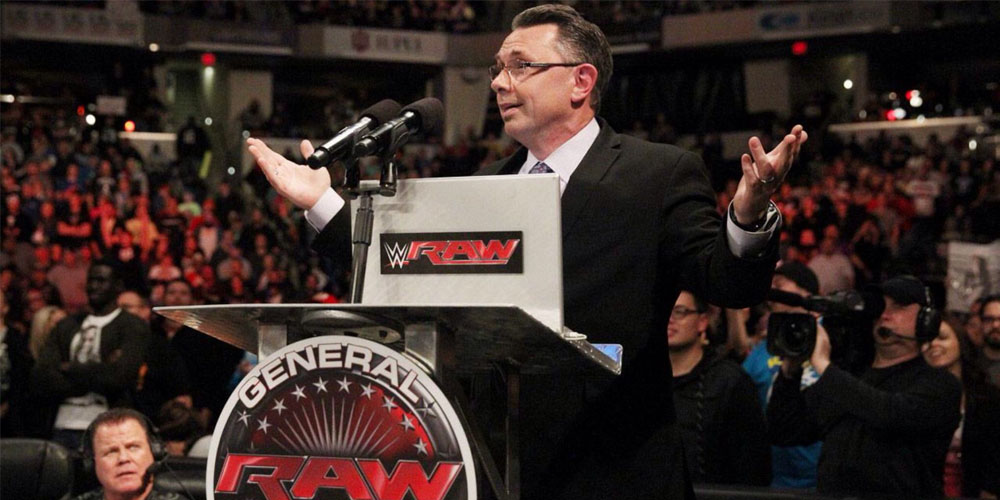
Back in 2010, in the summer, WWE inserted a new, faceless figure of authority onto its flagship television show, Raw, in the guise of an anonymous General Manager who could speak only via emailed messages relayed aloud through announcer Michael Cole. What began life as an intriguing premise soon descended into one of the most panned and poorly executed angles in modern WWE lore. That is the story of the Anonymous Raw GM era—a story of wasted potential, fan frustration, and a reveal that confused everyone in attendance. The Origin of a Mystery On 21 June 2010, Vince McMahon, in a gesture, removed Bret Hart as General Manager of Raw and announced a new, faceless GM taking over. That faceless character’s name would not be mentioned, and its dicta relayed via an email to a computer at ringside. Michael Cole, in a heel turn, became a mouthpiece for the GM, opening with a flourish, “And I quote,” reading out each message. The scenario initially generated intrigue and rumor amongst followers. Who could possibly have been controlling events in the shadows? A modern-day superstar? All-time legend in WWE? Possibilities seemed infinite, and followers tuned in week in and week out in anticipation of seeing a glimpse of an answer to the intrigue. Red Herring and Misdirection The months ticked by, and with them, WWE began dropping hints about who could possibly become the GM, but most of them were nothing but red herrings designed to mislead the fan base. Catchphrases and mannerisms of renowned wrestlers, including Stone Cold Steve Austin, The Rock, and even Vince McMahon himself, punctuated messages of the GM11. The character, whose identity seemed to have a preference for certain wrestlers but clashed with many, included in its adversaries such wrestlers as Bret Hart, Chris Jericho, and most notably Edge, and John Cena. All these seemed to have fueled speculations about who could possibly utilize the laptop. Cole’s Power Trip Meanwhile, Michael Cole operated in an atmosphere of secrecy, with him at its epicenter as its mouthpiece. Cole’s heel character in this period, enjoying reading aloud GM’s oftentimes contentious actions, developed during this period. Cole titled himself “The Voice of WWE” and feuded with its broadcast companion Jerry Lawler. The rise in prominence for Cole saw many speculate that Cole himself could have been the faceless GM, in plain view all along. That would have been a logical reveal, but WWE had a different scheme in store for them. Edge vs. The Machine From all of the wrestlers who fought with faceless powers, no one butted heads with them in a more contentious manner than Edge. Edge’s annoyance with the GM culminated in one memorable episode of his chat show, “The Cutting Edge.” Edge took GM’s platform onto the stage with him, even providing a voice modulator for direct conversation. What then transpired was the surreal spectacle of Edge arguing with a computer, screaming at it for an explanation for GM’s cowardice and lack of sound decision-making. Edge, seeing no purpose in such an activity, attempted to leave, but the GM saw fit to pit him in an immediate contest with John Cena. The standoff culminated in Edge destroying the GM’s computer in a fit of rage. That act of insurrection would have consequences, for the Anonymous GM then exercised its powers to swap Edge with SmackDown, sending him off Raw altogether. A Storyline Loses Steam The Anonymous GM premise dragged out for several months with no resolution in sight, and fan intrigue began to fade out. Freshness of the premise had started to fritter out, and nobody could perceive a seeming conclusion in sight, and thus, everybody grew irritated with it. As per a former WWE writer, Kevin Eck, no concrete plans for whom the GM character actually represented existed when the plotline began. The era of Anonymous GM came to an end in a formal manner in July 2011, a little over one year after its beginning. Triple H replaced Raw when he became the new COO for WWE, effectively dropping the GM plot with no conclusion. For many of its followers, it appeared a tacit admission that the plot failed. The Underwhelming Reveal Just when it appeared that the Anonymous GM controversy would go unexplained, WWE shocked everyone with a reenactment of the plot a whole twelve months later. On 9th July 2012, during a bout of Raw, Santino Marella performed a bit of comedic detective work and theatrically uncovered the actual identity of the GM—Hornswoggle. The revelation that a diminutive comedy character had been the mastermind behind a year of Raw programming left fans bewildered and disappointed. What had begun as an intriguing mystery ended as little more than a punchline. Behind the Scenes of a Botched Angle The years have uncovered information regarding disorganized planning (lack of planning, in fact) for the Anonymous GM plot to become apparent. Information regarding events surrounding Hornswoggle’s unplanned yet successful audition for the role has been posted by Kevin Eck: One of the columnists humorously added that it must have been Hornswoggle for the manner in which the payoff failed for him to be McMahon’s son. The columnist concurred it sounded silly but considered it silly enough that McMahon would bite at it. Bite at it, and bite at it, he did. The original plan was for Hornswoggle to become a character in character, with a thick accent, after the reveal, but when it seemed apparent that Hornswoggle could not pull off the character, Vince McMahon decided to cancel the entire angle at the last minute after the first reveal. 17 Missed Opportunities In hindsight, there were numerous routes that WWE could have taken with the Anonymous GM storyline that could have delivered more satisfying conclusions. Some of the most famous fan hypotheses and potential reveals included: Michael Cole: As a mouthpiece for GM, Cole himself was deep in with the angle. Having him expose himself as a mastermind could have been a motivation for him
The McMahon Family Saga: Unraveling WWE’s Most Bizarre Storyline
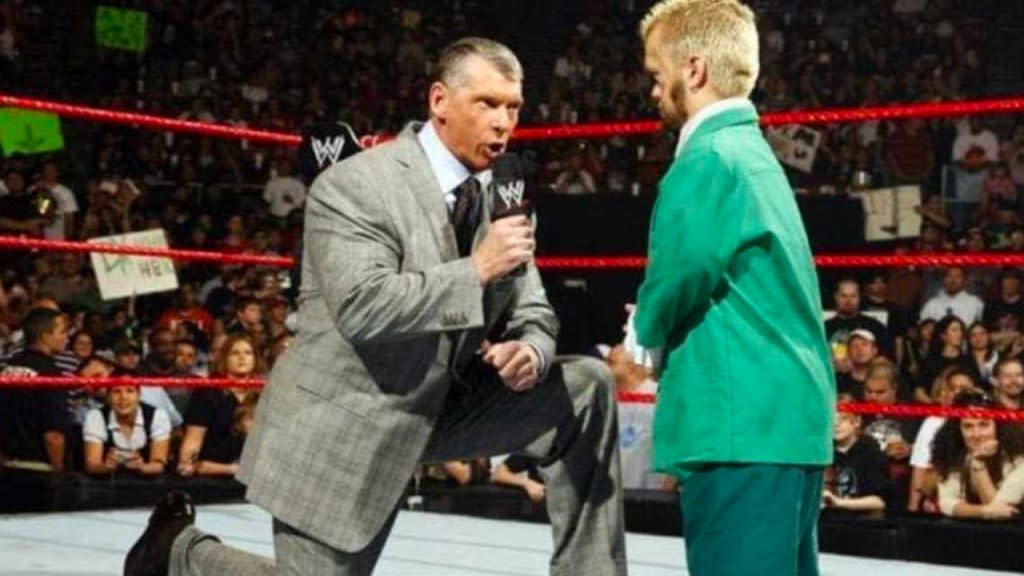
Few have ever captured its fan base’s minds in such a way as 2007’s epic quest of Vince McMahon’s out-of-wedlock kids. That soap opera-turned-farce narrative mixed family soap opera, corporation politics, and larger-than-life personalities for which WWE is renowned, and a spectacle both fascinating and confounding in its twists and turns. Let’s go through its twists and turns and have a flashback to its unforgettable journey that kept everyone in the world of wrestling in a tizzy. The Setup: A Paternity Revelation The controversy began in 2007 in the summertime when WWE Chairman Vince McMahon received a shocking report. As he reached for his trademark white stretch limousine, a paternity suit in hand, announcing that he had an out-of-wedlock child years ago, handed him a report. That report initiated a week and a half of rumor and intrigue, with wrestlers and even fans speculating about McMahon’s elusive offspring. The Tease: Misdirection and Misdirection The creative minds at WWE skillfully constructed tension over several weeks, teasing out information about Vince’s son in a series of increasingly exciting and revealing messages. Every episode of Raw included new information, with Vince’s aide, Jonathan Coachman, delivering veiled messages that only added to the intrigue. Some of them most memorable ones included: The illegitimate children “looked up” to Vince. The boy was a current superstar in WWE. They acquired a “fondness for gold.” The mystery son was white and had blonde hair. The following speculations fueled widespread speculations in fan communities. Perhaps a new face in the form of Mr. Kennedy? Perhaps a seasoned player in the form of Triple H? Perhaps a new face altogether? The Original Plan: How Mr. Kennedy Lost Out Behind the scenes, a significant amount of planning in WWE was involved in all of this plot. To start with, it was planned to introduce Mr. Kennedy (Ken Anderson) as Vince McMahon’s out-of-wedlock son. That would have been a significant boost for Kennedy, a new face who won a Money in the Bank contract at WrestleMania 23 recently. The storyline was constructed to culminate in a Triple H and Mr. Kennedy headliner at WrestleMania 24, with all three McMahon family members in one capacity or another. It could have been a career-maker for Kennedy, and in one shot, an overnight sensation in the headliner picture, a new face in wrestling’s most prestigious family. The Twist: An Abrupt, Unexpected Turn But fate had a different scheme in store. In the days preceding when the big reveal in Green Bay, Wisconsin (Kennedy’s native city) was to occur, disaster happened. Kennedy was suspended for a transgression under WWE’s Wellness Policy. Kennedy discussed the incident years later in an interview: “The only reason that I didn’t end up becoming the son was I got suspended literally like five days before they were going to do the reveal in Green Bay. I was part of that Signature Pharmacy (story). There were like nine or ten of us that got busted for getting performance-enhancing supplements off an internet website, which kind of wasn’t how that all went down.” The eleventh-hour firing ruined WWE’s carefully crafted plot. With its go-to “son” no longer in contention, its brain trust was forced to scramble for a new direction. The Reveal: Hornswoggle’s Surprise Promotion September 10, 2007, will go down in wrestling legend when Vince McMahon’s long-rumored, long-denied, and long-awaited illegitimate offspring finally saw daylight at long, long last. As a horde of wrestlers encircled the ring, a series of clues knocked out candidates one by one, and in a most surprising and hilarious conclusion, 4’5″ Hornswoggle crawled out from under the ring and embraced “father” . The reveal of Hornswoggle as McMahon’s offspring elicited a reaction of disbelief, laughter, and bewilderment. It was a cry in a long distance for McMahon’s scripted build for a planned main event with Mr. Kennedy, and most of the fan base was disapproving at the direction in which the storyline took them. Behind the Scenes: Hornswoggle’s Perspective For Hornswoggle himself, plot development came as a full-blown shocker. In a series of sitdowns, he’s revealed that he received word about his new character, a McMahon, a matter of mere hours in advance: “I was told that day [about the angle] at 3:45 in the afternoon. They might have known the backup, but I didn’t know until 3:45 that afternoon.”Not even at the eleventh hour, Hornswoggle embraced the opportunity wholeheartedly. Later, he described it as a career high: “The Vince McMahon storyline was the biggest thing to ever happen in my career. Legitimately the biggest thing ever, I still hold it very, very true to my heart and very close to my heart. It was the greatest thing that ever happened to my career at that time.” The Aftermath: Laughter and Confusion Once Hornswoggle became an acknowledged offspring of Vince, the plot took a humorous direction. In the following months, Vince struggled to make his pint-sized offspring become a tough one through a series of silly tests and combats with much larger opponents. The period experienced significant events such as: Hornswoggle challenged The Great Khali at Survivor Series. Vince’s attempt at schoolin’ Hornswoggle in “tough love An increasingly strong coalition between Hornswoggle and Finlay, who frequently rescued him While these segments elicited a chuckle, they bore little relation to the general plot for most of the episode, one that had initially been in development. Most critics and many in fandom regarded that “illegitimate son” plot potential to have been squandered. The Retcon: Finlay’s Revelation Once the Hornswoggle-as-Vince’s-son plot began to falter, WWE opted to wrap it up in its characteristically over-the-top style. In February 2008, it transpired that Hornswoggle wasn’t even Vince’s son, but Finlay’s, and that the whole charade had been a grand scheme planned out by the McMahon family. The reveal initiated a Belfast Brawl between Finlay and JBL at WrestleMania 24, concluding the lengthy and drawn-out plot. Despite a positive reaction to the bout, many deemed its conclusion to the “illegitimate son”
The Bedpan Heard ‘Round the World: How Stone Cold Steve Austin Clanged His Way Into Wrestling History
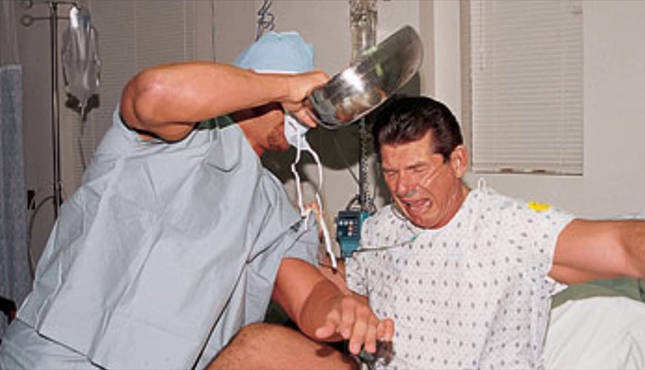
Few occurrences in professional wrestling history have become such an integral part of legend as the “Bedpan Incident” between Vince McMahon and Stone Cold Steve Austin. On Monday, October 5, 1998, a memorable incident happened during a Monday Night Raw episode, and in its wake, one of the most famous and most rewatched segments in wrestling history took shape. Let’s follow through with an examination of events surrounding the incident, its immediate impact, and its lasting impact in the universe of sports entertainment. The Setting: Setting the Stage: The Austin-McMahon To appreciate and comprehend the significance of the Bedpan Incident, one must first have a background in the feud between WWF Chairman Vince McMahon and Stone Cold Steve Austin. That feud, begun in earnest following Austin’s WWF Championship at WrestleMania XIV in early 1998, had become the hottest in professional wrestling in a matter of mere months. The rivalry between McMahon and Austin reached its height in the week leading up to the pay-per-view, Judgment Day: In Your House. In the previous pay-per-view, Breakdown: In Your House, McMahon planned a triple threat WWF Championship defeat for Austin at the hands of Undertaker and Kane. The Hospital Angle Following Breakdown, McMahon incurred a (kayfabe) broken ankle at the hands of Undertaker and Kane. That affliction helped stage a perfect premise for one of the most memorable segments in Raw history. The 5th of October 1998 episode of Raw, in the Breslin Arena in East Lansing, Michigan, included a sequence of vignettes with a visibly frustrated Vince McMahon in a hospital bed. McMahon, in a foul mood, shouted at nurses and became increasingly paranoid about an impending visit at any time by his arch-enemy, Stone Cold Steve Austin. Mank and Socko: The Prelude Before Austin’s infamous run-in, the in-room hospital sequence, a legend in its own right, included Mick Foley, portraying a character, in a role-playing stint in character, in a move that became a legend in its own right, “entertaining” injured McMahon. It was during this tour that wrestling enthusiasts first encountered “Mr. Socko,” a sock puppet that became one of Mankind’s most renowned props. McMahon’s grumpy, no-nonsense personality and silly actions of both Mankind and Mr. Socko contrasted perfectly and foreshadowed events to come. The rattlesnake bites. Lying in a hospital bed surrounded by medical machines such as a heart monitor and an oxygen tank, Vince McMahon heard a shattering sound resonate through the complex. That unmistakable sound, the sound of shattering glass, and a sound that everyone in the WWF universe could instantly recall, filled McMahon with a state of alarm. Dressed in doctor scrubs, Austin entered the room and at once started attacking McMahon, who lay in bed. The Texas Rattlesnake started throwing a flurry of punches and then moved to McMahon’s injured leg. The journey of a toilet seat In a move that would become reenacted numerous times in the next two and a quarter decades, Austin hurled a metal bedpan high over his head. With perfect comedic timing, Austin smashed down onto McMahon’s head with a metal bedpan, producing a loud “clang” that would become one of the most satisfying sound bites in wrestling. The impact of the bedpan onto McMahon’s head was executed with such perfection that it reached a virtual cartoon level. What it sounded like when it hit, in fact, sounded almost unrealistically sharp and crystalline. All in one, it captured why McMahon and Austin’s feud was so fascinating: it shocked, it amused, and it was enormously satisfying for a fan base that had become infuriated with McMahon’s heel character. The Aftermath The Bedpan Incident was only a warm-up for McMahon’s attack at the hands of Austin that evening. Having beaten McMahon, Austin then continued to taunt him, employing medical tools in ever-growing variety and degradation. Things reached a crescendo when Austin inserted an enema tube into McMahon’s posterior, to the amusement of both the live crowd and television viewers. The room attack at this hospital room was one of a series of memorable segments between McMahon and Austin during September and October 1998. Fans had seen a week beforehand Austin drive a Zamboni into an arena. The following week, Austin filled McMahon’s cherished Corvette with concrete. Impact and Legacy The Bedpan Incident soon became one of the most discussed events in WWE history. It summed up perfectly the irreverent, over-the-top attitude of the Attitude Era, an era in WWE television characterized by its edginess and boundary-pushing plotlines. This episode helped make Stone Cold Steve Austin is a full-fledged anti-hero. His willingness to stop at nothing in tormenting his boss appealed to many, many of whom fantasized about getting even with overbearing employers of their own. Vince McMahon’s acting in the role of an arrogant, cowardly heel helped make him one of the greatest in-ring villains in wrestling. The success of this angle demonstrated the effectiveness of taking wrestling storylines outside of the traditional in-ring setting. By bringing the action to a hospital room, WWE was able to create a unique and memorable moment that stood out from typical wrestling fare. The Wider Context The Bedpan Incident represented a lot more than a one-off incident of humor. It represented a key part of the overall Austin-McMahon narrative that fueled WWF television at the time. That feud continued and reached its head at WWF pay-per-view, Judgment Day: In Your House, on October 18, 1998, when Austin was to act as a special referee for a WWF Championship bout between Undertaker and Kane. The rivalry between McMahon and Austin continued to escalate in the days leading to Judgment Day. On Monday, 12th of October, during a Monday episode of Raw, Austin filled McMahon’s Corvette with concrete, escalating their private feud even further. McMahon retaliated, announcing that he would terminate Austin for failure to report for referee work at an upcoming pay-per-view. The Judgment Day Fallout The Austin-McMahon feud continued at Judgment Day with a new plot twist. As promised, Austin refused to fairly referee
The Simon Dean Fitness Guru Gimmick: A Comedic Character In WWE’s Ruthless Aggression Era
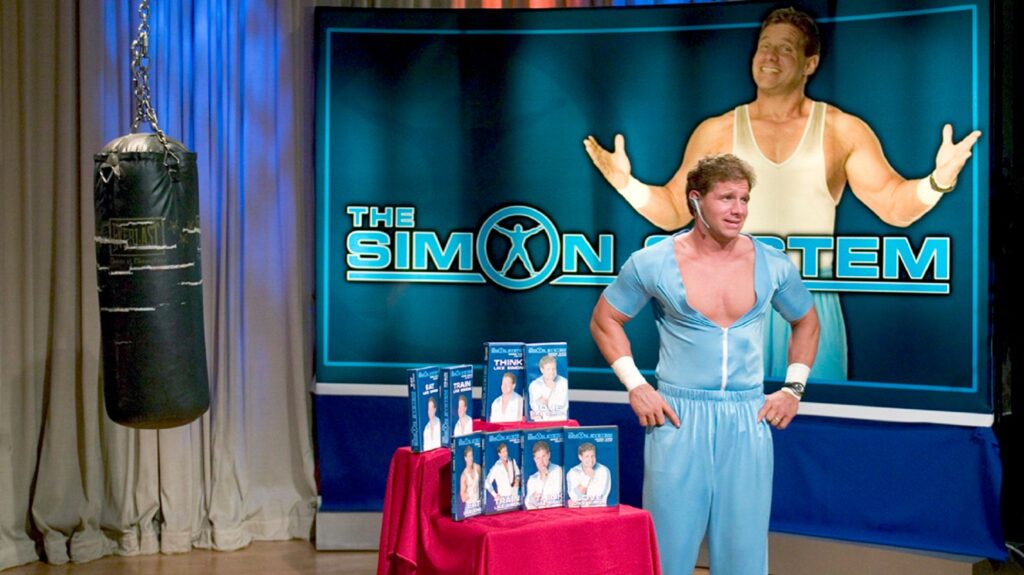
In the mid-2000s, World Wrestling Entertainment (WWE) introduced a unique and memorable character to its roster—Simon Dean, a fitness guru with an over-the-top personality and questionable health products. This gimmick, portrayed by wrestler Mike Bucci, became one of the more entertaining aspects of WWE programming during the Ruthless Aggression Era. Let’s take an in-depth look at the origin, development, and impact of the Simon Dean character. The Birth of Simon Dean Signed to a WWE developmental deal in 2002, two years spent by Mike Bucci honing his craft in Ohio Valley Wrestling (OVW), then WWE’s developmental territory, had grown frustrating. Bucci took it into his own hands, frustrated with no call-up on the main roster. After wrestling a dark match before a WWE television taping as his former character Nova, Bucci eventually landed a sit-down with WWE Chairman Vince McMahon. Given McMahon’s love of all things fitness-related, Bucci pitched a character he thought would intrigue the chairman—a psychotic fitness guru influenced by infomercial personalities such as Tony Little and Jack LaLanne. McMahon was instantly interested in the concept, and his eyes were said to “light up” upon hearing the pitch. Bucci was given the go-ahead to further develop the character in OVW. He bought a loud purple jumpsuit and initially called the character Sonny Slade. WWE sent scouts to see how Bucci was presenting the gimmick in OVW, and the feedback was good. Encouraged by reports and video footage of the Sonny Slade character, McMahon called Bucci to WWE headquarters to fine-tune the gimmick. Bucci came up with a creative idea: Instead of using the traditional vignette to introduce the character, Bucci would tape a series of infomercials—an idea that McMahon fell in love with. The name “Sonny Slade” was eventually scrapped in favor of “Simon Dean,” which, in a twist, was actually a play on the real name of WWE wrestler Dean Malenko, Dean Simon. The Simon System In August 2004, WWE started airing a series of introductory promos for the “Simon System,” which it presented as an all-inclusive diet, exercise, and supplements program. These promos parodied fitness infomercials, with Dean regularly insulting his supposed customers. The character functioned as a sponsor for WWE’s Raw brand, often appearing to insult the fitness level of the live audience and the city they were in before competing in matches. Bucci said that he described what he wanted the character to be like, explaining, “I told them I wanted it to be a cross between Tony Little and Jack LaLanne. I said I wanted to have supplements and do infomercials. [Mr. McMahon’s] eyes lit up, and two weeks later I was at WWE Headquarters filming the infomercials.”The Simon System became the focal point of Dean’s gimmick, as the character constantly promoted his fitness products and berated others for their perceived lack of physical fitness. This allowed Dean to generate significant heat from the audience, who were eager to see the arrogant fitness guru get his comeuppance in the ring. The Dean Machine In late August 2005, Simon Dean’s character added a significant new element to his stable – the “Dean Machine.” This was pretty much a Segway PT-type vehicle that Dean rode to the ring, and it just re enforced his character as lazy and hypocritical. The concept of the Dean Machine originated from unlikely provenance, according to Bucci: “I was on a casino boat in Indiana, and I saw a security guard going around on a Segway. I said, ‘Look at him, he’s too lazy to walk around.’ I thought, ‘This is perfect!’” The Dean Machine became part of Simon Dean’s entrance and presentation, adding another layer of comedy to the character and providing opportunities for humorous interactions with other wrestlers and the audience. In-Ring Debut and Early Feuds Simon Dean made his in-ring debut for WWE in December 2004, defeating The Hurricane. While many wrestlers might feel a rush of adrenaline when first competing on Raw, Bucci approached the moment with a sense of satisfaction and perspective. He reflected, “To me, it was more satisfying than anything else, because it showed my mom and dad, my relatives and friends that I made it. This plain guy from Toms River made it. I had action figures and was on pay-per-view.” Initially, Dean did not make too much of a difference for Raw. He tagged with Maven on a few short-lived occasions during which Maven depicted himself as employing the “Simon System.” There was not a lot of push behind this as Bucci soon found himself included in the 2005 SmackDown! Draft Lottery, having been traded away to that company on June 30, 2005. Greatest Matches and Moments All throughout his stint as Simon Dean, Bucci took part in several very memorable matches and segments that forever etched the character in the minds of WWE fans: No Mercy 2005: Simon Dean squared off against Bobby Lashley in Dean’s first major WWE pay-per-view appearance. After losing the match, Lashley forced Dean to eat 20 double cheeseburgers, and Dean vomited backstage. It was a perfect moment for the comedic nature of the Simon Dean character and his supposed dedication to fitness. Feud with Bobby Lashley: On the No Mercy 2005 pay-per-view, Lashley pinned Simon Dean after a Dominator less than two minutes into the bout. After this match, Lashley compelled Dean to eat 20 double cheeseburgers on television as the episode went on. Royal Rumble 2006: Dean participated in the Royal Rumble match, entering at number three. However, his appearance was short-lived, as he was quickly eliminated by the match’s starters, Triple H and Rey Mysterio. Batista Confrontation: On the September 1, 2005 episode of SmackDown!, Simon Dean faced off against World Heavyweight Champion Batista. Dean had claimed that Batista was a user of his products, setting up a humorous confrontation between the two. These moments helped to establish Simon Dean as a comedic character who, despite his claims of physical superiority, often found himself on the losing end of matches and embarrassing