
How WWE Adapts To Changing Audiences: Trends And Strategies
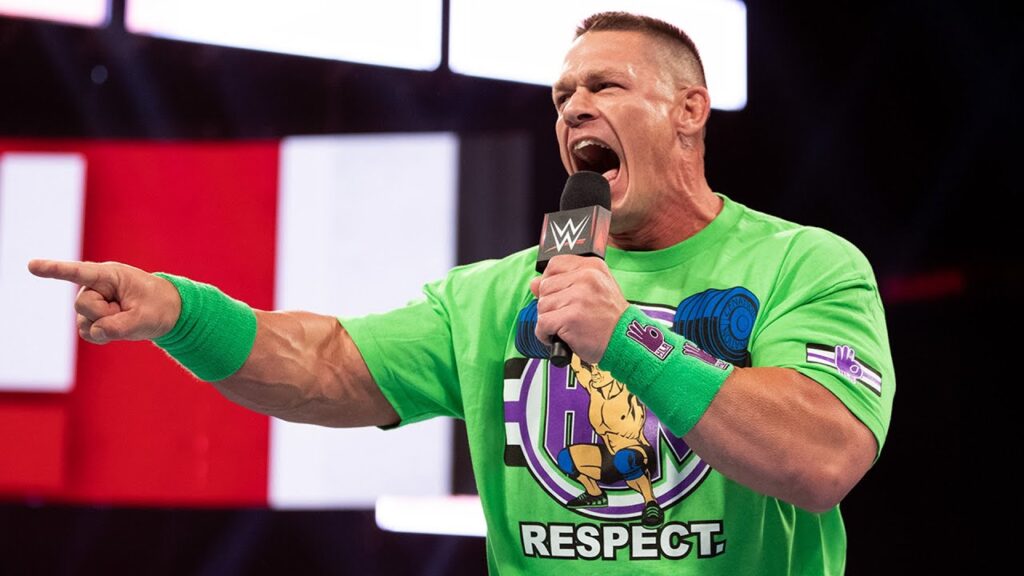
Over its lifetime, World Wrestling Entertainment has undergone many changes. Perhaps the most important occurred in 2008, when WWE changed to a PG rating. This would move away from the edgier content of the Attitude and Ruthless Aggression eras into something more family-oriented. The PG Era created a high-impact shift in the storylines, characters, and structure of WWE. This period is also the one this article will delve into in intricate detail, from how it changed the creative landscape in WWE to its influence on wrestling today. The PG-Era Background The Attitude Era and the Ruthless Aggression EraTo fully appreciate what the PG Era has meant, one would have to watch the glories of both the Attitude Era and the Ruthless Aggression Era. The Attitude Era—mostly spawning from the late 1990s into the early 2000s—was a time woefully riddled with risqué material: language, sexual innuendos, vile extreme violence, and all. These were the times for legendary storylines of fantastic, out-of-this-world characters, like Stone Cold Steve Austin, The Rock, and D-Generation X, which pushed the limits on mainstream entertainment. It was succeeded by the Ruthless Aggression Era, which kept most of that same Attitude Era intensity but dialed it down ever so slightly. It was a great time as superstars like John Cena, Brock Lesnar, and Randy Orton became new superstars who took over with the torch of the company’s aggressive and provocative style. Still, as the audience’s demographic began changing, WWE knew they had to format a more family-friendly product. Transition to the PG EraIn 2008, WWE finally made the complete switch to a PG rating. Several factors were behind the move, including broadening the audience reach, getting sponsors that pay more, and improving the impression that WWE’s name makes in corporate circles. The focus was maintaining products that were clean and safe for everybody. The era was thus termed the PG Era for WWE, and its characteristic was to eliminate most of the edginess in the product, but some of those questionable suggestions and actions that it used to take were aimed at its youth audience. Storyline Changes Family-Friendly NarrativesNotworthy of mention was one of the many noticeable shifts in the PG Era—changing angle and storyline delivery. The storylines weren’t so much about the shock factor any longer; everything focused on the old faithful standbys, such as good versus evil, surviving despite the world on your shoulders, and overcoming meaningful adversity. Such an approach was undertaken for the safety and taste display to grab the audience, children, and parents simultaneously, making WWE content very literal for all family members. Simplification and moral clarityIn this period, storylines were quite basic, where faces were the heroes and heels were the villains. Unlike the morally ambiguous Attitude Era character, the MG Era typically had heroes bound to conventions of robust ethical design and bumping up against antagonists embodying righteous villainy. That orientation made such storylines easier for more junior viewers to comprehend and associate themselves with. Reduced Violence and Controversial Content The PG Era significantly lowered the level of violence and divisiveness. Blood, which once became a common feature of most big-match spectacles, significantly decreased and was next to non-existent in standard programming. Storylines involving extreme violence, sexuality, or adult themes were phased out gradually and eventually replaced with standard, cleaner, thoroughly universally compatible angles. This shift is directly related to WWE’s increased initiative to form the product into a safer, more universally inviting product. Character Development The Rise of John CenaOne of the most significant figures during that period was John Cena. The character of John Cena best personified what this new family-friendly WWE was all about. A living and breathing superhero, many found a role model in Cena due to his “Never Give Up” mantra and clean-cut, patriotic persona. Many of his feuds were later based on respect, hard work, and integrity—monikers of the PG Era. Characters for an Even Younger AudienceThe PG Era created a variety of characters to appease its younger viewers. People like Rey Mysterio, with his fancy masks and flying style, gained children’s attention. In addition, people such as The Miz and Kofi Kingston were packaged distinctly, with unmistakable characteristics and breathtaking in-ring performers that most children loved. Female WrestlersThe PG Era also paved the way for massive changes within women’s wrestling. At this era’s onset, women were booked as just divas, an aspect initially applied to female performers who usually ended up playing secondary characters or having storylines that were shallow. With time passing, however, WWE began focusing on showing off the athleticism and talent of their female superstars. On the other hand, the Women’s Evolution gathered steam towards the end of the PG Era, when female wrestlers could headline significant events and get storylines on par with male wrestlers. The New Day and Embracing DiversityCharacters to which fans of all ages could relate, The New Day became one of the most “over” acts in the PG Era. Their gregarious personalities, affability, and entertaining promos caused them to be relatable characters. The success of The New Day showcased not only WWE but diverse characters, breaking away from stereotypes. Impact on Wrestling StyleSafer in-ring actionIn pairing the heart-pounding in-ring acrobatics with bodacious personalities, the style underwent a dilution into the PG Era to ensure player safety and family-friendly content. High-risk maneuvers and hard-core matches were ramped down; however, much more importance was put on technical wrestling and the storytelling element, presenting the matches not only as safe for the superstars’ well-being but also as accessible to a young audience. Less ViolentMuch of the violent and provocative content was toned down, while the storytelling inside the matches became more critical. Superstars were expected to take the initiative to concentrate and invest time in how their characters should develop, hence bringing emotions into the ring. With a focus now on narrative, fans are made to identify more with characters, and the general entertainment value becomes deeper. Adaptation of Signature MovesSome signature moves and finishing maneuvers were taken
WWE Enters a New Era: The Evolution Beyond PG

WWE is changing its rules by bidding farewell to PG, a move that would take them into new grounds never conquered with WWE CCO Paul “Triple H” Levesque in control. This period, which got kids and family-fee TV habits and kept to PGR teaming, is branded WWE’s way since it happens. However, young winds, new scenarios, and new horizons rise in front of us right now, promising a new and intriguing chapter to unfold. The period when these great players like John Cena appeared and were the perfect embodiment of the essentials like hard work, loyalty, and respect that WWE wanted to see the fans adopt. The PG era can be evidenced by everything from the unspeakable superstars of WrestleMania to the dramatic moments of RAW and SD live TV shows; it certainly left its mark on the wrestling landscape. The PG era, which began in July 2008, was a strategic move by WWE to attract a younger audience and court lucrative sponsors. However, as the landscape of professional wrestling evolved, so too did the demands of fans and the industry at large. Now, with the recent resurgence of more mature language and themes, epitomised by the return of legends like The Rock and the eloquent promos of stars like Cody Rhodes and Paul Heyman, the writing on the wall suggests that WWE is ready to break free from the constraints of its PG shackles. We are able to pinpoint the main factor that initiated this change back in January, when The Rock started using a new style of language and expression, while positive energy elevated the mood. This sudden shift from the usual products to more adult-targeted content made others take their cue and artificially produced a crowd of adults in WWE programming. However, it did not only have the aftereffects of the social conditions in the ring but also beyond. For this reason, the WWE board was mentally puzzled, and they gave serious consideration to the possible consequences of the shift. This would influence the vision of their sponsors and television partners. Flagship shows like RAW were rumoured to be making permanent series’ on platforms like Netflix, plus NXT just recently moved to a newer home, the CW network, and the stakes have never been higher. Now, the same harmony between art and profit is being challenged as WWE finds themselves in a new age. Maybe the single most significant event in this transition process was Paul Heyman’s Hall of Fame speech, a truly awesome craft of storytelling that created a splendid emotional connection with the audience, in addition to signalling a clear statement marking the end of ECW’s legacy. As Heyman poured out the traits he respected in Dory Funk Jr., WWE would ensure that a bygone era of hardcore wrestling was a thing of the past and that into the future, hardcore is embedded to be WWE’s next chapter. For diehard fans whose preferred era had PG-rated shows, this transition from taking a step back might also feel teary-eyed. They will look back on the presentations of characters that the real world could not provide and make in their minds a monument to the success of a professional wrestling family, making it adapt and survive. But even so, the company implies its future direction oriented on a new horizon is beyond doubt, and its fans impatiently wait to find out what comes next. With WWE going out of PG mode, it is definitely going to be the way for the company to move on with its journey of challenges and opportunities. The good ol’ days of childish storylines and slapstick behaviour may seem like a distant blur, but on the other hand, brand new and true terrain awaits us. Whether WWE can strike the right balance between edginess and accessibility remains to be seen, but one thing is certain: I cannot help but feel optimistic and confident that these changes will prove to be a new-found success for the entertainment empire.
