
Brock Lesnar’s UFC title reign: All the details
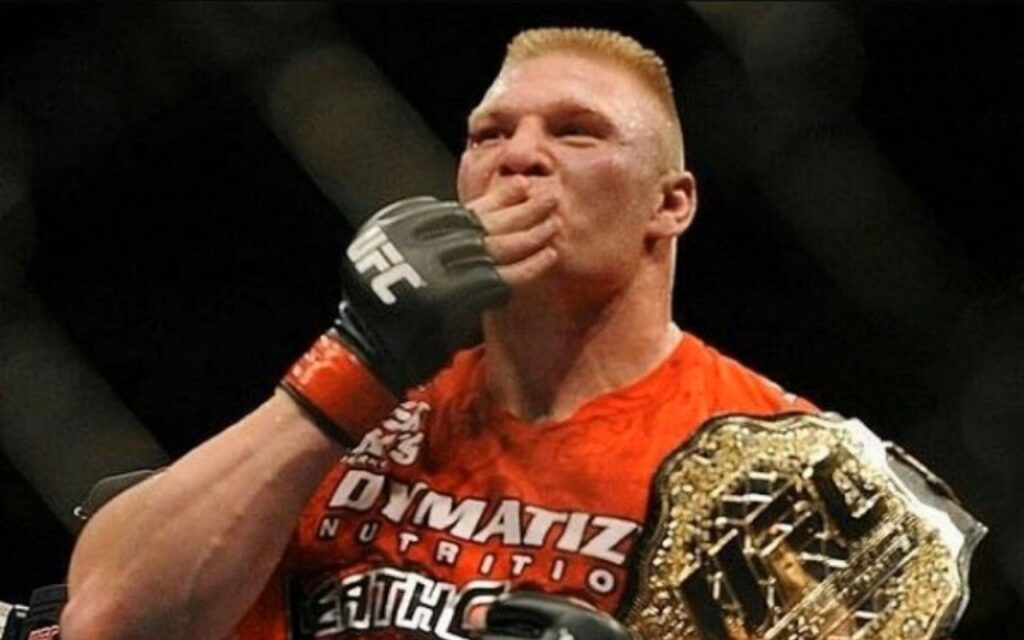
Brock Lesnar is recognized as one of the most dominant heavyweight fighters in the history of the UFC’s heavyweight division. This article focuses on the specifics of Lesnar’s title reign, including the number of successful title defenses, notable opponents, and the significance of his reign in the heavyweight division. Brock Lesnar’s UFC Title Reign – After joining the UFC in 2008, Brock Lesnar quickly rose through the ranks and secured the UFC heavyweight title after just three fights. He claimed the championship by defeating Randy Couture via second-round TKO at UFC 91, utilizing his immense power to secure the victory. Lesnar went on to defend his title twice. Notable Title Defenses Frank Mir: Lesnar faced Frank Mir twice in his UFC career. In their first encounter at UFC 81, Lesnar was submitted by Mir in the first round, unable to match Mir’s grappling skills. However, Lesnar later avenged this loss in his first title defense at UFC 100, delivering an impressive second-round TKO to unify and retain his heavyweight title. Shane Carwin: Approximately one year after defending his title against Frank Mir, Lesnar defended his championship against Shane Carwin at UFC 116. Lesnar secured a second-round submission victory over Carwin, successfully preserving his heavyweight crown. Significance of Brock Lesnar’s Title Reign – Brock Lesnar’s title reign holds significant importance in the UFC’s heavyweight division. Despite its relatively short duration, Lesnar’s dominance, size, power, and wrestling prowess made him one of the most feared heavyweights in the promotion. It’s worth noting that Lesnar faced health challenges due to an intestinal condition during his reign. Lesnar’s intimidating persona and impressive skill set left a lasting impact on his opponents and the MMA fanbase, solidifying his reputation as one of the greatest heavyweights of all time. Aftermath and Legacy Although Brock Lesnar competed in only eight UFC fights, his title reign left a lasting legacy. He defeated renowned fighters like Randy Couture to claim the heavyweight championship and successfully defended his title against formidable opponents such as Frank Mir and Shane Carwin. Despite eventually losing the belt to Cain Velasquez, an esteemed heavyweight contender, Lesnar’s popularity remained intact. Even his final defeat against Alistair Overeem didn’t diminish the admiration fans had for him, as his charismatic personality and unique fighting style made him a household name. Conclusion Brock Lesnar’s time in the UFC octagon solidified his status as one of the most recognizable figures in combat sports. His rapid rise to the top culminated in winning the UFC heavyweight championship after just three fights and successfully defending the title twice against notable opponents. Lesnar’s impact on the sport and his reign as champion will continue to be a defining chapter in the history of the UFC’s heavyweight division. Watch Brock Lesnar’s greatest UFC moments below:
How many UFC fights does Brock Lesnar have?
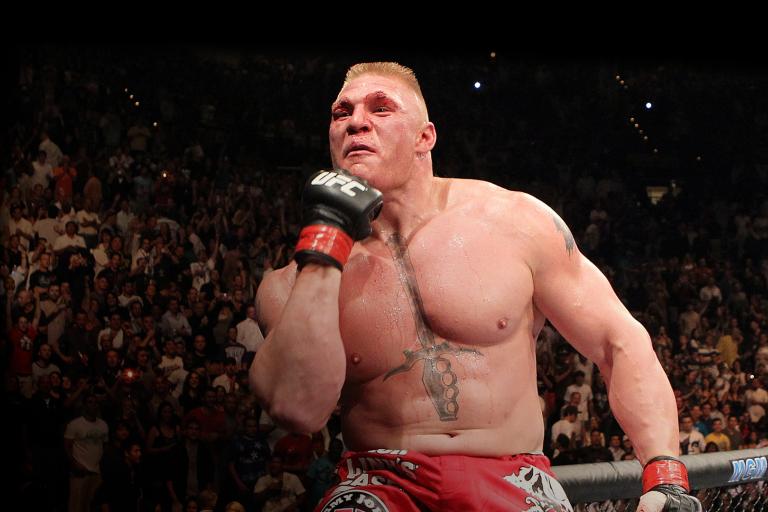
Brock Lesnar, widely recognized as one of the most prominent UFC heavyweight champions, left an indelible mark on the promotion during his tenure. Over the course of three years, Lesnar captured the heavyweight championship, successfully defended it twice, and eventually lost the title. This article offers a closer examination of “The Beast Incarnate’s” UFC journey, providing an overview of his brief yet triumphant career as an MMA fighter. Brock Lesnar’s UFC Fights Brock Lesnar competed in eight UFC fights, amassing a record of 4-3-1 within the promotion. His impressive performance against Min-Soo Kim at Dynamite!! USA in June 2007, where he secured a dominant first-round TKO victory, led to his signing a one-fight contract with the UFC, earning the attention of UFC President Dana White. In his UFC debut at UFC 81 in February 2008, Lesnar faced Frank Mir. Despite executing two early takedowns, Lesnar succumbed to Mir’s grappling expertise and was swiftly submitted via kneebar a mere 90 seconds into the first round. Lesnar rebounded from his loss to Mir with a commanding unanimous decision triumph over Heath Herring in his second UFC appearance at UFC 87. This victory propelled Lesnar to a title shot against reigning heavyweight champion Randy Couture in his third fight. At UFC 91, Lesnar claimed the heavyweight gold after securing a round-two TKO victory over “The Natural.” Lesnar successfully defended his title twice, defeating Frank Mir in their rematch and Shane Carwin. However, his title reign came to an end when Cain Velasquez secured a first-round TKO victory over Lesnar at UFC 121, dethroning him as the heavyweight champion. Following a loss to Alistair Overeem at UFC 141, Lesnar decided to retire from MMA. Nevertheless, less than five years after his retirement, Lesnar made a high-profile comeback against Mark Hunt at UFC 200. Although Lesnar initially won via unanimous decision, the result was overturned to a no-contest due to his failed drug tests. Aftermath and Legacy During his prime, Brock Lesnar was one of the UFC’s most prominent superstars, largely due to his extraordinary size and knockout power. He even became the highest-paid fighter on the UFC roster during his tenure, though it was marred by steroid violations. Nonetheless, his impact on the sport and his reign as champion remain a defining chapter in the history of the UFC’s heavyweight division. Conclusion From February 2008 to December 2011, with one high-profile outing in July 2016, Brock Lesnar competed in the UFC. During his tenure, the former heavyweight champion fought a total of eight times within the promotion. Notably, Lesnar successfully defended his title twice. Given his remarkable accomplishments and immense popularity, Brock Lesnar continues to be regarded as one of the most iconic heavyweights in UFC history. Watch Brock Lesnar’s best UFC moments below:
When did Brock Lesnar make his UFC debut?
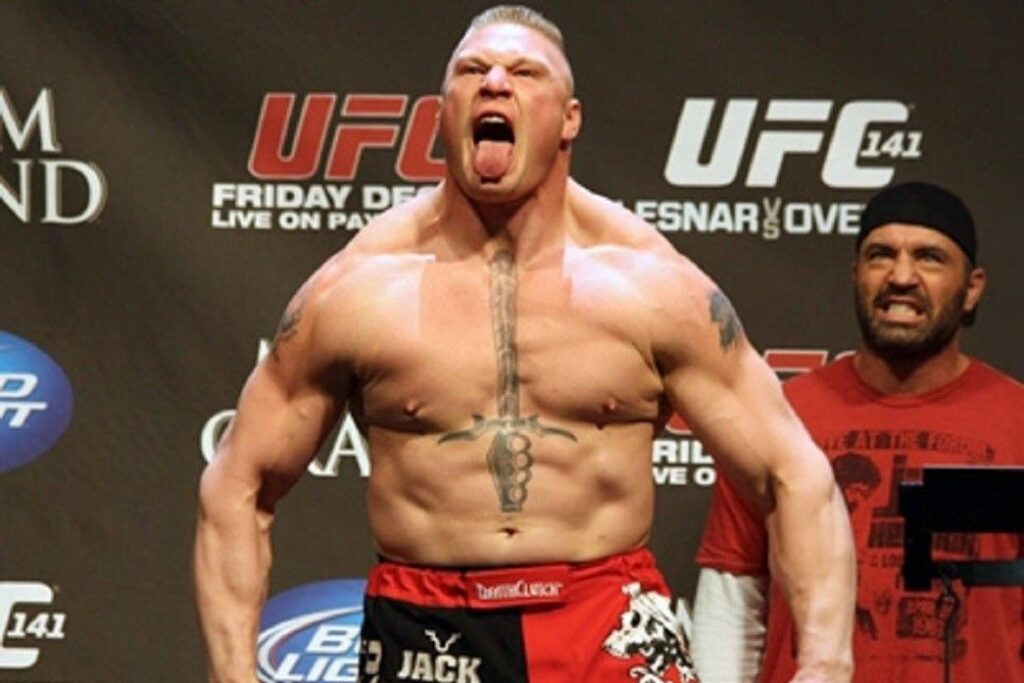
Brock Lesnar, a wrestler-turned-MMA fighter, is recognized as one of the most exceptional athletes in the realm of combat sports. He emerged as one of the biggest stars in the UFC. This article aims to delve into the specifics surrounding Lesnar’s inaugural appearance in the UFC octagon, highlighting the event, his opponent, and the impact he had on the sport. Brock Lesnar’s UFC Arrival Brock Lesnar made his UFC debut a mere eight months after his first-ever MMA bout against Min-Soo Kim at Dynamite!! USA in June 2007. Lesnar secured a first-round TKO victory against his South Korean opponent, capturing the attention of UFC President Dana White. Impressed by Lesnar’s performance, White offered him a one-fight contract. Subsequently, Lesnar was scheduled to make his UFC debut against former heavyweight champion Frank Mir in a highly anticipated clash at UFC 81: Breaking Point in Las Vegas in February 2008. The Fight Brock Lesnar faced Frank Mir just eight months after his inaugural MMA outing, and the outcome was unfavorable for the South Dakota native. In the early stages of the first round, Lesnar executed a takedown and landed several powerful strikes on Mir before being penalized for a back-of-the-head punch. Despite securing two takedowns early in the first round and delivering forceful ground-and-pound strikes, Lesnar struggled to contend with Mir’s grappling skills. Mir, a jiu-jitsu specialist, swiftly applied a kneebar, forcing Lesnar to submit a mere 90 seconds into the fight. Aftermath and Legacy Despite losing his debut fight, Brock Lesnar received a new contract offer from the UFC. He went on to dominate Heath Herring via unanimous decision in his second octagon appearance. Lesnar then faced Randy Couture for the UFC heavyweight title at UFC 91 in November 2008, securing a second-round TKO victory and capturing the UFC heavyweight gold less than a year after his promotional debut. Lesnar successfully defended his belt twice before losing it to Cain Velasquez at UFC 121 in October 2010. In his last fight before his initial retirement from MMA, Lesnar faced Alistair Overeem in his UFC return. After suffering a first-round TKO defeat at the hands of Overeem, Lesnar announced his retirement from the sport. However, following a nearly five-year hiatus, he made a highly anticipated comeback at UFC 200 against Mark Hunt. Lesnar secured a unanimous decision victory over “Super Samoan,” but the result was later overturned to a no-contest due to Lesnar testing positive for steroid use. Conclusion Although Brock Lesnar only competed in the UFC eight times, the former heavyweight champion solidified his status as one of the promotion’s most iconic fighters. He also became one of the highest-paid athletes in UFC history. Over the course of his nearly decade-long career, Lesnar fought nine times, concluding with a UFC record of 4-3-1. It is worth noting that Lesnar has expressed no intention of returning to MMA and now exclusively identifies himself as a WWE superstar. Watch Brock Lesnar’s best UFC moments below:
Who introduced WWE’s “Money in the Bank” series?
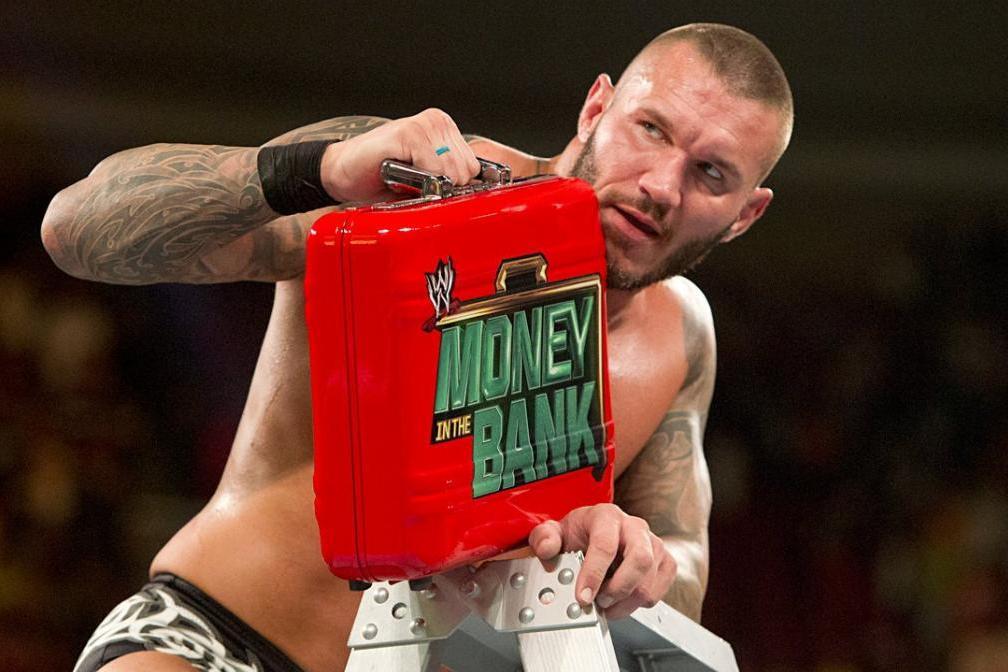
WWE Money in the Bank is arguably the most iconic single-match event apart from the Heavyweight Championship matches The event originally debuted as the Money in the Bank ladder match in, April 2005 and was featured at subsequent WrestleMania events. In addition to being available as a PPV, the event has been aired on the WWE Network since 2014 and on Peacock since 2021. It has gained recognition as one of the company’s five biggest annual events, alongside the Royal Rumble, WrestleMania, SummerSlam, and Survivor Series, often referred to as the “Big Five.” Former Wrestler Chris Jericho and writer Brian Gewirtz came up with WWE’s Money in the Bank Established in 2005 by World Wrestling Entertainment (WWE) as an annual match at WrestleMania, the concept was the brainchild of two former WWE employees. Wrestler Chris Jericho alongside writer Brian Gewirtz has been credited with coming up with the idea initially. Over time, the Money in the Bank match grew in popularity, leading to the creation of a standalone pay-per-view event. In 2005, the Money in the Bank ladder match made its debut at WrestleMania 21, WWE’s marquee event. This unique match featured multiple Superstars battling atop ladders to retrieve a briefcase suspended above the ring. Inside the briefcase was a contract granting the holder a championship match opportunity at any time within a year. Following WrestleMania XXVI in 2010, WWE decided to establish a separate Money in the Bank pay-per-view event, transforming it into a highly anticipated annual showcase. The inaugural Money in the Bank event took place on July 18, 2010, at the Sprint Center in Kansas City, Missouri. From 2010 to 2013, the Money in the Bank event was scheduled for July on WWE’s pay-per-view calendar. It was then moved to June from 2014 to 2018 before being held in May. In 2021, the event returned to its original July slot. In mid-2016, the brand extension was reinstated, and the 2017 Money in the Bank event became exclusive to the SmackDown brand. The same year, however, the brand-exclusive events were continued, leading to Money in the Bank featuring prominently again. Since then, the Money in the Bank event has featured both male and female ladder matches, with the first women’s match taking place in 2017. In 2023, the Money in the Bank event will be held in London, England, marking the first time it takes place outside of the United States. The participants for the men’s match include the likes of LA Knight, Damian Priest, and former YouTuber Logan Paul. Watch the greatest WWE “Money In The Bank” Cash-Ins below:
Why did WWF change its name to WWE?
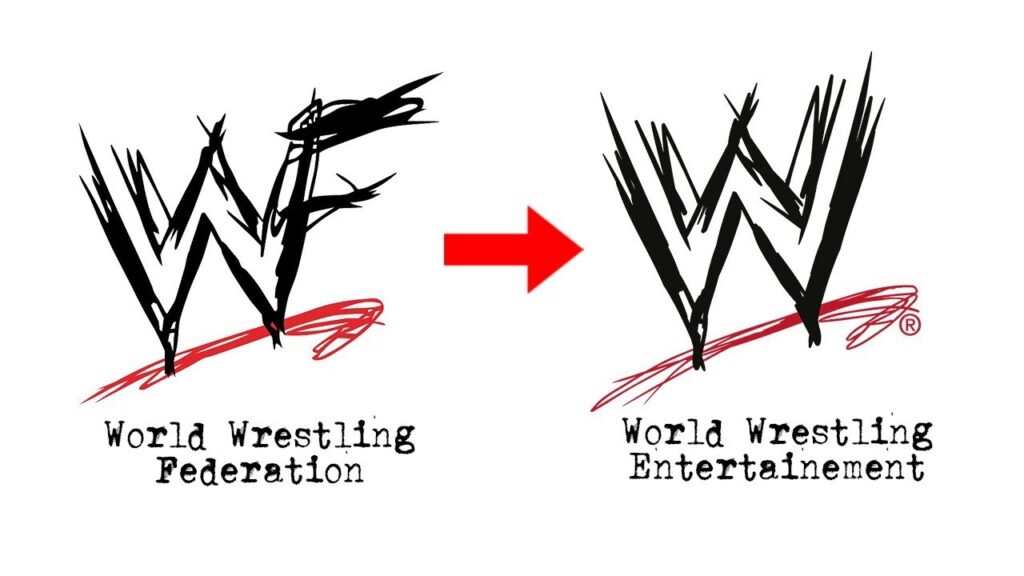
Back in 2002, the Worldwide Wrestling Federation (WWF) officially changed its name to WWE. The company, spurred by non-spot media coverage of the announcement, added a twist of its own to this change. Vince McMahon claimed in the media that changing the name would lead to an attitudinal change in how the entertainment sport was viewed around the world. However, there are some factual inaccuracies with that claim. In reality, the name change was a significant event and received substantial mainstream media coverage. It was a result of a longstanding battle between the World Wilfide Fund and WWF. In 1993, the company obtained an injunction in Switzerland, which led to subsequent negotiations between the two parties. Eventually, however, the WWF was forced to change its name to the WWE for good, in 2002. World Wildlife Federation’s lawsuit forced WWE’s birth Linda McMahon, the then-CEO of WWE, confirmed the legal challenges faced by the company in a statement to the New York Times in 2002. McMahon acknowledged that when WWE initially registered its name in the early 1980s, there were no challenges from the wildlife fund. However, they later encountered opposition, and the fund threatened to take legal action on an international scale. Settlement discussions took place between WWE and the WWF, but an agreement was reached in early 1994. The settlement required WWE to cease using the initials WWF internationally, with certain exceptions for older products and limited references. While this settlement may have seemed reasonable, WWE did not fully comply with the terms, most notably in 2000. On May 5, 2002, both the company and the wrestling promotion were rebranded as World Wrestling Entertainment (WWE). In subsequent years, the term “World Wrestling Entertainment” was gradually phased out, and the company became known simply as WWE. This shift in branding coincided with WWE’s expansion into various forms of entertainment, including movie production, podcasts, documentaries, TV shows, and other programs. The subsequent shift was also true with respect to the narrative shared by Vince McMahon on the eve of the name change. By broadening its focus beyond professional wrestling, WWE aimed to establish itself as a multi-faceted entertainment company. As a result, the use of the term “World Wrestling Entertainment” became less prominent, and the company streamlined its identity to WWE. Considering the vast success it has had in subsequent years, the McMahon family’s vision of the company has ultimately come true. Watch crazy WWE highlights below:
When was the WWE founded?
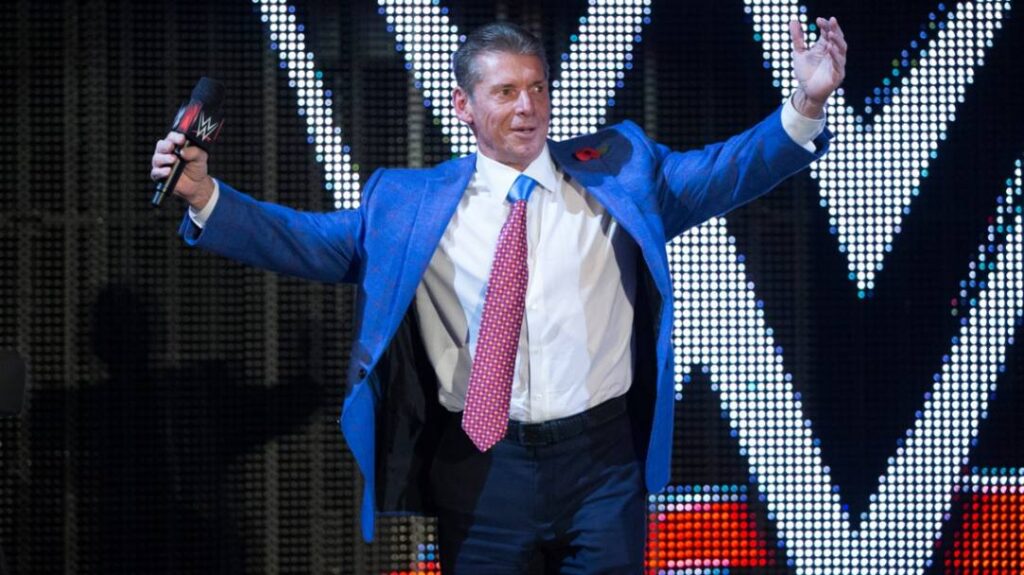
Today, the WWE stands as the largest professional wrestling company in the world. It has cultivated a rich legacy by promoting some of the most successful wrestlers, captivating storylines, and iconic moments in the history of sports entertainment. With its global reach, WWE broadcasts its programs to more than 150 countries, captivating audiences with high-profile shows and stars. The transformation of multiple stars such as John Cena, The Rock, and Batista into truly global celebrities has helped the organization stay relevant in modern times. Still, the WWE has existed since the early 1950s, in some form or another. When did WWE first come up? The roots of WWE can be traced back to its establishment in the early 1950s when it was founded as Capitol Wrestling Corporation (CWC) in 1953. Over the years, the company underwent several name changes, each marking a significant chapter in its evolution. In 1963, it became known as the World Wide Wrestling Federation (WWWF), and in 1979, it transitioned to the World Wrestling Federation (WWF). Finally, in 2002, the company adopted its current name, World Wrestling Entertainment (WWE). Since 2011, WWE has exclusively used the WWE brand for its promotion. The present-day entity of WWE traces its roots back to Titan Sports, Inc., which was established in 1979 in South Yarmouth, Massachusetts. In 1982, Titan Sports acquired Capitol Wrestling Corporation, the holding company for the World Wrestling Federation (WWF). Over the years, the company underwent several name changes, from World Wrestling Federation, Inc. in 1998 to World Wrestling Federation Entertainment, Inc. in 1999, and finally, World Wrestling Entertainment, Inc. in 2002. Since 2011, the company has officially branded itself solely as WWE, while its legal name remained unchanged. WWE was formed in its present form in April 2011 On April 7, 2011, WWE made a noteworthy announcement. The company declared that it would no longer use the full name “World Wrestling Entertainment” and would exclusively refer to itself as WWE, transforming the latter into an orphan initialism. The strategic move aimed to showcase WWE’s expanding global entertainment ventures beyond the wrestling ring. The company set its sights on acquiring entertainment companies and prioritizing television, live events, and film production. WWE’s new business model was exemplified by the relaunch of Tough Enough, a non-scripted program, and the highly anticipated launch of the WWE Network, initially scheduled for 2012 but ultimately delayed until 2014. Despite these changes, it is important to note that the legal name of the company remains World Wrestling Entertainment, Inc. This distinction allows WWE to retain its historical identity while embracing the WWE brand’s worldwide recognition. The transition from WWF to WWE marked a significant turning point in the company’s journey. It symbolized WWE’s commitment to entertainment and its determination to expand its reach far beyond the confines of professional wrestling. With a renewed focus on television, live events, and film production, WWE has continued to captivate audiences worldwide and solidify its status as a dominant force in the entertainment industry. Watch the greatest WWE matches ever below:
Who has the most championship reigns in WWE history?
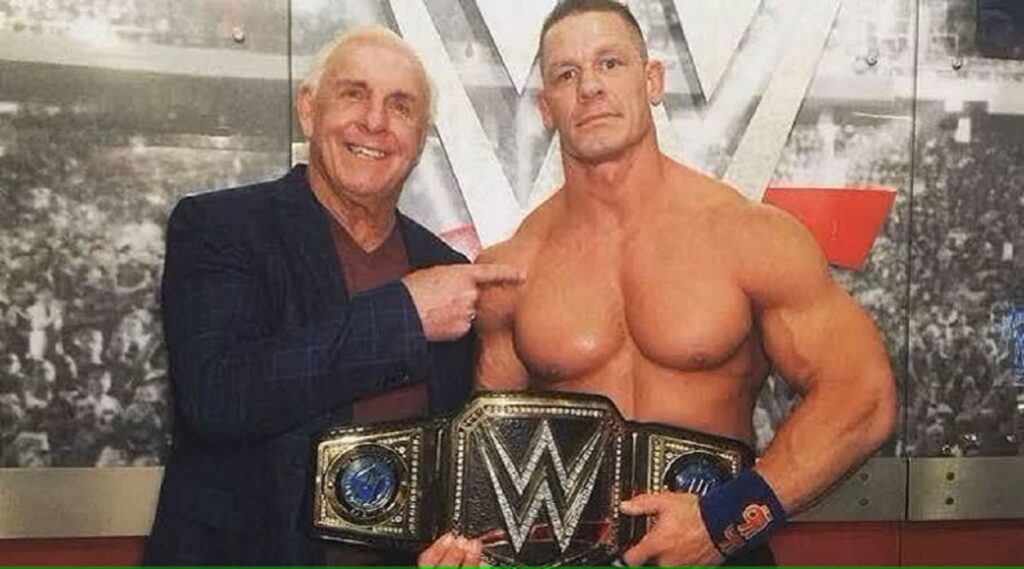
In almost 80 years of WWE’s existence in some form or other, fans have seen an assortment of superstars with some incredible achievements. The WWE itself came into existence in 2011. However, apart from some obvious modern greats, a range of old-time superstars have enjoyed long, successful reigns as World Champions. As far as most WWE championship reigns are concerned, the title belongs to none other than John Cena, who has had 16 reigns as the world champion. However, if the WWF championship reigns are also considered, Cena is only tied for the 1st pot with none other than “The Nature Boy”, Ric Flair. Ric Flair had 16 championship reigns in a 40-year career With an astonishing 40-year career, Ric Flair left an indelible mark on the industry and is widely regarded as one of the greatest talents to have ever stepped foot inside the squared circle. Not only does he hold the distinction of being the most decorated world champion in wrestling history, but his charisma, skill, and enduring legacy have solidified his status as “The Nature Boy.” Throughout his illustrious career, Flair officially claimed the world championship title an incredible 16 times, a feat matched only by John Cena. However, it’s worth noting that Flair himself considers his total number of world title wins to be 21, a testament to his unwavering confidence and exceptional accomplishments. Flair’s dominance in the 1980s is particularly noteworthy, as he captured the NWA World Heavyweight Championship a record 11 times between 1981 and 1993. Although some of these reigns are disputed and not officially recognized by the company, Flair’s reigns as the NWA World Champion spanned over 3,000 days, an astounding achievement. Five of these reigns lasted more than a year, with his longest reign lasting an impressive 793 days from May 1984 to July 1986. John Cena is expected to eventually surpass Ric Flair The trend of Cena’s World Title dominance began at WrestleMania 21, where he defeated JBL in an underwhelming match to claim his first WWE Title. The victory marked the start of a three-year period in which Cena played a prominent role in the WWE Title scene, capturing the championship for two more lengthy reigns. While mostly regarded as a WWE champion, Cena also had two ruins as the World Heavyweight Champion, back in 2008 and 09. Before securing his third and final World Heavyweight Title in October 2013, Cena added an additional eight WWE Title reigns to his already impressive record in just four years. His most recent triumph came in an all-time classic against AJ Styles at the Royal Rumble last year, where Cena tied Ric Flair’s record for the most World Title victories. Given WWE’s determination to surpass Flair’s record, it seems only a matter of time before Cena holds a World Title above his head once again. John Cena’s legacy as a World Champion is undeniable. His numerous title reigns and his close association with World Titles have solidified his place as one of the most iconic figures in professional wrestling. Watch a compilation of John Cena’s greatest wins below:
Tracing Vince MacMahon’s Impact on WWE’s “Golden Era”
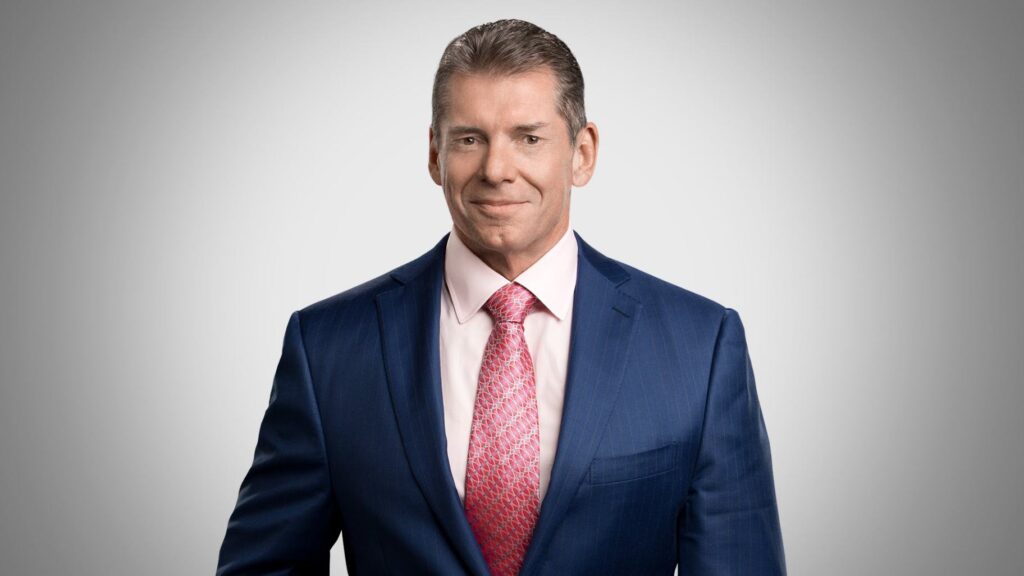
In the world of professional wrestling, there is one name that reigns supreme: Vince K. McMahon. As the successor to his father, Vince J. McMahon, he took control of the World Wrestling Federation (WWF) and transformed it into the global phenomenon known today as World Wrestling Entertainment (WWE). Through his visionary leadership and unwavering determination, McMahon revolutionized the industry, leaving an indelible mark on sports entertainment. Vince MacMahon’s Impact Building the Foundation In 1980, McMahon established Titan Sports, Inc. and set out to make the WWF the premier wrestling promotion worldwide. Recognizing the need for a centralized and unified approach, he made strategic moves to realize his ambitious vision. One pivotal step was the acquisition of Capitol Sports, the parent company of the WWF, which laid the groundwork for his groundbreaking expansion plans. Changing the Game Vince McMahon implemented various changes that forever altered the landscape of professional wrestling. One of his key strategies was to secure syndicated television coverage for WWF programming across the United States. Although this move upset other promoters and disrupted established territories, it proved to be a game-changer. By generating revenue through advertising, television deals, and tape sales, McMahon had the financial resources to attract top talent from rival promotions, solidifying WWF’s dominance. Bringing in Icons To achieve national prominence, McMahon pursued larger-than-life superstars who could transcend the wrestling world. The signing of Hulk Hogan, who was already a popular figure outside of wrestling due to his role in “Rocky III,” marked a turning point. Hogan’s charismatic persona, coupled with the acquisitions of notable talents like Roddy Piper, Jesse Ventura, and Andre the Giant, propelled WWF to unprecedented heights. Business Acumen and Expansion McMahon’s business acumen extended beyond talent acquisition. He secured lucrative television deals that allowed WWF to reach audiences nationwide, expanding its influence. Additionally, McMahon launched Coliseum Video, enabling the distribution of WWF event tapes beyond the Northeast, further broadening the promotion’s reach. These strategic moves forced other wrestling promotions to directly compete with WWF, sparking a new era in wrestling entertainment. The Birth of WrestleMania Recognizing the importance of national touring, McMahon took a bold gamble in 1985 with the introduction of WrestleMania. This groundbreaking concept proved to be a resounding success. WrestleMania became the ultimate pay-per-view extravaganza, marketed as the Super Bowl of professional wrestling. With the help of MTV’s joint-promotional campaign, McMahon attracted mainstream attention by incorporating celebrities such as Muhammad Ali, Mr. T, and Cyndi Lauper into the event. The Era of Entertainment Throughout the 1980s, McMahon’s focus on entertainment, rather than a strictly sports-oriented approach, paid off immensely. Hulk Hogan’s crossover appeal and portrayal as an all-American hero captivated mainstream audiences. This momentum propelled the WWF into a global phenomenon, ultimately giving rise to the WWE as it is known today. Watch Vince McMahon’s craziest WWE moments below: Conclusion When it comes to WWE’s rise as a global sport, one figure stands out above all others: Vince McMahon. His visionary leadership, strategic decisions, and relentless pursuit of entertainment transformed the industry. McMahon’s impact on professional wrestling is immeasurable, and his legacy continues to shape the WWE’s success as a global powerhouse in sports entertainment.