
Cody Rhodes Stuns Fans With SmackDown Comeback And Street Fighter Tie-In
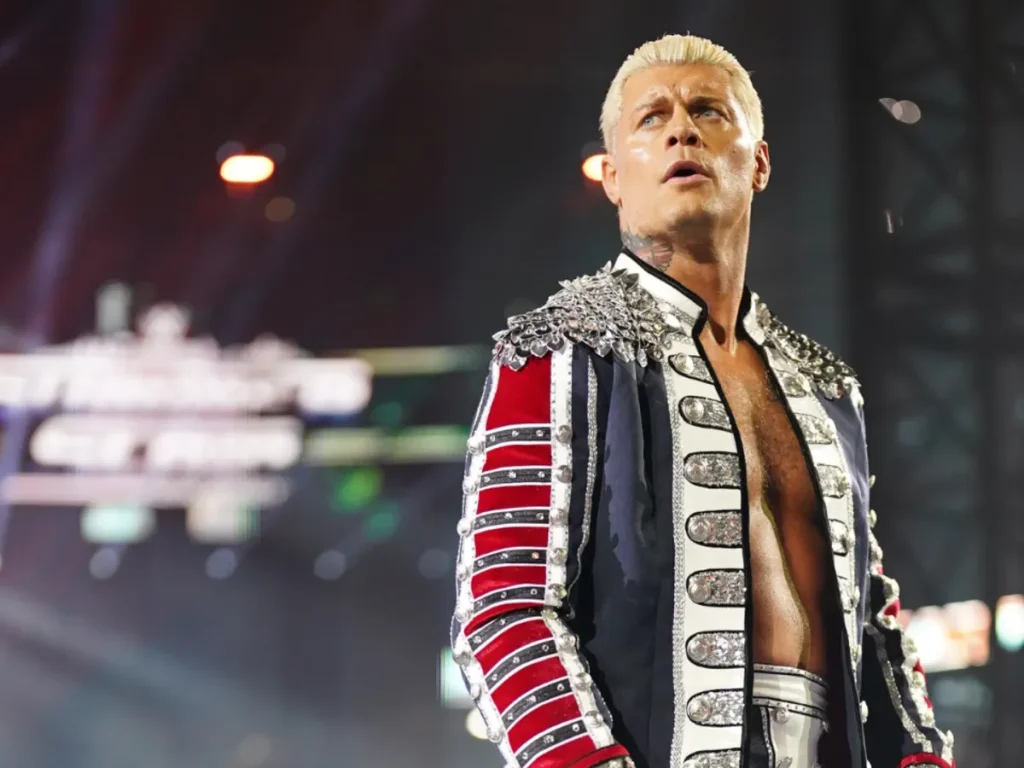
Cody Rhodes made a dramatic comeback in the most recent episode of WWE SmackDown. The atmosphere of the night was rather energetic, yet Rhodes took it to the next level. He returned to the blue band weeks later, and his arrival changed the whole performance. The fans anticipated excitement, but not many foresaw when he would come back. Connecting Wrestling and Gaming Culture. There was a strange twist to the coming back of Rhodes. WWE combined his segment with a Street Fighter advertising shoot. The crossovershocked a lot of viewers. It combined the intensity of pro wrestling with the spectacle of a game, and this combination attracted new attention. Street Fighter enjoys an international fan base. WWE combined the two worlds and made headlines outside the wrestling circles. Why This Return Matters Cody Rhodes is one of the most important stars of WWE inrecent years. His story of going through the independent circuits to the WrestleMania main event is motivating. He is gritty, family-oriented, and fan-oriented. Thus, his comeback is not just a regular comeback. SmackDown required a plot enhancement, and Rhodes offered it. His look was timely, and it provided new impetus prior to the Survivor Series season. The Crowd Reaction The music came on, and fans in attendance erupted. The reaction shook the arena. Some of them held his name on signs, and others took photos on phones. WWE cameras got emotional faces in the crowd. Others crossed over to wear Street Fighter shirts. Hashtags celebrating the moment immediately went viral on social media. Transition words like “meanwhile” and “also” flooded comments, proving excitement stretched worldwide. An Evening of Power and Narration. The action of SmackDown was accelerated when Rhodes entered the ring. Each performer increased the intensity, feeling the crowd buzzing. WWE has a tendency of inconsistency in weekly shows. But the presence of Rhodes cheered the whole locker room. His vitality was a catalyst, linking parts together and driving narratives along. The Street Fighter Partnership Explained. Over the last few years, WWE has established collaborations with other brands. Street Fighter provided a cultural crossover that was logical. Both entertainment industries are based on fighting, competitions, and vivid characters. Rhodes shot promotional content in Street Fighter-style clothing. This was a combination of marketing and character work. The fans experienced authenticity and not coerced branding. It generated future crossover expectations. The Continuing Plot of Cody Rhodes. Prior to his break, Rhodes had some business to finish with some of the top SmackDown names. His comeback is an indication of a continuation of those rivalries. The potential targets are Solo Sikoa, Drew McIntyre, and Roman Reigns. The fans want Rhodes to fight Reigns, particularly following the result of WrestleMania last year. This comeback can be used by WWE to lead to that unavoidable confrontation. Fan Speculation of WrestleMania. WrestleMania 43 is a few months away, and Rhodes will probably be part of marquee plans. Fans already speculate whether he will finally finish his “story.” That is a catchphrase that has been his identity. The theme of his journey to honor the legacy of his father is still dominant. Every comeback builds up to the speculation of when that dream is realized. The WWE Strategy With Huge Payoffs. WWE lives off the unexpected returns. The formula creates headlines, increases ratings, and creates fan loyalty. The comeback of Rhodes is in keeping with this tradition. But WWE introduced the Street Fighter aspect in order to broaden the attraction. This strategy demonstrates how the company is changing its marketing strategies. It also confirms that WWE appreciates Rhodes as a crossover star who can cut across audiences. Locker Room and Industry Reaction. It is said that WWE superstars accepted Rhodes with open arms. His professionalism and leadership were applauded behind the scenes. WWE also had a smart promotional move that was noticed by industry insiders. Analysts think that timing created the greatest buzz. Wrestling journalists pointed out that this comeback made other wrestling news in the world be shadowed. Thus, the effect on the industry was both far-reaching and immediate. What Comes Next for Rhodes The great question is about the next opponent of Rhodes. WWE can choose in various ways, and each path has its interest. He might revive feuds or pursue new antagonisms. The Street Fighter marketing aspect can even trigger a themed match. WWE has a fondness for incorporating pop culture into their storytelling, and Rhodes fits the paradigm. The fans are looking forward to transparency in the weeks to come. WWE Business Implications. Such returns increase ratings, sales of merchandise, and international presence. The comeback of Rhodes also allows WWE to stay afloat in the competition with AEW. Moreover, the Street Fighter crossover makes WWE an entertainment leader outside the wrestling industry. This plan appeals to sponsors, streaming companies, and mainstream media. WWE is still relying on star power to reinforce its business model. Social Media Surge and Fan Engagement. Cody Rhodes went viral on Twitter, Instagram, and TikTok in a few hours. The official clips of WWE received millions of views. Edits made by fan accounts combined Rhodes with Street Fighter characters. Memes also spread quickly. The interaction indicates the contemporary fan culture, in which moments are more protracted online. WWE took advantage and released behind-the-scenes shots. This digital-first strategy spills the buzz far beyond SmackDown. Past Returns Historical Parallels. The surprise of Rhodes is a reflection of other mythical WWE returns. John Cena, The Rock, and Edge surprised the audience with unexpected appearances. But the comeback of Rhodes is special thanks to the Street Fighter collaboration. It establishes a new crossover creativity. WWE has been taught to reach out to people outside the world of wrestling, and Rhodes is the embodiment of such a strategy. Possible Challenges Ahead As the excitement is high, there are challenges. WWE should reserve Rhodes. Bad storytelling may squander momentum. The fans do not want filler feuds; they want compelling rivalries. There is also a need to balance between gaming promotion
When UFC Fighters Faced Off in Video Games: Virtual Octagon Showdowns
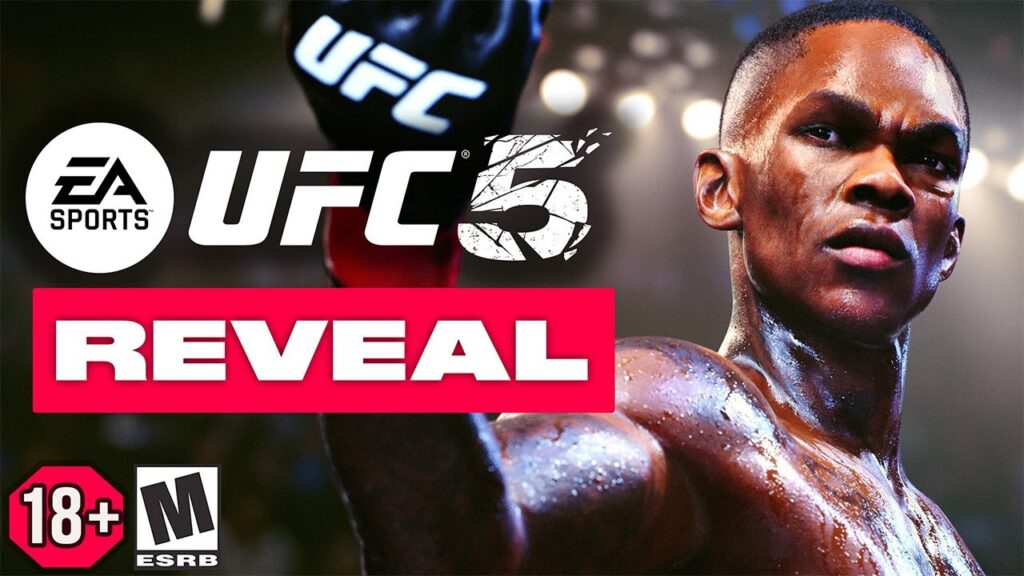
MMA has become more popular in the last few decades, with the UFC being the leading promoter of this phenomenon. When the MMA started to grow into a sport, so did the need to introduce the Octagon into the virtual space of video games. Many UFC fighters have not only fought inside the octagon but also fought online, which has given the fans a chance to experience what it feels like to be a warrior. This article is a look into the development of UFC fighters in video games, from the first attempts at simulating MMA to the present-day realistic face-offs that allow the fans to feel the Octagon first-hand without actually getting in it. The Early Days: UFC in Video Games The UFC entered video games at the beginning of the new millennium, as the sport was yet to gain popularity in society. Though the promotion itself was on the rise, its association with video games was not very established. The games during this period had easy controls and were not as complicated and sophisticated as the modern fighting simulators. UFC: ”Tapout” (2002)—The First Major UFC Game One of the earliest UFC games to capture the attention of gamers and MMA fans alike was UFC: Tapout for the original Xbox. Released in 2002, UFC: Tapout wears most of the UFC early icons like Tito Ortiz, Chuck Liddell, and Randy Couture, among others. Despite the game having very simple graphics compared to today’s games, the fans got a chance to enjoy virtual fighting in the Octagon. Despite its limited move sets and somewhat stiff controls, UFC: When it came to blending the intricacies of mma with the high levels of energy of video games, Tapout was in a league of its own. It was a simple fighting game with symbols of the UFC’s most famous move sets, such as submission and the ground and pound. By its standards, Tapout was a major advancement toward getting the UFC to video game systems. UFC: In “Sudden Impact” (2004) – Early Growth Two years after the release of Tapout, the UFC doubled down on its video game efforts with UFC: Sudden Impact. This game was released for PlayStation 2, and this was the second game in the series, which was more enhanced than the previous one. The graphics were slightly tweaked, roster size increased, and more fighters from the early days of the UFC were added. As crude as it may have been, Sudden Impact at least let the fans build their own fighters and try to make their way through the UFC’s expanding universe. The gameplay included changes in striking and grappling, but the overall simulations of MMA elements were not as realistic as the games of the present days. However, the promotion of UFC through video games was slowly emerging. The Modern Era: UFC Games Go to New Level When the UFC became an international organization with the largest fighting championships, so did the video games. As the graphics became better, the rosters more detailed, and the gameplay mechanics were enhanced, the UFC video games started to resemble the actual action in the cage. MMA enthusiasts could now feel the action and the planning of this sport in the palm of their hands. UFC Undisputed Series (2009-2012)—Cisko’s UFC Series Without a doubt the most significant UFC video game series was the UFC Undisputed series, which was developed by THQ. UFC games started with UFC 2009 Undisputed; it was a giant leap for the UFC games. It had realistic graphics and an improved list of characters compared to its previous editions with real-life fighters such as Georges St-Pierre, Anderson Silva, Brock Lesnar, and BJ Penn. This was a commendable aspect of the game since it captured most of the MMA aspects, including stand-up striking, grappling, and submissions. Players could punch, knee, clinch, grapple, as well as perform beautiful submission transitions, which are very close to what MMA fighters do in a fight. For the first time, fans had the real UFC experience that they had been longing to play for quite a long time. The sequel was UFC Undisputed 2010, followed by UFC Undisputed 3 in 2012, and both of them were enhancements of the previous game. The games included new characters, stages, and even Pride FC rules, so the fans were able to fight with their favorites under the Pride rules. Undisputed 3 is the one that has been considered the best UFC game during this period, providing the deepest and most accurate MMA simulation available in this generation. Strikes and Counter Strikes in “UFC Undisputed” The Undisputed series also let the fans decide the outcome of hypothetical fights that could not occur in the ring because of the difference in weight classes, fighters’ retirements, or whether they belonged to different generations. For example, players could match up such big names as Chuck Liddell with a new generation in Jon Jones or fantasy bouts such as Anderson Silva vs. Georges St-Pierre. Such virtual fights created interest among the fans because it was entertaining to imagine the possible scenarios and to discuss how the particular fights could have ended. It also turned into a source of entertainment for people who wanted to see their favorite fighters compete in a more dynamic way. EA Sports UFC Series: The Ultimate Virtual Octagon EA Sports, which is famous for its sports games such as FIFA and Madden series, assumed the rights for the creation of UFC-based video games in 2014 and came up with EA Sports UFC. The game was a step up in terms of realism and graphics, mainly due to the help from EA in the field of sports simulation. “EA Sports UFC” (2014-Present): When Realism Goes Up a Notch The original EA Sports UFC game was well received because of its realism, which was evident from the excellent graphics and realistic fighter models. Real UFC fighters such as Conor McGregor, Ronda Rousey, and Cain Velasquez could be controlled with ease and
