
Unorthodox Training Methods: How Fighters Prepare for Battle in Unique Ways
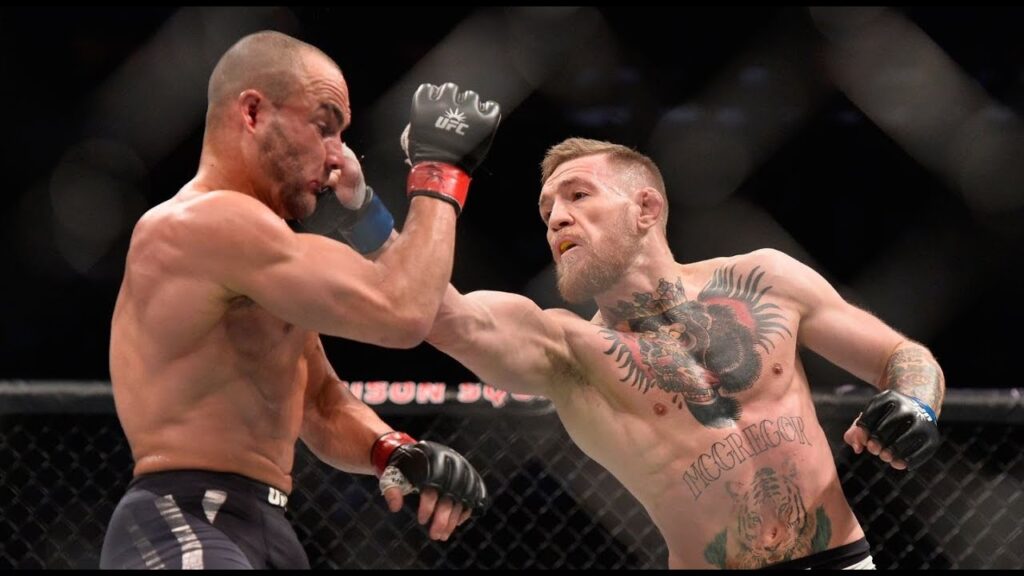
MMA is one of the most challenging and unpredictable sports in the world, which is why many people like it. As it has been established in the cage, it takes one to possess endurance, efficiency, character, and versatility to be a champion. While most fighters have disciplined training schedules that include weightlifting, sparring, grappling, and cardiovascular exercises, some fighters go the extra mile and try out some extra-ordinary training methods. Such strategies are not typical and can draw quite a lot of attention, but at the same time, they represent a search for novel possibilities to enhance the human body. Whether it means exposing oneself to extreme environmental conditions, utilizing mental endowment through other unconventional methods, or merely concentrating on minor, less known strategies, these fighters have discovered different ways of getting ready for fights. Here is a glimpse of the most interesting, bizarre, and practical unconventional training that MMA fighters apply to prepare for the fight of their lives. Wanderlei Silva: The Use of Sledge Hammers and Tire Work Wanderlei Silva, or as he is better known, “The Axe Murderer,” is a true Pride FC and UFC veteran with a very tough fighting style. One of the most brutal exercises that Silva used in his preparation for the war was a sledgehammer workout on a giant tractor tire. Lifting a sledgehammer and bringing it down is not just a matter of strength but of coordination, core muscles, and accuracy. Thus, through beating the tire, Silva was developing his striking power, endurance, and conditioning besides mimicking the cyclical, power-based movements that are common in the cage. Tire work also helped in creating an imitation of the rotational force that is used in hooks, uppercuts, and body shots. This training enabled Silva to create the knockout power that later on turned him into one of the most dangerous strikers of his generation. Tony Ferguson: Training on the Edge of Insanity Tony “El Cucuy” Ferguson is one of the weirdest and most unpredictable MMA fighters of all time, and his training regimen is equally strange. Ferguson is well-known for his creativity, and he includes a wide variety of movements in his training, including gymnastics and parkour, Wing Chun, and even break-dancing. One of them is the use of yoga balls and other unstable objects during the throwing of strikes or even while practicing defensive movements, and he has to perform all these while standing on the balls. The rationale for this is to create harmony, rhythmic movements, and body awareness, or what is referred to as proprioception. During scrambles, not getting taken down and regaining balance when both fighters fall down are essential during a fight. Ferguson’s balance drills are odd, but they help to extend the body’s ability to adapt to these positions and remain in control during fights inside the Octagon. Ferguson has also been heard to have trained with the wooden Wing Chun dummies to improve his hand speed and elbowing techniques. Thanks to his special preparation, he can keep a very high work rate in the cage, thus constantly putting his opponents under pressure. Conor McGregor: Movement Philosophy with Ido Portal Former UFC two-division champion Conor McGregor revolutionized the fighting game not only with his striking and cocky attitude but with his rather unconventional mobility. Before his fight with José Aldo at UFC 194, McGregor introduced a specialist called Ido Portal to introduce a range of unconventional approaches to movement training, flexibility, and coordination. Portal’s movement philosophy includes aspects of capoeira, gymnastics, and even animalistic movements. The purpose of such an approach is to train the muscles and help the body become as flexible as possible to enable it to twist in various directions. For McGregor, this was necessary in carving out the smooth, almost ballet-like movement in his feet that earned him the nickname ‘Mayweather’. Portal has been instrumental in shaping the movement of the Irish fighter inside the cage, always circling his opponent, attacking from different angles, and slipping his opponent’s punches. This unusual concentration allowed McGregor to strike creatively and turn into the maestro of timing and range. Diego Sanchez: The School of Self-Awareness Diego ‘The Nightmare’ Sanchez, a fighter who is famed for his grit and exciting fights, is something of a rebel anyway, but his recent training regime has really upped the ante. In the training camp led by an unorthodox coach, Joshua Fabia, Sanchez performed one of the most bizarre training sessions that MMA fans have ever seen, called the “School of Self-Awareness.” Part of Fabia’s training was for her to run blindfolded through obstacle courses and do balancing exercises as she was simulating being attacked by Fabia with a stick. One of the videos that caused a huge stir on the internet was when Sanchez was hanged upside down while Fabia was attacking him physically by slapping and punching him hard, allegedly to enhance his damage-taking capacity. As much as this training program was heavily criticized by both the fans and fighters, Sanchez had no qualms with Fabia’s outlandish approach, attributing his mental toughness and readiness to fight to the training that he received from this program. Despite the fact that many people regarded the School of Self-Awareness as something close to quackery, it is an example of a fighter’s desire to try something that is outside the mainstream in order to gain an advantage—be it a physical or a mental one. Lyoto Machida: Drinking His Own Urine The biggest shock for MMA fans was Lyoto Machida, the former UFC light heavyweight champion, who used to base his fighting style on karate, but it turned out that he was also a believer in a rather questionable healing method called urine therapy. Machida himself confessed that he drinks his own urine in the morning every day asserting that his father used to do the same. Machida felt that taking urine had some benefits in purging his system and boosting his immune system, which he felt were essential factors in his well-being
The Role of Sports Science in UFC: Enhancing Fighter Performances
MMA is represented by the biggest promotion company in the world, the Ultimate Fighting Championship (UFC), which features some of the most prepared and strong-willed fighters in the world. Over the years, the application of sports science to the fighter’s performance has also grown with the sport. The application of sports science in the UFC comprises multiple areas such as physiology, nutrition, psychology, biomechanics, and recovery. Many of these developments do not only improve the performance of fighters in the cage but also their well-being in the sport. Physiological ConditioningCardiovascular TrainingEndurance is also very important in MMA due to the nature of the fights, which last a maximum of 25 minutes. Modern cardiovascular training that was developed in the framework of sports science corresponds to the specific demands of MMA. Applying HIIT and sport-specific drills improves aerobic and anaerobic performance, and fighters can perform at their best during fights. VO2 max and lactate threshold are used to assess and train the cardiovascular system in order to maintain high levels of performance and rapidly return to these levels in between the rounds. Strength and ConditioningThe strength and conditioning programs implemented in the UFC are highly structured and formulated according to the guidelines of sports science. Periodization, a systematic planning of athletic training, helps in the systematic manipulation of training loads and intensity in order to achieve a perfect performance without the risk of overtraining. Strength-power, strength-endurance, and power-endurance exercises are involved in resistance training, plyometrics, and functional training, with particular focus in MMA. Muscle activation patterns are studied through techniques such as electromyography (EMG) so as to enable the fighter to produce powerful yet efficient movements. Nutrition and HydrationPersonalized nutrition plansIt is therefore evident that nutrition is highly essential in the UFC in order to achieve the best results in fighting and also for better results in the recovery process. Also, sports nutritionists develop diets according to the fighters’ metabolic rates, the frequency and intensity of training sessions, and the weight divisions. Macronutrient partitioning is properly conducted to provide energy needed for muscle repair and growth as well as to lose excess fat. Carbohydrate periodization and protein timing are used in an attempt to facilitate glycogen storage and muscle protein synthesis. Also, micronutrient supplements work towards eradicating specific nutrient deficiencies and also offer general health benefits. Weight ManagementOne of the key concepts in preparing for a fight is weight-cutting, but sports science provides more effective and safer ways. Hydration testing and body composition analysis assist fighters in achieving weight loss goals in the most appropriate manner that will not affect muscle mass or performance. Methods like watering the body, altering the levels of sodium, and using a controlled carbohydrate diet plan are scientifically developed to ensure the body achieves the necessary weight without the dangers of dehydration or other electrolyte imbalances. It is also important to learn what must be done in the post-weigh-in period to drink and eat to replace the lost fluids and energy. Psychological PreparationMental ConditioningThe psychological factor in such a fight is as important as the physical one. It is the job of sports psychologists to help the fighters of the UFC and other combat sports build up their psyche, concentration, and tenacity. Methods like visualization, setting objectives, and mindfulness meditation help to focus and decrease stress. Techniques of cognitive behavior assist the fighters to reduce stress, overcome pre-fight anxiety, and develop a proper psychological outlook. Mental conditioning not only enhances the performance of athletes but also helps in the recovery process in case of failures and losses. Stress ManagementThe UFC environment exerts substantial pressure, which causes stress, thus affecting training and performance. Stress management is one of the aspects covered in sports science, and relaxation techniques, breathing exercises, and biofeedback are part of stress management. Therefore, cortisol levels should be regulated, and HRV should be used to know when fighters can take heavier loads during training. Recovery is also stressed through practices of sleep hygiene, where sufficient sleep is deemed necessary for the body and mind to recuperate. Biomechanics and Technique OptimizationMovement AnalysisBiomechanics is very important when it comes to analyzing techniques and possible ways of minimizing the occurrence of injuries. The use of motion capture along with high-speed cameras helps in studying the movements of the fighters and then determining which parts of their performances are inefficient. This method assists in achieving higher efficiency and effectiveness of the striking, grappling, and defense moves. For the biomechanical feedback, the fighters can also find it useful to enhance balance, coordination, and agility. Injury Prevention and RehabilitationPain is always a component of the UFC, but sports science has ways of reducing the chances of incurring these injuries and ways of healing. The flexibility, stability, and mobility exercises that are usually done before any training session as a warm-up, known as prehabilitation exercises, can minimize injuries. FMS is a tool that helps find the problematic areas and any signs of unilateral weakness and prescribes specific exercises to correct the issues. When an injury occurs, the sports physiotherapists use scientific approaches to treatment such as manipulation, cold therapy, and electrical stimulation to enhance the healing process and facilitate a safe reintegration into training. Recovery StrategiesActive RecoveryRecovery is an essential element of the training process for every athlete. Low-intensity aerobic activity, stretching, and yoga are effective passive recovery activities that assist in increasing blood flow, decreasing muscle hardness, and promoting relaxation. Such methods are backed by research that proves their efficiency in the process of recovery and as a tool to combat overtraining. Technological AidsHigher recovery technologies are gradually being applied in the UFC. It is proven by science that wearing compression garments and applying cryotherapy and hydrotherapy decreases inflammation, muscle pain, and exhaustion. Some examples of equipment include a pneumatic compression system and electrical muscle stimulation that is used to enhance circulation and muscles, respectively. Some of the monitoring tools include wearable technology, which can give fighters information on their rate of recovery in real-time, so they can adjust
The Evolution of UFC Training Camps: Preparing Champions
MMA has steadily developed since the establishment of the UFC in 1993 from a barbaric show with a mixture of martial arts styles to an organized, complex sport that demands a lot of skills, fitness, and intelligence. In this evolution, UFC training camps stand out as key to the change from basic preparations to modern, highly professionalized training mechanisms intended to create champions. This article therefore seeks to discuss the nature and development of the UFC training camps and how they prepare fighters for MMA fights. Early Days: The Birth of MMA Training Camps The Beginnings In the early UFC, fighters were brought in from single martial arts backgrounds: karate, boxing, BJJ, wrestling, or kickboxing. Gyms or training camps were crude and did not encompass all the features that are available today. Training was centered on the fighter’s main discipline. For instance, Royce Gracie, who was one of the early champions in the UFC, specialized in BJJ, while wrestlers such as Dan Severn relied more on wrestling skills. Technical specialization across multiple disciplines was not very common, and the idea of having a formal training camp in MMA was nonexistent. The shift toward cross-training This was the beginning of cross-training due to the discovery that the mastery of only one martial art was insufficient in the octagon. Techniques became more useful as fighters started realizing that striking, grappling, and submissions must be varied to gain an edge over the opponent. This shift in training was gradually becoming the modern MMA training camp. The Development of All-Inclusive Training Camps Modern MMA Training and Its Pioneers Frank Shamrock was one of the first fighters to change the way fighters trained in the late 1990s, integrating wrestling and submission, striking, and conditioning. Shamrock’s success underlined the necessity of an all-around skill set and created the best conditions for future generations of fighters and trainers. Development of Specialized Camps Thus, as the sport developed, it became necessary to have proper training grounds for athletes that are involved in the sport. Some of these camps are the American Kickboxing Academy (AKA), Jackson Wink MMA, and American Top Team (ATT). These camps were meant to provide training in the areas of striking, grappling, strength, and conditioning, as well as the use of the mind. Boxers now get a chance to work with the best trainers in different fields all in one gym, which greatly enhances their training. Key Components of Modern Training Camps Contemporary training camps in the UFC usually range from 8 to 12 weeks and are organized in detail. They include several key components: Technical Training: Designed to develop certain abilities concerning striking and flooring techniques such as boxing, Muay Thai, kickboxing, BJJ, wrestling, judo, etc. Strength and Conditioning: This is a kind of circuit training that aims at improving endurance, strength, power, and the general fitness of the cardiovascular system. Sparring: sparring sessions that are performed with some restrictions replicating live matches to help the fighters apply their skills in a controlled manner. Game Planning: Formulating specific approaches that allow a fighter to take advantage of an opponent’s vulnerable points and at the same time build on the fighter’s assets. Recovery and Nutrition: stressing the need to avoid injuries, an adequate and proper diet, and overall health to enable the body to perform at its best. Technological Advancements in Training Data analytics and performance monitoring Modern technology has been adopted in UFC training camps, particularly in the recent past. Technology such as data analysis and performance monitoring enables fighters and coaches to monitor their progress and enhance their training. Smart watches and other wearable gadgets track the heart rate, sleep, and other parameters, enabling coaches to modify training schedules. Virtual reality and simulation Now aspects such as virtual reality (VR) and simulation tools have found their way into training the fighters for the octagon. These technologies enable the fighter to feel like they are actually experiencing a bout and to rehearse the events of a bout in their minds. Biomechanics and Movement Analysis Biomechanics and movement analysis allow the coach to break down the movements of a fighter and find the flaws that need to be corrected. Video and motion analysis can help refine form and avoid painful complications. The role of mental training Psychological Preparedness Thus, the psychological component of the fight is no less important than the physical one. Present-day training facilities employ sports psychologists who pay attention to things such as fighters’s mental preparedness, concentration, and coping strategies. Mental readiness for competitive pressure is developed through visualization, mindfulness, and cognitive-behavioral methods. Dealing with adversity Understanding how to deal with failures and losses is one of the most important components of a fighter’s training. Mental preparation assists the fighters to be strong and focused in many ways and not to lose morale during their respective durations in the ring. Nutrition and Recovery: The Unsung Heroes Personalized nutrition plans It’s important to note that proper nutrition is crucial to the success of a fighter. Contemporary training facilities have dietitians who prepare the diet schedule for the fighter, which takes into consideration certain parameters such as weight, energy, and recovery. The focus should be on adequate fluid intake, timing of the nutrients, and balanced diets. Advanced recovery techniques Recovery is also a critical factor in training; it allows the fighters to have their best performances without getting injured. Some of the procedures include cryotherapy, hydrotherapy, massages, and physiotherapy. However, the introduction of advanced technologies within the sporting world has improved the treatment of injuries and enhanced the time taken in the recovery process. The Importance of Legendary Training Camps American Kickboxing Academy (AKA) AKA stands for American Kickboxing Academy, and it is in San Jose, California. Notable athletes who trained there include Cain Velasquez, Daniel Cormier, and Khabib Nurmagomedov. This has made the camp successful with intensive training techniques, qualified trainers and coaches, discipline, and hard work. Jackson Wink MMA Academy Jackson Wink MMA, headquartered in Albuquerque, New Mexico, has housed some
Training Regimens of UFC Champions: Secrets to Success
UFC champions do not rise to the top via sheer athleticism; they get there through a system of well-structured training. These champions are the culmination of physical training, mental conditioning, and dieting and recovery balanced by the utmost discipline. In this article, we share the strategies that have led to success in the training regimens of UFC champions. The Foundation: Physical Conditioning From groundings in strength and conditioning, a UFC champion is born. Strength and conditioning coaches usually help fighters come up with workouts that improve their power, cardio endurance, or fitness levels, as well as their overall athleticism. These exercises are lifting, plyometrics, high-intensity interval training (HIIT), and calisthenics. Take, for example, former UFC Lightweight and Featherweight Champion Conor McGregor, who uses a combination of powerlifting and body weight training to build explosive speed and strength. He also emphasizes deadlifts, squats, and bench presses followed by plyometric drills to help him become more dangerous in terms of his agility as well as speed. A good cardiovascular base is important for maintaining the energy level during a fight, especially in later rounds. This is where UFC champions come in; they perform different kinds of cardio training like running, swimming, cycling, and rowing. One of the most effective methods to improve cardiovascular endurance is interval training, where periods of high intensity are followed by low-intensity recovery. Khabib Nurmagomedov: Famous for his incredible cardio and overwhelming pressure, Khabib implements mountain runs along with high-level swim sessions. This complements his focus on cardiovascular conditioning, which enables him to essentially maintain a pace that simply outlasts many opponents. Skill Development: Mastering the Martial Arts Striking is a huge chunk of MMA, with champions spending hours refining their boxing (probably), kickboxing, and Muay Thai techniques only for them to be thrown out the window once they step back into that cage. Training consists of pad work, heavy bag workouts, spar sessions, and drilling combinations. Traditional martial arts meet modern techniques in this breakdown of some of the best striking from one of the UFC”s featured fighters, Anderson Silva. His training requires complex footwork routines around precision striking, along with making sure he can move and strike like water while packing a punch. Wrestling and grappling skills are equally important, with champions typically strong in Brazilian Jiu-Jitsu (BJJ), freestyle wrestling, and Greco-Roman wrestling. Our training sessions feature live sparring, takedown drills, and submission work, as well as positional control. Georges St-Pierre, a world-class wrestler, trains with top-level BJJ practitioners. It is centered around smooth combinations of striking and grappling that allow him to dictate the fight. The talent of individual disciplines must be meshed together by their champions (you cannot practice learning strike defense according to the shots thrown at you that day or landing a shot exactly where your opponent moves his hands while avoiding an oncoming barrage). Everything from Muay Thai in the clinch to ground-and-pound and working against the cage. Fighter training camps have been known to re-enact fight scenarios so fighters can drill their game tapes and roll with the punches. Dictated situations allow for master plans of action against countermoves. One of the most well-rounded fighters, Jon Jones, uses a different approach to his training. His standup, along with his ground game and weird shit, add up to a unique Dancing Bear fighting style. Mental Conditioning: The Champion’s Mindset Preparing mentally is as important as physical training. Multiple UFC champions rely on visualization by mentally going through their fights, picturing themselves successfully performing techniques, and overcoming obstacles. With every passing application of this practice, you will become more confident and less anxious. Former bantamweight champion Ronda Rousey was renowned for her mental strength and talked about visualizing her battles over and over again, winning them in advance through the power of positive thinking. Fighters are able to stay focused and keep their cool under pressure because of the high levels of mindfulness practiced in meditation. These methods work to improve your focus and help you manage emotions more effectively under severe pressure. To be able to keep his cool and have that focus, Anderson Silva trained in a number of things, like meditation. Which helps him with the practice of being in the moment and making tactical decisions during battles. Nutrition and Recovery: Fueling the Machine Diet and nutrition play a pivotal role in a champion’s performance. Fighters work with nutritionists to develop meal plans that provide the necessary macronutrients, vitamins, and minerals. These plans are tailored to support intense training, optimize recovery, and ensure fighters make weight before competitions. Conor McGregor’s diet consists of high levels of protein and is well balanced with a wide vegetable intake, packed with skin-favoring essential fats along with complex carbohydrates. He shies away from processed foods and instead goes for whole, natural options to keep the grueling training sessions going. Staying properly hydrated is paramount to protecting your energy as well as ensuring all functions of the body can be performed at an optimal level. UFC champions are very specific and strict about their hydration levels, especially during the weight-cutting phase. Hydration is also a huge part of their regimen, as dehydration can greatly reduce performance. Georges St-Pierre credits electrolyte supplements for helping him maintain his fluid balance during intense training and weight cuts. To maintain your output rate, muscle recovery is an important component of injury prevention and continuous improvement. Recovery Methods of Champions Include: Sleep: Body recovery and restoration of mental health are possible only if your body is allowed to rest adequately. 7-9 hours, and really good quality sleep is what most fighters aim for every night. Physical Therapy: Regular sessions with physiotherapists may be utilized to decrease the impact of injuries, muscle imbalances, and mobility restrictions. Cryotherapy and Ice Baths: These techniques reduce inflammation and accelerate recovery after intense workouts. Massage and Stretching: Regular massage helps to make muscles more pliable, while stretching loosens muscle fibers. Khabib Nurmagomedov is no stranger to ice baths and massage therapy in his