
The Evolution of the UFC: Humble Beginnings to Global Phenomenon
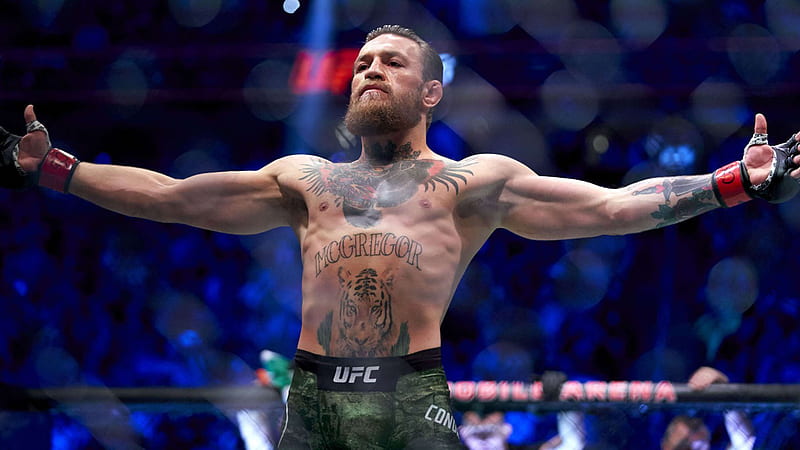
The UFC has come a long way since its humble beginnings, transforming from a controversial and unregulated spectacle to a global phenomenon that has captivated millions of fans worldwide. Let’s take a journey through the evolution of the UFC, tracing its remarkable growth and development over the years. The Evolution of the UFC The Birth of the UFC: The UFC was founded in 1993 by Rorion Gracie, Art Davie, and John Milius. The vision behind the organization was to create a platform where fighters from various martial arts disciplines could test their skills against one another. The inaugural UFC event, UFC 1, took place in Denver, Colorado, and featured a tournament-style format with minimal rules and no weight classes. Regulation and Rule Changes: As the UFC gained popularity, it faced significant scrutiny and criticism due to its perceived brutality and lack of regulations. In response, the organization implemented rule changes to address safety concerns and ensure the longevity of the sport. Weight classes were introduced, rounds were established, and safety protocols were implemented to protect fighters. New Ownership and Expansion: In 2001, Zuffa LLC, led by brothers Lorenzo and Frank Fertitta, acquired the UFC. Under their leadership, the organization underwent a transformative phase, with a renewed focus on professionalism, marketing, and talent acquisition. The Fertitta brothers brought in Dana White as the UFC President, forming a formidable team that would shape the future of the sport. Mainstream Recognition and Television Deals: The UFC’s breakthrough into the mainstream began with its reality television series, “The Ultimate Fighter” (TUF). Premiering in 2005, TUF showcased up-and-coming fighters competing for a UFC contract. The show became a hit, attracting a wide audience and drawing attention to the sport. Television deals with major networks, such as Spike TV and later FOX, provided the UFC with unprecedented exposure and brought MMA into the homes of millions. These partnerships allowed the UFC to showcase high-quality events and establish its brand as a legitimate and globally recognized combat sports organization. International Expansion and the Arrival of Superstars: The UFC’s global expansion began with events held in countries outside the United States, including Canada, the United Kingdom, and Brazil. The organization’s efforts to cultivate talent from around the world led to the rise of international stars, such as Georges St-Pierre, Conor McGregor, and Anderson Silva, who transcended the sport and captured the attention of fans worldwide. Regulatory Acceptance and Athletic Commissions: To address regulatory concerns and gain acceptance in different jurisdictions, the UFC collaborated with athletic commissions to establish rules and regulations governing the sport. This collaboration led to enhanced safety measures, anti-doping protocols, and the implementation of comprehensive medical testing for fighters. Sports Entertainment and Cross-Promotion: The UFC embraced the concept of sports entertainment, incorporating elements of showmanship and spectacle to attract a wider audience. Superstars like McGregor and Ronda Rousey brought a larger-than-life persona to the Octagon, elevating the UFC’s mainstream appeal and capturing the attention of casual fans. Cross-promotional events with boxing, such as the highly anticipated Floyd Mayweather Jr. vs. Conor McGregor bout, further cemented the UFC’s status as a global force in combat sports and created unprecedented media attention. The Digital Age and Continued Growth: The UFC’s embrace of digital platforms and social media has played a significant role in its continued growth. The organization’s strategic use of online content, live streaming, and engaging with fans on various platforms has created a direct and interactive relationship with its audience. Furthermore, the UFC’s expansion into new markets, including Asia and the Middle East, has further solidified its global presence and attracted a diverse fan base. In conclusion, the evolution of the UFC from its humble beginnings to a global phenomenon is a testament to the perseverance and vision of its founders, the dedication of its fighters, and the unwavering support of its passionate fan base. Through regulation, strategic partnerships, international expansion, and innovative marketing, the UFC has transformed into a legitimate and respected sport, captivating audiences worldwide and solidifying its position as the premier organization in mixed martial arts. The future looks bright for the UFC as it continues to push boundaries, break new ground, and captivate audiences in the ever-evolving landscape of combat sports.
What Were the Rules at UFC 1?
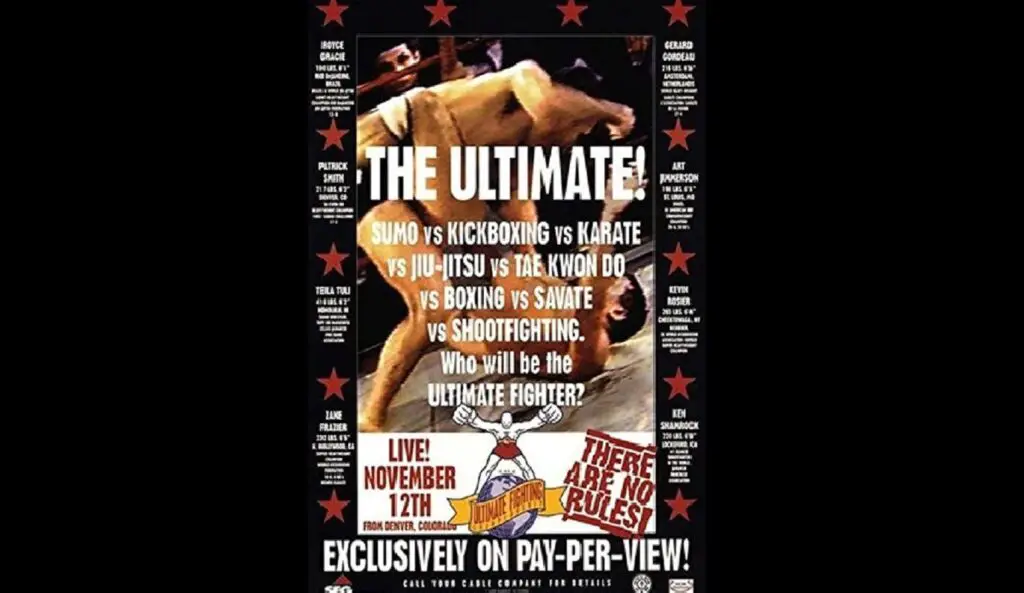
The inaugural event of the UFC, UFC 1, took place on November 12, 1993, and presented a unique and groundbreaking approach to combat sports. Unlike traditional martial arts tournaments, UFC 1 featured minimal rules, embracing a concept known as “no-holds-barred” fighting. Let’s delve into the rules that governed the historic UFC 1 event. UFC 1 Rules No Weight Classes: There were no weight divisions or classes in UFC 1. Fighters of various sizes and weights could compete against each other, resulting in matchups between opponents with significant differences in stature. Limited Time: Each bout consisted of one 30-minute round, with no rounds or time limits. However, if a match reached the time limit, it was declared a draw. Limited Fouls: While some fouls were prohibited, the rules in UFC 1 were considerably more lenient compared to contemporary MMA. The prohibited fouls included eye gouging, biting, fish-hooking (inserting fingers into the mouth, nostrils, or other orifices), strikes to the groin, headbutts, and strikes to the back of the head. Limited Equipment: Fighters were allowed to wear minimal equipment, such as shorts, shirts, and groin protection. However, there were no other protective gear requirements. No Referee Stoppages: In the early days of the UFC, there were no referee stoppages due to strikes or submissions. The fight continued until a competitor tapped out and was rendered unconscious, the corner threw in the towel, or the time limit was reached. No Weigh-In: There were no official weigh-ins before the fights. Fighters were not required to meet any specific weight restrictions or undergo weight-cutting procedures. The rules of UFC 1 were intentionally designed to create an environment where fighters from different martial arts backgrounds could showcase their skills without significant limitations. The absence of weight classes, time limits, and strict fouls allowed for unpredictable and unscripted matchups, emphasizing the effectiveness of different combat techniques. It’s important to note that the rules and regulations of the UFC have evolved significantly since UFC 1. The implementation of weight classes, the introduction of rounds, and the establishment of comprehensive safety protocols have transformed the organization into a regulated sport while ensuring the well-being of the athletes. UFC 1 holds a special place in MMA history as an event that pushed the boundaries of combat sports and set the stage for the growth and evolution of mixed martial arts. The rules of UFC 1, though more relaxed than today’s standards, played a crucial role in establishing the foundation for the sport we know and enjoy today. Watch a recap of UFC 1 below:
Which Fighters Competed at UFC 1?
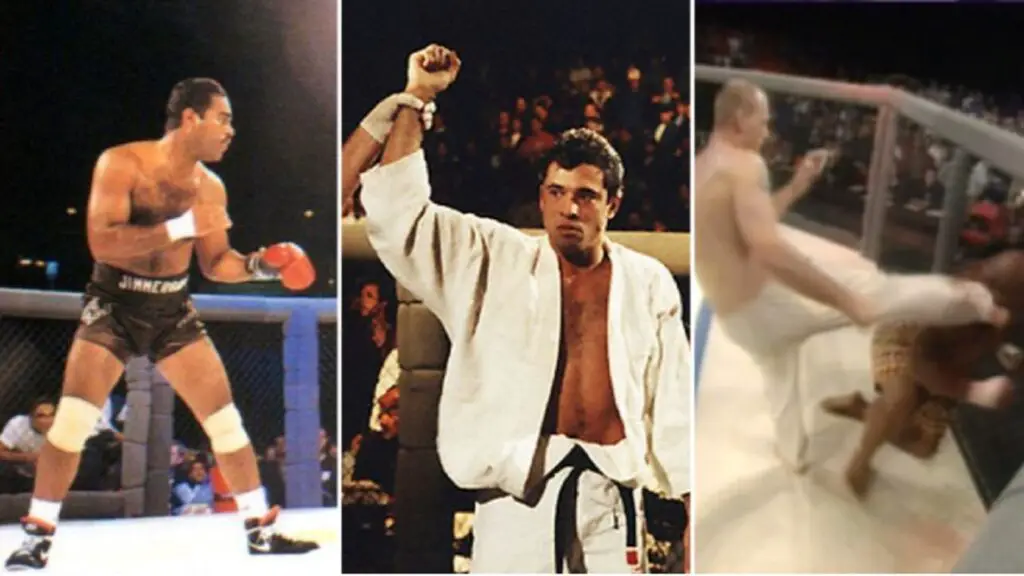
The inaugural edition of the UFC, known as UFC 1, marked the beginning of a new era in combat sports. Held on November 12, 1993, in Denver, Colorado, UFC 1 featured a diverse lineup of fighters hailing from various martial arts disciplines. Let’s take a closer look at the competitors who participated in this historic event. UFC 1 Fighters Royce Gracie: Arguably the most iconic name associated with UFC 1, Royce Gracie represented the renowned Gracie family and showcased the effectiveness of Brazilian Jiu-Jitsu. Gracie’s submission skills and strategic approach ultimately led him to claim the championship title. Gerard Gordeau: A Dutch savate and karate expert, Gerard Gordeau showcased his striking abilities and advanced to the finals against Royce Gracie. Though he ultimately succumbed to Gracie’s submission prowess, Gordeau’s performance demonstrated the diversity of martial arts styles present in the tournament. Ken Shamrock: A well-rounded fighter with a background in wrestling, Ken Shamrock brought his grappling skills and toughness to the Octagon. Shamrock reached the semifinals, where he faced Gracie in a highly anticipated matchup that ended in a time-limit draw. Patrick Smith: A kickboxer with a solid striking game, Patrick Smith displayed his stand-up skills and made it to the semifinals. However, he was eventually eliminated by Gerard Gordeau, who delivered a head-kick knockout. Kevin Rosier: Known for his striking prowess, Kevin Rosier showcased his background in boxing and kickboxing. His powerful punches and aggressive style secured him a spot in the quarterfinals, where he faced Gerard Gordeau but was defeated via TKO. Art Jimmerson: An experienced boxer, Art Jimmerson’s presence in UFC 1 highlighted the inclusion of traditional boxing within the tournament. Jimmerson faced Royce Gracie in the quarterfinals but tapped out due to Gracie’s submission skills. Zane Frazier: A professional boxer and karate practitioner, Zane Frazier represented a unique combination of striking styles. Frazier faced Kevin Rosier in the quarterfinals but was defeated by TKO. These seven fighters formed the original lineup of competitors at UFC 1. Each participant brought their distinct martial arts background, contributing to the diverse nature of the tournament. Their performances laid the groundwork for the evolution and popularity of MMA, showcasing the effectiveness of different fighting styles and techniques in a no-holds-barred environment. UFC 1 set the stage for the continued growth and success of the UFC and paved the way for future generations of fighters to showcase their skills on a global platform. The historic significance of the event and the contributions of the fighters who participated will forever be etched in the history of mixed martial arts. Watch a recap of UFC 1 below:
UFC History: Who won UFC 1?
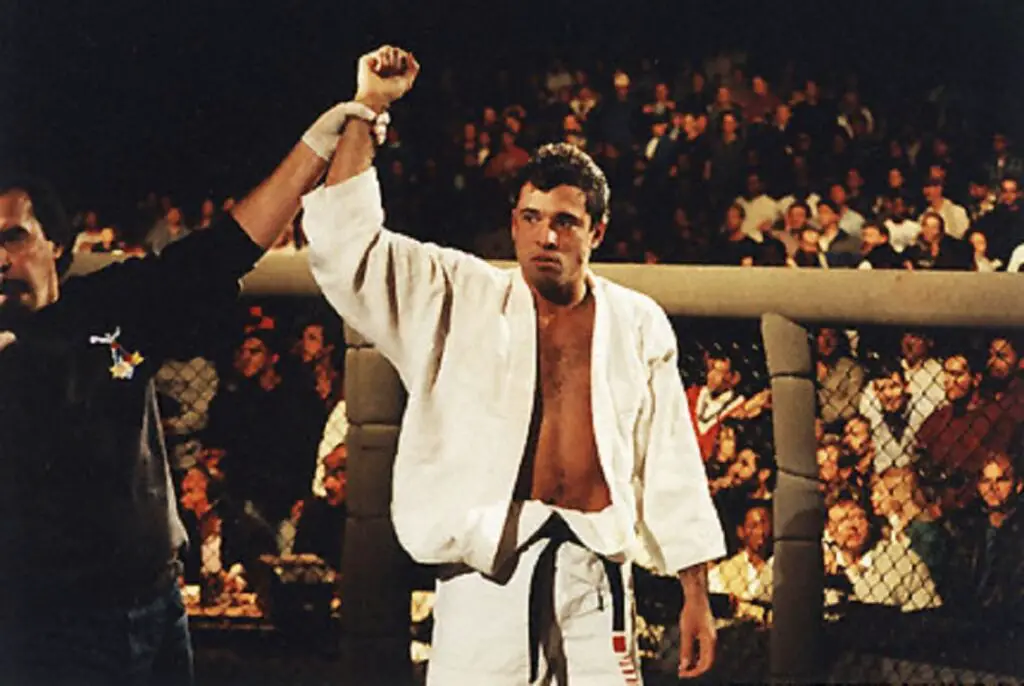
When discussing the origins of the UFC, it is impossible to overlook the monumental significance of its inaugural event, UFC 1. Held on November 12, 1993, in Denver, Colorado, UFC 1 revolutionized the world of combat sports and laid the foundation for what would become one of the most popular and widely recognized MMA promotions in the world. The format of UFC 1 was unique and unprecedented at the time. Conceived by Rorion Gracie, Art Davie, and John Milius, the tournament aimed to determine the most effective martial art by pitting fighters from various disciplines against each other. With minimal rules and weight classes, the event promised an unbridled showcase of raw combat skills. When it came to determining the winner of UFC 1, one name emerged as the undisputed champion: Royce Gracie. Hailing from the legendary Gracie family, Royce Gracie showcased the effectiveness of Brazilian Jiu-Jitsu and forever changed the trajectory of the UFC. Over the course of the evening, Gracie battled against formidable opponents from different martial arts backgrounds, showcasing his ground fighting expertise and submission prowess. Despite being smaller in stature than many of his opponents, Gracie defied the odds and emerged victorious. Gracie’s strategic approach to fights, combined with his mastery of Brazilian Jiu-Jitsu, proved to be a winning formula. He dispatched his opponents with precision and efficiency, utilizing submissions to submit them one by one. In the finals, Gracie faced off against Gerard Gordeau, a Dutch savate and karate specialist. Gracie quickly secured a takedown, maneuvered into a dominant position, and forced Gordeau to tap out due to a rear-naked choke, solidifying his championship status. Royce Gracie’s victory at UFC 1 not only earned him the distinction of becoming the first-ever UFC champion but also showcased the effectiveness of Brazilian Jiu-Jitsu in the realm of mixed martial arts. His groundbreaking performance set the stage for the Gracie family’s continued success in subsequent UFC events, as well as the evolution of MMA as a whole. UFC 1 stands as a pivotal moment in the history of combat sports. It not only introduced a new platform for fighters to test their skills but also challenged preconceived notions about the effectiveness of different martial arts disciplines. Royce Gracie’s triumph at UFC 1 will forever be etched in the annals of MMA, serving as a testament to the power of technique, strategy, and adaptability in the world of combat sports. Watch a recap of UFC 1 below:
Recapping UFC 1: The first-ever UFC event
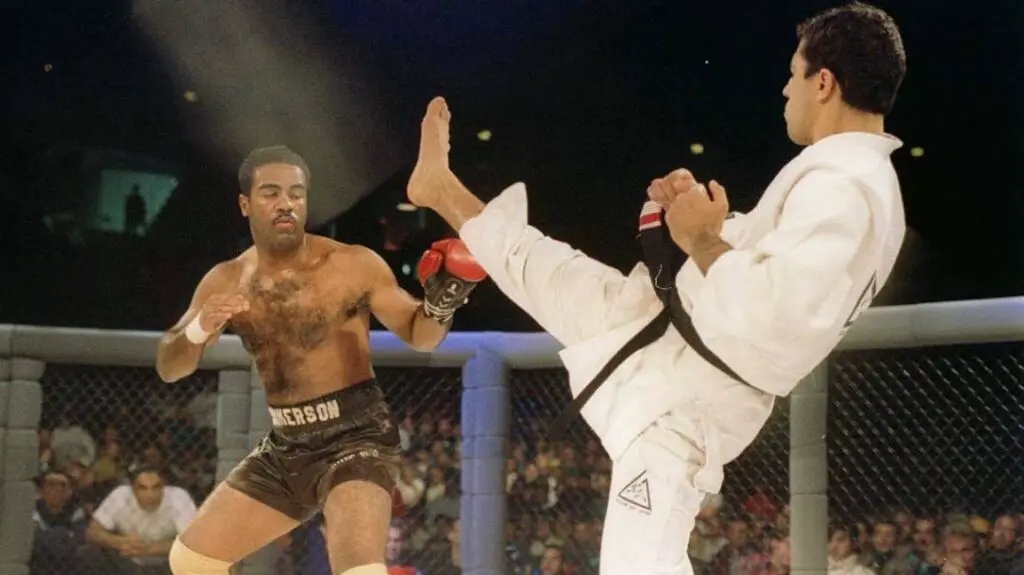
In the annals of mixed martial arts (MMA) history, UFC 1 stands as a momentous event that laid the foundation for the Ultimate Fighting Championship’s future success. Taking place on November 12, 1993, in Denver, Colorado, this groundbreaking tournament set the stage for a revolution in combat sports. UFC 1, also known as “The Beginning,” unfolded at the McNichols Sports Arena. The brainchild of Rorion Gracie, a Brazilian Jiu-Jitsu practitioner, and Art Davie, a marketing specialist, the event aimed to showcase various fighting styles and determine the most effective discipline in a no-holds-barred environment. Eight fighters, each representing a different martial art, stepped into the octagonal cage to vie for the title of the first-ever UFC champion. These combatants brought with them an eclectic mix of skills and backgrounds. Notable participants included Royce Gracie, a Brazilian Jiu-Jitsu expert; Gerard Gordeau, a Dutch savate and karate specialist; Ken Shamrock, a renowned shoot wrestler; and Patrick Smith, a taekwondo black belt. The tournament employed an open-weight format, with fighters of different sizes and disciplines pitted against each other in single-elimination matches. The rules were relatively minimal, allowing strikes, kicks, submissions, and even headbutts. Gloveless and with limited protective gear, the fighters were primed for an intense spectacle. Throughout the night, combatants showcased the effectiveness of their respective martial arts. Royce Gracie’s Brazilian Jiu-Jitsu proved particularly dominant, as he effortlessly submitted his opponents with a wide array of techniques, demonstrating the power of grappling and submissions in MMA. Despite facing much larger opponents, Gracie showcased his technical prowess and skill, proving the effectiveness of his family’s fighting style. In the tournament’s final, Royce Gracie faced Gerard Gordeau in a battle of David versus Goliath. Gracie’s slick grappling and submission skills overwhelmed Gordeau, leading to a submission victory via a rear-naked choke. With this victory, Royce Gracie etched his name in the history books as the first-ever UFC champion, illustrating the potency of Brazilian Jiu-Jitsu in the MMA landscape. UFC 1’s impact cannot be overstated. It introduced the world to the thrilling spectacle of mixed martial arts and sparked a revolution in combat sports. This seminal event laid the groundwork for the growth of the UFC, transforming it into a global phenomenon and inspiring countless fighters to embrace the art of mixed martial arts. Watch a recap of UFC 1 below: