
Referee Variance: Do Some Refs Stop Fights Faster? A Trend Review
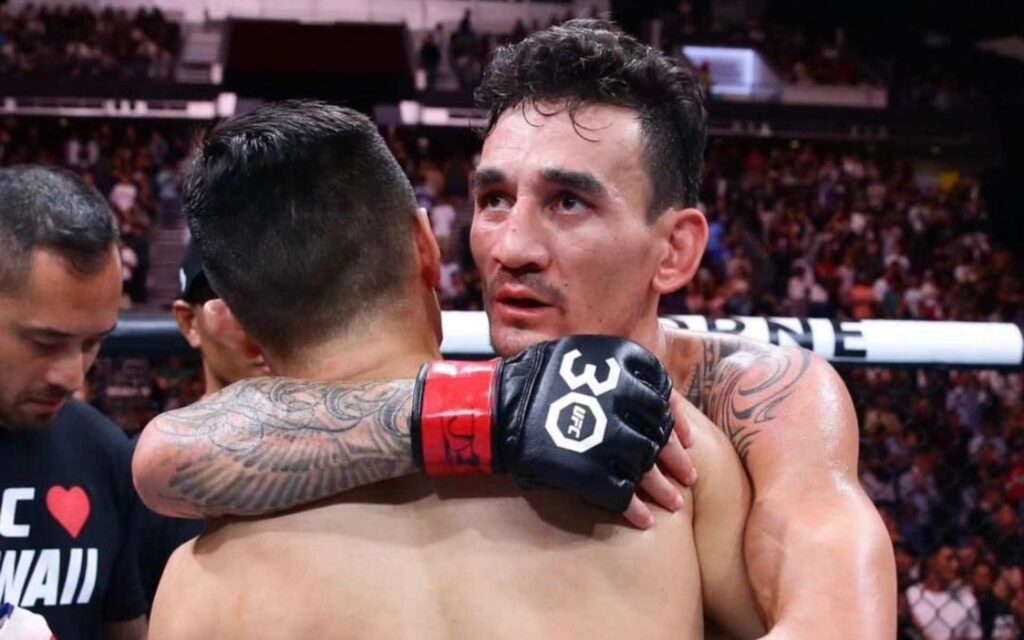
You’re on the edge of your seat. The fight has been a back-and-forth war, but now one fighter is in trouble, hurt and covering up against the cage. Before they even get a chance to recover, the referee dives in, waving it off. You jump off the couch, screaming at the TV, “He was still in it! Let them fight!” We’ve all been there, feeling that a great fight was cut short by a questionable early stoppage. But was it really a bad call, or is something more complex going on? These controversial referee decisions are rarely born from incompetence. Instead, they happen in a split second, balanced on the razor’s edge between a fighter’s safety and the crowd’s desire for a definitive conclusion. Every official in the ring is wrestling with that same core conflict: protect the human being, but don’t ruin the show. This tension is the very heart of the constant late stoppage debate in combat sports. You’re not imagining things if it feels like one referee will let a fighter take a dozen unanswered shots while another will stop the fight after a single knockdown. In practice, this difference in sports officiating is a predictable pattern. Some referees consistently prioritize safety above all else, while others are known for giving fighters every possible chance to continue. Learning to see the fight through the referee’s eyes turns a frustrated fan into a sharp analyst. It’s not about memorizing rules or names; it’s about spotting the patterns behind a stoppage and analyzing the most heated moments with a new level of confidence. Beyond The Rules: What Is a Referee’s REAL Number One Job? It’s the most common cry from the crowd and the couch: “Let them fight!” When a fighter seems like they might still have a chance, a referee stepping in can feel like a robbery. It’s easy to think the ref’s job is just to enforce the rules—no eye pokes, no fence grabs—and stay out of the way. But that’s only a tiny part of the picture. Their most critical function has nothing to do with rules and everything to do with responsibility. A referee’s number one job, above all else, is fighter safety. Period. It’s a non-negotiable directive that overrides the crowd’s desire for a dramatic finish, the fighter’s own warrior spirit, and even the immediate fairness of the contest. While we see a thrilling comeback story waiting to happen, the referee is trained to see the potential for a life-altering injury. Their goal isn’t to ensure the “right” person wins; it’s to ensure both athletes can go home healthy and compete another day. This safety-first mandate isn’t a personal preference; it’s a professional requirement handed down by the governing bodies of combat sports, known as state athletic commissions. These commissions are the ones who license referees, and they hold them accountable for the well-being of the fighters under their watch. A referee who consistently allows fighters to take unnecessary, devastating damage won’t be a referee for long. In their world, a controversial “early” stoppage is seen as a minor error, while a “late” stoppage is a catastrophic failure. Think of it this way: The referee is the only person in the entire arena whose sole focus is protecting the fighters from themselves. They have to make a split-second decision based on a fighter’s reactions, posture, and ability to continue, knowing that a half-second of hesitation could be the difference between a bad headache and a career-ending concussion. So, if their job is to protect the fighters, how do they know when to step in? It’s not just a gut feeling. Referees use a specific, crucial standard to make that call—a concept that explains nearly every stoppage you’ve ever questioned. The “Intelligent Defense” Rule: The Secret Key to Every Stoppage That crucial standard that referees use isn’t about counting the number of punches a fighter has taken. Instead, they are watching for one thing above all else: “intelligent defense.” This is the official term for a fighter’s ability to actively and meaningfully protect themselves from harm. It’s the invisible line between being in a tough spot and being in real danger, and it’s the key to understanding nearly every TKO, or Technical Knockout, you’ve ever seen. In simple terms, intelligent defense means a fighter is still “in the fight” mentally. They might be hurt, but they are still actively trying to improve their situation. This can look like moving their head to dodge strikes, using their arms to block and parry, grabbing onto their opponent to clinch and stop the attack, or trying to circle away from danger. Even throwing a weak punch back shows the referee that the fighter is aware and still competing. They are problem-solving under fire. On the flip side is what a referee sees as a failure to intelligently defend oneself. This is when a fighter stops trying to survive and starts just enduring. They might be on their feet, with their eyes open, but they have become a stationary target. Think of a fighter who is simply covering their head against the cage while absorbing heavy, unanswered blows, or one who stumbles away after a hard shot without putting their hands up. They are no longer reacting or escaping; they are just taking damage. This is the official justification for what are the criteria for a TKO. A Technical Knockout doesn’t require a fighter to be unconscious. It’s a judgment call that a competitor can no longer continue safely because they are not intelligently defending themselves. This explains why you see a “standing TKO,” where a referee stops the fight even though the fighter never hit the canvas. Their body is there, but their ability to protect their own brain is gone. So, if “intelligent defense” is the universal rule that every official follows, why does it feel like some fights are stopped the second a fighter looks wobbly, while in others, a fighter is allowed to take