
The Rock Seems To Have Been Influenced By Muhammad Ali: Everything You Need To Know
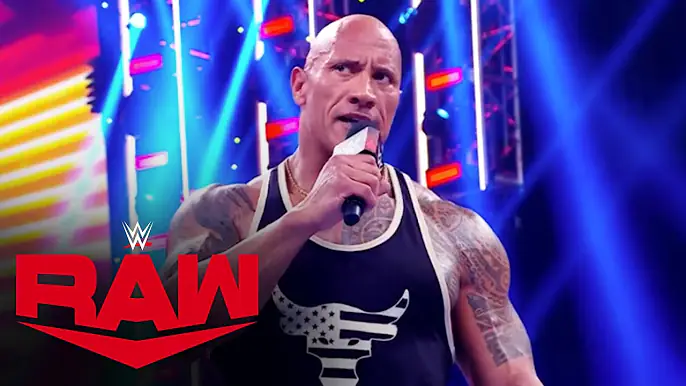
Dwayne ‘The Rock’ Johnson is a celebrated personality who has established himself both in the WWE field and Hollywood. He is an inspiration to millions of people all over the world. Despite the fact that it is known to many that Muhammad Ali was on a swift climb in wrestling, before success at film sets, very few are aware of his role throughout this journey. In 1996, The Rock’s WWE career started off as Rocky Maivia. However, it was only a year later that he had the major character transformation that would have an impact on his career trajectory. As Th While on The Joe Rogan Experience as a guest, the Rock told about his interesting story of asking Muhammad Ali to allow him to take up that nickname. Not only out of professional courtesy but because he genuinely admired the boxing legend. At a wrestling show in Louisville, Kentucky, where Ali’s family attended, it was the turning point. The Rock admired the boxing legend and asked Ali’s wife if he could use his ‘Peoples Champion’. He stated that he would stop its use as soon as possible if Ali objected. His reply was profoundly effective. Ali’s husband stated that Muhammad had approved of The Rock, confirming his right to use “The People’s Champion.” This endorsement triggered a deep transformation in the personality of The Rock himself as he renounced his character for the ‘Rocky Maivia” persona and adopted this new nickname. After that, The Rock’s career took off, and he never looked back. His ‘People’s Champion’ gimmick turned out to be a major blockbuster that got him into the limelight, and he became an attractive person in WWE. It was just the beginning of The Rock’s journey to becoming Vince McMahon’s company, a solid soldier who could stun audiences through unparalleled oratory skills. Just as Muhammad Ali did not rise to fame in the world of wrestling, The Rock also went on from there. After his sensational performance in ‘The Scorpion King’ in 2002, he became a household name, taking him from being a successful wrestler to being an actor on the Hollywood scene. This success cemented The Rock in mainstream entertainment. During his career, The Rock has achieved a lot, but he is still thankful to Muhammad Ali for guiding him. He regularly mentions the deep impression that Ali made on him in his life during such public events as awards ceremonies. On a significant occasion, The Rock took to the stage during an award ceremony and referenced one of his favourite quotes from Ali: It isn’t just a demonstration of The Rock’s respect for Ali but also highlights the importance and philosophy of sharing positively with those in need, which is what defines part of who he really is. The character of Dwayne “The Rock” Johnson becomes deeper after associating him with Muhammad Ali, which uncovers an honest appreciation for the groundbreakers beneath all flashy fame. Ali’s legacy reaches beyond the sport of boxing to shape ‘The Peoples Champion’, still representing Johnson today.
Boxing legend Muhammad Ali to receive own WWE action figure
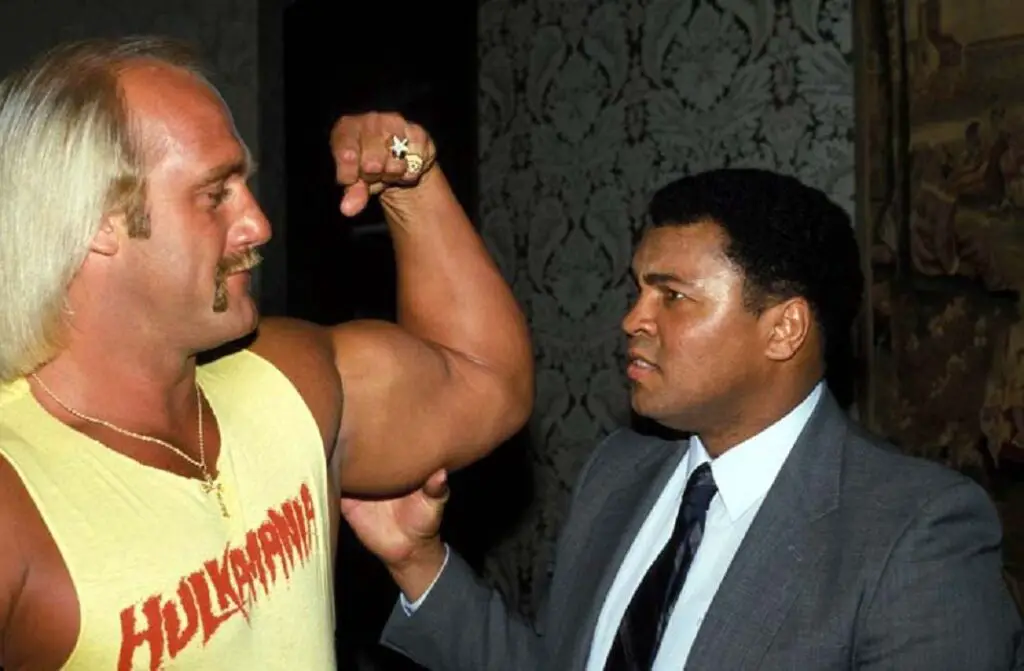
Muhammad Ali, the legendary boxer whose appearances in professional wrestling have been etched in the annals of sports entertainment history, is set to be commemorated with his own WWE action figures. This exciting news was revealed via Sports Illustrated, and WWE subsequently posted a preview. The world-renowned sports figure will not receive just one but two action figures, each embodying distinct phases of his involvement with WWE. Dueling Depictions: Muhammad Ali’s Iconic Wrestling Appearances Immortalized The figures pay homage to Muhammad Ali’s unique presence in WWE history, providing a glimpse into his diverse roles. Ali’s action figure set depicts his infamous bout with Antonio Inoki and another of him as a referee from the inaugural WWE WrestleMania. Notably, both figures will sport different facial expressions and hand gestures, with additional attention to detail, including a white robe bearing Ali’s name. WWE Ultimate Edition Line Expands to Include Boxing Great Muhammad Ali‘s figures will form part of the Mattel WWE Ultimate Edition line, known for its incredible detail and extensive range of characters. This line encompasses modern WWE stars like Seth Rollins and The Usos, alongside past icons such as Bret Hart and “Stone Cold” Steve Austin. These figures are renowned for their precision, boasting over 30 points of articulation for realistic posing and interchangeable heads and hands. Exclusive Debut at San Diego Comic-Con Fans keen to own these pieces of wrestling history will get their first opportunity at this year’s San Diego Comic-Con. Available online and in person, the figures are considered a sought-after commodity. In-person purchases begin on Wednesday, while online shoppers should prepare to log onto MattelCreations.com on Friday, July 21, at 12 pm ET. This tribute to Muhammad Ali, a heavyweight boxing champion and a fascinating professional wrestling figure, embodies his larger-than-life personality. His WWE action figures promise to captivate both wrestling and boxing enthusiasts, once again showcasing Ali’s capacity to transcend the boundaries of sport. The charisma, charm, and courage that made Ali a beloved global icon are set to be immortalized in plastic, allowing fans to hold a piece of sports history in their hands.
When Did Muhammad Ali Die?
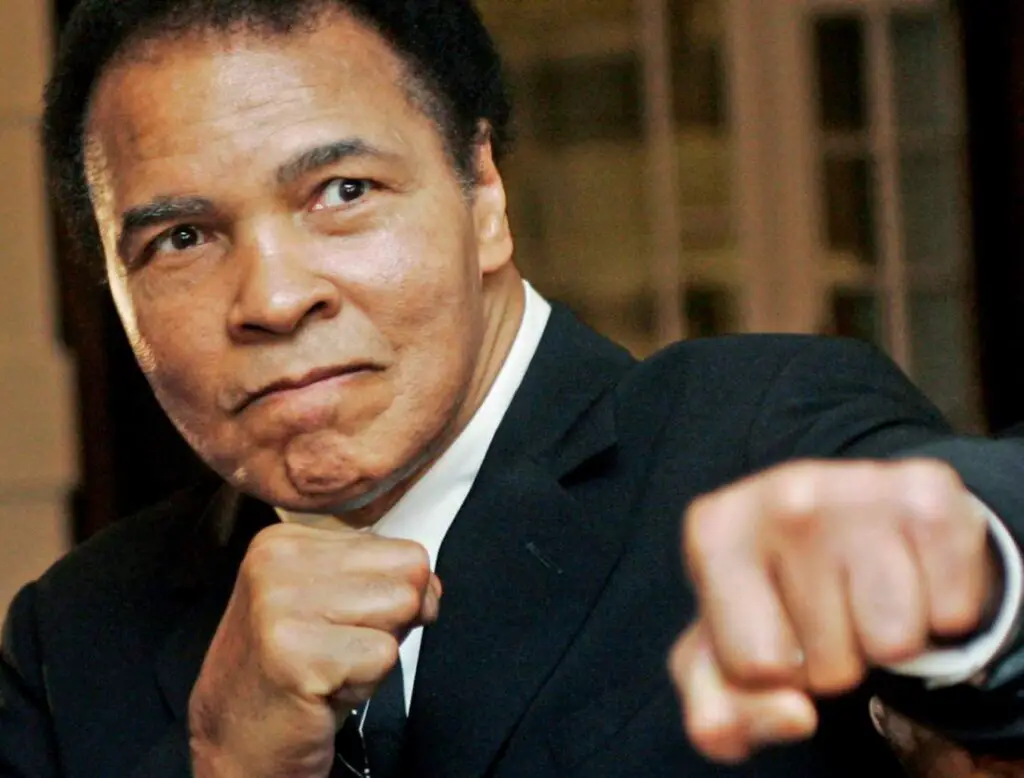
Muhammad Ali, an iconic figure in the world of sports and beyond, left an indelible mark on boxing and society. In this article, we explore the significant moment when the legendary Muhammad Ali passed away, reflecting on the impact of his life and his enduring legacy. Muhammad Ali’s Passing Muhammad Ali passed away on June 3, 2016, marking a significant moment in history. After a long battle with Parkinson’s disease, Ali’s health deteriorated in the later years of his life. His condition had become a symbol of strength and resilience as he continued to inspire others despite his own physical challenges. On June 2, 2016, Ali was admitted to a hospital in Phoenix, Arizona, due to a respiratory issue. The news of his hospitalization sent shockwaves through the sports world and beyond, with fans anxiously awaiting updates on his condition. The following day, on June 3, 2016, surrounded by his family, Muhammad Ali peacefully departed from this world at the age of 74. His passing was met with an outpouring of grief and tributes from around the globe. Fans, fellow athletes, and world leaders all joined together to honor and celebrate the life of “The Greatest.” Ali’s death was a poignant moment that marked the end of an era and the loss of a truly extraordinary individual who had transcended the realm of sports. His impact extended far beyond his boxing career, as he used his platform to champion civil rights, speak out against injustice, and promote peace. Throughout his life, Ali had become a symbol of courage, conviction, and determination. His unwavering belief in his own abilities and his commitment to his principles inspired countless individuals around the world. His charisma and magnetic personality made him a cultural icon, influencing popular culture and leaving an indomitable mark on society. Conclusion Muhammad Ali passed away on June 3, 2016, after a long battle with Parkinson’s disease. The world mourned the loss of a sports icon, humanitarian, and cultural figure who had left an indelible legacy. Ali’s spirit continues to inspire, and his contributions continue to resonate, ensuring that his memory lives on. His passing marked the end of an era but also served as a reminder of the enduring impact one person can have on the world. Muhammad Ali’s life and legacy serve as a testament to the power of determination, resilience, and the unwavering pursuit of one’s beliefs. He will forever be remembered as “The Greatest” and his influence will continue to shape the world of sports and beyond for generations to come.
Muhammad Ali’s Professional Losses: All the Boxers Who Beat the Legend
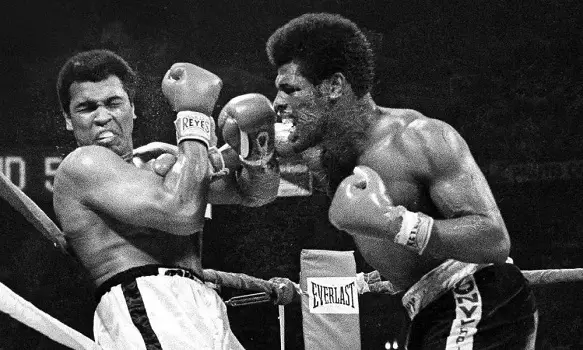
Muhammad Ali, widely regarded as one of the greatest boxers of all time, had an exceptional career marked by numerous victories. However, even the legendary Ali experienced defeats. In this article, we explore the boxers who managed to overcome Ali’s skill and resilience, handing him losses throughout his illustrious professional journey. Joe Frazier Joe Frazier was the first fighter to defeat Ali, winning their highly anticipated bout in 1971, famously known as the “Fight of the Century.” The fight took place at Madison Square Garden in New York City and showcased the relentless pressure and powerful left hooks of Frazier. Frazier’s strategy was to constantly move forward and attack Ali, nullifying his renowned footwork and jab. Despite Ali’s valiant effort, Frazier’s relentless aggression and determination earned him a unanimous decision victory. This defeat was a major setback for Ali, but it only fueled their rivalry and set the stage for two more iconic encounters. Ken Norton Ken Norton handed Ali his second professional loss in 1973. The two fighters met for the first time in San Diego, California, in a match that would have lasting consequences for Ali. Norton’s unorthodox style and his ability to exploit Ali’s weaknesses became evident as the fight progressed. In the second round, Norton landed a powerful left hook that broke Ali’s jaw. Despite fighting through the injury, Ali was unable to regain control of the fight. Norton’s strong punching and defensive skills proved effective, and he secured a split-decision victory over the heavyweight champion. This loss was a significant setback for Ali, both physically and mentally, as it forced him to reevaluate his approach to future fights. Leon Spinks In a surprising upset, Leon Spinks defeated Ali in 1978 to claim the heavyweight title. Spinks, an Olympic gold medalist, was a relatively unknown boxer at the time. The fight took place in Las Vegas, Nevada, and showcased Spinks’ relentless energy and work rate. While Ali had been in semi-retirement and was not in his prime, he was still expected to win convincingly against the inexperienced Spinks. However, Spinks proved to be a formidable opponent. He consistently outworked Ali, throwing punches in high volumes and applying constant pressure. Spinks’ victory came in the form of a split decision, and he became the only fighter to defeat Ali in a title fight twice. This loss was a major shock to the boxing world, and it demonstrated that even an aging Ali was vulnerable to determined and hungry opponents. Trevor Berbick Ali’s final loss came in 1981 against Trevor Berbick. By this time, Ali was well past his prime and had already retired and come back to the ring once before. The fight took place in Nassau, Bahamas, and marked the end of Ali’s professional career. Berbick, a younger and more active fighter, utilized his aggressive style to outpoint Ali and secure a unanimous decision victory. Although this loss did not have the same impact as Ali’s previous defeats, it served as a symbolic end to the career of one of the greatest boxers of all time. Conclusion Muhammad Ali experienced a total of five losses throughout his professional career. While Joe Frazier, Ken Norton, Leon Spinks, and Trevor Berbick were the notable boxers who emerged victorious against Ali, his legacy transcends his defeats. Ali’s unmatched skill, charisma, and impact on the sport solidify his status as one of the all-time greats in the world of boxing. His defeats only serve as reminders of his humanity and the extraordinary challenges he faced throughout his remarkable career. Muhammad Ali’s contributions to the sport and his inspiring persona will forever.
Muhammad Ali’s Personal Life: All the Details
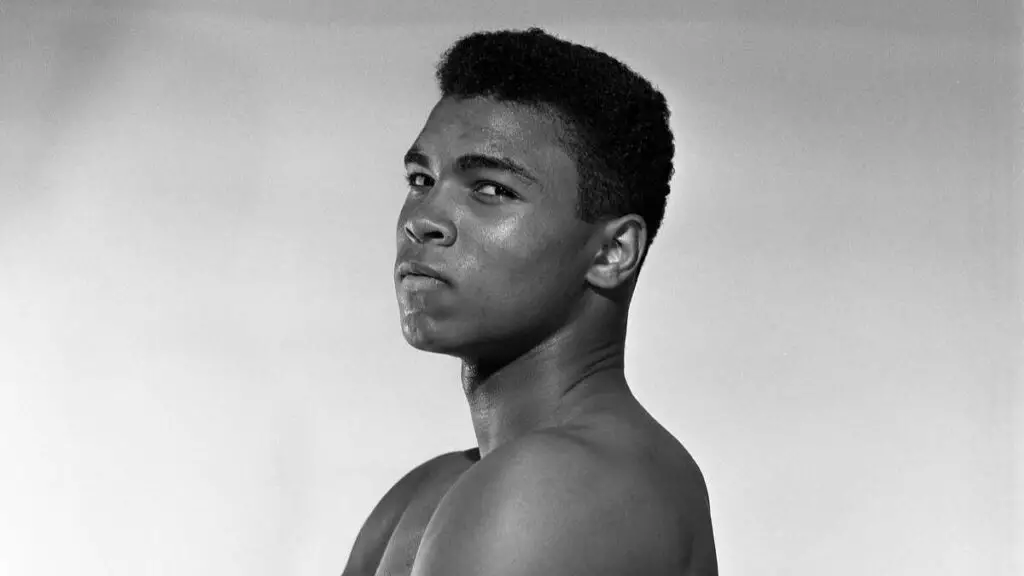
Muhammad Ali, a larger-than-life figure both inside and outside the boxing ring, had a fascinating personal life that shaped his identity and left a lasting impact on the world. In this article, we delve into the various aspects of Ali’s personal life, providing insights into his upbringing, relationships, philanthropy, and the challenges he faced. Early Life and Conversion to Islam Muhammad Ali, born Cassius Marcellus Clay Jr. on January 17, 1942, in Louisville, Kentucky, experienced racial discrimination and segregation during his formative years. His conversion to Islam in the 1960s, under the guidance of Malcolm X, played a significant role in shaping his personal and religious beliefs, leading to his name change and association with the Nation of Islam. Relationships and Family Ali was married four times in his life. His first marriage to Sonji Roi ended in divorce. He then married Belinda Boyd, known as Khalilah Ali, with whom he had four children. After their divorce, he married Veronica Porsche and had two daughters. His fourth and final marriage was to Yolanda “Lonnie” Williams, whom he remained with until his passing in 2016. Philanthropy and Activism Ali was known for his strong social and political convictions. He championed various causes, including civil rights and opposition to the Vietnam War, which led to his temporary suspension from boxing. Throughout his life, Ali remained actively involved in philanthropy, supporting numerous charitable organizations and using his platform to promote humanitarian efforts and raise awareness for Parkinson’s disease, which he battled later in life. Parkinson’s Disease and Legacy In 1984, Ali was diagnosed with Parkinson’s disease, a degenerative neurological condition that affected his physical abilities. Despite the challenges posed by his illness, Ali continued to inspire and advocate for various causes. His courage in the face of adversity and his larger-than-life personality left an indelible mark on the world, making him an enduring symbol of strength, resilience, and activism. Muhammad Ali’s personal life was as dynamic and impactful as his boxing career. From his conversion to Islam and activism to his relationships, philanthropy, and battle with Parkinson’s disease, Ali’s life journey showcases the depth of his character and the lasting legacy he left behind as a sports icon and humanitarian.
When Did Muhammad Ali Retire?
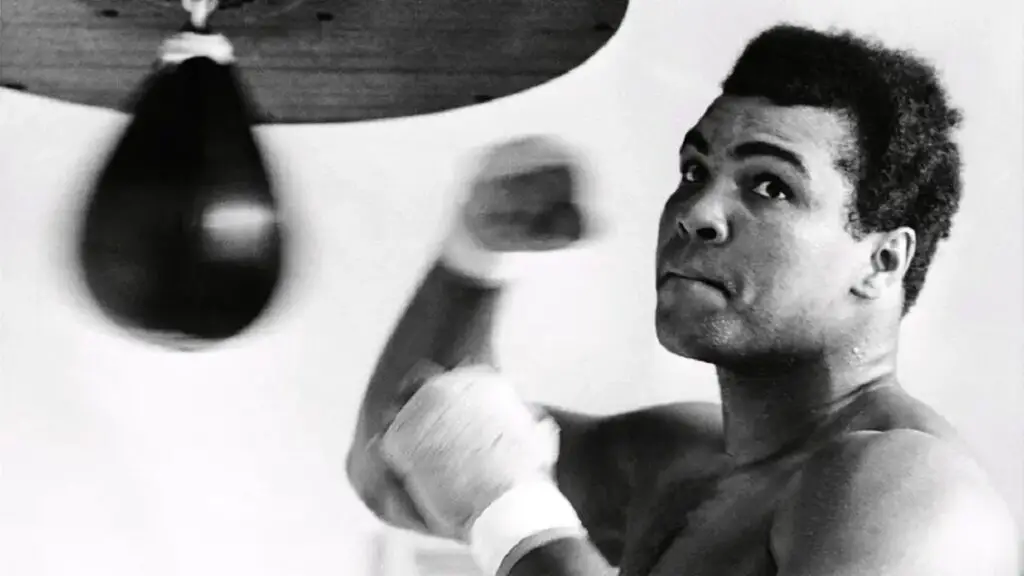
Muhammad Ali, renowned as one of the greatest boxers in history, had a career that spanned over two decades. In this article, we explore the significant moment when Ali decided to hang up his gloves and retire from professional boxing, marking the end of an era in the sport. Muhammad Ali’s Retirement Muhammad Ali officially retired from professional boxing on June 27, 1981, at the age of 39. His retirement came after a storied career filled with triumphs, setbacks, and an enduring impact on the sport. Ali’s last fight took place on December 11, 1980, against Larry Holmes. The fight, often referred to as the “The Last Hurrah,” ended in defeat for Ali. He faced significant physical decline, and his corner stopped the fight after the tenth round due to Ali’s inability to continue effectively. After this loss, Ali made the decision to retire, recognizing that his body could no longer withstand the rigors of professional boxing. He had achieved unparalleled success in his career, and the time had come for him to transition to the next phase of his life. Conclusion Muhammad Ali retired from professional boxing on June 27, 1981, following his defeat to Larry Holmes in 1980. With an exceptional career filled with numerous victories and a lasting impact on the sport, Ali’s retirement marked the end of an era, leaving a legacy that continues to inspire generations of boxers and fans alike.
Muhammad Ali vs. Joe Frazier: Recapping the Epic Trilogy
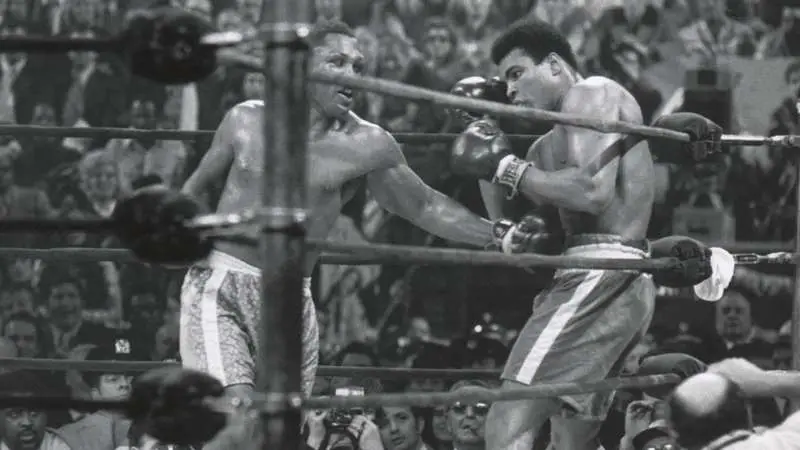
The rivalry between Muhammad Ali and Joe Frazier is one of the most legendary in the history of boxing. In this article, we take a closer look at the epic trilogy of fights that unfolded between these two iconic heavyweights, showcasing the intensity, drama, and lasting impact of their battles inside the ring. Fight 1: “The Fight of the Century” On March 8, 1971, Muhammad Ali and Joe Frazier faced each other in the first installment of their trilogy. The fight, aptly named “The Fight of the Century,” took place at Madison Square Garden in New York City. Both fighters showcased their immense skill, determination, and heart in a brutal 15-round bout. Frazier’s relentless pressure and powerful left hooks ultimately led him to victory, as he handed Ali his first professional defeat. Fight 2: “Super Fight” Nearly three years later, on January 28, 1974, Ali and Frazier squared off once again in the highly anticipated “Super Fight.” This rematch took place at Madison Square Garden. Ali adopted a different strategy, employing his “rope-a-dope” technique to tire out Frazier. After 12 grueling rounds, Ali emerged victorious, winning a unanimous decision and avenging his previous loss to Frazier. Fight 3: “Thrilla in Manila” The third and final bout between Ali and Frazier took place on October 1, 1975, in Manila, Philippines. Dubbed the “Thrilla in Manila,” the fight was an intense battle of wills and endurance. Both fighters pushed themselves to the limit in the scorching heat. After 14 grueling rounds, Frazier’s corner decided to stop the fight, unable to continue due to Frazier’s swollen eyes. Ali emerged as the winner, solidifying his rivalry with Frazier. The trilogy of fights between Muhammad Ali and Joe Frazier left an indelible mark on boxing history. The intensity, drama, and determination displayed by both fighters captivated audiences worldwide. Their battles showcased the true essence of the sport and ensured that their legendary rivalry would be forever etched in the annals of boxing.
How Many Knockouts Does Muhammad Ali Have?

Muhammad Ali, known for his lightning-fast speed and powerful punches, left a lasting impression on the boxing world with his remarkable knockout victories. In this article, we explore the number of knockouts Ali achieved throughout his illustrious career, highlighting his punching prowess and ability to finish fights in spectacular fashion. Muhammad Ali’s Knockout Record Out of Muhammad Ali’s 56 victories in his professional career, he achieved a total of 37 knockouts. Known for his exceptional boxing skills and precise punching, Ali possessed the ability to deliver devastating finishes to his opponents. Ali’s knockout victories showcased his power and finesse in the ring, making him a formidable force. Some of his notable knockout victories include his first-round knockout of Sonny Liston in their rematch, his eighth-round knockout of George Foreman in the famous “Rumble in the Jungle,” and his seventh-round knockout of Cleveland Williams. While Ali’s boxing style was often characterized by his speed, footwork, and defensive prowess, his knockout victories demonstrated his ability to generate significant power and deliver fight-ending blows when necessary. Conclusion Muhammad Ali recorded a total of 37 knockouts throughout his storied career. His ability to combine speed, skill, and power allowed him to finish fights in dramatic fashion, solidifying his reputation as one of the most captivating and devastating punchers in the history of boxing.
Muhammad Ali’s Title Reign: All the Details
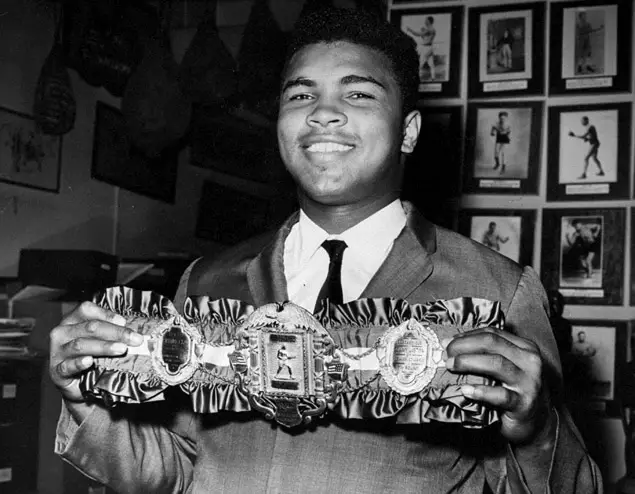
Muhammad Ali, widely regarded as one of the greatest boxers of all time, had an extraordinary career that included multiple reigns as the world heavyweight champion. In this article, we delve into the details of Ali’s title reigns, highlighting the significant moments, opponents, and the impact he made during his time as the undisputed champion of the boxing world. First Heavyweight Championship On February 25, 1964, Ali, then known as Cassius Clay, defeated Sonny Liston to claim his first heavyweight championship. This victory, known as the “Phantom Punch,” shocked the world and marked the beginning of Ali’s reign. He successfully defended his title against Liston in a rematch and went on to defeat a series of formidable opponents, including Floyd Patterson and Ernie Terrell. The “Fight of the Century” and Beyond In 1971, Ali faced Joe Frazier in what was billed as the “Fight of the Century.” Although Ali suffered his first professional defeat in this thrilling bout, he bounced back with victories against a range of notable challengers. This period included wins against Ken Norton, George Chuvalo, and Jimmy Ellis. Regaining the Title After a brief retirement, Ali returned to the ring and reclaimed the heavyweight championship by defeating George Foreman in the famous “Rumble in the Jungle” bout in 1974. Ali’s strategy of using the “rope-a-dope” technique showcased his tactical brilliance and resilience. Final Title Reign In 1978, Ali once again captured the heavyweight title by defeating Leon Spinks, becoming the first three-time heavyweight champion in history. This victory marked the culmination of Ali’s extraordinary career, as he successfully defended his title against contenders such as Earnie Shavers and Larry Holmes. Conclusion Muhammad Ali’s title reigns as the world heavyweight champion showcased his dominance, resilience, and remarkable skill set. From his initial victory against Sonny Liston to his historic triumphs over Joe Frazier and George Foreman, Ali’s impact as a champion remains unparalleled, solidifying his status as an icon of the boxing world.
Muhammad Ali’s Professional Record: All the Details
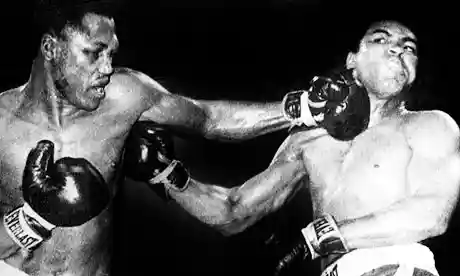
Muhammad Ali, widely regarded as one of the greatest boxers in history, had an illustrious professional career that spanned over two decades. In this article, we provide a comprehensive overview of Ali’s professional record, highlighting his victories, defeats, and notable moments throughout his remarkable journey inside the boxing ring. Muhammad Ali’s Professional Record Muhammad Ali competed in a total of 61 professional fights throughout his career, achieving an impressive record of 56 wins, 37 of which came by knockout, and 5 losses. Here is a breakdown of Ali’s notable bouts: Notable Wins Ali’s victories include his iconic matches against legendary opponents such as Sonny Liston, Joe Frazier, and George Foreman. Notable wins include his first heavyweight championship victory against Liston in 1964, known as the “Phantom Punch,” and his thrilling “Fight of the Century” against Joe Frazier in 1971, where he suffered his first professional loss but later avenged it in two subsequent rematches. Defeats and Comebacks Ali experienced five losses in his career. These include his defeats against Joe Frazier in their first bout, Ken Norton (twice), Leon Spinks, and Larry Holmes. Ali’s loss to Holmes in 1980 marked the final fight of his career. However, Ali’s legacy extends beyond his defeats, as he demonstrated remarkable resilience and made memorable comebacks, including his victorious rematch against Leon Spinks to regain the heavyweight title in 1978. Conclusion Muhammad Ali’s professional record stands as a testament to his remarkable talent and the challenges he faced throughout his career. With 56 wins, including victories against some of the greatest boxers of his era, Ali solidified his status as a boxing legend and left an enduring impact on the sport.