
Ronda Rousey’s Move to WWE: All the Details
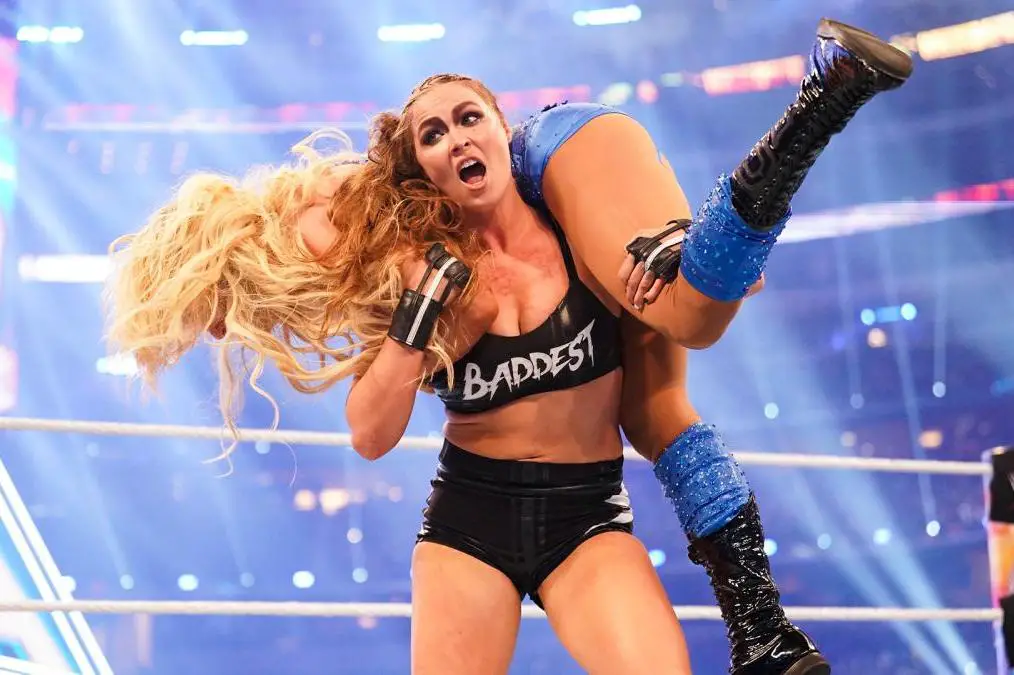
Following her illustrious MMA career, Ronda Rousey made a transition to the world of professional wrestling, leaving a notable impact in WWE. In this article, we delve into the specifics of Rousey’s move to WWE, highlighting her debut, key moments, and the influence she exerted in the realm of sports entertainment. Rousey’s WWE Debut On January 28, 2018, at the Royal Rumble pay-per-view event, Ronda Rousey made her much-anticipated WWE debut. As a surprise entrant, she emerged in the women’s Royal Rumble match to a thunderous ovation from the crowd. Rousey’s arrival generated significant buzz and marked the beginning of her journey in WWE. Key Moments and Achievements Rousey swiftly established herself as a formidable presence in WWE. She engaged in high-profile rivalries with top women wrestlers, including notable matches against Stephanie McMahon and Triple H at WrestleMania 34. In August 2018, at the SummerSlam pay-per-view, Rousey captured the Raw Women’s Championship by defeating Alexa Bliss. Her dominant reign as champion showcased her exceptional athleticism and unwavering dedication to mastering the craft of professional wrestling. Throughout her tenure, Rousey participated in numerous unforgettable matches and moments. One of the most significant was the historic women’s main event at WrestleMania 35, where she faced off against Becky Lynch and Charlotte Flair. This groundbreaking match marked the first time in history that women headlined WrestleMania. Temporary Departure and Legacy After a period filled with noteworthy accomplishments, Ronda Rousey took a hiatus from WWE to explore other personal endeavors. However, her impact had a lasting effect. Rousey’s involvement brought mainstream attention to WWE and played a crucial role in elevating the women’s division to unprecedented heights. Her seamless transition from MMA to professional wrestling showcased her versatility as an athlete and attracted new fans to WWE. Rousey’s crossover appeal, combined with her established star power, significantly contributed to the ongoing evolution and recognition of women’s wrestling within the industry. Conclusion Ronda Rousey’s move to WWE marked a significant chapter in her already illustrious career. Her memorable debut, championship victory, and participation in groundbreaking moments solidified her place in the world of professional wrestling, while also bringing heightened attention and recognition to women’s wrestling. Rousey’s impact on WWE remains undeniable, leaving an indelible mark on the industry as a whole. Watch Ronda Rousey in the WWE below:
Who was the first fighter to defeat Ronda Rousey?

Ronda Rousey’s dominance in women’s MMA captured the imagination of audiences worldwide, but her undefeated streak eventually came to a halt. In this article, we delve into the pivotal moment when Rousey faced her first defeat, highlighting the opponent who achieved this significant milestone in her career. Who was the first fighter to defeat Ronda Rousey? The Fighter Who Ended the Undefeated Streak Holly Holm holds the distinction of being the first fighter to defeat Ronda Rousey in the UFC. Their highly anticipated clash took place on November 15, 2015, at UFC 193: Rousey vs. Holm in Melbourne, Australia. The Historic Fight In their bantamweight title bout, Rousey was expected to continue her reign of dominance. However, Holm, a decorated professional boxer and kickboxer, showcased her striking prowess and evasive footwork throughout the fight. Holm displayed exceptional defensive skills, successfully neutralizing Rousey’s grappling and judo techniques. In the second round, a powerful left high kick from Holm connected with Rousey’s head, sending her crashing to the canvas. Holm capitalized on the opportunity and followed up with ground strikes, prompting the referee to intervene and declare her the winner via knockout. Aftermath and Legacy Holly Holm’s victory over Ronda Rousey sent shockwaves through the MMA world, signaling the end of Rousey’s reign as the UFC Women’s Bantamweight Champion. The defeat exposed Rousey’s vulnerabilities and highlighted the importance of a well-rounded skill set in MMA. While Rousey faced setbacks in subsequent fights, including a loss to Amanda Nunes, her impact on women’s MMA remains significant. She played a pivotal role in elevating the popularity and recognition of female fighters in the UFC, paving the way for the emergence of other talented athletes in the division. Conclusion Holly Holm made history as the first fighter to defeat Ronda Rousey in the UFC when they clashed at UFC 193. Holm’s superior striking skills and well-executed game plan proved decisive, ending Rousey’s undefeated streak and leaving an enduring mark in the annals of women’s MMA. Watch highlights from the fight below:
When did Ronda Rousey make her UFC debut?
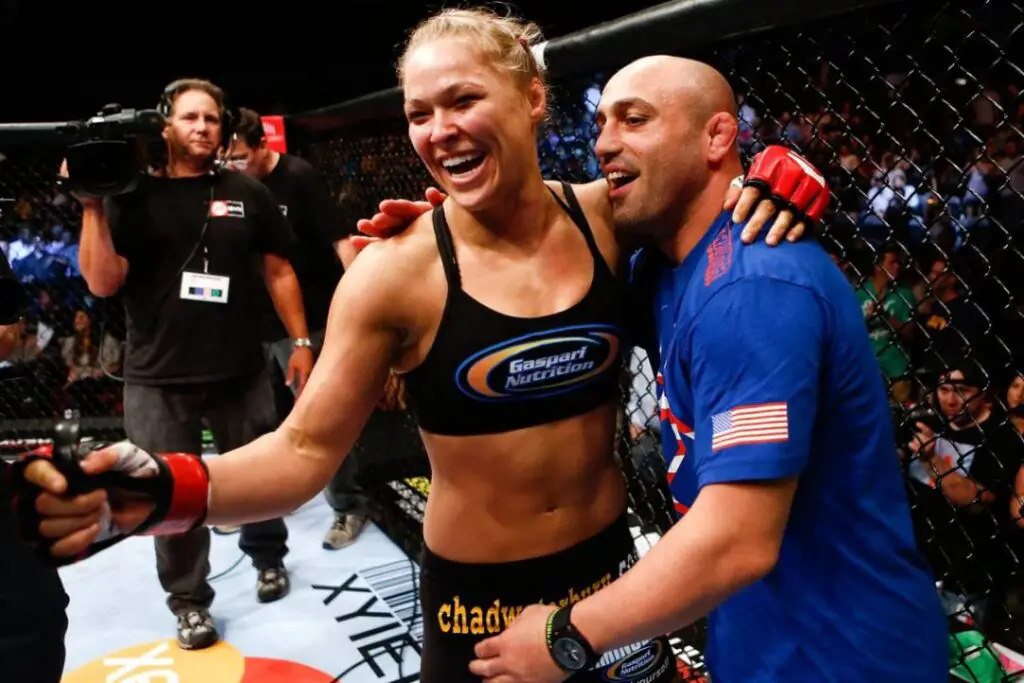
Ronda Rousey, an iconic figure in women’s MMA, transitioned to the UFC after a successful career in Strikeforce. In this article, we delve into the significant moment when Rousey stepped into the UFC octagon for her debut, highlighting the event, her opponent, and the profound impact she made on the sport. Ronda Rousey’s UFC Arrival On February 23, 2013, Ronda Rousey made her much-anticipated UFC debut at UFC 157: Rousey vs. Carmouche. The historic event unfolded at the Honda Center in Anaheim, California, marking the first-ever women’s fight in the UFC. The Historic Fight In her UFC debut, Rousey defended her Strikeforce Women’s Bantamweight Championship against Liz Carmouche, a formidable opponent known for her submission skills and toughness. The fight drew significant attention as Rousey’s star power and reputation preceded her. Rousey showcased her signature judo skills early in the fight, attempting multiple armbar submissions. However, Carmouche displayed resilience, even mounting Rousey at one point, creating a tense moment. Yet, Rousey’s unwavering determination and relentless pursuit of victory prevailed. In the final seconds of the first round, she locked in an armbar, forcing Carmouche to submit. Aftermath and Legacy Rousey’s debut victory against Carmouche not only etched a historic moment for women’s MMA but also established her as the inaugural UFC Women’s Bantamweight Champion. Her dominant performance and ability to finish fights quickly captivated fans worldwide, earning her a rapidly growing fan base. Subsequent fights in the UFC showcased Rousey’s exceptional skills and marketability, propelling her to become one of the biggest stars in the sport. She successfully defended her title multiple times, further solidifying her dominance before eventually experiencing her first loss to Holly Holm in 2015. Although Rousey’s UFC career was relatively short-lived, her impact on the sport and the subsequent rise of women’s MMA within the organization cannot be overstated. Her contributions paved the way for female fighters to thrive and gain recognition on the grandest stage of MMA. Conclusion On February 23, 2013, Ronda Rousey made her much-anticipated UFC debut at UFC 157, marking a historic moment for women’s MMA. Her victory over Liz Carmouche not only secured her status as the inaugural UFC Women’s Bantamweight Champion but also left an indelible legacy in the sport. Rousey’s remarkable talent and undeniable charisma helped pave the way for the growth and success of women’s MMA within the UFC, inspiring a new generation of fighters to follow in her footsteps. Watch every Ronda Rousey finish in the UFC below:
Who convinced Dana White to allow women into the UFC?

The inclusion of women in the UFC marked a groundbreaking moment in the world of mixed martial arts (MMA). In this article, we explore the pivotal figure who played a crucial role in convincing UFC President Dana White to embrace women’s MMA and introduce female fighters to the UFC’s prestigious roster. The Persuasive Force Ronda Rousey Ronda Rousey, a former Olympic judoka and Strikeforce Women’s Bantamweight Champion, emerged as the central figure in convincing Dana White to welcome women into the UFC. Rousey’s extraordinary talent and undeniable star power captivated fans, showcasing the immense appeal and marketability of women’s MMA. Rousey’s dominance in the bantamweight division and her ability to draw significant audiences through her performances caught the attention of Dana White. Her relentless pursuit of a UFC opportunity demonstrated her unwavering dedication to the sport. Recognizing the potential in Rousey’s star power and the growing demand for women’s fights, White made a pivotal decision, shifting his stance on women’s MMA and opening the doors for female fighters in the UFC. Rousey’s Impact and the Rise of Women’s MMA Ronda Rousey’s entry into the UFC marked a watershed moment for women’s MMA. Her electrifying performances inside the octagon and charismatic personality quickly propelled her to become a household name, attracting a massive fan base. The overwhelming success of Rousey’s fights, particularly her trademark armbar finishes, showcased the technical prowess and excitement that women’s MMA brought to the forefront. Rousey’s influence extended far beyond her own accomplishments. The introduction of the UFC Women’s Bantamweight Championship in 2012 provided a platform for other immensely talented female fighters to display their skills on the grandest stage of MMA. Fighters such as Miesha Tate, Holly Holm, and Amanda Nunes emerged as formidable competitors, further solidifying the growth and legitimacy of women’s divisions in the UFC. Conclusion Ronda Rousey played a pivotal role in persuading Dana White, the President of the UFC, to embrace women’s MMA and introduce female fighters to the organization. Her unparalleled talent, marketability, and remarkable performances paved the way for the rise of women’s divisions in the UFC, leaving an indelible mark on the sport. Rousey’s influence and the subsequent success of female fighters continue to shape the landscape of MMA, inspiring new generations of athletes to pursue their dreams in the world’s most prestigious MMA organization.
Jon Jones’ Controversies: A Detailed History

Jon “Bones” Jones, widely regarded as one of the most talented fighters in UFC history, has also been embroiled in various controversies throughout his career. This article aims to provide a comprehensive overview of the significant controversies that have surrounded Jones, shedding light on the incidents that have impacted his reputation and career trajectory. DUI Arrest and Hit-and-Run Incident In 2012, Jon Jones was arrested for driving under the influence (DUI) in New York. The arrest occurred after he crashed his Bentley into a telephone pole. Jones pleaded guilty to the charges and faced legal consequences, including a six-month driver’s license suspension, fines, and community service. Then, in 2015, Jones found himself involved in a hit-and-run incident in Albuquerque, New Mexico. After his vehicle collided with another, he fled the scene without providing aid or identifying himself. However, he later turned himself in to the authorities and faced legal ramifications. Jones was charged with a felony and misdemeanor, which resulted in probation, community service, and the requirement to attend an anger management course. Failed Drug Tests Jon Jones has faced multiple instances of failed drug tests throughout his career, tarnishing his reputation and leading to significant consequences. In 2016, just days before his highly anticipated rematch against Daniel Cormier at UFC 200, Jones tested positive for banned substances. The positive test led to the cancellation of the fight and Jones being pulled from the event. He received a one-year suspension from the United States Anti-Doping Agency (USADA) and was stripped of his interim light heavyweight title. In 2017, following his victory over Cormier at UFC 214, Jones once again tested positive for a banned substance. The test revealed the presence of Turinabol, an anabolic steroid. As a result, his victory was overturned, and he faced a suspension of 15 months from USADA. This marked the second time Jones had been stripped of his light heavyweight title due to a failed drug test. Stripped Titles and Additional Incidents Due to the controversies surrounding Jon Jones, he has had multiple titles stripped by the UFC. In 2015, he was stripped of his light heavyweight championship after his involvement in a hit-and-run incident. Then, in 2016, Jones was stripped of his interim title following the failed drug test prior to UFC 200. Apart from the aforementioned controversies, Jones has been involved in altercations outside the octagon that further impacted his reputation. One notable incident was a heated confrontation with Daniel Cormier during a press conference, where the two fighters engaged in a physical altercation. Additionally, Jones faced scrutiny for a potential doping violation related to the use of a sexual performance-enhancement drug. Conclusion Throughout his career, Jon Jones has been embroiled in numerous controversies that have had a significant impact on his standing within the sport. From DUI arrests to a hit-and-run incident, failed drug tests, and altercations outside the octagon, these controversies have overshadowed aspects of his remarkable career. While Jones’ fighting skills are undeniable, his controversies have cast a shadow over his legacy and continue to shape the perception of his accomplishments inside the cage.
How many times did Jon Jones defend his UFC Light Heavyweight title?

Jon “Bones” Jones solidified his position as one of the most dominant champions in UFC history during his tenure as the UFC Light Heavyweight Champion. In this article, we delve into the remarkable title defenses that Jones undertook, providing a comprehensive overview of his successful reign atop the 205-pound division. Jon Jones’ Title Defenses Jon Jones defended his UFC Light Heavyweight Championship an impressive total of 10 times. After capturing the title in 2011, Jones embarked on a remarkable streak of successful defenses that showcased his exceptional skills and unparalleled talent. Throughout his reign, Jones faced a formidable roster of challengers, including some of the most notable fighters in the division’s history. Notable opponents in Jones’ title defenses included Rashad Evans, Vitor Belfort, Chael Sonnen, Alexander Gustafsson, Daniel Cormier, and Anthony Smith, among others. Each title defense presented its unique challenges, but Jones consistently showcased his ability to adapt and overcome his opponents with remarkable composure. Jones’ reign as the light heavyweight champion saw him employ a diverse array of striking techniques, a dynamic wrestling game, and impressive submission skills. His unorthodox style, along with his significant reach advantage and exceptional athleticism, proved to be significant advantages in his title defenses. Jones often utilized a combination of creative striking, effective clinch work, and devastating ground-and-pound to dismantle his opponents. Notable Title Defenses One of Jones’ most memorable title defenses came against Alexander Gustafsson at UFC 165 on September 21, 2013. The bout was a closely contested five-round war that pushed Jones to his limits. Despite facing adversity and enduring significant damage, Jones showcased his heart and resilience, ultimately earning a hard-fought unanimous decision victory. Another notable title defense occurred in the highly anticipated rematch against Daniel Cormier at UFC 214 on July 29, 2017. Jones displayed his exceptional striking skills and improved takedown defense, ultimately finishing Cormier with a devastating head kick followed by ground-and-pound in the third round. Watch a recap of Jon Jones’ title reign below: Aftermath and Legacy While Jon Jones’ reign as the UFC Light Heavyweight Champion was not without its share of controversies, his dominance inside the octagon remains undeniable. Jones’ impressive title defenses solidified his place among the all-time greats in the division and established a lasting legacy. Jones’ reign as champion came to an end when he voluntarily relinquished the title in 2020 due to a contract dispute with the UFC. However, his impact on the sport and his reign as the light heavyweight champion continue to be a defining chapter in the history of the division. Jones’ incredible talent, athleticism, and ability to consistently overcome formidable challengers made him a truly exceptional champion. Conclusion Jon Jones successfully defended his UFC Light Heavyweight Championship an astonishing 10 times during his reign. His title defenses against a formidable lineup of opponents solidified his status as one of the most dominant champions in UFC history, leaving an indelible mark on the light heavyweight division. While controversies may have overshadowed his reign at times, Jones’ exceptional skills and unrivaled talent inside the octagon cannot be overlooked. His reign as champion will be remembered as one of the most remarkable and impactful in the history of the sport.
Jon Jones’ title reign: All the details
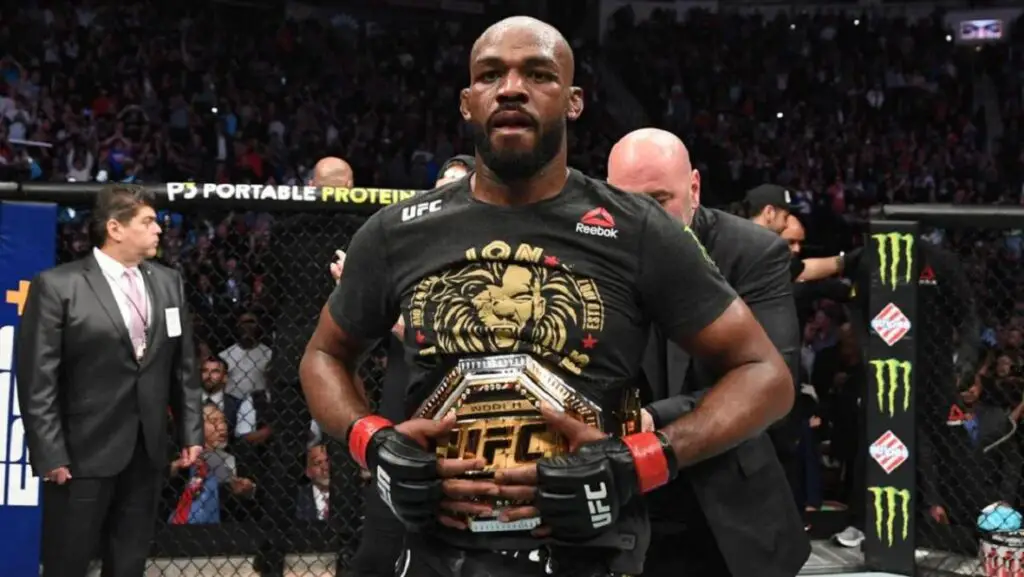
Jon “Bones” Jones is widely regarded as one of the most dominant champions in UFC history. This article explores the details of Jon Jones’ title reign, highlighting the number of successful title defenses, notable opponents, and the significance of his reign in the light heavyweight division. Jon Jones’ title reign in the UFC’s light heavyweight division is characterized by his impressive string of successful title defenses. After capturing the belt on March 19, 2011, at UFC 128, Jones went on to defend his title a record-breaking 10 times, solidifying his status as one of the most dominant champions in the promotion’s history. Notable Opponents During his title reign, Jon Jones faced a formidable lineup of opponents, showcasing his ability to overcome top contenders and maintain his championship status. Some of the notable opponents Jones successfully defended his title against include: Significance of Jones’ Reign Jon Jones’ reign as the UFC light heavyweight champion holds significant importance in the history of the sport. His dominance, technical skills, and ability to adapt to various opponents solidified his status as one of the greatest fighters in MMA. Jones’ unorthodox striking, exceptional wrestling, and effective ground game showcased his versatility and made him a difficult puzzle to solve for his opponents. His ability to control the distance, land significant strikes, and neutralize the strengths of his adversaries became trademarks of his reign. Beyond his in-cage accomplishments, Jones’ reign also had a cultural impact on the sport. He became a transcendent figure, captivating both hardcore fans and casual viewers with his unique fighting style and charismatic personality. Controversies and Legacy While Jon Jones’ reign as champion was marked by tremendous success, it was not without its share of controversies. Jones faced several issues outside the octagon, including legal troubles and failed drug tests, which led to suspensions and the stripping of his titles. These controversies undoubtedly tarnished his legacy and raised questions about his overall impact on the sport. However, his accomplishments inside the cage remain undeniably impressive. Jones’ reign showcased his exceptional talent, athleticism, and fighting spirit, leaving a lasting impact on the light heavyweight division and the sport of MMA as a whole. Conclusion Jon Jones’ title reign in the UFC light heavyweight division is a testament to his extraordinary skill set, adaptability, and dominance as a fighter. With a record-breaking 10 successful title defenses, he solidified his status as one of the most dominant champions in UFC history. Throughout his reign, Jones faced and defeated a series of formidable opponents, demonstrating his ability to overcome challenges and maintain his championship status. While controversies marred his legacy, Jones’ in-cage accomplishments cannot be overlooked, as he left an indelible mark on the sport and established himself as one of the all-time greats in MMA. Watch a recap of Jon Jones’ light heavyweight reign below:
When did Jon Jones become a UFC Champion?

Jon “Bones” Jones is renowned as one of the most dominant champions in UFC history. This article delves into the pivotal moment when Jones achieved his dream of becoming a UFC champion, highlighting the event, opponent, and the significance of this milestone in his illustrious career. Jon Jones’ Championship Triumph Jon Jones captured the UFC Light Heavyweight Championship on March 19, 2011, at UFC 128: Shogun vs. Jones. The event took place at the Prudential Center in Newark, New Jersey, and featured a highly anticipated title bout between Jones and the reigning champion, Maurício “Shogun” Rua. At the time of the fight, Maurício Rua was considered one of the most formidable champions in the light heavyweight division. He had built a reputation for his aggressive striking and solid grappling skills, making him a formidable opponent for anyone in the division. The Title Fight In a spectacular performance, Jon Jones displayed his remarkable skill set and overwhelmed Maurício Rua with his diverse arsenal of strikes, unorthodox techniques, and effective grappling. From the opening bell, Jones showcased his superior athleticism, landing devastating elbows, spinning back elbows, and powerful takedowns. Jones utilized his exceptional reach advantage to keep Rua at bay, landing strikes from a distance and preventing Rua from mounting any significant offense. His fluid movement and creative striking combinations kept Rua guessing and unable to find a rhythm. In the third round, Jones launched a relentless assault, ultimately forcing Rua to the canvas, where he pummeled the champion with a barrage of strikes. The referee stepped in to stop the fight, declaring Jon Jones the winner via TKO, and crowning him as the new UFC Light Heavyweight Champion. Watch the finish below: Aftermath and Legacy Following his championship victory, Jon Jones embarked on a dominant title reign that saw him defend the belt numerous times against some of the division’s top contenders. He successfully defended his title against the likes of Quinton “Rampage” Jackson, Lyoto Machida, Rashad Evans, and Vitor Belfort, among others. However, Jones’ reign was not without controversy. He faced multiple outside-the-octagon issues, including failed drug tests and legal troubles, which led to suspensions and stripped titles. These incidents have tarnished his reputation and cast a shadow over his accomplishments. Nonetheless, Jones’ accomplishments inside the cage remain undeniably impressive. His unique fighting style, exceptional reach, and relentless pursuit of greatness made him an unstoppable force in the light heavyweight division. He showcased a level of dominance rarely seen in the sport and left an indelible mark on the UFC. Conclusion Jon Jones became the UFC Light Heavyweight Champion on March 19, 2011, when he defeated Maurício Rua at UFC 128. This victory marked a significant milestone in Jones’ career, launching him into a dominant reign as one of the most talented champions in UFC history. Despite the controversies that have marred his legacy, his impact on the sport of MMA cannot be overlooked. Jones’ journey from contender to champion solidifies his place among the all-time greats in the sport.
Jon Jones’ UFC debut: All the details

Jon Jones, widely regarded as one of the greatest fighters in UFC history, made a memorable debut in the world’s premier mixed martial arts organization. This article delves into the details surrounding Jones’ first appearance in the UFC octagon, highlighting the event, the opponent, and the outcome of this significant moment in his career. The Arrival of Jon Jones Jon “Bones” Jones made his UFC debut on August 9, 2008, at UFC 87: Seek and Destroy. The event took place at the Target Center in Minneapolis, Minnesota, and showcased a highly anticipated clash between Jones and fellow light heavyweight contender, Andre Gusmao. At the time of his debut, Jones was a relatively unknown prospect in the UFC. However, he had already shown great promise in his previous fights, displaying a unique fighting style characterized by his exceptional reach, unorthodox striking techniques, and strong wrestling abilities. The Fight In his debut, the young Jon Jones showcased his immense talent and versatility. He displayed a unique blend of striking and grappling skills that immediately caught the attention of fight fans. Throughout the three-round contest, Jones utilized his impressive reach advantage to land powerful strikes while demonstrating excellent takedown defense. Jones demonstrated his ability to control the fight, mixing up his striking with well-executed takedowns and ground control. His athletic ability and fluid movement allowed him to dictate the pace of the fight and impose his will on his opponent. Jones’ athleticism and dynamic striking proved too much for Gusmao to handle. Although the fight went the distance, Jones outclassed his opponent, displaying superior technique and aggression. The judges awarded him a unanimous decision victory, announcing his arrival in the UFC with a strong statement. Watch the full fight below: Aftermath and Legacy Following his successful debut, Jon Jones continued to rise through the ranks of the UFC light heavyweight division. He quickly established himself as a formidable force and went on to capture the UFC Light Heavyweight Championship, defeating Mauricio “Shogun” Rua in March 2011. Jones’ reign as the 205-pound champion spanned several years, during which he faced some of the division’s most iconic fighters, including Quinton “Rampage” Jackson, Lyoto Machida, Rashad Evans, and Daniel Cormier. His unorthodox style, exceptional wrestling ability, and devastating striking combinations solidified his status as one of the greatest fighters in MMA history. However, Jones’ career has also been marred by controversy and outside-the-cage issues, including failed drug tests and legal troubles. These incidents have affected his legacy and led to periods of inactivity and suspensions. Conclusion Jon Jones’ UFC debut at UFC 87 marked the beginning of an illustrious career. With his impressive skills and ability to adapt inside the octagon, Jones went on to achieve unprecedented success, becoming one of the most dominant champions in UFC history and leaving an indelible mark on the sport. Despite the controversies that have surrounded him, Jones’ impact on the sport cannot be denied, and his debut served as a glimpse into the remarkable career that would follow.
Who dethroned UFC legend Anderson Silva?
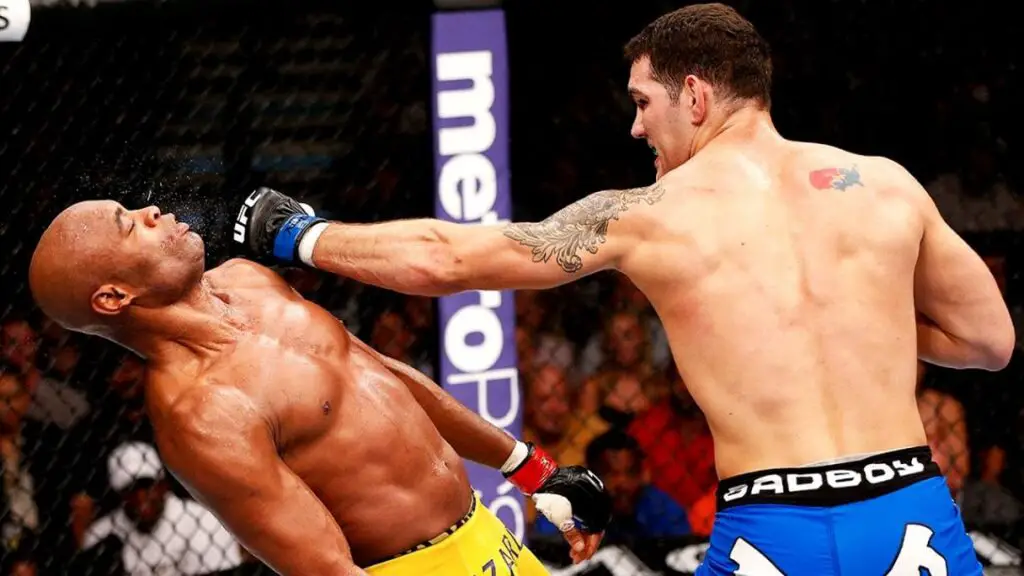
Anderson Silva, widely regarded as one of the greatest fighters in the history of mixed martial arts (MMA), held the UFC Middleweight Championship for an unprecedented reign. However, every reign must come to an end, and Silva’s was no exception. In this article, we delve into the story of the fighter who managed to dethrone the Brazilian icon. Anderson Silva’s Legacy Before we reveal the name of the fighter who ended Silva’s reign, it’s crucial to acknowledge the immense impact he had on the sport. Silva dominated the UFC’s middleweight division for nearly seven years, defending his title a record-breaking 10 times. His extraordinary striking skills, pinpoint accuracy, and unorthodox style captivated fans worldwide, solidifying his reputation as an MMA legend. The Man Who Ended Anderson Silva’s Reign On July 6, 2013, at UFC 162, Anderson Silva faced a formidable challenger in Chris Weidman. Weidman, an undefeated prospect at the time, possessed a strong wrestling background and showcased tremendous knockout power. Many viewed this matchup as Silva’s toughest test yet. During the fight, Silva employed his usual showboating tactics, taunting Weidman with his unique striking style. However, his antics ultimately proved costly. In the second round, Weidman caught Silva with a thunderous left hook, knocking him out and ending his record-breaking title reign. Aftermath and Legacy The loss to Weidman marked the end of Silva’s historic reign, signalling a changing of the guard in the middleweight division. Although Silva would continue to compete in the UFC, his dominance had been shattered, and he would never recapture his previous heights. On the other hand, Weidman’s victory catapulted him into the spotlight. He became the new UFC Middleweight Champion and went on to defend the title against Silva in an immediate rematch, solidifying his position as a force to be reckoned with in the division. While Silva’s reign had come to an end, his legacy remained untarnished. His contributions to the sport and his electrifying performances ensured his place in the annals of MMA history. Weidman’s victory, meanwhile, marked the start of a new era, setting the stage for future middleweight contenders to make their mark. Conclusion Chris Weidman’s knockout victory over Anderson Silva at UFC 162 brought an end to Silva’s legendary title reign. The upset victory signalled a changing of the guard in the middleweight division, and Weidman emerged as the new champion, solidifying his own place in MMA history. Watch a recap of the fight below: