
Conor McGregor vs. Logan Paul Exhibition Match In India: A Global Sporting Spectacle
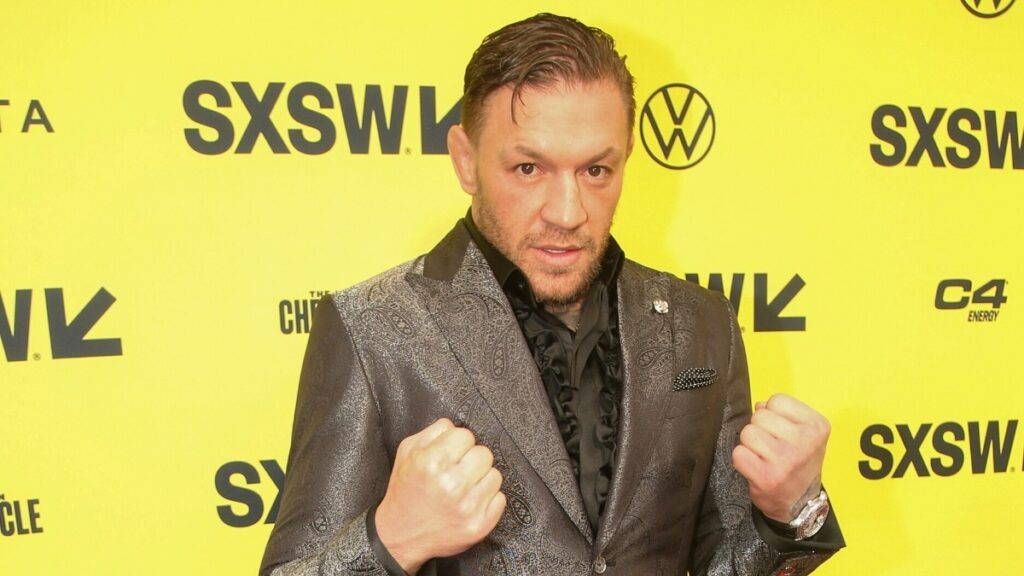
The world of combat sports is abuzz with the news of an exhibition boxing match between Conor McGregor, the former UFC champion, and Logan Paul, a renowned YouTuber and boxer. This highly anticipated event is set to take place in India, marking a significant milestone in the country’s journey to become a hub for international sporting events. The match is part of the “Visit India” tourism campaign, aimed at showcasing India’s potential as a premier destination for global sports. Background: Conor McGregor and Logan Paul Conor McGregor is a household name in the world of Mixed Martial Arts (MMA). Known for his lightning-fast left hand and charismatic personality, McGregor has been a dominant force in the UFC, holding titles in both the featherweight and lightweight divisions. His last professional fight was against Dustin Poirier in July 2021, which ended with McGregor suffering a leg injury. Since then, he has been on a hiatus from competitive MMA, fueling speculation about his return to the Octagon. On the other hand, Logan Paul has transitioned from being a social media influencer to a boxer, participating in several high-profile exhibition matches. His most notable bout was against Floyd Mayweather, where he managed to go the full eight rounds against the boxing legend. Paul’s involvement in WWE has also garnered significant attention, as he won the U.S. Championship in November 2023. This crossover into professional wrestling highlights his versatility and ability to engage diverse audiences. The Exhibition Match: Details and Significance The Conor McGregor vs. Logan Paul exhibition match is not just a sporting event; it’s a strategic move to position India as a major player in the global sports arena. The event is backed by the Ambani family, one of India’s wealthiest and most influential families, known for their ventures in telecommunications, petrochemicals, and sports. Anant Ambani, the son of Mukesh Ambani, is reportedly driving this initiative, aiming to bring world-class combat sports to India. The match is scheduled to take place at the Wankhede Stadium in Mumbai, a venue known for hosting international cricket matches. This choice of venue highlights the ambition to leverage India’s existing sports infrastructure to host diverse global events. The Wankhede Stadium, with its seating capacity of over 33,000, is expected to be packed with fans eager to witness this historic bout. Negotiations and Involvement of UFC While Conor McGregor has agreed to the fight, there are ongoing negotiations involving the Ultimate Fighting Championship (UFC). McGregor still has two fights left on his UFC contract, making the UFC’s involvement crucial for the boxing match to proceed. The UFC’s participation in these negotiations underscores the complexity of cross-promotional events in combat sports. To explore more about how UFC superstars maintain their edge in the MMA world, see our article on UFC Training Strategies. Discover how combat sports superstars and storylines stay ahead of the game through innovative marketing and branding at Sports Marketing Trends. Potential Date and Venue Although the exact date for the match has not been confirmed, there are indications that it might take place in April 2025. The venue, Wankhede Stadium, is set to host this historic event, marking a new chapter in India’s sports history. The event organizers are working closely with local authorities to ensure that all logistical and security arrangements are in place to accommodate the expected large turnout of fans. Impact on Indian Sports and Tourism The Conor McGregor vs. Logan Paul exhibition match is part of a broader initiative to promote India as a destination for international sports events. This aligns with the “Visit India” tourism campaign, which aims to attract global attention and investment into India’s tourism sector. Hosting such high-profile events can have a significant impact on India’s sports infrastructure and economy. It not only brings in revenue but also exposes Indian audiences to different forms of international sports, potentially boosting local interest and participation. The event could also serve as a catalyst for developing India’s boxing and MMA scenes, encouraging more Indians to take up these sports professionally. Economic and Cultural Impact From an economic standpoint, the event is expected to generate substantial revenue through ticket sales, sponsorships, and tourism. Fans from around the world are likely to travel to India to witness the match, contributing to the local economy. Additionally, the event will create jobs in the hospitality and event management sectors, providing a boost to local businesses. Culturally, this event represents a significant moment for India, showcasing its ability to host world-class sporting events. It will also highlight India’s rich cultural heritage and hospitality to a global audience, potentially attracting more international events in the future. The Future of Combat Sports in India The Conor McGregor vs. Logan Paul exhibition match is not just a standalone event; it marks the beginning of a new era for combat sports in India. With the country’s growing interest in MMA and boxing, there is a potential for India to become a major hub for these sports. Growing Interest in MMA and Boxing In recent years, India has seen a surge in interest in MMA and boxing. The success of Indian fighters like Ritu Phogat and Vishal Bhardwaj in international competitions has inspired many young Indians to take up these sports. The establishment of professional MMA leagues like the Matrix Fight Night has further fueled this growth. Infrastructure Development To support this growth, there is a need for improved sports infrastructure in India. The government and private investors are working together to build state-of-the-art training facilities and arenas that can host international events. The success of the Conor McGregor vs. Logan Paul match could accelerate these efforts, attracting more investment into India’s sports infrastructure. Potential for Future Events The success of this exhibition match could pave the way for more international combat sports events in India. The country could potentially host UFC events, professional boxing matches, or even create its own domestic MMA league. This would not only boost India’s sports economy but also provide opportunities for Indian fighters to
Mauricio Ruffy: A Rising Star In The UFC’s Lightweight Division
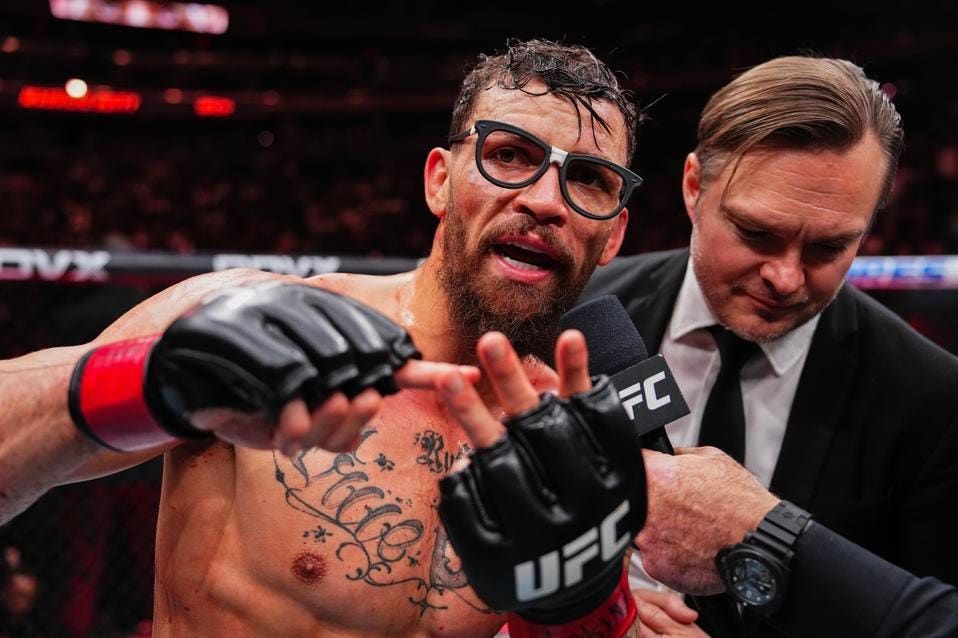
In the fast-paced world of mixed martial arts (MMA), few fighters have made as significant an impact as Mauricio Ruffy, a Brazilian sensation currently dominating the UFC’s lightweight division. With a professional record of 12 wins and only one loss, Ruffy has quickly become a name to watch in the Ultimate Fighting Championship (UFC). His journey from the Brazilian regional scene to the global stage is a testament to his dedication, skill, and the strategic use of MMA training and UFC marketing. Early Career and Rise to Prominence Born in São Paulo, Brazil, Mauricio Ruffy began his MMA career in 2016, quickly establishing himself as a formidable force in the lightweight division. His early success was marked by a series of knockout victories, showcasing his powerful striking skills and earning him the nickname “One Shot.” This moniker reflects his ability to finish fights with a single, decisive blow, a trait that has captivated fans and opponents alike. Ruffy’s rise to prominence was further accelerated by his performances on the Brazilian regional circuit. Notably, he secured a second-round knockout over UFC veteran Ronys Torres, demonstrating his potential to compete at the highest level. This victory not only highlighted his technical prowess but also underscored his capacity to overcome experienced opponents. Dana White’s Contender Series and UFC Debut A pivotal moment in Ruffy’s career came when he was invited to compete on Dana White’s Contender Series, a platform designed to discover emerging talent in the MMA world. On October 3, 2023, Ruffy faced Raimond Magomedaliev, a highly touted prospect, and won via a third-round technical knockout. This impressive performance earned him a UFC contract, marking a significant milestone in his career. Ruffy made his UFC debut at UFC 301 on May 4, 2024, against Jamie Mullarkey. He dominated the fight, securing a first-round technical knockout, his tenth such victory in as many professional wins. This debut not only showcased his knockout power but also cemented his position as a rising star in the lightweight division. Recent Successes and Upcoming Challenges Following his successful debut, Ruffy faced James Llontop at UFC 309 on November 16, 2024. Unlike his previous fights, this bout went the full three rounds, with Ruffy emerging victorious via a unanimous decision. This fight marked a significant evolution in his career, as he demonstrated the ability to adapt his strategy and secure wins through decision, not just knockouts. As of March 2025, Ruffy is preparing to face Bobby Green at UFC 313. This fight represents another crucial step in his journey towards becoming a top contender in the lightweight division. Ruffy’s ambition is clear: he aims to become a champion, and each fight brings him closer to realizing this goal. Personal Life and Training Philosophy Ruffy trains with Fighting Nerds, a team based in São Paulo, Brazil. His training philosophy emphasizes discipline, strategy, and continuous improvement. In 2025, he announced plans to expand Fighting Nerds by opening a new training facility in New Hampshire, USA. This move reflects his commitment to providing better resources for his teammates and other athletes, further solidifying his position as a leader in the MMA community. Marketing and Branding in MMA Mauricio Ruffy’s success is not solely due to his fighting skills; it is also a result of effective MMA marketing and branding. His nickname, inspired by the anime “One Piece,” resonates with fans worldwide, creating a unique identity that sets him apart from other fighters. This blend of cultural reference and martial prowess has helped build a strong fan base, essential for any fighter looking to rise through the ranks. To explore more about how UFC superstars and storylines stay ahead of the game through innovative marketing and branding, see our article on UFC Marketing Strategies. Discover how fighters like Ruffy leverage their personalities and achievements to build a lasting impact in the MMA world. The Role of Social Media in MMA In today’s digital age, social media plays a crucial role in the success of MMA fighters. Platforms like Instagram and Twitter allow fighters to connect directly with fans, share their training regimens, and promote upcoming fights. Mauricio Ruffy is no exception; he actively engages with his followers, sharing insights into his training and personal life. This approach not only builds a loyal fan base but also attracts potential sponsors and partners. For those interested in learning more about how social media influences the MMA landscape, check out our guide on MMA Social Media Strategies. This resource provides insights into how fighters use social media to enhance their careers and connect with fans worldwide. The Impact of Sponsorships on MMA Careers Sponsorships are a vital component of any successful MMA career. They provide financial support, allowing fighters to focus on their training without the burden of financial stress. Mauricio Ruffy has secured several key sponsorships, including partnerships with prominent brands in the sports apparel and nutrition sectors. These partnerships not only support his training but also enhance his visibility, further solidifying his position as a rising star in the UFC. Conclusion Mauricio Ruffy is undoubtedly a rising star in the UFC’s lightweight division. His impressive record, knockout victories, and strategic approach to fighting have positioned him as a future contender for the championship title. As he continues to face top-level opponents and expand his team’s reach, Ruffy’s journey serves as an inspiration to aspiring fighters and fans alike. In the world of MMA, where knockout excellence and fighting strategy are paramount, Mauricio Ruffy stands out as a fighter who embodies both. His story is a testament to the power of dedication, hard work, and innovative branding in achieving success in the octagon. Future Prospects and Challenges As Mauricio Ruffy continues his ascent in the UFC, he will face increasingly tough opponents. His upcoming fight against Bobby Green at UFC 313 is a prime example of the challenges he will encounter. Green, known for his aggressive style and experience in the division, presents a formidable test for Ruffy’s skills. To overcome such challenges,
Analyzing the Potential Outcomes of a Pereira vs. Ankalaev Rematch
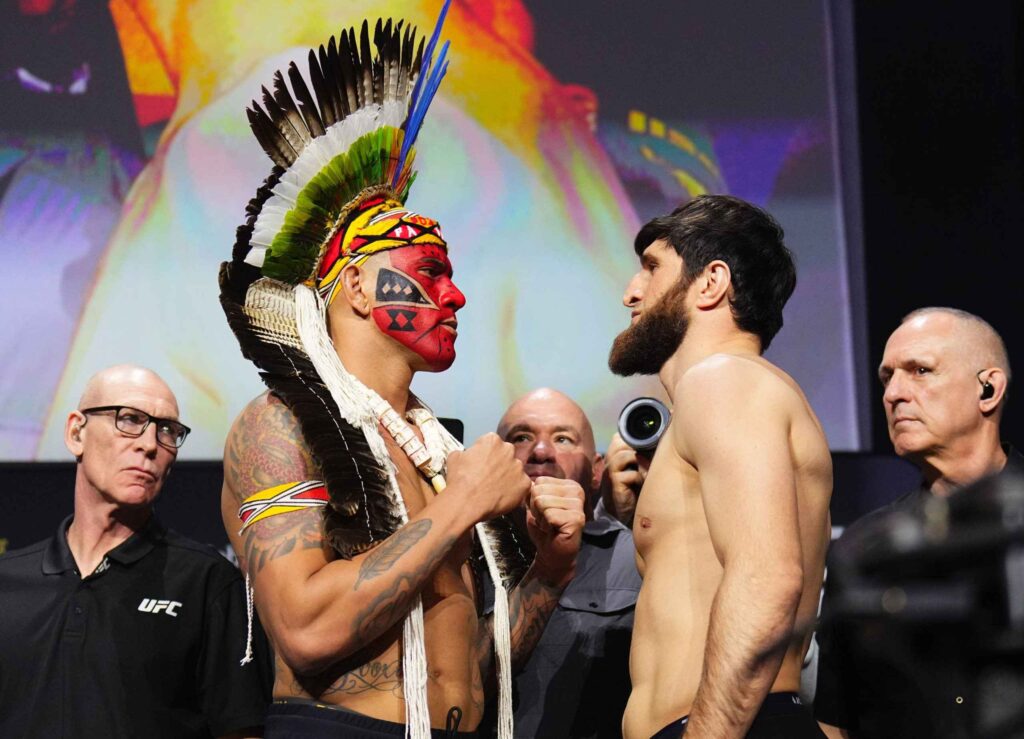
The highly anticipated matchup between Alex Pereira and Magomed Ankalaev at UFC 313 culminated in a unanimous decision victory for Ankalaev, marking a significant upset in the light heavyweight division. As discussions of a potential rematch gain momentum, it’s essential to analyze the strategies employed by both fighters in their first encounter and how they might adapt for a second bout. Background: The First Encounter Magomed Ankalaev’s victory over Alex Pereira was characterized by his strategic approach, utilizing grappling skills to neutralize Pereira’s powerful striking. Ankalaev effectively controlled the pace of the fight, landing significant strikes and maintaining control against the cage, which ultimately influenced the judges’ decision. Pereira, known for his aggressive counterpunching style and powerful kicks, struggled to assert his dominance due to Ankalaev’s relentless pressure and grappling. Strategic Analysis Magomed Ankalaev’s Strategy Alex Pereira’s Strategy Dive into the world of MMA to uncover leadership lessons on storytelling, audience engagement, and team management at combatsports247. Potential Outcomes of a Rematch 1. Ankalaev’s Continued Dominance If Ankalaev maintains his strategic approach, focusing on grappling and controlling the pace, he could potentially replicate his victory. Pereira’s inability to break free from clinches and his cautiousness in engaging with Ankalaev’s strikes might again hinder his performance. 2. Pereira’s Adjustments Pereira could focus on enhancing his defensive grappling skills to avoid being pinned against the cage. By adopting a more aggressive stance early in the fight, he might force Ankalaev into a more open exchange, where his striking prowess could be more effective. 3. Tactical Shifts Both fighters might consider tactical shifts: 4. Conditioning and Endurance Given that both fighters are well-conditioned, the rematch could see a more evenly paced fight. However, Ankalaev’s experience in going the distance might still give him an edge if the fight reaches the later rounds. Fan and Analyst Reactions The first bout received mixed reactions, with some fans criticizing the judges’ decisions and others praising Ankalaev’s strategic victory. A rematch would likely draw significant attention, as both fighters have a strong following and the potential for a more action-packed contest is high. Future Implications A rematch between Pereira and Ankalaev would have significant implications for the light heavyweight division: Training and Preparation For both fighters, the training camp leading up to a rematch would be crucial. Pereira might focus on improving his wrestling defense and conditioning to handle Ankalaev’s grappling. Meanwhile, Ankalaev could refine his striking skills to complement his grappling, making him a more well-rounded fighter. Explore how MMA fighters and promotions stay competitive through innovative training methods and strategic planning at our MMA blog. Psychological Factors The mental aspect of the rematch should not be underestimated. Pereira will need to overcome the psychological hurdle of having lost to Ankalaev, while Ankalaev must maintain his confidence and avoid complacency. The pressure of a rematch can often lead to fighters making significant adjustments in their approach, which could impact the outcome. Historical Context Rematches in the UFC often provide a unique opportunity for fighters to correct past mistakes and prove their growth. For example, Max Holloway vs. Brian Ortega and Conor McGregor vs. Nate Diaz are notable examples where fighters made significant adjustments in the rematch, leading to different outcomes. Conclusion The potential rematch between Alex Pereira and Magomed Ankalaev promises to be an exciting and strategic contest. Both fighters will need to adapt their strategies to counter each other’s strengths. Ankalaev’s grappling skills and endurance will be tested against Pereira’s improved defensive grappling and aggressive striking. The outcome will not only determine the future of the light heavyweight division but also reflect on the fighters’ ability to evolve and overcome challenges in the ever-competitive world of MMA. Additional Insights Fighter Interviews and Statements In post-fight interviews, both fighters expressed interest in a rematch. Pereira emphasized the need to improve his grappling defense, while Ankalaev highlighted his confidence in his strategy and readiness for another bout. Fan Engagement The fanbase for both fighters is highly engaged, with many calling for a rematch on social media platforms. The anticipation and hype surrounding a potential rematch are likely to drive significant viewership and interest in the event. Divisional Impact A rematch would not only affect the careers of Pereira and Ankalaev but also influence the broader light heavyweight division. Other contenders, such as Jan Błachowicz and Jamahal Hill, might be watching closely, as the outcome could set up future title opportunities. Coaching and Corner Advice The role of coaches and corner advice will be crucial in a rematch. Pereira’s team might focus on drilling defensive grappling techniques, while Ankalaev’s corner could work on refining his striking combinations to complement his grappling. Venue and Event Considerations The venue and event setup could also impact the fight. A rematch held in a different location might affect the fighters’ performances due to factors like crowd support and environmental conditions. Final Thoughts As the MMA world awaits a potential rematch between Pereira and Ankalaev, it’s clear that both fighters have the skills and determination to make significant adjustments and push each other to new heights. Whether Ankalaev continues his dominance or Pereira mounts a successful comeback, the rematch promises to be an electrifying event that will captivate fans worldwide. For more in-depth coverage and fight breakdowns, stay tuned to our MMA news feed, where we’ll provide the latest insights on every development throughout the season.
Securing Legacy: How UFC’s Investment In Leon Edwards Could Shape The Future Of the Welterweight Division
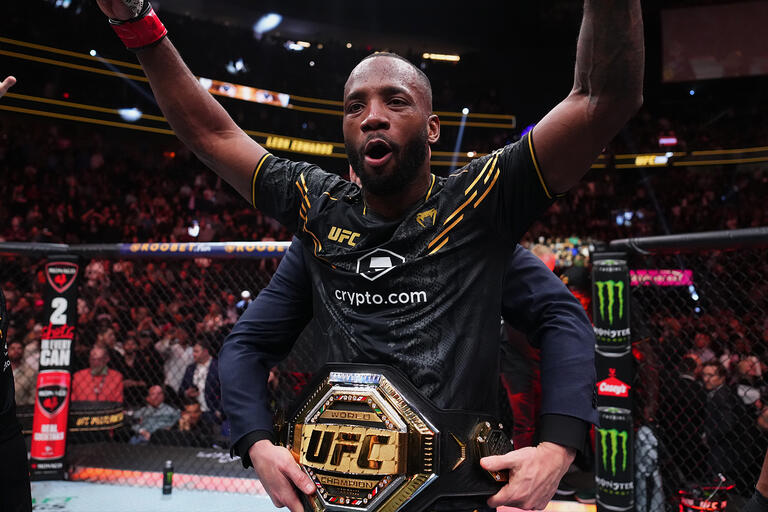
Leon Edwards, alias “Rocky,” is a focal point in UFC welterweight history with a meteoric rise from humble roots in BAMMA to UFC champion. UFC’s investment in Edwards in terms of resources and marketing has not only driven him to a prosperous career but has also had a significant impact on the future of the welterweight division. This piece takes a look at Edwards’ ascension and UFC’s strategic investment and how it might shape the future of the welterweight division. Introduction to Leon Edwards Leon Edwards was born in Kingston, Jamaica, in 1991. He moved to England as a child. He got introduced to MMA after a troubled childhood and a rebellious youth that he got over by being passionate about martial arts. Edwards went pro in 2011 and quickly made a name for himself in the sport by moving up through the ranks and being declared welterweight BAMMA champion. He joined the UFC in 2014. Career Highlights and UFC Investment. Edwards’ UFC career has been marked by significant milestones. He got off to a shaky beginning with a split decision loss in his first bout. He bounced back and became one of the top contenders in the welterweight division. His biggest achievement came when he defeated Kamaru Usman in UFC 278 in 2022 to claim the UFC Welterweight title. Not only did he claim the title, but he also took home the Performance of the Night award, cementing him as a force to be reckoned with. The UFC has made a major investment in Edwards that extends far beyond fight pay. The organization has promoted him actively and used his underdog story to make him a popular figure and build a large social media following. Edwards’ strategic promotion has been successful in earning him endorsement contracts with Monster Energy and Venum, among others, and thereby increasing his net worth and popularity. Impact on the Welterweight Division The success of Edwards has had a profound impact on the welterweight division. His reign as a titleholder brought a renewed spotlight on the division, with fans being drawn in by his captivating narrative and aggressive style. The division has been one of the most competitive divisions in the UFC, with fighters like Kamaru Usman, Colby Covington, and now Belal Muhammad fighting at the top. The UFC’s investment in Edwards has had a spillover effect on other fighters’ careers as well. His rise to stardom has proved that persistence and careful management of one’s career can be a recipe for championship success. Other welterweights have been encouraged by him to focus on building a personal brand and gaining sponsorships because success in the UFC is not only about winning fights but also about being a marketable commodity as well. Financial and Promotional Strategies UFC fighters have unique monetary challenges due to their short careers and varying pay. UFC doesn’t offer long-term medical insurance, and most medical expenses are fighters’ responsibility. However, UFC has a medical assistance program that provides fighters with up to $50,000 a year. This is a significant help for fighters like Edwards. Edwards’ investment strategy is to save most of his earnings in long-term investments. This is crucial for fighters because it ensures a financially secure future after retirement from fighting. With endorsement deals and through use of his UFC platform, Edwards has diversified sources of revenue and has a net worth that is between $1.5 million and $3 million. Legacy and Future Directions Despite losing the title to Belal Muhammad at UFC 304, Edwards remains a key player in the welterweight division. His next fight with Sean Brady at UFC Fight Night 255 is keenly anticipated, and a win would propel him again into title contention. The UFC’s continued investment in Edwards is a testament to their belief that he has a large audience and that he can generate significant revenue. His legacy is not only what he has achieved on his own; he is now a symbol of strength and determination for upcoming fighters. Edwards’ journey is a model for fighters to persevere through what is involved in this sport and leave a legacy that will endure. Appendix: Leon Edwards’ Major Career Milestones Early Professional and BAMMA Success Edwards began a professional mixed martial arts career in 2011 and became a welterweight champion with BAMMA before signing with UFC in 2014. UFC Debut and Challenges: He first faced a split decision loss, only to come out stronger and improve his record in due course. Championship Win: Kamaru Usman was defeated at UFC 278 to become UFC Welterweight Champion. Title defenses: Retained title vs. Colby Covington at UFC 296 and later lost it to Belal Muhammad at UFC 304. Marketing and Financial Accomplishment: Achieved successful endorsement deals and a large net worth by successfully handling one’s profession. The future of the Welterweight Division. The welterweight division remains one of the most competitive divisions in the UFC, with Belal Muhammad, Shavkat Rakhmonov, and Kamaru Usman fighting for dominance. The future of the division will be decided by these top fighters’ performances and by calculated investment by the UFC in promoting its fighters. Rising Stars in the Welterweight Division Emerging fighters such as Sean Brady and Jack Della Maddalena are making waves in the division as well. Their rise has the potential to introduce new rivalries and exciting matchups that would further enhance the popularity of the division. UFC’s Role in Promoting Fighters The UFC is at its core promoting its fighters through their backgrounds and achievements in a bid to gain popularity and build a good brand name. Not only is this marketing beneficial to fighters individually, but it is also used to fuel and nurture the sport. Financial Planning for MMA Fighters The special financial challenges that confront MMA fighters are their brief fighting careers and variable earnings. A significant component of their planning is saving much of their fight money in long-term investments and earning endorsement deals in an attempt to achieve financial stability after retiring from
How New UFC Weight Cutting Regulations Could Impact Fighter Safety
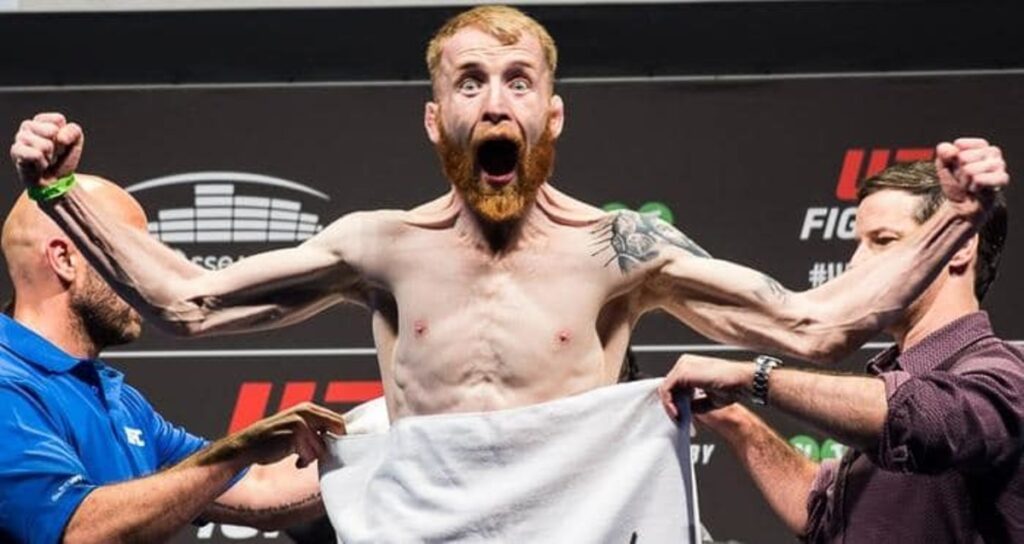
Weight cutting is a well-established tradition in combat sports and is most common in mixed martial arts and the Ultimate Fighting Championship. Fighters often cut significant weight in an attempt to compete in a lighter weight class, and this has potentially disastrous health effects like dehydration and cardiovascular compromise as well as performance impairment. Over recent years, organizations like the California State Athletic Commission have introduced new regulations aimed at reducing the dangers of extreme weight cutting. This article will explore the potential impact on fighter safety and more general implications for the sport. The Risks of Cutting Weight Weight cutting is a process of rapid weight reduction, usually through dehydration, in an attempt to fit into a particular weight class. In mixed martial arts, fighters lose as much as 10% of their weight over a period of days. The medical effects of weight cutting are well documented: Dehydration and Cardiovascular Issues: Severe dehydration is a condition that leads to cardiovascular collapse, where the heart is unable to pump enough blood to meet the body’s demands. This is particularly dangerous at weigh-in times when fighters are most vulnerable. Impairment of performance: Weight cutting can impair cognitive performance like concentration and short-term memory that are critical in making decisions in combat sports. Psychological Effects: The fighters are prone to mood swings, depression, and loneliness due to stress and physical fatigue brought about by rapid weight loss. Long-Term Health Risks: Repeated weight cutting has been known to lead to long-term health issues such as kidney dysfunction and electrolyte imbalance. New weight loss regulations The CSAC has implemented a range of measures to combat extreme weight cutting: Introducing new weight classes (165, 175, 195, and 225 pounds) will reduce the need to make extreme weight cuts by providing more options for fighters. Fines for Missing Weight: Fighters who miss weight will be fined 20% of their purse and bonuses to discourage last-minute weight cutting. Weight Monitoring: Fighters will be weighed on fight day, and those who gain more than 10% of body weight may be required to move up a weight class. Pre-Fight Weighing: The title fighters will be weighed 30 and 10 days prior to the fight in an attempt to discourage excessive weight cutting. Impact on Fighter Safety These regulations have several potential benefits to fighter safety: Decreased Dehydration: By preventing excessive weight reduction and controlling rehydration, the occurrence of dehydration-related medical conditions is reduced. More Even Matchups: Pitting fighters closer to their natural weight makes fights safer and more competitive by eliminating size disparities. Long-Term Health: Reducing weight-cutting frequency and severity will help to reduce the long-term health implications of repeated weight cycling and dehydration. But there are challenges and pitfalls as well: Enforcement Problems: Implementing and enforcing these regulations on a consistent basis on each promotion and event may be problematic. Fight Adaptation: Fighters attempt to cut weight twice—once on fight day and once at the weigh-in—to avoid penalties and potentially increase health risks. Substitutions for Cutting Weight Some experts, like UFC commentator Joe Rogan, suggest that having more weight classes similar to boxing with classes that are closer together would cut down on weight cutting by the UFC. This would minimize the need for extreme weight loss: Additional weight classes: Adding classes at every 10 pounds would reduce the incentive for fighters to lose large amounts of weight. Allowing more catchweight fights would be beneficial to fighters who are naturally between weight classes. Case Studies Some of the top fighters have weighed in on the dangers of weight cutting and the benefits of these new regulations: Khabib Nurmagomedov: The retired UFC lightweight champion has been candid about weight-cutting dangers and has been advocating for fighters to compete at their natural weight. Max Holloway: The former UFC featherweight champ has discussed weight-cut struggles and being at a healthy weight in camp. Global Views Global combat sports commissions are tackling weight cutting as well: Brazilian Athletic Commission for MMA: The commission has adopted CSAC’s 10-point program and emphasizes that fighters must fight closer to their natural weight by modifying weight class specifications. World Boxing Council (WBC): The WBC has several weight checks in advance of fights to facilitate safe weight reduction and avoid dehydration. Conclusion The CSAC’s new weight-cutting regulations are a significant step towards increasing fighter safety in MMA. By reducing the need for extreme weight cutting and more closely tracking fighters’ health, these regulations can counterbalance weight loss health threats. Challenges remain in enforcement and preventing fighters from exploiting loopholes in these regulations that could amplify health threats. As the sport continues to evolve, regulatory agencies, promoters, and fighters need to work together to balance health and safety with competitive integrity in MMA. Future Directions To further minimize weight-cutting dangers, the UFC and other organizations may consider the following extra steps: Regular Weigh-Ins: Regular weigh-ins throughout fight camp would be advantageous in monitoring weight fluctuations and preventing last-minute cutting. Education and Support: Providing fighters with dietary advice and assistance in weight maintenance in a healthy fashion would reduce reliance on extreme weight cutting. Promoting Healthy Weight Control: Incentivizing fighters who are consistently at a healthy weight throughout camp could encourage better habits. Collaboration with Medical Experts: Close collaboration with medical experts in monitoring fighters’ health and providing guidance on weight management. In the long term, the goal needs to be to have an environment in which fighters are able to fight safely and effectively without jeopardizing their health. Pairing regulatory reform with education and support in healthy weight control has the potential to guide the sport towards a safer and more sustainable future for participants. Implementation Challenges Enforcing these regulations will necessitate a series of actions: Education and Awareness: Trainers, fighters, and promoters need to be educated on the risks involved in weight cutting and the benefits of these new regulations. Uniform Application: Ensuring that these regulations are uniformly applied to every promotion and event will be essential to their success. Regular Monitoring and Feedback: Regular monitoring
A WWE-UFC Crossover Event: The Ultimate Collision Of Sports Entertainment
Throw in a WWE and UFC merger under the TKO Group Holdings banner, and rampant speculation has gone into overdrive with all the many ways these leading professional wrestling and mixed martial arts promotions in the world can come together. Though WWE and UFC, for the most part, have come out to say that both businesses will pretty much run independently of each other, the concept of one giant show involving WWE and UFC has proven tantalizing to fans from both corners of the sports entertainment universe. Let’s dive into what could go down in such an unprecedented spectacle. The Setting But as already emphasized, such a momentous, eventful happening—likely to engage audiences around the nation—could never happen within tiny stadium confines accommodating 80,000 spectators or more: think AT&T Stadium in Dallas, SoFi in L.A., and Allegiant in Vegas. Model events of its predecessors, for two nights, would see one focusing heavier on matches set out more so along UFC-style combatants, though WWE action/segmentation dominated this card. The Card The card for such a never-seen-before crossover would have to be a balancing act between true MMA bouts, a few scripted professional wrestling matches, and hybrid matches that combined both. Here’s how such a lineup could shape up: Night One – “The Octagon” UFC Lightweight Championship Bout WWE vs. UFC Tag Team Exhibition Match UFC Women’s Strawweight Championship Bout WWE Superstar vs. UFC Fighter Special Rules Match UFC Heavyweight Title Fight Night Two – “The Squared Circle” WWE Women’s Championship Match Exhibition Fight: UFC Fighter/WWE Superstar to Box WWE World Heavyweight Championship Match UFC vs. WWE 5-on-5 Elimination Tag Team Match WWE Universal Championship Match Key Matchups and Segments Let’s tease apart some of the potential marquee attractions that might headline such a groundbreaking event: UFC Heavyweight Championship: Jon Jones vs. Tom Aspinall The UFC portion of the card would be headlined by its most prestigious title. Current champion Jon Jones, against rising British star Tom Aspinall in a battle of generational eras 15, would showcase the elite MMA to this pro wrestling audience and give Aspinall the biggest stage he could hope for to dethrone one of all-time greats in the sport. WWE Universal Championship: Roman Reigns vs. Conor McGregor For WWE, it gets no bigger and creates the biggest amount of buzz the moment Conor McGregor, UFC’s golden goose, decides that he’s next in line and challenges Roman Reigns for what many claim, or perceive anyway, to be the company’s most touted prize. Yes, McGregor comes with no semblance of what professional wrestling is all about bause of his immense potential in working said mic; McGregor’s bigger-than-life character actually makes him that perfect fit for a WWE mega-program. To set things rolling, expect him to go ahead and take many verbal pokes—hot indeed—while promos between Paul Heyman and himself play out with several epic battles. Special Rules Match: Brock Lesnar vs. Francis Ngannou This would pit the former UFC heavyweight champion and WWE superstar Brock Lesnar against fearsome knockout artist Francis Ngannou in a match that marries MMA and pro wrestling elements. The bout could feature rounds alternating between worked pro wrestling action and shoot-style striking exchanges with MMA gloves. This unique format would play to both men’s strengths while creating an utterly unpredictable spectacle. 5-on-5 Elimination Tag Team Match: Team UFC vs. Team WWE The perfect brand warfare would be an old-school, traditional Survivor Series-style elimination match featuring five UFC fighters against five WWE superstars. You have personalities such as Colby Covington, Sean O’Malley, and Paddy Pimblett coming from the UFC team in this dream event against WWE superstardom by the likes of Seth Rollins, Cody Rhodes, and Drew McIntyre—a dream for sure. Production and Presentation The feel and look of this crossover extravaganza would need to marry the striking visual identities of both WWE and UFC events. The two-night structure would lend itself to night one being more akin to a UFC pay-per-view, complete with the octagon, while night two would be WWE’s elaborate staging and entrance ramps. The action would be called by a hybrid announce team combining WWE and UFC commentators. Michael Cole and Corey Graves could be joined by Joe Rogan and Daniel Cormier in order to give expert analysis from the perspective of both pro wrestling and MMA. Special guest commentators like Paul Heyman, Chael Sonnen, and Ariel Helwani can rotate in for select matches to further add star power and insight. Building the Event This would be a very important, months-long build, as that’s what would get the mainstream interested and familiarize each respective fanbase with the other product. UFC fighters would appear on WWE’s weekly TV programs to lay the seeds for various matches. WWE-style promo segments and confrontations would occur at UFC press conferences and media events, further muddling what was shoot and what was scripted14. This can be a multi-series documentary that would run on both ESPN and USA Network, showing all the behind-the-scenes action to put this enormous event together. This would add significant context to how WWE and UFC are different and similar while highlighting the star power involved in it. Challenges and Considerations The whole idea of a WWE-UFC crossover is undeniably intriguing, but execution presents a number of big hurdles: Competitive integrity: The UFC has to ensure their championships and rankings are as legitimate as possible; this includes not having their fighters too directly involved in the planning of the outcomes preordained by the organization. Physical risk: WWE performers aren’t trained in legitimate striking exchanges, and UFC fighters lack experience with the necessary timing and coordination to perform safe pro wrestling bumps and falls. Preceding hybrid matches by months of training and under clear guidelines would be preferable. Audience expectations: For the fanbase of WWE and UFC, live events mean different things. A delicate balancing act has to be performed to find the middle ground for both groups’ demands24. Regulatory issues: Athletic commissions that sanction UFC bouts may take umbrage with legitimate fighters engaging
Top 10 Craziest Upsets in UFC Title Fight History
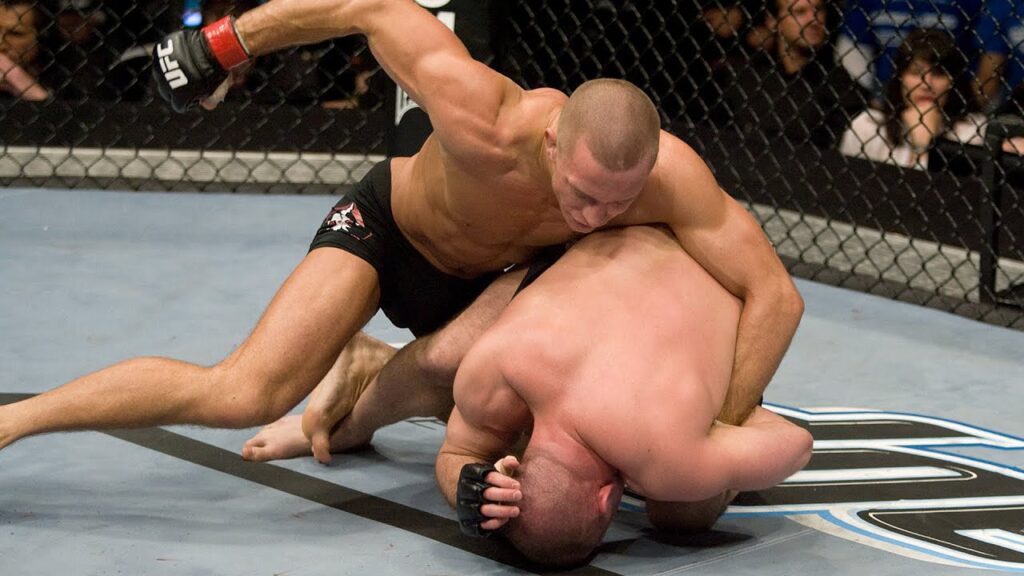
The unpredictable nature of MMA means that anything is possible when two fighters enter the Octagon. Despite the fact that champions and title contenders are usually highly rated because of their ability, experience, and impressive record, one can recall that many times underdogs emerged as winners and knocked out seemingly invincible opponents in UFC title bouts. These moments are some of the most memorable and exciting in the history of UFC, which once again demonstrates that no fighter can be considered a loser in this sport. Below are the top 10 shocking upsets in UFC title fight history where the underdog emerged victorious. 1. Matt Serra vs. Georges St-Pierre (UFC 69) Out of all the underdogs in the history of UFC, Matt Serra’s win over Georges St-Pierre in 2007 is the biggest. GSP, the welterweight champion at that time, was nearly invincible, and had just beaten another MMA star, Matt Hughes, to clinch the championship. Serra on the other hand had won the title shot by winning the Ultimate Fighter 4 and this was a season of comeback fighters. Although Serra was a huge underdog in the fight against GSP, the latter was deemed to be younger, faster and far more technically superior than Serra. But in the first round, Serra dropped the champion with a single strike, a devastating punch that left the latter on the canvas as Serra followed him to the ground to strike him down and get the TKO victory. This fight was a big surprise in the MMA world and GSP was defeated by one of the most unexpected champions in the history of the UFC. Ronda Rousey was considered the invincible women’s MMA champion as she entered the UFC 193 in 2015. Unbeaten and, apparently, untouchable, Rousey had finished all of her opponents, and most of the fights did not last longer than one minute. Her opponent Holly Holm, a former boxing champion, was a huge underdog and most of the fans and experts expected Rousey to dominate her. But Holm provided one of the greatest upsets in the history of MMA as seen by the viewers. Holm was able to use her kicks and movement to keep herself out of Rousey’s clinch and was able to land clean shots on Rousey for the duration of the fight. In the second round, Holm gave Rousey a perfect head kick knock out, and that moment is the moment that changed the course of women’s MMA for the better. Anderson Silva the middleweight champion was on a winning streak of 16 fights and had successfully defended his belt ten times before his defeat by Chris Weidman at UFC 162 in 2013. Silva’s striking was always impressive, and he was a big favorite against Weidman who was just a wrestler at the time. But Weidman had a shocking victory when he knocked down Silva in the second round. Silva who is known for his cocky attitude in the ring paid a price for his overconfidence when he began to show off. Weidman landed a perfect left hook that sent the champion down to the mat and out of his feet. This great upset marked the end of Silva’s reign and the beginning of Weidman’s reign as the new middleweight champion. Amanda Nunes was the pound for pound the best female MMA fighter before she faced Julianna Peña in the title defense bout at UFC 269 in 2021. Nunes had been defeating every fighter in her division and held both the bantamweight and featherweight championships, and had already submitted Ronda Rousey, Cris Cyborg and Valentina Shevchenko. Peña, who has been a warrior throughout her career but never a star, was not expected to beat Nunes, the undefeated champion. But in one of the most stunning upsets in recent memory, Peña managed to wear down Nunes, absorb her big blows and take the fight to Nunes in the second round. Peña took down Nunes and then got her into a rear-naked choke which forced the champion to tap out. It was a shocking win in the MMA world and Peña became the new bantamweight champion in one of the most shocking title victories ever. 5. T.J. Dillashaw vs Renan Barão (UFC 173). His opponent was Renan Barão who at that time held 32 fight winning streak and was the UFC bantamweight champion when they fought at UFC 173 in 2014. Dillashaw stepped in to face the champion Barão’s original opponent and nobody expected that he could pose any threat to the Brazilian superstar. But Dillashaw, however, gave the performance of his life. In the first round of the fight, Dillashaw using footwork, speed and different combinations of punches dominated the Brazilian Barao. He knocked down Barão in the first round and simply controlled him for the rest of the fight before finishing off the champion in the fifth round of the fight. It was the birth of Dillashaw as a top bantamweight and it snapped Barão’s winning streak. Michael Bisping’s victory over Luke Rockhold at UFC 199 in 2016 was one of the biggest upsets of the year and a dream come true for a fighter who spent a lot of time in the UFC without getting a title shot. Bisping stepped up for this fight at short notice to replace Weidman who was the champion before this fight and was also injured. Not many people gave Bisping a chance to win against Rockhold, and the latter had already defeated the former two years earlier. But Bisping knocked out Rockhold in the first round, and the MMA world was in shock as he became the new middleweight champion. This victory was down to the hard work and dedication that Bisping has put into the UFC and will always be one of the biggest upsets in the history of the sport. One of the best examples of an underdog story is the light heavyweight title fight between Forrest Griffin and Quinton “Rampage” Jackson at UFC 86 in 2008. Griffin
Fighters Who Came Out of Retirement to Dominate the Octagon Again
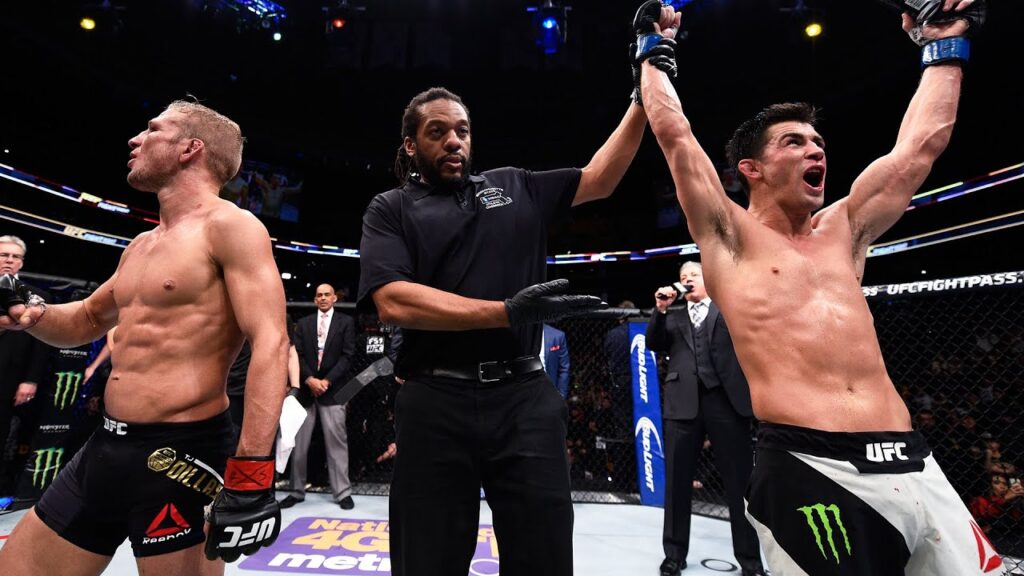
As it is the case with most combat sports, retirement is the last stage in the career of any fighter in mixed martial arts (MMA). The physical contact involved in the game, the injuries that follow, and the stress that athletes undergo make retirement a good thing after years of competition. Nevertheless, there are certain fighters who cannot resist the lure of the Octagon. Such retirements are usually permanent, but there are cases where certain athletes come from retirement and struggle to regain their position in the sport or even top it. It is not easy to come back to Octagon after some time away from the cage. Those who have come back from the shelf have to get past not just the effects of aging and ring inactivity but also a new generation of talent that keeps on appearing. Below is a list of some of the most famous UFC fighters that came out of retirement to rule the cage once more. Georges St-Pierre (GSP) It will be rather unfair not to include the names of the legends of this sport, such as Georges St-Pierre. Considered by many as the best fighter ever, GSP was the king of UFC’s welterweight for several years before retiring in 2013. This was the case when he was reigning as the welterweight champion and was successfully defending the title for the record ninth time. Due to personal problems and the need to leave the post of the champion, St-Pierre retired from MMA. GSP had not competed in the Octagon for four years, and most people have thought that he retired from the fight. However, in 2017, St-Pierre emerged from retirement to stun the MMA fraternity once again. Not only was he returning to the cage, but he was doing so at a higher weight to take on Michael Bisping for the UFC middleweight title. The increase in weight class brought more excitement to his return to the cage since it was unknown how GSP would fare after coming back from a layoff and against a larger opponent. In UFC 217, St-Pierre silenced all those doubts that people had. He knocked out Bisping in the third round by submission to become one of the most successful fighters in UFC history, as he has been a two-time champion in two different weight categories. It is quite a success that GSP returned after years, and even the weight gain did not affect his performance. He relinquished the middleweight title shortly after that because of health concerns, but his victory in the comeback fight cemented his place among the greatest fighters of all time. Randy Couture It is worth noting that Randy Couture has proved to be one of the best in UFC when it comes to making a comeback. Called “The Natural,” Couture succeeded age and expectations during his career, retiring and coming back two times to win the UFC title. Couture retired in 2006 after a third fight against Chuck Liddell for the UFC light heavyweight title. At the time, Couture was 43 years old, and many people thought that he was still in his prime. But, in 2007, Couture was back in the Octagon, this time having shifted back to heavyweight to fight Tim Sylvia for the UFC heavyweight title. Sylvia was much larger than Couture, and this man had been retired, but he was the only winner in the ring for all the rounds and took the heavyweight title back at 44. Couture fought in the UFC until his last time retiring in 2011 at the age of 47; this was due to records of being the oldest fighter to be the champion in the UFC and the only fighter to be holding titles in two different categories, that is, light heavyweight and heavyweight, for more than one time. His retirement and return several times to the ring make him a legend of MMA as one of the fighters with a lot of achievements. Dominick Cruz This paper will focus on Dominick Cruz and how the fighter has had his fair share of challenges in his career. Cruz, who was known for his unusual style of footwork and movement, was one of the most formidable bantamweight fighters in the MMA. However, injuries hampered his career, and after dethroning the champion bantamweight in 2010, Cruz had to relinquish the title in 2014 due to knee operations and a torn groin muscle. Most people began to question if he would be able to climb back to the pinnacle of the sport as he had been inactive for many years. In 2016, Cruz returned to the octagon after a string of injuries that sidelined him for four years to challenge then bantamweight champion T. J. Dillashaw at UFC Fight Night 81. Cruz was able to demonstrate the same slippery footwork and great technical skills that were present in him before he got injured for a long time. He won a split decision victory over Dillashaw in a very competitive fight to win the title back in the UFC bantamweight division, one of the greatest comeback stories in MMA history. Although Cruz was to lose the title later that year to Cody Garbrandt, this win was one of the most memorable comebacks in UFC history and proved that Cruz was one of the greatest bantamweight fighters of all time. B. J. Penn J. Penn, or “The Prodigy,” is one of the best and most diverse mixed martial arts fighters to have fought in the UFC. Jens Penn is another former two-division champion who weighs light weight and welterweight. Penn is one of the best fighters in the sport due to his natural ability and heart. Penn first retired in 2011 after a series of losses, but he never lost the passion to compete. His first attempt at retirement was short-lived, as he made several more comebacks to the UFC with not as much success as in his earlier years. But one of the most memorable came
How MMA Fighters Stay Fit in the Offseason: Their Secret Routines
MMA is actually one of the most grueling combat sports on the face of the globe. In order to be at their best in the Octagon, fighters have to be physically ready for the challenge that they are about to face, as the Octagon demands a lot of endurance, strength, agility, and determination. Unlike other sports, where the fight camp that precedes the match is believed to be the most important period, the period that comes after it is also significant. This is the time that fighters take time to undergo through the strains and stress of competition, but at the same time they train to improve on their fitness and other aspects of combat. The offseason in MMA does not equal the vacation for fighters. Indeed, the most disciplined fighters have their own regimen that they follow in order to stay in shape and be prepared to enter the fight camp at any one time. Below is a breakdown of MMA fighters’ training during the off season as well as the effectiveness of the routines that they engage in. Recovery and Restorative Activities Depending on the fighter, the first half of the year is normally spent in the process of rehabilitation. MMA competition and training are very rigorous and require a lot of physical exertion, and thus participants are likely to sustain minor injuries, muscle soreness, and tiredness. In this stage, practitioners perform extensive recovery activities in order to facilitate the muscles’ ability to recover while also ensuring that they are not overtly idle. Key practices include: Yoga and Stretching: Yoga is gradually becoming the most common complementary activity among MMA fighters, mainly because of the benefits it has on the flexibility, balance, and mental capabilities of the fighters. Some of the fighters that have used yoga include Conor McGregor and Jon Jones, who have stated that yoga has helped them in improving their performance and also in their recovery after intense training sessions. Stretching exercises also help in preventing injuries as they help to increase flexibility of the muscles and the joints. Swimming: Swimming offers a complete body workout, which is not rigorous, and assists fighters in their recovery without straining their joints. It helps to develop cardiovascular stamina and is the ideal routine for persons with injuries. Massage Therapy and Foam Rolling: To avoid the stiffness and soreness that is associated with training, most fighters often take time during the off season to get massaged or perform self-myofascial release, which is commonly referred to as foam rolling. These techniques assist in relaxing the muscles, increasing circulation of blood, and enhancing the recovery period. Sleep and Nutrition: Recovery is important, and so fighters make it a point to get enough good rest, especially during the off season. Most of them seek the services of nutritionists to help them adjust their meals for the purpose of facilitating recovery, especially through taking foods that contain anti-inflammatory nutrients and enough water and protein so as to repair the muscles. Strength and Conditioning Workouts Thus, despite the fact that there is no fight at the moment, MMA fighters cannot afford to get complacent during the off-season. They need to have strength and conditioning workouts in order to keep them physically fit all year round. But they are also able to concentrate on the muscles and strength during the offseason as they are not in the process of losing weight or practicing specific fight moves. Key components include: Weight Training: The off season is used by fighters to add mass to the muscles and thus add more strength to the body. Some of the lifts used in programs are compound lifts such as dead lifts, squats, and bench presses, which work out many muscles at once. Endurance strength is favored because the strength used in MMA must be usable in dynamic movements during the fight. Athletes may also perform power cleans and plyometric exercises that will help them to generate force in strikes and takedowns. Cardio Conditioning: Cardiovascular stamina is important in this case because a fighter may be required to stand in a fight for several rounds. Fighters may use different forms of cardio in the offseason to build and sustain their endurance, including: Fighters may use different forms of cardio in the offseason to build and sustain their endurance, including: Running and Sprints: The fighters normally employ long-distance runs for endurance and short-distance sprints for speed. Cycling: Biking is a low-impact form of exercise that will assist fighters in improving their cardiovascular endurance without having the negative effect on the knees and hips. High-Intensity Interval Training (HIIT): HIIT, therefore, involves the sequencing of intense exercise episodes with recovery or moderate-intensity exercise episodes. This method is a perfect mimic of an MMA fight where an individual is attacked, then he/she gets to recover before the attack continues. Functional Strength Circuits: MMA is not about one’s strength but how one can maneuver in the cage with force and speed. Most of the fighters prefer functional strength circuits that mimic the fight environment, and the equipment includes kettlebells, battle ropes, resistance bands, and medicine balls. That is why such routines assist in the development of the necessary explosiveness for strikes, grappling, and the changes in position. Skill Development and New Techniques During the off-season, fighters are privileged with ample time to work on their skills without the stress of a bout pending in the near future. This is the time that the fighters can either work on their skills or incorporate new weapons into their skills, such as striking, grappling, or cage management skills. Key focuses include: Specialized Martial Arts Training: Fighters use the fight camp in a way that they interrelate their training in order to prepare them for a certain opponent. In the offseason, however, they can dedicate more time to one particular discipline: In the offseason, however, they can dedicate more time to one particular discipline: Brazilian Jiu-Jitsu (BJJ): During the off-season, MMA fighters tend to focus on their grappling
MMA’s Most Legendary Feuds That Went Beyond the Octagon
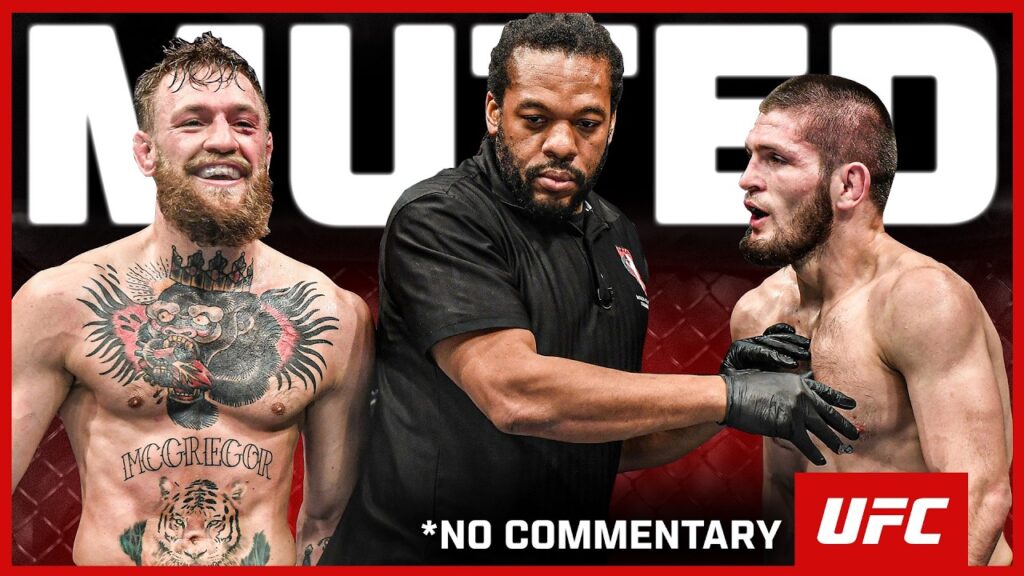
As much as we love the sport of mixed martial arts (MMA), there are bound to be rivalries. It is based on rivalry, self-esteem, and arrogance, and sometimes athletes who have opposite temperaments or fighting techniques meet in ways that extend beyond the Octagon. Some of these rivalries have escalated to hatred-filled feuds, characterized by verbal attacks, psychological warfare, and, in some instances, physical confrontations that extend to the streets, the gym, or even the social media platforms. While many fighters take their frustrations to the cage, there are some that have had animosity that has spilled over well past the final buzzer. These are the rivalries that fans cared about that defined fighters’ careers and occasionally even the course of MMA history. It is high time to discuss some of the toughest rivalries in MMA that did not end inside the cage. Jon Jones vs. Daniel Cormier The animosity between Jon Jones and Daniel Cormier can be considered one of the most tense and long-standing in the history of the UFC. This fight that wanted to be a light heavyweight championship bout soon became much more than that and turned into a bitter, long-lasting rivalry that played out over the course of two legendary fights. The rivalry between them started in 2014 when they both fought for the first time at UFC 182. Jones and Cormier had bitter words for each other during their press conferences, and the two fighters came to blows at a media event. Jones accused Cormier of being a ‘fake champion’ because of his Olympic wrestling background, while Cormier accused Jones of being a bad person on and off the cage, including criminal charges and steroid use. It was a genuine hatred, and they soon let it out by turning into a verbal battle. In the first bout in the Octagon, Jones defeated Gustafsson by unanimous decision, but their rivalry began when Jones lost the title because of legal troubles. Cormier won the belt while it was vacant, and many fans as well as fighters regarded him as a ‘paper champion’ until he defeated Jones. The second fight was held at UFC 214 in 2017, and Jones knocked out Cormier with a head kick, but the victory was changed because Jones took steroids. Thus, the constant soap opera aspect of this particular rivalry—both in and out of the cage—helped to make this one of the most compelling stories in the annals of the sport. Tito Ortiz vs. Chuck Liddell Tito Ortiz and Chuck Liddell are two of the earlier UFC fighters, and their fight was instrumental in bringing the sport into the limelight in the mid 2000s. The hatred that fueled their rivalry was not just professional, but both men have shared training camps with each other and actually have been friends. Ortiz, the brash light heavyweight champion, did not want to fight Liddell, saying they were related. Liddell, on the other hand, was of the opinion that Ortiz was avoiding him because he knew that Liddell would be the winner. Their rivalry boiled over at UFC 47 in 2004, when Liddell KO’d Ortiz in the second round, thus shutting up his opponent and becoming the most dreaded fighter in the division. The two would later fight again in UFC 66 in 2006, in which Liddell would again knock down Ortiz in the third round to retain his light heavyweight belt. Although the rivalry was one-sided, fans were entertained, and the hatred between Ortiz and Liddell became a significant plot in the initial years of the UFC. But little did fans know that the two legends would meet for one last time in 2018 under Golden Boy Promotions, with Ortiz emerging as the winner of the trilogy fight, albeit in what can be described as a fight that happened in the twilight of both fighters’ careers. Khabib Nurmagomedov vs. Conor McGregor McGregor is not a stranger to rivalry, but the rivalry with Khabib Nurmagomedov was something that the public had never seen before. When two of the most famous UFC fighters agreed to fight each other, the fight was about culture, ego, and fighting style, but it became one of the biggest rivalries in the UFC history. The hatred between McGregor and Khabib was taken to the next level before their fight at UFC 229 in October of 2018. The marketing genius who likes to take to social media and brag, McGregor used the abuser’s language to disrespect Khabib, his religion, his family, and his country, Dagestan. The rivalry only intensified with the incident in which McGregor attacked Khabib’s bus in Brooklyn and threw a dolly through the window. The fight itself was one of the greatest in the history of UFC: Khabib was dominating McGregor and eventually submitted him in the fourth round. But the melee that occurred after the fight, where Khabib jumped over the cage to attack McGregor’s team, escalated the rivalry into a complete catastrophe. The two camps fought, and the brawl extended to the crowd, and in that regard, the fight was suspended and both fighters were fined. After the fight, bitterness between McGregor’s and Khabib’s teams remained; the fighters themselves continued to insult each other on social networks. As Khabib retired without a loss, the sour taste of this rivalry is still felt to this date in the MMA fraternity. Ronda Rousey vs. Miesha Tate The battles between Ronda Rousey and Miesha Tate were one of the first to become popular in the category of women’s MMA. The fact that Rousey is the brash and confident Olympic judo medalist who had no problem telling anyone who would listen that she was the ‘baddest woman on the planet’ while Tate, the far more reserved but no less tough wrestler, actually seemed to despise Rousey only added to the appeal of their rivalry. It started in Strikeforce, where Rousey beat Tate to the women’s bantamweight title through armbar submission in 2012. The two faced each other again in the UFC,