
Famous UFC Families: Generations of Fighters in the Octagon
Whereas the sport of MMA usually is taken as a lonely path, where fighters are left to foster their own talent, resolve, and willpower by themselves for success, for some, fighting is in the blood. The UFC, through the ages, has witnessed several such families wherein the fighting spirit was unlike any other, passed down from one generation to the other as a legacy of excellence in combat sports. This paper discusses some of the most famous UFC families and features the fighters who were very proud to carry out their family names with so much success in the Octagon. No family is more synonymous with the origins of mixed martial arts than the Gracies. In the beginning, it is often said that the Gracie family founded Brazilian Jiu-Jitsu and that the same family was actually instrumental in founding UFC. The Gracie family has a record that stands unparalleled: generations of members who took part in the highest levels of the sport of MMA. Quite possibly the most recognizable family member, Royce Gracie went on to win the first several tournaments of the UFC, competing as a very undersized man in no-holds-barred contests and demonstrating the extreme effectiveness of BJJ against much larger opponents. His success solidified BJJ as a base discipline for MMA and confirmed the place of the Gracie family in combat sports history. Rated among the all-time greats in BJJ masters, Rickson Gracie was Royce’s elder brother. Though he never fought professionally in the UFC, his influence on the sport is huge, and he remains a legendary figure in both BJJ and MMA. Many true second-generation Gracies have truly continued that legacy with fighters who are now in the UFC, PRIDE, and some other fine organizations such as that great Renzo Gracie fighter. And now, even in the UFC, his nephew, the son of Rickson Gracie, Kron Gracie, has come to display his grappling skills, famous within his family. There is no denying the contribution of the Gracie family to MMA; one could only guess what the appearance of the sport might be right now in their absence. The legacy that they are a part of is more than just victories; it is a testament to their changing the landscape of martial arts. Another all-time legendary name is the Shamrock family, with two of the biggest fighter brothers in the world of MMA: Ken Shamrock and Frank Shamrock. Both are considered pioneers of MMA, and their careers literally marked the initial progress steps of the UFC. Ken Shamrock, known as “The World’s Most Dangerous Man,” was one of the original stars in the UFC. He fought in a lot of the company’s early tentpole events and was crowned the first UFC Superfight Champion. Within the history books of MMA, Shamrock’s feud with Royce Gracie was one of the critical rivalries of the sport in the early 1990s. Indeed, his contributions to MMA transcend the Octagon and include popularizing MMA in Japan with his participation in Pancrase. Another legend of sport is the adopted brother of Ken, Frank Shamrock. He became the first UFC Light Heavyweight Champion (then known as the middleweight division), and at one point was deemed one of the pound-for-pound greatests of his era. Frank was quite known for his all-round skills, one of the first fighters to truly blend striking, grappling, and submissions into a complete MMA game. Though both brothers had a somewhat volatile relationship with each other, their contribution to the world of MMA cannot be denied. The Shamrock family left a rich pioneering spirit, along with innovativeness in the sport, and both Ken and Frank assured themselves a place in the history of UFC. The Nogueira brothers, Rodrigo “Minotauro” Nogueira and Rogerio “Minotouro” Nogueira, are considered two of the greatest fighters to ever ply their respective trades in MMA. Originally from Brazil, the two brothers have had very successful runs in both the UFC and also PRIDE, showing Brazilian Jiu-Jitsu and trace boxing talents. Rodrigo Nogueira, also known in the fighting world as “Big Nog”, is the former interim UFC Heavyweight Champion and past PRIDE Heavyweight division Champion. Nicknamed for his tenacity, heart, and submission ability, Big Nog has defeated some of the best fighters in the sport, including the great Mirko Cro Cop, Tim Sylvia, and Randy Couture—all three considered to be good strikers and grapplers. He was the typical fighter who could absorb punishment and still return to win. Indeed, he’s regarded as one of the all-time greats in the heavyweight division of MMA. Rogerio Nogueira, also known as “Lil Nog,” has done well himself, having fought in both light heavyweight and heavyweight weight classes. He wasn’t able to perform at the same level as his brother, securing a slew of titles, but some of the fighters he managed to knock off were proven veterans at the time, like Dan Henderson, Alistair Overeem, and Rashad Evans. What resembles his brother in him is the toughness and technical boxing skills that both possess. The Nogueira brothers have left an indelible mark inside the octagon, not just with their victories but in showing literally what stand-up and taking notice can do. Their effect on Brazilian MMA has explicitly gone on to trickle down to an entire generation of fighters following them. Nick and Nate Diaz are two of the most polarizing and popular figures in MMA. The Diaz Bros made a legacy and cult following through that way of being, big personalities—unforgiving fighting styles, never-back-down attitude. Nick Diaz kicked off his career in the mixed martial arts scene at the very beginning of the noughties, with the inclusion of a serious reputation regarding his lethal cardio, boxing, and Brazilian jiu-jitsu. Competing in the UFC, PRIDE, and Strikeforce, Nick became their Strikeforce Welterweight Champion. Nick is known as the fighter who goes to war with people like Robbie Lawler, Paul Daley, and Georges St-Pierre. He was quick to become a fan favorite due to his propensity to fight anyone, anywhere, anytime.
Top UFC Fights That Ended in Ruined Careers
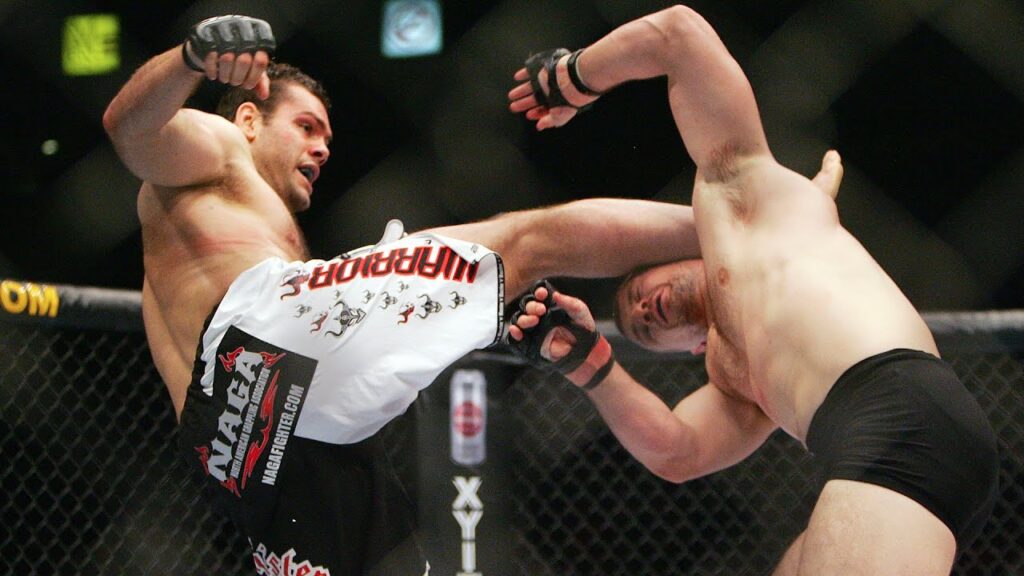
Mixed martial arts is an unforgiving world. While one victory might suddenly see a fighter catapulted into superstardom, one devastating loss can irreparably derail what may have been a promising career. In the years since its inception, there have been many fighters who entered the Octagon with high hopes, only to exit with their careers irreparably damaged. It discusses some of the biggest UFC fights that not only saw defeat for the fighter but effectively ended their career. Ronda Rousey was the face of women’s MMA and one of the most dominant champions the sport has ever seen. Entering her fight with Holly Holm at UFC 193, Rousey was undefeated, having finished all but one of those opponents in the first round. She had every expectation to steamroll over Holm—a former professional boxer and kickboxer who was relatively new to the UFC—going into their bout at UFC 193. However, Holm stunned the world by outstriking Rousey from the first bell. Holm connected with a beautifully devastating head kick that knocked Rousey out cold in the second round, handing her the first loss of her career. The nature of the defeat was brutal—not just because it ended Rousey’s aura of invincibility but also because it marked the beginning of the end of her MMA career. Rousey tried to come back a year later at UFC 207 against Amanda Nunes, but she was dispatched quickly in just 48 seconds. Following the loss, Rousey chose to retire from active MMA competition and join the professional wrestling organization WWE. That Holm fight was a turning point which did shatter Rousey’s confidence and effectively ended her reign as queen of women’s MMA. Chuck Liddell was one of the most popular and successful fighters in UFC history, known for his knockout power and exciting fighting style. However, when he fought Rashad Evans at UFC 88, Liddell wasn’t really at the level he had been during the height of his success. Indeed, he had suffered some knockout losses. Despite that, many felt Liddell could turn back the clock to his glory days. Evans was an undefeated rising star at the time, and had other ideas. Evans came out in the second round and connected on a perfectly timed overhand right which knocked Liddell out cold. The knockout was so severe that Liddell’s body went limp before he even hit the canvas, creating one of the most memorable knockouts in UFC history. The defeat at the hands of Evans sealed the end of Liddell’s reign as a top contender. He would then lose his next two fights, both by knockout, before retiring in 2010—although Liddell briefly returned for a third fight against Tito Ortiz in 2018. By that stage, though, it had become apparent that the Evans contest had been the start of the end for “The Iceman.” Anderson Silva is often cited by many as the greatest mixed martial arts fighter of all time, but the only titleholder for the most extended reign in UFC history at 2,457 days. His career took a major swing when he fought Chris Weidman at UFC 162 and UFC 168. At UFC 162, Silva was caught in the second round while taunting Weidman. He was stopped by Weidman when he received a left hook to knock him out, making him lose the current reign of the UFC Middleweight Champion. The loss shocked the MMA world and marked Silva’s first defeat in the UFC. He sustained another shattering blow to his career in the 168 rematch. During the second round, a Silva leg kick was checked perfectly by Weidman, and Silva’s leg snapped in a horrific injury. The picture of Silva’s leg snapping is undoubtedly one of the most gruesome moments in UFC history. Although Silva continued fighting despite his injury, he was never the same. He won just one of the next seven fights ahead of him, among a plethora of losses and no-contest bout endings. It also finalized the end of the reign of dominance by Silva in the UFC and marked the start of the senior year for a legends-filled career. B.J. Penn was a stupendously talented and successful UFC fighter, who won titles at lightweight and welterweight. His trilogy with Frankie Edgar marked his nose-dive down the spiral of defeat. First, Penn lost his lightweight title to Edgar at UFC 112. It was only by a very small margin, in a rather competitive decision that either way seemed reasonable to most people’s eyes. The two rematched shortly thereafter at UFC 118, where Edgar defeated a prominent decision, dominating Penn for five rounds and sealing the deal: he was the new lightweight king. After the losses to Edgar, Penn’s career went on free fall. He would move up to Welterweight and remained there for a couple of fights with mixed results before finally meeting Edgar for a third time at The Ultimate Fighter 19 Finale. In the third fight, Edgar completely dominated Penn, finishing him in the third round with ground and pound confidently. That trilogy with Edgar would mark the end of Penn’s career as a top fighter; he would go on to lose his next five fights, often looking sadly like a shell of himself. Contests against Edgar finished off the reign of BJ Penn as one of the world’s best fighters and left him heading down a mediocre path that, at that point in time, seemed to besmirch his legacy like there was no tomorrow. 5. Melvin Guillard vs. Joe Lauzon at UFC 136 Melvin Guillard was one of the most formidable and explosive fighters in the UFC’s lightweight division. With a powerful knockout ability and athleticism, Guillard got into the bout riding on a five-fight win streak as he faced off against Joe Lauzon at UFC 136. Many believed that another win would really put him well within view of title-starved contendership. But Lauzon had other plans. Just 47 seconds into the first round, Lauzon dropped Guillard with a left hook and quickly locked
UFC’s Most Memorable Post-Fight Interviews: Raw Emotions, Shocking Statements, and Confessions
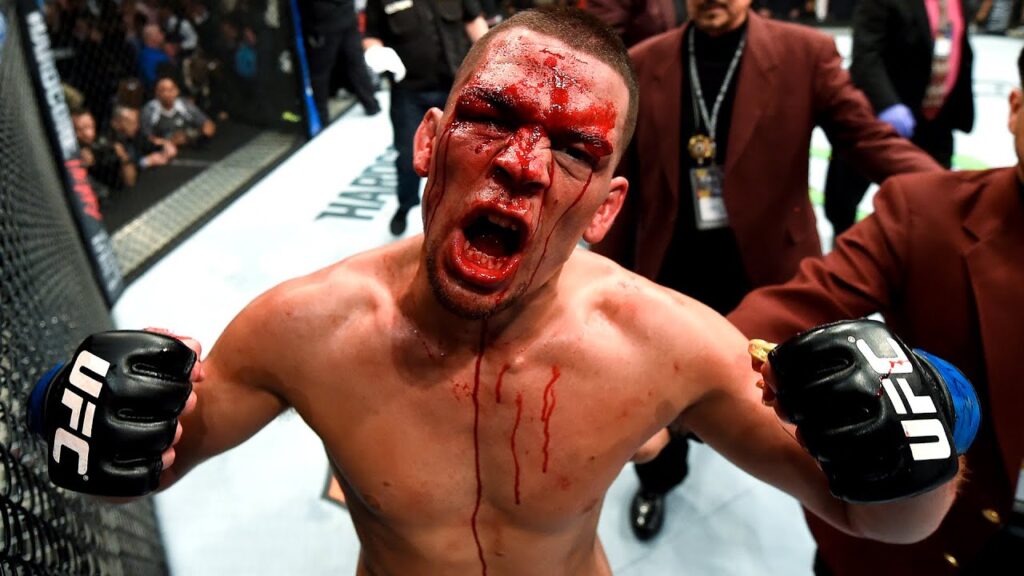
These are moments in post-fight interviews in the UFC that, at times, can be as memorable as the fights themselves. Millions of fans tune into these live broadcasts to catch some of the rawest emotions fighters are exerting right at those moments; be it a victory or defeat—or possibly being literally robbed in a decision. These interviews provide insight into the minds of athletes in their most vulnerable and unconcealed state. The article focuses on the post-interview of some of the most memorable fights in UFC history, in which a competitor says something truly stunning, a heartfelt confession, or other ways they left their mark on the sport. One of the most iconic post-fight interviews in UFC history is the one by Nate Diaz after his iconic win over Conor McGregor at UFC 196 in Las Vegas, Nevada. It was Diaz against a streaking Conor McGregor, with high sparks of pre-fight hype and dominance riding waves in the featherweight division. Diaz shocked the world because he was the underdog, but he submitted the Irish superstar in the second round. In the post-fight interview with Joe Rogan, Diaz said famously, “I’m not surprised, motherf***ers!” The statement epitomized Diaz’s confidence and defiance, even in the face of overwhelming odds. The interview went viral, becoming a sort of rallying cry for Diaz fans and further solidifying his place as one of the most beloved fighters within the UFC. It resonated with Diaz’s words because of that feel to it, capturing this underdog type of spirit which he and his brother, Nick, had been carrying throughout their whole career. Raw, pure, and genuine was the interview, and everything else that fans love about Nate Diaz. Conor McGregor, known for his loudmouthed bragging and silver-tongued wit, pulled off arguably the most memorable post-fight interview in the history of the game, following his win to take the lightweight title at UFC 205. He had cemented his name in history that night, becoming one of the fighters who first held dual belts in UFC—stripping them away from Eddie Alvarez for the lightweight belt, on top of already being the holder of the featherweight title. With a title belt over each shoulder, McGregor said in the post-fight interview, “I’d like to take this chance to apologize… to absolutely nobody! The double champ does what the fuck he wants!” And the place erupted; it was an instant classic. The interview epitomized the character that is McGregor: bold, arrogant, and unapologetic. In so many ways, it characterized his rise to superstardom—how the ability to captivate audiences through his fighting acumen is equated with capturing them through his charisma. The post-fight interview of Daniel Cormier after knocking out Stipe Miocic in UFC 226 is definitely one of the most emotional and triumphant in the history of the organization. Now, Cormier already held the title of light heavyweight champion but moved up to challenge Miocic for the heavyweight title. Cormier’s knockout of Miocic in the first round has made him the second fighter in UFC history to achieve a two-division championship at the same time. In the post-fight interview, an ennobled Cormier shouted, “I’m a double champ!” He really broke down his journey, the things he had to overcome, and what this victory truly meant to him. It was one of those genuine interviews where he could be seen over the moon, proud as ever, for having realized his dream. The moment was immortalized when Cormier called out Brock Lesnar, who was sitting in the audience, from the victorious podium, setting the stage for a potential super fight. Cormier has given one of the great interviews in a long time that essentially extended to the masses what truly drives UFC fighters to greatness: passion and dedication. Ronda Rousey was the face of women’s MMA and quite nearly one of the most dominant champions in UFC history. Defending her bantamweight title at UFC 184 against Cat Zingano in just 14 seconds, perhaps the most memorable post-fight interview is when Rousey yelled out, “I’m still the greatest!” Rousey was very confident and dominant in demeanor when talking about her win and where she stood in the sport. The fact that it was bringing more increased pressure and scrutiny as the biggest draw in that sport proves her unabashed belief in herself and her abilities. Though Rousey’s career would later take a downturn—the losses to Holm and Amanda Nunes—sadly, her post-fight interview at UFC 184 remains the crowning jewel of one of the great runs by any champion in UFC history. The post-fight interview Brock Lesnar had with the media after defeating Frank Mir at UFC 100 is probably one of the most controversial in the history of this sport. Lesnar entered the fight with a chip on his shoulder, having lost to Mir in their first encounter. Lesnar came out and avenged his loss with a TKO victory before turning in a pretty hot, uncensored post-fight speech. At the time of rivalry, Lesnar was sponsored by Bud Light, and in his enraging speech, he surprised all by saying, “I’m gonna go home tonight, I’m gonna drink a Coors Light. That’s right, Coors. Bud Light won’t pay me anything.” He further flamed comments on his opponent, his wife, and also on that crowd which drew boos and backlash. That interview really tightened a lot of jaws and is, therefore, explained by what Lesnar said in his apology letter. Nevertheless, it is one of the most commented post-fight interviews in UFC history, testifying to the intensity of Lesnar and the true feelings that come out soon after years. Joanna Jędrzejczyk was one of the most dominant strawweight champions in UFC history who always stood out for her outstanding striking and psychological warfare. While preparing to defend her title against Rose Namajunas at UFC 217, Jędrzejczyk conducted an especially unforgettable pre-fight interview: “Boogeywoman is coming!” Though somewhat dejected after the loss to Namajunas in the first round, her post-fight interview matches a tone of its own.
UFC Plots: Fighters Who Made a Grand Entrance But A Small Show
In the case of the UFC, the first whistle has to build in terms of hype. Grand entrances, high expectancy, and a wave of anticipation can set the stage for a memorable fight night. But it doesn’t always all go their way; not for everyone. In fact, some grand-entrance fighters end up disappointing fans and analysts time and time again with their underwhelming performances. This text talks about those UFC fighters who introduced themselves to everyone so greatly into the promotion, only to fail in delivery on fight night. The most awaited UFC debut had to be that of CM Punk, a celebrated superstar from the WWE during its heyday, who took a rather unorthodox decision to switch from pro wrestling to mixed martial arts. His real name was Phil Brooks, one of the biggest superstars at the time in professional wrestling with that known charisma, in-ring ability, and skills on the mike. His signing with the UFC, of course, in 2014 sure did raise a couple of eyebrows from the wrestling and MMA harlots alike. So, basically everyone was more hyped at the time for Punk’s UFC debut. Everyone wanted to know how he would perform in his first fight with no competitive fighting experience. He took a serious dedication to training nearly for two years at one of the most famous MMA trainers, Duke Roufus, at Roufusport gym. Finally, in 2016, Punk made his long-awaited UFC debut at UFC 203 against relative newcomer Mickey Gall. After months of buildup and excitement over seeing the professional wrestling legend in an actual fight, he was literally run over by Gall, who took him down, took control, and finished a rear-naked choke submission in the first round. His second fight, against Mike Jackson at UFC 225 in 2018, too ended in a one-sided defeat. Jackson outclassed Punk—also comfortably—for three full rounds en route to a unanimous decision victory. This ended the UFC career of those great exits with a 0-2 record, proving that the way in MMA from professional wrestling really isn’t going to be that easy. James Toney is a legendary boxer, a former world champion in several weight classes, and quite famously known for his defensive slickness and large power in counterpunching. When he officially announced that he would now be trying his skills out in mixed martial arts and fighting in the UFC, many in the combat community considered him controversial. That year, Toney signed with the UFC, with the hopes of showing the world that the sweet science he possessed in boxing had its place in the gritty art of mixed martial arts. The UFC hyped Toney’s debut as a mixed martial artist, putting him in a fight against UFC Hall of Famer and the former two-division champion Randy Couture during UFC 118. The much-expected showdown was hyped as “Boxing vs. Wrestling” since many were keen on it to see how far Toney would run around the ring with the Mixed Martial Arts great. Unfortunately for Toney, the fight was a one-sided affair. After just around 15 seconds, Couture took Toney to the ground and on top, clearly somewhere outside the realm of the boxing champion. Couture dominated Toney on the ground, eventually locking up an arm-triangle choke for the first-round submission. The fight went on for a little over three minutes and clearly showed the differences between boxing and MMA. Despite Toney’s great entrance and all the hype there was around his UFC debut, the latter part of his UFC career lasted as long as one single fight, in which he painfully lost to an MMA legend. The streetfighting phenomenon, Kimbo Slice—aka Kevin Ferguson—found worldwide fame from video footage of his backyard brawls, with his inexorable power and downright sinister presence in each clip turning him into an internet pop star that paved his way to a pro MMA career. Slice’s road to the UFC started with EliteXC, the stage where he surged to become one of the hottest names in that promotion. After this, Slice would go on to take part in a reality show called “The Ultimate Fighter” season 10, in which the winner won a contract to fight in the UFC. Although Slice did not manage to win the show, his popularity and marketing potential eventually helped to earn him a deal with the UFC. Slice officially debuted in the UFC in 2009 at The Ultimate Fighter: Heavyweights Finale against Houston Alexander. However, this debut did not actually amount to much for him. The fight was savagely promoted and built up as a slugfest between heavy hitters, but it actually was more of a snorefest, with two conservative and castigating fatigued fighters. Slice prevailed by unanimous decision, but the fight was far from the explosive debut that fans had hoped for.Slice’s next UFC encounter was against Matt Mitrione in UFC 113, wherein he lost by TKO and, arguably, ended his UFC career. Generalizing or summarizing his case, one can say that boasts and fanfare cannot sustain one’s career with UFC, since despite his large following and a grand entrance that ensured he got noticed by everyone, Slice was able to engage in a grand total of only two fights in the UFC. Hector Lombard was one of the most feared middleweights in the world before signing with the UFC. A former Olympic judoka and the reigning Bellator Middleweight Champion, Lombard brings his 31-2-1 (1 NC) record with him to the UFC. His finishing power, in the form of knockouts, and judo skills certainly made him one of the most highly anticipated signings in UFC history. The first time Lombard stepped into the Octagon was at UFC 149 in 2012 against Tim Boetsch. The fight had a lot of anticipation behind it, but he was just disappointed; Lombard looked hesitant and couldn’t seem to pull the trigger, and he lost this fight by split decision. While in the UFC, Lombard did have somewhat of a successful career, with impressive finishes of men like
Unexpected Relationships: UFC Fighters Who Became Friends to Enemies
Unexpected Relationships: UFC Fighters Who Became Friends to Enemies While the UFC can become a place of fierce rivalries, it can also become an environment in which these fighters, due to similar trials and tribulations, become friends bound together by tight bonds. These friendships can sometimes go sour, creating some of the most personal and heated rivalries in the history of the sport. This article highlights the surprising enmity in the UFC, how those fighters went from friend to foe—their drama, betrayal, and never-to-be-forgotten showdowns. One of the most famous examples of a close friendship that went sour and turned into a bitter rivalry in the UFC is the case of Jon Jones versus Rashad Evans. They used to be friends and even training partners in Greg Jackson’s MMA gym in Albuquerque. Evans was the former UFC Light Heavyweight Champion and seemed to be a mentor to young up-and-coming sensation Jon Jones. Things took a turn for the worse when Jones was then offered a title fight against then ROC champion Mauricio “Shogun” Rua in 2011, after Evans had to pull out of the bout due to injury. Jones accepted and won the championship, making him the youngest champion in UFC history. But there were issues as Jones was already prepared to defend his title against Evans—Evans had hoped that they could avoid fighting one another. Things reached a boiling point as both fighters took to engaging in a war of words through the media, with Evans feeling so betrayed by Jones and the gym. It all set up for a massive encounter at UFC 145 in 2012, and it was very personal, with both men fighting to prove who the better man was. Jones, for his part, won overall by way of a unanimous decision and retained his title, further exalting his feats as one of the best to ever do it on the UFC canvas. The rivalry would cost both men dearly in the end; what had once been a close friendship turned into a bitter feud. Tito Ortiz and Chuck Liddell were, at one time, great friends and training partners during the early days of the UFC. Both fighters just happened to be too big stars within the organization and were on a collision course for a shot at the light heavyweight title. Even friendly, the UFC was looking very hard to book a fight between them, as they knew it would appeal to a large audience. Ortiz, the UFC Light Heavyweight Champion at that time, initially refused to fight Liddell because they were friends and had a great deal of respect for each other. However, Liddell wanted it badly and thought Ortiz was dodging him. The tension finally began to brew between them, which the UFC capitalized on by finally setting up the fight at UFC 47 in 2004. promotion for the fight had Ortiz and Liddell exchanging verbal jabs and accusations. When the two finally stepped into the octagon, Liddell knocked out Ortiz in the second round to claim victory and definitively put their friendship in his rearview mirror.The rivalry did not end there. The two world collide once more at UFC 66 in 2006, with Liddell once again knocking out Ortiz. The equally famous rivalry the two had developed was part of a big way UFC history, and in part of the early days of its existence. After their battles within the octagon, their relationship was never the same, even though efforts throughout the years would be made to mend things. One of the more recent examples would have to be the one between Colby Covington and Jorge Masvidal. The two fighters used to be really good friends and roommates who trained together at ATT in Florida. They both spoke very highly of each other, cornered for each other in many fights, and Masvidal even labeled Covington as a “brother.” Their friendship began to take a hit as Covington transformed himself into a loudmouth, firebrand, trash-talking Covington amidst overly controversial comments that made him appear and upset many of his teammates, including Masvidal. He mentioned that that had been one of the last straws: not paying one of Masvidal’s coaches ‘a few small things here and there’ after potentially securing a championship fight, which finally resulted in the complete breakdown in their relationship. The tension between Covington and Masvidal spilled over into the public, and the two men began to argue back and forth via the media as each accused the other of being unfaithful. The situation between the two fighters was a very anticipated grudge match, culminating in UFC 272 in 2022. Covington took the fight via unanimous decision, but the feeling between the former buddies remained unfinished. In the Covington-Masvidal rivalry, everything is a perfect instance of how personal conflict combined with professional competition made those who might be considered friends—original friends—to be bitter enemies in the UFC. It’s one of the most bitter rivalries in UFC history—a rivalry that began with a close friendship and a shared journey to the top. TJ Dillashaw and the challenger, Cody Garbrandt, were part of the Team Alpha Male, a team that UFC Hall of Famer Urijah Faber founded. At that time, under the watch of Faber, a very strong bond was developed between TJ Dillashaw and Cody Garbrandt, where Dillashaw mentored the young Garbrandt. Although the friends had an excellent relationship, everything started to fall out when Dillashaw left the Team Alpha Male for Colorado to train together with Duane Ludwig. The switch was tantamount to turning his back against Faber and the rest of the team, including Garbrandt. Things got worse when the opponent defeated Renan Barao to hold the belt of the UFC Bantamweight Championship that Faber and his team had desired for long. Garbrandt partially redeemed the team when he was crowned bantamweight champion after defeating Dominick Cruz. This winning feeling was enough to make him feel that he, too, had to defend his team’s reputation, so he would fight
The Most Devastating Leg Kicks in UFC History
Leg kicks are among the most brutal and effective weapons in the vast arsenal of mixed martial arts (MMA). When thrown with precision and power, they can incapacitate an opponent, hinder his mobility, and through that very ability, change the tides of a fight. The UFC has witnessed an array of fighters who mastered the low kick to dismantle their opponents and get victory. In this article, we will focus on some of the most devastating leg kicks that history has in the UFC by some of the fighters who made this their weapon of choice, and the unforgettable moment this blow created inside the Octagon. Although Unanimous Decision went to Aldo, the lasting impression was Faber’s battered leg, which seemed to act as a testament to how effective Aldo’s leg kicks really were. This is considered by many as one of the most dominating performances throughout the entire sport of mixed martial arts in showcasing Aldo’s striking and how leg kicks can be utterly devastating. Edson Barboza is generally regarded as one of the best strikers in the history of the UFC. His leg kicks most definitely factor into his formula for pure success. At UFC 162, Barboza fought Rafaello Oliveira in a lightweight contest, an encounter that would be only remembered for the unbridled savagery of Barboza’s leg kicks. Having launched a devastating attack on Oliveira’s lead leg since the opening bell, Barboza had shocked each time he landed the punishing kicks. Oliveira, doing his best to check and return fire, could offer but bare minimum to the blitzing Barboza in terms of speed and power. His movement was gone. By the middle of the second round, Oliveira was so hobbled he couldn’t stand straight. Par for the course, Barboza wasted no time cornering his foe, and eventually, the ref was obligated to halt the 155-pound rumble with a TKO victory for Barboza courtesy of the kicks. Barboza’s performance at UFC 162 remains one of the most destructive displays of leg kicks, in how they can completely dismantle an opponent. There is no doubt that with the strength behind his barroom punch and engaging in vintage aggression, Thiago Alves in his prime at welterweight was a scarier proposition. One of his best performances was a fight at UFC 90 against Josh Koscheck, which saw Alves display some real hurting leg kicks in that fight. Every deliberate strike from the Brazilian throughout the fight seemed to target the left leg of Koscheck, landing with bone-breaking impact. Koscheck, being a wrestler by trade and unyielded by repeatedly being kicked in the same spot, had difficulty closing the distance to neutralize the power in the kicks and trying his offense in that same respect by Alves, who would not let up on the punishment to his leg. Alves’ leg kicks had had such a large effect that the damage done by them really hurt Koscheck’s movement and added to Alves winning a unanimous decision. By far the best example of how leg kicks can certainly neutralize an opponent and their ability to carry out the game plan is Alves and a win over Koscheck. That solidified Alves as one of the most dangerous welterweight fighters at that time. The fight between Pedro Rizzo and Dan Severn fought during UFC 27 was a classic example of his similarly devastating use of the technique. Rizzo is a Brazilian skilled striker renowned for his powerful kicks, and Severn, of course, legendary, was about to experience this first-hand. Immediately, Rizzo started attacking Severn’s legs with hard kicks, all of them making echoing sounds around the arena. Severn, who is famed for his toughness, worked to push forward, but the damaged Sumo’s leg took its toll. And by the time the fight ended, Severn’s leg was so compromised from the inside that he could hardly stand, and Rizzo got the stoppage win. This fight is typically remembered as one of the first examples of how so much leg-swinging and knee-chopping could tilt an MMA battle and helped solidify Rizzo as a real force in the UFC’s heavyweight division. Justin Gaethje is an aggressive fighter known for his relentless aggression inside the octagon. Arguably, his leg kicks are the ones paying off really great. In his UFC debut at The Ultimate Fighter 25 Finale against Michael Johnson, Gaethje set out to show his skill of kicking competitors’ legs. Right from the beginning, Gaethje landed his wrecking balls on Johnson’s legs. The shots grew heavier throughout the round, and Johnson gradually had worse mobility. Although he tried to recover, his leg was clearly compromised by the shots from Gaethje. By the second round, he was observed limping, yet Gaethje just continued the pressure, eventually sealing the fight with some strikes on Friday.In the performance against Johnson, Gaethje did remind all onlookers that leg kicks may well indeed be effective—even against high-level competition. Truly worn opponents down by this method is a considerable way that has turned into a true staple of his fighting style. Donald “Cowboy” Cerrone is among the most productive fighters in the history of Ultimate Fighting Championship, with his diversified striking and love for head kicks. However, in this battle against Jim Miller at UFC Fight Night 45, it was a night to tell the story. He began to work his strikes into a combination, though it was the leg kicks that wore Miller down. Finally, Miller was having to switch a few times as he positioned and eventually crumbled under a head kick from Cerrone. RUN ON In the second of the four-minute round, his leg was tremendously damaged, and Cerrone landed a head kick to end it. Cerrone’s victory over Miller was a classic example of a blueprint for how damaging leg beats can be in breaking down an opponent’s defenses, subsequently creating chances for further offense. It turns out to be one of the better varieties of Cerrone’s performances in the UFC cage. Mauricio “Shogun” Rua vs. Lyoto Machida in their
Wyatt Sick6 Debuts, Defeats 3 Stars: New Era in Combat Sports
There have been very many raw talents that have emerged in the combat sports with most of them experiencing meteoric rises, but none has had a better rise than Wyatt “Sick6” Johnston. This captivating debut can be described as an electrifying debut in the professional sphere, which is illustrated by the fact that Sick6 was able to beat three stars in one night and thus continued the tradition of promising and interesting further performance. Sick6 Johnston – The Rise It is very important to note that Wyatt Johnston, or as he is known in the combat circles, Sick6, is not an ordinary fighter. From being an obscure amateur to a professional debutant who eliminated three stars in his first night, it is nothing short of a fairy tale. Johnston, a 24-year-old phenomenon from the town of Amarillo, Texas, stunned the world amateur MMA scene with his unique hybrid of martial arts, boxing, and street brawling. This moniker of his is ‘Sick6’ which is derived from his six-hit combo that he had devised in his teenage years when he was fighting with his friends in backyards. Sick6 gained popularity as he rose through the amateur level and the opponents he left behind in his wake. His fights were not only victories; they were circuses. Every match had him using speed, power and creativity to easily outmaneuver his opponents and thus making him a darling of the fans way before he went professional. Yet, the young fighter’s popularity that was steadily increasing could hardly foretell the sensation he would cause on his first appearance as a professional. The Night of Debut Sick6 has already entered the calendar of combat sports history with the date of its first performance. While the fight night was advertised as a mid-level event, the bout quickly became much more when Johnston’s management team declared that he was to fight not one, but three familiar faces in turn. This reckless move was viewed by many as a publicity stunt, a way of creating hype and thus increasing ticket sales. But what ensued in the ring was so much more than a spectacle; it was the emergence of a revolution. The three fighters chosen to face Sick6 are not small boys in any way. Each had carved out their niche in the sport, having compiled some impressive statistics and fan base. The first opponent was Carlos ‘The Hammer’ Ortiz, a very dangerous fighter who had an excellent reputation for his knockout punch. Ortiz came with 25 wins in his record and 18 of them were KOs. The second man was Liam ‘The Ghost’ Baker, a defensive wizard who was well known for how slippery and tactical he was in the ring. The third, and possibly the most threatening was Ivan ‘The Bear’ Petrov of Russia, a man known for finishing his matches as early as possible. The Fight When Sick6 entered the ring for his initial bout against Ortiz, there was a strong excitement. Numerous people anticipated that the youthful newcomer would not perform well due to stress but right from the starting signal it became evident – Johnston wasn’t only participating in this event; he came with the intention of dominating. Ortiz, who is a very aggressive fighter, wanted to prove it by attacking from the getaway, trying to intimidate the inexperienced fighter. However, Sick6 was ready. Crystal, mature and exhibiting great ring savvy, managed to avoid Ortiz’s hard punches. In the third round, Sick6 pulled out his six punch kick combination that dazed Ortiz and left him wide open. It was followed by the referee’s intervention and stating Johnston as the winner through the TKO. This was followed by Liam Baker – a fighter with the complete opposite fighting demeanor to Ortiz. Baker, who moved very slick and had good defensive prowess, planned on taking Sick6 to the deep end and outlasting him. Still, adaptability was to be Johnston’s forte. Rather than trying to catch Baker, Sick6 blocked the ring area and thus prodded Baker into trading. However, in the fifth round Johnston got his reward when he caught the champion Baker with a beautiful counterpunch that put him down. Despite Baker’s efforts, he tried to stand up, but his legs refused to obey him, which was another win for the debutant. The last fight of the evening was against Ivan Petrov, a fighter that many thought Johnston was out of his league against. Petrov was known as a hard puncher, and he certainly embodied this description with his size and muscle mass. But, with Sick6, there were no signs of fear. Right from the start of the fight, Johnston was on the back foot and opted to hit and run, to avoid getting caught by Petrov’s big shots. This prompted Johnston to move around the ring faster and faster, which made Petrov equally anxious to land a good punch on his opponent but to no avail. Then, in another sickening moment which will be watched over and over again throughout the years, Sick6 landed one of his best head kicks on the chin of Petrov on the seventh round which knocked the giant Russian off his feet. The people cheered when the referee counted Petrov down and this was Wyatt “Sick6” Johnston’s 3rd and last win of the battle. Aftermath and Reactions The fight fans around the globe never expected such a performance after Sick6 came to the combat sports ring. There were many reactions on social media, fans, as well as fighters congratulating Johnston for the good show. People in the sport, ex-champions, and commentators were quick to refer to Sick6 as the future of combat sports. Some of the fans went further to compare his debut to some of the best moments ever to be witnessed in the history of this sport, with some even going to an extent of referring to it as the best debut of all time. It did not take the promoters long to realize that Sick6 was literally
Cultural Impact of the UFC: How the Sport Has Influenced Pop Culture
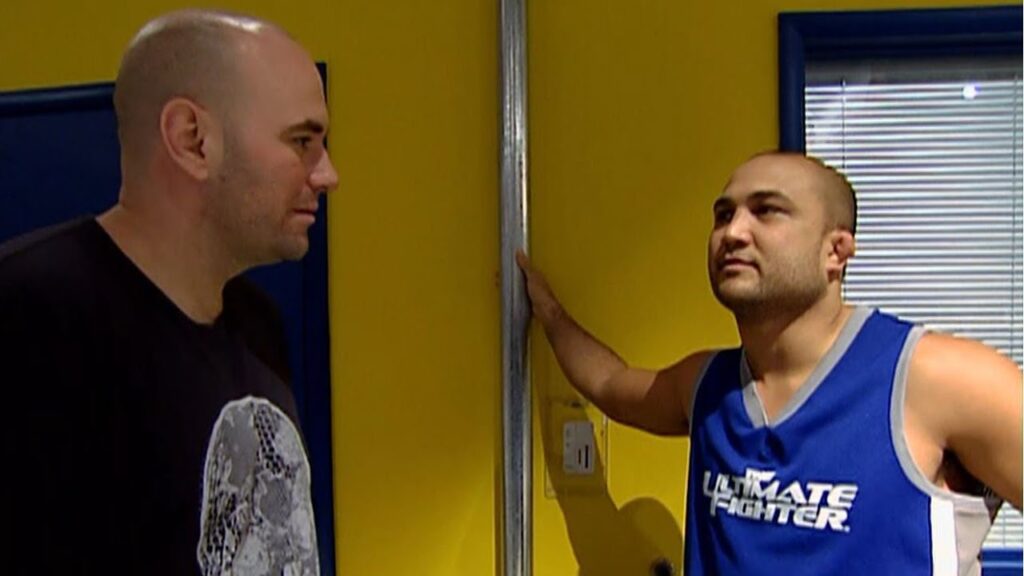
Introduction The UFC has grown from being an MMA promotion company into a powerful phenomenon that has a considerable influence on today’s pop culture. The growth of the UFC began in 1993 and has since transformed from an outlawed event into an inextricable part of popular culture that has affected the industry, fashion, language, and people’s perceptions of the fighting arts. This paper aims to analyze the cultural influence of the UFC and assess how it influenced and was influenced by pop culture. Media and Entertainment Reality Television and The Ultimate Fighter Perhaps the most profound area in which the UFC has impacted popular culture is through the show business, especially through reality shows. “The Ultimate Fighter,” or TUF, which started airing in 2005, was a unique show that was a mix of a reality show and a show about MMA. This show made MMA famous and introduced millions of fans to the sport and the athletes that participated in it. Due to the fact that TUF aired fighters’ problems and goals, this show made MMA less brutal and became the key to changing the perception of the public. Film and television MMA has also appeared in many films and TV shows, and fighters from the UFC participate in many shows and movies, thus integrating it into pop culture. Fighters like Georges St-Pierre, Ronda Rousey, and Michael Bisping have transitioned into acting, appearing in major Hollywood productions such as “Captain America. Some movies are “Captain America: The Winter Soldier,” “Furious 7,” and “xXx: Return of Xander Cage.” These movies have not only promoted certain fighters but also the UFC and MMA in general. Video Games This event has been popularized by video games and has made the ultimate fighting championship and MMA famous. Gaming is another way through which the UFC has taken the sport to the people through its affiliation with Electronic Arts (EA) to develop what is known as the EA Sports UFC video game. These games allow the fans to immerse themselves in the octagon and fight as their favorite fighters, which makes them appealing. Thus, the realism in portraying fighters, their moves, and some of the events in these games has gone a long way in enhancing the recognition and acceptance of MMA as a legal sport as well as a product that fans all over the world can enjoy. Fashion and merchandise Fighter Apparel and Brand Collaborations Indeed, the UFC has played a huge role in the fashion industry, especially in the aspects of athletic wear and street wear. Fighter merchandise, such as t-shirts, hoodies, and fight wear with the fighter’s logo, has remained popular. The Reebok and Venum associations have led to the creation of a UFC clothing line that is trendy and can also be used for sporting activities. These partnerships have aided in getting the UFC to a new level and in making MMA popular in style. Personal Style of Fighters The fashion of UFC fighters has also affected pop culture in terms of their personal styles. Some fighters, like Conor McGregor and Israel Adesanya, like to use flashy and unique fashion styles in both the cage and in their day-to-day lives. McGregor’s fits and his usage of fashion have given him an identity and aesthetic, and the same can be said about Adesanya and his unique fashion sense inspired by anime. That is why these fighters have shown that MMA athletes can become leading personalities in the sphere of fashion. Language and catchphrases Catchphrases and memorable quotes The UFC itself has given the world many catchphrases and iconic quotes that can easily be recalled. The fighters’ verbal attacks, interviews, and the hype created through promotional material have yielded memorable catchphrases that transcend MMA. The Ultimate Training quote, which is Conor McGregor’s “We’re not here to take part, we’re here to take over!” and Nate Diaz’s “I’m not surprised, mother f***ers!” are examples of quotes that have become part of pop culture. These catchphrases are usually popular, they circulate on social networks, and people use them in different situations. Commentator Influence MMA fans and participants also often use quotes from the UFC commentators, especially Joe Rogan, in their daily lives. (It is necessary to note that Rogan’s passionate comments have created such phrases as ‘He’s rocked!’ and ‘This is a dogfight!’ cult among MMA fans.) Hence, the commentators have provided a way of explaining the technicalities of mixed martial arts while at the same time making the fans feel the heat of the sport. Societal Attitudes Toward Combat Sports Changing Perceptions of MMA On this front, the UFC has been instrumental in shifting the perception of society toward combat sports. It has evolved from a gruesome and savage sport to a recognized legitimate fighting sport with the help of the UFC in organizing the sport. This has been so because the Unified Rules of Mixed Martial Arts, which UCMMA complies with, are designed to be fighter-friendly and put a great deal of focus on the safety of fighters and the fairness of the sport. Thus, today, it is possible to speak about MMA as a worthy sport where winners are real athletes who possess a great deal of speed, strength, dexterity, and intelligence. Integration of Women in the Fighting Industry The UFC is also responsible for helping to change people’s perceptions of women participating in combat sports. The creation of women’s divisions and the example of Ronda Rousey, Amanda Nunes, and Valentina Shevchenko have proved that women are as capable and popular as men. One of the most significant things that could be said about the subject is that Rousey’s ascendancy to the zenith of her career brought about a revolution of women in cages. Thus, the popularity of female fighters and their success in the cage have led to the gradual emergence of women and gender equality in sports. Influence on Other Sports Cross-Training and Techniques Thus, the UFC does not only affect MMA but also has an impact on
The Impact of UFC on Global MMA: How UFC Shaped the Sport Worldwide
MMA is a combat sport that has evolved from a restricted fighting ring to a competitive and popular one across the world, and UFC is on top of this change. The UFC, which started in 1993, has been instrumental in the development of the sport across the globe. MMA, which used to be a dark combat understood by few, is now a legal and respectable sport. This paper aims at identifying how the UFC has impacted the growth of MMA around the world in terms of rule-making, promotion, internationalization, and popularization of the sport. Early Years and Standardization of Rules The roots of the UFC organization lie in the desire to find out which of the martial arts is the best, and for this, practitioners of different styles fought against each other with as few restrictions as possible. The early fights, commonly known as ‘’no-holds-barred’’ fights, were considered very dangerous and were associated with low safety measures. However, it is important to note that when the UFC was getting started, it did not have formal rules, and it only became apparent as the organization expanded that rules had to be put in place to protect the fighters and to give the sport more credibility. Unified Rules of MMA In 2000, the New Jersey State Athletic Control Board came up with the Unified Rules of Mixed Martial Arts that the UFC adopted and spread across the world. They included weights, rounds, and prohibited moves, which did a lot to improve the safety and organization of the sport. The implementation of the Unified Rules helped get the athletic commissions in the United States and later across the globe to approve modern MMA. These rules were adopted and followed later by other organizations, thanks to the UFC bearing the responsibility of setting the standards of the MMA sport. Promotion of Fighters and Personalities The UFC is not only about the fights in the octagon but also about building fighters as personalities and athletes. The organization has spent a lot of money in marketing and media to promote its fighters as world-recognized celebrities. The Rise of Conor McGregor and Ronda Rousey Two of such fighters include Conor McGregor and Ronda Rousey. McGregor, who was famous for his personality and great fighting abilities, turned into a cultural phenomenon. Rousey, being the first ever female fighter to sign with the UFC, paved the way for women in MMA and attracted the attention of people who previously had no interest in the sport. Their success stories show how the UFC has developed the art of narrating stories and making characters that set audiences apart from the purists. The Ultimate Fighter One of the most popular shows in the history of television was the 2005 reality show “The Ultimate Fighter,” which dominated the cable industry and had a major influence on the development of MMA. In the given TV show, elements of reality television and competitive fighting were combined; thus, the audiences were introduced to the biographies and issues of fighters. It can be credited to the UFC for gaining more followership, and due to this, the sport has become popular. International Expansion UFC’s expansion on the international front has been very helpful in taking MMA across the global market. The organization has staged events in many countries and interacts with various audiences, different from each other but enthusiastic about the shows. Establishing global markets The UFC has aimed at expanding its operations globally and has specifically focused on certain markets. For instance, Brazil itself has a history of martial arts, and they leveraged this to grow the fan base based on the local fighters. Likewise, in Canada, the United Kingdom, and Australia, the organization has held numerous events, contributing to the rising popularity of MMA. Breaking into Asia Undoubtedly, one of the UFC’s main successes has been its expansion into the Asian market. Japan and South Korea, for instance, which have their own styles of martial arts, have supported the UFC. The initiatives of the initiatives of the organization in China, especially the recent launch of the UFC Performance Institute in Shanghai, demonstrate a long-term approach to the development of the sport in the region. This is in an effort to develop new talent and markets for the UFC through the construction of better infrastructure and the nurturing of local talents in Asia. Mainstream acceptance and media presence The UFC’s crusade for integration into mainstream culture has been multi-pronged; the organization has sought to engage the media, sponsors, and market to its target audience. Media Partnerships The high visibility resulting from partnerships with major sports networks such as ESPN has greatly benefited the UFC. Such partnerships have resulted in coverage that includes the build-up to the fight, the fight itself, and the analysis of the fight. Such exposure has gone quite a long way in ensuring that MMA is accepted as a sporting discipline. Digital Media and Streaming It has also adopted the use of digital media and streaming as a means of reaching out to the global market. Consequently, the availability of UFC Fight Pass—paid for digital streaming—enables fight fans across the globe to watch events live and thousands of past bouts online. Not only has this platform helped enhance the UFC’s revenue, but it has also helped bring the sport into the homes of people all around the world. Celebrity endorsements and sponsorships This has been made possible by the recent affiliations with sponsorship from some of the biggest brands that have given credibility to the UFC. Celebrities and athletes of other sports have also given MMA their blessings, and this has brought more fans to the sport. Also, sponsorship deals with international companies, such as Reebok and Monster Energy, have offered financial security and developed the sport’s commercial potential. The development of training and performance standards The UFC also played a role in the creation of training and performance protocols in MMA. The creation of the UFC Performance Institute in Las Vegas and
Unforgettable UFC Debuts: Fighters Who Made an Immediate Impact
The UFC has witnessed a large number of fighters, and they have had the dream of making a difference in MMA. While some fighters build their way to the top, others make their mark as soon as they step into the octagon, producing unforgettable fights right from their debut in the UFC. Such unforgettable starts usually symbolize the emergence of new titans and legends of the sport. And in this article, we look at fighters who cemented themselves right from the beginning of the tournament. 1.Anderson Silva vs. Chris Leben (UFC Fight Night 5)Anderson Silva’s UFC debut against Chris Leben on June 28, 2006, is one of the most iconic in MMA history. Silva, who was already famous in the MMA scene, was fighting with Leben, a strong and rather sturdy opponent. Some would say that they were looking forward to watching how Silva would perform in the UFC. Silva silenced any questions with this performance of a lifetime. He knocked down Leben with very good accuracy and effective punches, and the fight was over in 49 seconds of the first round. This fight introduced Silva and his knockout power, which preceded his great run as the middleweight champion. This was just a build-up to the inevitable Silva reign and a glimpse of what he was capable of. 2.Brock Lesnar vs. Frank Mir (UFC 81)Brock Lesnar, who had a wrestling background, winning the NCAA wrestling championship and being a former WWE superstar, joined the UFC, and his first fight was against Frank Mir on February 2, 2008, at the UFC 81. Wrestling to MMA switch by Lesnar was very popular, and fans were excited to watch him inside the octagon. Lesnar began the fight in advance, took Mir down, and dominated him using his size and wrestling background. However, Mir, a submission specialist, was able to take down this young, hungry fighter, take him to the ground, lock him in a kneebar, and make Lesnar tap in the first round. However, Lesnar’s debut was memorable because of the build-up to the match and the raw talent that he demonstrated. He has since progressed to achieving the UFC heavyweight championship and is thus a part of MMA history. 3.Conor McGregor vs. Marcus Brimage (UFC on Fuel TV 9)The other brawler is Conor McGregor from Ireland, known for his boastful attitude. He debuted in the UFC on April 6, 2013 against Marcus Brimage. McGregor had already gained popularity in Europe, and thus his entrance into the UFC was expected and welcomed by the fans and the media. McGregor did not disappoint in the fight; he was spectacular. He kept on using accurate and strong shots that knocked Brimage out of the ring in the first round. That fight, his ability to charismatically stalk his opponent, his striking, and his post-fight interview won the hearts of the fans and started his rapid ascent in the UFC. The debut of McGregor was evident to show the star power and fighting skills that he will be parading for the organization. 4. Ronda Rousey vs. Liz Carmouche (UFC 157)UFC 157 was held on February 23, 2013 and featured Ronda Rousey’s debut, where she became the first woman to fight in the UFC. The first female bantamweight title holder, Rousey, shared the main event with Liz Carmouche, proving herself as a major UFC attraction and the organization’s steady focus on women’s MMA. Rousey next kept her record of armbar wins in the first round going by tapping out Carmouche in the first round, though she was hurt early in the fight. Her debut not only established her as the leading champion of her weight division but also showed the passion and caliber of women in mixed martial arts. The influence of Rousey as well as the historical performance of the first women’s MMA fight will never be forgotten. 5. Jon Jones vs. Andre Gusmao (UFC 87)The young talent of Jon Jones, who later entered the list of the best MMA fighters in UFC history, fought for the first time in the organization on August 9, 2008, at UFC 87 against Andre Gusmao. The young Jones was only 21 and, without doubt, he was athletic, creative, and very skilled, which drew much attention from the fans and experts. Jones took the match through a unanimous decision due to his exciting and unpredictable punching, tackling, and constant change of positions. This show’s preliminary performance or preview signifies what is to come and the genius that characterizes his work. It is for this reason that Jones’ debut is notable for the prospect it gave of a future star and one of the most dominant fighters in the sport. 6. Nurmagomedov Khabib vs. Shalorus Kamal (UFC on FX 1)Khabib Nurmagomedov, an undefeated Dagestani wrestler, was scheduled to make his UFC debut on January 20, 2012, against Kamal Shalorus. While fans knew that Nurmagomedov was a black belt in wrestling, people were curious to see how he would thrive in the UFC. Khabib controlled the fight from the start, and after putting pressure on, showing better grappling, and striking throughout the fight, he was able to submit Shalorus in the third round. This fight introduced his ferocious pace and technique, which in the future would make him a champion of champions in the UFC. Nurmagomedov’s debut was a glimpse of the future of the lightweight division if he continues to perform at this level. 7. Cain Velasquez vs. Brad Morris (UFC 83)Cain Velasquez, a promising heavyweight fighter, entered the UFC on April 19, 2008, in his fight with Brad Morris at UFC 83. His cardio and wrestling were outstanding, and Velasquez was ready to show that on the biggest stage of them all. Velasquez provided quite an impressive performance to end the fight in the first round with ground and pound on Morris. His work rate, fitness, and striking proved that he is a future champion of the heavyweight division. This fight was a glimpse of what Velasquez has in store