
Mike Tyson Controversies: A Brief History
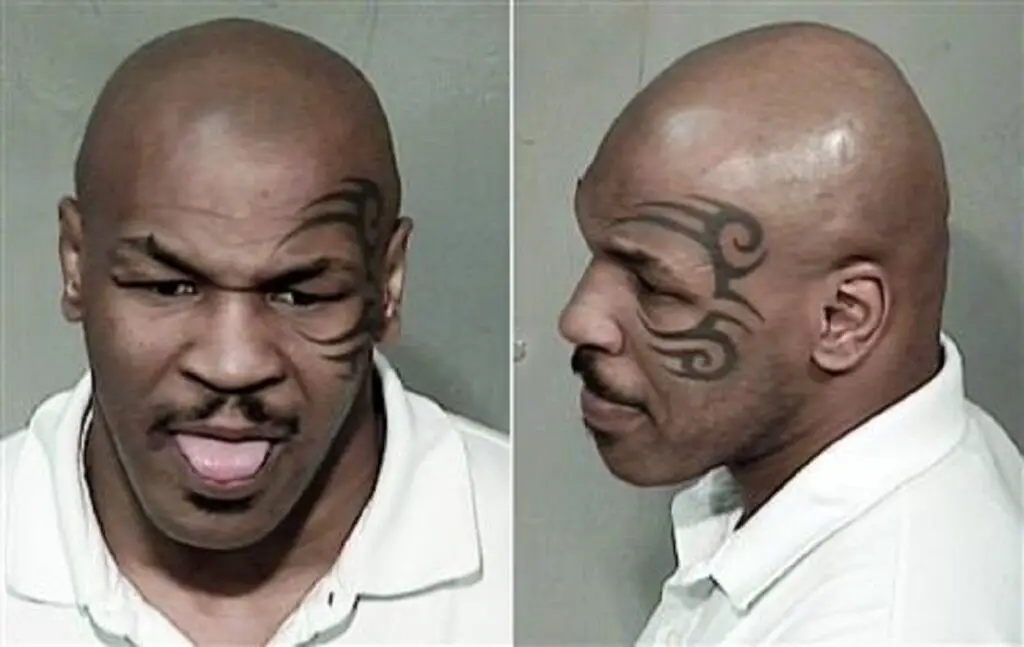
Mike Tyson’s boxing career was not without its fair share of controversies. From legal troubles to highly publicized incidents inside and outside the ring, Tyson’s life has been marred by controversy. In this article, we provide a concise overview of some of the most notable controversies that have surrounded the enigmatic boxing legend. Mike Tyson Controversies Rape Conviction In 1992, Mike Tyson was convicted of rape and sentenced to six years in prison. The case involved 18-year-old Desiree Washington and garnered significant media attention. Tyson served three years before being released on parole. The conviction had a profound impact on Tyson’s career and personal life, tarnishing his public image and causing a rift among his fans. Biting Incident One of the most infamous incidents in Tyson’s career occurred during his rematch against Evander Holyfield in 1997. In a moment of frustration, Tyson bit off a portion of Holyfield’s ear, leading to his disqualification from the fight. The incident shocked the boxing world and triggered widespread condemnation. Tyson faced severe consequences, including fines and the temporary revocation of his boxing license. The biting incident remains a dark chapter in Tyson’s legacy. Legal and Financial Troubles Throughout his career, Tyson faced numerous legal and financial challenges. His extravagant lifestyle, combined with his legal issues, led to significant financial troubles. In 2003, Tyson filed for bankruptcy, revealing debts of around $27 million. His financial downfall was a stark contrast to his earlier days as a wealthy and successful athlete. Personal Conduct and Temperament Tyson’s volatile temperament and controversial remarks have often attracted media attention. He has been involved in altercations with reporters, engaged in public feuds with fellow boxers, and made provocative statements that generated headlines. Tyson’s aggressive demeanor and occasional outbursts further fueled the perception of him as a controversial and unpredictable figure. Conclusion Mike Tyson’s career has been marred by controversies that range from legal troubles to highly publicized incidents inside and outside the ring. While his boxing achievements are undeniable, these controversies have left a lasting imprint on his legacy. The rape conviction, the biting incident, legal and financial troubles, as well as his personal conduct and temperament, all contribute to the complex narrative that surrounds the enigmatic figure known as “Iron Mike.” Despite the controversies, Tyson remains an influential figure in the world of boxing, leaving an indelible mark on the sport’s history.
How Many Knockouts Does Mike Tyson Have?
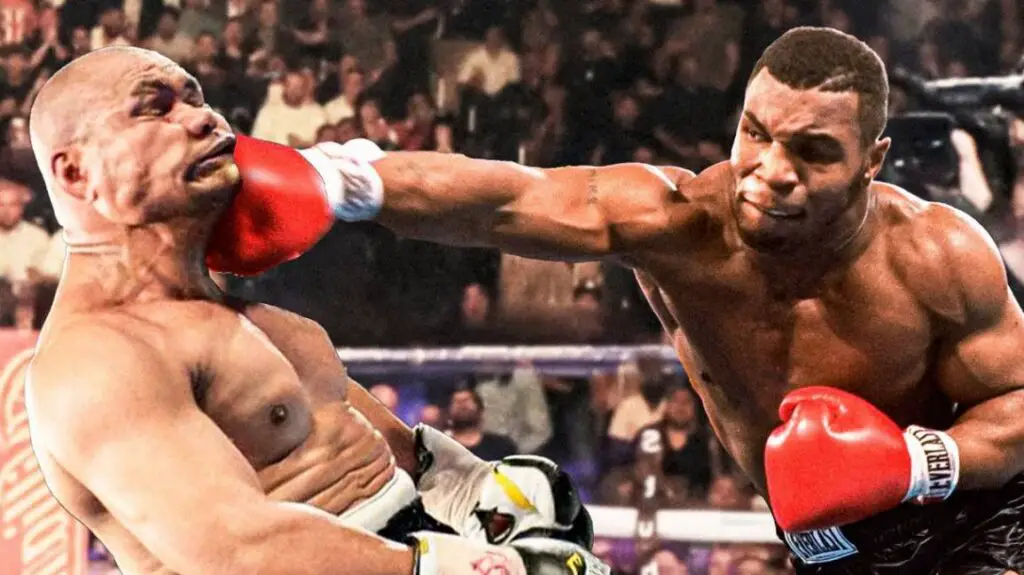
Mike Tyson’s boxing career was defined by his devastating punching power and his ability to deliver knockouts with lightning speed. In this article, we explore the impressive number of knockouts that Tyson amassed throughout his illustrious career, solidifying his reputation as one of the most formidable punchers in the history of the sport. Mike Tyson’s Knockouts Mike Tyson holds a remarkable record for his knockout victories, showcasing his exceptional punching power and aggressive fighting style. Throughout his professional career, Tyson scored a total of 44 knockouts. This staggering number highlights his ability to finish fights in dramatic fashion and his relentless pursuit of victory. Tyson’s ability to deliver explosive knockouts was evident early on, as he won his first 19 professional fights by knockout. His raw power and precision allowed him to overwhelm opponents and secure swift finishes. Tyson’s punches were known for their speed, accuracy, and bone-crushing impact, making him a feared and respected adversary. Tyson’s most famous knockout victories are etched in boxing history. His first-round demolition of Michael Spinks in 1988 to become the undisputed heavyweight champion is a standout moment. The electrifying knockout of Trevor Berbick in 1986, which made Tyson the youngest heavyweight champion ever, is another iconic highlight. In addition to these marquee knockouts, Tyson delivered notable knockouts against respected opponents such as Larry Holmes, Frank Bruno, and Razor Ruddock. These victories showcased Tyson’s ability to dispatch even the most seasoned fighters with his ferocious power. It’s important to note that Tyson’s knockout record not only signifies his extraordinary punching ability but also the level of competition he faced throughout his career. Many of his knockout victories came against accomplished fighters, further solidifying his status as one of the most feared and formidable boxers of his era. Conclusion Mike Tyson’s career was punctuated by an impressive tally of 44 knockouts, a testament to his unparalleled punching power and aggressive fighting style. His ability to finish fights in spectacular fashion cemented his legacy as one of the most dominant knockout artists in the history of boxing. Tyson’s knockouts not only reflected his extraordinary talent but also the level of competition he faced, making his record even more remarkable. His legacy as a knockout artist continues to captivate fans and solidify his place among the boxing greats.
Mike Tyson’s Personal Life: All the Details
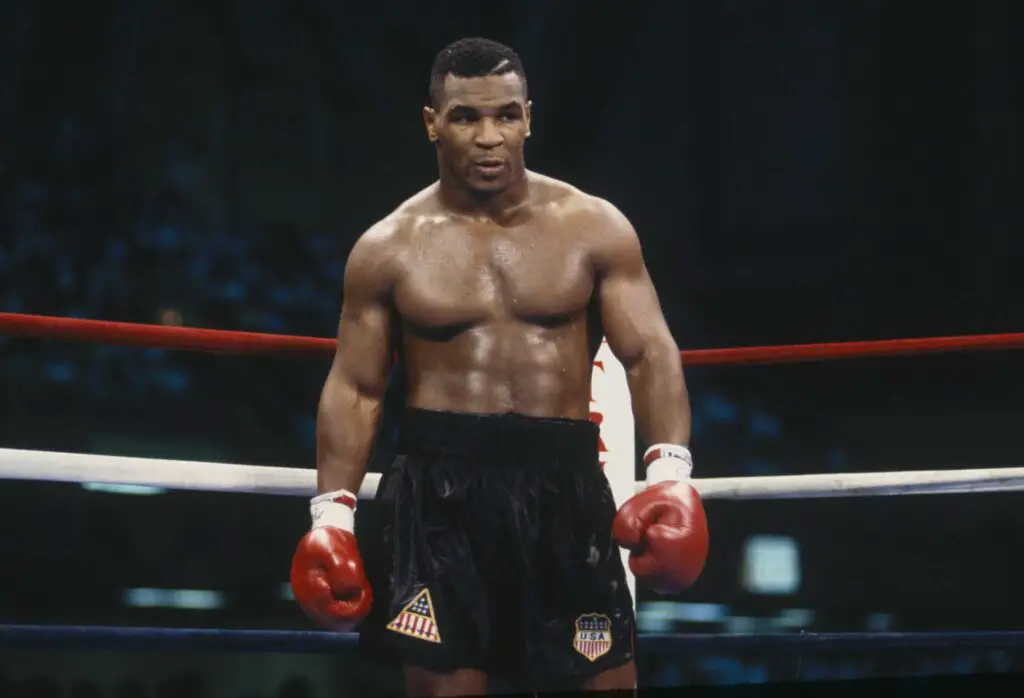
Beyond his boxing prowess, Mike Tyson’s personal life has been the subject of intense scrutiny and fascination. In this article, we delve into the intricate details of Tyson’s personal journey, exploring his upbringing, relationships, legal issues, and the transformation he underwent both inside and outside the ring. Early Life and Upbringing Mike Tyson was born on June 30, 1966, in Brooklyn, New York. Growing up in a tough neighborhood, he faced numerous challenges and was often involved in street fights. His childhood was marked by poverty, crime, and a turbulent family environment. Tyson’s path seemed destined for a troubled life until he discovered boxing. Recognizing his potential, Tyson’s path led him to the sport of boxing, where he found purpose and discipline. Under the guidance of legendary trainer Cus D’Amato, Tyson honed his skills and developed into a formidable fighter. Boxing became his escape from the hardships of his upbringing and laid the foundation for his future success. Relationships and Marriages Tyson’s personal life has been marked by various relationships and marriages. He was married three times, with notable relationships including his marriage to actress Robin Givens and his high-profile relationship with Monica Turner, whom he married in 1997. These relationships garnered significant media attention and added to Tyson’s public image. However, Tyson’s personal relationships were not without their challenges. His marriage to Robin Givens was highly tumultuous and was marked by allegations of abuse. The couple’s public disputes and interviews became tabloid fodder, further fueling Tyson’s reputation as an enigmatic and controversial figure. Legal Issues and Controversies Tyson’s personal life has been intertwined with legal issues and controversies. In 1992, he was convicted of rape and served three years in prison. The conviction had a profound impact on Tyson’s life and career, leading to a period of self-reflection and soul-searching. In addition to the rape conviction, Tyson faced other legal challenges throughout his life, including assault charges and allegations of domestic violence. These incidents further added to the complexities of his personal life and the public perception of him. Financial struggles also plagued Tyson, and he filed for bankruptcy in 2003, despite earning hundreds of millions of dollars during his boxing career. Mismanagement of his finances and extravagant spending contributed to his financial downfall. Personal Transformation and Post-Retirement Following his retirement from professional boxing, Tyson embarked on a journey of personal transformation. He sought to overcome his personal demons, including substance abuse and anger management issues. Tyson engaged in therapy, counseling, and introspection to confront his inner struggles. In the years that followed, Tyson delved into various ventures to redefine himself and rebuild his life. He pursued acting opportunities, appearing in films and television shows, often playing roles that tapped into his intimidating persona. Tyson also became an author, sharing his life story and insights in his memoir, “Undisputed Truth.” Furthermore, he launched his own podcast, “Hotboxin’ with Mike Tyson,” where he engaged in candid conversations with guests from various fields. Legacy and Impact Despite the personal challenges Tyson faced, he remains an iconic figure in the world of boxing. His raw power, larger-than-life personality, and controversial persona have left an indelible mark on popular culture. Tyson’s personal life journey serves as a reminder of the complexities of fame, redemption, and personal growth. His story resonates with fans and serves as a cautionary tale about the perils of unchecked fame and the potential for personal growth and transformation. Tyson’s willingness to confront his past and share his experiences has allowed him to connect with audiences on a deeper level, humanizing the legendary boxer and inspiring others to overcome their own struggles. Conclusion Mike Tyson’s personal life has been a rollercoaster of triumphs, setbacks, and personal growth. From his challenging upbringing to his high-profile relationships, legal issues, and post-retirement endeavors, Tyson’s personal journey adds depth to his larger-than-life persona, making him an enigmatic figure both inside and outside the boxing ring. Despite the controversies and hardships, Tyson’s legacy as a boxing legend remains, and his story serves as a testament to the resilience and capacity for change within the human spirit.
When Did Mike Tyson Retire?
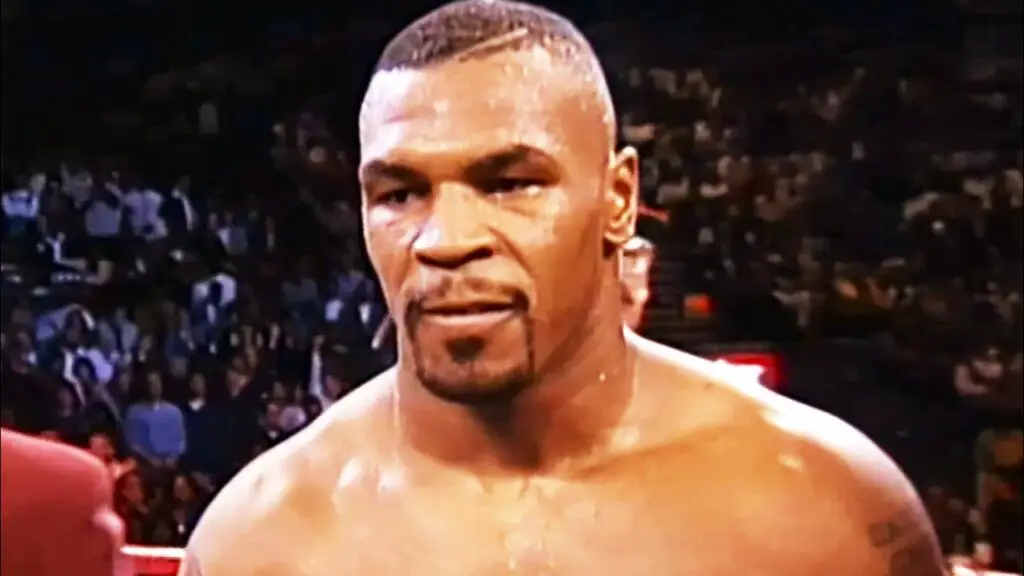
Mike Tyson’s boxing career was filled with electrifying performances, remarkable achievements, and moments that captivated the world. In this article, we delve into the significant moment when one of the most iconic figures in boxing history decided to hang up his gloves and retire from the sport that had defined his life. Mike Tyson’s Retirement Mike Tyson officially retired from professional boxing on June 11, 2005. His last fight took place at the MCI Center in Washington, D.C., against Kevin McBride. After six lackluster rounds, Tyson’s corner decided he could no longer continue, leading to the retirement of one of the most recognizable and controversial figures in boxing history. Tyson’s decision to retire came after a tumultuous career that had its fair share of ups and downs, both in and out of the ring. From his meteoric rise to becoming the youngest heavyweight champion in history to his shocking losses and controversies, Tyson’s career had been a rollercoaster ride. After his retirement, Tyson ventured into other endeavors. He dabbled in acting, made public appearances, and even tried his hand at reality television. Despite hints of a potential comeback in the following years, including exhibition matches in recent times, his official retirement in 2005 marked the end of his professional boxing career. Tyson’s retirement left a void in the sport of boxing. His larger-than-life personality, explosive fighting style, and enigmatic persona had captivated audiences around the world. He had become a cultural phenomenon, transcending the sport itself. In the years following his retirement, Tyson’s legacy continued to grow. He was inducted into the International Boxing Hall of Fame in 2011, solidifying his place among the all-time greats of the sport. His impact on popular culture and his status as a boxing legend remained untarnished. Although Tyson officially retired in 2005, he remained involved in the boxing world in various capacities. He trained and mentored younger fighters, shared his wisdom and experiences, and continued to inspire new generations of boxers. In recent years, Tyson has made headlines with his comeback exhibitions. These non-competitive bouts allowed fans to witness glimpses of his former self and provided a nostalgic journey for those who had followed his career closely. While these exhibitions reignited discussions about Tyson’s prowess and legacy, they do not alter the fact that his official retirement occurred in 2005. Conclusion Mike Tyson retired from professional boxing on June 11, 2005, following his fight against Kevin McBride. Although he had occasional appearances and exhibitions in subsequent years, this marked the end of his official career as a competitive boxer, concluding an extraordinary journey that left an indelible mark on the sport. Tyson’s legacy as one of the most captivating and influential boxers of all time remains intact, forever etching his name in the annals of boxing history.
Mike Tyson’s Professional Losses: All the Boxers Who Beat the Legend
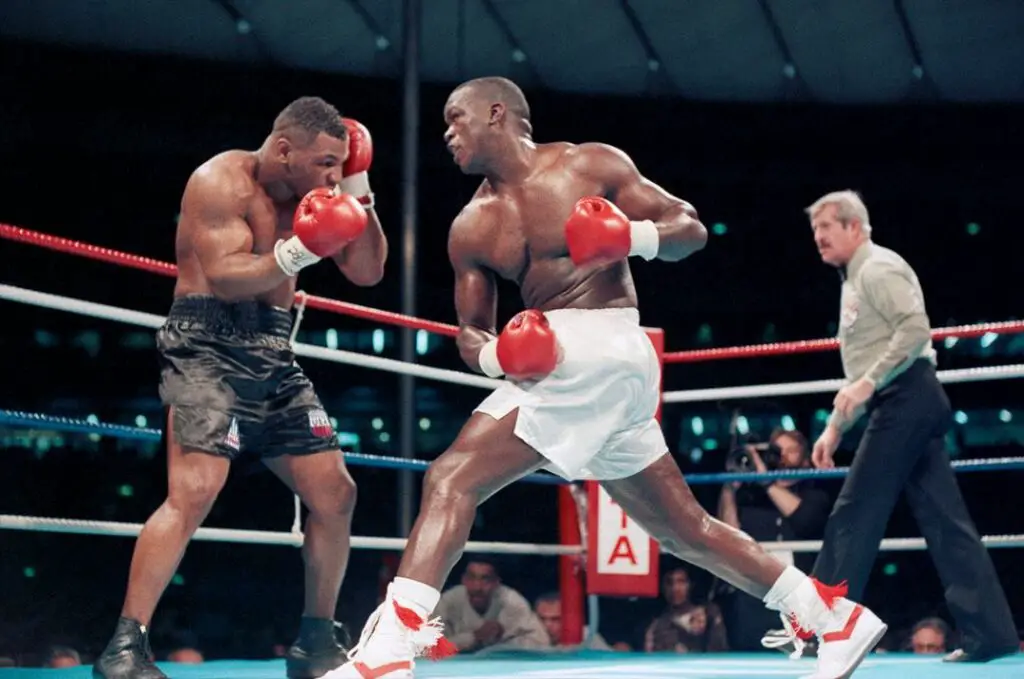
Mike Tyson’s boxing career was marked by incredible power and dominance, but he also experienced defeats against formidable opponents. In this article, we explore the boxers who managed to overcome the legend, Mike Tyson, examining the circumstances and outcomes of these significant bouts. Mike Tyson’s Losses Buster Douglas: On February 11, 1990, James “Buster” Douglas shocked the world by defeating Mike Tyson. The fight took place in Tokyo, Japan, and Douglas emerged victorious with a stunning knockout in the 10th round, ending Tyson’s undefeated reign as the heavyweight champion. Douglas displayed exceptional skill and determination, utilizing his height and reach advantage to frustrate Tyson and deliver a devastating uppercut that secured his place in boxing history. Evander Holyfield: The first encounter between Tyson and Evander Holyfield took place on November 9, 1996. Holyfield, a skilled and resilient fighter, dominated the bout and stopped Tyson in the 11th round, claiming the WBA heavyweight title. Holyfield’s relentless style and ability to withstand Tyson’s attacks proved to be the key to his victory. Their rematch on June 28, 1997, would become infamous for the biting incident that led to Tyson’s disqualification. Despite the controversy, Holyfield’s win over Tyson remains a significant achievement in his career. Lennox Lewis: On June 8, 2002, Tyson faced off against Lennox Lewis in a highly anticipated heavyweight showdown. Lewis, known for his technical prowess and size advantage, proved to be too much for Tyson. Lewis dominated the fight and eventually knocked Tyson out in the eighth round, solidifying his status as the undisputed heavyweight champion. Lewis’ combination of skill, strategy, and power showcased the gap between him and Tyson at that stage of their careers. Danny Williams: On July 30, 2004, Tyson fought British heavyweight Danny Williams. In a shocking upset, Williams landed a powerful overhand right that sent Tyson to the canvas in the fourth round. The referee stopped the fight, giving Williams a TKO victory and adding to Tyson’s list of defeats. Williams capitalized on Tyson’s decline and vulnerability, seizing the opportunity to make a name for himself with a memorable victory. Kevin McBride: In his final professional bout on June 11, 2005, Tyson faced Kevin McBride. After several lackluster rounds, McBride took control in the sixth round, overpowering a fatigued Tyson. Unable to continue, Tyson’s corner threw in the towel, resulting in a defeat by technical knockout. The fight against McBride marked the end of Tyson’s career and served as a symbol of his decline from the heights of his prime. Conclusion Throughout his illustrious career, Mike Tyson faced formidable opponents who managed to overcome the legendary boxer. Buster Douglas, Evander Holyfield, Lennox Lewis, Danny Williams, and Kevin McBride all achieved victories over Tyson, adding to the complexity and narrative of his extraordinary journey in the sport of boxing. These losses serve as reminders that even the greatest champions can be defeated, and they contribute to the rich tapestry of boxing history. Despite these setbacks, Tyson’s impact on the sport and his enduring legacy remain intact, solidifying his place as one of the most iconic figures in boxing.
Who Was the First to Beat Mike Tyson?
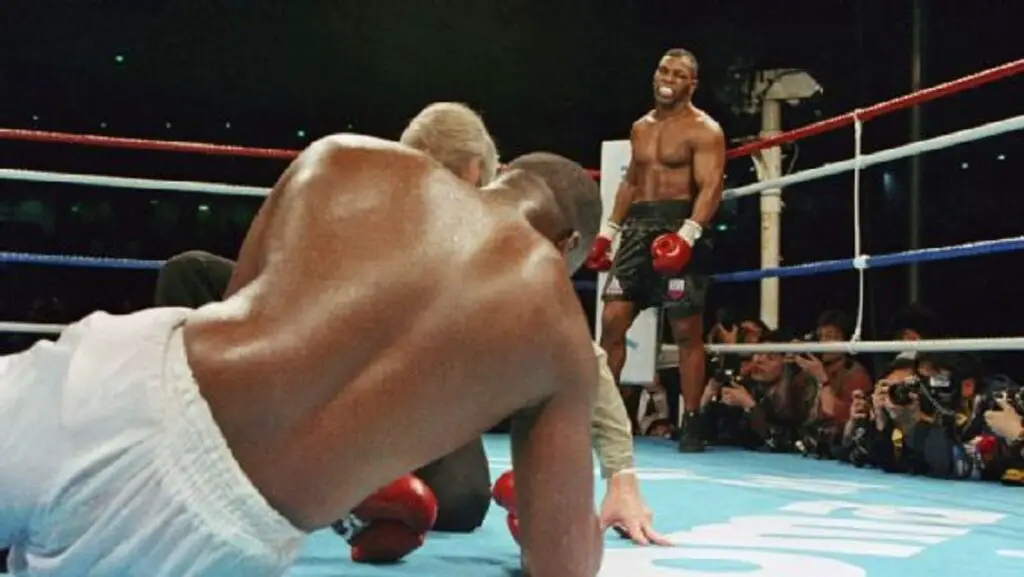
Mike Tyson’s reign as an unstoppable force in the heavyweight division captured the imagination of boxing fans worldwide. However, every great champion eventually meets their match. In this article, we explore the pivotal moment when an underdog boxer made history by becoming the first to defeat the formidable Mike Tyson. The First Defeat: James “Buster” Douglas On February 11, 1990, in Tokyo, Japan, Mike Tyson faced off against James “Buster” Douglas in a highly anticipated heavyweight title fight. Tyson entered the bout as the reigning undisputed heavyweight champion, boasting an intimidating record and an aura of invincibility. Douglas, a talented but often overlooked challenger, entered the fight as a significant underdog. However, he displayed tremendous determination and skill, refusing to be intimidated by Tyson’s reputation. Douglas had trained rigorously and was motivated by the recent passing of his mother, which fueled his desire to succeed. In a stunning turn of events, Douglas utilized his height and reach advantage, frustrating Tyson with his jab and landing powerful combinations. He showcased exceptional footwork and defensive skills, avoiding Tyson’s devastating punches. The fight reached its climax in the 10th round when Douglas unleashed a thunderous uppercut that sent Tyson crashing to the canvas, resulting in a knockout. The defeat was a shock to the boxing world and marked the end of Tyson’s unbeaten streak. Douglas’ victory over Tyson stands as one of the biggest upsets in the history of the sport and catapulted him into the spotlight as the new heavyweight champion. Impact and Aftermath: Douglas’ victory over Tyson had a profound impact on the sport of boxing. It demonstrated that Tyson, once perceived as invincible, could be defeated. The loss not only shattered Tyson’s aura of invincibility but also signaled a turning point in his career and personal life. For Douglas, the victory brought him newfound recognition and respect. However, he struggled to maintain his position as the heavyweight champion and lost the title in his very next fight against Evander Holyfield. Nevertheless, Douglas’ triumph over Tyson remains a significant moment in boxing history. It showcased the unpredictable nature of the sport and the potential for underdogs to rise to greatness. Conclusion James “Buster” Douglas holds the distinction of being the first boxer to defeat the legendary Mike Tyson. His shocking victory over Tyson marked a turning point in both their careers and highlighted the unpredictable nature of boxing, forever etching his name in the annals of the sport’s history. Douglas’ triumph serves as a reminder that in the world of boxing, anything can happen, and underdogs can achieve the extraordinary.
Mike Tyson’s Title Reign: All the Details
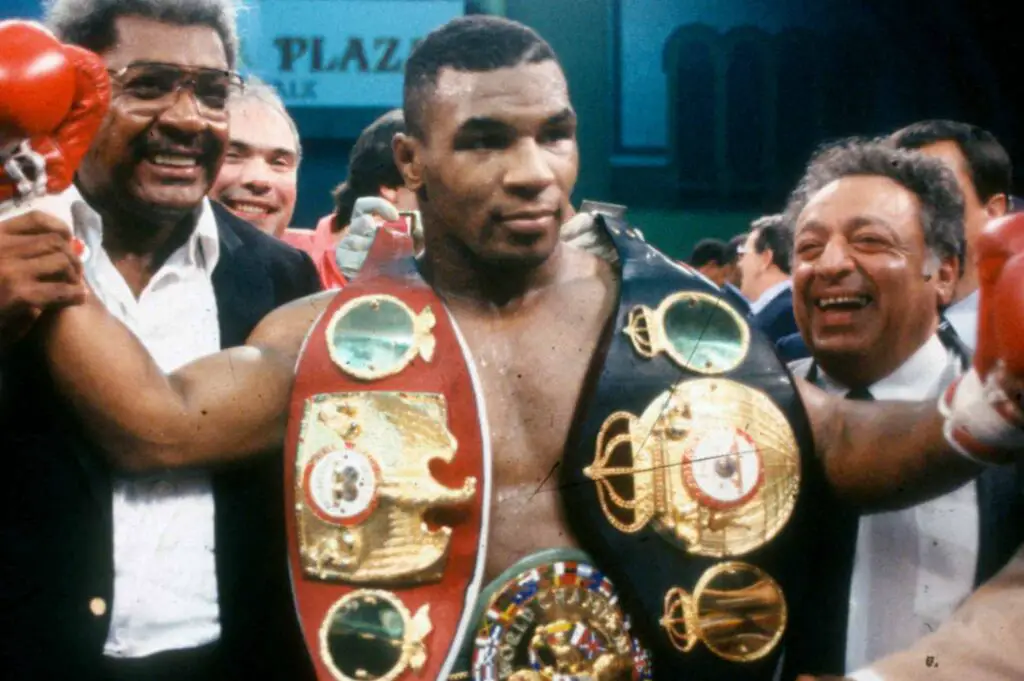
Mike Tyson’s boxing career was marked by his dominance and formidable power in the heavyweight division. In this article, we delve into the details of Tyson’s title reign, highlighting the championships he held, the notable opponents he faced, and the defining moments of his tenure as a heavyweight champion. Mike Tyson’s Title Reign WBC Heavyweight Championship: On November 22, 1986, at the age of 20, Mike Tyson became the youngest heavyweight champion in boxing history when he defeated Trevor Berbick to claim the WBC title. This historic achievement catapulted Tyson into the spotlight and marked the beginning of his remarkable reign as a champion. With his explosive knockout power and relentless aggression, Tyson’s fights became must-watch events, and his reign as the WBC champion was characterized by devastating victories and a fearsome reputation. WBA Heavyweight Championship: Tyson’s quest for heavyweight supremacy continued as he added the WBA belt to his collection. On March 7, 1987, he faced James “Bonecrusher” Smith and emerged victorious with a unanimous decision, securing the WBA title. This triumph further solidified his status as the dominant force in the division and showcased his ability to adapt and outbox his opponents when necessary. IBF Heavyweight Championship: Completing the trifecta of major titles, Tyson captured the IBF Heavyweight Championship on August 1, 1987, by defeating Tony Tucker in a unanimous decision victory. With this win, Tyson became the undisputed heavyweight champion, holding all three major belts simultaneously. This remarkable achievement showcased Tyson’s exceptional talent, speed, and power, making him the undisputed king of the heavyweight division. Title Defenses: During his title reign, Tyson successfully defended his heavyweight titles multiple times. Notable defenses include victories over the likes of Larry Holmes, Frank Bruno, and Carl “The Truth” Williams, among others. These fights showcased Tyson’s relentless aggression, explosive punching, and his ability to overwhelm his opponents with a flurry of devastating blows. Tyson’s title defenses were often short and emphatic, ending with knockout victories that solidified his status as the most feared man in boxing. Loss to Buster Douglas: On February 11, 1990, in one of the greatest upsets in boxing history, Tyson suffered his first professional loss to James “Buster” Douglas. Despite being a heavy favorite, Tyson was knocked out in the 10th round, ending his title reign and shocking the boxing world. This loss marked a significant turning point in Tyson’s career and marked the end of an era of dominance in the heavyweight division. Later Title Reign: Tyson would regain a version of the heavyweight title in the future, but his subsequent reigns were marred by controversy, legal issues, and personal challenges. His comeback victories and subsequent losses against the likes of Evander Holyfield and Lennox Lewis marked the later stages of his career. Although his later reigns were not as long-lasting or dominant as his earlier title reign, Tyson’s resilience and ability to bounce back showcased his determination and fighting spirit. Mike Tyson’s title reign was characterized by his unprecedented rise as the youngest heavyweight champion in history, holding the WBC, WBA, and IBF titles simultaneously. His dominance, devastating knockouts, and iconic fights left an indelible mark on the sport, solidifying his place among the all-time greats in the heavyweight division. Despite the challenges he faced later in his career, Tyson’s impact on the sport and his status as one of the most electrifying champions in boxing history remains undeniable.
Mike Tyson’s Professional Record: All the Details
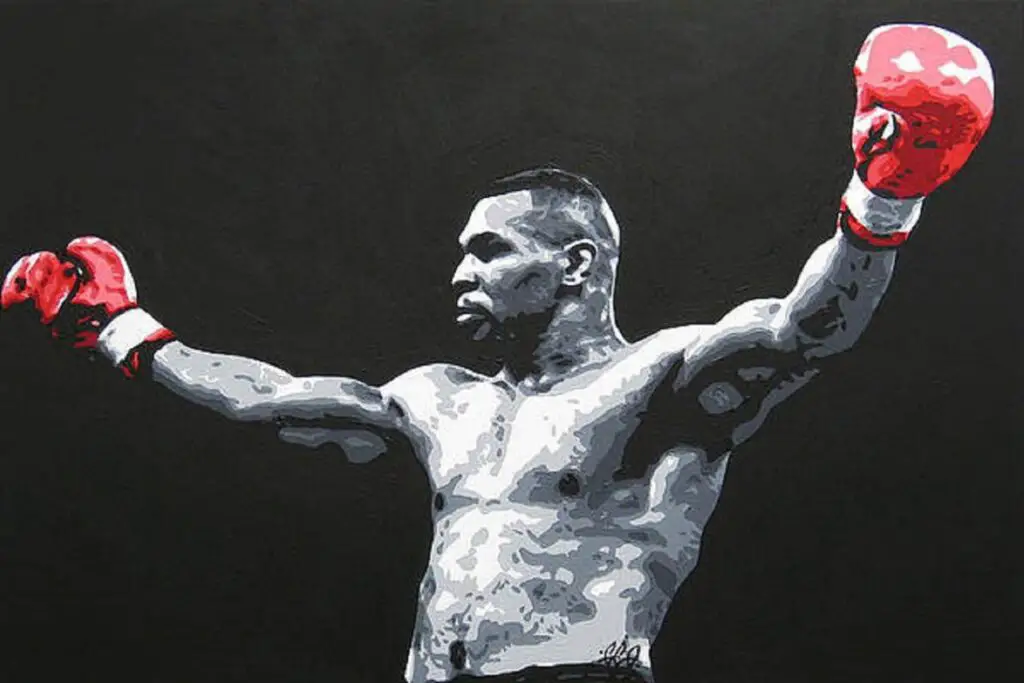
Mike Tyson, known for his explosive power and intimidating presence inside the boxing ring, carved a formidable path through the heavyweight division. In this article, we delve into the comprehensive details of Tyson’s professional record, highlighting his victories, defeats, and the overall impact he made on the sport. Mike Tyson’s Professional Record Mike Tyson’s professional boxing career spanned from 1985 to 2005. During this time, he amassed an impressive record that showcased his dominance and destructive punching ability. Total Fights: Mike Tyson had a total of 58 professional fights throughout his career. This extensive number of fights demonstrated Tyson’s willingness to face opponents regularly and his commitment to staying active in the ring. Wins: Tyson achieved an impressive record of 50 wins. Out of these victories, 44 came by way of knockout, emphasizing his remarkable punching power and aggressive fighting style. Tyson’s knockouts were often quick and devastating, leaving his opponents stunned and solidifying his reputation as a fearsome puncher. Defeats: Tyson suffered 6 losses during his career, which included both knockouts and decision losses. These defeats came against notable opponents, and each loss had its own unique circumstances and implications. Some of these losses, such as his defeats to Buster Douglas and Evander Holyfield, were considered significant upsets that shocked the boxing world. Notable Opponents: Tyson faced some of the most formidable opponents of his era, including Larry Holmes, Michael Spinks, Evander Holyfield, and Lennox Lewis. These fights became iconic and marked significant moments in boxing history. Tyson’s battles against Holyfield, in particular, created a lasting rivalry and captivated the attention of fans worldwide. Undisputed Heavyweight Champion: Tyson achieved the rare feat of becoming the undisputed heavyweight champion, holding the WBA, WBC, and IBF titles simultaneously. His dominance during this period cemented his place among the all-time greats in the heavyweight division. Tyson’s reign as the undisputed champion was a testament to his exceptional talent and ability to overpower his opponents. Controversies and Comebacks: Tyson’s career was not without its share of controversies, both inside and outside the ring. His notable disqualification loss to Evander Holyfield, where he infamously bit Holyfield’s ear, and subsequent comeback fights generated significant media attention. These incidents added a layer of drama and intrigue to Tyson’s career and contributed to his status as a polarizing figure in the world of sports. Later Career and Retirement: In the latter stages of his career, Tyson faced mixed results and experienced both victories and losses. He officially retired from professional boxing in 2005 after his final fight against Kevin McBride. Although his later career did not reach the heights of his prime, Tyson’s legacy as a boxing legend remained intact. Legacy: Mike Tyson’s impact on boxing extended far beyond his record. He became a cultural phenomenon and an international superstar, captivating audiences with his ferocity, charisma, and enigmatic persona. Tyson’s fighting style and larger-than-life personality made him a household name, and his influence on popular culture continues to be felt to this day. Conclusion Mike Tyson’s professional record includes 50 wins, with 44 of them coming by knockout, and 6 losses. His explosive fighting style and formidable presence in the ring solidified his status as one of the most iconic figures in the history of boxing, leaving an enduring legacy that continues to captivate fans worldwide. Tyson’s record, combined with his impact on popular culture, establishes him as one of the most influential and unforgettable boxers of all time.
When Did Mike Tyson Make His Boxing Debut?
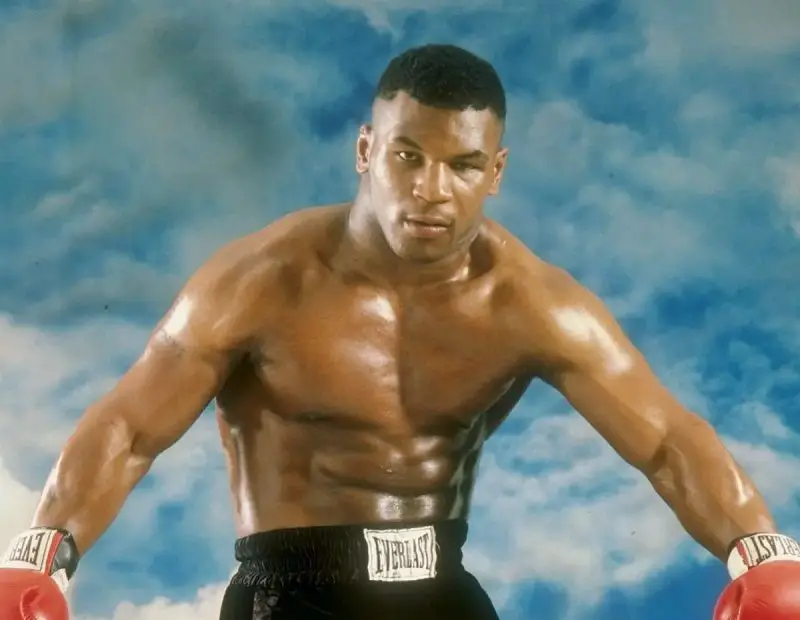
Mike Tyson, a name synonymous with power and ferocity in the world of boxing, rose to become one of the most renowned heavyweight champions in history. In this article, we explore the significant moment when Tyson embarked on his professional boxing journey, marking the beginning of a legendary career. Mike Tyson’s Boxing Debut Mike Tyson made his professional boxing debut on March 6, 1985, at the age of 18. The fight took place at the Empire State Plaza Convention Center in Albany, New York. It was an eagerly anticipated moment as boxing enthusiasts and fans were curious to witness the skills of the young prodigy. Tyson’s opponent for his debut fight was Hector Mercedes, a boxer chosen to provide Tyson with an opportunity to showcase his talents. Mercedes was an experienced fighter, but the bout was strategically set up to allow Tyson to demonstrate his potential in the ring. With his trademark intensity and lightning-fast punches, Tyson wasted no time in making an impact. From the opening bell, he displayed his exceptional speed, power, and aggression. In a display of his devastating punching ability, Tyson knocked out Mercedes in the first round. The swift victory announced Tyson’s arrival on the professional boxing scene in emphatic fashion. The knockout victory against Mercedes marked the beginning of an astonishing streak of early knockouts that would define Tyson’s early career. His explosive punching power and relentless aggression quickly garnered attention from boxing fans and experts alike. Tyson’s dominant performances in the ring earned him a reputation as one of the most formidable fighters in the heavyweight division. Conclusion Mike Tyson made his professional boxing debut on March 6, 1985, with a first-round knockout victory over Hector Mercedes. This significant moment marked the start of a storied career that would see Tyson rise to become one of the most formidable and electrifying heavyweights in boxing history. Tyson’s debut victory showcased his exceptional talent, speed, and power, setting the stage for a remarkable journey in the world of boxing. The early knockouts that followed further solidified his reputation as a force to be reckoned with. Tyson’s legacy as a boxing legend endures, and his impact on the sport continues to be felt to this day.
