
WWE’s Best And Worst Gimmicks: Hits And Misses
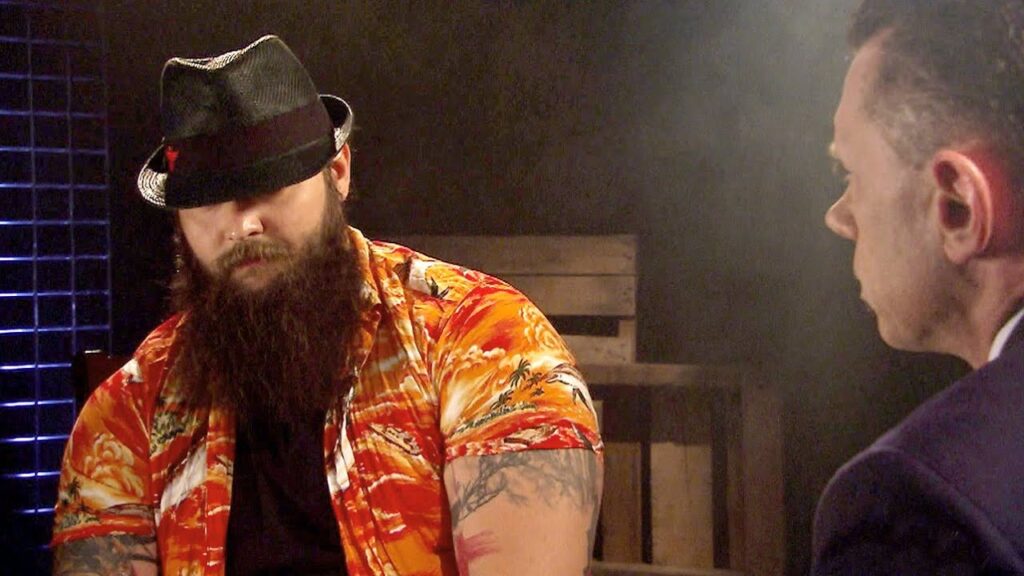
Though professional wrestling had to do much with the character and storyline as much as it had to do with athletic prowess, the connection with the crowd was limited. Throughout the years of wrestling entertainment, WWE has brought out a lot of gimmicks, which involve character personas and storylines designed to entertain and engage the mark audience. Amongst these gimmicks, some have turned into iconic ones. In contrast, others have simply bombed and are only recalled as an absurdity or for an attempt at generally missing connection with the audience. In this paper, the best and worst gimmicks by WWE are elaborated on, showing reasons for their success or failure and their long-lasting effect on the wrestling world. The Best Gimmicks The length of time that The Undertaker’s character lived—from the Deadman to the American Badass—simply speaks of its versatility and deepness. The mysterious enigma of a dark man developed into an icon of the WWE, featuring in several memorable matches and storylines in wrestling history. But, beyond anything else, the streak at WrestleMania and his ability to surf through the waves of the different eras of wrestling lock him in a place befitting his legendary status. Stone Cold’s gimmick worked because it was real and very relatable. Austin’s various catchphrases like “Austin 3:16” or “That is the bottom line since Stone Cold said so” have been embedded into the cultural lexicon. His persona blurred into reality, hence fiction, making him one of the highest chartbusters in popularity. The “People’s Champion” was a gimmick of flashes of quick wit, possessing electrifying promos and an innate plain ordinary presence. His catchphrases—”If you smell what The Rock is cooking” and “Know your role and shut your mouth”—have been etched in history. Being able to engage an audience like that, matched with his in-ring ability, made The Rock a crossover star who would eventually conquer Hollywood. But, what worked for the gimmick of New Day was entertaining in nature and their ability to be very adaptable to the various kinds of scenarios they wanted to stage. They could switch from almost comical or idiotic attitudes that reeled audiences into taking them seriously and branded one of the most decorated Tag Team members in WWE history just because they connected with audiences and killed it with character development. The success of Kane’s gimmick has been supported by consistency and the change his character has gone through. From a mute, monstrous figure to an even further humanized, less monstrous persona, Kane always seemed to be a force within the WWE. His longevity and the ability to reinvent himself in many eras only show the strength of his character. Worst Gimmicks Elements for Successful Gimmicks Gimmicks of successful WWE superstars have many factors in common, including the following: With time, gimmicks usually change, and with many, even then, they can last longer, given that, say, the American Bad-Ass changed a gimmick over his cart that moved from the supernatural Deadman to a hero. These transitions are endemic to all shifts in wrestling and are essential because they stay current with their older, initially faint changes that made them precious to the fans. Reasons Behind Botched GimmicksOn the other hand, failed gimmicks often have a few key critical issues that are the downfall of the plan: 4.One-Dimensional CharactersGimmicks that concentrate on something repetitious usually show through and very quickly lose an audience. With the Boogeyman relying on some shock tactics – namely, the worm eating – it became so depthless and predictable that it garnered no interest. ConclusionThe annals of WWE have been littered with a million gimmicks—from the truly iconic to the genuinely infamous. The best, like The Undertaker and Stone Cold Steve Austin, go hand in hand with being indicative of WWE’s legacy, catching the audience’s gaze in ways that speak to the very core of what will either build or ruin most characters: authenticity, an ability to evolve over time, an engaging quality, in-ring skill, and strong storyline integration. On the other hand, bad gimmicks like The Gobbledy Gooker and The Shockmaster are things people can learn from; there are lessons in the pitfalls of bad execution, believability issues, talent mismatches, one-dimensionality, and inadequate storyline support. These serve to point out how difficult it can be to build appealing characters in professional wrestling. Ultimately, though, a wrestler’s gimmick can fall or succeed on whether it works or fails as part of a more giant puzzle. That becomes a base of excellent storytelling in WWE, and, by extension, the ability to dramatically shape groundbreaking characters becomes one of the cornerstones on which they stand. One can only assume that this would continue to shape the future of sports entertainment towards the very best possible conclusions. As WWE itself evolves, there’s no question that the creation of new, vibrant characters most certainly stands on the shoulders of everything the company has done in terms of both hits and misses that create fascinating characters to continue wowing audiences for generations to come.