
Conor McGregor vs. Floyd Mayweather: How did the mega-fight materialize?
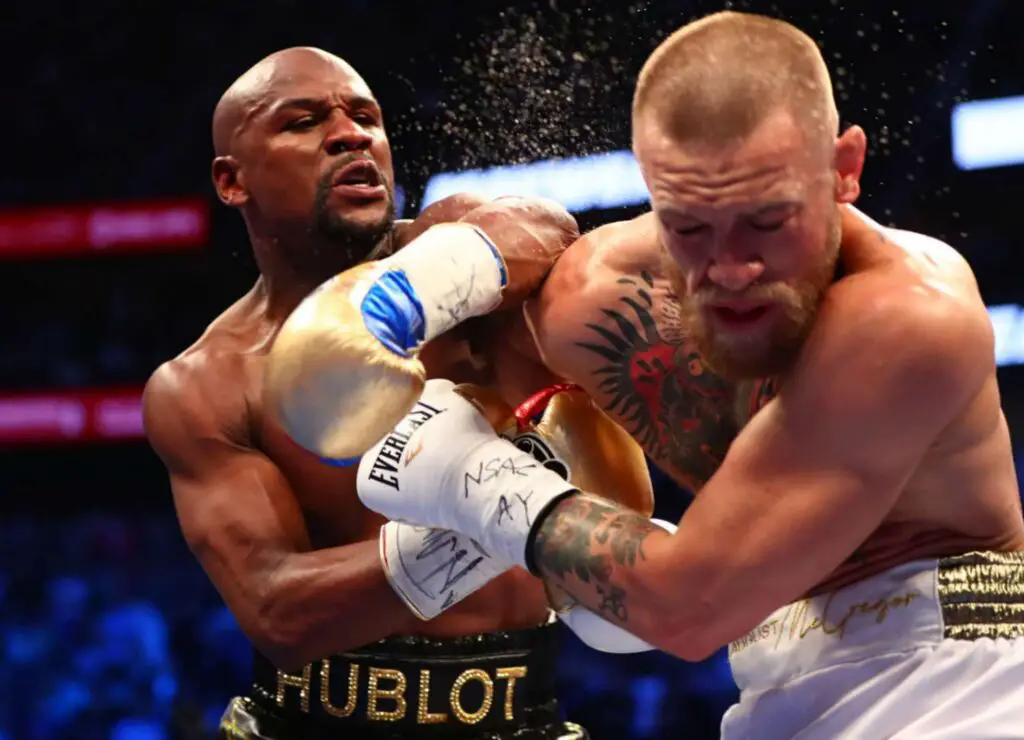
Conor McGregor and Floyd Mayweather are undeniably two of the biggest superstars in the world of combat sports. McGregor’s success in MMA and Mayweather’s undefeated boxing record make them formidable athletes in their respective disciplines. This article explores the historic boxing match between McGregor and Mayweather and delves into the story behind how this monumental event came to fruition. The Journey of Conor McGregor vs. Floyd Mayweather Dubbed “The Money Fight,” the Conor McGregor vs. Floyd Mayweather boxing match took place on August 26, 2017, at the T-Mobile Arena in Las Vegas. The event was scheduled for 12 rounds at the light middleweight limit. In mid-2015, McGregor and Mayweather captured each other’s attention, igniting a clash of egos. They engaged in verbal sparring during interviews and used social media to stoke the fire. Combat sports fans eagerly anticipated the possibility of a showdown between these two superstars, sparking rumors and speculation across social media. Both Floyd Mayweather and Conor McGregor recognized the immense attention surrounding the potential mega-fight. Despite Mayweather’s initial retirement announcement, the undefeated boxer expressed his willingness to come out of retirement to face McGregor. In January 2017, McGregor publicly expressed his desire to box Mayweather, despite the contractual complexities associated with his UFC commitments. However, in May 2017, UFC President Dana White announced that McGregor had resolved his end of the deal. Weeks later, both fighters signed a historic contract to box each other in Las Vegas. The Incredible Fight Despite many expecting a lopsided victory for Mayweather, the actual fight exceeded expectations in terms of entertainment value. Conor McGregor showcased his skills in the opening rounds and proved that he belonged in the boxing ring, even against a boxing great like Mayweather. However, as the fight progressed, McGregor’s stamina waned, allowing Mayweather to take control and seek a finish. In the tenth round, Floyd Mayweather secured a victory over Conor McGregor via a TKO, maintaining his perfect 50-0 boxing record. Aftermath and Legacy The McGregor vs. Mayweather mega-fight will forever hold a place in sports history. It is widely regarded as one of the most high-profile fights in combat sports, with 4.3 million pay-per-view buys. This makes it the second-highest selling combat sports event, just behind Mayweather vs. Pacquiao, which generated 4.6 million pay-per-view buys. Mayweather retired from professional boxing following the fight, while McGregor returned to MMA and faced a 1-3 record in subsequent bouts. Mayweather continued his career with exhibition matches. Conclusion The clash between Conor McGregor and Floyd Mayweather remains an iconic crossover event in sports history. The fight showcased the best and worst of both fighters, captivating fans as two larger-than-life personalities collided in an extravagant manner. While their paths diverged after this historic bout, the McGregor vs. Mayweather spectacle will forever be remembered as a unique moment in combat sports. Watch a recap of the fight below:
Who convinced Dana White to allow women into the UFC?

The inclusion of women in the UFC marked a groundbreaking moment in the world of mixed martial arts (MMA). In this article, we explore the pivotal figure who played a crucial role in convincing UFC President Dana White to embrace women’s MMA and introduce female fighters to the UFC’s prestigious roster. The Persuasive Force Ronda Rousey Ronda Rousey, a former Olympic judoka and Strikeforce Women’s Bantamweight Champion, emerged as the central figure in convincing Dana White to welcome women into the UFC. Rousey’s extraordinary talent and undeniable star power captivated fans, showcasing the immense appeal and marketability of women’s MMA. Rousey’s dominance in the bantamweight division and her ability to draw significant audiences through her performances caught the attention of Dana White. Her relentless pursuit of a UFC opportunity demonstrated her unwavering dedication to the sport. Recognizing the potential in Rousey’s star power and the growing demand for women’s fights, White made a pivotal decision, shifting his stance on women’s MMA and opening the doors for female fighters in the UFC. Rousey’s Impact and the Rise of Women’s MMA Ronda Rousey’s entry into the UFC marked a watershed moment for women’s MMA. Her electrifying performances inside the octagon and charismatic personality quickly propelled her to become a household name, attracting a massive fan base. The overwhelming success of Rousey’s fights, particularly her trademark armbar finishes, showcased the technical prowess and excitement that women’s MMA brought to the forefront. Rousey’s influence extended far beyond her own accomplishments. The introduction of the UFC Women’s Bantamweight Championship in 2012 provided a platform for other immensely talented female fighters to display their skills on the grandest stage of MMA. Fighters such as Miesha Tate, Holly Holm, and Amanda Nunes emerged as formidable competitors, further solidifying the growth and legitimacy of women’s divisions in the UFC. Conclusion Ronda Rousey played a pivotal role in persuading Dana White, the President of the UFC, to embrace women’s MMA and introduce female fighters to the organization. Her unparalleled talent, marketability, and remarkable performances paved the way for the rise of women’s divisions in the UFC, leaving an indelible mark on the sport. Rousey’s influence and the subsequent success of female fighters continue to shape the landscape of MMA, inspiring new generations of athletes to pursue their dreams in the world’s most prestigious MMA organization.
Does Dana White own the UFC?
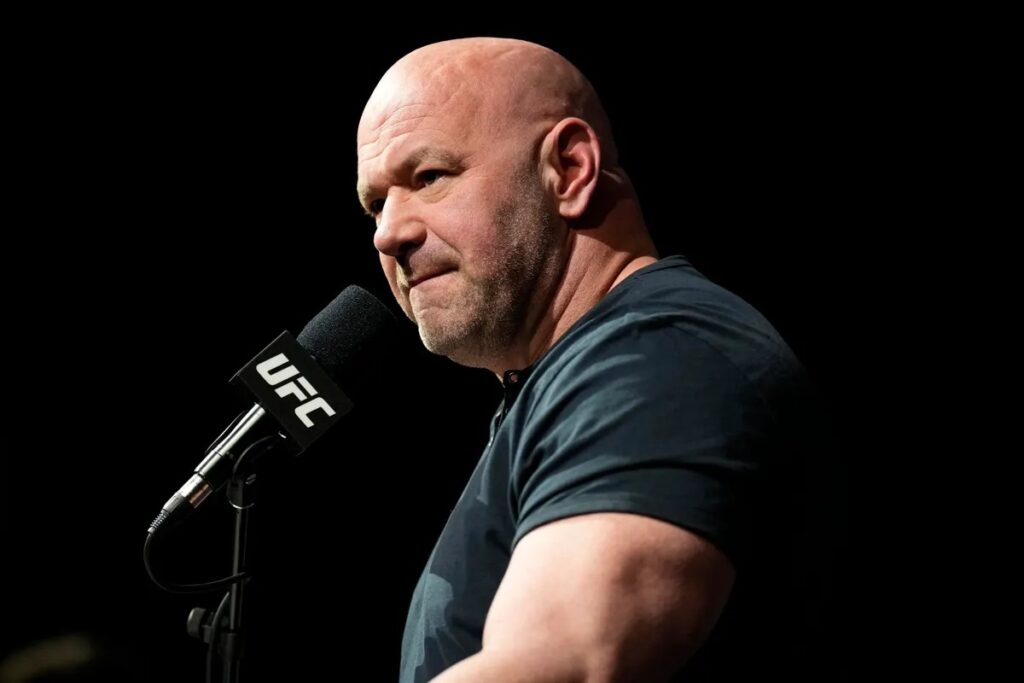
Dana White, widely recognized as the face and driving force behind the Ultimate Fighting Championship (UFC), holds a significant stake in the organization. However, it is important to note that he does not own the UFC outright. Let’s explore the ownership structure of the UFC and Dana White’s role within the organization. In 2001, Dana White, along with the Fertitta brothers, Frank Fertitta III and Lorenzo Fertitta, formed Zuffa LLC and acquired the UFC. At that time, White was appointed as the President of the UFC and played a vital role in its revitalization and subsequent success. For over a decade, White held a minority ownership stake in the UFC. However, in 2016, the Fertitta brothers and Dana White made a significant business move by selling the majority stake in the UFC to the talent agency WME-IMG (now known as Endeavor). This transaction valued the UFC at approximately $4 billion, making it one of the most valuable sports properties in the world. Although the Fertitta brothers and Dana White sold the majority stake, they retained minority ownership interests in the UFC. As part of the deal, Dana White continued in his role as the President of the UFC and remained actively involved in the organization’s day-to-day operations. While the specifics of the ownership distribution have not been publicly disclosed, it is widely known that Dana White maintains a minority ownership stake and remains an influential figure within the UFC. His continued involvement and decision-making authority have been key to the organization’s ongoing success and growth. It is worth noting that the UFC’s ownership structure has evolved further over the years. In recent years, other prominent investors, including various sports and entertainment entities, have also acquired ownership interests in the UFC. However, Dana White has remained a constant presence and a driving force in shaping the direction of the organization. In summary, Dana White does not own the UFC outright, but he holds a minority ownership stake and maintains a significant role as the President of the organization. Together with the Fertitta brothers and other investors, White has played a pivotal role in the UFC’s remarkable rise to prominence and its establishment as a global powerhouse in the world of mixed martial arts.
How Did Dana White end up as the President of the UFC?
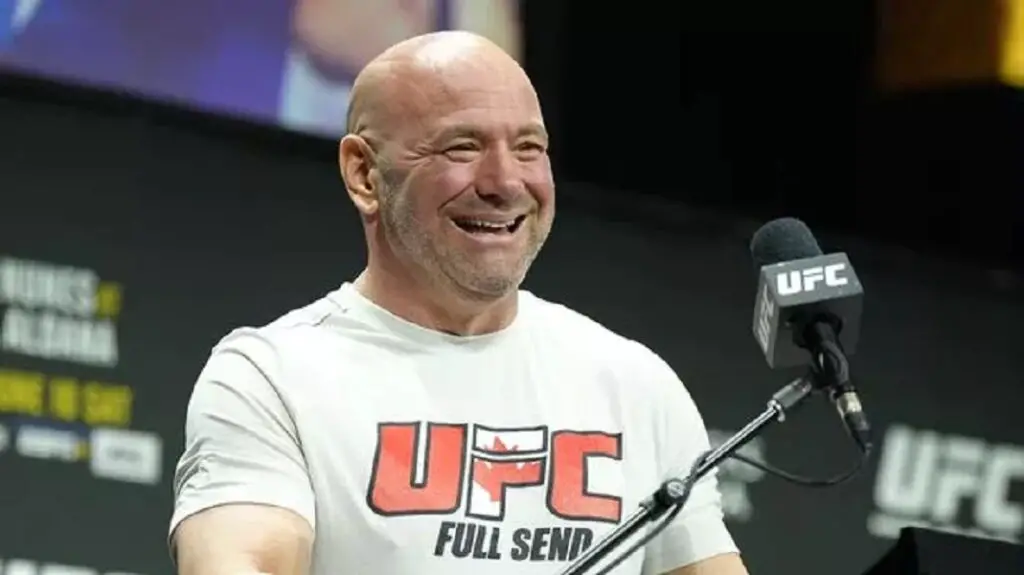
Dana White’s ascent to the position of President of the Ultimate Fighting Championship (UFC) is a remarkable journey that spans passion, friendship, and business acumen. Let’s delve into the details of how Dana White ended up as the influential figure at the helm of the UFC. White’s journey with the UFC began in 2000 when he was introduced to the Fertitta brothers, Frank Fertitta III and Lorenzo Fertitta, by his childhood friend, Lorenzo’s high school friend. White, who had a background in boxing and management, had a keen interest in combat sports and recognized the potential of the UFC. Impressed by White’s enthusiasm and his understanding of the sport, the Fertitta brothers approached him with an opportunity to revitalize the struggling UFC. They shared a common vision of transforming the organization into a legitimate and globally recognized sport. In January 2001, the Fertitta brothers, along with Dana White, formed Zuffa LLC and completed the purchase of the UFC for approximately $2 million. As part of the acquisition, White was appointed as the President of the UFC, entrusted with the responsibility of leading the organization into a new era. White’s appointment as President was a testament to his knowledge of the sport, his determination, and his ability to navigate the complex landscape of combat sports. His role extended beyond the mere title, as he became the driving force behind the UFC’s operations, responsible for making key decisions that would shape the future of the organization. Under White’s leadership, the UFC underwent significant transformations. He played a pivotal role in implementing stricter regulations, including the introduction of weight classes and unified rules, which addressed safety concerns and added a sense of professionalism to the sport. These changes were instrumental in gaining wider acceptance from athletic commissions and attracting larger sponsors. White’s marketing and promotional efforts also played a crucial role in the UFC’s success. He recognized the importance of building star power and creating compelling narratives to engage fans. Through his tenacious promotion, he elevated the UFC’s athletes into household names and expanded the organization’s fan base. White’s charisma, outspokenness, and hands-on approach further solidified his position as a prominent figure in the UFC. He became the face of the organization, actively engaging with fans, media, and fighters alike. His visibility and accessibility helped establish a direct and personal connection with the UFC’s audience, fostering a strong and loyal fan base. It is important to note that White’s role as President of the UFC has extended beyond his initial appointment. Even after the Fertitta brothers sold the majority stake of the organization to WME-IMG (now known as Endeavor) in 2016, White has remained an integral part of the UFC, continuing to guide its operations and contributing to its continued growth and success. Watch Dana White’s first interview as the UFC president below: In conclusion, Dana White’s journey to becoming the President of the UFC is a testament to his passion for combat sports, his friendship with the Fertitta brothers, and his astute business acumen. His appointment marked a turning point for the organization, as he navigated the UFC through significant transformations, elevating it to unprecedented heights of popularity and success. White’s leadership, vision, and hands-on approach have made him a vital and enduring figure in the world of mixed martial arts.
Dana White’s UFC Acquisition: All the Details
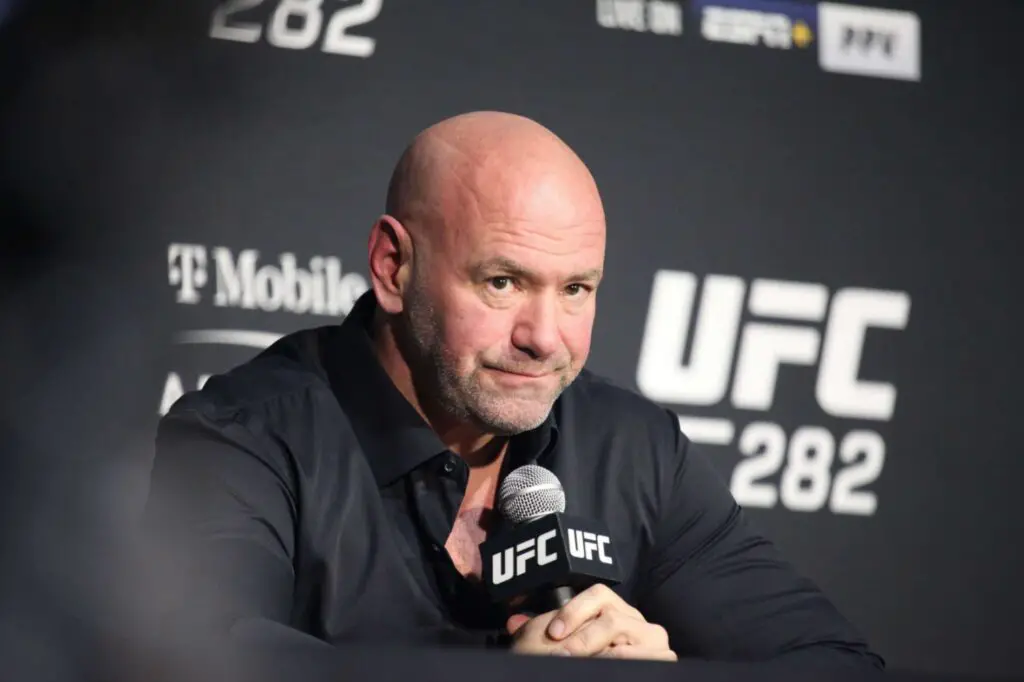
The acquisition of the UFC by Dana White, along with his business partners, stands as a pivotal moment in the history of the organization. Let’s delve into the details of Dana White’s UFC acquisition, exploring the timeline and key aspects of this transformative business move. Dana White’s involvement with the UFC dates back to 2000 when he became a close friend and business associate of the Fertitta brothers, Frank Fertitta III and Lorenzo Fertitta. Recognizing White’s passion for the sport and his strong business instincts, the Fertitta brothers approached him with an opportunity to revitalize the struggling UFC. In January 2001, the Fertitta brothers, along with Dana White, formed Zuffa LLC, a company dedicated to breathing new life into the UFC. They successfully completed the purchase of the UFC for a reported sum of approximately $2 million. This acquisition marked the beginning of a new era for the organization, with White playing a pivotal role in shaping its future. As part of the acquisition, Dana White was appointed as the President of the UFC, a position he still holds to this day. His leadership and relentless drive have been instrumental in transforming the UFC from a niche combat sport into a global powerhouse. Under White’s guidance, the UFC underwent significant changes and innovations, which contributed to its meteoric rise in popularity. White spearheaded the implementation of strict regulations, including weight classes and unified rules, ensuring the safety and legitimacy of the sport. He also played a crucial role in securing television deals with major networks, expanding the UFC’s reach and exposing it to a wider audience. One of White’s notable contributions to the UFC’s success was his focus on marketing and promotion. He understood the importance of creating compelling narratives and promoting larger-than-life personalities to attract casual fans. This approach helped elevate the UFC’s stars, such as Conor McGregor, Ronda Rousey, and Jon Jones, to mainstream recognition and solidify the organization’s position as a global phenomenon. In addition to his role as President, White has been an active and vocal figure in the promotion of UFC events. His engaging personality, along with his willingness to interact with fans and media, has made him one of the most recognizable faces in the combat sports industry. It is worth noting that in August 2016, after years of unprecedented growth, the Fertitta brothers and Dana White made another significant business move by selling the majority stake in the UFC to the talent agency WME-IMG (now known as Endeavor). This transaction valued the UFC at approximately $4 billion, making it one of the most valuable sports properties in the world. However, White’s initial acquisition of the UFC in 2001 set the stage for the organization’s transformation and subsequent success. His passion, business acumen, and relentless pursuit of growth propelled the UFC into the mainstream, captivating audiences worldwide and establishing it as a dominant force in combat sports. In conclusion, Dana White’s acquisition of the UFC in 2001 marked a turning point for the organization. His leadership and entrepreneurial spirit have been instrumental in the UFC’s rise to prominence and global recognition. Through strategic decision-making, marketing prowess, and a deep understanding of the sport, White has played a key role in shaping the UFC into the thriving and influential entity it is today.
When did Dana White and the Fertitta brothers buy the UFC?

The acquisition of the Ultimate Fighting Championship (UFC) by Dana White and the Fertitta brothers stands as a pivotal moment in the history of the organization. Let’s delve into the timeline and explore when this transformative purchase took place. In January 2001, Frank Fertitta III and Lorenzo Fertitta, along with their business partner Dana White, formed Zuffa LLC, a company aimed at revitalizing and expanding the UFC. Zuffa LLC, under the leadership of the Fertitta brothers, set out to revolutionize the sport of mixed martial arts (MMA) and elevate the UFC’s standing within the combat sports landscape. The Fertitta brothers, owners of Station Casinos, a prominent Las Vegas-based casino and entertainment company, recognized the potential in the UFC and saw an opportunity to reshape the organization’s future. With their deep pockets and business acumen, they sought to bring a new level of professionalism, marketing expertise, and financial stability to the UFC. Shortly after the formation of Zuffa LLC, the Fertitta brothers and Dana White successfully completed the purchase of the UFC in January 2001. The exact financial details of the acquisition have not been publicly disclosed but reports estimate that the purchase price was approximately $2 million. Dana White, who had been involved with the UFC since 2000, played a crucial role in the acquisition and was instrumental in the organization’s subsequent growth and success. Recognizing his leadership abilities and knowledge of the sport, the Fertitta brothers appointed White as the President of the UFC, a position he still holds today. Under the new ownership, the UFC underwent a comprehensive transformation. The Fertitta brothers and Dana White worked tirelessly to implement significant changes, including the introduction of weight classes, the adoption of unified rules, and the establishment of regulatory partnerships with athletic commissions. These changes were aimed at addressing concerns over the sport’s safety and professionalism, laying the foundation for the UFC’s mainstream acceptance and expansion. The vision and commitment of the Fertitta brothers and Dana White paid off handsomely. Through strategic marketing, television deals, and global expansion, they successfully propelled the UFC into the mainstream, captivating fans and attracting new audiences from around the world. The Fertitta brothers and Dana White’s purchase of the UFC in January 2001 marked the beginning of a new era for the organization. Their leadership, combined with a deep understanding of the sport and a relentless drive to improve and innovate, transformed the UFC from a struggling venture into the global powerhouse it is today. It is important to note that in August 2016, after years of remarkable growth, the Fertitta brothers and Dana White made another significant business move by selling the majority stake in the UFC to the talent agency WME-IMG (now known as Endeavor). However, their initial purchase in January 2001 marked the turning point that set the stage for the UFC’s remarkable evolution and rise to prominence.
Who Saved the UFC from Bankruptcy?
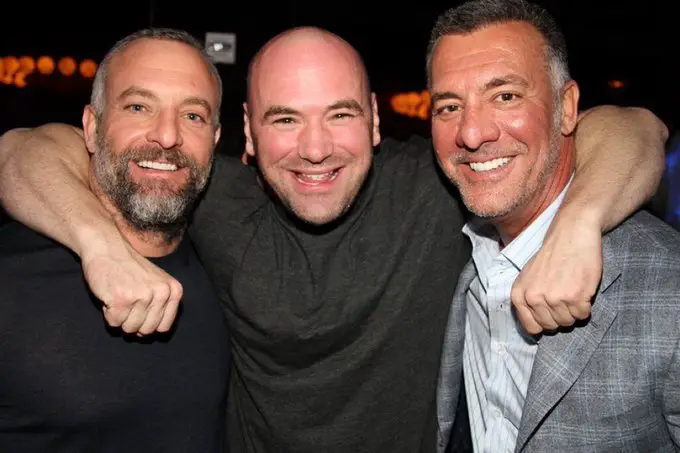
The Ultimate Fighting Championship (UFC) faced significant financial hardships in the early 2000s, teetering on the brink of bankruptcy. However, a group of business-minded individuals came together to rescue the organization and set it on a path to success. Let’s explore who played a pivotal role in saving the UFC from financial ruin. In 2001, when the UFC was struggling and struggling to gain mainstream acceptance, it was the Fertitta brothers, Frank Fertitta III and Lorenzo Fertitta, who stepped in to rescue the organization. Alongside their business partner Dana White, the Fertitta brothers formed Zuffa LLC and acquired the UFC for a reported price of approximately $2 million. The Fertitta brothers, owners of Station Casinos, recognized the potential of the UFC and believed in the sport’s future. They injected much-needed capital into the organization and brought their business expertise to the table, positioning the UFC for a dramatic turnaround. Under the Fertitta brothers’ leadership, the UFC underwent a comprehensive restructuring. They focused on revitalizing the brand, implementing strict regulations, and transforming the UFC into a professional and regulated sport. These changes were instrumental in gaining wider acceptance from athletic commissions, ensuring fighter safety, and attracting larger sponsors and television deals. In addition to their financial support, the Fertitta brothers’ astute business decisions and strategic vision played a crucial role in the UFC’s resurrection. They invested in marketing campaigns, developed strong relationships with networks, and sought to expand the UFC’s reach both domestically and internationally. Dana White, who was appointed as the President of the UFC by the Fertitta brothers, became the driving force behind the organization’s operations. White’s passion for the sport, combined with his shrewd business acumen, helped steer the UFC out of its financial struggles and towards profitability. Together, the Fertitta brothers and Dana White navigated the challenging landscape of combat sports, overcoming obstacles and transforming the UFC into a thriving global phenomenon. Their combined efforts revitalized the organization, attracted new fans, and elevated the sport of mixed martial arts to new heights. It is important to note that while the Fertitta brothers and Dana White played a crucial role in rescuing the UFC from bankruptcy, the organization’s success was a collective effort. Fighters, fans, sponsors, and partners all contributed to the UFC’s resurgence, helping it become the influential and profitable entity it is today. In summary, it was the collective efforts of the Fertitta brothers and Dana White that saved the UFC from bankruptcy. Their financial backing, business expertise, and strategic vision propelled the organization out of dire straits and laid the foundation for its remarkable growth and success in the years to come.
The Evolution of the UFC: Humble Beginnings to Global Phenomenon
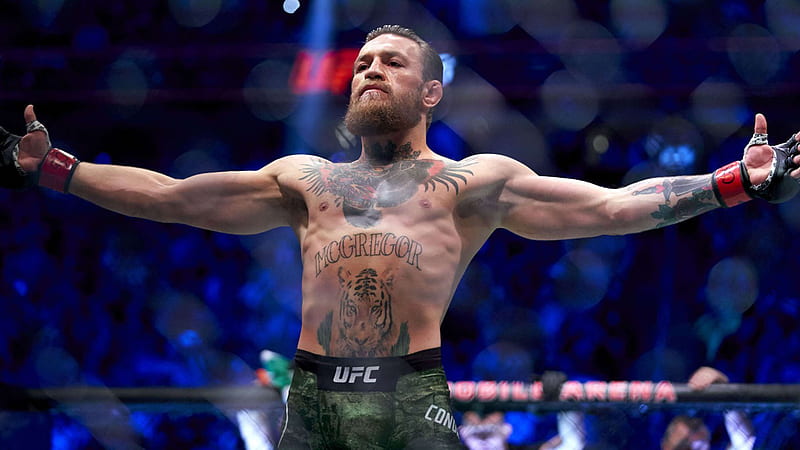
The UFC has come a long way since its humble beginnings, transforming from a controversial and unregulated spectacle to a global phenomenon that has captivated millions of fans worldwide. Let’s take a journey through the evolution of the UFC, tracing its remarkable growth and development over the years. The Evolution of the UFC The Birth of the UFC: The UFC was founded in 1993 by Rorion Gracie, Art Davie, and John Milius. The vision behind the organization was to create a platform where fighters from various martial arts disciplines could test their skills against one another. The inaugural UFC event, UFC 1, took place in Denver, Colorado, and featured a tournament-style format with minimal rules and no weight classes. Regulation and Rule Changes: As the UFC gained popularity, it faced significant scrutiny and criticism due to its perceived brutality and lack of regulations. In response, the organization implemented rule changes to address safety concerns and ensure the longevity of the sport. Weight classes were introduced, rounds were established, and safety protocols were implemented to protect fighters. New Ownership and Expansion: In 2001, Zuffa LLC, led by brothers Lorenzo and Frank Fertitta, acquired the UFC. Under their leadership, the organization underwent a transformative phase, with a renewed focus on professionalism, marketing, and talent acquisition. The Fertitta brothers brought in Dana White as the UFC President, forming a formidable team that would shape the future of the sport. Mainstream Recognition and Television Deals: The UFC’s breakthrough into the mainstream began with its reality television series, “The Ultimate Fighter” (TUF). Premiering in 2005, TUF showcased up-and-coming fighters competing for a UFC contract. The show became a hit, attracting a wide audience and drawing attention to the sport. Television deals with major networks, such as Spike TV and later FOX, provided the UFC with unprecedented exposure and brought MMA into the homes of millions. These partnerships allowed the UFC to showcase high-quality events and establish its brand as a legitimate and globally recognized combat sports organization. International Expansion and the Arrival of Superstars: The UFC’s global expansion began with events held in countries outside the United States, including Canada, the United Kingdom, and Brazil. The organization’s efforts to cultivate talent from around the world led to the rise of international stars, such as Georges St-Pierre, Conor McGregor, and Anderson Silva, who transcended the sport and captured the attention of fans worldwide. Regulatory Acceptance and Athletic Commissions: To address regulatory concerns and gain acceptance in different jurisdictions, the UFC collaborated with athletic commissions to establish rules and regulations governing the sport. This collaboration led to enhanced safety measures, anti-doping protocols, and the implementation of comprehensive medical testing for fighters. Sports Entertainment and Cross-Promotion: The UFC embraced the concept of sports entertainment, incorporating elements of showmanship and spectacle to attract a wider audience. Superstars like McGregor and Ronda Rousey brought a larger-than-life persona to the Octagon, elevating the UFC’s mainstream appeal and capturing the attention of casual fans. Cross-promotional events with boxing, such as the highly anticipated Floyd Mayweather Jr. vs. Conor McGregor bout, further cemented the UFC’s status as a global force in combat sports and created unprecedented media attention. The Digital Age and Continued Growth: The UFC’s embrace of digital platforms and social media has played a significant role in its continued growth. The organization’s strategic use of online content, live streaming, and engaging with fans on various platforms has created a direct and interactive relationship with its audience. Furthermore, the UFC’s expansion into new markets, including Asia and the Middle East, has further solidified its global presence and attracted a diverse fan base. In conclusion, the evolution of the UFC from its humble beginnings to a global phenomenon is a testament to the perseverance and vision of its founders, the dedication of its fighters, and the unwavering support of its passionate fan base. Through regulation, strategic partnerships, international expansion, and innovative marketing, the UFC has transformed into a legitimate and respected sport, captivating audiences worldwide and solidifying its position as the premier organization in mixed martial arts. The future looks bright for the UFC as it continues to push boundaries, break new ground, and captivate audiences in the ever-evolving landscape of combat sports.