
Floyd Mayweather vs. Manny Pacquiao: How Did the Mega-Fight Materialize?
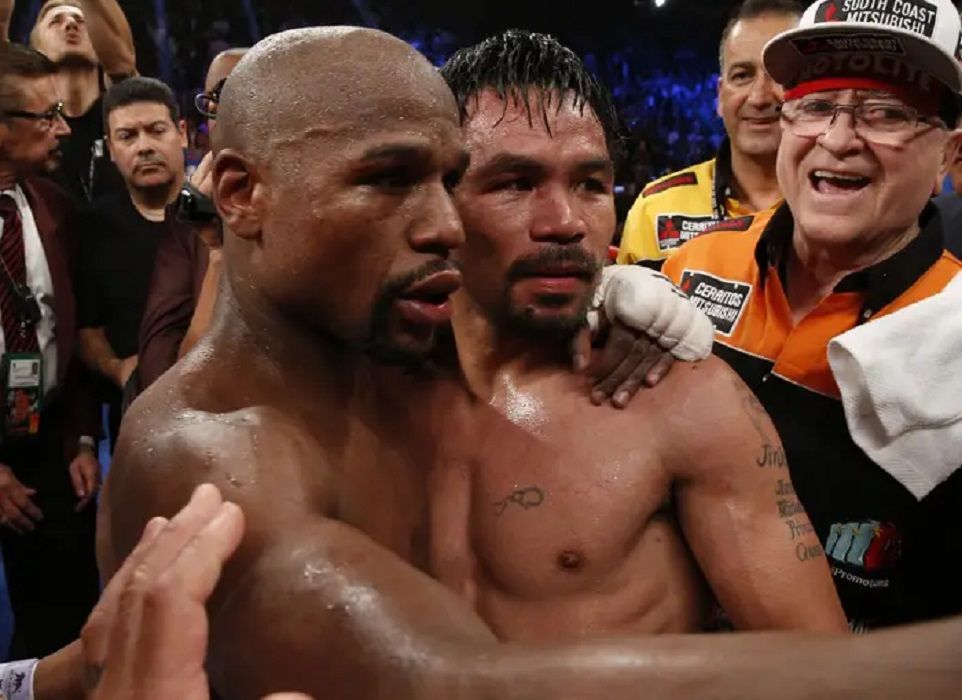
The highly anticipated showdown between Floyd Mayweather Jr. and Manny Pacquiao in 2015 captivated the world and shattered pay-per-view records. But how did this mega-fight come to fruition? In this article, we delve into the intriguing story behind the Mayweather-Pacquiao clash, exploring the factors that led to its materialization and the monumental impact it had on the sport of boxing. Floyd Mayweather vs. Manny Pacquiao: How Did the Mega-Fight Materialize? The Long-Awaited Dream Match: For years, boxing fans had eagerly awaited a matchup between Floyd Mayweather Jr. and Manny Pacquiao. Both fighters were widely regarded as the best of their generation, and their contrasting styles and achievements made their potential clash a dream match for the ages. However, negotiations between the two camps proved to be complex and challenging, resulting in years of frustration for fans hoping to witness the encounter. Overcoming Hurdles and Roadblocks: Various hurdles and roadblocks prevented the Mayweather-Pacquiao fight from materializing sooner. Disagreements over financial terms, drug testing protocols, and promotional conflicts all played a role in prolonging the negotiation process. Despite public demand and constant speculation, it seemed that the fight would remain an unfulfilled fantasy. The Turning Point: A Meeting in Miami: In early 2015, an unexpected encounter between Floyd Mayweather Jr. and Manny Pacquiao at a basketball game in Miami proved to be a crucial turning point. The two fighters had a chance meeting, leading to a private conversation that sparked renewed interest in making the mega-fight a reality. Their discussion planted the seed for future negotiations, with both fighters expressing a genuine desire to settle their differences inside the ring. Intense Negotiations and Final Agreement: Following their meeting, negotiations between the Mayweather and Pacquiao camps intensified. The two sides faced numerous challenges, including the distribution of revenues, drug testing protocols, and even the choice of gloves. Despite the complexity of the discussions, both fighters and their teams persevered, recognizing the immense financial and historical significance of the fight. After months of negotiations, an agreement was finally reached. On February 20, 2015, Mayweather and Pacquiao jointly announced that they had come to terms for a long-awaited showdown scheduled to take place on May 2 at the MGM Grand Garden Arena in Las Vegas. The news sent shockwaves through the boxing world, and anticipation reached unprecedented levels. The Impact of the Mega-Fight: The Mayweather-Pacquiao fight became one of the most lucrative and widely anticipated events in boxing history. It shattered pay-per-view records, generating an estimated 4.6 million buys and grossing over $400 million in revenue. The fight transcended the sport, capturing the attention of casual viewers and making headlines around the globe. The significance of the mega-fight extended beyond financial records. It brought together two of the sport’s biggest stars, showcasing the best that boxing had to offer. The clash of styles, with Mayweather’s defensive mastery against Pacquiao’s relentless aggression, created a compelling narrative that resonated with fans. The Fight Itself: Mayweather’s Victory: On May 2, 2015, the world watched as Floyd Mayweather Jr. and Manny Pacquiao finally stepped into the ring to settle their differences. The fight went the distance, with Mayweather utilizing his defensive skills and counter-punching ability to neutralize Pacquiao’s offense. Mayweather’s elusive style proved effective, as he secured a unanimous decision victory, further solidifying his undefeated record. Legacy and Lasting Impact: While the Mayweather-Pacquiao fight may not have lived up to the sky-high expectations in terms of action inside the ring, its impact on the sport cannot be denied. The mega-fight brought unprecedented attention and exposure to boxing, captivating a global audience and reigniting public interest in the sweet science. It opened doors for other high-profile bouts and paved the way for future super fights. Watch the full fight below: Conclusion The long and tumultuous journey to the Mayweather-Pacquiao mega-fight showcased the complexity of negotiations and the challenges of bringing together two iconic figures in the sport. However, through perseverance, a chance encounter, and relentless determination, Floyd Mayweather Jr. and Manny Pacquiao managed to overcome the obstacles and deliver a spectacle that will forever be etched in the annals of boxing history. The fight’s impact went beyond the ring, capturing the imagination of fans worldwide and solidifying its status as one of the most significant events in the sport’s modern era.
How many knockouts does Manny Pacquiao have?
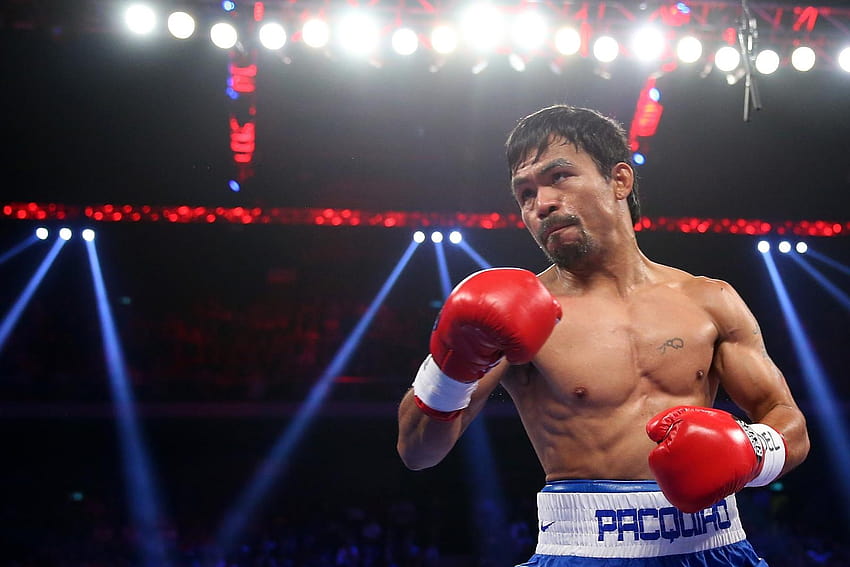
Manny Pacquiao’s boxing career has been defined by electrifying performances and remarkable victories, and his ability to deliver devastating knockouts has solidified his reputation as one of the most exciting fighters in the history of the sport. In this article, we delve into the impressive number of knockouts that Pacquiao has accumulated throughout his illustrious career, highlighting the power and skill that make him a true knockout artist. Manny Pacquiao Knockouts Manny Pacquiao’s explosive speed and punching power have translated into a significant number of knockouts throughout his professional career. As of my knowledge cutoff in September 2021, Pacquiao has an impressive total of 62 knockouts to his name. This remarkable statistic is a testament to his ability to finish fights in spectacular fashion. Power Across Weight Divisions: Pacquiao’s knockout power has been evident across multiple weight divisions, showcasing his versatility and punching prowess. From his early fights in lower weight classes to his conquests in the welterweight division, Pacquiao has left opponents stunned with his lightning-fast punches and devastating combinations. His knockout victories are a result of a lethal combination of speed, accuracy, and exceptional punching technique. Notable Knockouts: Pacquiao’s career is punctuated with memorable knockouts that have left an indelible mark on the sport. One of the most iconic knockouts came in 2009 when Pacquiao unleashed a devastating one-punch knockout on Ricky Hatton, sending shockwaves through the boxing world. His knockout of Miguel Cotto in the same year, which earned him the WBO welterweight title, showcased his ability to overpower and dismantle formidable opponents. Additionally, his knockout victory over Oscar De La Hoya in 2008 marked a significant turning point in his career, catapulting him into superstardom. Power Against Renowned Fighters: Pacquiao’s knockout power has not been limited to lesser-known opponents. He has delivered electrifying knockouts against renowned fighters, further solidifying his status as a thrilling knockout artist. His victories over Erik Morales, Marco Antonio Barrera, and Juan Manuel Marquez, among others, have showcased his ability to dismantle elite opponents and leave boxing fans in awe of his skills. The Significance of Pacquiao’s Knockout Record: It’s important to recognize that Pacquiao’s impressive knockout record is not solely a testament to his punching power but also a reflection of the high level of competition he has faced throughout his career. His ability to consistently finish fights in spectacular fashion against top-tier opponents has contributed to his status as a boxing legend and earned him the respect and admiration of fans worldwide. Conclusion Manny Pacquiao’s career boasts an impressive total of 62 knockouts, a testament to his exceptional punching power and dynamic fighting style. From his early days in the sport to his conquests across weight divisions, Pacquiao’s ability to deliver devastating finishes has cemented his legacy as one of the most thrilling knockout artists in the history of boxing. His explosive speed, accuracy, and unwavering determination have made him a fan favorite and a true icon of the sport. Watch Manny Pacquiao’s highlight reel below:
Manny Pacquiao’s Professional Record: All the Details
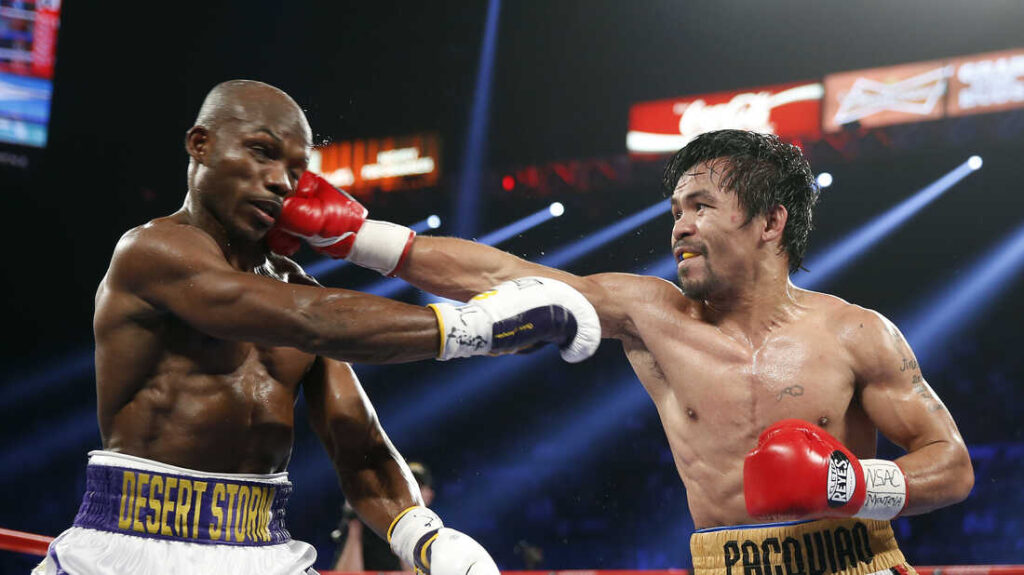
Manny Pacquiao’s professional boxing career has been a remarkable journey filled with victories, captivating performances, and world titles across multiple weight divisions. In this article, we provide a comprehensive overview of Manny Pacquiao’s professional record, highlighting his notable fights, accomplishments, and the defining moments that have shaped his remarkable career. Manny Pacquiao’s Professional Record Manny Pacquiao’s illustrious professional boxing career spans over two decades, and his record reflects the incredible achievements he has amassed inside the ring. As of my knowledge cutoff in September 2021, Pacquiao boasts an impressive record of 62 wins, 7 losses, and 2 draws, with 39 wins coming by way of knockout. Rise to Prominence: Pacquiao burst onto the boxing scene in 1995, showcasing electrifying speed and power that immediately captured attention. He embarked on a remarkable winning streak, capturing world titles in various weight classes and etching his name in boxing history. His early successes laid the foundation for an extraordinary career that would redefine the sport. Notable Victories: Throughout his career, Pacquiao has faced and defeated some of the biggest names in boxing, solidifying his status as a true champion. Victories over Marco Antonio Barrera, Erik Morales, Juan Manuel Marquez, Oscar De La Hoya, Miguel Cotto, and Shane Mosley, among others, have showcased Pacquiao’s versatility, tenacity, and ability to dominate opponents across different weight divisions. These triumphs have left an indelible mark on the sport and have earned Pacquiao the admiration of fans worldwide. High-Profile Losses: Pacquiao’s record also includes notable losses against formidable opponents who have pushed him to his limits. Defeats against Juan Manuel Marquez, Erik Morales, Timothy Bradley, and Floyd Mayweather Jr. highlight the competitive challenges Pacquiao has encountered throughout his career. These losses have served as learning experiences, fueling his determination to improve and bounce back stronger. “The Fight of the Century”: One of the defining moments in Pacquiao’s career came on May 2, 2015, when he faced Floyd Mayweather Jr. in a highly anticipated bout aptly dubbed “The Fight of the Century.” Despite losing a unanimous decision, the fight remains a monumental event that drew global attention. It showcased Pacquiao’s ability to compete at the highest level and solidified his place as one of the sport’s most iconic figures. “The Fight of the Century” remains one of the highest-grossing boxing matches in history. Resilience and Reinvention: In addition to his remarkable accomplishments inside the ring, Pacquiao’s record reflects his ability to bounce back from setbacks and continually reinvent himself. He has displayed resilience and determination throughout his career, continuously challenging himself by moving across weight divisions and seeking new opportunities for greatness. This adaptability has been instrumental in his enduring success. Conclusion Manny Pacquiao’s professional record of 62 wins, 7 losses, and 2 draws is a testament to his incredible journey in boxing. From capturing world titles in multiple weight divisions to facing and defeating some of the sport’s biggest names, Pacquiao’s record exemplifies his skill, longevity, and status as one of boxing’s all-time greats. His legacy will forever be remembered as a testament to his relentless pursuit of excellence and his unwavering impact on the sport. Watch Manny Pacquiao’s highlight reel below:
Manny Pacquiao’s Title Reign: All the Details
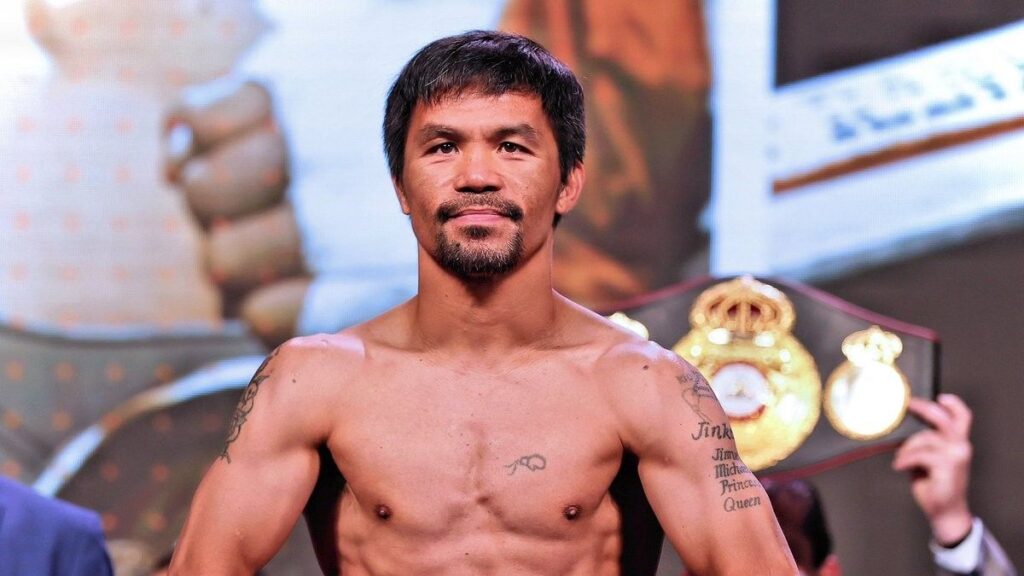
Manny Pacquiao’s boxing career is defined by his numerous world titles and championship reigns. In this article, we explore the comprehensive details of Pacquiao’s title reigns across multiple weight divisions, highlighting the championships he won, his notable defenses, and the lasting impact of his dominance in the sport. Manny Pacquiao’s Title Reign Flyweight Division: The Beginning of Pacquiao’s Journey Pacquiao’s quest for world titles began in the Flyweight division. On December 4, 1998, he faced Chatchai Sasakul and emerged victorious, capturing the WBC Flyweight title. It was a monumental achievement for Pacquiao as he announced his arrival on the world boxing stage. He successfully defended the title three times against formidable challengers, displaying his speed, power, and relentless fighting style. Super Bantamweight Division: Rising to New Heights Pacquiao’s rise continued as he moved up to the Super Bantamweight division. On June 23, 2001, he faced Lehlohonolo Ledwaba and delivered a stunning performance, winning the IBF Super Bantamweight title. Pacquiao’s lightning-fast punches and overwhelming offense overwhelmed Ledwaba, establishing Pacquiao as a force to be reckoned with. He successfully defended the title twice, showcasing his ability to dominate in multiple weight classes. Featherweight Division: Establishing Dominance Moving up to the Featherweight division, Pacquiao faced Marco Antonio Barrera on March 15, 2003. Pacquiao displayed his exceptional speed and power, overwhelming Barrera to claim the WBC Featherweight title. This victory solidified Pacquiao’s status as one of the sport’s most formidable fighters, and he went on to successfully defend the title four times, facing tough opponents who tested his mettle. Super Featherweight Division: Challenging Battles On March 19, 2008, Pacquiao engaged in a thrilling rematch against Juan Manuel Marquez, this time in the Super Featherweight division. Pacquiao emerged victorious, securing the WBC Super Featherweight title and avenging his previous draw against Marquez. Pacquiao’s exceptional speed, accuracy, and relentless aggression allowed him to dominate the fight. He successfully defended the title once before moving up to conquer new weight classes. Lightweight Division: Making History Pacquiao’s pursuit of greatness led him to the Lightweight division, where he achieved historic milestones. On June 28, 2008, he faced David Diaz and emerged triumphant, capturing the WBC Lightweight title. This victory made Pacquiao the first Asian boxer to win titles in four weight divisions, cementing his status as a boxing legend. Pacquiao defended the title twice, displaying his versatility and dominance against formidable opponents. Welterweight Division: Conquering Bigger Challenges One of the most significant chapters in Pacquiao’s career unfolded in the Welterweight division. He claimed the WBC, WBO, and The Ring Magazine titles, facing legendary opponents such as Oscar De La Hoya, Miguel Cotto, and Shane Mosley. Pacquiao’s speed, power, and relentless style allowed him to overcome the challenges posed by larger opponents, solidifying his reputation as one of the sport’s greatest fighters. Other Divisions: Pacquiao’s relentless quest for greatness extended beyond the welterweight division. He also ventured into the Junior Middleweight and Light Middleweight divisions, where he achieved memorable victories. Notable among these triumphs was his showdown with Antonio Margarito, capturing the WBC Light Middleweight title. Pacquiao’s success in these higher weight classes further emphasized his exceptional skill and adaptability. Conclusion Manny Pacquiao’s title reigns across multiple weight divisions cement his legacy as one of the most decorated champions in the history of boxing. From his early triumphs in the flyweight and super bantamweight divisions to his historic achievements in higher weight classes, Pacquiao’s dominance and ability to capture titles in different divisions showcase his versatility, determination, and enduring impact in the sport. His legacy will forever be remembered as a testament to his relentless pursuit of excellence and his status as a boxing legend. Watch Manny Pacquiao’s highlight reel below:
How many knockouts does Roberto Duran have?
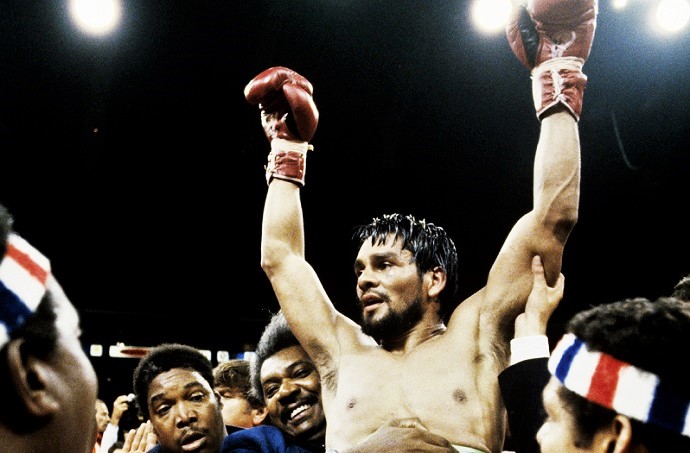
Roberto Duran, a legendary figure in the world of boxing, earned the moniker “Hands of Stone” for his incredible punching power and relentless fighting style. In this article, we delve into Duran’s remarkable career and explore the impressive number of knockouts he accumulated, showcasing his dominance and lasting impact on the sport. Roberto Duran’s Knockouts Roberto Duran’s professional boxing career was defined by his aggressive approach and his ability to deliver devastating knockouts. Over the course of his illustrious journey, Duran achieved an extraordinary total of 70 knockouts, a testament to his exceptional punching power and skill. Duran’s knockouts spanned multiple weight divisions, demonstrating his versatility and the ferocity of his punches against formidable opponents. Each knockout victory showcased Duran’s ability to finish fights in emphatic fashion, leaving a lasting impression on spectators and fellow fighters alike. Notable Knockouts and Legendary Opponents Throughout his career, Roberto Duran scored memorable knockouts against esteemed opponents that solidified his status as one of boxing’s greatest knockout artists. One of his notable victories came in 1972 when he defeated Ken Buchanan to capture the lightweight championship. Duran’s relentless attack and devastating knockout punch secured his place as a force to be reckoned with in the division. Another iconic knockout occurred in 1983 when Duran faced Davey Moore, claiming the WBA junior middleweight title. Duran’s electrifying performance and well-timed punch left Moore stunned, and the victory showcased Duran’s ability to end fights in spectacular fashion. Duran’s knockout power was evident in his bouts against esteemed fighters like Sugar Ray Leonard, Esteban De Jesus, and Carlos Palomino. These knockouts further solidified Duran’s reputation as one of the most dominant and feared boxers of his era. His ability to deliver devastating finishes against top-tier opponents underlines the greatness of his punching power and technique. Legacy and Skillful Competition It is essential to acknowledge that Duran’s remarkable knockout record not only highlights his punching power but also reflects the high level of competition he faced throughout his career. His ability to deliver devastating knockouts against elite opponents serves as a testament to his exceptional skills and fighting spirit. In conclusion, Roberto Duran’s career boasts an impressive total of 70 knockouts, illustrating his exceptional punching power, relentless fighting style, and his ability to finish fights in dramatic fashion. His legacy as one of the most feared and respected knockout artists in the history of boxing is solidified by his ability to defeat elite opponents across multiple weight divisions. Roberto Duran’s impact on the sport and his enduring reputation as “Hands of Stone” will forever be etched in the annals of boxing history. Watch all Roberto Duran knockouts below:
Roberto Duran’s Professional Record: All the Details
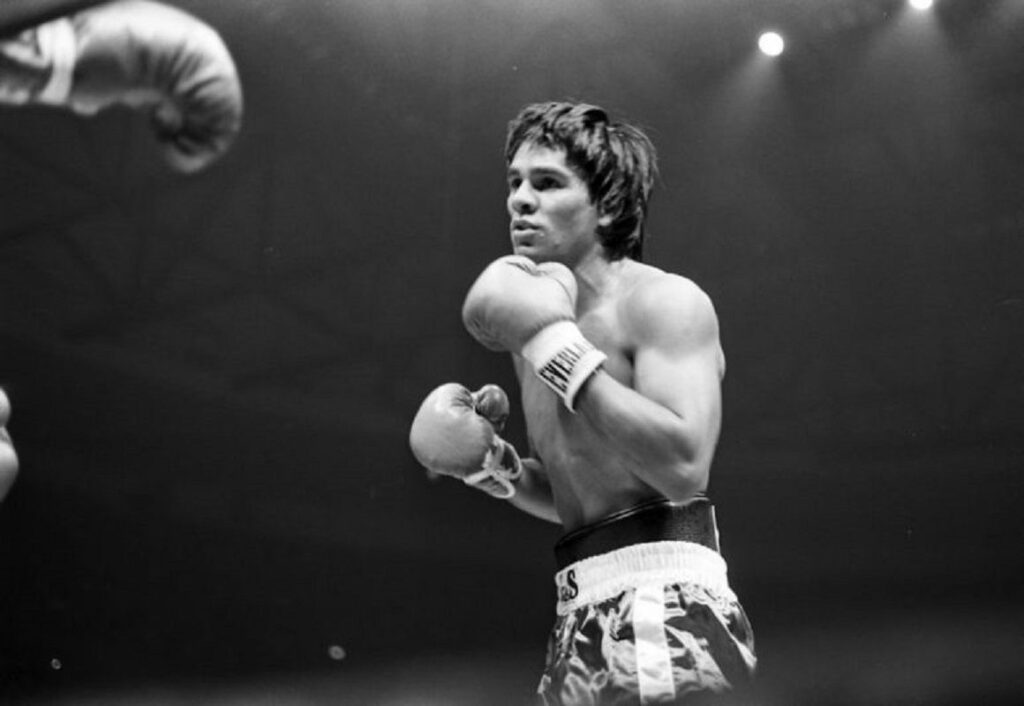
Roberto Duran, widely regarded as one of the greatest boxers in history, had an illustrious career filled with notable victories and memorable performances. In this article, we provide a comprehensive overview of Roberto Duran’s professional record, highlighting his wins, losses, and the defining moments that shaped his legendary status. Roberto Duran’s Professional Record Roberto Duran’s professional boxing career spanned from 1968 to 2001, leaving an indelible mark on the sport. Throughout his career, Duran amassed a record of 103 wins, 16 losses, and 70 knockouts. Duran began his professional journey as a lightweight, where he experienced significant success. He won his first 31 fights, showcasing his skill and determination. On June 26, 1972, Duran faced Ken Buchanan, defeating him by technical knockout to capture the WBA lightweight title. As Duran’s career progressed, he ventured into higher weight divisions, competing against formidable opponents. Notable victories include his historic win over Sugar Ray Leonard on June 20, 1980, where Duran claimed the WBC welterweight title in a thrilling showdown known as the “Brawl in Montreal.” This victory solidified Duran’s legacy as one of boxing’s greats. While Duran enjoyed numerous triumphs, he also faced some significant losses. Notable defeats include his rematch against Leonard on November 25, 1980, where Duran controversially quit in the eighth round, and his battles against Marvin Hagler and Thomas Hearns. Duran’s career spanned multiple weight divisions, including lightweight, welterweight, junior middleweight, middleweight, and super middleweight. He continued to compete at a high level well into his 40s, demonstrating his longevity and passion for the sport. In addition to his achievements inside the ring, Duran’s cultural impact extended beyond boxing. His aggressive fighting style, known for its relentless pressure and tenacity, made him an icon in his native Panama and earned him admiration from boxing fans worldwide. Conclusion Roberto Duran’s professional record of 103 wins, 16 losses, and 70 knockouts showcases his remarkable career and enduring legacy. His victories over formidable opponents, his world titles in multiple weight divisions, and his cultural impact solidify his status as one of the greatest boxers of all time, leaving an indelible mark on the sport. Watch Roberto Duran’s highlight reel below:
Roberto Duran’s Title Reign: All the Details
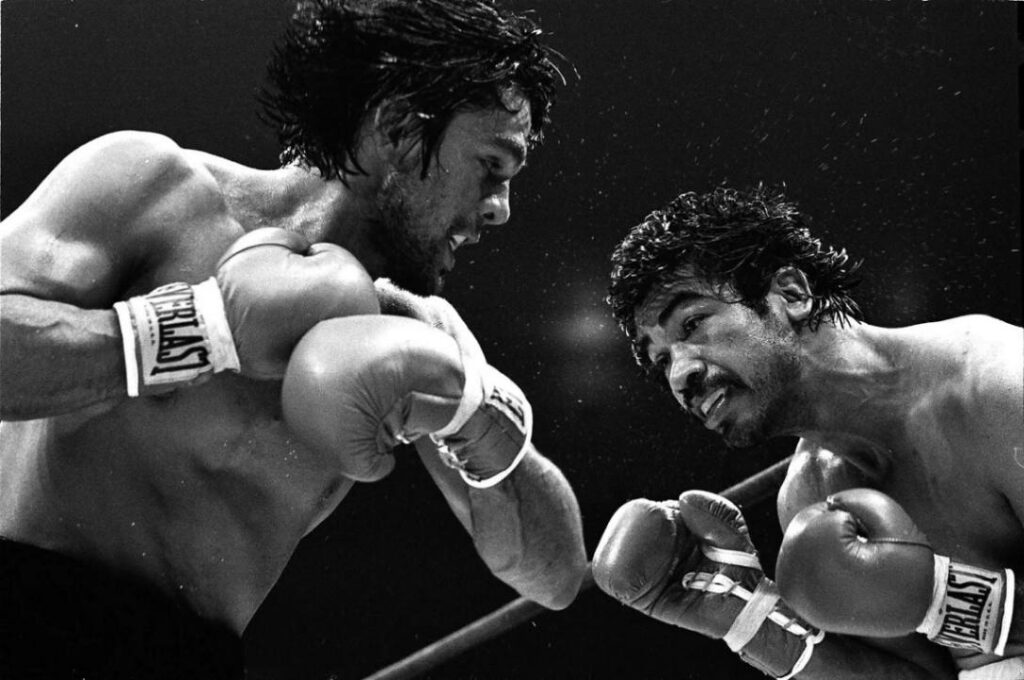
Roberto Duran, a boxing legend known for his tenacity and skill, held multiple world titles throughout his career. In this article, we delve into the comprehensive details of Roberto Duran’s title reigns, highlighting the championships he won, his notable defenses, and the impact of his dominance in the ring. Roberto Duran’s Title Reign Lightweight Division: Roberto Duran’s title reign began in the lightweight division. On June 26, 1972, Duran defeated Ken Buchanan to capture the WBA lightweight title. He successfully defended the title 12 times, facing tough opponents such as Esteban De Jesus and Ray Lampkin, solidifying his status as a dominant force in the division. Welterweight Division: Duran’s move to the welterweight division saw him achieve tremendous success. On June 20, 1980, he defeated Sugar Ray Leonard in their first encounter to claim the WBC welterweight title. However, Duran’s reign in this division was short-lived as he vacated the title after the rematch against Leonard. Junior Middleweight Division: After a brief hiatus, Duran returned to the ring and moved up to the junior middleweight division. On January 30, 1983, he faced Davey Moore for the WBA junior middleweight title, securing a sensational knockout victory and adding another title to his collection. Duran defended the title once before moving on to new challenges. Middleweight Division: Duran’s foray into the middleweight division came on November 10, 1989, when he fought Iran Barkley for the WBC middleweight title. Despite being the underdog, Duran displayed his resilience and boxing acumen, defeating Barkley by a close split decision to become a world champion in a higher weight class. Super Middleweight Division: In 2000, Duran made another bold move by venturing into the super middleweight division. He fought and defeated Patrick Goossen to claim the IBC super middleweight title, showcasing his versatility and determination even in the latter stages of his career. Conclusion Roberto Duran’s title reigns in the lightweight, welterweight, junior middleweight, middleweight, and super middleweight divisions exemplifying his versatility and dominance as a boxer. His ability to capture titles across different weight classes solidifies his status as one of the all-time greats in the sport, leaving a lasting legacy in boxing history. Watch Roberto Duran’s highlight reel below:
Floyd Mayweather vs. Conor McGregor: All the Details
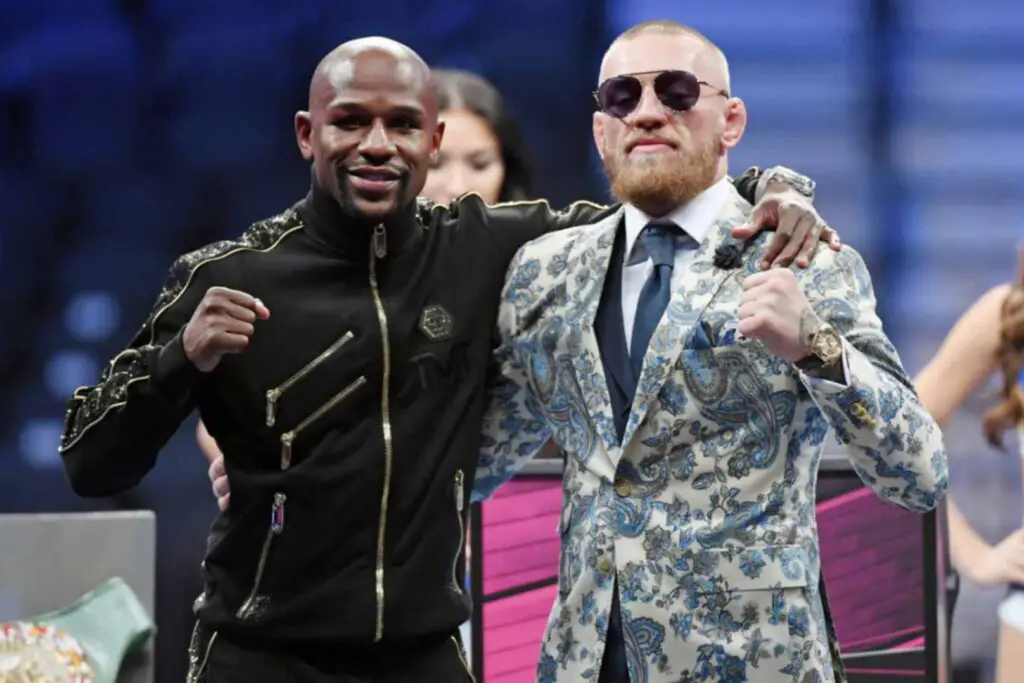
The highly anticipated crossover boxing match between Floyd Mayweather Jr. and Conor McGregor created a global frenzy, captivating sports fans from all corners of the world. In this article, we provide a comprehensive overview of this historic bout, delving into the background, the fight itself, and the lasting impact it had on both boxing and mixed martial arts. Background and Build-Up The Mayweather vs. McGregor fight was a unique collision of two combat sports icons. Floyd Mayweather Jr., an undefeated boxing legend, came out of retirement to face Conor McGregor, the reigning UFC lightweight champion known for his charismatic personality and striking skills. The clash of styles and personalities generated immense excitement and anticipation among fans from both boxing and MMA communities. Floyd Mayweather vs. Conor McGregor: The Fight On August 26, 2017, the monumental clash took place at the T-Mobile Arena in Las Vegas, Nevada. The bout was contested under boxing rules, providing Mayweather, with his extensive professional boxing background, a distinct advantage. McGregor, making his professional boxing debut, aimed to defy the odds and shock the world. Mayweather’s defensive mastery and boxing skills were on full display throughout the fight. Employing his signature shoulder roll technique, he patiently dismantled McGregor, gradually wearing him down with precise and calculated strikes. McGregor showcased impressive adaptability, using his unorthodox movement and occasional flurries to keep Mayweather on his toes. However, as the rounds progressed, Mayweather’s experience and ring generalship became increasingly evident. In the 10th round, Mayweather sealed the victory with a technical knockout, solidifying his dominance. Implications and Legacy The Mayweather vs. McGregor bout transcended the boundaries of sports and became a cultural phenomenon. It shattered pay-per-view records and became one of the highest-grossing combat sports events in history. While some critics viewed it as a spectacle, many recognized the entertainment value and appreciated the historic nature of the matchup. For Mayweather, the victory further solidified his unblemished record, which eventually reached an unprecedented 50-0, surpassing the legendary Rocky Marciano’s long-standing record. Additionally, the fight significantly boosted Mayweather’s financial success, as he earned a substantial purse from the event. Despite the loss, McGregor emerged from the contest with his reputation intact. Stepping into the boxing ring against one of the greatest boxers of all time showcased his fearlessness and highlighted his ability to thrive in different disciplines. The fight elevated McGregor’s profile as one of the biggest stars in mixed martial arts and solidified his status as a crossover athlete capable of captivating a global audience. Conclusion The Mayweather vs. McGregor fight will forever be remembered as a historic crossover event that captivated the world of sports. While Mayweather emerged victorious, both fighters reaped the benefits of the spectacle, with Mayweather extending his unbeaten record and McGregor establishing himself as a multi-disciplinary star. The bout holds a significant place in the annals of combat sports history, marking a moment where two worlds collided and created an unforgettable spectacle. Watch highlights from the fight below:
How many knockouts does Floyd Mayweather have?
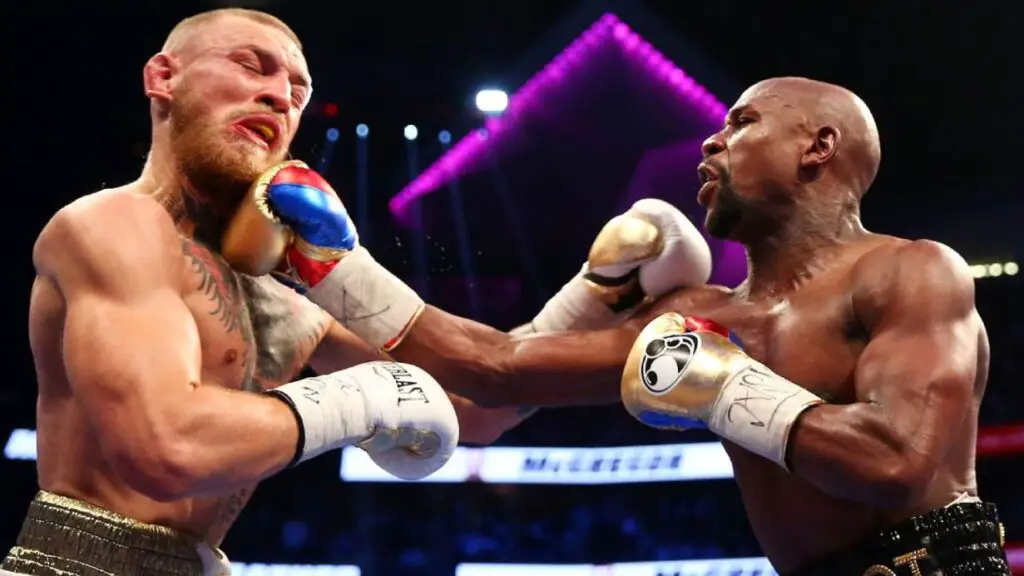
Floyd Mayweather Jr., widely regarded as one of the greatest boxers of his generation, is renowned for his defensive prowess and technical finesse inside the ring. In this article, we explore the noteworthy number of knockouts that Mayweather has accumulated throughout his illustrious professional boxing career. How many knockouts does Floyd Mayweather have? Number of Knockouts: Over the course of his career, Floyd Mayweather Jr. secured an impressive record of 50 wins, with 27 of those victories achieved by way of knockout. While Mayweather’s knockout ratio may not be as high as that of some renowned knockout artists, it is crucial to recognize that his success lies in his defensive mastery and strategic approach to boxing. Mayweather’s early professional fights showcased his knockout power, with several notable stoppages. As his career progressed, he transitioned towards a more defensive style, relying on his exceptional boxing skills and astute ring intelligence to out-maneuver his opponents effectively. Noteworthy knockouts in Mayweather’s career include his 2007 triumph over Ricky Hatton, where a devastating left hook in the 10th round resulted in a definitive knockout. Another memorable knockout occurred in 2011 when he faced Victor Ortiz, capitalizing on a moment of confusion to deliver a powerful combination that led to a knockout victory. While knockouts may not be the primary focus of Mayweather’s style, his ability to land precise and accurate shots has often resulted in stoppages. His exceptional timing, counter-punching proficiency, and pinpoint accuracy have contributed to his knockout victories. It is important to note that Mayweather’s knockout record should not overshadow his boxing brilliance. His defensive skills and technical finesse have allowed him to dominate fights and emerge victorious decisively, even without relying heavily on knockouts. Conclusion Throughout his illustrious boxing career, Floyd Mayweather Jr. has secured 27 knockout victories, showcasing his ability to deliver precise and powerful shots when the opportunity arises. While he may be celebrated more for his defensive skills and tactical brilliance, Mayweather’s knockout successes underline his capability to strategically capitalize on openings in the ring. Mayweather’s exceptional boxing ability and strategic approach have cemented his legacy as one of the sport’s all-time greats. Watch Floyd Mayweather’s highlight reel below:
Floyd Mayweather’s Title Reign: All the Details
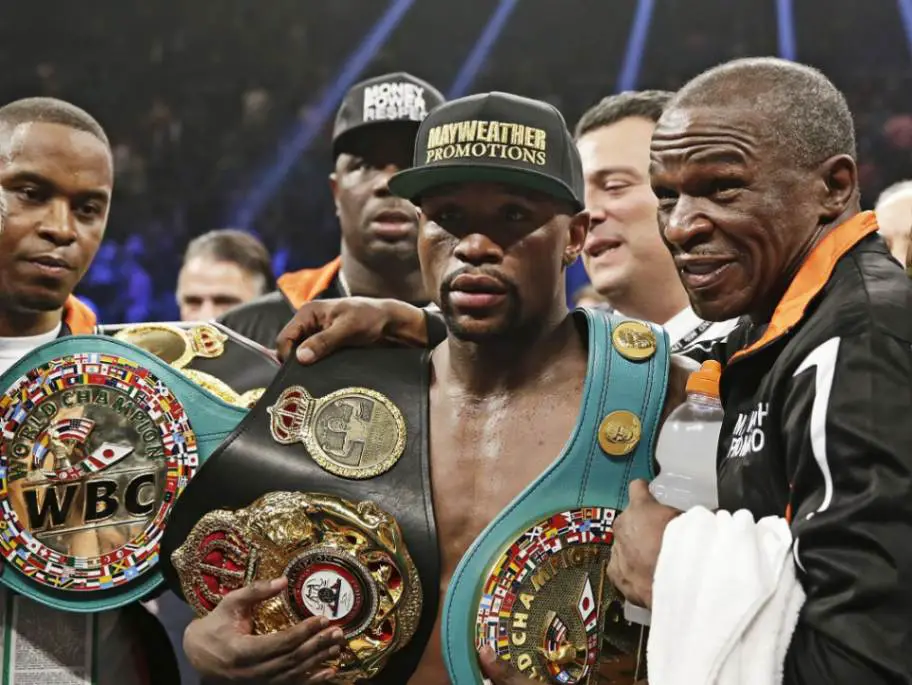
Floyd Mayweather Jr., one of the most accomplished boxers in history, had a remarkable title reign that spanned multiple weight divisions. In this article, we provide a comprehensive overview of Floyd Mayweather’s title reigns, highlighting the championships he won, his notable defenses, and the impact of his dominance in the sport. Floyd Mayweather’s Title Reign Super Featherweight Division: Mayweather’s title reign began on October 3, 1998, when he defeated Genaro Hernandez for the WBC super featherweight title. He successfully defended the title eight times, including notable victories over Diego Corrales and Jesus Chavez, establishing his dominance in the division. Lightweight Division: After moving up to the lightweight division, Mayweather captured the WBC and WBO titles by defeating Jose Luis Castillo in their 2002 rematch. Mayweather defended the lightweight titles twice before making another leap in weight. Light Welterweight and Welterweight Divisions: Mayweather’s ascent to higher weight divisions proved equally successful. In 2006, he won the IBF welterweight title by defeating Zab Judah. Mayweather later added the WBC and WBA welterweight titles to his collection, securing victories against Carlos Baldomir and Shane Mosley, respectively. He defended these titles on multiple occasions, solidifying his status as the top welterweight of his era. Super Welterweight Division: Mayweather’s foray into the super welterweight division came in 2007 when he faced Oscar De La Hoya for the WBC title. The highly anticipated bout, dubbed “The World Awaits,” ended with Mayweather winning by a close split decision. Despite only holding the title in this division for a brief period, Mayweather’s victory over De La Hoya marked a significant milestone in his career. Conclusion Floyd Mayweather’s title reigns across the super featherweight, lightweight, light welterweight, welterweight, and super welterweight divisions showcased his dominance and versatility as a boxer. With multiple successful defenses and victories over notable opponents, Mayweather’s title reigns solidified his legacy as one of the greatest champions in the history of professional boxing.