
Dana White Reveals Future Plans On Boxing Venture, Ali Act, And Fighter Pay
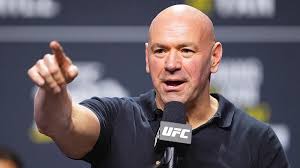
UFC Boss Teases Big Boxing Moves Ahead Dana White has never been afraid to say what he thinks, and his recent remarks about his long-awaited boxing project once again demonstrate that he is not afraid of rocking the fight business. The UFC president, who has transformed mixed martial arts into a world phenomenon, has affirmed that boxing is still a key aspect in his future. This time he says that he will only take up the sport on his terms. White has been interested in boxing. He has long been floating the idea of starting a company under the Zuffa Boxing name. The project was shelved several times, and White frequently mentioned frustrations in the organization of the sport. Today, with UFC still leading the pay-per-view rates and going international, he thinks that the moment has come to take the plunge. The State of Boxing in the Prism of Dana White. Boxing is still among the oldest combat sports, yet White believes that its archaic structure is its drag. To him, disjointed sanctioning agencies, absence of centralization, and inconsistent matchmaking deny fans the best fights. White repeatedly contrasts this with the UFC model, where a single organization dominates matchmaking, rankings, and events, bringing greater consistency and producing blockbuster fights that fans desire to watch. “When I look at boxing, I see opportunity, but I also see chaos,” White said during a recent press conference. “The fans deserve better. The fighters deserve better. When I do this, I am not putting my toe in the water. It will be done the right way.” His remarks indicate that his vision of boxing would not be a copy of the existing system but rather a heavy imitation of the promotional strategy of UFC. The Ali Act Debate The Muhammad Ali Boxing Reform Act, a federal legislation enacted in 2000 to prevent the exploitation of fighters, is one of the biggest barriers to White potentially entering boxing. The act demands more transparency of promoters, provides fighters with information on financial aspects, and restricts conflicts of interest. Critics believe that the Ali Act may come into conflict with the legal structure of boxing because the UFC model created by White does not fall under the Ali Act. Journalists have often questioned him about how he will juggle his goals with these limitations. White admits the challenge but says that although the act was important, it has not resolved all the problems of boxing. “The Ali Act was supposed to protect fighters, but look around,” he argued. “You still have mismatches, shady dealings, and athletes who don’t get paid what they deserve. If I step into boxing, the system will need to be cleaned up, not just patched.” His words have attracted both criticism and approval. Others view him as a disruptive element who might introduce much-needed reform, and others claim that he ignores the safeguards that the law offers. Fighter Pay in the Middle of the Controversy. No topic has perhaps elicited more discussion about Dana White and the UFC than the issue of fighter pay. The main argument that critics usually make is that UFC fighters receive a smaller portion of total revenue than other major sports athletes. Having that in the limelight, a lot of people are wondering how the approach of White to pay will be translated to boxing. White asserts that his model is beneficial to the athletes, citing the exposure UFC offers to them around the world and the brand building that fighters can get under the promotion. “We create stars. We build names. Our fighters get platforms that boxing doesn’t give their talent,” he explained. “When a kid fights in the UFC, the whole world knows who he is the next morning.” Nevertheless, the pay debate is not going to disappear. Compensation has been publicly expressed by high-profile fighters such as Francis Ngannou and Jon Jones. In boxing, however, the biggest stars, such as Canelo Alvarez and Tyson Fury, earn tens of millions in their purses. In case White joins boxing, it will be assumed that the fighters will receive similar amounts of money, and it might be necessary to adjust the revenue distribution patterns. Why White believes that the model of UFC can solve boxing. The UFC president claims that the efficiency of his organization, its marketing strength, and its ability to control matches are exactly what boxing does not have. Super fights are something that fans have long been angry about not getting because of promotional wrangles. White is of the opinion that his method can remove these obstacles. “The difference with UFC is that we make the fights people want to see,” White emphasized. “We don’t let politics or different promoters stop it. That’s why fans trust us. If we bring that to boxing, the sport can be reborn.” He is very confident, but critics caution that the culture and laws of boxing are very different from MMA. It might not be as easy as White thinks to replicate the UFC model. Industry Response: Cynicism and Inquisitiveness. The fight world has responded with a combination of doubt and fascination. Promoters of boxing have been quick to dismiss the chances of White by claiming that the sport is too complicated and too controlled to allow him to prevail. But simultaneously, it is understood that the success of UFC speaks volumes. Fans, too, are divided. Others are thrilled by the prospect of regular matchmaking and new life in boxing. Others are scared that White might make fighters pay less than boxers are currently earning. Social media has made both sides even more heated, and it is now a debate whether his entry into the sport will be a blessing or a setback to boxing. White’s Future Vision Dana White has built a career of converting nonbelievers to believers. In the early 2000s, not many people could imagine that UFC could turn into a multibillion-dollar empire at the time when it was in trouble. He believes boxing to
Tony Ferguson’s Boxing Debut: Reinvention, Risk, And The Stakes Of A New Arena
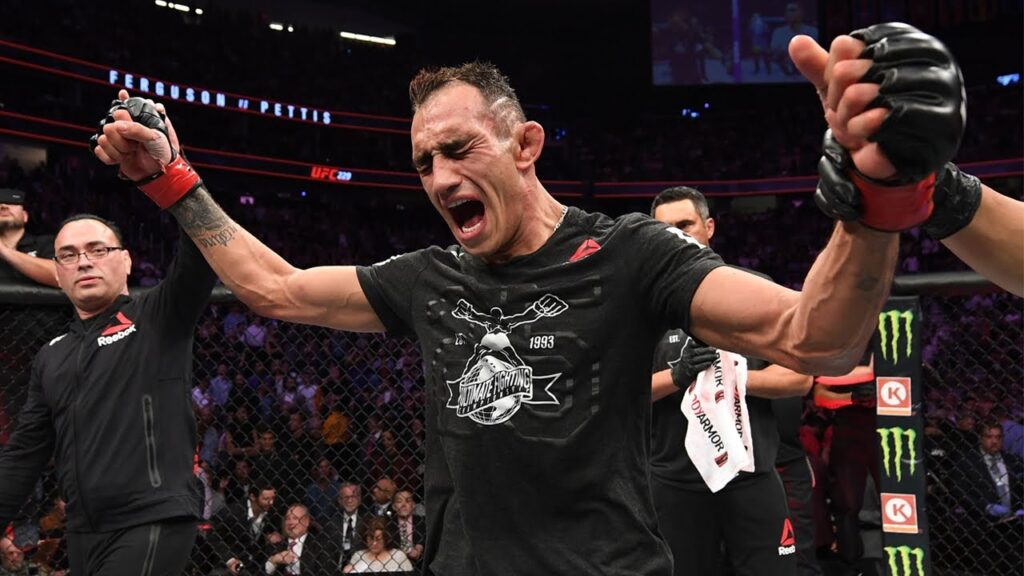
Setting the Stage Tony Ferguson has never been an easy way out. One of the most creative stylists in contemporary MMA, a former interim UFC lightweight champion, developed his career on the foundation of incessant pressure, odd angles, and a persistent unwillingness to give up momentum. At forty-one he is introduced, now, to a totally different theater: professional boxing. The bout is presented on an enormous entertainment stage broadcast worldwide, and it pits a veteran mixed martial artist with a boxer who has made a crossover to boxing, whose reflexes/timing have been trained in the ring and not the cage. It is a spectacle and a true sporting test, and it poses an eternal query to an aging great: can a fighter transfer genius in one code to another where the margin of error is slimmer and the tools are different? From Elbows and Chaos to Jab and Discipline The diversity of Ferguson is his MMA identity, which includes elbow-to-elbow transitions, odd-position slicing punches, knee-and-kick weaving into breaks, and a scrambling guard, which compelled his opponents to awkward rhythms. Boxing takes a lot of that away. No kicks to provide range, no elbows to punish entries, and no threats of takedown to make opponents hesitate. The weaponry arms race makes the competition a discussion about jab quality, footwork style, defensive accountability, and the capability to lay traps between rounds in terms of the quantity of punches and not the movements of positions. To Ferguson, the problem is to squeeze a kaleidoscope into a laser: to take the instincts that in their disorder had blossomed and to reduce them to the dependable craft of the ring. Technical Adjustments Ferguson Must Nail The initial modification is stance discipline. In MMA, Ferguson would be free to change positions, provoke a response, and reset with a kick or a clinch in case he was caught off-balance. In boxing, the change of stance has to be followed by proper hip positioning and a live lead hand, or counters are delivered down the center. The second is defensive framing. Four-ounce MMA gloves allow hits to slip past tight holes and reward parries and head movement together; larger boxing gloves alter the geometry, and the traditional high guard and shoulder roll do become more useful and require the head to be held consistently after exits. Third is exit strategy. The habit of circling with low hands, which Ferguson has made a habit in the narrower lanes of boxing—he must always be ready to meet with a safe step-off or a clinch tie-up in order to leave no easy counters to his left—invites low hands and left punches, and he should be able to combine every combination with a safe step-off or a clinch tie-up. Last, body work may be his most transportable weapon. With less offensive opportunities, a determined jab at the chest or a digging right at the body might reduce a player known to make in-and-out moves. The Opponent and the Matchup Puzzle Ferguson is opposite a boxer who had made his name during the influencer age and had earned respect in the old-fashioned manner: by dropping his opponent with clean counters and by controlling the distance with unexpected skill. Drawing leads is easy enough; slipping just out of the center line and answering with compact power shots, he is comfortable. That description poses the riddle of a classic striker to an MMA convert. When Ferguson pushes too hard, he will walk on counters; when he remains too long on the range, he may be picked at and folded back in place. The way forward is regulated aggression—jab his way into the middle ground, smother on exits, and use his feet to turn the ring instead of providing squared straight-line retreats. The positive is that Ferguson had a gas tank that was stubbornly tough even in the later part of his UFC tenure. Constant work rate to body attacks can translate into scoreboard pressure over boxing rounds. Conditioning, Recovery, and the Question Everyone Asks The unceasing fear is not desire but fatigue. Ferguson has earned a career of hard minutes. The rhythms of boxing might even help him: he can wrestle no longer to drain isometric strength, and the tactical rest of the clinches—but only prudently employed—can save energy to be used in surges late in the round. However, boxing is more cruel than MMA for repeating mistakes. A single lethargic retreat or a single habitually low lead hand can be the difference in the fight. The success of the camp will be gauged not by the clips of mitt-work highlights but by less visible gains: the frequency with which he sets his feet prior to punching, the frequency with which he strikes with the rear hand, and whether his head is off the line when he throws the right. The Business Context and Why This Fight Matters This debut is at the intersection of two intersecting currents: MMA veterans in search of a new meaning outside the Octagon and a crossover boxing industry that is a mix of entertainment and a sport that can pose real danger. Ferguson has the credibility of a real combatant and a fan base; his opponent has the experience of the ring, timing, and an inherent audience that lives off the drama of the potential upset. To broadcasters and promoters, it is a narrative hook of a storm. To Ferguson it is more personal: a chance to rewrite a painful late-career chapter and to swap the memories of recent hardships with the clearer, more focused images that only boxing can give—snap jabs, controlled pivots, and a hand raised in the bright lights. What Success Looks Like—Even Above the Scorecards. The obvious aim is victory; the how is as important as the what in terms of career repair. When Ferguson exhibits a trustworthy jab, maintains his form in defense, and controls distance without going mad in exchanges, he transforms the discussion of his athletic present. That match opens the
Khamzat Chimaev Cleared To Return To Action: A New Chapter In MMA
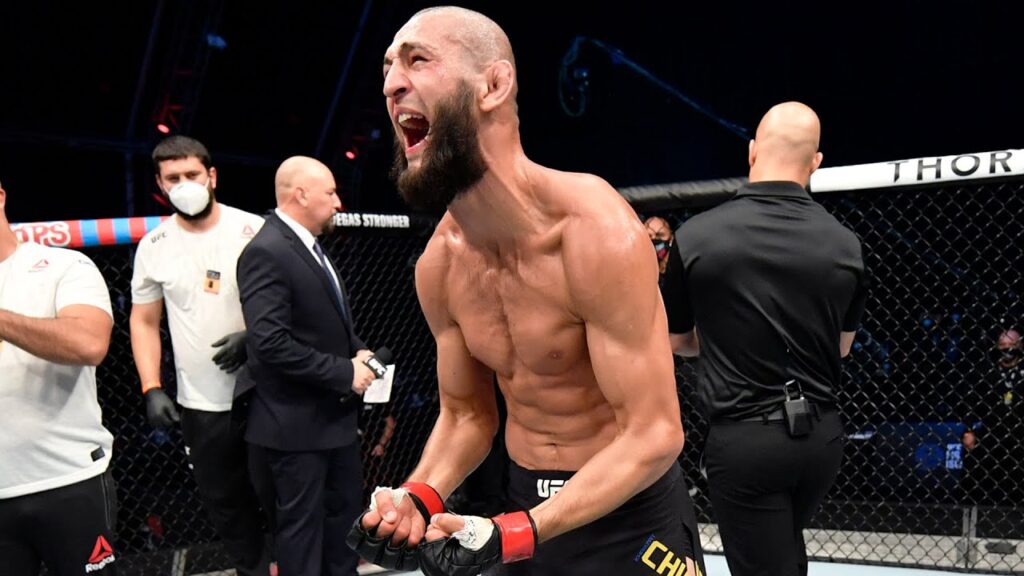
Khamzat Chimaev, the dynamic and formidable mixed martial artist, has been cleared to return to action, sending shockwaves of excitement throughout the MMA community. Known for his explosive performances and unwavering determination, Chimaev is set to make a significant impact in the UFC middleweight division. This article delves into Chimaev’s journey, his return to the octagon, and what fans can expect from this rising star. Early Career and Rise to Fame Born on May 1, 1994, in the Chechen Republic, Chimaev began his martial arts journey at the tender age of five, focusing on wrestling. His early achievements include winning a bronze medal at the Russian National Championships in the junior level. Chimaev’s move to Sweden in 2013 marked a pivotal moment in his career, as he began competing in freestyle wrestling, eventually becoming a three-time Swedish national champion. Chimaev’s professional MMA career took off with the Brave Combat Federation, where he showcased his prowess with a series of impressive victories. His transition to the UFC in 2020 was nothing short of spectacular, as he burst onto the scene with a streak of three victories in roughly 70 days during the COVID-19 pandemic. These early successes against John Phillips, Rhys McKee, and Gerald Meerschaert cemented his status as a force to be reckoned with in the MMA world. Recent Career Highlights and Challenges In recent years, Chimaev has faced both triumph and adversity. His barn burner fight against Gilbert Burns and his dominant performance against Kevin Holland at UFC 279 highlighted his versatility and skillset. However, his activity level has significantly decreased, with only two fights since October 2023. Despite this, Chimaev remains optimistic about his future, vowing to capture the UFC middleweight title in 2025. Chimaev’s current ranking as the No. 3 middleweight contender positions him for a potential title shot, possibly against the winner of Dricus Du Plessis vs. Sean Strickland at UFC 312. This opportunity could be the catalyst for Chimaev’s resurgence and a defining moment in his career. For the latest updates on the UFC middleweight division, including rankings and upcoming fights, check out our coverage. Training and Preparation for Return To explore more about how top MMA fighters like Chimaev maintain their edge, see our article on MMA training strategies. These strategies often involve a combination of rigorous physical conditioning, tactical planning, and mental preparation. Chimaev’s return to action will likely involve intense training sessions, focusing on both his wrestling background and his striking abilities. Chimaev’s workout routine is highly structured, involving a 7-day split that includes strength and conditioning exercises like deadlifts and kettlebell swings, alongside combat-specific drills such as wrestling and striking pads sessions. Impact on the UFC Middleweight Division The UFC middleweight division is one of the most competitive in the organization, with fighters like Israel Adesanya and Sean Strickland vying for dominance. Chimaev’s return injects fresh excitement into this division, offering fans a new storyline to follow. His aggressive fighting style and formidable wrestling skills make him a compelling challenger for the title. To stay updated on the latest news and analysis from the UFC middleweight division, follow CombatSports247’s MMA section. Fan Expectations and Anticipation Fans are eagerly anticipating Chimaev’s return, hoping to see him face off against top contenders. The prospect of Chimaev competing for the title in 2025 has generated significant buzz, with many believing he has the potential to become a champion. His ability to finish fights decisively and his relentless pressure make him a fan favorite. Marketing and Branding Strategies for MMA Fighters For MMA fighters like Chimaev, maintaining a strong brand is essential for career longevity and success. This involves leveraging social media platforms to engage with fans, participating in high-profile fights, and partnering with relevant brands. Discover how MMA fighters can enhance their brand presence through strategic marketing in our article on secret training strategies. Conclusion Khamzat Chimaev’s return to action marks a new chapter in his MMA career, filled with promise and potential. As he prepares to face the best in the middleweight division, fans worldwide are eager to see him in action once again. With his sights set on the UFC title, Chimaev is poised to make a lasting impact on the sport. To stay updated on the latest MMA news and analysis, follow our coverage of upcoming fights and fighter profiles. Whether you’re a seasoned fan or just discovering the world of mixed martial arts, Chimaev’s journey is one to watch closely.
The Financial Upside of UFC’s New Betting Deal with FanDuel
The world of sports betting has witnessed significant growth in recent years, with major sports leagues and organizations capitalizing on the trend by partnering with leading sportsbooks. One such partnership that has garnered attention is the collaboration between the Ultimate Fighting Championship (UFC) and FanDuel, a prominent sports betting platform. This article delves into the financial implications of this deal, exploring how it enhances both parties’ revenue streams and market presence. Introduction to UFC and FanDuel The UFC is one of the most popular mixed martial arts (MMA) organizations globally, known for its high-energy events and star-studded roster. FanDuel, on the other hand, is a leading sportsbook in the U.S., renowned for its user-friendly interface and competitive odds. The partnership between these two entities is poised to revolutionize the sports betting landscape, particularly for UFC fights and other MMA events. Financial Benefits for UFC Financial Benefits for FanDuel How the Partnership Works Impact on the Sports Betting Industry The partnership between the UFC and FanDuel sets a precedent for future collaborations between sports leagues and sportsbooks. It highlights the potential for mutual growth through strategic partnerships, where both parties benefit from increased exposure and revenue. Conclusion The financial upside of the UFC’s new betting deal with FanDuel is substantial for both parties. By leveraging each other’s strengths, they can enhance their market presence, increase revenue streams, and provide fans with a more engaging experience. As the sports betting landscape continues to evolve, partnerships like this will play a crucial role in shaping the future of the industry. To delve deeper into the strategic implications of such partnerships, visit Sports Partnership Strategies. Future Outlook As the sports betting market expands globally, partnerships between sports leagues and sportsbooks will become increasingly important. The UFC and FanDuel deal serves as a model for future collaborations, demonstrating how mutual benefits can be achieved through strategic alliances. In conclusion, the financial upside of the UFC’s partnership with FanDuel is significant, offering both parties opportunities for growth and increased revenue. As the sports betting industry continues to evolve, such partnerships will remain crucial in driving innovation and expansion.
Conor McGregor vs. Logan Paul Exhibition Match In India: A Global Sporting Spectacle
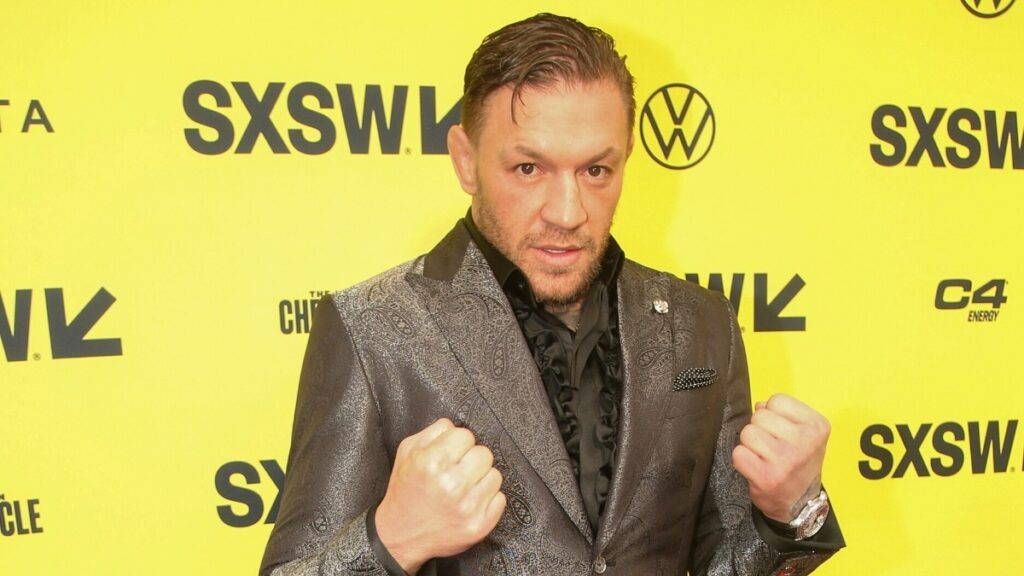
The world of combat sports is abuzz with the news of an exhibition boxing match between Conor McGregor, the former UFC champion, and Logan Paul, a renowned YouTuber and boxer. This highly anticipated event is set to take place in India, marking a significant milestone in the country’s journey to become a hub for international sporting events. The match is part of the “Visit India” tourism campaign, aimed at showcasing India’s potential as a premier destination for global sports. Background: Conor McGregor and Logan Paul Conor McGregor is a household name in the world of Mixed Martial Arts (MMA). Known for his lightning-fast left hand and charismatic personality, McGregor has been a dominant force in the UFC, holding titles in both the featherweight and lightweight divisions. His last professional fight was against Dustin Poirier in July 2021, which ended with McGregor suffering a leg injury. Since then, he has been on a hiatus from competitive MMA, fueling speculation about his return to the Octagon. On the other hand, Logan Paul has transitioned from being a social media influencer to a boxer, participating in several high-profile exhibition matches. His most notable bout was against Floyd Mayweather, where he managed to go the full eight rounds against the boxing legend. Paul’s involvement in WWE has also garnered significant attention, as he won the U.S. Championship in November 2023. This crossover into professional wrestling highlights his versatility and ability to engage diverse audiences. The Exhibition Match: Details and Significance The Conor McGregor vs. Logan Paul exhibition match is not just a sporting event; it’s a strategic move to position India as a major player in the global sports arena. The event is backed by the Ambani family, one of India’s wealthiest and most influential families, known for their ventures in telecommunications, petrochemicals, and sports. Anant Ambani, the son of Mukesh Ambani, is reportedly driving this initiative, aiming to bring world-class combat sports to India. The match is scheduled to take place at the Wankhede Stadium in Mumbai, a venue known for hosting international cricket matches. This choice of venue highlights the ambition to leverage India’s existing sports infrastructure to host diverse global events. The Wankhede Stadium, with its seating capacity of over 33,000, is expected to be packed with fans eager to witness this historic bout. Negotiations and Involvement of UFC While Conor McGregor has agreed to the fight, there are ongoing negotiations involving the Ultimate Fighting Championship (UFC). McGregor still has two fights left on his UFC contract, making the UFC’s involvement crucial for the boxing match to proceed. The UFC’s participation in these negotiations underscores the complexity of cross-promotional events in combat sports. To explore more about how UFC superstars maintain their edge in the MMA world, see our article on UFC Training Strategies. Discover how combat sports superstars and storylines stay ahead of the game through innovative marketing and branding at Sports Marketing Trends. Potential Date and Venue Although the exact date for the match has not been confirmed, there are indications that it might take place in April 2025. The venue, Wankhede Stadium, is set to host this historic event, marking a new chapter in India’s sports history. The event organizers are working closely with local authorities to ensure that all logistical and security arrangements are in place to accommodate the expected large turnout of fans. Impact on Indian Sports and Tourism The Conor McGregor vs. Logan Paul exhibition match is part of a broader initiative to promote India as a destination for international sports events. This aligns with the “Visit India” tourism campaign, which aims to attract global attention and investment into India’s tourism sector. Hosting such high-profile events can have a significant impact on India’s sports infrastructure and economy. It not only brings in revenue but also exposes Indian audiences to different forms of international sports, potentially boosting local interest and participation. The event could also serve as a catalyst for developing India’s boxing and MMA scenes, encouraging more Indians to take up these sports professionally. Economic and Cultural Impact From an economic standpoint, the event is expected to generate substantial revenue through ticket sales, sponsorships, and tourism. Fans from around the world are likely to travel to India to witness the match, contributing to the local economy. Additionally, the event will create jobs in the hospitality and event management sectors, providing a boost to local businesses. Culturally, this event represents a significant moment for India, showcasing its ability to host world-class sporting events. It will also highlight India’s rich cultural heritage and hospitality to a global audience, potentially attracting more international events in the future. The Future of Combat Sports in India The Conor McGregor vs. Logan Paul exhibition match is not just a standalone event; it marks the beginning of a new era for combat sports in India. With the country’s growing interest in MMA and boxing, there is a potential for India to become a major hub for these sports. Growing Interest in MMA and Boxing In recent years, India has seen a surge in interest in MMA and boxing. The success of Indian fighters like Ritu Phogat and Vishal Bhardwaj in international competitions has inspired many young Indians to take up these sports. The establishment of professional MMA leagues like the Matrix Fight Night has further fueled this growth. Infrastructure Development To support this growth, there is a need for improved sports infrastructure in India. The government and private investors are working together to build state-of-the-art training facilities and arenas that can host international events. The success of the Conor McGregor vs. Logan Paul match could accelerate these efforts, attracting more investment into India’s sports infrastructure. Potential for Future Events The success of this exhibition match could pave the way for more international combat sports events in India. The country could potentially host UFC events, professional boxing matches, or even create its own domestic MMA league. This would not only boost India’s sports economy but also provide opportunities for Indian fighters to
Mauricio Ruffy: A Rising Star In The UFC’s Lightweight Division
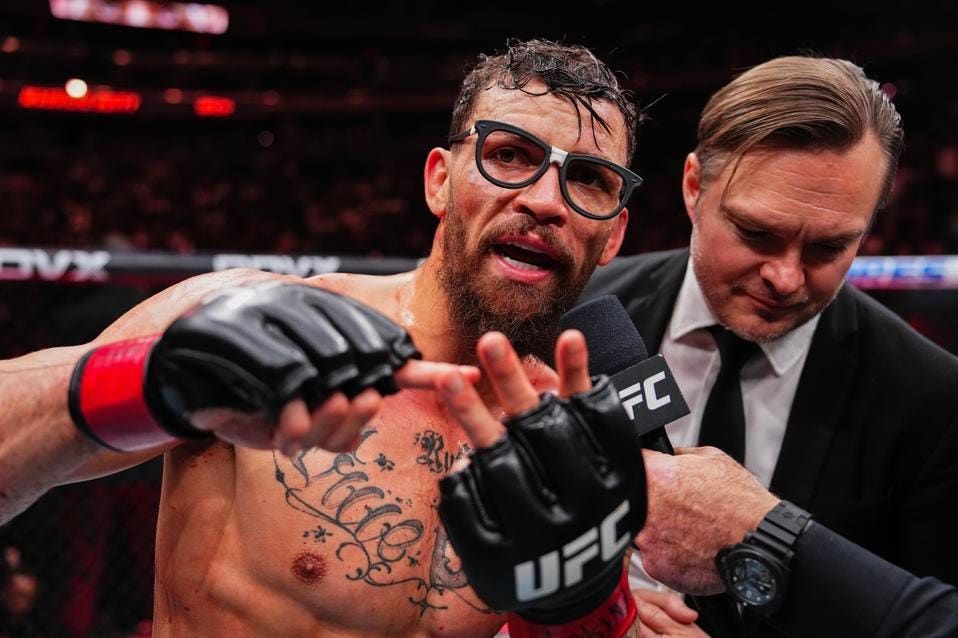
In the fast-paced world of mixed martial arts (MMA), few fighters have made as significant an impact as Mauricio Ruffy, a Brazilian sensation currently dominating the UFC’s lightweight division. With a professional record of 12 wins and only one loss, Ruffy has quickly become a name to watch in the Ultimate Fighting Championship (UFC). His journey from the Brazilian regional scene to the global stage is a testament to his dedication, skill, and the strategic use of MMA training and UFC marketing. Early Career and Rise to Prominence Born in São Paulo, Brazil, Mauricio Ruffy began his MMA career in 2016, quickly establishing himself as a formidable force in the lightweight division. His early success was marked by a series of knockout victories, showcasing his powerful striking skills and earning him the nickname “One Shot.” This moniker reflects his ability to finish fights with a single, decisive blow, a trait that has captivated fans and opponents alike. Ruffy’s rise to prominence was further accelerated by his performances on the Brazilian regional circuit. Notably, he secured a second-round knockout over UFC veteran Ronys Torres, demonstrating his potential to compete at the highest level. This victory not only highlighted his technical prowess but also underscored his capacity to overcome experienced opponents. Dana White’s Contender Series and UFC Debut A pivotal moment in Ruffy’s career came when he was invited to compete on Dana White’s Contender Series, a platform designed to discover emerging talent in the MMA world. On October 3, 2023, Ruffy faced Raimond Magomedaliev, a highly touted prospect, and won via a third-round technical knockout. This impressive performance earned him a UFC contract, marking a significant milestone in his career. Ruffy made his UFC debut at UFC 301 on May 4, 2024, against Jamie Mullarkey. He dominated the fight, securing a first-round technical knockout, his tenth such victory in as many professional wins. This debut not only showcased his knockout power but also cemented his position as a rising star in the lightweight division. Recent Successes and Upcoming Challenges Following his successful debut, Ruffy faced James Llontop at UFC 309 on November 16, 2024. Unlike his previous fights, this bout went the full three rounds, with Ruffy emerging victorious via a unanimous decision. This fight marked a significant evolution in his career, as he demonstrated the ability to adapt his strategy and secure wins through decision, not just knockouts. As of March 2025, Ruffy is preparing to face Bobby Green at UFC 313. This fight represents another crucial step in his journey towards becoming a top contender in the lightweight division. Ruffy’s ambition is clear: he aims to become a champion, and each fight brings him closer to realizing this goal. Personal Life and Training Philosophy Ruffy trains with Fighting Nerds, a team based in São Paulo, Brazil. His training philosophy emphasizes discipline, strategy, and continuous improvement. In 2025, he announced plans to expand Fighting Nerds by opening a new training facility in New Hampshire, USA. This move reflects his commitment to providing better resources for his teammates and other athletes, further solidifying his position as a leader in the MMA community. Marketing and Branding in MMA Mauricio Ruffy’s success is not solely due to his fighting skills; it is also a result of effective MMA marketing and branding. His nickname, inspired by the anime “One Piece,” resonates with fans worldwide, creating a unique identity that sets him apart from other fighters. This blend of cultural reference and martial prowess has helped build a strong fan base, essential for any fighter looking to rise through the ranks. To explore more about how UFC superstars and storylines stay ahead of the game through innovative marketing and branding, see our article on UFC Marketing Strategies. Discover how fighters like Ruffy leverage their personalities and achievements to build a lasting impact in the MMA world. The Role of Social Media in MMA In today’s digital age, social media plays a crucial role in the success of MMA fighters. Platforms like Instagram and Twitter allow fighters to connect directly with fans, share their training regimens, and promote upcoming fights. Mauricio Ruffy is no exception; he actively engages with his followers, sharing insights into his training and personal life. This approach not only builds a loyal fan base but also attracts potential sponsors and partners. For those interested in learning more about how social media influences the MMA landscape, check out our guide on MMA Social Media Strategies. This resource provides insights into how fighters use social media to enhance their careers and connect with fans worldwide. The Impact of Sponsorships on MMA Careers Sponsorships are a vital component of any successful MMA career. They provide financial support, allowing fighters to focus on their training without the burden of financial stress. Mauricio Ruffy has secured several key sponsorships, including partnerships with prominent brands in the sports apparel and nutrition sectors. These partnerships not only support his training but also enhance his visibility, further solidifying his position as a rising star in the UFC. Conclusion Mauricio Ruffy is undoubtedly a rising star in the UFC’s lightweight division. His impressive record, knockout victories, and strategic approach to fighting have positioned him as a future contender for the championship title. As he continues to face top-level opponents and expand his team’s reach, Ruffy’s journey serves as an inspiration to aspiring fighters and fans alike. In the world of MMA, where knockout excellence and fighting strategy are paramount, Mauricio Ruffy stands out as a fighter who embodies both. His story is a testament to the power of dedication, hard work, and innovative branding in achieving success in the octagon. Future Prospects and Challenges As Mauricio Ruffy continues his ascent in the UFC, he will face increasingly tough opponents. His upcoming fight against Bobby Green at UFC 313 is a prime example of the challenges he will encounter. Green, known for his aggressive style and experience in the division, presents a formidable test for Ruffy’s skills. To overcome such challenges,
Analyzing the Potential Outcomes of a Pereira vs. Ankalaev Rematch
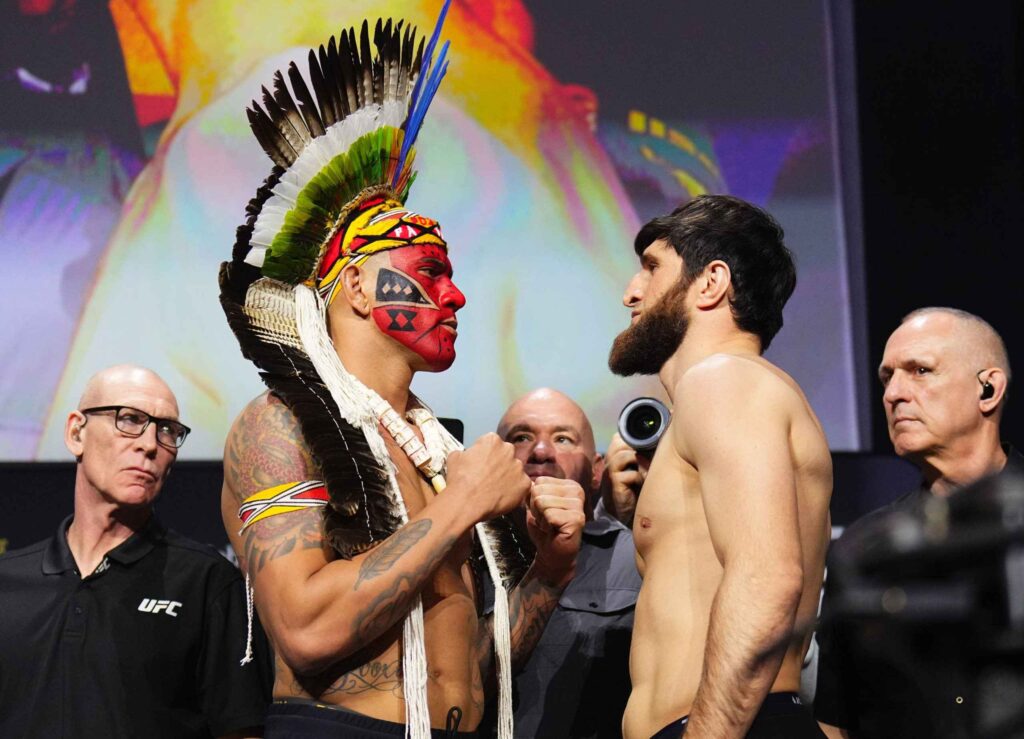
The highly anticipated matchup between Alex Pereira and Magomed Ankalaev at UFC 313 culminated in a unanimous decision victory for Ankalaev, marking a significant upset in the light heavyweight division. As discussions of a potential rematch gain momentum, it’s essential to analyze the strategies employed by both fighters in their first encounter and how they might adapt for a second bout. Background: The First Encounter Magomed Ankalaev’s victory over Alex Pereira was characterized by his strategic approach, utilizing grappling skills to neutralize Pereira’s powerful striking. Ankalaev effectively controlled the pace of the fight, landing significant strikes and maintaining control against the cage, which ultimately influenced the judges’ decision. Pereira, known for his aggressive counterpunching style and powerful kicks, struggled to assert his dominance due to Ankalaev’s relentless pressure and grappling. Strategic Analysis Magomed Ankalaev’s Strategy Alex Pereira’s Strategy Dive into the world of MMA to uncover leadership lessons on storytelling, audience engagement, and team management at combatsports247. Potential Outcomes of a Rematch 1. Ankalaev’s Continued Dominance If Ankalaev maintains his strategic approach, focusing on grappling and controlling the pace, he could potentially replicate his victory. Pereira’s inability to break free from clinches and his cautiousness in engaging with Ankalaev’s strikes might again hinder his performance. 2. Pereira’s Adjustments Pereira could focus on enhancing his defensive grappling skills to avoid being pinned against the cage. By adopting a more aggressive stance early in the fight, he might force Ankalaev into a more open exchange, where his striking prowess could be more effective. 3. Tactical Shifts Both fighters might consider tactical shifts: 4. Conditioning and Endurance Given that both fighters are well-conditioned, the rematch could see a more evenly paced fight. However, Ankalaev’s experience in going the distance might still give him an edge if the fight reaches the later rounds. Fan and Analyst Reactions The first bout received mixed reactions, with some fans criticizing the judges’ decisions and others praising Ankalaev’s strategic victory. A rematch would likely draw significant attention, as both fighters have a strong following and the potential for a more action-packed contest is high. Future Implications A rematch between Pereira and Ankalaev would have significant implications for the light heavyweight division: Training and Preparation For both fighters, the training camp leading up to a rematch would be crucial. Pereira might focus on improving his wrestling defense and conditioning to handle Ankalaev’s grappling. Meanwhile, Ankalaev could refine his striking skills to complement his grappling, making him a more well-rounded fighter. Explore how MMA fighters and promotions stay competitive through innovative training methods and strategic planning at our MMA blog. Psychological Factors The mental aspect of the rematch should not be underestimated. Pereira will need to overcome the psychological hurdle of having lost to Ankalaev, while Ankalaev must maintain his confidence and avoid complacency. The pressure of a rematch can often lead to fighters making significant adjustments in their approach, which could impact the outcome. Historical Context Rematches in the UFC often provide a unique opportunity for fighters to correct past mistakes and prove their growth. For example, Max Holloway vs. Brian Ortega and Conor McGregor vs. Nate Diaz are notable examples where fighters made significant adjustments in the rematch, leading to different outcomes. Conclusion The potential rematch between Alex Pereira and Magomed Ankalaev promises to be an exciting and strategic contest. Both fighters will need to adapt their strategies to counter each other’s strengths. Ankalaev’s grappling skills and endurance will be tested against Pereira’s improved defensive grappling and aggressive striking. The outcome will not only determine the future of the light heavyweight division but also reflect on the fighters’ ability to evolve and overcome challenges in the ever-competitive world of MMA. Additional Insights Fighter Interviews and Statements In post-fight interviews, both fighters expressed interest in a rematch. Pereira emphasized the need to improve his grappling defense, while Ankalaev highlighted his confidence in his strategy and readiness for another bout. Fan Engagement The fanbase for both fighters is highly engaged, with many calling for a rematch on social media platforms. The anticipation and hype surrounding a potential rematch are likely to drive significant viewership and interest in the event. Divisional Impact A rematch would not only affect the careers of Pereira and Ankalaev but also influence the broader light heavyweight division. Other contenders, such as Jan Błachowicz and Jamahal Hill, might be watching closely, as the outcome could set up future title opportunities. Coaching and Corner Advice The role of coaches and corner advice will be crucial in a rematch. Pereira’s team might focus on drilling defensive grappling techniques, while Ankalaev’s corner could work on refining his striking combinations to complement his grappling. Venue and Event Considerations The venue and event setup could also impact the fight. A rematch held in a different location might affect the fighters’ performances due to factors like crowd support and environmental conditions. Final Thoughts As the MMA world awaits a potential rematch between Pereira and Ankalaev, it’s clear that both fighters have the skills and determination to make significant adjustments and push each other to new heights. Whether Ankalaev continues his dominance or Pereira mounts a successful comeback, the rematch promises to be an electrifying event that will captivate fans worldwide. For more in-depth coverage and fight breakdowns, stay tuned to our MMA news feed, where we’ll provide the latest insights on every development throughout the season.
Securing Legacy: How UFC’s Investment In Leon Edwards Could Shape The Future Of the Welterweight Division
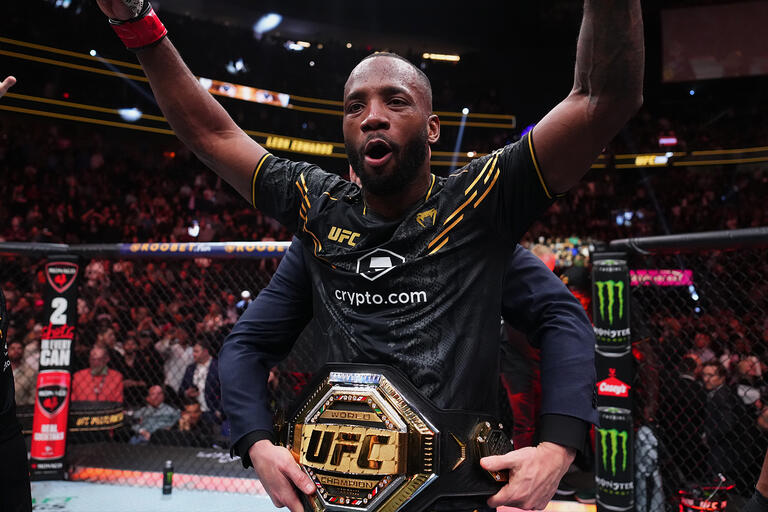
Leon Edwards, alias “Rocky,” is a focal point in UFC welterweight history with a meteoric rise from humble roots in BAMMA to UFC champion. UFC’s investment in Edwards in terms of resources and marketing has not only driven him to a prosperous career but has also had a significant impact on the future of the welterweight division. This piece takes a look at Edwards’ ascension and UFC’s strategic investment and how it might shape the future of the welterweight division. Introduction to Leon Edwards Leon Edwards was born in Kingston, Jamaica, in 1991. He moved to England as a child. He got introduced to MMA after a troubled childhood and a rebellious youth that he got over by being passionate about martial arts. Edwards went pro in 2011 and quickly made a name for himself in the sport by moving up through the ranks and being declared welterweight BAMMA champion. He joined the UFC in 2014. Career Highlights and UFC Investment. Edwards’ UFC career has been marked by significant milestones. He got off to a shaky beginning with a split decision loss in his first bout. He bounced back and became one of the top contenders in the welterweight division. His biggest achievement came when he defeated Kamaru Usman in UFC 278 in 2022 to claim the UFC Welterweight title. Not only did he claim the title, but he also took home the Performance of the Night award, cementing him as a force to be reckoned with. The UFC has made a major investment in Edwards that extends far beyond fight pay. The organization has promoted him actively and used his underdog story to make him a popular figure and build a large social media following. Edwards’ strategic promotion has been successful in earning him endorsement contracts with Monster Energy and Venum, among others, and thereby increasing his net worth and popularity. Impact on the Welterweight Division The success of Edwards has had a profound impact on the welterweight division. His reign as a titleholder brought a renewed spotlight on the division, with fans being drawn in by his captivating narrative and aggressive style. The division has been one of the most competitive divisions in the UFC, with fighters like Kamaru Usman, Colby Covington, and now Belal Muhammad fighting at the top. The UFC’s investment in Edwards has had a spillover effect on other fighters’ careers as well. His rise to stardom has proved that persistence and careful management of one’s career can be a recipe for championship success. Other welterweights have been encouraged by him to focus on building a personal brand and gaining sponsorships because success in the UFC is not only about winning fights but also about being a marketable commodity as well. Financial and Promotional Strategies UFC fighters have unique monetary challenges due to their short careers and varying pay. UFC doesn’t offer long-term medical insurance, and most medical expenses are fighters’ responsibility. However, UFC has a medical assistance program that provides fighters with up to $50,000 a year. This is a significant help for fighters like Edwards. Edwards’ investment strategy is to save most of his earnings in long-term investments. This is crucial for fighters because it ensures a financially secure future after retirement from fighting. With endorsement deals and through use of his UFC platform, Edwards has diversified sources of revenue and has a net worth that is between $1.5 million and $3 million. Legacy and Future Directions Despite losing the title to Belal Muhammad at UFC 304, Edwards remains a key player in the welterweight division. His next fight with Sean Brady at UFC Fight Night 255 is keenly anticipated, and a win would propel him again into title contention. The UFC’s continued investment in Edwards is a testament to their belief that he has a large audience and that he can generate significant revenue. His legacy is not only what he has achieved on his own; he is now a symbol of strength and determination for upcoming fighters. Edwards’ journey is a model for fighters to persevere through what is involved in this sport and leave a legacy that will endure. Appendix: Leon Edwards’ Major Career Milestones Early Professional and BAMMA Success Edwards began a professional mixed martial arts career in 2011 and became a welterweight champion with BAMMA before signing with UFC in 2014. UFC Debut and Challenges: He first faced a split decision loss, only to come out stronger and improve his record in due course. Championship Win: Kamaru Usman was defeated at UFC 278 to become UFC Welterweight Champion. Title defenses: Retained title vs. Colby Covington at UFC 296 and later lost it to Belal Muhammad at UFC 304. Marketing and Financial Accomplishment: Achieved successful endorsement deals and a large net worth by successfully handling one’s profession. The future of the Welterweight Division. The welterweight division remains one of the most competitive divisions in the UFC, with Belal Muhammad, Shavkat Rakhmonov, and Kamaru Usman fighting for dominance. The future of the division will be decided by these top fighters’ performances and by calculated investment by the UFC in promoting its fighters. Rising Stars in the Welterweight Division Emerging fighters such as Sean Brady and Jack Della Maddalena are making waves in the division as well. Their rise has the potential to introduce new rivalries and exciting matchups that would further enhance the popularity of the division. UFC’s Role in Promoting Fighters The UFC is at its core promoting its fighters through their backgrounds and achievements in a bid to gain popularity and build a good brand name. Not only is this marketing beneficial to fighters individually, but it is also used to fuel and nurture the sport. Financial Planning for MMA Fighters The special financial challenges that confront MMA fighters are their brief fighting careers and variable earnings. A significant component of their planning is saving much of their fight money in long-term investments and earning endorsement deals in an attempt to achieve financial stability after retiring from
How New UFC Weight Cutting Regulations Could Impact Fighter Safety
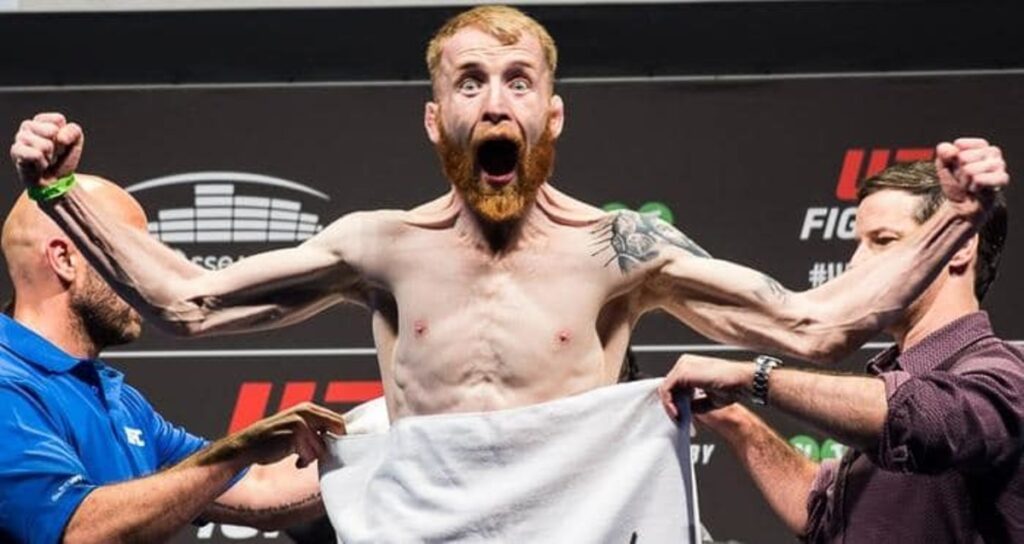
Weight cutting is a well-established tradition in combat sports and is most common in mixed martial arts and the Ultimate Fighting Championship. Fighters often cut significant weight in an attempt to compete in a lighter weight class, and this has potentially disastrous health effects like dehydration and cardiovascular compromise as well as performance impairment. Over recent years, organizations like the California State Athletic Commission have introduced new regulations aimed at reducing the dangers of extreme weight cutting. This article will explore the potential impact on fighter safety and more general implications for the sport. The Risks of Cutting Weight Weight cutting is a process of rapid weight reduction, usually through dehydration, in an attempt to fit into a particular weight class. In mixed martial arts, fighters lose as much as 10% of their weight over a period of days. The medical effects of weight cutting are well documented: Dehydration and Cardiovascular Issues: Severe dehydration is a condition that leads to cardiovascular collapse, where the heart is unable to pump enough blood to meet the body’s demands. This is particularly dangerous at weigh-in times when fighters are most vulnerable. Impairment of performance: Weight cutting can impair cognitive performance like concentration and short-term memory that are critical in making decisions in combat sports. Psychological Effects: The fighters are prone to mood swings, depression, and loneliness due to stress and physical fatigue brought about by rapid weight loss. Long-Term Health Risks: Repeated weight cutting has been known to lead to long-term health issues such as kidney dysfunction and electrolyte imbalance. New weight loss regulations The CSAC has implemented a range of measures to combat extreme weight cutting: Introducing new weight classes (165, 175, 195, and 225 pounds) will reduce the need to make extreme weight cuts by providing more options for fighters. Fines for Missing Weight: Fighters who miss weight will be fined 20% of their purse and bonuses to discourage last-minute weight cutting. Weight Monitoring: Fighters will be weighed on fight day, and those who gain more than 10% of body weight may be required to move up a weight class. Pre-Fight Weighing: The title fighters will be weighed 30 and 10 days prior to the fight in an attempt to discourage excessive weight cutting. Impact on Fighter Safety These regulations have several potential benefits to fighter safety: Decreased Dehydration: By preventing excessive weight reduction and controlling rehydration, the occurrence of dehydration-related medical conditions is reduced. More Even Matchups: Pitting fighters closer to their natural weight makes fights safer and more competitive by eliminating size disparities. Long-Term Health: Reducing weight-cutting frequency and severity will help to reduce the long-term health implications of repeated weight cycling and dehydration. But there are challenges and pitfalls as well: Enforcement Problems: Implementing and enforcing these regulations on a consistent basis on each promotion and event may be problematic. Fight Adaptation: Fighters attempt to cut weight twice—once on fight day and once at the weigh-in—to avoid penalties and potentially increase health risks. Substitutions for Cutting Weight Some experts, like UFC commentator Joe Rogan, suggest that having more weight classes similar to boxing with classes that are closer together would cut down on weight cutting by the UFC. This would minimize the need for extreme weight loss: Additional weight classes: Adding classes at every 10 pounds would reduce the incentive for fighters to lose large amounts of weight. Allowing more catchweight fights would be beneficial to fighters who are naturally between weight classes. Case Studies Some of the top fighters have weighed in on the dangers of weight cutting and the benefits of these new regulations: Khabib Nurmagomedov: The retired UFC lightweight champion has been candid about weight-cutting dangers and has been advocating for fighters to compete at their natural weight. Max Holloway: The former UFC featherweight champ has discussed weight-cut struggles and being at a healthy weight in camp. Global Views Global combat sports commissions are tackling weight cutting as well: Brazilian Athletic Commission for MMA: The commission has adopted CSAC’s 10-point program and emphasizes that fighters must fight closer to their natural weight by modifying weight class specifications. World Boxing Council (WBC): The WBC has several weight checks in advance of fights to facilitate safe weight reduction and avoid dehydration. Conclusion The CSAC’s new weight-cutting regulations are a significant step towards increasing fighter safety in MMA. By reducing the need for extreme weight cutting and more closely tracking fighters’ health, these regulations can counterbalance weight loss health threats. Challenges remain in enforcement and preventing fighters from exploiting loopholes in these regulations that could amplify health threats. As the sport continues to evolve, regulatory agencies, promoters, and fighters need to work together to balance health and safety with competitive integrity in MMA. Future Directions To further minimize weight-cutting dangers, the UFC and other organizations may consider the following extra steps: Regular Weigh-Ins: Regular weigh-ins throughout fight camp would be advantageous in monitoring weight fluctuations and preventing last-minute cutting. Education and Support: Providing fighters with dietary advice and assistance in weight maintenance in a healthy fashion would reduce reliance on extreme weight cutting. Promoting Healthy Weight Control: Incentivizing fighters who are consistently at a healthy weight throughout camp could encourage better habits. Collaboration with Medical Experts: Close collaboration with medical experts in monitoring fighters’ health and providing guidance on weight management. In the long term, the goal needs to be to have an environment in which fighters are able to fight safely and effectively without jeopardizing their health. Pairing regulatory reform with education and support in healthy weight control has the potential to guide the sport towards a safer and more sustainable future for participants. Implementation Challenges Enforcing these regulations will necessitate a series of actions: Education and Awareness: Trainers, fighters, and promoters need to be educated on the risks involved in weight cutting and the benefits of these new regulations. Uniform Application: Ensuring that these regulations are uniformly applied to every promotion and event will be essential to their success. Regular Monitoring and Feedback: Regular monitoring
End Of An Era: Reflecting On Amanda Nunes’ Legendary Career In MMA
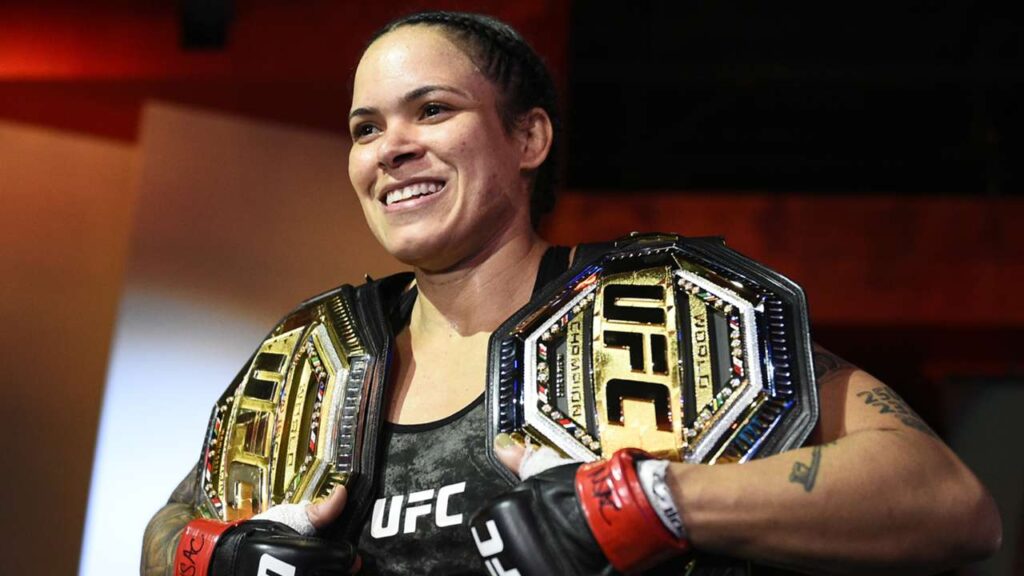
Amanda Nunes, affectionately dubbed “The Lioness,” has left a lasting impression in mixed martial arts (MMA). Her career, which has been defined by trailblazing success and intense rivalry, has not just reshaped women’s positions in sports but has also inspired numerous athletes worldwide. Now that Nunes has retired from the octagon, it’s important to look back at her storied career, her achievements, and what she leaves behind. Early Life and History Born in Salvador, Bahia, Brazil, on May 30, 1988, Nunes grew up in a challenging environment. Raised by a single mother, Ivete, who struggled to provide for her and her two older sisters, Nunes was instilled with a sense of hard work and resilience from a very early age. Her mother’s resilience had a great influence on her life; Nunes often gives credit to her mother for being behind her motivation to be successful in sports. Nunes began her martial arts career with Brazilian Jiu-Jitsu at a very early age. This would lay a foundation for what would be her later success in adapting to MMA. Her early years in grappling set her up for what would be next in her career in the octagon. Nunes would go on to move to the United States to further her training and refine her craft at various gyms like AMA Fight Club in New Jersey and MMA Masters in Miami. Rise to Prominence Nunes made her professional debut in MMA in 2008 but was set back by a defeat. This defeat, however, just fueled her determination; she came back with a five-fight winning streak that established her power in stand-up and her ground skill. In 2013, she signed with the UFC and immediately established herself with a first-round TKO victory against Sheila Gaff in UFC 1634. Her path to championship ranks was swift. In July of 2016, Nunes defeats Miesha Tate at UFC 200 to win the UFC Women’s Bantamweight Championship. Her victory not only crowned her a champion; it was a historic event because she was the first openly gay champion in UFC history. Nunes solidified her place in history with later victories against such legends as Ronda Rousey and Holly Holm. Her knockout victory against Rousey at UFC 207 was particularly noteworthy; it was a decisive victory that showcased her stand-up skills and solidified her status as one of the best in the sport. Historic Achievements One of Nunes’ biggest achievements came in December 2018, when she took on Cris Cyborg for the UFC Women’s Featherweight Championship. In a skillful and brutal performance, Nunes knocked out Cyborg in just 51 seconds in round one. This victory made her the very first woman in UFC history to be a champion in two weight divisions simultaneously—bantamweight and featherweight—an unprecedented feat that solidified her place as one of history’s best fighters. Throughout her career, Nunes had successfully defended her titles multiple times against high-level challengers. Nunes was also famous for finishing bouts early and had a string of first-round knockouts to her credit. Her victory against Germaine de Randamie at UFC 245 again established her superiority as she took a win by a unanimous decision after outshining her opponent in five rounds. Overall, Nunes has set many records in the UFC, such as being the woman with the most women’s title fight wins and being named Female Fighter of the Year by multiple organizations multiple times. Impact on Women’s MMA Amanda Nunes’ impact extends beyond her own achievements; she has played a central role in taking women’s MMA to a new level in sports. Her achievements have inspired a new generation to pursue their dreams and compete at elite levels. By breaking barriers and achieving milestones that had previously been considered impossible for women, Nunes has become a symbol of empowerment. Her involvement in high-level fights has also served to increase visibility for women’s divisions in MMA. Her fights have received a great deal of interest from fans and media and have legitimized women’s MMA as a competitive and dynamic aspect of the sport. Nunes has frequently expressed her desire to motivate young girls to pursue their passions, no matter what society may expect or dictate. Her story is a testament to what can be achieved with hard work, commitment, and a strong belief in oneself. Personal Life Outside of the octagon, Nunes has been open about her life and identity. Nunes has been a strong supporter of LGBTQ+ representation in sports and has utilized her platform to advance acceptance and inclusivity in MMA. Nunes and his girlfriend, Nina Ansaroff, a professional fighter, live together; they have a very public and respected relationship in the mixed martial arts community. They welcomed a new baby in September 2020 to further enhance their lives beyond competition. Retirement: A New Chapter With it being revealed by Amanda Nunes that she would be retiring from professional fighting, it was a closing and a new beginning—a closing chapter to a great career with triumphs and defeats. Her retirement follows a series of years with dominating performances that have left everyone in awe. During interviews looking back at her career before making this historic announcement, Nunes has expressed gratitude to everyone who has supported her along the way—from coaches and teammates to fans who cheered her on in arenas worldwide. Nunes emphasized that although she’s retiring from competing, she’ll be contributing to MMA in another manner through mentorship and advocacy. Legacy There are many facets to Amanda Nunes’ legacy. Not just what she has accomplished in the octagon, but also what she has altered in perceptions about women fighters. Through sheer talent and will, she opened doors for future generations. Her example demonstrates that success isn’t merely about titles but about determination in the face of adversity and commitment to one’s passion—qualities that appeal to fans across sports. Overall, Amanda Nunes has left a legacy unlike any other that will inspire fighters for years to come. Reflecting back at “The Lioness’” storied career, we pay homage not
