
From The Arena To Your Phone: A Deep Dive Into WWE’s Latest Digital Experience
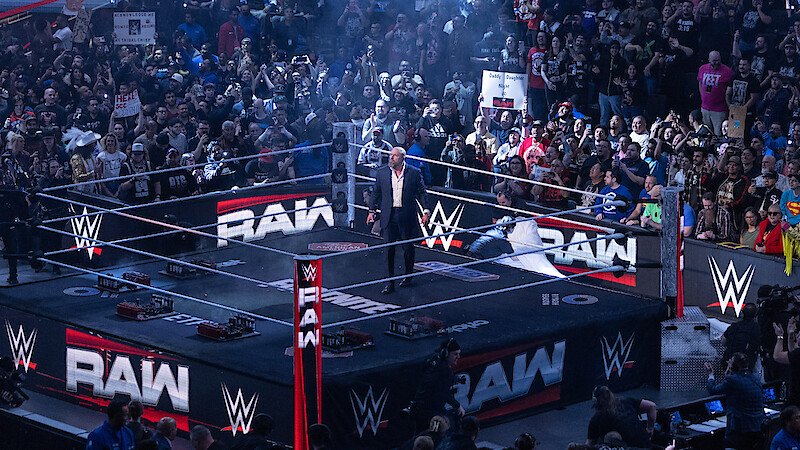
World Wrestling Entertainment (WWE) is no longer confined to the wrestling ring. It has expanded exponentially in the digital space, using technology to further interact with fans and consolidate its position as a global entertainment giant. This has included having a strong social media presence, the comprehensive WWE App, streaming services, and forays into virtual and augmented reality. This article examines how WWE’s digital efforts create immersive experiences, expand its global reach, and change the future of sports entertainment. WWE’s Digital Evolution: Beyond Broadcasts WWE’s digital transformation is a direct response to the changing media landscape, emphasizing innovation to enhance the fan experience beyond linear television. Key Components of WWE’s Digital Transformation: Social Media Mastery: Building the WWE Universe: WWE is very active in social media as a way to connect with its fan base, known as the WWE Universe. Through Twitter, Facebook, Instagram, and YouTube, WWE creates a community where fans interact with the brand and WWE Superstars. The WWE App: Your Mobile WWE Headquarters: The WWE App is a one-stop digital destination offering live streaming, on-demand videos, merchandise, and interactive experiences. It is a companion to the viewing experience, allowing fans to vote directly and impact shows. Streaming Supremacy: WWE Network and the Future of Access: WWE has bet big on streaming with the WWE Network, providing subscribers with access to live events, original programming, and a vast library of vintage wrestling footage. The news that Monday Night Raw is coming to Netflix in 2025 solidifies WWE’s commitment to streaming as a core strategy. Immersive Experiences: VR/AR Integration: Virtual and augmented reality technologies are emerging to offer interactive experiences, with the potential to enable fans to interact with Superstars in real time and view matches from various angles. AI-Driven Storytelling: Refining Storylines: WWE leverages artificial intelligence and predictive analytics to optimize storylines and emotional investment, tailoring content to resonate with its fan base. Social Media: Interacting with the WWE Universe Central to this is WWE’s successful utilization of social media, building communities in which fans can interact and express their enthusiasm. Key Social Media Strategies: Ubiquitous Presence: WWE is present on nearly all the major social media sites, engaging with fans across multiple channels. Superstar-Fan Relationship: WWE Superstars engage with fans on a personal level through social media, establishing one-on-one relationships and strengthening brand loyalty. Real-Time Interaction: WWE uses social media for real-time interaction, providing live updates, backstage insights, and interactive polls during events. Strategic Promotion: Social media is utilized for promoting events, shows, and merchandise, with the aim of generating traffic for online stores and ticket sellers. Community Building: WWE creates a sense of community for its fans, encouraging user-generated content and interaction. The WWE App: A One-Stop Shop for WWE Enthusiasts The WWE App serves to enhance the fan experience, offering a variety of features that keep the user linked and up-to-date. Key Features and Functionalities: Second Screen Experience: The app enhances television broadcasts, providing content between breaks and allowing fans to vote on the outcome of matches. Live Streaming: The WWE App offers live streaming of events, allowing fans to view anywhere, anytime. On-Demand Content: The supporters are given an archive library of past events, interviews, and special content. Merchandise and Ticketing: Easy shopping for WWE merchandise and tickets is offered by the app. Personalization: The users can personalize their experience, receiving personalized content and notifications. Streaming: WWE Network and the Rise of Digital Access WWE’s move into streaming tracks changing consumer habits, offering on-demand access to an expansive library of content. Main Elements of WWE’s Streaming Strategy: WWE Network: WWE Network provides subscribers with live events, original shows, and a vast collection of classic wrestling. Extended Audience: Streaming expands WWE’s audience to those fans who lack access to traditional television. Variety of Content: WWE offers a variety of content, from wrestling matches to documentaries and reality shows. Netflix Partnership: Moving Raw to Netflix in 2025 is a significant shift, which can attract new audiences and revenue streams. Premium Viewing: Streaming platforms offer viewing without commercials, enhancing the overall viewing experience. Immersive Technologies: Stepping into the Ring WWE is exploring immersive technologies to create interactive experiences that deepen fan involvement. Applications of VR/AR in WWE: Virtual Reality Experiences: VR headsets can transport the fans to the virtual stadium to offer a ringside experience for the matches. Augmented Reality Apps: These apps overlay digital data on the real world, displaying statistics, trivia, and interactive games. Immersive Viewing: VR/AR enhances viewing with new angles and interactive features. Fan Engagement: Interactive VR/AR experiences enable fans to get involved actively, promoting their engagement with the WWE Universe. AI and Predictive Analytics: Refining the Art of Storytelling WWE uses AI and predictive analytics to better understand its audience, streamline storylines, and increase engagement. AI Applications in WWE: Sentiment Analysis: AI analyzes the sentiment of fans to gauge the reaction to storylines, informing creative decisions. Predictive Modeling: AI predicts the success of storylines, which helps WWE improve its storylines. Personalized Content: AI personalizes content, creating tailored experiences based on fan interests. The Future of WWE’s Digital Frontier WWE’s digital evolution is an ongoing process, constantly looking for new technologies to enhance the fan experience and expand its reach. Emerging Trends in WWE’s Digital Strategy: Hyper-Personalization: AI will personalize the fan experience, with tailored content and recommendations. Interactive Storytelling: Immersive technologies will allow fans to interact actively with WWE storylines. Global Expansion: Online presence will enable WWE to further expand its global reach. Esports Integration: WWE can seek opportunities to merge with esports, creating virtual tournaments. Blockchain and NFTs: WWE can leverage blockchain and NFTs to create digital collectibles, which can enhance engagement. Conclusion WWE’s digital revolution enhances fan engagement, expands its reach, and redefines sports entertainment. WWE embraces social media, streaming, immersive technologies, and artificial intelligence to deliver interactive experiences. WWE is set to continue its success and leave its legacy in sports entertainment. WWE’s future is not just in the ring but on your phone and in the digital
Tag Team Tech: Dissecting The WWE x IGN Esports Showdown And Forecasting A Potential Rematch
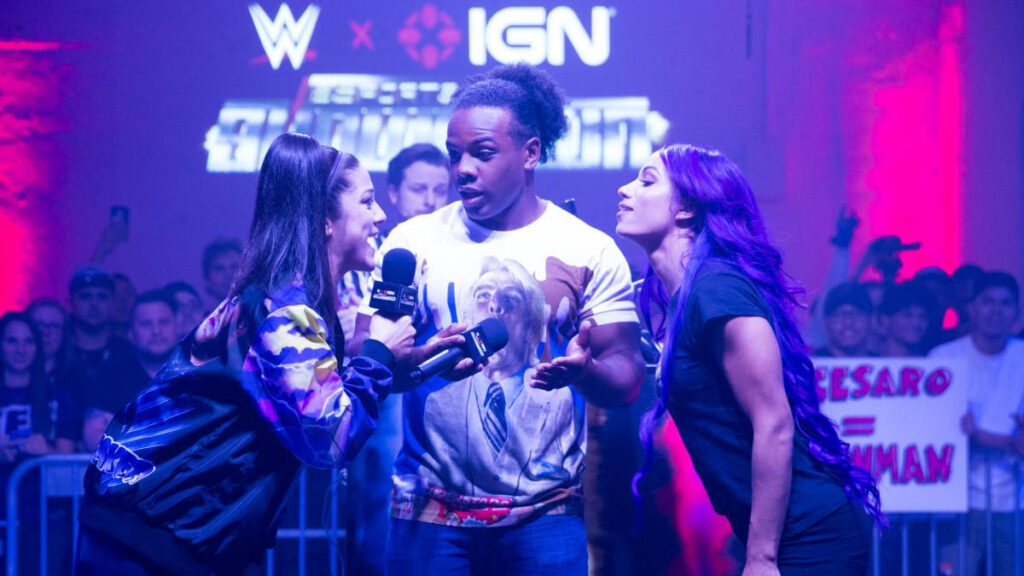
The crowd’s roar, the flashing lights, the larger-than-life personalities—these are the trappings of a WWE event. But what do you get when you trade the squared circle for the digital ring? In 2017, WWE and IGN tried to provide an answer with the WWE x IGN Esports Showdown, an ambitious and one-of-a-kind endeavor that aimed to combine the spectacle of professional wrestling with the upstart world of esports. Though a one-time event, its success and the changing landscape of both industries raise the question: might we see a rematch? This article will explore the specifics of the original showdown, examine its impact, and discuss the variables that could result in a successful return. Genesis of the Glitch: The WWE x IGN Esports Showdown is Born In 2017, the esports industry was already expanding exponentially, attracting millions of viewers and investment dollars. WWE, always on the search for new ways to expand its brand and attract new fans, saw the opportunity to get in on this new market. Partnering with IGN, one of the leading video game and entertainment media companies, seemed like a natural fit. The idea was straightforward, if novel: take WWE Superstars, who are recognized for their athleticism, charisma, and competitive nature, and match them against one another (and occasionally against professional gamers) in a series of video games. The show would be a live, 90-minute livestream, combining the spectacle of a WWE broadcast with the competitive drama of an esports competition. Why IGN? The Perfect Partner in Pixelated Crime WWE’s decision to partner with IGN was a strategic one. IGN has a huge, loyal following of gamers, tech fans, and entertainment consumers. Their experience in creating high-quality video game content and livestream events was invaluable in making the WWE x IGN Esports Showdown a professional and entertaining experience. In addition, IGN’s reputation in the gaming world gave WWE’s entry into esports credibility. The Lineup: Assembling the Digital Dream Team The talent of any event makes or breaks its success, and the WWE x IGN Esports Showdown brought a star-studded lineup to both sides of the controller. The WWE side featured: AJ Styles: Nicknamed “The Phenomenal One,” Styles is a seasoned wrestler with a background in technical grappling and in-ring athleticism. He’s also a self-proclaimed gamer, so he’s a natural for the event. Sasha Banks: “The Boss” is a multi-time Women’s Champion who is renowned for her intense competitiveness and charisma. She added a powerful female presence to the showdown. Cesaro, “The Swiss Superman,” is renowned for his incredible strength and athleticism. His surprising agility with a controller made him a compelling competitor. Kofi Kingston: A part of the fan-favorite stable “The New Day,” Kingston is a high-flyer with infectious enthusiasm. His good vibes contributed to the event’s overall enjoyment. These WWE Superstars were accompanied by professional gamers, who further raised the level of competition and offered useful expertise. Though individual names of the gaming professionals involved are more difficult to verify without direct access to event archives, their involvement added legitimacy to the event and demonstrated the skill that went into competitive gaming. The Arena: Where Pixels Met Powerbombs The WWE x IGN Esports Showdown was held at The Garage in New York City, a modern event space featuring state-of-the-art technology. The venue was tailored to fit the unique combination of WWE and esports and featured: WWE-style entrance ramps and lighting: Mimicking the characteristic entrances of WWE events, such as dramatic lighting and entrance videos. Gaming stations: Equipped with high-end gaming PCs, consoles, and accessories for a smooth and competitive gaming experience. Commentary booth: Offering play-by-play commentary and expert analysis, contributing to the drama and excitement of the event. Live audience: Comprised of fans, media, and industry professionals, it offers an energetic and interactive atmosphere. Level One: The Games and the Glory The focal point of the WWE x IGN Esports Showdown was, of course, the video games themselves. The event featured a variety of titles, carefully chosen to appeal to both wrestling fans and gamers. While exact information on what games were played is difficult to find due to the age of the event and the lack of archived content, it’s likely that the roster included: WWE 2K series: The most logical option, which lets WWE Superstars play as their video game avatars. This provided a smooth mix of gaming and wrestling, which catered directly to WWE fans. Fighting games (e.g., Street Fighter, Mortal Kombat): These games are esports mainstays, providing quick, competitive action that appeals to gamers. Sports games (e.g., FIFA, NBA 2K): Offering a recognizable and accessible genre for both WWE Superstars and fans. Party games (i.e., Mario Kart, Overcooked): Bringing a humorous and lighthearted touch to the proceedings, highlighting the WWE Superstars’ personalities, and engaging with the audience. The format probably included a mix of individual matches and team competitions, enabling diverse play styles and strategies. The commentary team offered context and insights, discussing the abilities of the players and the intricacies of the games. More than Just Gaming: The WWE Factor What differentiated the WWE x IGN Esports Showdown from the standard esports event was the integration of WWE’s special brand of entertainment. This involved: Trash talk: WWE Superstars are verbal sparring pros, and they took their A-game to the online space, playfully bantering and taunting their opponents. Character work: Despite being in the virtual world, WWE Superstars stayed in character, bringing an element of theater and entertainment to the event. Crowd interaction: Interacting with the live crowd, giving autographs, and taking photographs, making the experience special for the fans. This combination of entertainment and gaming provided an innovative and captivating experience that appealed to WWE enthusiasts as well as esports fans. Game Over? Examining the Impact and Legacy of the Showdown The WWE x IGN Esports Showdown was both a commercial and critical success, gaining accolades in the gaming community and creating good publicity for WWE and IGN. Although viewership figures are hard to conclusively determine years after the fact,
From Pain To Performance: The Impact Of WWE’s Wellness Program On Superstar Longevity
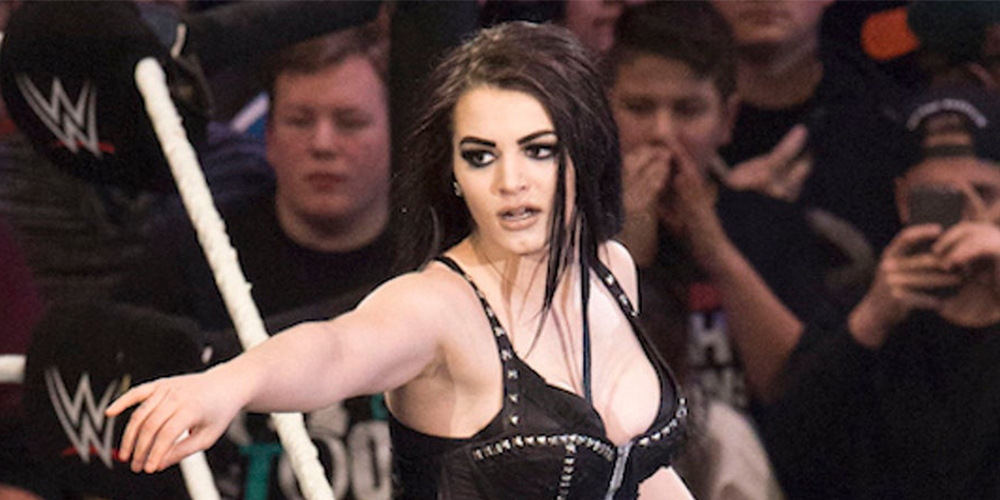
Professional wrestling is a tremendously taxing sport, combining top-level athleticism with the relentless grind of near-constant travel and frequent, physically punishing performances. The combined physical and mental wear and tear endured by WWE Superstars can be overwhelming, regularly expressing itself in a myriad of health issues, including injury, drug addiction, and mental issues. In direct response to these significant concerns, WWE chose to implement its Wellness Program, a comprehensive and wide-ranging program specifically designed to monitor and provide support for the general health and well-being of its performers. This article examines the history, main components, and overall impact of the WWE Wellness Program, emphasizing its immeasurable value in actively helping to create increased superstar longevity in the rough-and-tumble world of professional wrestling. Historical Context and Origins WWE’s journey toward developing a structured and comprehensive wellness program began in the late 1980s, with initial steps being undertaken to address the health problems of its performers. The initial drug-testing policy was implemented in 1987, which was an initial attempt to monitor wrestlers’ drug consumption. However, the initial program was managed in-house, which raised questions about its objectivity and effectiveness. As a response to a highly publicized 1991 steroid trial of Vince McMahon, WWE decided to become an independent entity in carrying out drug tests. The reason behind this move was to enhance the validity and objectivity of the tests. The initial program, nonetheless, was a bit limited in design, focusing mainly on anabolic steroids and elevated testosterone levels, and was subsequently discontinued in 1996 for no clearly stated reason. The actual impetus for today’s more comprehensive Wellness Program was a series of tragic events that served to focus attention on the urgent need for more comprehensive health and safety programs within WWE123. The sudden and unexpected death of Eddie Guerrero on November 13, 2005, due to acute heart failure, was a compelling catalyst for change within the company. Guerrero was a popular performer and future Hall of Famer. Guerrero’s death focused attention on the potential for underlying and undiagnosed health issues to have catastrophic and irreversible consequences. Many within WWE believed that a more thorough and proactive wellness program could have potentially identified his condition earlier, possibly preventing his premature death. Implementation of the Wellness Program WWE officially launched the Talent Wellness Program on February 27, 2006, a firm commitment to its performers’ well-being and safety. The program was designed to address a range of health issues, including substance abuse, cardiovascular well-being, and overall well-being. The Wellness Program has two main foundations: drug testing and cardiovascular health monitoring. Drug Testing: The drug testing component is primarily directed towards preventing WWE Superstars’ abuse of drugs. 12. WWE tests talent for the use and abuse of a variety of drugs, both steroids and abused prescription drugs. The policy also includes a comprehensive list of banned drugs, to which have been added over the years, muscle relaxers and other dangerous drugs. 2. Wrestlers who violate the policy are suspended, with the penalty enhanced for repeated offenders. Contracts can be revoked after the third violation, indicating the severity with which WWE regards these transgressions. The Wellness Program has a glaring loophole in it because it only condemns ‘non-medical use. Cardiovascular Health Monitoring: In addition to drug testing, the Wellness Program also places much emphasis on the cardiovascular well-being of WWE Superstars. Performers are required to undergo extensive cardiovascular testing to ensure that they are in peak condition to compete in the physically demanding sport of professional wrestling. Monitoring has been very successful at identifying pre-existing or developing cardiac disease so that intervention and treatment can occur in a timely fashion. As an example, the program helped to reveal a previously undiagnosed heart condition in WWE wrestler MVP, allowing him to get the medical attention he needed and potentially saving his life. Key Components of the Wellness Program The WWE Wellness Program is both extensive and comprehensive, covering a wide range of health issues that are relevant to the unique needs of professional wrestling: Drug and Alcohol Testing: Random and periodic testing for performance-enhancing drugs, recreational drugs, and alcohol to deter substance abuse and ensure fair competition. Cardiovascular Testing: Comprehensive cardiovascular tests to detect potential heart issues early, allowing for early intervention and prevention of serious health consequences. Concussion Management: Establishment of rigorous protocols for identifying and dealing with concussions, such as clear policies for safe return to the ring to protect wrestlers from long-term neurological injury. Mental Health Support: The offering of access to mental health professionals and services to manage the significant stress, anxiety, and other mental health challenges that can arise from the professional wrestler’s intense lifestyle. Rehabilitation Programs: Former Talent Rehabilitation Program, an anti-drug-addiction program used by some 4 percent of ex-WWE wrestlers. Effect on Superstar Longevity The WWE Wellness Program has also made a real and significant impact on the overall health and longevity of WWE Superstars. By actively addressing substance abuse issues, promoting cardiac health, and addressing overall well-being, the program has worked to reduce the occurrence of premature death as well as debilitating illness among wrestlers.27. Reduced Substance Abuse: The drug testing component of the Wellness Program has likely served as a strong deterrent for the majority of wrestlers who might otherwise be tempted to utilize performance-enhancing drugs or engage in recreational substance abuse. The potential consequences of testing positive for drugs, including suspensions, fines, and potential termination of their contract, are a very compelling incentive for wrestlers to adhere to the policies of the program and remain clean. Improved Cardiac Health: The cardiovascular screening component of the Wellness Program has been invaluable in identifying and treating severe, potentially life-threatening heart issues. By identifying these issues early, wrestlers can receive appropriate medical care, adopt lifestyle modifications, and treat their condition to continue performing safely and extend their careers. Enhanced Safety Measures: Apart from drug use and cardiovascular health, the Wellness Program has also led to enhanced safety measures being implemented within the wrestling ring itself. WWE has implemented comprehensive
From The Locker Room To The Screen: The Making Of WWE’s Groundbreaking Documentaries
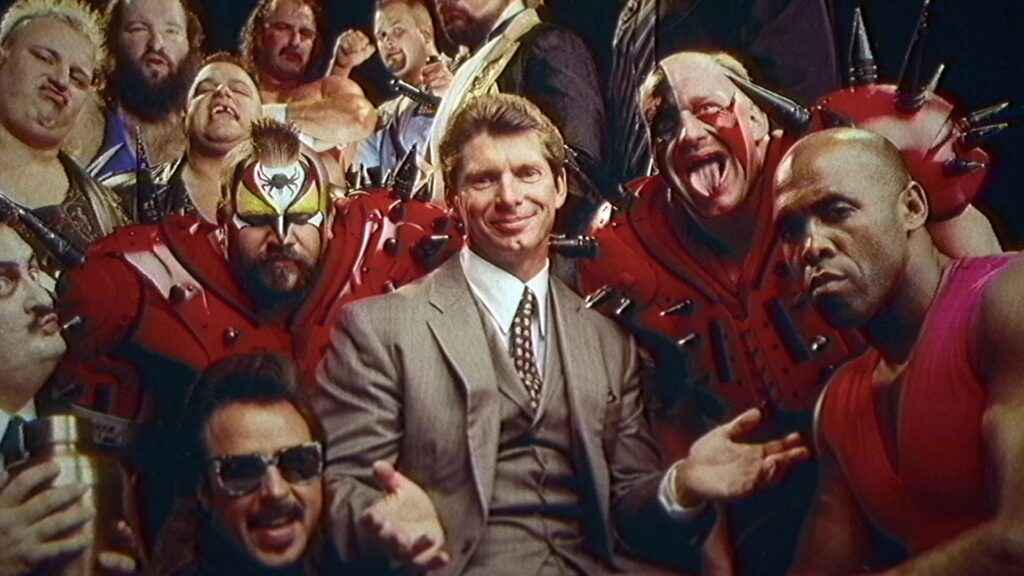
Professional wrestling, with its compelling blend of athletics, theater, and captivating storylines, has been captivating fans around the world for generations. WWE (World Wrestling Entertainment), the undisputed leader in the industry, boasts a rich and storied history that stretches back to the early 1950s. Initially founded on January 7, 1953, as Capitol Wrestling Corporation, the company was radically transformed by the vision of Vince McMahon, ultimately evolving into the global entertainment behemoth we know today. Well aware of the inherent entertainment potential of wrestling’s larger-than-life characters and frequently far-fetched storylines, WWE has made a serious effort to enter the realm of documentary filmmaking, giving its devoted fanbase an unprecedented glimpse behind the skillfully constructed facade of professional wrestling. The Genesis of a Global Empire: The Evolution of WW The year 1984 marked a watershed moment in the history of WWE. Hulk Hogan’s exciting victory over The Iron Sheik, a spectacle of pure, unadulterated patriotic fervor, launched Hogan into main event status, more or less ushering in the era of “Hulkamania.” This watershed, coupled with McMahon’s shrewd acquisition of lucrative television deals and the new strategy of selling videotapes directly to the masses, allowed WWE to expand its reach exponentially across the United States, breaking into new markets and creating a loyal following. But McMahon’s ambition extended far beyond dominating the world of wrestling. He envisioned WWE as a mainstream entertainment powerhouse, a cultural phenomenon that transcended the limitations of its niche origins. To achieve his ambitious dream, McMahon conceived WrestleMania in 1985, a gamble that would transform the professional wrestling universe forever. WrestleMania’s massive success was powered by a groundbreaking joint-promotional campaign with MTV, notoriously known as the Rock ‘n’ Wrestling Connection. The landmark partnership brought mainstream media coverage and celebrity involvement to WWE, further solidifying its position in the pop culture firmament. Celebrities like Cyndi Lauper and Mr. T not only showed up at WrestleMania but also got involved in storylines, blurring the lines between the wrestling world and mainstream entertainment. This progressive approach solidified WWE’s position in the cultural zeitgeist and cleared the way for future partnerships and expansion into various forms of media. Peering Behind the Curtain: WWE’s Documentary Style WWE documentaries, which were once in-house productions and are now often outsourced to large streaming companies like Peacock and traditional networks like the A&E Network, have for many avid fans come to be virtually interchangeable with the professional wrestling documentary genre. These slickly produced documentaries explore the often complex realities of professional wrestling, subtly blurring the already unclear boundaries between reality and fiction so intrinsic to the industry’s appeal. As noted documentarian Robert Greene so rightly observes, documentaries, much like professional wrestling’s staged storylines, inherently involve the construction of a narrative that presents a particular version of reality to the audience. Being aware of constructed narratives is especially crucial to studying WWE documentaries, as they are often highly curated to present a particular image or perspective. The Anatomy of a Documentary: Key Steps in Production Producing an actually compelling and insightful documentary is a complex and multifaceted process, involving a series of important steps and requiring a broad range of skills. Research and Planning: Laying the Foundation: Extensive and serious research is essential in order to gain a proper and in-depth understanding of the topic of the documentary. This involves going through old records, interviewing relevant individuals, and reading contemporary media coverage to build a soundly researched opinion. Without a solid foundation of research, the documentary may turn out to be superficial or inaccurate. Treatment Creation: Charting the Way Forward: A documentary treatment is a detailed roadmap of the project as a whole. It concisely outlines the central topic of the film, the overall narrative thread, the central characters involved, the overall themes to be covered, and the type of footage required to tell the story effectively. The treatment acts as a blueprint for the filmmaking process so that all individuals involved are striving to accomplish the same thing. The treatment also plays a critical role in raising finance and recruiting crew because it provides the prospective investors and crew members with a sense of the project’s vision and scope. Scheduling and Budgeting: Managing Resources: Creating a detailed and realistic schedule and budget is crucial to managing the production process effectively and avoiding costly overruns. This involves breaking down each stage of production into manageable tasks with clearly defined timelines and allocating resources appropriately. Detailed budgeting keeps the project on a financial track, while good scheduling enables the production team to meet deadlines and maximize efficiency. Script Writing: Shaping the Story: Documentary scripts come in two principal forms, one suited to each type of documentary. A/V scripts strive to balance audio and visuals precisely, with exhaustive instructions for editors and a seamless integration of the two. Paper edits, on the other hand, are more about putting together footage and transcripts in a coherent and interesting sequence, focusing on the flow of the story and the emotional impact of the narrative. Scriptwriting timing often depends on the type of documentary being produced. Observational and interview-based documentaries are typically scripted primarily in post-production, since the story emerges from the raw interviews and footage. Narrator-based documentaries typically have to have an advance script, providing a template for the entire film. Editing: Weaving the Tapestry: Editing is probably the most crucial aspect of documentary filmmaking in the sense that it takes raw footage and sound and transforms it into a cohesive and compelling narrative. This is the process of getting all of the elements into sophisticated editing software, laboriously adding beats to the timeline to create rhythm and pacing, building the underlying structure of the film by sequencing scenes and sequences, and then refining the content laboriously through cuts, transitions, and adding music and sound effects. Lastly, the editing is where all of the different elements of the film are made to cohere and create an emotionally resonant and cohesive story. Unveiling the Man Behind the Character: The “Mr. McMahon”
From Pixels To Piledrivers: How Augmented Reality Is Body Slamming WWE Fan Experience
World Wrestling Entertainment (WWE) is not just about muscle-bound wrestlers doling out bone-crushing slams; it’s a highly produced spectacle. WWE has grown from its humble beginnings into a global entertainment phenomenon, captivating fans worldwide with its signature blend of athleticism, drama, and theater. To keep fans interested in a more competitive entertainment landscape, WWE has consistently turned to innovation, and augmented reality (AR) has become one of its most valuable tools. AR, the technology that overlays computer-generated imagery onto the real world, has allowed WWE to amplify the drama, personalize the viewing experience, and connect with fans in new and exciting ways. This article explores the evolution of AR in WWE, its impact on fan engagement, and what the future holds for this technology in the squared circle. We’ll dive into how AR is used to enhance everything from wrestler entrances to broadcast visuals, analyze fan reactions (the cheers and the jeers), and speculate on how streaming giants like Netflix might revolutionize AR’s role in the future of WWE. The AR Evolution: From WrestleMania to the Metaverse WWE’s foray into AR was tentative at the beginning but quickly snowballed into a full technological embrace. Initial forays were designed to enhance the visual spectacle of large events: WrestleMania 34 (2018): This was the tipping point. WWE experimented with high-quality advanced AR graphics, showcasing the potential of the technology to enhance the overall production value. The ThunderDome (2020): A product of the pandemic’s necessity for fanless events, the ThunderDome was revolutionary. WWE employed massive LED screens to display virtual fans, bringing a sense of unity during a time of isolation. Drones, lasers, and pyro were also added to the immersive atmosphere, causing the broadcast to remain visually captivating despite the absence of a live crowd. Post-ThunderDome AR Integration: Despite the return of live audiences, WWE continued the incorporation of AR into weekly television and pay-per-views. Elaborate AR graphics became a staple of wrestler entrances, adding a dash of fantasy to the presentation. Picture massive monsters, roaring flames, and extraterrestrial landscapes appearing alongside your favorite Superstars. WrestleMania 40 (2024): Reached new heights with “beacon AR tech,” allowing talent to naturally engage with AR elements, blending the virtual and real worlds. Supercharging Fan Engagement: Outside the Ropes AR is not just about cool visuals but about strengthening the bond between WWE and its fans. Here is how AR has impacted engagement: Elevated Entrances: WWE entrances are a big part of WWE storytelling, and AR has taken it to a whole new level. Through AR graphics, WWE can create unique and signature entrances according to the personality and character of a Superstar, amplifying their presence and pumping up the audience. The ThunderDome Effect: The ThunderDome proved that AR was able to maintain the engagement of the fans in the most adverse of circumstances. It provided a virtual space for fans to interact with the product, building a sense of community and shared experience. Social Media Buzz: AR moments are highly shareable, and they generate a massive buzz on social media. Fans capture and share clips of their favorite AR enhancements, and this user-generated content aids in promoting WWE to a wider audience while strengthening the community. The Good, the Bad, and the Pixelated: Fan Response The WWE Universe does not necessarily speak with a single voice of acclaim. Fan reaction to AR experiences is varied, ranging from eager embrace to skeptical dismissal. The AR Appreciation Society: There are some fans who like the show and excitement that AR brings to WWE television. They believe it adds an element of entertainment value and keeps the product fresh and exciting. The AR Skeptics: Some fans are diverted by AR and favor the more traditional presentation of wrestling. They feel that AR detracts from the ring action and don’t think it’s necessary. The Quality Control Brigade: Possibly the other common criticism regards the perceived quality of the AR graphics. Some fans have said that the effects occasionally look cheap or unrealistic and detract from the experience. WWE’s decision to scale back AR usage in weekly shows like RAW and SmackDown suggests the company is heeding these criticisms. By reserving AR for special events, WWE is trying to make it a special and impactful enhancement instead of an overused gimmick. The Future is Augmented: Netflix and Beyond The future potential of AR in WWE is promising. The following are a few areas where we can expect change: Mobile AR Integration: Imagine using a WWE app to scan a QR code on the screen during a match to unlock exclusive AR content, stats, or even personalized wrestler overlays. This could translate to a more interactive and personalized viewing experience. In-Arena AR Experiences: Displaying AR graphics on the ring and surrounding areas during live events would create a truly immersive experience for fans at live events. Consider virtual opponents in the ring or interactive games fans can play during commercial breaks. The Netflix Effect: WWE’s agreement with Netflix for RAW broadcasts opens up interesting new doors to AR integration. Netflix’s technological infrastructure and massive audience reach could allow WWE to bring AR to the next level, providing truly revolutionary experiences. WWE executives have already indicated that they are exploring how they can leverage Netflix’s platform to enhance the viewing experience, with strong indications that AR will play a significant role in it. The Final Bell: A Tech-Driven Future AR is now a mainstay of WWE’s production philosophy, having evolved from a novelty into a serious means of fan experience enrichment. WWE has persisted in advancing the frontiers of AR incorporation, ranging from the early experiments at WrestleMania to the virtual environment of the ThunderDome. Though fan response is divided, there is no denying the influence of AR. It has enabled WWE to enhance wrestler entrances, produce dazzling visual effects, and engage fans in new and interesting ways. With technology only set to improve and streaming services such as Netflix gaining more visibility, the future of AR in WWE is looking
Breaking Down ‘WWE 2K25’: New Match Formats And Fan Reactions
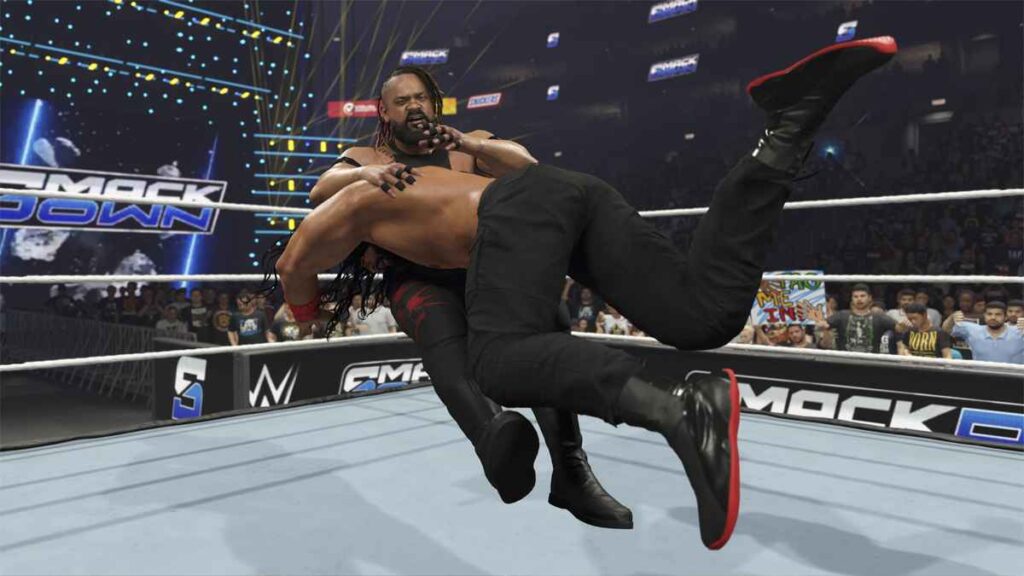
“WWE 2K25” is also on the horizon, looking to revamp the virtual wrestling experience. The anticipation is palpable, courtesy of the announcement of new match types, a revamped gameplay engine, and features designed to satisfy hardcore wrestling purists and more casual fans alike. What follows is an in-depth look at the core changes, breaks down the new match types, and gauges the initial response from a passionate, and at times outspoken, fan base. A New Era of Virtual Wrestling: Setting the Stage The “WWE 2K” series has had its ups and downs. From the well-received installments to the bug-ridden, innovation-lacking ones, the series has had to navigate a complex landscape of fan expectations. “WWE 2K25” aims to turn past criticisms around and usher in a new era for virtual wrestling, with a focus on authenticity, depth, and general entertainment value. This commitment is reflected in the basic pillars of the game design: Expanded Roster: Boasting a roster of over 250 Superstars and Legends. Better Graphics: With enhanced graphics and character models for greater realism. Enhanced Gameplay: With a new, more sensitive, and fluid control system. Innovative Match Types: Featuring new and engaging match types. Deep Career Mode: Offering a rich and compelling experience for aspiring WWE Superstars. Unveiling the New Theaters of Conflict: Match Types Reinvented “WWE 2K25” is not just about prettier graphics and a larger roster but about providing players with new and compelling ways to experience the theatrics of professional wrestling. The inclusion of these match types is a significant step in that direction. 1. Intergender Revolution: Breaking Barriers The introduction of intergender matches is arguably the most talked-about addition to “WWE 2K25.” The ability to pit male and female Superstars against each other has been a long-requested feature, enabling a world of fantasy matches and storyline possibilities. Impact: This addition breaks from the more traditional style of the series and resonates with newer and more diverse fans. The door is open for dream matches that were never possible previously, like Becky Lynch vs. Roman Reigns or Rhea Ripley vs. Gunther. Gameplay Considerations: Developers have likely had to put in a lot of effort to balance gameplay so that matches are realistic and competitive. This would involve tweaking damage output, move sets, and pacing overall. Fan Sentiment: The response to intergender matches has been mostly positive, with fans welcoming the increased creative flexibility and the potential to recreate a number of classic moments from indie wrestling promotions. Some concerns have been raised that it may result in objectification or the trivialization of women’s wrestling, but the majority are optimistic that the feature will be implemented respectfully. 2. The Underground Match: A Descent into Madness The “Underground Match” is a brutal and unforgiving environment where the regulations are bent, and the violence is overblown. The match is designed to exemplify the raw, underground fighting appearance that has gained greater popularity in recent years. Atmosphere: Imagine a darkened warehouse, surrounded by a rabid crowd, with no ropes to contain the action. The Underground Match is all about creating a sense of danger and unpredictability. Gameplay Mechanics: We expect more of an emphasis on striking, submissions, and weapon use. Without ropes, we can look forward to more out-of-control brawls and opportunities for innovative offense. Potential for Storytelling: The Underground Match provides a perfect environment for grudge matches and bitter feuds. It provides a chance for a different kind of drama to unfold, one in which anything goes and the stakes are higher than ever. 3. Bloodline Rules: Family Loyalty and Unpredictable Interference The “Bloodline Rules” match is a direct homage to the dominant faction in WWE, the Bloodline. The match format accepts the faction’s tendency to interfere and manipulate rules to emerge victorious. Core Concept: It’s basically a no disqualification match on steroids. Look for constant run-ins by other members of the Bloodline, coupled with dirty tricks and outright rule-breaking. Strategic Element: Players will need to carefully manage their resources and anticipate their opponent’s moves. Knowing when to call in reinforcements and how to capitalize on the chaos will be the keys to success. Fan Appeal: The Bloodline has been one of the most compelling storylines in WWE history, and this match type allows players to recreate the drama and action of their matches in the virtual world. Beyond Match Types: Refining the Core Gameplay “WWE 2K25” is not all about new match types, though; it is also aiming to improve the core gameplay experience. The return of chain wrestling and the addition of barricade diving are only two of the refinements being implemented. Chain Wrestling: This aspect adds a touch of realism and strategy to the grappling mechanic. The players will engage in a mini-game of sorts, where they’ll attempt to gain an advantage with technical skill and strategic positioning. Barricade Diving: Now players can perform diving attacks from the barricade, adding new depth to the aerial combat and allowing players to perform some truly amazing moments. AI Improvements: The AI (Artificial Intelligence) of the Superstars is being revamped to be more realistic and competitive. Expect the opposition to be more strategic, adapt to your game plan, and react more naturally to the course of the match. The Verdict is In: Measuring Fan Reactions The announcement of “WWE 2K25” has been met with a mix of excitement, hope, and cautious skepticism. The fan base for WWE video games is notoriously passionate and outspoken, and their voices carry a long way in shaping the discourse of the game. Positive Sentiments: Intergender Matches: The introduction of intergender matches has been a massive hit, with several fans praising the developers for embracing inclusivity and expanding the creative possibilities. New Match Types: The Underground Match and Bloodline Rules Match have also generated a buzz, as they offer new and exciting ways to play through the WWE universe. Gameplay Improvements: The much-heralded additions to the gameplay foundation, such as the return of chain wrestling and the addition of barricade diving, have been well
Voices Of Wrestling: Shining A Spotlight On The Voices Behind The Global Podcast Network

In the colorful, ever-changing universe of professional wrestling, where storylines pivot and swirl like a well-delivered hurricanrana, and outsized personalities collide in legendary showdowns, the Voices of Wrestling (VOW) Podcast Network is a haven for die-hard fans. Much more than a podcast network, VOW is a community, a forum for astute analysis, and a love letter to all that professional wrestling is and does so endearingly. This piece gets to the core of the VOW network, discussing its wide-ranging content, featuring standout podcasts that engage listeners, and putting the spotlight on the knowledgeable folks who contribute their voices and expertise to its worldwide popularity. A Chorus of Wrestling Knowledge: Defining the VOW Network Voices of Wrestling is less a name than it is a mission statement. The network has established itself as a source for in-depth and intelligent exploration of the world of wrestling, extending far beyond the big promotions. From the spectacle of WWE and the high-flying excitement of AEW to the experimental nature of NJPW, Dragongate, and beyond, VOW leaves no stone unturned. What truly sets VOW apart, however, is a commitment to intelligent analysis, smart discussion, and a love of the sport that shines through in every single episode. Key Distinguishing Features: Global Coverage: VOW transcends geographical borders, bringing you content on promotions from the US to Japan and all points in between. It’s a truly global perspective on professional wrestling. Depth of Analysis: VOW goes beyond matching recaps. The hosts delve into the storylines, character development, business, and cultural significance of wrestling, allowing listeners to gain a greater appreciation of the art form. Nostalgia and History: VOW does not ignore the past. They have retro shows covering the old-school eras of TNA, WCW, and WWE, so the rich history of wrestling is always respected. Community-Oriented: VOW creates a sense of community among its listeners, offering an arena for discussion, debate, and shared love of wrestling. The Symphony of Shows: A Close Examination of VOW’s Podcast Lineup The VOW network has a vast range of podcasts, each of which appeals to various interests and tastes among the wrestling fandom. Some of the most notable among them are The Flagship Podcast: The Foundation of VOW The Flagship: As the name would suggest, The Flagship is the cornerstone of the VOW network. It’s the go-to podcast for detailed coverage of the current news of the wrestling world. No promotion is off limits, as hosts dissect the recent news in AEW, WWE, NJPW, and AJPW. Recent Highlights: From recapping major events like “Bash in Berlin” and “AEW All Out” to exploring tournaments like the “N-1 Finals” and promotions like AJPW, The Flagship keeps listeners up to date with professional wrestling’s pulse. The Voices: Brought to you by knowledgeable individuals with plenty to give in the way of information and interesting opinions. They’re obviously passionate about wrestling, and this provides for an interesting and informative listen. Open The Voice Gate: The Doorway to Dragongate The Focus: For fans of the high-flying, high-impact action of Dragongate, Open The Voice Gate is essential listening. The podcast dives deep into the world of Dragongate, with in-depth coverage of shows, wrestlers, and storylines. Recent Coverage: Recent episodes have included coverage of significant events such as the “Kobe Summer Festival” and profiles on prominent figures such as “Dragongate YAMATO.” Community Connection: Open The Voice Gate has an active relationship with its listeners, taking donations and building a close-knit community of Dragongate supporters. Shake Them Ropes: Raw Wrestling Forums The Approach: Shake Them Ropes offers a more eclectic and conversational approach to wrestling coverage. The hosts do not shy away from tackling controversial topics, getting into arguments, and covering the more off-the-wall aspects of the wrestling world. Recent Highlights: From the examination of “flame wars” between wrestling fans to tackling topics like the “Taskmaster,” Shake Them Ropes offers a unique and often humorous perspective on the sport. The Mike & JD Show: Navigating the Wrestling Business Landscape The Angle: The Mike & JD Show provides a more business-oriented style of wrestling coverage. The hosts cover the latest news, gossip, and trends affecting the business, providing listeners with an inside perspective on the financial and strategic decisions shaping the world of wrestling. Recent Discussions: Recent episodes have discussed topics such as WWE wanting to sign AEW talent, WBD (Warner Bros. Discovery) woes, and TNA (Total Nonstop Action Wrestling) news. Gentlemen’s Wrestling Podcast: A Sophisticated Take on the Squared Circle The Style: As the name implies, the Gentlemen’s Wrestling Podcast offers a more intelligent and thoughtful take on professional wrestling. The hosts offer thoughtful commentary on a range of topics, from the role of Ring of Honor to the impact of WWE on Netflix. Notable Episodes: Recent episodes have featured discussion of the G1 Climax tournament, the ALL IN event, and the professional wrestling landscape shifting. The Host: Hosted by Jesse Collings, with frequent guest appearances by Rich Kraetsch of VoicesofWrestling.com, offering diverse opinions. Emerald FlowShow: The Trip Down Wrestling Memory Lane The Mission: Emerald FlowShow is dedicated to exploring the rich history of professional wrestling. The hosts talk about specific eras, promotions, and storylines, bringing listeners along for a nostalgic journey through the sport’s history. Recent Focus: More recent shows have focused on specific time periods and turning points in history, such as “The End of the Jake Era.” Beyond the Headliners: An Examination of the Other VOW Offerings The VOW network is a treasure trove of content, with a number of other podcasts catering to niche interests: The Good, The Bad, and The Hungee: Provides HEAT CHECK episodes for major events like ALL OUT 2024. Music of the Mat Remix: Discusses the heavy incorporation of music in wrestling, focusing on specific themes and artists. Days of Thunder recaps old-school WCW action, providing a nostalgic look back at one of wrestling’s most exciting eras. JBA offers broad coverage of Stardom, Tokyo Princess Cup, and Marigold Dream Star Grand Prix, focusing on women’s wrestling in Japan. You’ve Got
Mental And Physical Toll: How WWE Superstars Cope With Constant Travel
The roar of the crowd, the glint of lights, and adrenaline-fueled spectacle—that’s the image most have in mind when thinking of a WWE Superstar. Behind scripted characters and stage-managed angles, though, is a rough reality: a life of constant travel, bone-rattling brutality, and constant battles with mental burnout. The life of a WWE Superstar is a long distance removed from the glitz and glory often seen; it’s a grueling one that tests both the mental and physical limits. In this article, the lid is taken off to expose the deep cost of constant travel for WWE Superstars, discussing the physical cost, the mental battles, the temptation that lurks in shadows, and survival techniques in such a high-pressure environment. The Grind: What It Takes to Truly Be a WWE Superstar The Non-Stop Road: Permanently traveling is the defining characteristic of a WWE Superstar’s existence. Living out of a bag, in and out of airports for 300-plus days a year, and having your home for a matter of days at a stretch isn’t hyperbole. City to city, arena to arena, the pace doesn’t slow down. WWE strategizes routes in an effort to shave down driving times, but the reality is: Superstars spend countless hours in airports, in cars, and in planes, forever apart from family and a semblance of a normal life. Bodies on the Line: However much the winner of a match may at times seem predestined, the physical cost is not. Every slam, suplex, and high-flying maneuver is bought at a price. Wrestlers willingly subject themselves to a high-impact environment, pushing their bodies to and sometimes beyond the outer limit, night in and night out. The physical cost is constant, requiring enormous strength, agility, and endurance for pain that would be unimaginable to most. Even a newer generation acknowledges the brutal truth. One of the wrestlers admitted that after a typical match, soreness persists for an exhausting three days, a nagging reminder of the cost in flesh and blood. The Mask and the Man: Wrestlers in the WWE are not mere athletes but performers, embodying larger-than-life characters who captivate an audience. But such perpetual performance, such blurring of the in-character and real-life personality, can have a profound psychological toll. To become a specific character, to react to fan demand, and to maintain a constant public face can become tiring, with an ongoing tension between work and life. The Physical Fallout: More Than the Highlight Reel A Catalog of Suffering: There can be but violent physicality in a career of professional wrestling, and with it, injuries follow. There are minor sprains and strains, and then career-changing breaks and concussions, and with them, a constant companion: the risk of getting injured. High-impact moves and repetitive strain over a period of years have a price, and with them, long-term aches, arthritis, and long-term medical conditions follow. To make a spectacle, long-term bodily well-being must sometimes pay its price. The Enemy Within: Sleep Deprivation and Restoration: The touring schedule continually disrupts sleep patterns and minimizes recovery time. Unpredictable sleep patterns, ongoing jet lag, and the adrenaline rush of competition all lead to chronic fatigue. Insufficient resting degrades the body’s ability to recover, increases vulnerability to injury, and slows overall performance. The Mobile Gym: Staying in Tip-top Shape on the Road: Despite the hardships, WWE Superstars have a responsibility to maintain tip-top shape when traveling. That requires unimaginable discipline and dedication. Looking for proper gyms in new towns is a daily search. On top of that, they must closely monitor their diets and exercise routines in an attempt to stay in shape and maintain their competitive edge. Some wrestlers have even gone so far as to book private chartered buses in an attempt to have additional room, manage their tour schedule, and have room to sleep during trips—a reflection of the extreme efforts that go into enduring. The Mental Conflict: Something Greater Than Suffering The Pressure Cooker: Performance Anxiety: Performance anxiety can become debilitating, stemming from having to deliver exciting performances night in and night out. Fear of disappointing the fans, of committing a wrong move, or simply not being talented enough can become a constant undercurrent of tension and anxiety. Added to that is that their career is forever in limbo, at the mercy of being able to consistently deliver and entertain. The Lonely Road: Isolation and Loneliness: To the surprise of many, the life of a professional wrestler can be extremely isolating despite all the fame and adoration. All the traveling, long periods of time away from family and friends, and superficial, glitz-filled existence of a wrestler can cause one to feel intense feelings of loneliness and disconnection. Maintaining solid relationships is an actual challenge amidst the chaotic storm of existence in a wrestling life. The Shifting Sands: Celebrity and Identity Crisis: Celebrity that derives from being a WWE Superstar is fleeting, and the pressure to stay current in a constantly changing industry can be overwhelming. The fear of being replaced, of losing one’s spot, and of becoming obsolete in an ocean of fresh talent generates an undercurrent of tension and doubt, permeating private and working lives. Wrestlers tirelessly work to maintain, but nothing is permanent, and needing to be on top is a continuous pressure. Temptation’s Grip: The Shadows Behind the Limelight A Dangerous Terrain: Substance Abuse: All that tension, aches in the body, and mental misery can make a WWE wrestler vulnerable to substance abuse. With drugs and alcohol being readily available in most urban areas and a willingness to escape life in the wrestling world, a path of peril can unfold. Substance abuse can go out of control in no time and then contribute to whatever aches and mental misery one is already having. Relationships Under Fire: Personal relationships suffer under the grueling pace of constant travel. Long periods of distance can drive a wedge between couples and family, eroding trust and intimacy. Healthy relationships require constant work and dialogue, and these can become exceedingly difficult in the midst
The Rise Of WWE’s Power Couples: Bianca Belair And Montez Ford Blaze A Trail
In the energetic universe of WWE, in which performance and athleticism collide, a striking spectacle can be witnessed: the “power couple.” Together, both in and out of the squared circle, these couples enchant with talent, charisma, and real-life chemistry in spades. In a universe filled with WWE couples, Bianca Belair and Montez Ford represent a beacon of new-era collaboration. With individual achievement and mutual desire, their journey mirrors the new face of professional wrestling and the increased prominence of deep, character-infused tales. The Magnetic Gravitation of WWE Tag Teams WWE power couples represent a refreshing break from in-ring feuds alone, providing a unique mix of entertainment value and real-life recognizability. They allow a glimpse into their lives off camera and a glimpse at their relationships through social media and reality television. That familiarity brings a strong level of investment for the fan, who sees the couples navigate the exciting highs and lows of both their working and private lives. They represent a refreshing break from in-ring feuds alone, providing a unique mix of entertainment value and real-life recognizability. The allure of power couples is also in part derived from the fact that such couples can shatter traditional gender roles. Female wrestlers in years gone by have long been relegated to secondary characters and, most times, have played the role of male wrestlers’ valets and eye candy. With Women’s Evolution in WWE, female wrestlers have been empowered to become headliners and, with them, display enormous athleticism, skill, and charisma. Bianca Belair and Montez Ford embody such a role model, with both having attained enormous success in individual careers, shoulder-to-shoulder, and as peers. A Spotlight on Other Notable WWE Duos Prior to jumping into Bianca Belair and Montez Ford’s motivational story, let us value other amazing power couples who have dominated the WWE arena: Triple H and Stephanie McMahon: The most powerful couple in WWE history, Triple H and Stephanie McMahon have both taken important roles both in and out of the limelight. What began life as a television storyline in the late 1990s became a real-life union, and together, they have become a dominant force in the corporation. Triple H, a 14-time decorated world champion, and Stephanie, a one-time Women’s Champion and current Chief Brand Officer for WWE, have both taken important roles in shaping and defining the future of professional wrestling. Edge and Beth Phoenix: Following Edge’s forced retirement in 2011 due to an injury, Hall of Famers Edge and Beth Phoenix found love. Edge, a multi-time WWE and World Champion for his wit and resilience, and Beth Phoenix, a Divas and Women’s Champion for her unparalleled strength, have both become legends in their own right. Together, both Edge and Beth have furthered their legend by continually teaming together in mixed tag-team action, with both proving to be a flawless mix of talent and undeniable chemistry when paired together in a tag-team capacity. Seth Rollins and Becky Lynch: As a new breed of talent for WWE, Seth Rollins and Becky Lynch embody the new era of power couples in the universe of WWE. Rollins, a one-time champion in WWE and a key player in The Shield, and “The Man” Lynch, a one-time SmackDown and Raw Women’s champion, both rose to prominence through NXT and then dominated the main roster in a big way. Fans have been captivated with individual success and with them together, a union that confirms them both to be passionate and dedicated to the sport. The Miz and Maryse: Miz, who is famous for his undeniable charisma and clever ability to generate heat, has had immense success in WWE, with multiple Intercontinental Championship reigns and a high-profile WWE Championship victory under his belt. Being married to Maryse, a Divas Championship winner and skilled in-ring performer in her own right, added another layer to his in-character persona, with Maryse often playing a central role in his storylines. Together, the two of them have become one of the most compelling and recognizable couples in WWE, always delivering must-see TV. Jimmy Uso and Naomi: Long-term girlfriend and girlfriend-turned-partner in one of SmackDown’s most dominant tag teams, respectively, both have long been a part of each other’s lives, with unending devotion and encouragement for each other both in and out of character. Daniel Bryan and Brie Bella: With Daniel Bryan, celebrated for his in-ring ability and strong fan rapport, and Brie Bella, a Divas Championship holder and reality TV star of “Total Divas,” having captured hearts with their endearing and real-life relationship CM Punk and AJ Lee: Fans tuned in to cheer for these two outsiders, two underdogs who beat the odds and rose to become leaders in the WWE pecking order. CM Punk, with his antihero character and unafraid personality, won titles, including a long and memorable stint with the WWE Championship, and AJ Lee, with her offbeat personality and in-ring skill, reigned supreme as Divas Champion and even took over as General Manager of Raw. Johnny Gargano and Candice LeRae: Setting a new model for a modern-day wrestling romance, Gargano and LeRae represent a picture of devotion and shared devotion. The Genesis of a Wrestling Romance: Bianca Belair and Montez Ford Bianca Belair and Montez Ford’s love life began in Orlando, Florida, in the WWE Performance Center, which is a training facility for aspiring WWE superstars. It was there that their initial meeting sparked a flame that developed into a solid and long-lasting relationship over the years. Bianca, born Bianca Crawford, joined with a background in track and field, putting her natural athleticism to use in a new role, then transitioning over to professional wrestling. Her undeniable athleticism, infectious charisma, and relentless drive soon caught the attention of WWE executives. Montez Ford, whose real name is Kenneth Crawford, joined with a similar blend of athleticism and undeniable charisma. With a wealth of energy, infectious charisma, and a natural talent for performance, he appeared to be a perfect fit for the high-energy and high-strung life of a professional wrestler.
The Future Of Released WWE Superstars: What’s Next For Paul Ellering And Others?
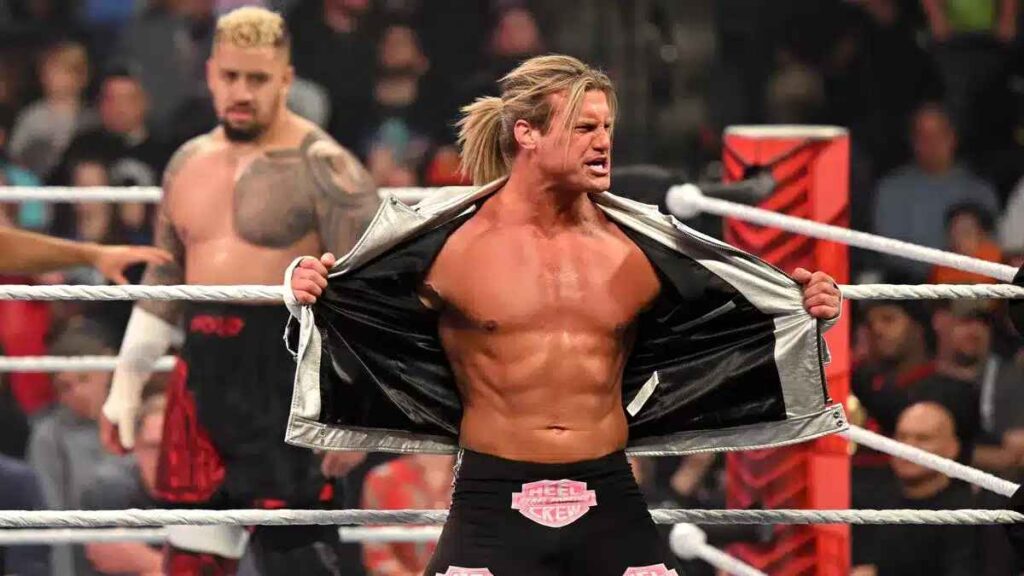
The world of wrestling never remains stationary. Just when you’ve come to understand who’s where and what’s what, along comes WWE and delivers talent releases that shake everything up. The early part of February 2025 brought the next big wave of exits, which had the fan base abuzz and speculating about where these wrestlers go from here. It’s not simply a question of “where will they go?” but a matter of grasping the opportunity such releases bring about. Let us look into the possible futures of some notable names, such as wrestling legend Paul Ellering, powerhouse tag team AOP, and always-entertaining Good Brothers, and discover the tactical steps they can take. Decoding the WWE Layoff: Not All “Cost Cutting” It’s easy to believe all WWE releases boil down to the bottom line. While budget more often than not is a factor, the truth usually is more complex: Creative Gridlock: Occasionally, a superstar’s vision will collide with that of WWE. In cases when a superstar feels restricted and underappreciated, a release can serve as a win-win reset button. The Evolution Factor: The face of wrestling keeps changing. What a character liked a few years ago will no longer work for an audience today. Strategic Realignment: WWE could realign its direction towards creating new talent or targeting specific divisions and, in consequence, have releases in other segments. Contract Calculus: Sometimes a wrestler’s contract expires, and neither side wants to renew it. The 90-day non-compete clause is a significant consideration. It stops free talent from hopping over to a competitor overnight and plotting and moving in 90 days’ time. It also creates a window for WWE to transition in its programming. Paul Ellering: The Master Strategist’s Next Move Paul Ellering is not just a manager but a builder of dominant wrestlers. His management of Road Warriors/Legion of Doom cemented his place in wrestling history forever. His latest stint with AOP showcased his ability to craft and mold dominant tag teams. What does the future hold for the manager mastermind? The Independent Scene Game Changer: Get Ellering signed with a minor promotion and build a developing tag team into a dominant indie force. On his own, he’d draw, and his in-ring planning skill set would reward him in spades. Cast him in a “Moneyball” role when it comes to working in the indies. The Wrestling Whisperer: After decades in the business, Ellering would be a natural fit for a trainer or consultant role. He could school young wrestlers on character development, promo work, and the psychology of the business. He could quite literally mold the future of wrestling stars. Hall of Fame Moment: If Ellering isn’t in the Hall of Fame, alone or with the Road Warriors, then it’s a conspicuous omission. It’s long overdue for him to receive recognition for his gargantuan contribution to the sport. The “Final Chapter” for a career: Naturally, retirement is a constant option. Ellering most assuredly deserves to enjoy the fruits of his work and have a chance to look back at a Hall of Fame career. Nevertheless, wrestling enthusiasts always hope for one additional chapter. Authors of Pain (AOP): Releasing the Monster Akam and Rezar, Authors of Pain, represent a modern throwback to Road Warriors: dominant, powerful, and intimidating. They enjoyed a strong run in NXT, but their stint in the main roster was tainted with spotty booking. With their release comes a chance to retell their story. Independent Circuit Chaos: AOP would be the most dominant tag team on the indies, getting top dollar and destroying everything in their path. They’d be a wrecking ball rampaging through the indie circuit. The “Big Three” Bet (AEW, Impact, NJPW): AEW has a space for creative freedom and big-name matches, but its tag-team division is loaded. Impact Wrestling can provide them with a chance to rebuild and get its talent over. A new type of in-ring style and global fanbase are possibilities in NJPW. There’s a reward and a risk in every possibility. MMA Throwback? Rezar and Akam both have a background in MMA. Can they return to the cage? It’s a long shot, but it’d make for a big headliner for certain. Singles Surprise? Despite being a tag team, Akam and Rezar could attempt singles careers. It would require them to create new characters, but it could also free them to develop hidden talent. Look at Batista striking out on his own to become a megastar. The Good Brothers: “Too Sweet” for the Free Agent Market Luke Gallows and Karl Anderson are more than just wrestlers; they’re entertainers. Their in-ring skills are solid, but their comedic timing and “too sweet” catchphrase have made them fan favorites. Their release opens up a familiar path: Indie Gold Rush: The Good Brothers will have a following for certain in the indies. With a fan base and a reputation for assembling a strong bout, they’re an asset any promotion wants to have. Impact Reunion: Gallows and Anderson had a successful run in Impact Wrestling, holding tag-team titles and injecting a little humor into the show. There is a high probability for a return, and it feels like a cozy fit for both involved. NJPW Homecoming: Homecoming for The Good Brothers will have deep-rooted ties with NJPW with its affiliation with the Bullet Club. Returning to Japan will be a dream for many a fan. The Bullet Club is in a perpetual quest for new blood. AEW Guest Appearance: A one-off appearance in AEW can be a great way in which to restart long-standing feuds or create new ones. “The Forbidden Door” is always open. Beyond the Headliners: Spotlighting Alternative Possibilities The releases, however, did not stop at these high-profile ones. Let’s have a quick rundown of potential channels for others: Sonya Deville: Her contract not being renewed means she may seek opportunities outside of wrestling [1, 7]. Blair Davenport: Davenport was drafted to SmackDown. She can attempt a return to NXT UK. Isla Dawn: Dawn is a former WWE Women’s Tag