
Unlikely Alliances: WWE Tag Teams That Defied Expectations
A tag team in professional wrestling succeeds by the chemistry between partners. WWE has a very rich history of iconic tag teams such as The Hardy Boyz, The Dudley Boyz, and The New Day, whose partnerships were built out of mutual understandings and a sense of camaraderie. However, some of the most memorable and surprising tag teams are those that defied expectations and conventional wisdom. These unlikely alliances, often formed out of necessity or storyline twists, have had fans on the edges of their seats, showing the versatility of WWE Superstars. This article delves into some of the most unlikely but highly successful tag teams in WWE, tag teams that didn’t follow the usual formula and made their mark in said division. The Rock ‘n Sock Connection OriginThe Rock ‘n’ Sock Connection—The Rock and Mankind (Mick Foley)—may well stand out as one of the greatest odd couples of all time in the world history of the WWE. They paired up in 1999, combining two totally dissimilar personalities: The Rock, your charismatic and cocky “People’s Champion,” and Mankind, the deranged hardcore hero most often noted for his odd style and utilization of a sock puppet named Mr. Socko. Key Moments“This Is Your Life” Segment: One of the highest-rating segments in WWE Raw history was “This Is Your Life” celebration in honor of The Rock by Mankind. It had many funny moments and was to an extent that actually conveyed the odd-couple dynamic between the two. Tag Team Championships: The Rock ‘n’ Sock Connection has won the WWE Tag Team Championship three times, which just goes to show that the duo was more than just a comic act. Impact and LegacyThe Rock ‘n Sock Connection proved that two characters who would appear incommensurable with each other could work magic, more so in tandem than alone. While it was often claimed that their positions emerged as the stars of WWE programming, for that main two-hour period of airtime, elements of humor seamlessly melded with the high level of wrestling action. What their development showed was that character and engagement with an audience couldn’t really be done through any other way than unique pairings. Team Hell No OriginTeam Hell No was a tag team that debuted in 2012 and formed out of a storyline where both Superstars were being forced to attend anger management classes. At first, this seemed like a mismatch of a tag since Kane was a demonic and monstrous figure while Bryan was a technical wrestling purist. Key Moments‘Anger Management’ Segments – This had to be one of the funniest and most amusing therapies in the history of WWE, and it was all done with the help of Kane and Bryan, showing their good timing in comedy. Tag Team Championships: Team Hell No won the WWE Tag Team Championship, really cementing the idea that this two-man team was an actual and successful unit despite the personas involved in these superstars. Impact and LegacyThe success of Team Hell No really mirrored, more than any case before, the supposed ideal that character development/growth is possible through atypical teaming circumstances. They were heavily plated with comedy until this team became fan favorites with their dynamic, comically competitive dynamic. In other words, their own progression, from unlikely partners who become a cohesive unit, really told a story about what unlikely alliances could do for WWE. Rated-RKO OriginIn 2006, the tag team of Rated-RKO was formed by Edge and Randy Orton. They were the two big egos, the two major heels, the two individualistic wrestlers, so hosting them together was perhaps never in a million years expected. Edge, the “Ultimate Opportunist,” and Orton, the “Legend Killer,” united with a common goal to oppose D-Generation X. Key MomentsThe feud with D-Generation X: The Rated-RKO feud with DX was spectacular and served to demonstrate the heights both teams could soar to together. Being able to defeat such a legendary team simply increased their credibility. Tag Team Championships: Rated-RKO proved they could work perfectly together, even if they were both too individualistic, by seizing the World Tag Team Championship. Impact and LegacyThe formation of Rated-RKO just shows that the two strong, vain characters can manage to put aside differences in a bond of common interest. Their success further blossomed both Superstars’ careers into new dimensions and gave WWE one of its most formidable heel tag teams. The Bar Formation and DynamicsThe Bar was formed in 2016 following a best-out-of-seven series that ended with both men tied. That series occurred under the watch of then-General Manager Mick Foley, who eventually arranged for the former enemies to team up. Hence, their tagline; “We don’t just set the bar, we are the bar,” which defines their antithesis from sworn enemies to one of the world’s most influential tag teams. Key MomentsTag Team Championships: The Bar has worked to secure many tag-team championship victories, proving their chemistry in the ring and showing they can work together harmoniously as a unit despite initial animosity. Feuds and Matches: Their matches against the likes of The New Day and The Usos were some of the bright spots of WWE’s tag team division, known for their physicality and innovative teamwork. Impact and LegacyThe Bar got into the narrative of showing that rivals with hard small differences could refine into being a collective, totally dominant force. Battling from the point of adversaries to allies added serious depth to the characters and gave fans a truly compelling narrative of mutual respect and teamwork. The Brothers of Destruction OriginsThe Brothers of Destruction refer to The Undertaker and Kane and were formed in 1998. Theirs was quite an unexpected alliance, in that they were already booked as two monster wrestlers in their own right; thus, an alliance was no need since they would go on to form quite the powerhouse. Two joined forces with their super-freak supernatural characters to devise a block that was close to unbreakable in the WWE. Key MomentsTag Team Championships: The Brothers of Destruction won several
Top 5 WWE Moments That Went Viral On Social Media
Social media had, indeed, changed the vocabulary of witnessing and sharing remarkable moments in professional wrestling. WWE, on the other hand, has rather become the powerhouse for making compelling storylines and in-ring matches and using Twitter, Instagram, Facebook, and YouTube to blow these moments up so as to add dimension to its global audience. From astonishing resurgences to historic wins, here are 5 WWE moments capturing the imagination of fans worldwide that have gone massively viral on social media. Why It Went Viral: Nostalgia Factor: The return of The Rock, who used to lead the Attitude Era in WWE, managed to appeal to fans who had followed him earlier and since their childhood. Element of Surprise: WWE had actually kept The Rock’s arrival under wraps and made a huge shock wave across social media when he did appear. The effect on WrestleMania would have gotten a high-profile match against him in his return, such as John Cena, pulling in that extra speculation and thrill as part of it. Social Media Impact Twitter: Twitter boiled once again with this announcement. Fans and celebrities joined eagerly, and #TheRockReturns became a worldwide trend. YouTube: WWE’s video of The Rock’s return went through millions of views hours after, showing that videos still get things viral. Facebook: In turn, the combination turned them into a fury, further disseminating the news of The Rock’s return among various demographics. Legacy:It was here that WWE brought back The Rock, showing how buzz-worthy an outside moment in wrestling could truly be. And so, The Rock secured his reputation as the latest legend of enormous proportions within WWE. This drew halo effects with sectioned product lines of his own, fully illustrating the role these digital mediums are playing to boost live operation. Reasons It Went Viral: Historic Significance: The streak of The Undertaker spanned over two decades and formed one of the cornerstones of the WrestleMania powerhouse. The end of the era was marked by its breaking. The unexpected result caused emotions to boil among fans all over the world, sparking instant arguments, brawls, and discussions. Social Media Reaction: The full variety of memes, reaction videos, and fan art on social media will throw it into a place of basic shock and disbelief. Social Media ImpactTwitter: #TheStreakIsOver was viral across the world, and fandom is just expressing shock and awe at the legendary career of The Undertaker. YouTube: Clips of the match and the quite literally follow up that followed could grow its views into the millions, with comments from fans of any other media and wrestling. Instagram: Pictures and artwork done in The Undertaker’s streak line racked up thousands of likes and shares, giving credit to its cultural impact out of the ring. Legacy: The storytelling capability of WWE saw the conclusion of The UnderTaker’s Streak—globally compelling and resulting in emotional investment in this brand. Moreover, it underlined the leveraging use of this tool strategically and tactically: fans keep talking about it, indicating, through it, their sentiments of, or toward, the product long after the show ended. Why It Was Viral: Cross-Promotion: Rousey switching from one apron to another—having moved from MMA to WWE—crossed a fine line and attracted hordes of attention from both sporting genres in such an athletic event. Strategic Timing: She debuted at a major event like the Royal Rumble for the big visibility and generated a major buzz for her right out of the gate.Frenzy on Social Media: The announcement and its implications lit up social media, with tons of both fans and celebrities showing their support for Rousey’s new career path. Social Media Impact:Twitter: #RondaRousey was trending worldwide and there was much speculation among fans about what she could do in WWE, even dreaming up matches that could come. Top YouTube Videos: WWE’s official video of Rousey’s debut broke millions of views, thereby truly establishing her as a significant sports entertainment pay-per-view draw. Facebook: WWE’s page and related fan groups went berserk with posts on Ronda Rousey, a giant reach and engagement with the fans. The very debut of Ronda Rousey proved WWE’s missionary efforts in capturing the mainstream interest of incorporating high-profile athletes in their narrative by all means—another opening they had towards a new era of cross-disciplinary appeal for professional wrestling. With her arrival came legitimacy that had not been attached to many throughout the history of professional wrestling, bringing intrigue and excitement to the women’s division—a trend that has been sustained through her successive matches and storylines to keep fans talking. How It Got Viral:Character Development: Lynch’s development into “The Man” was something the fans took a liking to because most of them respected her for her resilience and determination. Visuals: The images of Lynch’s bloodied face immediately went viral, turning instantly into iconic representations of her intensity and commitment to the character. Fan Support: Organic support for Lynch within the WWE Universe ignited topics and debate across social media, maximizing her momentum. Twitter: The hashtag #TheMan trended with diversity, taking fans through an exciting praise of Lynch’s performance with appreciation for her character. Instagram: Photos of hers in strenuous postures and with battle scars, with thousands of ‘likes’ and comments, truly showed that she was becoming successful. YouTube: WWE’s video clips about the invasion and Lynch’s rise to an iconic living legend became quite popular on the website, receiving tremendous views. From Becky Lynch’s RAW invasion that embodied WWE’s dedication to compelling storylines to producing characters which resonate with a broad audience, opportunities to positions of massive popularity and recognition can also happen, as importantly, due to the power of social media. Her meteoric rise to stardom proved that WWE storytelling, when rolled out onto the platform of social media engagement with the fans, can very easily create a phenomenon that transcends conventional boundaries of assimilation associated with this kind of sports entertainment. What Made This Go ViralUnderdog Story: Fans related and appreciated Kingston’s journey from a mid-card performer to the WWE Champion. Cultural Representation: His triumph saw celebrations
Mind Games: The Role of Psychology In WWE’s Epic Showdowns
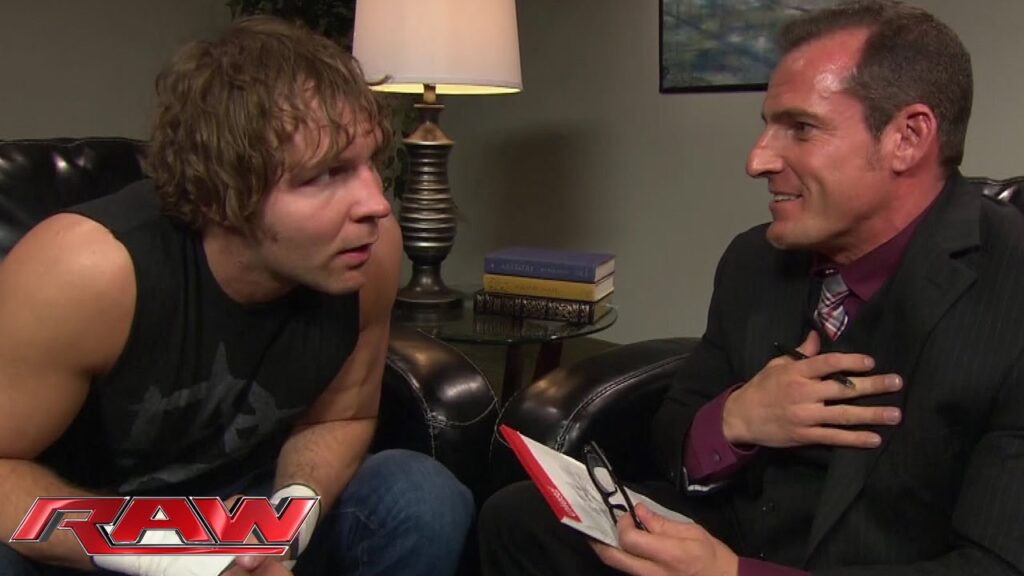
It is not all about body power and aerial stunts in professional wrestling, let alone WWE. It combines storytelling, character-building, and psychological warfare in a very intricate manner. Psychological elements in wrestling transform an ordinary match into an epic event attractive a giant mass, and create moments remembered for a very long time after the event. This article elaborates on the importance of psychology in WWE matches, considering how wrestlers make use of mind games, character arcs, and emotional storytelling to keep the audience compelled and intensify the drama of their performances even further. Basics in the Psychology of WrestlingThis gives the strategic use of mental and emotional tactics in wrestling psychology to enable a story within the match. It may consist of elements such as: Character Development: It is most essential to create a persona that resonates with the audience. Be it a hero or a villain that is a significant aspect; the character has to be capable of eliciting strong emotions from the crowd or audience. Storytelling: Matches are tailored to narrate a story, often carrying the threads from previous encounters and building toward future conflicts. Selling: To get the moves over, wrestlers had to sell what’s happening to maintain the illusion that this is a legitimate fight. Pacing: Keeping the rhythm of the match evades the audience toward tachycardia, gradually setting the tone for the climax that will stop their breath. Mind Games: The wrestlers frequently employed a lot of psychological stuff, really aimed more at unsettling their opponents than at actually doing physical damage, to influence crowd responses. Historical Examples of Psychological Mastery Jake “The Snake” RobertsMany consider Jake “The Snake” Roberts to be one of the best at the art of wrestling psychology. The quiet, sinister promos with the usage of his live snake will tick near enough for everyone, except the most masculine, to tremble in fear and unpredictability. Roberts took it further by methodically taking out his opponents and breaking their spirit and body in the ring. The UndertakerThe Undertaker is an excellent example of psychology blended with wrestling to produce an immortal character. Everything became orchestrated for intimidation, from the eerie entrance music and ring entrance—all prolonged and deliberate—to the supernatural gimmick to instill fear in the audience. He used mind games in various forms, put opponents in caskets, inflicted complex symbols, performed symbolic rituals, and so on; it made very gentle but spooky turns in matches that were so interesting. Mick FoleyMick Foley, under a series of noms de ring—Mankind, Cactus Jack, and Dude Love—utilized psychology to the utmost, paired with skills of portraying different aspects of his mind. The Mankind character would self-mutilate, married with disturbing promos intended to get the audience to feel on a gut level—an emotional response to his character. His willingness to take hellacious pain only added more realism and psychological depth to his matches. Bray WyattBray Wyatt has, under the moniker “The Fiend,” added this new psychological horror to WWE. His character is more of a psychological thriller mixed with supernatural horror—promos and matches are based on unsettling his opponents and the crowd. The Fiend uses eerie visuals, sudden changes in character, and an element of not knowing what comes next as it attempts to both play mind games with people and put them on edge. Randy OrtonRandy Orton, or “The Viper,” for this, is his proficiency in going to great and often uncanny lengths in treading the thin line of etiquette that greatly messes up with the opponent’s psyche. Orton remains eerily calm until his opponents are treated to a sudden burst of violence. His methodical pacing in the ring and his cold, calculating nature have created matches that one could compare to a psychological thriller novel. In those matches, he takes apart opponents systematically, both physically and mentally. Key Ingredients Of Psychological Storytelling At WWE Promos and Character ArcsOne of the most significant tools for creating psychological tension: promos. A noble promo can set up a brawl, heat rivalries, and bring across the stakes. Characters like “Stone Cold” Steve Austin were actual promos, wordsmiths who helped spearhead aggravated storylines by rallying the brainwashed audience into a frenzy on behalf of his opponent, The Rock. Long-term storytelling also shares space with character arcs in psych storytelling. This way, characters may well grow on account of the story slowly, thus realizing that one is capable of way more emotions. One such instance is this beef between Shawn Michaels and Triple H, wherein character development and psychology are bound into a highly compelling storyline that spanned years. In-ring storytelling In-ring storytelling would constitute anything the wrestlers do or react to during the match. It isn’t just hitting moves; it is conveyed through body language and facial expressions; that’s how emotion and psychology are shown. Wrestlers like Bret Hart or Kurt Angle were talented in using technical wrestling to express the psychological aspect of their rivalries. Gimmicks and PropsGimmicks and props can add dimensions to the psychological aspect of wrestling. Say, for instance, The Undertaker; things like caskets and bringing in some supernatural elements of the character create an element of psychological terror. It is for this reason that Mick Foley’s use of weapons, such as barbed wire and thumbtacks, enhanced the brutality of his hardcore style in terms of its psychology. Case Studies of Psychological Warfare in Epic Showdowns Shawn Michaels vs. Bret Hart (WrestleMania XII)The Bret Hart vs Shawn Michaels match at WrestleMania XII was a psychological storytelling masterpiece. These kinds of programs are just rife with great promos and personal assaults they threw at each other, and the stakes were high emotionally. The match was a full 60 minutes of a marathon of a war of attrition and an attrition of will between the two competitors. Psychology reeked from this match through this entire match’s story, with each wrestler working their tails off to top the other, culminating in an incredible overtime finish in which Michaels finally won the long-awaited WWF Championship. The Rock
High Stakes: WWE’s Most Unforgettable Ladder Matches
Ladder matches easily top the list for one of the most anticipated matches in WWE, known for the dramatic, high-risk moves, intense drama, and, of course, the moments they make. Since the first ladder match was introduced, it quickly grew to become one highly awaited and spoken-of thing in WWE history. It’s simple: people must climb a ladder to collect what is hanging over the ring, usually a championship belt or a briefcase. But what follows is never anything essential. It involves excruciating bumps, creating ways to use the ladder as a weapon, and nail-biting falls. This article will mention WWE’s most memorable ladder matches, their history, crucial moments in the game, and their effects on the participants’ careers and wrestling in general. The Birth of the Ladder Match in WWEThe idea of ladder matches was pitched to the WWE by Bret “The Hitman” Hart. The first ladder match ever to be televised by the WWE occurred in 1992 from a house show in Portland, Maine, featuring the Hart above against Shawn Michaels. Little did people know it then, but this match laid the ground for what would be a staple of WWE’s match types. Bret Hart vs. Shawn Michaels, WrestleMania VIII—1992The ladder match between Bret Hart and Shawn Michaels was a groundbreaking attempt that showed what ladder matches could do for the WWE. It wasn’t a pay-per-view event, but its success, coupled with the chemistry between Bret Hart and Shawn Michaels, cemented the idea that ladder matches have a high propensity to feature within the WWE. It was much of a technical showcase and storytelling contest in which both creatively used the ladder. WrestleMania X: The Game-Changer “When Shawn Michaels faced Razor Ramon (Scott Hall) in a Ladder Match for the Intercontinental Championship, it became the featured match at WrestleMania X in 1994. It is considered one of the best matches in WrestleMania history and set the bar for future Ladder Matches.”. Shawn Michaels vs. Razor Ramon – WrestleMania XThis, for the time, was the quintessential match: athleticism, the innovative use of a ladder, and a dramatic narrative that kept fans on the edge. Michaels and Ramon used the ladder not as a vehicle to rise to the championship belt but also as a weapon with each other, developing a never-before-seen level of brutality in the eyes of the audience. The match became one of the matches that cemented in place what would become one of, if not the greatest, features created by the WWE: the ladder match. The image of Michaels flying off the ladder and using it to perform some of his signature moves is one of the most indelible visuals in WWE history. The Attitude Era: Breaking the boundaries The late 1990s and early 2000s dubbed the Attitude Era, featured WWE superstars pushing the envelope on what could be done inside those ropes. The frequency of subsequent ladder matches increased, with the risk levels and innovation all increasing with each contest. Triple H vs. The Rock (SummerSlam 1998)This Intercontinental Championship match was a classic meeting of two rising stars. The Rock and Triple H had an intense encounter, extreme to one of the other, reflecting the heights of charisma and in-ring chemistry both stimulated. This is a match that took this rivalry and the Ladder as a Weapon to new levels in storytelling at the Attitude Era. That also featured Chyna’s interference, adding another layer of intrigue and helping to really establish both men as future main event players. The Hardy Boyz vs. Edge & Christian vs. The Dudley Boyz, TLC II; WrestleMania X-Seven, 2001The TLC match from WrestleMania X-Seven is usually cited as one of the greatest ladder matches of all time. The match was a high-octane spectacle, getting played by The Hardy Boyz, Edge & Christian, and The Dudley Boyz, filled with breathtaking stunts and dangerous spots. The participants risked their bodies in ways that left the audience in awe, creating an unforgettable moment in WWE history Iconic Moment: Edge, spearing Jeff Hardy off the top of a ladder. One of the most replayed clips in WWE history. Money in the Bank: The New Face of Ladder Matches In 2005, WWE introduced the Money in the Bank ladder match, where the winner gets a contract for a championship match any time next year. Concepts like this push the unpredictability in ladder matches to the next level. First Money in the Bank Ladder Match (WrestleMania 21, 2005)The inaugural Money in the Bank Ladder match was contested between Chris Jericho, Chris Benoit, Edge, Christian, Kane, and Shelton Benjamin. A harrowing standard was placed upon this match with innovation in spots and brutality. Edge catapulted his main events into the world of champions when he won this match, sealing the fate of the now-infamous Money in the Bank match for WrestleMania. The match also featured a series of unforgettable moments, such as Shelton Benjamin running up a ladder propped up against another to deliver a flying clothesline. WrestleMania 25 Money in the Bank Ladder Match, 2009Participants in this match included CM Punk, Kane, Mark Henry, MVP, Shelton Benjamin, Kofi Kingston, Christian, and Finlay, with high spots at risk, and for the most part, the general pace was quite compelling the winner of this hope to seek the contract for cashing in the next few weeks his chance where CM Punk who won this for the second added week secures his name among one of the famous icons of WWE with great moments, one to be remembered during this match has to be that in which Shelton Benjamin landed a spectacular leap from the ladder on to some from his co-stars outside the boxing ring. Moreover, Punk’s victory created one of the more memorable cash-ins later that same year, really adding to the prestigious Money in the Bank briefcase. Modern Classics: Continuing the LegacyLadder matches continue to be a highlight of WWE programming, as modern superstars have continued to stress the envelope and create new iconic moments.
Setting The Stage: Inside WWE’s Iconic Arena Designs
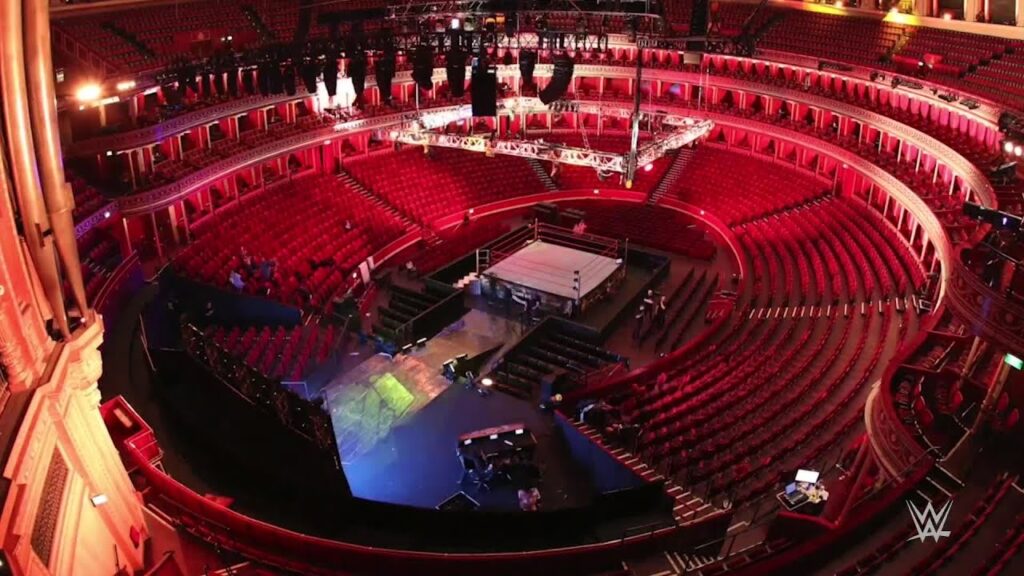
World Wrestling Entertainment (WWE) is famous for its extravagant and memorable arena designs that add to the spectacle of professional wrestling. Beyond backdrops, these designs are part of the storytelling, ambiance, and experience that WWE events exude. Because of these, through the years, WWE has constantly revised and upgraded its arena setup to unforgettable visual spectacles that leave an indelible mark on all its fans. The publication gives a view of how WWE’s arena designs have evolved in years and covers milestones, iconic setups, and designs that have been factors in the overall presentation of WWE programming. The Early Days: Simplicity and FunctionIn the early years of the promotion, then called the World Wide Wrestling Federation (WWWF), the arena designs were straightforward. Most of the emphasis was on a wrestling ring with only basic seating arrangements around it, and most of the venues used were local gymnasiums, armories, and small arenas. Very little complexity existed in these setups, and it reflected both the modest production values of the time and also the regional nature in which the promotion was operating. The Classic Blue CanvasMore identifying with the era than anything was the blue canvas of the wrestling ring. It represented to a hilt the greatness of WF events with a look, in and of itself, that marked the setting for many epic battles. It was so plain that it kept the fans’ minds really focused on the in-ring activity and, likewise, prepared everybody for the more intricate designs yet to be introduced. Madison Square GardenWhat crafted a lot of WWE history happened within the premises of Madison Square Garden located in New York City. It is commonly referred to as the “Mecca of Professional Wrestling.” The garden itself had undergone numerous main hosting events before, during, and after the occurrence of WrestleMania I. The area’s design was quite simple, but it cannot be denied that the reputation and buzz of the New York crowd solidified the place’s legend in WWE history. 1980s: The Birth of WrestleMania and Themed ArenasThe 1980s were a hot-inclined feature for WWE after the innovation of WrestleMania – what would become the annual linchpin for the company’s junket calendar. WrestleMania coined the concept of themed arenas; these WWE events moved to the highest notch of a spectacular showcase. WrestleMania IWrestleMania I silk-screened an event that let down styles for the coming years. What would indeed follow is large video screens, over-the-top lighting, and scores of celebrity guests—all very festive. This was the beginning of WWE putting big budgets into creating spectacular settings for its big shows. Themed Entrance Grips and RampsIt was during the late 1980s when the WWE began to play with themed entrance ramps and sets. The uniqueness of WrestleMania III, at the Pontiac Silverdome in 1987, used a motorized ring cart to bring wrestlers to the ring; this proved in its images to be truly unique. These invites further added to the big-event feel of WWE and produced visual images that are still in fan memory banks today. The 1990’s: Theoretical Approach Era and Innovative DesignsWWE ventured into its Attitude Era in the 1990s, which sported a more gritty style in content and a more ultra-violent style of presenting. Arena designs became more modern as they applied higher technology and set pieces—expensive ones that recaptured the feel professed at the time, which was intense and defiant. Monday Night RawThe initial show back in 1993 redesigned the WWE business plan for their weekly events, or perhaps it could be said that this had something to do with how the innovative setup attached to the covered chassis, rigged with a giant video screen, steel truss structure, and colorfully flashing lighting used to make the entrance— the very blueprint attached to it, and an inspirational example, is one future episode of Raw to be produced, where it can really put across its very energetic and unpredictable nature. An Incan JulhicuchiThe pay-per-view started its run in 1995 and created new arena designs for each event. This can clearly be showcased in the fact that for In Your House 2: The Lumberjacks, the entrance set was designed around a log cabin, while for Triple Header, it was more industrial—in fact, this brought in diversity and more excitement in WWE’s pay-per-view offerings. WrestleMania X-SevenWrestleMania X-Seven would be at the Houston Astrodome in 2001, and it is conventionally said to be one of the greatest WrestleMania to occur. The design of this place should have been tremendous: even by its scenic characteristics, there should have been an enormous entrance stage equipped with a giant video screen, pyrotechnics, and a runway-type ramp. The massive setup added greatly to the grandness of the event, changing the future of WrestleMania productions forever. The 2000s: The Era of technological boom and Global Expansion.Independent arena designs that were ushered in the 2000s came with a host of technological improvements for the WWE: High-definition video screens, LED with better lighting performance, and improved pyrotechnics that enabled WWE to exercise more realism and visual effects inside their environments. SmackThroughout SmackDown’s launch in 1999, it featured an oval-like unique eyeball-shaped video screen with an entrance stage design that looked very smooth and was a kinda of next-generation feature. This set of everything regrettably went up in history and differentiated Smackdown from Raw; it certainly gave it that identity. In the course of the years, SmackDown sets would change over the years, more giant video screens and, of course, more complex lighting designs. Elimination ChamberThe Elimination Chamber match, founded in 2002, established a whole new level of innovation in arena designs. It was an engineering marvel, with its massive steel structure entrapping the ring and featuring four pods. The Elimination Chamber design added a new dimension to WWE matches, portraying brutality and high stakes. WrestleMania XXIVWrestleMania XXIV was the show set up in open-air settings—used at Citrus Bowl in Orlando, Florida. The entrance stage predominantly featured a massive LED with palm trees and a Miami Vice-inspired color scheme
Dynamic Duos: The Evolution Of WWE’s Tag Team Division
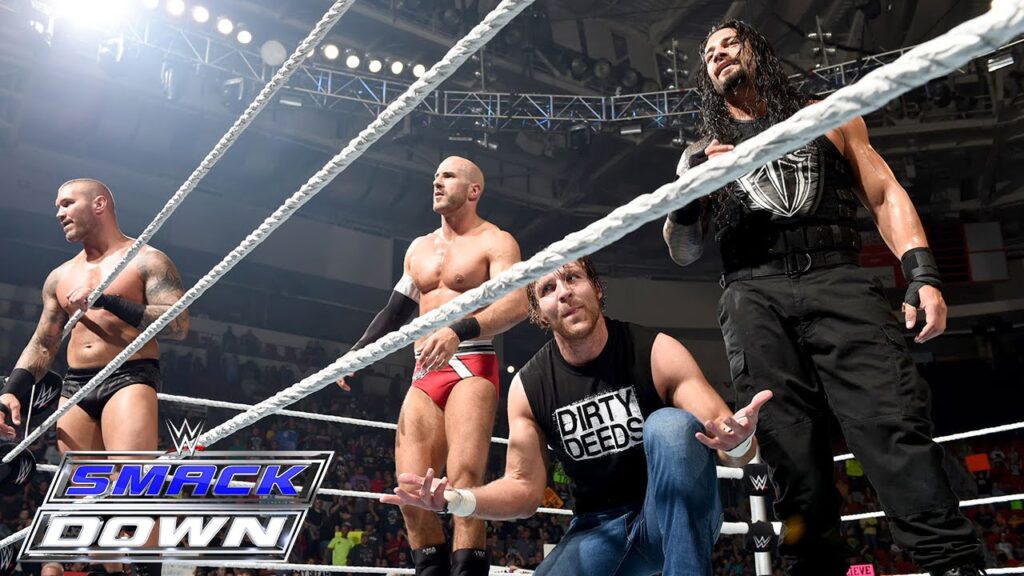
It has always been the texture of the tag team division that is the lure to the professional wrestling fan within World Wrestling Entertainment. At stake here is the dynamism of the storytelling: it’s a whirligig, and it brings memorable partnerships and tag encounters with it. Tag team wrestling introduces some unique elements of strategy and cooperation into in-ring psychology, making it radically different from singles competition. When looking back through WWE’s history, the ever-changing face of the tag team division reflects the changes possible within the wrestling industry, popular culture, and the WWE itself. This article will track the evolution of the division through Team Titles won, some of the teams that signed their names in the history books, and the effect that tag team wrestling has had on the rest of WWE. The Golden Age of Tag Team WrestlingProfessional wrestling history places the beginning of WWE’s tag team division in the early days. In the ’50s and ’60s, tag team wrestling started growing and becoming famous. Given this situation, the United States became the base for many promotions, which generally had tag team matches on their shows. The World Wide Wrestling Federation, WWWF, now known by the name WWE, saw a splendid business opportunity and, hence, introduced its tag team championships. The early Tag Team Division of WWE was heralded by teams such as The Fabulous Kangaroos (Al Costello and Roy Heffernan), who showcased a new style of tag-team maneuvers based mainly on innovation and the flair for the dramatic. Equally accomplished with the Valiant Brothers (Jimmy and Johnny Valiant), who steered a tricky path of charisma, over-the-topness, and in-ring charisma. The Making of the WWE Tag Team ChampionshipIn 1971, WWE finally made the WWE World Tag Team Championship an official champion affirmed division and the recognition of the growing importance of tag team wrestling. The first champions became Luke Graham and Tarzan Tyler, and they made much competitive division, whereby many legendary teams vied for the titles.Iconic Tag Teams of the ’80s This was the era of goldmine with them, as the growth of WWE’s tag team division was fast with iconoclastic tandems produced in numbers, and the cooperation might just bring wrestling to that landmark again. Adventure of the merging of athleticism and charisma for teamwork began in the stone years but is bound to leave footprints rubbed on the sands of time owing to drama. British BulldogsThe British Bulldogs were pretty athletic and full of aerial moves under the names of Davey Boy Smith and Dynamite Kid. Feuds with teams like The Hart Foundation and the matches at the WrestleMania events typecast their names as tag teams of all time.The Hart Foundation.Together, Bret “The Hitman” Hart and Jim “The Anvil” Neidhart formed the tag team The Hart Foundation, combining technical wrestling and brute strength. Managed by Jimmy Hart, The Hart Foundation wrestled as a heel tag team, opposing favorites such as The British Bulldogs and Demolition, just to emphasize their diversity and in-ring chemistry. DemolitionDemolition with Ax and Smash was a powerful Tag Team with their scary looks and the power in the ring. With the trio winning the title for WWE World Tag Team Champions thrice and an extended stay in reigns back in the days, their every match had blood. The 1990s: The New Generation and the Attitude EraNotwithstanding the changes happening in the WWE’s tag team division throughout the whole of the 1990s, especially since the evolution from the New Generation Era to the Attitude Era of wrestling, that decade opened its arms to new evident teams while fresh match types redefined what was known at the time as a ‘tag team’ match. The New Age OutlawsOne of the great tag teams during this time was known as The New Age Outlaws; they were Road Dogg and Billy Gunn. They were charismatic and had excellent mic skills and chemistry in the ring, which made them instantly likable and cemented as part of the D-Generation X stable. It was unforgettable for this team’s catchphrases and entertaining promos. The Hardy BoyzContributing their part to tagging the wrestling revolution with a high-risk, high-flying style were Matt and Jeff Hardy, who combined to form the tag team Hardy Boyz. The ladder matches these two participated in against teams like Edge and Christian and The Dudley Boyz have now become legends, especially their performances in the Tables, Ladders, and Chairs matches at WrestleMania. Edge and ChristianEdge and Christian, on the other hand, were as good as sorrows to each other, always getting something funny out, be it verbal or physical. Their uneasy acquaintance with The Hardy Boyz and The Dudley Boyz truly defined the Tag Team field in the Attitude Era. The tag team has previously held the WWE World Tag Team Championship seven times, with a few other appearances in TLC matches. This legacy would solidify one of the greatest tag teams in WWE history. The Dudley BoyzThere was The Dudley Boyz, consisting of Bubba Ray and D-Von Dudley, who had a very hardcore, no-nonsense technique within the tag team division. The use of tables and brutal matches against Hardy Boyz and Edge and Christian forged them to be one of the most dominating teams during this period. The Dudley Boyz are the most decorated tag team in wrestling history, having captured titles in multiple promotions. The 2000s: The Ruthless Aggression EraThe age that enriched the chronicles of the tag team sphere in WWE with their veteran efforts. The age was highly associated with hard-hitting rivalries and some theatrical runs with the titles.Animal Crackers Eddie and Chavo Guerrero made Los Guerreros a blend of technician wrestling with some Latino heat. Their “Lie, Cheat, Steal” personas mixed perfectly with their wrestling skills and fanned favorite status, netting multiple reigns as WWE Tag Team Champions. The World’s Greatest Tag TeamShelton Benjamin and Charlie Haas were known as The World’s Greatest Tag Team. They had not only one but quite a few great performances portraying their amateur wrestling
Powerful Tunes: The Impact of WWE’s Entrance Themes on Superstar Personas
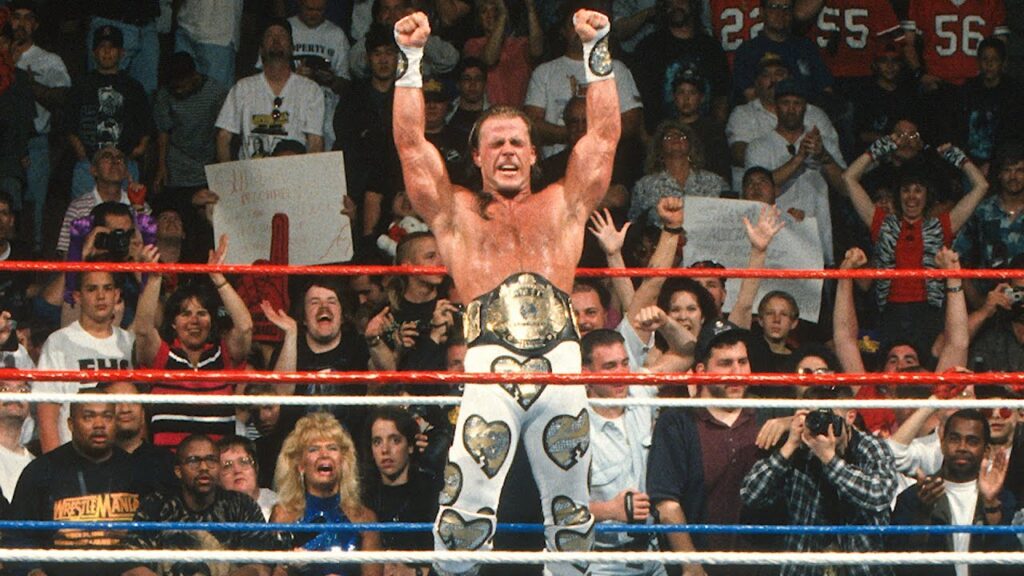
WWE is a combination of athleticism, storytelling, and showmanship. The most crucial elements that generate the stars of WWE and finally create their identities are their entrance theme songs. These themes do not just play as background sounds to the characters; instead, they emerge as brilliant tools of the characters that define the tone for the characters, trigger waves of emotion, and raise the bar with each listening…. This article seeks to bring out how WWE entrance themes are associated with the personas of superstars, analyzing just how much these songs have done for their identity, popularity, and legacy. The Role of Entrance Themes in WWEEntrance themes in WWE perform several functions. They signal to the audience that a superstar is coming out to the ring, set the tone of his coming out, and can instantly communicate elements of his character. This is where the line is drawn for this relation because the suitable entrance theme will either make or break between the superhero and the fans, acting as an identikit to the persona. Instilling InsightEntrances are the first sensory stimulation one receives when a superstar makes their way to the ring. This very early impact is critical in setting up the mood. For example, upon hearing that glass-shattering entrance music, the crowd erupts into roars at the entrance of “Stone Cold” Steve Austin, setting the tone for his unruly and aggressive spirit. Character ImprovementEntrance themes are customized or picked to match the personality of a wrestler. The music follows his in-ring styling, personality, and storyline. For example, the Undertaker: The iconic gong associated with his theme music, serves in setting up his dark, mysterious, supernatural character to establish the mystique that has surrounded him. SignificanceSuch is the power of an entrance theme; it very nearly refers to a wrestler, which means it can associate him with any given fan. Just by hearing the opening riff of a theme, the response from a jeered, booed or chanted reply from a recognized beloved superstar can show how deep the level of attachment had been. This connection is vital for the wrestler’s popularity and longevity in the business. Under All Entrance Themes Of WrestlersChanges in WWE entrance themes mirror the changes within the wrestling industry and popular culture. From generic music, simple or instrumentally nondescript, during the early days to the freshly written tracks of today, WWE has become rather adept at changing the approach toward entrance themes to stay current and fresh. Entrance music wasn’t the norm for the early years of professional wrestling. Wrestlers frequently went into the ring without accompanying music or generic, uninteresting tunes. It wasn’t until the 1980s—more precisely, when WWE, once WWF, took on this realization—that any other approach to seeing entrance music making its imprint on a total spectacle emerged. Rock ‘n’ Wrestling EraThe “Rock ‘n Wrestling Connection” truly began in the mid-1980s, when the WWF would start incorporating popular music into their programming. This was the era of custom entrance themes, where wrestlers like Hulk Hogan would have gone to the ring probably with a popular song like “Eye of the Tiger” and later used “Real American” to create an instant and robust connection with the audience. Attitude Era Hold Ctrl and click linkThis began in the late ’90s during the Attitude Era and carried over into the early 2000s. Entrance music became a serious business, with personalities being more and more individualized and attitudinal with the era. The rocking entrance themes, like The Rock’s electrifying theme and Austin’s shattering glass entrance, defined them as people and increased the intensity or the overall charisma of the show. Modern Era and Production QualityWWE entrance themes these days are professionally made, and many times, the wrestlers have a say in what they want. Collaborations between renowned musicians and bands are kind of familiar lately, which brings much mainstream appeal. Themes are tailored to these nuances of character, ensuring that the music does not only complement but evolve along with the superstar’s persona. Iconic WWE Entrance Themes and Their ImpactMany WWE entrance themes have turned out to be quite iconic, to the degree of marking careers and superstars. These themes have played such vital roles in the demarcation and establishment of personas for some of the most legendary figures in the WWE. “Stone Cold” Steve AustinSteve Austin’s music starts when the shattering glass begins to break together with this really heavy riff. The breaking of glass in the music can be very symbolic regarding the character and his view of rules, and the breaking of glass could mean authority. This entrance theme suits the character of a modern-time anti-hero that Austin represents; it immediately informs viewers that he means business, chaos, or pure excitement. The UndertakerThe entrance theme incorporated with The Undertaker is creepy and restless, with background haunting sounds, heavy bell tolls, and spooky organ music allowing for tension and foreboding. It is this music that hypes The Supernatural Phenom to its peak, actualizing his wickedly dramatic entrance and marking it in history as the most jaw-dropping entry style that defines WWE. His scheme is slow to draw, further adding to his mystique and providing an other-worldly feel and character. Le RochFirst and foremost, the entrance theme of The Rock, with his widely publicized line “If you smell what The Rock is cooking,” will get you more hooked at the onset. Charismatic and over-the-top music resonates with the personality of the man. All the more, one fantastic reason that he’s considered now one of the most electric and one of the most popular WWE superstars of all time. John CenaJohn Cena and “The Time is Now” summed up his theme song with a pumped upbeat beat, reminiscent of “Your time is over, my time is now” in the first recognizable line. The music and the lyrics inflate an attitude of never quitting, corresponding to a hero role in which fans love him. It goes a long way in defining him as a household favorite. Triple
Mind Over Matter: WWE’s Approach to Mental Health and Wellness
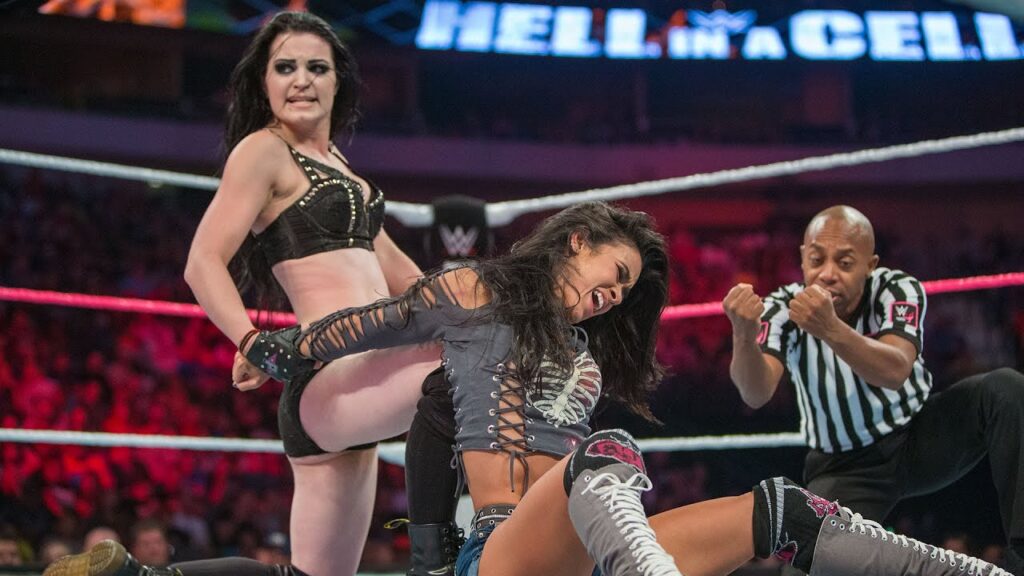
World Wrestling Entertainment (WWE) is a famous trademark worldwide, known for being high-geared, entertaining, showcasing athleticism, and dramatic storytelling. Positioned behind the scenes of the wrestling ring, however, is a very demanding profession highly damaging to the physical and mental health of its superstars. Over the years, WWE has shown growing recognition of the need for mental health and wellness by implementing various programs and initiatives to support its talent. The approach of WWE, an area often misunderstood and blurred between the world of wrestling characters and real life, to mental health and wellness will be discussed in this article by pointing out the wrestlers’ issues, the strategies WWE uses, and the broader implications for the sports and entertainment industries. The Mental Health Challenges WWE Superstars ExperienceWWE superstars face different health challenges arising from the nature of their profession. This is due to the physical stress, strict routines, public scrutiny, and personal sacrifices all now and then, which may culminate in mental health issues. Physical Demands and InjuriesWrestling is one physically demanding sport where superstars perform high-risk maneuvers, often leading to recurrent injuries. In conjunction with the chronic risks of damage and the necessity to compete through injuries, that might create a background that fosters chronic stress and anxiety. The physical toll their occupation wreaks upon their bodies contributes to mental health struggles for which dealing with pain and possibly career-ending injuries weigh heavily on their mind. Aggressive Travel ScheduleThe WWE superstars are on the road most of the year with the same regularly scheduled travel from city to city, live events, television tapings, and promotional appearances. Such travel, with its stringent demands, ushers in fatigue, sleep deprivation, and a sense of isolation from family and friends. The lack of a stable routine and consistent movement can exacerbate feelings of anxiety and depression. Public Scrutiny and PressureConstantly drowning under immense pressure and a wave of scrutiny, the life of a WWE superstar is always under the perception of public image: getting an acceptance of personal life choices, performance, and appearance, yet it is a source of immense scrutiny. Meantime, the pressure to maintain what is considered ideal or near to the “given image” and high expectations of what one is responsible for may result in stress and anxiety due to fear concerning specific body issues. Social media has only added to this pressure, with WWE superstars scrutinized daily by the masses, who note problems in verbal or written forms. Personal SacrificesThe life of a WWE superstar—often, at the personal level, significantly compromising—incurs huge sacrifices regarding personal life and some severity while remaining away from family and friends. Demanding schedules put so much strain on relationships that feelings of loneliness and absolute isolation arise. It is easy to bring stability to personal life while pursuing a career in professional wrestling, so sacrifices can often influence the emotional toll that may give a push to possible mental health struggles. WWE Works Program to Promote Awareness on Mental Health and WellnessKnowing the importance of mental health, WWE interacts with various initiatives and schemes that will prove welfare to talents and their good stead in mental health. These focus on the particular problems that superstars face while pioneers in the cultivation of a mental well-being organization culture. Talent Wellness ProgramIn 2006, WWE developed the Talent Wellness Program—a broadly targeted series of ongoing initiatives to ensure the health and well-being of performers. Whereas initial interests were in physical health and keeping substance abuse at bay, it has grown to include mental health as well. WWE makes mental health professionals, including psychologists and counselors, available to the numerous talents for a confidential counseling and support system. Mental Health ScreeningsThe Talent Wellness Program of WWE includes regular mental health screenings. Many medical issues are foreseen due to these on-time screenings. Thus, the wrestlers will also be able to discuss their mental problems with a mental health specialist. WWE tries to devise a protocol approach by going for mental wellness. Educational Workshops and SeminarsWWE provides educational workshop opportunities, seminar introspection, and psychological talk-ins. These are held among the superstars and focus on stress management and styles of coping: for example, self-care practices. By doing so, WWE is well-equipped to empower their talents with the education needed for self-care at the helm regarding personal health status. Peer support networksThe following important component of WWE’s mental health initiatives is the peer support network. Superstars are encouraged to support each other and share their experiences genuinely. Establishing collegiality and togetherness, WWE hopes to give the talent a surrounding where they could have such discussions keenly on mental health problems, not fearing to ask for help from their fellow peers. Partnerships with Mental Health GroupsWWE has contacted many organizations that specialize in mental health services, as it has an interest in ensuring improved support for its services and an increase in awareness of mental health. Partnering with such gives extra expertise and resources, which in pockets have and will allow WWE to provide fully comprehensive mental health support for its talent. This will join the likes of the National Alliance on Mental Illness (NAMI) and the Anxiety and Depression Association (ADAA) in helping to increase awareness and break the stigma associated with mental health.Case Studies: WWE Superstars and Mental HealthInnumerable cases of WWE superstars coming out and commenting on their continuous mental health struggle and the impact of these WWE initiatives — these case studies convey the importance of mental health support and positive changes within WWE. Alexa BlissThe former WWE Women’s Champion, Alexa Bliss, has not shied away from clearly stating her struggles with anxiety and eating disorders. Bliss factored that WWE’s programs aimed at providing relief for such mental issues had substantially helped her deal with such challenges. WWE’s therapy and other counseling programs entailed enabling her to deal with the coping strategies of the disorder and allowing herself to have a more accessible relationship with food and body image. Her openness to her struggles also propagated awareness and
Superstar Secrets: How WWE Wrestlers Maintain Peak Fitness
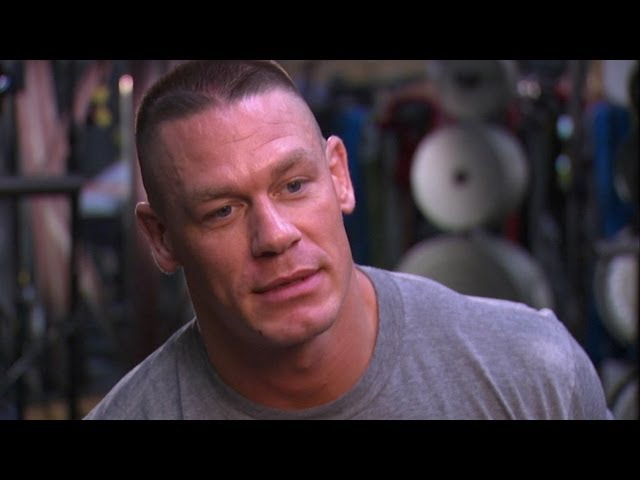
With an iconic body frame and fantastic build, WWE wrestlers are best known for their athleticism and power, with almost superhuman strength and endurance. Staying in shape is not only for show—these requirements are needed for one to withstand the demands of the professional wrestling calendar and its level of physicality. What actually goes into keeping these superhumans so incredibly fit? This is further elucidated in the following article, including the secrets behind the fitness regime that WWE wrestlers follow: the training routines, diet plans, mental conditioning, and recovery strategies taken to ensure peak performance. The Need for Physical Conditioning in the WWEProfessional wrestling is strenuous mainly physically. To be able to undertake physically challenging skills, such as in this sport, WWE wrestlers are required to possess a distinctive array of strengths, speeds, and agility far beyond a mean person’s capabilities of endurance. Wrestlers also have to keep up a specific aesthetic since this sport is a cosmetic one, balancing muscle mass and functional fitness. Resistance ExerciseIncredible strength is at the heart of WWE wrestler’s fitness activities. A wrestler should have impressive strength to execute body slams, suplexes, and power bombs on a rival weighing 200 plus pounds. Many of these wrestlers follow a split routine where a workout is broken up over various days into different muscle groups. A sample week of training would look like: Monday: Chest and tricepsTuesday: Back and BicepsWednesday: Shoulders and coreThursday: Legs/InputFriday: Complete full bodySaturday and Sunday: Active Recovery or Rest Critical exercises for development include compound lifts, such as deadlifts, squats, bench presses, and overhead presses, which enhance overall body strength and muscle mass. The program also consists of isolation exercises, such as bicep curls and tricep extensions, to promote muscular aesthetics and symmetry. Cardiovascular TrainingWrestlers have an interest in being able to ‘go’ since they’re often put in a situation to perform inside the ring for 15-30 minutes or more. With cardiovascular training that enhances stamina, wrestlers are offered the needed preparation to build the capability to put forth their maximum efforts over a sustained period in a match. This typically consists of steady-state cardio and high-intensity interval training (HIIT). Steady-state cardio running, biking, or swimming builds a base of general cardiovascular fitness. HIIT augments many metrics of aerobic and anaerobic fitness by incorporating bouts of all-out activity followed by either rest periods or bouts of low-intensity activity, thereby roughly mimicking the on again-off-again character of a wrestling match. Ability and FlexibilityAgility and suppleness are critical in staying free of injuries and in performing several complicated moves. Wrestlers work on drills that help increase their agility, including but not necessarily limited to ladder drills, cone drills, and plyometrics. Flexibility training includes stretching routines, holding yoga poses, dynamic movements, or other exercises that help in the maintenance of or increase in level of flexibility. The ability to perform diverse moves relatively safely through this type of training in wrestling effectively decreased the amount of muscle strain and joint-terminating injuries. The Role of Diet and Nutrition Nutrition and diet are essential for building muscles, maintaining energy, and recovering after heavy workout sessions for a wrestler in the WWE. The structure in which these diets are prepared for wrestlers is highly outlined in tasks aimed at sensitizing all the necessary nutrients required to drive the rigorous physical demands. Macronutrient BalanceWrestlers are encouraged to enjoy a healthy, balanced diet—which is adequate in terms of macronutrients, namely protein. Proteins: The requirement for good protein intake is high among wrestlers because they need to repair and grow their muscles. Familiar sources of proteins are: lean meats, fish, eggs, and dairy, and based on plants, there are beans, lentils, and tofu. Protein shakes and supplements are also common in ensuring enough intake.Carbohydrates: Carbohydrates form the primary energy source for high or intense physical activity. Wrestlers consume complex carbohydrates like whole grains, vegetables, fruits, and legumes to maintain energy levels and support endurance training.Fats: Avocados, nuts, seeds, and olive oil are designated as healthy fats, crucial for the production and health of hormones. Meal Timing and FrequencyEating at regular intervals keeps the energy up and helps in muscle recovery. Instead of three big meals a day, most wrestlers consume five to six smaller meals. This ensures a continuous flow of nutrients, which may maintain the metabolic rate. This means food intake before and after workouts is very important. A wrestler will prefer a meal rich in carbohydrates and a moderate protein intake to help him before training, primarily intended to help with push-ups. After training, the wrestler will primarily focus on protein and carbohydrates to recover muscles and replenish muscle glycogen. HydrationProper hydration is essential for performance and recovery. Hydration is vital because wrestlers lose gallons of fluid through sweating during both training and wrestling. They drink tons of water throughout the day and use electrolyte supplements when necessary to maintain proper hydration to avoid cramps and fatigue. Mental preparation and mental toughnessThis side separates the good from the great in professional wrestling—the mental one. The athlete has to deal with the anxieties of performing in front of a live audience, stress from high-demand competition calendars, and the constant pressure to stay mentally sharp and motivated. Mental ToughnessWrestlers need to become mentally tough to manage the suffering, exhaustion, and stress of their livelihood. Additional approaches to building mental toughness include visualization, positive self-talk, and goal setting. Numerous wrestlers work with sports psychologists to develop strategies that help them remain focused and manage stress. Mindfulness and meditationMindfulness and meditation practices help wrestlers stay in the present moment and manage the anxiety or stress that wandering thoughts may accompany into the past or future. Attention and stress can also be heightened through mindfulness practices so that there can be a positive effect on a wrestler’s mental health. Guided meditation or even just the practice of good breathing techniques and utilizing ways of staying centered and present are good tools for a wrestler in the ring and around the ring. Work-Life BalanceIt
Explosive Entertainment: The Science Behind WWE’s Pyrotechnics and Special Effects
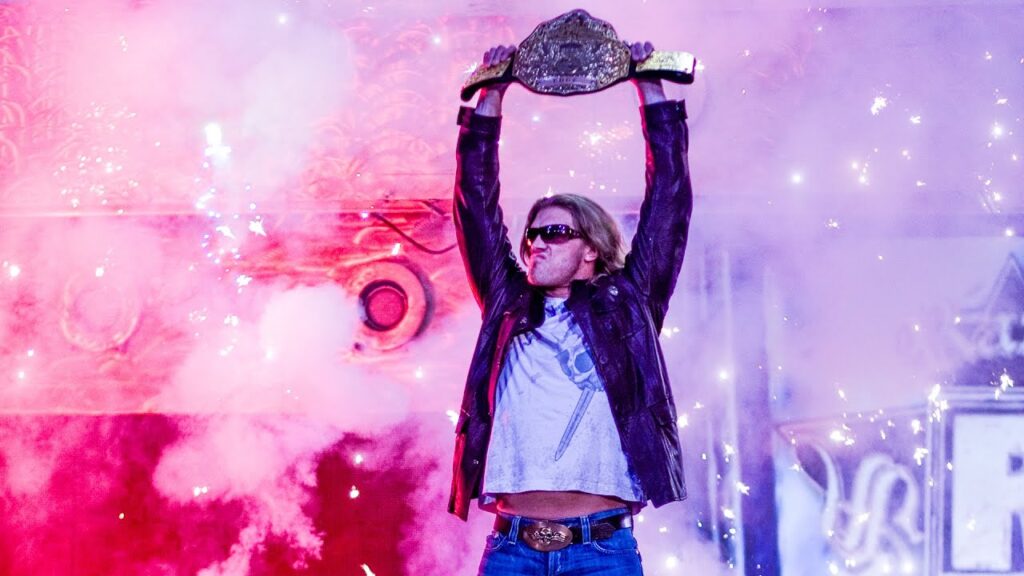
For as long as many might remember, World Wrestling Entertainment—WWE for short—has been all about fast-paced drama, over-the-top characters, and astounding athleticism combined. Adding fuel to this adrenaline-pumping event is the pyrotechnics or special effects that play a significant role in increasing the excitement of WWE events. These aren’t just flashy shows, as these things execute technical details to help strengthen storytelling and the show’s overall experience. This article investigates the scientific aspect of the special effects and pyrotechnics used in WWE: technologies, safety measures, and creative processes in putting explosive elements alive. A Controlled Display of Pyrotechnics and Special EffectsWWE prides itself on the use of pyrotechnics and special effects, which have been significant for well over two decades now. Be it a grand adjoining of superstars or a dramatic finish of the matches, this makes it all more realistic and alive for the fans watching it in the audience.Enhancing Superstar Entrances The most recognizable form of pyrotechnics within these events would be that of WWE superstar entrances. In this case, as a particular wrestler was entering the ring, the awe of fireworks, flames, and smoke all contributed to that specific wrestler’s persona, defining them while building up significant anticipation. A good example is the explosive entrance of “Stone Cold” Steve Austin, complete with glass shattering and detonating pyrotechnic blasts, fully exemplifying his no-nonsense, rebel character. Amplifying Match DramaThey also use the same to heighten the drama placed on a match by explosions, fire, and effects that would indicate a significant movement, such as the entrance of a new competitor or the closing part of a match. That creates drama and spectacle, and hopefully, it keeps the fans interested and glued to their seats. Make moments memorableWWE is the master of creating the most memorable moments, mostly caused by the pyrotechnics. Be it the entry of a scary The Undertaker through the cloud, a mass of smoke with people trembling out of fear in the stands, or a full, high-voltage-packed fireworks show during WrestleMania, something is permanently etched in the brains of these people, adding extended prominence to the idea of WWE storytelling. The Science of PyrotechnicsPyrotechnics use acts of chemical control, resulting in reactions of light, heat, gas, smoke, or sound. The science behind these effects is complex, with deep core understanding in chemistry, physics, and engineering.Answer: chemical reactions Pyrotechnics are formulated using exothermic chemical reactions that produce energy in light and heat. These are the compounds often formulated for this purpose: Black Powder: A compound of the tripartite mixture for propelling and exploiting explosive effects, consisting of sulfur and charcoal, made ignitable with potassium nitrate. Metal Salts: Combustions appearance, providing assorted colors. Strontium salts provide red, barium salts provide green, and sodium salts provide yellow. Oxidizers and Reducers: These are the two kinds of chemicals that mix to give the proper combustion. The oxidizers supply oxygen, as in the case of potassium perchlorate, while others act as a fuel, just as aluminum powder does when it is a reducer. Controlled IgnitionPyrotechnic charges’ ignition sources need to be set up with great care to ensure that they are safe or achieve their desired effects. Generally, this is done through electric matches or electronic firing systems, where accurate timing and controlled firing are produced. These systems can be coordinated to make very sophisticated sequences of explosions with music and special lighting. Safety ConsiderationsSafety is key when working at Pyro Beach, especially with the live entertainment offered by the WWE. These steps include:Ensuring the venue is adequately ventilated to dispel smoke and gasses.Be alert to using flame-resistant materials and an adequate distance between all pyrotechnic implements and objects that might catch fire.All persons employed regarding pyrotechnics will receive certification in the handling and operating of the devices only. The Engineering of Special EffectsBeyond pyrotechnics, WWE employs a range of special effects to bring the shows to a new level. The effects are pretty complex engineering and technology, ranging from smoke machines to advanced lighting systems. Smoke Machines and FoggersSmoke machines and foggers are special devices that give atmospheric effects, in a way: undertaking, in fact, a giant entrance or a scene of explosions. These machines get to work heating fluid and, from these, produce a dense vapor, imitating smoke. Density can anyhow be controlled, and with a dispersion, it is possible to achieve different effects: from thin mist to thick clouds. Lighting and LaserDuring WWE events, how the lights are used is critical in recreating mood and setting. Nowadays, modern lighting systems can be designed and constructed using LED technology that ensures a pretty high level of flexibility and efficiency in using consumed energy compared to typical incandescent lights. These systems can even be programmed so spectacular light effects, at times synchronized with music and pyrotechnics, are achieved.Laser technology is another emerging technology extensively used by WWE. Capable of remarkable capabilities, they also project intricate patterns and whole animations during entrances and other dramatic moments. Used properly, they are carefully calibrated and utilized in a safe manner for the audience and performers. Sound EFXsSound effects, on the other hand, play a huge part in making WWE a total sensory experience. This does not mean just pyrotechnics and crowd noises, but these are included. The set-up sounds necessary for the pyrotechnics involve other extraordinary effect explosions heard. These audio systems are set up adequately apparent in the overall experience. The Creative ProcessPyrotechnics and exceptional effect executions are joint work by several departments under WWE: the creative, production, and technical sections. The process starts with conceptualizing the type of effect that needs to be executed, leading to precisely planning the execution process in a minute. ConceptualizationExamples include conceiving an entrance or various other match ideas in which the creative will volunteer concepts for an entrance, a moment in the match, or another match idea.Overview: Planning and Design Once the concept is finalized, the technical team sketches the pyrotechnic and special effects. This also includes the selection of appropriate chemicals, devices, and