
WWE Implements Cost-Cutting Measures With Significant Layoffs
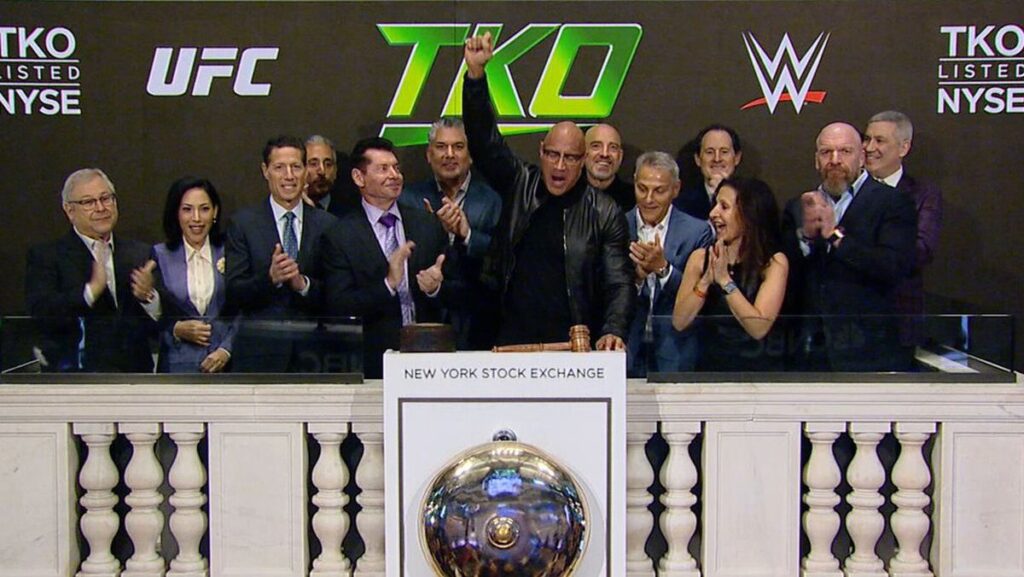
In the last few months, WWE has been going through dramatic restructuring after it acquired the Ultimate Fighting Championship (UFC) with the support of parent company Endeavor and the recently formed TKO Group Holdings. The acquisition has been followed with a string of cost-cutting efforts that comprise mass layoffs at several divisions of WWE. The layoffs are part of a larger effort of operational simplification and redundancy removal with an eye toward realising significant cost reductions. The Merger and the TKO Group Holdings WWE and the UFC finally came together in September 2023 in a move that radically changed the live sports and entertainment landscape. The merging of the TKO Group Holding brought together two of the largest companies in each of their respective niches with Endeavor gaining a majority 51% of the firm. The acquisition was done with the intention of leveraging the synergy of the two companies, enhance profitability, and further expand geographically. The transaction valued WWE at an enterprise value of $9.3 billion and at a price of $106 per WWE share, a 16% premium to the company’s closing price at the date of the announcement. The business of the UFC had an enterprise value of $12.1 billion. The company will be listed on the New York Stock Exchange with the trading symbol of “TKO”. Ari Emanuel, the CEO of Endeavor at the moment, will remain in the position and will also be the CEO of the new company. The president of the UFC will be Dana White and the CEO of WWE will be elevated to be the president of the wrestling business. The 11 members of the Board of Directors of the company will comprise of six members nominated by Endeavor and five members nominated by WWE1. Layoffs and restructuring There were two large rounds of cuts that WWE enforced after the acquisition. The first came immediately after the acquisition had been finalized in September 2023 and impacted more than 100 staff members. The second came in April 2024 and saw dozens of additional positions lost. The cuts affected multiple departments such as the finances, the departments of sales and partnerships, human resources, and production. Senior executives also had positions eliminated with notable executives such as Michael Weitz, Craig Stimmel, Karen Mullane, Stewart Frey, and Matt Geyer. Layoffs came mainly because of the elimination of the duplicative positions that had been created with the merging of the companies. Endeavor had expected major cost-cutting through the mergers and planned to shave between 50 million and 100 million dollars a year in expenses. This move is standard in mergers with the removal of duplicative positions often done in an effort to enhance operational effectiveness and profitability. Impact on Employees and Employee Morality These budget cuts and terminations had an immense impact on WWE employees. They had been discontent with diminished benefits, small wage raises, and increased responsibilities. Regardless of WWE’s great financial results of record profits and major deals, worker morale has been hit hard. Elimination of such perks such as the stock purchase program, colleague-recognition rewards, and complimentary ticket privileges has added further to this issue. Employees also say they’ve been granted minimal cost-of-living increases and no raises based on merit after receiving good review scores. This comes in contrast with the large bonuses paid to top executives such as WWE President Nick Khan and Chief Content Officer Paul Levesque, who each got millions of dollars’ worth of bonuses tied to the merger5. Executive Compensation and Investor Rewards Executive compensation and staff benefits have been a major source of dispute. Executives have experienced increases in finances, yet employees experienced cuts and stagnant compensation. Ari Emanuel, the CEO of TKO, received a cash award of $20 million and a stock award of approximately $60 million, and COO Mark Shapiro received an award of $5 million and large grants of shares5. Shareholders of non-Endeavor firms also stand to gain with the acquisition with the company announcing a share buyback program with a ceiling of $2 billion and the initiation of quarterly dividends. The two programs will drive the price of shares and compensate non-Endeavor investors5. Future prospects and Cost Reduction Strategies In the future, the expectation will be that the TKO Group Holdings will continue reducing the costs further. The COO of the TKO, Mark Shapiro, has also indicated that reducing the live events may be a solution that will boost the margin because the non-televised events are not that profitable. WWE has about 300 events a year with half of them live broadcast events. The strategy in 2025 will be cutting the live events down to “nearing 200” and focusing on the higher-margin events and higher ticketing. Also in the works are additional synergy and efficiencies in WWE and UFC events’ production and travel costs. The Fight Nights’ success has been identified as a future source of growth and expense savings. Integration of Live Events Teams In a move that marks a large leap toward operational optimization, WWE and UFC integrated the live events divisions of the two organizations into a singular unit that will be known as the TKO Live Events Strategy Team. The initiative will endeavor to leverage the strengths of the two organizations and maximize event revenue and growth opportunity. The unit will be overseen by the Executive Vice President of Event Development and Operations at UFC and will be closely supported by the likes of Dana White, Nick Khan, and Paul Levesque. The live events unit will be focused on making operational efficiencies and strategies that will maximize economic returns within hosting cities through government partnership and site-fee income optimization. This consolidation is part of the general strategy of TKO of streamlining services and reducing the cost and making it profitable. Reduction of Live Events One of the largest of WWE’s cost-cutting efforts includes the elimination of live events. WWE has historically averaged a schedule of 300 events annually and will scale this back in 2025 to “near 200” events annually. This
What WWE’s First Major Live Event In India Means For Global Wrestling
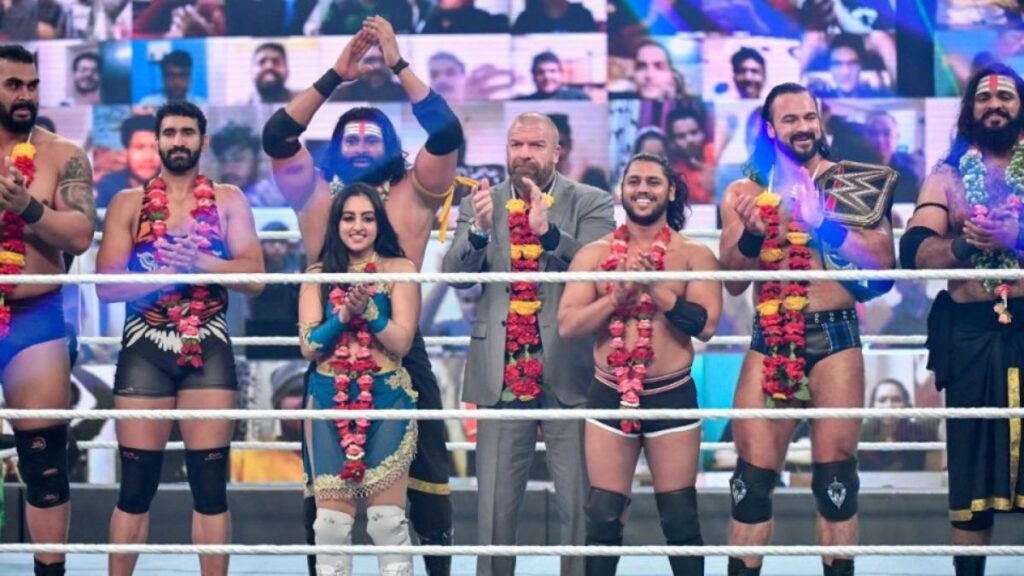
World Wrestling Entertainment (WWE) has been a decades-long worldwide sensation with a combination of sports and entertainment that has won the hearts of viewers everywhere. WWE has recently made tremendous strides in tapping a larger audience, particularly in India, with a large and passionate base of followers. WWE Superstar Spectacle, the company’s first major live event in India in 2021 and a follow-on event in 2023, has been a turning point in the company’s attempts at tapping the Indian market. This article considers the implications of WWE live events in India in the context of worldwide wrestling with a focus placed on the economic, strategic, and cultural implications of the events. Backstory: WWE in India WWE initially found a foothold in the Indian market in the early 2000s with Sony Pictures Networks India (SPNI) broadcasting WWE programs. This has established WWE as a household brand within the country, with millions of viewers per week tuning into Raw and SmackDown and other WWE programs. WWE’s appeal in India extends beyond viewership; it also captures the appeal of the sport of professional wrestling among Indians embracing the blend of sportsmanship, acting, and spectacle. WWE Superstar Spectacle In 2021, WWE showed its first television program specifically targeting the audience of India, WWE Superstar Spectacle, on Republic Day (January 26). The program had a blend of veteran WWE stars and future talent of Indian origin, such as Jinder Mahal and the Bollywood Boyz. The program had been pre-taped in the US but had a dual-language commentary in Hindi and English with the intention of targeting the culturally diversified audience of India. The second Superstar Spectacle was a live house event that occurred in September 2023 in Hyderabad and marked WWE’s return to the country after a period of six years. The event was notable not just because it was a live event but also because it was the first WWE event that had been organized in Hyderabad. Cultural influence WWE live events in India leave a lasting cultural impact that marks the widening popularity of WWE among the population of the country. The events also serve as a source of opportunity that involves introducing talent of Indian origin and making a deeper identification with the native population. The inclusion of wrestlers of Indian origin like Jinder Mahal has a great appeal among the population and inspires and influences the wrestlers of the country at a young age. Moreover, the cultural exchange facilitated by these events helps in breaking down barriers and fostering a sense of global community among wrestling fans. The blend of Indian and international talent allows for unique storylines and matches that appeal to both local and global audiences. Local Talent Development WWE also has an involvement with the talent development in the country. WWE had its first tryouts in 2019 with the intention of finding wrestlers it might recruit into the company. This not only helps in the talent identification and development within the country but also the development of the sport of professional wrestling within the country. Economic Impact There are tremendous economic implications of WWE live events in the country of India. WWE live events rake in substantial revenues in the forms of ticketing, merchandising, and broadcasting rights. WWE broadcasting rights shifting to Netflix in the country of India from Sony from April 2025 marks a turning page in the consumption of WWE content in the country. 35. This transition marks WWE shifting toward the streaming-first audience of the country with a tremendous growth opportunity. Broadcasting rights and income The 10-year, $5 billion deal with WWE and Netflix confirms the economic strength of the sport of professional wrestling in the country of India. The deal not only guarantees WWE a place in the Indian market but also guarantees future sources of revenue with the use of the streaming services. Also, live events like the Superstar Spectacle benefit the local economy in the forms of ticket sale proceeds, hospitality, and tourism. The 2023 Hyderabad event was the city’s first live WWE event, and it welcomed visitors and viewers from the entire nation and contributed to the boost of the local business sector. Strategic Implications WWE’s approach in the subcontinent of India follows the company’s grander aspirations worldwide. WWE attempts to expand a larger audience and reach further worldwide through the targeting of numerous markets and cultures. Global Expansion WWE’s push into India is part of the company’s strategy of penetrating emerging economies. WWE has been actively pursuing business in the Middle East and Africa and has been leveraging the company’s global appeal to reach new audiences. The partnership with Netflix that includes broadcasting WWE programs globally further increases the audience of WWE. This partnership not only ensures WWE a spot in established territories but also opens the company to further territories with a large existing population of Netflix subscribers. Innovation and Engagement WWE live events also serve the dual purpose of an audience engagement and an innovation platform. The application of native languages, such as the use of Hindi commentators and the inclusion of talent that resides within India, helps foster a stronger experience among the audience. This approach helps WWE localize the content and appeal specifically to the respective territories and boost audience participation and loyalty. Further, WWE’s social media and localized content interaction with the audience in India also helps build a strong brand community. Creating a brand community based on this strategy will sustain the interest and enlist further viewers in a competitive media landscape. Challenges and Opportunities While WWE’s foray into India presents numerous opportunities, there are also challenges to navigate. The transition from traditional broadcasting to streaming services requires adapting to changing viewer habits and preferences. Additionally, WWE must balance its global strategy with local market needs, ensuring that its content resonates with diverse audiences. Adapting to Streaming The shift to Netflix in India means that WWE must adapt its content strategy to appeal to streaming audiences. This involves creating engaging, on-demand content that
How WWE’s Latest Japanese Signing Could Influence Global Wrestling
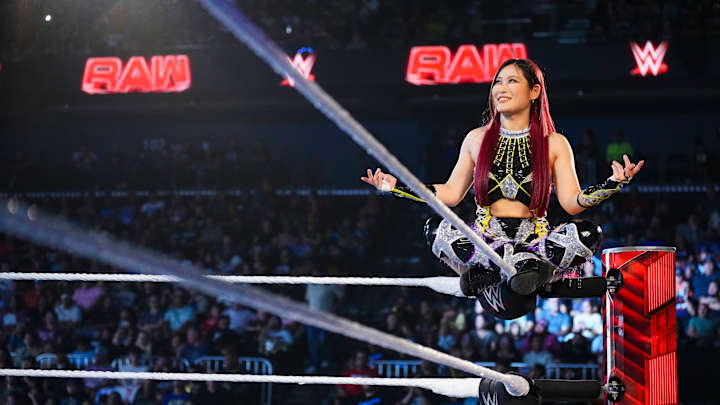
The world of professional wrestling always draws inspiration from colorful and vibrant life in Japan. Its characteristic is rugged action, technical skill, and athletic talent, and Japanese professional wrestling made careers for innumerable professional grapplers who have achieved global successes. In recent months, WWE made moves to directly access Japanese talent, signing up grapplers such as Io Shirai and Sareee, and negotiating deals with Japanese companies. In this article, we take a closer glance at how WWE’s recent Japanese signees may influence global wrestling, including their potential impact on WWE’s style, global wrestling, and the future of Japanese professional wrestling. Background: Japanese Pro Wrestling’s International Expansion Japanese wrestling has made a lasting impression on professional wrestling around the globe. Companies including New Japan Pro Wrestling (NJPW) and All Japan Pro Wrestling (AJPW) have helped to kick-start careers for professional wrestlers who have ended up becoming world icons. For example, AJ Styles, who built his talent in Japan, is universally recognized to be one of the world’s finest professional wrestlers. Likewise, professional wrestlers, including Finn Balor and Karl Anderson, who were trained by NJPW, have incorporated elements of Japanese professional wrestling in their careers, and their contributions have made professional wrestling accepted worldwide. Key Elements of Japanese Pro Style Technical Skill and Physicalism: The Japanese wrestlers have always been admired for their technical skill and physicalism. Such a focus on skill has motivated wrestlers around the globe to better their in-ring performances. Strong Style and King’s Road: These two types, built on physicality and storytelling, have influenced professional wrestling worldwide. Shinsuke Nakamura, for instance, has incorporated such elements into the ring in WWE. Innovative Movesets: Innovative movesets define Japanese wrestling, and innovative movesets usually include flying moves and advanced submissions. These innovative moves have enriched the world’s world of wrestling. Respect for tradition: Japanese wrestling is underpinned by strong regard for tradition and for craft in and of itself. The cultural aspect is such that it influences how the wrestlers perceive their craft, tending to produce a discipline and dedication to their craft and to their training and performing. WWE’s Engagement of Japanese Talents WWE has made strong inroads in signing talent in recent years. In 2018, Io Shirai, who is dubbed “Genius of the Sky,” signed and is now a prominent figure in NXT. Sareee, who is a former Sendai Girls World Champion, recently signed, showing the increased attention to Japanese talent. Impact on WWE’s Style The integration of professional Japanese wrestlers in WWE might have a profound influence on the style of the organization. Here’s how: Increased Technicality: The Japanese competitors have always had a reputation for technical skill. Their style may lead to technically oriented matches, something for viewers who have an appreciation for in-ring technique. Incorporation of Strong Style: The physicality of Strong Style may inject a new layer of depth into WWE matches and, in response, lead to more dramatic and interesting storylines. Diversification of movesets: The Japanese tend to incorporate something unique in their movesets. This may lead to having more diverse matches, keeping the product fresh and interesting to watch. Cultural Exchange: The incorporation of Japanese performers might also facilitate cultural exchange and thus allow WWE to tap into Japanese professional wrestling’s robust culture. The incorporation might take various forms, including using Japanese motifs in presentation or in plotlines. Global Wrestling Scene Impact The influence of WWE’s Japanese signings goes on to affect the world of professional wrestling in various ways: Inspiration to Others: The style and concept-sharing approach of WWE in seeking talent in Japan might inspire other companies to do the same. The result might be increased sharing of style and concept between companies. Talent Migration: The recruitment of Japanese talent by WWE might motivate other Japanese performers to contemplate careers overseas. But, conversely, it might instead lead to talent draining in the Japanese market. Cultural Exchange: Co-productions between WWE and Japanese companies have the ability to facilitate cultural exchange, enriching world professional wrestling through various insights and styles. Global Visibility: The WWE platform might provide Japanese grapplers global visibility and, therefore, worldwide interest in Japanese grappling. Consequently, ever more viewers might develop an appreciation for and take notice of Japanese grappling’s unique style and tradition. Future of Japanese Wrestling While WWE’s recruitment of Japanese talent presents opportunities for global exposure, it also raises questions on what the future holds for Japanese professional wrestling: Talent Drain: The exodus of top talent to foreign offers might weaken the strength of professional wrestling in Japan. The quality and desirability of domestic events might deteriorate. Collaborative Opportunities: Joint ventures between Japanese and WWE, on the other hand, have the potential to offer chances for reciprocal expansion. If managed effectively, such partnerships have the capability to promote increased global exposure for Japanese wrestling while retaining its unique flavor. Preservation of Cultural Heritage: Preservation of their heritage is crucial for Japanese wrestling in their dealings with their counterparts overseas. Keeping their unique style and tradition safe and recognized and admired by everyone around the globe is imperative. Development of New Talents: As talent draining needs to be compensated for, Japanese promotions have to nurture new talent. This might consist of investing in talent development programs and providing opportunities for up-and-coming talent to have their time in the ring and to gain exposure. Case Studies: The successful Japanese wrestlers in WWE Several Japanese professional wrestlers have achieved considerable success in WWE, indicating the potential for Japanese talent to shine on an overseas platform: Asuka: Considered to be among the best professional Japanese wrestlers in the history of WWE, Asuka is one of the top performers in the women’s roster. Asuka’s successes have paved the way for future professional Japanese female wrestlers to enter WWE. Shinsuke Nakamura: Two-time NXT Champion and two-time WWE Intercontinental Champion, Shinsuke is importing the ferocity of Strong Style to WWE. His matches tend to blend technical skill and physicality and draw out the best in Japanese wrestling. Kairi Sane: The winner of the
WWE Faces Backlash Over A Controversial Social Media Post By A Top Superstar
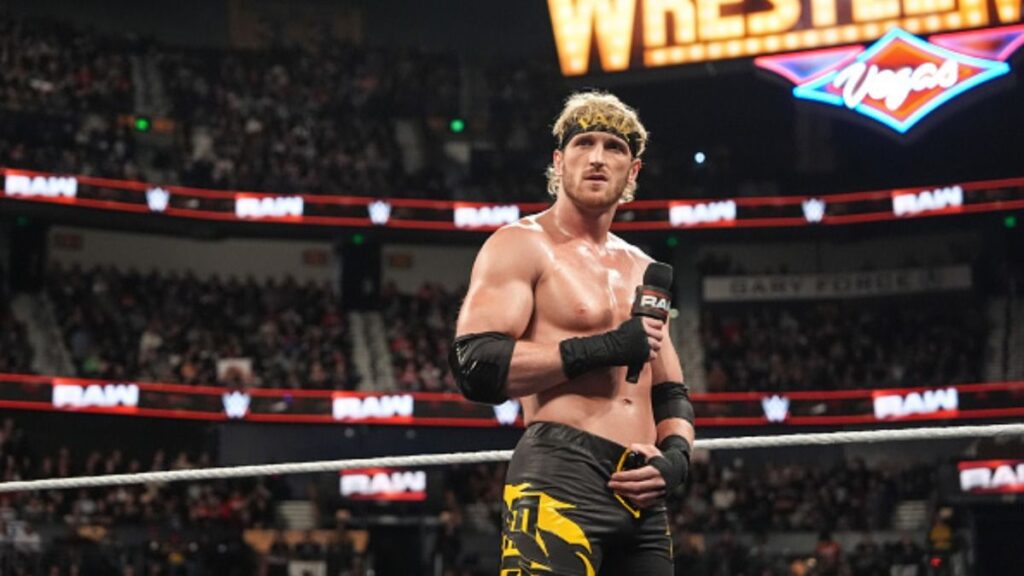
In recent years, the WWE has been plagued by several controversies, oftentimes stemming from the actions of their superstars in and around the ring. Among them is the recent incident of Logan Paul’s actions at 2025’s WWE Royal Rumble, where he smashed up a fan’s camera while making his arrival. The actions, coupled with his cavalier attitude towards outrage, have stirred up heated debate in and around professional wrestling. In this piece, we’re going to take apart the facts surrounding the actions, cover reactions by media and fans, and examine the larger context for the WWE and their superstars. The Incident in the Royal Rumble The 2025 Royal Rumble saw plenty of shocks and plot twists, but no surprise, and one of the most heated and most reported events, including social media sensation and WWE phenomenon, included Logan Paul. As Paul entered, he observed someone attempting to take a snap on a Polaroid. In a surprise and intentional gesture, Paul stole up to the camera and smashed it on the entry ramp. The clip of the scene quickly made its way around on several social media sites, and viewers’ reactions ran the full range, including shock, outrage, and glee. Context of the Incident While some may interpret this to have been an arranged event to promote publicity, others saw it to have been an authentic exhibition of disdain for fans. The context surrounding the situation is paramount in deciphering how and why such reactions ensued. If indeed the action constituted part of a plot, it speaks volumes for the WWE’s skill in courting controversy and attracting publicity. If, on the other hand, it did not have any arrangement, serious questions surround where and how the line between reality and performance is drawn. Logan Paul’s Reaction Following the scandal, Logan Paul’s only response to the outrage on social media was: “Boohoo.” The cavalier response was in addition to shutting down comments on his post, effectively muzzling any ensuing debate or criticism. The lack of apology and showing of remorse only amplified debate, and most of his followers were left dismayed and outraged by his actions. Analysis of the response: Paul’s response is symptomatic of his persona as a provocateur, something that is integral to his online popularity. Here, however, it struck as insensitive and flippant in response to complaints by his fans. The decision to curate and limit response to his post also speaks to the challenge of policing opinion in today’s digital world, where response to accusations may be equally, if not more, powerful than what is expressed. Fan and media reception The reaction of the media and fans to Paul’s actions was universally adverse. Paul’s behavior, whether planned or unplanned, was unacceptable to everyone. The fans griped on their various websites, and several called for disciplinary action against Paul by WWE. The media, also, condemned Paul’s behavior, mentioning potential legal repercussions and to harm to WWE’s reputation. Fan Engagement Fans’ reactions on Instagram and Twitter were swift and vociferous. Anger against Paul’s lack of accountability and seeming lack of regard for how his actions affected his fans filled their tweets and messages. The response demonstrates how vital interaction is between performers and their audience and how imperative it is to have a good working relationship between them. Media Coverage Media outlets extensively covered the incident, both in entertainment and in moral contexts. Articles and opinion pieces questioned whether such behavior was justified in light of having a live audience and whether such acts made the WWE seem to be in a bad light. The media’s role in blowing up such controversies is evidence of the necessary responsible reporting by both superstars and the WWE. Implications for WWE The WWE has always teetered on the edge between entertainment and scandal. Provoking behavior might bring in viewers and newcomers but might also push away existing viewers and hurt the reputation of the brand. The case of Logan Paul is questionable in terms of how the WWE manages their performers’ behavior, on and off stage. Managing Superstar Behavior The WWE needs to weigh the desire for good, entertaining stories and characters against having to provide a safe and respectful atmosphere for viewers. This means keeping their superstars in check and recognizing their impact on their audience and holding them accountable for their behavior. Creating such a culture of respect and accountability is how the WWE can limit their exposure to such controversies. Brand Image and Fan Loyalty The WWE’s business is built around their reputation. Controversies have the ability to destroy trust between their audience if left on their own. The WWE must ensure their superstars’ actions align with values their audience holds. These values consist of having a culture of respect and ensuring their superstars have regard for their impact on their audience. Broader Context: Social Media and WWE Social media is today an integral marketing piece for the WWE, and their superstars have direct access to interact and craft their personas. In doing so, however, their actions are constantly monitored. The WWE is thus left to balance their needs for quality content against their responsibility to maintain a safe and decent environment for their viewers. Social Media: The Double-Edged Sword Social media affords WWE superstars unprecedented access to their audience and, through them, to craft their personal branding and interact in real-time. Social media, however, creates controversies, and thus, maintaining their online persona carefully is crucial for both the superstars and the WWE. Having the ability to reply sensibly to criticisms and maintain a civil conversation with their audience goes a considerable way in shaping and solving controversies. Legal and Ethical Considerations The smashing of the fan’s camera is questionable legally in terms of vandalism of property and potential liability. Others have speculated that the accident might have been staged, but if so, legal repercussions might ensue for Logan Paul and, potentially, for the WWE. Ethically, the accident highlights respecting the property and personal space of fans, whether in
How NXT Europe Could Reshape The Future Of WWE’s Developmental System
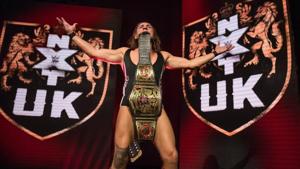
World Wrestling Entertainment (WWE) is a stalwart professional wrestling organization, having existed for decades on solid developmental roots, giving rise to such industry giants. The NXT franchise, in recent years, has taken on a crucial developmental function, presenting up-and-coming talent with a platform to hone their craft before joining the upper roster. The recent moves by WWE to expand developmental reach through the launching of NXT Europe, an initiative to access Europe’s huge talent pool, are something to observe. In this piece, we take an in-depth view of how NXT Europe might redefine WWE’s developmental system, including possible effects, drawbacks, and strategic implications. Background: NXT and NXT UK NXT NXT, launched in 2010, is WWE’s premier developmental brand. The promotion has produced several top talents for the roster, including such performers as Seth Rollins, Roman Reigns, and Sasha Banks. The reasons for the success of NXT include having the ability to provide performers with a platform to develop their characters and in-ring personas in an intimate atmosphere compared to larger roster programs such as Raw and SmackDown. The storytelling and building of characters by the brand is what makes them so popular, regularly cited for having excellent matches and interesting storylines. NXT UK In 2016, WWE’s developmental system expanded to include NXT UK, focusing on UK talent. The talent developed by NXT UK, such as Rhea Ripley, Gunther, and Butch, have gone on to join the main roster and have become regulars. Regardless, NXT UK did have their struggles, including stagnation and injury, and eventually closed up in August 2023. Despite such struggles, NXT UK did allow talent to shine in Europe and opened up future developmental ventures in Europe. The Concept of NXT Europe Following the cancellation of NXT UK, plans have been made by WWE to unveil NXT Europe in an attempt to build up a greater pool of talent on the continent. The initiative is in accordance with plans by WWE to tap Europe’s pool of professional wrestling talent to provide talent with a platform to develop and progress without having to relocate to America. Strategic Objectives Talent Acquisition: The intent of NXT Europe is to develop and identify talent in Europe and to provide, if possible, a deeper and more diverse roster for WWE. Market Expansion: Being established in Europe, WWE is in a position to cement its branding and base on the continent. Developmental Pipeline: The NXT Europe system will act as a talent feeder to the top roster, having a consistent flow of quality-trained talent. Potential Impact on WWE’s Development System Enhanced Talent Diversity NXT Europe would have the power to enrich the talent pool for WWE by including talent who hail from diverse backgrounds in Europe. The talent pool’s diversity creates better and richer stories and characters and thus draws in more viewers. The infusion of talent in Europe might also bring in fresh and innovative style and moves to WWE, enriching the product. Improved Developmental Process By focusing on local talent, NXT Europe is able to craft their developmental system to better suit local style and sensibilities. The result may be richer, better-developed characters and in-ring work better attuned to local viewers. Furthermore, NXT Europe might have more freedom in their talent development, allowing their performers to maintain their unique personalities rather than having to mold them to fit an ideal WWE mold. Strategic Partnerships NXT Europe might forge alliances with local promotion businesses, following in the footsteps of WWE’s classic alliances with independent promotion businesses. Such a system might permit WWE to tap talent bases and economize on building up a developmental system in-house. The alliances might also ensure sharing of good practices and ideas and thus improve overall quality in WWE’s developmental system. Challenges Facing NXT Europe Operational Logistics Establishing a new brand is a resource-intensive activity involving investing in such facilities for training, equipment for production, and personnel. WWE is required to overcome such logistical barriers while maintaining alignment between NXT Europe and the overall creative vision of the organization. These include building robust systems for talent, talent contracts, and coordinating between existing WWE brands. Competition from Alternative Promotions The European professional wrestling scene is booming, and companies including All Elite Wrestling (AEW) and New Japan Pro-Wrestling (NJPW) are competing for talent. WWE must compete to hire and retain talent in Europe. The competition might inspire innovation, where WWE attempts to differentiate NXT Europe and offer unique opportunities unavailable to rival companies. Integration with Current WWE Brands NXT Europe must fit in nicely with today’s WWE brands, where talent transitions smoothly between developmental and top roster. There needs to be organization and planning to ensure no blunders, such as have happened in development in the past. The creative focus of NXT Europe needs to complement the greater WWE universe to offer an integrated view to viewers. Recent Developments and Implications of the WWE ID Program WWE recently instituted the WWE ID (WWE Independent Development) initiative, in cooperation with independent professional wrestling academies, to develop talent. The initiative might complement NXT Europe by providing additional access for talent in Europe to join WWE’s developmental system. The WWE ID initiative provides access to talent and talent development for WWE without having to keep a developmental brand, affording them flexibility and cost savings. Partnership with TNA WWE’s growing cooperation with Total Nonstop Action Wrestling (TNA) is likely to have ramifications for the future of NXT Europe. Outsourcing talent development to TNA might offer an inexpensive solution to building up an independent NXT Europe brand. The methodology, however, must be carefully overseen to ensure WWE maintains creative control and leads TNA’s developmental activity to complement its greater overall objectives. Strategic Recommendations for NXT Europe Quarterly Supershows NXT Europe may begin in a regular quarter-year supershow format, such as premier talent and top roster performers. The format would allow for testing the waters before investing in an extensive weekly format. Quarterly supershow events may generate hype and anticipation for future events and provide
From Johannesburg To The World: The Economic Impact Of WWE’s South African Event

World Wrestling Entertainment (WWE) has evolved from being a local wrestling promotion to a world sports-entertainment powerhouse. It enjoys the support of millions of people all over the world. WWE events are no longer just performances of athleticism and storytelling; they also have great economic significance as they can have a significant impact on local economies. This piece discusses the economic impact of WWE events in South Africa, with emphasis on Johannesburg, as well as how the events support the economy through tourism, local enterprise, job generation, and local people’s interaction. The Significance of WWE Events in South Africa WWE’s foray into the market in South Africa has been met with anticipation from the local market as well as the fan base. Though the history of the organization in the country can be traced as far back as the early 1990s, the events of late have seen the market regain excitement as well as attention from the fan base. The 2020 WWE Live tour was no exception, with the events being hosted in more than a single city in the country’s biggest metropolises, Johannesburg, Cape Town, and Durban. These events’ significance is underlined by the existence of a passionate fan base in South Africa. Frequent broadcasts of WWE shows on networks like SuperSport have served to solidify its position as popular, with the brand being a household name. Therefore, when the WWE holds an event in Johannesburg, there is much excitement and anticipation, which is met with more tickets being sold as well as more attention from sponsors and local businesses. Tourism Boost and Increased Visitor Spending One of the most tangible economic impacts of WWE events is the tourists. In events staged in Johannesburg, WWE attracts tourists from all over the country as well as from neighboring states like Botswana, Zimbabwe, and Namibia. More money is realized through extra spending in numerous sectors as a result of the tourists: Accommodation Hotels and guesthouses see massive levels of occupancy on event weekends. Fans drive long distances from other locations just to view these events, thus initiating higher levels of booking at the local hotels. Not only the sale of the hotel rooms but also ancillary revenues from food and drink purchases at their venues benefit local hotels. Dining Restaurants and eateries experience more patronage as supporters have meals before or after the shows. Special menus or deals from local restaurants are usually set aside to cater to the wrestling supporters, thereby adding more revenues for them at event weekends. It is quite beneficial for small restaurants as they rely on these bursts of patronage in order to keep their businesses running. Transportation Local transportation providers, from ride-share apps to mass transit, experience more strain as supporters drive to and from the venues. Increased traffic can mean more money for drivers as well as transportation companies. Increased traffic can also be advantageous for fuel retailers at local fuel stops. Retail Local shops benefit from higher revenues as the supporters purchase merchandise relating to the event or souvenirs from their experience in Johannesburg. From wrestling collectibles to apparel featuring popular wrestler logos, the retailers benefit from the influx of tourists who wish to have a souvenir from their experience. The combined effect of these spendings creates a situation where visitors stay longer and spend more than average tourist visits. Studies showed that major wrestling events can help achieve a 4.1-night stay per guest—a duration of stay that helps significantly toward the local economy. Job Creation and Economic Multiplier The economic value of WWE events also extends beyond the initial consumer spend from tourists; local job creation is also a contributing factor. Events generate the requirement for employees in a variety of capacities, from the security workers, hospitality workers, event management workers, and more. Most of these employees have contractual or temporary work but generate much-needed revenues for individuals at the peak event times. Moreover, the multiplier also holds relevance economically when the money tourists spend is seen as circulating in the local economy. For every dollar tourists spend at a WWE event, more money is being directed into the local economy as local employees and suppliers work with businesses. This ripple can have long-term economic returns long after the event is over. For example, when the guest buys a ticket, the money is going toward WWE but also toward the operating budget of the local venue, which can be used for local employees as well as local vendors. In the same way, when tourists dine at local restaurants or shop at local retailers, they are supporting the local businesses but also their employees. It is through this interconnectedness that WWE events can create more significant local economic growth. Comparative Economic Effects: An International Overview To understand the significance of WWE events in South Africa from a global perspective, it is enlightening to set them in perspective with other large events featuring wrestling undertaken anywhere else. Major wrestling events, notably WrestleMania, have been seen to have considerable economic returns in the event venues. For instance, WrestleMania 39 in Los Angeles produced approximately $215 million in economic impact, while WrestleMania 34 in New Orleans injected approximately $175 million into the local economy. While WWE’s shows in South Africa have thus far fallen short of the scale of attendance or local economic significance of the likes of WrestleMania, they have the value of contributing materially to local economies as well as having growth potential. Media coverage tied to these events can be the precursor to more coverage as well as market visibility for Johannesburg as a holiday destination, with more international tourists being attracted. Community Engagement and Brand Loyalty WWE’s engagement with the local population is also a significant area of its economic impact. By bringing events to the city of Johannesburg and other metropolitan locations in the country, WWE creates brand loyalty with the fan base. Brand loyalty is ultimately passed down as the fan base is more likely to support local businesses
WWE Takes Care: Inside The New Mental Health And Wellness Program For Superstars
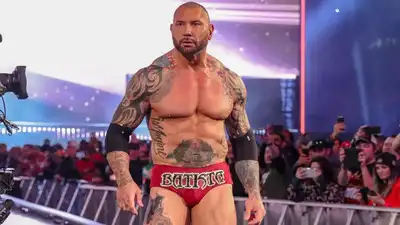
In recent times, the world of professional wrestling has witnessed significant changes, notably with the wellness and the mental health of the stars. World Wrestling Entertainment (WWE), being among the world’s largest professional wrestling players, took the proactive measure of enhancing the stars’ wellness as well as their mental health. In this work, the new WWE program for the stars’ wellness as well as their mental health is analyzed, from the initiation and implementation to the challenges met, as well as how the program affected the stars’ lives. The Evolution of WWE’s Wellness Programs WWE’s commitment to the health and wellness of its athletes is nothing new. It traces its roots back to the inception of the Talent Wellness Program in 2006. It emerged as much as a response to the death of Eddie Guerrero, a fan-favorite wrestler whose death served as a wake-up call about the necessity of rigorous health screening within the organization. It began as a program with a body health focus, with drug screening as well as injury assessment, but evolved later with the inclusion of the health of the mind. The shift toward more integrative thinking began gaining momentum late in the 2010s as awareness regarding the issue of mental health spread across the board. WWE realized the health of the body is just as vital as the health of the mind when maintaining their stars at their optimal level. The organization began implementing changes that would ultimately lead to more extensive policy regarding the issue of mental health. Recognizing Mental Health as a Priority In light of the rising awareness about the matter of mental health, WWE added its wellness program with the launch of targeted mental health services. WWE reportedly approached all the talents with the provision of the services of mental health counselors, assuring them there is support for anyone who is dealing with personal struggles. This is proof of the larger acknowledgment in the sector about the importance of the issue of mental health for wellness. The program also includes licensed therapists and counselors who have experience with athletes and performers. These therapists can deal with all kinds of concerns, ranging from depression and anxiety to stress management and coping. By having these resources in place, WWE hopes to have a stigma-free environment in which the stars can seek the help they need. The Impact of Tragedy on Policy Change The passing of Daffney Unger, a wrestler who battled with her own mental health struggles, proved to be the wake-up call WWE needed regarding the issue. After her death, WWE again asserted its dedication to supporting its talent. Messages went out urging the use of resources at the wrestlers’ disposal, from the use of counseling resources to WWE medical support. By being proactive in this regard, the goal is the creation of a system in which the stars would be comfortable seeking solutions without stigma. Daffney’s tragic experience resonated with the world of wrestling and raised questions regarding the provision of support for the mental health of athletes. Several other professional wrestlers have since shared their own struggles with the problem and underlined the value of having support networks in the professional world. The Role of Superstars in Promoting Mental Health Awareness WWE superstars are speaking out more as advocates for mental health awareness. Wrestlers have been open about their own mental health issues when conducting interviews or appearing on podcasts. Rollins discussed the stresses of being a main eventer and how speaking out about these stresses can help remove the stigma of mental health in wrestling. Rollins’s willingness to be open is inspiring to the fan base and other professional wrestlers alike as he encourages discussion about their own well-being. Moreover, other athletes have also been contributing to the movement through their social media entries, utilizing their voice as influencers as a tool for bringing awareness regarding the issue with wrestling’s mental health. Visibility is necessary in normalizing the dialogue about being mentally healthy as well as inspiring other individuals who have these same issues. Initiatives Beyond WWE: The “Tag Me In” Campaign The wrestling world is more than WWE; other organizations have joined together with efforts like “Tag Me In.” It is a movement created by certain prominent faces in professional wrestling with the aim of normalizing the dialogue about mental health as well as helping people who have been affected. “Tag Me In” calls upon professional wrestlers at all levels to be honest about their struggles with their mental health and connect with other professional wrestlers. It places a value upon checking in with each other and eliminating the stigmas keeping people from discussing their struggles. By bringing the world of professional wrestling closer together, “Tag Me In” aims to create a world in which seeking help is a badge of honor, not a stigma. Comprehensive Support Systems WWE’s wellness program includes a number of support mechanisms geared toward addressing all areas of wellness as well as health-related concerns. These include periodic visits with physicians, meetings with sports psychologists, as well as individually tailored counseling specifically for the wrestlers. By having all-encompassing support dealing with all areas of wellness, WWE is striving to keep the stars at their optimal level of performance as well as their emotional health. The organization also instituted workshops in the areas of stress reduction through the use of mindfulness practices, yoga classes, and relaxation. These workshops would be for active athletes as well as athletes transitioning from professional wrestling careers who would have their own set of unique challenges regarding identity and finding their new role after leaving the mat. Challenges Faced By Wrestlers Despite these innovations, professional wrestlers also continue to face unique challenges with their mental health. Performance pressures, as well as the frenetic touring schedule, can be a contributor to burnout as well as stress. Wrestlers have long days with little downtime in between performances or events; the nonstop work can be physically as well as emotionally draining. Also,
Crossover Star: Evaluating The Impact Of Ronda Rousey’s Return On WWE’s Global Appeal
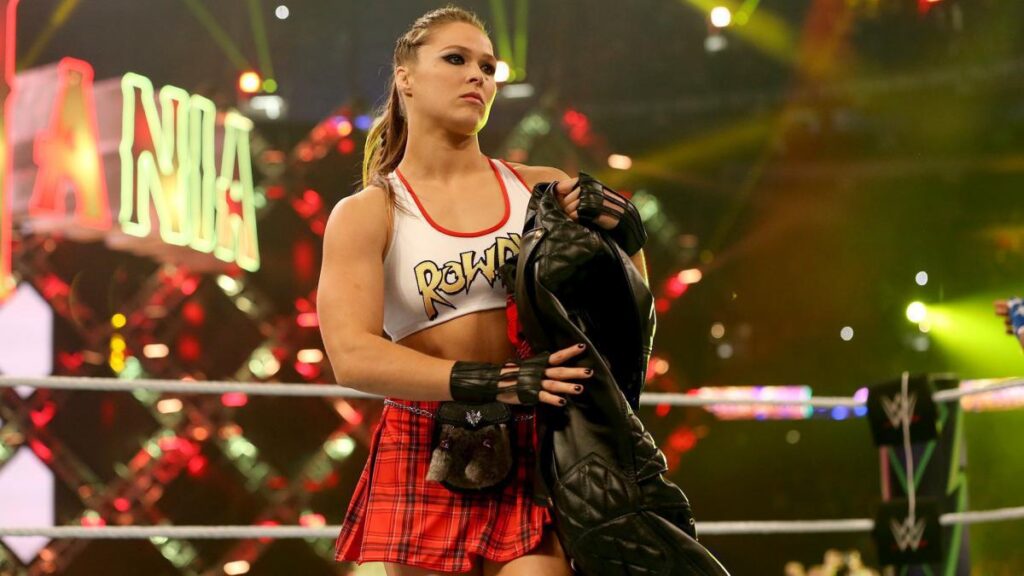
Ronda Rousey’s WWE return is the defining moment in professional wrestling history, profoundly enhancing the international appeal of the organization. As a crossover athlete from the realm of mixed martial arts (MMA), Rousey is the embodiment of athleticism, charisma, and mass visibility from the world at large. This article is about the far-reaching impact of Ronda Rousey’s return on the international appeal of WWE, her television audience, the female division, and the economy, as well as her lasting legacy. Ronda Rousey: A Brief Overview Ronda Rousey is a versatile athlete who is renowned for her exploits in the fields of judo, MMA, and professional wrestling. Born on 1st February 1987, Rousey is the first-ever US female athlete to have won an Olympic medal in the sport of judo when she won the 2008 Summer Olympics bronze. After her days as a judoka, Rousey turned professional in the world of MMA, becoming the first female athlete to be signed with the UFC as well as the first female champion of the organization. Her dominance inside the octagon with six successive defenses cemented her position as the world’s top female athlete. In 2018, Rousey debuted at the highly anticipated WWE event at WrestleMania 34. Her debut served as a defining point for female wrestling and set the stage for her path-breaking WWE career. Transition to WWE Rousey’s transition from MMA to WWE was seamless due to her extensive background in combat sports. Her debut was met with immense excitement, and she quickly established herself as a formidable competitor. Winning the Raw Women’s Championship at SummerSlam 2018 and headlining multiple pay-per-view events—including WrestleMania—Rousey became a central figure in WWE’s women’s division. The Impact on Viewers One of the biggest immediate impacts of Ronda Rousey’s WWE return is the significant television viewership boost. Her presence generates massive buzz and anticipation from the fan base, which leads to higher weekly television ratings for television shows like Friday Night SmackDown as well as Monday Night Raw. Ratings Surge Since Rousey’s 2022 comeback at the Royal Rumble, there have been notable television rating growths. For instance, shows featuring Rousey have more view counts compared to shows without her. This is because her presence can attract casual audiences as well as devoted enthusiasts who enjoy her drawing power. Pay-Per-View Success Rousey’s participation in headline events also brings with it higher purchase levels for pay-per-view. Her events have higher attendance levels because her presence is a marquee event. Her events generate buzz not just with regard to tickets but also merchandise tied to her personality. Elevating Women’s Wrestling Ronda Rousey’s return has been at the center of advancing the position of the female wrestler in WWE. Her presence is aiding the revolution going on for the female professional wrestlers who aim at having equal opportunities as well as recognition with their male counterparts. Breaking Barriers As one of the revolution leaders, Rousey shattered the stereotyped perception of female professional wrestlers. She main evented at the WrestleMania 35—the first female main event at the event—to demonstrate how female professional wrestlers can be as popular as male professional wrestlers. This breakthrough created doors for the next generation of female professional wrestlers who aspire for the same level of achievement. Inspiring Future Generations Beyond her professional accomplishment in the ring, Rousey is also a role model for aspiring female athletes as well as female sports/entertainment careers. Her trajectory is also notable for the virtues of resilience, determination, and fortitude, all of which have won her the admiration of her fan base. By mentoring new stars through WWE’s developmental system (NXT), Rousey is contributing toward the more accepting professional wrestling world. Economic Impact of WWE Ronda Rousey’s superstardom is more than just television viewers; there is also tangible economic benefit for the WWE. Her presence generates higher merchandise revenues as well as higher event prices when her fights are the main event. Merchandise Sales Rousey’s popularity also generates significant merchandise revenues for WWE. Her face is featured on T-shirts, action figures, and collectibles, which have become fan favorites. Not only is the merchandise boom adding revenues at the bottom line of WWE but also securing Rousey’s position as a top personality at the organization. Television Deals & Partnerships The economic value of Ronda Rousey’s presence is also evidenced through the TV deals and partnerships WWE has procured since her introduction. SmackDown’s move to Fox and the sale of the WWE Network to Peacock are just a few ways Rousey’s presence enhanced the marketability of WWE as well as their appeal to more audiences. Challenges Faced By Ronda Rousey Despite her numerous accolades, Ronda Rousey’s experience with the WWE hasn’t been without its troubles. Her comeback raised questions regarding the creative decisions being made regarding her character’s storyline as well as the outcomes of her bouts. Backstage Controversies Reports indicate there have been times when certain members of the backstage support staff resented having her featured in storylines. These controversies allude to the complexities of accommodating a crossover performer like Rousey in a world of scripting where control is paramount. Maintaining Interest Throughout Time The other issue is keeping the interest in a star like Rousey long-term. Special attractions can be exciting in the short run but can also yield dwindling returns unless managed with great care. Critics also argue that excessive exposure can dilute the aura of stars like her; thus, finding the optimal level of utilizing her star power without diluting its novelty is the essence of WWE’s long-term thinking. Conclusion: A Lasting Legacy Ronda Rousey’s impact on WWE transcends her victories inside the ring; it encompasses cultural significance and economic influence that have reshaped the organization’s landscape. By attracting new audiences and elevating women’s wrestling to new heights, she has solidified her legacy as one of the most important figures in both MMA and professional wrestling history. As WWE continues to be more accepting of diversity in its ranks, Rousey’s work will be remembered for decades. Her story is a
WWE Expands Global Touring Schedule For 2025
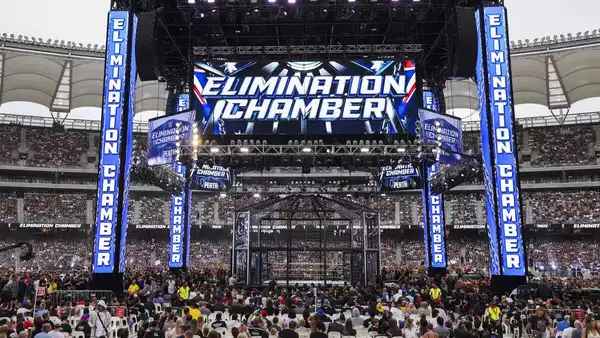
World Wrestling Entertainment (WWE) has been a sports entertainment leader, entertaining generations and geographies. The company has successfully adapted over the years from a North American-oriented promotion company to a global phenomenon with a reach across continents. In 2025, WWE is taking a significant step ahead with the introduction of its biggest global tour schedule yet. The aggressive strategy comprises a list of live events, premium live events (PLEs), and special events in North America, Europe, Latin America, Asia, and the Middle East. By doubling its tour schedule, WWE is seeking to connect with its increasing global fanbase and strengthen its presence in major markets. North American Highlights Road to WrestleMania Tour Kicking off the year, a list of 13 live events under the “Road to WrestleMania 2025” tour was revealed. The events are strategically planned with a strategy intended to build anticipation and storylines in expectation of WrestleMania 41. The viewers at these events receive a firsthand taste of high-octane matches featuring their favorite superstars in a competition for a position on the biggest platform in WWE. Some of the key stops on this tour are: Madison Square Garden, New York—an iconic venue for WWE. Los Angeles, California—a top market in WWE with a passionate fanbase. Houston, Texas—a city where many WWE events have been held in the past, including WrestleMania. Tickets for these performances went on sale on January 10, 2025, on Ticketmaster, with preliminary reports indicating high demand in key markets. Premium Live Events WWE’s 2025 calendar features a variety of top-of-the-line Premium Live Events (PLE), with high-risk bouts, captivating storylines, and unforgettable moments. The following are among the biggest events of the year: Elimination Chamber (March 1, 2025, Toronto, Ontario, Scotiabank Arena): One stop on the way to WrestleMania where a number of superstars battle inside the unforgiving steel structure in order to secure a title opportunity. WrestleMania 41 (April 19-20, 2025, Allegiant Stadium, Las Vegas, Nevada): The crown jewel of WWE, featuring two nights of blockbuster matches, celebrity appearances, and major story developments. SummerSlam (August 2-3, 2025, MetLife Stadium, East Rutherford, New Jersey): Known as “The Biggest Party of the Summer,” this event consistently delivers some of the most thrilling moments of the year. Each of these events is expecting record-breaking crowd totals, with over 150,000 viewers planned on a two-night visitation at WrestleMania 41. European Expansion Europe has been a major market for a considerable amount of time with a significant following in a number of countries. WWE is doubling down on its efforts in Europe in 2025 with a total of 11 live events in major cities, cementing its presence on the continent. The tour dates revealed are: Barcelona, Spain Dortmund and Hannover, Germany Brussels, Belgium Bologna, Italy Belfast, Northern Ireland Nottingham and London, England. Glasgow, Scotland Vienna, Austria Amsterdam, Netherlands Clash in Paris One of the largest recent announcements in WWE expansion in Europe is “Clash in Paris,” on August 31, 2025, at the Accor Arena in Paris, France. The event is a homecoming in France for a PLE and a demonstration of professional wrestling’s growing popularity in the country. The event is going to have homegrown Europeans and WWE’s biggest superstars. John Cena’s Final Tour WWE legend John Cena has announced that 2025 will mark his farewell tour, with several European stops planned. Fans in London and Glasgow will have the opportunity to witness Cena in action for the final time, making these events a must-see for lifelong supporters of the 16-time world champion. Expansion into the Middle East, Asia, and Latin America. Latin America Latin America has been a breeding ground for professional wrestling for a long time, and Mexico has been a major driving force in the business. In 2025, WWE is committed to increasing its profile in the market with a longer tour with stops in: Mexico City, Mexico São Paulo, Brazil Buenos Aires, Argentina These events will allow WWE to penetrate even further into the passionate professional wrestling fanbase in Latin America, who previously welcomed other promotions such as Lucha Libre AAA and CMLL. Asia-Pacific Expansion WWE has identified the Asia-Pacific region as a key growth market, particularly in India, Japan, and Australia. Plans for 2025 include: India: WWE Superstar Spectacle’s Return, a live special event focused on the Indian market. Japan: Special bouts with NJPW performers and guest appearances with NJPW wrestlers. Australia: A major stadium show in Melbourne, following on from the company’s successful tours in the region. Middle East Market The Middle Eastern market is a valuable market for WWE, with a special mention going to the Saudi General Entertainment Authority, with whom they have partnered. It is said that WWE is going to hold a major show in Jeddah in the year 2025, following in the trail of organizing high-scale shows in the region. Strategic Partnerships and Broadcast Innovations To complement expansion worldwide, WWE has been actively securing partnerships that will drive access among global viewers. One major step in 2025 is partnering with Netflix, where WWE Network shows are included on the global streaming platform. The step opens the reach of WWE shows even wider, giving viewers increased access to watch live events, archived fights, and original shows. Additionally, WWE is expanding on other media platforms like YouTube and TikTok with shorter content and live engagements in a move aimed at capturing young viewers. The Impact of Global Expansion on WWE WWE’s expanded tour schedule around the globe in 2025 is a significant step in the company’s efforts in becoming the world’s greatest sports entertainment brand. The key benefits of such expansion are: Enhanced fan participation: Global distribution of live events makes viewers connect with them on a greater level and brings them in contact with WWE firsthand. Revenue growth: Ticket sales, merchandising revenue, and sponsorship are the driving forces behind WWE’s financial success. Talent development: International tours expose superstars in the WWE to other wrestling styles and cultures and ultimately refine in-ring performance and storytelling. Conclusion WWE’s expanded tour calendar
Wrestling In The Digital Age: Comparing WWE’s NFT Strategy To Other Sports Entertainment Brands
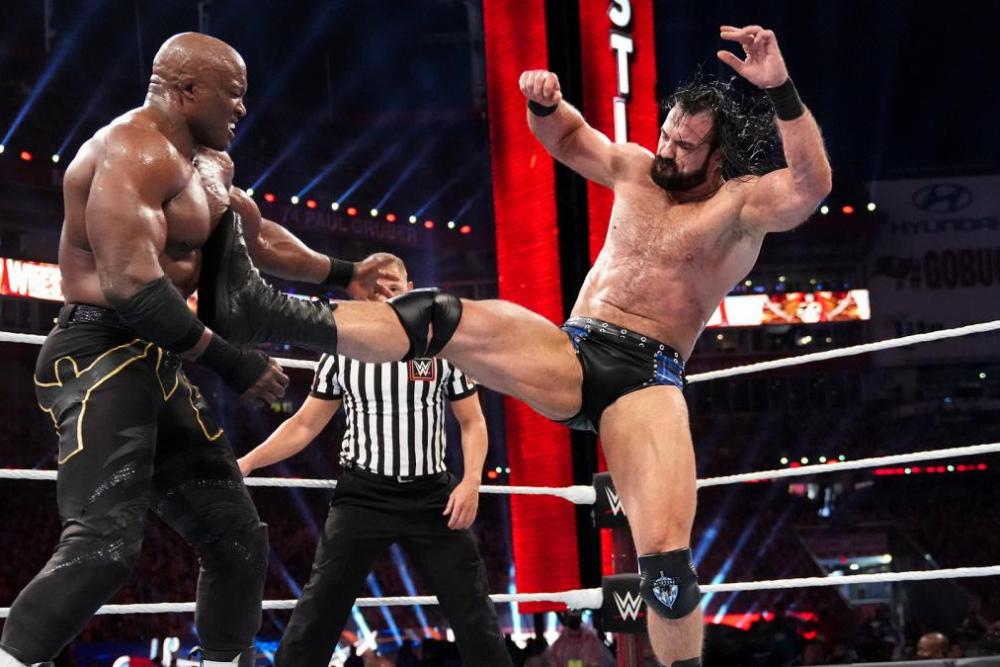
In the rapidly evolving landscape of digital technology, sports entertainment firms are seeking increasingly creative ways in which they are able to engage with their audience. One such innovation is the introduction of Non-Fungible Tokens (NFTs), unique digital collectibles validated with blockchain technology. World Wrestling Entertainment (WWE) has been a trailblazer in utilizing NFTs in its fan outreach. The article examines how WWE is going about utilizing NFTs, how other sports entertainment firms are following suit, and what implications there are in the wider sports entertainment market. WWE’s Foray into NFTs Launch of Moonsault, the WWE Digital Marketplace In June 2022, WWE launched its own proprietary marketplace, “Moonsault,” in collaboration with FOX Entertainment’s Blockchain Creative Labs. The marketplace was aimed at giving collectors special digital collectibles representing WWE’s massive library of iconic events, superstars, and major events such as WrestleMania and SummerSlam. The initial assortment consisted of over 10,000 “NFT Flips,” with every one featuring a WWE Superstar connected with the “Hell in a Cell” event. Following the event, these NFT Flips transformed and revealed a 10-20 second highlight reel featuring the featured superstar, allowing collectors a colorful and evolving collectible. Enhancing Fan Involvement with Special Privileges WWE’s NFT strategy is not only about collectibles. The company has added special rewards for NFT holders in order to connect with the fanbase even further. Digital token holders, for instance, have been given access to in-game meet-and-greets with top superstars like Roman Reigns and Bianca Belair, with bespoke experiences not previously accessible to the regular fan. NFT holders have also been given access to ticket presales at WrestleMania and special merch drops, giving a perception of exclusivity and added value on their digital investments. Comparative Analysis: Sports Entertainment Brands and Strategies in NFT NBA’s Top Shot: Revolutionizing Digital Collectibles The National Basketball Association (NBA) was a trailblazer in the market for non-fungible tokens (NFTs) with its “NBA Top Shot.” In a collaboration with Dapper Labs, Top Shot is a platform where users can purchase, sell, and trade licensed collectible highlight reels of the NBA. Each “Moment” is a clip of a highlight play, preserved in a single NFT. The platform was a massive hit, with over $2 billion in transactions having been made by the end of 2022. NFL’s Digital Collectibles and Virtual Events The National Football League (NFL) has also moved into the space with digital collectibles representing major football events. In cooperation with other blockchain technologies, the NFL is permitting users to hold special digital possessions. The NFL has also been trying out experiences in the metaverse, such as with NFT-driven virtual tickets giving users access to special events and information and, in turn, augmenting the fan experience. Soccer Clubs and Player-Centric NFTs European soccer players and clubs have taken on board NFTs in a move aimed at involving their followers and generating new revenue streams. Clubs have made digital collectibles in the shape of player cards and souvenirs, allowing their followers a stake in their club’s heritage. Players have also made personal NFTs, offering their followers special experiences and insights. Luka Modric, a prominent soccer player, is a notable example. Not only has he invested in properties but has also made NFTs, diversifying his investments and bonding with his followers in a creative manner. Key Elements in Successful NFT Strategies in Sports Entertainment Examining the various approaches to NFTs in sports entertainment reveals a variety of elements shared in successful fan involvement: Authenticity and Exclusivity: We are in a position to offer collectibles with meaning and value because we are offering unique, licensed digital collectibles. Enhanced Fan Interactivity: The addition of other advantages, such as access to special events or athlete engagements, is a sure value addition in digital collectibles. Community Building: The establishment of marketplaces where followers are able to buy, sell, and trade NFTs establishes a platform and a shared bond among followers. Innovative Technology Partnerships: Strategic collaborations with top-tier blockchain and technology firms offer a secure and seamless customer experience. Challenges and Considerations in Adopting NFT Strategies While NFTs present exciting opportunities, sports entertainment brands must navigate several challenges: Market Volatility: The NFT market is no stranger to volatility, and digital asset value is subsequently impacted. A case in point is the Australian Open NFT program; the program witnessed a huge drop in value with the NFT plummeting by a staggering 90% as the program lost momentum. Environmental Concerns: The energy consumption associated with blockchain technology has raised environmental concerns. Brands must consider eco-friendly solutions to mitigate negative impacts. Regulatory Landscape: The evolving legal framework surrounding digital assets requires organizations to stay informed and compliant to avoid potential legal issues. Fan Education: Since NFTs are a relatively recent phenomenon, educating the fans about their utility and value is key in order to gain broader usage. The Future of Sports Entertainment and NFTs The integration of sports and NFTs is on the threshold of evolving with a variety of potential developments on the horizon: Expanded Utility: In addition to collectibles, NFTs would also function as digital tickets, allowing access to events in real life, special content, or even voting power in fan groups. Cross-Platform Integration: Interoperability between various platforms and games is a future possibility in which NFTs may be used and shared across several worlds. Dynamic Content: The future NFTs would hold live information, such as statistics and highlight reels, based on a player’s performance and dynamically update, making them even more useful and valuable. Enhanced Personalization: Brands can provide personalized NFTs, allowing fans to customize their digital assets to their personal tastes or to mark individual experiences. Conclusion WWE’s strategic incorporation of NFTs through such initiatives as the Moonsault marketplace is a prime example of how sports entertainment brands are innovating with the technology in a creative way in order to engage with their followers in today’s digital world. By offering special digital collectibles and layering other rewards with them for the fanbase, WWE has established a multi-pronged strategy with NFTs aimed at optimizing