
Royal Rumble Build-Up: Rivalries Heat Up As WrestleMania Season Begins
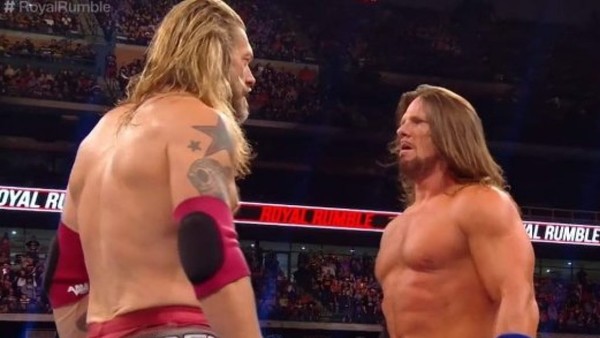
The Royal Rumble is by far one of the most coveted WWE events whenever the calendar arrives at the time to host the spectacle, since for many fans, it automatically means the kicking off of another WrestleMania season. What is expected in the highly anticipated 1st of February bout is shaping into one of the most exciting installments in very recent memory. With rivalries heating up, surprise entrants rumored, and major implications for WrestleMania 41, the build-up to the Royal Rumble has fans on the edge of their seats. Below is a look at some of the key storylines, potential surprises, and what to expect as WWE heads into one of its biggest nights of the year. The Significance of the Royal Rumble The Royal Rumble is more than just a pay-per-view; it’s an institution in the WWE calendar. The event features a pair of 30-person over-the-top-rope matches—one for men and one for women—where the winners gain a championship match at WrestleMania. Beyond the in-ring action inside the matches, the Royal Rumble is synonymous with surprise returns, shocking debuts, and unforgettable moments that set the stage for WrestleMania. The stakes are higher than ever in 2025. With WrestleMania 41 on the cards, the Royal Rumble will set the tone in terms of determining the main event scene and shaping storylines for the biggest show of the year. Key Storylines Going into the Royal Rumble Cody Rhodes vs. Kevin Owens: Ladder Match for Supremacy The feud between Cody Rhodes and Kevin Owens is probably one of the most personal, deep, and hot in memory. This ladder match at Royal Rumble would finally put to rest their fight but also the advantage that headed into WrestleMania. Both of these men just want to prove they are that top star here in WWE, and the added stipulation of the ladder match ups the ante a bit. What’s at Stake: The winner will have massive momentum going into WrestleMania with a possibility of earning a shot at the World Heavyweight Championship. Dominance of Rhea Ripley in the Women’s Division Rhea Ripley has been dominant since she became the Women’s World Champion, but that is getting tested by Liv Morgan. Their feud has been very personal and escalating as Morgan has promised to take down Ripley at the Royal Rumble. What’s at Stake: Ripley’s championship is on the line, and a loss could derail her path to WrestleMania. For Morgan, a victory would solidify her as one of the top stars in the women’s division. Gunther’s Historic Intercontinental Title Run Gunther has been one of the most dominant champions in WWE, with an Intercontinental Championship reign of over 600 days. His next challenger is the fierce competitor Ilja Dragunov, who on many occasions had Gunther at full stretch. What’s at Stake: Dragunov has an exceptional opportunity to dethrone Gunther and conclude his historic reign. A loss would be considered an upset, whereas a win would continue to cement Gunther’s legacy. The Saga Continues on the Bloodline But one of the most interesting storylines going on in WWE right now has got to be the Bloodline storyline, and with Roman Reigns and The Usos right in the middle of it all, this could get a few more twists at the Royal Rumble. Rumor has it that Jacob Fatu could make his main roster debut, adding another layer to the saga. What’s at stake: the dominance of the bloodline, perhaps to see some change, or some betrayals down the line, or even an alliance to form in the Royal Rumble. Rising Stars Look to Make an Impact The Royal Rumble is the place for rising stars to make their name known, the perfect platform for wrestlers like Bron Breakker, Carmelo Hayes, and Zoey Stark. A strong performance during the Rumble match could catapult them into main event status. What’s at Stake: A standout performance could lead to a WrestleMania moment and a future championship opportunity. Potential Surprise Entrants One of the more exciting aspects that happens around every Royal Rumble is the possibility for surprise entrants. Below are some of the rumored names: The Rock: Rumblings have surfaced suggesting that the people’s champion would make his comeback for a WrestleMania match versus Roman Reigns. An appearance at the Royal Rumble by surprise can serve as the spark needed for such a blockbuster feud to work. CM Punk: Maybe as an event after his shocking return in 2024, it could be a payoff in his storyline with Seth Rollins. Sasha Banks: The former WWE star, now going by Mercedes Moné, has been subject to some recent speculation on whether or not she will be coming back. She’d shake things up in the women’s division. Brock Lesnar: The Beast Incarnate always proves to be all manner of a threat at the Royal Rumble, and his return would fit right into an already wild match. Predictions for the Royal Rumble Matches Men’s Royal Rumble Match Favorite: Cody Rhodes Coming up short at WrestleMania 40 has only soured Cody Rhodes on trying to finish his story once and for all. A Royal Rumble victory would place him in line for a title match at WrestleMania 41. Dark Horse: Bron Breakker The young star has been well on the rise, and the victory in the Royal Rumble would really cement his place as a future main eventer. Women’s Royal Rumble Match Favorite: Bayley Since returning and becoming the leader of Damage CTRL, Bayley has been one of the most consistent performers in WWE. The win at the Royal Rumble would set up a WrestleMania matchup versus either Rhea Ripley or Liv Morgan. Dark Horse: Jade Cargill The former AEW star has been flying since her arrival in WWE, and a strong showing in the Royal Rumble would place her as one of the top contenders. Fan Reactions and Social Media Buzz The Royal Rumble has been hyped on social media, with fans speculating about possible winners, surprise entrants, and major storyline
Road To WrestleMania Tour Announced: WWE Builds Momentum For WrestleMania 41
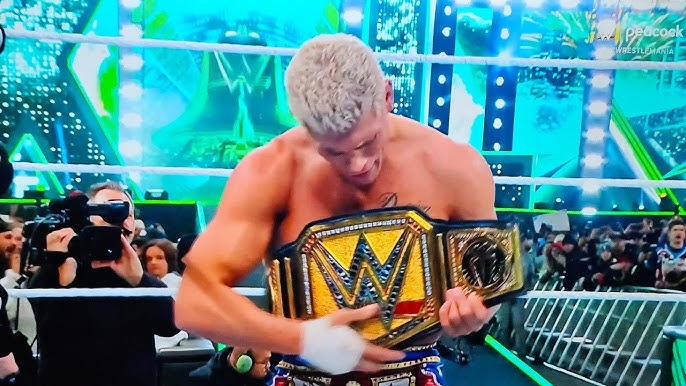
The biggest event in professional wrestling, WrestleMania is an event wherein, much like any big event, the road to get to it is as important as the event itself. This year, WWE will go all guns blazing as far as building excitement goes for WrestleMania 41, with announcements of the on-sale dates of its Road to WrestleMania Tour. The seven-city tour will showcase a series of live events, including episodes of Raw and SmackDown, featuring WWE’s top stars on their road to the grandest stage of them all. This article will delve into the details of the tour, key dates, and locations, outlining how these events shape match storylines leading up to WrestleMania. The Road to WrestleMania: A Tradition Well-Observed The Road to WrestleMania is one of the most popular times in the WWE calendar, where rivalries make a notch higher and the stakes get so high amidst extreme anticipation for the WrestleManias. It serves as the perfect avenue for engagement with fans scattered across the breadth of the land, delivering much-needed television and pepping up in-ring momentum regarding its flagship event. Indeed ambitious, the 2025 Road to WrestleMania Tour promises record-breaking heights with seven live events across key markets, featuring marquee matchups, surprise appearances, and massive storyline developments. Tour Dates and Places The Road to WrestleMania Tour kicks off in late February, going through early April, but culminates in WrestleMania 41. Key Dates/Locations: February 24: Raw in Cincinnati, Ohio Venue: Heritage Bank Center Highlights: The tour begins with a bang as Raw rolls into Cincinnati, starring the likes of Cody Rhodes, Seth Rollins, and Rhea Ripley among the top stars coming off the Royal Rumble and leading up to some of the major feuds for WrestleMania. February 28: SmackDown, Toronto, Ontario, Canada Venue: Scotiabank Arena Highlights: WWE action always seems to bring the best out of Toronto, and it’s no different with this Friday Night SmackDown. In this show, Roman Reigns, Bianca Belair, and Gunther will be among the in-action men and women. It teases a huge angle involving the Undisputed WWE Universal Championship that might occur here. March 7: Raw in Chicago, Illinois Venue: United Center Highlights: Chicago’s passionate wrestling fans will be treated to a stacked card, including a potential showdown between Kevin Owens and Sami Zayn. The city’s history of memorable WWE moments guarantees an electric atmosphere. March 14: SmackDown in Dallas, Texas Venue: American Airlines Center Highlights: SmackDown is in Dallas this week, for what feels like a crucial episode with monumental repercussions for the Road to WrestleMania, starring LA Knight, Charlotte Flair, and The Usos. Even a surprise return or a debut will turn the course of the card. March 21: Raw in Philadelphia, Pennsylvania Venue: Wells Fargo Center Highlights: The rabid fanbase from Philadelphia will be in full effect for this episode of Monday Raw, and with the city’s rich wrestling history, it’s a prime place to have any type of huge angle happen from either Drew McIntyre or Brock Lesnar. March 28: SmackDown, Los Angeles, California Venue: Crypto.com Arena Highlights: SmackDown makes its final stop in Los Angeles before WrestleMania. An all-star show is in store, including some very special appearances by The Rock, John Cena, and other legendary greats. April 4: SmackDown, Chicago, Illinois Venue: United Center Highlights: The tour will conclude in Chicago with the WrestleMania Go-Home SmackDown; fans should be ready for the last build to WrestleMania, including some contract signings, brawls, and last-minute twists in this episode. Key Storylines to Watch The Road to WrestleMania Tour will continue several key storylines. Here are some of the more highly-anticipated angles: Cody Rhodes’ Quest for Redemption After falling short at WrestleMania 40, Cody Rhodes gains more determination to take over WrestleMania 41 and complete his story. His feud with Kevin Owens is primed to be one of the focuses of said tour and their ladder match at the Royal Rumble suggests a potential WrestleMania match between the two. Rhea Ripley vs. Liv Morgan Months of pent-up aggression have created a fissure between Rhea Ripley and Liv Morgan that is just begging to get as intense as ever on the Road to WrestleMania Tour, replete with merciless contests and personal attacks, as each of these women guns for the Women’s World Championship. Gunther’s Dominance Gunther has been one of the most dominant WWE champions, and his reign as Intercontinental Champion will be the biggest focus on this tour. Possible challengers such as Ilja Dragunov and Sheamus will want to take him down before WrestleMania. The Bloodline Saga The ongoing saga of The Bloodline will bleed into the tour. With Roman Reigns and The Usos front and center in the storyline heading into WrestleMania, twists, betrayals, and shocking revelations can be expected. Rising Stars This will also be a platform for the likes of Bron Breakker, Zoey Stark, and Carmelo Hayes as they continue their rise to stardom. The younger talent will hope to make a good enough impression to find themselves with a place on the WrestleMania card. Fan Engagement and Special Events Aside from the live matches, WWE will be hosting a couple of fan-engagement events for the Road to WrestleMania Tour, including: WWE Fan Axxess: It was a festival featuring meet-and-greets, autographs, and interactive displays. Q&A Sessions with Superstars: Small sessions wherein the fans get to ask questions to their favorite WWE stars. Charity Events: WWE will be in conjunction with local organizations to give back to the communities it visits. Impact of the Tour The Road to WrestleMania Tour is not just a set of live events, but it’s part of WWE’s storytelling. WWE can promote WrestleMania and interact with fans across the country to ensure their storylines are well-received by the mass audience. The tour also gives WWE an opportunity to try out new ideas, get the pulse of the fans, and make adjustments as needed. Conclusion The 2025 Road to WrestleMania Tour promises to be one of a lifetime for WWE fans. Seven events in
Saturday Night’s Main Event Results: Champions Retain, Rivalries Intensify
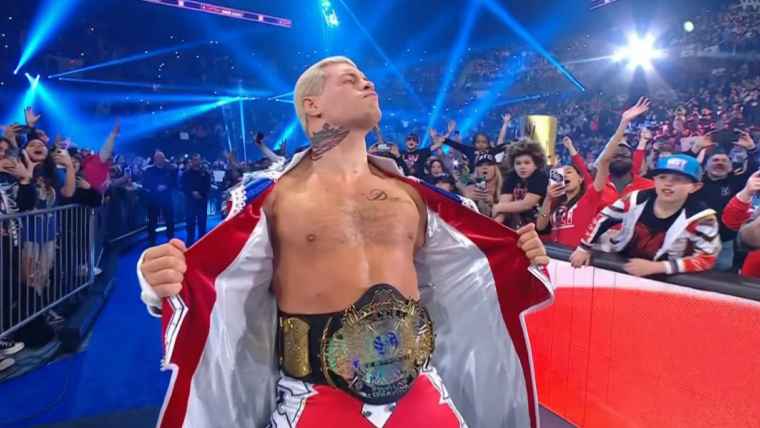
Full of action, Saturday Night’s Main Event on January 25, 2025, left fans talking. With no new champions and a couple of huge-stakes matches, the path to the Royal Rumble and beyond was set. Below is a breakdown of what happened at the event, including results, highlights, and implications for the road to WrestleMania 41. Event Overview For years, Saturday Night’s Main Event has been a staple of WWE programming, combining key matchups with some storyline progression. The card for the January 25th edition seemed to promise nothing different, with championship defenses, grudge matches, and a huge contract signing. This show was in front of a sold-out crowd, with millions more watching live on Peacock and other platforms. Results of Matches and Highlights Gunther over Jey Uso via pinfall: Retains the World Heavyweight Championship In the main event, one that was hard-hitting and fast-paced, Gunther defeated Jey Uso to retain his World Heavyweight Championship. The match was very technical for Gunther, who took a lot of punishment from Uso’s high-flying offense and trademark superkicks. The finish came when Gunther countered Uso’s Uso Splash with a devastating Powerbomb, followed by a Last Symphony to secure the victory. Analysis: This victory cements Gunther as arguably one of the most dominant champions in WWE at this time. His title reign has been a combination of raising eyebrows with those victories set to continue, and this match has pulled him through into the history books. For Jey Uso, this loss is a setback—although his performance proved he belongs in the main event scene. It’s rumored that Uso will enter the Royal Rumble with hopes of yet another title opportunity. Rhea Ripley Beats Nia Jax to Retain Women’s World Championship It was a physical, brutal Women’s World Championship match that pushed both Rhea Ripley and Nia Jax to the limit. Showing quick agility and some great technical skill, Ripley countered most of Jax’s raw power, as Jax dominated much of the match with her size and strength. The turning point came when Ripley avoided a Samoan Drop and locked in the Prism Trap, forcing Jax to tap out. Analysis: This win cements Ripley’s status as the face of the WWE women’s division. Being able to conquer such a powerhouse in Jax really shows off Ripley’s versatility and the fact that she can hang in there with the toughest of competitors. Meanwhile, Jax had a very strong showing and proved she will continue to be one of the top contenders in the division. After the match, Ripley was confronted by Liv Morgan as the two teased a WrestleMania feud. Bron Breakker Beats Sheamus to Retain the Intercontinental Championship The Intercontinental Championship match pitted Bron Breakker against Sheamus—a contrast in generations, the young and explosive Breakker against the strong veteran Sheamus. The stiffness of the action was palpable as both hard-hitting males exchanged stiff strikes and power moves, with Breakker ultimately coming out on top with a spear and then a gorilla press powerslam. Analysis: Breakker’s win continues his meteoric rise in WWE. Still only 27, he has established himself as one of the company’s top stars. Sheamus proved he can still hang with the best, and his performance earned a standing ovation from the crowd. Ilja Dragunov, who was at ringside to watch the match, could be Breakker’s next challenger. Contract Signing: Cody Rhodes vs. Kevin Owens at Royal Rumble This week’s contract signing between Cody Rhodes and Kevin Owens was the high point of the evening as both men traded verbal blows before finally signing the contract, which then broke down into a brawl that ended with Rhodes planting Owens with the Cross Rhodes on the announce table; Rhodes would then be standing tall with the contract held over his head to end the segment. This feud has been among the more personal and hotly contested we’ve seen lately, with both Rhodes and Owens wanting to claim that they’re the biggest star in WWE, with even more of the ladder match stipulation that helps increase the excitement level over this, where the winner can surely boast not just the win over the opponent but possibly get the World Heavyweight Championship title at WrestleMania. Other Matches and Moments The Judgment Day (Finn Bálor and Damian Priest) def. The New Day (Kofi Kingston and Xavier Woods): A high-paced, hard-hitting tag team match saw Bálor and Priest emerge victorious after a Coup de Grace and South of Heaven combination. LA Knight def. Austin Theory: In a battle of charisma versus youth, LA Knight defeated Austin Theory with a BFT. The crowd was firmly behind Knight, chanting his signature catchphrases throughout the match. Zoey Stark def. Natalya: Zoey Stark continued to rack up the wins, dominating Natalya in a convincing win to further establish herself as one of the women’s division’s biggest rising stars. Key Storylines and Implications Gunther’s Dominance Continues Gunther cemented his position as one of the most dominant champions in WWE today by beating Jey Uso. His title reign has been a staple of impressive wins, and he doesn’t seem to show signs of slowing down anytime soon. The Royal Rumble is just weeks away, with his next challenger potentially coming from that 30-man match. The potential challengers for the Intercontinental Title include Drew McIntyre, Sami Zayn, and Seth Rollins. Rhea Ripley’s Road to WrestleMania The win for Rhea Ripley over Nia Jax cements her as the face of WWE’s women’s division. However, the post-match confrontation with Liv Morgan seems to indicate a new challenger is in the wings. A feud between Ripley and Morgan headlining WrestleMania could be just what it needs: a clash of two of the top stars in the division. Bron Breakker’s Rise to Stardom The victory of Bron Breakker over Sheamus cements his status as one of the best young stars in WWE. He has been on this amazing run as Intercontinental Champion, and he’s getting to be loved by fans with each passing match. A future feud between him
The Global Expansion Of WWE: How NXT Europe And India Are Changing The Game
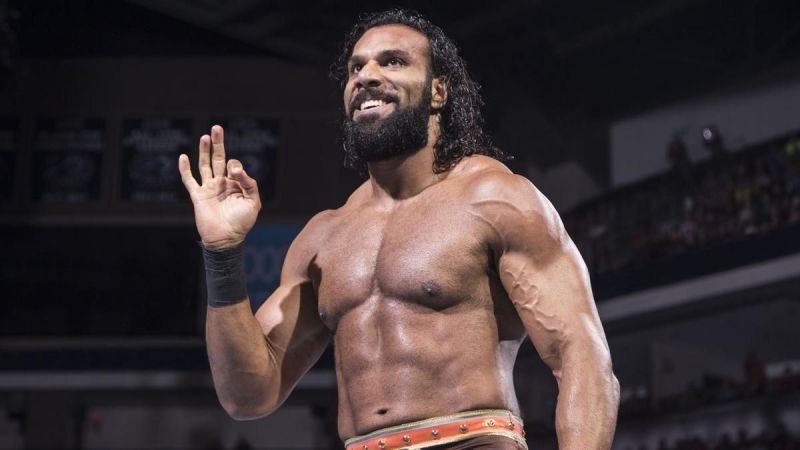
While WWE has been an international phenomenon for a long time, over the last few years, the company has taken huge strides to expand its international presence. From the launch of NXT Europe to its growing presence in India, WWE is tapping into new markets, diversifying its talent pool, and attracting a broader audience. This article is an overview of the global expansion initiatives undertaken by WWE with regard to NXT Europe and how WWE grew in India as part of what can be projected about the future of professional wrestling. The Appeal of WWE Across the Globe The appeal of WWE has transcended borders. With its larger-than-life characters, dramatic storylines, and high-energy matches, WWE has captivated audiences for several decades across the globe. Until lately, though, the company has focused largely on the North American market. Going on overseas tours, along with paying per view, could be done on a regular basis by WWE, yet it hasn’t exploited the global demand for its product so far. Over the last decade, WWE changed its policy by realizing that international markets actually hold immense unrealized potential. Such a change in strategy could very well be attributed to factors such as digital streaming platforms, globalization of entertainment, and the rise of wrestling sports in places like Europe, India, and the Middle East. NXT Europe: A Whole New Frontier The launch of NXT Europe is one of the biggest steps in WWE’s global expansion. Announced in 2022, NXT Europe is the newest iteration of WWE’s developmental brand, intended to highlight talent from across the continent. This move follows the success of NXT UK, which ran from 2018 until 2022 and helped establish WWE’s presence in the United Kingdom. While looking to the UK, NXT Europe seeks to explore hotbeds in wrestling-strong regions like Germany, France, and Scandinavia. In furtherance of such a platform being an outlet for European talent, WWE is in charge of not just diversifying talent in its wrestling shows but, again, growing fresh faces that WWE has lacked for regionalized markets across Europe. To echo that success, the promotion sees stateside in NXT; other talent, such as Roman Reigns, Seth Rollins, and Charlotte Flair, are just several names who, before they jumped to the primary roster, headlined every card they graced during their time inside an NXT ring. The launch of NXT Europe speaks highly of the long-term commitment by WWE toward growth. For a company to be putting money into developing homegrown talent and building infrastructure, the seeds for a presence that will keep continuously growing and evolving in the region are already planted. Partnerships with the variety of independent wrestling promotions, training facilities, and local broadcasters in the region mean that the setup of NXT Europe will have deep roots within the fabric of the sport. Growing Presence of WWE in India India has grown as one of the most vital WWE international markets. With over 1.3 billion people, plus an enormous and expanding middle class, India presents WWE with an immense chance to extend its base of enthusiasts. WWE has actively been courting Indian audiences for many years but more aggressively within recent years. Some of the most important reasons that have made WWE a success in India include the discussion of Indian wrestlers such as Jinder Mahal and the Singh Brothers. Jinder Mahal’s WWE Championship in 2017 marked a defining moment for the company, supervising an Indian-born professional wrestler as champion for the first time ever. In fact, he was a feat to watch for Indians since he catered to the call for nationalism. Besides a platform to showcase Indian talent, WWE invested millions of dollars in local programming and marketing. The company has signed a multi-year contract with Indian broadcasters like Sony Pictures Networks to air WWE content in various languages, including Hindi and Tamil, while WWE has also organized live events in India, such as last year’s SmackDown tour, which pulled in large audiences and captured significant media attention. Other reasons for WWE’s success in India have been the rise of digital streaming. From the launch of the WWE Network and later Peacock in the U.S., Indian fans had a wide library of WWE content at their fingertips, including pay-per-views, documentaries, and original programming. This has helped WWE gain a loyal fan base among savvy youngsters of India. Impact of Global Expansion on WWE The global expansion of WWE is not just about reaching new audiences but also a way to gain more diversified talents and give the opportunity to people from different kinds of wrestling arenas. Investment in areas like Europe and India taps into rather unexplored talent pools, bringing into its fold fresh perspectives and styles. This is already reflected in the current WWE roster, representing wrestlers from over 20 countries. From Drew McIntyre of Scotland to Shinsuke Nakamura of Japan and Rey Mysterio of Mexico, the global talent of WWE has helped the company reach a wide variety of audiences. The success of these wrestlers has inspired a new generation of talent—proof that WWE is a global brand. Besides building its roster, WWE has expanded globally into new streams of revenue. International markets now represent a significant chunk of WWE’s revenue, with live events, merchandise sales, and broadcasting deals standing for an increasingly large share of the company’s bottom line. These revenue streams are expected to grow further as WWE will continue to expand in regions such as Europe and India. Challenges and Opportunities While largely successful, WWE’s global expansion has not been without its challenges. The main difficulties reside within the culture and regulation of each market. For instance, WWE has had to adapt its content to conform to local broadcasting standards in countries such as India and China. This has entailed a balancing act that is precarious—the best way for the company to maintain its signature style while still respecting local sensibilities. Another challenge is competition from regional wrestling promotions. In Europe, for instance, WWE has to compete
The Psychology Of WWE Heels: Why Fans Love To Hate The Villains
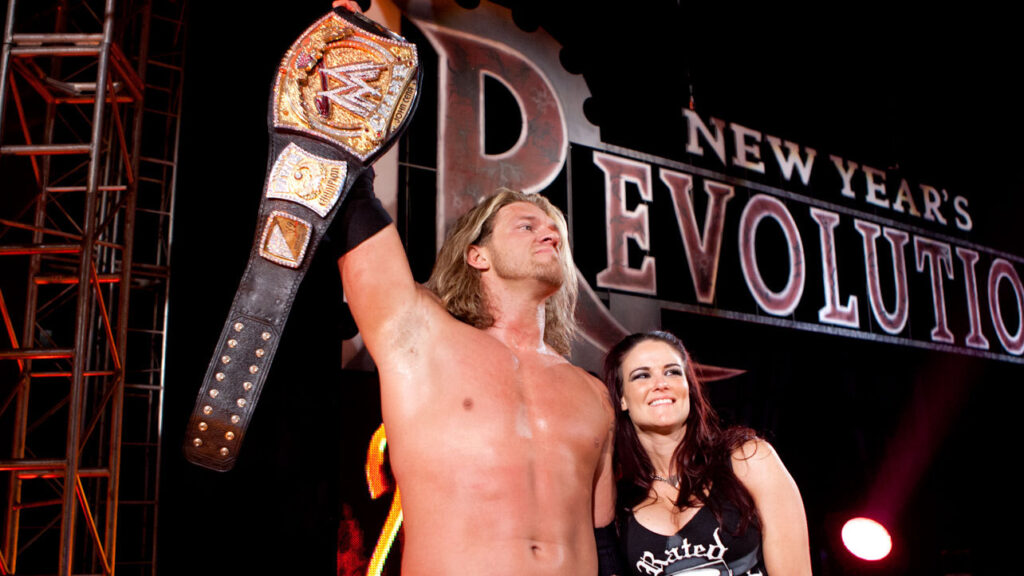
Nothing in WWE might present itself entirely black and white as far as the hero versus villain mentality in question is concerned. The heel, the villain—a very mandatory ingredient—acts out just fine in putting together the best possible recipe that it is: great storytelling in sports entertainment. Let’s take in all the craftiness of a Ric Flair right through the dominative charisma of Roman Reigns; heels through time have dominated our attention and minds. However, what actually tends to happen in order for them to become such great heels? But coming back to the question then, why exactly does a fan go all the way to love just hating them? But how do these bad guys actually perfect this art of pulling heat while having audiences remain invested in their story? This article examines the psychology of WWE heels: their character development, ring psychology, and special connection they share with an audience. The Role of the Heel in Wrestling At its core, professional wrestling largely is a told story, mostly needing a negative figure. Where the heel might be used—creating conflict—an opponent to eventually challenge the upper hand of face and, all the while, most importantly, drive strong emotions straight from the audience, a heel will want to make everybody root against each other. Because of this you get this ‘cathartic’ feeling when triumph is finally able to overcome one, which simply makes the time of payoff come off all oh so sweet. But being a heel is so much more than that; it’s so much more than being “bad.” The best heels are multi-dimensional in character, with motivation, personality, and flaws to which one can relate—even if their actions are despicable. They are the drama causers, the driving force of rivalries, and the reason the fans continue to come back for more. The Art of Drawing Heat Perhaps the most valued skill a heel must acquire is the art of drawing heat, that is, negative crowd responses. This can be in various ways, from simply breaking rules to insulting the town or its sports team. The key is to get the audience to care enough to start booing. Take Roman Reigns, for example; he did a fantastic job as the “Tribal Chief” when it came to drawing heat. He’s just smug, dominating, and manipulative with his family, so fans love him as a villain. Similarly, Dominik Mysterio, by turning on his father Rey Mysterio, joined the Judgment Day faction and has grown into one of WWE’s most hated heels. He plays an entitled, whiny character that resonates with audiences, making him a magnet for boos. Character Development: How to Create a Credible Villain What makes for a great heel is not simply a bad guy per se but backstory, depth in character, motivations that make this heel believable; such would have been the evolution of Triple H in the days of the Attitude Era into a well-portrayed villain. Heading up D-Generation X, which he used to gain success; arrogant, although victorious by whichever means, a man hungry in nature. Which begat, in continuation of that specific character, being labeled the so-called “Cerebral Assassin”: calculating but cutthroat nonetheless in the confines of the ring-use his intelligence outside of pure brute force applied against opponents with great results. Another great example is Becky Lynch’s transformation into “The Man.” While Lynch was a fan favorite, her heel turn in 2018 saw her take on a much more aggressive and self-centered persona. This not only rejuvenated her character but made her one of the most interesting figures in WWE. In-ring Psychology: Telling a Story through Action In-ring psychology refers to telling a story in the ring through physicality, facial expressions, and body language. This is done in heels through underhanded tactics, working over an area of the body, or mind games with their opponent. Regarded by many as one of the masters of in-ring psychology, Edge’s heel character through much of the mid-2000s was all about being cunningly ruthless: he wouldn’t resort to using the steel chair from behind when the referee wasn’t looking or fiddle with whatever little weakness his opponents might have presented. He seemed to know where those strings were among the audience. Similarly, in the heel run of Seth Rollins as “Architect” for The Authority, he marries technical grappling with villainy. Of course, adding dirty deeds-low blows, eye pokes-only heightened his despicable character, while in-ring skills elevated the match, as always. The fine line that exists between being the heel and being the anti-hero. But perhaps the subtlest shade of heel psychology is how thin that thread is between villainy and anti-heroism. Plenty of heels are so compelling in what they do that fans can’t help but still cheer for them as they do some pretty autonomous and awful things; this, in wrestling terminology, is called “cool heat,” where this generally happens with characters who come off charismatic, confident, or rebellious. The best example would be “Stone Cold” Steve Austin, who started off as a heel but soon became a fan favorite because of his anti-authority attitude and basically a rebel. Other examples include the “Pipe Bomb” promo by CM Punk in 2011, where he blurred the lines between heel and face with his scathing critique of WWE management that resonated with fans. Roman Reigns has walked that line with mastery in recent times. The actions of the tribal chief are undeniably villainous, but charisma and dominance have welcomed him into a certain respect and admiration from an audience that knows better. He is, at this time, one of the most compelling characters in WWE. Why Fans Love to Hate Heels In so many ways, the relationship of heels and audiences is rather peculiar in that the fans boo them, jeer them, and yet their reaction somehow becomes a success story for a heel inasmuch as he has been able to evoke their feelings. In many ways, the heel succeeds by the greatness with which the response comes
The Evolution Of Women’s Wrestling In WWE: From Bra And Panties Matches To Main Eventing WrestleMania
The history of WWE women’s wrestling is but one of perseverance, determination, and transformation. From the controversial and often demeaning beginnings to the groundbreaking “Women’s Evolution” era, female wrestlers have fought tirelessly for respect, recognition, and a place on equal footing with their male counterparts. Nowadays, women’s matches are no longer filler segments but headline attractions, with female superstars main-eventing WrestleMania and other major pay-per-views. The article traces women’s wrestling at WWE, highlighting all the key moments, challenges, and, of course, the trailblazers that have paved the way for the generation reaping big today. Early Days: A Controversial Past In the early days of WWE—then known as WWF—women’s wrestling was more of a sideshow attraction rather than an athletic competition. Often, women wrestlers were relegated to roles that put more emphasis on their looks rather than their in-ring abilities. Matches were short, usually less than five minutes, and storylines revolved around catfights, bra and panties matches, and other gimmicks that objectified women. Perhaps the worst-case example of this was the “Bra and Panties” match, whereby a wrestler’s objective was to tear their opponent down to their underwear. These matches were created to sexually excite the audience rather than showcase athleticism or storytelling prowess. While a few female wrestlers, like Alundra Blayze, later known as Madusa, and Bull Nakano, did manage to deliver dramatic performances, they were the exceptions to a rule that emotionally diminished women’s wrestling. The Attitude Era was one hell of a mixed bag. This different dynamic came forth in the late 1990s and into the early 2000s, famously called the Attitude Era. While this era was still greatly popular, based on the edgy storylines and increased popularity with regards to women’s wrestling, it proved to be a double-edged sword. For one, female wrestlers like Chyna broke barriers by competing against men and winning the Intercontinental Championship. On the other side, women were often portrayed as valets or eye candy, with storylines regarding their relationships with male wrestlers, rather than their wrestling abilities. The Divas Division, which hit the WWE in the late 1990s, further crystallized the perception that women’s wrestling was much more about glamour than athleticism. The Divas Championship, unveiled in 2008, gave the women their own title for which to compete, yet these matches still remained short many times and had less depth than the men’s wrestling. The Rise of the Women’s Revolution The turning point for women’s wrestling in WWE came in the mid-2010s, with the rise of the “Women’s Revolution.” Fueled by a new generation of talented female wrestlers who insisted on better opportunities and more respect, stars such as Charlotte Flair, Sasha Banks, Becky Lynch, and Bayley had honed their craft in NXT. They brought an unprecedented level of athleticism and storytelling that forced WWE to take women’s wrestling seriously. NXT TakeOver: Brooklyn-2015—one of the few moments that showed the Women’s Revolution is just Sasha Banks up against Bayley. The well-appreciated main event match was quality intense with regard to athleticism and emotional manners of storytelling. They proved at that moment that women could certainly deliver main events. It is considered an eye-opener that women’s wrestling could be actually as compelling in WWE and the promotion’s fans, too. Historic Milestones The Women’s Revolution brought a lot of historic moments to WWE, such as the first women to headline a WWE pay-per-view in their Hell in a Cell match, which was in 2016 by Charlotte Flair and Sasha Banks. Then there was the first-ever women’s Royal Rumble, won by Asuka. But perhaps the biggest milestone came in 2019, when Becky Lynch, Charlotte Flair, and Ronda Rousey made history by becoming the first women to main-event WrestleMania. The match, which Lynch won, was a culmination of years of hard work and a testament to the growing importance of women’s wrestling in WWE. Other developments include the addition of the Women’s Tag Team Championships in 2019 and the first-ever women’s War Games match in 2022. These have all contributed to greater heights in women’s wrestling and the building of more opportunities for female superstars. The Current Landscape Nowadays, WWE programming wouldn’t be complete without the inclusion of female wrestling. The female Superstars are not forced to secondary positions but rather placed in a similar platform with their male peers. The roster combines established stars such as Bianca Belair, Rhea Ripley, and Asuka, along with rising stars like Roxanne Perez and Tiffany Stratton. Match-type storylines have also evolved, where the women’s feuds are based on athletic competition and personal vendettas, rather than on stereotypical accusations. The matches are given more time and are generally one of the highlights of the WWE events. There is also a lot more diversity within the women’s division now, with many wrestlers from different backgrounds and countries bringing their own style to the ring. Challenges and the Way Forward The struggles are not over with yet. While women’s wrestling has indeed come a long way, there are still instances where female superstars are underutilized or relegated to secondary storylines. For example, the Women’s Tag Team Division has had a hard time sustaining momentum, with the titles usually feeling like an afterthought. Another challenge can be found in the absence of more voices for women of color, LGBTQ+ wrestlers, and those coming into professional wrestling not via traditional college and amateur systems. While efforts in this case have been substantial in WWE, for example, at present everything still needs tinkering with to reach that point wherein every female superstar has earned an equal avenue toward success. The future of women’s wrestling in the WWE remains bright moving forward. With growth in NXT and more interest from the female superstars, one would not doubt that the women’s wrestling business keeps flourishing. Ready to pass the torch are the next generations of talent, including Cora Jade, Lyra Valkyria, and Sol Ruca, to further what those before them made possible. Conclusion The evolution of women’s wrestling in the WWE indeed has been a testament
The Rise Of NXT’s Black And Silver Era: How Shawn Michaels Is Redefining Developmental Wrestling
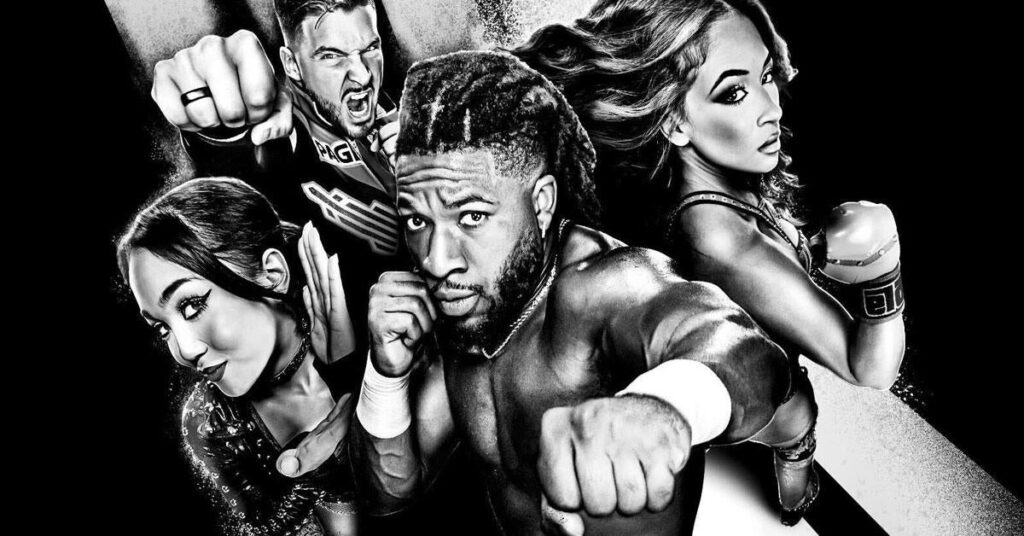
Considering it’s only been a few short years since the landscape of the brand changed more now than ever, one could make the case for WWE’s NXT having undergone as extreme of a transformation as can be. Once a competition series modeled after a game show, NXT has blossomed into a very vital developmental territory and a loved brand in its own right. And at the center of it all is Shawn Michaels, the legendary “Heartbreak Kid” himself, whose creative vision and guidance have ushered in what many are referring to as the “Black and Silver Era” of NXT. Evolution Comes to NXT NXT, which started a number in 2010 as a reality competition deal that’s a million miles away from what it is today. Of course, the real genesis of the brand occurred in 2012 when WWE rebooted it as their new official development area, replacing FCW2. It would go on to signal the beginning of NXT’s “Black and Gold” era—a time in wrestling history that many would later hail for its emphasis on in-ring action, rich storytelling, and fostering new talent. The “Black and Gold” era, a period from 2012 to 2021 wherein NXT went further from a little operation at Full Sail University to, arguably, probably one of their most globally acknowledged brands. In that time, NXT garnered a reputation for electric crowds, jaw-dropping matches, and a nonstop stream of new stars making their appearance on the main roster. It had gained loads of success, mainly due to the vision of Paul “Triple H” Levesque, as it led in the creative direction and the development of NXT talent. Enter Shawn Michaels Shawn Michaels began his time backstage in NXT as a trainer in 2016, respectively. By the following years, one would find Shawn Michaels becoming more entwined, including as an on-staff writer and producer who works directly under the helm of Levesque, up until 2021 upon the cardiac issues with Levesque. His elevation to chief creative force actually happened in September 2021. The ascension of Michaels to leadership coincided with one of the most pivotal moments in NXT history. WWE had irrevocably decided on rebranding the brand from its status as a third major brand back to its original function—a developmental territory. This shift both burdened and offered opportunities for Michaels, as he was tasked with redefining NXT’s identity and reconfiguring its purpose. The Black and Silver Era Under Michaels’ tutelage, NXT entered what many fans and those in the know described as the “Black and Silver Era.” It’s that stage of NXT history when it started to morph into a blend of the brand’s developmental roots and the high-quality wrestling that had become characteristic of it. He brought a fresh perspective on talent development, storytelling, and presentation of the brand. Perhaps the most cemented change in this era of wrestling is the creation of unique, memorable characters. Drawing from his experience as one of wrestling’s most charismatic performers, Michaels has emphasized personality and character work hand in hand with in-ring talent. This has resulted in incredibly special talents such as Carmelo Hayes, Trick Williams, Bron Breakker, Cora Jade, and Tiffany Stratton. He has also brought a more dynamic storytelling style to NXT. While the “Black and Gold” era was known for its long-term, sports-centric storylines, the “Black and Silver” era has seen a greater variety in narrative approaches. Michaels hasn’t been afraid to delve into more character-driven angles, often mixing serious athletic competition with elements of drama and even comedy when called for. Bridging the Gap One of the biggest successes of Michaels has been how seamlessly he has integrated main roster stars into NXT programming. This accomplishes a few things: Firstly, it gives NXT a much-needed boost in both viewership and credibility. Secondly, it provides the developing talents in NXT with invaluable learning curves as they get to be in the ring and learn from established stars. Finally, this helps to establish continuity between NXT and the main roster and truly cements NXT as a developmental brand. The perfect example has to be Becky Lynch’s appearance in NXT, which sent the fans into a frenzy and gave NXT’s women’s division exposure that would prove to be priceless. It is things like this that allow Michaels to keep NXT relevant to the rest of the WWE while he remains focused on the purpose: talent development. Philosophy of Talent Development In Michaels’ bones, the foundation of his NXT is a deep commitment to nurturing new talent. Drawing from his storied career, Michaels instilled a development philosophy that lies beyond just in-ring skills. He preaches character work, promo ability, and a grasp of the psychological aspects of professional wrestling. Many up-and-coming stars praise the hands-on approach of Michaels. He prefers to work one-on-one with the talents to find out their unique voice and style. This is much needed, as these personal mentorships are critical in helping the new wrestlers transition from the performance center to the TV-ready performers. More than that, Michaels has been able to create an environment where the talent feels free to contribute ideas and come up with ownership of their character. This has resulted in even more realistic and captivating performances from the wrestlers since they are allowed to incorporate their real personas into those performed on screen. Innovative Programming With Michaels at the helm, NXT has continued to push boundaries in relation to the type of programming it produces. The introduction of new match types has been coupled with original storytelling devices and fresh presentation. He did not shy away from trying more things, knowing that the position of NXT as a developmental brand allows for a certain degree of creative risk. One of the most successful innovations is the NXT Level Up program, which gives those developing talents a little more experience and exposure. This has become an integral part of the ecosystem at NXT, giving time for wrestlers to hone their skills in a slightly less pressurized environment before making
The Cinematic Saga Of The Bloodline: How WWE Is Blurring The Lines Between Wrestling And Film
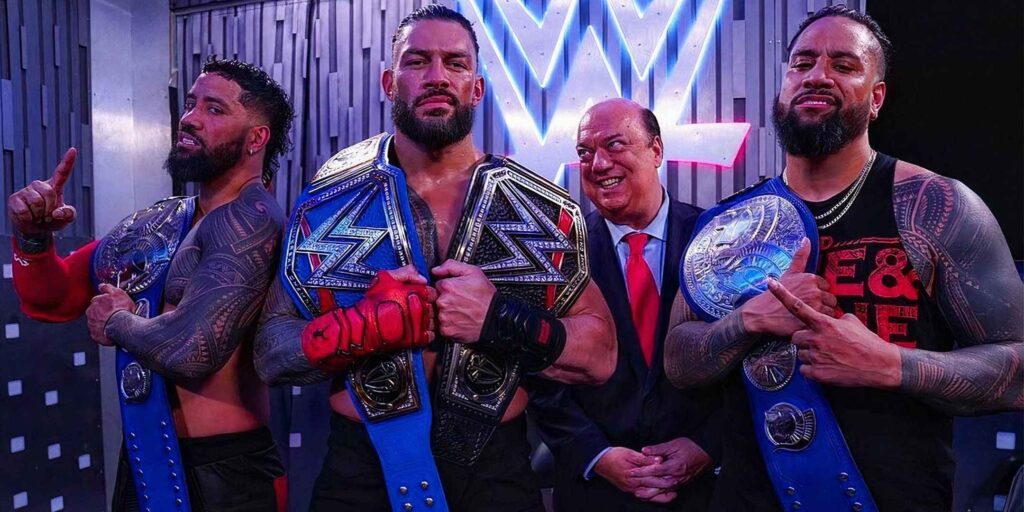
For a long period now, professional wrestling has been characterized as a sport-entertainment hybrid. Over the past few years, however, WWE has truly pushed the limits of this term with its almost cinematic approach to telling a story in the ongoing saga of The Bloodline. At the center of this epic story is Roman Reigns and his Samoan dynasty that has enthralled audiences and rewritten the limits of what was possible in professional wrestling. The Rise of Cinematic Wrestling This movement for WWE into a more cinematic method of storytelling did not happen overnight. It has been evolutionary, influenced by changing audience expectations and improvements in production technology. The company has always been at the forefront of incorporating elements from popular culture and other forms of entertainment into its product. But The Bloodline saga is a significant leap forward in that approach. The Influence of Modern Television In an age where the prestige of television remains in tense competition with that of ever-growing streaming services, audiences are accustomed to the complexities of storytelling and long-form storytelling. WWE has followed suit with storylines that can be as short as several months to multiple years long, filled with complex character arcs and plot twists that easily fit into high-budget drama series. Bloodline itself has drawn comparisons to “The Sopranos” or “Game of Thrones”—situations of family dynamics, who holds the power, and when betrayal occurs. Advanced Production Techniques As usual, the production values of WWE were good, but with Bloodline, they took it to a whole new level. The company deploys multiple cinematic techniques that enhance this storytelling: Multi-camera angles and quick cuts to enhance the drama of in-ring action Dramatic lighting and set design to establish mood and atmosphere Elaborate video packages that recap and advance storylines Custom entrance music and graphics that reflect character traits These elements combine to create a viewing experience more comparable to watching a film or television show than a traditional sporting event. The Bloodline can be considered cinematographically a masterpiece. The Bloodline storyline, officially starting in 2020, has grown into WWE’s most ambitious and critically acclaimed narrative to date. It’s a multi-layered saga that weaves real-life family connections with fictional drama into a compelling universe that has kept fans engaged for years. Character Development and Complexity At the core of The Bloodline is Roman Reigns, whose dramatic character heel turn was that from a polarizing babyface into an ice-cold, calculating villain—now known to fans as “The Tribal Chief.” He’s allowed himself this, really sinking his teeth into some top-tier acting jobs; these nuance-heavy portrayals have placed him alongside iconic television anti-heroes. The Usos, Jimmy and Jey, Solo Sikoa, and Paul Heyman have all been fleshed out into multi-dimensional entities that are rarely seen in wrestling characters. Each member of The Bloodline has his own motivations, insecurities, and character arcs that intertwine with the overall narrative. Long-Term Storytelling Arguably one of the most impressive aspects of The Bloodline saga has been its dedication to long-term storytelling. The plot points were years in the making, and it paid off when a relationship between certain characters blossomed and grew in some organic, beautiful ways. Approaching shows like this truly rewards attentive viewing: richly interwoven universes begin to feel so much more than just a show about wrestling—it feels like Prestige Drama. Blurring reality and fiction. WWE has always played with the reality of the audience’s perception versus fiction, but in the case of The Bloodline, they take it to a whole new level. Adding in real-life family and behind-the-scenes dynamics into the storyline adds a layer of authenticity, driving viewers further into the story. The blurring of these lines further includes social media, in which performers remain in character and continue to advance storylines outside of television events. Cinematic Matches and Segments While much of the storyline for The Bloodline has been worked out in traditional in-ring action and in backstage segments, WWE has experimented with more overtly cinematic presentations in a bid to heighten the drama for some key saga moments. The Firefly Fun House Match Although not part of The Bloodline storyline, the “Firefly Fun House” match between John Cena and “The Fiend” Bray Wyatt at WrestleMania 36 set a new standard for cinematic wrestling. This pre-taped, surreal segment played out like an almost short film, replete with special effects, costume changes, and references to wrestling history. It showed that WWE was open to experimenting creatively, embracing filmmaking techniques. Tribal Fighting The “Tribal Combat” match between Roman Reigns and Jey Uso at Clash of Champions 2020 featured the use of cinematic elements to enhance emotional stakes in family conflict. Advanced camera angles, dramatic lighting, and a narrative approach that felt more like it belonged to the climax of an action movie rather than a wrestling match ended. Erenin Witness. Video Packages and Promos The WWE production team has put out numerous great video packages that look to recapture and advance the story for The Bloodline. Many of these have favorable comparisons to film trailers and even some documentaries, with music, voiceovers, and carefully edited footage used to establish emotion and anticipation for upcoming events16. The Impact on Wrestling Storytelling The success of the Bloodline saga has really changed how WWE executes storytelling across the board. Other storylines have become more cinematic in nature, and there is more of a payoff toward long-term character development and complex storytelling. Raising the Bar for Character Work The nuanced performances delivered by members of The Bloodline have raised expectations for character work across the board. Wrestlers are now encouraged to bring more depth and subtlety to their personas, moving beyond simple face/heel dynamics to create more three-dimensional characters15. Embracing Serialized Storytelling WWE has increasingly taken on a serialized form of storytelling, with storylines increasingly stretched out over greater improvements and interconnected in complex ways. This form of storytelling keeps viewers tuning in from week to week, much like a prestige TV drama. Cinematic Influence on Live Events While much of
The Untapped Potential Of WWE’s Commentary Team: Could Wade Barrett And Corey Graves Return To The Ring
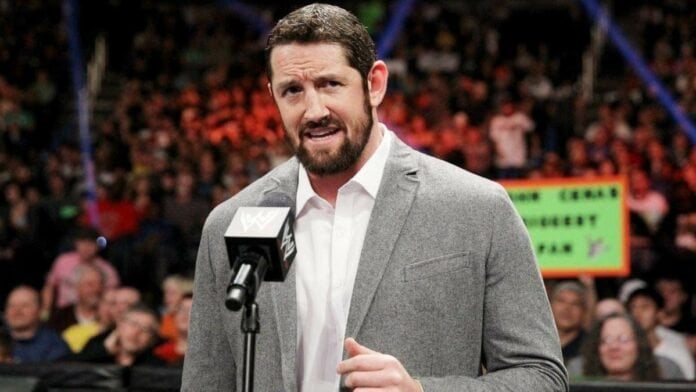
In the world of professional wrestling, the line between in-ring performer and commentator has continued to blur. Now, two of the most recognizable voices in WWE, Wade Barrett and Corey Graves, have been subjects of speculation of a return to in-ring competition. This interesting possibility looks at the backgrounds of these two talented individuals, the current state of WWE’s commentary teams, and what their in-ring returns could mean to the company. Wade Barrett on the Rise Wade Barrett burst onto the WWE scene back in 2010 as the leader of the infamous Nexus faction. With his massive, hulking presence and quick wit on the microphone, Barrett became one of the company’s top heel performers almost immediately. During his initial run with the WWE, Barrett won the Intercontinental Championship several times and was also the winner of the 2015 King of the Ring tournament. Despite the success, Barrett decided to take a break from in-ring competition in 2016 due to burnout and a desire to pursue other opportunities. However, his time away from WWE was relatively short-lived. In August 2020, Barrett made a surprise return to the company as a color commentator for NXT. His straight-edge style and experience as a former Superstar brought a fresh perspective to the announce desk. Corey Graves: From Wrestler to Voice of WWE Corey Graves’ career started in 2011 when he joined WWE as a wrestler. While showing promising signs in NXT—even winning an NXT Tag Team Championship—Graves’s career would be cut short in the ring because of concussions. Rather than look at it as a setback to his time in WWE, Graves began using his charismatic ability in 2014 when he transitioned to working as a commentator for the company. Over the last decade, Graves has taken his voice in the WWE as well as in broadcasting and elevated it to become one of the most iconic in WWE action. That in itself could’ve made Graves great as a color man for both RAW and SmackDown for nearly two tenures of more than five years apiece. It makes him quite impressive in wit at times with huge flair when having to help describe stories between commentary of matches. Recent Developments and Speculation Indeed, over the past months, both Barrett and Graves have been involved in some pretty interesting happenings that have, for either of those two, created speculations towards possible returns to the ring. Teases and Opportunities of Wade Barrett While Barrett has focused on commentary mostly, he does not completely rule out his return to the ring. Barrett said the following in a November 2024 interview about the possibility of an in-ring comeback: “Absolutely it would be Drew McIntyre. He’s someone I go way back with and have been very close friends with the guy over the years. He did talk a little smack to me a few weeks ago on Raw, and I haven’t forgotten about that. This light-hearted banter with McIntyre has led many fans to speculate if WWE is setting the stage for a possible Barrett return. At 44 years young, Barrett is still younger than some of WWE’s top stars, such as AJ Styles and CM Punk, which would indicate he could still have a few good years left in him if he wishes to compete. Corey Graves’ Frustrations and Possible Storylines Corey Graves has found himself in the headlines as of late, most notably for some seemingly public frustration in his move off SmackDown to NXT. In a since-deleted social media post, Graves exclaimed, “Imagine chasing your dream. Then being TOLD (not deciding) that you’re no longer physically able to pursue your dream. Then you dedicate your life to something ‘dream adjacent’ and being pretty f**king awesome at it. And then, when it’s time to enjoy the fruits of your labor, being told you’re not famous enough for your own job”. There were even speculative suggestions that this may be part of a storyline, but sources indicate Graves is genuinely frustrated. Of course, that real drama could hold significant traction for on-air storytelling and perhaps might lead to Graves going back to wrestling action. Barrett and Graves’ Potential Return to the Ring If Wade Barrett and Corey Graves were to make in-ring comebacks, it could be quite the outcome for WWE’s product and storytelling possibilities. New Matchups and Rivalries Both Barrett and Graves have been out of active competition for several years, so there are plenty of new matches to make with them. You could turn back the clock and involve Barrett with Drew McIntyre all over again, or you could tap into his upper echelon heel days and pair him in a feud with one of the current fan favorites, such as Cody Rhodes or CM Punk. Graves would be an entirely new proposition for many of WWE’s current stars, having never had the opportunity to show what he could really do in-ring on the main roster. The fact that he is in a real-life relationship with Carmella is another storyline angle that can be used to add intrigue to his return. Blurring the Line Between Reality and Fiction WWE has always done best when it can blur the lines between reality and fiction. The real-life frustrations of both Barrett and Graves could be woven into compelling storylines that keep fans guessing about what’s real and what’s part of the show. For example, Graves’ apparent unhappiness over his move to NXT could be the impetus for a storyline in which he seeks to prove himself by returning to in-ring competition. This could contextually lead to tensions with other commentators or even a rivalry with Pat McAfee, who has also moved seamlessly between commentary and in-ring roles. Elevating the Prestige of Commentary Having two respected commentators return to in-ring competition, WWE could raise the prestige of their announce teams even higher. It would further cement the notion that their commentators are not just broadcasters but knowledgeable wrestling experts who could hold their own in the ring when
Test And Maven’s In-Ring Incident: A Closer Look At WWE’s Unscripted Moment
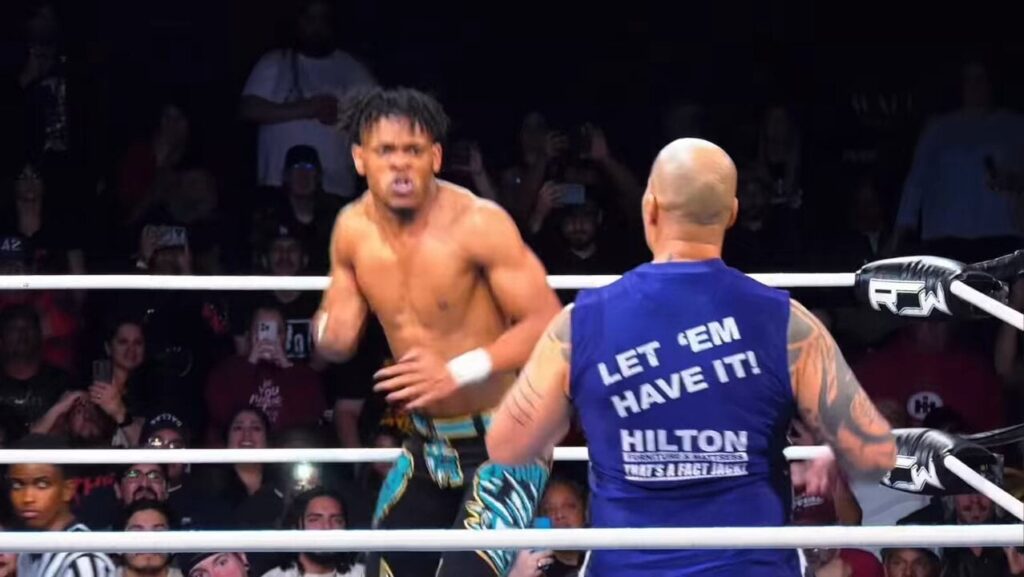
Professional wrestling really does not allow for many unscripted moments, but those few and far between are usually remembered by both wrestlers and fans alike. It was the exact case when Andrew “Test” Martin faced Maven Huffman in WWE. This article will go into depth to describe what actually occurred on the ring during that incident, the aftermath of the incident, and how that one moment changed both of their careers. The Incident The accident occurred during a WWE live event, but the date cannot be determined from the available sources. Test and Maven were having a match, and it ran out of control as Test became super-aggressive towards Maven. Maven was still in the early days of his main roster career, fresh off the heels of winning the first season of WWE Tough Enough. Test was an established performer who had been around in WWE for several years. The disparity in experience and size between the two wrestlers could have factored into what took place. It has been reported that Test began working stiff during the course of the match, with Maven really laying his moves in and thus actually hitting Maven a lot harder than was called for in the pseudo-combat ballet that professional wrestling usually was. Consequently, Maven did take at least some real injuries, but precisely how serious they were is not fully recorded by my sources. Immediate Aftermath This is one reason why the incident immediately caused consternation in those around the ring that evening. Though the activity is strenuous, there are methods employed that protect wrestlers from injury in matches. If one begins to work a match too stiffly or aggressively, the potential for true harm comes into play, which violates the implicit trust a performer places in his partner during any maneuver. After the match was over, it’s most likely that officials and other wrestlers went backstage with him and talked with him about what transpired in that ring. In professional wrestling, there exists an unwritten code: in the ring, you are expected to make sure you take care of your opponent lest your career could be seriously put in jeopardy in case you fail to. Long-Term Effects For Maven, of course, that could have been the only reason he just never really set the WWE world ablaze, despite some good feel-good instances, including tossing out The Undertaker in the 2002 Royal Rumble; Maven never seemed to live up to the hype that came out of being the winner of Tough Enough. Maven recently spoke about some of the physical toll his wrestling career took on his body in a recent YouTube video. He spoke about a very painful injury that happened during a WWE Heat taping: “To this day, I still can’t walk up steps and put full pressure on that knee, and it gives out on me from time to time. I don’t know exactly what injury I did to it that night. It didn’t take me off the road. In fact, I was out wrestling the next match, but oh, that pain. I can still remember standing in that ring, thousands of people cheering for me, and not one of them knowing I was in the worst pain of my life.”1 While this specific injury was unrelated to the incident with Test, it certainly underscores the physical hazards that wrestlers go through and how such injuries can impact their lives long after they retire. For Test, the incident likely contributed to concerns about his internship work and professionalism. Throughout his career, Test struggled to maintain a consistent push in WWE, often finding himself adrift after promising storylines were suddenly dropped. The incident with Maven may have been a factor in the company’s reluctance to fully get behind Test as a top star. Response by WWE Incidents of wrestlers working too stiff or deliberately trying to hurt others are serious offenses in the WWE. While there is no public record of any punishment given to Test following this incident, chances are that behind the scenes, he faced some kind of disciplinary action. The company has procedures for these cases, which include fines, suspensions, and, in extreme cases, termination. However, what happened in this case is not known since these issues are always private in professional wrestling. Trust in professional wrestling The incident between Test and Maven goes back to how trust is a very serious issue when it comes to professional wrestling. Performers must trust one another, performing moves in such a manner as not to hurt themselves or seriously injure another performer. When that level of trust is betrayed, there will be major ramifications, not just between the parties but within the product altogether. Maven has spoken about the physical pain of wrestling in interviews and on his YouTube channel. In one video, he ranked the pain he experienced from various injuries throughout his career. While not talking about the incident with Test, he said a knee injury was the worst. “The pain that went through my body, had I been by myself, would have crippled me over. I would have been writhing and screaming, which possibly led to tears. But we all know I was in an arena full of people. You can’t cry; no crying in wrestling, so I had to play it off.” 1 This quote really brings forth the fact that many wrestlers are performing while in a lot of pain, really pointing out the importance of wrestlers when it comes to safety in the ring: taking care of each other. Test’s Career Trajectory It wasn’t the Maven incident that alone made life in the WWE difficult for Test. In spite of his enormous physique and skills inside the ring, Test often found it difficult to gather momentum. According to a Redditor: “Test is the purest example of someone’s career never recovering from a triple h burial. This guy was being positioned to be a top dude. But then H inserted himself [phrasing] into the