
Pitbull Slams UFC As Dana White Axes Fighter Hours Before Paris Event
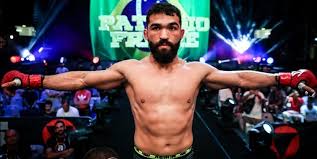
Shockwave UFC Paris Pre-first Bell. UFC Paris was meant to be a hassle-free promotion in one of its expanding European markets. Rather, the focus was taken off the fights even before they started when Dana White made the dramatic move of cutting a fighter off the card hours before the event. The cancellation followed an unsuccessful weight loss that already caused some controversy, but the backlash became even more vocal when Bellator star Patricio “Pitbull” Freire targeted the UFC over what he perceived to be unjust treatment. The play has introduced a sense of tension and unpredictability to what was supposed to be a simple night of fights in the French capital. The Ugliness of Dieting. There is hardly a more controversial issue in mixed martial arts than weight cutting. Fighters can strain their bodies to the point of contracted limits, and some even push the boundaries of safety. The unnamed fighter in Paris had not missed his cut by a pound or two. It is reported to have been so important that officials wondered whether the bout would even take place. In case of a weight miss, UFC can choose between several options. There is the option of fines, catchweight deals, or fight cancellations. The notable aspect of this case was the intervention of Dana White and when and how harsh it was. Instead of letting the match proceed at a catchweight, White decided to withdraw the fighter completely, issuing a press release regarding professionalism and the expectations he has of the roster. Dana White Sends a Message The UFC president has never been shy to express his position on weight matters. His decision in this case was more than a preservation of the integrity of the Paris card. It was a saying that warriors who do not fulfill their duties are likely to lose their positions, regardless of the situation. The decision by White also brought to the fore the constant friction between fighters and promoters in regard to weight management. Fighters believe that weight loss is an ugly yet essential aspect of the sport. Promoters argue that weight loss puts the safety of fighters in danger and devalues the product that spectators pay to watch. White, by drawing the fighter in wholesale, placed himself squarely in the camp of responsibility and professionalism. Patricio Pitbull Adds Fuel to the Fire. What made the story more than a mere weight miss to headline-grabbing drama was the fact that Patricio Pitbull was involved. The Bellator icon, among the most adorned fighters not in the UFC, weighed in with stinging critique. He alleged that the promotion encourages a two-tiered standard where high-profile fighters have missed weight but still been permitted to fight. Pitbull hit a chord with his remarks since they resonated with frustrations that many fighters have regarding consistency in decision-making. To others, the UFC is being too strict on some of its fighters, unlike bigger names that are given leniency because they generate more income. Although Dana White himself did not comment on the statements made by Pitbull, the words of the Brazilian provided the controversy with extra fuel in social media, where supporters of each side quickly divided into opposing factions. The Fighter’s Perspective Despite the fact that most of the popular response has been directed to White and Pitbull, the viewpoint of the pulled fighter should also be taken into account. Weight making is among the most stressful things in being a professional fighter, and failing to make weight by a big margin can ruin the career of an athlete. Not only did the fighter lose a paycheck, but also a big setback in his or her UFC status. Health can also be affected by weight problems. During bad cuts, extreme dehydration, strain on the kidneys, and mental exhaustion are typical. Although the ruling by White left the athlete not in direct danger in the cage, it also put their career under scathing scrutiny. This can be interpreted by fans as a lapse in discipline, or it can be seen as the ugly face of a system that promotes risky cuts in the name of competitive advantage. Reactions by the fans are divided evenly. Like most controversies in the UFC, the fan response was both vociferous and polarizing. Others commended Dana White, who took a strong position, saying that the only solution to cleaning up the abuses of weight cutting is to make them highly accountable. Others supported the fighter by pointing out that UFC has been inconsistent in handling weight misses over the years. The presence of Pitbull helped to spread the story further than UFC loyalists. Bellator fans and MMA purists leaped into the argument, citing how weight issues have been treated differently by rival promotions in some instances. The conflict of views has only contributed to the excitement of UFC Paris, making it one of the most discussed cards of the season. UFC Paris Business Implications. Businesswise, the move was risky. Scheduling a fighter on short notice interrupts the action on the card, poses logistical challenges, and can disappoint fans who were anticipating certain bouts. Conversely, the bold move by White can strengthen the UFC brand as one that values professionalism and high standards, even in the short term. The UFC is still building its reputation in European markets such as France, and this makes reputation management even more important. A powerful message on discipline and accountability in Paris would go down well with audiences that appreciate fairness and integrity. However, the backlash that lingered after the comments made by Pitbull may continue to keep the controversy alive after the weekend. The Wider Controversy over the Cuts. The Paris play again brings up the bigger question of whether or not weight cutting should remain the way it is now. Reform demands have become more vocal over the last few years, with proposals including adding more weight classes and increasing the rigor of hydration testing. UFC has not embraced wholesale changes but has turned
UFC 322 Gets Huge Boost with Prospect’s Return
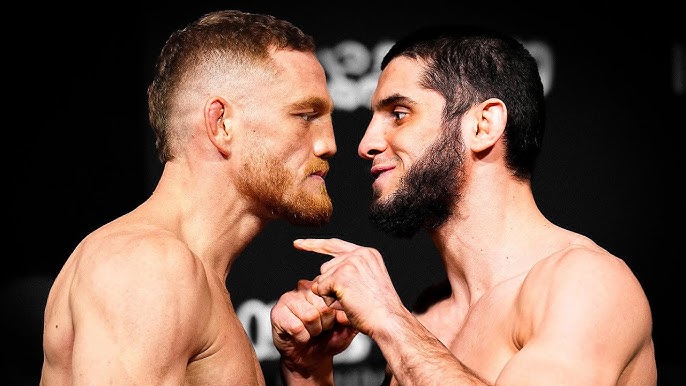
A Stacked Card Becomes Even Bigger UFC 322 was already one of the most expected events of the year. A headliner that promised fireworks was Islam Makhachev risking his lightweight crown against Jack Della Maddalena. The card is now even more appetizing as a history-making prospect who had been injured returns. The UFC has officially announced the addition, and fans are already talking about what it will do to one of the deepest fight nights of the season. Makhachev vs. Della Maddalena Steals the Spotlight. It is worth recalling how large the main event was before plunging into the return of the prospect. Makhachev has proven himself to be the most dominant lightweight since Khabib Nurmagomedov. His combination of choking, grappling, and better striking is a nightmare to nearly anyone. He comes to UFC 322 as the pound-for-pound top in most lists, hoping to continue his reign. Jack Della Maddalena, the Australian up-and-coming star that has been ripping through the welterweight division, is on the other side of the cage. Rising to face Makhachev surprised many, yet his confidence has turned the fight into one of the most interesting stylistic battles in recent history. The sharp punching, the incessant speed, and the finishing instinct of Della Maddalena might well challenge Makhachev as few have. It is champion vs. fearless challenger, and the fans are eager to know whether the underdog will be able to surprise the world. The Prospect Who Changed the Game. Now comes the returning fighter who is making the MMA world buzz. This prospect shattered the ceiling in their first appearance, and they set records that made fans think they were witnessing the future of the sport. They were stopped in their rapid ascension by injuries, and the business was left unfinished. Whenever their name was mentioned on a rumored fight card, there was excitement and then disappointment when the return was postponed. UFC 322 is the end of the wait. The UFC has made this comeback a key attraction on an already-loaded night, indicating how much they believe this fighter can draw attention again. To those who watched their early performances, this seems like the story continuing where it was left. To newer fans, it is an opportunity to see a person who was once described as a generational talent enter the Octagon. Why This Return Matters MMA is full of fighters who shine brightly and never reach their full potential. Careers are ruined by injuries, personal hardships, and stiff competition. This is why this comeback is so significant. The prospect does not merely concern a single fight. It is concerning, demonstrating that the hype was not a myth and that the setbacks will not characterize them. The UFC is also familiar with the power of stories. The introduction of a comeback story to UFC 322 transforms the event into more than a title fight card. It brings in elements of drama and emotion. Viewers are also watching to find out whether Makhachev will retain his crown. They are also turning on to watch whether a young fighter can regain the promise of their youthful career. The Stakes Could Not Be Higher. To the veteran fighter, UFC 322 is do or bust. A good performance will remind all of them why they were once dubbed as the future. A bad performance would relegate them down the pecking order in a department that is never short of hungry competitors. This type of spotlight is not something that is given by the UFC on a regular basis, which makes the pressure immense. Meanwhile, the potential is enormous. Stealing the show on a card with Makhachev vs. Della Maddalena as the headline. It would instantly put the prospect back in the limelight and establish high-profile fights in the future. This is the stage fighters have been dreaming of, and it has fallen in their lap. How Fans Are Reacting The news of the return caused a social media frenzy. Older fans were happy that the comeback is actually occurring, and new fans were scrambling to see highlights of the early shows that made this fighter so hyped in the first place. UFC 322 was already projected to sell well, but this addition has made it a must-see event. The audience will be a significant factor as well. A screaming crowd can elevate warriors, particularly those returning after a long hiatus. To the prospect, the crowd erupting once more might be the catalyst that they require to give something memorable. The UFC Bigger Picture. Business-wise, UFC 322 now appears to be one of the most significant cards of the year. As the pay-per-view figures are always subject to question, an emotional comeback story to a title fight main event makes the card even more appealing. It is a reminder of how UFC creates moments, not only fights. The event also emphasizes the increased global coverage of the promotion. Having Makhachev as the representative of Dagestan, Della Maddalena as the representative of Australia, and the returning prospect attracting fans of their own distinct background, UFC 322 seems to be a genuinely international event. It is that diversity that makes the UFC so interesting. Summary: UFC 322 Has Become Unmissable. What was already a blockbuster card has now become unmissable. Makhachev vs. Della Maddalena will be an intriguing battle of styles, and the reemergence of a history-making prospect will bring the type of story that will turn a fight card into a moment that fans will not forget. To Islam Makhachev, UFC 322 is all about establishing his legacy as the greatest lightweight in the world. To Jack Della Maddalena, it is an opportunity to stun the sport and score one of the biggest upsets in UFC history. And to the returning prospect, it is of redemption, legacy, and showing that the future remains theirs. UFC 322 was big. Now it is enormous. Already counting the days, fans have even more reasons to circle the date. The Octagon will provide history,
‘Nobody Else To Fight’ – Tom Aspinall Booed in Paris After Dominant Win.
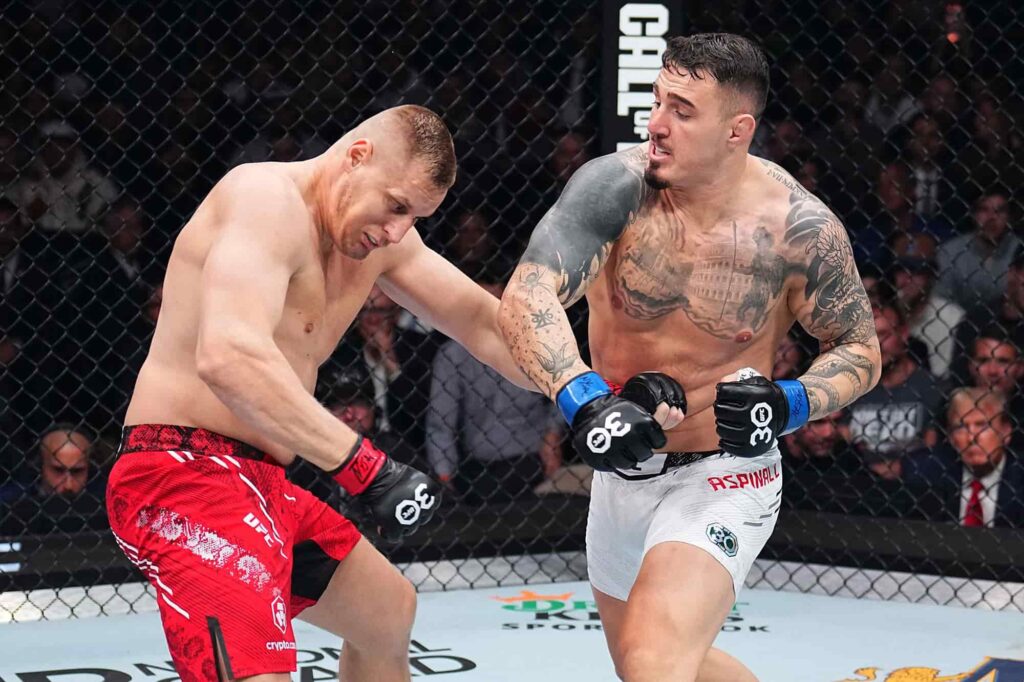
A Wild Night with the Interim Heavyweight Champion. Tom Aspinall entered Paris hoping to demonstrate his ability and walk away with a crowd cheering another masterpiece of heavyweight boxing. He instead exited the cage to a chorus of boos. The British star who has rapidly become one of the most dangerous men in the UFC heavyweight division was not jeered over his performance. He controlled his opponent with the same combination of speed, power, and composure that has characterized his career thus far. It was an entirely different problem. The French fans wanted their man to shine, and Aspinall did so brilliantly that there was no need to have a hometown hero. Why Aspinall Said He Has Nobody to Fight. Aspinall was frustrated after the fight. He claimed that he has no one to fight in his post-fight interview. It was not arrogance. It was a matter of fact. The heavyweight division is very thin at the top. Jon Jones has a tie with Stipe Miocic, and there are not many other names that come to mind as a logical next opponent. The dominance of Aspinall has placed him in a difficult position. He is too good to be refused, but the calendar and politics of matchmaking are withholding him. His remarks indicate a greater problem in UFC heavyweight. When a champion gazes around and does not see a distinct opponent, one wonders about profundity. In the case of Aspinall, who is at his prime and ready to fight, it is a waste of time. His grievance is not only against himself. It points out the difficulty UFC faces in maintaining the heavyweight division as interesting when there are so few legitimate contenders. The Paris Crowd Becomes Unfriendly. The Paris crowd had been raving all night. French warriors had attracted enormous crowds, and the audience was frenzied in each match. However, their loyalty switched when Aspinall took over the limelight. Each blow that fell, each tackle that muffled their dreams, drove the air to enmity. The mood changed by the time the decision was announced. Aspinall received boos in place of admiration. When it comes to combat sports, crowds are fickle. They tend to back the local hero, whether the performance is good or not. Here, Aspinall just did his job too well. He did not give the fans a reason to cheer, and in the process, he turned them against him. It was not the welcome that a champion should receive, but perhaps the truth of war overseas against natives. The Style of Aspinall Makes Him a Target. The other reason why Aspinall has attracted such mixed reactions is his style. He does not depend on brute force or grinding tactics. His movement is that of a middleweight, combining speed and knockout power. This renders him invincible against slower heavyweights. That dominance is often misunderstood by fans as arrogance, particularly when their fighter is unable to get a clean shot. The fact is, Aspinall is a rare breed in the heavyweight division. His movement, fight IQ, and finishing instinct make him one of the most complete fighters the UFC has ever witnessed at this weight in years. But it is also that brilliance that can turn fights into one-sided ones, and one-sided fights usually result in angry fans, particularly when they were expecting a drama. The Jon Jones Problem Month after month, there has been speculation of one fight: Tom Aspinall vs. Jon Jones. It is the confrontation that spectators and pundits imagine would characterize the heavyweight division. But the UFC has insisted that Jones will fight Stipe Miocic, and Aspinall has to wait. Here is his “nobody else to fight” comment. He does not want to be sitting on the sidelines as his prime years pass by. Many people believe that Jones is the greatest fighter of all time, and a fight against Aspinall would be the ultimate test. Yet as Miocic retains his shot, the heavyweight image is held in suspension. In the case of Aspinall, that is not acceptable. His remarks in Paris were a plea to the UFC as much as they were a response to the crowd. He is insisting on clarity, and fans can scarcely fault him. What Comes Next for Aspinall The UFC now has a difficult choice. They might reserve Aspinall with another competitor, but the danger is evident. When he loses, the hype of a Jones fight is gone. When he wins, fans grumble that the contest was not competitive in the first place. The other alternative is to stage the fight everybody desires. Aspinall vs. Jones would not just end the heavyweight debate, but it would also put vitality back into a division that is in dire need of it. Unless Jones is willing and prepared to fight him, then maybe the UFC will think about taking away the title and awarding Aspinall an opportunity to become undisputed champion. In any case, the situation cannot be prolonged much longer. Aspinall has already shown that he is prepared, and the supporters are starting to get impatient. The Importance of the Paris Reaction. Getting booed in Paris may be a minor incident in a long career, but it is a reflection of the strains Aspinall experiences. Warriors live off fan buzz, and it hurts to hear that people are negative when you have just won the battle. Nevertheless, Aspinall managed it calmly. His post-fight remarks were strong and not disrespectful. He is oriented to a larger picture. UFC positions itself as an international sport, and the champions must be ready to face aggressive audiences. The experience of Paris with Aspinall reminds him that being loved is not necessarily the best thing to be. Dominance makes you the villain sometimes, particularly when you are fighting in the backyard of another person. Coda: A Champion in Limbo. It should have been a celebration, and Tom Aspinall is in Paris. Rather, it emphasized the enormity of his talent and the ills of the
Back With A Boom: Caio Machado’s Knockout Streak Puts Him On The Brink Of A UFC Return
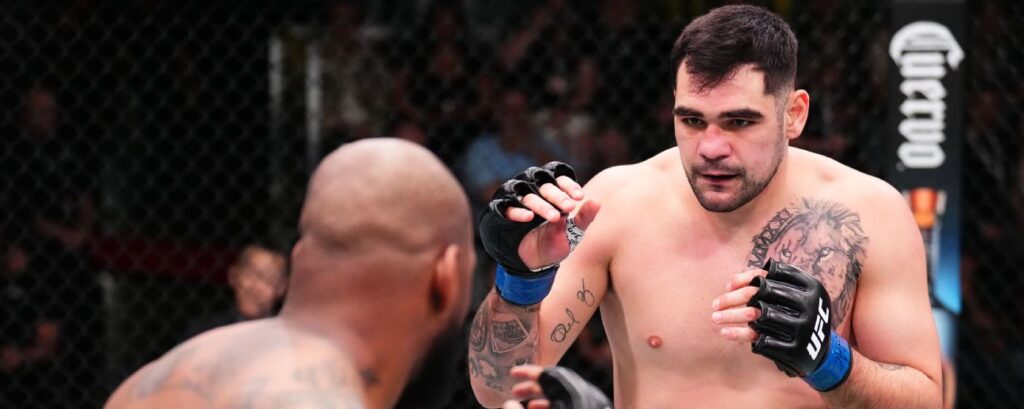
The recent shape of Caio Machado, as a fringe prospect, is difficult to overlook. Since leaving the UFC, the Brazilian light heavyweight has compiled a series of theatrical stoppages fought in regional and international organizations, bringing about a series of outcomes that has promoters and matchmakers inquiring whether the UFC ought to reunite with “Bigfoot” once more. The story of Machado now is a classic MMA redemption story—but the facts of how the hype came to pass are important. The findings altered the discussion. The past year of Machado has been decisive. Since leaving UFC, the 31-year-old has achieved a streak of first-round stoppages, with the most recent being a knockoutat a Kings Championship card and previous victories at Thunder Fight and UAE Warriors. Those shows were not paint-by-numbers; they were emphatic finishes, a combination of better striking variety and more disciplined fight IQ that suggests the fighter leaving the world’s biggest stage is not the same fighter now knocking the opponent out in the first few minutes. The talk of a UFC return has real momentum and is not an idle rumor largely because of that streak. Who is Caio Machado on paper? Machado is a southpaw, about 6’4″ tall and a light heavyweight, whose resume is uneven, but who possesses the physical attributes every matchmaker dreams of: size, power, and reach. His official profiles attribute him as a combatant who has honed his finishing rate since exiting the UFC window, and his training establishment in Vancouver with FKP MMA has demonstrated consistent transformation in his stand-up. The record figures differ a little between databases as he continues to earn bouts, though it is agreed that Machado is a dangerous, improving 205-lb fighter who can turn a fight with a single punch. Why UFC would think of re-enlisting him. The UFC may be interested because of three commercial and competitive reasons. To start with, the fresh finishes of Machado generate instant promotion: highlight tapes are ticket sellers and subscription sellers. Second, the light-heavyweight division is already transitioning to fluxus; it is standard practice at UFC to stock up on established finishers to produce a match that challenges competitors and raises the profile of potential stars. Third, Machado has a Brazil association, and the marketing has over and over again been banking on Brazilian talent to power up the South American markets. Combined with Machado and his combination of form and marketability, he is a rational re-signing candidate. Tactical fit: The way his game will work in UFC-level competition. Technically, the recent victories of Machado demonstrate a better sense of distance and cleaner combinations as compared to the previous seasons of his career. Those changes are significant: at the UFC level, single power is often not enough without regular setup work and better takedown defense. The eye-catching diversity of Machado, such as the flying knee finish that was in the news a few days back, is an indication of danger to those who do not realize his timing. But his losses before show his weaknesses on the mat and in protracted grappling sequences, which the coaching and volume of sparring partners at UFC would demand he correct soon, were he to return. Fan reaction and pundit take—hunger for new names The fanbase response to the streak by Machado has been positive yet tempered. Social feeds and community forums are buzzing about a possible comeback; commentators note that the UFC is advantaged by a steady stream of fighters who come back even more confident and sharper after not being under the promotion. Nevertheless, a lot of voices call on caution, pointing out that the domination in the region does not necessarily translate to victory over ranked UFC fighters. Concisely, the story is appealing—a warrior made himself new and came back home, but matchmaking is going to be the ultimate measure. The direction that Machado has signalled to the public and his own words. In recent interviews and podcasts, Machado has mentioned his ambitions and progress and indicated that he is interested in a comeback to elite competition but requires the appropriate opportunity and time frame. Combined with his active fight schedule, those public remarks generate a believable public argument that he is ready to be on the next level, and they provide the UFC matchmakers with a type of sound-bite momentum that usually drives a signing. When Machado keeps completing games in dominating style, the negotiations about the contract might turn into a reality in the nearest time. Barriers and cynicism: what might halt the revival. A successful return is not an automatic thing. The UFC considers stylistic preparedness, medical authorization, and timing in the marketplace. It is going to require Machado to prove to the executives that he can enter competitive contests without being a last-minute mismatch and that his new shape can be replicated against ranked competition. Regional promotions in the form of contractual logistics also count; other organizations insist on release clauses or compensation. Lastly, the needs and the divisions’ priorities of the UFC will determine the speed at which he fits into the mix. None of these are insurmountable, but they dampen the excitement. Conclusion: timing, trajectory, and the stakes The recent streak of knockouts by Caio Machado has transformed an otherwise background name into a compelling reinvention tale. When the UFC signs him, it is based on the figures, the finishes, the highlight moments, and the market pull, which would be business- and sporting-wise. To Machado himself, it would be a chance of vindication as well as a great gamble: a chance to establish a comeback legacy or a test of high stakes that reveals remaining weaknesses. To the fans, the idea of a comeback is easy and too good to resist: a comeback would bring a hot, unpredictable taste back to a division that thrives on dramatic twists. Whether this is another rumor or the beginning of a genuine, dramatic UFC homecoming is going to be determined in the next few weeks and any
Darren Till Destroys Luke Rockhold In Brutal Knockout That Stuns The UFC World
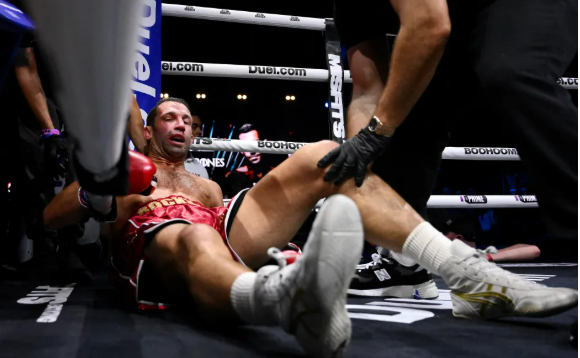
The comeback of Luke Rockhold to combat sports ended disastrously as Darren Till gave one of the most frightening knockouts that fans have ever seen in recent years. What was promoted as a battle between two high-profile fighters ended up being an event that displayed the brutal striking strength of Till as he bent Rockhold into the canvas and inspired a lot of worry regarding the future of the former champion. A Fight With High Stakes and High Drama The Rockhold vs. Till fight came in with a lot of intrigue. Rockhold, the ex-UFC middleweight champion, has always been a divisive figure in terms of both talent and weakness within the cage. The move to reenter the high-level competition induced excitement and also reservations since he had suffered a series of knockouts in the past few years. Till, however, was in need of a career revival of his own following a series of hard performances. And both men had a lot to prove, so this match was not merely another booking—it was a career moment for both men. The fight was straining as we started off. Rockhold seemed to be bent on demonstrating his technical ability and his range, and Till was leaner and hungrier than before. The air in the crowd was palpable, as each word was a hint of a potential fight-ending punch. The Punch That Changed the World. One moment of pure execution was enough of the story to turn violently. In the second round, Till threw a thunderous combination that struck home squarely, and Rockhold tumbled to the mat in a terrifying manner. It was such a brutal knockout that the commentators as well as the fans quickly shifted their focus on the safety of Rockhold, who was folded in a huddle before the medical staff rushed in. The knockout quickly spread on social media; videos were shared that not only focused on Till’s finishing power but also on the harshness of combative sports. Rockhold was also a cause of concern, as it was feared by many fans as well as analysts that this may mark the end of his fighting career. What This Has to Do with the Future of Luke Rockhold. In the case of Rockhold, the consequences of this loss bring challenging questions. His career has been marked by flashy successes, such as winning the UFC middleweight title, and also humiliating knockout losses. The damage is too much to ignore, and there is an increasing number of people in the MMA community who feel that this may well be the brightest indicator yet that Rockhold needs to think about quitting professional fighting. His legacy as an athlete and an athlete of the highest level is already established, and every comeback has been accompanied by risks that are even more threatening now than ever. The discussions on retirement will definitely escalate, and it will be upon Rockhold to balance his competitive nature with the long-term health. Darren Till’s Stunning Career Revival The victory of Till, in turn, is one of the most significant moments in his career. Following criticism of inconsistent performances and doubts over his motivations, he demonstrated the uncivilized striking ability and killer instinct that once made him one of the most hyped prospects in the UFC. Not only will this vicious knockoutrestore his confidence, but it will also transform the perception of fans and matchmakers about him in the middleweight competition. Till has always been a fan favorite because of his personality and style of fighting, but this performance is a reminder to the world that he is capable of creating highlight-reel moments at the top level. Fan Reactions and the Bigger UFC Picture The struggle created an instantaneous and extended response. Social media was rife with fans cheering the resurgence of Till and at the same time mourning the health of Rockhold. Numerous UFC veterans and analysts reiterated the opinion that on one hand, Till has done a commendable job, but on the other hand, the long-term future of Rockhold in the sport must now be placed under serious consideration. Promotionally, the UFC has a new momentum in Darren Till, who can again be placed in marquee fights. Another sensitive aspect that the organization has to deal with is the issue of what role, if any, Rockhold should play in the future. Conclusion One of those moments that will remain in the history of the UFC is the violent knockout of Luke Rockhold by Darren Till, a breathtaking display of the thrilling and the depressing aspects of the sport. To Till, it is a new beginning, an opportunity to make a comeback into the limelight and pursue new horizons. It is yet another painful blow to Rockhold, who might finally be forced to face the risks of continuing to fight his career. There is one thing that is definite: this fight has changed the storyline of both men and provided a dramatic twist in the constantly unpredictable world of mixed martial arts as fans keep debating the implications.
Tony Ferguson’s Boxing Debut: Reinvention, Risk, And The Stakes Of A New Arena
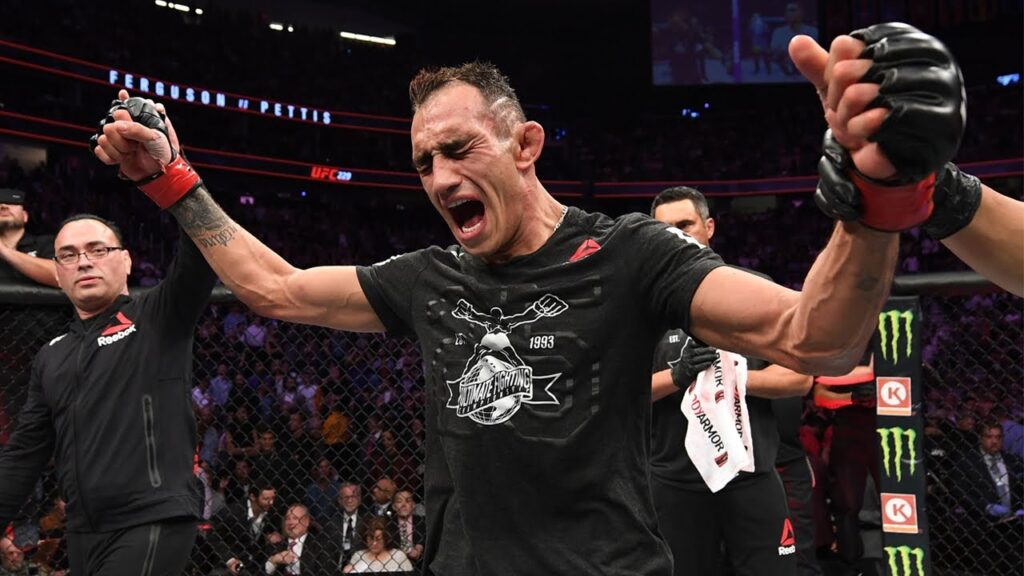
Setting the Stage Tony Ferguson has never been an easy way out. One of the most creative stylists in contemporary MMA, a former interim UFC lightweight champion, developed his career on the foundation of incessant pressure, odd angles, and a persistent unwillingness to give up momentum. At forty-one he is introduced, now, to a totally different theater: professional boxing. The bout is presented on an enormous entertainment stage broadcast worldwide, and it pits a veteran mixed martial artist with a boxer who has made a crossover to boxing, whose reflexes/timing have been trained in the ring and not the cage. It is a spectacle and a true sporting test, and it poses an eternal query to an aging great: can a fighter transfer genius in one code to another where the margin of error is slimmer and the tools are different? From Elbows and Chaos to Jab and Discipline The diversity of Ferguson is his MMA identity, which includes elbow-to-elbow transitions, odd-position slicing punches, knee-and-kick weaving into breaks, and a scrambling guard, which compelled his opponents to awkward rhythms. Boxing takes a lot of that away. No kicks to provide range, no elbows to punish entries, and no threats of takedown to make opponents hesitate. The weaponry arms race makes the competition a discussion about jab quality, footwork style, defensive accountability, and the capability to lay traps between rounds in terms of the quantity of punches and not the movements of positions. To Ferguson, the problem is to squeeze a kaleidoscope into a laser: to take the instincts that in their disorder had blossomed and to reduce them to the dependable craft of the ring. Technical Adjustments Ferguson Must Nail The initial modification is stance discipline. In MMA, Ferguson would be free to change positions, provoke a response, and reset with a kick or a clinch in case he was caught off-balance. In boxing, the change of stance has to be followed by proper hip positioning and a live lead hand, or counters are delivered down the center. The second is defensive framing. Four-ounce MMA gloves allow hits to slip past tight holes and reward parries and head movement together; larger boxing gloves alter the geometry, and the traditional high guard and shoulder roll do become more useful and require the head to be held consistently after exits. Third is exit strategy. The habit of circling with low hands, which Ferguson has made a habit in the narrower lanes of boxing—he must always be ready to meet with a safe step-off or a clinch tie-up in order to leave no easy counters to his left—invites low hands and left punches, and he should be able to combine every combination with a safe step-off or a clinch tie-up. Last, body work may be his most transportable weapon. With less offensive opportunities, a determined jab at the chest or a digging right at the body might reduce a player known to make in-and-out moves. The Opponent and the Matchup Puzzle Ferguson is opposite a boxer who had made his name during the influencer age and had earned respect in the old-fashioned manner: by dropping his opponent with clean counters and by controlling the distance with unexpected skill. Drawing leads is easy enough; slipping just out of the center line and answering with compact power shots, he is comfortable. That description poses the riddle of a classic striker to an MMA convert. When Ferguson pushes too hard, he will walk on counters; when he remains too long on the range, he may be picked at and folded back in place. The way forward is regulated aggression—jab his way into the middle ground, smother on exits, and use his feet to turn the ring instead of providing squared straight-line retreats. The positive is that Ferguson had a gas tank that was stubbornly tough even in the later part of his UFC tenure. Constant work rate to body attacks can translate into scoreboard pressure over boxing rounds. Conditioning, Recovery, and the Question Everyone Asks The unceasing fear is not desire but fatigue. Ferguson has earned a career of hard minutes. The rhythms of boxing might even help him: he can wrestle no longer to drain isometric strength, and the tactical rest of the clinches—but only prudently employed—can save energy to be used in surges late in the round. However, boxing is more cruel than MMA for repeating mistakes. A single lethargic retreat or a single habitually low lead hand can be the difference in the fight. The success of the camp will be gauged not by the clips of mitt-work highlights but by less visible gains: the frequency with which he sets his feet prior to punching, the frequency with which he strikes with the rear hand, and whether his head is off the line when he throws the right. The Business Context and Why This Fight Matters This debut is at the intersection of two intersecting currents: MMA veterans in search of a new meaning outside the Octagon and a crossover boxing industry that is a mix of entertainment and a sport that can pose real danger. Ferguson has the credibility of a real combatant and a fan base; his opponent has the experience of the ring, timing, and an inherent audience that lives off the drama of the potential upset. To broadcasters and promoters, it is a narrative hook of a storm. To Ferguson it is more personal: a chance to rewrite a painful late-career chapter and to swap the memories of recent hardships with the clearer, more focused images that only boxing can give—snap jabs, controlled pivots, and a hand raised in the bright lights. What Success Looks Like—Even Above the Scorecards. The obvious aim is victory; the how is as important as the what in terms of career repair. When Ferguson exhibits a trustworthy jab, maintains his form in defense, and controls distance without going mad in exchanges, he transforms the discussion of his athletic present. That match opens the
Conor McGregor Vs. Nate Diaz III: The Long-Awaited Trilogy That Could Define An Era
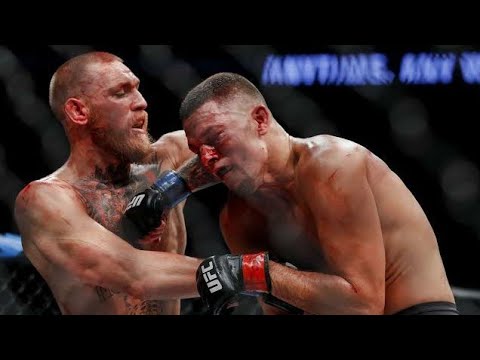
The Build-Up to the Ultimate Grudge Match There has never been much competition in mixed martial arts that has captured the imagination the way Conor McGregor vs. Nate Diaz has. They met twice in 2016, the first being a disheartening submission victory by Diaz in UFC 196 and the second being a close majority win by McGregor in UFC 202, which made the sport lively and gave the sport some of its most memorable moments. Almost ten years later, the gossiping of a three-man fight is becoming more and more audible. Both combatants have expressed their interest, as Diaz is reminding about unfinished business between them, and McGregor is taunting a potential comeback that would finally resolve the score. Why Now Feels Different This is not just nostalgia or a money grabber. The fighters have changed as well as the business landscape of UFC. McGregor has fought injuries and absences, and Diaz has more recently been inactive in MMA, as well as experimented with boxing, which has lowered expectations. However, in the changing media landscape, the two men are still two of the most attractive combat sports celebrities. It seems as though a trilogy is necessary—and even long overdue. Even the UFC President Dana White has noted that he would be surprised to see that it does not occur, as the promotion places a lot of importance on this matchup. The question that remains now is whether logistics and timing will concur to eventually provide the fans with the ending they have waited years to see. Fighters’ Motivations and Legacy Implications This trilogy is essentially an interrelation of legacies. To McGregor, the decisive win would be a restatement of his elite position and prove to be sustainable after years of failure. A defeat, on the other hand, would badly tarnish his image and push him even further away from the echelons of the sport. To Diaz, defeating the Irish legend would rewrite the conclusion to one of the most exciting rivalries in UFC history and would solidify his maverick status. Both possibilities will spill over into the lightweight and welterweight divisions, redefining rankings, highlighting competitors, and guiding future matchmaking decisions. The Business Angle: Buzz, Buys, and Broadcast This match is self-writing as far as business is concerned. The initial two bouts created enormous pay-per-view and popular culture momentum. A trilogy will now be still more profitable, especially when it is set up as a curtain at the close of a legendary story. It would obviously come out of the mouth of broadcasters and streaming platforms, and the promotional opportunities are plentiful. Title belts are no longer the sole bait; narrative, brand loyalty, and pure anticipation have become important value drivers, and there are no two personalities that can deliver that like McGregor and Diaz do. Fan Expectations and Cultural Impact The fans are polarized, but not polarized in their enthusiasm. Others wish to have a mastery of strategy that can determine who is the better fighter. Others just desire havoc, spectacle, and a random event. Forecasters foresee turbulent match build-ups, where faceoffs and road shows are started with wit, taunts, and emotion. Social media will boost all viral clips, and betting markets will be based more on popular opinion, not the analysis of it. This trilogy could be used to culturalize MMA to an entirely new level to be a subject of mainstream sports discussion and meme culture, and maybe even a bridge to new fans. Obstacles on the Road With that said, there is plenty in between. Timing should be able to match the readiness of both men and the UFC schedule. The TV rights, sponsorship, and location of the event have to be negotiated, particularly since the UFC has shifted to streaming and not to the traditional pay-per-view. Moreover, the two fighters must be fit and inspired. Their respective lack of action in MMA begs the question of form and conditioning. And when the negotiation fails, or either takes another direction, the trilogy may fall out of hype into a missed opportunity. What a Trilogy Could Mean for the UFC An opportune trilogy fight would go a long way in determining the UFC calendar and promotional path. It can support a summer blockbuster occasion, attracting crossover appeal and establishing standards of participation. The battle would leave the door open to narrative spin-offs such as legacy confrontations, mentor lines, or even acting or promotion. In the case of UFC, the fight would be an example of how star power, narration, and athleticism can meet to create cultural momentum outside the cage. Conclusion: The Final Chapter Awaits Conor McGregor vs. Nate Diaz III is not merely a fight but a narrative catharsis that will deliver resolution, drama, and, perhaps, history. Should it occur, it would be a modern MMA storytelling masterpiece, fusing legacy, rivalry, and spectacle in a manner that not many fights can. To the fans, fighters, and the promotion itself, the trilogy is both an opportunity and a risk: to celebrate a legendary past and to establish the future of the sport. The world is waiting and hoping that last chapter will be written.
Dana White Announces New Title Fights For UFC 322 And UFC 321.
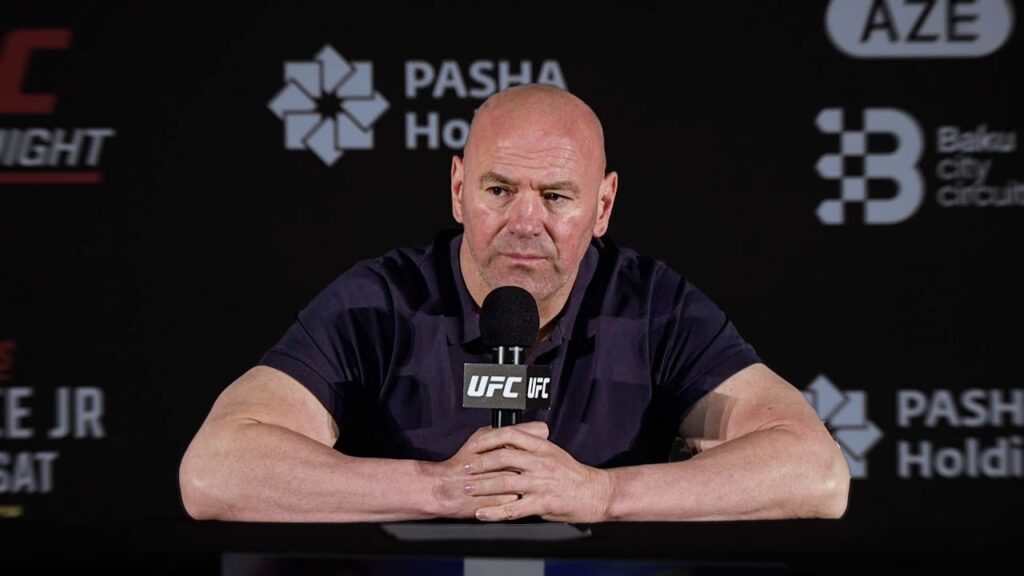
Dana White employed his informal platform now, announcing a marquee lineup of fights—releasing top-line title fights at UFC 322 in New York and other championship-level hauls at UFC 321 in Abu Dhabi. The UFC 322 headliner will match Islam Makhachev against welterweight champion Jack Della Maddalena on November 15 at Madison Square Garden, with Valentina Shevchenko defending her flyweight title against former strawweight champion Zhang Weili, who has surrendered her 115-pound belt to pursue the two-division champion accolade. White wrote on the Abu Dhabi card that White confirmed major fights that encompass a second bout of the vacant women’s strawweight title and high-end bantamweight duels that will add complexity to an already busy fall schedule. The announcements came as surprise drops during the White live show and instantly became the most popular discussions among the MMA media and feeds. Analysis On their face, the bookings are the UFC matchmaking logic in its most traditional form: the established names to the star power to gather as much interest as possible in the short term and weave some longer-term storytelling. The fact that Islam Makhachev stepped into welterweight and dared Della Maddalena is important since it propels the trajectory of a champion into interdivisional assertion. The resume also offers legitimate title pedigree to Makhachev, and his step up is not as novelty-based as legacy building. The fact that Zhang Weili chose to relinquish a title and fight Shevchenko also represents a fighter interested in historic accomplishment over holding titles; a victory would put her into an elite group of two-division UFC champions and would generate long-lasting promotion value. Both the actions are indicative of an organizational thirst in the area of the so-called superfights that not only provide immediate sporting interest but also fit the UFC commercial schedule. Impact on divisions and contenders These marquee bouts cause reverberations through various divisions. The welterweight will only add another layer of complexity should Makhachev win: the fighters who had been queueing to fight Della Maddalena now have to contend with the truth of a cross-division champion with his own fighting profile. On the other hand, should Della Maddalena succeed in his defense, the marquee status of a homegrown talent is established, and the pecking order within the division becomes clear. The flyweight and strawweight scenes will experience a similar crunch; the departure of Zhang would leave the strawweight vacant and in need of a quick solution by the UFC matchmakers, and it would allow ranked competitors to make their case. Practically, anticipate the interim title eliminator negotiations, the acceleration of rematches, or the reassignment of contestant combinations as the promotion conflicts sporting integrity with the compelling narrative it has made. Fightful Business and media stakes Timing two title-level spectacles in the second half of the season is a calculated business position. Madison Square Garden is still a highly sought-after venue in the sport, and a multi-championship placement on the card stirs up international media coverage, pay-per-view opportunities, and sponsor activation. The Abu Dhabi show, in its turn, gives the promotion its profitable Middle East calendar and assists in maintaining the end-of-year momentum in one of the most strategic growth markets. Stacked cards that focus on big venues and holiday calendars would be easier to monetize: prime venues increase imagery, sponsor hospitality increases experiences, and continuity of narrative across cards will benefit streaming platform subscriber retention strategies. Simply put, these are not any sport-first decisions; they are mathematical business gambits aimed at maximizing eyeballs and income in the regions. Reactions: fans, fighters, and pundits Quick response was expected to be loud and split. The ambition and the obvious intention to establish historic match-ups that could make the careers were hailed by many fans. The social feeds were alive with a discussion of stylistic fights, analysts breaking down whether the grappling strength of Makhachev will neutralize the strength of Della Maddalena and whether the pressure of Zhang will work into or against the technical striking and experience of Shevchenko. Meanwhile, a vocal section was dismayed at the rate at which star fighters are shuffled around or rushed into title shots and stated that there is a danger of the meritocratic lines of contenders being short-cut to blockbuster storylines. Major outlets’ coverage focused on the scale of the entertainment value, as well as on the unanswered questions of whether the card is competitive in all weight classes. What this will entail in the future. The bookings compel two simultaneous tests to the UFC playbook. The initial is the athletic test: is matchmaking able to generate clean, decisive results that respect ranking forms and provide the spectacle that the promotion seeks? The second is the commercial experiment: will such marquee fights become the sustainable interaction that warrants the vacating of titles and the re-engineering of the paths of the contenders? In case the battles provide the memorable moments with their decisive results, the strategy will be justified, brand-new competitors will arise, and the promotion will reinforce its calendar both in the middle and the long term. In case results are confused in case of injuries, controversial decisions, or lack of dramatic force in competition, critics will refer to the expenditure of that ambition and the possibility of harming the legitimacy of the divisions. Conclusion The UFC 322 and UFC 321 announcements by Dana White can be identified as a classic of the new UFC strategy, which is a combination of a sporting ambition and event economics aimed at creating moments that matter. Placing title matches and marquee fights on headline cards has guaranteed instant international visibility to the promotion, but it has also initiated a series of events that will challenge the matchmaking process, the patience of the contenders, and the mood of the fans. Just in the next few months, the preparation of each camp, the stamina of each fighter, and the clarity of each bout will tell us whether or not these cards will be recalled as a landmark event or as a dangerous game
UFC At The White House: Dana White’s Audacious Dream And Its Challenges
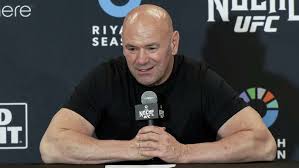
The Vision of a White House UFC Event Ultimate Fighting Championship has never been afraid of spectacle. Even through arenas filled with screaming supporters to contests held on Fight Island during the pandemic, the company feeds on boundary pushers. However, the most ambitious thought the sport has ever dared is the most recent vision of Dana White: a UFC card on the green of the White House. The proposal is both ambitious and logistically challenging and at the same time symbolic, relating to the 250th anniversary celebrations in America in 2026. The ongoing development of the story casts doubt on the theory of feasibility, politics, and future progress of UFC influence on the global scale. Logistical Obstacles and Structural Challenges The notion of the Octagon with one of the most recognizable political symbols in the world is nearly surreal at first sight. With his inexorable march, White has affirmed that advance deliberations are going on, yet the idea is already smashing against the reality of things. Among the most astonishing concerns is the structural one: the standard Octagon used by the UFC is several thousand pounds, which is much heavier than the White House lawn is supposed to sustain without any support. White says his team is already liaising with engineers to research on whether they can make temporary adjustments to keep the cage, lighting rigs and broadcast equipment intact. Even in a promotion that has hosted fights in military bases, beaches, and even the specially constructed venue in Abu Dhabi the White House lawn remains a uniquely tricky endeavor. Symbolism and Cultural Significance Besides the structural issues there is the issue of symbolism. Holding sports in historic locations is not a recent development–boxing has been held in Caesars Palace and baseball in the Field of dreams site in Iowa. The White House has a different burden, however. It does not simply serve as a backdrop but it is a symbol of political authority across the globe. This poses a threat, and an opportunity to the UFC. On the one hand, the association with the prestige of the White House makes mixed martial arts a cross-cultural phenomenon instead of a sport. On the one hand it involves the UFC into the politics of the day and is subject to debate on partisanship, security and decency. The Business Angle: Media Rights and Marketing Goldmine The time when this could happen cannot be overlooked. UFC has recently clinched a historic media rights deal valued at more than seven billion dollars, over seven years. That transaction guarantees a wider reach, on-demand streaming, and unexplored international markets. A White House event held in 250th anniversary of the United States would serve as a symbolic leaptold to this new age. It would not be so much about selling tickets (probably few because of security measures) but about worldwide audiences. Think of millions of fans watching not only the fights but also the scene of fighters walking in during the backgrounds of the most recognized house in America. The White House card would be a marketing success on the business front. Sponsors, broadcasters, fighters themselves would be falling all over themselves to be featured as a part of a card that would become one of the most discussed UFC events of all time. We would see drone shots of the Octagon framed against the Washington Monument and the Lincoln Memorial become the face of the UFC across the entire world and put it in the habit of being a spectacle. In the case of fighters, stakes would be equally high, since the White House would be the moment of the career. Security and Political Considerations Naturally, the security logistics is staggering. To host an event of this magnitude, which will bring thousands of staff, international fighters and even foreign dignitaries would necessitate coordinating involvement of the UFC Secret Service and various government agencies. All fighters, training staff, officials, and media would be required to be cleared and the octagon itself would be required to adhere to strict safety codes. White has recognised that these challenges are significant, and his ability to beat hurdles is well-documented. His success in convincing governments in Abu Dhabi to construct a fight island, at the same time the pandemic was at its peak, implies that audacity is on his operating manual. How Fans and Critics Might React The cultural question that comes up is also how this would be taken by American people. To the fans of MMA, the myth of centralizing the sport in the American democracy is titanic. It is an indicator that a spectacle, which was underground previously, has become a mainstream cultural force, which deserves consideration on a national level. It can, however, be seen by critics as a corruption of the White House, and they may believe that holding cage fights on the lawn of the White House is disrespecting its historical importance. This is the tension of spectacle and tradition that is central to the discussion and which could hold the difference between the idea becoming a reality or not. What This Implications Are to the Future of UFC. Since the UFC has been developing under the umbrella of TKO Group Holdings its dreams are expanding with its financial influence. White has always vowed that his hockey would not be a mere sporting league but an entertainment giant worldwide just like the NFL, NBA, and even Hollywood. A White House fight is not merely a fight card, but, instead, a declaration of cultural legitimacy, a means of carving UFC into the national narrative on a landmark year of national history. Conclusion: Spectacle Meets Tradition Yet questions remain. Will the political environment of 2026 permit such a performance without making a splash? Are the engineering issues to be resolved without jeopardizing safety? And, arguably, above all, will the American populace accept the concept of MMA being held on such a historic venue? At the moment, the answers are not clear. What is definite is that
Khamzat Chimaev’s Return: Fact Vs. Fiction
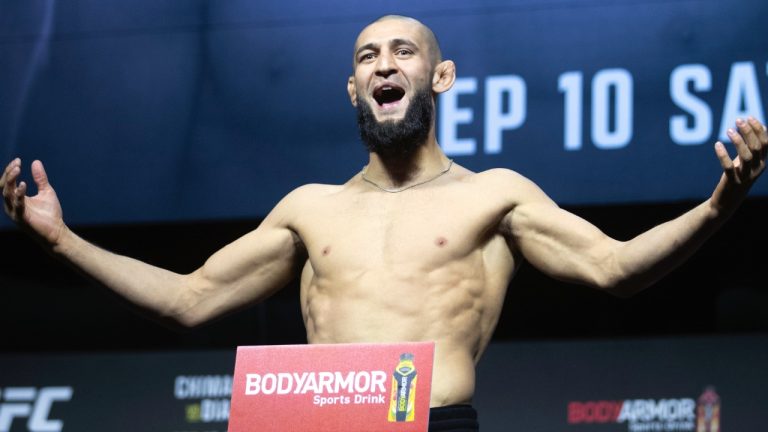
The UFC 319 Aftermath: Chimaev’s Statement As Khamzat Chimaev dashed his way to the UFC, he left a combination of pure aggression, calculated control, and an enigmatic charm that left fans and pundits equally wondering how he got there. UFC 319 was to be the culmination of his career- winning the middleweight championship against Dricus du Plessis and establishing himself as one of the most dangerous fighters in the roster. However, just a few weeks later, after the dust had settled, Chimaev started to contradict himself in his post-fight words and the truth of his timeline of coming back. Although he had made an allusion to fast turnaround in the early days, there have been new revelations that have triggered a new story. This brings an intriguing question to the fans: does Khamzat Chimaev speak purely the truth, or are there some layers to his story? The UFC 319 Aftermath: Chimaev’s Statement created a perception that he would be willing to get back into the Octagon soon after he won. He said he is keeping busy, having another fight in a couple of months, and keeping the fire going. This feeling was right into his current reputation as an unstoppable competitor who has already engaged in two fights in ten days in 2020. However, in the course of weeks, news started to emerge showing that this was not true. Rather than training to fight soon, insiders told that the timeframe of Chimaev returning could be much later. To fans and media this inconsistency begs a question: is Chimaev inflating his plans to keep the hype going or is there some outside pressure that is causing him to change his plans? Fact vs. Fiction: Where Does the Truth Lie? The career of Chimaev was never deprived of interest. His life off the cage has been marred in many cases because of visa problems, medical conditions etc. The suggestion that he might have guaranteed a quicker turnaround than might reasonably be feasible falls into a trend identified previously. Warriors, particularly heroes, tend to be urged to dominate discourses. Chimaev said he wanted a quick return to keep fans glued to his story even when the truth was the opposite. The fiction here is the discrepancy between words and times. However, the factual aspect is that Chimaev is the champion of the middleweight and he is still in the limelight of the UFC. He is not coming back soon, but the hype of his next opponent and possible defense is off the scale. Possible Reasons for the Delay A number of factors come to play to explain why Chimaev does not come back as quickly as it would seem at first sight. Medical precaution is one of the aspects. Even when fighters look healthy, there are always some after-effects of championship fights. Although Chimaev did not appear to have been seriously injured during his fight with du Plessis, recovery measures in the UFC are much more comprehensive than fans might think, and medical suspensions have an innate ability to prolong timelines. Strategy matching is another consideration. UFC has never held its champions to fight at all times and at all places and oftentimes delayed them to be the main event on blockbuster cards that are expected to make high sales on pay-per-view programs. In this instance, business interests take precedence over the excitement which a fighter might have at the moment of the action. The dynamics of negotiation determines the rate of the return of a champion too. His new title puts Chimaev in a stronger bargaining position, and his team might be in the background trying to negotiate larger payouts or more advantageous fight terms and then reenter the cage. Lastly, there is the issue of image to the public. Warriors tend to be talkative in a manner that excites fans even though their utterances may not be entirely true to realities on the ground. Chimaev strengthened the impression of an unstoppable warrior by mentioning a rapid turnaround, even when that turnaround was not a realistic possibility. What It Means to Middleweight Division. The ripple effect of Chimaev’s delayed return stretches far beyond his personal storyline. The middleweight is also loaded with middleweights such as Israel Adesanya, Sean Strickland, and Jared Cannonier who are on the lookout. UFC matchmakers are at a crossroad with Chimaev on hold; do they book interim fights to keep the division moving, or wait till their new champion is ready? In case UFC opts to wait, competitors will be left in a vacuum. On the other hand, had interim title matches been scheduled, it would water down the aura of the reign of Chimaev before it can even get any steam. The line between hype and competitive fairness is very thin, and UFC has traditionally had difficulties in ensuring the satisfaction of all fighters under these circumstances. Chimaev’s Branding and the Narrative Game It is impossible to disregard the branding of Chimaev. Fighters now are more entrepreneurs than athletes, who create brands that survive on hype cycles. The claim by Chimaev regarding a rapid turnaround could have been more of a way of keeping himself in the headlines. He builds anticipation, therefore making his name the number one topic to talk about, a strategy that has been commonly employed by stars such as Conor McGregor and Khabib Nurmagomedov in the past. Fiction in this regard becomes an effective marketing tool. Fans may think him to be too ambitious or evasive, but he is being discussed, and in combat sports, relevance is as good as truth. The Bigger Picture: UFC’s Evolution Chimaev is a figure whose storyline fits into the larger story of UFC. As the company has signed a broadcast contract worth 7.7 billion dollars, the career trajectory of each fighter has been turned into the maximization of the entertainment value. Stars like Chimaev are both a chess piece and a chess king, a resource worth money but whose schedule is usually moved to the business
